Tag: expansion

  • Chow Tai Fook casino interests expand

    Chow Tai Fook casino interests expand

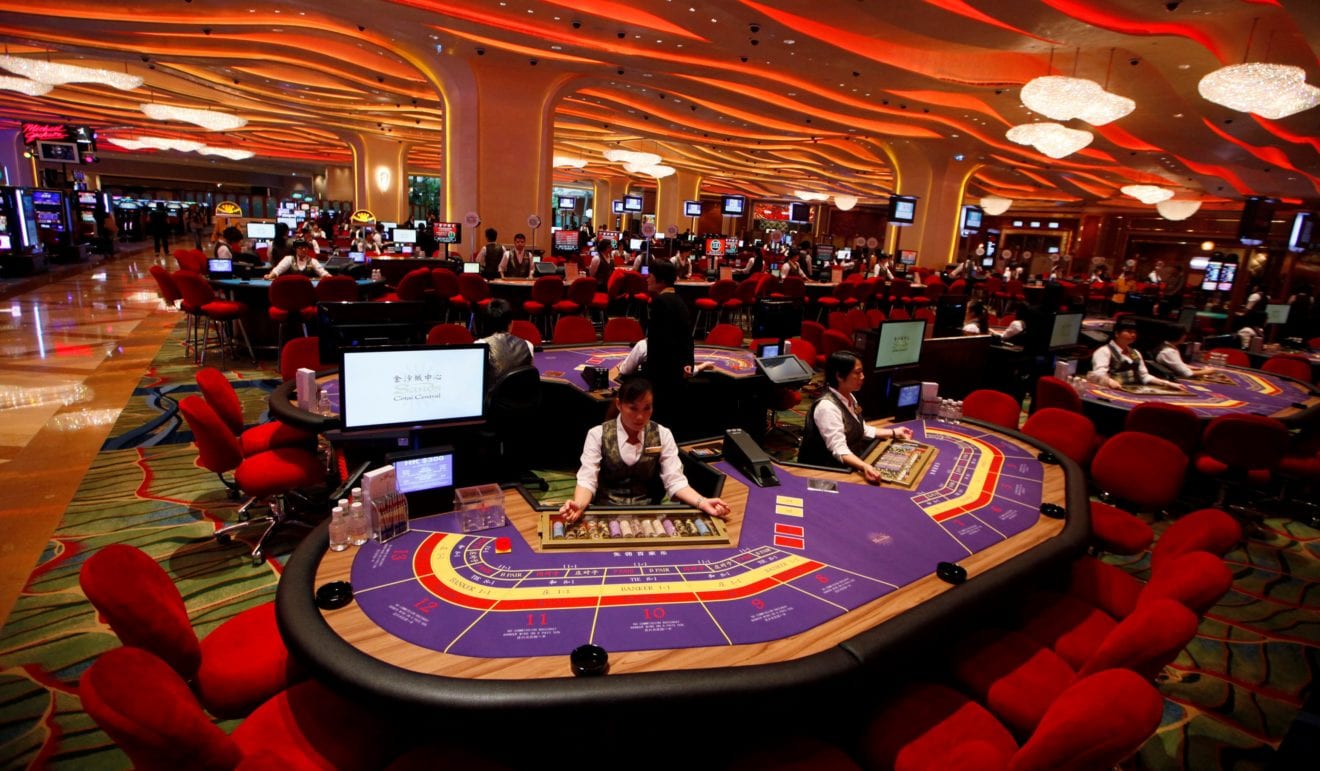
    Hong Kong jewellery retailer Chow Tai Fook Enterprises is diversifying into gaming, and is lead partner in a three-way joint venture developing Vietnam’s second integrated resort casino.

    After a prolonged delay, work has started on the $4 billion project’s first phase, in the UNESCO heritage city of Hoi An in Quan Nam province.

    Also involved in the Nam Hoi An Casino Resort are Vietnamese investment banking firm VinaCapital and Macau junket company SunCity Group. Chow Tai Fook acquired VinaCapital’s majority holding last September, although VinaCapital has announced it will boost its stake from 22.5 to 32 per cent, and also has a major stake in SunCity.

    Chow Tai Fook casino interests in Vietnam, through its New World Development unit, already include two large hotels in Ho Chi Minh City, the New World and the Renaissance Riverside. Three hotels will be included in the Hoi An development.

    Including resorts, an amusement park, golf course, premium villas and apartments, the first phase of the Hoi An project will cost about $500 million and should be completed early 2019. It covers 160ha. The only other integrated resort in Vietnam offering high-end gaming for international tourists is the larger Ho Tram Strip resort near Vung Tau, a beach settlement near Ho Chi Minh City.

    While the Nam Hoi An resort was licensed in 2010, VinaCapital’s original JV partner Genting Malaysia dropped out of the project two years later after deciding that the government’s demand for a minimum US$4 billion investment threshold was too steep considering the property’s gaming options would not be available to local residents.

    Chow Tai Fook, meanwhile, has been aggressively seeking out diversification via casino projects. The company has a stake in The Star Entertainment Group’s $3 billion resort casino project in Brisbane, and in November the Korea Herald reported that Chow Tai Fook had signed a letter of intent to invest $1.6 billion in creating a casino resort at Incheon, near Seoul.

    Chow Tai Fook is a privately held conglomerate controlled by the family of Hong Kong businessman Cheng Yu Tung, Hong Kong’s fourth-richest person who is a longstanding business partner of Stanley Ho Hung Sun, a founder of Macau casino investor SJM Holdings. For the Vietnam project, Chow Tai Fook is working through its entity Gold Yield Enterprises.

    Reuters has quoted industry analysts as saying that Vietnam is within easy reach of wealthy Chinese who provide the lion’s share of gaming revenue in Asia.

  • New stores boost Max’s Group Philippines

    New stores boost Max’s Group Philippines

    Max’s Group Philippines has opened nine stores mainly across star brands Max’s Restaurant, Pancake House, Yellow Cab Pizza and Krispy Kreme in the first quarter of 2016.

    These expansions include three international outlets – Max’s Restaurant in Qatar, Yellow Cab Pizza in UAE and a Sizzlin’ Steak concept store in California.

    Max’s Group Inc reported a net income of P162.3 million for the first quarter 2016, up 8 per cent compared to P150.6 million for first quarter 2015.

    “The numbers are in line with our estimates. We are now starting to realize the revenue impact of new stores that came onboard in the latter part of 2015. By recalibrating our design and build plan, we expect a leveled and systematic rollout of stores for the entire year,” said Robert Trota, president and CEO of Max’s Group Inc.

    Topline growth was at 12 per cent to P2.7 billion from P2.4 billion. Restaurant sales increased 13 per cent to P2.3 billion from P2.1 billion driven by steady same store sales growth and new store openings for the period.

  • Korea’s Lotte opens cinema in Hong Kong

    Korea’s Lotte opens cinema in Hong Kong

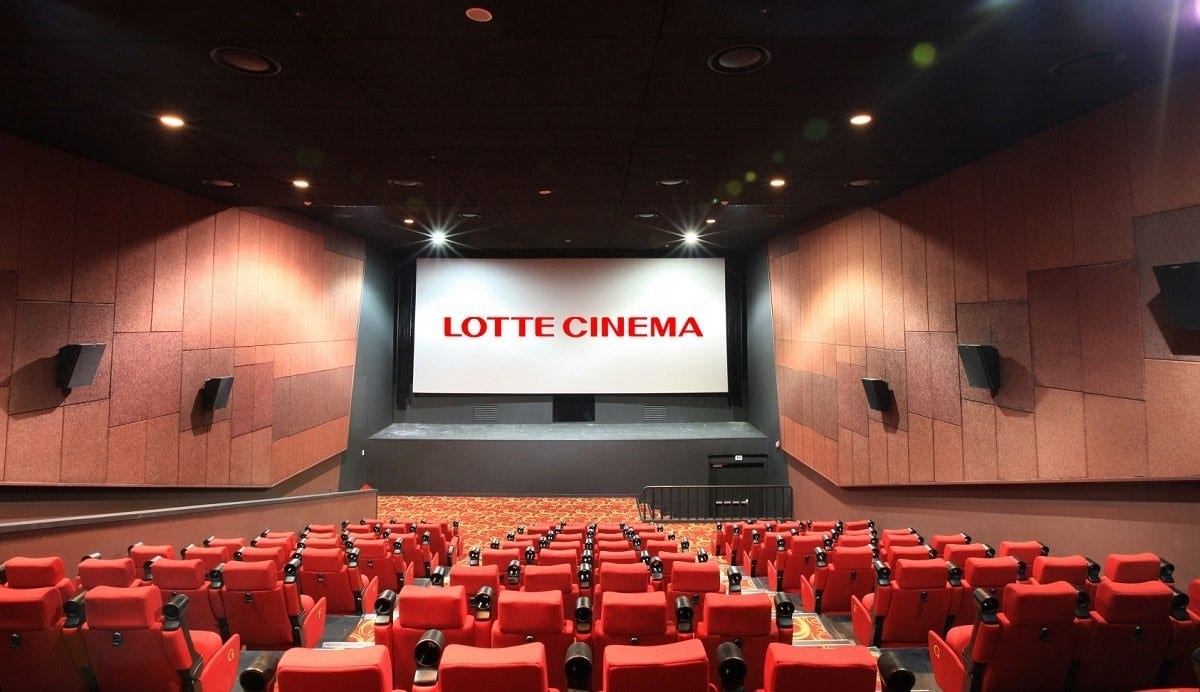
    Tucked away in a nondescript corner of Shau Kei Wan, on the eastern tip of Hong Kong Island, is the city’s newest movie house, L Cinema.

    The first theatre in Hong Kong from Lotte Cinema – South Korea’s second-largest movie-theatre chain – the complex, which opened in February, comprises two auditoria of 87 seats each.

    A visit to the second-floor theatre is like taking a trip back in time: there’s a simple counter serving snacks and a few posters on the walls but that’s about it. And while it looks out of place among the key cutters, launderettes and domestic-helper agencies around Mong Lung Street, an area not big on entertainment or retail, it’s a welcome addition, according to movie-goers who visited one wet Monday night.

    “It’s a really convenient location for people living in the Eastern District,” says 14-year-old Shau Kei Wan resident Felix Ho. “I’ll be coming a lot.”

    “I just watched Zootopia and it was a really comfortable experience. Plus the ticket prices are really good!” says Janet Ho, who is accompanied by two school friends. “The staff are friendly and the sound was fine, though it wasn’t as good as some cinemas, but that doesn’t bother me.”

    Daily screening schedules can be found on the L Cinema Shau Kei Wan Facebook page.

  • H&M India opens Swedish brand’s 4000th store

    H&M India opens Swedish brand’s 4000th store

    Bollywood actress Parineeti Chopra hosted the grand opening of Swedish fashion brand H&M India’s newest – at the Mall of India in Noida, near Delhi.

    The shop is the 4000th globally to bear the famous red H&M logo.

    Covering 37,000 sqft (3437 sqm), the store has four floors, each devoted to apparel and accessories for women, men, teenagers and children respectively.

    parineeti chopra h&m india 1

    H&M country manager Janne Einola, area manager Mikko Alatalo and store manager Varun Pratap Singh cut the red ribbon to officially open the store.
    A queue formed ahead of the opening, with the first 10 customers receiving a gift card worth Rs 4000 (US$60), while the next 200 in the queue each received a goodie bag and gift card worth Rs 500.

    parineeti chopra h&m india

    DJ spin-offs were a feature of the launch, as well as dance and fashion contests for the customers.

    Parineeti Chopra was clearly impressed: “I’ve always liked H&M’s exciting and affordable fashion- there is plenty of inspiration in store to create your personal style. The opening was incredibly fun!”

  • Tesla Opens 17th Experience Store In China

    Tesla Opens 17th Experience Store In China

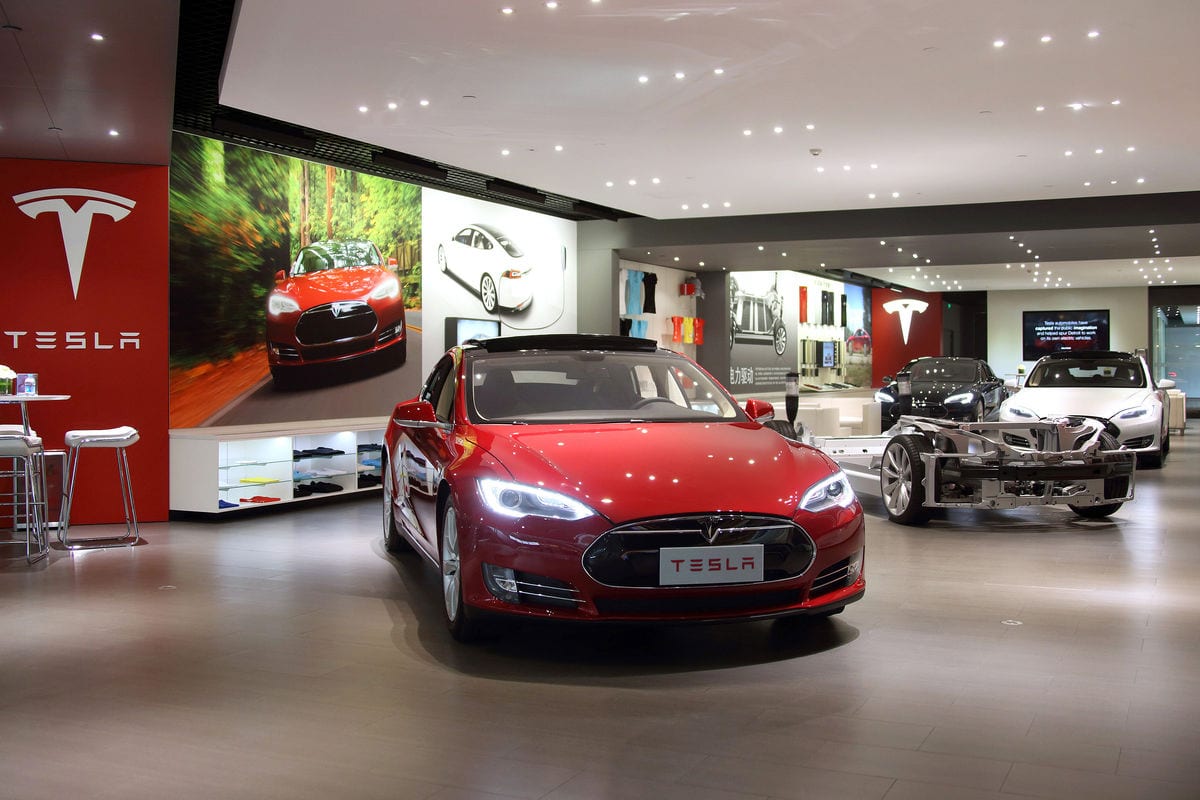
    U.S.-based electric car maker Tesla has opened a new experience center, which is the company’s largest experience center in North China and its fifth owned sales site in Beijing.

    Tesla will reportedly build ten new stores in China in 2016. At the same time, the company will stick to a direct sales model, which is the core model of Tesla. At present, Tesla’s new cars need to be booked via its official website and the cars will be delivered to physical stores.

    So far, Tesla has opened 17 experience centers in China, covering North China, East China, and South China. Those experience centers are mainly located in first-tier cities, including Beijing, Shanghai, Guangzhou, and Shenzhen, and some are in Hangzhou, Chengdu, and Xi’an.

    Zhu Xiaotong, head of Tesla China, said that the company will continue to develop within the market of first-tier cities in the future. On one hand, the potential of those super cities has not been fully explored and they can still digest Tesla’s capacity; on the other hand, it is complicated to expand into a new city. Therefore, Tesla will seek stable development based on existing sites.

    During the opening ceremony of this new store, Tesla’s new Model S also made its debut in China.

  • All Saints Japan opens first Tokyo store

    All Saints Japan opens first Tokyo store

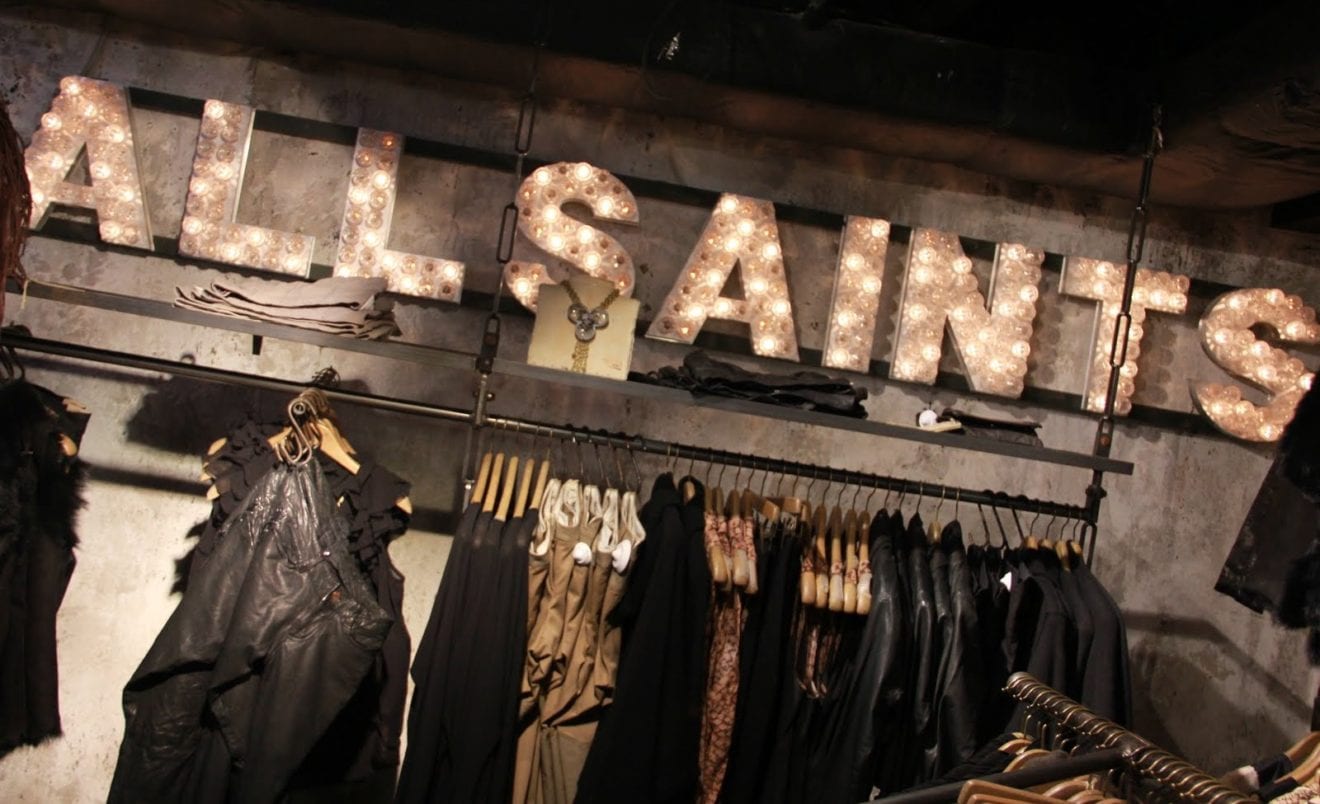
    Fashion group All Saints Japan has launched, with a dedicated website as well as a store in Tokyo.

    Out of the UK, All Saints made its Japan debut at Tokyo Fashion Week last month. It partnered with infrastructure company Locondo to develop the digital platform and tailor it for Japanese consumers. Locondo also worked on All Saints’ logistics offer, looking at delivery and returns options, and working out fulfilment logistics.

    All Saints Japan instore 1

    Both menswear and womenswear will be stocked in the 3000 sqft (278 sqm) Tokyo Bay store, as well as All Saints’ debut handbag collection. The store will carry more than 30 styles of leather jackets.

    All Saints Japan instore

    All Saints halved its pretax losses in its last financial year when sales jumped 11 per cent, thanks to its new CEO William Kim, who was brought in to run the business after private-equity firm Lion Capital bought a majority stake. He has closed stores, overhauled its website, streamlined distribution and cut supplier numbers from 400 to 55.

    While All Saints has on-the-ground presence in 18 countries, it ships to 200.

  • Yellow Cab Singapore debut nears

    Yellow Cab Singapore debut nears

    Yellow Cab Singapore is to open soon as a Philippine group sets out to take the pizza chain into the Little Red Dot.

    Max’s Group Inc (MGI), the leading casual restaurant operator in the Philippines,

    signed a deal with a family-owned company, Pagh Pte Ltd, to build at least five Yellow Cab stores in Singapore.

    “We are thrilled with the opportunity to bring Yellow Cab Pizza in a highly strategic market such as Singapore. We are confident that our mainstream offerings and value proposition will allow us to stay competitive alongside some of the biggest global food names,” said MGI president and CEO Robert Trota.

    Yellow Cab marks MGI’s fourth brand development deal inked this year. By 2020, the company hopes to have 200 international stores.

    pizza

    “We found the right partner in Pagh Pte Ltd for this venture. We can rely on their focus and determination to deliver best quality products and genuine service to Singaporeans,” Trota added.

    “We recognize that Yellow Cab Pizza offers a different, more exciting experience than the brands currently offered in Singapore. Singaporeans are discerning in their food experience. We are therefore confident that Yellow Cab Pizza will be the Singaporeans’ place of choice for American Italian casual dining,” said Pagh director Tiara Chopra.

    Pagh was set up to invest in the casual dining business.

  • Astro Malaysia chief eyes digital dominance in Southeast Asia

    Astro Malaysia chief eyes digital dominance in Southeast Asia

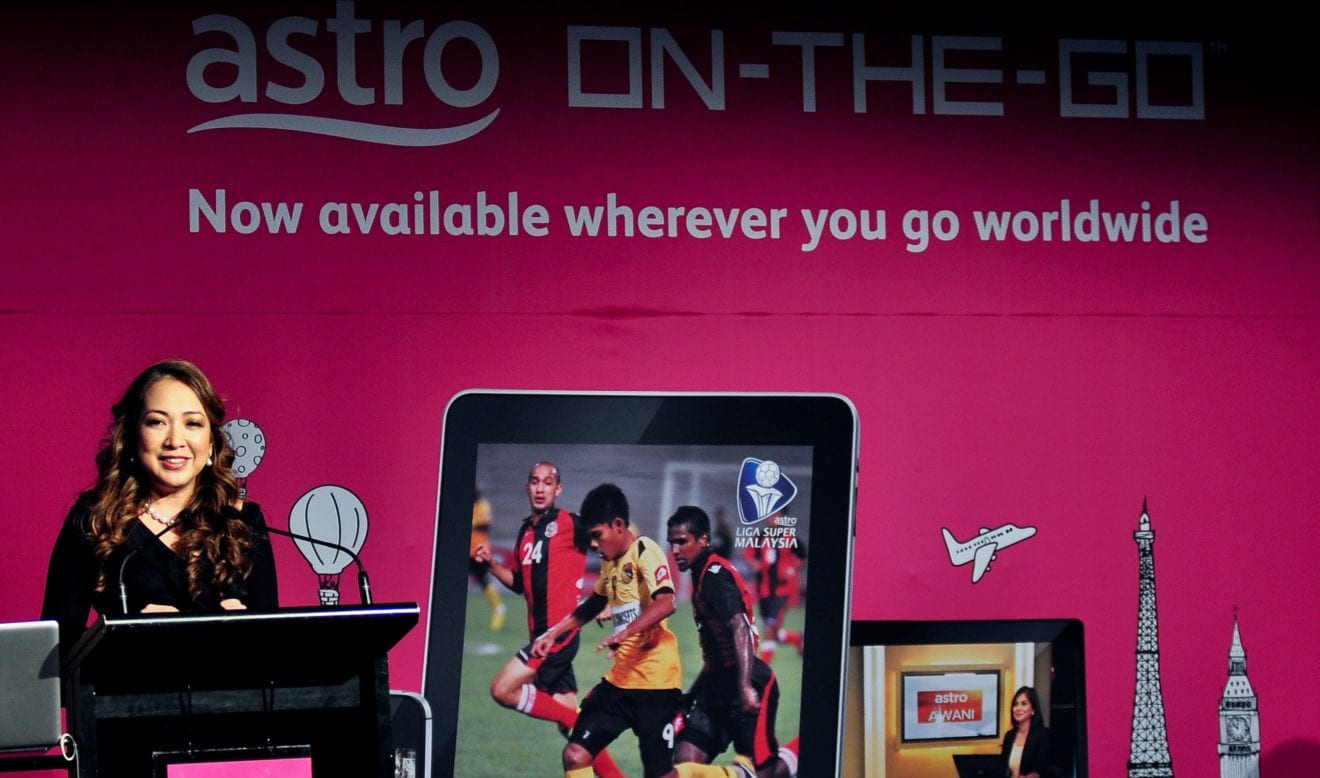
    Rohana Rozhan, the chief executive of Astro Malaysia Holdings, has never shied away from a challenge. As a young girl, she was determined not to be outdone by the boys she grew up with. Now, she is engineering an Internet-powered expansion for the pay TV operator.

    On March 18, Astro announced the launch of Tribe, its latest digital offering. “Tribe is going to differentiate [us] because it’s going to cater to fan bases,” Rohana said.

    Tribe is an over-the-top service, which delivers TV shows and other digital content directly over the Internet. The service debuted in Indonesia in partnership with Axiata Digital Services, a unit of Malaysian telecommunications giant Axiata Group. Astro is looking to launch Tribe in up to three Southeast Asian countries.

    In addition to such content as South Korean TV shows and Asian films, Tribe also offers live events, such as sports matches. Tribe is optimized for mobile viewing, so users can watch their favorite shows anytime on their smartphones or other devices.

    “I think we have slowly evolved,” Rohana told the Nikkei Asian Review at Astro’s headquarters in the suburbs of Kuala Lumpur.

    THE PINK “PIRANHA”   Dressed in pink and carrying a glittering pink smartphone, the 53-year-old Rohana cuts a striking figure in her black-paneled office. On the wall is an eye-catching caricature of her as a “Game of Thrones”-like character, complete with a dragon perched on her left shoulder.

    Nicknamed “Rohana the Piranha” by the neighborhood boys she grew up with, she is now one of Malaysia’s top female corporate leaders, whose ranks also include Aireen Omar, the chief executive of AirAsia, and Nur Qamarina Chew Abdullah, the managing director of the local unit of Japanese retail giant Aeon.

    Rohana has been involved in Astro’s growth from its early days.

    The company started out as a direct-to-home pay TV service in 1996 and now has radio stations, magazines and film production companies under its umbrella. A year ago, it partnered with South Korean multimedia retailer GS Home Shopping to enter the home shopping business.

    Before joining Astro, Rohana worked for a decade at consumer goods conglomerate Unilever in the U.K. and Malaysia. Before that, she studied accounting and economics at the University of Kent, and later completed the Advanced Management Program at Harvard Business School in 2006.

    Although normally an intensely private person, she gave a glimpse of what drives her in her acceptance speech for the Toastmaster’s Golden Gavel Award in 2014.

    She described how, as a child, she fought to be treated as an equal among the boys in her hometown in the state of Sabah, on the island of Borneo. “When you are young, you are quite arrogant,” she said. “Thinking arrogantly that I am as good as any boy and as good as my brothers, I couldn’t [accept] that they were sent to the U.K. at the age of 13 to pursue their studies whilst I was actively encouraged to stay at home to look after everyone and to consider becoming a teacher.”

    She eventually won a scholarship to study in the U.K.

    Rohana was the chief financial officer at Astro when the company was listed in 2003 as Astro All Asia Networks. In 2006, she was promoted to chief executive of the media group’s satellite division, MEASAT Broadcast Network Systems.

    For the fiscal year through January, Astro’s revenue rose 5% on the year to 5.47 billion ringgit ($1.4 billion), while net profit climbed 18% to 615 million ringgit.

    The company delisted in 2010 following a buyout by reclusive Malaysian billionaire Ananda Krishnan and Malaysian sovereign fund Khazanah Nasional, but it relisted at $1.5 billion in 2012 as Astro Malaysia Holdings. Today, Astro has a market capitalization of 15 billion ringgit.

    Astro is now watched in 67% of Malaysian households. “In terms of pay TV market share, we have about a 95% to 96% market share, so we are in a very strong position at the moment,” Rohana said. “In a couple of years, it wouldn’t be a stretch to say that we will be at 80% [of household penetration].”

    With the traditional pay TV market all but saturated, Rohana said she expects subscription-free satellite TV to play an increasingly important role in bolstering the company’s domestic business. Astro began offering this service in 2011 via set-top boxes sold separately from its regular services.

    The service has proved popular among the growing number of viewers who prefer to pay for only the programs they want to watch, rather than subscribe to bundles of channels.

    Rohana said the bulk of Astro’s revenue growth will eventually come from subscription-free satellite services as the company evolves to meet this “piecemeal” style of content consumption.

    “We have every intention of growing the traditional business,” Rohana said, “but it’s so much harder now to sustain our share of the customer wallet [and] most importantly, our share [of] our customers’ time.”

    In addition to market saturation, the company also has to deal with the fact that the emergence of Internet-based smartphone viewing has significantly eroded TV’s position as the “king of media.”

    Management consultancy McKinsey said the availability of  OTT often results in consumers canceling their pay TV subscriptions, known as cord-cutting, or else subscribing to a smaller and cheaper bundle of personalized services, known as cord-shaving. Both of these developments spell trouble for a traditional pay TV operator like Astro.

    Astro CEO Rohana Rozhan

    That’s where Tribe comes in. The new service should help Astro go head-to-head with other Internet-based services and provide the company with a springboard for regional growth.

    But the playing field is already a crowded one.

    In Malaysia, other providers of OTT services include Telekom Malaysia’s HyppTV, local startup iflix, which has already expanded to Thailand and the Philippines, global player Netflix and PCCW-backed Viu.

    Meanwhile, Singapore-based HOOQ, which currently operates in the Philippines, India, Thailand and Indonesia, is planning to enter Malaysia after it launches services in its home market this year. India-based TV channel and content producer Zee Entertainment Enterprises has established itself in Indonesia and Thailand, and is eyeing Philippines as the next step in its Asian expansion strategy.

    Nevertheless, Rohana, who has been Astro’s chief executive since 2011, is confident that her company still has room to grow as it prepares to celebrate its 20th anniversary in September. Her hopes for Tribe in this regard are particularly high. “If you look [beyond] Malaysia, if we are going to make it, we have to do original, local language, differentiated programming, and we are going to have to do more of it. If we are going to do more of it, we need to find bigger scale.”

    Such tailored content, she believes, is crucial to gaining local audiences. “If you take the Malaysian market, our view is Netflix is a complementary service to us. It is not in direct competition.” She explained that Netflix’s library largely consists of international programming, while Astro offers programs in the languages spoken in Malaysia — Malay, Chinese and Tamil — as well as live domestics sports and other events. It plans to produce local language content for Tribe in other regional markets.

    Astro estimates that its viewers spend five hours daily watching its programming, with 80% of that time spent on local language offerings. The company produces TV series, reality shows and films in-house or in cooperation with local vendors. Astro plans to use these existing capabilities and infrastructure as it expands into other regional markets in cooperation with telecommunication providers. “If we do our jobs right, we will not have and pay for the content that Netflix has and paid for. We will focus on what they are not offering,” Rohana said.

    She said that understanding shifts in technology and media consumption behavior is crucial to planning a future strategy. “All I need to do is to watch my son. By watching him, you can see how kids move away from that living room experience [of watching TV] with their parents.”

    Even in the digital age, however, Rohana’s priorities remain the same. She emphasizes three factors: customers, content and experience. Her time spent at Unilever, she said, has helped her in understanding consumers in-depth. “We’re no longer that young, and with that realization comes a lot of things, [like] consumption and how that shifts, we’ve seen [its] evolution,” she said. “We believe that in order for us to be sustainable, [and] to continue resonating with our customers, the best way is to simply reflect the customer base.”

    DIFFERENT STRENGTHS   The company’s 4,700-strong workforce reflects the ethnic makeup of Malaysia: Nearly half of its employees are Malay, 25% Chinese and 21% Indians. Almost half of them are under the age of 30, and the workforce is almost evenly divided between men and women, with women making up nearly 40% of the board of directors.

    Rohana has sought to make Astro a diverse organization in order to become regionally competitive. “We are quite proud of the fact that it’s not only about gender. We call it diversity and complementarity. Ultimately, my dream for Astro is to basically respect the fact that each of us can bring something to the table.”

    For Southeast Asia, the test is to understand the needs of each local market and for Astro to differentiate itself in each one. “It is not a static, one-size-fits-all proposition at all. The reality is we [ask] what do we need to do [and] how do we reinvent ourselves to be part of that conversation [for the next] generation.”

  • Dior Hong Kong opens Times Square boutique

    Dior Hong Kong opens Times Square boutique

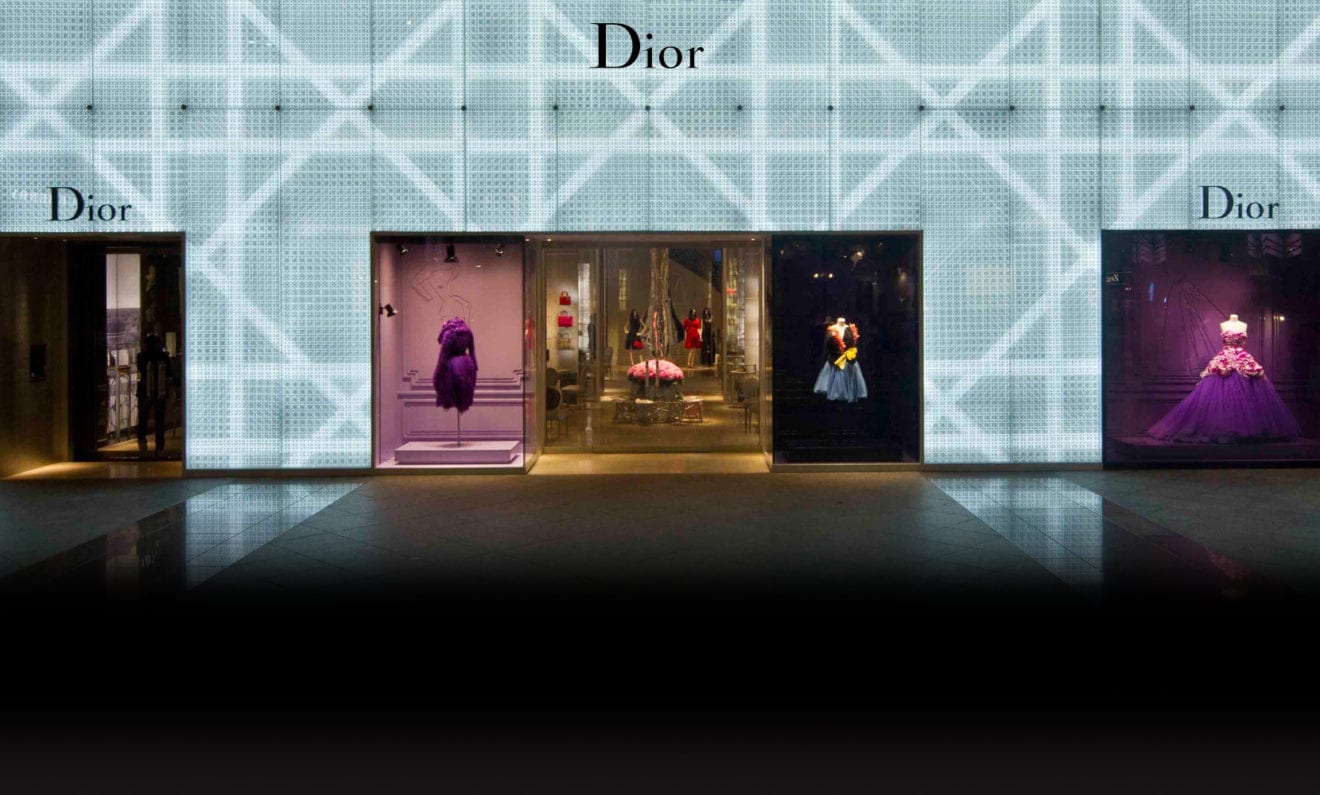
    A Dior Hong Kong exclusive store has opened in Times Square mall, the boutique continuing the style of its Avenue Montaigne flagship store in Paris.

    Dior Hong Kong times squares.jpg 3

    Its design concept is a mix of 18th century and modern, says the Times Square Facebook page. The interior was designed by architect Peter Marino, who was also responsible for the Paris flagship.

    Dior Hong Kong times squares.jpg 2

    Dior exclusive shops feature women’s garments, leather goods, footwear and accessories. There are five zones in the new outlet, with two rooms devoted to bags (one features the complete range of Dior handbags, while the other has exotic bags). The other zones are the Footwear District, Ready-to-wear Salon and Ornaments/Accessories District.

    Dior Hong Kong times squares.jpg 4

    Dior Hong Kong times squares.jpg 1

    Features of the decor include a fireplace and table by Juan & Paloma Garrido, a film installation by Yoram Mevorach Oyoram, a circular bench by Christopher Schanck and tables by Christophe Delcourt and Thierry Lemaire.

  • Belgian jewellery firm looks to Thai hub for Asian expansion

    Belgian jewellery firm looks to Thai hub for Asian expansion

    Thailand would be a hub to support and facilitate the growth of Roos’s business in Asia.

    “We’re originally from Holland. My great-great-grandfather founded the company in 1835, or about 181 years ago. I’m the sixth generation of the family. We [currently operate] more than 200 jewellery shops in Belgium and Holland,” said Rien Rozendaal, founder of and designer for Roos & Nijs.

    “We started selling our Roos jewellery ornaments last week in China through Derier’s retail network with 80 stores in major cities, including Shenzhen, Guangzhou, Chengdu and Ningbo. [By] coincidence, we also started last week in Thailand as well with the appointment of Market Access Co Ltd as our master distributor covering Thailand and all [of the] Asia region,” he said. “We’re from the original Dutch company and we didn’t find any necessity to expand further in my home market as well as in Europe as we’re at the high level already. I believe in Asia as a promising region to grow our jewellery business.”

    Rozendaal said starting to do business in China and Thailand arose from coincidences. In China for example, he was introduced by a Chinese friend in New York to the owner of Derier.

    “It is not that I’m looking for distributors. Finding the right people who will be my partners is not easy. We have to share the same way of thinking, the same vision and passion, and common interests,” he said.

    “They [distributors] should understand the European way of distributing the brand. In my way, doing business is not the first thing. My first thing is to get the same vision of how to market the brand.”

    Rozendaal said his business approach was quite different from setting up business targets and growth.

    “I like to design nice and beautiful jewellery. I have my target group in designing, that is my wife, not for the market. I design jewellery for the one I love, and appreciate that many women love this design too,” he said.

    Chanokphol Chaisuparakul, co-founder and director of Market Access, said Roos was not something people saw every day, because of its unique designs and long heritage of 181 years. The brand is also high-end jewellery that people can wear every day.

    “In five years, we think Roos could be a brand for sophisticated people who seek perfection in luxury jewellery. We aim to expand in Southeast Asia starting from Thailand, especially in Bangkok and big cities such as Chiang Mai, Pattaya and Phuket,” he said.

    He added that in the first year, the company would open one flagship store for Roos jewellery as well as one dealership in Bangkok.

    “We will start expanding Roos jewellery to some parts of CLMV next year,” said Chanokphol, referring to Cambodia, Laos, Myanmar and Vietnam.

    He added that the CLMV markets had a lot of potential, with people who are highly into networking, are well educated and have high spending power, and are fashion-oriented.

    Somkiat Chaisuparakul, chief executive officer of Market Access, said Thailand’s gem and jewellery market had high growth potential. The market value in 2015, especially diamonds, was about Bt78 billion, with imports accounting for Bt19 billion and domestic production the remaining Bt59 billion. With the economic situation getting better, entrepreneurs are more confident that the market will rebound.

    “This is a great opportunity for us to join forces with Roos in expanding their market from Europe to Asia,” he said.

    “Using Thailand as a hub to support the liberalisation of the AEC [Asean Economic Community] market, we will market Roos diamond jewellery to customers in Thailand and [elsewhere in] Asia. We aim to become the top jewellery brand in Thailand by 2017 with annual sales of Bt200 million.

    “We will expand Roos diamond jewellery to cover all potential markets in Asia, starting from CLMV, in the future,” he said.

  • Wal-Mart to open 60 new stores by 2017

    Wal-Mart to open 60 new stores by 2017

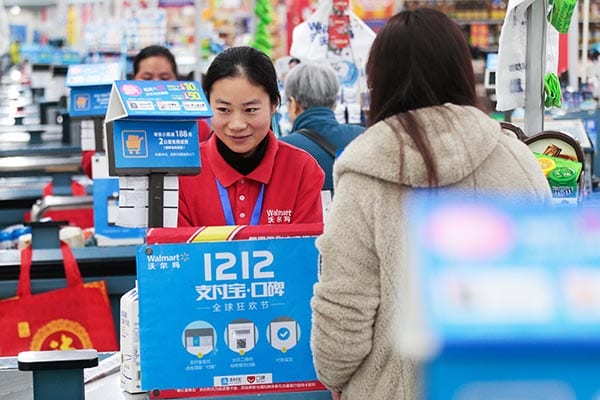
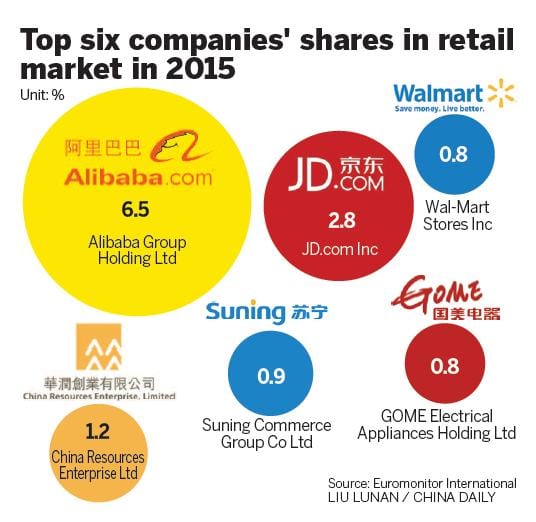
    Wal-Mart China is opening 60 new stores in the country by 2017 as part of its efforts to integrate its hypermarkets, membership stores and online platform to offer customers more convenience and quality products in a highly-competitive retail market, the company’s top executive said.

    Greg Penner, chairman of the Wal-Mart board of directors, said in an exclusive interview with China Daily in Shanghai on Wednesday that the company has already opened more than 50 new stores since a plan to add 115 stores in three years was announced in 2015.

    “China has amazing growth opportunities which in the next five years will surpass the US market in retail potential,” said Penner, who visited two Wal-Mart stores in Shanghai on Tuesday.

    In addition to growing its physical presence, Wal-Mart is also focusing on enhancing its online stores and building stronger digital relations with Chinese customers, he said.

    Penner was elected to lead the board in 2015.

    “Customers want their products from stores and also from online platforms and now have a choice of getting them delivered to their homes or picking up in the stores,” Penner said, referring to the increasing importance of online shopping convenience to customers.

    Wal-Mart to open 60 new stores by 2017

    Greg Penner, chairman of Wal-Mart board of directors.

    He added: “The food safety is critical in China and is a big part of our focus here.”

    Penner said, in 20 years in China, Wal-Mart has built three brands-Wal-Mart hypermarket, the Sam’s Club membership store and Yihaodian, the retailer’s Chinese online offering-all playing important roles in the company’s growing business.

    Wal-Mart China operates 432 stores including 12 Sam’s Clubs in 174 cities and municipalities. And registered users of Yihaodian have reached 130 million.

    Wal-Mart is the second-largest retail banner just behind RT-mart in modern trade (including hypermarkets, supermarkets and convenience stores), according to Jason Yu, general manager of Kantar Worldpanel China. This sector of retail business has continued to experience sluggish growth in 2015, only growing by 3.3 percent from 2014.

    Hypermarkets declined in key cities and provincial capitals by 1.5 percent, but it managed to grow at 4.1 percent at national level as a result of more store openings in the lower-tier cities. Kantar Worldpanel expects to see continued development in the hypermarket format in lower-tier cities in the coming years.

    “The group presented clear strength in terms of hypermarket geographic coverage (more cities than anyone else) but also established its leadership in membership club format and e-commerce through acquisition of Yihaodian,” said Yu.

    According to Kantar, Wal-Mart leads the modern trade sector in southern and western China. It started to embrace more O2O opportunities by launching a mobile shopping app and introducing Alipay to drive efficiency and customer experience, said Yu.

    Wal-Mart has recently launched its Global Shop, a cross border e-commerce platform, offering more than 200 imported items on Wal-Mart App.

    Wal-Mart to open 60 new stores by 2017

  • Ikea expanding to Johor Bahru with new store by end 2017

    Ikea expanding to Johor Bahru with new store by end 2017

    Ikea Malaysia is expanding to Johor Baru and plans are underway to open its new store by end 2017 which will be the first in the southern region of Peninsular Malaysia.

    The Swedish furniture giant said on Thursday the new store would be near Jalan Desa Tebrau.

    Mike King, the retail director for Ikea Malaysia, Singapore and Thailand, said the new store “is part of our overall ambition to expand in Southeast Asia and commitment to provide more Malaysians with affordable, functional and well-designed Swedish home furnishings”.

    He said the group was inviting Malaysians to join its team to pioneer the set up of the new store. Ikea is embarking on the first phase of recruitment for over 50 positions, including those for the store’s management team.

    Openings include positions for the store manager as well as managers and assistant managers for sales, communication and interior design, human resource, sustainability, restaurant, logistics department and more.

    “We believe that growing our business and people goes hand-in-hand. We want to work with down-to-earth and straightforward individuals who share the same passion towards creating a better everyday life for the many people,” King added.

    It said the Ikea workplaces in Malaysia and around the world were different than most retail environments.

    Ikea added that while its brand was successful and strong, its approach was humble and its employees had fun on a daily basis in open, inclusive offices.

    “Our leaders enjoy exceptional freedom to take responsibility. We offer a competitive package of rewards – including an incentive plan, medical benefits, employee discounts and opportunities to learn and develop,” it said.

  • McDonald’s China in massive expansion plan

    McDonald’s China in massive expansion plan

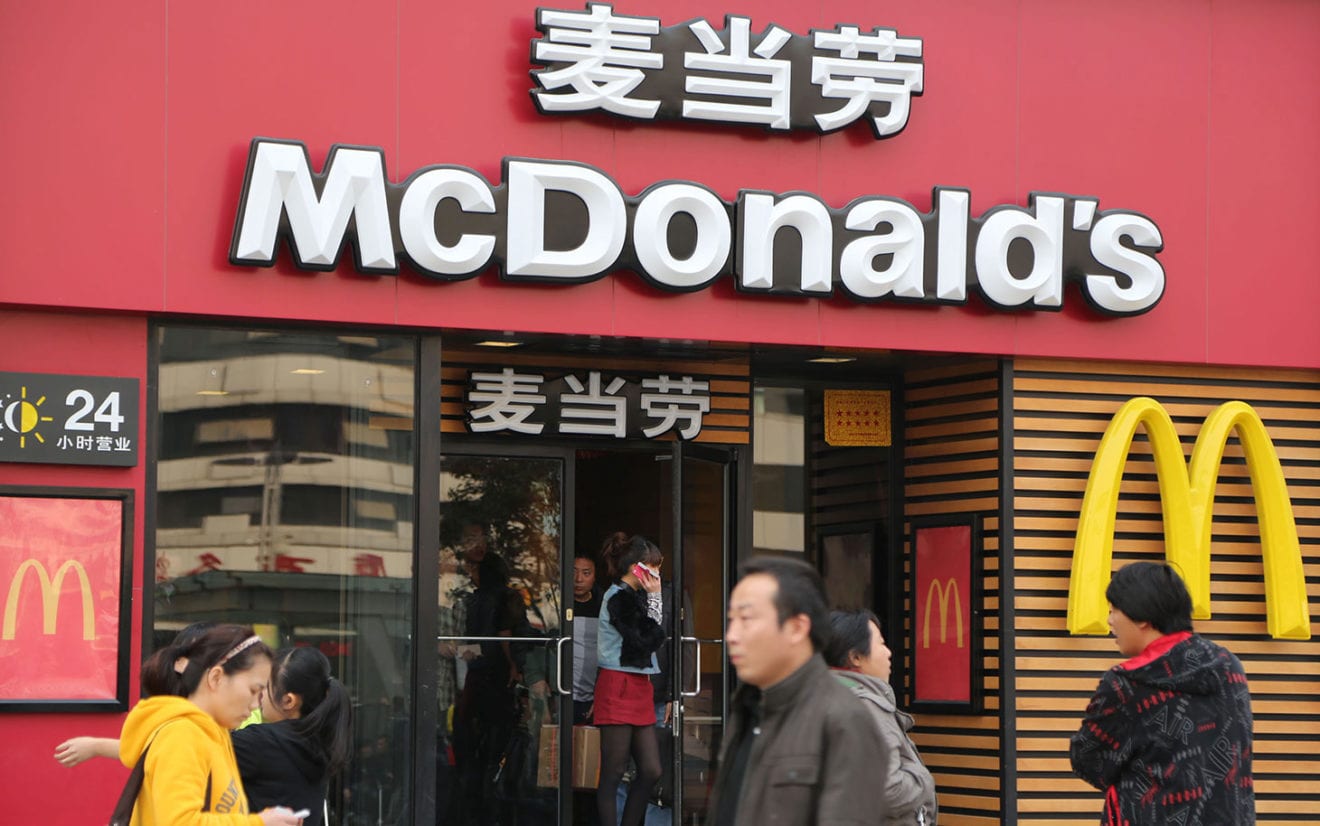
    McDonald’s China is set to be supersized as the US fast food giant pursues growth offshore.

    The company’s Chicago-based CEO Steve Easterbrook has revealed more than 1500 new stores will be opened across China, Hong Kong and Korea over the next five years. About 1300 of those will be in Mainland China.

    McDonald’s already operates some 2200 restaurants – its new target is 3500.

    In a clear strategic shift the company says it is seeking “strategic partners who will add value and unlock growth potential in key markets” in Asia.

    “This will allow McDonald’s to accelerate our growth and scale faster across diverse markets placing us closer to our customers and the communities we serve,” Easterbrook said in a statement.

    “We’re in the midst of transforming our business and taking a strategic and thoughtful approach to enhance our ability to grow around the world. These actions build on our turnaround efforts and will advance local ownership, enable faster decision-making and achieve restaurant growth.”

    Once the target is reached, China will become McDonald’s second largest global market after the US.

    It is not clear how many new stores will open in Hong Kong, where the company already has 230 outlets, but in an email to the South China Morning Post, Easterbrook indicated opening more McCafes will be a priority in the territory.

    The company is also actively seeking partners in Taiwan, and in Japan where it is midway through a major overhaul and repositioning of the brand after incurring massive losses.

  • End of year launching for Metro Myanmar

    End of year launching for Metro Myanmar

    Metro Myanmar is looking to launch by the end of 2016 as the German hypermarket operator gives Southeast Asia another shot.

    The move will surprise observers given Metro Group’s disastrous previous experience in Southeast Asia – where it chalked up millions in losses and got into an expensive dispute with local taxation authorities before off loading the company to Thai interests in late 2015.

    At the time the company stressed it was still pursuing opportunities in Asia.

    “Asia will remain an important growth region for Metro Group, and we will continue to invest there in the further development of the Metro Cash & Carry business,” said group chairman Olaf Koch in a media statement.

    “Myanmar is benefiting from opening up politically and has a high growth potential,” Koch said on Friday.

    The company is also planning to launch in Iran, newly freed from western trading sanctions.

    “We’ll decide by the end of the year which way our journey is headed,” said Koch.

    Metro Cash and Carry operates in 25 countries across Europe and Asia with 750 stores.

  • Adidas to open 3000 stores in China by 2020

    Adidas to open 3000 stores in China by 2020

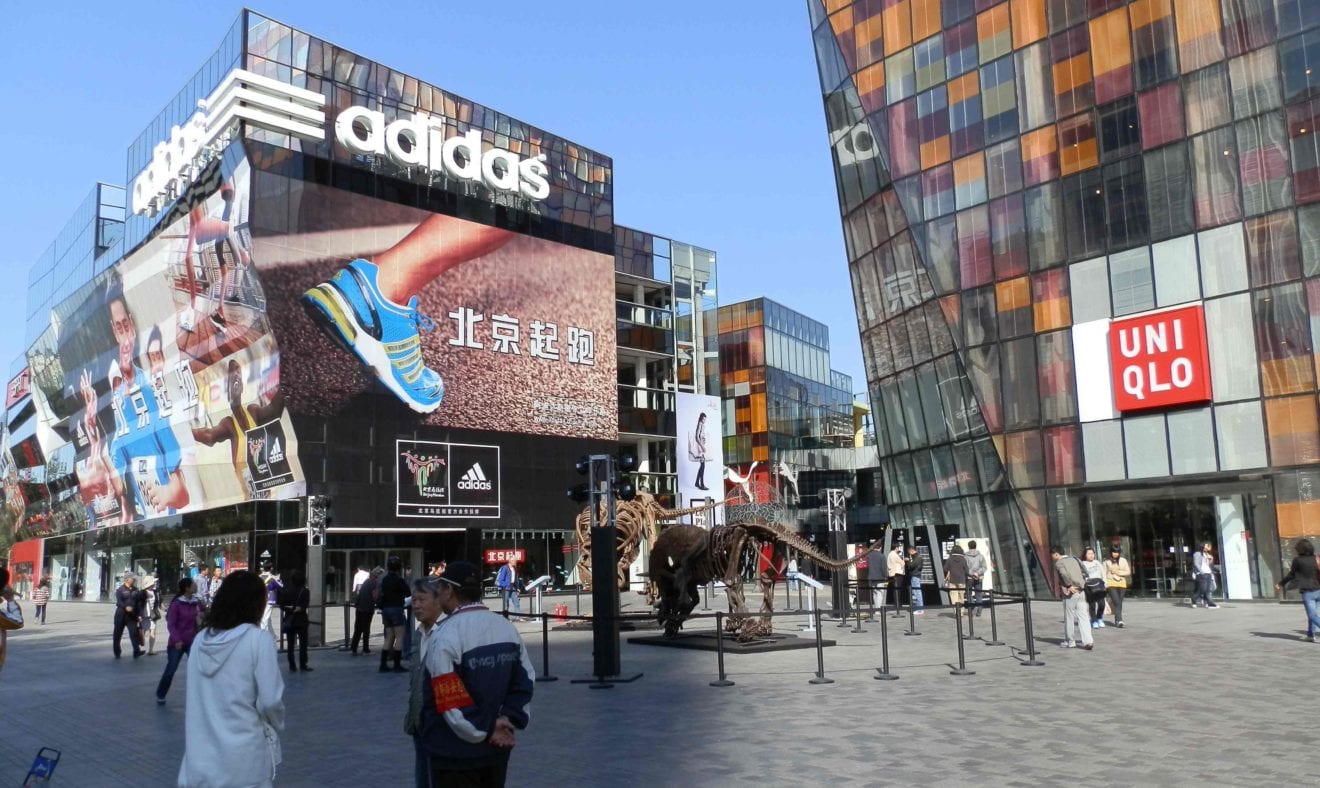
    German sporting goods giant Adidas Group has revealed plans to open 3,000 new stores in China by 2020 as it looks to become the ‘best sports brand’ in the region.

    The company, which has around 9,000 stores in its second largest market, the vast majority of them being franchise stores, announced the plans on Friday (4 March) in Shanghai.

    In a statement sent to just-style, the group said: “China is Adidas Group’s second largest market globally and we still see a lot of potential in this market.”

    The news comes less than two months after Adidas said its Greater China subsidiary achieved sales of EUR2.5bn (US$2.74bn) in 2015 – the company’s highest ever annual sales in the region.

    Adidas has strengthened its position across all key sports categories in the region over the last few years, and launched new segmented retail stores such as women’s, sportswear collective and basketball.

    The group’s new strategy themed ‘Creating the New’ aims to propel Adidas to become the ‘best sports brand’ in Greater China by 2020. The company’s new five-year game plan will serve as a blueprint to seize further growth opportunities.

    Adidas has said the plan will chart the path of the company’s continued growth as it seeks to meet the demands of China’s burgeoning middle class who are placing a higher emphasis on quality of life experiences, and the needs of a nation with an ignited interest in sports.

    The company added: “With ‘Creating the New’, our new strategic business plan, we’ll continue to focus on strengthening our position in key categories and expanding our retail footprint in both lower tier and upper tier markets.”

    Last month, Adidas raised its earnings and sales forecasts for this year, after it exceeded its targets in 2015, thanks to increased marketing investments.