Tag: Fashion

  • UNIQLO Singapore Announces New Store Openings at Downtown East and Great World City

    UNIQLO Singapore Announces New Store Openings at Downtown East and Great World City

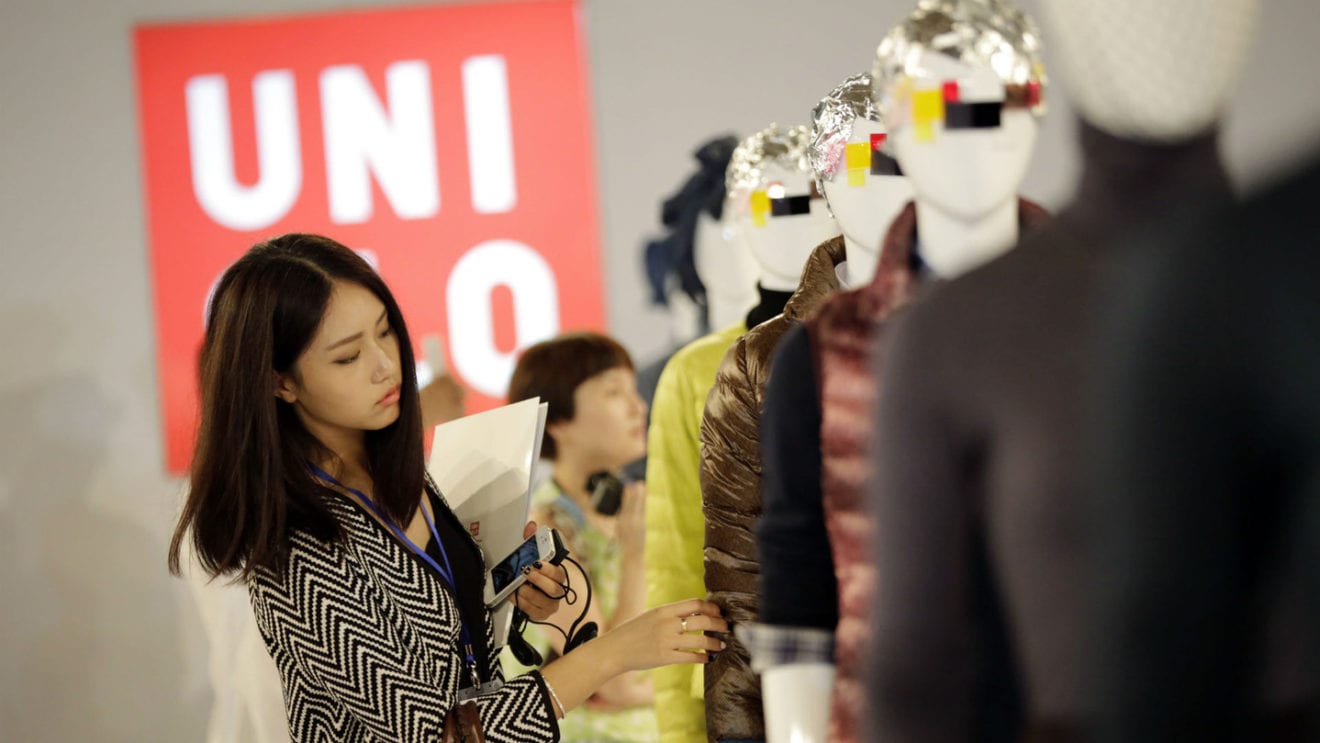
    UNIQLO Singapore today announces that it will be opening two new stores at Downtown East and Great World City towards the end of this year. This brings the brand’s total number of physical stores in Singapore to 28, excluding its online store, www.uniqlo.com/sg.

    The launch of these new stores displays the commitment UNIQLO is making to Singapore and its economy. Aiming to meet the needs of the residents in the central and eastern parts of Singapore through offering quality and innovative clothing, UNIQLO demonstrates its LifeWear philosophy in making the brand accessible for all to enjoy.

    Downtown East

    A well-known entertainment hub in the East which caters to families and youths alike, Downtown East will be home to a new UNIQLO store that is estimated to cover approximately 10,200  square feet. The store will be located in Downtown East’s new wing and it will offer affordable essentials for people of all ages to enjoy.

    Great World City

    Situated along the fringe of Singapore’s most popular shopping belt, UNIQLO Great World City is estimated to cover approximately 9,000 square feet. The new store presents local shoppers and tourists alike with the opportunity to shop for their favourite quality clothing at a central location without having to worry about busy shopping crowds.

  • Sesame Street Asia is making its way in Fashion

    Sesame Street Asia is making its way in Fashion

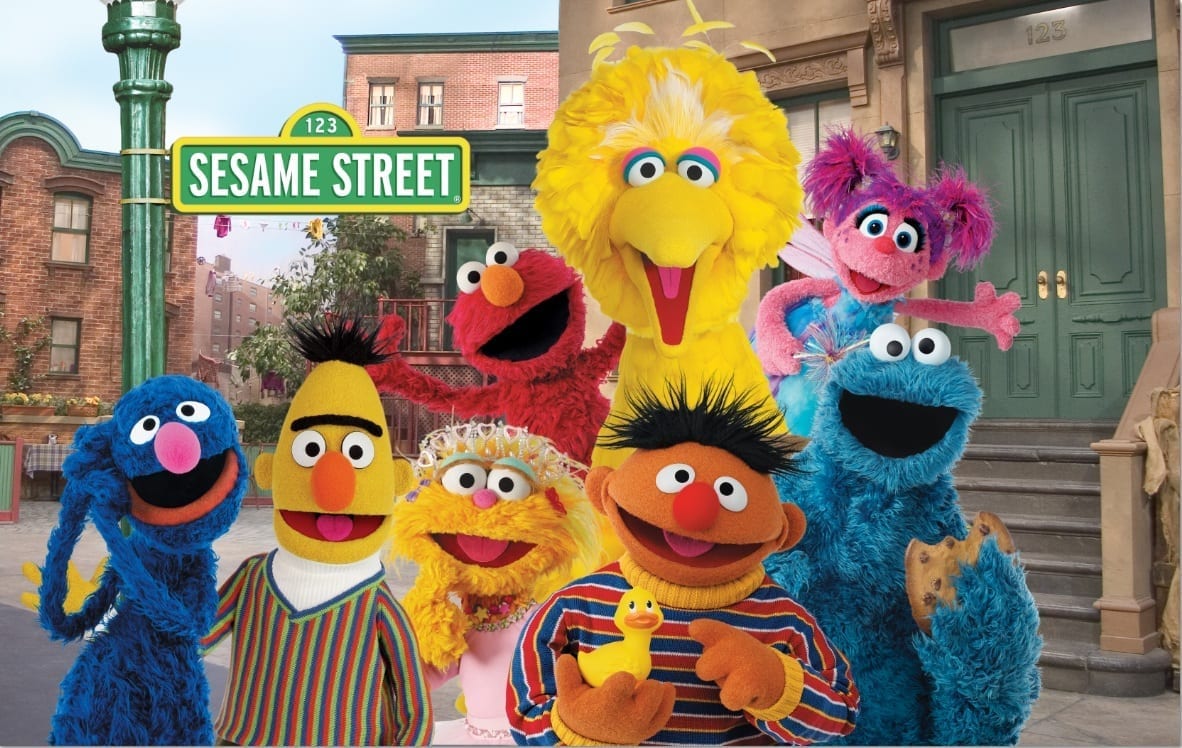
    Sesame Street Asia is expanding its fashion and lifestyle offerings with new apparel and accessory collections.

    Cookie Monster, Elmo and the rest of the gang from the Sesame Street children’s television series have been interpreted by regional fashion labels. These include:

    • Lalabobo. The premium casualwear brand has already introduced a Sesame Street capsule collection in its 200-plus stores in China. The collaboration features pieces for women and children including sweatshirts, sweaters, bomber jackets, jeans, down garments and dresses.
      • B.Duck. The Hong Kong-based retailer launches a Sesame Street collection for adults and children this month, including graphic t-shirts, sweatshirts and pants.
      • Tyakasha. The Shanghai-based fashion label this month introduces a collection of Sesame Street apparel and accessories including lunch boxes, umbrellas and mobile-phone cases via its online shop.
      • Chocoolate. The Hong Kong-based fashion label will debut a line of Sesame Street t-shirts, hoodies and tote bags next month to be sold also in Canada, China, Macau, Singapore and Taiwan.
      “Collaborating with these fashion labels allows our brand to continue expanding and growing as we approach our landmark 50th anniversary,” says Sesame Workshop senior VP Ed Wells, who also head up international media and education.
  • Candystud Factory: The New Valentino Popup Store in Beijing

    Candystud Factory: The New Valentino Popup Store in Beijing

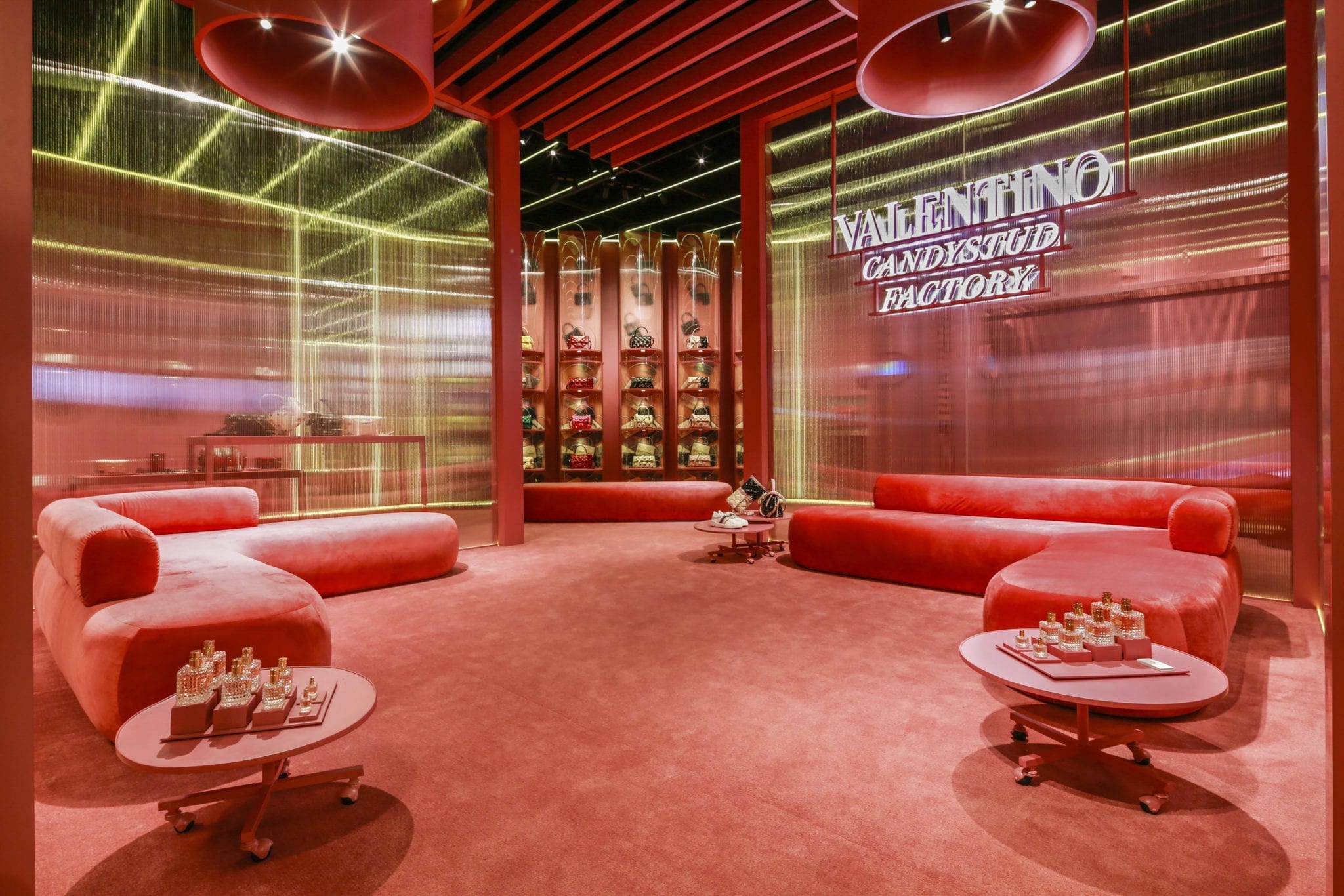
    Candystud Factory. A handbag factory just like a candy factory. Pink, entertaining, imaginary.

    Valentino will open a Pop Up store in the young and dynamic Sanlitun neighborhood in Beijing that creates a cinematographic atmosphere of a handbag f actory.

    The pop up s tore will open on the 26 th of April 2018 and will run until the 17 th of May 2018.

    For this occasion, two new limited edition Candystud bags will be pr esented.

    Fun, spherical, in the spirit of frivolity, Candystud is a small object of high craftsmanship the blends the excellence and the savoir faire of Maison Valentino with a new desire of pleasure and of joie de vivre. The Candystud Pop Up store translates this idea in a shopping and amusing experience.

    One enters is a colored and ethereal world to discover the beauty and the allure of the Valentino items together with the humanity and the e xcellence of those that cr eated them.

    The Candystud Factory collection also includes four new exclusive sneakers and a series of exclusive small leather goods such as iPhone c overs, mirror bags and charms.

    #CandyStudFactory

  • Esprit to quit Causeway Bay flagship Store

    Esprit to quit Causeway Bay flagship Store

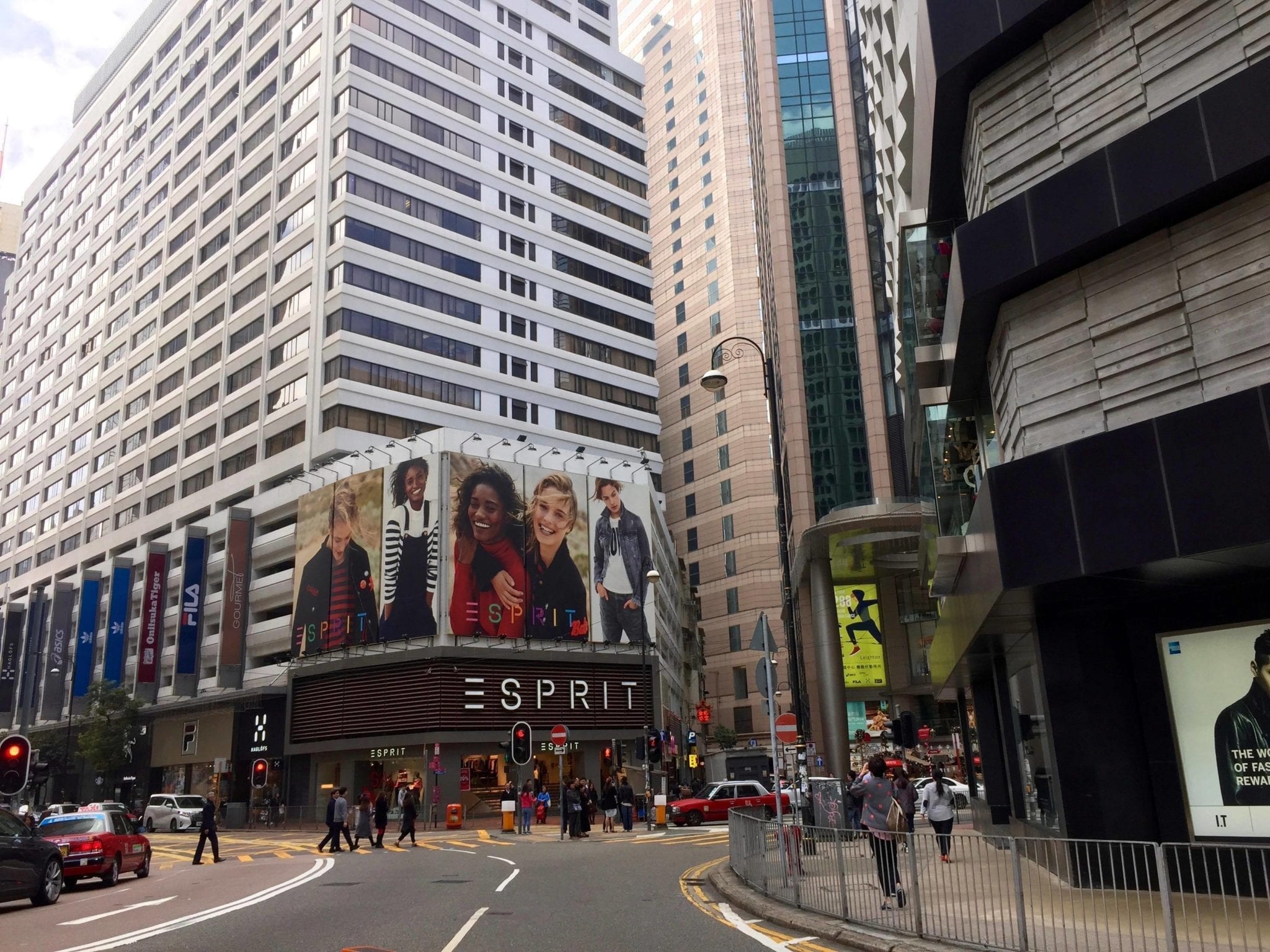
    Hong Kong-listed fashion brand Esprit Holdings will not renew the lease for its flagship store in Causeway Bay, local media reports.

    Expiring in June, the lease for the 7000sqft (650sqm) store in Leighton Centre has cost Esprit about HK$2 million (US$254,862) a month since 2014.

    Esprit chairman Raymond Or says cost saving is not the sole reason for the move. The company also considers location and size as factors. “A large store might not bring about good results,” he told Apple Daily.

    JLL national director of research Cathie Chung says Esprit may be shifting its location strategy to be more mall-focused with a smaller shop size, reports Mingtiandi. “Compared to street shops, shopping malls tend to have a more balanced trade mix and guaranteed foot traffic, so it is more likely for Esprit to enjoy spillover benefit from complementary tenants. Promotion activities by malls can also attract shoppers.”

    Hysan, which owns the commercial complex where Esprit has been leasing two units, has been marketing the property to potential tenants at the same rate, reports say.

    Shop rents in Causeway Bay in the past quarter have dropped 53 per cent from their peak in the fourth quarter of 2014, says Chung who describes the owners’ stance as “rather soft”, allowing for rent negotiations.

    Fashion brand Twist last month leased a two-storey shop in East Point Road in Causeway Bay for 56 per cent less than the $1.1 million monthly rent the previous tenant had been paying, while Russell Street, once the most expensive retail destination in the world, has also seen rent cuts. Swatch Group last week, for example, was able to renew its lease for a street-front shop at a rate about a third lower than the $1 million a month specified when it first signed three years ago.

    Meanwhile, Esprit had a net loss of $954 million in the second half of last year. CEO Jose Manuel Martinez said the results were below expectation because of weaker sales at its stores because of a drop in customer traffic.

  • Gucci succesfull for Kering sales

    Gucci succesfull for Kering sales

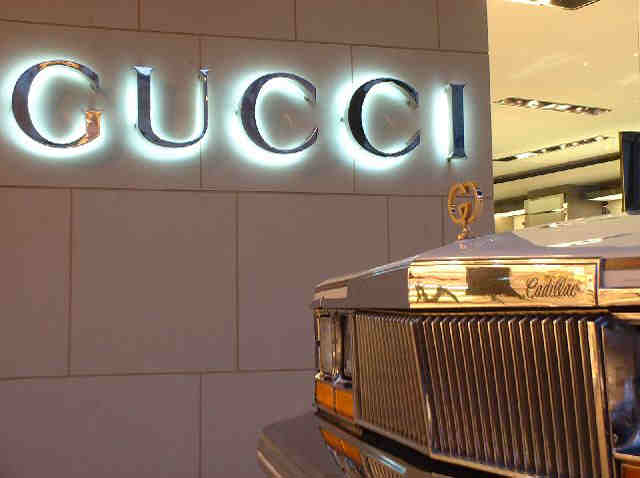
    “Kering maintained its outstanding sales momentum in the first quarter,” said Kering chairman and CEO Francois-Henri Pinault. “Under its new luxury pure-player profile, the group clearly outperformed a market that remains well oriented,” he said.

    After including discontinued operations – Puma, Volcom and Stella McCartney, which Kering has divested its interests in – sales growth was still up 27.1 per cent.

    Gucci’s “spectacular growth” included a 49.4 per cent leap in Asia Pacific and 64.4 per cent in North America. Gucci sales for the quarter totalled €1.866 billion.

    “Gucci, Saint Laurent and Balenciaga set a high mark within a group that delivered sharp growth as a whole,” said Pinault. “In the balance of the year, we face a high base of comparison and a tough currency environment, but we are confident in the ability of our Houses to continue doing better than their peers, leveraging their innovativeness and creative audacity.”

    Yves Saint Laurent sales rose 19.6 per cent (including 23.6 per cent in Asia Pacific) while the combined contribution of Alexander McQueen, jewellery and watches recorded a 37.9 per cent improvement. Even troubled Bottega Veneta improved by 0.7 per cent (including a 5.8 per cent lift in Asia Pacific), the first visible impact of a restructuring plan. New lines were “well received,” according to Kering, and ready-to-wear fared well, but wholesale slipped “slightly” in the quarter.

    “The House is continuing to optimise its store network and strengthen its visibility through a communications strategy designed largely for digital media.”

    Balenciaga led a 37.9 per cent improvement from ‘Other Houses’, Kering’s smaller luxury brands.

    “Watches and jewellery performed very well this quarter. The strengthened positioning of Boucheron, Pomellato and Qeelin are paying off, thanks to new collections, extended iconic lines and investments in communications and store networks. Watches also turned in a good performance this quarter,” said Kering.

  • Gap watching Old Navy for growth

    Gap watching Old Navy for growth

    Gap is ramping up its roll-out of Old Navy stores as the budget brand drives growth for the embattled US apparel giant.

    Gap Inc says it will open 60 new stores this year in the US, Canada and Mexico – twice the number of new stores it opened last year. It will refurbish a further 150 stores, upgrading fitting rooms, bathrooms and checkout facilities.

    The new focus on Old Navy, revealed last September, comes at the same time about 200 underperforming Banana Republic and Gap-bannered shops will be closed. Over a three-year timeframe, Gap Inc plans to open about 270 new Old Navy and Athleta stores, leaving a net network growth of 70 shops.

    Old Navy sales rose 9 per cent in the last quarter, on top of a 5 per cent rise a year earlier. Gap expects Old navy to reach US$10 billion in annual sales within the next few years, and its athleisure brand Athleta, to reach the $1 billion threshold.

    Analyst Retail Dive observes that while Gap store sales are showing signs of stabilising, lower-priced Old Navy has been hitting a stride that the flagship banner has failed to do for years now”.

    “Old Navy is the jewel in the portfolio,” added Ray Hartjen, director of marketing at RetailNext.

    “Shoppers have shown their preference for value across the board, and off-price retail has been one of the few consistent bright spots for the industry the last several years,” he said. “Moreover, Old Navy repeatedly resonates with its loyal core shopper, season after season, with its merchandise assortment.”

  • Exclusive Ambush fashion booth at Joyce

    Exclusive Ambush fashion booth at Joyce

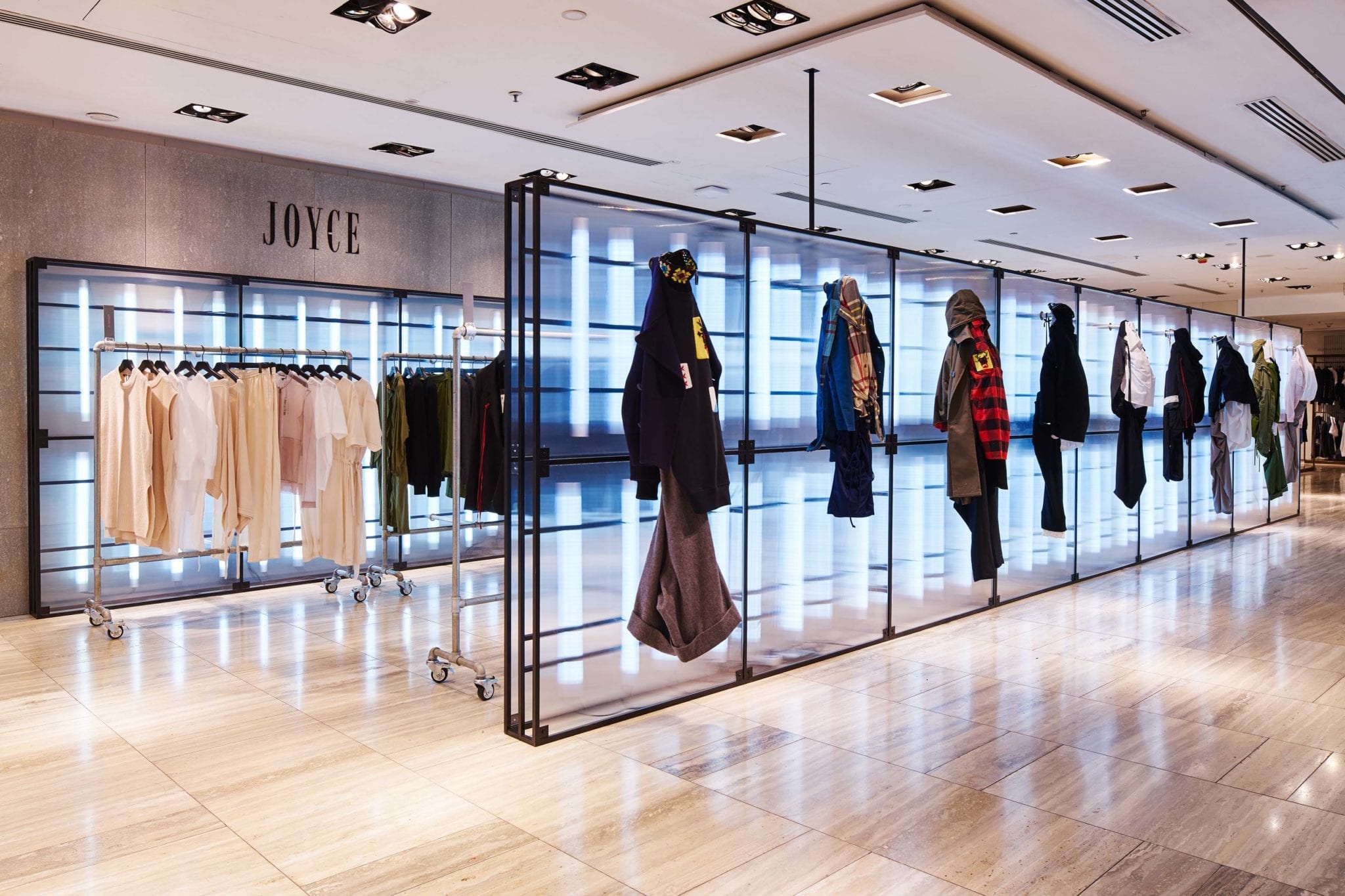
    Fashion retailer Joyce has joined forces with innovative Japanese design label Ambush for an exclusive capsule collection.

    The Ambush fashion label was founded by Japanese/Korean hip-hop artist Verbal and his graphic artist wife Yoon, with its clothing collection for Joyce presenting a new take on sportswear.

    Largely inspired by the track jacket, the collaborative drop comprises designs with a palette of yellow and navy. Along with classic tracksuit pieces, there is also a reinterpretation of the classic silhouette as a dress. Rounding off the offering is a white t-shirt with punk-influenced writing scrawled across the front.

    The Ambush fashion capsule is available at Joyce locations in Hong Kong and Shanghai.

  • Blackberrys menswear brand eyes to open more shops

    Blackberrys menswear brand eyes to open more shops

    India’s Blackberrys menswear brand is eyeing 25 per cent growth in turnover to touch INR1500 crore (US$226 million) by 2020 on the back of retail and portfolio expansion.

    The company, which also has the Casuals and Urban brands, plans to add 100 stores this fiscal year, 65 of them franchises.

    With turnover of INR720 crore last fiscal year, it has around 205 standalone company stores and is looking to open 70 more outlets this year.

    Its exclusive stores contribute almost half of total sales volume, while the rest comes from multibrand outlets and other channels. It also retails through more than 1000 multibrand outlets.

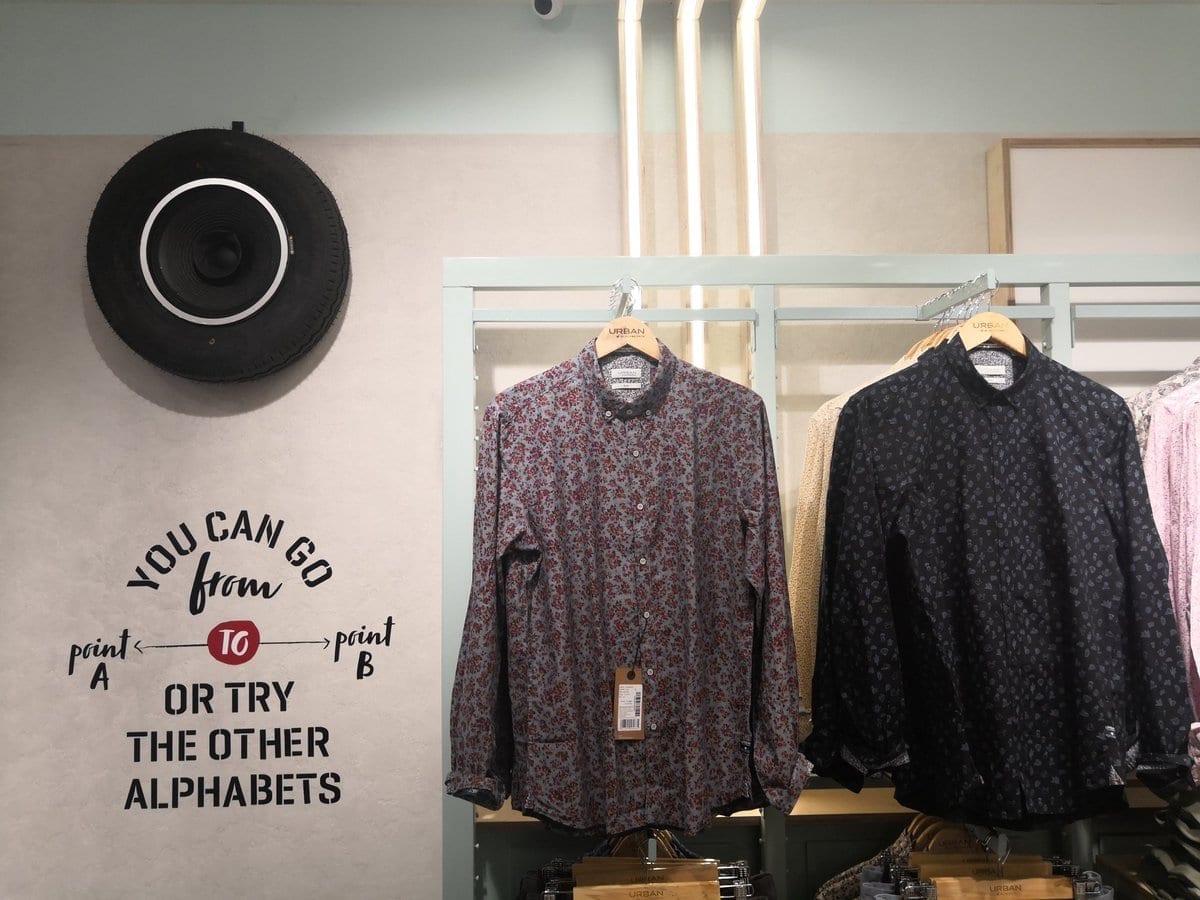
    Following the launch of its casualwear brand Blackberrys Urban, the company is planning toexpand its product portfolio.

  • Adidas, H&M best students of the class in supply chain transparency

    Adidas, H&M best students of the class in supply chain transparency

    Adidas and sister business Reebok have topped a list of 150 of the world’s largest brands and retailers measured on supply chain transparency, according to Fashion Revolution’s 2018 index.

    Released overnight in the UK, the sixth edition of the Fashion Transparency Index has tracked an increase in industry stakeholders disclosing their suppliers, but the average score across all 150 brands and retailers surveyed was just 52 out of a possible 250 points, or 21 per cent.

    Adidas Group scored 58 per cent to top the list, beating the likes of H&M, Gap and Puma – who all scored lower in the 51-60 per cent range.

    The most improved brands on the list were The North Face, Timberland and Wrangler, which saw their scores increase by 22 per cent compared to last year’s index.

    The international transparency findings come less than a week after Baptist World Aid’s local report found that a large portion of Australian retailers are still failing the ethical grade when it comes to supply chain ethics.

    Fashion Revolution, which is partly funded by the charitable arm of global fashion retailer C&A, scores some of the world’s largest retailers and brands on five areas, including governance, policy & commitments, traceability, the ability to spotlight issues and the capacity to identify and address problems.

    Traceability and capacity to identify and address supply chain issues are weighted most heavily, accounting for 64 per cent of total scoring.

    Brands scoring between 51-60 per cent provide detailed supplier lists, including manufacturers and processing facilities.

    The likes of Zara, ASOS, G-Star, Levi Strauss & Co and The North Face all scored in the 41-50 per cent range, which is described as being likely to provide detailed supplier lists, as well as information about policies, procedures and goals.

    Further down the list in the 31-40 per cent category are a myriad of luxury and premium brands, including Gucci, Hugo Boss, Burberry and Hugo Boss, as well as sneaker giant Nike and Target (US).

    At the bottom in the 0-10 per cent range are those who have either not published supplier lists or publish little information, which is by far the largest category on the index at 48 brands.

    Amazon, Neiman Marcus and Forever 21 all scored between 10-5, while Dior and Nine West both scored 0, among others.

    Of the 98 brands and retailers on the list that were scored last year there was a 5 per cent average increase in scores, while 22 brands (or 15 per cent) have increased their traceability score by more than 10 per cent.

    Fashion Revolution said the results indicate that there’s still a “long way to go”, but that an influx of additional brands onto the index had weighed down 2018’s average score.

    “This year, 65 brands and retailers (or 43 per cent) have scored 21 per cent or higher — above the mean average score — compared to 43 brands and retailers (or 43 per cent) in 2017. 42 brands and retailers (or 28 per cent) have scored 31 per cent or higher, compared to 20 brands and retailers (or 20 per cent) in 2017,” it said.

    Overall higher scored were achieved in the areas of governance and policy & commitments than actioned traceability and a demonstrated ability to identify and address problems.

    H&M, which scored 92 per cent in policy & commitments and a 77 per cent in governance scored a much lower 47 per cent in traceability.
  • Boardriders appoints new Billabong management

    Boardriders appoints new Billabong management

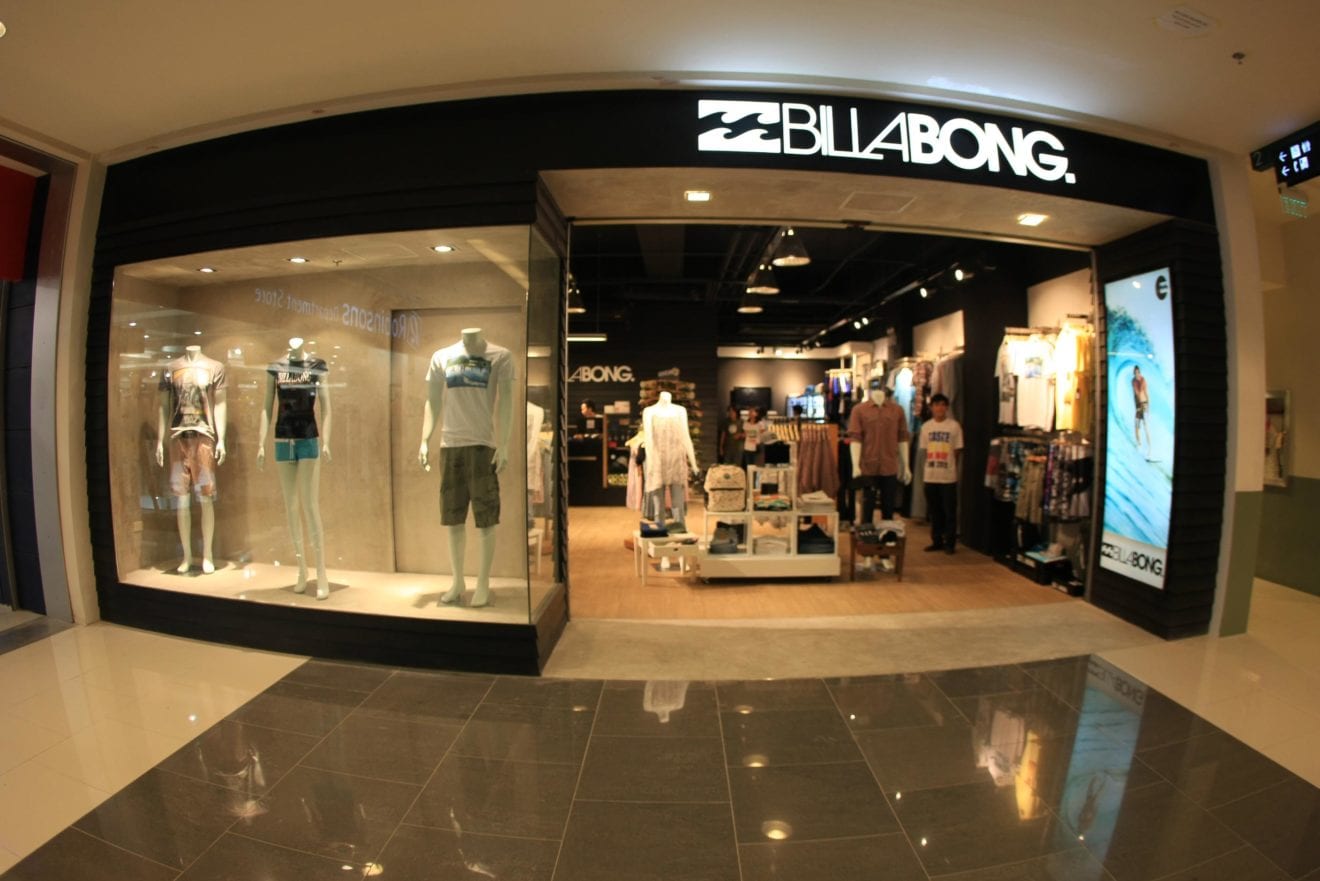
    BillabongBillabong International’s new owner Boardriders Inc is clearing the decks, appointing 17 new senior leaders that will oversee a turnaround of the company’s ailing global operations.

    Under the changes Billabong’s chief executive Neil Fiske will depart, alongside CFO Jim Howell, general counsel Tracey Wood, HR chief Mara Pagotto and GSM Operations GM Paul Burdekin.

    Boardriders chief executive Dave Tanner announced the management shake up over the weekend, appointing the parent company’s president, Greg Healy to lead the Asia Pacific arm of the business, which includes Australian operations for the Billabong, Element, RVCA, Von Zipper and Xcel brands.

    Healy will also serve on Billabong’s new board alongside Shannan North, who will also step in as Billabong’s global president of retail strategy.

    Former Bebe stores finance principal financial officer Joseph Scirocco has come on as chief financial officer, while Boardriders COO Julie Ott will also serve as operations chief for Billabong International.

    The appointments are effective 24 April, the day that the transaction of Billabong finalises.

    Tanner said the leadership team combines seasoned boardriders talent and expertise from outside of the organisation.

    This team will lead the integration of two great companies, creating the world’s leading action sports company. I am particularly excited to announce the elevations of Greg Healy and Shannan North, who bring significant industry experience and will be instrumental in leading our global growth with their new Board responsibilities,” he said.

    “We want to thank Neil Fiske, Peter Myers, Tracey Wood, Jim Howell, Mara Pagotto, Paul Burdekin and the Billabong Board of Directors for their dedication to the success of Billabong, its people and heritage,” Tanner added.

    Full list of Billabong appointments

      • Greg Healy, Global President, President APAC, Board of Directors responsibilities.
      • Shannan North, Global President, Billabong and Retail Strategy, Board of Directors responsibilities.
      • Joe Scirocco, Chief Financial Officer.
      • Thomas Chambolle, President EMEA.
      • Jean Louis Rodrigues, General Manager Wholesale EMEA.Nate Smith, President Americas.
      • Dan Levine, Chief Brand Officer.
      • Garry Wall, Global General Manager Quiksilver.
      • Emilie Souvras, Global General Manager Roxy.
      • Mike Jensen, Global General Manager DC Shoes.
      • Kevin Meehan, Global General Manager RVCA.
      • David Brooks, Global General Manager Element.
      • Ilene Eskenazi, Chief Human Resources Officer and Global General Counsel.
      • Julie Ott, Chief Operating Officer.
      • Mike Yerkes, Chief Logistics Officer.
      • Nico Foulet, Chief Information Officer.
      • Sonia Lapinsky, Chief Integration Officer.
  • Offline sales activities for Fashionally.com

    Offline sales activities for Fashionally.com

    Fashionally.com, an HKTDC-endorsed website that promotes Hong Kong fashion, is organising a retail event at PMQ in Central from next Friday.

    The 23 Senses event will be held over three weeks to introduce Hong Kong designers and new labels including SFZ Sons, a collaboration between Sonic Lam and street artist Start From Zero, and YMDH by Jason Lee, last year’s Best Footwear Design Award winner at YDC (Young Designers Contest). YLY Studio, newly launched by design duo Matt Hui and Lilian Tsang, will be offering its first collection inspired by the art of embroidery and knitwear.

    Labels such as Kenson, Kurt Ho, Necro Poon and NelsonBlackle, which are mostly sold overseas, will be available locally.

    Promotional offers for 23 Senses shoppers include a chance to win a hand-drawn t-shirt by illustrator Calvin Kwok.

  • Ecommerce sales record for Yves Saint Laurent

    Ecommerce sales record for Yves Saint Laurent

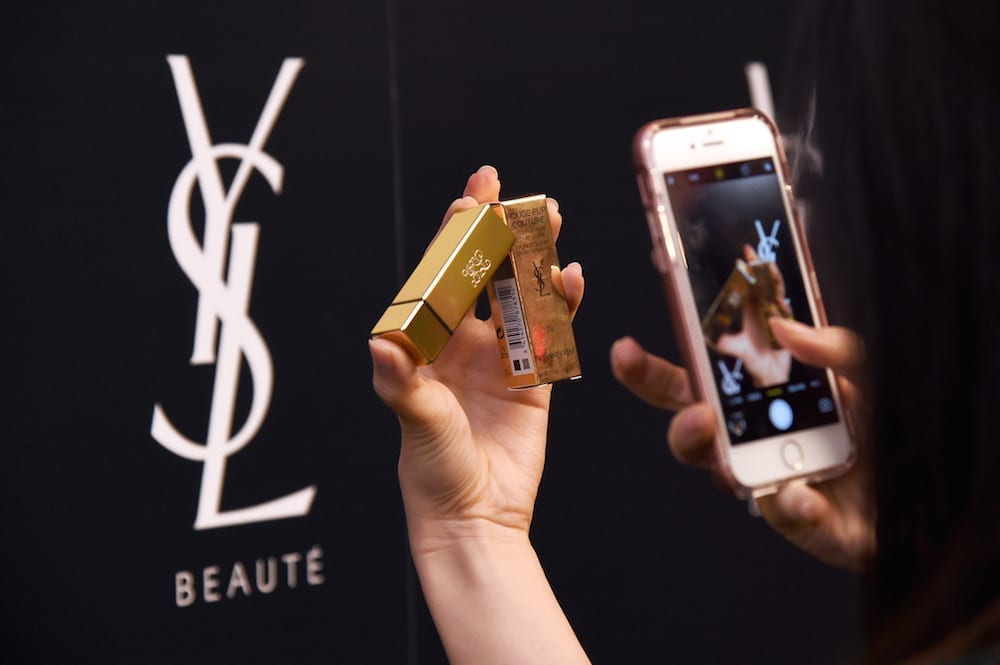
    Yves Saint Laurent Beaute has set a record for the most sales by a beauty brand in its first day on Tmall, reports the Chinese B2C shopping platform.

    In just 14 hours, the L’Oreal-owned brand generated more than RMB30 million (US$4.77 million) in sales when it opened its Tmall flagship store. Ten hours later, sales had reached RMB38 million, with the store’s followers totalling 1.2 million.

    French fashion brand Givenchy set the previoussingle-day sales record of RMB29 million when it made its Tmall debut last month.

    L’Oreal says the appetite for high-end make-up has accelerated this year, largely driven by Chinese consumers. Its luxury labels also include Giorgio Armani Beauty, Kiehl’s and Lancome.

    “The luxury market is really flying right now,” says L’Oreal Group chairman/CEO Jean-Paul Agon. “In geographic terms, the highlight of the first quarter is the return to strong growth in the new markets, especially in Asia Pacific.”

    Interactive offering

    YSL Beaute has also joined Tmall’s Luxury Pavilion, making it one of the first brands to launch on the site’s dedicated section for premium brands. Tmall and YSL Beaute have developed interactive features that can display make-up shades in various ways. For example, when Tmall app users tilt their smartphones they can see images of models with and without lipstick applied.

    “Our product pages should be the coolest on Tmall to date,” says YSL Beaute China brand director Sebastian Xing.

    Tmall is more than a sales channel, he says. It is able to tell brand stories and heighten engagement with consumers.

    YSL Beaute is already tapping into the platform’s consumer analytics to inform product research and development, and will design marketing campaigns catering to Tmall user preferences, says Xing.

    Tmall’s latest figures show that more than half of YSL Beaute customers on the platform fall within the 18-25 age group, while consumers’ 26 to 30 years old make up 22.4 per cent – a far younger turnout compared to YSL Beaute offline counters, where the average customer age is about 27.

  • Nike’s head of diversity steps down in New Zealand

    Nike’s head of diversity steps down in New Zealand

    Antoine Andrews, Nike Inc’s vice president of diversity and inclusion, has resigned just weeks after the announcement of broad changes to the company’s HR policies.

    Nike confirmed the departure, but declined to comment on the circumstances behind Andrews’ departure.

    Andrews is the third high profile departure within a month, coming shortly after Nike conceded it had “failed” in promoting and hiring women and other minorities to senior-level positions within the business and would renew its efforts to address this disparity “with immediate effect.”

    “While we’ve spoken about this many times, and tried different ways to achieve change, we have failed to gain traction,” said Nike’s human resources chief Monique Matheson.

    “Our hiring and promotion decisions are not changing senior-level representation as quickly as we have wanted.”

    The departure comes just weeks after the president of Nike Trevor Edwards resigned, followed shortly by Jayme Martin, vice president and general manager of global categories.

    Nike, during Edwards’ exit, had flagged “conduct inconsistent with Nike’s core values and against our code of conduct,” though there were no direct allegations of misconduct against Edwards.

    Of Nike’s ‘several hundred’ vice president’s only 29 percent are women while in the US only 16 percent are people of colour.

    Andrews joined Nike in 2015, prior to which he was the director of global diversity and inclusion for Symantec.

  • Hera Singapore plans more boutique stores

    Hera Singapore plans more boutique stores

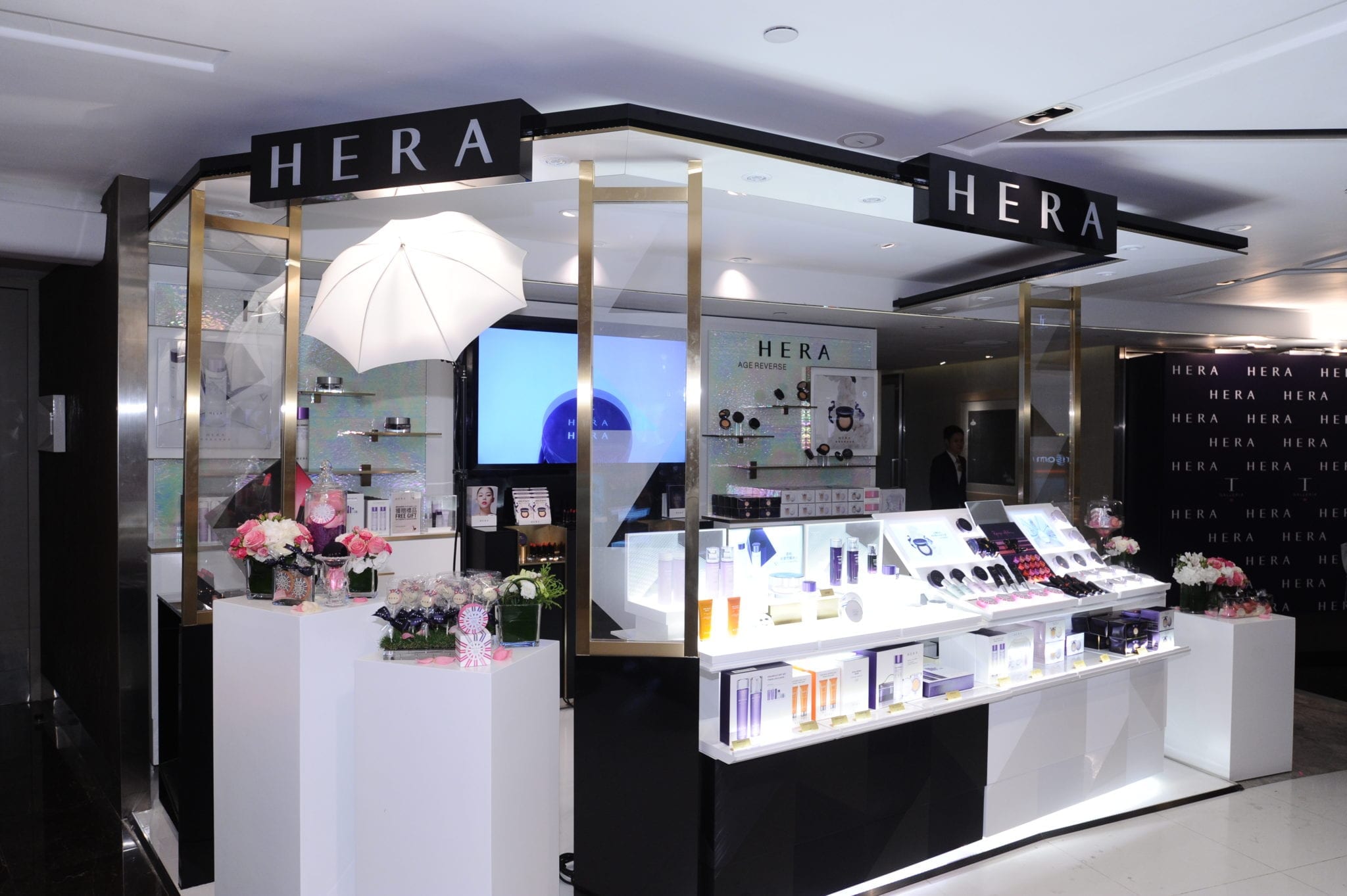
    Korean cosmetics brand Hera Singapore will officially launch at Takashimaya Department Store on May 10.

    And the brand will also open a standalone boutique store within the second half of this year.

    Hera’s parent company Amorepacific considers Singapore a strategically important market for international expansion, due to consumers’ strong demand for global brands and their interest in trends.

    Hera  launched in China, its first overseas market, in 2016.

    Amorepacific also plans to bring its haircare brand Amos to Singapore this year.

  • Kathmandu raises $50 million

    Kathmandu raises $50 million

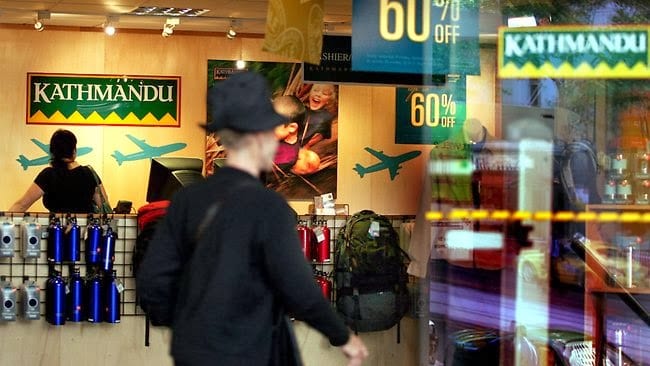
    Kathmandu Holdings will take up the full oversubscription in a share purchase plan, raising $50 million to help fund its purchase of US footwear supplier Oboz Footwear.

    The Christchurch-based company on Wednesday said it accepted $2 million in oversubscriptions for its share purchase plan, taking total subscriptions to $10m.

    That’s on top of $40m raised from institutional investors in a placement.

    Shares were sold in both offers at $2.16 apiece, a 10 per cent discount to where the shares traded before the announcement.

    The shares fell 0.4 per cent to $2.55 today.

    “We are delighted with the extent of support, both for our institutional placement last month and for the share purchase plan, and the affirmation by our shareholders of our growth plans for the business,” chair David Kirk said in a statement.

    “The board would like to thank all those shareholders who participated in the SPP for their continuing support of Kathmandu.”

    The capital injection will be used to help pay for the US$60m upfront purchase of Oboz, which Kathmandu pursued to expand its presence in the North American outdoor market.

    If the acquisition meets certain earnings targets in calendar 2018, Kathmandu will pay up to US$15m more.

    Some 1516 Kathmandu shareholders of its 3514 investors sought to participate in the share purchase plan, offering $14.5m, meaning their offers will be scaled.

    Briscoe Group, which made a failed takeover bid in 2015 when it built up a 19.8 per cent stake, participated in both the institutional placement and share purchase plan.