Tag: Fashion

  • Fung Group’s Explorium probes future plans

    Fung Group’s Explorium probes future plans

    Fung Group has unveiled a new iteration of its Explorium research centre in Shanghai.

    Dubbed Explorium 2.0, the 23,000sqm mock mall has been converted by the supply-chain specialist company into what it describes as a “value-generating ecosystem for commercial enterprises”.

    In a modern building that occasionally doubles as a meeting and event venue, technology and business-model innovation come together as an experimental platform for developing a full range of consumer products, supply-chain technology and services related to branding and retailing.

    Originally, Explorium – described by Fung Group as a retail “omniplatform lab” – comprised a physical space with an interconnected digital network of services, providing brands and retailers with the chance to observe in real time how customers interact with new technologies, products and environments. This enabled them to gather valuable insights into customer behaviour along the way.

    For 12 months, such retailers as Build-A-Bear Workshop, Gymboree, Hello Kitty, Stride Rite and Toys R Us experimented at Explorium using data-analytics tools supplied by IBM as well as retail technologies from various startups.

    Explorium 2.0 builds on the knowledge gained from Explorium in line with Fung Group’s strategic vision to build the supply chain of the future.

    Rapid prototyping

    Now the platform will act as an incubator for companies whose ideas, innovations and technologies are relevant to the Fung Group’s businesses, allowing for rapid prototyping of new business models, products and retail technologies.

    Explorium 2.0 has a strong focus on collaborative innovation, with such partners as the Beijing Institute of Fashion Technology, Microsoft Accelerator and TechNode, and has a mandate to showcase the capabilities Fung Group has developed over its 111-year history.

    Fung Group says the goal of Explorium 2.0 is to move away from traditional approaches to provide a customer experience that balances content and interaction. The space showcases the full breadth of product categories covered by the group, as well as the retail channels it serves, with an emphasis on importing brands and retail concepts into China. In this sense, Explorium 2.0 serves the supply chain end to end, while Explorium focused on front-end retail.

    The new space features a range of elements:

    • A fabric library for apparel manufacturing, equipped with the latest digital tools offering 3D product rendering and virtual sampling
    • A studio for photographing products, tailored to e-commerce business models, as well as a StyleShoots 3D photography studio for fashion shoots
    • A 3D printing experimentation platform based on the premise that in the future 80 per cent of items will be mass produced with the remaining 20 per cent being customisable
    • A multi-use space, The Maze, for product launches, demonstrations and sample sales
    • Showrooms for Macy’s China, a JV between the US department store and Fung Retailing Group, and Fung Omni, Fung Group’s omnichannel systems provider which helps foreign brands enter the Chinese market.

    These spaces fall within the recurrent themes of the Fung Group and Li & Fung – digitalisation, innovation and speed – and will be open to strategic external collaborations.

    Go-to platform

    The Fung Group’s goal is for Explorium 2.0 to become the go-to platform for retail innovation, connecting with stakeholders globally. Explorium 2.0 has already established partnerships with key players in the innovation and technology ecosystem in China such as the Microsoft Accelerator, GBLab and TechNode. Using the space, these partners will draw on Fung Group’s expertise in supply-chain management, logistics and retail to create synergies for the technology startups in their portfolios, as well as the Chinese ecosystem at large.

    At the same time, the goal is for Explorium to also become a bridge for technology companies entering China, and for Chinese startups ready to venture out into global markets, such as Europe and the US, where the group has distribution capabilities.

    At the opening ceremony for Explorium 2.0, Fung Group chairman Dr Victor K Fung said the unit would play a key role in helping the group chart a course through the  transformation under way in the retail industry. The group expects the future of retail lies in omni-channel, as indicated by moves being made offline by Alibaba and Amazon, as well as moves by traditional brick-and-mortar retailers into the online space.

    Dr Fung highlighted the importance of continuing to invest in technology and innovation to create more value across the entire supply chain, taking advantage of the capabilities of all companies in the group to shape the future of the industry.
  • Adidas closes stores and strong focus on online

    Adidas closes stores and strong focus on online

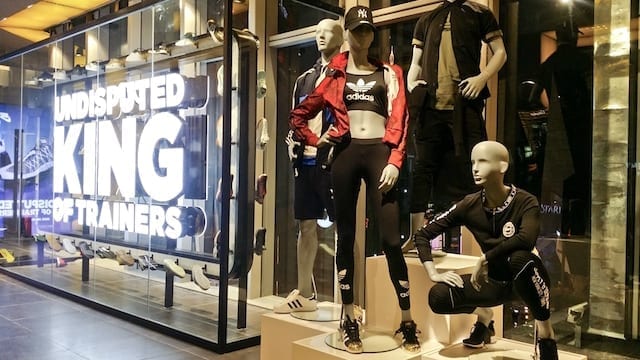
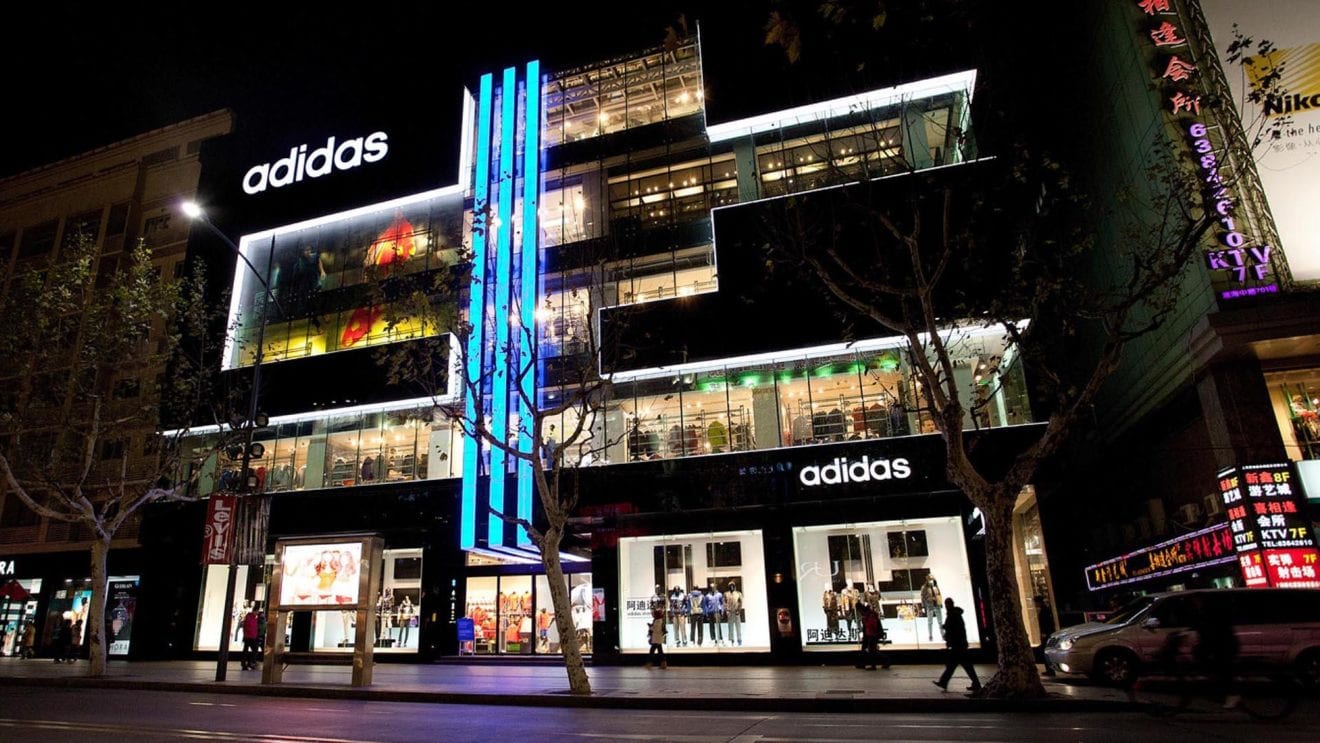
    Global sportswear brand Adidas is shifting its retail model with the times and will look to store closures in coming years alongside an increase in its digital investment.

    In an interview, chief executive Kasper Rorsted, who has overseen a revitalisation in Adidas’ forward looking targets since stepping into the top job in 2016, said that the business would be thinning its portfolio of stores.

    “Our website is the most important store we have in the world,” Rorsted told. “It has priority when we hire [and] when we allocate our resources.”

    Adidas booked a 57 per cent increase in e-commerce sales in 2017, while total revenues increased by 16 per cent to more than $38 billion globally.

    The business hoping to double its e-commerce sales by 2020 to more than $7.3 billion and has been investing heavily in digital initiatives, including the launch of a shopping app last year that received more than 600,000 downloads in less than two months.

    To achieve its goal Rorsted has previously outlined around $1.64 billion in annual capital expenditure over the next few years, up from $1.378 billion in 2017 – with an emphasis on digital and online.

    Adidas has already begun to thin its store portfolio, having already closed around 50 per cent of its owned Reebok stores in the US market.

    There are still more than 2,500 company retail stores around the world though and approximately 13,000 mono branded franchise stores at the end of 2017, with no guidance provided on the extent of coming closures.

  • Myer shares soar after new reports

    Myer shares soar after new reports

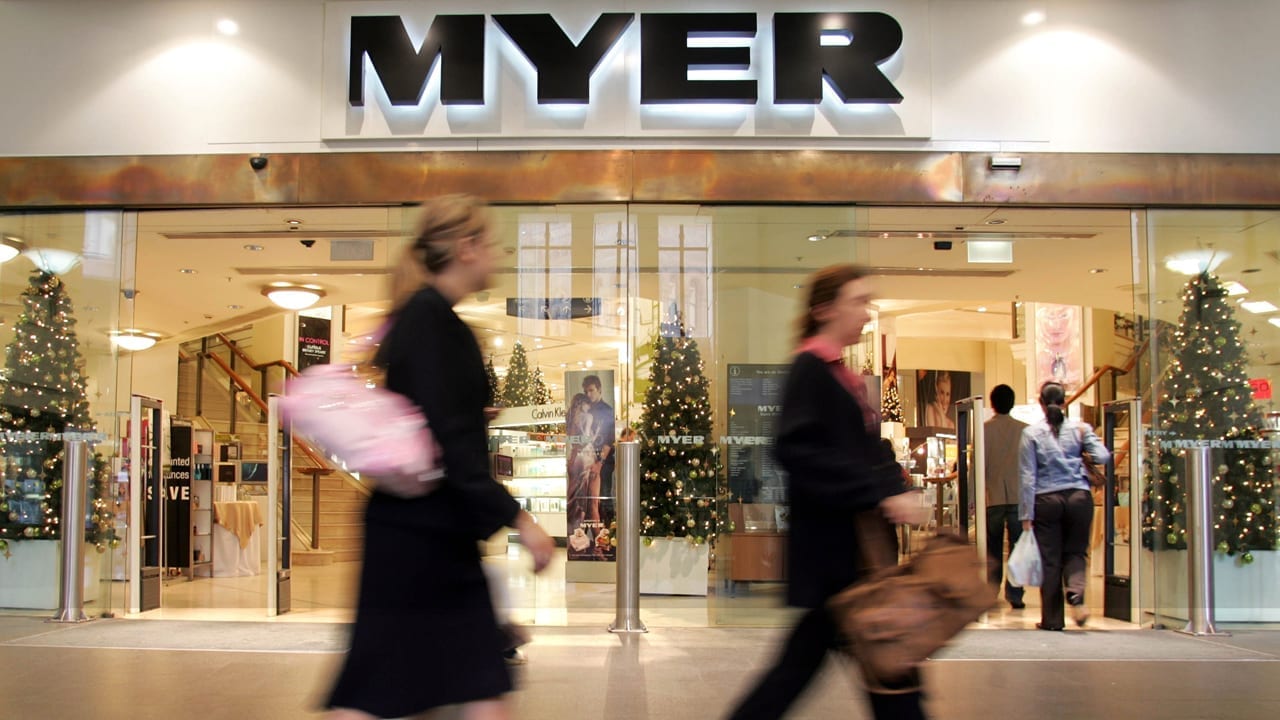
    Myer’s share price has shot up 8.7 per cent in early Friday trading as reports swirl that rival David Jones is considering acquiring the department store.

    Reports this morning in The Australian cite the confidence of market sources that DJs parent Woolworths Holdings is looking seriously at a potential acquisition given Myer’s current market value of around $300 million.

    The South-African based retail business recently booked a $712 million write down on the value of DJs, which it acquired in 2014 for $2.15 billion, but is thought not to have been soured on the prospect of investing additional capital in Australia’s department store sector, given the opportunity to significantly increase its scale.

    But a spokesman for Woolworths Holdings told AAP the rumours were untrue and the company had no plans to buy Myer.

    “These rumours have no basis,” he said.

    “We are not considering an acquisition of Myer and there have been no discussions regarding an acquisition with advisers or between the two companies.”

    Should an offer be made Myer’s largest shareholder Premier Investments, chaired by retail veteran Solomon Lew, could present as a thorn in Woolworths’ side.

    It would not be the first time, Lew held out on the Johannesburg-listed business over its DJs acquisition in 2014, buying up 10 per cent of the company’s shares before the deal, selling at a premium.

    Myer’s share price closed at 35 cents on Thursday evening, but by 11:40 AEST on Friday was trading at 38 cents.

  • SurfStitch creditors approve the EziBuy deal

    SurfStitch creditors approve the EziBuy deal

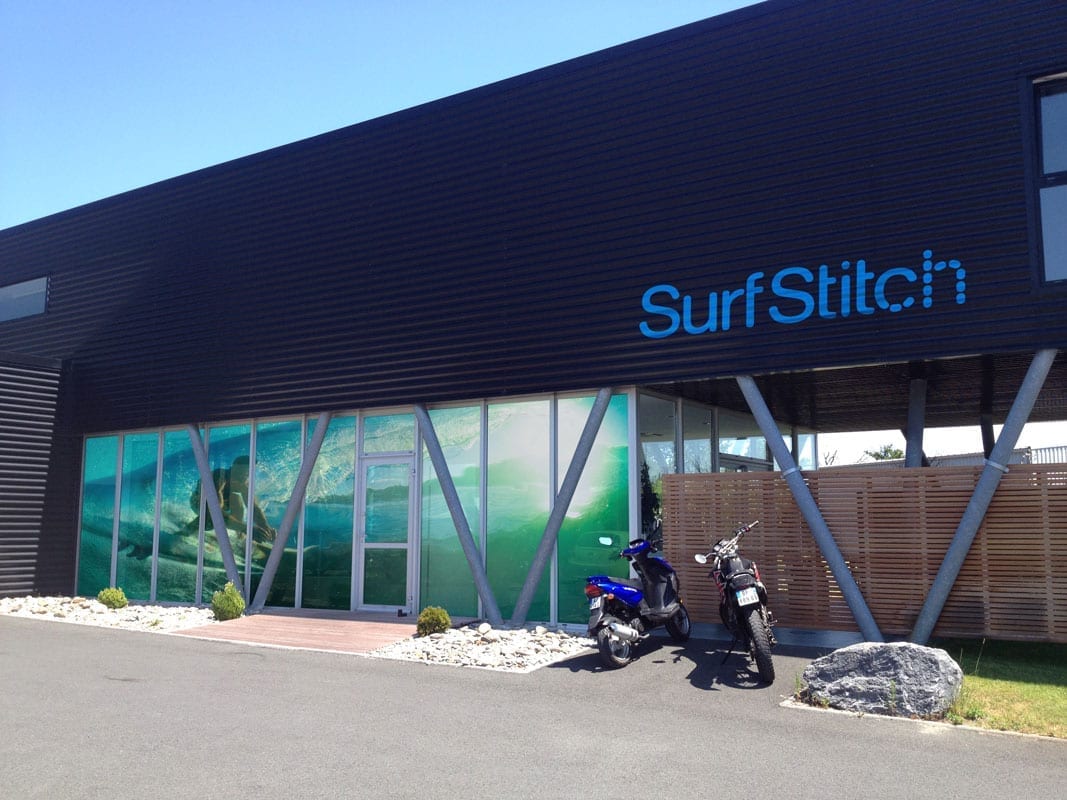
    SurfStitch creditors have approved a proposal from EziBuy to take over the embattled surfwear company and either relist or sell it in the next three years, bringing the online retailer’s drawn-out administration to a close on Wednesday.

    Nearly two-thirds of creditors voted in favour of the deed of company arrangement (DOCA) proposed by EziBuy’s parent company, Alceon Group, over a competing offer from SurfStitch non-executive director Abigail Cheadle, which had the support of SurfStitch co-founder Lex Pedersen and general manager Justin Hillberg, as well as several “major shareholders”, according to Cheadle, but not the administrators or other board members.

    Pedersen said the outcome reflected the emotions of the participants, rather than what was in the best interest of stakeholders.

    “Unfortunately I think the process and outcome was a little more emotional than financial. Personalities, long-standing conflicts and conveniences may have tangled the outcome that should have exclusively been what’s best for the true stakeholders, that is the shareholders and staff,” he told.

    The administrators in March recommended creditors approve the EziBuy DOCA, saying it offered a better return to all stakeholders. Cheadle last week sent a revised proposal to shareholders, matching many of the terms of the EziBuy offer and addressing some of the administrators’ concerns about the process of issuing shares.

    However, the administrators on Tuesday reiterated their support for the EziBuy deal and said creditors would need to issue a new appointment of proxy to vote for the second Cheadle DOCA.

    Cheadle lodged another enhanced proposal an hour before the meeting on Wednesday and moved to postpone the vote to allow creditors whose votes were deemed invalid to participate in the decision and enable an independent expert to assess the EziBuy offer.

    Under the EziBuy DOCA, ordinary creditors and employees will be paid in full within six to eight weeks and class action creditors will receive an initial cash dividend between $3.4 million to $4.3 million. Class action creditors and current shareholders will also be issued convertible notes, converting to shares in the newly merged company, which has an obligation to seek an IPO or other liquidity event within the next three years.

    Cheadle has questioned the valuation of the convertible note, since it implies a valuation well over ten times what Alceon paid for EziBuy ($10 million) last year. But creditors proved reluctant to adjourn the meeting after learning that EziBuy would rescind its offer if the vote was postponed.

    Voters were also keen to end the company’s voluntary administration, which has hampered SurfStitch since it has been on cash terms with suppliers since August.

    Cheadle expressed disappointment after the meeting and maintained that her proposal would have delivered a better outcome for everyone involved.

    “I am extremely disappointed the proposal for SurfStitch was not successful. Since August last year, the proposal has been basically the same. During that time I have worked on the offer on a full-time basis, as well as personally funding it, because I believed strongly in the company’s future,” she said.

    “I hope SurfStitch does well under its new ownership.”

    Pedersen said EziBuy will need to step up to revitalise the business, which he believes still has the potential to succeed.

    “I remain of the view that this business should never have been placed into voluntary administration. Alas, it is where it is today despite the process, so what happens from here is now of utmost importance.

    “EziBuy now need to step up with the support that Justin Hillberg and the team need and deserve as they push to restore it to pre-administration performance. The headwinds created by this protracted process are brisk, but the people [who] have built this business and the customers that support it are resilient.”

  • Nike has “failed” in promoting diversity accross Asia

    Nike has “failed” in promoting diversity accross Asia

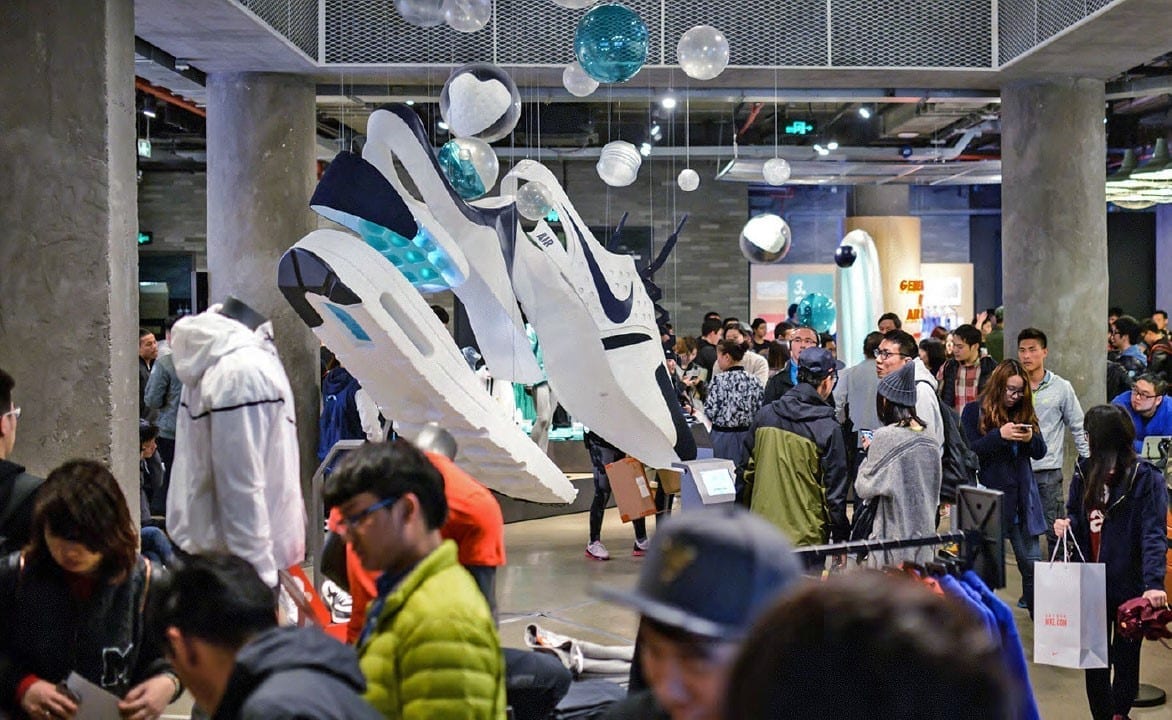
    Nike’s HR chief has conceded that it has “failed” in promoting and hiring women and other minorities to senior-level positions within the business.

    In a memo send to staff on Wednesday in the US Nike’s human resources chief Monique Matheson signalled broad based changes in the sneaker giant’s policies, American outlet CNBC reports.

    The memo comes just a few weeks after the resignation of general manager of global categories Jayme Martin amid reports of inappropriate behaviour.

    “While we’ve spoken about this many times, and tried different ways to achieve change, we have failed to gain traction – and our hiring and promotion decisions are not changing senior-level representation as quickly as we have wanted,” Matheson’s memo reads.

    Currently only 29 per cent of Nike’s vice presidents are women while in the US only 16 per cent are people of colour.

    Nike will now renew its efforts to address this disparity with immediate effect, Matheson said.

    Nike has more than 70,000 employees worldwide and several hundred vice presidents.

  • VF Corporation finalized Icebreaker takeover

    VF Corporation finalized Icebreaker takeover

    Outdoor apparel brand Icebreaker is now under US ownership after New Zealand’s Overseas Investment Office approved the NZ$100 million+ deal.

    The purchaser is VF Corporation, which owns a diverse portfolio of lifestyle brands, including Vans, The North Face, Timberland, Wrangler and Lee.

    In a media release, North Carolina-based VF Corp said the acquisition “is an ideal complement to VF’s Smartwool brand, which also features merino wool in its clothing and accessories”.

    “Together, the Smartwool and Icebreaker brands will position VF as a global leader in the merino wool and natural fibre categories.”

    The deal was originally sealed, subject to regulatory approval, last November. At the time, founder Jeremy Moon said it was always his plan to build a global brand from New Zealand.

    “Our partnership with VF provides us with the largest platform in the world to tell our story, access new markets and reach new consumers at an accelerated pace. This is a once-in-a-lifetime opportunity for our global Icebreaker brand team and for our wool suppliers to introduce a whole new universe of consumers to the benefits of sustainably farmed, ethically sourced, New Zealand Merino wool,” he said.

    The brand is sold in 47 countries through wholesale, branded retail stores and online. Sales were estimated at in excess of US$150 million last year.

  • Sephora to open a new highly competitive centre

    Sephora to open a new highly competitive centre

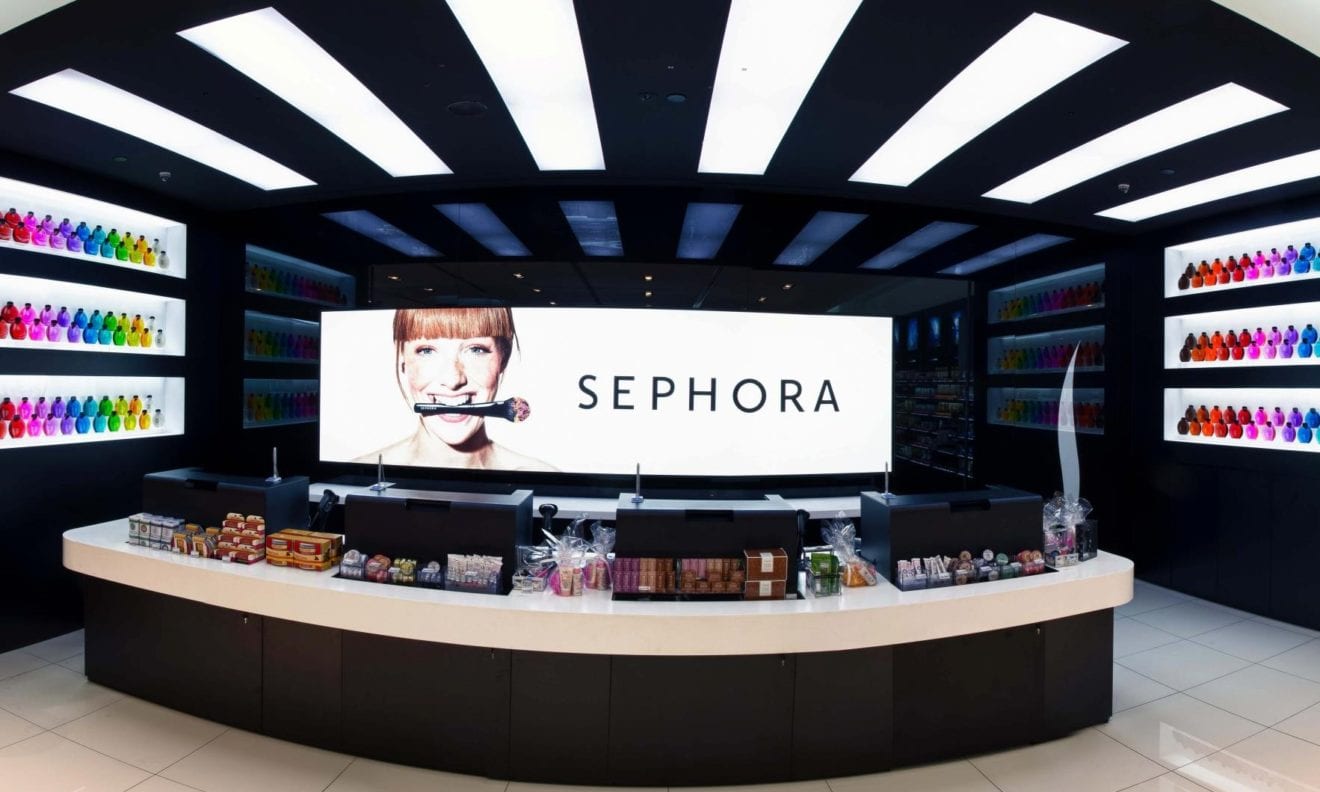
    Sephora will look to Queensland for its first Australian store opening of 2018, announcing plans to open a location in QIC’s highly competitive Robina Town Centre in May.

    It will be Sephora’s 14th store launch in Australia since bringing its offer Down Under at the start of 2015.

    With the likes of Myer, David Jones, L’Occitane, Lush, Priceline and The Body Shop already trading in the centre, competition will be fierce.

    But the beauty brand will look to sweeten the deal for its sunshine coast customers by introducing a new virtual artist within the store, which will allow customers to virtually try on products.

    Sephora Country Manager Libby Amelia said the Robina opening followed the success of its Pacific Fair store, opened in 2016, and would provide customers with an experience-focused offer.

    “Our teams of talented beauty advisers are on-hand to provide foundation matching and a wide variety of makeup services, but the beauty of Virtual Artist is that you can try on hundreds of colours all on your own, and from the traction we have via our app, we know our customers absolutely love it,” Amelia said.

    The Robina store will be the first Sephora in Australia to trade with the technology, although a broader roll out is anticipated.

    Sephora will also trade a range of exclusive brands in the new store such as Fenty Beauty, Huda and Anastasia Beverly Hills.

    Robina Town Centre general manager Shaine Beveridge said he was happy about the addition of Sephora to the centre.

    “We are delighted to welcome global cosmetics retailer Sephora to our growing and diverse portfolio,” he said.

    “The addition of this internationally renowned brand signals another exciting chapter for our Centre as we continue to strengthen our retail offer.”

  • Zalora unveils more different Lubna and Zalia styles

    Zalora unveils more different Lubna and Zalia styles

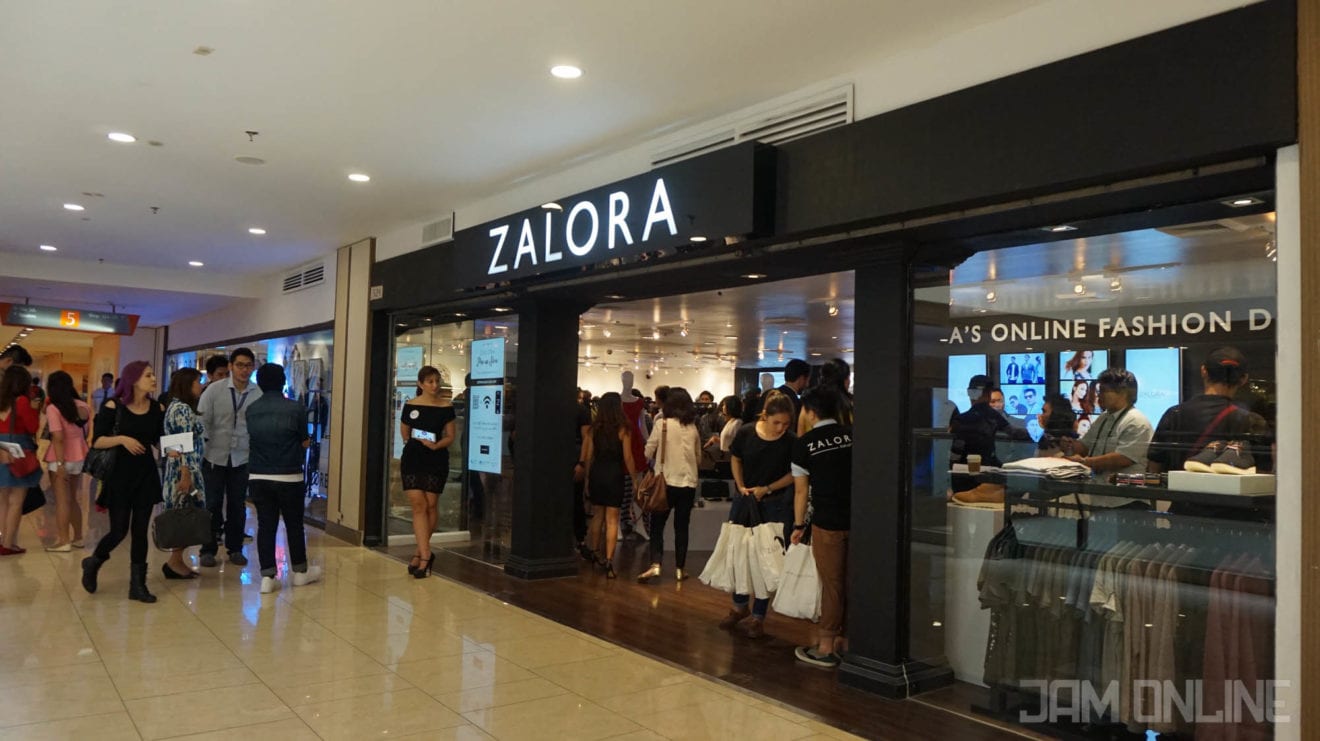
    Online fashion retailer Zalora has unveiled extended collections from its Muslim modest-wear labels Lubna and Zalia.

    Zalora says its exclusive Hari Raya collections comprise elegant and versatile pieces to suit all seasons and occasions.

    Its Zalia festive collection features 219 styles for women and 69 styles for men featuring intricate designs and inspired by the idea of an ethereal romance.

    A new style addition to the mix, the traditional Baju Kurung and Kebaya, is reminiscent of the ongoing kimono fusion trend, says Zalora. Highlights include embroidery and gem detailing in new jacquard fabrics. Shoppers can expect capsule sets suitable for couples and families.

    Meanwhile, Lubna has crafted a capsule for its third festive collection, a 303-piece women’s and 50-piece men’s collection that marries romantic styling with trending texture play.

    Both collections are available now on Zalora in Indonesia, Malaysia and Singapore.

  • JD Sports Fashion Korea

    JD Sports Fashion Korea

    JD Sports Fashion Korea will launch with a store in Seoul’s Gangnam district on Friday week.

    It is the British sports fashion brand’s first venture into the Northeast Asian market since forming a JV with Korean retailer Shoemarker in September.

    By the end of the year, JD Sports hopes to have 32 stores across Korea, to be promoted and managed by Shoemarker. They will offer such global sportswear brands as Adidas, Fila, Nike and Puma.

    Founded in 1981, JD Sports Fashio has more than 1250 stores in 14 countries including Australia, France, Germany and the UK. Sales reached US$3.24 billion in 2016.

  • Azalvo launched to collaborate with designers, startups

    Azalvo launched to collaborate with designers, startups

    A new Hong Kong fashion and lifestyle incubator aims to ease collaboration for startups in fashion and retail.

    Called Azalvo, the platform was founded by Joanne Chow, who believes in the sharing economy and wants to provide access to resources, collaborate and guide companies through the challenging process of transforming creative ideas into successful businesses.

    “Azalvo is cultivating a culture of collaboration, nurturing a new generation of the local manufacturing industry and contributing to enhance the economic influence of the industry to Hong Kong,” says Chow.

    Backed by Aussco, a textile trading and manufacturing company with nearly 60 years of experience, Azalvo believes it offers the technical know-how, network, technology and experience to mentor, incubate and launch promising ideas for its partners.

    “Aussco and its affiliated companies have created a 360-degree ecosystem to offer comprehensive support for both emerging and mature companies. With our long legacy in design, fashion, retail and branding industries, we can identify and bridge the gaps in their needs.

    “The establishment of Azalvo stems from our experience in working with artists, designers, entrepreneurs and established brands in the fashion and lifestyle industry,” she said. Azalvo is the first and most comprehensive hub to develop this platform.”

    Textile and garment manufacturing has always been a major industry in Hong Kong, but over recent decades, the local industry has shifted from labor-intensive operations to knowledge-based research, technology development and brand management for international fashion and lifestyle brands.

    One of the new ventures early partnerships has been helping AI technology startup Small Mind.

    Founded by HiuKim Yuen and Tom Kwun Wah Tong, Small Mind partnered with Azalvo, to create a unique AR experience tool, (pictured above). Designed with the needs of fashion buyers in mind, the tool gives users real-time data, providing buyers and even customers with a new buying experience, whether they are buying at a fashion show or in store.

    Azalvo’s services include marketing and branding, product research and design, manufacturing knowledge and technology, sourcing and sampling, logistics and distribution, business matching as well as trademark, patent and prototype development.

    In-house facilities available to startups includes 3D printers, a professional photography studio, 360-degree rotatable cabinet and display area and a fashion and material archive.

  • H&M opened on Tmall

    H&M opened on Tmall

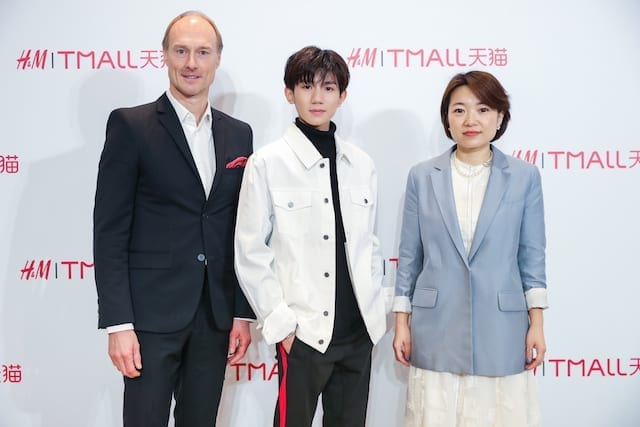
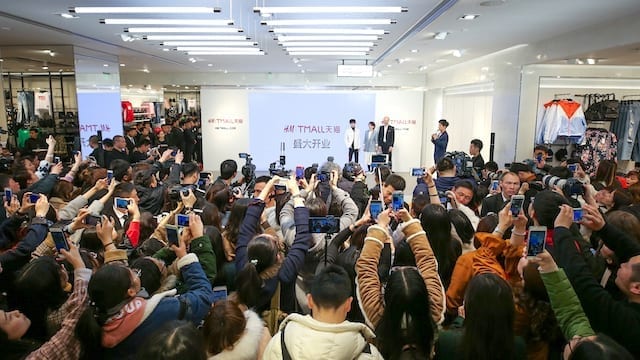
    H&M China launched on Chinese e-commerce platform Tmall, complementing the Swedish clothing retailer’s 400-plus physical stores and HM.com Shop Online.

    “We are very happy to extend our collaboration with Alibaba by launching H&M and H&M Home on Tmall,” says H&M Greater China country manager Magnus Olsson.

    H&M opened its first store in Mainland China in 2007 and launched its online shop in 2014. The H&M group brand Monki has had strong development in China since its launch on Tmall, and this collaboration between the two groups, touted in December, is being extended to include both the H&M brand and H&M Home.

    During the launch period, H&M’s Tmall shop is offering more than 10,000 styles of fashion items including women’s, men’s, teens’ and children’s styles, plus H&M Home. As well as special opening offers, Tmall and H&M is offering exclusive pieces featured by TF Boys singer Wang Yuan, one of the stars in a H&M/Tmall campaign film.

    “With H&M’s experience in online and offline fashion retail, this collaboration signifies an important milestone for Tmall’s expansion, allowing more customers to enjoy the pleasure of interactive shopping,” says Alibaba VP for Tmall fashion and luxury Lv Jianmei.

    Procurement centres

    Meanwhile, Tmall Global plans to open six procurement centres across the world to help overseas vendors capture Chinese consumers’ booming appetite for newer and better imported goods, says Tmall president Jet Jing. They will be established in Japan, South Korea and Hong Kong, as well as regions of North America, Europe and Oceania.

    Jing’s announcement, at the annual Tmall Global 2018 Global Partners Summit in Hangzhou, did not disclose a time frame.

    Launched in 2014, Tmall Global is Tmall’s channel for cross-border e-commerce. The platform controls nearly a quarter of the market. With Alibaba’s expansive consumer analytics, Tmall Global provides overseas vendors insights into Chinese consumers’ shopping behaviour and preferences.

    China is the world’s second-largest consumer market following the US, according to Boston Consulting Group. The research consultancy notes China will see nearly $2 trillion in new consumption by 2021, and also projects China’s e-commerce cross-border trade to more than double to RMB620 billion (US$98 billion) in gross merchandise volume by next year from RMB305.5 billion in 2016.

    Global commitment

    Tmall Global, which already offers more than 18,000 brands from 74 countries and regions, is committed to attract even more international brands and vendors to sell their goods into China in the coming year, says Tmall Global GM Alvin Liu.

    New Retail, which harnesses new technologies to unify online and offline shopping, will serve as an important driver to power such growth by allowing vendors to engage with their customers in both spheres, Liu says.

    “Our goal is to give Chinese consumers the best shopping experience, so we select only the best quality for China,” says Liu.“We must discover new categories and find new products so Chinese consumers can find items that are best suited to their needs.”

    To achieve these goals, Tmall Global has pledged to boost the traceability of items sold on the platform. By using blockchain technology, consumers will be able to track their orders throughout every stage of the delivery process, starting from the factory at the country of origin.

    Secondly, the platform seeks to expedite the expansion of overseas fulfillment centres so smaller foreign brands can introduce their products to the Chinese market more quickly.

    The platform will also increase the use of bonded warehouses, where imported goods can be stored securely without import duties until the items are sent.

  • Pomelo Fashion CEO David Jou against the stream in SEA

    Pomelo Fashion CEO David Jou against the stream in SEA

    Pomelo recently had the largest-ever series B funding round for a Thai start-up, raising $19mn.

    Jou was previously Managing Director of Lazada Thailand, which was set up as to take advantage of digital adoption rates in emerging markets which lacked capital, technology and human resource investment. Why did he choose Thailand, and remain there to set up Pomelo?

    “I always thought Bangkok was a very international city, while simultaneously small and charming. It’s a central location, which is great for ecommerce. From Bangkok to Singapore, Hong Kong, Ho Chi Minh… it is all within a three-hour flight. In addition, the population and GDP per capita were at a level that can really support an online business – especially with accelerating trends in internet adoption rates. Another option was the Philippines, which Jou says would have been more challenging logistically due to its many islatnds, and Malaysia where the population is small and fragmented both ethnically and culturally. “A customer-facing brand serving such a hugely diverse population would have proved difficult,” says Jou, adding: “When I looked at Indonesia [four years ago] I thought maybe it was a bit early in terms of its technology development – but I was completely wrong; Indonesia has really leapfrogged other markets in terms of how quickly it was able to develop.”

    Thailand, in conclusion, was “a really great place to set up: 70mn people, 30-40% internet penetration, and social media adoption was greater than 100%, meaning there are more Facebook accounts than people”.

    For Pomelo, managing an efficient reverse supply chain is paramount to giving users what they require. “I think it’s really at the heart of the ecommerce problem fashion has. When people purchase fashion products like apparel and shoes fit and sizing are such important factor. We have a ton of customers and a huge online following, but when we look at the segment of people who have yet to make a purchase, they say the #1 roadblock isn’t brand or style, it is always fit and not wanting to deal with returns. That’s 95% of it.”

    “That is why in 2016 we recognized we’re not an online brand, we’re a digital brand. Online or offline, you can make it better through the use of technology. We do have an offline presence we’re rolling out very quickly. it is an omnichannel experience; we don’t think about it as ecommerce versus in-store retail, we think of it as offline and online both being ways to reach and interact with our customer.”

    Jou feels that an Asia-based fashion company is set to disrupt the fashion industry as the continent consumes 70% of fashion and produces the vast majority of clothing. In the Asian market, it’s important to look at what you are replacing with ecommerce, according to Jou: “It comes down to accessibility: they want trends localized to the climate and lifestyle people in these countries lead. In the US or Australia, every major town has multiple retail outlets selling all the high street brands, but here if you’re not in one of the major cities you don’t get that assortment. It is key that we’re able to provide that assortment of trendy fashion at a price point that works regardless of whether you’re in Bangkok, Chiang Mai or Phuket.”

    In the future, the brand hopes to expand its channels to reach a wider consumer base.

    “We are mostly online with a small offline footprint, but as we’ve recently realized the biggest barrier to purchase is fit, sizing and hassle of returns. This can be easily addressed by combining technology with the offline footprint that makes sense for the markets we operate in.”

    Next, Pomelo will expand geographically. “I like to call it multi-vector growth: all big companies have multiple vectors along which they are growing at any given time, simultaneously. Currently we are in Thailand, Indonesia, Singapore and are setting up our cross-border trade warehouse in Hong Kong which will allow us to reach customers across the world cost-effectively, efficiently and quickly. We will then be able to serve customers in India, Nigeria, the Middle East, Japan, Vancouver… all from the same warehouse. That will be possible due to recent innovations in the logistics space. That’s going to be really exciting.”

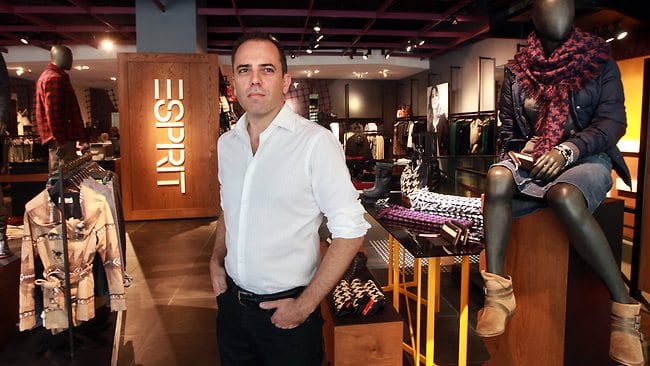
  • Esprit posts H1 net loss of 954 mn Hong Kong dollars on weak sales

    Esprit posts H1 net loss of 954 mn Hong Kong dollars on weak sales

    Esprit Holdings swung to a net loss in the first half, hit by weak sales at its brick-and-mortar retail stores and goodwill impairment due to a decline in its China business.

    The fashion group is in the midst of an ambitious multi-year revamp that has included store closures, price adjustments, and technology and distribution improvements.

    “Given the weaker-than-expected sales performance in 1H FY17/18, we remain cautious about the expectations for the second half of this financial year,” the company said in a filing to the Hong Kong stock exchange.

    The Europe-focused retailer on Wednesday reported a net loss of HK$954 million ($121.85 million) for the six months ended December, compared with a profit of HK$61 million in the year-ago period.

    Revenue slid to HK$8.04 billion from HK$8.32 billion.

    Esprit had in January flagged a net loss of up to HK$980 million for the July-December period.

    Bigger rival Sweden’s H&M, the world’s second-largest clothes retailer behind Zara owner Inditex , has seen sales growth stall in recent years as it has struggled to adapt to the shift online and fend off increased competition from other budget brands.

  • YNAP shareholder criticises Richemont’s acquisition bid

    YNAP shareholder criticises Richemont’s acquisition bid

    Richemont’s takeover bid for Yoox Net-a-Porter (YNAP) has been handed some uncertainty amid reports that a long term shareholder will vote against it.

    US-based value investor Robotti & Co – which has a stake of less than one per cent in the YNAP Group – did not see the deal as being “synergistic” or that the price offered was at “sufficient valuation”.

    “Given that Yoox Net-a-Porter has leading a position in the industry and the best management team, we think the company should remain independent for the time being,” Robotti & Co portfolio manager Isaac Schwartz told the newspaper.

    Swiss-based Richemont – which owns high-end brands such as Cartier, Montblanc and Dunhill London – already has a stake in the YNAP Group but last month it made a public tender offer to buy the shares it does not own for €38 (£33.5) per share.

    Various publications have revealed different total estimates for the takeover bid, ranging from €2.8 billion (£2.4 billion) to €5.1 billion (£4.5 billion).

    The deal would only go ahead once it is approved by YNAP Group shareholders.

  • McKinsey predict Online luxury to leap

    McKinsey predict Online luxury to leap

    Online sales are projected to more than triple to US$74 billion by 2025, involving about one in every five luxury sales, according to management consulting firm McKinsey & Company.

    Its report The Age of Digital Darwinism says there is a growing need for luxury brands to have digital competency, with McKinsey expecting the bricks-and-mortar environment to become dependent on digital.
    It says luxury goods e-commerce sales are growing rapidly. Online sales of personal luxury goods are presently $20 billion, making up 8 per cent of total luxury sales.

    Monobrand online stores are currently dominating, but multibrand platforms are growing their sales more rapidly. These e-tailers or marketplaces were born digitally, giving them an advantage over brands having to adapt legacy systems, says the report.

    Consumers have become more active in the luxury online sector, whether it is sharing content about brands on social media or participating as a secondhand seller or curator.

    In an increasingly digital ecosystem, those poised for success are adopting what McKinsey dubs a “Luxury 4.0” model. Based on Industry 4.0, which integrates customer data with production mechanisms and design, it aims to create a seamless process from concept to consumer.

    While luxury is centred on tradition and craftsmanship, 60 per cent of luxury managers see their brand selling 3D-printed goods within in the next decade, says the report.

    Data is also going to be key in customer engagement. As personalisation becomes the norm, marketers will need to focus on delivering a customised and individual experience.

    Digital is changing consumer expectations – consumers expect to be entertained and engaged offline as well. “Reverse-omnichannel” means that rather than digital needing to live up to the store, the store now has to live up to digital.

    Luxury brands are also facing competition from outside the industry, the report says. Amazon is changing customer behaviour, turning consumers into online buyers and making pushes into categories such as beauty and fashion. Amazon also accounts for 55 per cent of consumer product searches, with shoppers starting their journeys on the platform.

    Converging thriftiness and desire for sustainability is creating new models for consumption, such as rentals and secondhand marketplaces, the report notes.