Tag: Fashion

  • H&M tries its luck in billion dollar 2nd Hand Clothing Market

    H&M tries its luck in billion dollar 2nd Hand Clothing Market

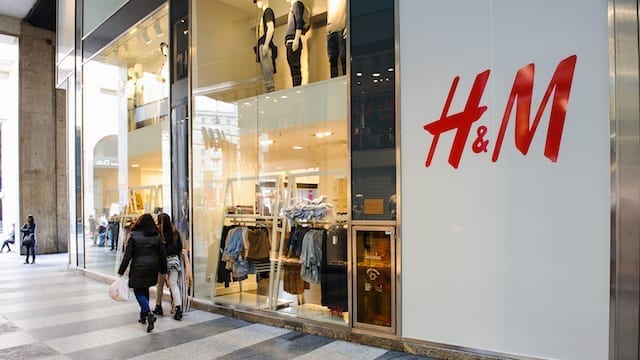
    Fast-fashion brand H&M is testing its fortunes in the fast-growing used-clothing market.

    The Swedish brand has commenced sales of second-hand clothing in response to consumer concerns about the environmental impact of the fashion industry.

    H&M’s head of sustainability Anna Gedda says the program is being piloted in Sweden with a view to a more substantial rollout in future.

    “It comes back to the whole circular vision,” she said. “It just makes great sense to look into this business. We see this as a growing part of the industry, with great opportunities both for consumers and not least for the environmental impact, and how we can drastically reduce that by extending the life of the products.”

    The used-clothing market is expected to reach US$51 billion, double its current size, within the next five years.
    Last year, a BBC documentary portrayed fashion as one of the world’s most polluting industries.

  • Uniqlo hunts personnel for first Vietnam store

    Uniqlo hunts personnel for first Vietnam store

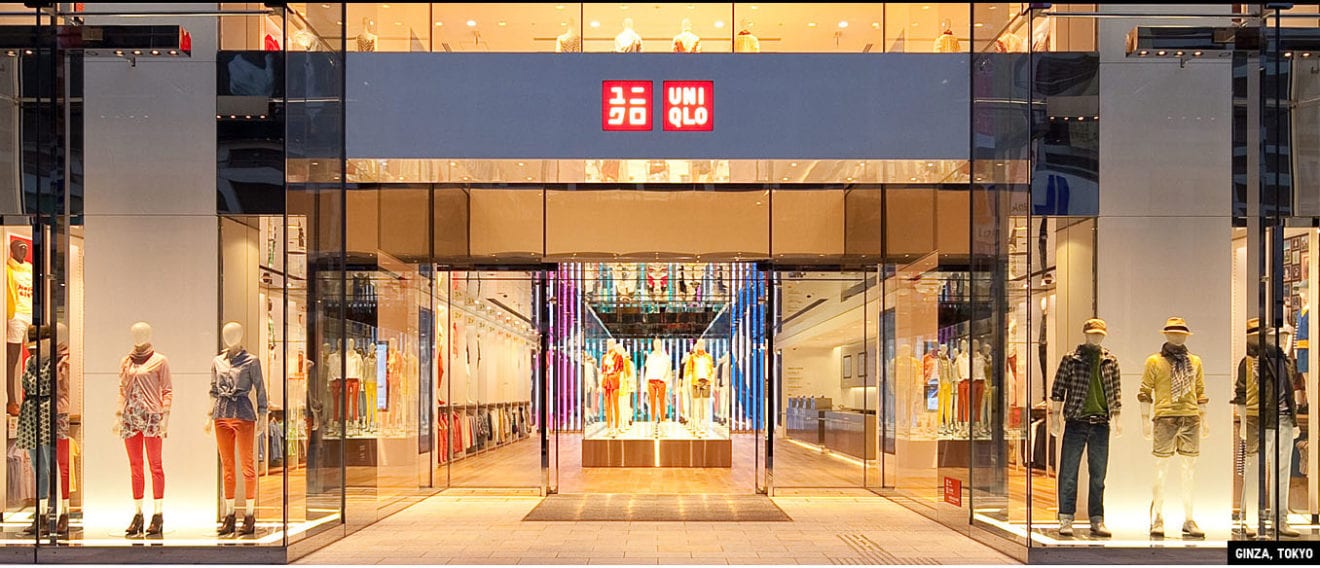
    According to advertisements on Jobstreet.com, a recruitment website, the Japanese corporation is looking for managerial and store level candidates urgently for its first store in Ho Chi Minh City.

    The plan to open its first outlet this fall had also been mentioned in the annual report of Fast Retailing, Uniqlo’s parent company.

    Accordingly, Uniqlo registered a domestic company, under the form of a two-member limited company, in Vietnam last October. Fast Retailing owns 75 percent of the joint venture, while diversified conglomerate Mitsubishi holds the remaining stake.

    The company has a charter capital of $8.8 million, with all of its registered legal representatives: chairman, general director and chief executives being Japanese individuals.

    This is part of Uniqlo’s plan to expand its brand globally. Apart from Vietnam, Uniqlo also expects to open its first stores in Denmark, Italy and India this year. Uniqlo’s arrival will intensify competition between foreign brands like Zara and H&M in Vietnam.

    According to German research firm Statista, Vietnam’s fashion revenue will grow 22.5 percent a year in the 2017-2022 period, reaching $988 million yearly by 2022.

    Vietnam’s revenue from the fashion segment amounted to $486 million in 2017 and $557 million in 2018, and is projected to reach $661 million this year.

    Uniqlo aims to have around 400 outlets in Southeast Asia and Oceania by 2022, generating $2.71 billion in revenue. The brand currently has 827 stores in Japan and 1,241 international stores.

  • Prada Chongqing store has Italian Design Elements

    Prada Chongqing store has Italian Design Elements

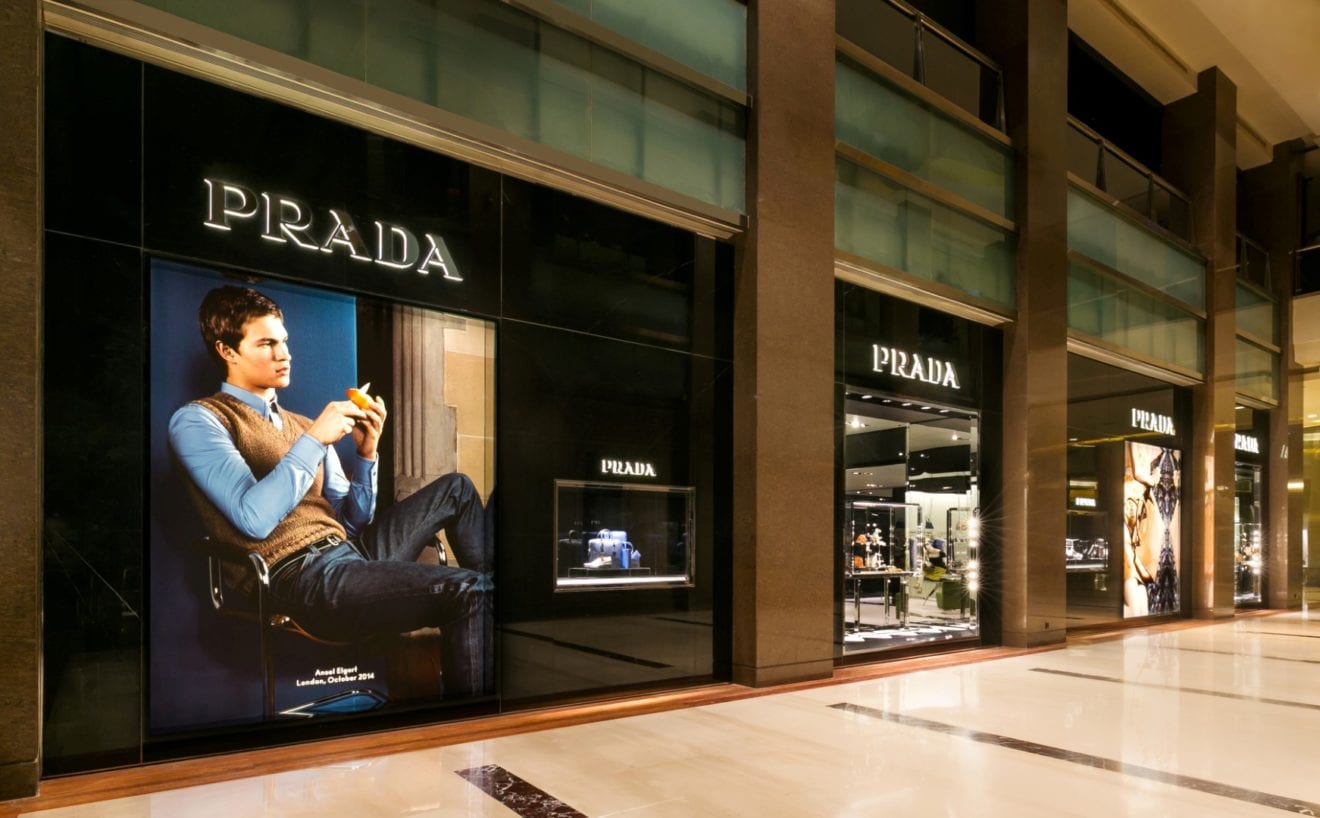
    Fashion label Prada has opened a new outlet in Chinese Chongqing at the popular MixC department store.

    The 600sqm Prada Chongqing space stocks a selection of both women’s and men’s collections spanning ready to wear, leather items, shoes and accessories.

    The store’s design features spiral metal blades in gold and silver set against black marble and large windows to maximise natural light. The interior, inspired by Prada’s historic Galleria store in Milan, prominently features green Aver marble and chequered black and white marble flooring.

    The Prada Chongqing store’s velvet seating is a tribute to classic Milanese design of the 1950s and attempts an elegant and refined environment.

  • Mos Thailand Found Investor, Securing Further Expansion

    Mos Thailand Found Investor, Securing Further Expansion

    Japanese hamburger-restaurant chain Mos is selling a 74.3 per cent stake in its Thailand operations to bolster its local presence.

    The Mos Thailand shares are being acquired by former Thai skincare entrepreneur Pitharn Ongkosit, who will undertake to expand the business within the territory and increase the number of outlets within the region.

    The Japanese brand will retain all remaining shares in the business.

    The brand’s original partnership failed after local operators kept just six outlets running since the firm’s 2007 launch in Thailand. The partners now aim to have 45 shops in operation within five years.

    The firm has 1321 outlets in Japan and 265 in its second-largest market, Taiwan.

  • Burberry Shanghai Closes Flagship Store

    Burberry Shanghai Closes Flagship Store

    he Burberry Shanghai flagship store has been shuttered as the British luxury-goods retailer looks to reduce costs.

    It is the fourth Burberry location within Mainland China to be shuttered within the last eight months as part of a global restructuring effort, representing a conspicuous and somewhat puzzling drawing back from a key luxury market.

    The closure of the 1000sqm flagship means that half of Shanghai’s Burberry outlets have now vanished, after the brand’s K11 mall store disappeared last August and its Westgate Mall and Hongqiao airport halted operations a month ago.

    The closures were prompted by poor demand for Burberry products in Asian markets, and are part of the firm’s global strategy to cut back on underperforming retail locations.

    Representatives of the brand have pushed back on speculation that the closures signal an all-out withdrawal from China.

    “China is a hugely important market for Burberry and we are fully committed to growing our business there. We are making some of our biggest investments in Shanghai where we recently refreshed our flagship store at Kerry Centre and we will open two new stores at IFC Mall and IAPM Mall in the coming months. This strengthens our presence in Shanghai, a key luxury shopping destination, and we are excited to welcome our customers to these new locations.” said a company spokesperson.

    “Burberry is not so much closing down as relocating to new stores,” said JLL’s head of retail for China Ellen Wei, noting that Burberry plans to open two more strategically located stores in Shanghai shortly.

    Burberry bought out its Chinese franchises in 2010 for £70 million (US$91.4 million at current rates) in response to the country’s burgeoning taste for luxury products.

    The Burberry Shanghai flagship was located in the L’Avenue shopping centre in Gubei.

  • International luxury brands down in Brisbane

    International luxury brands down in Brisbane

    Luxury brands are descending on Brisbane, with fashion house Saint Laurent opening its first store in Queensland at QueensPlaza on March 28, ahead of arrivals from Fendi and Dior slated for later this year.

    The new store, Saint Laurent’s sixth Australian store, has an architectural design that features three types of marble and refined detailing accented with anodised gold, mirrored stainless steel and leather joinery.

    “The arrival of Saint Laurent, another first to Brisbane, further cements QueensPlaza’s position as the city’s leading luxury retail and lifestyle destination,” said Pamela Wakeford, centre manager.

    Saint Laurent joins a slew of luxury retailers already located at the centre, including Chanel, Burberry, Tiffany and Co, Zimmermann, Scanlan Theodore and Camilla.

    Italian fashion house Fendi is poised to unveil its new boutique mid-year and Stanton café and bar will also open in the coming months. The new café will have a dining and bar experience including an outdoor terrace overlooking the Queen Street Mall.

    Queensland has also recently welcomed fashion jewellery brand APM Monaco, which opened a new store in Brisbane’s high street, joining a suite of luxury fashion retailers along MacArthur Central.

    The new store features the retailer’s traditional handcrafted jewellery pieces along with some most recent collections like open chokers with sky silver and zarconia meteorites, and asymmetric underlobe earrings and jackets.

    “Precision Group is proud to welcome APM Monaco to MacArthur Central where it will sit alongside some of the best international and national retailers fronting Edward Street Brisbane, where Brisbane City Council have invested $11.8 million into a beautification project of the precinct,” said Colleen Middlemass, centre and state asset manager.

    Middlemass said the new store will complement the area’s “luxe offering with a fashion focus on new trends from across the globe”.

  • Sephora opening New Zealand Flagship Store

    Sephora opening New Zealand Flagship Store

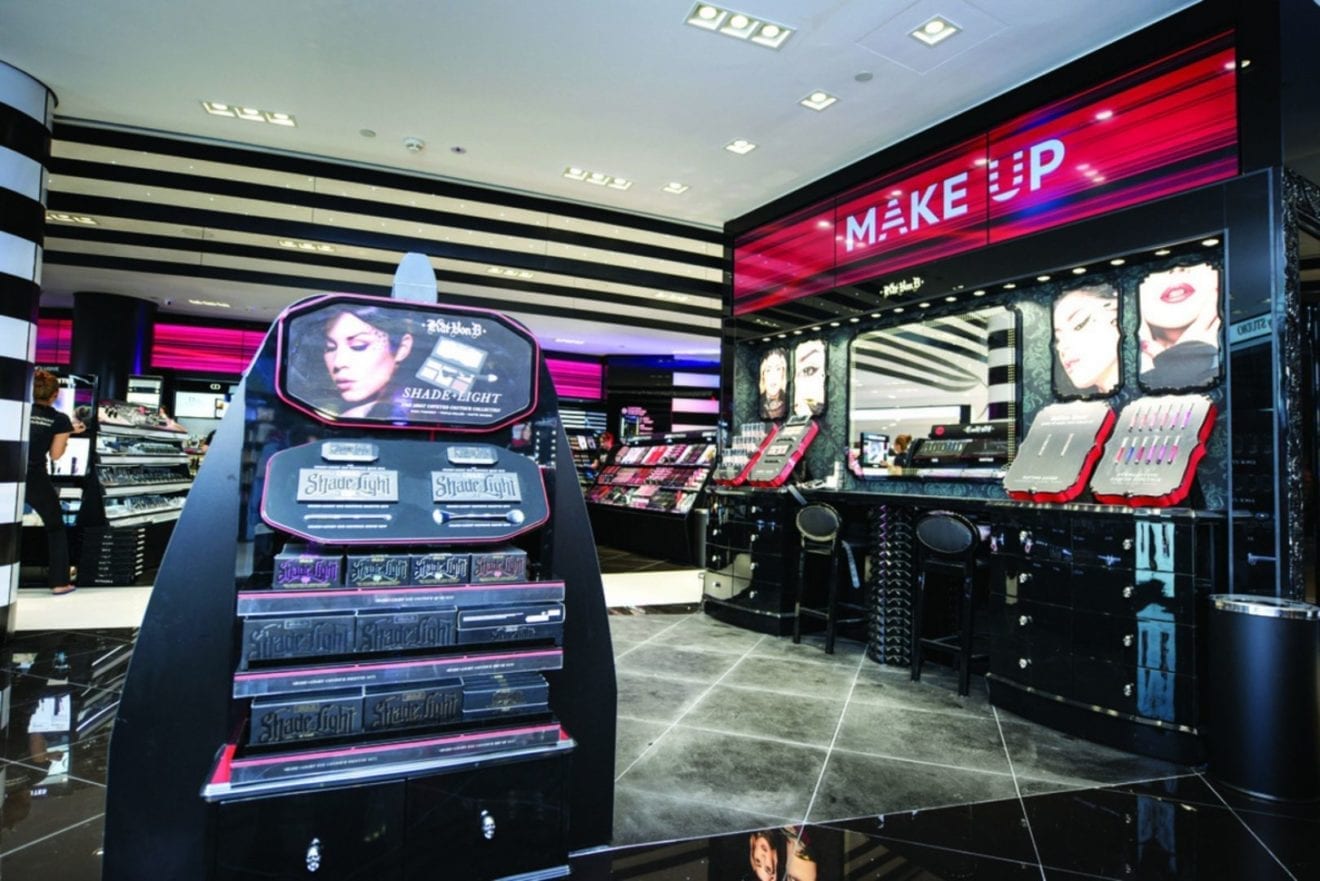
    Sephora is looking to fill a number of retail roles in Auckland, suggesting the beauty retailer is looking to open its first bricks-and-mortar store in New Zealand in the near future.

    Listings for assistant store manager, category coordinator, stockroom manager, supervisor, beauty and studio artists and retail assistants have been uploaded to job site Seek over the last month, claiming the retailer is opening its first New Zealand flagship store this year.

    The most recent listing notes that job seekers should be available and flexible to attend a recruitment event between May 7 and 8, pointing to a relatively quick opening window.

    The store will likely be located on Queen Street, Auckland, and is currently being fit out for the brand’s arrival. An internal elevator, lightning fixtures and elaborate signage are among the changes being made to the site.

    Sephora has been contacted for confirmation, but has not yet responded.

  • Roots Canada Gets It’s First Hong Kong Store

    Roots Canada Gets It’s First Hong Kong Store

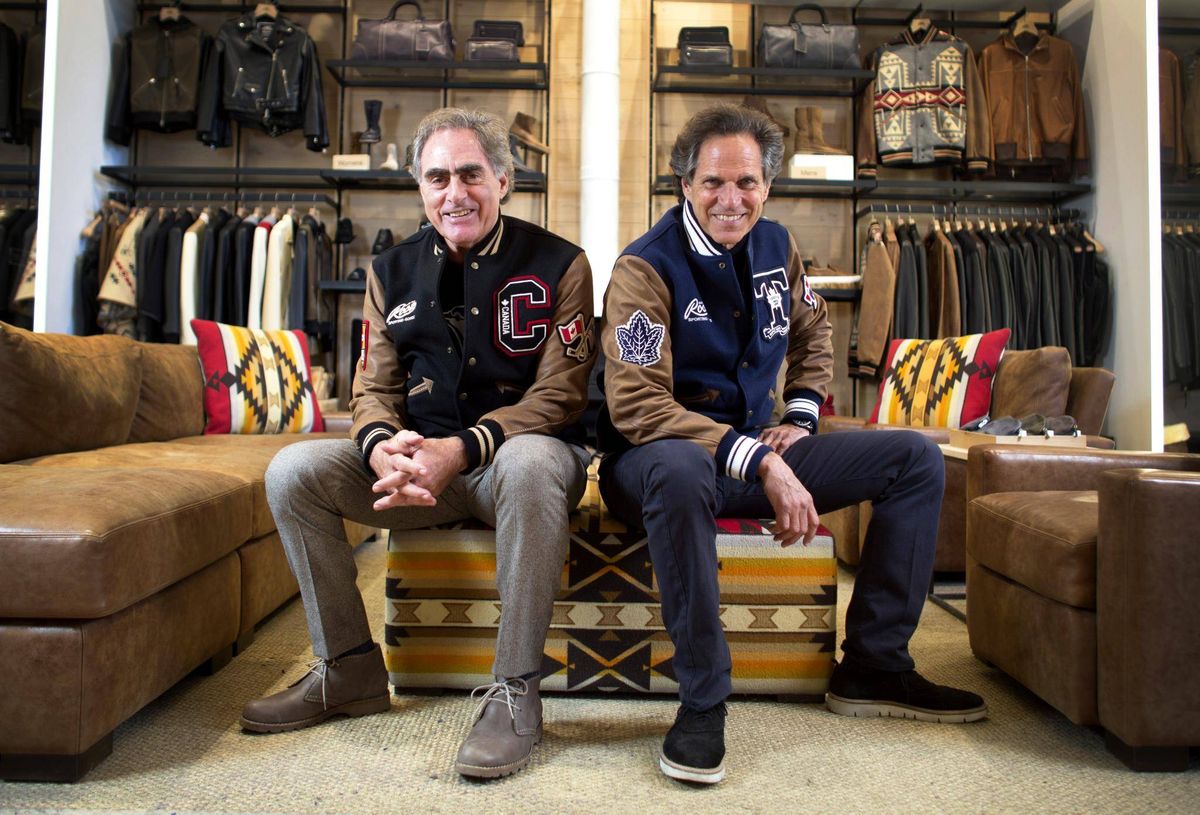
    Premium outdoor lifestyle brand Roots Canada has opened its first Hong Kong store this month, at Harbour City.

    The store was opened with Fung Retailing’s Branded Lifestyle Group, its Asian retail partner.

    Roots Canada’s brick-and-mortar debut in the territory coincided with the launch of an online store with Zalora Hong Kong.

    “Opening a store at the largest and most diverse shopping mall in Hong Kong is an important first step in what has the potential to be a multi-store market for Roots,” said Jim Gabel, president and CEO of Roots Canada.

    “Further, with an online store on Zalora, customers can go beyond the physical location to connect with our brand anytime and from anywhere in Hong Kong. Our expansion into Hong Kong is a testament to the continued success of our longstanding partnership with Branded Lifestyle Group.”

    The new Roots retail space brings together “cabin comforts and city conveniences” to create a space that feels like home, the company said in a statement. The store showcases Roots’ character and heritage by immersing shoppers in the more than 40 years of the brand’s stories and products.

    The brand’s collection is curated into four main areas in store, each telling a different Roots story, including a Cooper Beaver Collection that pays tribute to Roots iconic logo the Cooper Beaver, Roots Original Salt & Pepper Sweats, handcrafted leather, as well as seasonally relevant products that embody Roots unique comfortable cabin-meets-city style.

    “Leveraging our strong network and local resources, we are excited to bring the world-renowned Roots brand to Hong Kong,” said Sunny Wong, CEO of Branded Lifestyle Group.

    “The leisure-and-lifestyle-apparel trend continues to gain momentum in Asia, and we believe Roots focus on comfort and style is a perfect fit for the Hong Kong market.”

    Starting from a small cabin in Algonquin Park, Canada, in 1973, Roots has grown to become a global brand with 114 corporate retail stores in Canada, seven corporate retail stores in the US, 117 partner-operated stores in Taiwan, 37 in China and a global e-commerce platform.

    Branded Lifestyle Holdings represents five brands: Hang Ten, H:Connect, Arnold Palmer, Hunter and now Roots. It owns or franchises more than 1000 retail outlets across Greater China, South Korea, Southeast Asia and the Middle East.

  • Roots Canada To Open First Hong Kong Store

    Roots Canada To Open First Hong Kong Store

    Premium outdoor lifestyle brand Roots Canada has opened its first Hong Kong store this month, at Harbour City.

    The store was opened with Fung Retailing’s Branded Lifestyle Group, its Asian retail partner.

    Roots Canada’s brick-and-mortar debut in the territory coincided with the launch of an online store with Zalora Hong Kong.

    “Opening a store at the largest and most diverse shopping mall in Hong Kong is an important first step in what has the potential to be a multi-store market for Roots,” said Jim Gabel, president and CEO of Roots Canada.

    “Further, with an online store on Zalora, customers can go beyond the physical location to connect with our brand anytime and from anywhere in Hong Kong. Our expansion into Hong Kong is a testament to the continued success of our longstanding partnership with Branded Lifestyle Group.”

    The new Roots retail space brings together “cabin comforts and city conveniences” to create a space that feels like home, the company said in a statement. The store showcases Roots’ character and heritage by immersing shoppers in the more than 40 years of the brand’s stories and products.

    The brand’s collection is curated into four main areas in store, each telling a different Roots story, including a Cooper Beaver Collection that pays tribute to Roots iconic logo the Cooper Beaver, Roots Original Salt & Pepper Sweats, handcrafted leather, as well as seasonally relevant products that embody Roots unique comfortable cabin-meets-city style.

    “Leveraging our strong network and local resources, we are excited to bring the world-renowned Roots brand to Hong Kong,” said Sunny Wong, CEO of Branded Lifestyle Group.

    “The leisure-and-lifestyle-apparel trend continues to gain momentum in Asia, and we believe Roots focus on comfort and style is a perfect fit for the Hong Kong market.”

    Starting from a small cabin in Algonquin Park, Canada, in 1973, Roots has grown to become a global brand with 114 corporate retail stores in Canada, seven corporate retail stores in the US, 117 partner-operated stores in Taiwan, 37 in China and a global e-commerce platform.

    Branded Lifestyle Holdings represents five brands: Hang Ten, H:Connect, Arnold Palmer, Hunter and now Roots. It owns or franchises more than 1000 retail outlets across Greater China, South Korea, Southeast Asia and the Middle East.

  • Adidas and Beyonce Relaunch in Ivy Park

    Adidas and Beyonce Relaunch in Ivy Park

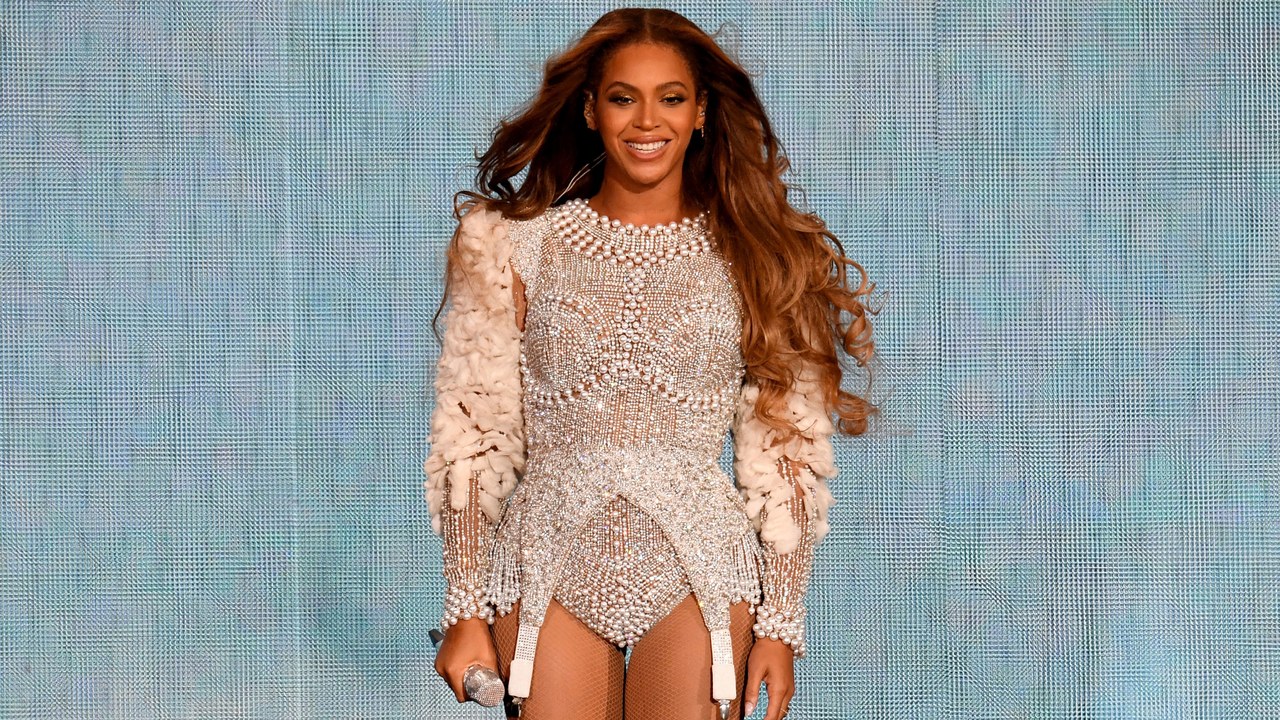
    Adidas and Beyonce are teaming up to relaunch the superstar’s Ivy Park label.

    The sportswear firm has announced a multi-layered partnership with the performer to “inspire and empower the next generation of creators; drive positive change in the world through sport; and identify new business opportunities”.

    “This is the partnership of a lifetime for me,” said Beyonce. “Adidas has had tremendous success in pushing creative boundaries. We share a philosophy that puts creativity, growth and social responsibility at the forefront of business. I look forward to re-launching and expanding Ivy Park on a truly global scale with a proven, dynamic leader.”

    The partnership will result in the co-creation of new products – from performance to lifestyle – and a unique purpose-driven program focused on empowering and enabling the next generation of athletes, creators and leaders.

    According to a joint statement, meaningful and rich storytelling will be the foundation for both Beyonce’s collection with Adidas as well as the re-launch of her Ivy Park brand.

    “As the creator sports brand, Adidas challenges the status quo and pushes the limits of creativity through its open source approach,” said executive board member – global brands Adidas Eric Liedtke.

    “Beyonce is an iconic creator but also a proven business leader, and together we have the ability to inspire change and empower the next generation of creators.”

  • Lush Prepares Itself for Growth

    Lush Prepares Itself for Growth

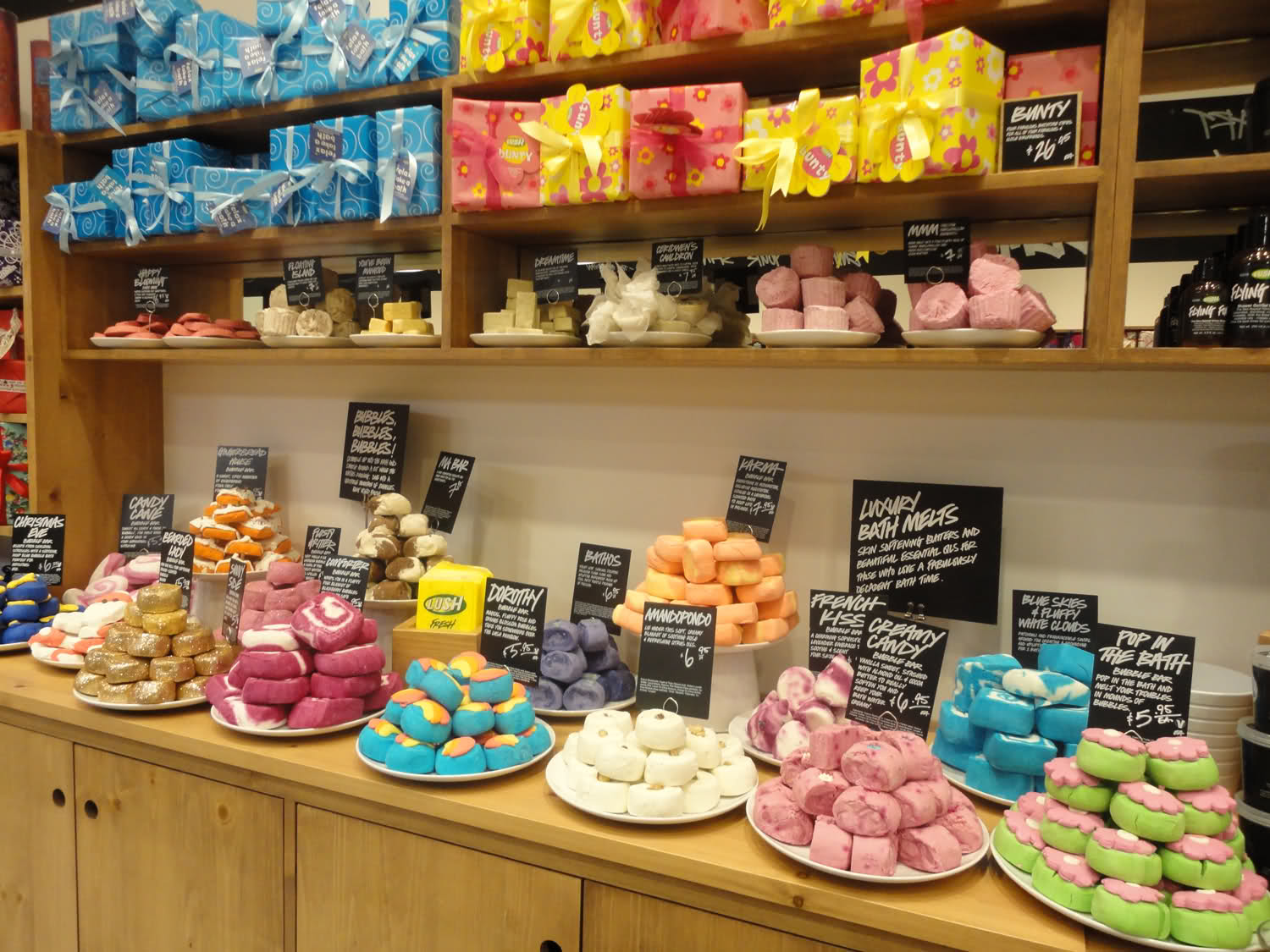
    Global beauty business Lush posted a £3.9 million (A$7.17 million) operating loss in the year to June 30, 2018, compared to an operating profit of £22.6 million ($41.54 million) the year prior.

    The decline was due to the rising cost of goods, manufacturing, staff, rent and administrative costs, and a slowdown in the US market, which outpaced a 6.6 per cent increase in turnover on a constant currency basis to £524.4 million ($963.9 million) in FY18.

    This reflects a 4.4 per cent in like-for-like sales and 9.6 per cent increase in online sales, compared to the previous corresponding period.

    Still, GlobalData retail analyst Emily Salter called this a “solid year” for the brand off the back of its investment in stores and innovation.

    “The retailer relocated 11 UK stores to larger units during the period which saw an impressive 39.6 per cent increase in like-for-likes, indicating Lush’s dedication to the offline channel as it seeks to further differentiate its unique offering and drive customers to stores,” Salter said.

    Salter also pointed to the recent launch of a new global website, which she expects to bolster conversion and increase basket sizes thanks to the “more attractive, aspirational and easy-to-navigate site”.

    She believes the brand is in a good position for growth due to its strong brand identity, and commitment to vegan and ethical practices.

    There is a downside to this, however, as Salter said the brand’s focus on natural ingredients was partly to blame for the increased costs.

    “The retailer must work to return to profitability in its current financial year, although the increased ingredient costs will be hard to navigate due to Lush’s focus on natural and good quality ingredients,” Salter said.

    While performance in Lush’s largest retail market, the US, was disappointing – with declining footfall contributing to sales falling by 7.5 per cent – its UK business fared slightly better.

    Lush Australia was contacted for comment.

  • Superdry in chaos as co-founder gets back in office

    Superdry in chaos as co-founder gets back in office

    UK clothing firm Superdry’s board of directors has resigned following the re-election of the brand’s co-founder Julian Dunkerton to the board.

    Dunkerton was made interim CEO following the immediate resignation of the four board directors and notice given by four non-executive directors in protest of the reappointment, blaming the former board member for the firm’s poor financial performance. Superdry brokers UBS and Investec have also resigned.

    Dunkerton has been publicly critical in recent months of the firm’s management following his departure a year ago.

    The co-founder was reinstated after a slim majority vote of 50.75 per cent. Former Boohoo and Selfridge’s boss Peter Williams has been appointed the firm’s new chairman based on a 50.74 per cent vote.

    “We are very pleased to be joining the board of this great British company,” said the two appointees in a joint statement. “We look forward to rebuilding the Superdry brand and the business.”

  • Gianvito Rossi Opens Its First SEA Flagship Store in Singapore at Marina Bay Sands

    Gianvito Rossi Opens Its First SEA Flagship Store in Singapore at Marina Bay Sands

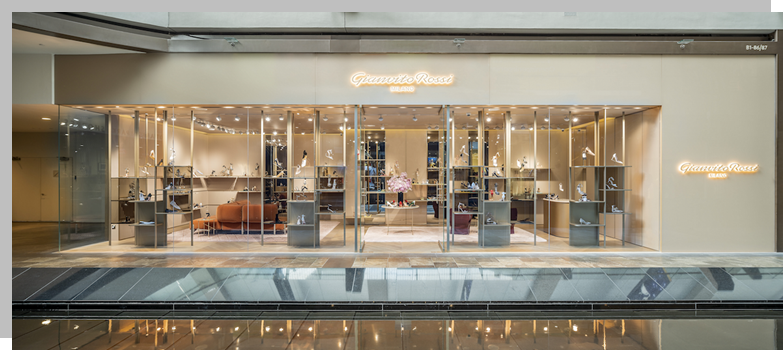
    The boutique is a further step in the collaboration between Gianvito Rossi and Milan based architect, Patricia Urquiola. The three backlit logos attract attention towards Gianvito Rossi’s refined world whilst the grand shop window, purposefully designed bilaterally, is the perfect showcase for the designer’s elegant collections.

    As each Gianvito Rossi store retains its unique flavour and individual characteristics, a single undercurrent unites each location reflecting the valued codes of the brand: elegance, feminity, and modernity, as well as impeccable quality and craftsmanship.

    Gianvito Rossi is now open to the public and is located at B1-86/87, Galleria Level, The Shoppes at Marina Bay Sands.

  • H&M disclosing to customers where their clothes were made

    H&M disclosing to customers where their clothes were made

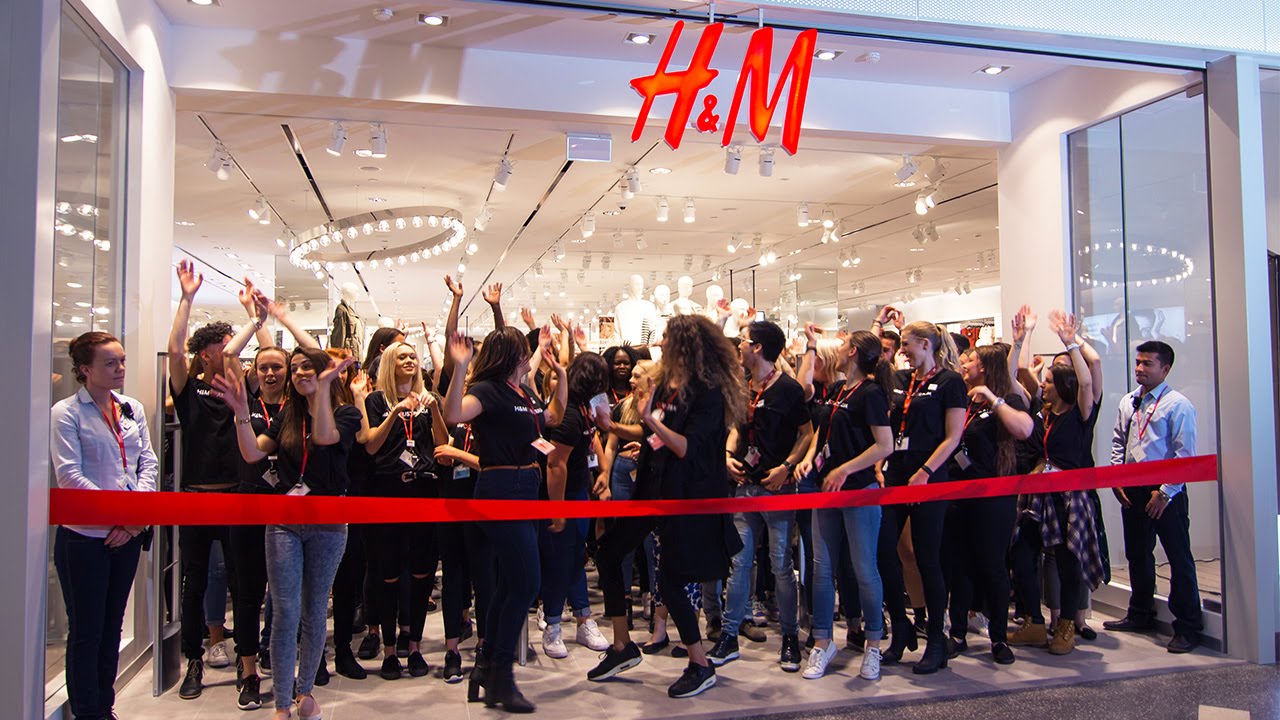
    Swedish fast fashion retailer H&M announced it will add more information to its products on its website later this month as part of a move to create greater product transparency.

    The new information will allow H&M customers to find out which factory produced a given garment, the material composition and solutions for re-using and recycling products that are worn-out, the company stated on its latest sustainability report.

    According to H&M, the company is making strong progress toward its goal to use 100 per cent recycled or other sustainably-sourced materials by 2030.

    H&M said it saw a 35 per cent increase in its goal to use recycled and other sustainably sourced materials for products, with 57 per cent of all materials classified as “sustainable” in 2018.

    The equivalent figure for cotton was 95 per cent, close to the company’s goal to reach 100 per cent next year.

    “Recycled materials are truly a win-win: they stop waste material from going to landfill and reduce the use of virgin raw materials,” said Cecilia Brännsten, H&M’s environmental sustainability manager.

    “However, for many types of textiles, viable recycling solutions either do not exist or are not commercially available on a large scale.”

    Brännsten said the company has been collaborating with scientists and innovators to increase alternative sustainably sourced materials as quickly as possible.

    H&M has also reported it has reduced its CO2 emissions from operations by a further 11 per cent and has set additional green goals, such as reducing the absolute greenhouse gas emissions in the company’s operations by another 40 per cent by 2030.

    The new goals, which are part of H&M’s vision to become climate positive by 2040, were approved by the Science Based Targets Initiative.

    The company said it also wanted all packaging used to be made of 100 per cent recycled or sustainably sourced materials by 2030, a goal which is part of a newly developed packaging strategy.

  • Fashion Brand Alexander McQueen joins Tmall

    Fashion Brand Alexander McQueen joins Tmall

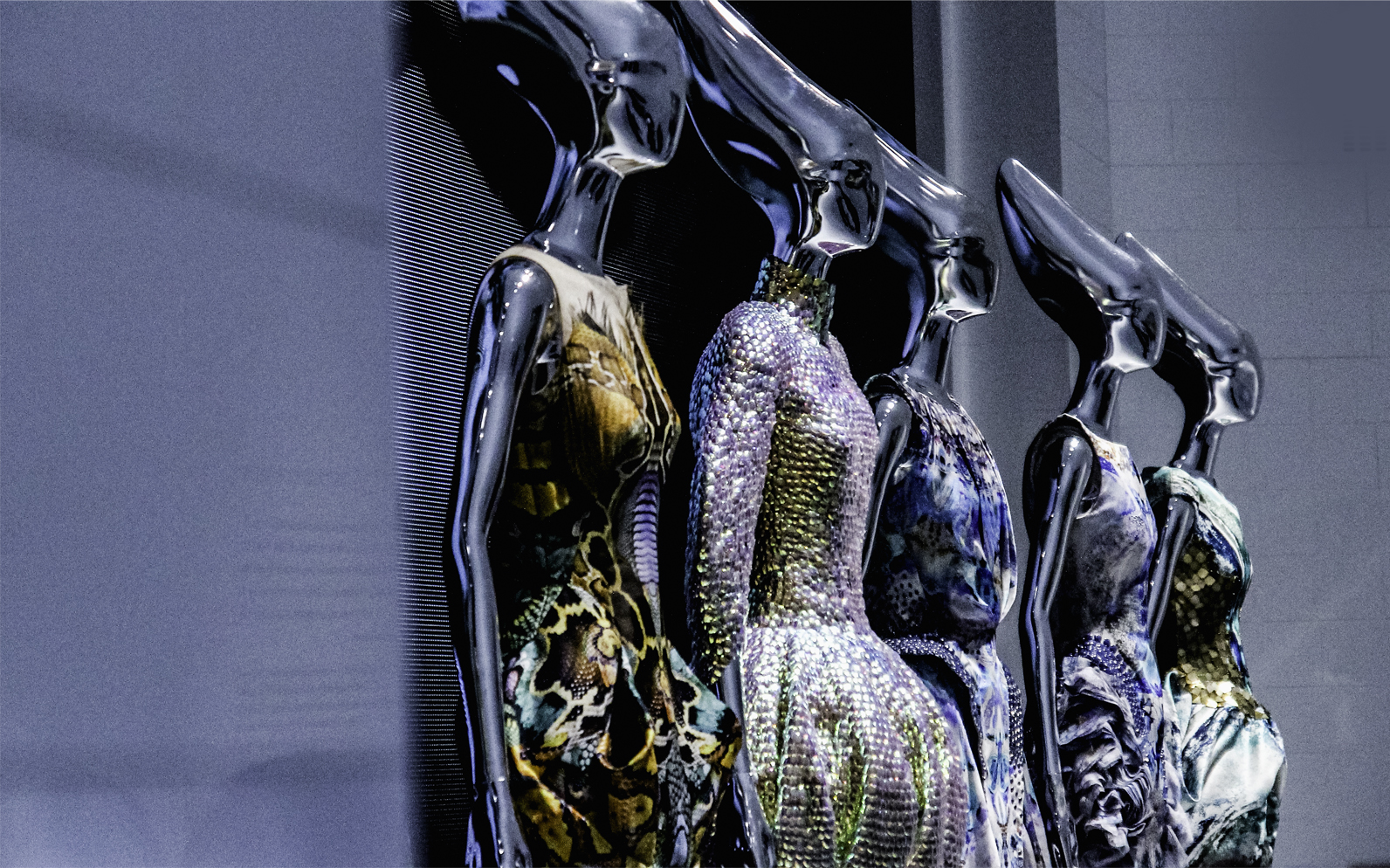
    British fashion house Alexander McQueen — known for its unique tailoring and audacious designs — has soft-launched a virtual store on the Tmall Luxury Pavilion, Alibaba Group’s platform for luxury and premium brands.

    It will be the first online store in China that’s directly run by the house itself, rather than through a local partner, giving it full creative control over the look and feel of the site, the Pavilion said.

    The luxury brand was founded in 1992 by the late Lee Alexander McQueen, known for combining a respect for traditional craftsmanship with provocative, darkly romantic designs. Today, his eponymous label remains hugely influential, seen as synonymous with modern British couture. Following his death in 2010, Sarah Burton was appointed creative director of the house. Burton, who worked alongside McQueen for 14 years, currently oversees the creative direction of all the brand’s collections.

    The Alexander McQueen brand oversees a network of 73 directly operated brick-and-mortar boutiques, as well as several franchises and specialty stores worldwide, with flagships stores due to open in Shanghai and Hong Kong in 2019, per its parent Kering Group.

    The Tmall Luxury Pavilion Alexander McQueen store will officially launch on April 16, featuring items that incorporate images from the John Daekin Archive as part of the designs. The archive manages the work of John Daekin, the 20th-century British photographer who captured the lives of his artist and poet friends in London’s bohemia, Soho.

    Alexander McQueen is the third Kering-owned luxury brand to join the Pavilion, following Hong Kong-based jeweller Qeelin and Italian fashion house Bottega Veneta. Launched in 2017, Tmall Luxury Pavilion now offers more than 100 brands, ranging from apparel and beauty items to watches and luxury cars, including Valentino, Burberry, Tod’s, Versace, Stella McCartney, Moschino, Giuseppe Zanotti, MCM, La Mer, Maserati, LVMH-owned Rimowa, Guerlain, Givenchy, Tag Heuer and Zenith.

    Sherry Lang, MD of Tmall’s luxury division, said the Pavilion helps maisons and premium brands engage with China’s younger generation of consumers, delivering the same brand exclusivity and tailored shopping experience online that they would get in a brick-and-mortar store.

    “We also want to help luxury brands expand their reach in smaller cities and rural areas, where purchasing power is growing, but offer limited access to luxury goods,” said Lang. “The Pavilion is well-positioned to fill that gap.”

    The growth of the Pavilion comes as Chinese consumers drive global high-end spending, with Mainland China’s luxury sales growing 20 per cent to €23 billion ($25.8 billion) last year, according to Bain & Co. The consulting firm forecasts that by 2025, Chinese consumers will account for 46 per cent of the global market, up from 33 per cent last year.