Tag: Fashion

  • Liam Gallagher’s fashion brand Pretty Green about to close down

    Liam Gallagher’s fashion brand Pretty Green about to close down

    Liam Gallagher’s fashion brand Pretty Green is preparing to undergo insolvency proceedings.

    The mod-inspired fashion label, set up by the former Oasis lead singer, will appoint administrators this week, enlisting Moorfields Advisory to handle the process.

    A report by Sky News said the filing allows a certain time period for Pretty Green to secure a buyer. Commentators with knowledge of the transaction have revealed Moorfields to have been floating the label to potential purchasers throughout this month.

    Pretty Green’s turnover rose to £38.2 million (US$50.33 million) in the 16 months to January last year, with pre-tax losses narrowing to £1.5 million ($1.98 million) from a £5.6 million ($7.38 million) loss.

    The brand has suffered under the flailing retail environment in the UK. A spokesperson for the brand said “Pretty Green is not immune to the challenges facing the UK high street as customers migrate from purchasing in store to online”.

  • Shanghai La Chapelle Fashion seeking profitability

    Shanghai La Chapelle Fashion seeking profitability

    Shanghai La Chapelle Fashion warns it will report an operating loss for last year, for the first time in its trading history.

    In an update to a profit warning issued last December, the company says total revenue dropped by about 2.5 per cent last year and costs accelerated.

    “Revenue from La Chapelle and Puella, which are our main women’s wear brands, is estimated to have decreased by approximately 11.94 per cent and 13.35 per cent year-on-year, respectively, and the growth in sales of the women’s wear brand Candie’s and that of children’s wear and men’s wear brands could not make up for the decrease in sales of La Chapelle and Puella,” the company said in a regulatory filing.

    With a slowdown in consumption growth and a decline in customer flow at physical stores, La Chapelle’s sales at brick-and-mortar stores in the second half of last year were lower than expected. As a result, revenue in the third and fourth quarters decreased by 7 per cent and 6 per cent, respectively, year on year.

    The company also reported a continuing decline in revenue from concessions at department stores. Last year, that revenue was estimated at about RMB4.893 billion (US$729 million), down 7 per cent, and department stores’ share of total sales fell from 50.4 per cent to 48 per cent year on year.

    In the second half of last year, the company closed down 179 loss-making and inefficient stores, and launched a joint-venture “franchise and trusteeship cooperation business model”. It ended the year with 9269 stores.

    The company estimates it will post a net loss attributable to shareholders of about RMB156 million, representing a decrease in net profit attributable to shareholders of the company of RMB654 million (US$23.256 million).

  • Athleisure trend boosts Yue Yuen sales in 2018

    Athleisure trend boosts Yue Yuen sales in 2018

    Yue Yuen Industrial, the world’s largest manufacturer of athletic, athleisure, casual and outdoor footwear, boosted revenue by 6.3 per cent last year.

    Yue Yuen makes shoes for a raft of brands, including Geox, Levi’s, Rockport, Carters and Pony. Its subsidiary Pou Sheng operates a network of some 5500 directly operated stores and 3000+ sub-distributor stores, predominantly on the mainland.

    For the year to December, the Group recorded revenue of US$9.695 billion, with gross profit up by 4 per cent to $2.446 billion. However, profit attributable to shareholders fell 40.9 per cent to $307.1 million, mainly due to operating deleverage within the manufacturing business, a reduction of the non-recurring gain for the year, and higher finance costs.

    Yue Yuen said revenue attributed to footwear manufacturing (including athletic shoes, casual/outdoor shoes and sports sandals) declined by 1.5 per cent to $5.39 billion, whereas the volume of shoes produced increased by 0.4 per cent to 326 million pairs. The average selling price decreased by 2 per cent to $16.53 per pair, compared with the previous year.

    The group’s athletic footwear category outperformed all other categories as a result of the global athleisure trend, accounting for 79.2 per cent of footwear manufacturing revenue last year. Casual and outdoor shoes accounted for 19.1 per cent of footwear manufacturing revenue.

    The group’s distribution sales are derived primarily from Pou Sheng, involving in retail operations for international sporting goods brands in the Greater China region. Last year, the revenue attributable to Pou Sheng grew by 23.3 per cent to $3.422 billion.

  • Myer axes 50 management staff and fresh marketing lead

    Myer axes 50 management staff and fresh marketing lead

    Myer has cut a further 50 positions from its store management and store support team, including group general manager of marketing Andrew Egan. The cuts are the second round of large scale lay-offs for the department store in the last eight months, with over 30 executive positions cut last August, in order to reduce costs and barriers between the business and its customers – bringing the total number of executives lost within the last year in the realm of 80.

    “We have to place the customer first, in every decision we make and every action we take,” a Myer spokesperson said.

    “From doing a thorough review of our entire store management structure and a further review of the store support office… as a result of this, a number of administrative and management roles will be leaving the business to align our structure more closely with our customers.”

    No customer facing team members have been affected by the cuts.

    According to the spokesperson, this will enable the business to operate in a more efficient manner, improving the financial performance and shareholder value delivered.

    Myer recently posted a rise in net profit for the first half FY19, increasing 3.1 per cent to $41.3 million, signalling that the brand’s customer-first turnaround strategy has some legs.

    The retailer improved store layouts over the half-year, and launched the ‘My Store’ marketing campaign, which chief executive John King said had been received well by customers.

    Despite this, Egan, who led the launch of the ‘My Store’ campaign, as well as the department store’s recent Christmas campaign, has been let go in this recent round of lay-offs.

    “We thank Andrew for his contribution to Myer and particularly to our marketing and advertising team,” the spokesperson said. “We wish him all the best for the future.”

  • Asos’ US warehouse struggles to cope with demanding customers

    Asos’ US warehouse struggles to cope with demanding customers

    UK digital fashion store Asos said its new US warehouse struggled to cope with demand last quarter, hitting sales there and causing delayed shipments. Asos CEO Nick Beighton said the unexpected high demand in the Atlanta warehouse caused a significant short-term despatch backlog, which has now been cleared.

    “As our Atlanta warehouse went fully online, demand far exceeded our expectations,” Beighton said.

    “While very encouraging for the longer term, this caused a significant short-term despatch backlog which we have now cleared. These delayed shipments will be recognised in P3 and US trading is now regaining momentum.”

    The upsurge in US demand caused Asos to cancel marketing and promotions, Beighton said. These will now run in the second half of the financial year. The online fashion retailer posted a 13 per cent increase in group sales for the latest quarter with retail gross margin improving by 40bps.

    “We continued to outperform in the UK with sales growth of 14 per cent,” Beighton said.

    Sales in Europe were up 12 per cent, although, according to Beighton, France and Germany, the two largest markets, continue to be challenging.

    “Our ROW segment returned to good growth of 20 per cent after a disappointing Q1,” he said. “Our retail gross margin guidance for the year remains.”

    Beighton said Asos will be increasing investment in price and marketing in the second half, particularly in France and Germany.

    “Given the actions we are taking together with an improving US performance, we believe the group will deliver stronger growth in the second half,” he said.

    “Consequently we remain confident that we will meet guidance for the full year.”$

  • Pandora asked to fix refund policies

    Pandora asked to fix refund policies

    Jewellery retailer Pandora has been told by the consumer watchdog to amend its refund and warranty policies in Australia following complaints from some of their customers.

    The Australian Competition and Consumer Commission said they have received complaints from customers who were told by Pandora sales staff that they do not offer refunds to faulty products and that its own warranty policy applies instead of the protections afforded to consumers under Australian Consumer Law (ACL).

    According to ACCC Commissioner Sarah Court, the jewellery retailer acknowledged they may have misled customers about their legal rights.

    “Pandora has acknowledged that it may have misled customers about their consumer guarantee rights to refunds when there was a major fault with their product,” Court said. “They also have admitted that by doing so they likely breached the Australian Consumer Law.”

    Court said consumer rights to a repair, replacement or refund cannot be excluded, restricted or modified by a business’ warranty policy.

    “If consumers have purchased a product that has a major fault, they can request a full refund from their place of purchase,” she said.

    The ACCC has accepted a court-enforceable undertaking from Pandora to review its consumer rights policies and staff training after Pandora acknowledged it is likely to have contravened the ACL by making misleading representations to consumers about their consumer guarantee rights.

    The ACCC’s investigation showed that Pandora’s website contained confusing or inaccurate information on consumer guarantee rights under the ACL.

    It also noted that information on Pandora’s website about its product warranty failed to include mandatory text that states that consumers are entitled to a replacement or repair, and in some cases a refund, if their goods are faulty.

    The ACCC said Pandora has undertaken to arrange for an external review of its policies and procedures relating to exchanges, repairs and refunds, to ensure customer claims for refunds and other remedies are dealt with appropriately and in accordance with the ACL.

    “Pandora will also conduct a review of its ACL compliance program and improve its staff training and complaints handling systems,” Court said.

  • Second UNIQLO and alexander wang Collaboration Collection to Feature New AIRism Fabric

    Second UNIQLO and alexander wang Collaboration Collection to Feature New AIRism Fabric

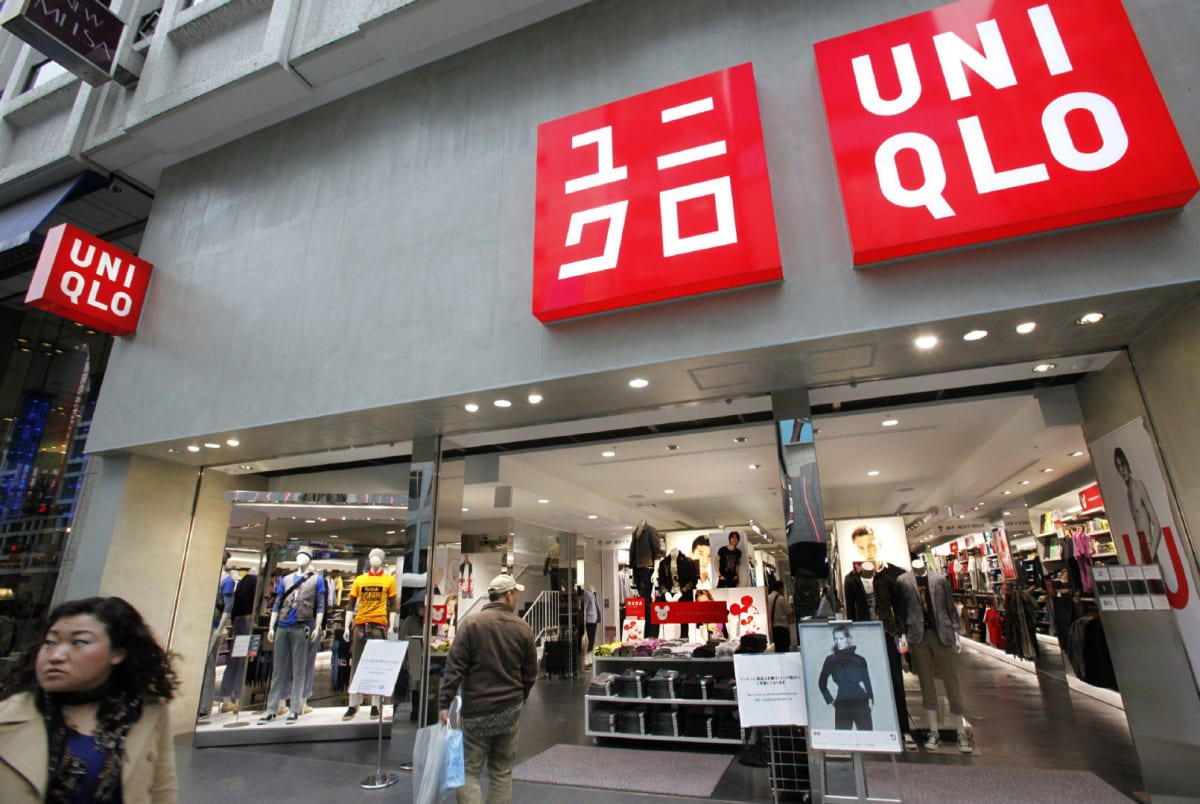
    UNIQLO, the Japanese global apparel retailer, announces that it will begin rolling out a Spring/Summer 2019 collaboration collection with alexanderwang from Friday, April 12. The full collection will be available online and at Orchard Central Global Flagship Store, while selected items will be available in all stores. This second partnership with alexanderwang builds on the LifeWear commitment to making life better, bringing together the exceptional functionality of UNIQLO’s innovative AIRism fabric with alexanderwang’s sleek styling.

    Speaking ahead of the launch, Alexander Wang said, “Working with UNIQLO on the second season of the collaboration felt like there was a mutual understanding of not only aesthetics but of each other’s work ethic. It was easier coming together this time round to accomplish a similar goal from various touch-points. Innovation has always been at the forefront of our design and creative process, and functionality serves a huge purpose in the way our customers and I dress. Therefore, through the influence of innovation, technology and functionality, this special AIRism collection was born.”

    Keeping women comfortably stylish

    The collection adds new value to LifeWear by combining the year-round comfort of functional AIRism apparel with the signature alexanderwang look. Five of the 11 women’s items employ the sheerest-ever AIRism fabric, developed to feel like a “second skin.” During summer, women can enjoy camisoles and slips featuring a fabric so smooth, light and comfortable that they almost forget they are wearing them. Another fabric used in the women’s collection is a proprietary, new, seamless type of AIRism that is designed for both indoor and outdoor use. This new AIRism fabric is supportive but not constrictive, and is a perfect material for bras and even shorts to maintain comfort.

    First-ever cotton blend AIRism for men

    Men’s items include T-shirts and tank tops that incorporate a new fabric comprising a premium cotton finish and an AIRism interior. The fabric feels smooth and comfortable and is sufficiently thick so these innerwear items can also serve as regular outerwear. The men’s boxer briefs also use this fabric to enhance comfort on hot summer days. As seen in the previous season, the waistband is also adorned with the collaboration logo that wearers could casually show.

  • Greater China delivers record sales numbers for Tiffany & Co

    Greater China delivers record sales numbers for Tiffany & Co

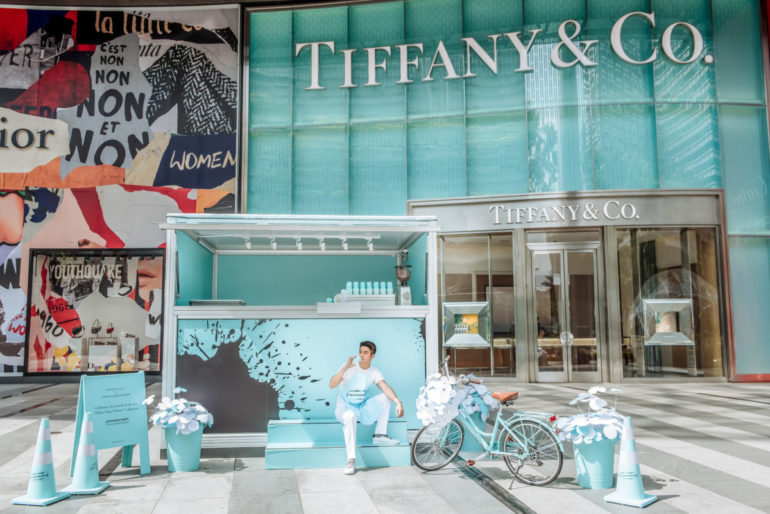
    Tiffany & Co has reported worldwide net sales rose by 7 per cent to a record US$4.4 billion last year, fuelled by solid growth across almost every Aian market.

    In Asia-Pacific, total net sales increased 13 per cent to $1.2 billion for the full year, with Greater China leading the charge. However, sales slipped 1 per cent to $316 million in the fourth quarter, largely due to a slowing of spending in Mainland China.

    Comparable sales rose 5 per cent during the full year and fell 3 per cent in the fourth quarter. In Japan, total net sales increased 8 per cent to $643 million in the full year and 3 per cent to $196 million in the fourth quarter. Comparable sales increased by 7 per cent and 3 per cent, respectively.

    The company’s net earnings for the full year benefited from a lower effective tax rate, rising to $586 million. 75 per diluted share.

    CEO Alessandro Bogliolo said softer trends in the second half of the year reflected, in part, what the company believes were external challenges and uncertainties.

    “Most important, we are still in the early stages of a journey to achieve long-term sales, margin and earnings growth for this legendary brand, and are making progress across our key strategic priorities. I continue to strongly believe that Tiffany has vast global growth opportunities and we look forward to realising our full potential in the future.”

    During the year, Tiffany opened 10 company-operated stores, closed four and relocated 10. As at the end of January, the company operated 321 stores (124 in the Americas, 90 in Asia-Pacific, 55 in Japan, 47 in Europe, and five in the UAE). There was a net gain of three in Asia.

  • Gucci invests 10 Million in diversity programs

    Gucci invests 10 Million in diversity programs

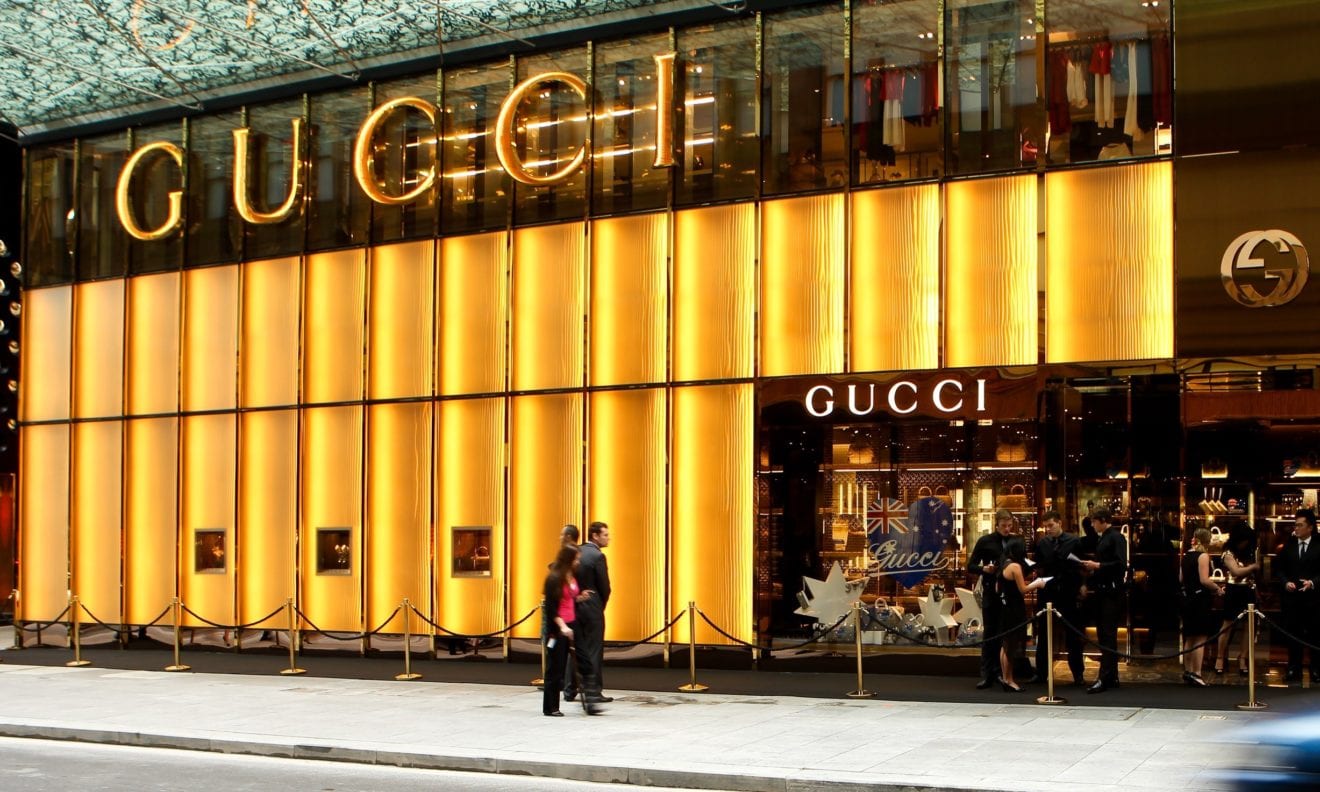
    Luxury apparel retailer Gucci has invested US$10 million into a diversity program to foster inclusion within the firm.

    The Gucci Changemakers scheme responds to public outcry over a black turtleneck jumper released by the brand with a mouth slit highlighted by thick red lips, resembling blackface makeup.
    Gucci promptly pulled the controversial item from sale and issued an apology.

    “Gucci deeply apologises for the offence caused by the wool balaclava jumper,” said the brand in a press statement. “We consider diversity to be a fundamental value to be fully upheld, respected, and at the forefront of every decision we make.”

    The Gucci Changemakers program, launched internally last year, is reing ramped up in the wake of the scandal. It will involve the recruitment of a global director for diversity and inclusion and a training scheme to bolster cultural awareness amongst all 18,000 global staff, as well as an internal exchange program that will bring five staff from diverse backgrounds to work in its creative studio in Rome. The scheme will also provide paid leave for employees to volunteer at various social programs.

    Further initiatives will provide scholarships for fashion students in North America and make funds available to benefit communities in several North American cities and in the Asia-Pacific region.

    “I believe in dialogue, building bridges and taking quick action,” said Gucci CEO Marco Bizzarri. “This is why we started working immediately on the long-term infrastructure at Gucci to address our shortcomings.

    “And now through our Changemakers program, we will invest important resources to unify and strengthen our communities across North America, with a focus on programs that will impact youth and the African-American community.”

  • Hermes Thailand opens new Concept store in Phuket

    Hermes Thailand opens new Concept store in Phuket

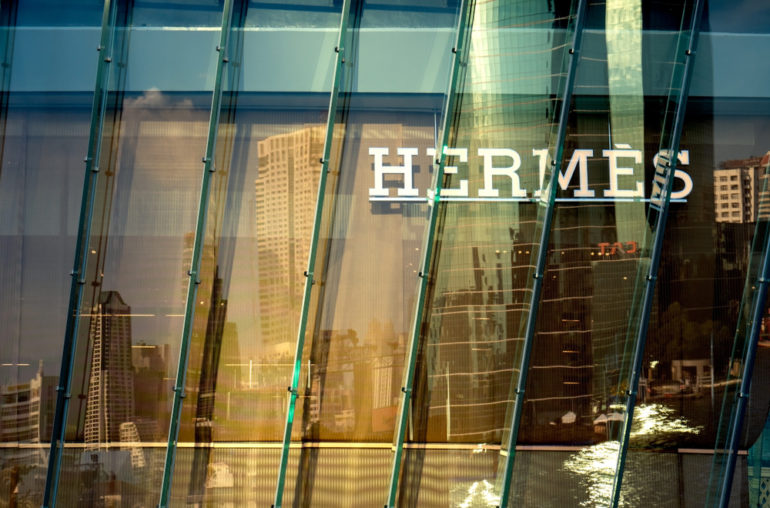
    Hermes Thailand has opened a store in Phuket, within the Central Phuket Floresta mall.

    The 172sqm outlet, Hermes’ first in the country outside of the capital, Bangkok, signals the brand’s increasing confidence in the market and willingness to expand in the territory. It also attests to the emerging importance of Phuket’s burgeoning population and popularity with both Thai and foreign tourists.

    Hermes Thailand Phuket 1The store was designed by French architectural firm RDAI to fit with the mall’s main entryway with an exterior and an interior facade, admitting daylight from outside filtered by a bamboo claustra and featuring lacquered metal on the inside. The store’s lighting uses the Grecques lights designed for the brand in 1925.

    Featuring a range of curated local materials, the new Hermes Thailand store blends contemporary architecture with Thai cultural elements, with colours that reflect the sunny coastal location.

  • Dunhill New York Finally opens Hudson Yards store

    Dunhill New York Finally opens Hudson Yards store

    Dunhill New York has opened a store in the city’s new Hudson Yards development.

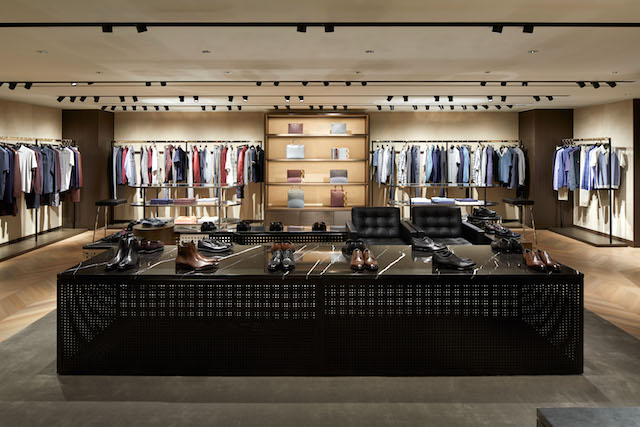
    The 2600sqft outlet showcases the brand’s British luxury menswear against a backdrop of modern retail design – a contemporary space combining bronzed brass and walnut, together with leather and metal details, all recognisable codes of the house.

    dunhill Hudson Yards 2

    dunhill Hudson Yards 3

    “Dunhill has traded in New York City for decades, from Rockefeller Centre to Madison Avenue,” said CEO Andrew Maag. “Hudson Yards is the next wave of retail and we are thrilled to be there from the start. We are part of the fabric of the city and we keep moving with it.”

    dunhill Hudson Yards 5

    The grey marble storefront takes inspiration from the facade of the brand’s 1950s South Rodeo Drive store. White wood panelling frames collections by creative director Mark Weston. Walnut burl cabinets, housing men’s accessories, are inspired by the original furniture from London’s Duke Street and Paris’ Rue de la Paix stores. Fluted metal details recall the textures and finishes of the Rollagas lighters.

    dunhill Hudson Yards 6

    The new Dunhill New York City store will retail a curated selection of luxury pieces, as well as ready-to-wear, leather goods and fine accessories.

  • PVH to buy back Tommy Hilfiger licence in five major Asian markets

    PVH to buy back Tommy Hilfiger licence in five major Asian markets

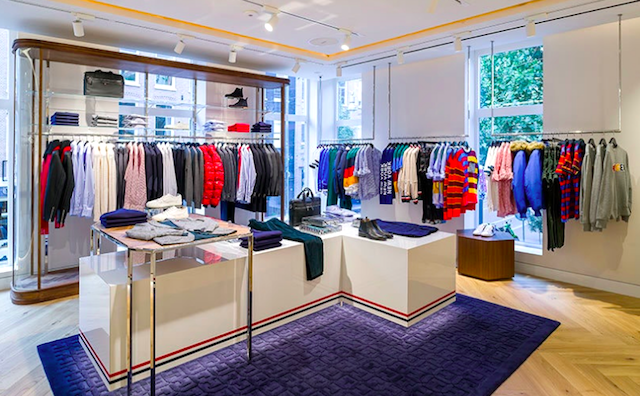
    The US-listed fashion brand owner has entered into a definitive agreement to reacquire the license from Dickson Concepts, along with some related leases and retail assets. Terms of the transaction were not disclosed, but the deal is expected to be settled in the second quarter of this year.

    PVH Corp, which also counts Calvin Klein, Van Heusen, Izod, Arrow, Warner’s, Olga and Geoffrey Beene in its portfolio, said the deal is in line with the company’s strategy of gaining more direct control over its brands, including through the acquisition of licensed businesses. The transaction is intended to allow the company to capitalise on the significant growth opportunity in the region.

    “This transaction demonstrates our commitment to making strategic investments to support the long term growth of PVH and our Tommy Hilfiger business, while leveraging our well-established infrastructure, our leadership expertise and strong brand momentum across both our Tommy Hilfiger and Calvin Klein businesses in the region,” said Emanuel Chirico, PVH Corp’s chairman and CEO.

    Daniel Grieder, Tommy Hilfiger Global CEO, said after taking back the Tommy Hilfiger licence, the company will execute “a more fully integrated strategy for the Greater China market in coordination with our directly operated Mainland China business”.

    “This transaction should allow us to further realise the growth opportunities that exist for the Tommy Hilfiger brand by enabling the introduction of a wider range of product lines, and offering consumers a more immersive and elevated brand experience. Building on our strong existing regional foundation, we plan to accelerate the growth of the Tommy Hilfiger business and invest further in driving the expansion of the brand.”

  • Australia’s C/MEO Collective Lifts Off on Tmall

    Australia’s C/MEO Collective Lifts Off on Tmall

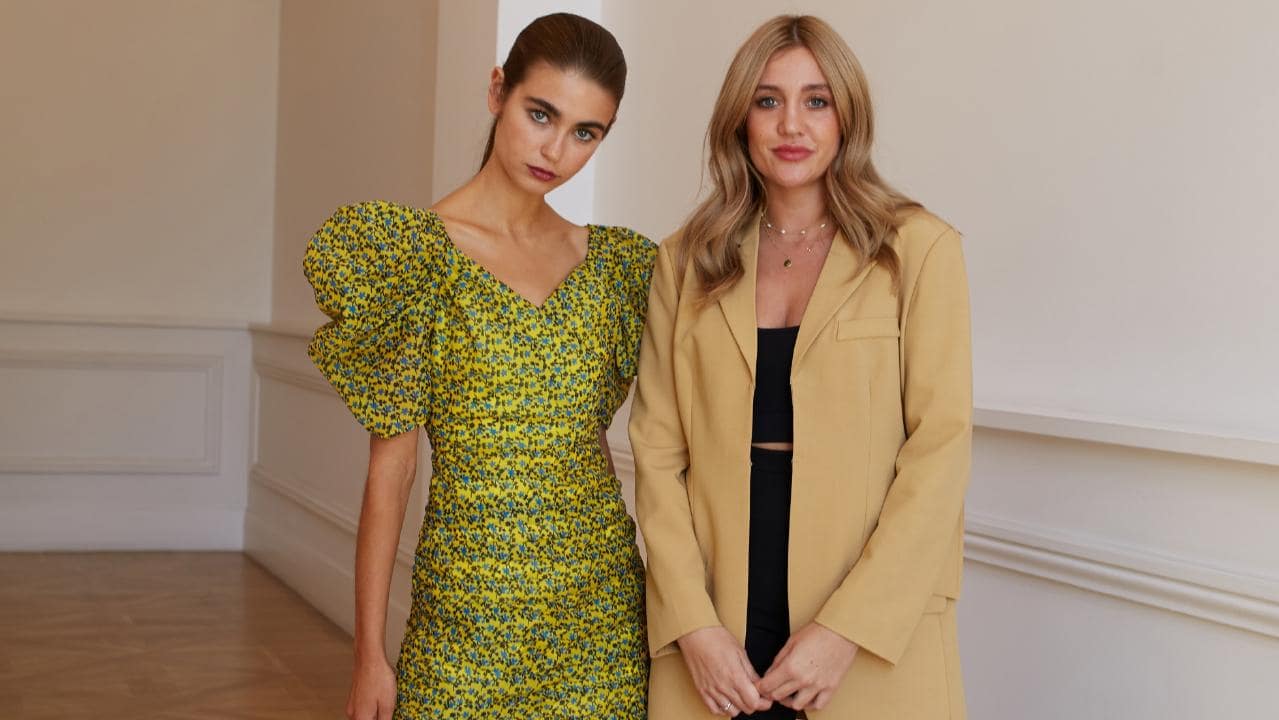
    Women’s fashion label C/MEO Collective has started selling on Chinese online marketplace Tmall.

    The move is part of a broader strategy of parent company Australian Fashion Labels to focus on China.

    “China is now really at the forefront of retail innovation and we see localisation of channels as crucial to being relevant in this market,” said Dean Flintoft, Australian Fashion Labels founder and chairman, in a statement.

    Prior to launching on Tmall, C/MEO Collective was already stocked in approximately 300 brick-and-mortar stores across Greater China, along with Australian Fashion Labels’ other brands: Keepsake The Label, Finders Keepers and The Fifth.

    But with more than 700 million people shopping on Alibaba’s retail marketplaces, including Tmall, this represents a significant expansion in reach.

    According to the company’s statement, C/MEO Collective was chosen because it is the brand with the greatest appeal in the China market, thanks to its innovative signature style, premium fabrics and approachable price point.

    “With C/MEO already having gained such strong traction in China via social media and via its marketplace presence, we wanted to respond to the enthusiasm for the brand and make it more accessible to our customer base in China,” said Mei Ping Doery, CEO of Australian Fashion Labels China.

    C/MEO Collective showcased the first of its collections for Tmall at VAMFF in Melbourne on March 8.

    While demand for Australian brands and products in China is most concentrated in areas such as health and wellness, beauty and food, and wine, fashion brands are increasingly seeing success.

    Brands including Seafolly and Lorna Jane have made headway in China through Tmall, and the addition of C/MEO Collective suggests there is a market for more fashion-forward Australian design.

    Australian Fashion Labels was founded in 2007 by Dean and Melanie Flintoft with the introduction of Finders Keepers. The company has since developed C/MEO Collective, Keepsake, The Fifth and Jaggar.

    The brands are available in 1700 stores worldwide, including major department stores, as well as to customers directly through an online retail platform, which ships globally.

  • Superdry to open second New Zealand Store

    Superdry to open second New Zealand Store

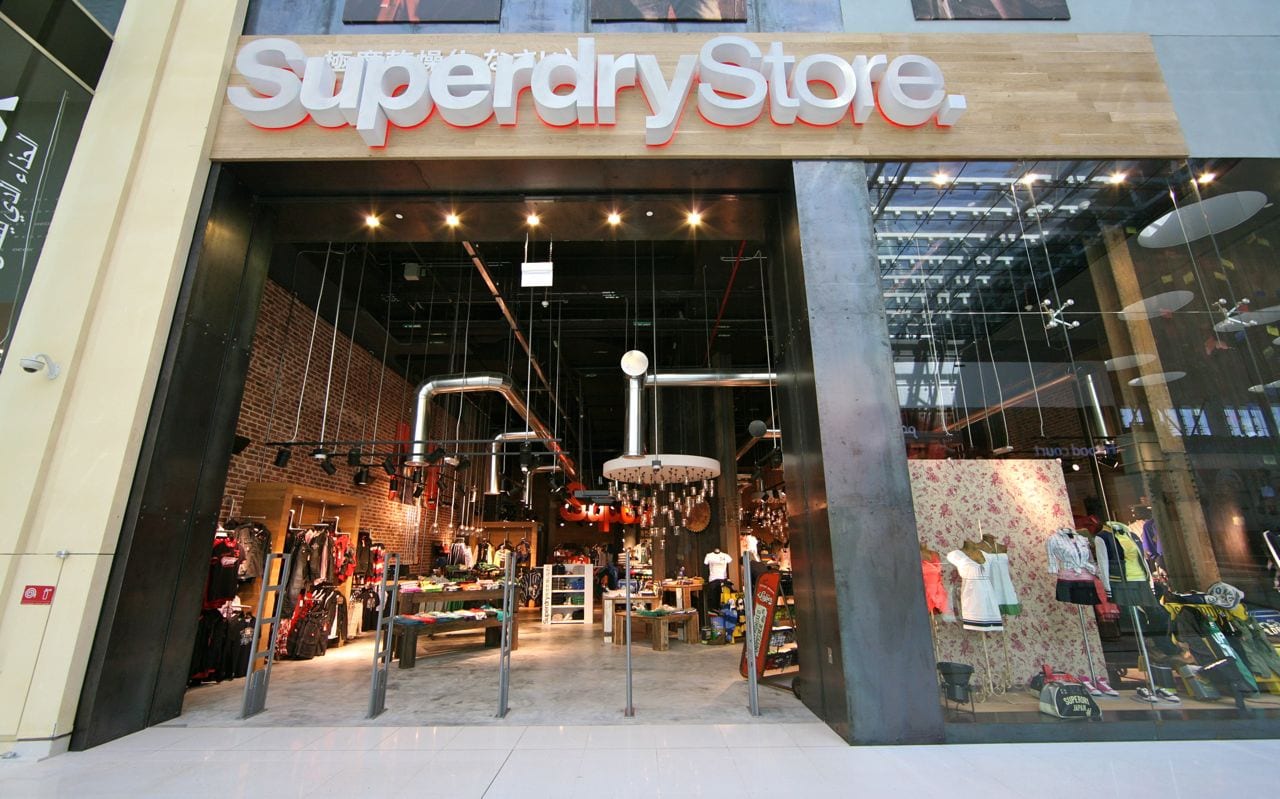
    Sports fashion brand Superdry has revealed it will open another store in New Zealand in Queenstown. The date for the opening has not been disclosed, but brand general manager Antony Hampson said Brand Collective, which holds the licence for Superdry in Australia and New Zealand, is actively looking for locations in the area. According to Hampson, Superdry could roll out more stores in the country depending on how the market responds to the brand.

    “For now, it would just be Auckland and Queenstown so we have representation across both the North and South islands,” he said.

    Superdry announced earlier this month it will open its first store in New Zealand in April in the heart of Auckland’s Queen Street shopping district.

    The 193sqm store will be split into two levels, with the menswear department on the first level and a glass staircase leading consumers to the womenswear section on the second level. The Superdry Auckland store will also offer a selection of Superdry Snow, which features fashion forward, technical alternatives to traditional snow gear.

    “The store will incorporate the latest Superdry fit-out which involves a more digitised experience for our customer and clearer layout,” Hampson said.

    “There will also be a strong emphasis on our snow collection which is going from strength to strength and of course we will continue to ensure we present the product categories we are most renowned for: fleece, jackets and t-shirts.”

    Hampson said the brand is confident it will deliver strong sales, given the demographic there. He said the climate suits the brand as well.

    “The brand is not new to the market, we have a healthy wholesale business and strong partnerships with a number of key retail partners over the past 10 years,” he said.

    “We know there is demand for the brand and we feel that the opportunity is now to present the full collection of products to the customer base there which is what a concept store gives us the ability to do.”

    Superdry is also in the process of bringing over its e-commerce operation to run out of Melbourne to improve its speed of service. It is currently run out of the UK.

    “This will enable us to communicate consistently to our customer base both in Australia and New Zealand,” Hampson said.

    In a tussle for leadership of the company in the UK, former CEO and co-founder Julian Dunkerton and the board have each made disparaging remarks about the brand’s performance of late, alternately laying the blame for slowing sales on misguided strategy and undifferentiated product that no longer appeals to customers. But Hampson said it doesn’t directly affect Superdry stores in Australia and New Zealand.

    “Superdry is operated under Brand Collective Pty Ltd who has the license for Superdry within Australia and New Zealand, so this doesn’t directly affect us here.

    “UK retail has been tough in general with a much warmer than expected summer which has had an impact on high street sales, particularly in those winter product types which Superdry is synonymous with,” he said.

    “It is important to note that the brand is still very profitable and is continuing to stay true to its values around innovation, quality and design. The product is evolving for the better.”

    Superdry UK announced last December it may close or relocate some of its stores after its annual profits came in £30 million ($58.2 million) below expectations.

  • Furla Exceeds 500 Million

    Furla Exceeds 500 Million

    Turnover of the storied Italian leather goods brand increased to 513 million euros. Over the course of the fiscal year, the company made significant investments to strengthen its supply chain and technology – and began 2019 with the launch of its new sneaker collection

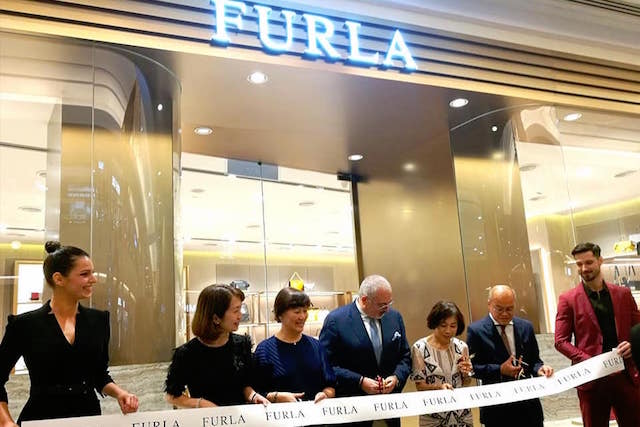
    Furla Group continues to grow: over the past four fiscal years, it has doubled its turnover, hitting 513 million euros in 2018, a 5.2% increase at constant exchange over 2017 (or a 2.8% increase at current exchange).

    Analyzing sales by geographic area and at constant exchange, the Asia Pacific region shines, with an 18.2% year-on-year increase in 2018; it now accounts for 26% of total turnover. The United States, meanwhile, saw an increase of 13.2%, and now accounts for 8% of total turnover. Japan remains the brand’s leading market (22% of total sales), and sales there were up 3.6% compared to 2017. The EMEA region, which represents 44% of global turnover, maintains its market position.

    Furla Group continues to seek direct control of its brand distribution through a strengthening of its mono-brand stores, which produced 70% of turnover in 2018. Direct distribution, combined with multi-brand sales points and franchising, allows Furla to have a far-reaching presence in 98 countries worldwide: its 490 mono-brands (285 directly owned, 163 franchisees and 42 travel retail doors) are in the most prestigious international shopping locations. Over 1,200 select multi-brands and department store corners complete the company’s distribution network.

    Of particular note is the travel retail sector, which is in continuous evolution and in 2018 registered a 16.2% increase over 2017, accounting for 7.3% of the Group’s turnover through its sales at 293 doors, from boutiques, corners, shop-in-shops, aircraft and cruise ships, across 64 countries.

    The company paid special attention to its direct e-commerce platform, where, thanks to repeated investments, there was a substantial turnover increase in 2018: 45.7% over the previous year, at constant exchange.

    Furla Group is focused on solidifying the wild growth it has experienced over the past several years. The company has directed major resources toward strengthening the supply chain, as well as systemically integrating countries with direct and indirect distribution networks into Furla’s corporate culture and technology.

    The supply chain, which is key to guaranteeing the quality and timeliness of manufacturing, has recently benefited from the company’s adoption of a more evolved and high-performing computer system, as well as financial tools that free up resources so that suppliers can invest in bettering the manufacturing cycle.

    After years of geographic expansion across the globe, the Group is now focused on a more selective development and on categories of merchandise that are complementary to its core business: in February of this year, during Milan fashion week, Furla introduced its new sneaker collection, supported by a series of important 360° marketing activities.

    Furla has further strengthened investment in its marketing operations, underlining its particular attention to digital communication and social channels, which have shown an important increase of followers (+64% versus 2017 on Instagram and WeChat), while maintaining one of the highest engagement rates (1,59%) within the fashion luxury category.

    Furla Group’s continuing investments in human resources have long allowed it not only to add jobs, but also to provide a better quality work life at the company and incentivize employees through its corporate welfare system “Furla for You.” This initiative has been recognized two years in a row for its excellence, with Furla listed among Italy’s Top Employers.

    “We are highly satisfied with these financial results, which we achieved at a challenging time for the international market,” said Alberto Camerlengo, Chief Executive Officer of Furla Group.  “We’ve invested significant financial resources in managing the unrestrained growth the company has experienced over the last several years, from acquiring total control of our retail distribution network in China, Hong Kong,Macau and Singapore, to strengthening our supply chain. Our single, fundamental goal has always been to guarantee continuity and excellence in all of Furla’s creations.”