Tag: Fashion

  • Armani Box Bangkok pops up at Suvarnabhumi Airport

    Armani Box Bangkok pops up at Suvarnabhumi Airport

    Giorgio Armani Beauty has opened an Armani Box Bangkok pop-up store at Suvarnabhumi Airport.

    Located in the departures hall, the pop up will showcase the brand’s beauty ranges until the end of this month.

    The Armani Box Bangkok store was designed with hot-red walls and black lighting fixtures. A giant gorilla, Uri, welcomes visitors as they enter the store. Created by Italian artist Marcantonio Raimondi Malerba, the full-sized golden gorilla is a replica of the black one that resides in Giorgio Armani’s home in Milan.

    Thai and Chinese KOLs, Ms Nutty Ploychompoo, Ms Archita Siripinyanond and Ms Liu Lin (Xiao Yu) at the Armani Box Bangkok

    Thai and Chinese KOLs, Ms Nutty Ploychompoo, Ms Archita Siripinyanond and Ms Liu Lin (Xiao Yu) at the Armani Box Bangkok

    The Armani Box Bangkok is decked out with a series of cinematic details to explore

    The Armani Box Bangkok is decked out with a series of cinematic details to explore

    Armani Box Bangkok is decked out with a series of cinematic details and visitors can become ‘movie stars’ with a series of details to explore, including making a Walk of Fame digital handprint and filming their own screen test.

  • Under Armour Thailand eyes 20 per cent sales growth

    Under Armour Thailand eyes 20 per cent sales growth

    Under Armour Thailand is targeting a 20-per-cent sales increase in the kingdom, according to the brand’s exclusive Asian distributor Triple Pte Ltd.

    The company is focusing on footwear sales to follow up on its gains in the apparel sector in a sporting goods market expected to see 5–7 per cent growth this year. It will also offer a wider range of branded products, including sleepwear.

    “Under Armour is a relatively new brand in Thailand, and it has huge potential to spread its wings here,” said company CEO Michael Binger during a visit to Thailand last week. “We want to grow our footwear business at a faster pace than in the past and expect footwear sales to increase to 35 per cent of total sales by 2020, up from 25 per cent last year.”

    As part of this year’s expansion plans, Triple Pte is planning exploratory Under Armour Thailand outlets in the country’s north, with a shop-in-shop scheduled for the Mall Nakhon Ratchasima as well as a potential new shop in popular tourist destination Chiang Mai. It will also launch another branch in suburban Bangkok.

    “We see huge potential in the sporting goods business in Thailand,” said Binger, “and we feel confident in our capability to propel Under Armour to success here because we are an alternative brand for people looking for innovative performance shoes.”

    Thailand is Under Armour’s second fastest-growing market in Southeast Asia after Singapore.

  • Espoir Thailand debuts through Eveandboy

    Espoir Thailand debuts through Eveandboy

    Amorepacific-owned makeup brand eSpoir has launched in Thailand via cosmetics retailer chain Eveandboy.

    Nearly 130 eSpoir products are available at Eveandboy stores at Siam Square One shopping mall and at Terminal 21 near Asoke Station.

    The highest-profile eSpoir products include Dewy Face Glow moisturiser with hyaluronic acid, No Wear Lipstick, and Pro Tailor Foundation Be Silk / Be Glow.

    The South Korean brand will launch in eight more Eveandboy stores and an online mall to build a strong presence in the Thailand beauty market and expand channels.

    Amorepacific says it plans further expansion into other Asean countries.

  • Mixed results for Giordano International

    Mixed results for Giordano International

    Hong Kong casual-apparel brand Giordano International has reported a small increase in sales for last year – and a dip in profit. Group-wide sales reached HK$5.509 billion last year, up 1.8 per cent, with same-store sales down a marginal 0.1 per cent. Profit attributable to shareholders fell 4 per cent to $480 million.

    In a stock exchange filing, Giordano International said sales from physical stores achieved a 1.7 per cent growth rate, while online sales – through its own sites and third-party platforms, grew by 1.3 per cent. Wholesale sales to its franchisees grew by 2.6 per cent.

    By category, its best-performing sectors were childrenswear and womenswear, where sales for both rose by 6.9 per cent.

    By geographical market, Giordano International delivered a mixture of results:

    Mainland China: Business was affected by the Sino-US trade dispute and stock-market volatility, which negatively impacted on domestic retail sales. Comp-store sales slipped by 0.9 per cent.

    Hong Kong and Macau: “Well-executed marketing programs, smart promotional activities and stringent cost control all helped achieve double-digit growth amidst complex macroeconomic conditions,” the company reported. “This market experienced a difficult retail landscape caused by an economic slowdown since the third quarter of the year. Severe typhoons and an abnormally warm winter also adversely affected its sales.”

    Taiwan: Sales here rebounded to allow an operating profit increase of 34.9 per cent in the first half of last year, however the full-year change was a mere 2 per cent, due to the uncertainty created by the Sino-US trade dispute.

    Vietnam: Giordano bought out its third-party retail operation in Vietnam and after improved sales and cost controls turned the business around. The market has grown to account for 5.6 per cent of Giordano international’s regional sales and operating profit rose.

    Thailand: Operating profit from Thailand grew by 11.1 per cent, thanks to stable sales growth and an improvement in gross-profit margin.

    Indonesia: In Southeast Asia, Indonesia stood out with a comp-store sales growth of 7 per cent for both Giordano and non-Giordano brands, and operating profit increased by 16 per cent.

    Singapore: Operating profit decreased by 6 per cent as the business was adversely affected by an overall stagnant economy and lower tourist traffic.

    Middle East: With consumers adapting to the newly introduced Value-Added Tax and changes in economic policies, comp-store sales fell by 7.3 per cent in the first quarter of last year. However, in the early weeks of this year, the company saw growth in comp-store sales of 4 per cent, prompting management to conclude that consumers have now adjusted to the tax changes and the retail industry there has stabilised.

    South Korea:  Net profit here increased by 6.7 per cent, attributable to better cost control, closure of non-performing stores and enhanced gross margin. Wholesale sales to South Korea increased by 10.5 per cent.

  • Promising signs of change at Myer

    Promising signs of change at Myer

    Myer’s move to reduce discounting and cut operating costs, while focusing on online sales and exclusive brands, had a positive impact on earnings in the first half of FY19, driving a 3.1 per cent increase in NPAT and 99bps improvement in gross margin. But some remain sceptical that these changes will be enough to drive long-term growth.

    “Despite a better-than-expected result [in the half], the long-term outlook for Myer remains challenging,” Bryan Raymond, Citi analyst for retail and gaming, said in a report released to investors on Wednesday evening.

    Further cuts to the cost of doing business – which Myer achieved primarily through ‘rostering efficiencies’, essentially fewer staff hours, in the first half – could negatively impact like-for-like sales going forward, Raymond said.

    The reduction in discounting could also hamper like-for-like sales growth, especially as the timing of state and federal elections this year is expected to dampen consumer sentiment.

    In a call to investors on Wednesday, Myer CEO John King said the retailer had removed four weeks of discounting from its calendar during the first half and plans to do the same in the second half, which he acknowledged would result in a “lumpy” topline for the year. But he said this was necessary to return the business to profitable growth.

    While the reduction in discounting has led to an improvement of 99bps in Myer’s gross profit margin for the half, Raymond warned the uptick could ease, if Myer’s rival David Jones starts discounting to clear excess stock. Worryingly, Raymond noted that David Jones’ inventory per sqm has increased 26 per cent over the past two years.

    At the same time, however, many of the ‘Customer First’ changes King outlined on Wednesday were implemented just five months ago, and their full impact won’t be measured or felt for some time.

    For instance, King said the company is in the process of moving online order fulfilment from back-of-house in department stores to a centralised distribution centre, which he said would allow the retailer to increase the range of items it sells online, improve order fulfilment speed and increase its selling area in stores. This project is not expected to be completed until next year.

    Another significant change that is still in progress is the reduction of physical floor space across the network. This will see Myer hand back entire floors in some stores to landlords, and shrink certain categories and expand others. King on Wednesday said the shape of the business will change as it reduces its physical selling area and rapidly expands a central online business.

    King expects to have more information about which stores will be downsized or rationalised in September.
  • Mulberry Launches on Alibaba Group’s Tmall Luxury Pavilion

    Mulberry Launches on Alibaba Group’s Tmall Luxury Pavilion

    British luxury brand Mulberry is excited to announce the launch of its brand f lagship on Tmall’s Luxury Pavilion – Alibaba Group’s dedicated platform for premium brands. This launch is an important step in Mulberry’s strategy to develop the brand presence in China, providing access to a substantial local customer base through the world’s second largest online retailer.

    Following the creation of new owned subsidiaries in China, Hong Kong, Taiwan, Japan and Korea during the last two years, Mulberry is now focusing on developing its omni-channel and digital distribution in the region.

    Launched in 2017, the Tmall Luxury Pavilion creates a new type of e-commerce which looks to replicate the same feeling of brand exclusivity and personalised shopping experience that luxury consumers have become accustomed to having when shopping in physical stores.

    The Mulberry Tmall f lagship store features a wide selection of the brand’s iconic leather goods, luggage, soft accessories, footwear and jewellery.

    The official launch week coincided with Lunar New Year and saw Mulberry offer an exclusive Year of the Pig capsule collection through the Tmall Luxury Pavilion. The range featured some of the brand’s most popular bag silhouettes rendered in Scarlet Croc Print leather and accessorised with a bespoke bag scarf designed by Chinese artist Li Rui.

    “Launching the Mulberry flagship on Tmall’s Luxury Pavilion is an important step in growing our Chinese customer base and further developing the brand in key international markets.”- Thierry Andretta, Mulberry CEO.

    We are really excited to have an iconic British brand like Mulberry joining the Luxury Pavilion stable,” said Jessica Liu, president of Tmall Fashion and Luxury. “Since its launch in 2017, Luxury Pavilion has been committed to provide consumers in China with the finest and curated selection of premium products from the best luxury brands in the world, designing at the same time a unique

    and immersive shopping experience for them. Our partnership with Mulberry represents an important enrichment of our offering and we look forward to working with them while they expand in China”.

  • Abercrombie & Fitch sales continue to climb

    Abercrombie & Fitch sales continue to climb

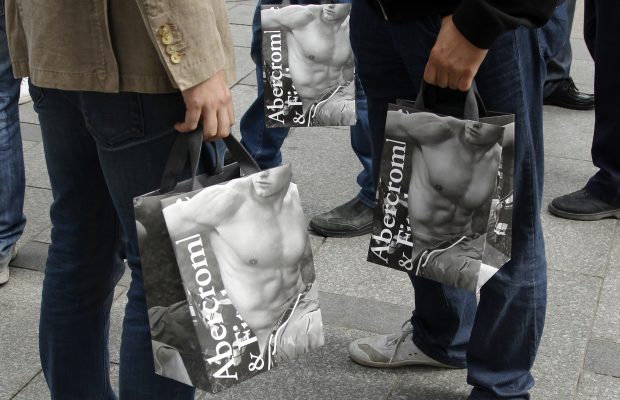
    Abercrombie & Fitch sales rose for the second consecutive year as its restructure and new store format begins to pay off. Comparable sales rose by 3 per cent in the year to February 2, to US$3.6 billion and operating income, after excluding extraordinary items, was $138.6 million compared to $100.8 million last year. However fourth-quarter sales fell by 3 per cent.

    CEO Fran Horowitz said the fashion retailer achieved an improvement in gross profit and reduced operating expenses, resulting in a 77-per-cent improvement in net income.

    “We continue to keep the customer at the centre of everything we do and are excited about the future of our brands. Our transformation initiatives are gaining traction and keeping us on track to deliver our previously disclosed fiscal 2020 targets.”

    Neil Saunders, MD of GlobalData Retail, said while the sales decline during the fourth quarter looks poor on the surface, the dip is a function of a calendar shift and a shorter trading period compared to last year.

    “The comparable Abercrombie & Fitch sales figure, which strips out these negative influences, provides a more balanced assessment of performance and here we believe A&F continues to deliver good growth. The comparable growth rate of 3 per cent is particularly impressive when set against last year’s stellar 9 per cent uplift.”

    He said there was now a clearly evident divergence between the performance of the Abercrombie and Hollister brands. The former posted a 2 per cent decline in comparables with the latter recording an impressive 6 per cent uplift.

    “In our view, Hollister is a brand that is strongly connected to its core customer base, both through impressive marketing and an assortment that is attuned to their needs and tastes. Our own tracking shows that the brand has strong traction and is attracting and converting a core group of shoppers on a regular basis at the same time as adding some new shoppers into the mix. Provided Hollister remains on trend with its range – and we see no reason why this should not be the case – we believe it should continue to perform well as the company moves into its new fiscal year.”

    Saunders said that while Abercrombie’s performance was a little soft this time around, the brand was up against tougher prior year figures.

    “Nevertheless there has clearly been a loss of momentum. Our data show that affinity to the brand, although much improved, is a more tenuous than Hollister. This means that Abercrombie was more exposed to the loss of consumer momentum in the general economy after Thanksgiving and Black Friday.”

    But he said the brand continues to show good potential and there were a number of fashion wins over the period, including good traction in outerwear.

    “Despite the slowdown we remain confident that Abercrombie is on the right track and can improve its numbers as it fine-tunes both marketing and merchandising.”

  • Diesel files for bankruptcy

    Diesel files for bankruptcy

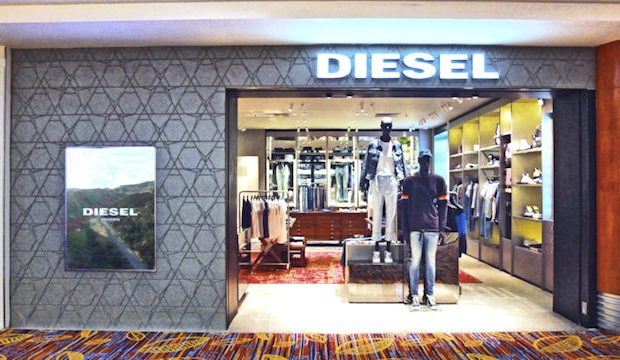
    Famed denim streetwear brand Diesel USA has collapsed, filing for bankruptcy protection in Delaware.

    According to papers filed with the court, the company has up to $100 million in assets and as much as $50 million in debts. The company filed for bankruptcy after unsuccessfully lobbying landlords for rent reductions.

    However under a three-year proposed restructuring program, Diesel says it does not plan to reduce its store network, rather to find more affordable locations.

    Diesel USA has 28 retail stores across the country and about 380 employees. It also wholesales through department stores and specialty retailers

    In the 1990s and early 2000s, Diesel USA, the North American unit of Italian-headquartered Diesel SpA, was at its peak, “dominating pop culture”. As a result it was commanding a high premium for its clothes and could justify seeking high-profile – and thus high-rent – locations in major cities across the US.

    Now those leases are no longer affordable and landlords seem reluctant to reduce rents to maintain a tenant no longer at its peak of popularity. The company has managed to get a reduction on only a single store despite a year of negotiations.

    Bloomberg reports the company had also been affected by several instances of cyber fraud and theft, costing it about $1.2 million.

  • YSL Beauty Hotel to open in Singapore

    YSL Beauty Hotel to open in Singapore

    SL Beauty Hotel is coming to Singapore this month, as part of a tour of the world’s fashion meccas, including Paris, New York, Tokyo, Hong Kong, Shanghai and Seoul.

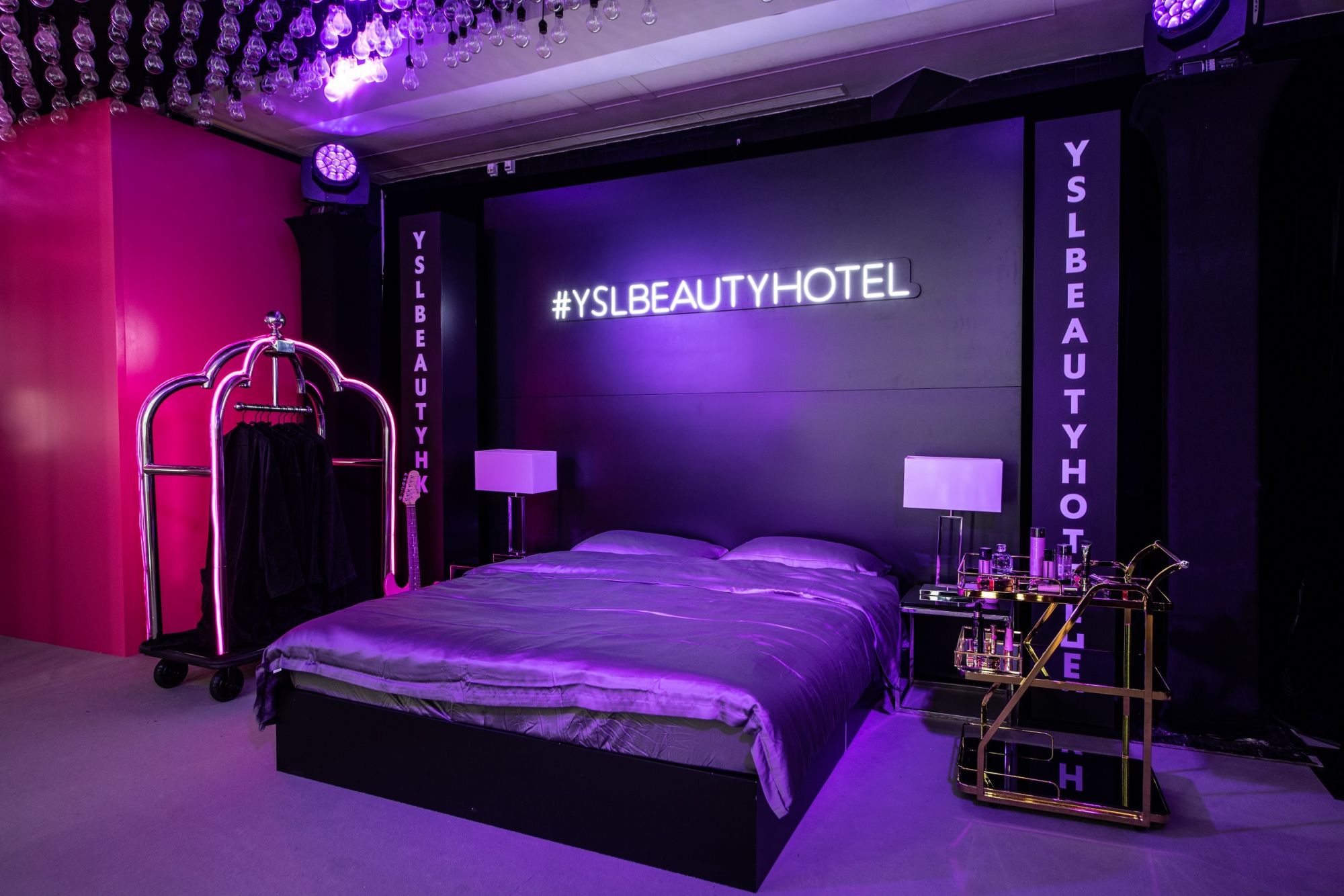
    Precise details of the Singapore ‘hotel’ have yet to be revealed, but it is expected to have same style of neon lights, sleek furnishing, and comfy bedding as in previous cities. Themed rooms like the All Hours Lounge, interactive game machines, photo booths and YSL Beaute products will be on site for visitors to experiment with and Instagram.

    Products in the spotlight will likely include the Encre de Peau Cushion Leather Collector’s Edition, Rouge Volupte Shine, and All Hours Foundation.

    The one-day pop up is set to open on March 16, from 10am to 5pm, at Cherry Discotheque in Cecil Street.

  • H&M opening a Tauranga Crossing store

    H&M opening a Tauranga Crossing store

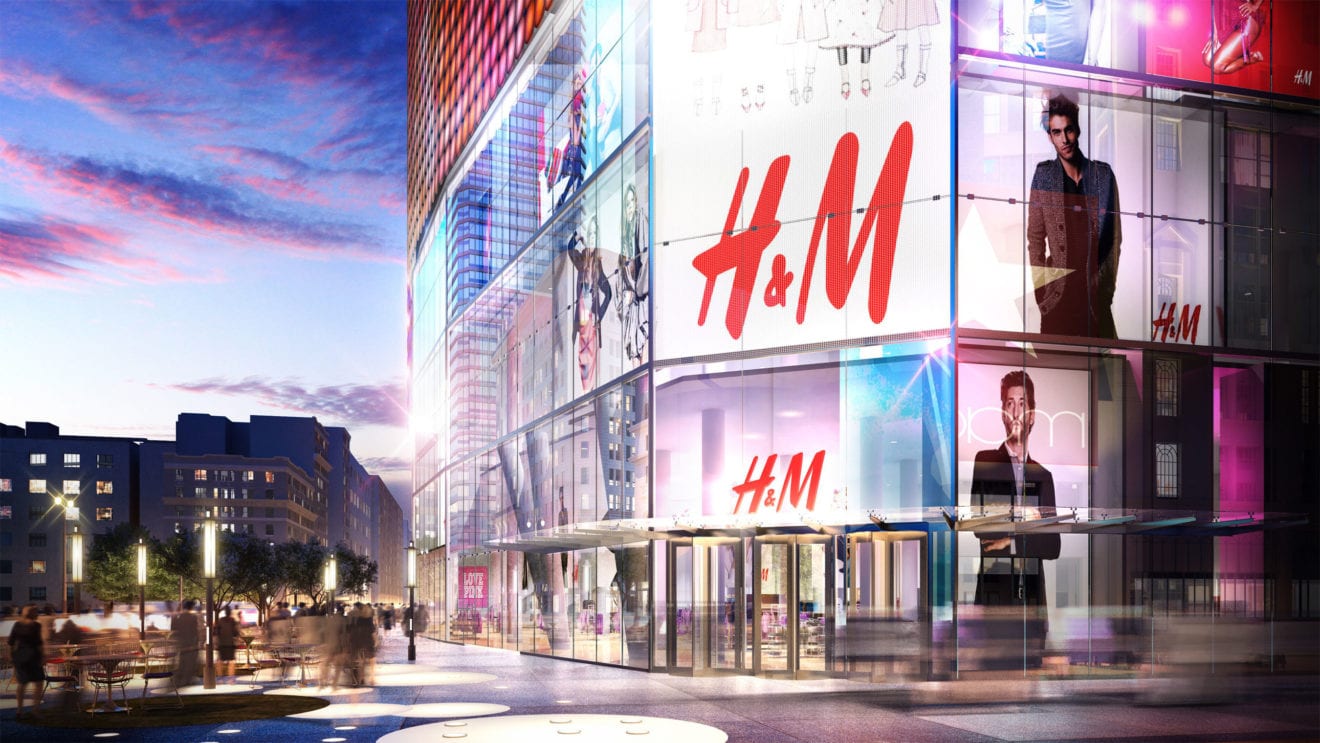
    Fast fashion retailer H&M announced it will open its fifth store in New Zealand on April 4 in Tauranga Crossing, Bay of Plenty. The new store, set in 1600sqm, will have two levels and will feature apparel and accessories for men, women, youth, kids and baby, and its home concept.

    “We are thrilled to finally be opening a store in the Bay of Plenty region and offer our customers an incredible fashion destination within a superb shopping centre” said Daniel Lattemann, country sales manager for H&M New Zealand.

    “We are also looking forward to introducing our H&M Home concept as we know it has been a customer favourite since making its New Zealand debut in 2017.”

    H&M entered the New Zealand market in 2016 and opened its first store at the Sylvia Park mall. The retailer’s other stores are located in Commercial Bay in Auckland, The Crossing in Christchurch and Queensgate in Wellington.

    The Swedish fashion retailer also announced recently it will open a third Auckland store which will be located at the Botany Town Centre and will be launched in autumn 2019.

    Last month, H&M posted a drop in profits for the year ending November 30, blaming the decline on its investment aimed at boosting its online business.

    The world’s second largest clothing retailer embarked on a transformation program last year, investing heavily in logistics and digital technology aiming to improve shopping experience and product selection. This includes an upgrade in its mobile app, faster deliveries and the rollout of click-and-collect.

    In the last three months of its financial year, the company spent around 450 million Swedish crowns on logistics and technology, including resolving problems it flagged earlier in 2018.

    H&M chief executive Karl-Johan Persson said the upgrade in their logistics systems inevitably resulted in increased costs but will lead to a range of improvements for their customers.

  • Superdry opens the first New Zealand store

    Superdry opens the first New Zealand store

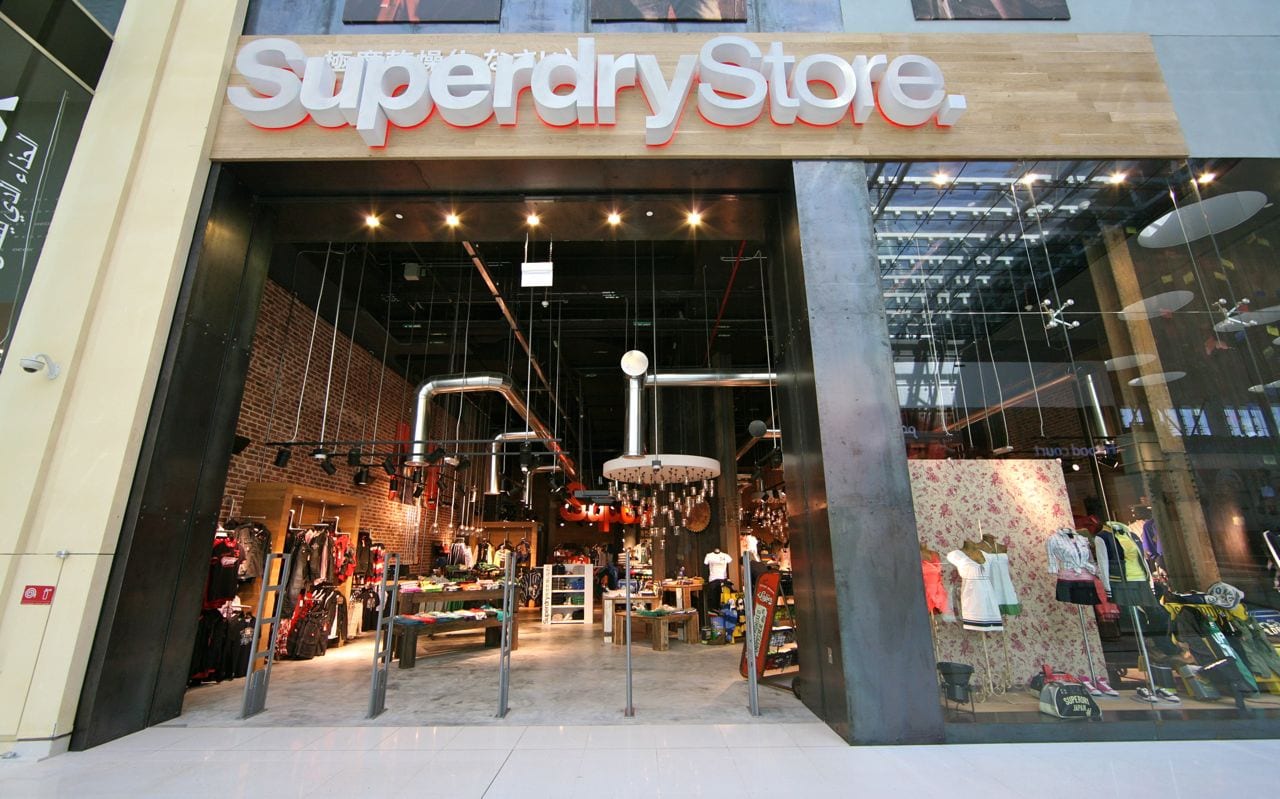
    Sports fashion brand Superdry will open its first store in New Zealand next month in the heart of Auckland’s Queen Street shopping district. The new store, which will feature Superdry’s iconic jackets, menswear, womenswear, accessories and snow gear categories, will be the 18th Superdry store opened by Brand Collective, which first secured the international licence in 2007.

    Coinciding with the store announcement, the brand on Wednesday launched an online offering in New Zealand, catering and shipping to local customers.

    Antony Hampson, brand general manager, said the expansion in New Zealand is a natural step for the brand.

    “With a population of 4.7 million, New Zealand offers a significant opportunity for the Superdry brand,” Hampson said.

    Superdry has over 500 stores worldwide in over 40 countries. New Zealand is the 47th country the brand has entered.

  • Gap spinning off Old Navy business

    Gap spinning off Old Navy business

    Gap plans to spin off and float its Old Navy business, creating two independent publicly traded companies. Old Navy will operate only its own brand, while the as yet unnamed company – dubbed NewCo for now – will own the Gap brand, Athleta, Banana Republic, Intermix and Hill City.

    “It is clear that Old Navy’s business model and customers have increasingly diverged from our specialty brands over time, and each company now requires a different strategy to thrive moving forward,” said Gap’s chairman Robert Fisher in a statement.

    “Recognising that, we determined that pursuing a separation is the most compelling path forward for our brands – creating two separate companies with distinct financial profiles, tailored operating priorities and unique capital allocation strategies, both well positioned to achieve their strategic goals and create significant value for our customers, employees and shareholders.”

    NewCo will launch with about $9 billion in annual revenue and a strong balance sheet.

    Old Navy, a value-focused brand which is currently one of the fastest-growing apparel labels in the US, will have annual revenue of about $8 billion.

    In a statement, Gap said separating Old Navy would allow it to capitalise on its scale, broad customer awareness and unique positioning to extend its category leadership and deliver profitable growth as an independent company.

    “Through this separation, Old Navy will have the flexibility, focus and control needed to increase customer access by further applying its strategic real estate strategy, evolving its omni-channel model and expanding its product categories to continue to successfully resonate with value-focused customers. Old Navy will be well positioned to invest in capabilities and initiatives that will continue to grow its market share.”

    After the split, Gap Inc’s current president and CEO Art Peck will hold the same position with NewCo.

    Sonia Syngal, current president and CEO of Old Navy, will continue to lead the brand as a standalone company.

  • H&M launches a new collection with gender-neutrality

    H&M launches a new collection with gender-neutrality

    Fashion giant H&M has teamed up with Swedish streetwear brand Eytys to launch a gender neutral fashion collection that will go on sale in selected stores worldwide on January 24. The new unisex collection, which is being designed in collaboration with H&M, will feature footwear, apparel and accessories for men, women and kids.

    The footwear collection will include new takes on a number of Eytys’ signature chunky-soled styles and will come in custom-designed boxes decorated by painter Zoe Barcza.

    “With this collaboration, we hope to introduce the H&M customer to our design philosophy of robust and fuss-free design where function triumphs embellishment and style spans genders,” said Max Schiller, creative director at Eytys.

    “The collection is all about proportions – creating a distinct unisex silhouette by playing around with loose silhouettes and chunky architectural footwear. It’s the Eytys idea of a ‘generic’ look, one that is meant to elevate integrity, attitude and confidence.”

    According to H&M, the Eytys design approach and overall ethos are rooted in the digital age, but also in freedom from restraints based on gender or age.

    “Together the brands have extracted the core of Eytys DNA and developed a unisex collection featuring a no- fuss and fashion-forward range of shoes and clothes.”

    Schiller said H&M admired Eytys’ distinct look and initially approached the company with the idea of creating a shoe collection.

    But after initial brainstorming, it was decided to create a full gender neutral fashion collection – shoes, clothes and accessories – and enable customers to experience the whole brand aesthetic and ethos, he said.

  • H&M names first Philippine ambassador

    H&M names first Philippine ambassador

    H&M has named Nadine Lustre as its first Philippine ambassador.

    The endorsement deal comes with a special swimwear collection to be launched in the Philippines next week.

    Nadine Lustre has more than 5.9 million followers on Instagram, and is considered to have a highly visible presence among today’s youth.

    “It was a whole new experience working on the campaign. It didn’t feel like we were working at all. I felt creative the whole time, and that, for me, is one of the best feelings ever,” Lustre told.

    H&M has previously worked with some of the biggest names in pop culture including Beyonce, David Beckham, Diane Kruger and Namie Amuro.

  • Victoria’s Secret parent to close stores as sales stagnate

    Victoria’s Secret parent to close stores as sales stagnate

    L Brands, the parent of Victoria’s Secret, saw its share price fall 8 per cent after releasing disappointing results and halving its dividend payout. The US-headquartered company is struggling to arrest declining revenue in its flagship lingerie network, where same-store sales fell 8 per cent in January, contributing to a 1 per cent drop in overall sales. Online sales, however, rose by 8 per cent.

    Overnight, subsequent to releasing its results, the company said it would close 53 stores in North America. Earlier this year it said it would reintroduce swimwear to its range after an absence of several years to increase foot traffic in stores.

    Net sales for the year to February 2 were US$13.237 billion compared to $12.632 billion for the 53 weeks ended February 3 last year. Adjusted to take account of the extra week, sales rose 3 per cent in the latest year.

    But after excluding significant one-off items, the company’s adjusted net income this year was $786.7 million compared to $919.5 million for the 53-week period last year.

    As a result of that decline, L Brands cut its quarterly dividend from 61 cents per share paid last year to just 30 cents.

    Analyst Randal Konik of Jefferies said L Brands’ banners “are not wanted anymore”.

    “Keep in mind that comps remain negative despite very high promos, which means true brand demand is even worse than reported as some consumers buy things when they are given away for free or marked down by more than 50-75 per cent,” he said.