Tag: Fashion

  • Pop-up store Nature Republic opened in Italy

    Pop-up store Nature Republic opened in Italy

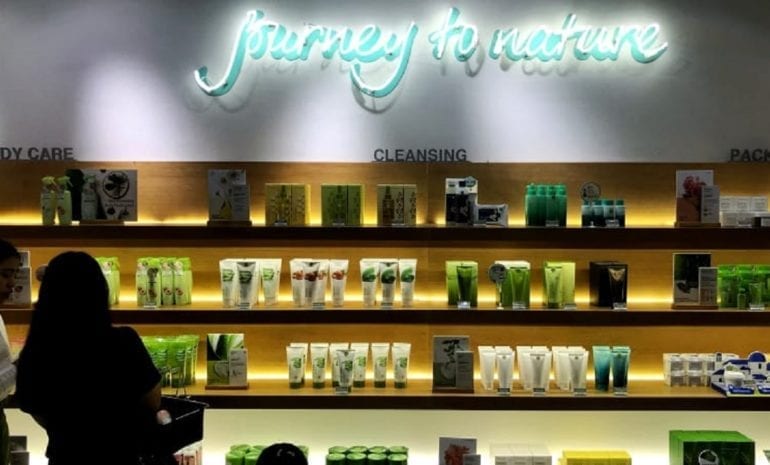
    South Korean cosmetics firm Nature Republic has opened four pop-up stores in Italy. The brand’s entry into the Italian market has seen the pop-ups emerge within Italy’s Coin department stores in Rome, Milan, Torino and Bari. Heritage brand Coin is the largest department store chain in the country in terms of outlets, and focuses on apparel, beauty and home decoration products.

    Nature Republic will leverage its foray into Italy as a launch pad for further expansion throughout Europe, where enthusiasm for Korean beauty products is growing. It has been registering its cosmetics products in the territory for the past two years.

    The firm now operates in 19 countries worldwide. The Italian cosmetics market brings in roughly €10 billion (US$11.4 billion) in annual revenues.

  • GEOX appointed new leader for Asia Pacific

    GEOX appointed new leader for Asia Pacific

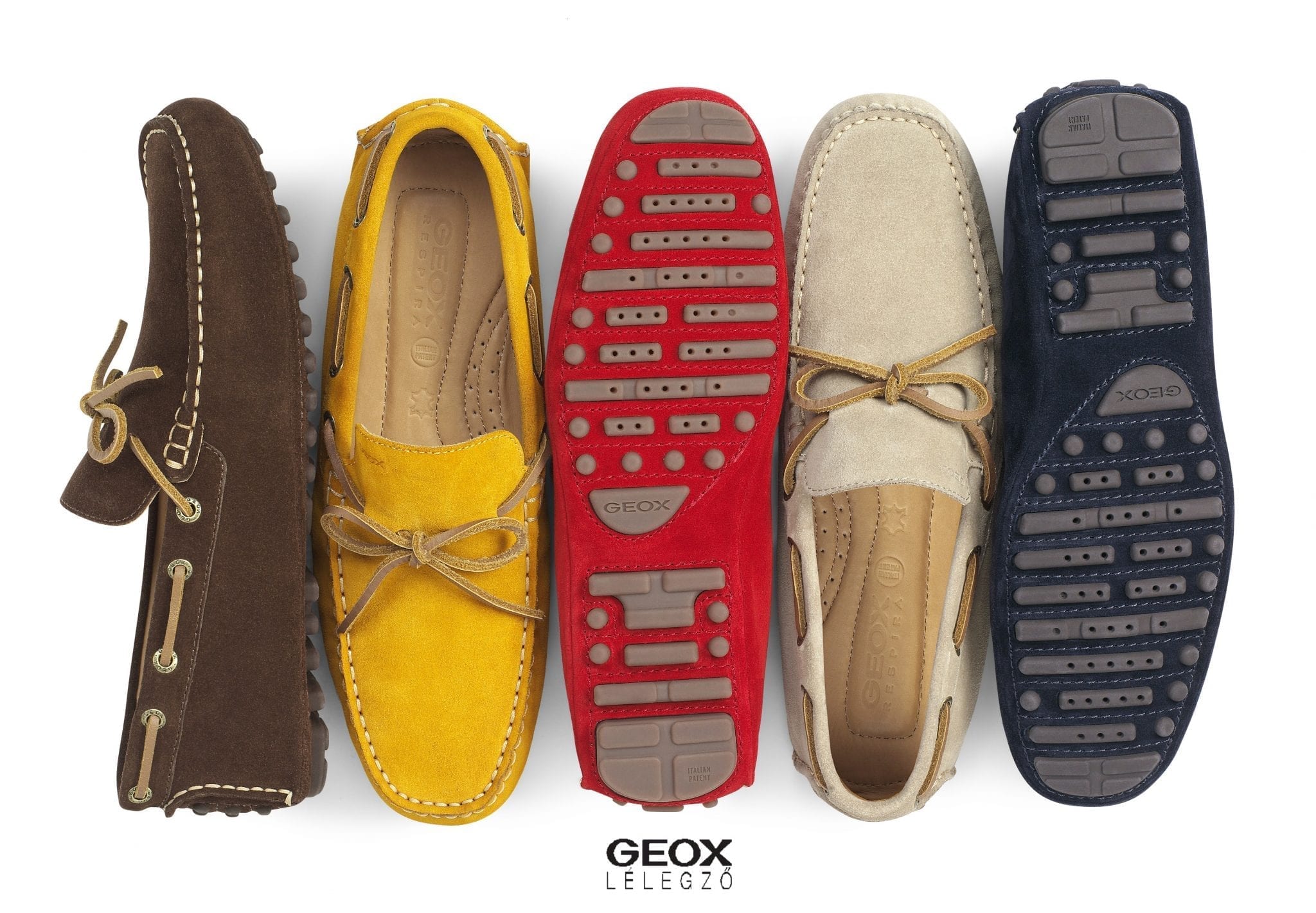
    Geox is a leading brand in the International lifestyle footwear Market. The success of Geox is due to the constant focus on the application of innovative solutions and technologies on the product that guarantee both impermeability and breathability. Geox technology is protected by over 60 different patents registered in Italy and extended internationally.

    Over 65% of its turnover is achieved abroad in more than 110 countries worldwide. Geox distributes its product through around 10,000 multi-brand selling points and a network of 1.157 mono-brand shops worldwide.

    Effective from today, Fillipo Gori, former CEO APAC at Roberto Cavalli, will lead the Asian expansion of the brand.

    Filippo Gori is a fashion professional with a finance and consulting background. After having worked 3 years in management consulting he joined GE Energy where he worked 3 years in FP&A. Soon after he began his journey in fashion, working for Emilio Pucci (Retail Controller), Gucci (Greater China CFO) and Replay (CEO APAC).

    In 2016 Filippo joined Vip.com as BD Director for international brands and established a profitable business in less than one year.

    In 2017 Filippo joined Roberto Cavalli, in one year and a half he opened in 3 new markets and increased the store network from 2 to 20 across Asia. In 2019 most of Asia markets will be reopened either through DOS or franchisee partnerships.

  • Macy’s, Tmall contract completely over

    Macy’s, Tmall contract completely over

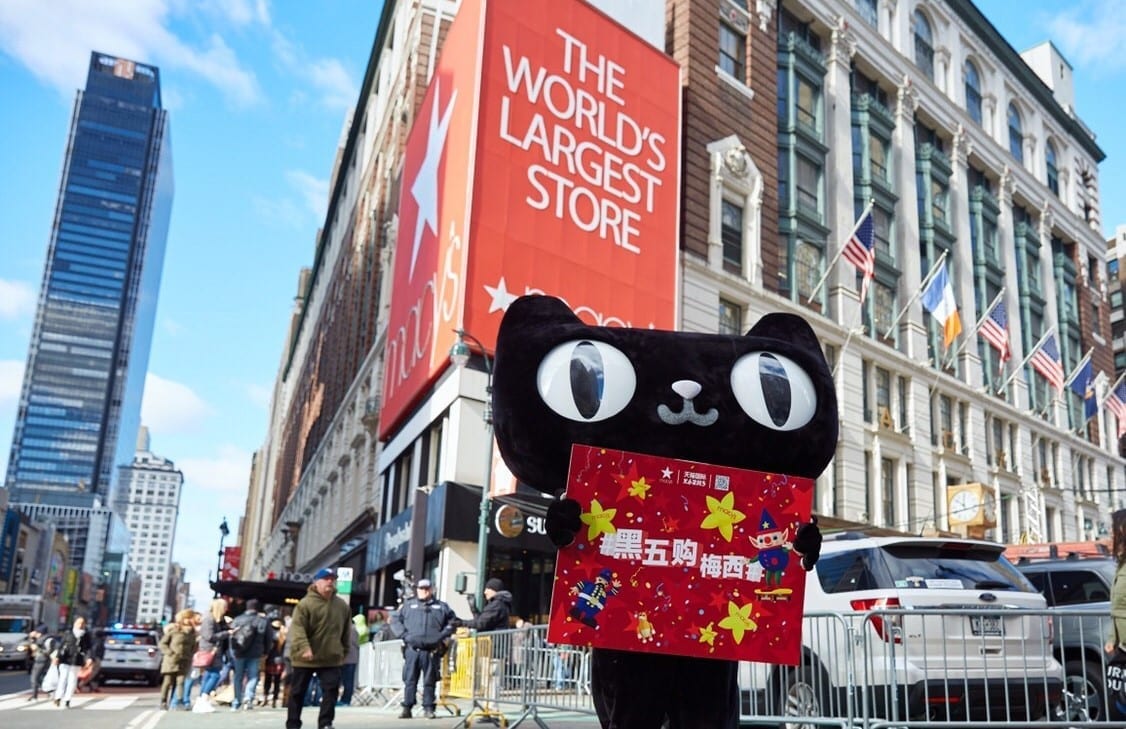
    Macy’s China stopped taking orders on Tmall this week and will close its operations by the end of the month. The US department store business said it chose not to renew the contract with Alibaba’s Tmall which ends on December 31. “We sincerely thank you for your support and love of Macy’s, and we will continue to provide services to you through the American website Macys.com,” the US retailer said in a statement.

    Just two years ago, in an interview, Macy’s China president Dustin Jones assured customers that the company would not leave China. “We will become [a] Chinese Macy’s,” he said.

    That comment followed the closure of the company’s brick-and-mortar stores in Mainland China. Macy’s subsequently closed its own China website last June.

    Since 2015, the Macy’s China business has been operated in partnership with Hong Kong-based Fung Retailing.

    Beijing-based retail analyst Liu Dingding said that Macy’s China failed because it could not keep up with the fast-changing and diversified demands of Chinese consumers.

    “The market in China is changing much faster than those in the US and Europe. These Western giants seem to react a bit slower than their Chinese counterparts,” said Liu.

    Securing a local partner was one way of ensuring success in the market – as WalMart and Carrefour’s partnerships with Tencent have shown, said Liu. That way they can localise their offer and learn from Chinese experience.

    “[Western retailers] have built up operating experience with years of success back home. But before applying this experience in their Chinese operations [they should] respect Chinese culture, hire more Chinese executives and try to adjust the way that they have operated for years back home.

    “That’s the first step to gaining a foothold in the Chinese market,” Liu said.

  • Order now, deliver later by GU fashion

    Order now, deliver later by GU fashion

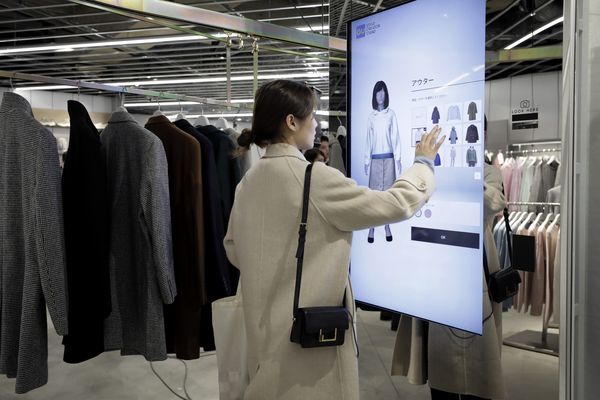
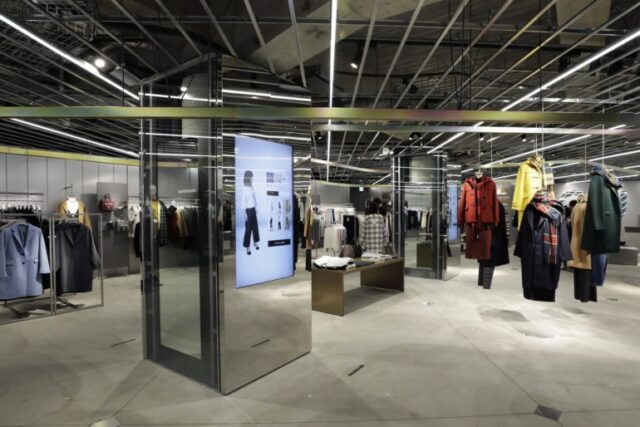
    A brand-new store opened last week in Tokyo’s Harajuku fashion district but it has a twist: shoppers are meant to walk away empty-handed. The GU Style Studio store, opened by Asia’s largest clothier and Uniqlo operator Fast Retailing Co., is for customers to try apparel and place orders online for later delivery.

    They can also try out extra services, such as playing with clothing combinations on a virtual mannequin and creating a digital avatar.

    Although the notion of showcase shopping has been around for a while, and remains somewhat popular in Europe, such stores have usually been reserved for electronics, household items and knick-knacks.

    Seldom has the idea been ported over to the clothing sector. But, as the rise of e-commercethreatens to upend the global retail industry, apparel makers are experimenting with new ways of selling clothes.

    “Among large specialty chain retailers, Fast Retailing has one of the most developed digital strategies,” said Dairo Murata, an analyst at JP Morgan Securities. “They are doing it all in-house, and it allows them to be more competitive.”

    The line separating online and offline storefronts is becoming blurrier as e-commerce moves into physical locations and brick-and-mortar retailers shift online.

    That’s resulted in new shopping experiences such as Amazon’s Prime Wardrobe, which sends boxes of clothing to customers to try on, letting them send back what they don’t like.

    GU isn’t the first to open a try-on store; Inditex SA’s Zara also temporarily opened a look-and-buy outlet in Tokyo’s Roppongi district this year.

    GU has steadily grown into a key pillar of Fast Retailing’s business, accounting for about 10 percent of revenue in the latest fiscal year. It has almost 400 stores across Asia, mainly in Japan, Taiwan and mainland China, and is known for being more affordable and more fashion forward than its bigger sibling, Uniqlo.

    The GU brand has also historically been more experimental with technology, being the first in Fast Retailing’s portfolio to introduce RFID tags and self-checkout.

    In 2017, a futuristic digital store popped up in the city of Yokohama with screens on shopping carts recommending various clothing combinations as people walked through the store.

    JP Morgan’s Murata said GU’s new Harajuku outlet could be a template for rolling out smaller shops in cities that don’t have space to store inventory. He said it could be applied to Uniqlo as well. But Osamu Yunoki, GU’s chief executive officer, said the company hasn’t decided whether to adopt the concept for Fast Retailing’s other brands, or other conventional GU stores carrying inventory.

    Shoppers at the new GU store can scan QR codes attached to clothes to bring up purchase links on their phones, and are also encouraged to test clothing combinations on a virtual mannequin on a separate app. Cameras placed in the store capture can also be used to create a virtual avatar of shoppers, although the resemblance was unconvincing.

    The store is able to collect and use data on how customers are shopping, such as what items customers are scanning into their phone, which clothing they try on and whether they purchase it or not. That could serve an important function for Fast Retailing’s efforts to automate its entire supply chain.

    “That kind of data from customers can be connected immediately to product development and manufacturing plans,” Yunoki said.

    At the same time, he said, the company is trying to offer something new for shoppers.

    “We’re fusing the in-store experience and e-commerce to offer a fun and convenient experience,” Yunoki said. “Harajuku isn’t just for shopping, it’s also a place where fashion is created. We’d like to use our customer’s creations as a stimulus for developing new types of fashion.”

  • Bottega Veneta opens Tokyo flagship store

    Bottega Veneta opens Tokyo flagship store

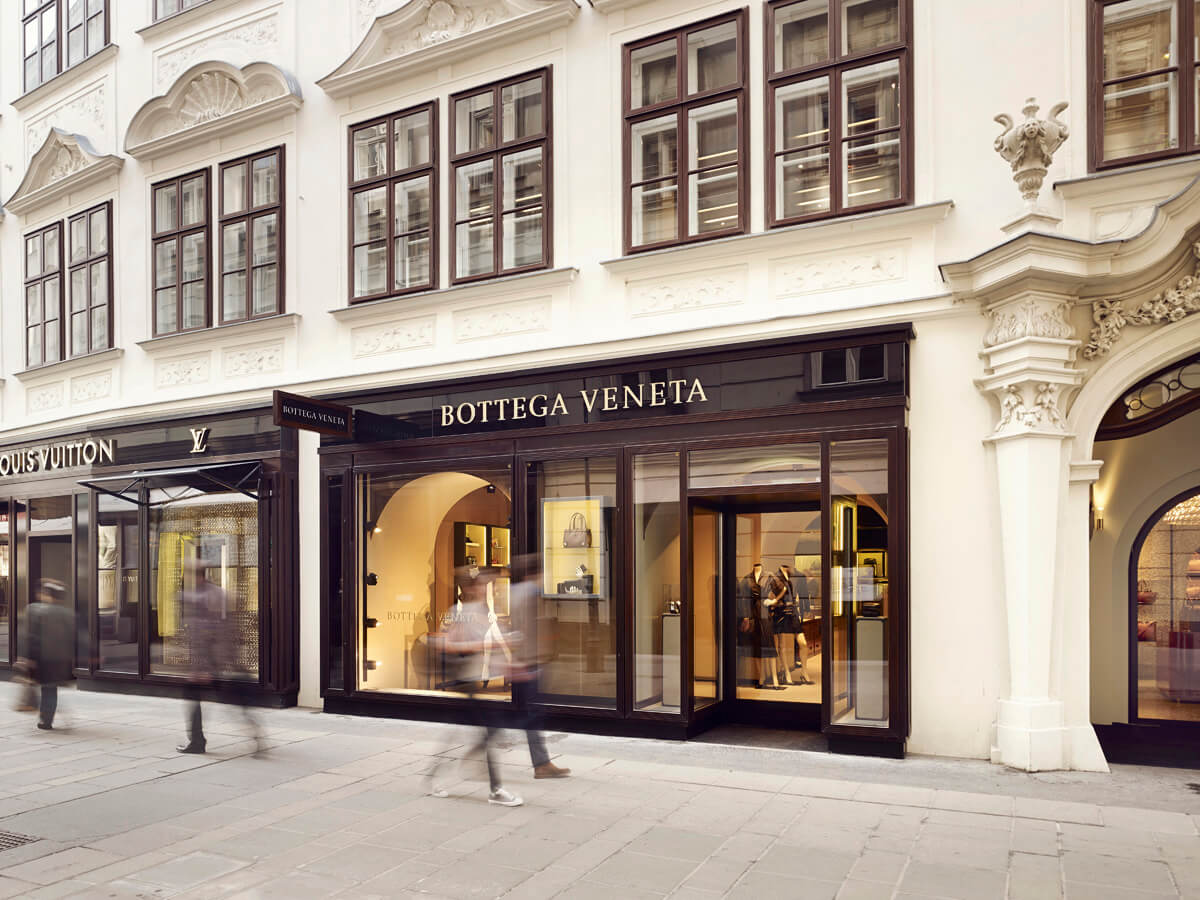
    High-end Italian label Bottega Veneta is launching a new flagship in Tokyo this Saturday. The six-storey store at Ginza Chuo-Ku is the brand’s largest in the Asia region, and features men’s and women’s ready-to-wear, leather goods, handbags, eyewear, footwear, fragrances, jewellery and home decor.

    The store’s facade is composed of more than 900 metal panels similar to a motif featured on the brand’s handbag range, while the understated interior design matches Bottega Veneta’s furniture aesthetic.

    The label’s GM Claus-Dietrich Lahrs said in a statement that the Japanese clientele is important and extremely loyal – adding that Japan is one of the world’s leading markets for Bottega Veneta.

  • Clot x Air Jordan XIII Low release date revealed

    Clot x Air Jordan XIII Low release date revealed

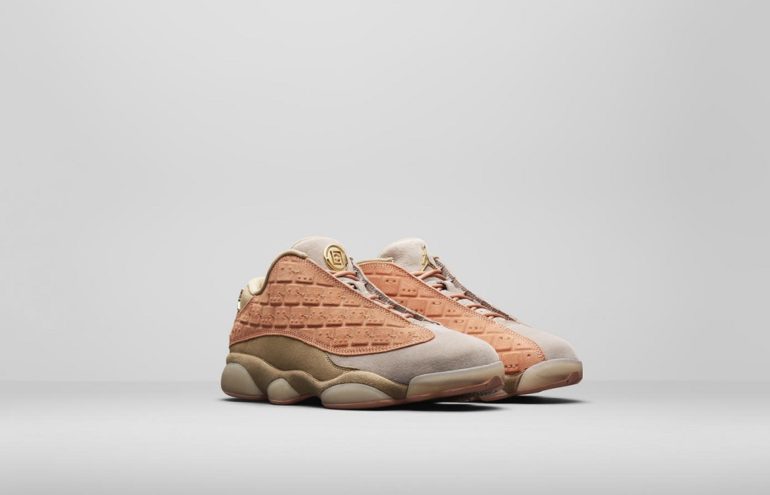
    International brand and retailer CLOT’s Air Jordan XIII pays tribute to co-founder and creative director Edison Chen’s youth, which he spent between Canada and Hong Kong. Chen chose to work on the Air Jordan XIII because it was his go-to during his high school basketball career — and remains a favorite shoe.

    To honor his Chinese heritage, he drew from a recent visit to Lintong county, Shaanxi province, where the Terracotta Warriors statues have remained for more than 2,000 years.

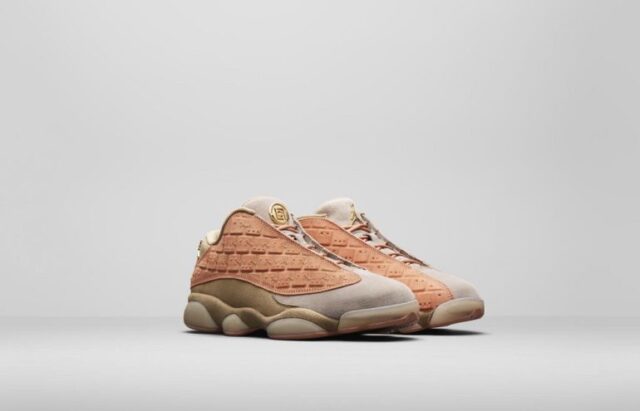
    To replicate the oxidation of that terracotta earthenware, the CLOT x Air Jordan XIII Low uses a Sepia Stone, Terra Blush and Canteen colorway.

    The design of the padded upper mirrors the armor worn by the Terracotta Warriors.

    Subtle nods to MJ come through in the side panel, where dots on each tile appear in twos and threes. To finish it off, metallic gold CLOT and Jordan Brand logos appear on the tongue, heel and sole.

    The CLOT x Air Jordan XIII Low releases exclusively at Innersect Shanghai, China, on December 8, followed by a global release December 13 at Juice Stores.

  • Heron Preston makes debut in Hong Kong

    Heron Preston makes debut in Hong Kong

    U.S. brand Heron Preston which, as Vogue defines it, finds the interface of luxury and streetwear has arrived in Hong Kong. The New York-based designer announced on Instagram that his Hong Kong debut also served as Heron Preston’s first-ever storefront anywhere.

    “I can’t believe I started hand printing t-shirts in San Francisco and now I’m here. I want to thank my amazing team for the love and support!” he said.

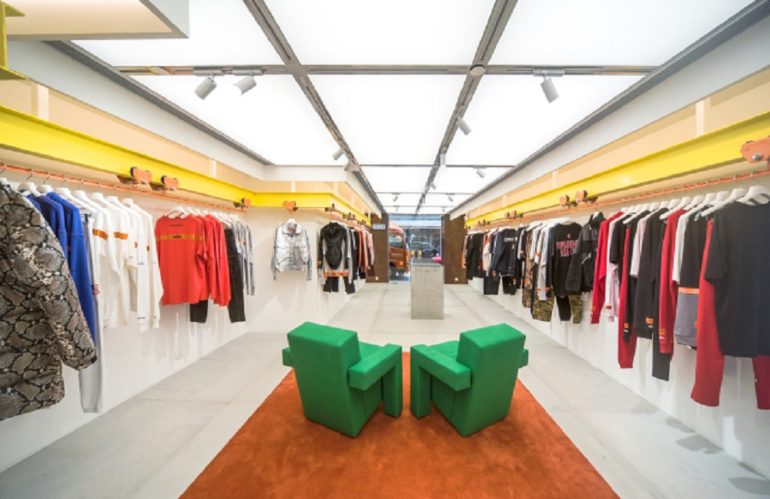
    Located on Paterson Street, Fashion Walk, in the city’s Causeway Bay area, the new Heron Preston store was designed by the contemporary designer too.

    Inside, Hong Kong shoppers are greeted by industrial interior fixtures such as steel shelving, painted wooden crates and licks of safety orange throughout.

    An emerald green chair is set up in the centre of the shop next to the concrete sales counter. The light is bright and remainder of the store minimal in design, allowing the Heron Preston collections to speak.

    Offering a full selection of the designer’s wares, clothes are displayed hanging from the racks, with accessories kept under the glass shelf of a table and hosted on shelves.

    Marking the store opening, Heron Preston has teamed up with fellow American and sportswear heavyweight Nike for a limited edition eyewear collection.

    Dubbed “Nike Tailwind HP Sunglasses”, the glasses are lightweight and wrap-around style, the frames mimicking the brand’s innovative rubber ventilation. The collection comes with interchangeable lenses too.

    A standout piece is the Nike MAX Optics glass, which comes with an anti-fog Flying Lens setting.

    The collection dropped worldwide November 29 and is available at Nike store and Heron Preston sales points.

  • Gucci fine jewelry new style revealed

    Gucci fine jewelry new style revealed

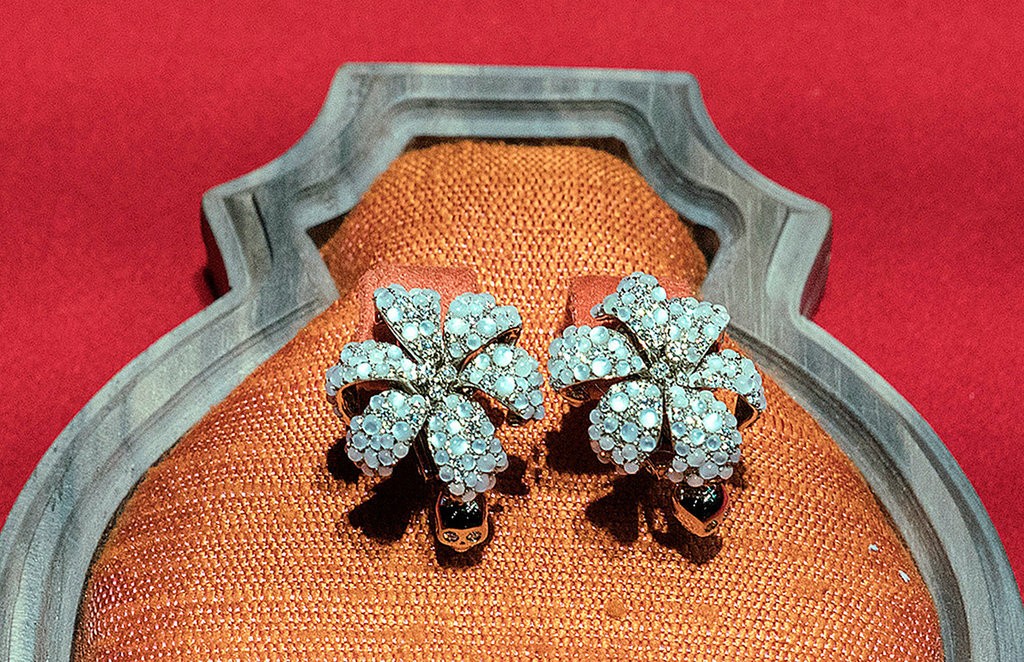
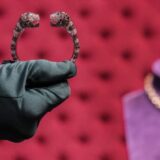
    These are flush times for Gucci, the 96-year-old house that in recent years has become fashion’s all-conquering luxury brand. And amid booming sales, Alessandro Michele, Gucci’s creative director since 2015, has introduced the brand’s first high-end fine jewelry line, a series of extravagant styles that present the designer’s florid evocations of flea market finds as gem-encrusted treasures.

    Talking of the nostalgic inspiration behind many of his creations, Mr. Michele said, “I’ve dressed a number of women in things that were gathering dust in vintage archives — they no longer existed.”

    “That includes jewelry as well,” he added. “It’s beautiful to bring them back to life and give them importance once again.”

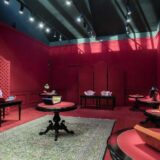
    At the Gucci Hub, a former aeronautical factory here where the brand opened its headquarters last year, the jewelry showroom reflects Mr. Michele’s opulent touch: red velvet-covered walls, red velvet room dividers, red velvet-topped tooled wood tables around a densely floral Oriental rug, and bright-toned velvet coffers lined in silk to showcase the designer’s well-established motifs rendered as precious jewels.

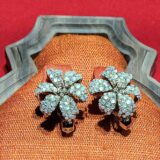
    Tigers, snakes, lions and foxes form necklaces, bracelets and rings, mirroring earlier versions that Mr. Michele created for both the costume and the mid-market fine jewelry lines at Gucci. But the new higher-end collection — which has no specific name — is more elaborate, its 25 design styles accented with a range of gemstones.

    The new line appears to expand the reach of Mr. Michele’s remarkably successful universe for his most ardent and wealthy collectors. It’s Gucci style for Cartier spenders — at a time when Gucci has pledged to go fur-free, eliminating what had been the brand’s biggest-ticket items.

    Mr. Michele, who calls himself “a passionate student of antique jewelry,” has resurrected animalier styles, like those of the midcentury American jewelry designer David Webb, and for this new collection he has employed some vintage techniques like the intricate hand engraving used to create the animals’ faces, skipping the rhodium plating now common on white gold so it retains a yellowish cast, and the use of old-fashioned raised settings for the tiny diamonds spangled across the fishtail of a ring.

    “When you see the way I combine things with each other, you perceive everything together as a new language,” he said, referring to his fashion aesthetic that mashes up the animal motifs with Chinese silks and Mexican embroideries, Renaissance gowns, Victoriana, disco drama, high ’80s glam, shades of Elton John and Dapper Dan, and more. “There’s a complete fusion of ideas. This ‘disruption’ that everyone’s talking about is found in the dialogue between these elements.”

    From the new collection, Marco Bizzarri, the chief executive of Gucci, wears a woven gold bracelet with black diamonds that is embossed with the phrase “Blind for Love” in capital letters across the top.

    Mr. Michele himself has a gold ring with a fox’s head, a large brown diamond set between its ears.

    Though the pieces look like styles that, in their antique forms, were made for women, in the Gucci context, anyone can wear them.

    “Clothes, like jewelry, don’t have very revolutionary roots, meaning that what’s revolutionary is the way you wear a piece of jewelry,” the designer said.

    So far the collection, with prices that mostly range from 15,000 euros to 70,000 euros (US$17,900 to US$83,500), has been offered only to favorite clients through private sales in Japan, China and the United States and private appointments that began in July.

    Gucci refers to the pieces, which are not high jewelry (typically starting in the $100,000 range and going into the millions), as “medium-high,” or as “unique pieces” when it repeats designs using different gems.

    However, the brand says it is considering a move into the bigger stones and larger price tags of true high jewelry for its next collection.

    Gucci is not the first fashion house to enter the upper echelons of jewelry.

    Chanel, Dior and Louis Vuitton have all made it big business, as the high jewelry market has flourished through and beyond the economic downturn of the last decade.

    And the brand’s fortunes have been growing at a clip that has shocked industry watchers.

    Kering, its parent group, reported that Gucci’s revenue soared 42 percent to €1.5 billion in the three months to the end of September. And its biggest boost has been coming from millennials, who, Kering says, account for at least half of its 2017 sales thus far.

    “The new generation is going to want a more modern jeweler,” said Maurizio Pisanu, the house’s director of jewelry merchandising. “So it’s up to the brand that realizes that first, and Gucci already had the right intuition two years ago — to break the rules.”

    Gucci has hired its first staff gemologist to search for stones worldwide and maintains a jewelry workshop with about 30 goldsmiths and stone-setters near Milan.

    All of the brand’s existing fine jewelry and now most of its high-end fine jewelry pieces are made there, with some help from an external atelier in Valenza, a center of Italian jewelry fabrication about 60 miles to the south.

    According to the brand, sales of the initial pieces have been brisk (although it won’t provide specifics).

    So if the collection does expand, Mr. Michele’s antique-tinged, everything-is-precious aesthetic might disrupt the higher stratospheres of the jewelry sector in the way that he has already reset Gucci and the fashion desires of a vast public.

    The collection has arrived at a moment when the codes of high jewelry are in flux — important stones are becoming more difficult to find, and a new generation of customers is more interested in showing off wearable (and possibly recognizably branded) design than owning the special occasion gem-encrusted parures of the past.

    Mr. Pisanu said design-driven jewelry customers “benefit a brand like Gucci, where jewelry isn’t our core business but we have the ability to make high-quality jewelry like the other brands — and with a different aesthetic that’s much more innovative than what a classic brand would ever dare to make.”

  • Valentino and Dior Men to run show in Japan?

    Valentino and Dior Men to run show in Japan?

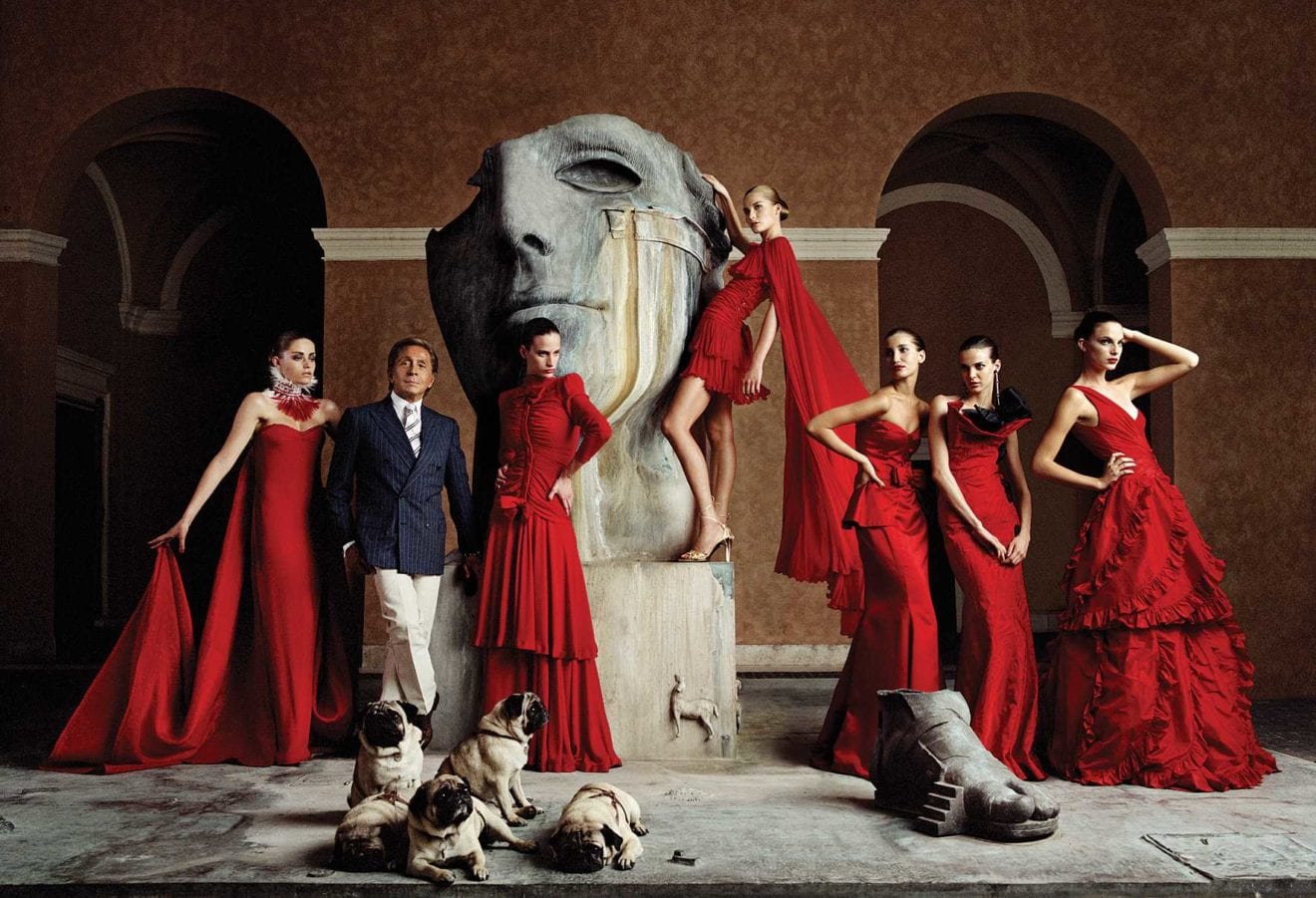
    Pierpaolo Piccioli, creative director of Valentino, was in Tokyo last week to celebrate the brand’s Ginza Six store opening and its Pre-Fall 2019 runway show, titled “Valentino TKY,” of which Japan’s wabi-sabi aesthetic was credited as one inspiration.

    Kim Jones was also in town to present Dior Men’s Pre-Fall 2019 collection and a pop-up store Thursday evening, although his nod to Japan was a fraction subtler, having mined the Dior womenswear archives for Japanese influences to reinterpret as men’s garments.

    It’s not the first time that luxury brands have turned to Japan: Last October, Tokyo was also the site of Valentino’s Resort 2018 pop-up, while Dior’s haute couture Spring/Summer 2017 show bowed in April. In May 2017, Louis Vuitton took their cruise collection a few hours away to Kyoto.

    It’s also not unexpected that most designers who stage their collections in Japan find a way to reference the country on the catwalk, however fleetingly.

    The nation is home to inspiration galore: eclectic street style subcultures, unparalleled artisanship, a thriving beauty industry and icons of design and architecture all makes the country a mecca for creatives of all persuasions.

    But beneath the surface of very real enthusiasm that fashion creatives harbour for Japan, there is of course a carefully calculated business rationale for their choice of locale.

    As Asian markets now account for a disproportionately large share of luxury sales, it is clear that brands need to find ways to launch meaningful marketing activations in the region on a regular basis. Such shows have become a tried-and-tested formula.

    Unlike Korea, whose popularity as a location for pre-collection shows appears to have peaked, Japan is emerging as a perennial favourite. And although China continues to attract many brands looking for a place to present their catwalk shows in the world’s largest luxury market, recent examples tend to be repeats of shows that already had a debut elsewhere like last week’s re-staging of Miu Miu Resort 2019 in Shanghai or Chanel’s Cruise 2018 collection reappearing in Chengdu after also debuting in the French capital.

    Japan, by contrast, is not in the habit of staging re-runs.

    The value that luxury brands gain by using Japan as a staging post between their shows in Europe comes from several sources.

    Logistical efficiency is one not-so-romantic reason for its popularity as a transseasonal show location. By bringing their pre-collection activation to Japan, brands embellish a requisite part of their global marketing strategy while creating an opportunity to meet local partners and management in Asia’s most mature luxury market — and the world’s third largest.

    Piggybacking off the show in this way sends an important message at the consumer level too.

    Having been eclipsed by the Chinese, Japanese consumers are no longer the object of affection and attention to the degree that they once were. Luxury brands are increasingly stretched, unable to devote as much time to Japanese activations as they once were. With so many emerging markets in Asia and around the world to tend to, they are less able to provide Japanese kokyaku (VIP consumers) with intimate access to designers or face time with the press.

    With China consuming a third of the global luxury market, brands have been investing in strategic WeChat campaigns, optimising retail channels and desperately finding new ways of understanding the proverbial Chinese luxury consumer.

    Yet unlike China, where brands are rapidly opening retail and digital storefronts, online luxury sales are less developed in Japan, with only 7 percent penetration, according to McKinsey & Co. With consumers preferring to shop offline, Japan’s department stores remain dominant luxury distributors.

    The icing on the cake is that Japan remains one of the most attractive destinations for other Asians — and Asian fashion industry leaders are no different.

    Whether they be the brands’ joint-venture partners from Vietnam, distributors from Singapore, fashion editors from Indonesia or influencers from Thailand, Japan has the magnetism needed to draw in brand stakeholders in a way that other markets can’t emulate across the continent.

    Omotenashi — the philosophy of Japanese hospitality — usually tips the scales for potential show-goers in the region who may be wavering over an invitation.

    According to the latest report by Bain & Company, luxury purchases in Japan softened slightly this year, pushing brands to find new solutions to bring consumers back to stores. Retail sales in Japan grew at 3 percent at current exchange rates to €22 billion ($25 billion).

    Bringing an olive branch in the form of a pop-up or capsule collection to Japan is a way of balancing out the China-heavy luxury narrative, and assuring local consumers that they are still a priority for foreign brands and retailers. It’s also worth noting that Japan is a favourite holiday destination for Chinese luxury consumers.

    In light of the 2020 Tokyo Olympics, tourists are expected to further boost the luxury market — especially if the Japanese government takes key measures to improve the nation’s attractiveness.

    However, following Beijing’s latest efforts to boost domestic consumption of imports, Chinese shoppers’ holiday purchases may see a drop. How this affects travel hotspots such as Japan remains to be seen.
  • Shanghai, Singapore is now Asia’s most expensive city

    Shanghai, Singapore is now Asia’s most expensive city

    Asia’s most expensive city for high net worth individuals is no longer Hong Kong. Both Shanghai and Singapore have overtaken it, with property costs alone pushing it beyond capital cities across the region. Wealth Report Asia, published annually by financial services company Julius Baer, measures the price of a basket of items including property prices, a degustation dinner, cars, a piano, wine, jewellery and even botox.


    Shanghai is now Asia’s most expensive city to buy six of the 22 items Julius Baer surveys (a hospital room, watch, handbag, wine, jewellery and skin cream). In addition, it has grown more pricey on a relative basis to buy property (from fifth to fourth most expensive), and legal fees have lept from 10th to second.

    Singapore is the most expensive city to buy a car or a degustation dinner, and ranks in the middle of the list on every other item, its best result eighth for a piano.

    Property prices and business class air fares have skewed Hong Kong’s position on the list – they are more expensive there than elsewhere. But in contrast, Hong Kong is cheapest city to buy skin cream, the second cheapest for wine and jewellery and the fourth cheapest for men’s suits, womens shoes and watches.

    The region’s least expensive city is Kuala Lumpur, Malaysia’s capital. According to Julius Baer, it is the most competitive city to buy property, wine, jewellery, a piano and cigars or to rent a hotel suite.

    Price deflation of items onshore such as legal fees (down four spots) and jewellery (down three spots) offset a recovery in the value of the ringgit against the US dollar.

    The data was calculated on a price-weighted basis.

    Chinese luxury consumption slowing

    Meanwhile, the report says the “China express” driving the world’s luxury retail market is slowing.

    Chinese nationals accounted for just 2 per cent of luxury spending in 2003 yet by last year that share had soared to 32 per cent – and they account for more than 70 per cent of global growth.

    But Julius Baer says recent signs “are pointing to an outlook that will be less spectacular”.

    “Amid the ongoing trade conflict with the US and a softening growth dynamic, the Chinese stock market has come under significant selling pressure this year. Chinese consumer confidence, which has been a good leading indicator for luxury goods performance trends, appears to have rolled over.

    The weakness in Chinese consumer confidence has weighed on the sector of late, and is likely to remain a drag going forward if Chinese consumption trends continue to slow.”

    The report also noted that Chinese retail sales growth has also been moderating in recent months.

    “We believe China is going through a self-induced slowdown as the economy transforms from investment-led to consumption-led growth. Reforms are currently taking a back seat in favour of selective and measured easing but [we] still expect 6.5 per cent growth this year, before a slowdown to 6.2 per cent next year.

    “Following a strong recovery since 2015, it is reasonable to expect global luxury consumption to slow in the near-term from a high base and moderating Chinese demand. Yet we remain upbeat in the longer term premised on structural growing demand from Chinese millennials and a more prominent female presence in the luxury market.”

  • Chanel to stop using exotic skin in its collection

    Chanel to stop using exotic skin in its collection

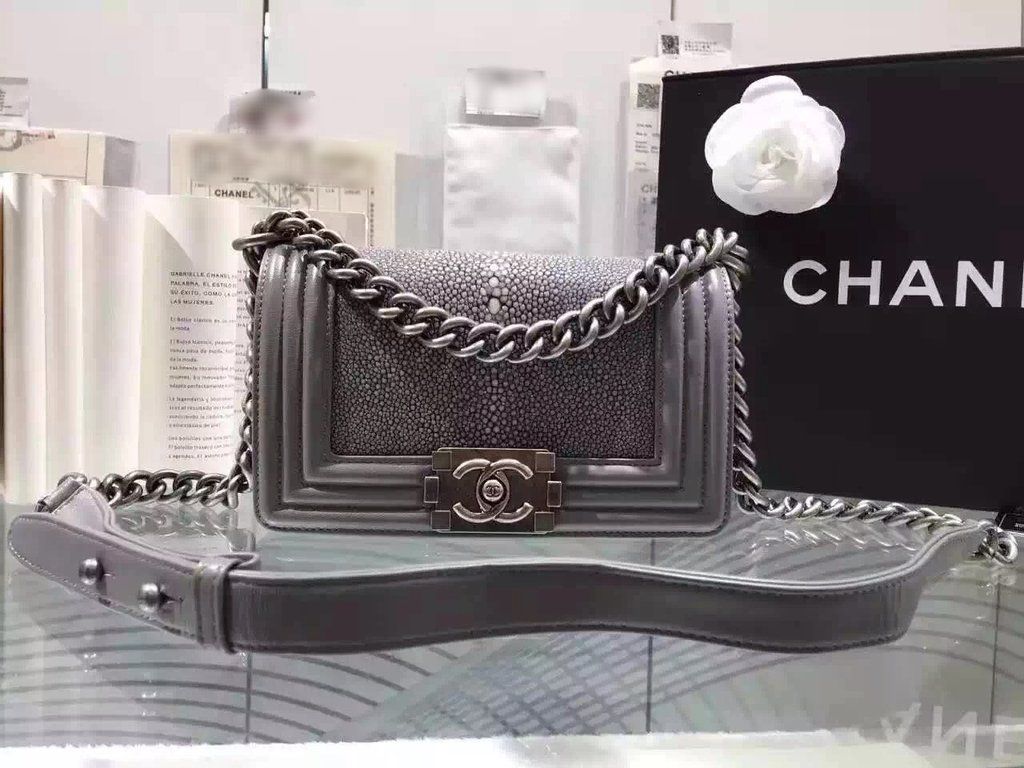
    Ahead of its pre-fall 2019 Métiers d’Art show in New York’s Metropolitan Museum of Art, Chanel has said it will “no longer use exotic skins in [its] future creations”. The exotic skins in question include crocodile, lizard, snake, stingray and fur, of which Chanel uses very little.

    The decision is down to the fact it is becoming increasingly difficult to source skins that meet the house’s quality and ethical standards. “There is a problem of supply and that was not Chanel’s business anyway,” Bruno Pavlovsky, president of Chanel fashion and president of Chanel SAS, commented. “We did it because it’s in the air, but it’s not an air people imposed to us. It’s a free choice.”

    The brand’s attention will shift to the research and development of materials and leathers generated by “agri-food” industries.

    “The future of high-end products will come from the know-how of what our atelier is able to do,” Pavlovsky continued. It will, however, take time for existing goods containing exotic skins to leave Chanel’s distribution network entirely.

    Chanel is the first luxury brand to join labels, including Asos, Nike, H&M, Puma, Arcadia Group and L Brands, which have already banned exotic skins from their product offering.

    The likes of Armani, Coach, Versace, Michael Kors, Gucci, Burberry and John Galliano have pledged to halt the use of fur, however, they have not made the leap to include skins in their entirety.

  • “The Marc Jacobs” is launched

    “The Marc Jacobs” is launched

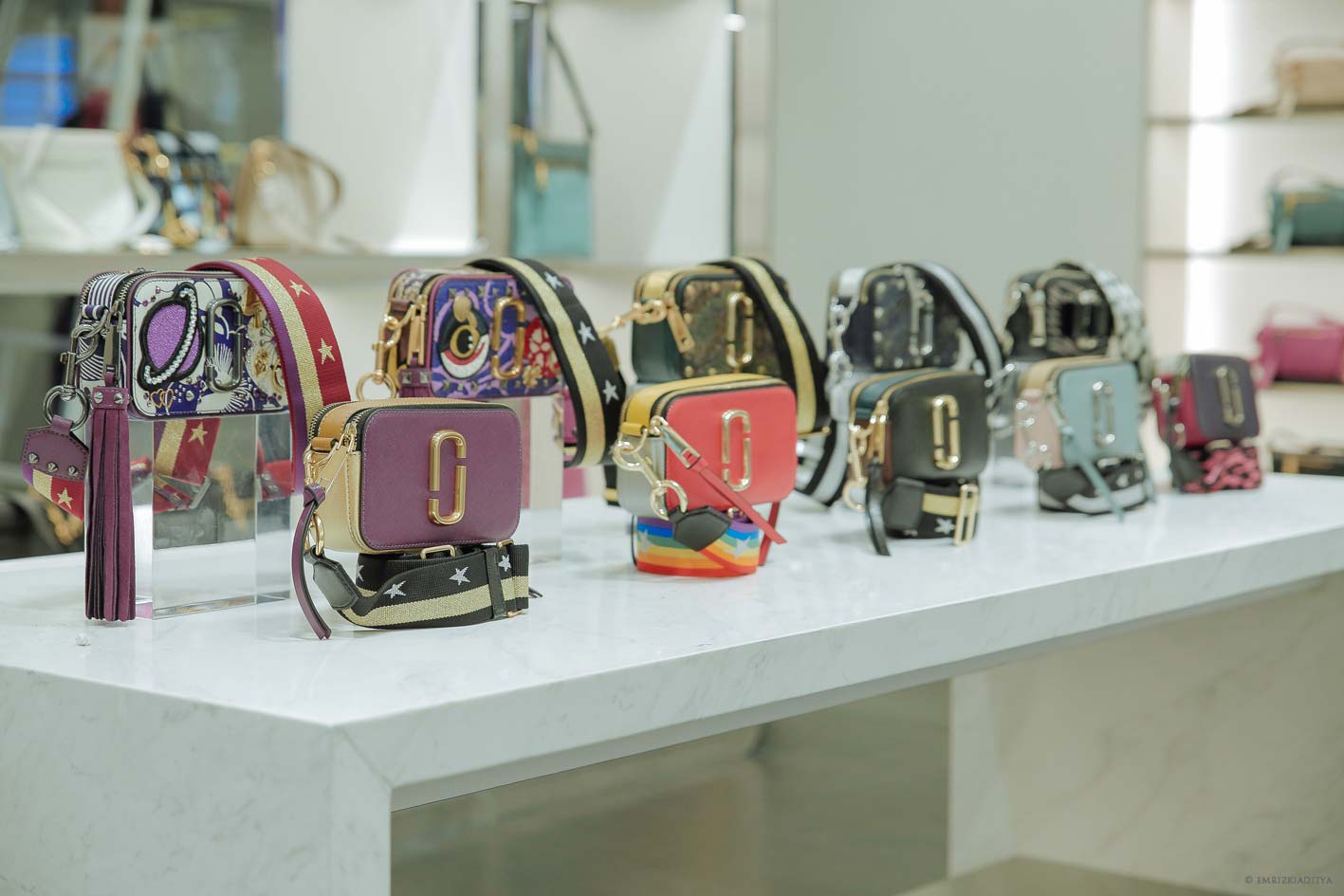
    A new era of Marc Jacobs is coming. Marc Jacobs is launching a new affordably priced label called “The Marc Jacobs.” The line will be introduced for pre-fall 2019. According to WWD, which saw an image from the line’s new look book, The Marc Jacobs will feature such items as colourful rugby sweaters, corduroy pants, and accessories.

    The designer also hired Russian stylist Lotta Volkova to style the look book, which was shot by Hugo Scott.

    While not much else is currently known about the new “democratically priced” label, a spokesperson for the brand did tell WWD that more images would be published in May – and that the line is part of a collection that also includes a “Runway” component.

    On Instagram, Jacobs acknowledged the existence of the new collection, writing that the image of the line was leaked.

    “Consider it a taste of things to come,” he wrote, before referring to the collections as “fantastic and fresh.”

    Although there has been no confirmation, The Marc Jacobs may resemble the former lower-priced Marc by Marc Jacobs label – which was discontinued in 2015.

    The announcement of the new brand comes after increasing speculation that the designer would leave his namesake brand amidst declining sales.

    In the beginning of the year, it was announced by Business of Fashion that the LVMH-owned company Jacobs would close its London store, as well as other European brick-and-mortar locations.

    This year the designer also announced the re-release of the Redux Grunge collection, a collection of 1993 looks that got him fired from Perry Ellis, and a collaboration with Dr Martens to create a range of limited-edition boots.

  • India Ancestry opens first store in Kolkata

    India Ancestry opens first store in Kolkata

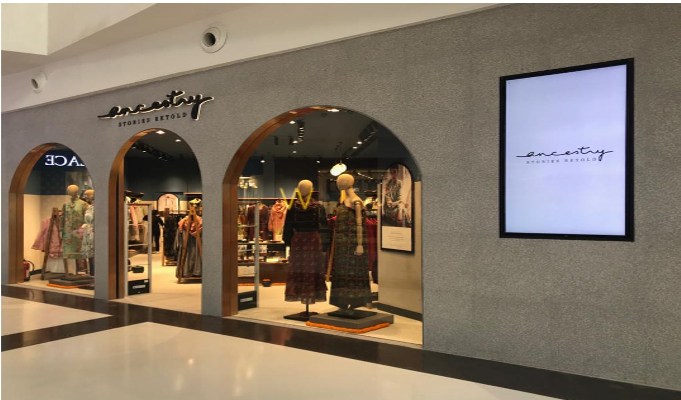
    The newest brand from Future Style Lab, Ancestry, which launched its maiden store in the capital city in May, has recently opened its first store in Kolkata, South City Mall. The brand, which presents a contemporary take on traditional Indian fashion and lifestyle, has earned many accolades in India’s fashion circles already and seems all geared up to woo Kolkatites too.

    Ancestry is inspired by the evolving face of the new age Indian who is self-assured, professionally competent and curious to discover new paths. The brand’s offering, encompassing women’s apparel & accessories, home furnishings, and other lifestyle products, is constantly evolving and is in line with international trends, and yet interestingly rooted in Indian heritage and crafts.

    With pricing that is perfectly suited to any urban Indian’s pockets, Ancestry’s unique collection of dresses, tops, and tunics are created completely using natural fabrics, thereby offering an unmatched quality and fashion sensibilities in that price range. This is one of the key reasons why the brand’s products have nearly flown off the shelves at its current stores in Delhi and Mumbai.

    For the new store launch, Manjula Tiwari, CEO at Future Style Lab, the parent company of Ancestry, said, “Ancestry provides an unparalleled, modern-day experience of old-style Indian artistries, and we’re sure that the brand’s offering will find much love and appreciation with our consumers in Kolkata. We’re truly excited about launching this store, and are thankful to South City Mall for providing us with an impeccable space and opportunity, right in the heart of Kolkata.”

    Ancestry’s tagline #StoriesRetold, perfectly sums up its ethos, for every line of products the brand comes up with tells the story of a particular craft or tradition, but in a way that is suited to the new-age lifestyle.

  • Samsonite to support global fight against plastic bottles

    Samsonite to support global fight against plastic bottles

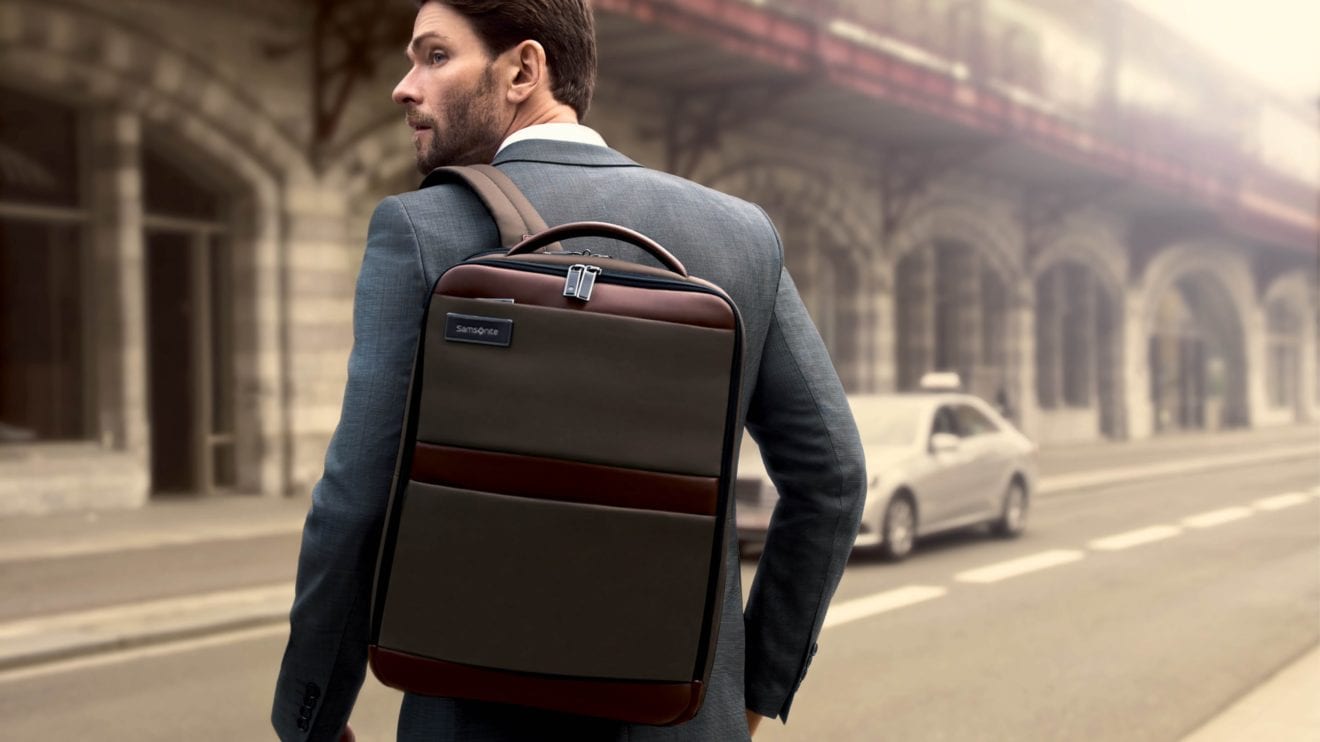
    Samsonite has launched an eco luggage collection for Asia made of Recyclex, a material comprising 100 per cent post-consumer recycled plastic (PET) bottles. As part of its public-facing environmental program, Samsonite has been working with one of its suppliers to create sustainable materials suitable for travel and lifestyle products. The company claims its new innovation Recyclex is as durable and reliable as Samsonite’s polyester fabric made from virgin materials, with the added benefit of reducing plastic waste.

    Subrata Dutta, president of Samsonite Asia Pacific said sustainability is a priority that runs through Samsonite’s products.

    “We recognise that travellers are increasingly aware of environmental protection and looking for ways to reduce their environmental footprint … We expect to generate stronger awareness of environmental protection in the market, and will continue to seek opportunities to maximise the use of recycled and recyclable materials in our products and packaging.”

    The products consumed more than 400,000 recycled plastic bottles in Asia. On some items, cork serves as an alternative for the polyurethane trim on the carry handles, logo, ID tag and back protection.

    Over the next two years, Samsonite will launch at least 30 product lines worldwide made from recycled materials such as rPET and recycled polypropylene.

  • Korea’s brand Tonymoly inked partnership with Moschino

    Korea’s brand Tonymoly inked partnership with Moschino

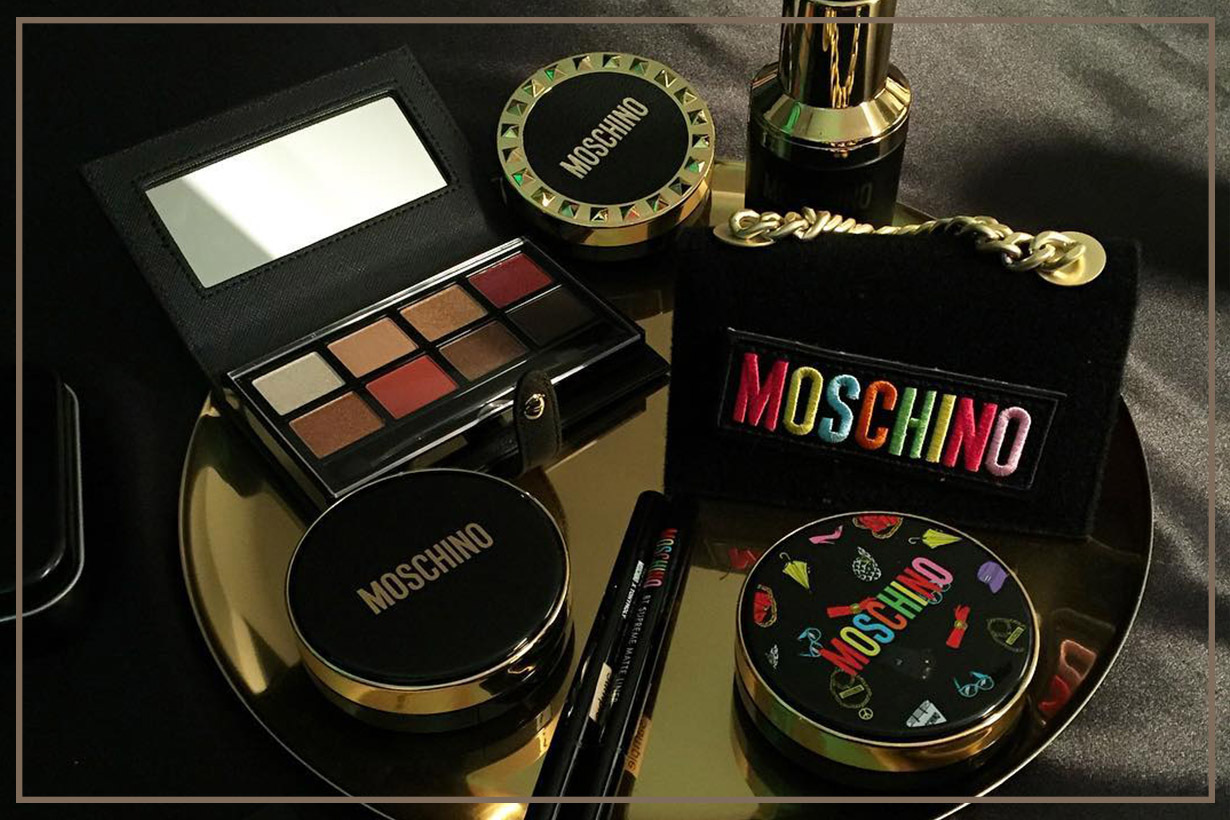
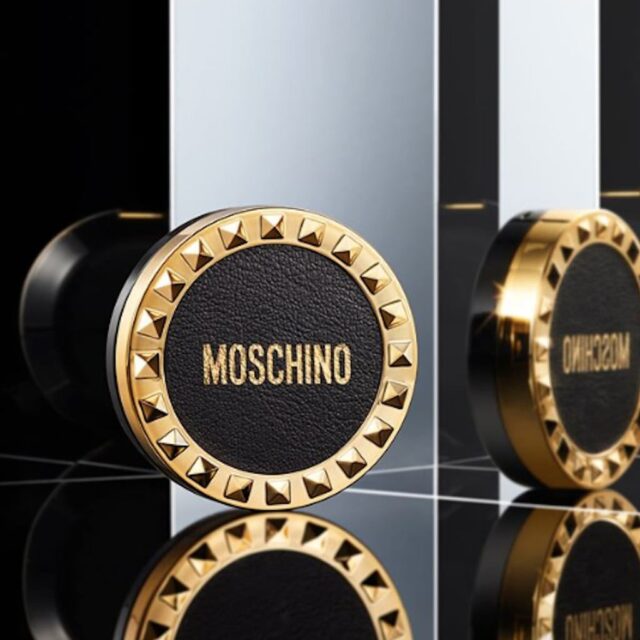
    Italian fashion design house Moschino has released a collaboration with South Korean cosmetics brand Tonymoly on a collection of makeup and skincare products. The collection includes a cosmetics line and a few skincare items in sleek black, white, gold and rainbow packaging. The full range will be available from Tonymoly’s US web store throughout December.

    Moschino also collaborated on a reportedly fast-selling fashion line with H&M earlier this year. South Korean cosmetics brand Tonymoly sees the US as a key market in its plan to accelerate international growth.