Tag: Fashion

  • Cafe opens in century-old Seoul house

    Cafe opens in century-old Seoul house

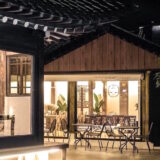
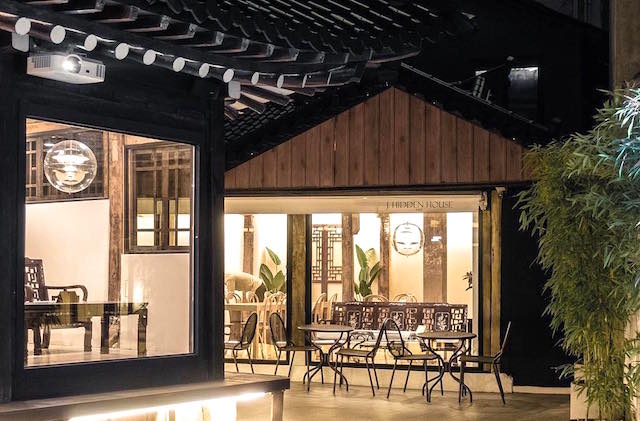
    A heritage cafe has been built into the hereditary foundations of a century-old South Korean courtyard house (hanok) in Seoul. J Hidden House cafe opened its doors in the fashion and shopping mecca of Dongdaemun this month, following Seoul’s continued efforts to develop as a trend-setting, global tourist destination. Situated within a spacious 300sqm secluded enclave housing a zen-bamboo garden, the venue blends traditional and modern design and is one of the largest hanoks open to the public today within the traditional inner district of the Chosen dynasty’s (1392–1897) capital, Hanseong – modern Seoul

    From a bespoke eight-metre wet bar set in Italian terrazzo tile, J Hidden House offers curated coffees, teas and refreshments, as well as a tailored menu of bakeries and spirits cultivated by Korean food and beverage companies.

    J Hidden House’s proprietor Grace Jun said Seoul has become a destination for the world to visit and Korea’s rich culture has so much to offer.

    “This establishment is a fusion of our country’s traditional heritage and dynamic modernisation by coupling a cutting-edge modernity within the protected, mindful walls of a ‘hidden’ hanok that was built before the Korean war and has stood the test of time. Our aim is to provide locals and tourists from around the world with a location and a curated food and beverage offering on calibre with any destination cafe in the world, while offering what is uniquely and proudly Korean.”

    Located in an exclusive “hidden” but immediately accessible location in downtown Seoul, the destination offers a vision of an earlier and more tranquil age despite being centrally situated in Dongdaemun, one of city’s busiest commercial districts and a major tourist destination for shopping and historical sightseeing.

    According to the Korea Tourism Organization, visitors to Korea in the first half of this year increased by 6.9 per cent year on year to 7.22 million. When excluding Chinese visitors, the number of tourists increased 12.2 per cent year on year to 5.05 million people, the largest-ever recorded number of inbound tourists to date.

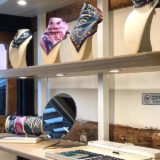
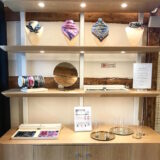
    View the gallery for photos (4 images) :
     

  • Asia becomes Laura Ashley’s last hope

    Asia becomes Laura Ashley’s last hope

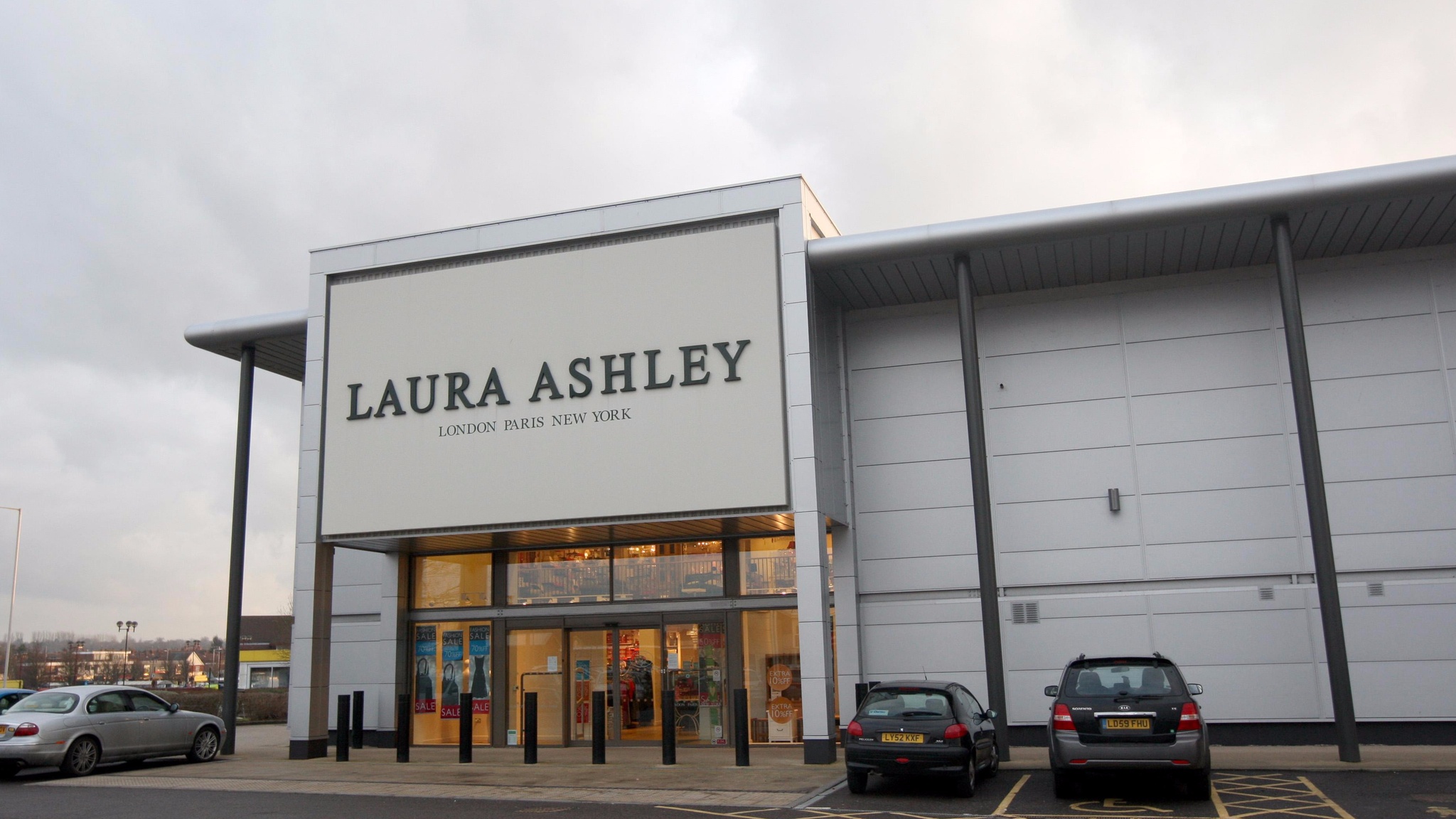
    Fashion and home furnishings brand Laura Ashley will close 40 stores in the UK as it prepares to expand into the Chinese market. The firm has already gone through a round of 40 closures since 2015 against flagging interest from British consumers, which has seen a reported 14 shops closing every day in the territory.

    Laura Ashley runs a regional office in Singapore focused purely on e-commerce into China, with plans to look at physical stores rollout after establishing a significant foothold in digital retail there.

    According to Khoo, the company is “moving to Asia in a much bigger way”.

    The brand is wholly owned by Malayan United Industries (MUI), which is currently restructuring parts of its business and rationalising assets. The brand will be expanding the 120 British Laura Ashley stores that remain following the closures to better showcase the brand.

    MUI’s executive chairman Andrew Khoo Boo Yeow said: “It doesn’t really matter if [customers] buy online or offline, we just want them to get inspired … It’s a challenging environment and it could become more challenging”.

    In Australia, the remaining 16 Laura Ashley stores will close this month after the company failed to find a buyer for the business, which was run under a licence. It was placed in administration for the second time in two years on December 3.

  • Prada ‘racist’ incident ended up with apology

    Prada ‘racist’ incident ended up with apology

    Prada has apologised for selling a US$550 monkey figurine after a social media backlash from US consumers alleging the character is racist. The monkeys, with oversized red lips and dark skin have been likened to “racist caricatures historically used to dehumanise black people” according to a commentary in The Business of Fashion.  Some social media users pointed out a resemblance to golliwogs, the fictional children’s book character created by Kate Upton in the late 19th Century, which brands worldwide have avoided using in marketing for reasons Prada executives could have easily found with a quick Google search.

    The ‘racist’ monkey character was part of the Pradamalia range of small accessories like keychains and toys featuring cartoon characters.

    Prada said in a statement that the creatures were “not intended to have any reference to the real world and certainly not blackface”.

    “Prada Group never had the intention of offending anyone and we abhor all forms of racism and racist imagery. In this interest, we will withdraw all of the characters in question from display and circulation.”

    The Business of Fashion described the company’s design as “at best tone-deaf, at worst racist and exploitative”.

    Some people in the retail industry may well ask how Prada released such a product after the high-profile case of H&M having to apologise after releasing marketing images of a black child wearing a hoodie with the text “Coolest monkey in the jungle” in January, which prompted a similar chorus of disapproval. H&M immediately withdrew the hoodies from sale globally and recycled them, but not before some stores in South Africa had to be closed temporarily after protests and vandalism.

    And just last month, Dolce & Gabbana was forced to apologise to Asians customers around the world for a video campaign mocking a Chinese model trying to eat pasta with chopsticks, followed by an extraordinarily racist rant on Twitter by one of the label’s founders (which he later claimed – to widespread skepticism – was the result of his account being hacked).

    Facebook user Chinyere Ezie (who took the photo of the Prada monkey used with this story) was one black American woman outraged by the product. Her post had been shared more than 10,000 times by Monday morning and received some 4300 comments.

    “Today after returning to NYC after a very emotional visit to the Smithsonian National Museum of African American History and Culture, including an exhibit on blackface, I walked past Prada’s Soho storefront only to be confronted with the very same racist and denigrating #blackface imagery,” she wrote.

    “I entered the store with a coworker, only to be assaulted with more and more bewildering examples of their Sambo-like imagery. When I asked a Prada employee whether they knew they had plastered blackface imagery throughout their store, in a moment of surprising candor I was told that *a black employee had previously complained about blackface at Prada, but he didn’t work there anymore.*

    “History cannot continue to repeat itself. Black America deserves better. And we demand better.”

    The products were withdrawn from window displays – and sales – within hours of Ezie’s post on Friday.

  • Lumine makes debut in Jakarta

    Lumine makes debut in Jakarta

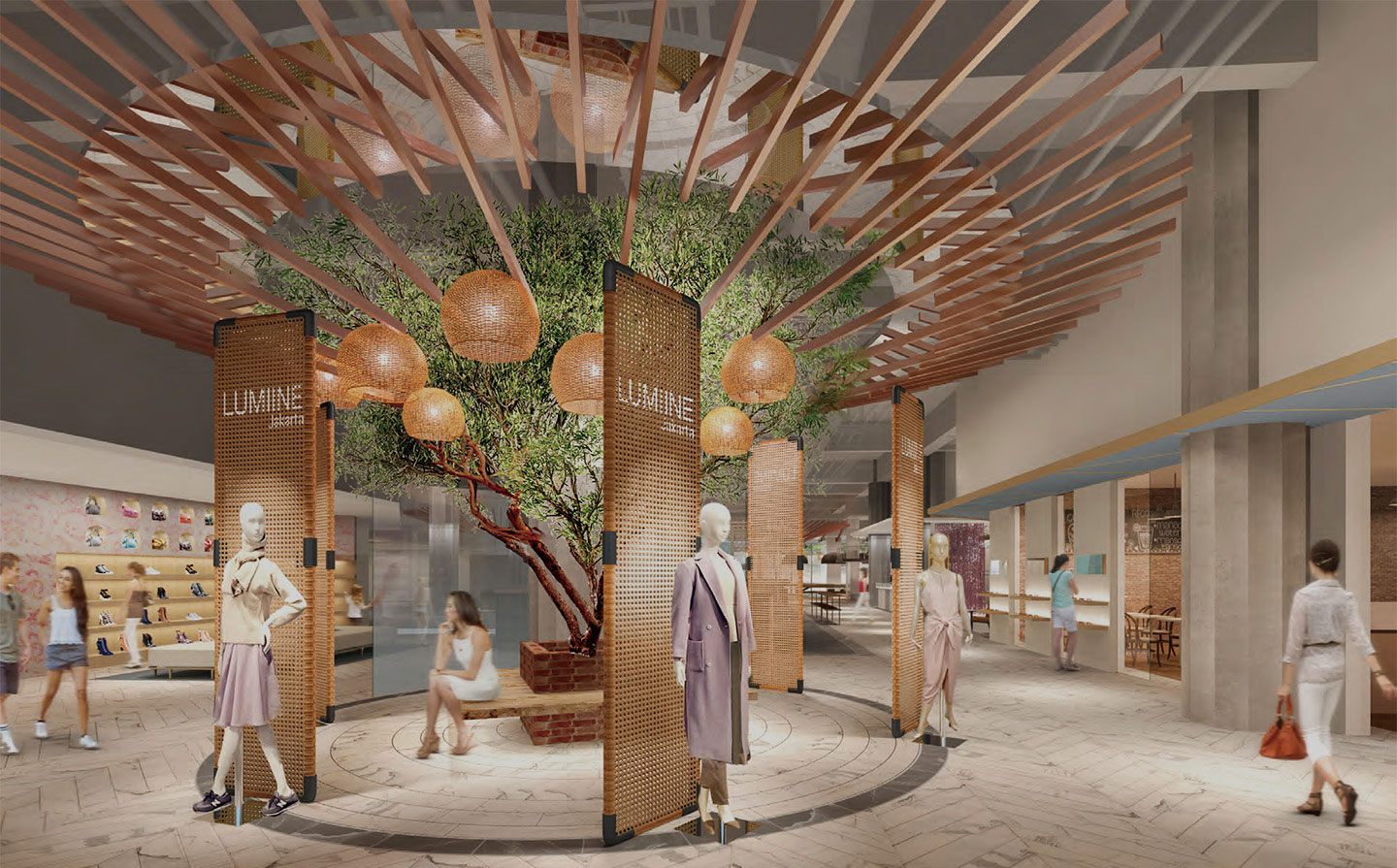
    Japanese retailer Lumine has opened its second overseas location with a launch at Jakarta’s Plaza Indonesia. The opening was timed to coincide with the 60th anniversary of diplomatic relations between Indonesia and Japan, offering a “Tokyo Mood” retail concept where consumers can experience a retail atmosphere that recalls the shopping environment of the Japanese capital.

    As a multi-brand lifestyle venue, Lumine Jakarta targets internationally-minded independent women, offering Japanese fashions as well as general lifestyle merchandise and men’s fashion brands. The store introduces 20 brands to Jakarta for the first time. It also features a cafe serving health-conscious Japanese cuisine.

    View the gallery below (5 images) :

  • L Brands sells La Senza lingerie business

    L Brands sells La Senza lingerie business

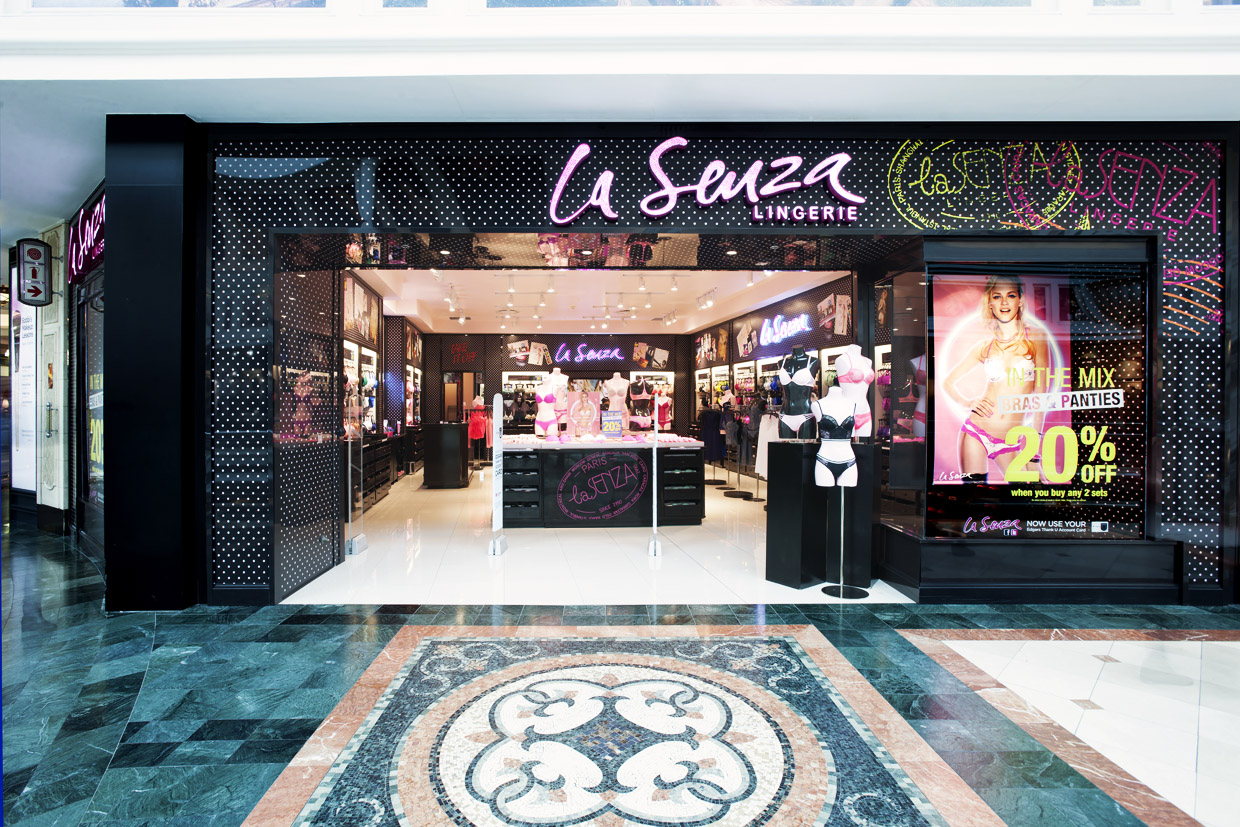
    US retailer L Brands has agreed to transfer full ownership and operations of its Canadian-headquartered La Senza lingerie brand to a Regent LP affiliate. Upon completion, the private equity investor will assume La Senza’s debts and all future considerations for the brand. The deal is part of L Brands’ efforts to focus on its core brands as its flagship label Victoria’s Secret faces challenging shifts in the market.

    L Brands this year closed down its heritage women’s apparel line Henri Bendel after 123 years of trading. The sale of both Henri Bendel and La Senza is expected to encourage investors concerned about Victoria’s Secret’s declining performance as direct-to-consumer startups and the emerging success of rival label Aerie threaten the brand’s market supremacy.

    L Brands expects this year’s sales for La Senza will hit around $250 million with operating losses of about $40 million.

    La Senza was founded in 2006 and at its peak in 2010 had some 800 stores worldwide, 320 of them in Canada. But by 2013 the business was in decline, under competitive pressures from rival brands including Victoria’s Secret. By January last year, the store network had contracted to just 329, including 122 in Canada and four in the US.

    In 2011 a separate company La Senza UK, which held the franchise to the brand in the UK and Ireland, was placed in administration and later acquired by Kuwait-based Alshaya, but despite a further change of ownership, that business was placed in administration again in 2014.

    Other stores using the brand around the world are operating under a franchise agreement.

  • Moda Operandi eyes China showroom

    Moda Operandi eyes China showroom

    Luxury fashion marketplace Moda Operandi is planning to open a showroom in China as it targets growth in Asia. The US-headquartered company, which allows customers to pre-order looks directly from designers immediately after their runway show, has appointed former Burberry and Tesla executive Puja Clarke in a new role as senior VP of fashion buying and e-commerce.

    Since achieving success with its pre-order concept – which has a flip side of helping fashion brands assess consumer reaction to its new collections – the e-commerce company has been evolving into a broader fashion marketplace.

    Next year Moda Operandi will open its first brick-and-mortar store in China in a city yet to be disclosed.

    The rapid expansion of the company has been helped by a US$165 million investment round last year, led by the Hong Kong-based  founder of K11 and C Ventures, Adrian Cheng.

    Clarke said in an interview with Glossy that new shopping behaviours and digital platforms are especially prevalent in China, where Moda’s customers generally aren’t interacting through a website. Instead, a Chinese shopper might buy a $500,000 necklace on an app, and consumers are more familiar with buying through live video sessions and chat platforms, than websites. She predicts this style of shopping will become more common all over the world in the future.

    “The customer knows what she wants, and the ones that listen will have productive, successful businesses,” Clarke said. “A younger designer can get a lot of people whispering in their ear about what they want to do with the collection, but [the Moda customer] is putting her deposit down, she’s favorite-ing – there are so many data points that can tell a designer whether something is great.”

    International markets comprise one-third of Moda Operandi’s sales with Asia the largest region ahead of the Middle East. While the company’s average order value is about $1400, Clarke said that number “skyrockets” in China.

  • Hobbs London opens in IFC Mall

    Hobbs London opens in IFC Mall

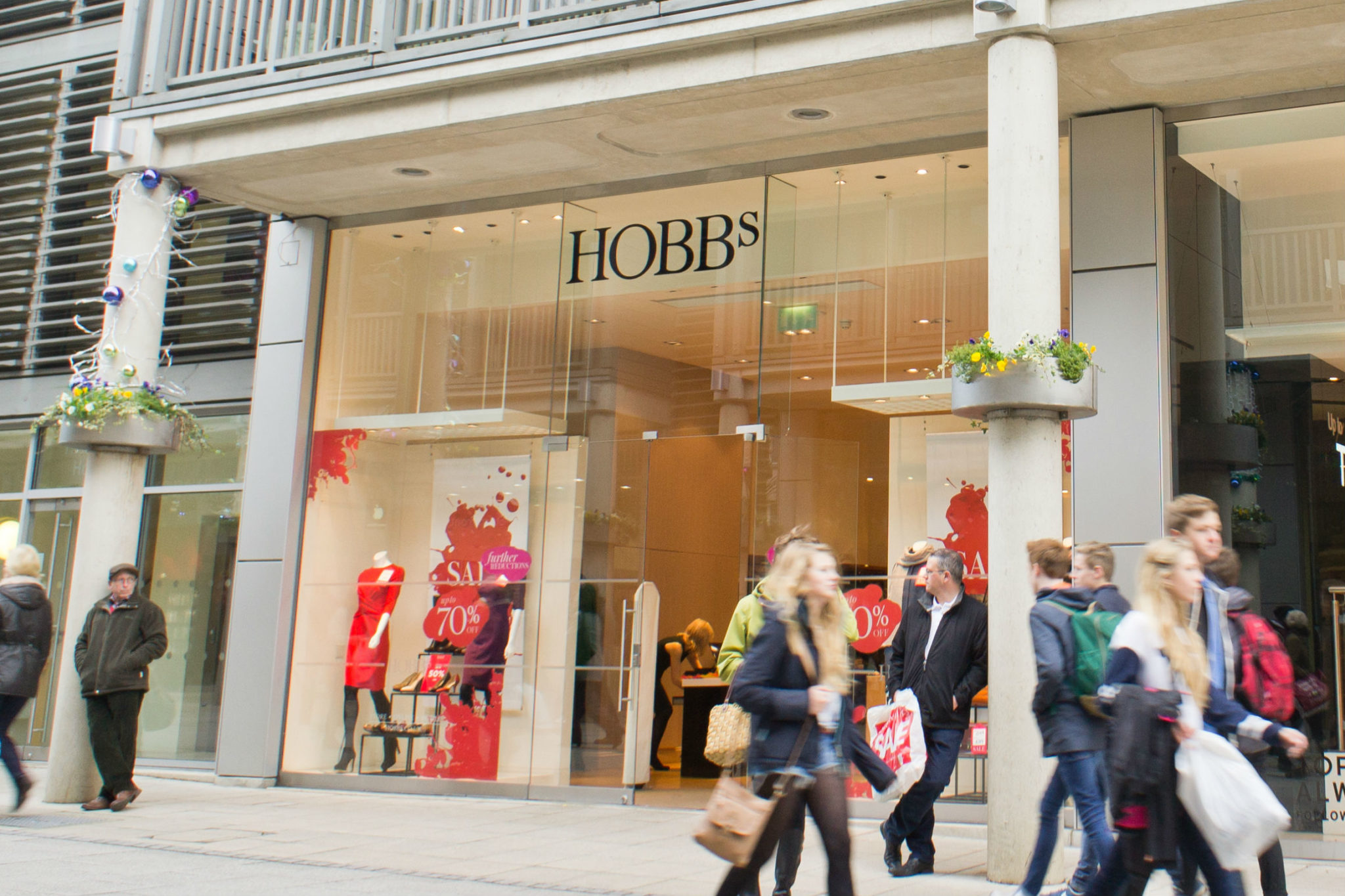
    Hobbs London, a brand for woman affordable luxury fashion, partnered with Rue Madame to unveil its first store at IFC Mall, situated amidst the city’s vibrant business and shopping district. Trading from 1150 square feet, the brand will showcase its collection of workwear, occasion dresses and casualwear, alongside its premium range of footwear and accessories.

    While visiting the store, customers can enjoy their shopping with style advisors on hand to help provide styling solutions for their individual needs.

    Each Hobbs store is designed to reflect the brand’s London heritage and contemporary sensibility.

    The clothing is displayed in easy-to-shop capsule collections, drawing upon the brand’s considered approach to womenswear.

  • Amorepacific boosts business expansion in the Philippines

    Amorepacific boosts business expansion in the Philippines

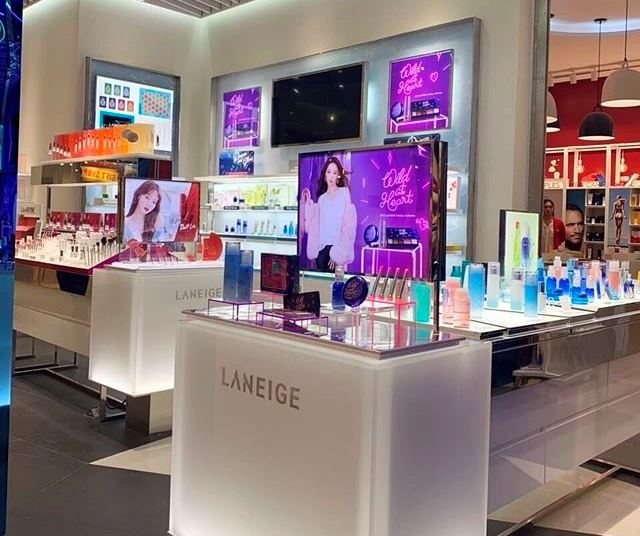
    South Korean cosmetics giant Amorepacific is ramping up its Asean expansion, opening the first Innisfree and Laneige Philippines stores. Amorepacific established Amorepacific Philippines in Metro Manila in August and has since opened the first Innisfree store, in Manila’s SM Mall of Asia.

    This week the company opened its first Laneige Philippines store, at SM Makati Department Store.

    Laneige has also launched on the nation’s largest e-commerce channels in the Philippines including Lazada.

    The upmarket Laneige brand will expand through both online and offline channels through next year, Amorepacific said in a statement.

    The company says the Philippines offers great growth potential, with its population of more than 107 million. It is particularly targeting the premium beauty market which is growing quickly there, along with the broader popularity of K-beauty.

    “By expanding into this promising market, Amorepacific aims to strengthen its presence in the Asean region, which is one of the important strategic business regions for the company,” the statement said.

    Amorepacific has already launched in Singapore, Malaysia, Thailand, Vietnam and Indonesia.

    “We are glad to finally make our way into the Philippines market and respond to its increasing need for our brands,” said Robin Na, head of Amorepacific Asean regional headquarters. “Through our differentiated, innovative products and premium brands, we will spread Asian beauty across the Philippines and satisfy the local customers.”

  • Lacoste opens new travel retail store at Lotte Busan

    Lacoste opens new travel retail store at Lotte Busan

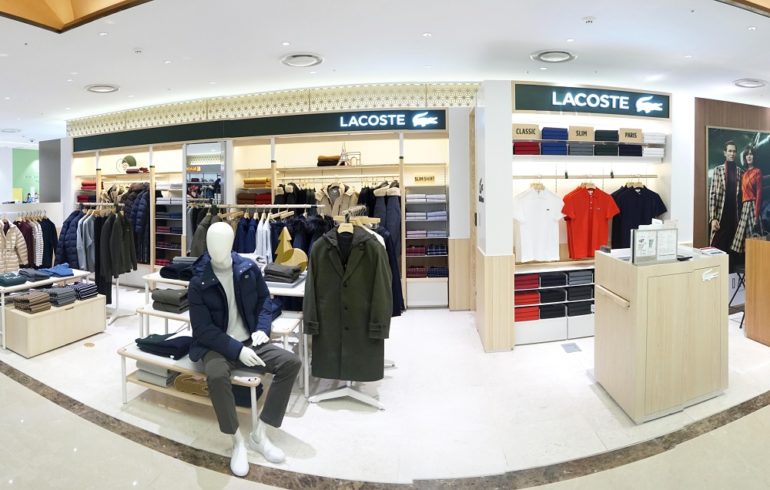
    LACOSTE has opened a new 30sqm duty-free store in Busan to further enhance their presence in Asia. This new store is located in LOTTE Duty Free, second largest duty free operator, in Busan, which is the second biggest city in South Korea.

    Travel Retail, often referred to as the “6th continent”, offers a unique opportunity to connect with consumers and highlight the brand all over the world.

    With over 170 boutiques worldwide, LACOSTE aims at reinforcing the
    consumer experience while enhancing channel specific product offering and visual merchandising.

    Looking to the future, the crocodile wants to continue to leverage the Travel Retail Channel strengthening or expand in new geographical areas and develop new channels (on-line duty free and cruises) and new ways of connecting with consumers before, during and after their trips.

  • Nome Sweden revealed massive expansion plan in China

    Nome Sweden revealed massive expansion plan in China

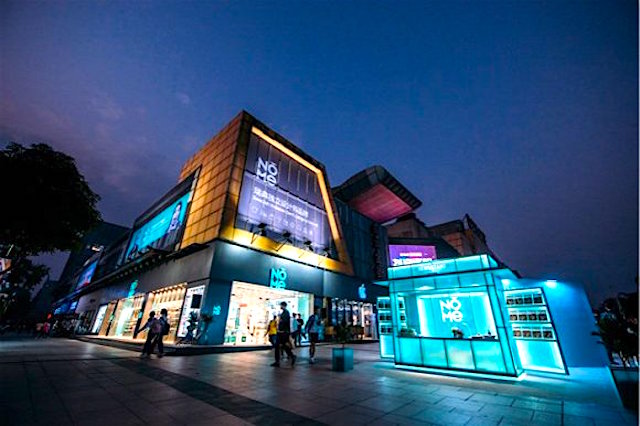
    Swedish designer brand Nome has launched a new store at Guangzhou Baiyun Wanda. The brand plans to open more than 300 stores in China’s most central shopping centres within a year, with a projected total turnover of more than RMB2 billion (US$290.6 million).

    In the next three to five years, Nome plans more than 2000 stores in China and in excess of 1000 stores overseas. The global business scale is planned to reach RMB50 billion ($7.265 billion), creating a global brand of home furnishing.

    To mark the Guangzhou launch, the brand installed a modernised version of a traditional Guangzhou postal kiosk outside the store. The reimagined newsstand featured a translucent shell emanating blue and white lights to evoke a Nordic style, perceived by the brand as having become more popular amongst Chinese consumers in recent years.

    Swedish designer brand Nome covers 10 categories and more than 3000 SKUs in store, including lifestyle, home, furniture, clothing, digital, beauty, food, shoes, luggage and travel items.

  • Owndays opens 2 new stores in Hong Kong

    Owndays opens 2 new stores in Hong Kong

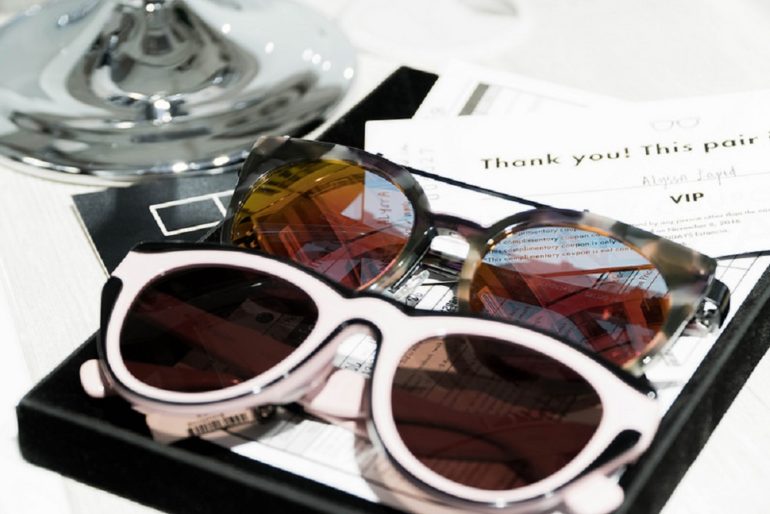
    Following the opening of two stores in Tuen Mun and Tseung Kwan O in July, one in YOHO Mall in Yuen Long, one in Moko in Mong Kok in October, OWNDAYS HK opens its 5th and 6th store in Tsuen Wan and K11 respectively. The store in K11 is the biggest in HK. Located at the basement B2 floor, it covers a total of 1734 square feet. Aligning with the brand’s fashionable style and innovative concept, the spacious store features an open design allowing guests to choose frames freely and at the same time enjoying the videos shown on the LED Wall that are placed on the two sides of the store.

    In celebrating the grand opening of K11 store in Tsim Sha Tsui, a meaningful social platform contest to win a lifetime free eyeglasses rolled out on on 23 November. The contest aimed to collect user-generated visual content by customers playing with the stylish models available in HK. The content closed on 8th December with the announcement of the winners during a party. Alongside the exciting contest announcement, stylish and popular KOLs joined the event to interact with customers, together with a wide range of delicious treat and live hashtag printing service that opened to public throughout the weekend to make

    Owndays store opening aligned with the objective of the brand to create fun shopping destinations.

    OWNDAYS is an international optical retail concept founded in Tokyo, Japan. It currently has more than 120 stores in Japan and has successfully established stores in 10 overseas countries in Asia-Pacific.

    In consistency with the brand image, the retail concept is by an open shop front and extensive use of wooden panels aimed to create a sense of harmony. Display racks with mirrors are designed to accommodate the different collections of glasses and give customers the freedom to try them on in a relaxed shopping environment.

    OWNDAYS is characterized by a solid knowledge and professional skills. All staff is trained to process quality glasses within 20 minutes from optometry to delivery to ensure the best service. OWNDAYS lenses are manufactured by leading international lens makers and high index aspheric lenses come with UV protection and dust-resistant coating.

    OWNDAYS has a wide portfolio of products which include: Progressive Lenses, Polarised Lenses, Transitions Lenses, Colour Lenses, and PC Lenses. All glasses displayed in shop are original brands designed and manufactured by OWNDAYS. OWNDAYS’ brands range from stylish and fashionable to functional and are able to satisfy different customer profiles.


  • Cath Kidston Japan surges but not enough

    Cath Kidston Japan surges but not enough

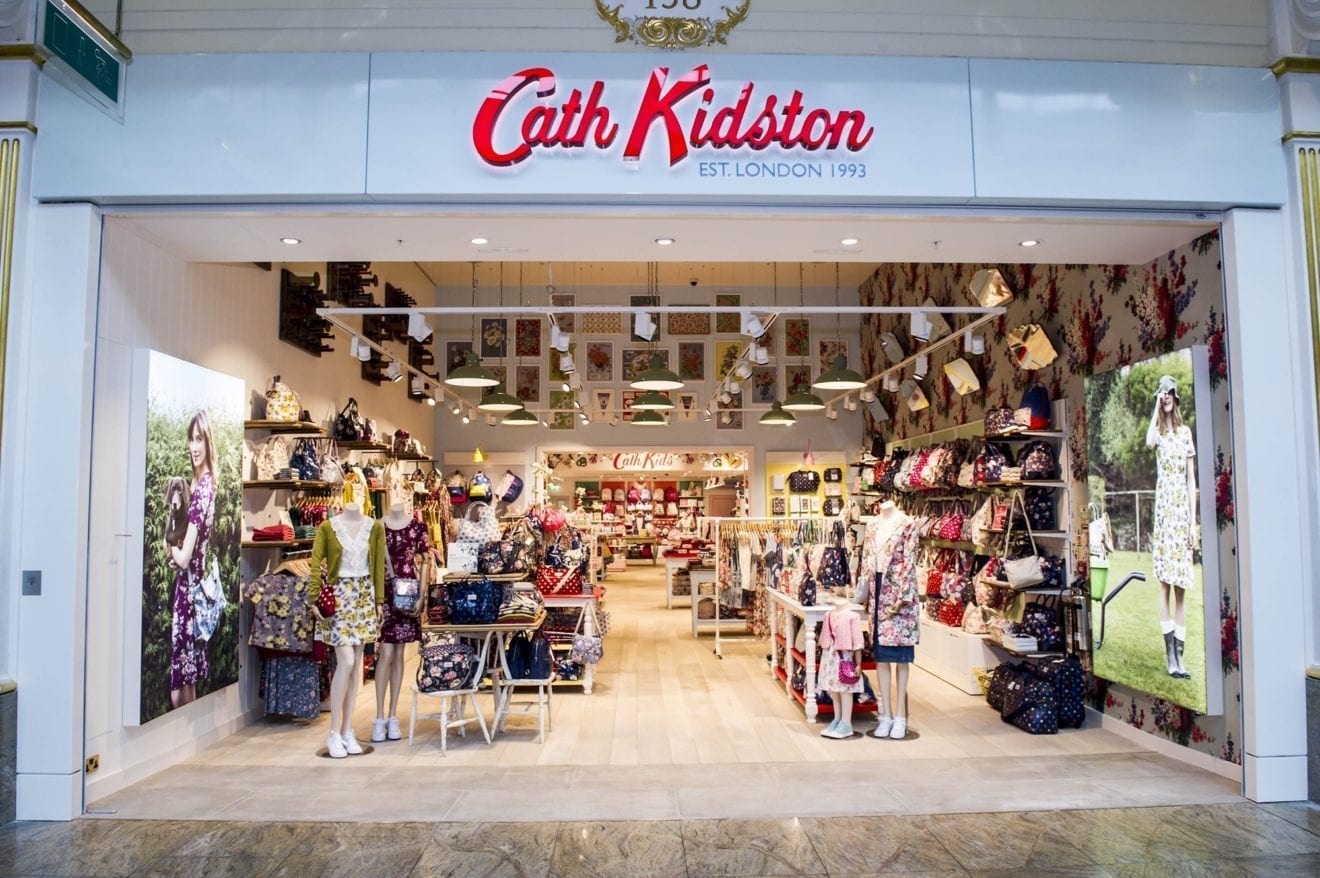
    Cath Kidston Japan sales outperformed every other market in the year to March, but not enough to stem losses by the UK-based company. Sales in Japan rose by 5.4 per cent after a net four new stores took the brand’s network there to 32. Ten more Cath Kidston Japan stores are planned there next year.

    In China, Cath Kidston also performed well, aided by a new franchise deal which will see 50 shops opened over the next five years.

    “The brand clearly continues to resonate with our loyal customer base, particularly in the UK and Asia,” said CEO Melinda Paraie.

    “During the period the group continued to grow top-line sales, despite significant headwinds in some of the markets in which we operate,” she said.

    “We are particularly pleased with the significant growth in ecommerce sales in both Japan and the UK, where a strong performance on Black Friday contributed to our best-ever week online.”

    Despite the positive Asian results, Cath Kidston’s loss rose from £8.4 million in the 2017 financial year to £10.5 million this year. Paraie blamed “increased cost pressures from the weaker sterling” since the Brexit vote for the result. Worldwide sales rose 1.2 per cent to £130.7 million, with UK sales up by 5.1 per cent.

  • Nike Korea blooms and upgraded its employees

    Nike Korea blooms and upgraded its employees

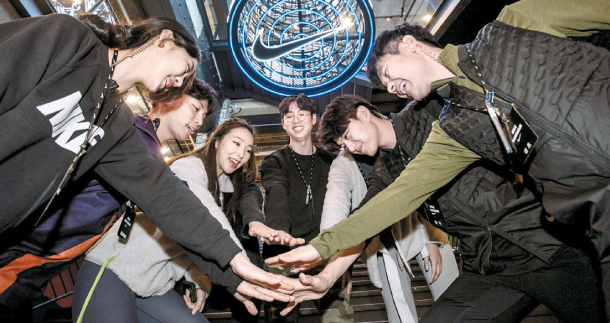
    Nike Korea’s revenue is forecast to exceed 1 trillion won ($884.27 million) in 2018. If all goes as expected, it will be the first sportswear company in Korea to achieve that milestone. Nike’s annual revenues in Korea have been rising by around 10 percent annually for the last two years, while competitors have only experienced average growth of 3 percent.

    Its sales have been strong across the board, both online and offline. But sales at the 15 company-owned offline stores were particularly strong, with revenues rising over 20 percent annually over the past two years.

    What’s behind the success? The company believes it was the decision to give permanent-employee status to its irregular workers.

    “Our company’s performance greatly improved after we upgraded irregular workers to permanent employees,” said a public relations officer at Nike Korea.

    Between November 2015 and May 2016, Nike Korea converted 654 of its irregular employees at company-owned stores to permanent employees.

    Prior to that, it had only had 310 permanent workers. The 654 new regular employees earned 20 percent more in wages after the change and gained access to a range of benefits, including tuition assistance for children. Labor costs for Nike Korea rose around 10 percent in total as a result of the move.

    Employees say that their new status as permanent workers made them more dedicated to the company.

    “Before, I used to say I work at a store when asked about my job, but now that I’m a regular employee, I confidently say I’m working for Nike Korea,” said 25-year-old Cho Hye-rim who works at a Nike outlet in Gimpo, Gyeonggi. “With a new sense of belonging and loyalty to the company, I began feeling a stronger sense of responsibility when dealing with customers.”

    “When I first heard that I was going to be a regular employee, I had to pinch my cheeks to check whether I was dreaming or not,” said 34-year-old Hwang Hyun-woo, who works at a Nike store in Myeong-dong, central Seoul. “With my experience working in sales at the store, I plan to try out an office job at the company headquarters as well.”

    Very few companies in Korea have converted irregular employees to permanent employees on the same scale as Nike.

    Exceptions include Homeplus, which converted around 1,000 cashiers and store assistants into regular workers this year, and SPC Group, which directly hired 800 workers from subcontracting firms.

    At Nike, the campaign to offer permanent-employee status to irregular workers was led by CEO David Wook-hwan Song, 48, after he took the top office at Nike Korea in 2015.

    He worked with the U.S. headquarters to achieve the transition.

    “I expected that performance would naturally improve if employees came together as a team and developed the pride and confidence that comes with being part of Nike, one the world’s best companies,” said Song.

    Song, who immigrated to Canada in his last year of high school, was hired by Nike Korea in 1994.

    He also earned an MBA from Harvard Business School and worked briefly at McKinsey.

    Last year, Nike included Seoul in its list of 12 key cities for growth.

    Seoul is Nike’s third-highest earning city after New York and LA.

  • China’s Proya opens 1000 smart stores

    China’s Proya opens 1000 smart stores

    Chinese cosmetics company Proya has ramped up its expansion on the heels of strong growth this year. In the first half of the year, Proya achieved revenue growth of 28 per cent, representing 89 per cent of the company’s total revenue for the period. At the same time, the firm’s e-commerce platform achieved sales growth of 58 per cent, while its Uzero brand accelerated its opening of single-brand retail outlets modelled as smart stores, signing agreements with more than 1000 locations.

    Since the beginning of the year, Proya has been driving sales growth across its cosmetics store-focused network by improving its incentive programs, providing more resources to employees, and encouraging employees to embrace change and continuously enhance skill sets.

    Based on shifts in market demand, the company has been focussing its product upgrades on the addition of new functionalities, higher levels of efficiency, as well as new and improved, higher-priced high-value items and a better appearance. It currently retails more than 1000 products under seven brands.

    Next year, the company plans to launch additional high-end products with functional and technological advantages that will serve as a cornerstone of a comprehensive product and brand upgrade.

    China’s beauty and makeup market was valued RMB361.6 billion (US$52.3 billion) in 2017, with a compound annual growth rate averaging 9.5 per cent over the last 10 years.

  • Ebay expands authentication platform to luxury jewelry

    Ebay expands authentication platform to luxury jewelry

    U.S. e-commerce giant Ebay announced plans to extend its product authentication program to cover luxury jewelry, in a bid to stem the resale of counterfeit jewels across its global marketplace. Dubbed “EbayAuthenticate”, the luxury jewelry category is the newest addition to Ebay’s new verification platform, which first launched in 2017 with the resale of luxury handbags. Following its success, Ebay went on to add luxury watches to the authentication service in early 2018.

    This month, Ebay confirmed it wants to offer “holiday shoppers more than 45,000 high-end diamond and other gemstone jewelry, verified by professional authenticators,” according to press release.

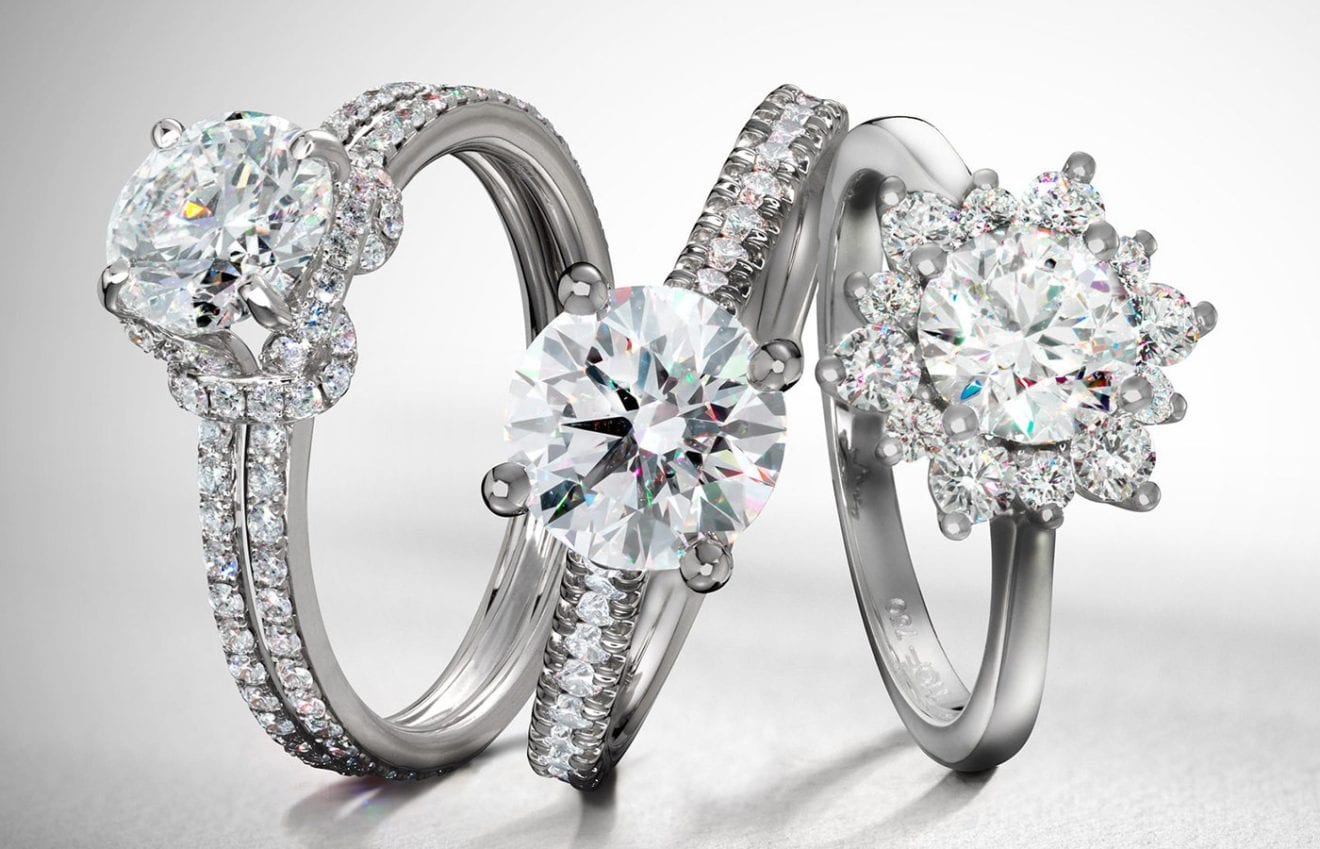
    Ahead of the busy Christmas period, Ebay customers can browse for high-end necklaces, earrings, rings, and bracelets, which are now all marked with an “Authenticity Verified” label.

    That’s in addition to engagement and wedding bands, loose diamonds and gemstones, and fine, vintage and fashion jewelry.

    Much like the verification its luxury handbags and watches already go through, all jewelry items will be approved by third-party authentication experts and sourced from more than two dozen of Ebay’s top-rated sellers.

    “Ebay is home to the largest selection of luxury goods, which includes tens of thousands of jewelry items, fine watches, and rare and designer handbags,” said James Hendy, Senior Director of Ebay Authenticate.

    “Expanding the Ebay Authenticate service provides customers an added layer of trust and confidence as they shop for fine jewelry this holiday and beyond.”

    The popularity of Ebay’s jewellery, and an industry-wide crackdown on fake goods across online marketplaces, means the authentication of goods is fast-becoming a perquisite for customer satisfaction and therefore, sales growth.

    Some 50,000 jewelry items are sold per day on Ebay (approx. 2,000 item sold per hour), with one diamond ring sold every minute, according to figures released by Ebay.

    Ebay said its most popular jewelry stone is diamonds, followed by sapphires, acquamarine, amethysts and onyx rounding out the top five precious stones sold online.