Tag: Fashion

  • Palm Angels flagship opened in Causeway Bay

    Palm Angels flagship opened in Causeway Bay

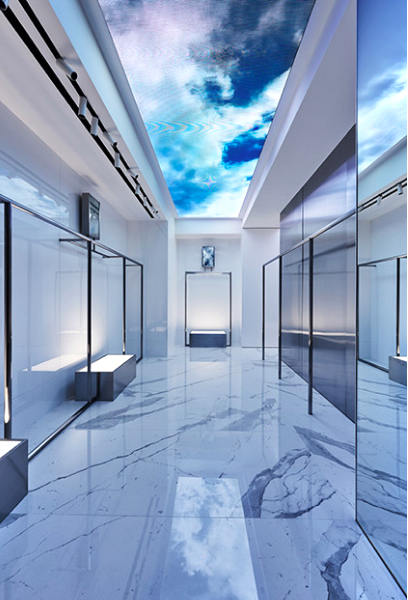
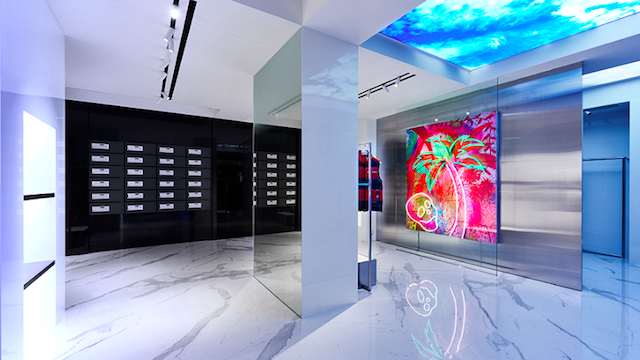
    Palm Angels Hong Kong has opened its first flagship store, selecting a site in Patterson Street, Causeway Bay. The interior of the store was designed by Palm Angels founder and creative director, Italian Francesco Ragazzi, in partnership with Studio April. From the outside, the store draws the attention of passersby with its minimalist facade, bright LED signage and white lacquered glass panels.

    The interior design was inspired by a white cube gallery and clothing is displayed throughout the store more like pieces of art. The floors are made from polished marble and steel furniture stands out against white walls.

    The Palm Hong Kong flagship also features paintings and neon artwork created by Canadian artist Thrush Holmes.

    In June, Palm Angels Hong Kong opened a pop-up store in partnership with global fashion group HBX to introduce the exclusive Palm Island capsule collection and gauge interest in the brand among Hongkongers.

  • 2Bme launches new store in Acropolis Mall India

    2Bme launches new store in Acropolis Mall India

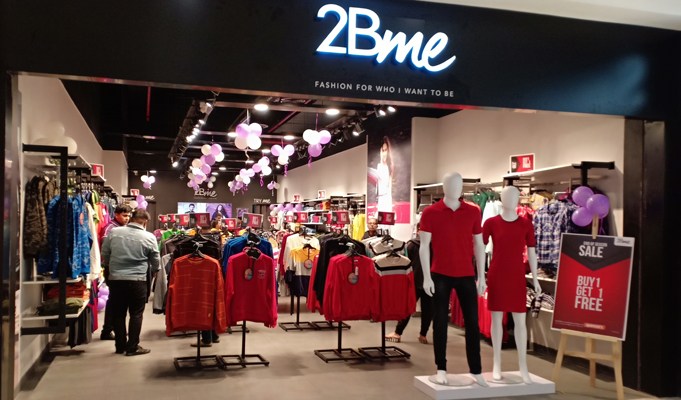
    2Bme, the private label apparel line from RP-Sanjiv GoenkaGroup, recently launched their second exclusive brand outlet at Acropolis Mall, Kolkata. The 2000 sq. ft. store on 2nd floor at Acropolis Mall, Kolkata is the latest addition to the retail network of 2Bme after the launch of the first EBO in Quest Mall last year.

    The store showcases an exclusive western casual clothing line from 2Bme embodying the brand’s vision of providing ‘contemporary fashion for your every day needs’.

    On the occasion of the store expansion, a 2Bme spokesperson said, “We will look at opening 10-12 EBOs of 2Bme in prime malls of Kolkata, Delhi-NCR and Hyderabad. Recently we also signed on Ranbir Kapoor and Shraddha Kapoor as brand ambassadors and this  is helping us create an exclusive entity for our brand.”

    Store Design, TG & Future Plans

    With a minimalist yet chic design, the EBO has a contemporary
    look and feel giving a comfortable shopping experience each time a customer walks in.

    Targeted at the age group of 22-35, the brand has everyday casual wear in a very affordable price range between Rs. 499 – Rs. 1,999. The store offers a huge collection of western clothing line including – tops, graphic t-shirts, dresses, trousers, denims, shorts, joggers, and light weight sweaters for both men and women.

    “2Bme has around 15,000 styles and we have sold more than 3 million pieces so far. The brand has already crossed the mark of
    Rs 100 crore within one-and-a-half-years of its launch and it is likely to garner a turnover of Rs 300 crore in next three-four years,” the spokesperson said.

    At a later stage 2Bme will be also made available through large format MBO’s and e-commerce platforms.

  • LG Household’s History of Whoo makes history

    LG Household’s History of Whoo makes history

    LG Household & Health Care’s skin care brand The History of Whoo generated 2 trillion won ($1.79 billion) in sales this year as of Thursday. This is the first time a Korean beauty brand has reached that threshold. The 2018 record is also a 40.8 percent increase from last year’s annual sales.

    “For us, the achievement is meaningful in that it’s a sign we’re nearly able to compete shoulder-to-shoulder with global beauty brands,” LG said in a statement.

    The 2 trillion won in sales figure is based on manufacturer price. Counting the consumer price tag, the figure jumps up to 3 trillion won. According to market research firm Euromonitor International, the top three global beauty brands – Lancome, Shiseido and Estee Lauder – generate between 4.4 trillion and 5.3 trillion won a year based on the same standard.

    The last time The History of Whoo set a record was in 2016, when the brand made 1 trillion won in annual sales, 14 years after its launch. Breaking the 2 trillion won threshold came just two years later.

    The rapid growth is notable in that Whoo successfully survived a widespread boycott of local brands in China last year, following the installment of the U.S.-led antimissile system Thaad. This is in contrast to a score of other beauty companies like local leader Amorepacific, which have suffered huge blows from the loss of Chinese customers and some have yet to recover to pre-Thaad revenue levels.

    A spokesman explained that the brand kept its positive image thanks to word-of-mouth marketing and repurchases from Chinese customers.

    In terms of strategy, LG believes Whoo’s positioning as a high-end beauty brand has proven effective. Among its wide brand portfolio, The History of Whoo is one of LG’s premium brands with a higher price tag.

    Its main concept is that the products are based on records from Korea’s past dynasties which use oriental medicine as main ingredients. The brand story is also reflected in its product packaging, which emphasizes gold and red, which industry watchers say fits well with Chinese consumers’ taste for glamor.

    “We also concentrated a lot of our marketing activities to target VIP customers that have buying power,” said an LG spokesman.

    For next year, the company plans to continue its drive to push premium brands. Another brand LG is hoping to develop in the price range is SU:M, which is less flashier than Whoo, but emphasizes the use of fermented plants. Although smaller than Whoo, SU:M is also expected to reach 440 billion won in sales this year, a 15.8 percent increase year-on-year. During this year’s third quarter, LG’s three luxury brands – Whoo, SU:M and O HUI – were responsible for more than 60 percent of its beauty revenue.

  • Shiseido makes plans for China

    Shiseido makes plans for China

    Shiseido reinforces the regional headquarters system that oversees the business in China as of January 1, 2019. Moving towards the achievement of its medium-to-long-term strategy, VISION 2020, Shiseido will evolve further to ”Be a Global Winner with Our Heritage” by ensuring sustainable growth in the significantly growing Chinese market.

    Under the new system, Shiseido will reinforce the brand business structure in the China region and its supporting corporate functional structure in order to enhance brand appeal to Chinese consumers and strengthen market execution.

    As to the Brands Business, the management function of the Prestige Brands business in the China region and the CMO function of Cosmetics Brands & Personal Care Brands will be established. Furthermore, the strategic alliance with emerging e-commerce platform companies in the China region will be strengthened under direct control of the CEO of the China region.

    At the same time, Shiseido will proactively support the business strategy and reinforce the corporate functional structure aiming to improve its organizational capability to ensure sustainable business growth.

    Shiseido will continue leading growth through the acquisition of greater competitiveness of the Chinese business and by reviewing the organizational structure to optimize functions for all areas and market characteristics around the world.

  • Strong sales growth for India’s textile manufacturing sector in Q2

    Strong sales growth for India’s textile manufacturing sector in Q2

    The manufacturing sector, particularly textile and iron and steel segments, maintained its pace of sales growth in the second quarter of 2018-19 as compared to the year-ago period, the RBI said on Wednesday. Demand condition in the manufacturing sector “maintained its pace in the September quarter 2018-19 as reflected in strong sales growth (year-on-year)”, as per the RBI analysis of 2,700 listed private sector non-financial companies.

    “The manufacturing sector sales growth was mainly supported by robust demand conditions in chemical and chemical products, iron and steel, and petroleum products industries coupled with significant improvement recorded by textile industry,” the RBI said.

    The central bank said heavy moderation was seen in the sales growth of motor vehicles and other transport equipment, driven in part by a large adverse base effect, and pharmaceutical and medicine industries.

    The information technology (IT) sector also recorded further improvement in sales growth over the year-ago period.

    The manufacturing sector continued to record strong growth in net profits, which received support from other income.

    The RBI said companies in manufacturing sector posted a net profit of Rs 47,100 crore in the reported quarter, up 29.4 per cent from the same period last year. The data is based on abridged financial results of 1,734 companies in the manufacturing sector.

    “Despite continuous contraction in the telecommunication, the services (non-IT) sector posted a turnaround riding on the support from wholesale and retail trade,” the RBI said.

    The profit of IT sector, based on data of 172 firms, was Rs 17,700 crore in the second quarter, up 5.8 per cent over the July-September period of 2017-18.

    As per the RBI, the combined sales of 2,700 companies was Rs 9,81,800 crore in the September quarter, up 18.2 per cent from the year-ago period.

    Their net profit was Rs 71,900 crore, an increase of 41.7 per cent year-on-year.

    On expenditure front, manufacturing companies continued to face rising input cost (cost of raw materials, staff cost) pressures. In case of IT sector, staff costs accelerated in tandem with the improvement in sales growth, the RBI said.

  • Shanghai Tang goes back to its roots

    Shanghai Tang goes back to its roots

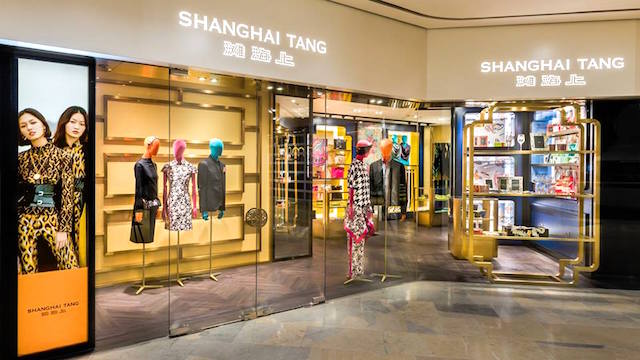
    Shanghai Tang, recently acquired by Chinese entrepreneur Chen Danxia and Lunar Capital, goes back to its roots with the appointment of Victoria Tang-Owen, the daughter of the visionary founder David Tang, as Creative Director.

    Together with the appointment of Victoria to rebuild on her father’s legacy, the brand will continued to be led by the CEO Maurizio De Gasperis, former Managing Director of the brand.

    The headquarters will remain in Hong Kong, and has just welcomed a new General Manager of Global Retail, Elisabetta Bazzini, with extensive experience in Asia working with a number of luxury fashion companies including Gucci, DFS, Versace and Max Mara.

    Leveraging the heritage of the Chinese luxury brand, Victoria is set to reinterpret Shanghai Tang’s unique brand aesthetics.

    Shanghai Tang is the first Chinese authentic contemporary luxury brand founded in 1994 by Sir David Tang, and thereafter under Richemont’s ownership for almost two decades.

  • Value fashion retailer in India launches 200th store

    Value fashion retailer in India launches 200th store

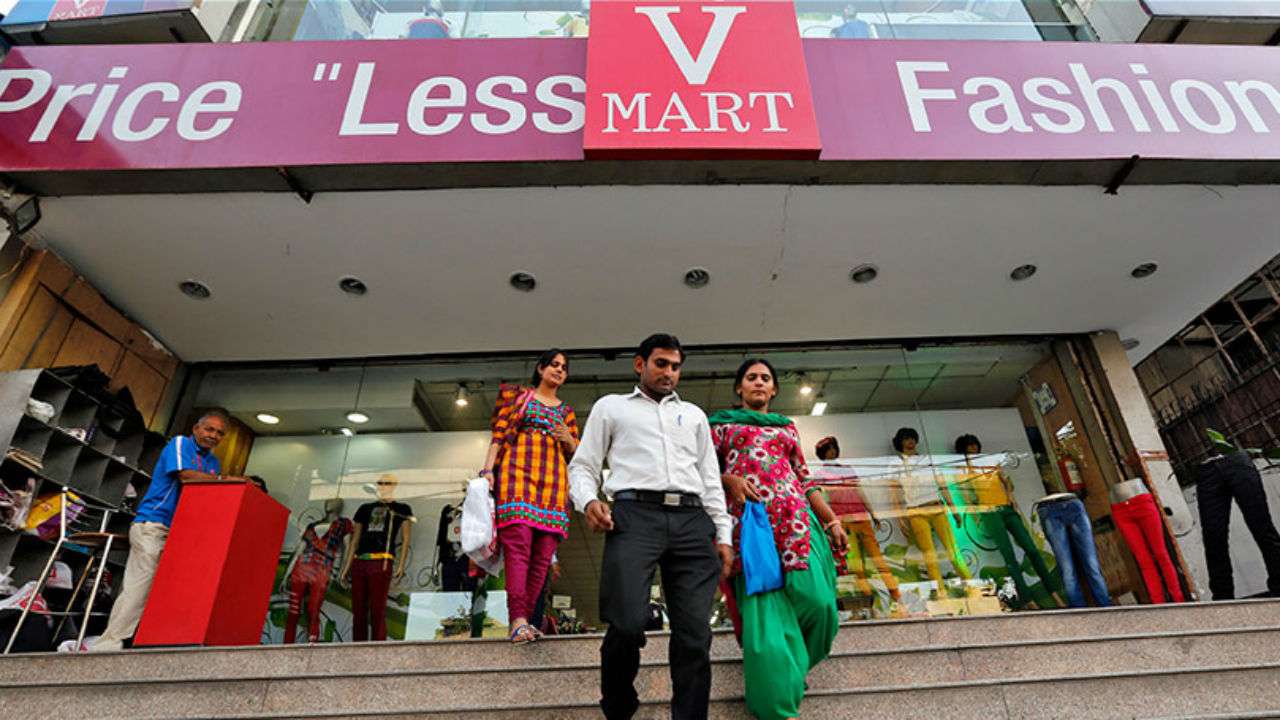
    V-Mart, the world’s best performing department store chain in 2018 as per data compiled by Bloomberg, launched its 200th store in Mughalsarai, Uttar Pradesh. With this landmark achievement, the company has opened a total of 29 new stores in the current fiscal year so far.

    Earlier this month, the company launched its 198 th and 199 th store, both also in UP, at Kannauj and Naubasta near Kanpur, respectively.

    Marking the significance of this milestone for the company, Lalit Agarwal, CMD of V-Mart said, “We remain focused on strong execution, riding on the back of our proven cluster-based expansion model. The 200th store is a key milestone for V-Mart, more so, because we have added the last 100 stores in
    three years, while we took twelve years for the first 100. This demonstrates accelerated customer demand and V-Mart’s ability to translate that into all-round value creation.”

    With the 200th store launch coming just ahead of Christmas and New Year, V-Mart has planned a grand celebration campaign at select locations, starting with Kannauj and Mughalsarai, to bolster the festive spirit among its customers. At both the locations, the company is organizing a ‘Mela’ in large open fairgrounds, inviting the general public to enjoy an eclectic mix of food, fun and entertainment.

    The event in Kannauj, organized with complete support from the local administration, received tens of thousands of attendees enjoying music, folk performances, choreographed shows, fun rides, and delectable street food.

    Snehal Shah, SVP, Projects and Marketing, said, “V-Mart has always endeavored to createlasting value and moments of happiness for its customers. These celebrations are a small way of saying thanks to our customers who have made this milestone possible.”

  • Trussardi Acquired by Quattro R

    Trussardi Acquired by Quattro R

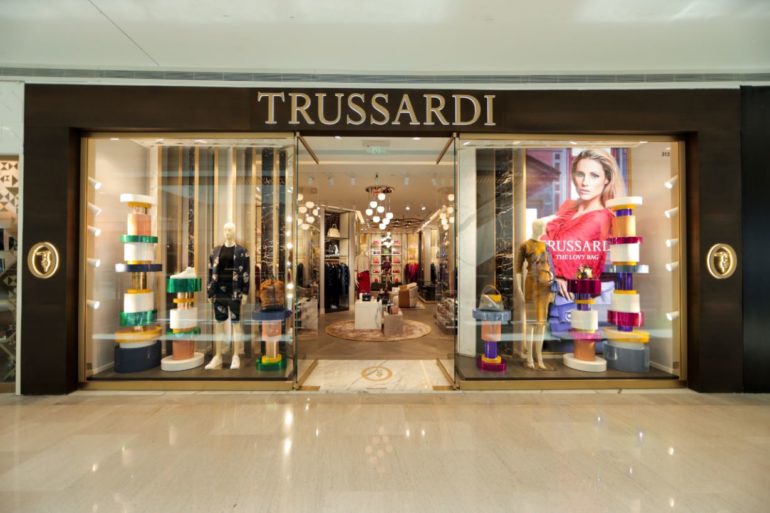
    Trussardi, the family-owned Italian luxury brand specialising in leather goods, has been acquired by private equity firm Quattro R, local media reports. BoF has not yet been able to independently confirm the report. According to Italian news site Pambianco, Quattro R will take an 80 percent stake in Trussardi for at least 50 million euros (around $57.1 million). Trussardi has not responded to BoF’s request for comment, and Quattro R has declined to comment on the matter.

    The deal will see ownership of Trussardi pass from its founding family — who has controlled it for four generations — for the first time in 107 years. Quattro R, which was established in 2015, specialises in turning around Italian companies in financial difficulty, and is backed by the likes of Italy’s state lender Cassa Depositi e Prestiti (CDP) and pension fund Cassa Forense.

    If Quattro R has indeed sealed the deal, it will mark the fund’s first investment in the fashion sector, though its chairman Andrea Morante — being the chairman of Italian shoemaker Sergio Rossi — is no stranger to the industry.

    According to Pambianco, Trussardi’s chief executive Tomaso Trussardi will hold the remaining 20 percent stake in the company. Tomaso’s sister Gaia Trussardi will no longer be a shareholder of the company, while shares belonging to Tomaso’s mother Maria Luisa Gavazzeni will be diluted. Meanwhile, managing director Massimo Dell’Acqua will be leaving his post, and the new management team will be announced when the deal closes in March.

    The brand has been experiencing difficulties for years, with acquisition rumours not far behind. In 2015, Trussardi received a 51.5 million euros (around $58.8 million) loan from six local banks and stipulated a capital increase of 5 million euros (around $5.7 million), soon followed by the shuttering of the house’s diffusion line Tru Trussardi. In April, Trussardi was hit by the unexpected resignation of Gaia Trussardi from her role as creative director.

    Trussardi operates 177 boutiques and over 1,500 points of sale in 47 countries worldwide. If the reports of a sale are confirmed, Trussardi will diverge from the surge of Italian heritage brands passing to foreign hands in recent months — from American Michael Kors’ acquisition of Versace in September, to the Hong Kong-based Sitoy Group’s taking the reins at A. Testoni in November.

  • Tracking the dynamics of India’s gym wear market

    Tracking the dynamics of India’s gym wear market

    Whether or not one shows dedication in maintaining their gym routine is debatable, but it is an undeniable fact that gyms are doing well when it comes to their membership registers being filled. India’s waking up to being healthy and this means tons of gym memberships. This also means that when one takes a gym membership, the very next thing they do is head off to stores that deal in gym wear. Or they just log on and buy gym clothes and accessories. The demand for gym and active wear is growing in India because of a desire to stay fit and healthy. IMAGES Business of Fashion takes a look at the market dynamics…

    Setting the context for the story, Pallavi Burman, Head – Marketing, HRX shares, “The Indian active wear industry is currently estimated at a whopping Rs. 8500 crore. It is expected to continue growing at CAGR 12 percent and touch expected sales of approximately 6X at Rs. 54,000 crores by 2020.”

    Burman attributes the reason for this to growing health and wellness trend in India along with an increase in the number of sporting clubs, increased interest in sporting activities like football, basketball, tennis, badminton and cricket, the Indian active wear industry is fast proliferating. She says, “More disposable income and general inclination towards fitness is rising and resulting in the growth of this industry.”

    Another major reason for an increase in demand for gym wear is having Bollywood celebrities being spotted in gym gear, especially the likes of Hrithik Roshan, Malaika Arora and Kareen Kapoor Khan. It isn’t uncommon to see Page 3 pictures of these celebrities in their gym wear. The glamour magazines often have pictures and articles of how celebrities are taking gym wear to the streets and this eventually does give a fillip to the demand for workout clothes in the country.

    Market Overview

    Perhaps the above well explains the emergence of active wear in the country. Where dedicated gym wear is opted for only by a handful few, those opting for working it out in the gym clubbing their active wear or sportswear as gym wear. No wonder then that brands in India too offer gym clothes under the category of ‘active wear’.

    Pallavi Burman decodes the difference between the often clubbed together categories of active wear, athleisure wear, sports / performance wear. “By definition, athleisure and active wear clothing are those which can be worn from studio to street. Sportswear or performance wear, however, is clothing which help athletes or sports persons enhance their performance specially items like shoes, technologies like compression, socks in some sports etc.”

    Nivida Kohli, Design Manager, Numero Uno shares her views, saying, “As of today each distinct category is reinventing itself. This is a phase where the consumer market is changing since there is a generic shift towards more flexible lifestyles. Once this change settles in, I believe there will be clearer newer distinct definitions for sportswear and athleisure.”

    However, a lot many online players have an exclusive category for gym wear and some have gone a step further to have their portals dedicated to offering nothing else but gym clothing.

    The emphasis is more on offering men’s gym wear than having something specialized for women and unfortunately in India, gym wear still consists of mostly leggings and sports brassieres, although bigger brands have started innovating for women as well now.

    Taking note of this gap, brand Mojostar in association with Bollywood actor Jacqueline Fernandes, recently launched their exclusive portal www.justf.in that is dedicated to women’s active / gym wear.

    Just F was launched after Jaqueline and CEO Mojostar, Abhishek Verma, realized the gap in the market for women’s gym / active wear.

    “Sportswear needn’t be super masculine, so we are introducing fusion elements, florals, and may even add lace to some designs,” says Jacqueline Fernandes in a media interview. She has actively participated in the designing of the brand and has ensured that little things are not given a miss like pockets in fitness wear, the positioning of the straps and hooks and the materials used for leggings.

    According to Abhishek Verma, the focus for the brand for now would be functionality and support. The brand is also going quite aggressive with their collection of sports bras.

    The research by the brand indicated that most of the international brands that are present in this category design their range keeping in mind the target audience of western countries, which don’t fit the average Indian woman. Another reason for launching Just F was to give Indian women appropriate exercise clothing at reasonable costs, especially since most international brands come with a hefty price tag.

    Growing Demand

    Pallavi Burman says that with Indians becoming more health conscious and image sensitive, their pursuit for fitness has increased. “The average age bracket for Indian fitness enthusiasts is 20-35 years, which makes for the majority population of young Indian students and professionals. This target set loves to experiment with their wardrobe. Office wardrobe has drastically changed – we don’t see dress pants and brogues and oxfords anymore. Jeans and trainers have smoothly replaced these items. Everything in today’s clothing spells comfort and chic,” she says as way of explanation of why there a fillip in the performance wear category in Indian retail has been noticed.

    She explicates that to be able to tap into this big chunk of the Indian population with available disposable income and the affinity for fitness, brands and minimalistic wardrobe brands have to focus hugely on active wear and the athleisure segment.

    Gym Wear Essentials in India

    According to Pallavi Burman, a pair of leggings and shorts for women and men respectively –usually a loose tee and a pair of decent walking shoes – constitute for basic gym wear in India.
    “But this isn’t enough if the exercise routine includes more than walking. While almost 50 percent of Indians still prefer traditional ways of staying active like walking and running, the other 50 percent are inclined to swimming, cycling and other sports and training means. For targeting this kind of segmentation one needs to delve deeper into sub categories.”

    What makes gym wear more intricate for women is the inclusion of a high-performance sports bra. Without a well-designed sports bra, the gym wear ensemble for women remains incomplete. Quite a few Indian brands that have taken note of this and the range available online as well as offline is exhaustive. It is interesting to see brands like Triumph launching exclusive brassieres for gym wear considering they are a premium lingerie wear brand. The option they have is bounce control certified by world renowned Research Group in Breast Health, the University of Portsmouth. Elaborating on the same, Jennifer Kapasi, Commercial Director, India & Sri Lanka, Triumph International shares, “Triaction by Triumph is a stylish, high-performance sportswear collection that gives modern women the freedom to train how and when they like. Boasting the best bounce control levels on the market, three versatile fits and superior comfort, Triaction supports women throughout the day—on the go from the gym or studio in complete style.”

    Innovative Fabric Play

    Anything that stretches and helps absorb sweat yet keeps the fabric dry is the most preferred fabric when it comes to performance wear. Reiterating the same, Pallavi Burman says, “The fabric we use is always stretchable “wicking” blend made up of polyester and lycra. We also use a breathable mesh fabric as design and utility elements and several other performance enhancing features like anti-microbial layering, UV protection, rapid dry etc.”

    When you go through the collection, what catches your attention is interesting mélanges for both men and women. She says, “Color blocking and coordinated sets are finding a big audience in this space now.”

    Adding in a safety feature to go along with their sportswear, Numero Uno uses reflective N1 ACTIVE prints that act as safety alerts along with digital and high-density prints for a futuristic fashion flare. Kohli further adds, “For our sportswear/active wear, we are using fabrics that have technically advanced finishes with features like Anti-Static, quick dry, moisture wicking, Windproof, water repellent, Anti-microbial, odour control, easy care etc.”

    Triumph has developed two series of specialized brassieres that use innovative fabrics for the woman on the go. Their Dynamic Lite series with 3D Powertech material is made from the innovative fabric Dynamic Lite, which offers flexibility that keeps its shape over time. It fuses three innovative fabrics in one, is a two-way stretch fabric, has a strong lightweight mesh and soft moisture management lining which are insightfully laminated together, allowing the bras to stay very light and adjustable to all body shapes. These features make the bra light and comfortable to wear with its functional unpadded fabric combination. This innovation received an honorable mention at the 2016 Red Dot Deign Awards.

    Elaborating on the second innovation, Jennifer Kapasi says, “Our Magic Motion series is made from the most comfortable fabrics. Powered by LYCRA sport technology, these bras have stay dry properties, bacteria-reducing fabric with moisture management mesh. Extremely elastic fabric using LYCRA, guarantees unique freedom of movement.”

    The next generation LYCRA® SPORT technology combines the proven stretch performance of LYCRA® fibre with demanding testing standards that measure fabric performance descriptors on a simplified 1-10 scale. The three indexes measure Power, Comfort and Energy (PCE™). Triumph has gone ahead to combine these indexes to create performance levels tailored to fit each garment’s end use.

    The range at Just F is made using polyester-spandex or polyester-cotton blend which well suits the Indian climate.

    Promoting Gym Wear

    Since gym wear is a part of the performance wear / active wear category, brands don’t actively engaging in marketing and promotion initiatives targeting gym goers. However, on the other hand, some brands like HRX go the extra mile to reach to their target audience right at the place they are at – i.e. the gym!

    Pallavi Burman reveals, “Ours is the first homegrown, successful fitness brand in the country. We have multiple partnerships for various verticals all-leading to and adding up to fitness. We have our active wear and athleisure collection exclusively available on Myntra, we have the signature HRX Work out available at all Cult gyms, we have HRX Athlete meal packs selling at Eat.fit and we have our Mi HRX fitness bands available with Xiaomi. Across the three partners we have active communication all around the year on Digital, TV, OOH and Cinemas. Needless to say Hrithik is the face of HRX and this is the biggest draw for building customer engagement.”

    On whether there is a genuine demand for gym / active wear in the country, especially by women, Jennifer Kapasi says, “Women who regularly work out and those who lead an active lifestyle desire sport specific garments designed to help optimize performance. They pay a lot of attention to the fabric when buying a sports bra. In general, they will tend to look for hi-tech fabrics with ‘moisture-wicking’ and ‘stay-dry’ features. One of the most important qualities women look for is a high percentage of Elastane which not only makes the bra comfortable to wear but also retains its shape after multiple uses.”

    To launch their Autumn/Winter ‘18 Triaction – a collection by Triumph – took a digital approach through the launch of an online campaign ‘Team Triaction’, featuring four inspiring women, undertaking a fitness challenges to test both mind and body.

    “Team Triaction is led by actress and fitness enthusiast Mandira Bedi. She is joined by celebrity fitness instructor and owner of a Pilates studio Namrata Purohit; popular yogi and influencer Yogasini (aka Radhika Bose); and lifestyle and beauty influencer Juhi Godambe. The campaign also included a weekly contest with four rounds for Instagram and Facebook fans,” states Jennifer Kapasi.

    Getting Future Ready

    While there are a lot of dedicated online portals for gym wear, it remains to be seen how these enterprises survive over a period of time with their niche offering. With fitness being seen as a goal on everybody’s to-do list, especially with the new year approaching, all the gyms will experience a full house and so the sale of gym wear eventually is going to go up, but it is completely upon these brands to maintain the tempo for after all.
  • Inside the Indian sportswear industry

    Inside the Indian sportswear industry

    India today is at par with wider global fitness trends. The booming economy and changing lifestyle preferences have compelled Indian consumers to be more health conscious and add new health and wellness routines to their hectic lifestyles. This trend has largely benefited the sportswear industry in India, which now is among the top in demand fashion segments of the country.

    According to a research report published by Global Industry Analysts Inc., the global market for Sports and Fitness Clothing is projected to reach US $231.7 billion by 2024. The research also indicates that technological developments designed to improve comfort and performance has also led to the growth in sales of sports apparel. The report points out that the Asia-Pacific region is expected to be fastest growing region, with a CAGR of 6.9 percent over the forecast period. Sales came from emerging markets, such as India and Thailand, as well as the US, the world’s largest sportswear market.

    The Indian Market

    According to reports from various internet sources, the Indian sportswear market grew 22 percent from 2015 to 2016, outpacing the segment’s global increase of 7 percent.

    As documented by a Euromonitor research, the sportswear market in India has grown from Rs. 24,000 crore in 2014 to Rs. 37,000 crore in 2016 at more than 50 percent over the past two years. A same study has shown a 23.7 percent CAGR for the 2011-16 period with a forecast of 11.3 percent for the 2016-2021 period.

    Men’s wear comprises the biggest share of the Indian sportswear market followed by the women’s and kids’ segments. In the recent past, the women’s market is progressively showing positive signs of accelerated growth. “Women’s wear is the fastest growing segment in the sportswear industry in India now — both for the industry and for us. Earlier, it was highly underpenetrated, but now it’s a booming segment. The men’s segment continues to grow at a steady pace of 40 percent,” says Sandeep Mukim, Managing Director, Proline.

    “While the men’s segment in sportswear is growing fast as numbers of sale, it is the women’s segment that is registering a higher growth percentage. This is due to the growing awareness of women for individual sports category like running, marathon, and other fitness activities. The kid’s segment is highly influenced by team sports – and the segment is growing fast along with the increasing popularity of cricket, football, etc.” says Mohit Prabhakar, GM, Nivia.

    “For our brand, as also for the category as a whole, the growth is largely driven by the men’s category. The women’s and kids market has not grown at the same pace, largely for the need to be fashion-oriented and/or more colourful as opposed to the fact of being more functional and performance-driven. Also, given the same budget, women are likely to purchase more garments to match element of their wardrobe and hence are more likely to buy, say, 2 pieces of stretch leggings rather than 1 track bottom,” says Sakshi Juneja, Key Accounts Manager of Black Panther, a unit of Juneja Global.

    “It is very difficult, almost impossible to accurately estimate the market size for sportwear, considering the fragmented nature of this particular industry and the overlapping categories such as lounge wear, athleisure and even sleepwear and undergarment brands vying for a slice of the activewear pie by styling themselves as sportwear brands. Added to this is the huge unorganized sector with a full-fledged and well-developed market for counterfeit merchandise of global brands, retailing brazenly through not only MBOs but also leading online portals,” she adds.

    As a whole, the sportswear market in India has traditionally been dominated by the big international brands, aptly named the ‘Big Four’ — Reebok, Adidas, Nike and Puma. Most of these brands entered the country in the 1990s and in the years that followed established their presence through a flood of local franchisees.

    But, in the recent past, given the enthusiasm of consumers towards sports and sportswear in general, a slew of brands, both home grown and foreign, have mushroomed absorb the market tendencies to cater to the rising needs of the consumers. Indian brands, although young, have an edge over their international peers – the price segment in which they operate. “In the case of apparel, international bigwigs are growing at very slow rate compared to homegrown brands due to their high price points. Indian brands are creating huge demand due to their capability of manufacturing compatible quality in India and offering products at very affordable prices,” explains Mohit Prabhakar.

    Of late, a legion of celebrity launched brands have surfaced in an attempt to cash in on the mammoth popularity they enjoy among the commonality. “With fitness fever gripping the nation, celebrities have also caught on to this trend. Bollywood stars Hrithik Roshan and Jacqueline Fernandez have launched their own sportswear brands which are gaining popularity amongst the general audience. However, for those who are more seriously into fitness, they still stick to more international and well-established brands because of proven technologies and brand equity,” remarks Vishal Gupta, Director – Retail, Puma India.

    Growth Drivers

    The average, modern Indian consumer’s lifestyle is undergoing a massive metamorphosis. Rising incomes and discretionary expenditure in urban India have allowed people to focus increasingly on health and wellness, as well as rising awareness of lifestyle diseases. The proliferation of international brands represented by sports and Bollywood stars have kept sportswear in the public eye fuelling this drive as well.

    Contemporary trends like taking long vacations, going on bike rides, hiking, travelling and indulging in recreational activities has been instrumental in driving growth of outdoor, sports inspired apparel. Most of the reputed brands of the sportswear domain have a wide range of outdoor apparel that makes a significant contribution to the total brand revenue.

    Driving the sportswear trend further into the masses are Indian pop culture icons, who are becoming self-proclaimed spokespersons of the fitness movement that is sweeping the country by storm. The proliferation of international brands represented by sports and Bollywood stars have kept sportswear in the public eye, fuelling this drive.

    The flourishing online retail market is yet another catalyst that has been successful in bolstering the growth of the sportswear market in India. E-commerce has especially been instrumental in aiding brands reach to smaller cities and towns where they are not physically present of yet. “E-commerce is a channel which is going to stay and keep becoming stronger because of its massive reach and the huge Indian population. As a brand we would never be able to reach them all with physical retail and hence would have to depend upon online. The younger population is also very tech savvy and spends a lot of their time on social media where they not only get to know fashion / trends but also make purchase decision,” says Vishal Gupta.

    “E-commerce is filling the availability gap for the consumers and thus growing fast. As physical retail would expand in these towns, we foresee that consumers would be happier to experience the products and buy,” says Sandeep Mukim.

    Considering that the second innings of the Indian retail revolution is all set to start from the country’s smaller cities, these geographical locations have emerged as key points of importance for the sportswear industry too.

    “The next big consumer group to adapt to this trend is currently in the smaller towns and cities of India. Their rising aspiration makes our availability in these locations a prime priority,” adds Sandeep Mukim.

    “Sportswear is a brand-driven category and footwear even more so, and footwear is what gives international brands the edge. Added to this is the fact that sports footwear has a largely undeveloped domestic manufacturing capability in terms of material, styling and technology. So the sourcing from manufacturing bases like China entails high MOQs and huge investments. Also, footwear having a low shelf life is a high-risk business. As such, global brands have an edge as it gives them the critical value and volume to sustain EBOs and premium retail space in megastores,” explains Sakshi Juneja.

    “However, Indian brands are pulling up their socks by smart sourcing of limited styles in footwear. Also, global brands are largely marketers who are dependent on local and international vendors for their apparel sourcing. Local brands like Black Panther, having vertically integrated manufacturing facilities are able to adapt and customize to customer preference more efficiently and will always have their own space,” she adds.

    The Indian Consumer

    The modern Indian consumer too has metamorphosed over the time and the Indian sportswear market now speaks to a more educated consumer who is aware of the importance of the right type of gear. “Through the internet and via international trends the consumer is updated with the latest in sportswear technology. To keep up with the evolving consumer, sportswear brands now launch products and technology at the same time as their global counter parts. The coolest and latest technology is brought to Indian audiences, giving them a taste of the type of innovation and experience the brand has to offer. Along with performance technology, trends such as athleisure and street style have played a big role in inspiring product and collections for the Indian market,” says Vishal Gupta.

    Although Indian consumers have come a long way from their earlier price conscious selves, vestiges of this trait are still witnessed today. In line with this, brands still have to make deliberate efforts in their pricing policies. “Our prices are competitive with other international players in the market. We also try to ensure that our price points are more or less the same in India and internationally. The key is providing an awesome product with cutting edge technology while keeping the pricing competitive,” says Vishal Gupta.

    “Nivia is capitalizing in a big way on our affordable price and technical products. In our factory at Jalandhar, we have total control from fabric designing to the final garment which is helping us in keeping our prices affordable for most products,” states Mohit Prabhakar.

    Conclusion

    The sportswear segment in India, like many other fashion segment, is undergoing an astounding change of perception as well as evolution. A noticeable change in the Indian sportswear industry is that it’s becoming increasingly organized; and modern retail is picking pace in small cities too, much to the delight of brands, suppliers and retailers of sportswear and sports lifestyle products.

    Overall, the industry is poised to grow, and India will be a key market as the awareness about sports and fitness increases and people become aware of being healthy.

    “We are extremely positive of the future and next opportunity is in making products for India at local prices. There is large population waiting to consume this category, which has stayed away till now because of the absence of trustworthy home grown players. The domestic brands would take this advantage as local manufacturing is becoming more updated,” concludes Sandeep Mukim.

  • Bottega Veneta opens massive flagship store in Tokyo

    Bottega Veneta opens massive flagship store in Tokyo

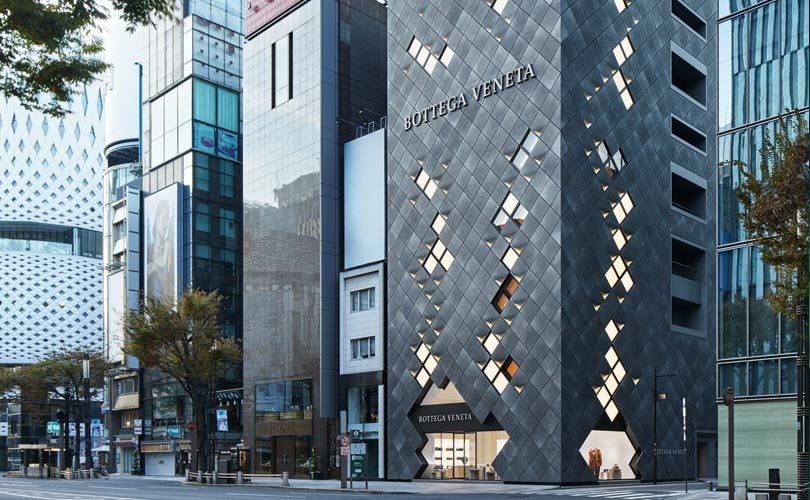
    High-end Italian label Bottega Veneta has opened a new flagship in Tokyo this month. The six-storey store at Ginza Chuo-Ku is the brand’s largest in the Asia region, and features men’s and women’s ready-to-wear, leather goods, handbags, eyewear, footwear, fragrances, jewellery and home decor.

    The store’s facade is composed of more than 900 metal panels similar to a motif featured on the brand’s handbag range, while the understated interior design matches Bottega Veneta’s furniture aesthetic.

    The label’s GM Claus-Dietrich Lahrs said in a statement that the Japanese clientele is important and extremely loyal – adding that Japan is one of the world’s leading markets for Bottega Veneta.

  • Hanwha Galleria Timeworld to sell luxury stuffs

    Hanwha Galleria Timeworld to sell luxury stuffs

    Department store operator Hanwha Galleria Timeworld is opening its second Galleria Luxury Hall next year. In benchmarking its first main store in southeastern Seoul, the owners are seeking to draw luxury French and Italian brands to trade alongside fine dining F&B operators. The store’s facade will undergo renovations with the aim of becoming a landmark building.

    A statement from Hanwha Galleria claimed the Timeworld branch is seen as the top department store in the area since its acquisition in 2000. Within the past decade, the firm has seen 7 per cent annual growth on average in sales.

  • SHISEIDO X SIRIVANNAVARI Princess Hanayaka Collection

    SHISEIDO X SIRIVANNAVARI Princess Hanayaka Collection

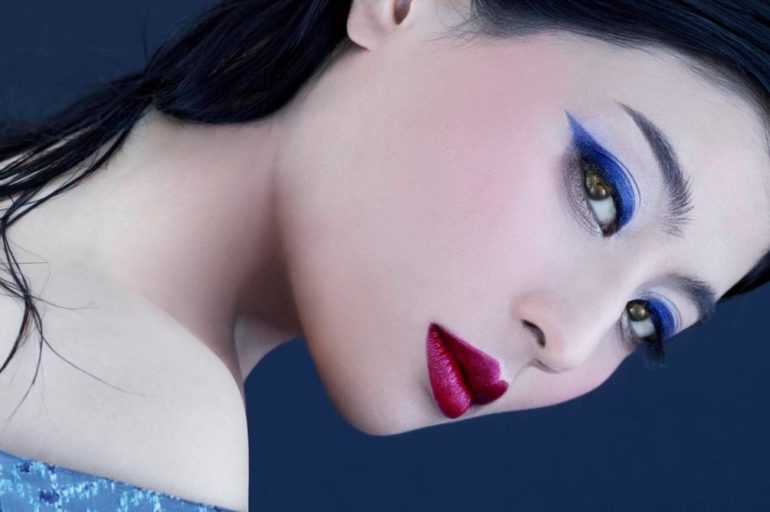
    Her Royal Highness Princess Sirivannavari Nariratana, in her capacity as Creative Director of SIRIVANNAVARI, has graciously designed a special makeup collection “SHISEIDO X SIRIVANNAVARI Princess Hanayaka Collection”. Her Royal Highness Princess Sirivannavari Nariratana is in charge of every design step, from meticulously selecting the color schemesand different shades for the beauty productsto designing the packaging.

    The princess used the graphics and drawings from her previous fashion collections to create elegant and graceful new designs. The whole process took over 2 years of her dedication.

    Her Royal Highness Princess Sirivannavari Nariratana, in her capacity as Creative Director of SIRIVANNAVARI, graciously shares her thoughts on the “Princess Hanayaka Collection”:

    “SIRIVANNAVARI has always wanted to create the beauty products that can fully answer the needs of women in Asia.This is also what SHISEIDO wants as a premium makeup brand that understands the needs of Asian women well. That is how the collaboration of this collection started. I am very glad that we both share the same intention, which is to create what will enable the beauty of women in Asia to glow from inside and out naturally. For this collection, my intention is to create the beauty products that are compact, easy and convenient to apply. The colors in the palette must be beautiful and highly flexible for various combinations of mix and match for different occasions, from daytime natural look to nighttime glamour. One palette can be applied for eyes, cheeks, and lips makeup while the texture of the cosmetics must make it easy for different color combinations. I chose all the color schemes and different shades for this collection myself based on what color combinations I think will best bring out women’s beauty. I then used those colors to work with the graphics and drawings inspired by previous SIRIVANNAVARI collections to design the packaging. The drawings of rice ears, bees, and lovebirds are used as the main designs. When combined with a Japanese touch, the lines and feels become perfect for the packaging designs of this collection.”

    The collection Princess Hanayaka, meaning “a woman whois vivacious and as ravishingly beautiful as a princess” consists of 4 beauty products, which altogether create the perfect makeup: from blush to lipsticks, and from face illuminator to eye color.

  • Louis Vuitton personalisation service launches in Asia

    Louis Vuitton personalisation service launches in Asia

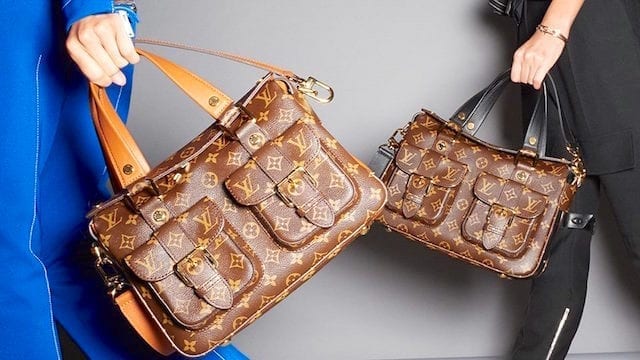
    Luxury retailer Louis Vuitton is offering a personalisation service for a selection of men’s ready-to-wear items in a limited number of global stores. The My LV World Tour Louis Vuitton personalisation service offers clients the opportunity to customise their purchases with a variety of patches and embroideries inspired by vintage travel labels and varsity lettering of the kind Gaston-Louis Vuitton used to adorn his own luggage. The service was previously limited to leather goods.

    The patch themes include world-famous cities and heritage LV graphics, some of which will be available seasonally as limited-edition items.

    The Louis Vuitton personalisation service is available in only eight Asian stores: Hong Kong’s Canton Road and Pacific Place; Shanghai’s Plaza 66; Beijing’s Shin Kong; Japan’s Omotesando and Shinsaibashi; Singapore’s Marina Bay Sands and Seoul’s Shinsegae Main.

  • Berluti showcases its signature styles in Mumbai

    Berluti showcases its signature styles in Mumbai

    One of the world’s most iconic luxury footwear brands, Berluti, hosted an exclusive evening to showcase new styles to guests and present their signature technique of footwear tattoo artistry by Elena Lodiat Soho House, Juhu. Firmly grounded in bespoke know-how, Berluti took its technical skills and creative flair a notch higher by transforming the rules of style with tattooing.

    The rare tattoo designs based on four themes: a classic bestiary of Insects & Animals, the signs of the Zodiac and the Chinese horoscope, vintage designs with Eagles, and the subtle art of Calligraphy can now be perfected on Berluti’s original and globally renowned Venezia leather. The noblest of all leathers, only Venezia leather sustains the creative audacity of Olga Berluti’s vision of art.

    The design is crafted to meet the modern-day sensibilities of contemporary dandy men. Fire-breathing dragons, fantastic beasts, regal eagles, all the mythical creatures and several other esoteric designs can now be realized on the emblematic Berluti Venezia leather from shoes and handbags to belts and other small leather goods.

    With this exclusive service, Berluti brings an even more bespoke look to an already-unique shoe.

    Talking about the event, the only female shoemaker in the world Olga Berluti said, ‘’I always wanted to grace leather shoes with the markings of the skin; scars, gashes, branding, piercings. We have already mastered the color technique on the leather from bronze and brown to red and copper, and the dark blue of the Tuaregs. Only one thing was missing, the most obvious and most difficult: tattoos. I tried to tattoo shoes using every possible process, but the designs faded, the colors were lost beneath the patinas, and the tattoos had no “life” in them. However, my technique has evolved over the years and today I am using the exact same methods as tattoo artists, along with inks that work well with leather. I hope Berluti loyalists from across the world admire this new art.”

    An exclusive Indian distribution partner of iconic global brands Bequest Group, Managing Director, Gaganmeet Singh said, “Luxury is all about a bespoke experience and personalization and creating tattoos on leather is an artisanal process. We are glad to have showcased this unique technique of tattooing on the Berluti Venezia leather to our patrons in India. The activity was insightful and interactive at the same time that gave a chance to the luxury connoisseurs to get involved in the nuances of tattoo making on leather at this unique Berluti event.”

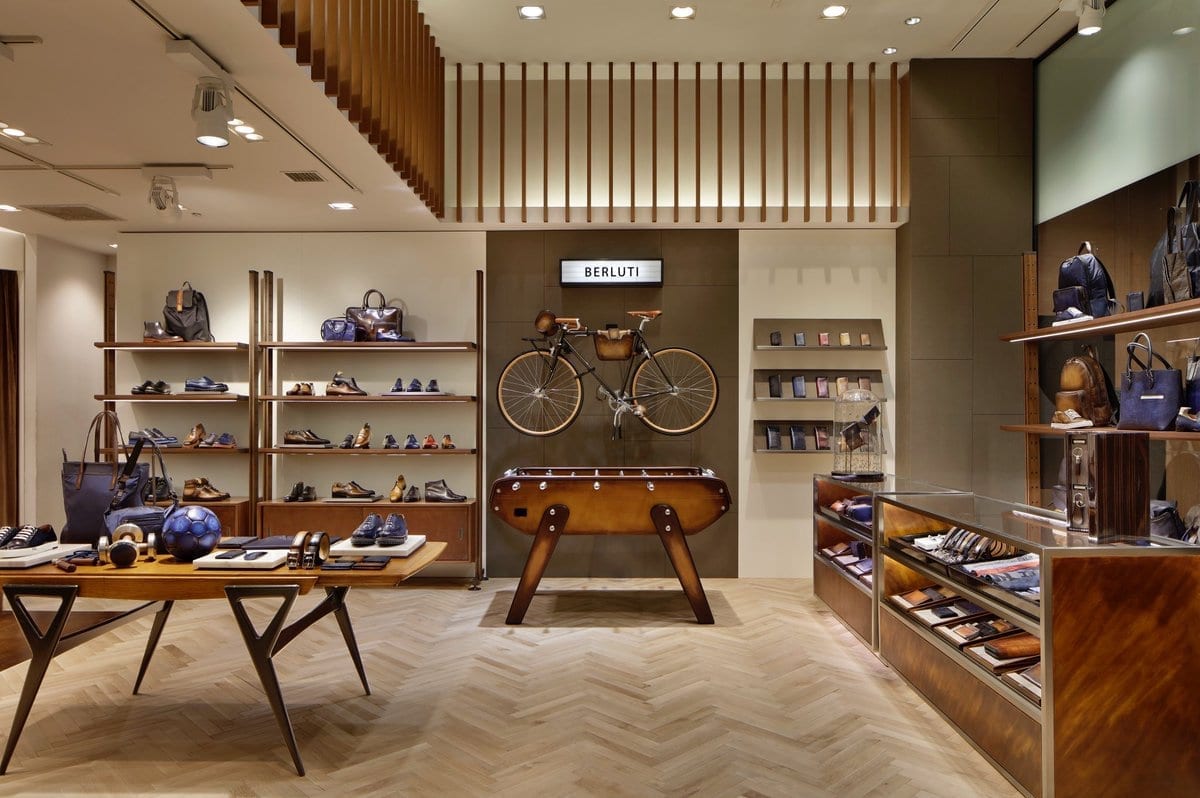
    Berluti currently has a store in New Delhi at DLF Emporio Mall and is scouting for a property in Mumbai to open its store.