Tag: Fashion

  • DFS Group Launches “GIVE JOY” Holiday Gifting Campaign For 2018

    DFS Group Launches “GIVE JOY” Holiday Gifting Campaign For 2018

    DFS Group, the world’s leading luxury travel retailer, is launching its 2018 seasonal gifting campaign, “Give Joy”, to celebrate the spirit of the festive season and the gift of giving. From November 15, 2018 to January 1, 2019, customers will be able to add unique touches to exclusive products available at DFS’ first ever ‘Personalization Gift Shop’ concept. Boasting an assortment of specially curated luxury gifts, alongside an array of dedicated brand pop-ups, branded personalization stations and personalization services, the concept is designed to delight DFS’ discerning traveling customers and enhance their festive shopping experience in 13 T Galleria and airport locations worldwide.

    DFS is also launching the latest edition of its annual and much-anticipated “Give Joy” Holiday Gift Guide, offering customers a curated selection of personalized products. This year, the Holiday Gift Guide features DFS’ own employees as gifting experts, sharing their advice with customers on how to bring the festive season alive through the joy of giving. Showcasing an extensive selection of 143 incredible gifts from 108 world-famous brands across all of DFS’ luxury categories – from Fashion and Accessories and Beauty and Fragrance to Watches and Jewelry, Spirits, Wine and Food – shoppers will be spoiled for choice to treat their loves ones and themselves to something special.

    A stellar line-up of brands will also feature in DFS’ exclusive pop-ups during the “Give Joy” campaign:

    • Dior will host a special ‘Charms Bar’ offering customers the chance to create their own couture-inspired lucky charms accessory with a choice of four colors of ribbon and eight iconic Dior gold lucky charms.
    • Moët Hennessy will offer customers the opportunity to use elevated technology to write a tailored message in golden ink on champagne bottles on the spot.
    • Jo Malone London will offer a photograph transfer service on a beautiful Jo Malone classic gift box. Customers can choose from a personal favorite or an iconic city photograph, making it the perfect personalized gift for this holiday season.

    The exquisitely decorated Personalization Gift Shop will feature a life-size gift box, bringing an exclusive and enticing experience to DFS customers with personalization and the gift of giving. Holiday ribbons available in gold, silver and red and made especially for DFS allow customers to personalize their gifts with special greeting messages in six languages; superb leather goods can be made unique with on-the-spot monogramming; and t-shirts and tote bags can be adorned with limited-edition emoji iron-on patches so that customers can mix and match to create one-of-a-kind designs.

    “We’re excited to bring a sense of fun and individuality to our customers this festive season with our exclusive pop-up gift shops, offering a wonderful array of products from some of the best brands in the world,” said Ariel Gentzbourger, DFS Group Executive Vice President Merchandising. “We hope to enhance the pleasure of giving by offering our customers many ways to delight their friends and family, making the shopping experience a joy in itself.”

    Full serviced DFS’ Personalization Gift Shops will be available in the following locations:

    T Galleria by DFS, Hawaii, T Galleria by DFS, Okinawa, T Galleria by DFS, Guam, T Galleria by DFS, Saipan, T Galleria by DFS, Singapore, T Galleria by DFS, Angkor, T Galleria by DFS, Sydney, T Galleria by DFS, Bali,T Galleria by DFS, Hong Kong, Canton Road, and T Galleria by DFS, Macau, City of Dreams.

  • Marie France Van Damme opens first store in the Middle East

    Marie France Van Damme opens first store in the Middle East

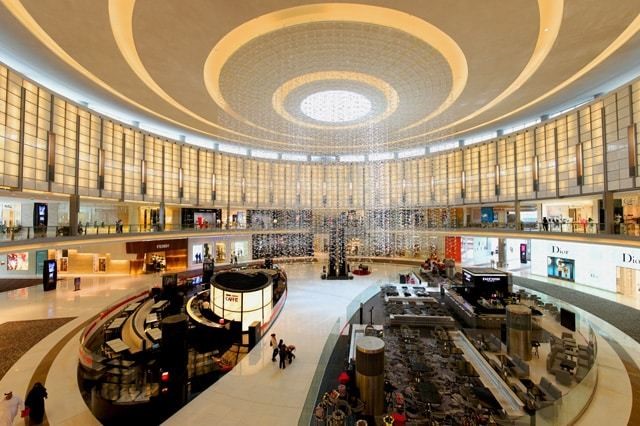
    Marie France Van Damme, the Hong Kong-based designer known for her globally influenced line of luxury resort, swim, and ready-to-wear, continues to expand her presence worldwide with the opening of the brand’s first store in the Middle East in November 2018 in Dubai, its thirteenth boutique worldwide. With boutiques in some of the world’s most iconic luxury travel and shopping capitals, Marie France Van Damme’s new store will be located in downtown Dubai in the exclusive Dubai Mall, the world’s largest luxury shopping destination.

    Situated within Fashion Avenue of The Dubai Mall (Financial Center Rd, Dubai, United Arab Emirates) a section that’s home to more than 200 luxury shops including Cartier, Chanel, and Valentino, the new 1000 square-foot boutique will offer Marie France Van Damme’s extensive luxury resort, Beach Bridal, and ready to wear lines and range of accessories, including evening dresses, resort wear, and caftans.

    As Marie France Van Damme only introduces limited productions of her collections each season, each store in itself is unique, with exclusive items at each location you won’t find anywhere else. With a focus on exclusive pieces inspired by the Dubai lifestyle, the new boutique will offer the best of both worlds: luxe day resort wear and chic evening wear.

    Made for Dubai and the elegant, modern Middle Eastern lifestyle, Marie France Van Damme’s striking collections are a return to the glamorous roots of resort wear with a muted palette of silver and gold, hand embroidery and opulent fabrics, from French lace to metallic-toned Italian weaves and featherweight Chinese silks. Signature pieces such as the Boubou caftan provide instant glamour. New this season is an exclusive “Black Gold Rose” jacquard collection of delicate evening dresses crafted in the softest crinkle silk chiffon; and short jackets, and skirts designed to be layered with long metallic blouses and worn from city to resort and from day to night, a perfect mix-and-match wardrobe.

    Collections are not distinguished by season, but relevance. Whether it’s evening wear or day dress; a silk caftan, city pajama or swimwear, Marie France Van Damme’s philosophy remains the same: “What you wear should always give you glamour. Glamour without the fuss and bother,” says Marie France Van Damme.

    We are excited to open our first boutique in the Middle East in The Dubai Mall,” says Marie France Van Damme. “I could not have imagined a better location to provide our clients with an exceptional atmosphere in one of the most beautiful shopping destinations in the world. We have many clients in Dubai including those who travel to here to shop. Like me, our customer travels around the world, and she needs to find things that will look beautiful day as well as night. Our collection was made for Dubai and the elegant, modern Middle Eastern lifestyle, from day to evening, poolside to dinner.”

    The new boutique will incorporate Marie France Van Damme’s signature aesthetic, which blends subtle Asian influences and elegant simplicity with marble floors, teak wood, bronze panels, and embossed crocodile leathers with textiles and finishes that can be found in the designer’s home as well as her flagships in Hong Kong and London.

    Marie France Van Damme will join The Dubai Mall’s 3.77 million square feet of leasable space and 1,300 retail outlets, including Galeries Lafayette, Cartier, Chanel, Valentino, Balenciaga, Gucci, Lanvin, Saint Laurent, and many more. The Dubai Mall, a luxury shopping destination that welcomes 80 million visitors each year, also has dining, entertainment, and leisure attractions including the Dubai Aquarium & Underwater Zoo, the Olympic-sized Dubai Ice Rink, and adjoining five-star hotels, including the Armani Hotel Dubai. In addition to Fashion Avenue, there is also The Souk, the open-air walkway The Village, and more.

    Marie France Van Damme has rapidly expanded since its inception in 2011 to include an impressive range of ready-to-wear, resort wear, swimwear, sunglasses, perfume, and candles. The designer just announced her twelfth boutique opening this October at the Wynn Las Vegas. She recently opened her eleventh boutique in Miami at Bal Harbour Shops and a store in Marrakech at La Mamounia in January 2018, a Los Angeles boutique in September 2017 at the Peninsula Beverly Hills, a boutique in Bangkok’s luxury shopping and entertainment complex Gaysorn Village in 2017, and her seventh store in December 2016 in Hong Kong’s prestigious Elements shopping mall, which is Marie France Van Damme’s second Hong Kong store. The company opened its very first store in Hong Kong’s acclaimed International Finance Centre (IFC) mall in September 2013. Five years later, Marie France Van Damme has twelve stores worldwide, proving that small curated stores are still very relevant. The company currently has 100 retail locations in some of the world’s most desirable shopping destinations.

  • Ralph Lauren results concerning even after its anniversary celebration

    Ralph Lauren results concerning even after its anniversary celebration

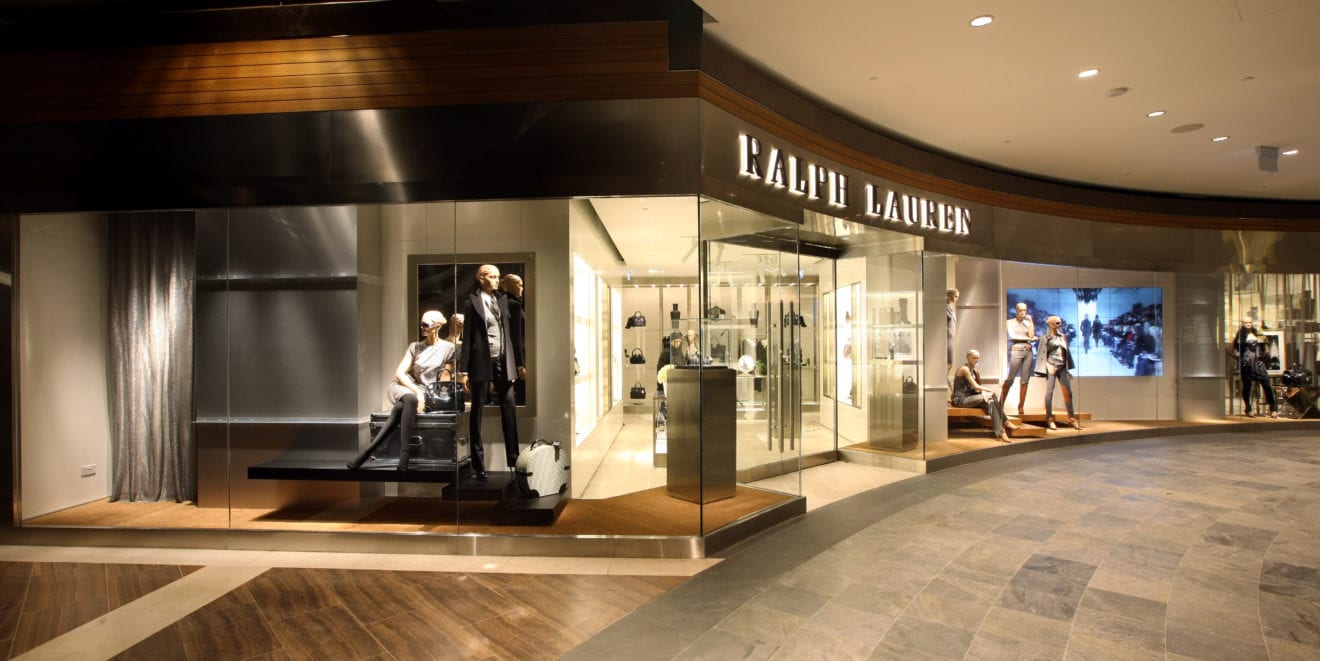
    As Ralph Lauren pulls out all the stops to celebrate its 50th anniversary, its second-quarter results do not reflect the upbeat note of the festivities. Indeed, if anything the Ralph Lauren results are rather anemic and are characteristic of a brand that is still not entirely confident about its place in the fashion world or its future direction.

    While growth of 1.6 per cent in overall revenue and a 1.4 per cent uplift in North America are positive, the decline of 0.8 per cent in Europe is disappointing as is the flat comparable-sales result. This mixed bag shows that the brand is only firing gently on some cylinders rather than powering ahead.

    While in growth, Ralph Lauren’s North American division is still underperforming. The relatively flat revenue result, which is underpinned by an anemic 1 per cent increase in comparable sales, comes against the backdrop of a robust consumer economy where spend on luxury and higher-end goods is increasing. It has also been delivered at a time of elevated marketing spend. That Ralph Lauren could not engineer a better performance underlines the fact that the brand has a lot more work to do to connect and resonate with consumers.

    One of the unresolved issues at Ralph Lauren is in having a clear brand proposition that is carefully targeted at customers. While numbers show that general brand perception of Ralph Lauren has improved over the past year, the number of people agreeing that it, or its sub-brands, are ‘made for people like them’ has remained flat. This is worrying and underlines that there is still a lot of repositioning and redefining required before Ralph Lauren can deliver better numbers.

    None of this should suggest the company has been inactive or passive; it has not. With the Polo brand, for example, a lot of new items have been introduced and products have been enhanced with embellishments such as embroidery and added functionality. These have helped to drive some better numbers and suggest that the company is innovating, but the improvements are hampered by a lack of progress on overall brand perception, especially among younger shoppers. It will clearly take time for the various changes to drive overall perception.

    One area of progress is on the digital side of the business, where comparable sales in North America rose by 9 per cent. While this is below the overall rate of growth for online luxury, it is a sign of progress and is a reflection of the various investments Ralph Lauren has made in its digital channels – including the marketing efforts on social media. Ralph Lauren now needs to apply this thinking to driving traffic in stores, where North American sales fell by 1 per cent on a comparable basis.

    Outside of North America, performance in Europe was poor. While total revenue fell by 0.8 per cent, comparable sales slipped by 4 per cent. Part of this is down to inventory issues at outlet stores and part is the result of lower consumer confidence in key markets like the UK. Even so, it is disappointing given the various investments, including in digital, that Ralph Lauren has made in the region.

    Overall, Ralph Lauren is gently moving in the right direction. However, the brand vision remains rather murky. It needs to be simplified and retooled so that it is clear and compelling. A young brand like Maine’s Kiel James Patrick is the perfect example of a well-curated and authentic lifestyle label that Ralph Lauren needs to emulate. Ralph Lauren has yet to prove it is up to this task.

  • New president for Issey Miyake appointed

    New president for Issey Miyake appointed

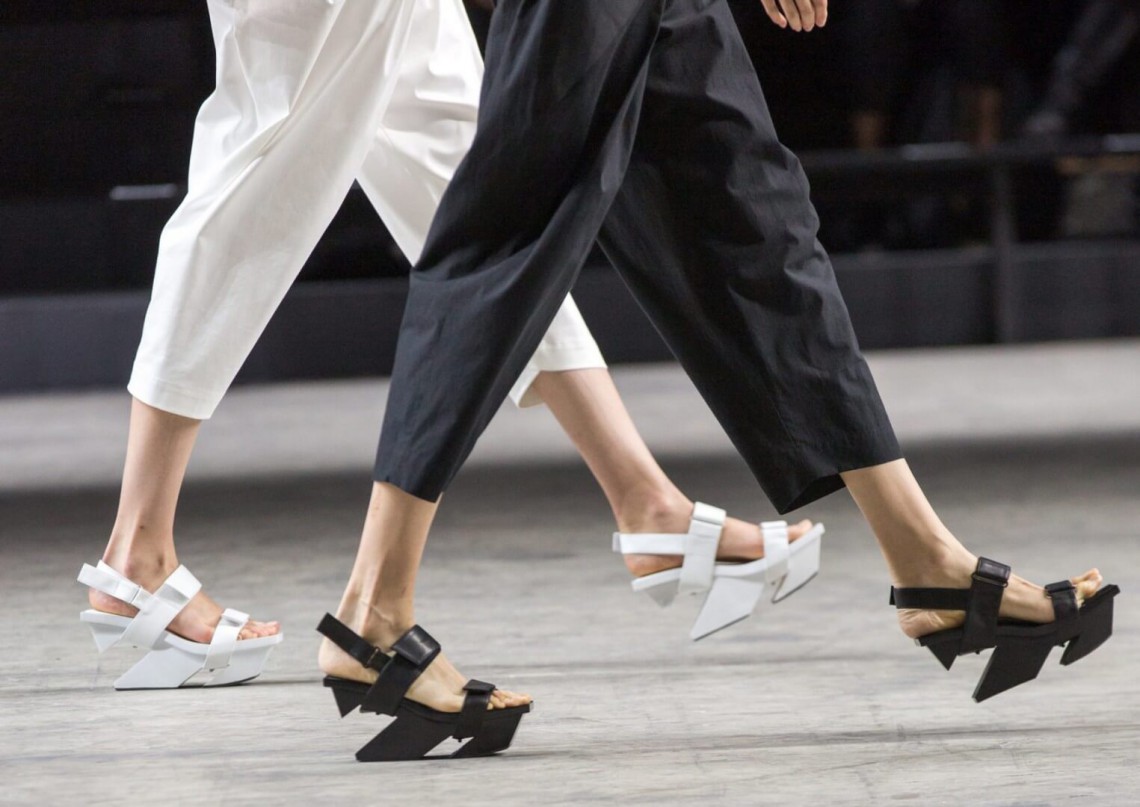
    Japanese luxury label Issey Miyake has appointed a new company president, following the internal promotion of Takahiko Ise to the top spot. Previously the fashion brand’s head of production, Ise replaces former president Masakatsu Nagatani, who will remain in the company as an advisor.

    The change over was effective since October 1, according to Japanese media reports.

    Ise came to work for Issey Miyake in the early eighties and has continued to establish a flourishing career in planning and production.

    The fashion veteran spent the past 30-plus years working across Issey Miyake lines such as Pleats Please Issey Miyake, Me Issey Miyake, Homme Plissé Issey Miyake and Bao Bao Issey Miyake.

    Ise’s promotion, which coincides with the appointments of Koji Usui and Keisuke Harukiya as managing directors, signals a shift in focus for Issey Miyake.

    The Tokyo-based label, renowned for its experimentation with fabrics and textile innovation, remains focused on technology to an even sharper degree moving forward, with strategies set on innovation, new technology and proprietary techniques.

    Founded by Hiriohima-born Issey Miyake in 1971,the company’s overall creative direction has been led by designer Yoshiyuki Miyamae and his team since 2012.

    Issey Miyake has approximately ten flagship stores globally, with three in its local Tokyo (Shibuya, Chuo and Minato), as well as a store in Osaka and one in Hyogo.

    International stores can be found in Paris, London, New York and Milan and Zurich.

  • Swarovski creates Victoria’s Secret Fantasy Bra

    Swarovski creates Victoria’s Secret Fantasy Bra

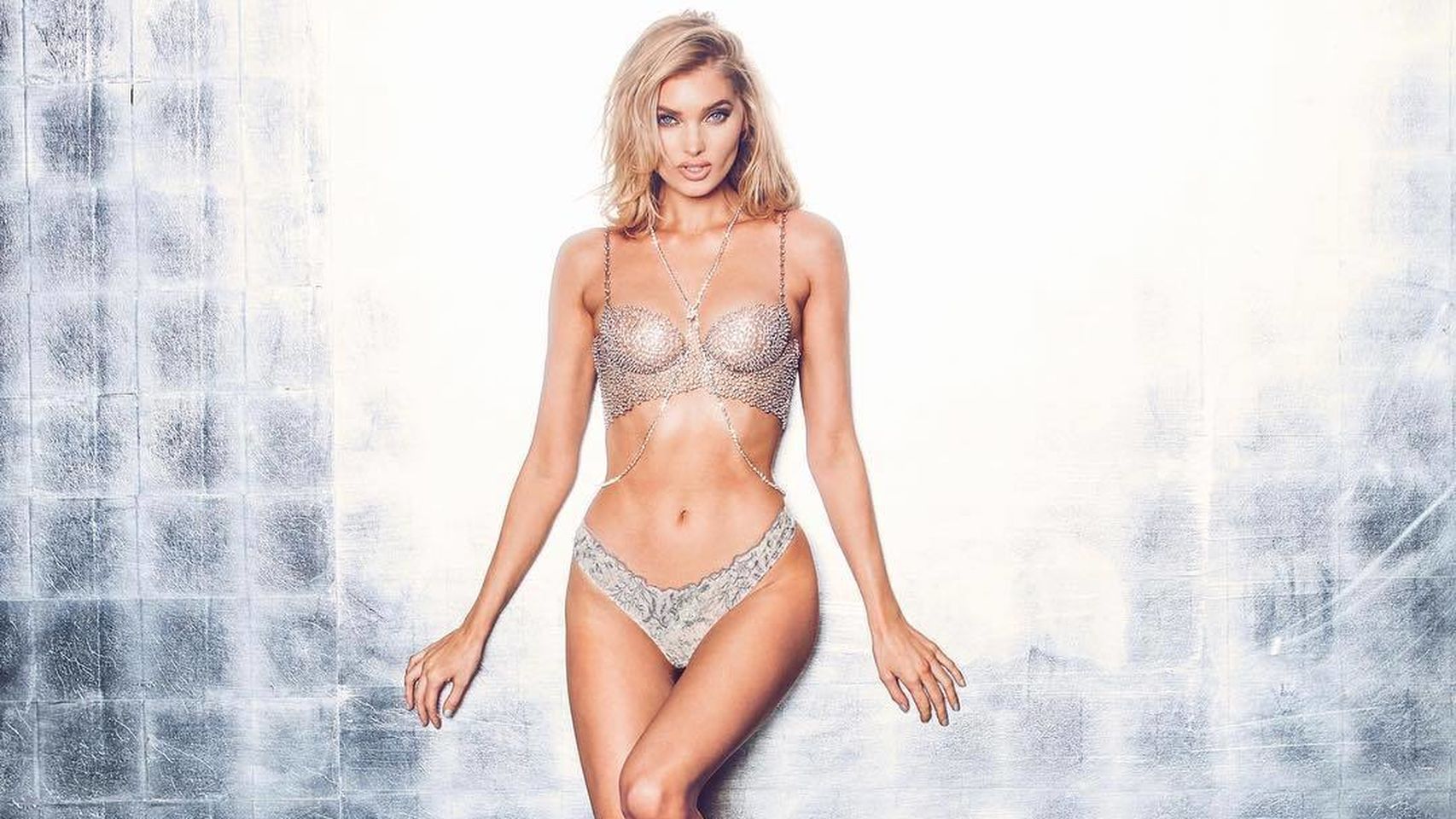
    Atelier Swarovski has partnered with Victoria’s Secret to craft this year’s 2018 Dream Angels Fantasy Bra. The bra, which will be modelled by Victoria’s Secret Angel Elsa Hosk at the 2018 Victoria’s Secret Fashion Show in New York, is crafted with more than 2100 Swarovski-created diamonds and topaz. Also, for the first time, the Fantasy Bra will place sustainability centrestage.

    Valued at US$1 million, the elaborate design took four craftsmen 930 hours to create, incorporating 71.05 carats of created diamonds with a pear-shape Swarovski created diamond centre stone weighing 2.03 carats. The bra’s casing is also set in sterling silver.

    Member of the Swarovski executive board Nadja Swarovski said the company was delighted to have been selected to collaborate with Victoria’s Secret on this year’s Fantasy Bra.

    “This stunning handcrafted Atelier Swarovski piece features thousands of Swarovski created diamonds set alongside responsibly sourced topaz. We hope it provides a bold new vision of luxury – mixing glamour and innovative materials – when it hits the runway at this legendary show.”

    Swarovski created diamonds are grown in a lab, yet have the same optical, chemical and physical attributes as mined diamonds – both are 100-per cent carbon and have the same hardness and brilliance.

    Elsa and the Fantasy Bra will walk the Victoria’s Secret Fashion Show runway on December 2.

  • From influencers to investors

    From influencers to investors

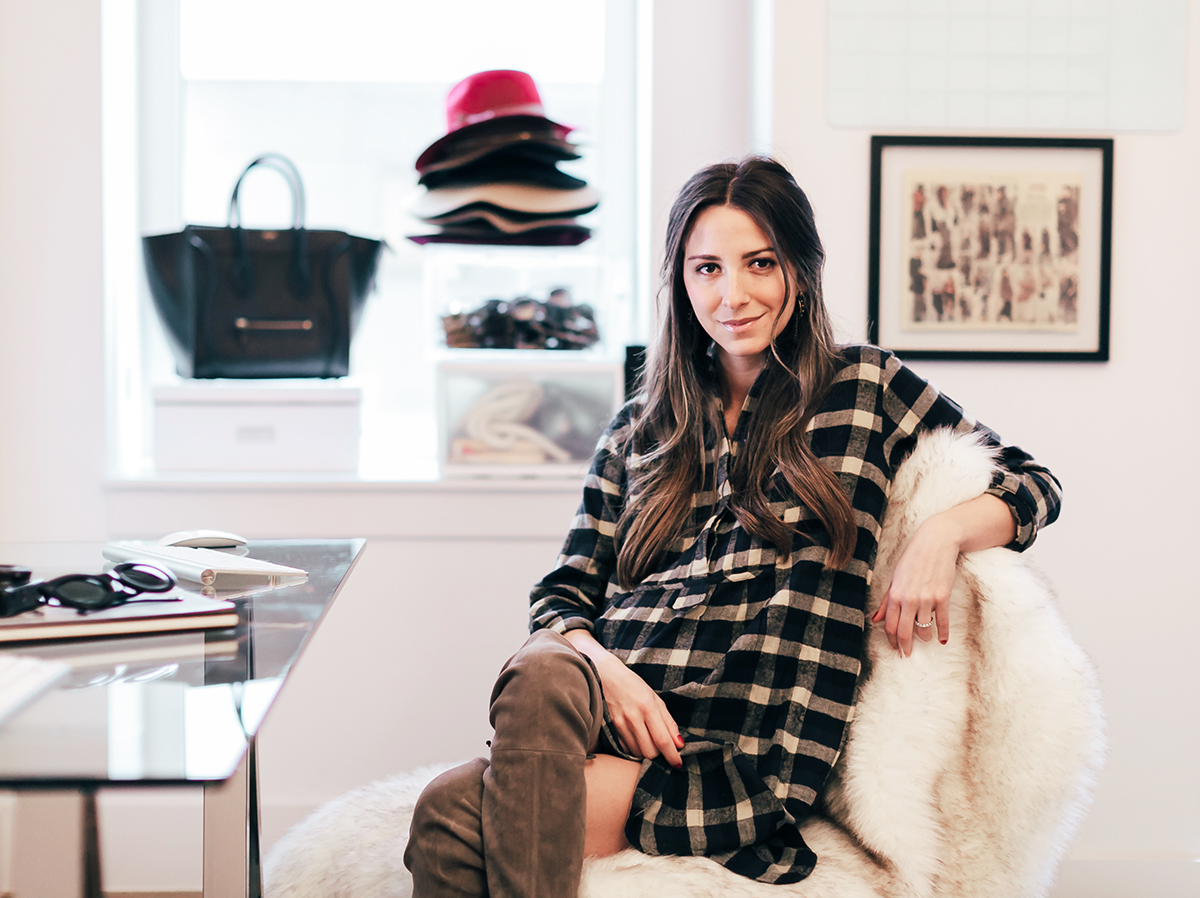
    Clean cosmetics brand Kosas has in the space of a year grown from the best-kept secret of beauty industry insiders to a buzzy makeup line with rapidly growing sales. Founder Sheena Yaitanes says two recent investors deserve much of the credit: Man Repeller founder Leandra Medine and lifestyle blogger Arielle Charnas.

    The indie makeup range she started three years ago is one of an increasing number of fashion, beauty and lifestyle brands looking beyond Silicon Valley to the world of social mediawhen raising funding.

    They’re seeking a new kind of “social capital,” handing over stakes in their companies to influencers in exchange for a small cash investment – typically $10,000 to $50,000 – or sometimes, no upfront payment at all.

    The payoff can be big for both sides.

    The brands secure long-term commitments from celebrity backers who provide everything from industry contacts to real-estate advice to marketing expertise (and in some cases, enthusiastic promotion on Instagram). And if a brand takes off, early backers can find themselves sitting on stakes worth millions of dollars, far more than influencers can make through endorsements.

    “It’s social proof that your brand has buzz,” Yaitanes said of including influencers in her latest funding round, which was led by CircleUp Growth Partners and included participation from M3 Ventures, Scooter Braun’s TQ Ventures, Medine and Charnas.

    “It’s doing them a disservice to just call them influencers because they’re large scale business owners in their own right. It’s because of their business acumen [that I work with them].”

    Among the new wave of influencer-investors: Medine and husband Abie Cohen, who have also invested in makeup brand Drunk Elephant, direct-to-consumer activewear seller Outdoor Voices and underwear startup Lively, and Charnas, who owns a stake in activewear retailer Bandier, as does Nasiba Adilova.

    Chiara Ferragni owns a stake in apparel resale site Depop, and Danielle Bernstein has invested in six companies in the fashion, tech, fitness and lifestyle spaces over the past two years. With the exception of Adilova, this group got their start fashion blogging almost a decade ago.

    Ferragni and Charnas began chronicling their outfits on The Blonde Salad and Something Navy in 2009, followed by Medine and Bernstein, who started their Man Repeller and We Wore What blogs a year later.

    They’re taking inspiration from the entertainment industry, where stars have forged deep and fantastically lucrative ties to Silicon Valley.

    Ashton Kutcher and talent manager Guy Oseary put $500,000 into Uber in 2011 and count Warby Parker and Spotify as two of the dozens of investments they’ve made through their Sound Ventures fund.

    In 2007, 50 Cent made an estimated $100 million off Vitamin Water when it was sold to Coca-Cola.

    Leonardo Dicaprio, Tobey Maguire and Adam Levine are all investors in Casper, the direct-to-consumer mattress company.

    Bringing influencers on board helps solve a problem faced by many new fashion and beauty brands: the high cost of acquiring customers, particularly as Instagram becomes crowded with startups going after the same pool of consumers.

    Influencers can advise a new brand about the best approach to sell to their followers, and in some cases post about their investments on Instagram, exposure that would cost thousands of dollars through a standard endorsement deal.

    “There is a reason why [brands] reach out to this particular talent. They aren’t just asking for money. They are asking for your involvement along with that cash,” said Ashley Villa, chief executive of Rare Global, an influencer management agency.

    “These days, it’s so nuts you can’t launch a brand without some kind of face that has social influence.”

    Often, an influencer will join a brand as an “investor” or in an advisory capacity in exchange for equity with no cash required.

    For instance, Charnas didn’t pay for her stake in Bandier, which amounts to a percentage of equity, and frequently mentions the retailer in Instagram Stories and posts to her feed.

    She said she had no formal agreement to endorse the retailer to her followers.

    Medine and Adilova take a more behind-the-scenes approach, offering expertise and connections rather than public endorsements.

    Medine, whose media platform is known for its quirky take on fashion and its founder’s deeply personal essays, has invested in 15 companies with her husband.

    Nasiba Adilova, founder of children’s brand The Tot, has invested in over 20 companies with husband Thomas Hartland-Mackie.

    Adilova’s portfolio spans Christine Centenera’s apparel startup Wardrobe to fitness app Aaptiv and Monte Kids, an online education platform.

    Because they have a direct dialog with followers, influencers have a pulse on consumers and know exactly what their fans want and need.

    Adilova said a typical check she writes for a “very young company” raising at a seed level would start around $50,000, but this number jumps for later-stage investments.

    She rarely posts about Bandier and other investments because she wants her social media to focus on The Tot, which just opened its first store in New York City.

    Medine said she invests in brands that appeal to her as an editor, and sees herself and the founders she works with as “thinking partners.”

    She said she might provide input on creative content or product development, introduce founders to her industry contacts and recommend financing partners.

    But she said her role is strictly behind the scenes – no Instagram endorsements or steering coverage toward her investments on manrepeller.com.

    “I keep Man Repeller, and my own social currency out of it,” said Medine, who maintained that she and Cohen invest as individual angels, not on behalf of Man Repeller. “There is never a contractual clause that I will promote the product. I take organic interest in certain brands as an editor and seek to deepen my relationship with the ones that really stand out by pursuing an investment opportunity.”

    Medine said if Man Repeller does mention an item from a company she’s invested in and the writer is aware of it, it is disclosed.

    However, Medine was clear that because she no longer oversees the day to day editorial functions of the property, some mentions get missed if a writer isn’t aware of the investment.

    On social media, influencers are required under US law to note when they are investors in a product they endorse.

    While disclosure in general has been spotty on Instagram, the law is the same as influencers having to disclose when a product is gifted or they’ve been paid to post about a brand.

    Last September the FTC took action against gaming influencers Trevor “TmarTn” Martin and Thomas “Syndicate” Cassell for failing to disclose joint ownership in CSGO Lotto, an online gambling service they endorsed.

    Martin and Cassell, who wound up settling the FTC charges, also allegedly paid other influencers to promote the site on various social channels without requiring disclosures of payment on social media posts.

    Influencers risk a backlash for paid endorsements, but can turn an investment disclosure to their advantage.

    “[It means] that you believe so much in the product that you would invest either your cash or your time or your social capital in a brand,” she said. “It’s more helpful to the brand because this influencer … stands by the product.”

    Bernstein, who declined to disclose which brands she’s invested in, said she includes an ad disclosure when posting about brands where she owns a stake.

    Her deals are split between financial investment and sweat equity, the latter of which has given her a seat on three companies’ board of advisors.

    “I’m not posting about the ones that I just advise for at all,” Bernstein said of her non-cash investments. “But it’s important even when investing with social capital that I feel like I have some skin in the game with a financial investment too.”

    Charnas has found the way to best communicative involvement in these companies is to be direct.

    She and husband Brandon Charnas are said to own a low single digit percentage of Bandier – more than the standard fractions of a percent given to influencers – but Charnas said there’s no terms that dictate when, how or the amount of times she’s expected to post about the retailer.

    She does regularly post content about the retailer on Instagram.

    “It’s not just a paid, sponsored post. It’s partly mine,” she said. “On Instagram Stories I was completely honest. I said I invested in these companies because I use these products every day and I believe in the product…and I want to be involved in the growth of the brand. I give [followers] the heads up that it’s going to be something promoted on my account all the time.”
  • Arvind India Q2 profit rises 16 pc to Rs 75 crore

    Arvind India Q2 profit rises 16 pc to Rs 75 crore

    Textile and apparel player Arvind Ltd on Thursday reported a 16.38 percent increase in its consolidated net profit to Rs 75.08 crore for the second quarter ended September 2018. According to a report: The company had posted a net profit of Rs 64.51 crore in the July-September period a year-ago, Arvind Ltd said in a BSE filing.

    Total income during the quarter under review stood at Rs 1,815.98 crore, up 12.85 percent, as against Rs 1,609.10 crore in the corresponding quarter of the previous fiscal.

    Total expenses stood at Rs 1,723.27 crore as against Rs 1,540.08 crore, up 11.89 percent.

    Meanwhile, the company said that as NCLT has approved the scheme of demerger for its branded apparels and engineering businesses, “the reported financial statements reflect figures for continuing businesses only”.

    “Pending receipt of order and other conditions precedent in the Scheme, the Group has considered the business of Engineering and Branded Apparel Undertaking as ‘Discontinuing Operations’,” the company said.

    Arvind’s net profit for the period from continuing operations rose to Rs 56.10 crore as against Rs 48.48 crore earlier.

    Net profit after tax from discontinuing operations was at Rs 18.98 crore as compared to Rs 16.03 crore.

    “The effective date of demerger and record date for allotment of shares is likely to be end of November,” it added.

  • La Chapelle Vietnam launch gets closer

    La Chapelle Vietnam launch gets closer

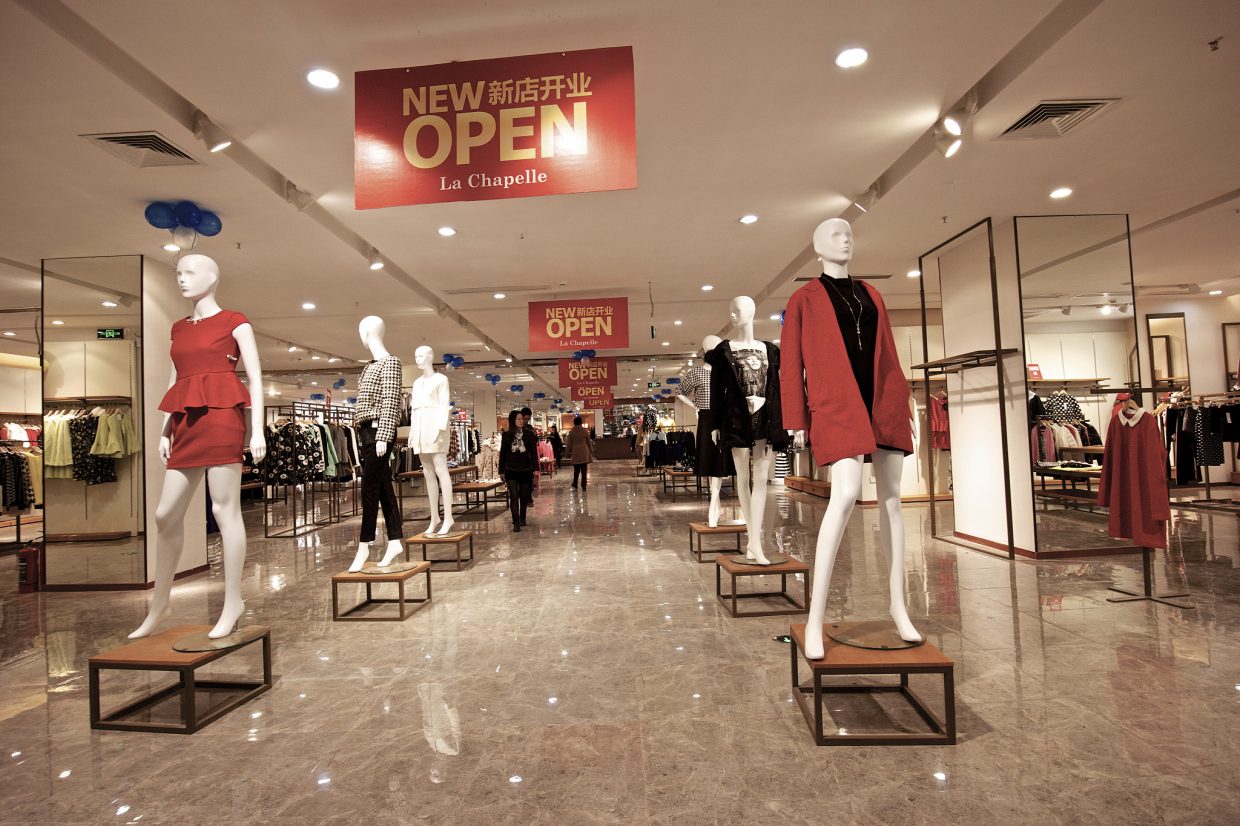
    Hong Kong-listed Chinese fashion retailer Shanghai La Chapelle is preparing to launch in Vietnam. A huge La Chapelle Vietnam standalone flagship store is under construction, next to Ho Chi Minh City’s VivoCity mall, facing to the front street of Nguyen Van Linh in District 7.

    While the opening date has not been revealed, branding has appeared on the store with the interior fitout almost complete and apparently only awaiting stock.

    The brand is using social media and online channels to recruit staff for the store and seek interest from potential nationwide distributors.

    La Chapelle Vietnam is operated by VV Mall Management Service, which owns the under-construction VV Mall in Danang. The 35,000sqm mall is set to open its doors in the second quarter of next year.

    Founded in 1998, La Chapelle has its own brands including menswear labels Jack Walk, Pote and Marc Ecko, childrenswear brand 8eM and womenswear labels La Chapelle, Puella and Candie’s.

    La Chapelle has struggled in the first nine months of this year, reporting a decline in sales of 0.5 per cent to US$889.94 million and a near 30-per-cent decline in profit to $34 million.

    Vietnam is the first country in the company’s Southeast Asian expansion plan.

  • Jimmy Choo takes trademark action against Chu

    Jimmy Choo takes trademark action against Chu

    Jimmy Choo is taking a preemptive strike at some potential competition. Xianjie Zhu, a 19-year-old from Guangdong Province in China, goes by Jerry Chu at Central Saint Martins, where he’s a fashion student specialising in menswear.

    Last year, at the recommendation of his father, he applied to register his English name in Beijing in case he decided to use it to start a clothing line in the future. With two years left of school, Chu had not yet given starting a line any serious thought, he said.

    Last week, the footwear and accessories brand Jimmy Choo filed a request to invalidate Chu’s trademark, arguing that the similarities between the names Jimmy Choo and Jerry Chu would cause confusion in the market.

    The company cited previous trademarks it has successfully invalidated, for trademarks including Jenny Choo and Ray Choo.

    Susan Scafidi, founder and director of the Fashion Law Institute at Fordham University’s School of Law, said these disputes are common — so much so that she always urges young designers not to name their businesses after themselves.

    “Designers with common names in particular often have to engage in protracted legal disputes with companies who already own the same or similar names,” she said.

    But fashion consumers today are accustomed to distinguishing between namesake labels with similar names, such as Alexander Wang and Vera Wang, said Scafidi, and there is hope for independent designers.

    Last month, Thaddeus O’Neil, the surf-inspired menswear label, reached a settlement with surfwear brand O’Neill after more than four years of legal disputes between the two companies.

    Scafidi explained that a significant difference between those disputes and Jerry Chu’s situation is that in the US, trademarks must be used in commerce in order to be valid. Having an active business can also help demonstrate that a brand with a similar name is not producing similar products or “trademark squatting” in order to get a payout from a larger brand. Brands with global name recognition like Jimmy Choo are especially vigilant about trademark protection.

    “Jimmy Choo may well have assumed that the Jerry Chu registration was just another attempt to trade on the established Jimmy Choo name, since soundalike registrations are a particular problem in countries like China, whose primary writing system uses characters rather than letters,” said Scafidi.

    Chu and his lawyers will wait to see what the trademark committee decides, he said, hoping that the situation can be resolved quickly.

    The student posted the legal papers on Instagram this week, catching the attention of fashion’s social media watch dogs, Diet Prada, who echoed his frustration and spread the word.

    “I’m surprised so many people would care about me, an independent designer, a student,” he said.

  • HK’s Goxip secures funding for massive expansion plan

    HK’s Goxip secures funding for massive expansion plan

    Hong Kong fashion e-commerce business Goxip has secured US$1.4 million from financial services firm Convoy Global Holdings. The investment will fund Goxip’s planned expansion in Southeast Asia and allow the establishment of new payment services, including installment loans to online shoppers. The initiatives are expected to make the firm’s products more affordable to a broader audience in the region.

    Goxip has already set up in Malaysia and Thailand.

    Goxip raised $5 million early this year from Chinese imaging/video app developer Meitu and Nan Fung Group along with input from three individual investors. Meitu, which is also bringing its 456 million active users into play, also invested in this round of funding.

    Goxip’s CEO Juliette Gimenez said: “With Meitu’s help, we’ve been growing faster than expected, especially with our Thailand launch ahead of schedule. Bringing Convoy on board will allow us to keep our momentum while also adding an important fintech component to our play, especially as we enter emerging markets across Southeast Asia where spending power still lags behind Hong Kong and Singapore.”

  • Chanel’s recipe for success revealed

    Chanel’s recipe for success revealed

    Last month, Chanel reported its financials for the first time in its 108-year history, lifting the company’s traditional veil of secrecy, in part, to quash speculation that it could be acquired. The disclosure revealed that the French luxury giant generated $9.6 billion in sales last year – just a shade behind LVMH cash cow Louis Vuitton.

    What’s no secret, though, is that Chanel holds immense allure to shoppers.

    In fact, it is one of the most desirable luxury fashion brand in the world fueled by the perception that it is amongst the most exclusive brands of all.

    This is paradoxical when one considers that Chanel is also one of the most accessible luxury brands, as measured by pricing.

    In fact, it has some of the lowest entry-level price points in the business, courtesy of its beauty products. Cosmetics and fragrances allow the middle class to get a whiff of the lifestyles embodied by Chanel’s couture and prêt-à-porter offerings.

    Indeed, Chanel is a master of category segregation.

    This strategy involves confining iconic, core category products to high-end price ranges, while deftly positioning other product categories (lipsticks, for example) at lower price points to address aspirational customers.

    Such segregation has allowed the house to maintain its air of exclusivity.

    It may sound like a simple strategy, but it has helped make Chanel by far the biggest luxury goods mega-brand in retail equivalent terms, and only marginally smaller than Louis Vuittonin reported sales.

    Critical to this success has been Chanel’s leading position in beauty, a category that is heavily dependent on multi-brand wholesale distribution.

    While there are some disadvantages to wholesale distribution, from smaller margins to less control over brand experience, leveraging wholesale also means the company can have a relatively compact retail network.

    Chanel had 338 stores in 2017, or nearly 30 percent fewer than Louis Vuitton.

    As for profitability, Chanel reported an earnings before interest and taxes, or EBIT, margin of 28 percent, compared to 40 percent at Louis Vuitton.

    This suggests Chanel has much room to push its profit margins higher, especially considering its sheer scale and the economics of beauty.

    Chanel seems to be vastly outspending its peers on marketing support and communication, boosting its profile on both traditional and social media.

    All this, and a traditional focus on organic growth rather than acquisitions, means the group boasts returns on invested capital that approach those of Hermès.

    This is despite selling, general and administrative expenses equivalent to nearly half of Chanel’s sales as opposed to roughly a third at Hermès.

    Again, this suggests there is room to rise further.

    When Chanel announced its financials last month, the company said it did so to dispel the notion that it would ever be up for sale.

    While the size of the company means only very large — and ambitious — players might be able to pull off such a deal, that still leaves potential contenders should it ever decide to open its doors.

  • Hugo Boss Singapore flagship opens

    Hugo Boss Singapore flagship opens

    International fashion brand Hugo has launched a standalone flagship in Singapore. The Ion Orchard store showcases the brand’s latest Autumn/Winter 2018 collection in a 146sqm retail space. A promotional Hugo Reversed personalised t-shirt will be available in store for a limited time.

    The brand’s new expansion into the Singapore market is not expected to be aggressive, with a focus on sustainable growth and a gradual development of its casualwear line and affordable offerings.

    The firm has recently merged its labels into a core Hugo Boss branding in response to increasing competition in the industry.

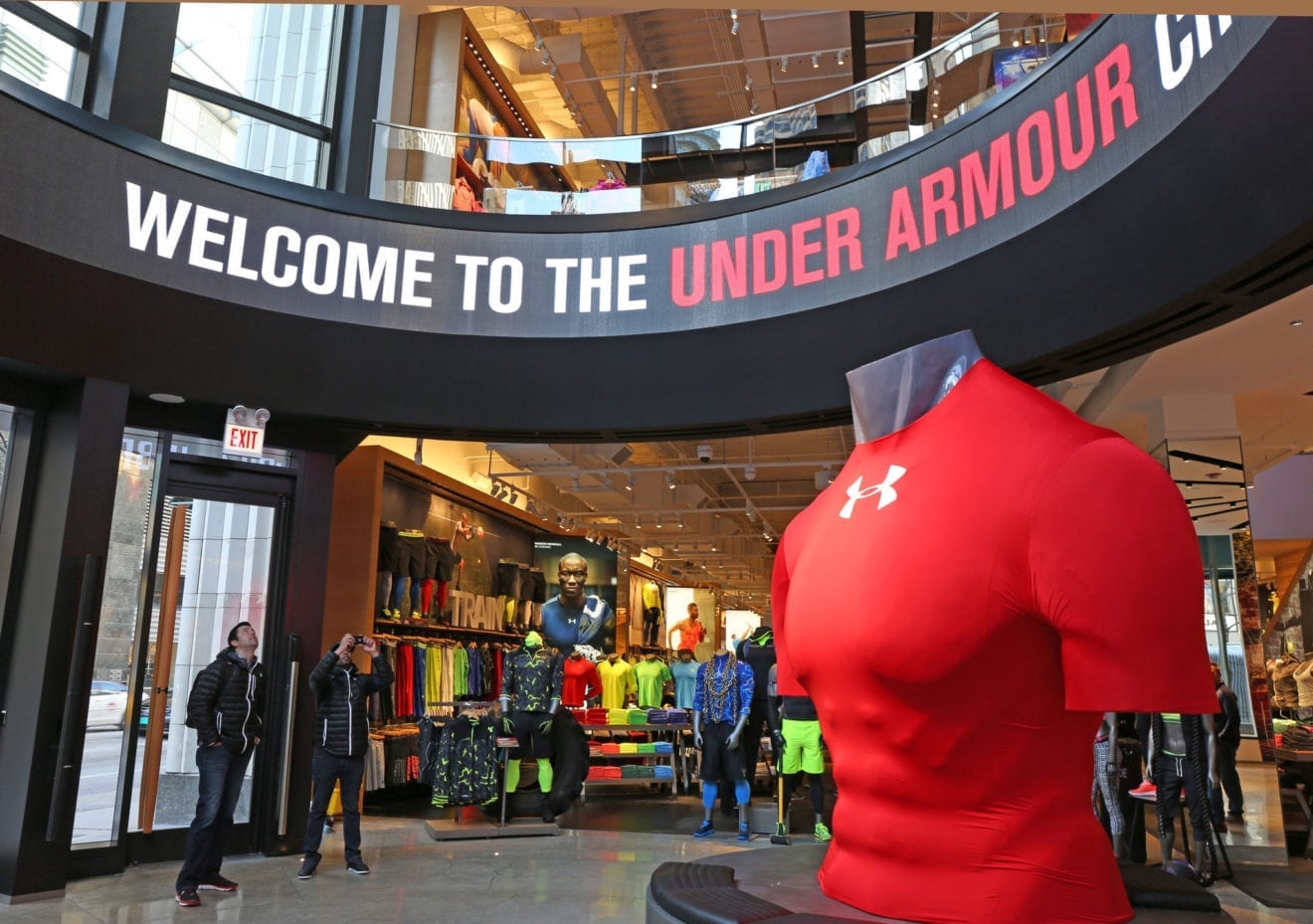
  • Why did Under Armour stock rise by 27% ?

    Why did Under Armour stock rise by 27% ?

    The sportswear maker, in the midst of a convincing turnaround this year, blew away Wall Street estimates in third quarter earnings reported this week and injected a dose of optimism into the stock market. Under Armour shares were up an overwhelming 27.82 percent.

    The broader index seesawed for much of the day but a late afternoon rally lifted it to a gain of 1.55 percent.

    While few companies this quarter have been rewarded for good financial results, Under Armour scored the trifecta: It beat estimates on earnings and revenues, and it raised forward guidance on profits by nearly 20 percent.

    Akamai Technologies also soared today on strong earnings.

    The online content delivery company beat earnings estimates by more than 10 percent and revenues by more than 1 percent on the strength of demand from video-gamers and cyber-security customers.

    The stock was up 16.92 percent.

    Tech services provider Cognizant Technology, on the other hand, saw its stock fall 3.9 percent — the biggest decline on the index — after it lowered fourth quarter guidance because of weak demand from bank customers.

    The broader technology sector rallied strongly with Twitter (4.54 percent), Facebook (2.91 percent) and Alphabet Inc. (1.58 percent) posting gains while Amazon.com (-0.55 percent) and Adobe Systems Inc. (-0.56 percent) had small losses.

    Chipmaker NVIDIA Corp. continued to play the tech sector pinball. Down 6.39 percent then up 9.36 percent.

    Telecom giant Comcast continued to draft off its strong earnings report last week and what appears to be a shift in the market to more defensive stocks with dependable outlooks.

    The stock gained 4.78 percent and is up more than 10 percent since it reported earnings last week.

  • Japan’s retail sales lift for 11th consecutive month

    Japan’s retail sales lift for 11th consecutive month

    Japanese retail sales continued to grow in September with the archipelago nation recording its 11th consecutive month of revenue growth in retail. For the four weeks to September 30, retail sales increased 2.1% on the same period last year, according to data by the Japanese trade ministry.

    However, the growth was slower compared to August’s 2.7% expansion in the prior month, signalling a potential slow down in retail spend ahead of the busy Holiday period.

    Last month’s gains were led by rising gasoline prices and high sales of machine tools, as well as food and beverage purchases and clothing.

    In September, car sales slipped and online retailers suffered a decline, said the report.

    On a month-on-month basis, retail sales fell 0.2% in September from the previous month, following August’s 0.9% increase.

    The dropped was the first in four months, adding to fears that consumer spending fell yet again in the third quarter.

    Meanwhile, Japan’s annual core consumer inflation gained 1% in September, the fastest in seven months. However, the inflation was boosted mostly by higher oil prices.

    The retail growth follows a survey from Criteo that states Japanese consumers lead the world in mobile transactions, with customers shopping more while commuting.

    In the latest survey, mobile devices accounted for 55% of all EC transactions, up 4 points on the year. Transactions through smartphones increased 9%, and tablets 3%, but purchases by PC were down 9%.

  • Phase Eight opens store in MOKO Hong Kong

    Phase Eight opens store in MOKO Hong Kong

    Phase Eight, the British womenswear brand, in partnership with Rue Madame Fashion Group (RMFG), opens a new store on 21st October. It is in Hong Kong’s premium lifestyle hub, MOKO where the brand decided to establish its 8th store.

    To extend the core principle of Phase Eight, the store offers design-lead personal shopping experiences to customers with professional tips.

    A private yet cosy lounge allows customers to shop in relax and comfortable environment.

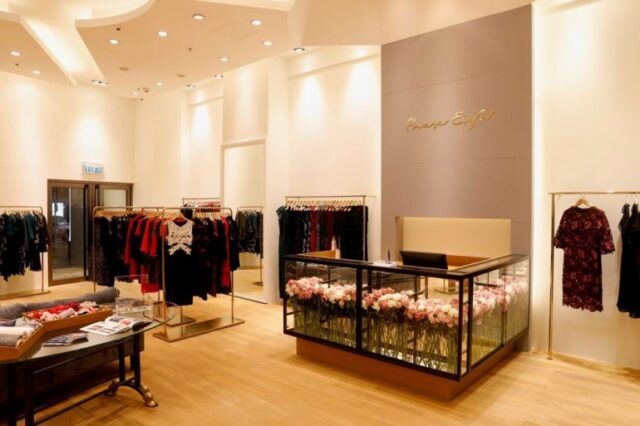
    Spread over 1533 square feet, the new store featured a brand new retail concept in MOKO, offering a modern and minimal aesthetic, to create an inviting and relaxing shopping space.