Tag: Fashion

  • V-Mart India appoints new Independent Director

    V-Mart India appoints new Independent Director

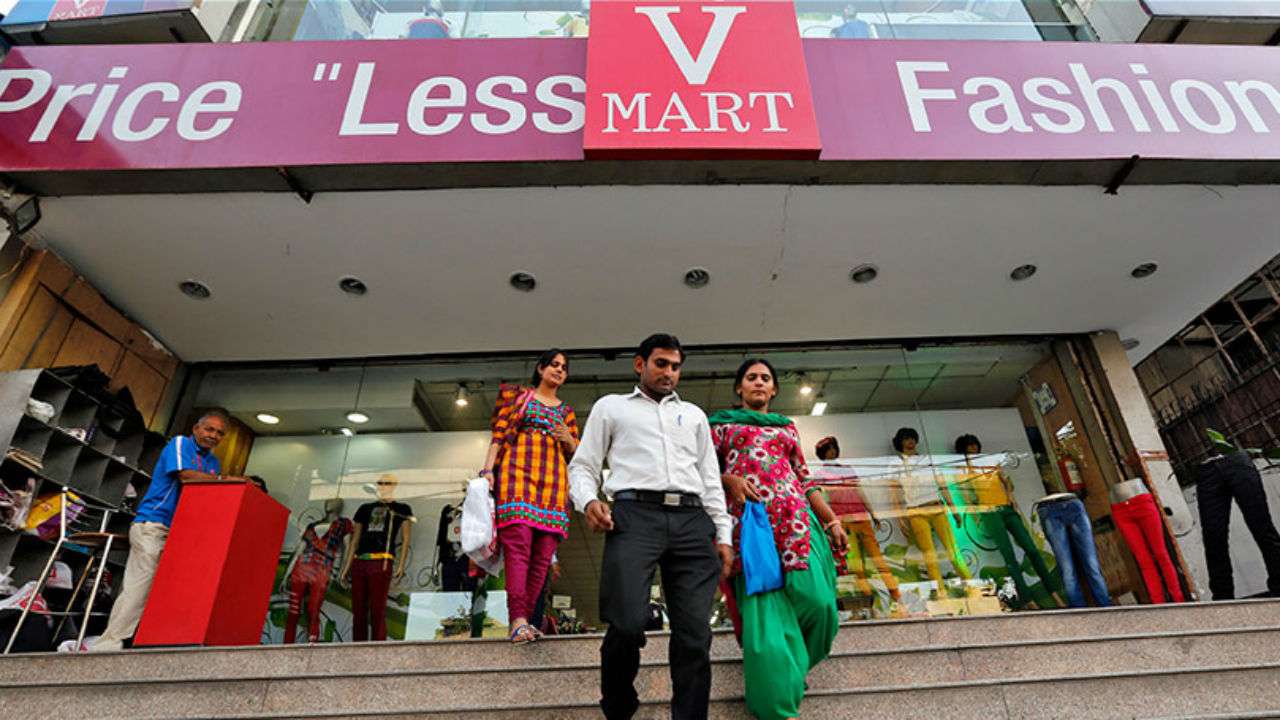
    V-Mart, the world’s best performing department store chain, has announced the appointment of Govind Shrikhande as an Independent Director of the company, effective Nov 2, 2018. Shrikhande possesses rich cross-functional experience in the textiles, apparel and retail industry. In his last professional role, he was the Managing Director of Shoppers Stop, where he started his stint in 2001 as the Vice President of Buying & Merchandising function, growing to the role of Chief Operating Officer role before being elevated as the MD.

    Prior to Shoppers Stop, he was associated with Mafatlal and Johnson & Johnson. He has the unique distinction of being part of the team that launched Arvind Denim and Arrow. Shrikhande has also worked with Bombay Dyeing.

    With this appointment, V-Mart’s current Board constitution is as follows: Lalit Agarwal, Chairman & Managing Director; Madan Agarwal, Whole Time Director; Aakash Moondhra, Independent Director; Murli Ramachandran, Independent Director; Sonal Mattoo, Independent Director; and Govind Shrikhande, Independent Director.

    Welcoming Shrikhande to the board, Lalit Agarwal, Chairman and Managing Director said, “We are excited to welcome Govind on the Board of V-Mart. His extensive experience in managing large scale organizational transformation to drive customer centricity, and successful adoption of enabling technology and processes will be a great asset to the value retailing ethos of the company.”

    “V-Mart has a strong brand as a value retailer, impressive connect with its customer base in Tier II and III towns, and is well-positioned to establish leadership in the affordable fashion segment,” commented Govind Shrikhande. “I am honored to join the Board during a time of opportunity driven by dynamic shifts in the Indian retail landscape, with millions of families in Tier II, III and IV towns transitioning to a modern retail and Omnichannel experience.”

  • Why is Kering buying its shares back?

    Why is Kering buying its shares back?

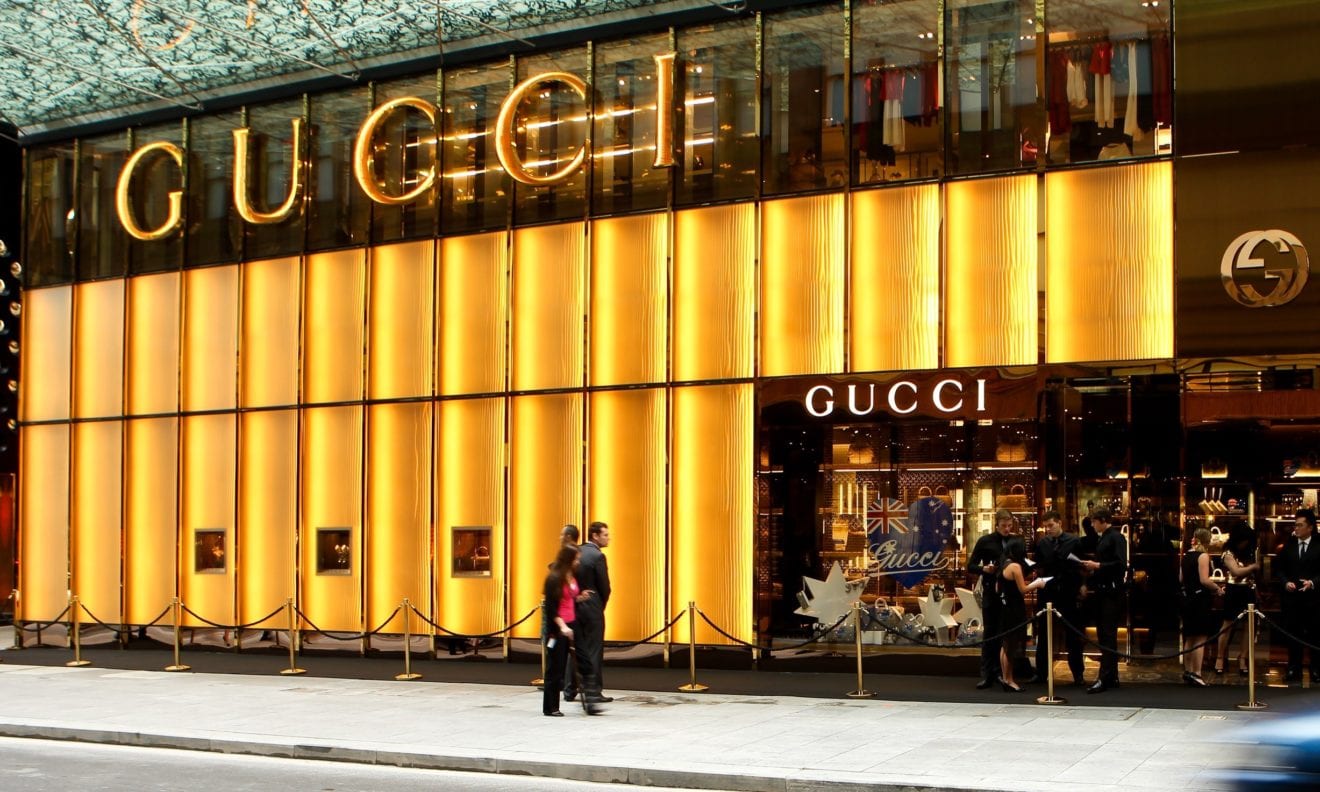
    Kering, which owns Gucci, Saint Laurent and Balenciaga, said it planned to buy back up to 1 percent of its share capital over a 12-month period. According to the luxury-goods group, the total amount of the share buyback agreement would not exceed €300 million (about $342 million) and the price would not exceed €480 per share.

    A stock buyback, also known as a share repurchase, occurs when a company buys back its shares from the marketplace. This means that by paying shareholders the market value per share, a company like Kering can reabsorb a portion of its ownership that was previously distributed among public and private investors.

    But what are the reasons for this?

    Each share represents a small stake in the ownership of the company. There can be several reasons for a share buyback, such as preserving stock price, but in Kering’s case, the move suggests that the company’s senior management is confident about the business and believes its shares are undervalued.

    Undervaluation can occur for multiple reasons. Kering’s management may believe the business is undervalued due to investors’ jittery sentiment around the China market and their ability to see potential in the company’s long term performance.

    Shares in Kering hit a record high of around €522 in June, but dipped in the past three months over worries that white-hot megabrand Gucci was running out of steam.

    The stock rose again in late October after the group reported a better-than-expected rise in third-quarter revenue.

    Sales growth for the conglomerate had been expected to slow from 31.5 percent a quarter earlier to the 22.5 percent rise forecast in a poll of analysts by Inquiry Financial.

    But Gucci sales proved stronger than expected.

    Buying back shares is also a common way for companies sitting on big cash piles to do something about it, and the ideal time is usually after a drop in the stock price.

    It wasn’t Kering’s stocks alone that fell earlier this month.

    Shares in European luxury-goods companies including French rival LVMH sunk, with analysts citing concerns over a consumer slowdown in China, its single biggest market.

    Part of this is due to a crackdown by customs officials, which limits the amount individual Chinese travellers can bring back from abroad.

    “In the most recent weeks, Kering has suffered more than its fair share of pain on the back of the luxury sector downward adjustment following concerns on Chinese consumer confidence,” said Luca Solca, head of luxury goods at BNP Exane Paribas.

    “This has come as investors wanting to reduce exposure to the sector have chosen to lock in gains in stocks that had performed the most, like Kering.”

    Since Chinese consumers account for 32 percent of the worldwide total of luxury sales and about one third of them shop overseas, this is a worry for brands.

    In addition, there is the continued issue of daigou (grey market shopping agents) and the fact that China’s economy is growing at its slowest pace since the financial crisis.

    Gucci president and chief executive Marco Bizzarri acknowledged these challenges.

    “I control what I can control,” he said.

    “Currency fluctuations, traffic flows, daigou duties. It is something we cannot control as a company, so as a CEO I need to control what I can. I hope that Chinese customers are now going to spend more in China, so we’ll do our best to increase their shopping experience here.”

    Jean-Marc Duplaix, Kering’s financial director, said during Kering’s third-quarter earnings call, which came after luxury stocks fell, that the company was seeing an improvement in the retention of Chinese millennial customers and demand had not dipped.

    “In terms of spending power, the situation is still quite sound in China,” he said. “All the events especially in China we had in September or in October, we saw quite good figures. I think that underlying trends are still very, very, very solid.”

    Earlier this year, Bizzarri said that Gucci’s eventual target is to achieve €10 billion ($11.6 billion) in annual revenue.

    “We don’t expect short-term growth issues at Gucci, and anticipate more positive surprises on operating leverage,” said Solca.

  • Forever 21 revamps Mall of India store with an international twist

    Forever 21 revamps Mall of India store with an international twist

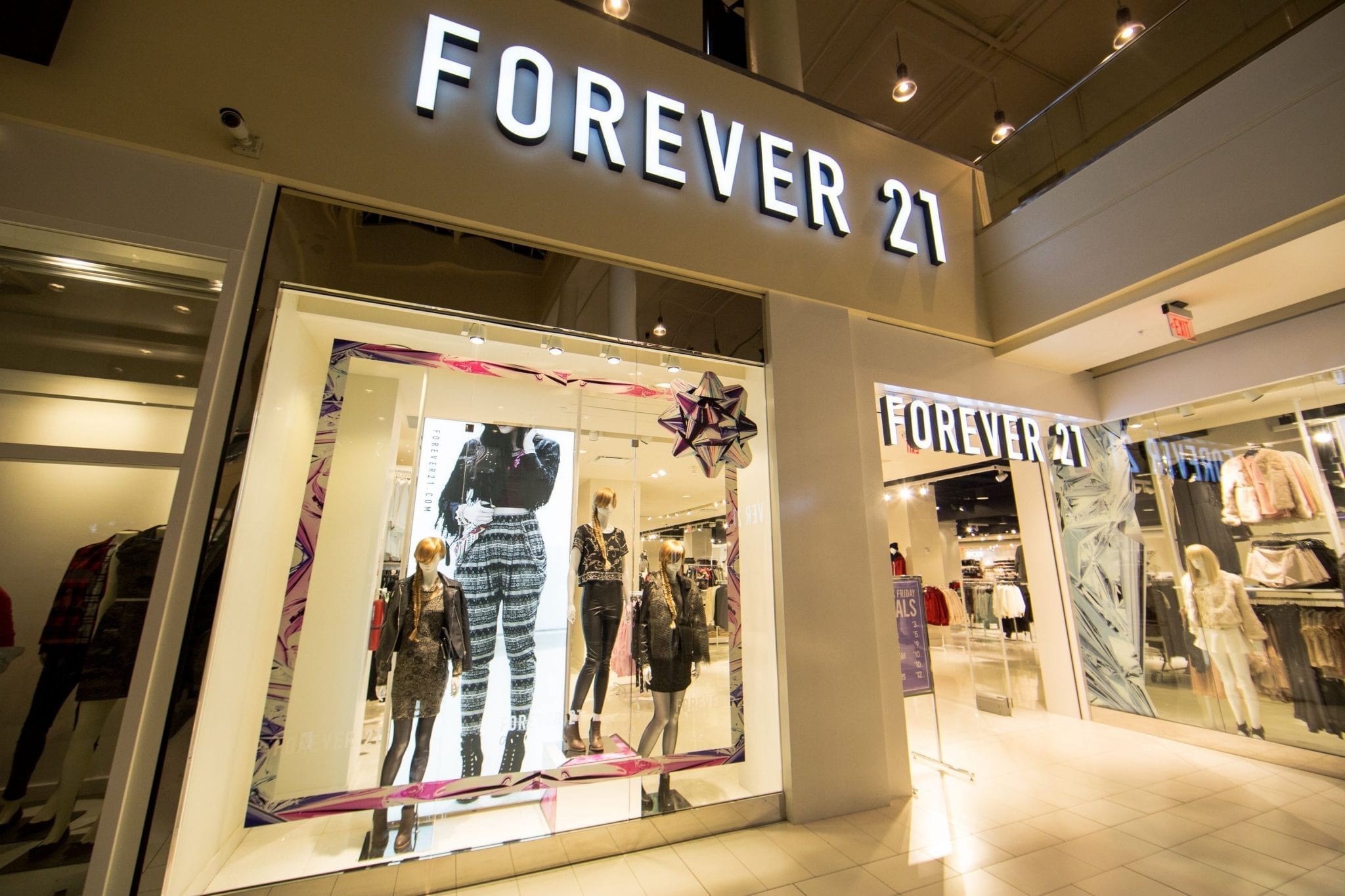
    Forever 21, the most loved international fast fashion destination from Los Angeles, California, and part of Aditya Birla Fashion and Retail Ltd. will be re-opening the store at Mall Of India on November 2, 2018. The refreshing new look gives the shoppers an unforgettable experience bringing classic, international designs with fresh and chic merchandise which effortlessly reflects the brand’s promise of an fulfilling shopping experience.

    The revamped store is best identified as ultra-modern, which houses fresh styles straight off the streets and fashion districts of LA.

    Customers can get their hands on the latest global, contemporary and chic designs loved by all under one roof. The new collection comprises of trendy party wear outfits, laid-back street wear styles, sophisticated contemporary outfits and edgy athleisure wear. They can step up their style quotient with a wide range of international footwear designs, which include – boots, slip-ons, sandals and much more.

  • Balmain’s comeback into the couture calendar

    Balmain’s comeback into the couture calendar

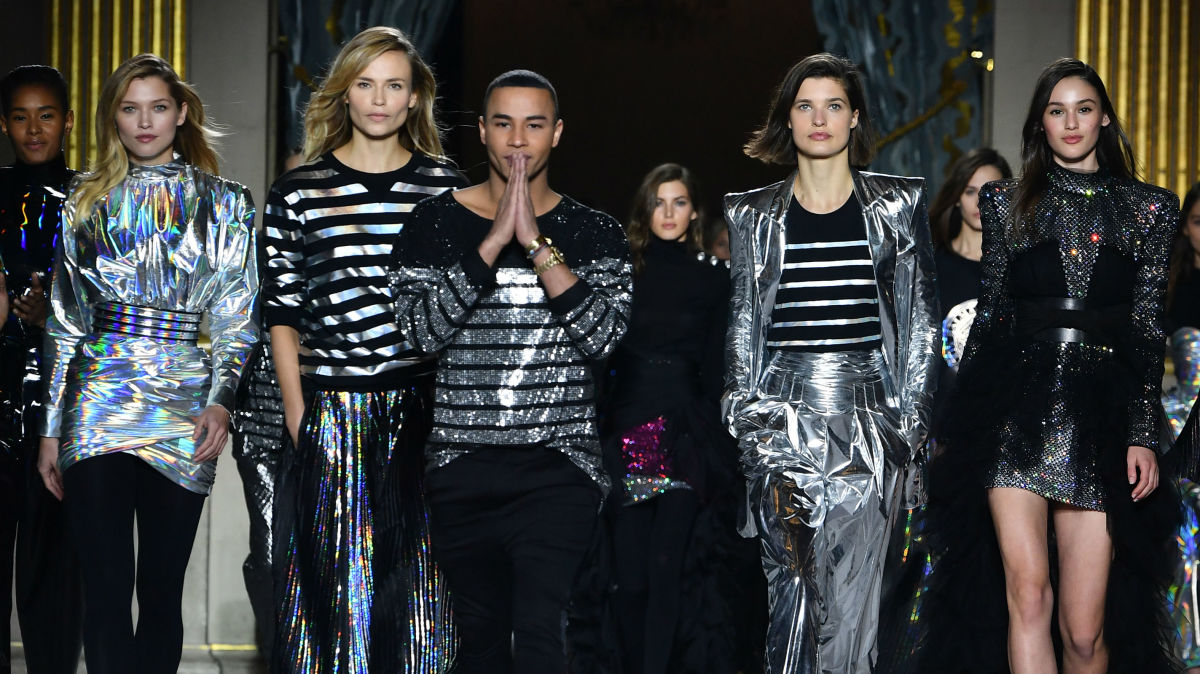
    Balmain is returning to the couture calendar for the first time in 16 years. Leading the charge is Olivier Rousteing, who has been at the creative helm of the house since 2011 and is widely credited with boosting the brand’s profile through his Balmain Army – an inner circle of internationally famous poster girls, including Kim Kardashian West and a handful of Victoria’s Secret models.

    Speaking at WWD’s Retail & Apparel CEO Summit, the French designer said that he is “looking to bring back the Parisian DNA” by reviving the couture division.

    The January haute couture shows will premiere his inaugural Balmain output as a couturier, but, he revealed, he has his sights set on accessories, fragrance and cosmetics too.

    Indeed, the Balmain expansion plan is firmly underway.

    In May 2017, Rousteing partnered with L’Oréal Paris on a collection of Balmain lipsticks that he had designed himself.

    He said the collaboration was rooted in three things: “First, the savoir faire, which means couture to me. Second, diversity, because this is a topic that is really important to me. And third, modernity.”

    As with his Victoria’s Secret collaboration the same year, and his H&M collaboration in 2015, Rousteing welcomed the chance to make his creations available to a wider audience through lower price points.

    “A lot of people love Balmain but can’t afford it, and with the lipstick they can get into the Balmain universe in an affordable way,” he said.

    “I create a world that is expensive because with Balmain it’s luxury, but if you think of my ideas and ideologies it’s more than a price on the clothes,” he explained.

    Though couture does not support the affordable aspect of the business model, it will certainly expand Balmain’s world and, crucially, underline all of Rousteing’s efforts with real craftsmanship and integrity.

  • Richemont to buy Buccellati from Chinese owner

    Richemont to buy Buccellati from Chinese owner

    Richemont group is in talks to buy Italian jewellery brand Buccellati from its new Chinese owner, according to reports from the Italian press this week. The italian press has reported the Milanese brand was being negotiated for sale with Richemont.

    The deal had apparently hit problems due to restrictions from the Chinese government regarding investments from overseas.

    Qatari investment vehicle Mayhoola was also interested.

    Bank of America Merrill Lynch was reportedly working on the sale.

    China’s Gansu Gangtai acquired Buccellati from its previous owners Clessidra in 2017, for a reported 270 million euros ($313 million), including debt.

    The news follows reports earlier in the year that Gansu Gantai planned to invest some 200 million euros to develop Buccellati.

    Richemont, which owns Cartier, among other jewellery and watch brands, was previously in talks with former Buccellati owner Clessidra, in 2016 to purchase the high-end jewellery brand.

    Both Richemont and Gansu Gangtai declined commentary on the matter.

    Founded in 1919 by the Buccellati family, the Italian jeweller was sold in 2013 to Italian investment fund Clessidra.

    In August 2017, Chinese group Gansu Gangtai Holding acquired an 85% stake.

    It has opened six stores in China alone this year, with a Beijing flagship store slated to open this month.

    Buccellati currently operates 49 namesake retail outlets between stores, retail corners and shops-in-shop, and is also distributed via 150 multi-brand retailers.

  • Vogue Magazine makes debut in Hong Kong

    Vogue Magazine makes debut in Hong Kong

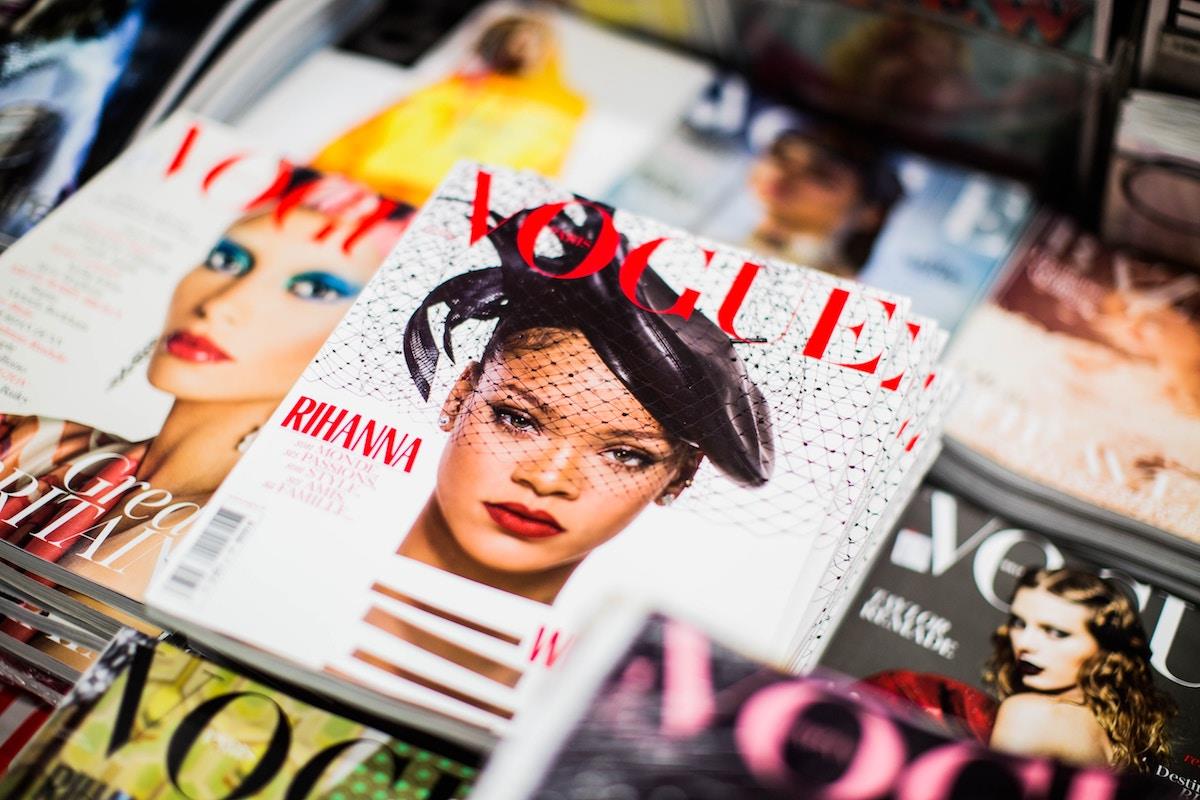
    International lifestyle magazine publisher Condé Nast has confirmed it’s entry into the Hong Kong market. It will launch a local edition of fashion bible Vogue, which is set to debut in spring 2019. Vogue Hong Kong will be the 26th edition of the glossy publication and will be published under a licensing agreement with Rubicon Media.

    Desiree Au has been appointed publisher of Vogue Hong Kong, whose fashion and lifestyle content will be distributed in print, online and on social media.

    The print edition of the magazine will be published in traditional Chinese, while its website will be bilingual (Chinese and English).

    This is not Condé Nast International’s first foray into Southeast Asia.

    In 2013 the company launched Vogue Thailand in partnership with Serendipity Media and, unbeknown to many, also started a Singapore edition of Vogue in 1994 before shutting down the title in January 1997.

    Hong Kong is a relatively mature market, especially when it comes to women’s fashion publishing.

    Just this year, Harper’s Bazaar Hong Kong celebrated its 30th anniversary (Elle Hong Kong reached that milestone in 2017 and Cosmopolitan Hong Kong in 2014), while Marie Claire has been around since 1990.

    This makes Vogue a latecomer to the city’s fashion and lifestyle publishing industry, but Markus Grindel, managing director of brand licensing at Condé Nast International in London, says that Hong Kong is big enough to sustain its own edition of Vogue, not only because of the size of its advertising and luxury business but most importantly because it has a highly educated demographic interested in reading a magazine such as Vogue.

    “Hong Kong has a very rich culture, and with Art Basel and a long history in fashion, it combines to create a very sophisticated reader,” he says. “That for us is the measurement that says that a market is ready for us.”

    In the past three years, Condé Nast International has entered emerging markets such as the Middle East, where it launched Vogue Arabia in 2016, and Eastern Europe, where it debuted Vogue Poland and Vogue Czech Republic and Slovakia earlier this year, all under licence.

    While Condé Nast International is ramping up its expansion plans around the world, Condé Nast in the United States has been grappling with significant challenges in recent years, shuttering print titles such as Gourmet in 2009 and, early this year, Teen Vogue (Teen Vogue still exists online); making repeated rounds of lay-offs; putting magazines such as W and Brides up for sale; and reducing the frequency of key publications such as GQArchitectural Digest and Condé Nast Traveler. The latter will merge next year with Condé Nast Traveller, the UK version.

    This last development is the beginning of a global consolidation plan for the company, which until now has operated as two separate entities, one based in New York and the other in London, operating all the international titles.

    Grindel says that there’s bound to be some sharing of content between Vogue Hong Kong and its sister editions around the world, such as Vogue China, but he also emphasises the individual nature of each edition of Vogue.

    As for whether Condé Nast will expand further in the region – Singapore is said to be in the publisher’s sights – Grindel says the company likes to take a wait-and-see approach to new launches, especially when it comes to Vogue, its flagship title.

    Neither Condé Nast nor Au was able to elaborate on editorial appointments, which suggests that key positions have yet to be filled. While Au is said to have approached candidates from international publications in countries such as China, one name that has been bandied about for the coveted role of editor in chief is that of veteran journalist Peter Wong, formerly of Hong Kong Economic Journal and most recently the founder and editor of Magazine P.

    Meanwhile, Condé Nast has been acting to stay up to date with the growing roel taken by social media influencers.

    Condé Nast Italia has debuted the Social Talent Agency, a new agency focused on developing influencers.

    To start, the agency has enlisted 27 Italian and international influencers who span fashion, modeling, beauty, sport, travel and automotive.

    Some members previously participated in the Condé Nast Social Academy, a partnership between L’Oreal Italia’s luxury division and supported by Milan’s SDA Bocconi School of Management.

    Riccardo Pozzoli, serial entrepreneur and co-founder of TheBlondeSalad, is a Condé Nast Social Academy coach and will serve as the creative director of the newly formed agency.
  • Coach & Kate Spade power Tapestry sales

    Coach & Kate Spade power Tapestry sales

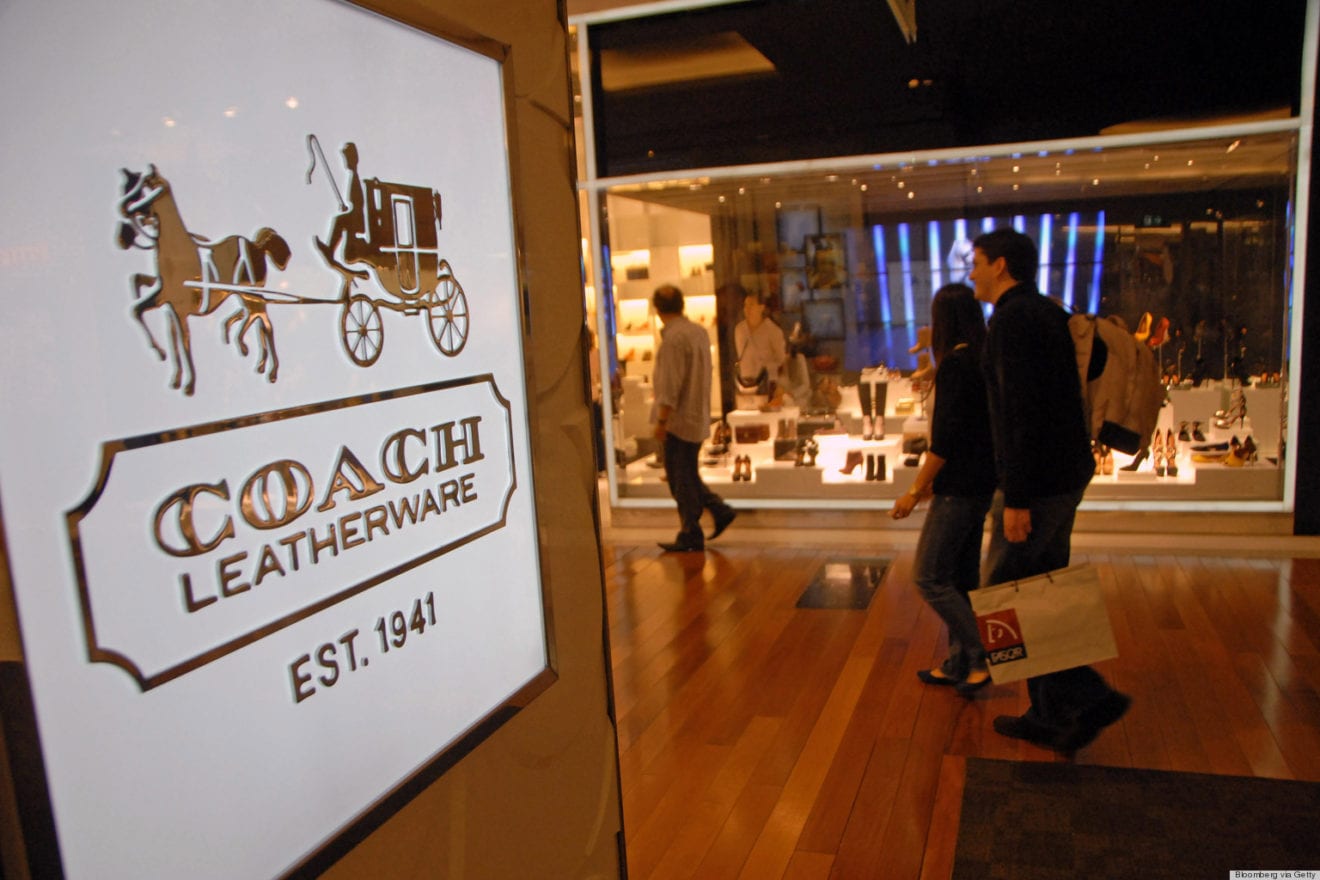
    One year into its major push to become an American luxury conglomerate, things appear to be moving in the right direction at Tapestry, which recently posted first-quarter results that topped expectations across the board. The firm — parent of Coach, Kate Spade and Stuart Weitzman — said its Q1 sales advanced 7 percent to $1.38 billion, driven mostly by the flagship Coach brand but also helped by Kate Spade, which it acquired in 2017.

    “Results were driven by continued growth at Coach, where global comparable store sales rose 4 percent, led by outperformance in digital, and reflected our compelling offering across categories and channels,” said Tapestry CEO Victor Luis. “Kate Spade contributed to our overall performance, as we made continued progress on our integration efforts, including the realization of synergies and the execution of strategic initiatives.”

    Trends at Stuart Weitzman, improved from the prior quarter, according to Luis, but results continued to be negatively impacted by development and delivery delays, which pressured sales and margins.

    “Production levels and shipments have now stabilized, reflecting the investment in talent and processes, as well as added manufacturing capacity. As a result, we remain on track to achieve profitable sales growth in the holiday quarter,” Luis added.

    Overall, the company reversed the prior year’s losses, posting profits of $122 million, or 42 cents per diluted share. Adjusted profits were $142 million, or 48 cents per share, topping analysts’ bets for 45 cents per share.

    By brand, net sales at Coach rose 4 percent to $961 million, Kate Spade’s sales surged 21 percent to $325 million, and Stuart Weitzman fell 1 percent to $95 million.

    “Our first-quarter performance and progress on our strategic priorities to date give us confidence in our ability to achieve the goals we’ve set out for fiscal 2019,” said Luis.

    “We continue to expect to deliver strong revenue and operating income growth, while making investments to support our long-term vision and drive a return to both double-digit operating income and earnings-per-share growth in fiscal 2020.”

    To that end, the firm lifted its profit outlook for the fiscal year and now projects earnings per diluted share in the range of $2.75 to $2.80, compared with the previous range of $2.70 to $2.80. It continues to expect revenues to increase at a mid-single-digit rate to $6.1 billion to $6.2 billion.


  • Korea’s Cafe24 launched in Japan

    Korea’s Cafe24 launched in Japan

    South Korean e-commerce platform Cafe24 has launched in Japan. The new Japanese service offers local businesses solutions to use online stores, payment gateways, logistics networks and marketing tools to reach global customers. Japanese businesses are able to use the service to build multilingual online stores and offer international and Japanese payment gateway services.

    The Japanese e-commerce market is currently the world’s fourth largest, growing in value at more than ¥1 trillion per year.

    Cafe24’s CEO Lee Jae-suk said: “Our expansion into Japan’s e-commerce market marks an important milestone and adds momentum to our growth as a global company … We will continue to rigorously sophisticate the Japanese platform in accordance with local situations to successfully set roots in Japan’s e-commerce market.”

    Cafe24 has indicated plans to expand into English-speaking countries and Southeast Asia, following Japan.

  • Karl Lagerfeld x Mood by Christofle

    Karl Lagerfeld x Mood by Christofle

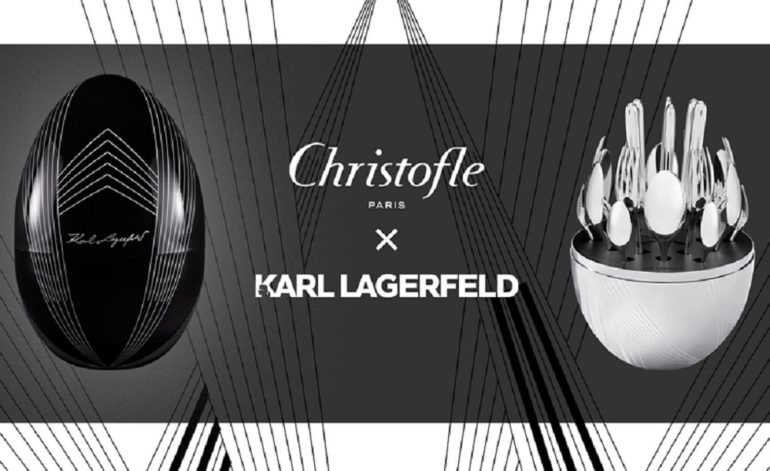
    Karl Lagerfeld has collaborated with Christofle, the luxury Parisian silversmith, on an exclusive edition of the “MOOD” flatware set and decorative case. Taking inspiration from the Art Deco movement, Karl — himself a long-time connoisseur of Christofle — designed a striking, symmetrical pattern of graphic lines to appear on the elliptical egg shape.

    There are two versions that have been created: one in polished silver and one in black, lacquered stainless steel. The sleek MOOD opens to reveal a 24-piece silver-plated cutlery set.

    Each piece is stamped with a subtle linear print, the Christofle hallmark and the iconic Karl Lagerfeld silhouette logo.

    The Mood is Christofle’s most renowned design that reimages the classic codes of table setting; it reflects the brand’s vision for relaxed but refined entertaining.

    The partnership with Karl Lagerfeld marks the first time in Christofle’s 188-year history that it has worked with a fashion brand.

  • Parkson Retail Asia continues drowning

    Parkson Retail Asia continues drowning

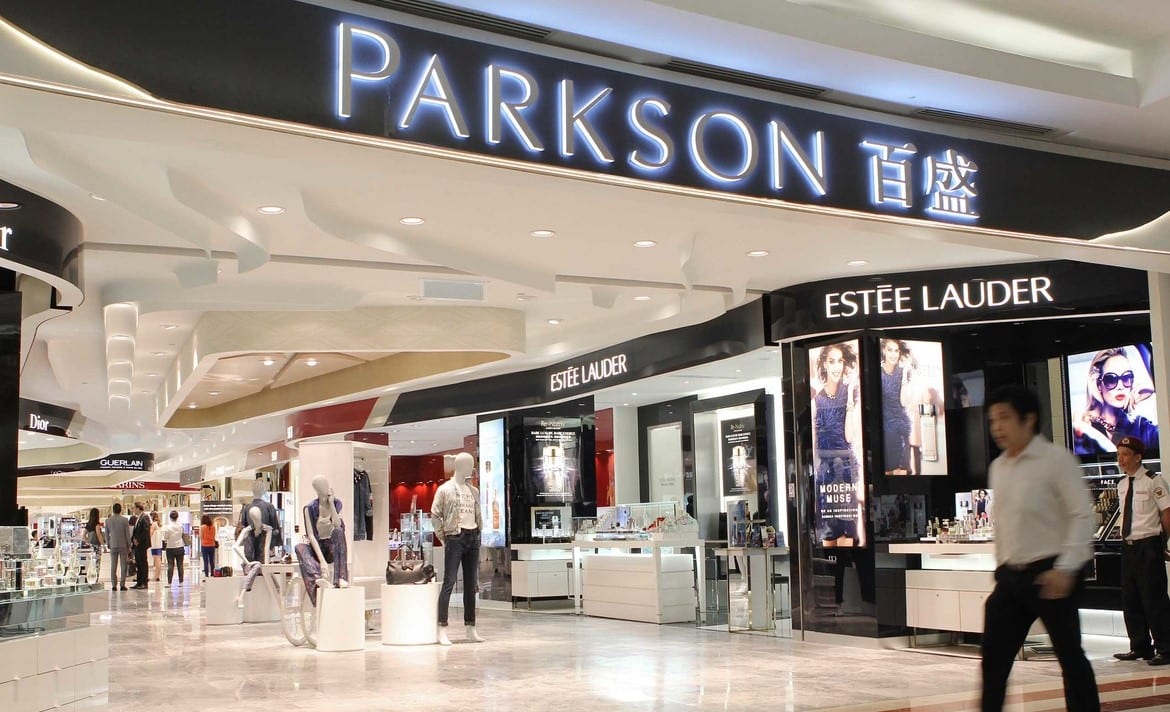
    Struggling department store operator Parkson Retail Asia has hinted it may close further stores as it posted yet another loss. For the first quarter of the new trading year, the Singapore headquartered company lost S$11.1 million, a slight improvement on the $12.9 million of a year ago.

    Last full trading year, the company lost $40.1 million for the full year.

    In a statement, the company said it would will continue to prioritise on enhancing product offerings “as well as on optimising both our operational efficiency and network of stores,” suggesting further exits, most likely in Vietnam where it has just five stores remaining from a peak of 10 and continues to lose money.

    Parkson credited the reduced loss on an improved performance of the Malaysian and Indonesian store networks, together with the effect of the closure of seven loss-making stores last financial year.

    Group sales rose 1.7 per cent to $92.6 million.

    On Friday the company announced the immediate resignation of its CFO Chia Cang Yang, with immediate effect. CEO Michael Remsen will oversee financial matters until a replacement is recruited.

  • Versus to merge into Versace Jeans line

    Versus to merge into Versace Jeans line

    It has only been a month since Versace announced it was to be sold to Michael Kors’ parent company Capri Holdings for a reported sum of 2.12 billion dollars. As an early indicator of change, and perhaps cost-saving measures under its new structuring, Versace is to integrate its Versus line into Versace Jeans.

    Versace Chief Executive Jonathan Akeroyd said “During the last few months we have studied how to simplify our business model with a view to focusing on the portfolio of our brands, continuing to ensure innovation and relevance in everything we do. We decided to integrate our two contemporary collections into one, merging Versus and Versace Jeans. This operation will allow us to further develop Versace Jeans’ proposals and, at the same time, not to lose the DNA and the codes that have made this iconic Versus “.

    The collection was notably absent from the catwalk and fashion week after it decamped to London to show its autumn winter 2018 collection.

    The Versace Jeans label is currently under license to Swinger International, also the licensing partner to brands including Genny and Cavalli Class.

    The unexpected move by Versace is indicative of the transformations and shakeups happening in luxury brand’s diffusion ranges.

    Earlier this week Blufin announced the launch of the new Be Blumarine label that will replace Blugirl; Missoni recently reported Margherita Missoni as the new creative director of its M Missoni diffusion line; Marc Jacobs famously shuttered his Marc by Marc Jacobs stores, integrating the label under a single brand umbrella.

    Donatella Versace will reportedly continue to lead the creative vision for the Versace brand.

    At the time of the acquisition it was reported she would become a shareholder of Capri Holdings, along with her brother and daughter.

  • Vietnam garment exports surge on US-China trade war

    Vietnam garment exports surge on US-China trade war

    Vietnam’s garment exports are set to rise by 14.8 percent this year to $35 billion, an industry official said on Friday. The expected growth is attributed to the fact that U.S. retailers diversify their product sourcing to keep costs under control amid an escalating trade dispute with China.

    The U.S. has already imposed tariffs on $250 billion worth of Chinese goods, and China has responded with retaliatory duties on $110 billion worth of U.S. goods.

    Garments, Vietnam’s second largest export-earner after smartphones, are not yet subject to U.S. tariffs, although some manufacturers have sought to move at least some production to the Southeast Asian country, anticipating potential penalties.

    “We are seeing more and more orders coming in, especially from the United States,” Vu Duc Giang, chairman of Vietnam Textile & Apparel Association, told Reuters.

    Garment exports to the U.S. rose 12 percent in the January-October period to $10.5 billion, while exports to China surged 40 percent to $1.1 billion, according to a government statement released on Thursday.

    Ngo Quang Thoa, chairman of Swimax International Joint Stock Co, a contractor which produces swimwear and underwear products for U.S. companies such as Target and Express, said he had received a large increase in orders from the U.S. since January.

    “This is because of the trade war between the U.S. and China,” said Thoa, who added that he expected to see his exports to the U.S. increase by up to 20 percent by the end of the year.

    “Some U.S. clients are already making strategic adjustments to their business plans to diversify their supplies, even though Trump hasn’t targeted Chinese garments in the tariff war yet,” he said.

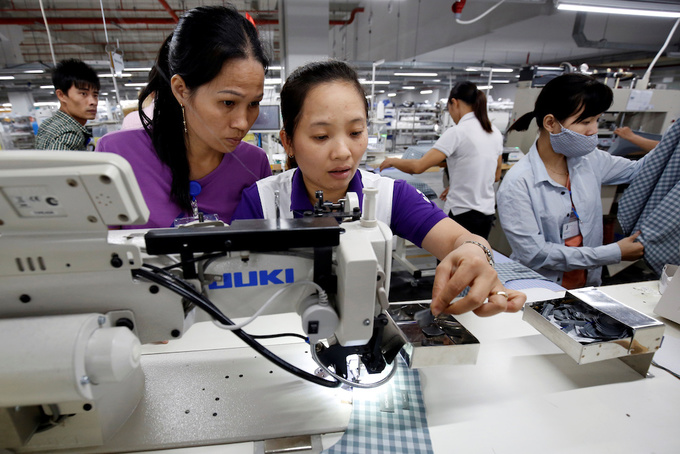
    Vietnam is home to over 6,000 textile and garment factories which employ around three million people, Thursday’s government statement said.

    Giang, chairman of Vietnam Textile & Apparel Association, told Reuters those figures were likely to grow, thanks to a plethora of Vietnamese free-trade agreements, and not just because of the U.S.-China trade spat.

    Vietnam has signed around a dozen free-trade agreements that will remove or reduce taxes on several imports and exports.

    Foreign investors poured in $2 billion in Vietnam’s garment and textile production in the first eight months of this year, Giang said.

    Most investors were from Japan, South Korea, Taiwan and China, he added.

    “They have been upping their investment in Vietnam for years,” said Giang.

  • Victoria’s Secret reveales collaborative capsule with Mary Katrantzou

    Victoria’s Secret reveales collaborative capsule with Mary Katrantzou

    Lingerie brand Victoria’s Secret has announced its newest designer collaboration: Victoria’s Secret x Mary Katrantzou. The collaboration marks the second time that Victoria’s Secret has partnered with a luxury brand to create an exclusive range.

    Katrantzou, a London-based fashion designer dubbed the “Queen of Prints”, has designed an exclusive collection for VS that blends a feminine design aesthetic with the brand’s signature sexy and glamorous style.

    Katrantzou commented: “Everything that Victoria’s Secret creates is about a woman feeling confident and empowered – and also having fun with what she is wearing. This collaboration is going to be bold, fun and playful.”

    Katrantzou has also designed a section for the 2018 Victoria’s Secret Fashion Show. The Victoria’s Secret x Mary Katrantzou capsule collection will feature looks from the runway and will be carried in select Victoria’s Secret stores and on VictoriasSecret.com this holiday season.

  • Tudor Watch starts selling in Japan

    Tudor Watch starts selling in Japan

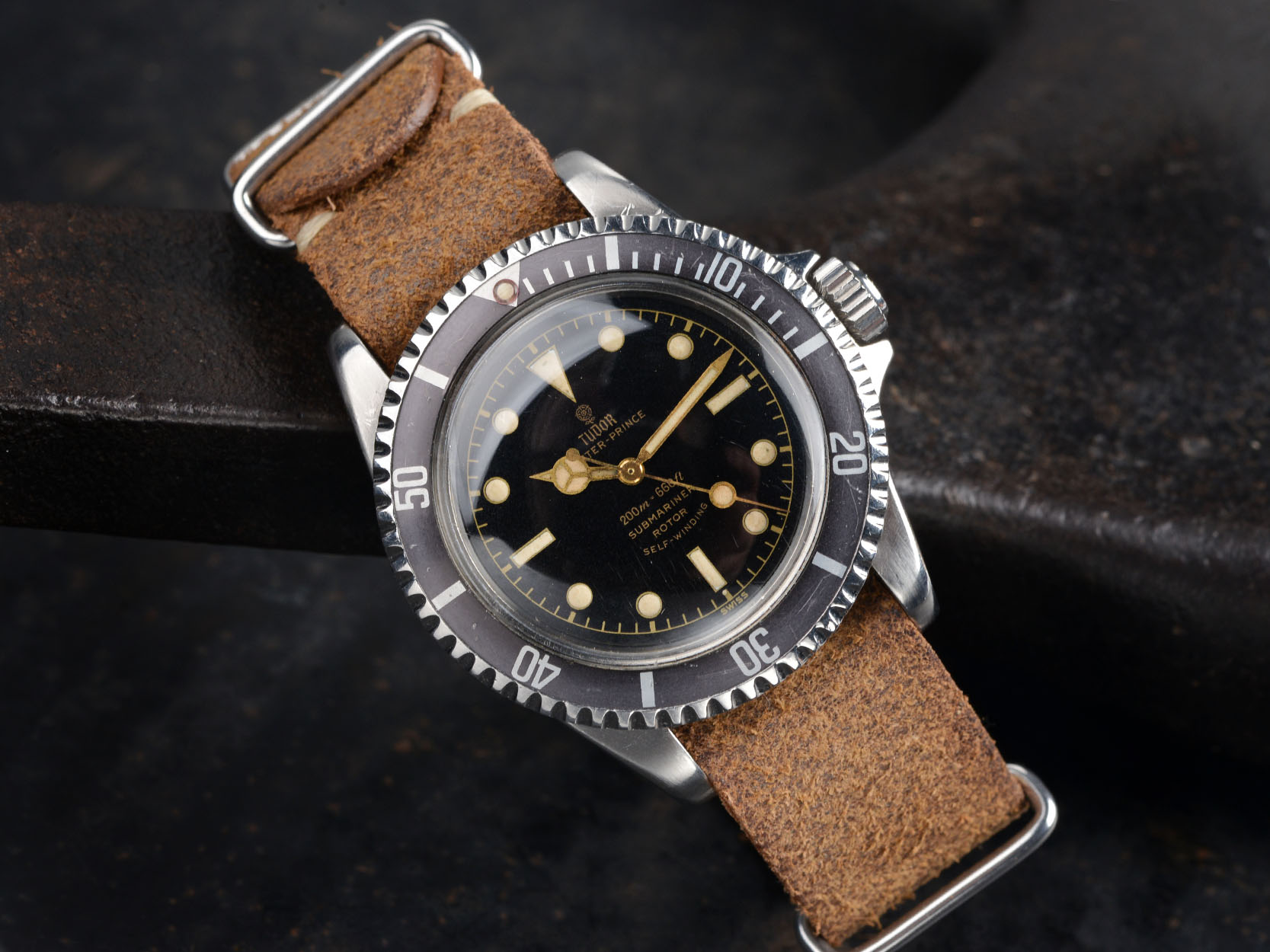
    Swiss watchmaker Tudor Watch has launched in Japan with a mix of permanent outlets and pop-up stores. The brand started trading on Wednesday in Tokyo and Osaka, and is poised to set up distribution in Nagoya and Sapporo via big-name local retail partners. It is currently riding a wave of popularity in the US and UK, where it has recently relaunched.

    Director of Montres Tudor S.A. Eric Pirson said: “The partners that Tudor selected for this launch are among the most high-profile and prestigious watch retailers in the country. They are offering Tudor a strong presence in their most prominent location. With this presence in the Japanese market, alongside our key openings in the US in 2013, the UK in 2014 and the Korean domestic market earlier this year, Tudor is now truly a global brand that is represented in close to 100 countries worldwide.”

    The launch is well-timed for Tudor’s Rugby World Cup sponsorship in Japan next year, which will serve to raise the brand’s profile in the burgeoning watch market.

  • Brioni opened second store in HK

    Brioni opened second store in HK

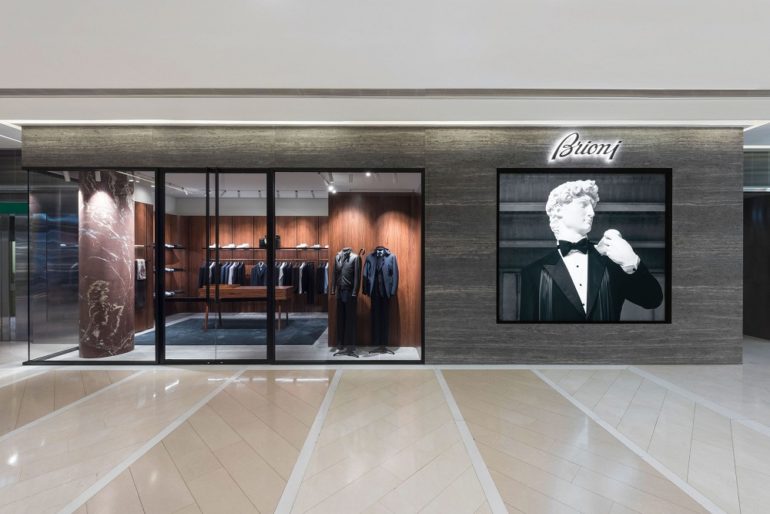
    The Italian brand announced the opening of its second store in Hong Kong. The store is located on level two of the IFC mall at the Central Waterfront. The store interior pays tribute to the brand’s city of origin, Rome, by using Travertine marble. A coloured Italian marble column decorates the store’s entrance and rosewood panels are a reference to a men’s private space.

    The store has dedicated areas for Brioni’s formalwear, leisurewear and accessories.

    To celebrate the opening, Brioni has opened a pop-up exhibition in the oval atrium at the mall. Featuring a 5.5m replica of Michelangelo’s David dressed in a tuxedo, the ‘Masterful Tailoring Meets a Masterpiece’ installation required almost 100 hours of work by a team of specialists led by the brand’s chief master tailor.

    Whilst the bespoke service is a cornerstone of the menswear company’s identity, it also sells ready-to-wear, leather goods, shoes, eyewear and fragrance.

    Brioni’s first store in Hong Kong is located at the Element shopping centre in Kowloon.