Retail News CRM

Tag: fast retailing

  • Fast Retailing Marks Historic Milestone: First Japanese Retailer To Hit 1 Trillion Yen In Domestic Sales

    Fast Retailing Marks Historic Milestone: First Japanese Retailer To Hit 1 Trillion Yen In Domestic Sales

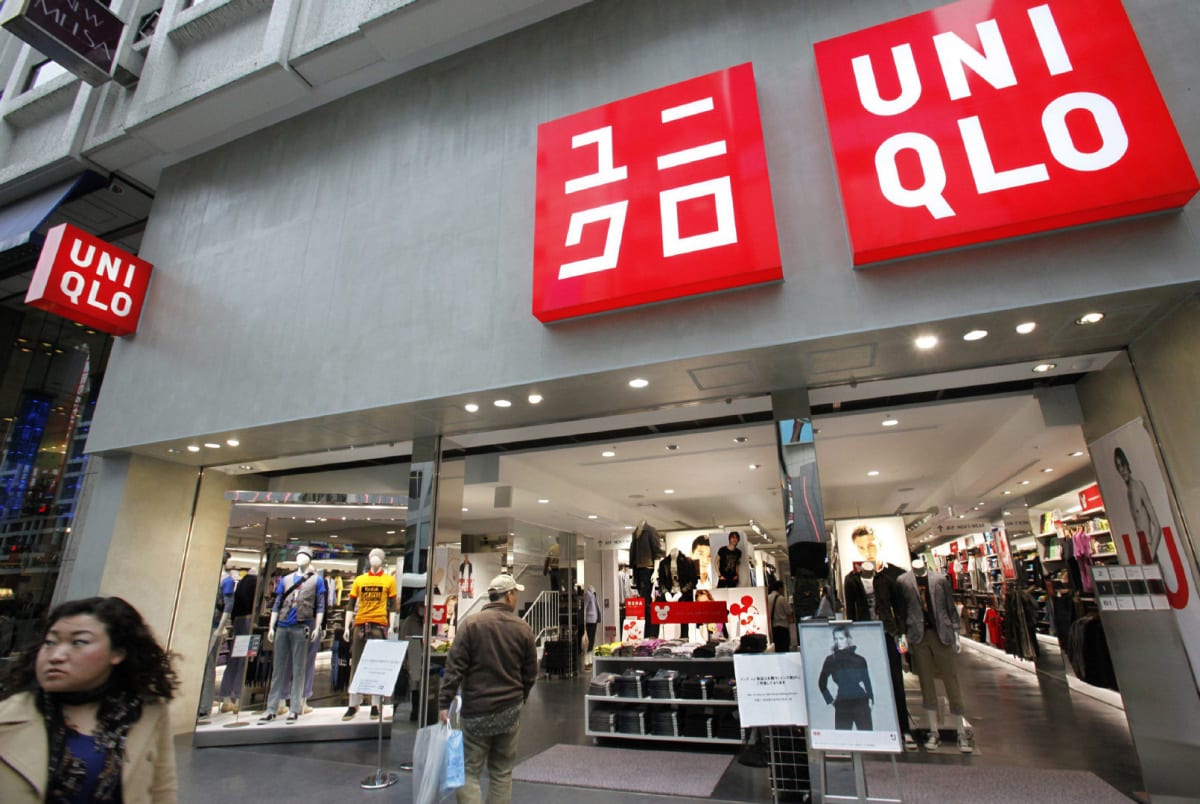
    Fast Retailing, the parent company of Uniqlo, has made history as the first Japanese clothing company to achieve domestic sales of 1 trillion yen. In the fiscal year ending in August, Uniqlo’s domestic sales increased by 10% to approximately 1.03 trillion yen, equivalent to $6.98 billion. By the end of August, Uniqlo had 784 stores in Japan, the first of which opened its doors in Hiroshima 41 years ago. These impressive domestic sales figures encompass revenue from physical stores, online sales from the brand’s e-commerce site, and 10 franchise locations.

    Fast Retailing’s sales have seen a marked uptick since the fiscal year of 2022, thanks to a series of store and product overhauls. Over the past five years, the company has shuttered 30 stores across Japan. At the same time, the average sales floor space per store has been expanded by 10%, allowing for a broader product display and stirring up customer demand. This strategy resulted in a 13% rise in average sales per store.

    Innovative Business Approach

    Among the company’s operational triumphs was the launch of the ‘Management Cockpit’ platform. This platform gathers product reviews from the online store and customer feedback from the support center. This data is then leveraged to enhance existing products, create new merchandise, and generate demand forecasts.

    The introduction of the platform has allowed Fast Retailing to swiftly manufacture in-demand products, consequently reducing the time from production to sale. Additionally, the platform helps to prevent an oversupply of items by cutting production of those with low demand.

    Future Projections

    Looking at the broader picture, Fast Retailing’s consolidated sales revenue is projected to grow by 10% to 3.4 trillion yen by fiscal year 2025. Net profit is also expected to rise by 10%, setting a new record at 410 billion yen.

    Currently, Fast Retailing holds the third position in the global apparel industry in terms of sales, trailing behind H&M in second place and Inditex, the parent company of Zara, in the top spot.

    Questions & Answers

    What sales milestone has Fast Retailing recently achieved?
    Fast Retailing has become the first clothing company in Japan to reach 1 trillion yen in domestic sales.

    What strategies has Fast Retailing used to boost their sales?
    Fast Retailing has increased the average sales floor space in their stores by 10% and introduced the ‘Management Cockpit’ platform to gather data and improve their product offering.

    What are Fast Retailing’s projections for future sales and profits?
    Fast Retailing anticipates its consolidated sales revenue will grow by 10% to 3.4 trillion yen in FY25, with a net profit increase of 10% to a record 410 billion yen.
  • Fast Retailing’s Uniqlo to add stores in North America

    Fast Retailing’s Uniqlo to add stores in North America

    According to one of its executives, fast Retailing’s Uniqlo plans to expand its existing stores in North America by 10 percent.

    Uniqlo is opening six stores — four in the US and two in Canada — this summer as part of its expansion plan to reach more than 200 locations in North America by 2027. The company hopes to open 20 to 30 stores each year as a part of the goal.

    The US stores, which will be located in malls in two California locations, Maryland and New Jersey, are in areas where the chain already has a presence.

    The two Canadian stores opening in Ottawa and Calgary — the first Uniqlo locations in those cities — each total 15,000 square feet (1,393.55 square meters).

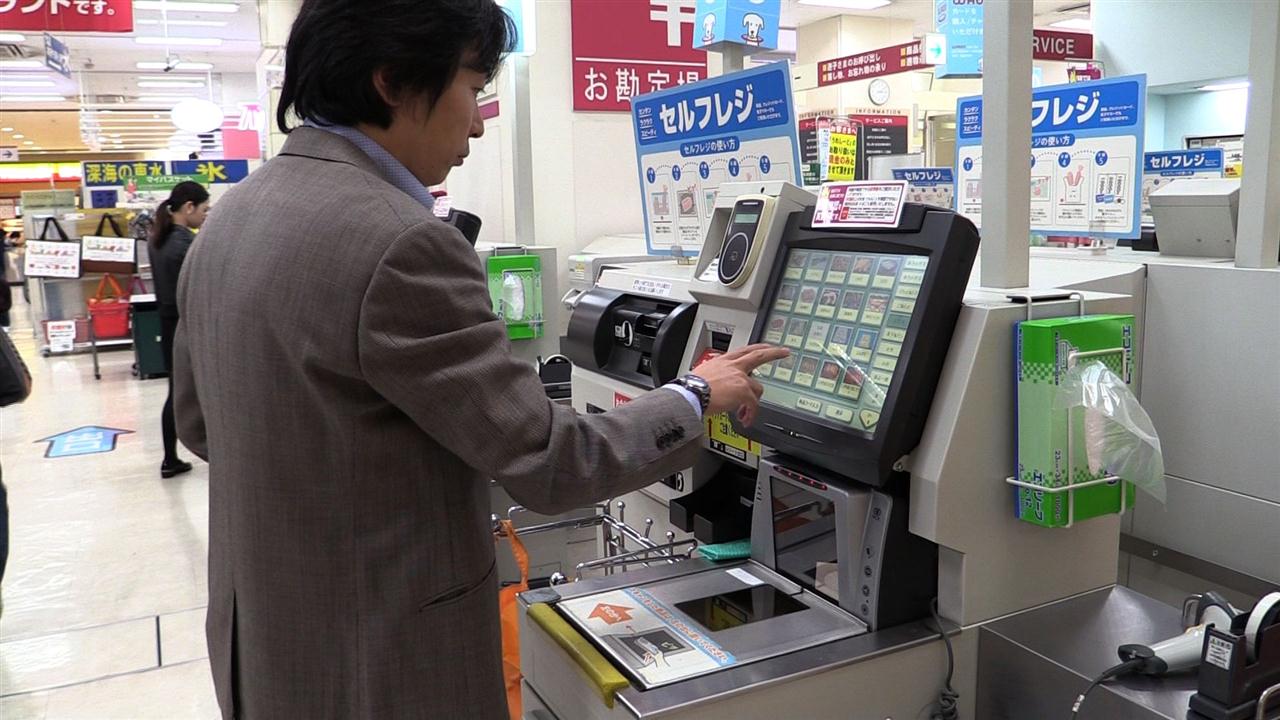
    Each of the new stores will be equipped with self-checkout kiosks, in-store pickup and free clothing alterations.

    Fast Retailing reported a 16.4 percent rise to US$1.65 billion in first-half operating profit earlier this month. The company also raised its full-year profit forecast to $2.7 billion from$2.63 billion.

    Daisuke Tsukagoshi, Uniqlo North America chief executive, said in an email to Reuters that the chain chose to launch the Ottawa and Calgary stores after seeing a “strong online presence” there.

    The Tokyo-based retailer currently has 47 stores in the US and 16 locations in Canada.

    “We’re looking to locations where we have already seen high customer demand, as well as new markets that we see opportunity in,” Tsukagoshi added.

    Tsukagoshi said that localizing product offerings in the US’s various regions has been “challenging” as shoppers deal with different climates and experiences.

    He said Uniqlo is in a “unique position” to open stores in the current economic environment as shoppers trade down and turn to accessible pricing for essential styles.

    Uniqlo has gained popularity in the US for its relatively low pricing including women’s t-shirts for $14.90 and men’s zip-up jackets for $39.90.

    According to its website, Uniqlo currently has 1,028 stores in Greater China and 79 in Europe.

    For comparison, Gap Inc boasts more than 2,100 stores, including Old Navy and the Gap brand, in the US alone. However, the company plans to close approximately 350 Gap and Banana Republic locations by the end of 2023.

    According to the retailer’s website, Sweden’s fast fashion giant H&M has more than 738 stores in North and South America as of February 2023.

  • Uniqlo clothes plans to produce from recycled materials by 2030

    Uniqlo clothes plans to produce from recycled materials by 2030

    Uniqlo owner Fast Retailing says its clothes will be made of 50% recycled materials by 2030 as it works toward its goal of carbon neutrality by 2050.

    The goal was announced on Thursday along with other sustainability targets and follows an announcement in February that Fast Retailing is shooting for carbon neutrality by 2050.

    Currently, about 15% of the polyester the apparel maker uses comes from recycled PET bottles. The company says it will start with synthetic fibers such as rayon and nylon as it begins to raise its garments’ recycled materials ratio.

    Fast also articulated its carbon emissions reduction plan toward 2030. In its own operations, the company intends to reduce these emissions by 90% from 2019 levels.

    Improving energy efficiency at its stores will be key as the stores account for the majority of the company’s total emissions. Fast aims to emit 40% less from its roadside stores and 20% less from its stores inside malls.

    It will accelerate its stores’ switch from electricity to renewable energy sources. Currently, 64 Uniqlo stores in nine European countries run on renewable energy. All stores in North America and some in Southeast Asia will follow suit and complete the switch by the end of this fiscal year ending next August, the company said.

    Fast also aims to encourage companies along its supply chain to reduce their emissions. Among its raw material providers and sewing factories, it is shooting for a 20% cut in emissions by 2030, based on 2019 levels.

    It will consider granting financial support to help factories invest in facilities.

    The fashion industry is widely considered the world’s second most polluting industry.

    Fast Retailing Director Koji Yanai told reporters that the company will reduce waste by improving the accuracy of its production volume forecasts and by reforming its logistics operations. It expects these steps to help it sell out of what it makes.

    The casual apparel maker will also collect more used clothes. Yanai said the company hopes to launch a collection service that utilizes the delivery personnel involved in bringing orders to customers’ doors. In Yanai’s vision, when a new jacket is delivered, the customer will be able to hand the driver an old jacket.

    Fast also plans to collaborate more with manufacturers in other industries, including carmakers and building material producers. It and material maker Toray will set up a research facility in 2022 that will specialize in the circulation of apparel and new material development.

    Other apparel brands are moving in the same direction. Patagonia, a U.S.-based maker of outdoor clothing, intends to make its garments with all recycled materials by 2025. Swedish fast-fashion giant Hennes & Mauritz has a 2030 goal for all of its clothing to be made of either recycled or sustainably sourced materials.

    Compared with other brands, Fast’s target is relatively lackluster. “We’re putting our customers first and presenting this as the maximum number our brand can commit to,” Yanai said. “We do not consider our target low.

    “From now on, people will evaluate what kind of responsibility each brand is trying to fulfill after selling clothes.”

  • Uniqlo owner Fast Retailing forecasts profit recovery as pandemic abates

    Uniqlo owner Fast Retailing forecasts profit recovery as pandemic abates

    Japan’s Fast Retailing expects continued recovery in sales and profits in the year to August 2022 as the pandemic abates, the owner of clothing brand Uniqlo said on Thursday.

    The company said it expects operating profit to climb 8.4% to 270 billion yen ($2.4 billion) in fiscal 2021-22.

    For the year ended in August, it reported 249 billion yen in operating profit, topping the 245.7 billion forecast in a Refinitiv poll of 13 analysts.

    “Vaccinations are being carried out all over the world to control the spread of the disease, and the economy is growing in earnest,” chief executive Tadashi Yanai told reporters.

    Fast Retailing expects the pandemic will still drag on results in the first half of the fiscal year but will then recover in the second half as shopping habits return to normal.

    The company said it expects some negative effects from production or logistic delays, problems that have plagued major clothiers and their global supply lines in recent months.

    In September, Fast Retailing said The company said in late September that its clothing releases will be delayed due to COVID-19 lockdowns at partner factories in Vietnam some clothing releases would be delayed due to pandemic-related lockdowns at partner factories in Vietnam.

    That followed crises in Myanmar and China that upset supply lines and created reputational challenges.

    Fast Retailing halted operations at some partner facilities in Myanmar as a military coup led to social unrest and lockdowns. In China, the company and other foreign brands faced a customer backlash over criticisms of alleged human rights abuses in Xinjiang province.

    Fast Retailing operates about 800 Uniqlo stores on the Chinese mainland, about the same number as in Japan.

    Yanai said the company carried out regular inspections of production sites and had built up a team to improve monitoring of how it gets raw materials for its clothes.

    “In the future, we will ensure a higher level of traceability of the materials we procure, including the farmers who produce the raw goods,” Yanai said.

  • Fast Retailing bullish about recovery as Asian expansion pays off

    Fast Retailing bullish about recovery as Asian expansion pays off

    Uniqlo father or mother Fast Retailing might have reported a 12-per-cent drop in gross sales in its full-year outcomes, however, that decline was far lower than predicted as not too long ago as July as a result of the Greater China and Japanese markets recovered at a sooner rate than anticipated.

    The firm reported full-year revenue of US$1.426 billion, down 42 percent, on gross sales of $19.185 billion worldwide.

    Same-store annual gross sales throughout Uniqlo shops declined by 6.8 percent in Japan, whereas fourth-quarter gross sales in Greater China have been up 20 percent yr on yr.

    In South Korea, the place the corporate has been impacted by a broad boycott of Japanese manufacturers by native customers for the final yr or so, gross sales fell sharply and Fast Retailing recorded a loss, regardless of closing its poorest-performing shops.

    Elsewhere, gross sales and revenue have been down throughout most of Southeast Asia and in Australia and India, however, Singapore, Malaysia, Thailand, and Australia recovered favorably within the fourth quarter. Losses have been reported in each North America and Europe.

    Sales by the GU model rose 3 percent for the yr, however working revenue was down by 22.5 percent.

    Looking ahead

    Given the quick recovery to this point for the reason that peak of the Covid-19 pandemic in Asia-Pacific, Fast Retailing is now projecting a 9.5-per-cent enhance in total income for the 2021 fiscal yr and revenue attributable to shareholders of $1.58 billion, which might characterize a rise of 82.6 percent on the yr simply ended.

    Revenue is predicted to say no within the first half as a result of persevering with the effect of Covid-19, “but we forecast large revenue and profit gains in the second half assuming the virus is brought under control,” the corporate stated in its outcomes announcement. “All business segments are forecast to generate full-year revenue and profit gains.”

    Quick revenue

    During the final monetary yr, Fast Retailing has continued its expansion into new markets, opening the primary Uniqlo in Milan in September final yr, the primary in New Delhi a month later, and making its Vietnam debut in Ho Chi Minh City in December.

    “While all those markets were impacted by Covid-19, Uniqlo Italy managed to post a full-year profit, and the Vietnam operation, which was only launched in December, turned a profit in the second half.”

  • Uniqlo sales performs well globally, not in hometown

    Uniqlo sales performs well globally, not in hometown

    Fast Retailing Group has reported a decline in revenues for Uniqlo Japan against broader successes internationally in its first quarter. A sharp profit decline on sluggish sales of seasonal ranges during a warm winter in Japan has given rise to disappointing results in the Uniqlo brand’s home territory. Uniqlo Japan posted revenues of ¥246.1 billion (US$2.27 billion), a decrease of 4.3 per cent year on year, with first-quarter profit before taxes of ¥111 billion ($1.03 billion), down 5.7 per cent; and profit attributable to owners of the parent firm of ¥73.4 billion ($678.4 million), down 6.4 per cent. Online sales expanded favourably in the market, however, showing an increase of 30.9 per cent.

    Uniqlo International saw an operating profit far exceeding that of Uniqlo Japan, with revenues at ¥291.3 billion (2.69 billion) up 12.8 per cent. Uniqlo Greater China and Uniqlo South Korea both reported higher sales and profits despite the dampening effect of the warm winter. Uniqlo Southeast Asia & Oceania continued to report significant revenue and profit gains.

    The report said Fast Retailing’s consolidated business estimates for the financial year ending August 31 remain unchanged from the initial forecasts released last October, predicting an 8 per cent expansion in revenue and 14.3 per cent increase in operating profits.

  • Order now, deliver later by GU fashion

    Order now, deliver later by GU fashion

    A brand-new store opened last week in Tokyo’s Harajuku fashion district but it has a twist: shoppers are meant to walk away empty-handed. The GU Style Studio store, opened by Asia’s largest clothier and Uniqlo operator Fast Retailing Co., is for customers to try apparel and place orders online for later delivery.

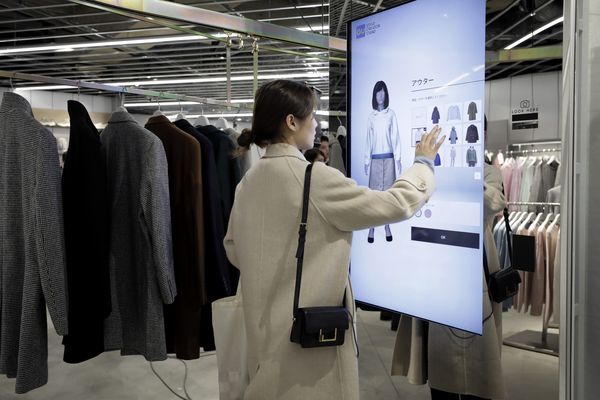
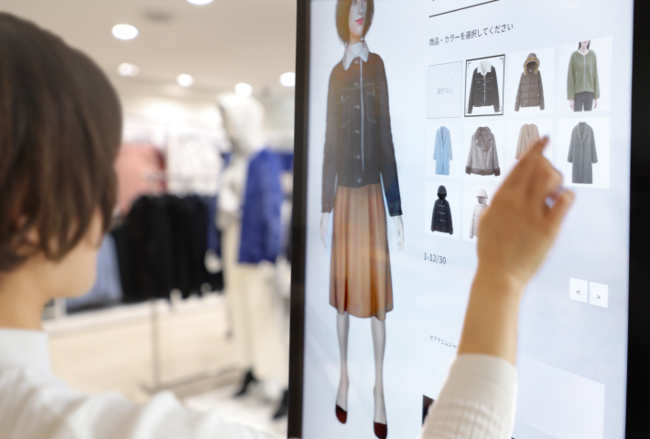
    They can also try out extra services, such as playing with clothing combinations on a virtual mannequin and creating a digital avatar.

    Although the notion of showcase shopping has been around for a while, and remains somewhat popular in Europe, such stores have usually been reserved for electronics, household items and knick-knacks.

    Seldom has the idea been ported over to the clothing sector. But, as the rise of e-commercethreatens to upend the global retail industry, apparel makers are experimenting with new ways of selling clothes.

    “Among large specialty chain retailers, Fast Retailing has one of the most developed digital strategies,” said Dairo Murata, an analyst at JP Morgan Securities. “They are doing it all in-house, and it allows them to be more competitive.”

    The line separating online and offline storefronts is becoming blurrier as e-commerce moves into physical locations and brick-and-mortar retailers shift online.

    That’s resulted in new shopping experiences such as Amazon’s Prime Wardrobe, which sends boxes of clothing to customers to try on, letting them send back what they don’t like.

    GU isn’t the first to open a try-on store; Inditex SA’s Zara also temporarily opened a look-and-buy outlet in Tokyo’s Roppongi district this year.

    GU has steadily grown into a key pillar of Fast Retailing’s business, accounting for about 10 percent of revenue in the latest fiscal year. It has almost 400 stores across Asia, mainly in Japan, Taiwan and mainland China, and is known for being more affordable and more fashion forward than its bigger sibling, Uniqlo.

    The GU brand has also historically been more experimental with technology, being the first in Fast Retailing’s portfolio to introduce RFID tags and self-checkout.

    In 2017, a futuristic digital store popped up in the city of Yokohama with screens on shopping carts recommending various clothing combinations as people walked through the store.

    JP Morgan’s Murata said GU’s new Harajuku outlet could be a template for rolling out smaller shops in cities that don’t have space to store inventory. He said it could be applied to Uniqlo as well. But Osamu Yunoki, GU’s chief executive officer, said the company hasn’t decided whether to adopt the concept for Fast Retailing’s other brands, or other conventional GU stores carrying inventory.

    Shoppers at the new GU store can scan QR codes attached to clothes to bring up purchase links on their phones, and are also encouraged to test clothing combinations on a virtual mannequin on a separate app. Cameras placed in the store capture can also be used to create a virtual avatar of shoppers, although the resemblance was unconvincing.

    The store is able to collect and use data on how customers are shopping, such as what items customers are scanning into their phone, which clothing they try on and whether they purchase it or not. That could serve an important function for Fast Retailing’s efforts to automate its entire supply chain.

    “That kind of data from customers can be connected immediately to product development and manufacturing plans,” Yunoki said.

    At the same time, he said, the company is trying to offer something new for shoppers.

    “We’re fusing the in-store experience and e-commerce to offer a fun and convenient experience,” Yunoki said. “Harajuku isn’t just for shopping, it’s also a place where fashion is created. We’d like to use our customer’s creations as a stimulus for developing new types of fashion.”

  • GU to Open Next-Generation Store “GU STYLE STUDIO”

    GU to Open Next-Generation Store “GU STYLE STUDIO”

    Japanese casualwear retailer GU will open a “next-generation” Style Studio in Harajuku this month, merging physical retail and advanced technologies. The studio will feature digital signage and a style creator app in the high-end retail district of Tokyo for the Fast Retailing-owned fashion brand.

    A spokesperson for the brand indicated the store will bridge online and in-store shopping and “will offer a new type of personalised fashion experience, enabling customers to discover outfits that perfectly match their individual style, using the innovative technology of the GU Style Creator Stand” and the accompanying app.

    Customers can check out the suitability of garments by having them digitally fitted on a personalised avatar of themselves based on a photo taken in the store. The avatar can be used as a basis to try and develop new styles.

    The store will open on November 30.

  • Japan’s retail sales lift for 11th consecutive month

    Japan’s retail sales lift for 11th consecutive month

    Japanese retail sales continued to grow in September with the archipelago nation recording its 11th consecutive month of revenue growth in retail. For the four weeks to September 30, retail sales increased 2.1% on the same period last year, according to data by the Japanese trade ministry.

    However, the growth was slower compared to August’s 2.7% expansion in the prior month, signalling a potential slow down in retail spend ahead of the busy Holiday period.

    Last month’s gains were led by rising gasoline prices and high sales of machine tools, as well as food and beverage purchases and clothing.

    In September, car sales slipped and online retailers suffered a decline, said the report.

    On a month-on-month basis, retail sales fell 0.2% in September from the previous month, following August’s 0.9% increase.

    The dropped was the first in four months, adding to fears that consumer spending fell yet again in the third quarter.

    Meanwhile, Japan’s annual core consumer inflation gained 1% in September, the fastest in seven months. However, the inflation was boosted mostly by higher oil prices.

    The retail growth follows a survey from Criteo that states Japanese consumers lead the world in mobile transactions, with customers shopping more while commuting.

    In the latest survey, mobile devices accounted for 55% of all EC transactions, up 4 points on the year. Transactions through smartphones increased 9%, and tablets 3%, but purchases by PC were down 9%.

  • Uniqlo acquires stake in Vietnamese brand

    Uniqlo acquires stake in Vietnamese brand

    Uniqlo’s parent, Fast Retailing, has acquired a 35 per cent stake in Hanoi-based women’s fashion brand Elise. Elise, which has more than 100 stores across the country, is said to have received tens of millions of dollars from the deal – a figure much higher than its entire charter capital.

    This is Fast Retailing’s first significant move into Vietnam since it announced it would launch its Uniqlo brand in Ho Chi Minh City next year.

    The store will be operated by a joint venture between Fast Retailing and Mitsubishi Corporation.

    Vietnam is one of the markets Uniqlo is counting on to double its store network in Southeast Asia and Oceania to around 400 by 2022.

    Uniqlo’s arrival in Vietnam will intensify competition for foreign brands as Zara and H&M who have already successfully launched there.

    According to German firm Statistics Portal, Vietnam’s fashion revenue will annually grow 22.5 per cent from 2017 to 2022, and its clothing sales will surge to an estimated US$245 million this year.

    Another fashion group from Japan, Stripe International, has reportedly bought NEM, a Vietnamese fashion brand which targets female office workers.

  • Fast Retailing profit soars, mainly Uniqlo

    Fast Retailing profit soars, mainly Uniqlo

    Uniqlo parent Fast Retailing has reported a record full-year profit, due to strong growth in Asia and lessening losses in the US. And the company says current year performance to date suggests even better results lie ahead. Fast Retailing profit rose 34 per cent to US$2.11 billion in the year to August.

    In July the company reported a solid third-quarter, again based on strong sales across Asian markets. Across the first nine months, sales outside Japan rose 28 per cent year on year and operating profit outside Japan soared 65 per cent, driven largely by Uniqlo Asia.

    Online sales were also strong as the Uniqlo brand expanded its reach to new markets.

  • Theory Expands Footprint in China with Tmall Debut |

    Theory Expands Footprint in China with Tmall Debut |

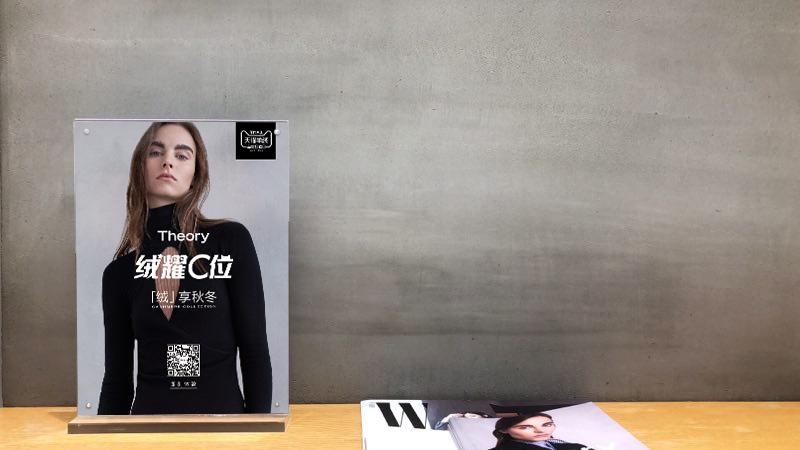
    New York-based clothing label, Theory, known for its minimalist, precisely tailored wardrobe essentials, has opened its first online store in China on Alibaba’s Tmall e-commerce platform and its dedicated site for high-end shoppers, Tmall Luxury Pavilion. The stores offer all items in Theory’s womenswear and menswear collections available in its brick-and-mortar stores, including its newest Good Wool and autumn-winter 2018 lines. Offline, the brand currently counts 33 stores across 17 cities in China, a number it expects to double in three years.

    “Tmall’s partnership with Theory is a milestone in our continued market leadership in China as the premier B2C platform for fashion. We will empower Theory through our unparalleled data-driven consumer insight and New Retail technology to serve and discover fashion consumers across China, as well as build lasting relationship with customers,” said Jessica Liu, president of Tmall Fashion and Luxury.

    As part of the partnership agreement, Theory and Tmall will work more closely to leverage consumer insights and offer personalized New Retail experiences, starting with providing the same bonus points, sales benefits and exclusive birthday perks to Theory’s hundreds of thousands of VIP loyalty club members, both online and offline, for a more-seamless shopping experience across all channels.

    Tmall also provided the brand with marketing support, such as promoting its popular merino wool and cashmere clothing on Tmall Cashmere Category Day, an online-to-offline, multi-brand marketing event that ran from Sept. 24 to 26. The category is specially highlighted because of growing popularity of cashmere goods among the 30-40 age group on the platform, with the most rapid sales growth coming from younger consumers under 30 years old, the e-commerce platform said.

    “We will continue to roll out similar campaigns with Theory. At the same time, the brand has already merged its online and offline membership system to ensure the most complete set of rewards and services for its customers across all its online and offline channels,” said Anita Lyu, vice president of Tmall Fashion.

    Owned by Japan’s apparel giant Fast Retailing, Theory has pioneered a new category in the market now known as contemporary fashion — garments and accessories with designer aesthetics and premium quality, but sold at more-affordable price points. Contemporary fashion labels include Massimo Dutti, Charles & Keith and H&M Group’s COS.

    Aside from Theory, Fast Retailing also owns fashion brands, including Austrian contemporary label Helmut Lang, Los Angeles-based demim brand, J Brand and French lingerie brand, Princesse tam.tam, as well as premium fashion brand Comptoir Des Cotonniers. Two of its brands, Uniqlo and GU, have already opened flagship stores on the Tmall platform.

  • Uniqlo to open in Vietnam next year

    Uniqlo to open in Vietnam next year

    Uniqlo Vietnam will launch next year.

    The Japanese fast-fashion brand says it will open its first store in Ho Chi Minh City in the second quarter of next year, with the exact location to be advised later.

    The Uniqlo Vietnam launch announcement follows successful debuts in the fast-growing market by archrivals H&M from Sweden and Spanish-headquartered Zara during the last two years.

    “Our entry into Vietnam is an exciting milestone for everyone at Uniqlo,” said Tadashi Yanai, chairman, president and CEO of Uniqlo’s parent Fast Retailing.

    “The Southeast Asia region has been an important driver of growth for us, and we are pleased and optimistic about our opportunity to be a part of such an exciting economy and retail market,” he said

    Uniqlo will begin recruiting local talent soon in preparation for the opening of its first store.

    Uniqlo Vietnam will be a joint venture 75 per cent owned by its Singapore subsidiary and 25 per cent by Mitsubishi Corporation, with no local shareholding.

    With the first Uniqlo Vietnam store located in Ho Chi Minh City, the company says it will focus on establishing its presence and brand awareness there before considering other cities.

  • G.U., Uniqlo’s sister brand, coming to Korea

    G.U., Uniqlo’s sister brand, coming to Korea

    Uniqlo’s sister brand G.U. is coming to Korea in September and will open its first store in the Lotte World Mall in Jamsil, Southern Seoul.

    Due to open on 14 Sept., the store will be 1,400 square meters (15,069 square feet) on the first basement floor. The brand’s parent company is Japan’s Fast Retailing, best known for Uniqlo.

    “Expanding overseas is one our most important tasks,” said G.U. CEO Osamu Yunoki in a press conference held on July 19 in central Seoul. “Korea has consumers that are highly sensitive to fashion, so our launch here was considered essential to fulfill that goal.”

    Korea is the fourth overseas location for G.U. It currently has 19 branches in China, Taiwan and Hong Kong, along with 374 in Japan.

    G.U. was established in 2006 and has grown rapidly to reach 199.1 billion yen (US$1.76 billion) in revenue this year. Its products are differentiated from Uniqlo by their lower prices and more diverse styles, which include preppy, feminine and business casual. Uniqlo emphasizes functionality and keeps its product designs basic.

    “In Japan, Uniqlo and G.U. stores are often located close to each other and sales figures have shown that the two stores proximity create a positive effect,” Yunoki said. Uniqlo is on the first floor of the mall.

    Yunoki said G.U.’s prices in Korea may be higher than in Japan considering additional costs like tax, but the plan is to maintain the similar price gap with Uniqlo as in Japan. In an interview with the Japanese media outlet Nikkei last month, Yunoki said the ideal pricing for G.U. was “half the prices offered by Uniqlo, or at least 30% cheaper.”

    Some of the products at G.U.’s Korea branch will be exclusive to Korea. The brand has research centers in London and Tokyo that analyzes fashion trends in different markets.

    “In line with the launch schedule, we did a study of Korean fashion based on interviews, postings on social media and fashion magazines, to come up with exclusive products like over-sized coats and skinny pants,” said Hirofumi Osako, G.U.’s regional head for Korea.

    “Our plan is to learn from consumers here and continue to apply what we learn to products we release here.”

    From August 24 to 26, a pop-up store will open in the Hongik University area to present G.U.’s fall and winter lineup. Local consumers can also see the designs beforehand through a mobile app that will launch August 1 and the official online shopping mall, which is due to open on 1 Sept..

  • Uniqlo Asia helps the parent’s sales power record quarter

    Uniqlo Asia helps the parent’s sales power record quarter

    Solid overseas growth helped Japanese apparel retailer Fast Retailing post a record quarterly profit.

    Uniqlo Asia sales proved the star of the business.

    For the three months to May, Fast Retailing’s operating profit was 68.4 billion yen (US$608 million), 37 per cent ahead of a year ago. Overseas sales exceeded domestic sales for the third consecutive quarter.

    For the first nine months trading, overseas sales rose 28 per cent year on year and overseas operating profit lept 65 per cent, driven largely by Asian sales of its largest retail brand, Uniqlo.

    In Japan, sales rose 8 per cent for the first nine months of the year, despite a static store count of just over 800. Online sales there rose 33 per cent and now account for 7.8 per cent of domestic sales.

    Fast Retailing’s relatively new value chain GU increased sales by 6 per cent in the nine months, but discounting saw operating profit fall by 20 per cent in the latest quarter.