Retail News CRM

Tag: fast retailing

  • Uniqlo Philippines global flagship launch is happening

    Uniqlo Philippines global flagship launch is happening

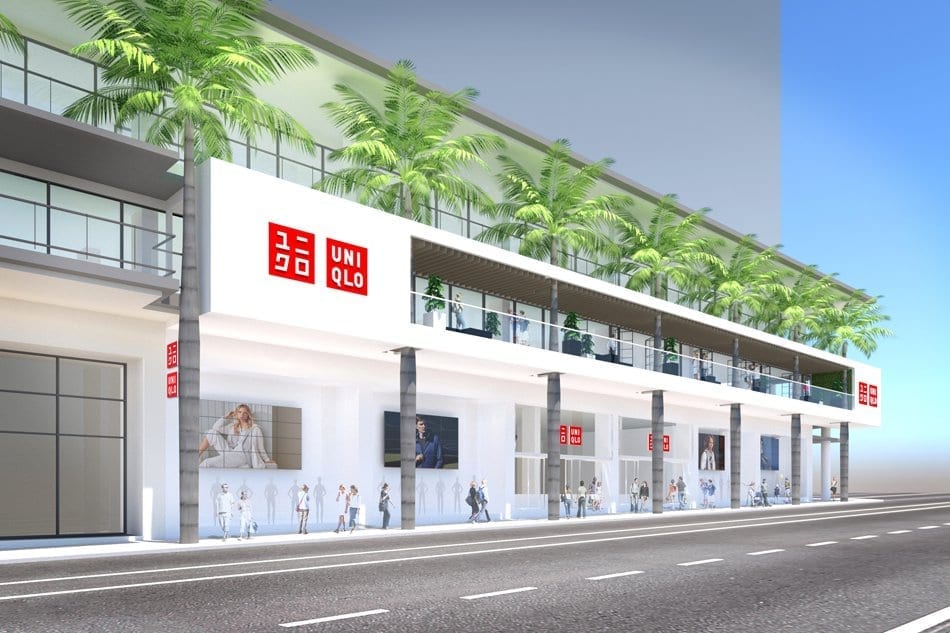
    Uniqlo Philippines has set the opening date for what will be the Japanese brand’s largest store in Southeast Asia.

    The new store will open on October 5 in Glorietta 5 at Makati City, in Metro Manila.

    Uniqlo says the store will have a sales area of 4000sqm and is designated a “global flagship”.

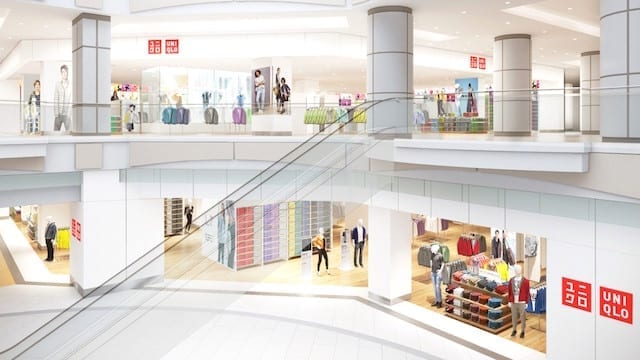
    “The new store will offer local and international customers a huge shopping area and a world-class immersive shopping experience featuring large visual displays and state-of-the-art design concepts,” Uniqlo said in a statement. “As with other global flagship stores, it will also showcase the full lineup of LifeWear for men, women, kids and babies.”

    Uniqlo has launched a nationwide campaign as a lead-up to the store’s launch, called ‘Our Future Is Here’. The fast-fashion retailer is inviting customers to nominate Filipinos who they believe are leaders in sports, film, music, culture, design, and other disciplines, influencing the nation’s future.

    “The great success of Uniqlo Philippines is thanks to our customers here. The Our Future Is Here campaign is an exciting opportunity to deepen our connection with the city of Manila through our global flagship store, to engage communities and celebrate the innovators who will shape its future,” said John Jay, president for global creative at Uniqlo’s parent, Fast Retailing.

    Denmark foray

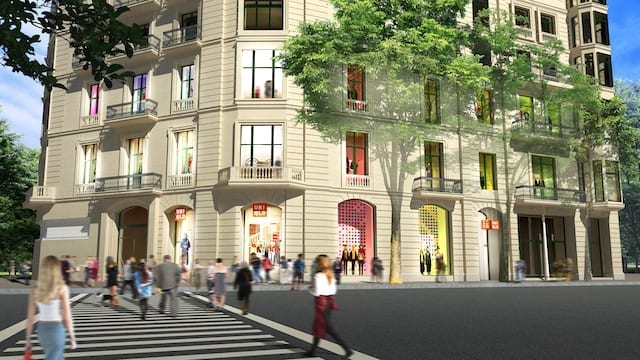
    Meanwhile, Uniqlo has announced plans to launch in Denmark, opening its first store in Copenhagen in the second quarter of next year.

    The 1400sqm store will be located on the Stroget, one of Europe’s longest pedestrian streets, in Louises Hus, a historical building dating back to the mid-1700s.

  • Fast Retailing’s Gu to enter South Korea

    Fast Retailing’s Gu to enter South Korea

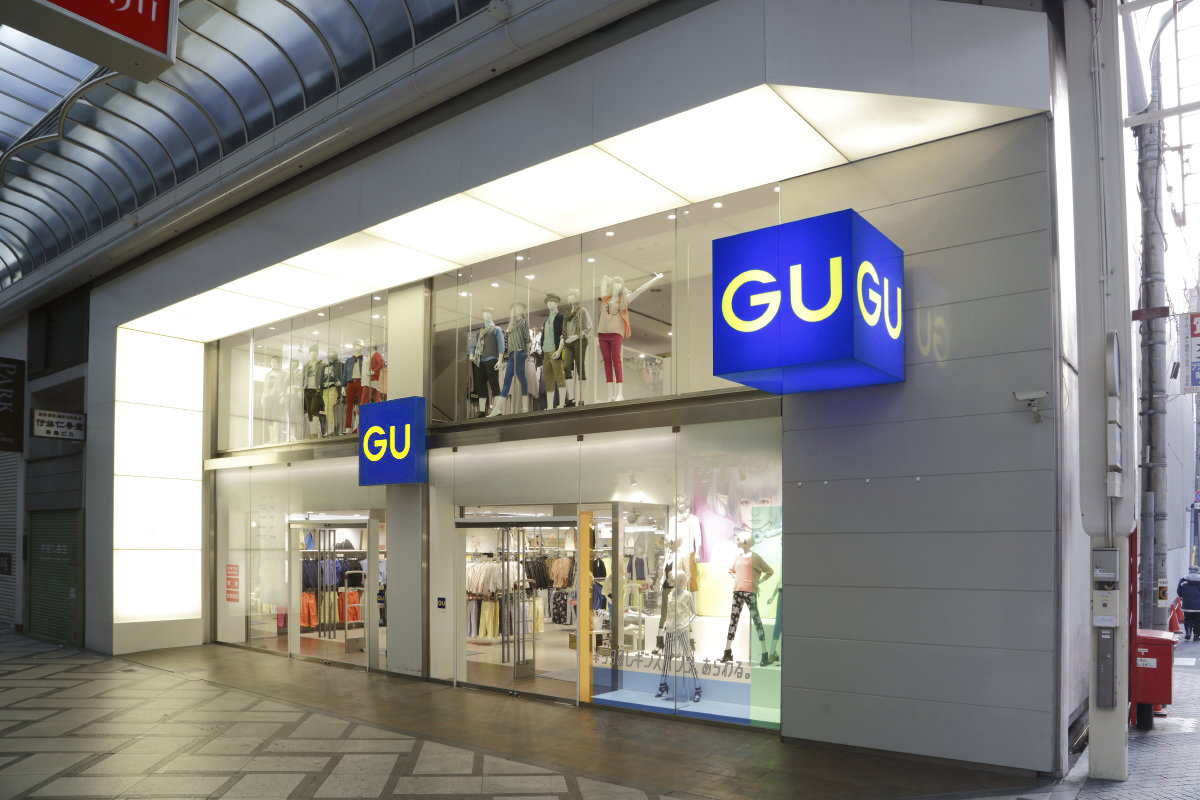
    Fast Retailing Group brand Gu plans to launch in South Korea this year with a store in Lotte World Mall in Jamsil, Seoul.

    With the brand message “Your freedom”, the Japanese clothing store will have a sales floor area of 1400sqm and offer items for women, men and children.

    “Launching in such a fashion-conscious country as Korea is a big step,” says Gu CEO Yunoki Osam.”

  • Fast Retailing to open first Uniqlo shop on Indonesia’s Sumatra Island

    Fast Retailing to open first Uniqlo shop on Indonesia’s Sumatra Island

    Japanese casualwear manufacturer Fast Retailing will open a Uniqlo shop on Sumatra Island, its first outlet outside Indonesia’s most populous main island of Java.

    The shop will open at the Sun Plaza shopping mall in Medan this week, in the northern part of the island. It covers about 2000sqm.

    Fast Retailing Indonesia president Michiaki Tanaka says the Sumatra opening will be followed by another outlet outside Java, in Makassar on Sulawesi Island, in May.

    Two more shops are planned for Jakarta and Yogyakarta before August, taking the number of outlets in the country to 18. Tanaka says brand recognition has been boosted through the store expansions.

    Uniqlo first opened in Indonesia in 2013.

  • Uniqlo to expand to Sweden

    Uniqlo to expand to Sweden

    Japan’s Fast Retailing plans to launch its Uniqlo clothing brand in Sweden with an initial store in Stockholm this year.

    Taking on its rival H&M in its home market, it marks the cut-price brand’s debut in the Nordic region.

    Uniqlo has fewer than 70 stores in all of Europe, and Fast Retailing CEO Tadashi Yanai says he wants to overtake H&M and Zara parent Inditex of Spain as the world’s top apparel retailer.

  • Asia boosts Fast Retailing sales and profit

    Asia boosts Fast Retailing sales and profit

    Uniqlo parent Fast Retailing has reported a record first quarter profit as international sales eclipsed its domestic revenue for the first time.

    While Fast Retailing sales in Japan rose 8 per cent to 257 billion yen (US$2.31 billion) for the first quarter ended November, overseas sales surged 31 per cent to 258.2 billion yen.

    “Southeast Asia & Oceania contributed to the rise in Uniqlo international revenue thanks to strong sales of summer items designed for year-round hot weather and buoyant demand for winter items from overseas travelers,” the company said in a statement.

    In China, Uniqlo is closing in on its target of 1000 stores by 2021 by venturing into second- and third-tier cities, surpassing 600 at the end of last year. India is the next major market on its radar.

    As for the home market, Fast Retailing CFO Takeshi Okazaki said while the economy was improving, “we cannot be optimistic that demand is returning to the apparel sector”.

    “We aim to make Japan one country in a global business,” he said during an earnings briefing.

    Operating profit for the quarter rose 28.6 per cent to US$1 billion in the quarter.

  • Fast Retailing to launch in India

    Fast Retailing to launch in India

    Uniqlo parent Fast Retailing has applied to open stores in India.

    The Japanese fast-fashion giant has filed an application with India’s Department of Industrial Policy & Promotion to do business in the country under the Uniqlo brand.

    “India is a market with great potential,” says Fast Retailing spokeswoman Pei-Chi Tung. The company has long been interested in entering India, but has been beaten by H&M and Zara which are already established in the apparel market Euromonitor International has predicted will grow 29 per cent to INR3.76 trillion (US$58 billion) by 2021.

    Zara owner Inditex opened a flagship in Mumbai in May, which CEO Pablo Isla says has had a strong reception. It has just started online sales as well in India.

    Fast Retailing last month reported its biggest jump in annual earnings in more than a decade, driven by a near doubling of operating profit at Uniqlo stores outside of Japan. Operating profit for the brand in China jumped 37 per cent for the year ended August 31, compared with a 6.4 per cent slump in Japan.

  • Uniqlo Canada expanding to British Columbia

    Uniqlo Canada expanding to British Columbia

    Uniqlo Canada has announced plans to open its third store.

    Its debut in British Columbia, the store will open late this year, 12 months after Uniqlo entered Canada with an outlet in Toronto.

    Opening at Metropolis at Metrotown in Burnaby, British Columbia, the casual apparel retailer’s store will have 20,630 sqft (1917 sqm) of sales floor and offer its full range of core items.

    “Canada continues to be an important focus for the company globally,” says Uniqlo Canada COO Yasuhiro Hayashi. “This country’s cultural and climatic diversity represents the perfect platform for Uniqlo and our philosophy of LifeWear.”

    Product offerings at the new store will include the brand’s signature collections such as Airism, Cashmere, HeatTech and Ultra Light Down.

    Since opening its first store in Japan in 1984, Uniqlo has expanded to more than 1800 outlets worldwide. It is one of seven brands under the umbrella of Japan’s Fast Retailing.

  • Concept store Uniqlo Move opens in Tokyo

    Concept store Uniqlo Move opens in Tokyo

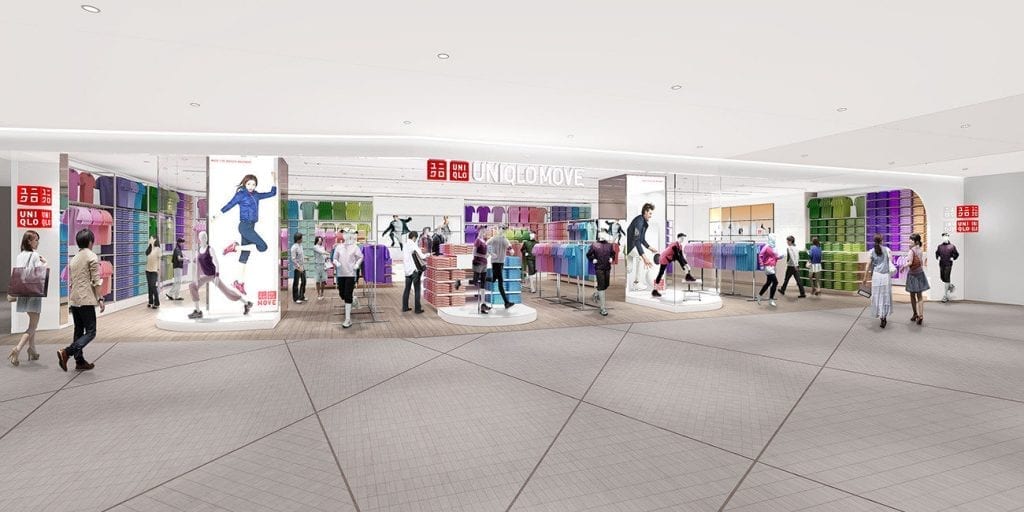
    A lifestyle-focussed concept store, Uniqlo Move, has been launched in Tokyo by the Japanese fashion basics retailer.

    It features its LifeWear range of activewear in a space on the eighth floor of Shinjuku Takashimaya department store.

    Sections of the 75 sqm store will be arranged according to movement, ranging from everyday life to exercise. Not only will the store offer products and visuals different to Uniqlo stores, but it will also act as an information hub for tips on making everyday life “more active and comfortable”, says the retailer.

    Dubbed “The Science of Lifewear” in its entirety, the brand’s first global campaign launched last year, being described by creative director John Jay at Uniqlo parent company Fast Retailing as “the ongoing innovation of simplicity”.

    As the range was developed last year, mountaineer Marin Minayama has appointed the brand’s first female ambassador.

  • Uniqlo targets Zara in faster fashion move

    Uniqlo targets Zara in faster fashion move

    From fast fashion to faster fashion: speed is seen as the key by Uniqlo owner Fast Retailing in its bid to outrace apparel powerhouse Zara.

    Uniqlo founder Tadashi Yanai says Fast Retailing plans to shorten the time it takes from design to delivery to about 13 days, roughly the same as Zara, owned by clothes retailer Inditex.

    He says the company’s new design and delivery centre in Tokyo will also help Uniqlo expand direct-to-consumer, custom-clothing sales and improve the efficiency of its same-day delivery in the city.
    “We need to be fast,” he says. “We need to deliver products customers want quickly.”

    Japan’s biggest clothing retailer aims to increase total revenue by nearly 70 per cent to ¥3 trillion (US$26 billion) in the fiscal year ending August 2021. While that may still not be enough to overtake Inditex, which reported sales of $25 billion last year, Yanai says Fast Retailing’s focus on clothes that meet consumers’ daily needs will help propel its growth.

    “Zara sells fashion rather than catering to customers’ needs,” he says. “We will sell products that are rooted in people’s day-to-day lives, and we do so based on what we hear from customers.”

    Overseas markets, notably in Asia, will grow to contribute about two-thirds of Fast Retailing’s revenue in the next four years, up from about half currently. Uniqlo will open 100 stores in China and another 100 in Southeast Asia annually, says Yanai.

    Concentration for speed

    The company’s new complex, in the Ariake district along Tokyo’s waterfront, houses more than 1000 employees, including designers and marketing teams, and also has a warehouse and delivery department. Yanai says that concentrating resources into one location will help speed processes.

    “The ability to provide anybody, anywhere, anytime with the ultimate, high-quality day-to-day clothing will set us apart,” he says. “We want to deliver products that customers want quickly. That’s why it’s Fast Retailing.”

    After revenue growth of more than 20 per cent for three straight years, Uniqlo sales took a hit in the latest fiscal year. The growth rate slowed to 6 per cent after the brand raised prices because of higher raw-material costs.

    Following the slowdown, the company did a U-turn on its pricing strategy, saying it was committed to delivering the lowest price possible. However, it had to roll back its 2021 revenue target to ¥3 trillion from ¥5 trillion.

  • Uniqlo Spain to launch in Barcelona

    Uniqlo Spain to launch in Barcelona

    Japanese casual apparel retailer Uniqlo Spain will open its first store in Barcelona this northern autumn.

    The move takes it into the home market of archrival Inditex, parent of the Zara brand, among others.

    On the Paseo de Gracia shopping streets, the store will have 1730 sqm of space across four levels and offer a full line-up of apparel under the brand’s LifeWear concept.

    “Barcelona is the perfect location to introduce our LifeWear concept – innovative, high-quality clothing that is universal in design and comfort, and made for everyone,” says parent company Fast Retailing chairman/president/CEO Tadashi Yanai.

    Since opening its first store in Japan in 1984, Uniqlo has built a network of more than 1800 outlets across 18 markets. Spain will be its sixth market in Europe following the UK (first store opened in 2001), France (2007), Russia (2010), Germany (2014) and Belgium (2015). It has 45 stores across the five markets.

  • Fast retailing bright faith

    Fast retailing bright faith

    Both consolidated revenue and profit rose for apparel retailer Fast Retailing Group in the first quarter of its latest fiscal year – the three months to November 30.

    Consolidated revenue rose 1.6 per cent year-on-year to reach ¥528.8 billion (U$4.6 billion), while profit soared 16.7 per cent to reach ¥88.5 billion.

    The gross profit margin held steady as the company continued its group-wide cost-cutting drive initiated in fiscal 2016.

    With the group recording a foreign exchange gain of ¥15.6 billion, the consolidated profit rose considerably in the quarter, with profit before taxes increasing by 34.2 per cent to ¥104.2 billion, and profit attributable to the owners of the parent expanding by 45.1 per cent to ¥69.6 billion.

    Breaking down the first-quarter performance into the three individual business segments, Uniqlo Japan increased both revenue and profit, Uniqlo International had a fall in revenue but a rise in profit, and Global Brands had a rise in revenue but a fall in profit.

    With its medium-term vision to become the world’s No. 1 apparel digital retailer, the group is focussing its efforts on expanding Uniqlo International and its low-priced GU casual-fashion brand.

    It is continuing to grow Uniqlo store numbers in each country where it has a presence, opening global flagship stores and large-format stores in major cities. It is also expanding GU, which has grown into a second-pillar brand for the group. It has opened more GU stores within Japan and has been accelerating the brand’s development and store numbers in overseas markets.

    “Another medium-term goal is to revolutionise our entire supply chain, spanning all procedures from planning to design, raw materials procurement, manufacturing and retail into a new supply chain system that can fully satisfy the needs of today’s digital era.

    “The customer-centric, information-driven supply chain is designed to support a comprehensive new digital retailing business model for the Fast Retailing Group.”

    Next month, the group will move all Uniqlo product-related and commercial activities to its central Ariake headquarters.

    Uniqlo Japan

    For the quarter, Uniqlo Japan increased revenue 3.4 per cent to ¥238.8 billion, and profit by 1.8 per cent to ¥45.6 billion. Same-store and online sales grew 2.5 per cent.

    During the period, the number of stores was reduced by six to 800 (excluding 41 franchise stores) at the end of November. Three stores shifted from being directly run to become employee franchise stores.

    Same-store sales declined in September and October because of unseasonal warm weather affecting demand for fall/winter items. Once temperatures dropped in November, same-store sales picked up.

    Uniqlo International

    Revenue eased 0.2 per cent to ¥196.5 billion for Uniqlo International, but there was a 44.6 per cent rise in profit. The fall in revenue was mainly because of the effect of the stronger yen, which pushed down yen-based sales by an average 16 per cent. However, in terms of local currencies, sales rose overall.
    Profit contributions from Uniqlo Greater China and Uniqlo Southeast Asia and Oceania were especially strong.

    Fifteen years after the first Uniqlo store outside Japan opened, the international network surpassed 1000 outlets, settling at 1009 stores at the end of November, an increase of 145.

    Global Brands

    For Global Brands, revenue rose 1.1 per cent to ¥92.7 billion while profit dropped by 22.7 per cent to ¥9.5 billion. The GU casual fashion brand grew revenue but had a profit fall after unseasonal warm weather. GU same-store sales expanded only marginally over the quarter as a whole.

    The group’s Princesse Tam.tam label in France and its J Brand premium denim label in the US continued to lose money, while fashion brands Comptoir des Cotonniers and Theory had steady profits. 

    Humanitarian aid

    In October, Fast Retailing Group decided to donate US$1 million to humanitarian aid efforts in south Sudan.

    In its “All-Product Recycling” initiative, the group delivers clothing collected at Uniqlo and GU stores to refugees and displaced persons, and in November head-office employees visited Myanmar to donate about 60,000 items of clothing. The beneficiaries were internally displaced persons in the Kachin and Rakhine states.

  • Fast Retailing profit rebounds

    Fast Retailing profit rebounds

    While Fast Retailing profit fell in the full year, the Japanese apparel giant says its second-half profit rebounded sharply.

    Consolidated revenue rose 6.2 per cent to JP¥1.7864 trillion (US$17.19 trillion) while its operating profit fell 22.6 per cent to ¥127.2 billion.

    Factors underlying the sharp decline in profit include a ¥11 billion foreign-exchange loss, a ¥13.8 billion J Brand impairment loss, and ¥9.3 billion for impairment losses on Uniqlo Japan and Uniqlo US stores, plus retirement and store-closure losses.

    In the second half, from March to August, profit rebounded by 94.3 per cent year-on-year, attributed to a nascent recovery in sales at Uniqlo Japan and Uniqlo International, and concerted cost-cutting efforts.

    For Uniqlo Japan the second-half profit bounced back by 38 per cent. Revenue for the year was ¥799.8 billion, up 2.5 per cent, with profit dropping 12.6 per cent to ¥102.4 billion. Same-store sales rose 4.9 per cent in the second half compared to a 1.9 per cent decline in the preceding six months.

    For Uniqlo International, full-year revenue was up 8.6 per cent to ¥655.4 billion while profit fell 13.7 per cent to ¥37.4 billion. In the second half, however, profit rebounded to 15 times the previous year’s level, mainly because of sharp profit gains in Uniqlo Greater China (encompassing China, Hong Kong and Taiwan), Southeast Asia and Oceania, and Europe.

    For the group’s global brands, revenue rose 11.3 per cent while profit fell 34 per cent for J Brand, revenue rose 32.7 per cent and profit by 34.8 per cent for GU, profit was also up for Theory, while Comptoir des Cotonniers, J Brand and Princesse Tam.tam had losses.

    During the 12 months, Uniqlo International opened a series of stores, including its first global flagship store in Southeast Asia, the Uniqlo Orchard Central store in Singapore. As of August 31, the number of Uniqlo International stores had grown by 160 to 958.

  • Fast Retailing rolling out GU shops overseas

    Fast Retailing rolling out GU shops overseas

    Japanese retail holding company Fast Retailing intends to have 1000 shops for its low-cost GU brand overseas in 10 years, up from about 10 foreign stores now.

    GU sells clothing often priced at about half that of stablemate Uniqlo.

    Fast Retailing will expand GU first in Asia, where Uniqlo has been successful, says chairman/president Tadashi Yanai.

    After increasing its GU outlets in Taiwan and China, Fast Retailing will turn its attention to South Korea, Hong Kong, Thailand and Singapore for growth in the next five years.

    GU’s first overseas store opened in 2013. In Japan, the brand’s low prices and sensitivity to fashion trends have helped store numbers grow to around 350.

    Meanwhile, Uniqlo now has more stores overseas than in Japan, with plans to set up around 100 shops a year in China.

    Other brands under Fast Retailing’s wing include Comptoir des Cotonniers, J Brand and Princesse Tam-Tam.

  • Uniqlo: The Shopping Experience of the Future Awaits All Runners!

    Uniqlo: The Shopping Experience of the Future Awaits All Runners!

    Was there a stampede when the new Uniqlo Global Flagship Store opened its doors at Orchard Central on its first day of business? That depends upon your definition of the world.

    The store, the latest and greatest in the brand’s 25-store empire, has captured the imagination and attention of Singapore shoppers who were ready to have their shopping experience enhanced after hearing and reading about the store’s impending debut.

    Is this a new, improved and enhanced experience for shoppers who love the brand? Probably. And that includes those have yet to indulge their shopping fantasies at any of the other Uniqlo locations.

    Fact is, Mr. Taku Morikawa, UNIQLO Southeast Asia CEO, has pinned some serious hopes on this mega-store becoming a significant influence on the Singapore shopping scene. He sees the re-imagined retail environment as a role model for future locations in markets like India and Vietnam.

    Why launch a re-imagined Uniqlo facility in Singapore? What do you think? We’re the epicentre of commercial growth in southeast Asia and a pivotal test market for savvy consumers who know a unique shopping experience when they see it. But we’re selfish!

    As runners, we want to know what’s in it for us if we divert our dollars and loyalty to the retail new kid on the block, so we’ve come up with compelling reasons why you may want to head for Orchard Central the next time you require a different kind of shopping experience.

    Uniqlo: The Shopping Experience of the Future Awaits!

    L-R: Mr. Desmond Tan, Mrs. Helen Khoo, Mr. Cheng Wai Keung, Mr. Tadashi Yanai, Mr. Taku Morikawa, Ms. Rie Aramoto, Ms. Rebecca Lim.

    Uniqlo is a sensory playground

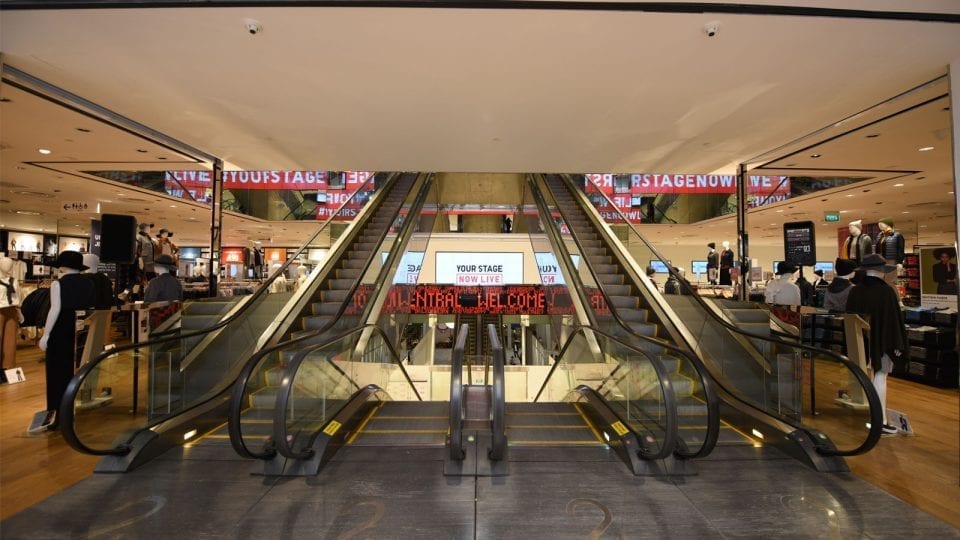
    Sunglasses not required, but expect to be hyper-stimulated when shopping for trendy fashions amid the store’s 286 digital displays that can’t be ignored, even if you tried.

    As a matter of fact, you can tell your running buddies that you were witness to the largest number of digital screens in the worldwide Uniqlo family of stores, so even if you’re fatigued, the bold graphics and attention-getting data will keep you alert and interested as you browse and buy.

    One word of warning: if you’re tempted to strike up a conversation with any of the 350 iconic rotating mannequins you encounter on the premises, think twice! They’re part of the magic.

    Uniqlo: The Shopping Experience of the Future Awaits!

    The Uniqlo experience is unique

    Unlike most upscale retail emporiums, Uniqlo has no intention of being labeled as ordinary. Runners can choose from brands, labels and looks they can find elsewhere.

    Sure, you’ll find familiar labels but they’ll be keeping company with fresh, innovative designs and collections produced “with design-conscious shoppers in mind,” says Ms. Mavis Seow, Chief Operating Officer, Retail Business Group, Far East Organization.

    This is the place to see and be seen; as much a social hub as a fashion epicentre. You can even get in some exercise within the 29,000-foot “mammoth store” that even offers a some vertical action if you decide to cover every inch of all three floors filled with merchandise.

    By the way, you won’t be able to escape checking your form as you shop; this super-store is loaded with floor-to-ceiling mirrors.

    Uniqlo: The Shopping Experience of the Future Awaits!

    A store for all ages and stages of life

    Because Uniqlo’s parent company, Fast Retailing, has set a high bar for the type of merchandise that fills this Uniqlo location, you’re going to run into some of the latest trends on the international apparel market.

    The Singapore flagship store has something for everyone, so if you do the family shopping and you’re responsible for everything from school clothing for the kids to gifts for running buddies, this could become your new retail home or just the place you go for plenty of shopping therapy.

    Speciality products just for children feature original art, and you can even experience some hometown pride when strolling the second-floor children’s boutique where the work of Singapore’s whimsical and popular illustrator, Michael Ng, is on display.

    Uniqlo: The Shopping Experience of the Future Awaits!

    Find everything you need and want

    Given Uniqlo’s promise to make sure shoppers are never bored by choices they are offered when perusing three floors of merchandise, you may be surprised to learn that there’s a special emphasis on exclusivity.

    For example, French designer Ines de la Fressange’s collection could get a fashion-forward runner’s pulse rate up and Uniqlo’s proprietary LifeWear brand is a runner’s dream. Garments are fashioned of innovative fabrics that are light, breathable and practical.

    Uniqlo: The Shopping Experience of the Future Awaits!

    Find AIRism inner and outerwear on shelves that include t-shirts and tank-tops that repel bacterial and odor. Even Uniqlo jeans are runner-friendly because the denim is 20-percent lighter than regular-grade denim, so sliding on a pair for a post-marathon party consumes less time than it takes to say, “Who’s going to Uniqlo with me to check out this one-of-a-kind shopping experience?”
  • Uniqlo overseas push pays off for Fast Retailing

    Uniqlo overseas push pays off for Fast Retailing

    Fast Retailing raised its full-year earnings forecasts after sales at its Uniqlo casual-wear stores in China and South Korea grew more strongly than expected during the first half of the financial year, showing its overseas expansion is bearing fruit.

    Overseas growth is key to the Japanese firm’s goal of becoming the world’s top apparel retailer by 2020 ahead of Zara owner Inditex, Hennes & Mauritz and Gap.

    Chief executive Tadashi Yanai said Fast Retailing would have more Uniqlo outlets overseas than in Japan by this autumn, with openings in mainland China, Hong Kong and Taiwan to continue at break-neck pace.

    “Maybe in about five years, we’ll have 1,000 stores [in China],” he said, compared with 415 at the end of February. “Eventually we want to have about 3,000 stores [there].”

    Uniqlo, known for its HeatTech fabric technology and rainbow-coloured basics, now has close to 1,600 stores globally, with about 46 per cent of those outside Japan.

    Fast Retailing said it now expected operating profit of 200 billion yen for the financial year to August, up from its previous estimate of 180 billion yen. The average forecast of 22 analysts was for 197.25 billion yen.

    Asia’s biggest apparel retailer also bumped up its revenue forecast to 1.65 trillion yen from 1.6 trillion yen and its net profit estimate to 120 billion yen from 100 billion yen.

    Overseas sales at Uniqlo jumped 49 per cent in the first half from a year earlier, led by China and Korea, although the United States remained a weak spot. The firm did not break out sales results by country, only saying whether they met its targets.

    In Japan, sales rose 12 per cent during the period as shoppers snapped up items like its ultra-light down jackets and extra-fine merino sweaters.

    Fast Retailing also got a boost from the yen’s depreciation, booking a 13.5 billion yen foreign-exchange gain for the six-month period.

    But the company also warned it was facing rising import costs from the weaker yen. As a result, it will raise prices by 10 per cent on average for roughly a fifth of its products in the next autumn/winter season at Uniqlo Japan.

    Shares in Fast Retailing have gained 10 per cent in the year to date, while the Topix Index is up 13 per cent.

    Separately, Britain’s Co-operative Group, the supermarkets-to-funerals operator that almost collapsed in 2013, said it had been rescued by selling assets including its pharmacies and could now focus on rebuilding.

    Co-operative reported pre-tax profit of £124 million for the year to January 3, against a loss of £255 million a year earlier, on revenue of £9.4 billion, helped by disposals.

    The mutually owned group said it had emerged from the rescue phase of a three-year turnaround as a slimmer business focused on its food stores, funerals, insurance and legal services. It has cut net debt to £808 million from £1.4 billion.

    Chief executive Richard Pennycook said the hard work of rebuilding the group was under way after the completion of its rescue plan.