Retail News CRM

Tag: Fiber

  • Singtel Launches Singapore’s First 50 Gbps Fiber Broadband Trial: Ushering in a New Era of Ultra-Speed Connectivity

    Singtel Launches Singapore’s First 50 Gbps Fiber Broadband Trial: Ushering in a New Era of Ultra-Speed Connectivity

    Singtel, a leading telecommunications company, has initiated Singapore’s first technical trial for 50 Gbps fiber broadband, a forward-looking step aimed at bolstering the country’s fixed connectivity. This venture is a response to the expected boom in AI-powered and data-heavy digital services.

    Next-Gen Connectivity

    The trial leverages advanced XGS-PON-based fiber technology to achieve speeds of up to 50 Gbps. This state-of-the-art connectivity is designed to facilitate the increasing demand of emerging technologies such as augmented reality (AR), virtual reality (VR), mixed reality (MR), cloud gaming, AI-enabled smart homes, and high-performance remote workspaces. Singtel’s objective with this initiative is to ensure that both residential and business consumers are equipped for the assimilation of these technologies as they transition into the mainstream over the next three to five years.

    During this technical trial, Singtel aims to assess the network’s performance and potential to support the complex, multi-device environments that AI enables. The company believes this trial signifies a critical progression towards the large-scale deployment of ultra-high-speed fiber broadband for both residential and commercial users.

    According to Ng Tian Chong, CEO of Singtel Singapore, Singapore’s everyday life is deeply intertwined with digital technologies, facilitated by near-universal internet access, high device ownership, and the widespread use of online communication and digital services across work, learning, and entertainment. He notes that this next evolution in fiber broadband connectivity is crucial to ensure that homes and businesses can continuously support increasingly immersive and AI-driven digital experiences.

    Enhancing Digital Infrastructure

    Singtel’s early adoption of the 50 Gbps fiber technology sets Singapore as a pioneer in next-generation broadband innovation. This aligns with the nation’s Digital Connectivity Blueprint that aims to construct a resilient and future-proof digital infrastructure.

    The new 50 Gbps trial offers the possibility of comprehensive, multi-gigabit connectivity. Singtel suggests that this will facilitate ultra-high-definition entertainment, including 8K and future 12K video streaming, high-quality AR, VR, and XR experiences, low-latency cloud gaming, and cloud PCs. The technology is also expected to support data-heavy workflows for home-based businesses and professionals, such as engineering simulations and secure, enterprise-grade remote connectivity.

    Moreover, advanced telemedicine and remote diagnostics stand to benefit from this ultra-high-speed broadband. This includes real-time medical imaging transmission, VR-based physiotherapy, and home-connected medical devices. AI-powered smart homes can also leverage this technology for real-time analytics across security cameras, IoT appliances, and autonomous devices. Furthermore, this technology has the potential to enhance the next generation of Wi-Fi, dense IoT ecosystems, and emerging AI-driven entertainment formats.

    Investing Ahead of Demand

    The fiber broadband trial underlines Singtel’s long-standing strategy of anticipating demand to deliver advanced connectivity. The company made history by becoming the first to democratize network slicing for everyday users to support evolving digital needs.

    In 2022, Singtel set another milestone by becoming the first operator globally to deploy nationwide standalone 5G. The company later improved coverage by integrating a 700 MHz spectrum, offering up to 40% stronger signal strength in indoor, underground, and high-density environments.

    Questions & Answers

    What is the purpose of Singtel’s 50 Gbps fiber broadband technical trial?
    The trial is meant to test the network’s performance and its capabilities to support increasingly complex, AI-enabled, multi-device environments.

    How will ultra-high-speed broadband benefit home-based businesses and professionals?
    The technology is designed to support data-heavy workflows, such as engineering simulations and secure enterprise-grade remote connectivity, which are integral to many home-based businesses and professionals.

    How will this technology improve healthcare?
    The ultra-high-speed broadband is expected to enable advanced telemedicine and remote diagnostics, such as real-time medical imaging transmission, VR-based physiotherapy, and connected at-home medical devices.

  • Singtel Pioneers Singapore’s First 50 Gbps Fiber Broadband Trial, Ushering in New Era of Ultra-High-Speed Connectivity

    Singtel Pioneers Singapore’s First 50 Gbps Fiber Broadband Trial, Ushering in New Era of Ultra-High-Speed Connectivity

    Singapore’s premier telecommunications company, Singtel, has initiated the country’s inaugural 50 Gbps fiber broadband technical trial. The aim of this groundbreaking move is to fortify the fixed connectivity infrastructure of the country, which is crucial for the delivery of emerging data-intensive digital amenities propelled by Artificial Intelligence (AI).

    Exploring the Potential of Next-Gen Technology

    This technical trial employs the cutting-edge XGS-PON-based fiber technology, which is capable of facilitating speeds of up to 50 Gbps. The trial has been conceptualised keeping in mind the anticipated use cases of the imminent future, such as ultra-realistic Augmented Reality (AR), Virtual Reality (VR), and Mixed Reality (MR), AI-powered smart homes, high-performance remote working setups, and cloud gaming. Singtel’s objective with this initiative is to prepare both residential and commercial customers for the smooth adoption of novel technologies as they become mainstream over the next three to five years.

    Through this trial, Singtel aims to assess the network performance and capabilities needed to support the increasing complexity of multi-device environments driven by AI. Singtel maintains that the trial is a significant milestone towards the future large-scale rollout of ultra-high-speed fiber broadband for diverse users, both residential and commercial.

    Preparing for a Digital Future

    Ng Tian Chong, Singtel Singapore’s CEO, emphasised that digital technologies are already a part of everyday life in Singapore, with near-universal internet access, high device ownership, and extensive use of digital services for work, learning, and entertainment. The next leap in fiber broadband connectivity, he said, will ensure that homes and businesses can keep up with increasingly immersive and AI-enabled digital experiences.

    Singtel insists that its early adoption of the 50 Gbps fiber technology places Singapore at the vanguard of next-generation broadband innovation. This aligns with the nation’s Digital Connectivity Blueprint, which prioritises the construction of a robust and future-ready digital infrastructure.

    Enabling Advanced Applications

    The 50 Gbps trial facilitates a new grade of whole-home, multi-gigabit connectivity. Singtel believes this will support ultra-high-definition entertainment, including 8K and future 12K video streaming, high-quality AR, VR, and XR experiences, and low-latency cloud gaming and cloud PCs. The technology also caters to data-heavy workflows for home-based businesses and professionals, including engineering simulations and secure enterprise-level remote connectivity.

    Moreover, the ultra-high-speed broadband is anticipated to enable advanced telemedicine and remote diagnostics, such as real-time medical imaging transmission, VR-based physiotherapy, and connected at-home medical devices. AI-driven smart homes will reap the benefits of real-time analytics across security cameras, IoT appliances, and autonomous devices. It also provides a solid foundation for next-generation Wi-Fi, dense IoT ecosystems, and emerging AI-generated entertainment formats.

    Questions & Answers

    What is the purpose of Singtel’s technical trial?

    The purpose of the technical trial is to assess the network performance and capabilities needed to support the increasingly complex multi-device environments enabled by AI. It also aims to prepare residential and commercial customers for the smooth adoption of novel technologies as they become mainstream.

    How will the 50 Gbps fiber broadband technology benefit homes and businesses?

    The technology will support ultra-high-definition entertainment, low-latency cloud gaming, high-quality AR, VR, and XR experiences, and data-heavy workflows for home-based businesses and professionals. It will also enable advanced telemedicine and remote diagnostics, as well as provide real-time analytics for AI-powered smart homes.

    How does this initiative align with Singapore’s nationwide digital strategy?

    The trial aligns with Singapore’s Digital Connectivity Blueprint, which focuses on building a robust and future-ready digital infrastructure. By positioning Singapore at the forefront of next-generation broadband innovation, it is helping prepare the nation for a rapidly evolving digital future.

  • Taiwan’s Fixed Communication Market Set for Steady Growth Amid Rising Fiber Broadband Demand

    Taiwan’s Fixed Communication Market Set for Steady Growth Amid Rising Fiber Broadband Demand

    The revenue for Taiwan’s fixed communication services market is predicted to increase from USD 3.3 billion in 2025 to USD 3.4 billion in 2030, showing a slow compound annual growth rate (CAGR) of 0.4%. This sluggish expansion is primarily due to a continuous decrease in fixed voice access lines and average revenue per user (ARPU) levels.

    Shifting Communication Preferences

    Taiwan’s Fixed Communication Forecast for the third quarter of 2025, provided by GlobalData, predicts that total voice subscriptions in the country will decrease at a CAGR of 0.8% from 2025 to 2030. This decrease is attributed to users increasingly opting for mobile and application-based communication services over traditional voice lines.

    Declining ARPU in Fixed Voice Services

    The overall ARPU for fixed voice services is also expected to decline during this period. The ARPU for residential fixed voice is forecasted to drop from USD 2.68 in 2025 to USD 2.38 in 2030. While the number of fixed broadband accounts is expected to grow at a CAGR of 2.6% during the forecast period, the ARPU for fixed broadband is expected to decrease. The ARPU for residential fixed broadband is forecasted to decline from USD 25.67 in 2025 to USD 24.69 in 2030, and for the business segment, it is expected to drop from USD 33.64 to USD 30.38.

    Continued Dominance of Fiber Broadband

    According to Pradeepthi Kantipudi, a Telecom Analyst at GlobalData, fiber is set to remain the dominant broadband technology when it comes to subscription share throughout the forecast period. By the end of 2030, fiber-based subscriptions are expected to constitute 63% of total fixed broadband accounts in Taiwan. This projected growth is driven by the increasing demand for high-speed broadband connectivity. Additionally, initiatives by the government and telecom operators to expand and upgrade the country’s fiber broadband infrastructure are also contributing factors.

    Chunghwa Telecom is projected to lead the fixed broadband services market in terms of subscription share in 2025 and maintain this lead through 2030. This prediction is based on the company’s strong position in the fiber-to-the-home (FTTH) segment and its continued efforts to upgrade the gigabit broadband network nationwide.

    Questions & Answers

    What is the projected growth rate for Taiwan’s fixed communication services market?
    The revenue for Taiwan’s fixed communication services market is predicted to increase at a CAGR of just 0.4% from 2025 to 2030.

    What factors are contributing to the slow growth of Taiwan’s fixed communication services market?
    The slow growth is primarily due to a continuous decrease in fixed voice access lines and average revenue per user (ARPU) levels, with users increasingly opting for mobile and application-based communication services.

    Who is expected to lead the fixed broadband services market in Taiwan by 2030?
    Chunghwa Telecom is projected to lead the fixed broadband services market in Taiwan through 2030, thanks to its strong position in the fiber-to-the-home (FTTH) segment and its focus on upgrading the gigabit broadband network nationwide.

  • Telkom Greenlights InfraNexia’s $5.4B Fiber Spinoff: A Step Forward in Digital Infrastructure Expansion

    Telkom Greenlights InfraNexia’s $5.4B Fiber Spinoff: A Step Forward in Digital Infrastructure Expansion

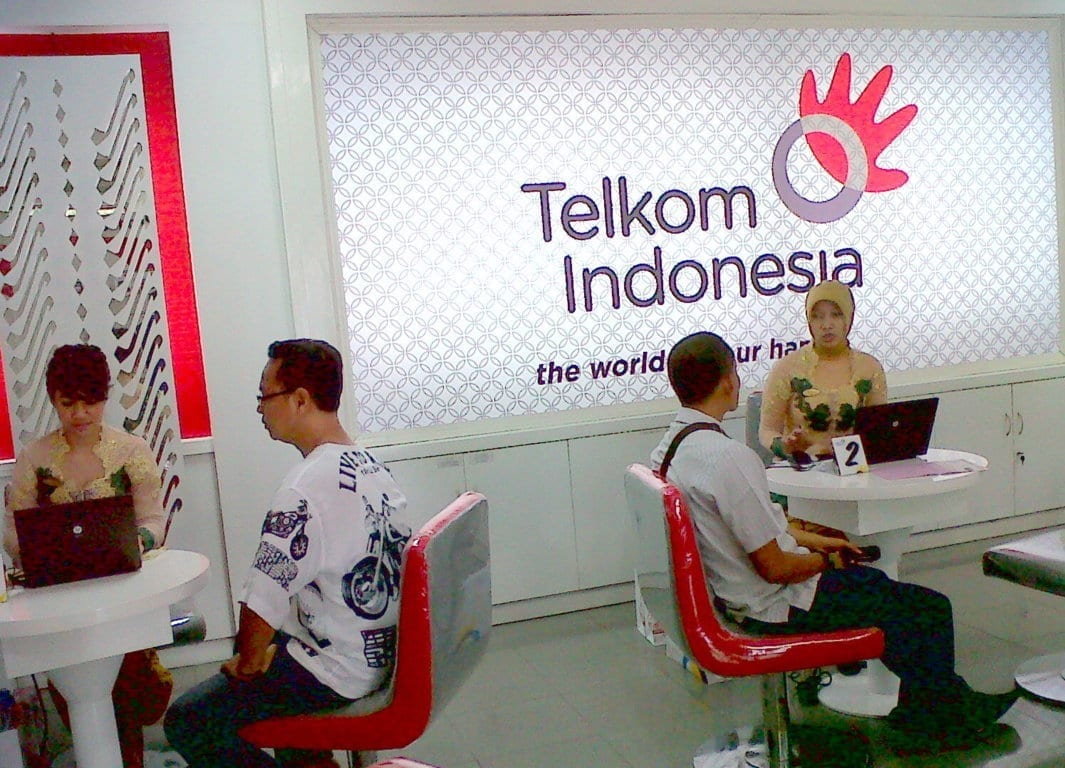
    Indonesia’s state-owned telecommunications corporation, Telkom Indonesia, recently announced that its independent shareholders have given the green light to partition the company’s wholesale fiber connectivity business and assets. The assets will be transferred to the company’s Fiber-To-The-Home (FTTH) subsidiary, Telkom Infrastruktur Indonesia (TIF), also colloquially known as InfraNexia. Telkom initially shared its plan in September and finalized it in October, with the split slated for execution in two stages.

    Details of the Split

    The initial phase will witness InfraNexia assuming control of more than half of Telkom’s fiber network infrastructure. This includes elements such as access, aggregation, backbone, and other supporting infrastructural components. The second phase involves InfraNexia obtaining the rest of the fiber assets from Telkom, a process expected to reach completion in the second half of 2026. The total asset value is projected to be IDR 90 trillion (USD 5.4 billion).

    Despite the spinoff, Telkom will maintain a hefty 99.9% ownership stake in InfraNexia. Telkom has expressed that this division will enhance operational and investment cost efficiencies. Moreover, it aims to transform InfraNexia into a new growth catalyst for the group, with a particular focus on the development of the wholesale fiber business, forging opportunities for network sharing, and forming strategic partnerships. This strategic shift is vital, given that Telkom’s wholesale fiber capacity is only approximately 40% utilized, primarily by its mobile division, Telkomsel.

    Shareholder Approval

    The partition needed approval from independent shareholders, who lent their support to the plan during an Extraordinary General Meeting of Shareholders (EGMS).

    Telkom’s President Director, Dian Siswarini, expressed that this separation is also a crucial facet of the company’s TLKM 30 strategy. This strategy is designed to metamorphose Telkom into a strategic holding firm that boasts a more niche, nimble, and internationally competitive digital telecommunications profile.

    The approval of the asset and business separation strengthens Telkom’s transformation agenda, aimed at building a more agile and focused business structure. This will enable Telkom to augment its contribution to the acceleration of national digitalization and generate added value for companies, stakeholders, communities, and the nation.

    Questions & Answers

    What is the purpose of the split in Telkom’s business?
    The split is aimed at enhancing operational and investment cost efficiencies, transforming InfraNexia into a new growth catalyst for the group, and focusing on the development of the wholesale fiber business.

    How much of the ownership stake in InfraNexia will Telkom retain after the split?
    Post-separation, Telkom will retain a 99.9% ownership stake in InfraNexia.

    What does Telkom’s TLKM 30 strategy entail?
    The TLKM 30 strategy aims to transform Telkom into a strategic holding company with a more focused, agile, and globally competitive digital telecommunications profile.

  • Fiber Broadband Boom: Dominating the APAC Market and Powering Digital Transformation Through 2030

    Fiber Broadband Boom: Dominating the APAC Market and Powering Digital Transformation Through 2030

    The fixed communications services market in the Asia Pacific (APAC) region is expected to experience steady growth through to 2030. This growth is likely to be facilitated by the ongoing expansion of fiber broadband in both emerging and developed markets.

    Growth Projections for APAC

    According to recent predictions, there will be a rise in fixed communications service revenue in APAC from $386 billion in 2025 up to $405 billion by 2030. This represents a compound annual growth rate (CAGR) of 1%. The primary driver behind the forecasted increase is the continuous expansion of broadband networks and governmental investments in fiber infrastructure. This is particularly the case in emerging markets such as India, Malaysia, and the Philippines.

    It is also anticipated that fixed broadband account penetration in the region will increase from 22.6% in 2025 to 24.6% in 2030. The rise is expected to stem from nationwide fiber rollout programs and increased consumer adoption in developing economies.

    In Malaysia, for instance, the JENDELA Phase 2 program has extended broadband coverage to 97.95% of populated areas. This has resulted in fiber connectivity being provided to over 9.48 million premises as of July 2025. In India, the government is accelerating the BharatNet Phase 3 program. Backed by an investment of $18 billion, the initiative aims to extend fiber broadband to more than 250,000 villages by 2027, thereby ensuring affordable access for millions of rural households.

    Developed APAC Markets

    In contrast, developed APAC markets such as Australia, New Zealand, and Singapore already have high broadband penetration, thanks to long-standing national broadband network initiatives. By 2030, it is predicted that fiber-optic access lines will account for approximately 87% of total fixed access lines in developed APAC markets and around 90% in emerging APAC markets.

    The rise in demand for high-speed internet and competitively priced fiber broadband plans, which often include unlimited data and access to subscription video-on-demand platforms, is expected to drive fiber adoption in APAC.

    Furthermore, China remains the largest fiber broadband market in the APAC region, with 99% of broadband subscriptions already on fiber as of 2025. Singapore is also anticipated to have almost 100% of broadband connections via fiber-to-the-home/building by 2030, largely due to continued investments by NetLink NBN Trust.

    Voice Telephony Services

    In relation to voice telephony services, it is predicted that the sector will remain stagnant, with fixed voice penetration expected to stay at around 10% between 2025 and 2030. Despite this, there is expected to be an expansion in packet-switched lines at 2.8%, driven by fiber rollouts that are encouraging consumers to transition to VoIP-based services. However, overall fixed voice revenue is anticipated to continue to decline over the forecast period due to the growing use of mobile voice and OTT voice services.

    Through to 2030, fiber broadband is expected to remain the dominant fixed access technology in the APAC region, thereby reinforcing its position as the backbone of the region’s digital infrastructure and future network innovation.

    Questions & Answers

    What is the projected growth rate for the fixed communications services market in APAC?
    The fixed communications services market in APAC is expected to grow at a compound annual growth rate of 1%, increasing from $386 billion in 2025 to $405 billion by 2030.

    What factors are driving the growth of the fixed communications services market in APAC?
    The growth of the fixed communications services market in APAC is being driven by the ongoing expansion of broadband networks, governmental investments in fiber infrastructure, and rising demand for high-speed internet.

    What is the future of voice telephony services in the APAC region?
    Despite an expected expansion in packet-switched lines, driven by fiber rollouts, overall fixed voice revenue is predicted to decline due to the increasing usage of mobile voice and OTT voice services.

  • Indonesia’s Telkom Initiates Phased Transfer Of Fiber Assets To Boost Digital Transformation

    Indonesia’s Telkom Initiates Phased Transfer Of Fiber Assets To Boost Digital Transformation

    Indonesia’s Telkom has confirmed that it will undertake a phased transfer of its fiber assets. The transaction, viewed as a significant and affiliated party transaction under Indonesian regulations, is expected to have a minimal impact on Telkom’s financial condition, the company announced.

    Phased Transfer of Assets

    The asset transfer process will take place incrementally. The initial phase is expected to handle more than half of the fiber assets. Telkom’s disclosure to the Indonesia Stock Exchange (IDX) outlined that this move qualifies as a material and affiliated party transaction as per the country’s Financial Services Authority (OJK) regulations.

    Restructuring and Approval

    The restructuring process will include backbone fiber, aggregation access, and infrastructure assets. Before the deal can be finalized, it requires approval from shareholders and regulators. The completion of the deal is anticipated to take place between the end of 2025 and the beginning of 2026.

    Benefits and Aims

    Telkom has stated that the partial spin-off has several aims. These include refining operational focus, attracting new investment, quickening network expansion, and unlocking new revenue streams. The new setup will enable TIF to specialize in fiber deployment and maintenance. This specialization will simplify the process for infrastructure funds and strategic partners to assess and invest in the business.

    By forming a dedicated entity, Telkom plans to streamline network upgrades and manage its growing fiber footprint more efficiently. This move will also empower the company to monetize its wholesale leasing and dark-fiber products more assertively.

    Future Plans and Commitment

    As part of its future plans, Telkom is committed to addressing the escalating demand for rapid connectivity across Indonesian households, startups, and enterprises. The company aims to position itself at the forefront of the nation’s digital transformation as the digital economy continues to grow.

    Ketut Budi Utama, President Director of PT Telkom Infrastruktur Indonesia, indicated that the split would provide TIF with the momentum to operate more efficiently and maintain network infrastructure more effectively.

    Questions & Answers

    What is the expected impact of this transaction on Telkom’s financial condition?
    The transaction is expected to have a minimal effect on Telkom’s financial condition.

    What are some of the aims of the partial spin-off?
    Telkom aims to refine operational focus, attract new investment, accelerate network expansion, and unlock new revenue streams through the partial spin-off.

    What is Telkom’s commitment amid the growing digital economy in Indonesia?
    Telkom is committed to supporting the escalating demand for high-speed connectivity across households, startups, and enterprises in Indonesia. The company aims to place itself at the forefront of the nation’s digital transformation.

  • PLDT Home Achieves Strong Fiber Growth in First Half of 2023

    PLDT Home Achieves Strong Fiber Growth in First Half of 2023

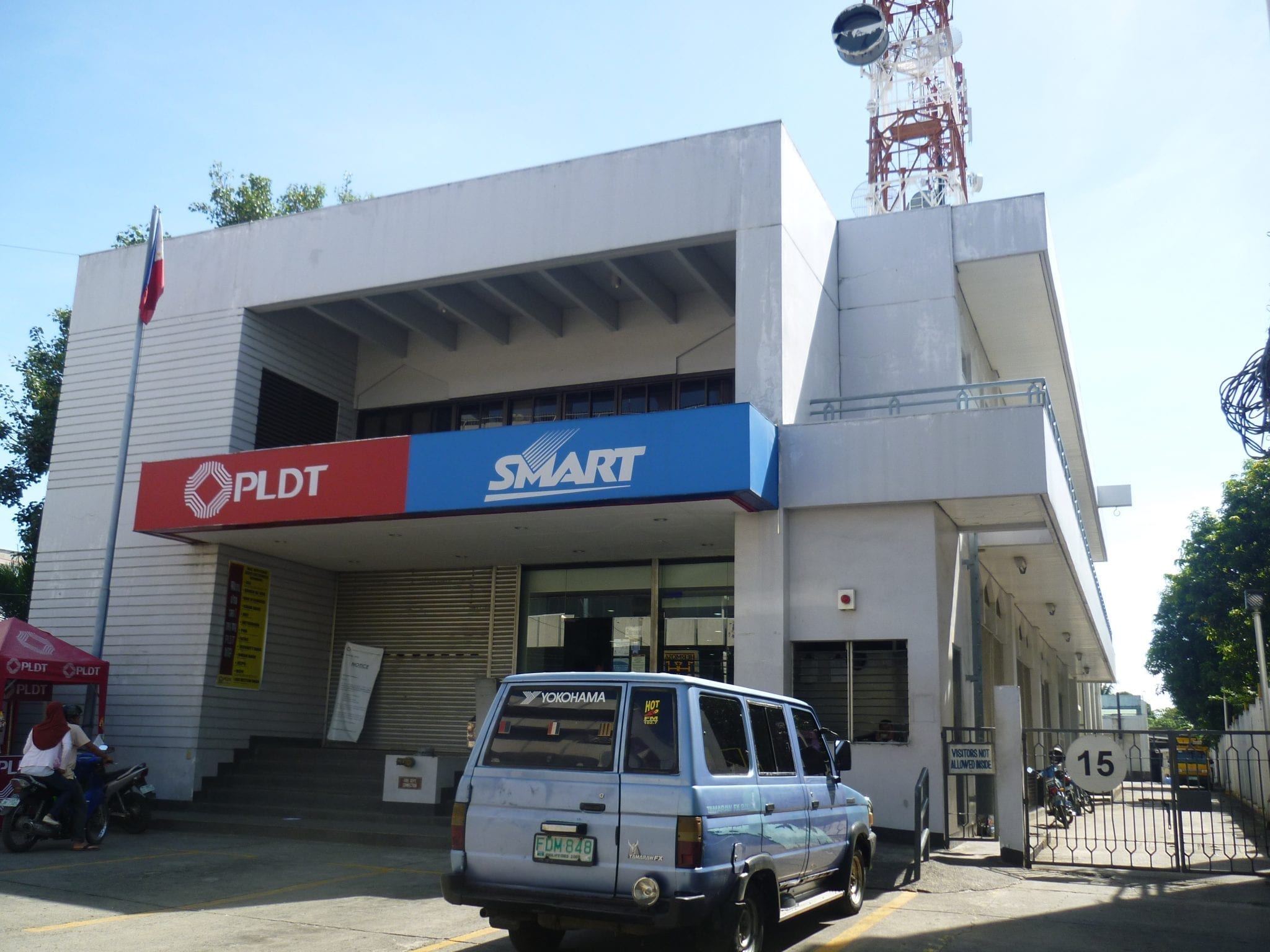
    PLDT Home has reported impressive growth in the first half of 2025, driven primarily by its fiber services, which saw revenues increase by 7% year-on-year, reaching PHP 29.5 billion. As fiber now accounts for a staggering 97% of home revenues, the company’s strategic pivot away from legacy technologies is evident. Overall, revenues for PLDT Home climbed 4% compared to the previous year, totaling PHP 30.4 billion, bolstered by a robust fiber rollout, appealing bundled services, and heightened customer interaction.

    Reflecting Growing Demand for Connectivity

    John Y. Palanca, Senior Vice President and Head of PLDT Home Business, emphasized that the growth reflects a surging demand for high-speed connectivity and richly integrated digital experiences. “We’re expanding our fiber footprint while delivering bundled services that meet evolving customer needs,” he remarked, underscoring the importance of adaptability in a fast-changing market.

    Subscriber Milestones Achieved

    In H1 2025, PLDT Home not only maintained its premium Average Revenue Per User (ARPU) but also reported a significant influx of new subscribers. The company welcomed 169,000 additional fiber subscribers—three times the net additions from the same period last year—bringing the total number of connections to an impressive 3.53 million. This surge showcases the brand’s reputation for reliability and value in a competitive landscape.

    Balance of Innovation and Service

    This growth is underpinned by both expanding their network and providing enticing bundled lifestyle services. Popular offerings such as Fiber Unli All and Fiber Plus Netflix bring together broadband, mobile, and content in packages that resonate with consumers. In Q2, over 80% of new subscribers opted for higher-value plans priced at PHP 1,299 and above, lifting PLDT Home’s industry-leading ARPU to PHP 1,485.

    Enhancements in customer service play a crucial role in this success. Improvements including faster installations, AI-powered support, and expedited repair times have significantly bolstered customer retention, resulting in a remarkably low churn rate of 1.93%. In a world where customers crave immediate gratification, it’s evident that PLDT Home is becoming the fast-food drive-thru of internet service.

    Capturing New Markets with Fiber Prepaid

    Furthermore, PLDT Home is tapping into new household segments through its Fiber Prepaid offerings, catering to families who prefer the flexibility of prepaid plans. Early reports indicate that this strategy is paying off, as ARPU levels remain consistent, signaling that growth is additive rather than detracting from postpaid subscribers.

    Connecting Communities Across the Philippines

    Beyond simply providing connectivity, PLDT Home positions itself as a vital enabler of digital inclusion. Its expanding fiber footprint improves access to high-speed internet across more regions of the Philippines. Currently, the PLDT Group boasts the nation’s most extensive fiber infrastructure, measuring around 1.2 million cable kilometers. The company has passed 19.01 million homes, effectively covering 74% of towns and 91% of provinces, making significant strides in bridging the digital divide.

    Questions & Answers

    How much did PLDT Home’s fiber revenues increase in Q1 2025?
    PLDT Home’s fiber revenues climbed 7% year-on-year, reaching PHP 29.5 billion in the first half of 2025.

    What is the churn rate reported by PLDT Home?
    The company boasts a remarkably low churn rate of 1.93%, indicating strong customer retention.

    How many new fiber subscribers did PLDT Home gain in H1 2025?
    PLDT Home gained 169,000 new fiber subscribers in the first half of 2025, marking three times the net additions from the previous year.

  • Nokia to Equip Viettel with Optical Transport Solution

    Nokia to Equip Viettel with Optical Transport Solution

    This initiative aims to meet the increasing demand for 5G, Data Center Interconnect (DCI), and cross-border connectivity. The collaboration follows a successful trial during which Nokia’s PSE-6s achieved a record transmission speed of 1.2 Tbps per wavelength in real-world conditions. The deployment, expected to be completed by 2025, will enhance connectivity between Viettel’s data centers in major cities, including Hanoi, Ho Chi Minh City, and Da Nang, improving capacity and energy efficiency.

    Nokia’s new optical solution, utilizing the PSE-6s technology, will enable Viettel to scale its network while maintaining high performance efficiently. The solution supports three 800GE or six 400GE services on a single line card, allowing Viettel to increase its total network capacity to 38.4 Tbps over the C-band. Additionally, this technology is expected to help Viettel reduce network power consumption by as much as 60%.

    Nguyen Van Yen, Head of Viettel Regional Transmission, said, “The smooth execution of the record-breaking trial convinced us that Nokia was the right partner for this crucial initiative. Now, we are delighted with the seamless deployment of Nokia’s innovative PSE-6 super-coherent optical engine, which will provide the required capacity for our existing and growing needs while making us ready for 5G and cloud-based use cases.”

    Vito Di Maria, Head of Optical Networks at Nokia Asia Pacific, emphasized the challenges service providers face due to rising data traffic, highlighting the importance of scalable optical networks. He noted that Nokia’s PSE-6s technology will enable Viettel to effectively meet increasing data demands while improving network reliability and energy efficiency.

  • National Policies and Projects Driving Fiber Expansion in APAC

    National Policies and Projects Driving Fiber Expansion in APAC

    With optical fiber networks now reaching the majority of households in many markets, the region’s fiber broadband subscriptions surpassed the 500-million mark at the end of 2022. This figure represents an impressive 85.1% share of the entire residential fixed-line broadband subscriber base, showcasing the scale of fiber adoption across the region.

    However, despite this extensive network reach, fiber broadband service take-up rates in most markets remain below 50%, indicating that there is still considerable potential for growth and increased utilization.

    Mainland China leads the way in fiber deployment, and boasted 59.6 million kilometers of installed fiber lines at the end of 2022. This extensive network has positioned China as a global leader in fiber infrastructure, and the country’s commitment to expanding broadband access is set to continue.

    Kagan estimates that by 2027, fiber broadband subscribers will account for at least 90% of all broadband users in China. The push for fiber expansion has been spearheaded by China Mobile Ltd., which alone deployed around 19.4 million kilometers of fiber cables. These efforts form part of the government’s broader strategy to ensure ubiquitous broadband access, which will be critical for supporting China’s digital economy and future technologies like 5G and IoT.

    China’s fiber deployment strategy is supported by multiple national policies and initiatives. The Broadband China Strategy (2013) set the foundation for expanding fiber-optic networks, focusing on increasing broadband coverage in rural and underserved areas. China’s 5G and fiber network integration aims to provide 1,000 Mbps speeds to all counties and township seats by 2025, enhancing connectivity across the country. The East-to-West Computing Resource Transfer Project is strengthening data transmission between regions by expanding fiber networks. The China Optical Fiber and Cable Development Plan, part of the “13th Five-Year Plan,” is enhaning the manufacturing and deployment of fiber-optic cables.

    In India, the Fiber-to-the-Home (FTTH) market is experiencing rapid growth, led by companies such as Reliance Jio Infocomm Ltd. and Bharti Airtel Ltd. Within two years of its launch, Reliance Jio became the market leader, connecting over 7.6 million residences to its FTTH network by the end of 2022. Bharti Airtel, the second-largest player in the market, expanded its FTTH services to over 500 new towns during the same period.

    This surge in fiber expansion aligns with India’s Digital India initiative, which aims to transform the country into a digitally empowered society and knowledge economy. Government support and favorable policies have been instrumental in accelerating the deployment of fiber infrastructure in urban and semi-urban areas, though rural penetration remains a challenge.

    The BharatNet project, spearheaded by Bharat Broadband Network Limited (BBNL), aims to connect 250,000 gram panchayats with high-speed internet through fiber optic cables, supporting governance, e-services, and digital inclusion across rural areas. Furthermore, the National Digital Communications Policy (NDCP) 2018 emphasizes fiberization to boost 5G readiness and the overall telecommunications framework. Make in India supports the domestic manufacturing of fiber optic equipment, while the Smart Cities Mission ensures fiber-based infrastructure is utilized in urban areas for smart city services.

    Japan and South Korea, which were among the first countries to adopt nationwide fiber broadband services in the early 2000s, continue to lead in terms of advanced fiber technologies. The focus in these mature markets has shifted to improving network speeds and power efficiency in long-distance signal transmission.

    Despite the sophistication of its fiber infrastructure, Japan faces challenges in expanding coverage to remote areas due to geographical barriers and natural disasters. To address these issues, companies like NTT and KDDI have partnered with SpaceX to explore wireless space broadband solutions for hard-to-reach regions.

    In Japan, the Infrastructure Development Plan for a Digital Garden City Nation (revised in 2023) aims to reach 99.90% fiber-optic coverage by 2027, focusing on bridging regional disparities in broadband access. The Society 5.0 initiative, a core element of Japan’s vision for future digital society, emphasizes integrating advanced technologies like AI, IoT, and quantum computing with fiber infrastructure, aiming to solve societal problems while fostering economic growth. The Integrated Innovation Strategy 2022 supports the expansion of fiber networks to facilitate the creation of smart cities, enhance communication systems, and further digitalization efforts across industries. The 6th Science, Technology, and Innovation Basic Plan underscores the importance of infrastructure improvements, particularly for a highly digital and data-driven economy.

    South Korea has long been a global leader in fiber deployment, driven by comprehensive policies and initiatives to ensure universal high-speed broadband access. Key policies include the Korean Information Infrastructure (KII), launched in the late 1990s, which laid the groundwork for widespread fiber networks. This was followed by the IT839 Strategy, which focused on broadband convergence, establishing an environment conducive to the development of high-speed networks, fiber expansion, and 5G readiness. More recently, the Giga-KOREA Project aims to deliver gigabit-speed internet that is 40 times faster across the country. South Korea’s Broadband Convergence Network (BcN) policy is another significant initiative, enabling ultra-high-speed broadband connections nationwide and promoting infrastructure sharing between telecom operators, reducing costs and ensuring competitiveness in fiber deployment.

    Southeast Asian countries are also actively pursuing fiber expansion, with national policies playing a crucial role in accelerating deployment.

    In Indonesia, for instance, Perusahaan Perseroan (Persero) PT Telekomunikasi Indonesia Tbk (Telkom Indonesia) upgraded copper-based connections to fiber in 459 cities and districts by the end of 2022. However, broadband penetration remains low in rural and remote areas, where Fixed Wireless Access (FWA) and satellite solutions are often used to extend coverage. The collaboration between Kacific Broadband Satellites Ltd., PT Bis Data Indonesia (BIGNET), and PT Primacom Interbuana (Primacom) to build 2,500 satellite internet sites illustrates efforts to overcome these connectivity challenges.

    Indonesia’s fiber deployment efforts are anchored by several significant policies and initiatives. The Palapa Ring Project is a key government-led initiative that aims to establish a nationwide fiber optic backbone, connecting remote regions and providing reliable broadband services. Another initiative is the National Medium-Term Development Plan (RPJMN) 2020-2025, which promotes broadband expansion, particularly targeting public facilities like schools and healthcare centers to boost e-education, e-health, and e-government.

    The Philippines has made significant strides in fiber expansion, with PLDT Inc. and Converge ICT Solutions Inc. leading the charge. PLDT reached 17.2 million homes by early 2023, while Converge ICT passed 15.1 million.

    In the Philippines, the National Broadband Plan (NBP), spearheaded by the Department of Information and Communications Technology (DICT), aims to establish a nationwide government-owned broadband network. The plan is supported by the National Fiber Backbone (NFB) project, which was launched in 2024. Phase 1 of the NFB spans 1,245 kilometers and connects various provinces, Metro Manila, and eco-zones, enhancing government operations and expanding internet access. The entire NBP, set for completion by 2026, will increase internet penetration from 33% to 65% and lower connectivity costs. To further accelerate deployment, the DPWH Policy on

    In Malaysia, the Jalinan Digital Negara (JENDELA) initiative, launched by the government, aims to enhance digital infrastructure across the country. By the end of 2022, the project had connected 7.7 million premises to fiber, improving the broadband landscape. Moreover, Malaysia’s National Fiberization and Connectivity Plan (NFCP), launched in September 2019, aims to provide robust and affordable digital connectivity nationwide with a budget of MYR 21.6 billion (approximately USD 5.16 billion).

    Similarly, Singapore’s Nationwide Broadband Network, supported by NetLink NBN Trust, has reached over 1.5 million households, offering fiber plans with speeds up to 2.5 Gbps. Singapore’s Digital Connectivity Blueprint (DCB) aims to maintain world-class digital infrastructure and includes objectives like doubling submarine cable landings in the next decade and achieving seamless 10 Gbps domestic connectivity within five years. The Next Generation Nationwide Broadband Network (Next Gen NBN) advocated for high-speed fiber connectivity, and required the network to cover 95% of homes and businesses by 2012, which it achieved ahead of schedule. Furthermore, the SMEs Go Digital Program encourages small and medium enterprises to adopt digital solutions, including fiber-based services.

    Thailand’s Digital Thailand policy has also facilitated significant fiber expansion, with ISPs like True Corp. and Advanced Info Service PCL connecting more than 23 million households in 2022. Thailand’s National Broadband Network (NBN) is a significant initiative aimed at delivering high-speed internet access nationwide, particularly targeting affordability and coverage for all citizens. Additionally, the 8-Step Strategy unveiled by the National Digital Economy and Society Commission (ONDE) in 2023 seeks to accelerate digital transformation by integrating various sectors, including fiber expansion and deployment.

    In Vietnam, the three major ISPs—VNPT, Viettel., and FPT Telecom—collectively reached 18 million fiber subscribers by year-end in 2022. The country’s fiber infrastructure uses advanced technologies such as Synchronous Digital Hierarchy (SDH) and Dense Wavelength Division Multiplexing (DWDM) to handle high data volumes, supporting the growth of digital services.

    Vietnam has implemented several national policies and initiatives aimed at enhancing fiber deployment across the country. The Decision No. 977/QĐ-BTTTT, initiated in June 2024, outlines the Strategy for Developing Vietnam’s International Fiber Optic Cable System with ambitious goals, including the activation of new submarine cable routes by 2027 and a total designed capacity of at least 350 Tbps by 2030. Additionally, Vietnam’s Smart City project in Hanoi aims to leverage fiber technology to enhance urban infrastructure, improve services, and promote digital governance, ultimately fostering a more connected society.

    Challenges and the Road Ahead

    While APAC has made remarkable progress in fiber expansion, challenges remain. Rural and geographically isolated areas continue to pose difficulties for fiber deployment due to high costs and logistical issues. To bridge these gaps, countries are exploring hybrid solutions, including Fixed Wireless Access (FWA), satellite, and even space-based broadband technologies. As governments continue to prioritize broadband infrastructure development, the region is well-positioned to achieve higher fiber adoption rates and drive digital transformation.

    As evident in the above, national policies have been pivotal in shaping the fiber landscape in APAC, and sustained efforts will be crucial in a
  • Coca-Cola to launch US-first paperboard packaging for multipack cans

    Coca-Cola to launch US-first paperboard packaging for multipack cans

    Liberty, the local Coca-Cola bottler, has partnered with fiber-based consumer packaging supplier Graphic Packing International to produce multipacks in the paperboard packaging format called KeelClip, and use multipack carton application equipment in doing so. It will soon deliver this pack format to stores across the Philadelphia market.

    “Addressing plastic waste requires collective and collaborative thinking and action,” says Kurt Ritter, General Manager and Vice President of Sustainability, Coca-Cola North America. “Liberty’s ongoing commitment to sustainability is evident with the implementation of KeelClip, which is another demonstration of our system’s dedication to delivering our World Without Waste goals.”

    KeelClip equipment is a sustainable packaging system for cans that has already been successfully implemented and distributed through other local Coca-Cola bottlers in Europe. It is estimated by the company that the transition will remove 75,000 lbs of plastic packaging per year from the supply chain for approximately 3.1 million cases across Liberty’s service area, which includes Philadelphia, New Jersey, New York City, and parts of Connecticut and Delaware.

    “Liberty is thrilled to be the first bottler in the United States to implement this innovative packaging system,” Paul Mulligan, co-owner of Liberty Coca-Cola Beverages, says. “We know that the most valuable change to reduce plastic waste occurs when bottlers and packaging producers work together in partnership. We look forward to partnering with Graphic Packaging on sharing this sustainable packaging in our local communities for years to come.”

    Liberty is using the technology to improve sustainability across its entire distribution footprint. The installation of the KeelClip 1600 machinery means the sustainable fiber-based packaging is manufactured at one of Liberty’s production facilities located in New York and is being distributed across its entire footprint.

    Adds Bret Arnone, vice president, commercial operations & beverage packaging at Graphic Packaging. “This technology has seen incredible success wherever it has been used, winning 10 industry awards and becoming the gold standard for can multipacks in over 20 countries. Most importantly, it’s proven to help our commercial partners reduce their reliance on plastics for a more sustainable future.” The KeelClip packaging implementation is the latest effort Liberty is taking to advance its sustainability efforts. Last summer, Liberty became the first local Coca-Cola bottler to produce and distribute bottles made from 100% recycled material in the United States.

  • Nokia chosen by Allo for gigabit fiber network in Malaysia

    Nokia chosen by Allo for gigabit fiber network in Malaysia

    Nokia announced that it has been chosen by Allo, an Information and Communications Technology service provider in Malaysia, to deploy a gigabit fiber network in the states of Melaka, Johor, Negeri Sembilan, and East Coast of Malaysia.

    The deployment, which includes Nokia’s Gigabit Passive Optical Network (GPON) solution and Access Management System, will be completed by end of Q2 2021 covering nearly 150,000 home passes. When completed, the end-users will be able to enjoy a high-speed broadband network and applications that require high capacity. The future-ready fiber network will enable Allo to increase its revenue as it will be able to support new use cases like smart cities, smart poles, edge automation, 5G backhaul, and enterprise services.

    Nokia’s solution will enable Allo to better manage bandwidth in line with the requirement for different services. The fiber network will support the convergence of more services and users on the same infrastructure, allowing Allo to bring down operating expenses and enhance revenue.

    With the new network, Allo will be able to acquire relevant insights into network utilization as the network grows and new technology enablers are added. Nokia’s solution will also help Allo benefit from network simplification and easier management of the network.

    Rodzi Ahmad, Chief Executive Officer at Allo, said: “We are pleased to partner with Nokia to bring the next generation of fiber services to our enterprise and residential users. By utilizing Nokia’s expertise, we will be able to accelerate the rollout of fiber services over the next two years. This enables us to offer high-speed broadband to a greater number of people in keeping with the vision of Malaysia’s fiberization initiative. Together Allo and Nokia will continue working towards the ultimate goal of improving broadband connectivity in Malaysia.”

    Stuart Hendry, Head of Enterprise for Asia Pacific and Japan at Nokia, said: “We are excited to work with Allo on this crucial initiative for the rollout of the next-generation fiber services. Our field-proven solutions will help Allo support the growing demand for bandwidth and provide network flexibility. Nokia’s solution will enable Allo to bring down costs and offer new and exciting services to its customers. The initiative will help build a future-ready network capable of meeting the ever-growing data demand.”

    In addition to the GPON roll-out, Allo is also conducting field trials with Nokia’s next-generation XGS-PON products which could be deployed where the network requires even greater bandwidth, up to 10Gbps symmetrical.

  • Bharti Airtel meets growing data consumption with new independent fiber company

    Bharti Airtel meets growing data consumption with new independent fiber company

    The owner of the telecom company, Sunil Bharti Mittal, announced the appointment of Savargaonkar and acknowledged his new role. Savargaonkar was previously the company’s director of networks, equivalent to chief technology officer, and today, he will continue to report to Gopal Vittal, Bharti Airtel’s CEO.

    “Given the significant growth in data consumption in recent years, we believe a robust and independent infrastructure company that serves the growing need of fiber in the telecom industry is critical,” Vittal announced.

    Bharti Airtel is about to transfer its fiber optic cable network to a wholly-owned subsidiary, Telesonic Networks Ltd, through low sales. The company manages 246,000 km of fiber optics, which is aggressively rising to meet increasing data growth. “Fiber assets from Telesonic may eventually be transferred to this new subsidiary,” a source commented.

    Not surprisingly, Nitin Soni, director, Asian corporates, at Fitch Ratings, found that it was of common sense to have an independent company that owns fiber since Airtel had previously formed a telecom tower joint venture – Indus Towers – with Vodafone India and Idea Cellular.

    “There is no point of duplication on capex spending like tower infrastructure. India is one of those countries where price competitiveness is so high that most telcos are taking the rational decision to make independent companies,” he said.

    But in order to become a true independent company, Airtel would have to well play its cards and sell a majority stake. This way, it will attract other players to use the assets, not so far of what it’s doing with its tower business, Soni said.

    “If you keep having stake, it won’t be regarded as truly independent by competitors like Reliance Jio, and would continue to build its own fiber. Unless assets are leased by Jio, these independent companies can’t grow,” he added.

    Airtel also appointed Randeep Singh Sekhon as the new chief of technology for its India and South Asia operations, replacing Savargaonkar. Sekhon, who will also report to Vittal, has a previous experience in various senior leadership roles with telcos in Malaysia and Indonesia being earlier CEO of Hutchison 3 Indonesia.

    These new appointments were announced following several events that happened in the company such as the exit of Airtel’s chief technology officer for mobile networks, Shyam Mardikar, who is widely speculated to be joining a rival telco and the departure of Airtel’s enterprise business head Ashok Ganapathy replaced by Ajay Chitkara, who now oversees both the domestic and global enterprise operations.

    Forming the new independent fiber company coincides with the preparation for another battle with Reliance Jio on the fiber optic network–the country’s wired broadband market. Airtel and Jio are having an intense price war in the wireless segment.

    It is expected that Jio will offer a mass-market wired-broadband product bundled with Internet-based television programming starting at about Rs 500 a month, almost half the current market rates for similar services.

    According to Soni, Airtel will benefit from the expansion of the market as Jio enters, but there will be pressure on the ARPUs which will decline by 30-50%. “In the short-term, Airtel will face revenue EBITDA declines in the home broadband segment and we are sure that in the medium term, they will benefit from the expansion of the market,” he added.

    According to analysts, Airtel should also consider the competitiveness of the combined Vodafone-Idea Cellular company, which will have a comparatively strong fiber business through the recently acquired YOU Broadband business.

    Homes in 89 cities pan-India benefit from Airtel’s fixed-line telephone and broadband (DSL) services. The number is set to reach to least 100 key cities from 89 now with Airtel planning to set aside a sizeable portion of its Rs 24,000 crore capital expenditure plan for FY19 to expand its broadband network. Another 10 million-plus homes will be covered by FY21, t

  • Travellers Can Now Order Boba Milk Tea On AirAsia Flights

    Travellers Can Now Order Boba Milk Tea On AirAsia Flights

    AirAsia Thailand recently introduced bubble milk tea in their in-flight menu – much to the delight of customers. There’s even a poster that says that passengers can now enjoy Boba milk tea 35,000 feet in the air.

    You’ve probably come across articles on how unhealthy bubble tea drinks can be, due to its sugar intake, sweeteners and artificial flavourings. To combat that, AirAsia Thailand has come up with a healthier option flyers.

    Enter AirAsia’s milk tea with konjac bubbles. According to Google, konjac (also known as konnyaku and devil’s tongue) “is high in fiber and has almost no calories”. Made from the root of a plant, some of its alleged health benefits include helping people to lose weight.

    Its boba also come in diamond shapes. There is only 1 flavoured bubble tea on the menu for the time being though.

    Priced at ฿75 (RM10), it is available on AirAsia Thailand and AirAsiaX Thailand flights.

  • ViewQwest to offer services over TM’s HSBB network

    ViewQwest to offer services over TM’s HSBB network

    Singapore-based fiber operator ViewQwest is expanding its footprint in Malaysia through a new partnership with Telekom Malaysia.

    ViewQwest, which currently has its own fiber network in parts of the Klang Valley and Johor, plans to use Telekom Malaysia’s HSBB network to significantly enhance its availability.

    Through the network reselling agreement, ViewQwest will offer services anywhere Telekom Malaysia offers its Unifi fiber service.

    According to the report, ViewQwest plans to introduce new broadband plans under the agreement in June or July. Speed and pricing will depend on available bandwidth and last mile infrastructure.

    The company will bundle Mesh WiFi products to new subscribers to ensure optimal Wi-Fi experiences, as well as value-added services including a geoblock circumventing Freedom DNS service.

    ViewQwest has revealed it is open to pursuing more joint ventures, acquisitions or network sharing partnerships aimed at allowing it to continue expanding in Malaysia.

  • HyalRoute to invest up to $2b in Philippines fiber project

    HyalRoute to invest up to $2b in Philippines fiber project

    Singapore-based shared fiber network provider HyalRoute has signed an agreement with the Philippines’ Department of ICT to invest up to $2 billion expanding to the market.

    The company’s subsidiary Philippine Fiber Optic Cable Network (PFCON) signed a memorandum of understanding with the department committing to deploy the network in various phases between 2019 and 2028.

    The DICT has in turn agreed to provide assistance in providing the required permits and licenses, and to closely coordinate with PFCON on the implementation of the project.

    HyalRoute was established with the goal of creating the first region-wide, independent shared fiber network platform in emerging Asia. The company currently provides domestic fiber solutions in Myanmar and Cambodia.

    DICT acting secretary Eliseo M. Rio Jr said the planned deployment will support the government’s own telecommunications ambitions.

    “There is a need for more fiber optic cables in this country, thus this partnership will greatly improve our telecommunication services. We can now have cable networks that anybody can use and this jives with our National Broadband Plan,” he said.

    The deployment will also support the DICT’s Free Public Wi-Fi initiative by allowing its expansion to unserved and underserved areas of the country, Rio added.