Retail News CRM

Tag: Fiber

  • PCCW Global connects to Djibouti Data Center

    PCCW Global connects to Djibouti Data Center

    PCCW Global, the international operating division of Richard Li-owned HKT, has selected Djibouti Data Center (DDC) to facilitate network expansion and the provision of colocation and undersea fiber cable access services in East Africa.

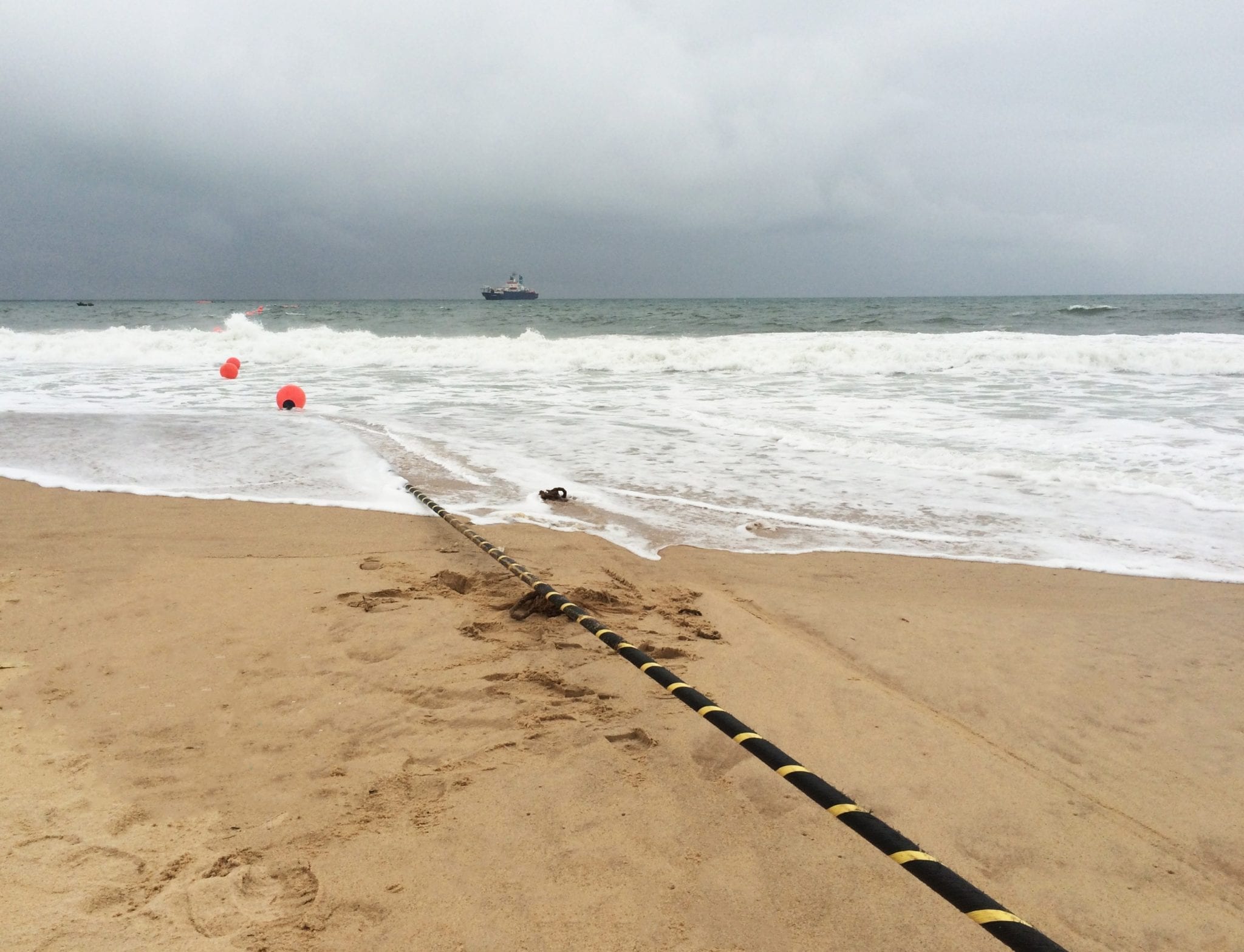
    The Djibouti Data Center has been built to Tier III data center standards and serves as a major meeting point for undersea fiber cable systems including the new Asia-Africa-Europe-1 (AAE-1) submarine cable designed to connect Asia, the Middle East, Africa and Europe.

    The AAE-1 system, of which PCCW Global is a founder consortium member, will employ 100Gbps technology, with a capacity of more than 40 terabits to provide customers with low-latency and direct connectivity around the world.

    The 25,000km-long submarine cable is expected to be ready for service by early 2017, connecting Djibouti with Hong Kong, Vietnam, Cambodia, Malaysia, Singapore, Thailand, Myanmar, India, Pakistan, Oman, UAE, Qatar, Yemen, Saudi Arabia, Egypt, Greece, Italy and France.

    “The addition of AAE-1 to PCCW Global’s existing undersea fiber cable assets in the region will enable us to provide even more robust services, along with lower latency and increased diversity, boosting services levels for our customers,” said Jordick Wong, senior vice president of product and vendor management at PCCW Global.

    Wong said the partnership with DDC is an important element of its wider pan-African development and expansion plans.

    It enables PCCW Global to establish cross-connect and colocation facilities directly adjacent to Djibouti Telecom’s cable landing stations. In addition to supporting AAE-1 in the near future, the DDC provides access to fiber-cable systems such as EIG, EASSy, Aden-Djibouti, and Ethiopia-Djibouti, Wong added.
  • M1 equips first building with fiber under FRS

    M1 equips first building with fiber under FRS

    Singapore’s M1 has been selected as the Fibre Ready Scheme (FRS) partner for property developer Ascendas-Singbridge, and has completed the first commercial fiber upgrade installation under the deal.

    The companies have equipped seven-storey integrated business park Ascent with fiber, making the Singapore Science Park facility the first FRS-enabled building.

    M1 and Ascendas-Singbridge plan to install and enhance fiber infrastructure at 70 commercial deals by 2018 as part of the alliance.

    “M1 was the first to launch commercial fiber broadband service in 2010, and we are pleased to build on that effort to partner Ascendas-Singbridge to install and upgrade the fiber infrastructure across its commercial buildings island-wide,” M1 chief corporate solutions and sales officer Willis Sim said.

    “This will enable even more corporates to rapidly enjoy M1’s innovative, competitively priced, and highly effective business connectivity service and corporate solutions such as cyber security and unified communications.”

    The FRS is an initiative of the Infocomm Media Development Authority (IMDA) as part of an S$200 million fund to help owners of commercial buildings enhance the location’s telecoms infrastructure. It involves offering a one-time subsidy to defray the costs of an upgrade.

    “With the addition of Ascendas-Singbridge’s 70 buildings, close to 200 buildings have applied for FRS to date,” IMDA assistant CEO Khoong Hock Yun said.

    “We strongly encourage more commercial building developers and owners to leverage on the FRS to enhance and future-proof its buildings’ fiber infrastructure before the program and funding ends in March 2018.”

    strongly encourage more commercial building developers and owners to leverage on the FRS to enhance and future-proof its buildings’ fibre infrastructure before the programme and funding ends in March 2018,”

  • Sri Lanka Telecom to build government fiber network

    Sri Lanka Telecom has secured a contract to build a fiber network connecting government offices in the nation.

    The operator has been selected to build the LGN2.0 (Lanka government network 2.0).

    As well as connecting government agencies and public institutions, the network will be used to provide free public Wi-Fi to citizens.

    The LGN2.0 project is being overseen by the Information and Communication Technology Agency of Sri Lanka (ICTA). It has a total budget of 12.7 billion rupees ($86.1 million) over the next two years.

    Sri Lanka’s Minister of Mass Media Gayantha Karunathilaka has stated that the project aims to address concerns that the existing LGN is not fast enough to support Sri Lanka’s ambitions to digitize the national economy.

    The original LGN was deployed between 2007 and 2012. It is managed by the government-owned entity Lanka Government Information Infrastructure (LGII).

  • AIS ramps up fiber competition

    AIS ramps up fiber competition

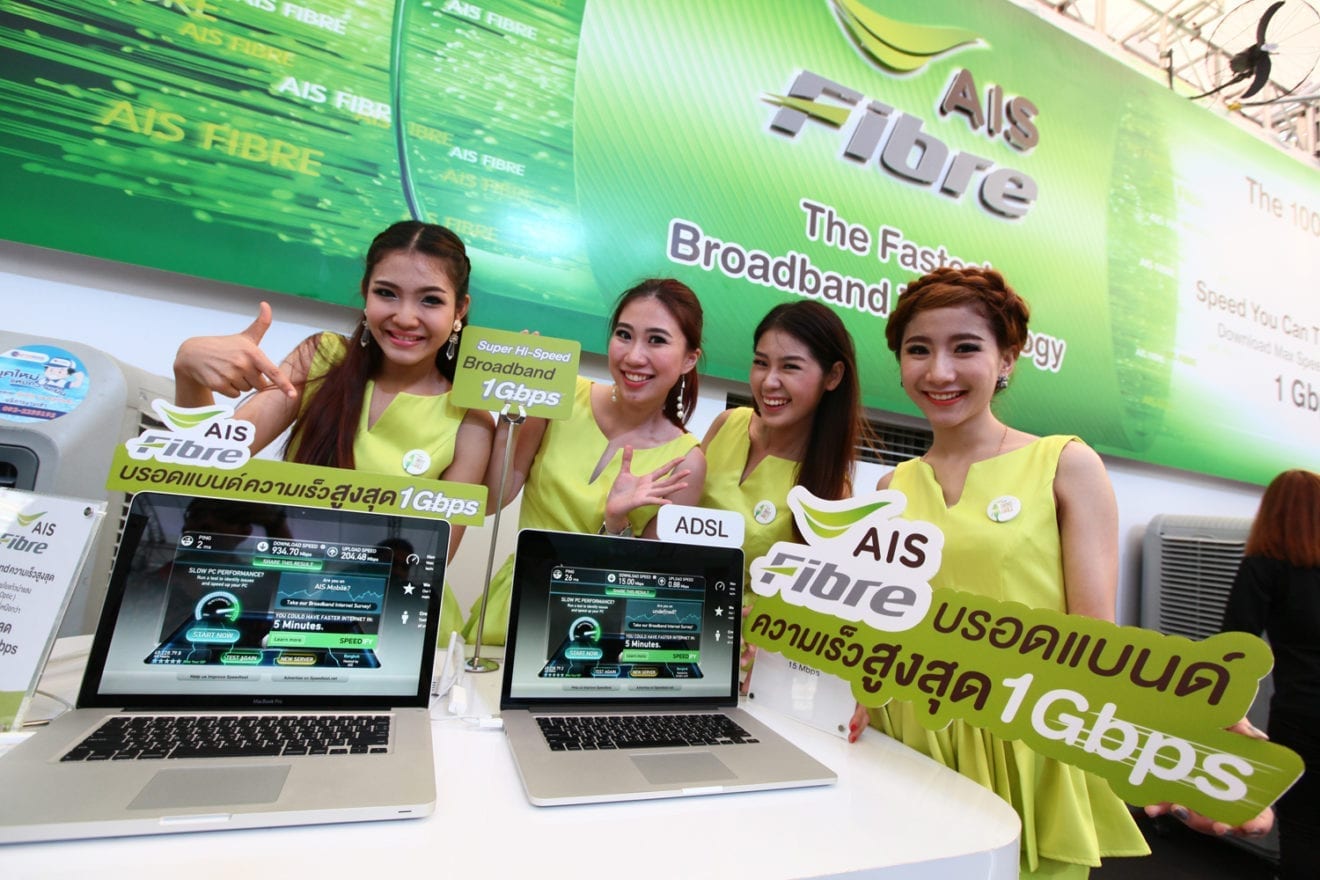
    Thailand’s top mobile operator AIS is gearing up to launch what it says will be the country’s fastest fiber broadband services.

    The operator aims to attract 300,000 users to its fiber service this year, increasing to 2 million by 2019.

    The operator first entered the fiber broadband fray in April and has already been shaking up the market. The company currently has around 200,000 subscribers to its existing fiber services, a roughly 2% share of the total market.

    Now the company aims to disrupt the market further, with plans to offer an entry-level 20Mbps service for 590 baht ($17) per month, comparable to the prices of ADSL broadband services.

    AIS will also offer 50Mbps services for 888 baht per month and 100Mbps services for 1,888 baht per month. All packages will include free WiFi routers, free AIS internet TV and free installation.

    With the new packages AIS has increased its target monthly fiber net additions to 45,000, up from a previous target of 30,000-35,000.

  • Huawei Marine sets unrepeatered distance record

    Huawei Marine sets unrepeatered distance record

    Huawei Marine Networks has announced it has achieved another distance record over unrepeatered systems, achieving a transmission distance of 648.5km during a laboratory trial.

    During the trial in Beijing, Huawei used its self-developed enhanced raman amplifier (ERPC) and remote optical pump amplifier (ROPA) technology on a 100G channel over an ultra-low loss optical fiber, to improve pump optical power and performance.

    Huawei Marine used the same technology to set an unrepeatered distance record of 627km in April, but has now pushed this further using coding gain optimizations.

    The operator’s 100G transmission technology combines new technologies including polarization mode dispersion combined with single-carrier binary phase shift keying (PDM-BPSK) and third-generation soft decision technology.

    “Huawei Marine has achieved another breakthrough in unrepeatered system design which demonstrates our continuous commitment to investing in high-performance technology,” Huawei Marine VP of technology Zhang Shigui said.

    “When used commercially, this technology will broaden the range of unrepeatered system applications and create value for our customers.”

  • Globe to deploy fiber in 20,000 villages

    Globe to deploy fiber in 20,000 villages

    The Philippines’ Globe Telecom has committed to connect 2 million Filipino homes with high-speed internet access with a speed of at least 10Mbps and above by 2020.

    The operator plans to deploy fiber in 20,000 villages across the country to achieve this goal.

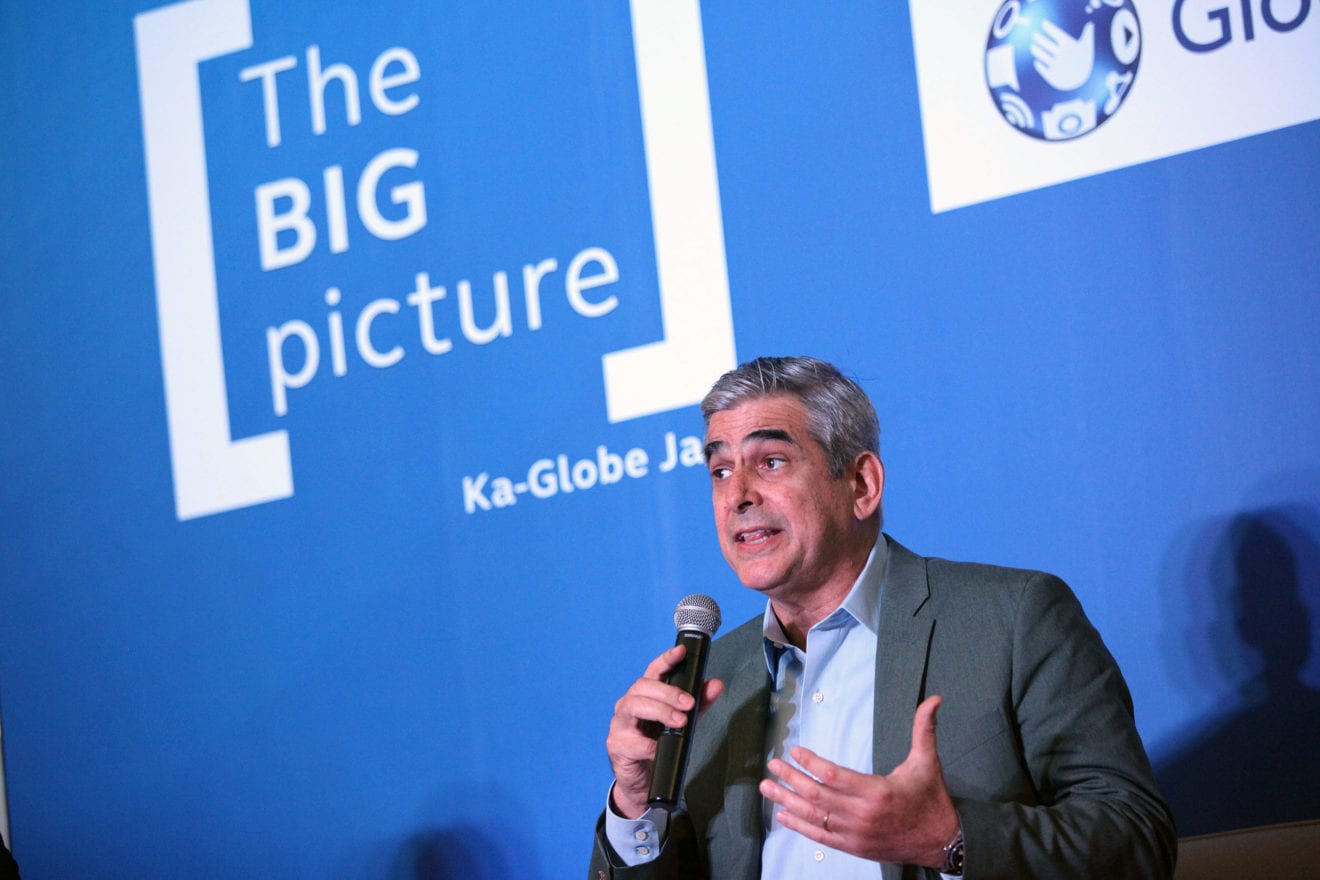
    “That will change a lot for families because families today are so dependent on the internet,” said Globe President and CEO Ernest Cu at an event on Friday night.

    “Industries and Business Process Outsourcing (BPO) also cannot flourish without dependable connection to the United States, the UK, Australia and to the rest of the world.”

    “We are committed to spending $500 million to upgrade the network of Globe to enable continuous growth among enterprises in the Philippines,” he added.

    Since the joint purchase of the telco assets owned by San Miguel Corporation (SMC) by Globe Telecom and PLDT last May, both companies have been rolling out LTE 700-MHz cell sites across the country. In the Globe network, around 250 such cell ties will have been activated in Metro Manila by the end of this month, at least 188 of which will be active in the National Capital Region.

    Cu said the goal is to deploy at least 500 LTE 700-MHz cell sites nationwide by the end of 2016.

    The majority of these sites will cover major business districts and highly urbanized and populated areas in the country, including Metro Manila, Metro Cebu, and Metro Davao.

    Globe’s chief executive emphasized that the company is maximizing the use of the previously idle 700-MHz band in fulfillment of its commitment to the National Telecommunications Commission to improve the overall internet experience of its customers following the sell-out of SMC’s telco assets.

    “One of our goals its to try to create an experience as close to first world internet as possible. You can now do this with mobile, given the amount of spectrum that we have,” he said.

    Parallel to this, Globe has also started rolling out a capacity expansion program for its corporate data network to address the bandwidth requirement of its enterprise clients. The company will be equipping 61 of its corporate sites with fiber technology.

  • New Zealand’s Chorus plans 1Gbps wholesale fiber service

    New Zealand’s Chorus plans 1Gbps wholesale fiber service

    New Zealand fixed line operator Chorus has revealed plans to extend 1Gbps wholesale fiber services across its entire share of the Ultrafast Broadband (UFB) network from next month.

    The operator will make wholesale residential and SME broadband services available nationwide on any UFB connection within Chorus’ UFB rollout area.

    The UFB is New Zealand’s national fiber broadband network, designed to cover 80% of the New Zealand population by 2022. Chorus won 70% of the contracts to deploy the fiber network from Crown Fibre Holdings, the government-owned company set up to manage the project.

    Chorus said it plans to offer residential wholesale gigabit broadband services to retailers at an introductory price of NZ$60 ($44) per month – increasing to $65 per month after June 2017 – and a business service for NZ$75 per month.

    These prices still require approval from Crown Fibre Holdings, but if this approval does not come by the end of September services will still launch on a trial basis.

    With current technology Chorus said the gigabit broadband service will offer real-world downlink speeds of between 900Mbps and 970Mbs and uplink speeds of up to 500Mbps. This compares to an average download speed across Chorus’ networks of just 35Mbps.

    Chorus began offering Gigabit broadband services in the city of Dunedin in February 2015.

    “We are delighted that other fiber providers have joined Chorus in championing gigabit residential and business services,” Chorus CEO Mark Ratcliffe said.

    “Making New Zealand a true ‘Gignation’, beyond the 5,000-plus connections we have in Dunedin, should see us catapulted up the league tables of broadband speed rankings and reinforce the high quality of the broadband infrastructure we’re rolling out.”

  • Singtel extends free WiFi offer to fiber subscribers

    Singtel extends free WiFi offer to fiber subscribers

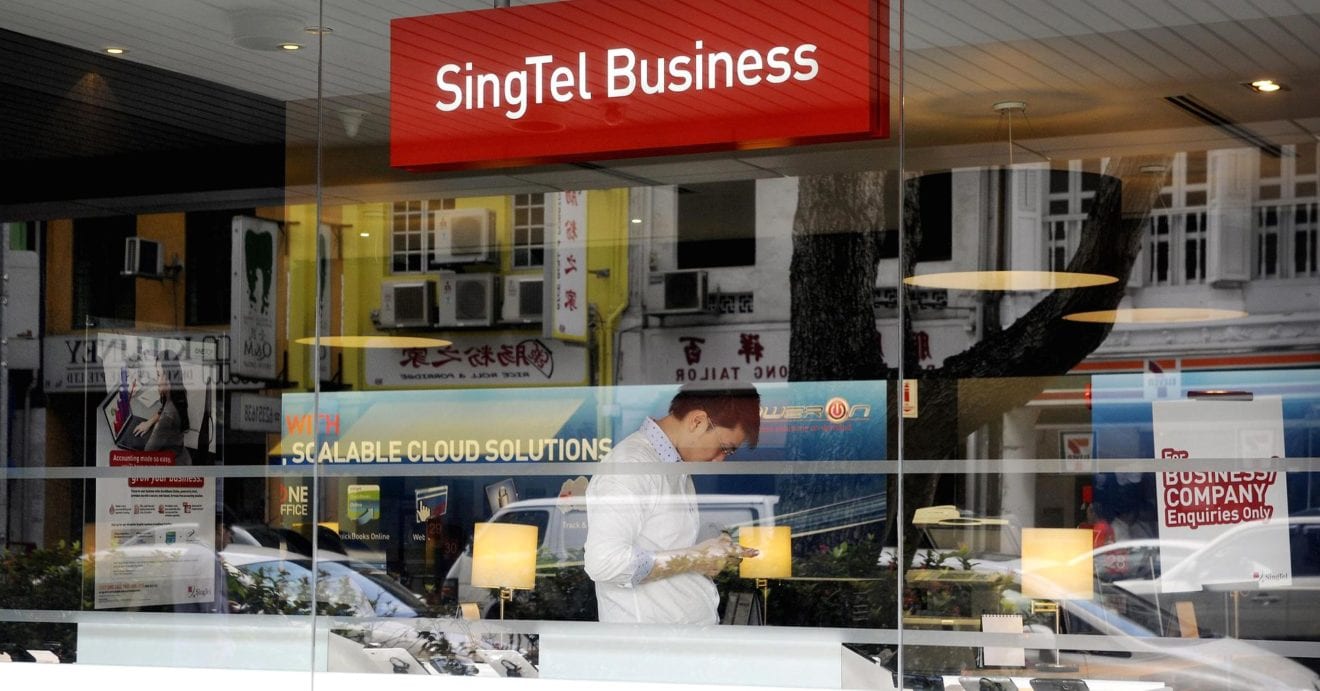
    Singtel has revealed plans to extend its free unlimited out-of-home WiFi offer to new and existing fiber broadband customers.

    The operator has been providing Singtel WiFi services for free for the operator’s mobile customers, and has decided to expand access to the service based on its popularity with mobile subscribers.

    Fiber broadband subscribers will be eligible for unlimited data usage at Singtel’s more than 900 WiFi hotspots island-wide. The company said the unlimited usage offer will last until the end of September 2017.

    Customers will be able to access the network on any WiFi-enabled device. After a one-time activation the service offers seamless logins at all WiFi hotspots.

    Singtel asserts that its WiFi network offers five times faster speeds compared to conventional WiFi services. Hotspots have been deployed across the island, including in MRT public transport stations and McDonald’s restaurants.

    “We are pleased to offer our fiber broadband customers extra value on their plans and affordable options to stay connected,” Singtel managing director of home consumer Singapore Goh Seow Eng said.

  • Myanmar’s Golden 11 taps eSites to power fiber nodes

    Myanmar’s Golden 11 taps eSites to power fiber nodes

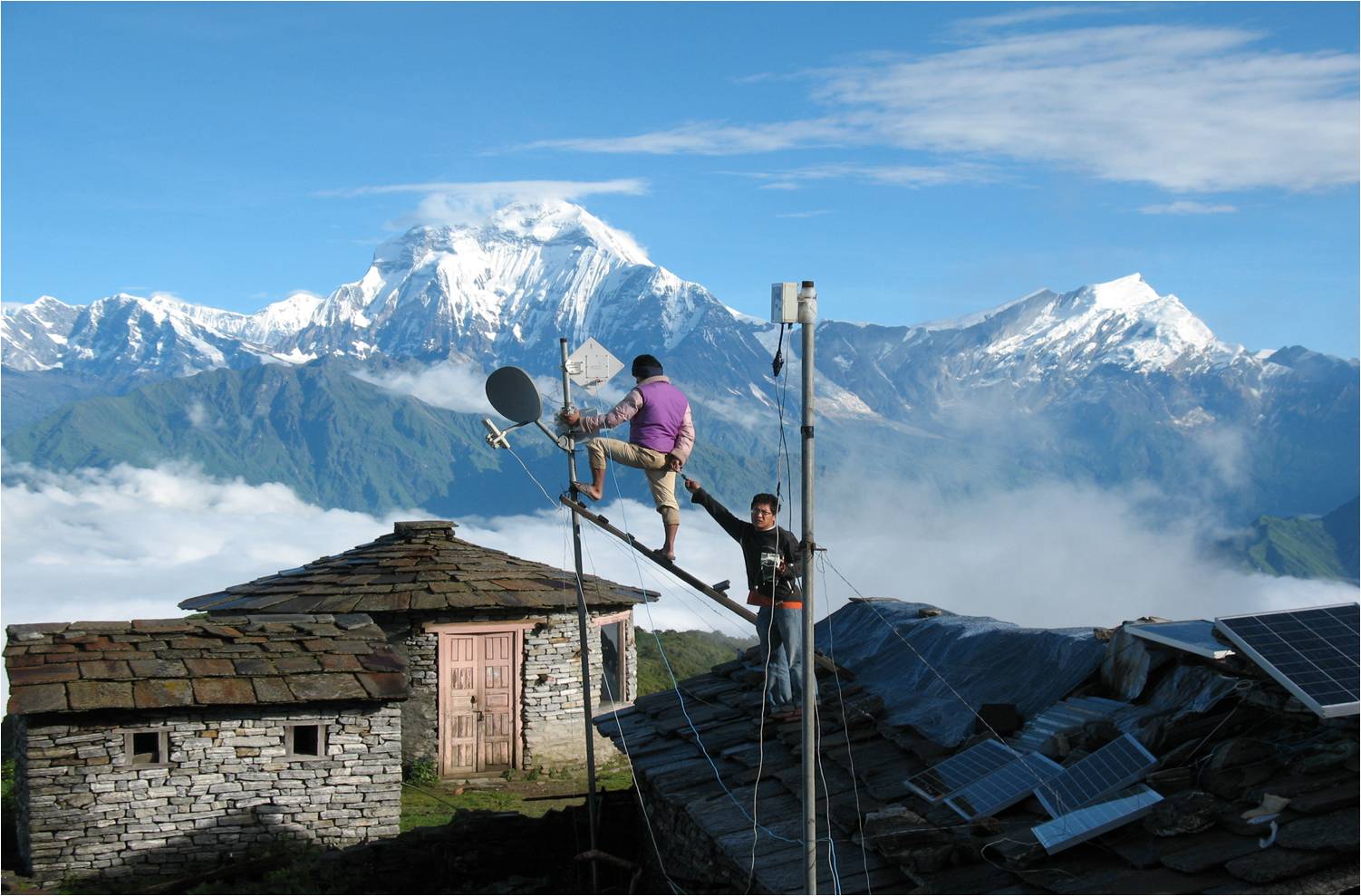
    Myanmar wholesale telecoms infrastructure provider Golden 11 will deploy a hybrid power system from Flexenclosure to support the deployment of fiber transmission nodes in remote areas.

    Golden 11 constructs fiber networks, towers and data exchange facilities across the nation. The company will use Flexenclosure’s eSite technology to power and integrate the company’s fiber network where needed.

    The eSite hybrid power system is designed for base station sites in areas where grid power is unreliable or unavailable, using any available combination of battery, grid, renewable and genset power sources.

    The eSites Flexenclosure is providing for the contract have dedicated space for fiber transmission equipment, which will allow Golden 11 to take advantage of the technology.

    “In the remote areas of Myanmar where grid power must be complemented with innovative power solution to ensure resilience and permanence of telecommunication services, we needed a tried and tested solution to ensure consistent power for our network transmission nodes,” Golden 11 director of service delivery Clement Larroque said.

    “With Flexenclosure’s strong local team in place and eSite proven in the Myanmar market, they were the clear and undisputed choice for us.”

  • PTCL signs fiber leasing deal with Zong

    PTCL signs fiber leasing deal with Zong

    Pakistan’s largest operator PTCL has secured a fiber leasing agreement with China Mobile’s Pakistani mobile unit Zong.

    Under the agreement, PTCL will deploy 789 kilometers of fiber for Zong’s mobile network.

    The fiber leasing agreement will also allow Zong to utilize PTCL’s nationwide fiber footprint, which will help the operator further expand its 3G and 4G networks nationwide.

    PTCL and Zong signed a memorandum of understanding in December last year which declared PTCL as Zong’s preferred partner for infrastructure and technical expertise. PTCL has meanwhile been making efforts to position itself as the “carrier of carriers,” the report states.

    Zong is Pakistan’s third largest mobile operator by subscribers with a market share of around 19% as of late 2014. China Mobile first entered the Pakistani market in 2008 by acquiring an operating license from Millicom, and holds a 100% stake in Zong Pakistan.

  • Globe rolls out fiber in world’s oldest Chinatown

    Globe rolls out fiber in world’s oldest Chinatown

    Globe Telecom has entered a collaboration with the city government of Manila to roll out fiber broadband technology in Binondo. This initiative will provide internet connectivity with speeds of up to 1Gbps to the world’s oldest Chinatown.

    Early this year, Globe made a call for local governments’ support for its initiative to build on its network infrastructure and provide better a internet experience for its customers, as part of efforts to transform the Philippines into a digital nation by 2020. The city government of Manila, led by Mayor Joseph Estrada, was the first government to respond to the call.

    The fiberization of the entire Binondo district, an age-old center of commercial activities in the capital, is expected to benefit business and residential establishments in the area and is expected to drive business growth in the district. The project will be completed in the third quarter of the year.

    “Globe is able to deploy fiber broadband technology in Binondo only because we are united with the local city government in realizing a vision of developing ‘connected communities’ where both enterprise clients and customers at home get to experience the full benefits of having world-class data connectivity,” Globe chief commercial officer Albert de Larrazabal said.

    “We hope to replicate the realization of this vision in many other areas in the country as we all aspire to further drive local economic growth.”

    The deployment of fiber broadband technology in Binondo will deliver ultra- fast internet to at least 5,000 new business and home subscribers as part of the initial rollout, Larrazabal said.

    Globe will also roll out small cell technology in various parts of Binondo as part of its efforts to expand network coverage and capacity.

    The pilot rollout of fiber broadband technology in Binondo forms part of Globe Telecom’s initiative of creating an internet super highway nationwide. By forming partnerships with other local government units, the operator plans to deploy fiber in 20,000 districts by 2020 that will provide internet access to around 2 million homes nationwide.

    Parallel to this, Globe will also invest in capacity enhancement for both mobile and wireline using different technologies that include 3G, LTE and Wi-Fi.

  • Nepal Telecom lays fiber to Nepal-China border

    Nepal Telecom lays fiber to Nepal-China border

    Nepal Telecom has revealed it has completed a project to lay fiber at the Nepal-China border, paving the way for an interconnection with China Telecom.

    The company has deployed fiber from Kathmandu to the Rasuwagadhi border point via two other Nepalese districts. The deployment uses all-dielectric self-supporting (ADSS) technology, which allows fiber to be deployed without the use of a support or messenger wire to save on deployment costs.

    A spokesperson for Nepal Telecom told that the operator has already commenced installation of equipment for an interconnection with China Telecom’s extensive fiber footprint.

    This will allow the operator to directly link to the Hong Kong Data Centre – one of the two largest data centers in the Asia region – and to establish global connectivity through Hong Kong via China. The company will also connect with a hub in Singapore via India.

    Through these arrangements Nepal Telecom plans to improve the speed and increase the price of its services.

  • President Hooks Up Papua to Fiber-Optic Spine

    President Hooks Up Papua to Fiber-Optic Spine

    President Joko Widodo on Sunday inaugurated the Rp three.6 trillion ($275 million) Sulawesi, Maluku and Papua Cable System (SMPCS), a fiber-optic community meant to enhance Japanese Indonesia’s telecommunications connectivity.

    The cable system is part of the state-owned telecommunication agency Telekomunikasi Indonesia (Telkom)’s plans to attach the whole archipelago with fiber-optic know-how by the top of this yr.The SMPCS stretches for eight,772 kilometers throughout 34 districts in North Sulawesi, Southeast Sulawesi, South Sulawesi, North Maluku, Maluku, East Nusa Tenggara, West Papua and Papua. Thus far, Telkom has put in 6,193 kilometers of fiber-optic cable and it plans to complete the rest by September.

    The japanese community is a part of the 76,727-kilometer fiber-optic cable infrastructure that stretches from Sabang within the northwest of Indonesia to Merauke within the southeast.

    “The SMPCS will broaden the connectivity and increase knowledge service capability in areas which have by no means been served nicely earlier than,” Telkom president director Alex J. Sinaga stated.Nonetheless, the cable system is “solely a spine community and Indonesia nonetheless wants the entry [at the consumer level],” Communications and IT Minister Rudiantara advised these current on the inauguration of the community by video-call from Jakarta.

    “To raise the entry high quality, we should migrate and rearrange the frequency at 1,800 megahertz for 4G know-how,” the minister stated. “This has been accomplished in Maluku and North Maluku. We’ll begin doing this in Papua from Tuesday, in Kalimantan and Sumatra on the finish of June and will probably be completed in Jakarta in November.”

    4G Lengthy Time period Evolution (LTE), or the fourth-generation know-how product that gives tremendous quick knowledge switch for cellular units, gives improved obtain speeds in comparison with present 3G know-how provided by many cellular operators.