Tag: Finance

  • HSBC’s $2B Singapore Insurance Unit Sale to Allianz: A Strategic Boost for Both Giants

    HSBC’s $2B Singapore Insurance Unit Sale to Allianz: A Strategic Boost for Both Giants

    HSBC has announced that it will sell its life and health insurance division in Singapore to Germany’s Allianz. The deal, which values the unit at SGD2.7 billion (US$2.09 billion), is expected to produce a pre-tax gain of US$1.8 billion for HSBC and potentially enhance the HSBC Group’s common equity tier 1 ratio by up to 15 basis points.

    Simplifying Operations and Boosting Capital Returns

    This sale signifies another move in HSBC CEO Georges Elhedery’s strategy to streamline operations at Europe’s largest bank and reinvest capital into sectors and markets that promise better yields. Simultaneously, he aims to maintain Singapore’s position as a vital hub for wealth and wholesale banking.

    The deal presents Allianz with a unique chance to expand in Singapore, a wealthy, strictly regulated market where distribution networks and bank-insurance partnerships carry high value. Anusha Thavarajah, Allianz’s Asia Pacific Regional CEO, states that the transaction underscores her company’s confidence in Singapore and recognizes HSBC Life Singapore’s fast-growing business, local expertise, and solid reputation among customers and partners.

    The planned divestment, set to occur in early 2027, will lead HSBC to enter a 15-year bank-insurance distribution agreement with Allianz. This agreement involves selling insurance products in Singapore, supported by an upfront payment of SGD200 million.

    Expanding Insurance Business

    The deal arrives in the wake of HSBC’s broader expansion in the insurance sector. Despite the bank’s ongoing effort to reshape its global footprint and focus on core Asian wealth and corporate banking markets, insurance income has seen a 16% year-on-year rise in the first quarter. This trend has contributed to an 18% boost in quarterly wealth revenue.

    Past investment interests include HSBC Holdings’ acquisition of French insurer Axa’s Singapore assets for US$529 million in 2022. However, the bank is also known for trimming smaller or less scalable retail and insurance operations in parts of Asia, while fiercely vying for affluent clients in the region.

    This sale follows Singapore’s Overseas-Chinese Banking Corp’s announcement in May of its Indonesian unit’s acquisition of certain HSBC wealth and premier banking portfolio assets and liabilities. HSBC is currently also reviewing its retail operations in Turkey, Australia, and Egypt.

    Questions & Answers

    What is the value of the deal between HSBC and Allianz?
    The deal values HSBC’s Singapore life and health insurance unit at SGD2.7 billion (US$2.09 billion).

    What will be HSBC’s strategy after the planned divestment in 2027?
    HSBC plans to enter into a 15-year bancassurance distribution agreement with Allianz to sell insurance products in Singapore.

    What has been the trend in HSBC’s insurance income?
    HSBC’s insurance income has seen a 16% year-on-year rise in the first quarter.

  • US Dollar Stumbles Against Vietnamese Dong Amid Market Turbulence

    US Dollar Stumbles Against Vietnamese Dong Amid Market Turbulence

    In the unofficial trading market on Saturday morning, the U.S. dollar experienced a decline against the Vietnamese dong. The greenback was sold 0.04% lower at VND26,410 at these non-official trading spots. Meanwhile, Vietcombank, a significant financial player in the region, maintained its rate at VND26,490.

    A Global Perspective on the Dollar’s Performance

    Worldwide, the performance of the dollar on Friday was relatively stable, but it concluded the week on a lower note. This downtrend was attributable to the moderate U.S. inflation data which resulted in traders reducing their expectations of immediate rate hikes from the Federal Reserve.

    Mounting tension between Iran and the U.S. became a crucial factor impacting the global economy. The recent week-long escalation has significantly undermined the peace agreement established last month. This development has incited investors to seek sanctuary in the dollar and has also contributed to the surge in oil prices to nearly one-month highs.

    The plummeting of the tech-dominated global equity market and the ongoing disturbance to the traffic in the Strait of Hormuz have incited a rush to safety. Elias Haddad, the global head of markets strategy at Brown Brothers Harriman, mentioned this. He also noted the U.S. dollar had recouped some of its losses from this week and that global bond yields had marginally decreased.

    Questions & Answers

    What was the impact of the U.S. inflation data on the dollar?
    The moderate U.S. inflation data led traders to reduce their bets on impending rate hikes from the Federal Reserve, which resulted in the dollar ending the week on a lower note.

    What are the effects of the escalating tension between Iran and the U.S.?
    The escalating tension between Iran and the U.S. has encouraged investors to seek refuge in the dollar and has also pushed oil prices to near one-month highs.

    How did the tech-led global equity market’s performance affect the U.S. dollar?
    The decline in the tech-led global equity market has triggered a flight to safety, helping the U.S. dollar to recover some of its losses from the week.

  • Home Credit Vietnam Triumphs Again: Wins Coveted Finance and Sustainability Awards for 2026

    Home Credit Vietnam Triumphs Again: Wins Coveted Finance and Sustainability Awards for 2026

    Home Credit Vietnam has been awarded ‘Finance Company of the Year’ for the second consecutive year, and also received the ‘Sustainability Initiative of the Year’ at the Asian Banking & Finance Retail Banking Awards 2026. The awards acknowledge the company’s robust business performance, as well as its endeavors in financial inclusion, promoting environmentally friendly consumption, and fostering community development.

    Striving for Sustainable Growth

    The FiinGroup’s Vietnam Consumer Finance Report 2026 indicates that Vietnam’s consumer finance market is evolving, with a shift in focus towards the quality of growth, operational efficiency, and risk management in the wake of a period of market instability. In this context, Home Credit Vietnam has consistently invested in augmenting its governance capabilities and integrating technology into its operations and customer service. The company has fortified its credit assessment models and digital systems, which has facilitated quicker processing of applications and honed loan portfolio management.

    Moreover, the company has crafted financial solutions tailored to diverse customer segments, considering their repayment capacity, and has enhanced the transparency of product information and loan terms to aid customers in making more informed borrowing decisions. These efforts have culminated in Home Credit Vietnam receiving the ‘Finance Company of the Year’ award, which acknowledges financial institutions based on their operational performance and adaptability to fluctuating market conditions. The company’s 2025 financial statements reveal a 36.8% increase in total assets compared to the start of the year, with an after-tax profit of VND2.077 trillion (US$79 million).

    Embedding Sustainability in Business Practices

    Pham Ngoc Khang, the Chief Strategy Officer and Chairman of Home Credit Vietnam’s ESG Steering Committee, emphasized that sustainable development forms a key part of the company’s long-term strategy. He asserted that a company’s growth should align with the interests of customers and communities, as financial solutions are truly meaningful only when they improve the quality of life and broaden people’s access to financial services.

    The company’s sustainability strategy, which was recognized by the ‘Sustainability Initiative of the Year’ award, centers on increasing access to responsible finance, promoting green consumption, and supporting community development. In 2025, Home Credit Vietnam launched preferential financing packages for electric motorcycles to spur the use of zero-emission transportation. They also broadened their financial literacy initiatives. By the end of 2025, the company’s Home Smart online platform had reached over 21 million people, and they had organized personal finance management workshops for over 4,000 students and women.

    Questions & Answers

    What awards did Home Credit Vietnam receive at the Asian Banking & Finance Retail Banking Awards 2026?
    Home Credit Vietnam was recognized as ‘Finance Company of the Year’ for the second year in a row and also received the ‘Sustainability Initiative of the Year’ award.

    What are some of the initiatives Home Credit Vietnam has undertaken to promote sustainable growth?
    The company has been investing in enhancing its governance capabilities, integrating technology into its operations, and crafting tailor-made financial solutions for diverse customer segments. They have also increased the transparency of product information and loan terms to aid customers in making informed decisions.

    What is the focus of Home Credit Vietnam’s sustainability strategy?
    The sustainability strategy of the company involves expanding access to responsible finance, promoting green consumption, and supporting community development. They have launched financing packages for electric motorcycles and extended their financial literacy initiatives to promote responsible lending.

  • Techcombank Leverages Digital Finance to Tap into Vietnams $100 Billion Infrastructure Nexus

    Techcombank Leverages Digital Finance to Tap into Vietnams $100 Billion Infrastructure Nexus

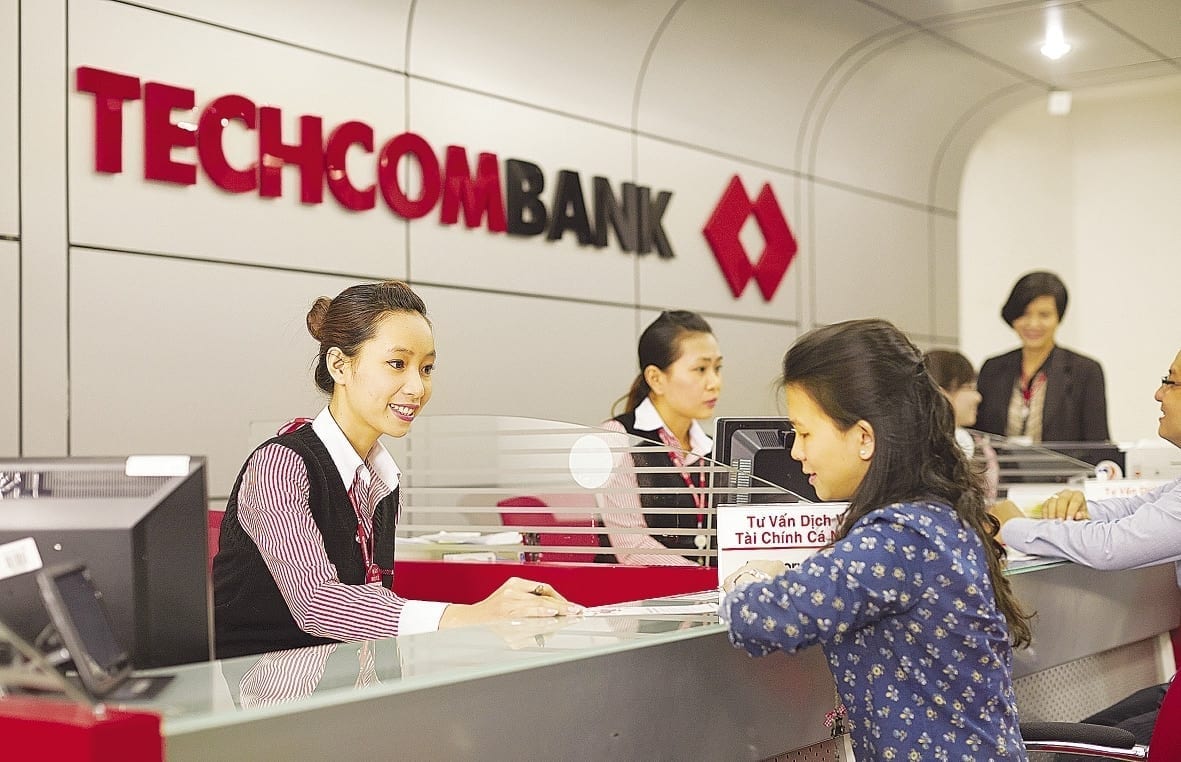
    Techcombank, Vietnam Technological and Commercial Joint Stock Bank, is strategizing to bridge global capital with Vietnam’s escalating investment needs. The bank is placing digital financial infrastructure at the forefront, seeing it as a pivotal factor for the country’s next economic growth stage.

    Techcombank is expressing its aspiration to be instrumental in channeling both local and global capital towards Vietnam’s economic progression. In furtherance of its goals, it co-hosted the Vietnam Financial Forum 2026 (VFF 2026) from July 9th to 10th in Danang. The forum attracted over 350 attendees, including policymakers and executives from domestic and international financial institutions and companies.

    Modernizing Vietnam’s Capital Markets

    The forum centered on the modernization of Vietnam’s capital markets, bolstering the country’s financial infrastructure, and enhancing corporate access to capital. The country’s government aims to achieve double-digit economic growth from 2026 through to 2030.

    Digital and green finance took center stage at the forum. Delegates deliberated on how new technologies and the digital transformation of the financial infrastructure could ease capital flow and bolster Vietnamese companies.

    Techcombank CEO, Jens Lottner, in his keynote speech, pointed out that the bank’s role goes beyond conventional financing. He stated, “We are constructing the digital infrastructure that allows capital, data, and financial services to flow smoothly through the economy.” The CEO also revealed Techcombank’s goal to be Vietnam’s most reliable financial platform and to help efficiently channel domestic and international capital into sectors generating sustainable economic value.

    $100 Billion Investment Goal

    The funding of Vietnam’s rapidly expanding infrastructure needs was a key focus of the forum. Techcombank executives and representatives of their partner ecosystem discussed potential areas for the next $100 billion investment. The conversations included infrastructure, energy, and industrial development, as well as tactics to draw capital from global institutional investors.

    Techcombank emphasized mechanisms for luring foreign investment and steering international capital towards strategic Vietnamese projects. Lottner mentioned that Techcombank is ready to share its experience in developing digital ecosystems and utilizing data and technology to connect citizens, companies, investors, and public services.

    Techcombank aims to contribute its financial resources, tech expertise, and global network to the development of a more modern and transparent financial ecosystem through its participation in the Vietnam Financial Forum. The bank currently services around 18 million retail and corporate clients and operates one of Vietnam’s top digital banking platforms.

    Questions & Answers

    What is Techcombank’s primary aim in Vietnam’s economic development?
    Techcombank aims to facilitate the efficient allocation of both domestic and international capital into sectors generating sustainable economic value, leveraging digital financial infrastructure.

    What were the key areas of focus at the Vietnam Financial Forum 2026?
    The forum focused on modernizing Vietnam’s capital markets, strengthening the country’s financial infrastructure, and improving corporate access to capital. Other areas of focus included digital finance, green finance, and the role of technology in facilitating capital flow.

    What is Techcombank’s strategy for meeting Vietnam’s growing infrastructure needs?
    Techcombank intends to attract and steer international capital towards strategic projects in Vietnam. It also aims to share its experience in developing digital ecosystems and using data and technology to connect various sectors, including citizens, companies, investors, and public services.

  • Citi Banks on Vietnam’s Potential for Expanding Social Finance Sector

    Citi Banks on Vietnam’s Potential for Expanding Social Finance Sector

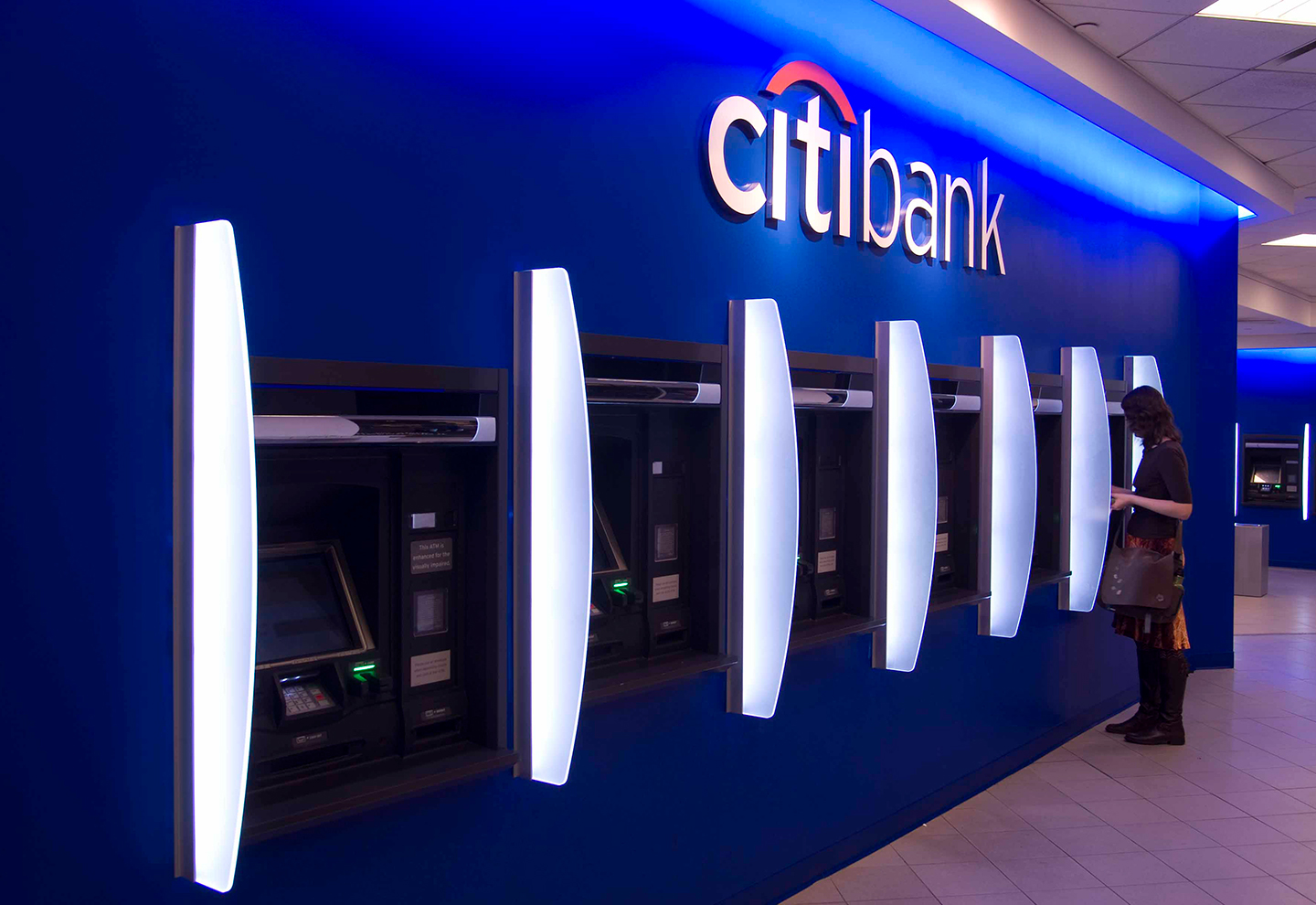
    Jorge Rubio Nava, Global Head of Citi Social Finance, recently outlined Citi’s global role in social finance and the prospects for growth in Vietnam and throughout Asia.

    Citi’s Impact in Social Finance

    Since its establishment in 2005, Citi Social Finance has been primarily focused on microfinance, later branching out to finance that enhances access to crucial services for overlooked communities. The venture has successfully mobilized over US$19.7 billion, positively impacting 22.7 million low-income and underserved families, including 12.3 million women in over 50 emerging markets.

    In 2021, the bank introduced its Global Social Finance Framework and, three years later, issued a $3 billion Social Finance Bond. Social finance’s goal is not just to provide funds but also to assure that these funds reach communities where they can foster inclusive economic development.

    Citi defines social finance as supporting projects that enhance access to vital services for underserved populations. This includes affordable infrastructure, housing, economic inclusion, education, food security, and healthcare. Each transaction under this umbrella is scrutinized against pre-set criteria and anticipated social outcomes, with the bank having developed internal guidelines for eligibility, financing structures, and impact measurement.

    Opportunities in Vietnam

    In Vietnam, Citi recently finalized two social trade finance transactions with BIDV and MB. These deals spotlight the significant opportunities in the country, where micro, small, and medium-sized enterprises (MSMEs) contribute more than 45% to GDP and over 60% to employment.

    Citi provided over $100 million in social trade advance facilities to BIDV and MB, intended to bolster the banks’ lending to MSMEs for working capital and income-generating activities. This contributes to business expansion and job creation. These transactions also showcased how social finance can be amplified through collaborations with local financial institutions.

    In addition to their banking partnerships, Citi is also engaging with corporate clients, such as a Vietnamese coffee company. Through a financing arrangement, they are supporting the company’s working capital while also helping expand market access for smallholder coffee farmers via its supply chain.

    Questions & Answers

    What was the purpose of Jorge Rubio Nava’s recent trip to Vietnam?
    The purpose of the visit was to engage with corporate clients and financial institutions to explore how social finance can aid in business growth.

    What is required for social finance to develop further in Vietnam and Asia?
    Continued client demand, transparency in the use of proceeds, measurable outcomes, consistent reporting, and scalability are crucial for the growth of social finance in the region.

    Does Citi plan to continue expanding its social finance activities in Vietnam and other parts of Asia?
    Yes, Citi intends to keep growing its social finance activities in Vietnam and Asia by partnering with clients to develop financing solutions that merge commercial viability with measurable social impact.

  • Wealthy Families Go Global: UBS Reveals Surge in Diversification and AI Investment Strategies

    Wealthy Families Go Global: UBS Reveals Surge in Diversification and AI Investment Strategies

    Geopolitical uncertainties, economic recession concerns, and increasing skepticism around the supremacy of the U.S. dollar are leading to a shift in the investment strategies of affluent families globally. The new Global Family Office Report from UBS reveals that more family offices are considering strategic alterations to their portfolios than ever before.

    Investment Diversification Amid Global Uncertainties

    The report sheds light on how investors are adjusting their portfolios in response to geopolitical instabilities and structural risks. UBS’ survey, which involved 307 global family offices across over 30 markets, each with an average net worth of $2.7 billion, shows that 60% of respondents are planning to amend their strategic asset allocation within the next year. The focal point of this repositioning is wider diversification across regions, currencies, and asset types, along with an increased emphasis on long-term thematic investments.

    Artificial Intelligence (AI) remains a particularly attractive investment opportunity. The report finds that 65% of family offices have made investments throughout the entire AI value chain, spanning from data centers and software platforms to semiconductor manufacturers. Although valuations are high, many investors intend to boost or maintain their exposure in this arena.

    Investment Themes and Succession Planning Challenges

    Family offices are also showing keen interest in investments related to infrastructure, energy, and commodities, while cryptocurrencies are seen as a more niche allocation. The survey found that only 44% of invested family offices currently consider digital assets as part of their strategic asset allocation, with actual portfolio exposures remaining relatively modest.

    In terms of governance and succession planning, many family offices are falling short. The report shows that only about a third have a clearly defined succession plan, and just 27% are preparing the next generation in an organized manner for future leadership roles.

    Family offices in North Asia are leaning towards a technology-driven and globally diversified investment strategy, with 74% of their investments related to AI. Southeast Asian family offices are even more invested in AI, with 88% already invested in the sector.

    Questions & Answers

    What is the main investment focus of family offices according to the UBS report?
    The main focus is on broader diversification across regions, currencies, and asset types, along with an increased emphasis on long-term thematic investments, especially in Artificial Intelligence.

    How are family offices approaching the issue of succession planning?
    The report reveals that only about a third of family offices have a clearly defined succession plan in place, and just 27% are preparing the next generation for future leadership roles in an organized manner.

    What is the stance of family offices on cryptocurrencies?
    Cryptocurrencies are considered more of a niche allocation. Only 44% of the family offices that have made investments currently consider digital assets as part of their strategic asset allocation.

  • OCBC Boosts Hong Kong Wealth Management Team by 30% Amid Rising Demand

    OCBC Boosts Hong Kong Wealth Management Team by 30% Amid Rising Demand

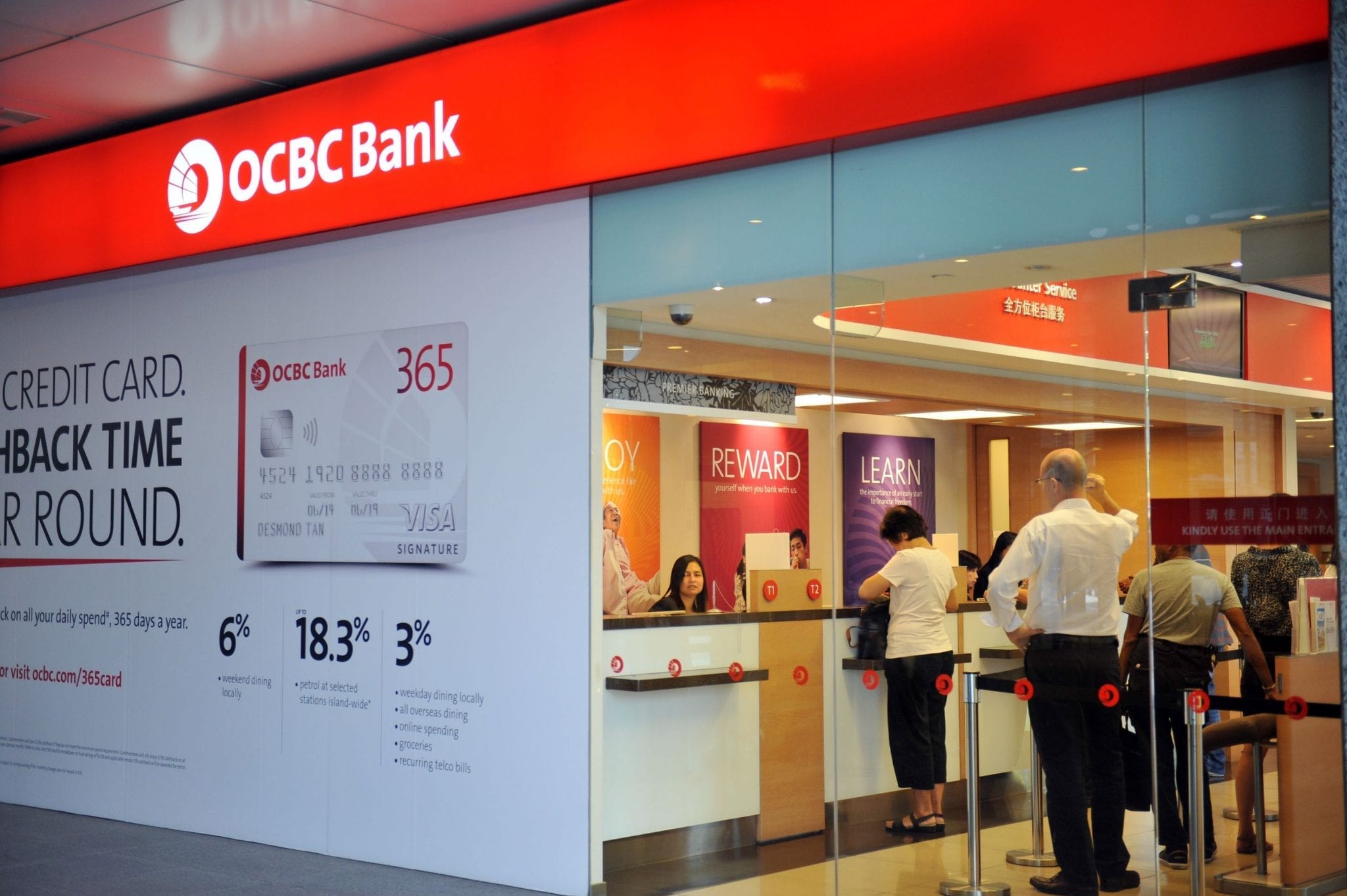
    The Oversea-Chinese Banking Corporation (OCBC) has announced plans to bolster its wealth-management staff in Hong Kong by 30% this year. This move is a strategic reaction to an increasing demand from its clientele for investment and financing services.

    Singapore’s second-largest financial institution aims to recruit an additional 30 to 50 relationship managers to its Hong Kong division, according to Josephine Lee, OCBC’s head of Hong Kong consumer financial services. The bank projects a significant increase in its wealth sector income, anticipating a five-fold jump since 2023. Furthermore, Lee disclosed the bank’s strategy to launch a novel array of services this year specifically aimed at clients with at least $1 million.

    OCBC’s wealth services portfolio has been a significant factor in boosting the bank’s profitability. The bank has surpassed projected profits for the first quarter, largely due to increasing fees related to wealth services. Furthermore, the demand for wealth accounts within Hong Kong has shown a marked increase from clients both within and outside the jurisdiction, primarily attracted by offerings such as financing. “We must enhance our pool of relationship managers to optimally serve our client base,” says Lee.

    The Greater China region, which includes Hong Kong, has been a significant income generator for OCBC, contributing 23% to the bank’s operating profit in the first quarter. This makes it the second-largest contributor, following Singapore, and shows a slight increase compared to the same period last year.

    Questions & Answers

    What is the anticipated increase in OCBC’s wealth-management staff in Hong Kong?
    The bank plans to increase its wealth-management staff in Hong Kong by 30% this year, which translates to an addition of 30 to 50 relationship managers.

    How significant has the wealth services portfolio been to OCBC’s profitability?
    The wealth services portfolio has played a major role in boosting the bank’s profitability, with the first quarter earnings surpassing estimates mainly due to increased fees related to these services.

    What proportion of OCBC’s operating profit was contributed by the Greater China region in the first quarter?
    The Greater China region, including Hong Kong, contributed 23% to the bank’s operating profit in the first quarter, making it the second-largest contributor after Singapore.

  • Citigroup Bolsters Global Insurance and Specialty Finance Teams with High-Profile Appointments

    Citigroup Bolsters Global Insurance and Specialty Finance Teams with High-Profile Appointments

    Citigroup has announced the appointment of two seasoned bankers to senior roles within its Financial Institutions Investment Banking division. This move forms part of the bank’s strategic initiative to bolster its global insurance and specialty finance advisory services.

    Jonathan Alpert has been designated as the new Global Head of Insurance, effective from September. Alpert boasts an impressive career spanning over 28 years in both the insurance industry and investment banking. His most recent role was as Co-Head of Global Insurance at Bank of America. Alpert will leverage his rich experience and extensive network within the global insurance sector to drive Citi’s growth in this arena.

    Operating from New York, Alpert will team up with Brian Malbacho, Citi’s North America Head of Insurance. Together, they will focus on expanding the bank’s global insurance franchise. Citi expressed confidence in Alpert’s capabilities, noting his record of advising on significant international insurance transactions and his enduring relationships with eminent global insurance groups.

    In a simultaneous appointment, Ryan Willingham will assume the role of Managing Director covering Specialty Finance, come August. He, too, is transitioning from Bank of America where he previously headed the specialty finance sector within the bank’s Financial Institutions group.

    Willingham’s nearly 20-year career has been dedicated to advising a variety of specialty finance firms, including mortgage originators and servicers, mortgage REITs, and government-sponsored enterprises.

    These strategic appointments come at a time when deal activity within the insurance sector is on the rise, particularly in the Asia-Pacific region. Insurers in the area are actively pursuing capital-raising and merger-and-acquisition opportunities. As Global Head of Insurance, Alpert will be instrumental in supporting Citi’s growth ambitions with leading insurers in this dynamic region.

    Questions & Answers

    Who has Citigroup appointed to its Financial Institutions Investment Banking division?
    Citigroup has announced the appointment of Jonathan Alpert as Global Head of Insurance and Ryan Willingham as Managing Director covering Specialty Finance.

    What experience does Jonathan Alpert bring to his new role at Citigroup?
    Jonathan Alpert brings over 28 years of experience in the insurance industry and investment banking. His most recent role was Co-Head of Global Insurance at Bank of America.

    What is the significance of these appointments for Citigroup?
    These appointments come at a time of increased deal activity in the insurance sector, particularly in the Asia-Pacific region. Alpert, as Global Head of Insurance, will play a pivotal role in supporting Citigroup’s growth with leading insurers in this region.

  • HSBC Profit Falters Amid UK Fraud Charge and Rising Middle East Tensions

    HSBC Profit Falters Amid UK Fraud Charge and Rising Middle East Tensions

    HSBC Holdings Plc recently announced financial results that fell short of projections, impacted by unexpected fraud-related charges in the UK and escalating economic uncertainties due to the Middle East conflict.

    Financial Outcome Below Expectations

    In the first quarter, HSBC’s pretax profit plummeted to $9.4 billion, falling short of the anticipated $9.6 billion. Despite the disappointing results, resilience was observed in the bank’s wealth and Hong Kong sectors. The bank’s net interest income outlook also experienced an upswing, which provided some balance to the outcome.

    The London-headquartered bank reported $1.3 billion in anticipated credit losses for the quarter, a major component of which was a $400 million charge associated with a fraudulent securitization exposure involving a UK financial sponsor. Furthermore, HSBC had to manage a $400 million fallout related to the collapsed mortgage lender MFS.

    The bank also noted a $300 million augmentation in allowances due to a worsening global economic forecast triggered by the initiation of strife in the Middle East.

    Revenue and Net Interest Income Experience Growth

    Despite the challenges, HSBC’s revenue observed a 6% increase year-on-year to $18.62 billion, surpassing estimates. This was largely due to robust wealth fees and other income. Simultaneously, net interest income also experienced an 8% growth year-on-year, reaching $8.9 billion. However, operating expenses mirrored this increase, also growing by 8% as a result of inflation, forex, increased planned expenditure, and performance-related pay.

    The bank flagged potential risks associated with the Middle East conflict such as surging oil prices, heightened inflation, and a significant GDP slowdown. Should these factors transpire, the bank warned of a “mid-to-high single digit percentage” negative impact on its pre-tax profit.

    Although HSBC maintained its target return on tangible equity (RoTE) of 17%, it cautioned that the negative repercussions of the Middle East crisis, if realized, could potentially push RoTE, excluding significant items, below this target in 2026. The annualized RoTE for the reported quarter, excluding items, was 18.7%.

    HSBC expressed confidence in its commitment to deliver $1.5 billion in annualized cost reduction by the end of June 2026. The board also approved its first interim dividend for 2026 of 10 cents per share.

    Questions & Answers

    What was the pretax profit for HSBC in the first quarter?
    HSBC’s pretax profit for the first quarter was $9.4 billion.

    What financial impact was caused by the Middle East conflict on HSBC?
    HSBC noted a $300 million increase in allowances related to a worsening global economic forecast due to the conflict in the Middle East.

    What is HSBC’s target return on tangible equity (RoTE)?
    HSBC has maintained its targeted return on tangible equity of 17%.

  • Citi Strengthens Bonds with Vietnam: A New Era of Financial Growth and Digital Transformation

    Citi Strengthens Bonds with Vietnam: A New Era of Financial Growth and Digital Transformation

    Catherine Simmons, a significant figure in the U.S.-ASEAN Business Council, shared her insights following a recent delegation visit to Hanoi. Simmons discussed the importance of the visit, the financial sector’s key messages, and Citi’s future forecasts for Vietnam.

    Assessing the Importance of the Delegation Visit

    Simmons classified the visit as both relevant and substantive. It provided the first opportunity for a public-private dialogue between the freshly appointed Vietnamese government and the U.S. business community, allowing for an early engagement to reaffirm the private sector’s commitment to Vietnam’s ongoing development.

    The visit saw the participation of 52 U.S. companies and 120 delegates, showcasing the strong and growing interest in Vietnam. Not only is Vietnam perceived as a strategic supply chain hub and a domestic market with a population over 100 million, but it’s also viewed as a key long-term growth opportunity in the region.

    As for Citi, the delegation visit provided an excellent opportunity to strengthen its relationship with policymakers and reinforce its long-standing commitment to Vietnam.

    Key Takeaways from the Dialogue with Vietnamese Government

    During the discussions, the financial services industry – represented by Citi, ClearOne, Manulife, Warburg Pincus, Mastercard, and Visa – highlighted the importance of a modern, connected, and robust financial system for economic infrastructure. They expressed their support for Vietnam’s initiatives to further digital transformation, regulatory modernization, and innovation in both public and private sectors.

    The group also urged for ongoing consultations with industry stakeholders as Vietnam formulates laws and policies that will impact the financial markets. They showed their readiness to offer technical expertise and practical solutions to issues concerning settlement infrastructure, payments interoperability, cross-border data flows, and alignment with international standards.

    These issues are crucial to Vietnam at this time as the country is at a critical development stage. As it integrates deeper into the global markets, it will need a more advanced financial infrastructure to sustain increasing investment flows, broader capital market participation, and the evolving needs of a rapidly changing digital economy.

    Questions & Answers

    What was the Vietnamese government’s reaction to the delegation’s recommendations?
    The Vietnamese Prime Minister, Le Minh Hung, assured that the government is committed to rapid and sustainable growth. He emphasized that science, technology, innovation, and digital transformation are at the core of their development strategy and called on ministries and agencies to address the issues raised by the delegation promptly.

    What does this visit signify for Citi’s future in Vietnam?
    The visit gave Citi an opportunity to strengthen its relationships with various government ministries and agencies in Vietnam. In addition to providing financial services, the bank contributes to policy dialogue, supports market development, and facilitates connections to global capital and trade flows. Citi views Vietnam as a strategically important market with significant opportunities to support the country’s growth as reforms continue.

    What is the potential impact of the delegation’s visit on the U.S.-Vietnam relations?
    The delegation’s visit signifies an important step towards strengthening U.S.-Vietnam relations. Its success has laid the groundwork for continued engagement between policymakers and the business community, reflecting Vietnam’s clear ambition to modernize and strengthen economic competitiveness.

  • OCBC Bolsters Southeast Asia Presence with Major Acquisition from HSBC Indonesia’s Retail Banking Business

    OCBC Bolsters Southeast Asia Presence with Major Acquisition from HSBC Indonesia’s Retail Banking Business

    In a strategic move to bolster its foothold in Southeast Asia’s most significant economy, OCBC has entered into an agreement to procure HSBC’s retail banking and wealth management operations based in Indonesia.

    The Acquisition Details

    OCBC’s Indonesian subsidiary will take over the International Wealth and Premier Banking (IWPB) business of HSBC Indonesia, which includes its assets and liabilities. This acquisition will introduce approximately 336,000 customers to OCBC’s clientele, along with S$6.6 billion (US$4.9 billion) in assets under management (AUM).

    The transaction comprises customer deposits, investment products like mutual funds, bonds, and insurance, in addition to credit cards and retail loans. Furthermore, a small loan book amounting to roughly S$0.3 billion is also set to be transferred.

    OCBC has stated that the ultimate purchase price will be contingent on the net asset value of the business at the time of completion, along with a possible premium of up to S$0.48 billion, subjected to necessary adjustments. The deal is anticipated to be concluded by the second quarter of 2027, with the major bank planning to fund it internally.

    Strategic Expansion in Indonesia

    The purchase plays a significant role in OCBC’s broader scheme to enhance its wealth management prowess and deepen its roots in Indonesia, a critical growth market for the bank.

    OCBC highlighted the significance of IWPB Indonesia, stating it as one of the country’s largest foreign-owned retail banking and wealth platforms. The business currently operates through a network of 261 branches and has garnered widespread recognition in the wealth management sector.

    The completion of the deal is projected to elevate OCBC Indonesia’s AUM by approximately 25% and multiply its credit card balances by over 150%. It will also add an estimated 1,300 employees to its existing workforce.

    In the words of Group CEO Tan Teck Long, the acquisition is in line with the bank’s ‘Next Frontier’ strategy, which emphasizes enlarging its regional franchise and fostering growth in its wealth business.

    Questions & Answers

    What is the projected impact of the acquisition on OCBC Indonesia’s AUM and credit card balances?
    With the completion of the deal, OCBC Indonesia’s AUM is expected to increase by about 25%, and its credit card balances are anticipated to rise by more than 150%.

    What components of HSBC Indonesia are included in the transaction?
    The transaction involves customer deposits, investment products, credit cards, and retail loans from HSBC Indonesia. Additionally, a small loan book worth roughly S$0.3 billion will also be transferred.

    When is the deal expected to be finalized, and how will it be funded?
    The acquisition is planned to be concluded by the second quarter of 2027, with OCBC intending to finance it internally.

  • DBS Singapore Earmarks $7.8M for Consumer Relief: Cashback Initiative to Combat Rising Living Costs

    DBS Singapore Earmarks $7.8M for Consumer Relief: Cashback Initiative to Combat Rising Living Costs

    In an endeavor to support consumers during a time of economic uncertainty and surging expenses, DBS Singapore has announced the provision of S$10 million (US$7.8 million) in cashback redemptions. These will be available for DBS and POSB cardholders, as well as DBS PayLah! users from August to December. The intention is to aid in managing the escalating costs of food and daily necessities.

    Details of the Cashback Redemption Scheme

    DBS will make available approximately three million cashback redemptions over a period of five months. These can be redeemed at various establishments including hawker centers, neighborhood shops, and supermarkets. This initiative will run in conjunction with DBS’s existing promotion, which provides S$3 cashback each Saturday at hawker stalls and heartland shops. Further specifics, such as information about participating retailers, will be shared in July.

    Lim Him Chuan, the head of DBS Singapore, commented on the situation, noting that the ongoing tensions in the Middle East have resulted in escalating energy prices. These, in turn, have added to the pressures on daily living costs. He stated, “Every time there’s a crisis like this, DBS and POSB are ready to support our community. This is why we are committing to a $10 million support package.”

    Previous Support Efforts

    This initiative follows on the heels of a significant S$1 billion government support package that was announced on April 7. This too was designed to assist households in managing the cost rises associated with Middle Eastern tensions.

    DBS has a history of efforts to aid customers facing higher costs. In 2025, the bank subsidized more than S$6 million in everyday essentials and hawker meals in heartland areas. DBS data reveals that 36% of the individuals who redeemed cashback rewards in 2025 were either senior citizens or earned less than S$2,500 per month.

    Impact on Participating Merchants

    The benefits of these initiatives also extend to the participating merchants. Hawkers, wet market stallholders, and heartland merchants who participated in the scheme reportedly experienced a 50% increase in their Saturday earnings via PayLah! transactions in 2025. This was a notable increase from the 40% growth seen during a similar cashback campaign in 2024.

    Questions & Answers

    What is the purpose of DBS’s cashback redemption initiative?
    This initiative has been designed to help consumers manage the rising costs of food and daily living expenses during a period of economic uncertainty.

    How much in cashback redemptions is DBS providing and to whom?
    DBS is providing S$10 million (US$7.8 million) in cashback redemptions, which are available to DBS and POSB cardholders, as well as DBS PayLah! users.

    What has been the impact of previous cashback initiatives on participating merchants?
    Previous cashback initiatives have led to significant increases in earnings for participating merchants. For instance, in 2025, hawkers, wet market stallholders, and heartland merchants saw a 50% increase in their Saturday earnings through PayLah! transactions.

  • Vontobel Targets High-Net-Worth Market with New Düsseldorf Branch: Swiss Investment Firm Fortifies German Presence

    Vontobel Targets High-Net-Worth Market with New Düsseldorf Branch: Swiss Investment Firm Fortifies German Presence

    Swiss investment company, Vontobel, has announced its plan to establish a new office in Düsseldorf in 2026. This new branch will further assert their position in Germany, with a particular focus on high-net-worth individuals (HNWIs) and family offices in North Rhine-Westphalia.

    Consistent Growth Strategy

    Vontobel’s decision to extend its operations in Germany aligns with their ongoing selective growth strategy in prime European markets. The firm already views Germany as a core market where it provides services to private clients through its offices in Munich and Hamburg. Meanwhile, the firm’s institutional activities and European structured products businesses are primarily operated from Frankfurt.

    In a joint statement, Christel Rendu de Lint and Georg Schubiger, Co-CEOs of Vontobel, stated, “We are consistently pursuing our strategy of selective investment in growth. As one of Europe’s key markets, Germany, and particularly North Rhine-Westphalia, are crucial to our business strategy.”

    Targeting a Prime Wealth Region

    Düsseldorf is renowned for its well-established wealth management tradition and a thick web of industrial, commercial, and service-oriented businesses. As such, it is a logical next step for the Zurich-based firm. The new branch will concentrate on providing customized investment solutions to affluent private clients and family offices in the area.

    The company plans to make use of its global investment platform, backed by more than 300 investment professionals worldwide, to deliver local services while maintaining its international diversification capabilities.

    Jean-Pierre Stillhart, Head of Private Clients DACH and member of the Executive Management Board of Bank Vontobel, highlighted the strategic reasoning behind this move: “As an internationally active Swiss wealth manager, this expansion provides our clients in Germany with additional perspectives and diversification opportunities.”

    The firm has now begun the search for a prime Düsseldorf location and is actively seeking experienced advisers and teams who align with its long-term investment philosophy and conservative risk culture.

    Expansion of Cross-Border Wealth Model

    Vontobel’s expansion reinforces its cross-border wealth management model, which allows German clients to custody assets either domestically or in Switzerland. Currently, about 20 investment professionals in Munich and Hamburg, supported by specialists in Zurich, serve German-based clients.

    As of the end of 2025, Vontobel managed over EUR 130 billion in assets for private clients globally, illustrating the scope of its wealth management franchise.

    The Düsseldorf initiative reflects a more extensive industry trend where Swiss private banks are selectively extending their operations in Germany. This expansion seeks to tap into structurally attractive wealth pools, especially among entrepreneurial clients and family offices interested in international diversification and advisory-driven mandates.

    Questions & Answers

    What is Vontobel’s strategy for growth?
    Vontobel uses a selective growth strategy, specifically focusing on key markets in Europe. Germany, in particular, is a core market for the firm.

    How does Vontobel plan to serve clients in Düsseldorf?
    Vontobel plans to use its global investment platform, which is backed by more than 300 investment professionals worldwide. This approach allows the firm to deliver local services while maintaining international diversification capabilities.

    What is unique about Vontobel’s expansion to Düsseldorf?
    This expansion aligns with a broader industry trend where Swiss private banks are selectively extending their operations within Germany to tap into attractive wealth pools. As such, Vontobel’s move into Düsseldorf is part of a larger strategic move within the wealth management industry.

  • Mideast Strife Spurs Safe Haven Flows: DBS Reports Investor Shift Amid Iran Conflict

    Mideast Strife Spurs Safe Haven Flows: DBS Reports Investor Shift Amid Iran Conflict

    As the conflict in the Middle East escalates, DBS, a Singapore-based bank, is observing a significant rise in safe haven flows, leading to an increase in deposit growth. However, this development could also lead to a downward trend in Singapore’s interest rates. Market volatility, while potentially beneficial for trading income, may adversely impact investor sentiment and activities in wealth management.

    DBS addressed the potential risks that could arise from the increased turbulence in the Middle East, asserting that it employs a robust system of frameworks and processes to monitor and manage potential risks. This system encompasses stringent customer selection, proactive risk scenario planning, early warning indicators, watchlisting, and regular stress testing.

    DBS reassured that despite the unpredictable outcome of the ongoing events in the Middle East, their robust liquidity, solid capital position, and comprehensive general allowance buffers, in combination with their proven adaptability, will allow them to effectively navigate the risks and seize potential opportunities.

    Questions & Answers

    What is the impact of the Middle East conflict on DBS?
    DBS is seeing an increase in safe haven flows leading to deposit growth. However, they also foresee potential downward pressure on Singapore’s interest rates and note that market volatility could affect wealth management activity and investor sentiment.

    What measures does DBS take to manage potential risks?
    DBS employs a comprehensive system that includes rigorous customer selection, proactive risk scenario planning supported by early warning indicators, watchlisting, and regular stress testing to monitor and manage potential risks.

    How is DBS positioned to handle the uncertain outcome of the Middle East conflict?
    DBS reassures that its robust liquidity, solid capital position, and substantial general allowance buffers, coupled with their proven agility, will place them in a strong position to navigate risks and capitalize on opportunities arising from the situation.

  • Unprepared for Tomorrow: Majority of Asia’s Wealthiest Lack Legacy Plans, HSBC Life Report Reveals

    Unprepared for Tomorrow: Majority of Asia’s Wealthiest Lack Legacy Plans, HSBC Life Report Reveals

    A report by HSBC Life reveals that a significant percentage of Asian high net worth individuals (HNWIs) do not have legacy plans in place, thereby exposing substantial wealth to potential vulnerabilities. This lack of planning is especially prevalent among those in Greater China.

    Survey Findings

    The HSBC Life report, which surveyed 900 HNWIs across nine markets in Asia and the Middle East, including Taiwan, Hong Kong, mainland China, Singapore, Indonesia, Malaysia, Thailand, India, and the UAE, found that approximately 60% of HNWIs in Asia lack legacy plans. Greater China’s HNWIs were the least prepared. Only 24% of HNWIs in Taiwan, 26% in Hong Kong, and 36% in mainland China had official legacy plans. Southeast Asia performed better, with Thailand leading the pack at 57%.

    Surprisingly, the report found that economic or financial market volatility was the primary motivator for implementing legacy plans for 45% of respondents. This outweighed traditional incentives like age or lifestyle milestones.

    Life Insurance as Legacy Solution

    The survey results indicated that life insurance was the favored legacy solution among participants, with 87% choosing it over other options such as wills (82%) or family trusts (76%).

    Edward Moncreiffe, the CEO of insurance at HSBC Group, commented on the matter, stating that the surveyed HNWIs are not only inadequately protecting their future wealth but are also missing out on potential wealth diversification and growth.

    Questions & Answers

    What percentage of high net worth individuals in Asia have a legacy plan in place?
    Less than 40% of high net worth individuals in Asia have a legacy plan according to the HSBC Life report.

    Which region had the least prepared HNWIs in terms of legacy planning?
    High net worth individuals in Greater China were the least prepared for legacy planning.

    What was the preferred legacy solution among the surveyed HNWIs?
    Life insurance emerged as the preferred legacy solution, surpassing other options like wills and family trusts.