Retail News CRM

Tag: Finance

  • Alexander Wong: From Credit Suisse to Citi – Shaping Investment Banking in Asia

    Alexander Wong: From Credit Suisse to Citi – Shaping Investment Banking in Asia

    In a recent development, Alexander Wong, ex-managing director of the now-inoperative Credit Suisse, has taken up a new role at Citi’s investment banking division in Asia.

    Alexander Wong Joins Citi’s Investment Banking Division

    Citi has officially announced the appointment of Alexander Wong as their new Managing Director for the investment banking sector. His primary responsibilities in this role will involve bolstering senior coverage within the industrials and mobility sector across the Asia Pacific region.

    Wong brings a wealth of experience and industry knowledge to his new role at Citi. His strategic thinking and leadership skills will be crucial in driving the growth and development of Citi’s investment banking division.

    Reporting to Lei Li

    In his capacity as the managing director, Wong will report directly to Lei Li, who is the APAC head of industrials for the investment banking division. Wong’s appointment is expected to significantly contribute to the strategic expansion and growth of the industrials and mobility sector in the Asia Pacific region.

    Past Experience at Credit Suisse

    Before taking up his new role at Citi, Wong served as a managing director at Credit Suisse. He was instrumental in managing and developing the mobility and industrial technology sectors in his previous role. His past experience and achievements in the industry are expected to contribute significantly to his success at Citi.

    Questions & Answers

    What is Alexander Wong’s new role at Citi?
    Alexander Wong has been appointed as the new Managing Director for the investment banking division at Citi. His role will primarily focus on enhancing senior coverage in the industrials and mobility sector across the Asia Pacific region.

    Who will Alexander Wong report to at Citi?
    In his role as Managing Director, Alexander Wong will directly report to Lei Li, the APAC head of industrials for the investment banking division.

    What was Alexander Wong’s role at Credit Suisse?
    Prior to his role at Citi, Alexander Wong served as a Managing Director at Credit Suisse, where he was responsible for managing the mobility and industrial technology sectors.

  • UBS’s Bold Leadership Move to Unlock Post-Integration Value in 2026: Beatriz Martin at the Helm

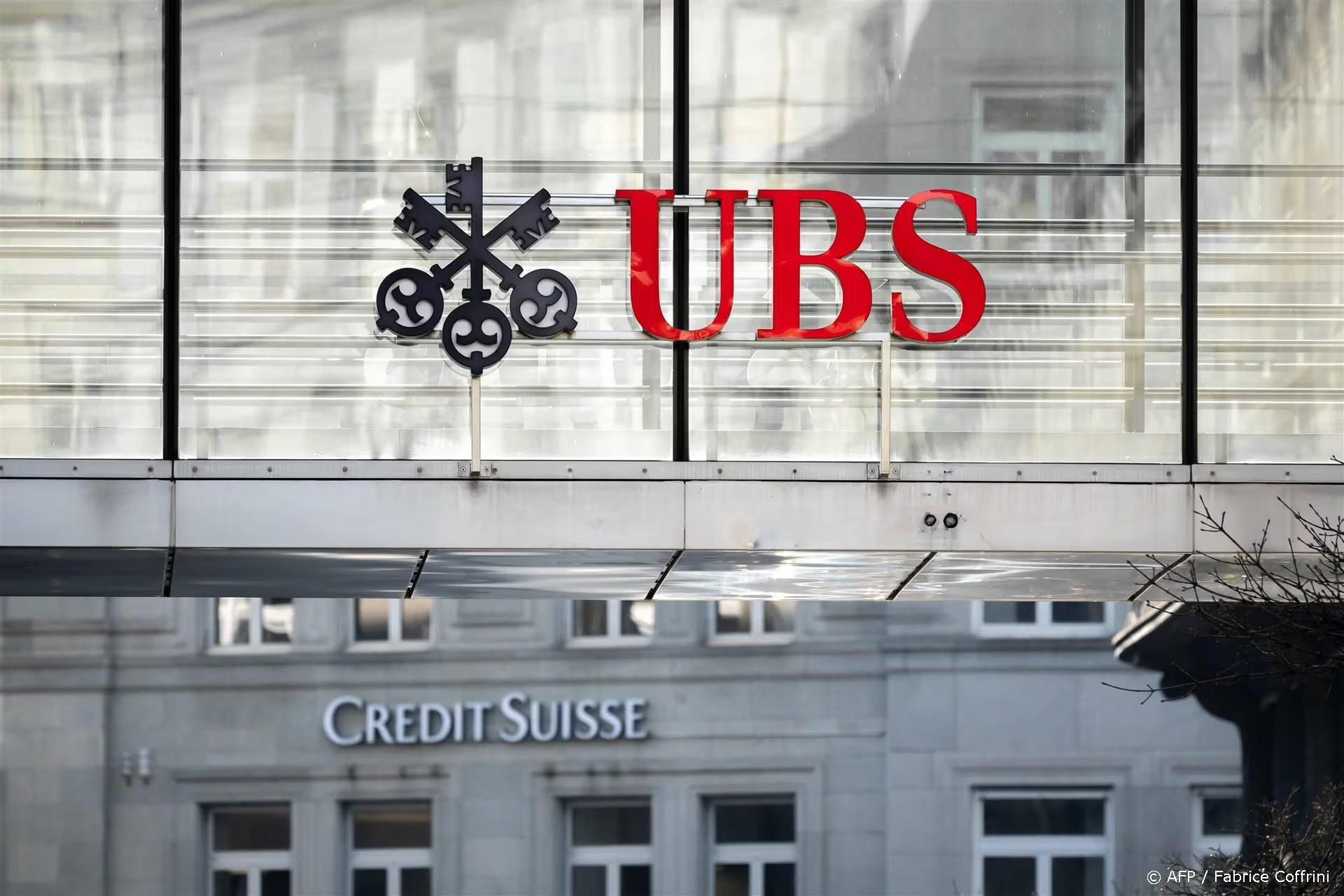
    UBS is on the verge of a critical phase in its historic integration with Credit Suisse, signified by a strategic leadership change. Since the beginning of 2026, Beatriz Martin has assumed the role of Group Chief Operating Officer, alongside her new responsibility for Group Technology. This move underscores UBS’s focused efforts to enhance execution as the bank nears what is believed by management to be the final stage of the integration process.

    Operational Challenges During Integration

    Credit Suisse’s integration has been more about systems than branding. The greatest hurdles have been complex IT migrations, legacy platform shutdowns, and seamless data transfers. By placing operational control and technological execution under one executive, UBS aims to minimize delays, shorten decision-making time, and speed up problem-solving, particularly in areas where delays could prove costly.

    Industry experts perceive this consolidation of responsibilities as a practical solution to integration risk. Misalignment between operations and IT is a frequent cause of cost overruns and operational incidents during large-scale bank mergers, and UBS seems committed to evading this pitfall.

    The Shift from Consolidation to Performance

    2026 is not just another year for UBS. It signifies the final full year of integration work and, importantly, the point at which the bank expects to fully capitalize on the synergies from the Credit Suisse acquisition. The narrative has shifted from consolidation to performance, a transition eagerly anticipated by investors.

    Thus, Beatriz Martin has a clearly defined mandate: finish the remaining system migrations, decommission obsolete infrastructure, and do so without disrupting routine banking operations. The risk is high but so is the potential reward.

    Cost Discipline and Job Reductions

    Alongside the leadership change, UBS is demonstrating its focus on cost control with another round of job cuts set for mid-January. Although these cuts may be socially and politically sensitive, the markets typically regard them as indications of management’s dedication to efficiency and enhancing margins.

    The timing of these cost reductions is crucial from an investor’s perspective. Implementing these changes before the final integration phase increases the likelihood that synergy benefits will translate into enhanced profitability rather than being consumed by residual restructuring costs.

    Equity Markets’ Reaction

    UBS shares are trading near their 52-week high of 47.27 dollars, signaling growing confidence that the most severe integration costs are behind the bank. The stock rally towards the end of 2025 implies that investors anticipate a noticeable improvement in earnings power from the latter half of 2026.

    The prospect of a structurally lower cost base after years of substantial restructuring costs is becoming a reality. The current market valuation suggests that investors expect the management to deliver and will not easily tolerate execution errors.

    Moving Towards Measurable Results

    By consolidating operational and technological control under Beatriz Martin, UBS is sending a clear message: 2026 is the year of results, not excuses. After a groundbreaking merger and years of internal consolidation, the bank is positioning itself to transform scale and synergies into sustainable returns.

    The message to financially astute investors is clear – the bank’s performance in the next twelve months will shape the post-merger UBS.

    Questions & Answers

    What is the role of Beatriz Martin in UBS’s integration with Credit Suisse?
    Martin, as the Group Chief Operating Officer, is responsible for overseeing operational control and technological execution, critical components of the integration process.

    What do the proposed job cuts at UBS signify?
    Though potentially sensitive socially and politically, these cuts are viewed by markets as evidence of UBS’s commitment to efficiency and margin improvement.

    What is the significance of 2026 for UBS?
    2026 denotes the final full year of the integration process and the point at which UBS aims to fully capitalize on the synergies from the Credit Suisse acquisition. The bank’s narrative has shifted from consolidation to performance during this year.

  • Wellington & Standard Chartered Unveil No-Load Shares, Transforming Wealth Market Dynamics in Singapore

    Wellington & Standard Chartered Unveil No-Load Shares, Transforming Wealth Market Dynamics in Singapore

    Wellington Management has enhanced its alliance with Standard Chartered Bank by launching exclusive no-load share classes of the Wellington Asia Quality Income Fund for the bank’s customers in Singapore. This strategic initiative enhances its competitive standing in an increasingly cost-conscious wealth market.

    Building on Established Collaboration

    Wellington’s new offering, announced on Monday, is an extension of a collaboration that started in 2024. At that time, Wellington’s Credit Total Return strategy was made exclusively accessible to Standard Chartered’s private and retail banking clients in Singapore and Hong Kong. This award-winning UCITS model has since grown to over $1.3 billion in AUM in less than two years, showcasing robust client acceptance.

    Encouraging Long-Term Investment

    The recently launched Class B Shares of the Asia Quality Income Fund eliminates the initial subscription fees, making investment more accessible. The structure incorporates a contingent deferred sales charge of two percent if shares are redeemed within three years, an inventive way to encourage long-term investment rather than short-term trading.

    Chia Chia Chng, Southeast Asian Wealth Head at Wellington Management, noted that this expanded collaboration reflects the mutual emphasis on resilient income strategies. She further emphasized the attractiveness of dividend strategies given the current economic climate characterized by growth uncertainties, trade policy ambiguities, and geopolitical risk.

    A Disciplined Approach to Asia ex-Japan Equities

    The actively managed fund, overseen by seasoned portfolio manager Naveen Venkataramani, targets superior, dividend-paying companies across the Asia ex-Japan region. The investment approach emphasizes three categories; Dividend Compounders, Dividend Leaders, and Dividend Surprisers. It accentuates robust balance sheets, competitive advantages, and sound corporate governance.

    Venkataramani revealed that historically, dividends have constituted approximately 65 percent of total equity returns in Asia ex-Japan. He predicts room for growth in Asia’s dividend payout, supported by improved cash flow generation and relatively low corporate leverage.

    The Significance of this Partnership for Wealth Platforms

    For astute investors and distributors, this partnership signifies a wider industry trend. Global asset managers and banks are leveraging targeted fee structures and exclusive access to differentiate their offerings in competitive wealth markets like Singapore.

    By merging Wellington’s considerable scale – $1.3 trillion in assets under management – with Standard Chartered’s regional distribution capabilities, this initiative aligns product design with changing client expectations around cost transparency and income resilience.

    Questions & Answers

    What does the newly introduced Class B Shares of the Asia Quality Income Fund offer?
    These shares eliminate initial subscription fees, turning investment more accessible. It also includes a two percent deferred sales charge if shares are redeemed within three years, encouraging long-term investment behaviors.

    What is the investment focus of the Asia Quality Income Fund managed by Naveen Venkataramani?
    The fund targets high-quality, dividend-paying companies in the Asia ex-Japan region, emphasizing strong balance sheets, competitive advantages, and good corporate governance.

    What is the significance of this partnership between Wellington Management and Standard Chartered Bank for the wealth market?
    This collaboration, which offers targeted fee structures and exclusive access, signifies a wider industry trend in competitive wealth markets like Singapore. It aligns product design with evolving client expectations around cost transparency and income resilience.

  • UBS Tech Revolution: COO-designate Takes the Reins as Dargan Exits, Setting Stage for AI-Driven Future

    UBS Tech Revolution: COO-designate Takes the Reins as Dargan Exits, Setting Stage for AI-Driven Future

    UBS, the leading global financial institution, is implementing a strategic restructuring of its executive team, aimed at enhancing oversight of its technology operations. This change comes as a critical phase of operational and technology development begins, with the Group Technology division now falling under the purview of the incoming Group Chief Operating Officer.

    Executive Changes on the Horizon

    Mike Dargan, the current Group Chief Operations and Technology Officer, will be leaving his position at UBS at the end of December 2025 to seize a new opportunity elsewhere. This departure has resulted in an immediate reshuffling of responsibilities within the firm’s operational and technology sectors.

    From the start of January 2026, the Group Technology division will report to Beatriz Martin as she steps into her new role as Group Chief Operating Officer. This shift will consolidate the operational responsibility and technology governance on a day-to-day basis under Martin’s leadership.

    Interim Leadership and Continuity

    In the interim, while a permanent successor is sought, Chris Gelvin will assume the role of acting Head of Group Technology. Gelvin, who currently serves as Chief Operating Officer of Group Technology, will maintain continuity and stability within the operation as UBS finalizes its long-term leadership structure.

    UBS has indicated that this expansion of the Group COO role is designed to support seamless operations from beginning to end, prioritizing technology and artificial intelligence initiatives. Furthermore, it is intended to facilitate the completion of the ongoing technology integration process.

    CEO’s Perspective: Growth, Resilience, and Digitization

    Sergio Ermotti, the Group CEO, has praised Dargan for his role in leveraging technology to enhance the company’s business performance. He stated that Dargan had played a pivotal role in positioning the company’s technology as a key factor in business growth and resilience, and in advancing the firm’s strategic shift towards artificial intelligence and digitization.

    It’s important to note that changes to the Group Executive Board are subject to regulatory approval. Revised reporting lines and interim arrangements are being implemented to ensure stable execution during this transition period.

    Questions & Answers

    Q: Who will assume the role of Group Chief Operating Officer at UBS?
    A: Beatriz Martin will take over as Group Chief Operating Officer from January 1, 2026.

    Q: What will be the role of Chris Gelvin during the transition?
    A: Chris Gelvin will serve as interim Head of Group Technology, maintaining continuity during the transition period until a permanent successor is found.

    Q: What is the main goal of these changes in UBS’s leadership?
    A: The main goal is to enhance oversight of technology operations, support seamless end-to-end operations, prioritize technology and artificial intelligence initiatives, and complete the ongoing technology integration process.

  • Singapore Soars to Global Crypto Leadership: Asia-Pacific Emerges as the Epicenter of Digital Finance Revolution

    Singapore Soars to Global Crypto Leadership: Asia-Pacific Emerges as the Epicenter of Digital Finance Revolution

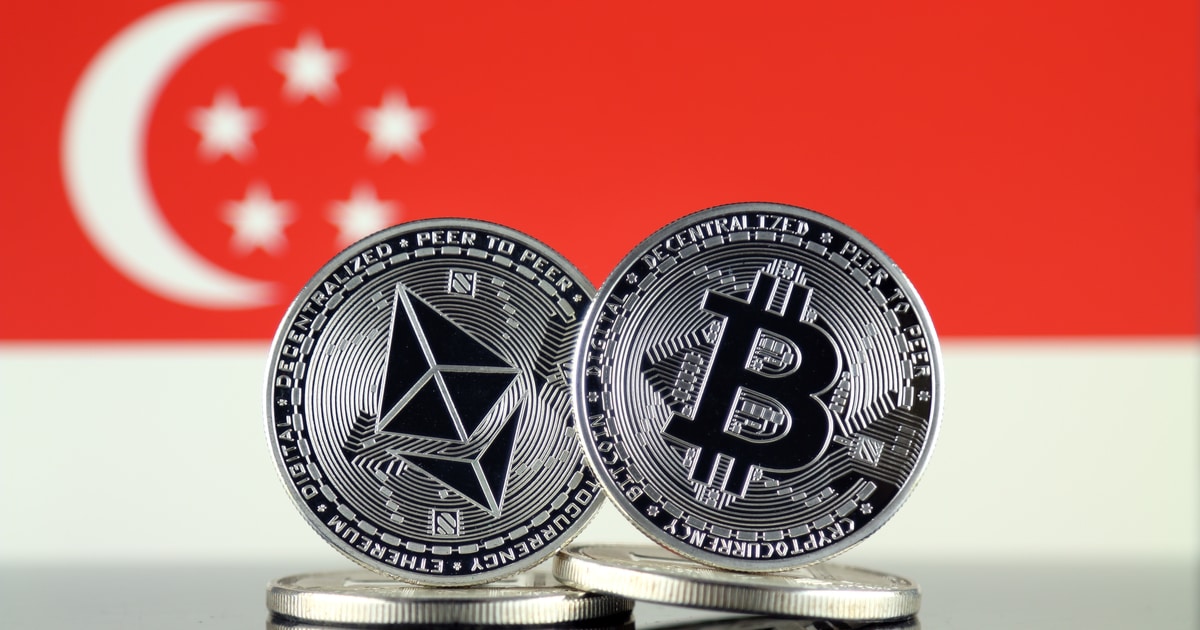
    The 2025 World Crypto Ranking Report by Bybit has uncovered a significant shift in the worldwide adoption of digital assets. Singapore has superseded the US as the global leader in the crypto sphere, with six economies from the Asia-Pacific region entering the global top twenty. This shift implies that Asia-Pacific is rapidly becoming the epicenter of the forthcoming digital finance era.

    Singapore: The New Crypto Hub

    According to the World Crypto Rankings (WCR) 2025, which encapsulates data from 79 countries, Singapore has risen to the top spot globally. This ascent can be attributed to clear regulatory policies, the maturity of institutions, and extensive public engagement. Over 11 percent of Singapore’s citizens hold digital assets, reflecting a high rate of public engagement. The WCR report, founded on 28 metrics and 92 data points, underscores the structural strengths that reinforce Singapore’s position as a crucial hub for long-term crypto developments.

    Asia-Pacific’s Strong Presence

    Apart from Singapore, other markets in the Asia-Pacific region have shown significant advancements in adoption. Vietnam, ranking 9th globally, has driven this growth with close to 20 percent crypto ownership and top-tier usage for remittances, savings, and DePIN devices. Hong Kong has secured a place in the top 10, driven by a regulatory overhaul and a surge in institutional activity. Other regional players like Australia, the Philippines, and South Korea have strengthened the region’s representation in the top 20, each spurred by unique adoption factors.

    Contrasting Market Trends

    The report points out the coexistence of institutional hubs and grassroots ecosystems across the Asia-Pacific region. Different strategies have been employed. For instance, Hong Kong focuses on merging global finance with China’s capital framework via tokenization and stablecoin infrastructure, while Vietnam’s crypto economy is fueled by innovation driven by necessity.

    The Philippines is progressing financial inclusion via mobile-first adoption, while South Korea’s intense retail interest is set to accelerate once there is regulatory advancement.

    Growth of Tokenized Real-World Assets

    A crucial global trend highlighted in the report is the swift enlargement of tokenized real-world assets. The value of these assets, measured on-chain, has increased by over 63 percent to more than $25.7 billion since January 2025.

    Countries high on the institutional readiness scale, led by the US and trailed by the Philippines and Australia, are in the best position to harness this upcoming wave of digital asset innovation.

    Impacting Global Crypto Landscape

    Co-CEO of Bybit, Helen Liu, has stated that the rise of the Asia-Pacific in the crypto sphere is altering the boundaries of global finance. Liu emphasized that the region is leading the industry through regulatory innovation, grassroots engagement, and institutional growth.

    The findings in the WCR 2025 suggest that local breakthroughs in the region now affect global capital flows, market structure, and policy discussions on digital assets.

    Guiding the Future of Crypto

    The report posits the Asia-Pacific not only as a quick adopter but also as a defining force in the structural evolution of digital finance. The region, with increasing institutional involvement, evolving regulatory frameworks, and broad retail adoption, is surfacing as a pivotal engine for crypto innovation. The WCR 2025 serves as a diagnostic tool and strategic guide for policymakers, investors, and industry leaders to navigate the next phase of global digital asset growth.

    Questions & Answers

    What factors contributed to Singapore’s rise to the top of the global crypto market?
    Singapore’s rise can be attributed to regulatory clarity, institutional maturity, and widespread public engagement, with over 11 percent of citizens holding digital assets.

    Which Asia-Pacific countries have shown significant advancements in crypto adoption?
    Singapore, Vietnam, Hong Kong, Australia, the Philippines, and South Korea have all shown remarkable growth and adoption in the crypto sphere.

    What global trend has been identified in the report in relation to digital assets?
    The report identifies the rapid expansion of tokenized real-world assets as a key global trend, with total on-chain RWA value growing by over 63 percent since January 2025.

  • US Dollar Dips to Five-Week Low: Anticipations Rise for Potential Federal Reserve Rate Cut

    US Dollar Dips to Five-Week Low: Anticipations Rise for Potential Federal Reserve Rate Cut

    On Friday morning, the strength of the U.S. dollar saw a slight decrease against the Vietnamese dong, trading near a five-week low against major currencies. The Vietnamese-based commercial bank, Vietcombank, traded the U.S. dollar at a rate of VND26,408, a marginal decrease of 0.004% from the previous day’s rate. Additionally, on the unofficial black market, the currency showed a 0.05% slip, trading at around VND27,402.

    Vietnam’s Central Bank Update

    The State Bank of Vietnam adjusted their reference rate down by 0.004% to VND25,151. This rate is the benchmark against which banks in the country can negotiate their exchange rates for the day’s transactions.

    Global Performance of U.S. Dollar

    Internationally, the U.S. dollar was hovering near a five-week low against its major competitors on Friday. This global performance has been primarily driven by the anticipation of a rate cut by the U.S. Federal Reserve in the following week.

    The dollar index, a measure of the U.S. currency against six key global currencies, was static at 99.065 early in Asia. This followed a previous downward shift that saw the index touch a five-week low of 98.765. The overall trend for the week indicates a likely 0.4% decrease in the index.

    Cross currency rates remained relatively stable. The U.S. dollar traded at 155.18 yen, while the euro stood steady at $1.1647. The British pound remained firm at $1.3326, after pulling back from a six-week high the previous day.

    The Australian dollar held steady at $0.6609, after reaching a two-month high of $0.6624 on Thursday. Meanwhile, the Canadian dollar was trading at C$1.3961 against the U.S. dollar, with the Swiss franc at 0.8035, following a significant pullback from Wednesday’s two-week high of 0.7992.

    Future Projections

    The U.S. dollar faced further pressure due to speculations surrounding potential changes in the Federal Reserve leadership. The current term of Jerome Powell, the Fed Chair, is set to end in May. Anticipations of White House economic advisor, Kevin Hassett, taking over the role are high, and he is expected to advocate for additional rate cuts.

    Questions & Answers

    What was the trading rate of the U.S. dollar at Vietcombank on Friday?
    The U.S. dollar was traded at VND26,408 at Vietcombank on Friday.

    What changes were observed in the U.S. dollar’s performance against major currencies?
    On Friday, the U.S. dollar was trading near a five-week low against major currencies.

    Who is expected to succeed Jerome Powell as the Fed Chair, and what is anticipated from his tenure?
    White House economic advisor, Kevin Hassett, is expected to succeed Jerome Powell. Hassett is likely to advocate for more rate cuts.

  • Vietnam Stocks Soar to Six-Week High: A Remarkable Upsurge on the VN-Index

    Vietnam Stocks Soar to Six-Week High: A Remarkable Upsurge on the VN-Index

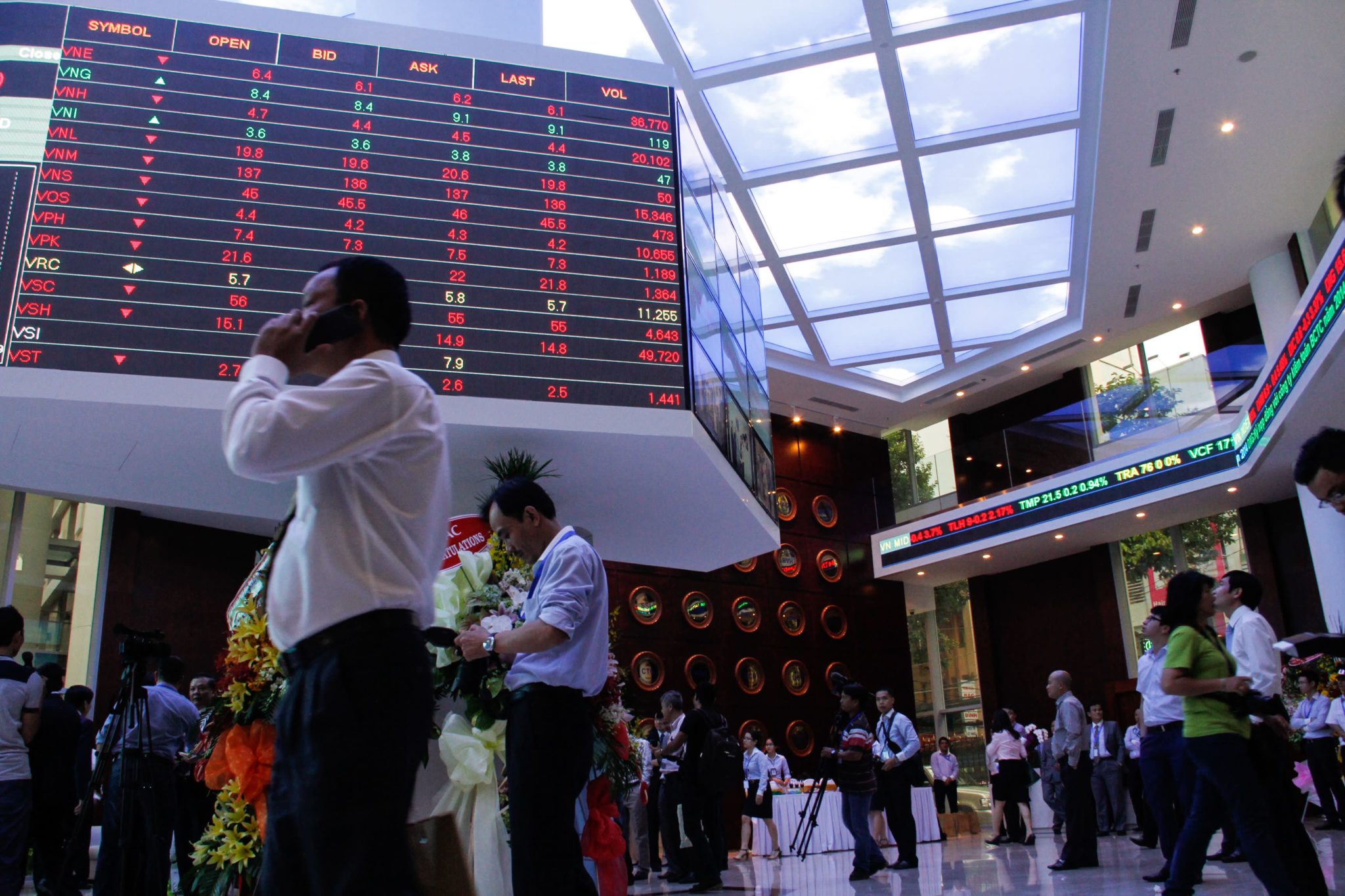
    On Tuesday, the VN-Index, Vietnam’s benchmark index, rose by 0.9% to reach 1,717.06 points. This marked the highest level it had reached since October 17. The index ended the day 15 points higher, with a total increase of over 56 points across the previous five sessions.

    Growth in Trading

    The Ho Chi Minh Stock Exchange, where the index is located, experienced a 6.4% increase in trading. The trade value came to VND22.39 trillion, equivalent to US$849 million.

    Significant Stock Movements

    The VN30 basket comprises the 30 largest capped stocks, of which 20 saw an increase in their share prices. Leading the pack was Sabeco’s SAB and Vietjet’s VJC, both of which saw a significant 6.9% increase in their share prices. They were closely followed by the Vietnam Rubber Group’s GVR, which saw an increase of 3.9%, and Techcombank’s TCB, which experienced a 3% hike in its share price.

    On the other hand, five blue-chip stocks experienced a drop, with VPBank’s VPB seeing the most significant decline of 1.4%.

    Foreign Investment

    In terms of foreign investment, investors were net buyers, with VND637 billion invested predominantly in Vietjet’s VJC and Vingroup’s VIC.

    Other Indices

    Other exchanges also saw a rise in their indices. The HNX-Index on the Hanoi Stock Exchange, famous for mid and small-cap stocks, saw an increase of 0.37%. Meanwhile, the UPCoM-Index for the Unlisted Public Companies Market experienced an increase of 0.47%.

    Questions & Answers

    What was the highest point reached by the VN-Index on Tuesday?
    The VN-Index reached its highest point since October 17 on Tuesday, concluding at 1,717.06 points.

    Which stocks led the increase in the VN30 basket?
    The stocks that led the increase in the VN30 basket were Sabeco’s SAB and Vietjet’s VJC, each experiencing a 6.9% rise in share price.

    What was the trend among foreign investors?
    Foreign investors were predominantly net buyers, notably investing in Vietjet’s VJC and Vingroup’s VIC.

  • OCBC Leads the Charge in QR Payments Integration, Dominating China’s Scan-and-Pay Market

    OCBC Leads the Charge in QR Payments Integration, Dominating China’s Scan-and-Pay Market

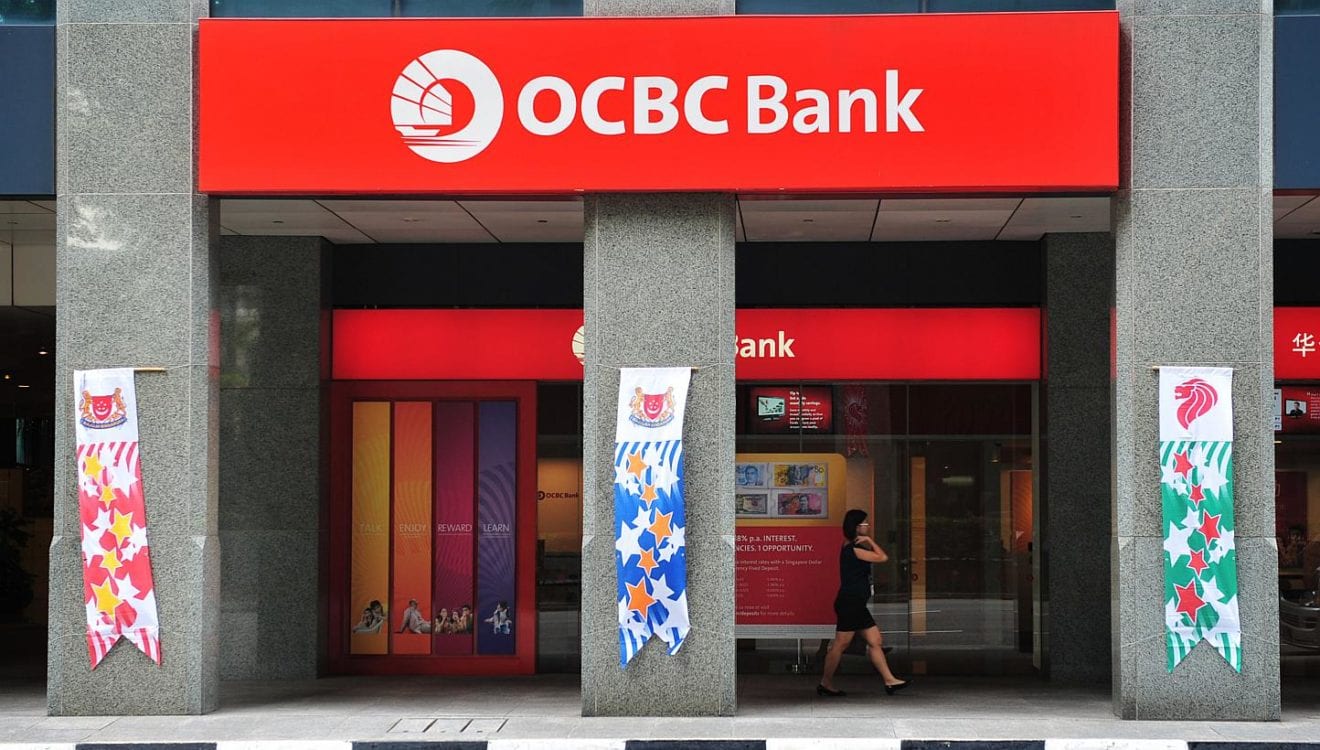
    OCBC Bank is set to be the first Singaporean financial institution to allow customers to scan and pay every major merchant QR code in Mainland China via its Singapore mobile banking application. This innovation is a significant leap in the integration of cross-border payments.

    Positioning for the Future

    This strategic move places OCBC in a strong position to tap into the increasing travel and expenditure flows into China, where QR code transactions are commonplace. The additional functionality is a result of an extended collaboration with UnionPay International, formalized in Shanghai on November 28, 2025.

    Streamlining Payments for Travellers

    The OCBC application will take advantage of NETS infrastructure to facilitate payments to vendors that accept Weixin Pay, also known as WeChat Pay, augmenting its current support for Alipay+ and UnionPay QR. The Weixin Pay feature will be rolled out in the first quarter of 2026.

    The upgrade offers OCBC Singapore clients a seamless experience within one of the globe’s most cashless economies. Users can effortlessly scan any Weixin Pay, Alipay+, or UnionPay merchant QR code and have the payment directly deducted from their OCBC accounts.

    Surge in Strategic Opportunity

    The update spares customers the inconvenience of downloading separate applications, refilling digital wallets, or standing in line for currency exchange. Instead, they can enjoy competitive real-time exchange rates and no additional charges.

    The Scan & Pay feature of OCBC is experiencing substantial growth. Payment volumes have increased by eleven percent year-on-year, with active users up by 67 percent. Mainland China has become the top destination for these transactions, which are frequently used for dining, sightseeing, and retail shopping, including duty-free products and jewelry.

    Travel Demand on the Rise

    The bank’s expanded QR acceptance aligns with the escalating travel demand. The number of arrivals from Singapore to Mainland China more than doubled in 2024, rising from 260,000 in 2023 to a projected 535,000, according to Oxford Economics.

    Questions & Answers

    What does this move mean for OCBC?
    By enabling customers to scan and pay every major merchant QR code in Mainland China, OCBC positions itself to capture increasing travel and spending flows into China, where QR code transactions dominate.

    How does this change benefit OCBC clients?
    The enhancement removes obstacles from one of the world’s most cashless ecosystems. Users can simply scan any Weixin Pay, Alipay+ or UnionPay merchant QR code and have payments debited directly from their OCBC accounts.

    How does OCBC’s Scan & Pay feature perform?
    OCBC’s Scan & Pay feature has seen robust growth, with payment volumes up eleven percent year-on-year and active users up 67 percent.

  • OCBC Revolutionizes Digital Banking: Integrates Top Southeast Asian Wallets, Targets 2.72 Billion User Base

    OCBC Revolutionizes Digital Banking: Integrates Top Southeast Asian Wallets, Targets 2.72 Billion User Base

    Singapore’s OCBC bank has significantly advanced its position in the regional payments sector by incorporating eight major Southeast Asian digital wallets into its banking app. This move has established the most inclusive bank-to-wallet ecosystem in the region, according to the bank.

    The decision, facilitated by an expanded partnership with Visa, is designed to simplify remittances, reduce expenses, and bring countless unbanked consumers closer to digital financial services. Now, OCBC customers in Singapore can directly transfer money to top wallets in Indonesia, Malaysia, the Philippines, and Vietnam.

    The recently integrated wallets include the Philippines-based Coins and GCash, Indonesia’s GoPay, LinkAja, and Ovo, Vietnam’s Momo, the Philippines’ PayMaya, and Malaysia’s Touch ‘n Go. This addition builds upon the previous year’s integration of Weixin Pay and Alipay, bringing the total number of wallets to ten. Collectively, these wallets represent a user base of nearly 2.72 billion.

    Addressing the Needs of Singapore’s Foreign Workforce

    This improvement directly tackles the most significant challenges in conventional remittances, namely speed, cost, and accessibility. OCBC points out that a large number of foreign workers still depend on cash agents or manual transfers.

    Through bank-to-wallet connectivity, either the workers or their employers can send funds instantly and without any fees, even if the recipients do not have a bank account or access to physical branches. OCBC anticipates high adoption rates among Singapore’s 1.6 million foreign workers.

    Initial Success: Quadrupled Transfers to China

    OCBC introduced wallet transfers to China a year ago and has since processed more than S$60 million through this feature. Cross-border transfers to China have increased fourfold, with 90% of users avoiding branch visits. Three-quarters of these users are PMETs, primarily Chinese nationals sending money home. This initial success set the groundwork for the current broader rollout across Southeast Asia.

    Visa Partnership to Expand Global Reach

    The expanded capabilities have been made possible by Visa Direct, which links nearly 11 billion endpoints worldwide, including over 3.5 billion digital wallets. According to Adeline Kim, Visa’s Singapore country manager, Visa Direct is helping to “bridge financial gaps”. Moreover, six out of ten Singaporean remittance users anticipate maintaining or increasing their overseas transfers this year.

    OCBC’s Global Ambitions

    Sunny Quek, OCBC’s head of global consumer financial services, has said that the bank is making good on its promise to extend beyond China. He said that “By connecting OCBC accounts to eight of Southeast Asia’s most popular wallets, we are removing friction from cross-border payments and making remittances faster, cheaper, and more inclusive.”

    He further revealed OCBC’s long-term plan to connect its customers to 50 wallets globally, which would make its app “the most comprehensive wallet access of any banking app”.

    Boosting OCBC’s Regional Digital Presence

    This development further solidifies OCBC’s standing as a leading regional financial institution. As one of the world’s most highly-rated banks and one of the largest financial groups in Southeast Asia, OCBC continues to invest in consumer banking innovation in the face of growing competition in the digital payments and fintech landscapes.

    Questions & Answers

    What new capabilities has OCBC Bank added to its banking app?
    OCBC has integrated eight major Southeast Asian digital wallets into its banking app, facilitating direct money transfers to top wallets in Indonesia, Malaysia, the Philippines, and Vietnam.

    What are the benefits of this integration for OCBC customers?
    This integration simplifies remittances, reduces costs, and allows for the instant and fee-free transfer of funds – even if the recipients don’t have a bank account or access to physical branches.

    What is OCBC’s long-term vision for its banking app?
    OCBC aims to connect its customers to 50 wallets globally, with the goal of offering the most comprehensive wallet access of any banking app.

  • HSBC Bolsters ASEAN Presence: Ruby Ho to Spearhead Markets and Securities Services in Singapore

    HSBC Bolsters ASEAN Presence: Ruby Ho to Spearhead Markets and Securities Services in Singapore

    HSBC, the UK-based banking institution, recently undertook a strategic shift in its Southeast Asian operations, assigning an experienced professional to spearhead its markets and securities services across ASEAN.

    Ruby Ho Takes the Reins

    Ruby Ho now holds the reins of HSBC’s Markets and Securities Services (MSS) franchise throughout Singapore and the ASEAN region. She will lead the bank’s regional strategy for markets and securities services, poised at a moment when institutional demand, transnational investment, and treasury needs in Southeast Asia are on the rise.

    Ho comes to the role armed with almost three decades of experience in the financial markets. She joined HSBC in 2011 and has since occupied high-ranking roles across a variety of asset classes and markets, most recently serving as the head of MSS in HSBC Taiwan. Her proven ability to build robust institutional relationships is expected to be instrumental in driving client engagement across the region.

    Fostering HSBC’s ASEAN Growth Goals

    HSBC’s management team sees Ho’s appointment as a significant stride towards deepening the bank’s regional footprint. “Singapore is a high-priority growth market for HSBC. We have been consistently enhancing our regional banking and advisory capabilities, catering to the capital and investment requirements of our ASEAN clients”, said Wong Kee Joo, CEO of HSBC Singapore.

    He further remarked on Ho’s “vast expertise across asset classes and her capacity to foster robust collaboration across our wealth and corporate banking sectors, which will assist us in expanding our market share in this region.”

    Prepared for Growth

    With demographic growth, burgeoning capital markets, and increasing intra-regional investment, ASEAN is one of HSBC’s key areas of focus worldwide.

    The appointment of an experienced markets executive emphasises the bank’s intent to augment its MSS portfolio and seize a larger share of the institutional market across Southeast Asia.

    Questions & Answers

    Who has HSBC appointed to lead its MSS franchise in the ASEAN region?
    Ruby Ho has been appointed to oversee HSBC’s Markets and Securities Services in the ASEAN region.

    What is the significance of Ruby Ho’s appointment to HSBC’s growth strategy in ASEAN?
    Ho’s appointment is seen as a key step in strengthening HSBC’s regional presence and providing a boost to the bank’s growth agenda in the ASEAN market.

    What factors make ASEAN a high-priority area for HSBC?
    ASEAN is a key focus for HSBC due to the region’s demographic growth, expanding capital markets, and rising intra-regional investment.

  • HSBC Boosts ASEAN Growth Strategy with Key Leadership Appointment in Singapore

    HSBC Boosts ASEAN Growth Strategy with Key Leadership Appointment in Singapore

    HSBC, the renowned British lender, has showcased its strategic intentions in Southeast Asia by naming a seasoned financial professional as its Head of Markets and Securities Services, ASEAN. This move echoes HSBC’s determination to boost its growth strategy in the region, basing its operation in the economically vibrant Singapore. This approach is a direct response to the increasing concentration of global capital flows in the ASEAN region.

    Appointment of Ruby Ho

    The respected industry figure, Ruby Ho, is to take the reins of HSBC’s Markets and Securities Services (MSS) in Singapore and throughout the wider ASEAN region. From her base in Singapore, Ho will guide the bank’s regional markets and securities services strategy. Her leadership comes at a critical time, as institutional demand, cross-border investments, and treasury needs in Southeast Asia are on an upward trend.

    Ho’s professional experience, spanning nearly three decades in financial markets, will be invaluable in her new role. Since becoming part of the HSBC team in 2011, she has held high-ranking roles in multiple asset classes and markets. Her most recent position was as the head of MSS in HSBC Taiwan. Ho’s proven ability to forge trusted institutional relationships will play a crucial role in fostering client engagement across the region.

    Consolidating HSBC’s ASEAN Growth Plan

    HSBC’s leadership highlights Ho’s appointment as a crucial enabler in solidifying the bank’s regional footprint. HSBC’s regional strategy views Singapore as a crucial growth market. The bank has consistently enhanced its regional banking and advisory capabilities to accommodate the capital and investment needs of its ASEAN clients. Wong Kee Joo, the CEO of HSBC Singapore, emphasized Ho’s extensive knowledge across asset classes and her skill in fostering strong relationships within wealth and corporate banking sectors. He is confident that these qualities will help the bank increase its market share in the region.

    Positioning for Growth

    HSBC has identified ASEAN as a primary focus area globally, motivated by demographic growth, expanding capital markets, and a surge in intra-regional investments. The decision to appoint a seasoned markets expert like Ho exemplifies the bank’s aspiration to expand its MSS offering and secure a greater share of the institutional wallet across Southeast Asia.

    Questions & Answers

    Who has HSBC appointed as its new Head of Markets and Securities Services, ASEAN?
    Ruby Ho, a financial markets veteran, has been appointed to this role.

    What role will Ruby Ho play in HSBC’s ASEAN strategy?
    Ho will be guiding the bank’s regional markets and securities services strategy, based in Singapore. Her focus will be on fostering institutional relationships to drive client engagement and increase the bank’s market share in Southeast Asia.

    Why is HSBC focusing on ASEAN for growth?
    HSBC sees ASEAN as a primary global focus area due to demographic growth, expanding capital markets, and rising intra-regional investments.

  • UBS Names Kwa Chong Seng as New Chair for Singapore and Southeast Asia: A Strategic Move for Growth and Innovation

    UBS Names Kwa Chong Seng as New Chair for Singapore and Southeast Asia: A Strategic Move for Growth and Innovation

    UBS, the Swiss banking powerhouse, has announced the appointment of experienced corporate leader Kwa Chong Seng to the position of chairman for Singapore and Southeast Asia. Effective from December 1, Kwa will be based in Singapore from where he will report directly to Iqbal Khan, the president of APAC and co-president of Global Wealth Management (GWM).

    Kwa’s Role and Responsibilities

    In his new role, Kwa will be tasked with strategic oversight of the business, fostering partnerships and relationships within Singapore, and stimulating the bank’s growth and innovation across the region. A crucial part of his role will also be mentoring and cultivating the next generation of leaders. In carrying out these responsibilities, he will work closely with Edmund Koh, the APAC Chairman, and Jin Yee Young, the head of Singapore country and co-head of APAC GWM.

    Experience and Track Record

    Kwa brings to the table extensive leadership experience from both public and private sectors. His impressive portfolio includes chairing the boards of notable Singapore-based companies such as Singapore Exchange, ST Engineering, Neptune Orient Lines, Olam International, Fullerton Fund Management, and Media Corporation of Singapore. Kwa has also held board member positions at DBS and Seatown Holdings, while serving as the deputy chair of Temasek Holdings and the Public Service Commission Singapore.

    Presently, Kwa holds the position of chairman at UltraGreen.ai, a company that specializes in surgical imaging technology. The bank has officially confirmed these details pertaining to Kwa’s portfolio and appointment.

    Questions & Answers

    What role will Kwa Chong Seng play at UBS?
    Kwa Chong Seng has been appointed as chairman for Singapore and Southeast Asia. He will provide strategic oversight, boost partnerships and relationships in Singapore, aid the bank’s regional growth and innovation, and mentor emerging leaders.

    What is Kwa’s professional background?
    Kwa Chong Seng has a significant amount of leadership experience in the public and private sectors. He has chaired the boards of several prominent companies in Singapore and has held board member positions at DBS and Seatown Holdings.

    Who will Kwa report to in his new role at UBS?
    Kwa will report to Iqbal Khan, the president of APAC and co-president of Global Wealth Management (GWM).

  • HSBC Ushers in New Era with Steve Hughes at Helm of Australasian Operations

    HSBC Ushers in New Era with Steve Hughes at Helm of Australasian Operations

    HSBC, the London-based banking conglomerate, has announced the appointment of Steve Hughes as the new Chief Executive Officer of its Australia and New Zealand operations. This change in leadership will take effect from the 1st of January, 2026.

    Leadership Transition

    Hughes will take over from Antony Shaw, who is set to retire at the end of the year. Shaw leaves behind a legacy of nearly two decades with the British financial institution.

    Background of the New CEO

    Steve Hughes has been associated with HSBC since 2015 and has been leading the wholesale banking division for Australia and New Zealand since January 2023. He brings to the table an extensive background in international banking operations, courtesy of his more than 20-year tenure with the Royal Bank of Scotland.

    Questions & Answers

    Who has been appointed as the new CEO of HSBC’s Australia and New Zealand operations?
    Steve Hughes has been appointed as the new CEO for HSBC’s Australia and New Zealand operations.

    When will Steve Hughes officially take on his new role?
    Steve Hughes will assume his role as CEO from the 1st of January, 2026.

    Who is Steve Hughes succeeding as CEO?
    Steve Hughes is succeeding Antony Shaw, who is retiring at the end of the year.

  • US Dollar Slides against Vietnamese Dong in Black Market Trade Amid Global Market Tremor

    US Dollar Slides against Vietnamese Dong in Black Market Trade Amid Global Market Tremor

    On Wednesday morning, the Vietnamese dong experienced a slight increase against the U.S. dollar on the unofficial market while maintaining a robust stance against other major counterparts. In unregulated exchange locations, the U.S. dollar dropped by 0.24% from the preceding day to a rate of approximately VND27,772. Despite this fluctuation, Vietcombank’s exchange rate remained stable at VND26,388.

    Global Performance of the U.S. Dollar

    In the worldwide market, the U.S. dollar exhibited steady performance against most of its major competitors during the early trading hours in Asia on Wednesday. This stability is attributed to investors seeking refuge in safe haven assets in the wake of a global stock sell-off that has lasted for several days.

    Global equity markets have experienced a significant blow this week, with factors such as concerns over the valuation of AI stocks triggering a four-day losing streak for the S&P 500. U.S. equity futures continued this downward trend during Asian trading on Wednesday.

    Simultaneously, the dollar index, an indicator of the U.S. dollar’s strength against six other currencies, remained unchanged at 99.594. This level is nearing a one-week high as U.S. Treasury bonds began to attract bids.

    Performance of Other Currencies

    The yen saw a slight increase of 0.1% after reaching a nine-month low against the dollar on Tuesday, with the exchange rate standing at 155.49 yen to the dollar.

    Meanwhile, the Australian dollar was slightly weaker, trading at $0.65085, a 0.1% decrease. This dip came after new data showed a steady rise in wages during the third quarter. The New Zealand dollar, or kiwi, also slid by 0.2% to $0.5659.

    The euro remained virtually unchanged, trading at $1.1580 but hovering close to a one-week low of $1.1572. Similarly, the British pound sterling remained stable, trading at $1.3148.

    Questions & Answers

    How did the U.S. dollar perform against the Vietnamese dong?
    On the unofficial market, the U.S. dollar experienced a slight decrease against the Vietnamese dong, dropping by 0.24% to a rate of approximately VND27,772.

    What factors have contributed to the global stock sell-off?
    The global stock sell-off has been attributed to concerns over the valuation of AI stocks, which has led to a four-day losing streak for the S&P 500.

    How have other major currencies performed against the U.S. dollar?
    The yen, Australian dollar, and New Zealand dollar all experienced slight decreases against the U.S. dollar. In contrast, the euro and British pound sterling remained stable.

  • Golden Milestone: China Strikes Largest Gold Deposit Since 1949 Worth Nearly $193 Billion

    Golden Milestone: China Strikes Largest Gold Deposit Since 1949 Worth Nearly $193 Billion

    A significant gold deposit estimated to hold approximately 1,444 tonnes of reserves, valued at nearly US$193 billion, has been identified in China. This monumental find is the largest for the nation since 1949.

    The Discovery

    The find, termed as the Dadonggou deposit, is situated in China’s northeastern Liaoning Province. According to the country’s Ministry of Natural Resources, it is estimated to contain around 1,444.49 tonnes of gold within 2.586 billion tonnes of ore. Despite the ore being of a low grade, with an average grade of 0.56 grams per tonne, the sheer size of the deposit has earned it the title of the largest single gold discovery in China since 1949.

    With current market rates, the estimated value of the gold deposit is over 166 billion euro (US$192.9 billion).

    Collaborative Development

    The development of the Dadonggou mine is set to be a collaborative effort, with the China National Gold Group, Liaoning Mineral Geology Group, and the Yingkou Municipal Government partnering up. Investment plans from 2024 to 2027 indicate an estimated expenditure of over 20 billion yuan (US$2.82 billion). This investment will be directed towards establishing a comprehensive industry chain which includes exploration, mining, processing, smelting, and gold jewelry production.

    Previous Discoveries

    In the past year, China has reported several similar gold deposit discoveries, such as a substantial find in Hunan province. Prior to these discoveries, the world’s largest known gold deposits typically held only a few hundred tonnes.

    Industry estimates previously suggested that around 3,000 tonnes of gold remained undiscovered in China. This figure was considered to be a quarter of the untapped reserves in Russia and Australia. However, the frequency of new discoveries implies that China’s gold reserves could be considerably larger than previously believed.

    Recent Trends

    China has been increasing its mineral exploration activities in recent years. In 2024, the country produced 377.24 tonnes of gold, marking a 0.56% increase from the previous year. Domestic consumption of gold reached 985.31 tonnes, with the demand for gold bars and coins rising by over 24%.

    This latest discovery coincides with an increase in the global demand and price for gold. The value of the precious metal has soared by over 50% this year, reaching a peak of $4,381.21 per ounce on October 20. Factors contributing to this surge include a weaker dollar, geopolitical tensions, and aggressive central bank buying in emerging economies aiming to diversify their reserves.

    Questions & Answers

    Where was the largest gold deposit found in China?
    The largest gold deposit in China, named the Dadonggou deposit, was discovered in the northeastern Liaoning Province.

    What is the estimated value of the Dadonggou deposit?
    The estimated value of the Dadonggou deposit, at current prices, is approximately 166 billion euro or US$192.9 billion.

    Who will be responsible for the development of the Dadonggou mine?
    The development of the Dadonggou mine will be a joint project between the China National Gold Group, Liaoning Mineral Geology Group, and the Yingkou Municipal Government.