Retail News CRM

Tag: Finance

  • Veteran Banker Chelsea Chu Takes Helm At Citi’s Corporate Banking Division In Taiwan

    Veteran Banker Chelsea Chu Takes Helm At Citi’s Corporate Banking Division In Taiwan

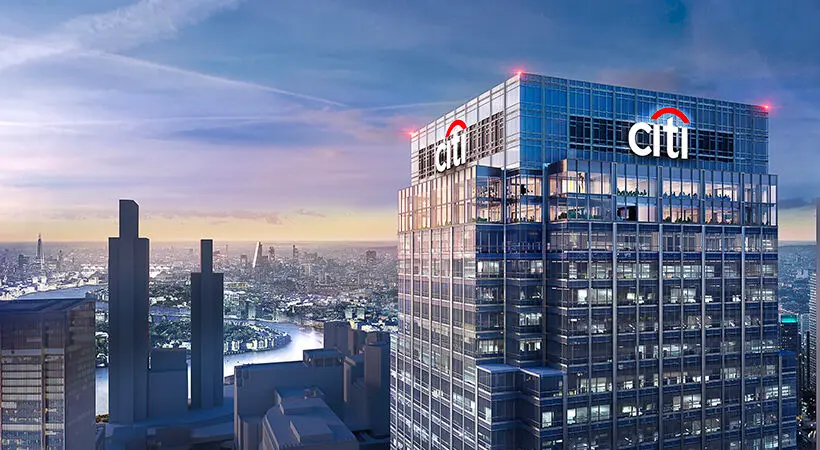
    Chelsea Chu, a veteran banking executive, has been appointed to head the corporate banking division of the American financial institution, Citi, in Taiwan. Based out of Taipei, Chu is expected to leverage her considerable experience in banking to enhance the bank’s performance across various customer segments within the market.

    Chu brings a formidable banking background to her new position. She has amassed 28 years of experience in the industry, with her most recent role being the head of corporate coverage for Taiwan at ANZ. Chu is no stranger to Citi, having spent two decades of her career at the bank, dealing with large corporate clients from a wide range of industries in Taiwan.

    Christie Chang, the chair of Citi Taiwan Limited, expressed the bank’s delight at welcoming Chu back into the fold. Chang highlighted Chu’s comprehensive experience and proven success as invaluable assets that will contribute to the strengthening of client relationships and solidify the bank’s leadership in Taiwan’s corporate banking sector.

    Kaleem Rizvi, Citi’s head of corporate banking for Japan, Australia, and North Asia, also shared his confidence in Chu’s ability to lead. Rizvi believes that under Chu’s leadership, Citi’s preeminent corporate banking franchise in Taiwan will continue on its robust growth trajectory.

    Since 2020, Citi has been instrumental in raising over $30 billion from global capital markets to assist Taiwanese corporate clients, underscoring the bank’s significant influence and commitment to the corporate sector in Taiwan.

    Questions & Answers

    Who has been appointed as the new head of corporate banking for Citi in Taiwan?
    Chelsea Chu has been appointed to head Citi’s corporate banking unit in Taiwan.

    Can you provide some information about Chelsea Chu’s professional background?
    Chelsea Chu has an extensive background in banking with 28 years of experience. She recently served as the head of corporate coverage for Taiwan at ANZ. Before that, she spent 20 years at Citi, handling large corporate clients across various industries in Taiwan.

    What is expected from Chelsea Chu in her new role at Citi?
    In her new role, Chelsea Chu is expected to use her vast experience to improve the bank’s performance across all customer segments in Taiwan. She is also expected to strengthen client relationships and enhance Citi’s leadership in Taiwan’s corporate banking sector.
  • Ubs Fined $1m By Hong Kong SFC For Misclassification Of Professional Investors

    Ubs Fined $1m By Hong Kong SFC For Misclassification Of Professional Investors

    UBS, a major global bank, has recently found itself facing penalties from Hong Kong’s Securities and Futures Commission (SFC). The bank has been fined HK$8 million ($1 million) due to misclassification of its clients under the professional investor regime, according to the SFC.

    The Misclassification Issue

    Professional investors, as defined by local regulations, are clients with a minimum asset value of HK$8 million. It appears UBS failed to accurately classify these investors in accordance with these guidelines for an extended period of more than 12 years.

    This misclassification led to clients gaining access to securities pooled lending and investment products that were specifically designed for professional investors. Such developments raise significant concerns about the bank’s adherence to regulatory standards and risk management practices.

    The Scope of the Misclassification

    A self-review conducted by UBS over the course of four years, from July 2018 to July 2022, found notable discrepancies. As per their findings, there were about 560 joint accounts that were booked or managed in Hong Kong which were inaccurately categorized as professional investor accounts.

    This extensive issue points to systemic flaws in the bank’s internal oversight mechanisms, which need to be addressed to prevent such oversights from recurring in the future.

    Questions & Answers

    What is the professional investor regime?
    Professional investors are defined by local regulations as clients with a minimum asset value of HK$8 million.

    What consequences did UBS face for its misclassification of clients?
    UBS was fined HK$8 million ($1 million) by Hong Kong’s Securities and Futures Commission (SFC) due to the misclassification.

    What was the scale of the misclassification by UBS?
    A self-review by UBS indicated that approximately 560 joint accounts booked or managed in Hong Kong were incorrectly classified as professional investor accounts.

  • UBS Expands Middle East Presence: Launches Advisory Office In Abu Dhabi Amidst Projected Wealth Boom

    UBS Expands Middle East Presence: Launches Advisory Office In Abu Dhabi Amidst Projected Wealth Boom

    UBS, the Switzerland-based banking institution, continues to broaden its reach in the United Arab Emirates (UAE) with a newly inaugurated advisory office in Abu Dhabi. This establishment is an extension of UBS AG and will deliver direct consultation services to clients from its base in the Abu Dhabi Global Market (ADGM). The institution will book its clients’ assets in Switzerland. This new office marks UBS’s second footprint in the UAE, complementing its other presence in Dubai.

    Projected Wealth Growth in the Middle East

    UBS’s expansion comes amidst projections of significant wealth growth in the Middle East. According to a report by the bank, the region’s personal wealth currently stands at a formidable $5.7 trillion. UBS, having been in the area for over six decades, is strategically positioning itself to take advantage of this wealth growth.

    Beatriz Martin, the president of UBS EMEA, remarked on this move, “Our expanded presence in the country puts us in a strong position to continue driving growth and delivering the full value of our One Bank offering to clients in Abu Dhabi and across the region.”

    Abu Dhabi as a Global Wealth Management Hub

    UBS’s presence in ADGM is a testament to Abu Dhabi’s growing status as a leading hub for global wealth management and family offices. Arvind Ramamurthy, the Chief Market Development Officer at ADGM, expressed his delight at UBS’s setup within the market. He stated that ADGM offers a perfect platform for firms like UBS to connect with regional and international investors. This connection aligns with Abu Dhabi’s aspiration to become a leading global financial hub.

    Questions & Answers

    What is the significance of UBS’s new advisory office in Abu Dhabi?
    The opening of this advisory office reinforces UBS’s presence in the UAE and positions the bank to capitalize on the projected wealth growth in the Middle East.

    What is UBS’s ‘One Bank’ offering?
    The ‘One Bank’ offering refers to UBS’s comprehensive suite of services provided to clients, which aim to fulfill all their financial needs under a single institution.

    How does UBS’s presence in ADGM align with Abu Dhabi’s vision?
    ADGM is positioning itself as a leading hub for global wealth management and family offices. UBS’s presence in the market supports this positioning and contributes to Abu Dhabi’s vision of becoming a key global financial hub.

  • Trust Bank: US Fractional Trading Comes to Singapore

    Trust Bank: US Fractional Trading Comes to Singapore

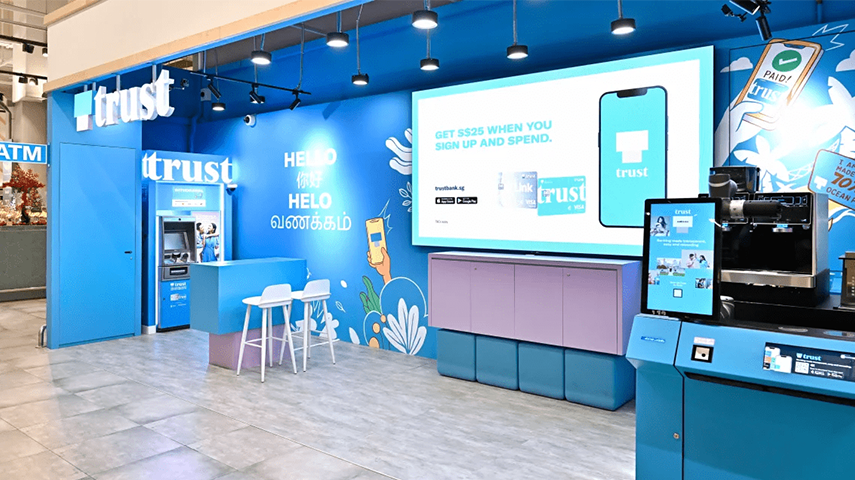
    Trust Bank is stepping into a new territory with the introduction of a trading platform for US stocks and exchange-traded funds (ETFs). This development makes Trust Bank the first in Singapore to offer fractional trading, thus offering everyday investors an easier gateway to the global marketplace.

    TrustInvest and Beyond

    In the early part of this year, Trust Bank rolled out TrustInvest, a tool aimed at simplifying the investing process and making it universally accessible. The digital banking institution is taking this promise a step further by launching a trading platform for US-listed stocks and ETFs within the Trust App.

    This innovative feature enables users to purchase and sell global equities directly within the app, creating an effortless path to investment, tracking, and increasing wealth all in one location.

    Leveraging Fractional Shares

    Trust Bank’s latest offering includes an outstanding feature: fractional trading. This facility allows customers to invest in fractions of high-priced stocks, thereby eliminating the need to invest large sums of money to own shares in their preferred companies.

    Trust Bank observes that some popular stocks and ETFs are priced over S$500 per share, but with fractional trading, even small investments can lead to building a diversified portfolio. This provision broadens the chance to access big-league entities like Netflix, Meta, or Apple for a wider range of investors.

    Diversification with ETFs and Sector Plays

    In addition to individual stocks, investors will have the opportunity to trade ETFs, offering a simple route to diversify their holdings. These funds amalgamate multiple assets – ranging from index trackers to sector-focused or digital asset portfolios – into a single investment. This strategy allows users to distribute risk while targeting specific themes or markets.

    All transactions take place within the Trust App, eliminating the need to transfer funds between different platforms. The entire experience is built to be straightforward, smooth, and secure.

    Open for Waitlist

    The waitlist for the new TrustInvest trading platform is now open for interested investors. Current Trust Bank customers can register directly within the app, while prospective users can open a Trust Savings account within a few minutes to start the process.

    Those on the waitlist will receive invitations to open trading accounts in the next few weeks.

    Empowering Every Investor

    Reflecting on the success of the initial TrustInvest launch, Dwaipayan Sadhu, CEO of Trust Bank, expressed enthusiasm about expanding the offering to allow customers to trade US stocks and ETFs. He emphasized that offering fractional trading will enable all customers to access a wide range of investments via a user-friendly and seamless banking app.

    This initiative positions Trust Bank as a pioneer in Singapore’s digital banking scene, drawing Wall Street closer to the everyday investor.

    Questions & Answers

    What is the new feature introduced by Trust Bank?
    Trust Bank has launched a trading platform for US stocks and ETFs within its app, making it the first in Singapore to offer fractional trading.

    How does the fractional trading feature benefit investors?
    Fractional trading allows investors to buy fractions of high-priced stocks, thus eliminating the need for large investments, and making the process accessible to a wider range of investors.

    How can investors join the waitlist for the new TrustInvest trading platform?
    Current Trust Bank customers can join the waitlist directly within the app, while new users can open a Trust Savings account to get started.

  • Standard Chartered Pushes Bank-Wide Skills Revolution

    Standard Chartered Pushes Bank-Wide Skills Revolution

    Standard Chartered, the British banking heavyweight, is investing heavily in an initiative aimed at fostering a skills-based approach within the organisation. This multi-million-dollar venture is focused on generative AI and data literacy, intending to ensure that each employee is equipped with the necessary tools to excel in an increasingly digitized, rapidly changing financial environment.

    Investing in Future-Ready Skills

    Since its inception, Standard Chartered has invested over S$4.5 million in the initiative, which is dedicated to expediting training in emerging technologies such as generative AI and data analytics. The goal, according to Patrick Lee, CEO for Singapore and ASEAN, is to empower every employee to work more efficiently, think more creatively, and adapt rapidly to the evolving landscape. The aim is to transform the work they do and help the bank achieve its business and personnel objectives.

    Structured Learning and Recognition

    To actualise its vision, the bank established a comprehensive learning ecosystem, incorporating an AI Learning Hub and an array of IBF-accredited training programmes. The AI literacy course, which aligns with the Institute of Banking and Finance’s (IBF) Future-Enabled Skills Framework, has already been taken up by more than 15 percent of the Singapore workforce.

    SkillsFuture@SC, an initiative aimed at deepening employees’ expertise has been rolled out. Moreover, tools like SC GPT, one of the largest enterprise deployments in banking of its kind, are being employed to enhance efficiency and customer interaction.

    Data Management and Generative Intelligence

    Standard Chartered’s latest innovation is the Data Management Learning Marathon (DMLM), a program providing employees with a thorough understanding of concepts such as data quality, the data life cycle, and responsible AI.

    Used alongside SC GPT, the DMLM underscores the bank’s dedication to integrating digital intelligence into every aspect of its operations.

    Recognition for Skill Development

    Standard Chartered’s commitment to skills development has earned them the IBF Advance Award. Three of their senior leaders, Jaclyn Dove, Lee Woei Shiuan, and Richard Sykes, have been named IBF Fellows in recognition of their contributions to Singapore’s financial sector.

    CEO Patrick Lee asserted that the bank would continue to invest in talent in Singapore as a crucial global market.

    Skills Transforming Work

    Employees have already begun to see the benefits of the skills-based initiative. A senior manager in Technology & Operations now uses AI tools to streamline decision making. Similarly, a Product Wealth Specialist has incorporated GenAI capacity into an advisory platform to customize client emails and detect portfolio gaps. A business analyst is using SC GPT to decipher complex data and enhance code development.

    Commitment to a Digital Future

    With a 166-year history in Singapore and significant presence across ASEAN markets, Standard Chartered continues to demonstrate its commitment to innovation and talent development. Being awarded the “Significantly Rooted Foreign Bank” status by the Monetary Authority of Singapore (MAS) furthers the bank’s belief that transformation begins with people.

    Questions & Answers

    What is the primary goal of Standard Chartered’s training initiative?
    The main objective is to equip every employee with the skills necessary to succeed in a rapidly evolving, digital financial environment.

    What is the Data Management Learning Marathon (DMLM)?
    The DMLM is a program that offers employees a comprehensive understanding of important concepts such as data quality, the data life cycle, and responsible AI.

    What recognition has Standard Chartered received for its skill development efforts?
    The bank received the IBF Advance Award for Skills Development and three of its senior leaders were named IBF Fellows for their contributions to Singapore’s financial sector.

  • Hang Seng Bank Coo Vivien Chiu Breaks Record With $5.14 Million Hong Kong Luxury Apartment Purchase

    Hang Seng Bank Coo Vivien Chiu Breaks Record With $5.14 Million Hong Kong Luxury Apartment Purchase

    Vivien Chiu, the Chief Operating Officer of Hang Seng Bank, has recently acquired a deluxe apartment in Hong Kong for HK$40 million, equivalent to around US$5.14 million. The cost per square foot of the 1,651 square-foot property amounted to HK$24,228, or US$33,517 per square meter, making it a record-setting purchase for the property in the current year.

    Property Details

    The luxury apartment is situated in the Beverly Hill project located in the Happy Valley area of Hong Kong. The property last changed owners in 2014 for a sum of HK$16 million. The recent handover took place on Monday, as per the Land Registry records.

    Chiu previously held positions in various departments at HSBC prior to her tenure at Hang Seng, which began in 2022.

    In a similar vein, Diana Cesar, the CEO of Hang Seng at the time, bought a flat in the upscale Flora Garden complex located in the Tai Hang Mid-Levels area in August, for a sum of HK$26.63 million.

    HSBC to Acquire Hang Seng

    Recently, HSBC announced its plans to acquire Hang Seng Bank for a staggering sum of HK$106.1 billion. Despite the bank’s recent struggles, Hang Seng will retain its own license, governance, and brand after the acquisition.

    This move comes as Hong Kong’s banking sector battles the most significant real estate slump since the late 1990s. Home prices in the city have dropped by approximately 30% from their peak in 2021.

    Housing Sector Recovery

    Despite the downturn, the housing sector has shown promising signs of recovery. According to data from the Rating and Valuation Department (RVD), the official index for second-hand home prices has increased by 1.26% since April. The index saw its fifth consecutive month of growth in August, reducing the overall decline in the year to just 0.24%.

    In August, some 5,291 homes changed ownership, representing an 8.2% decrease from July, but a 44.8% increase compared to the same period in the previous year. The total transaction value reached HK$42.2 billion, a decrease of 8.9% from the previous month but an increase of 48.2% year-over-year.

    Between January and August, the combined sales of new and existing homes increased by 10% from the previous year to 42,379 units. This is the highest level for this period in the past four years, as reported by property agency Midland Realty.

    Questions & Answers

    What is the total cost of the luxury flat purchased by Vivien Chiu?
    The total cost of the flat purchased by Vivien Chiu is HK$40 million, equivalent to around US$5.14 million.

    Who is the former owner of Hang Seng Bank, and what are the terms of the bank’s acquisition by HSBC?
    HSBC is the new owner of Hang Seng Bank. Despite the acquisition, Hang Seng will retain its own license, governance, and brand.

    What are the recent trends in Hong Kong’s housing sector?
    Home prices in Hong Kong have seen significant declines, but recent data shows signs of recovery with the index for second-hand home prices increasing by 1.26% since April.

  • Gold Soars Past $4,000 an Ounce for First Time, Fueling Unprecedented Market Rally

    Gold Soars Past $4,000 an Ounce for First Time, Fueling Unprecedented Market Rally

    Spot gold prices surged by 0.7%, reaching $4,011.18 per ounce, while December gold futures also climbed 0.7% to $4,033.40 per ounce, highlighting the enduring appeal of the precious metal amidst ongoing global uncertainties.

    Gold’s Resilient Rise Amidst Market Turbulence

    In an age marked by instability, gold has solidified its reputation as a reliable store of value. Year-to-date, spot gold has soared an impressive 53%, building on a robust 27% increase in 2024.

    “There’s so much faith in this trade right now, the market is eyeing the next big milestone: $5,000, particularly with the Federal Reserve expected to keep lowering interest rates,” noted Tai Wong, an independent metals trader. Despite potential obstacles such as a lasting truce in the Middle East or challenges in Ukraine, Wong suggests that key drivers like ballooning debt, reserve diversification, and a weaker dollar will persist in influencing the gold market in the medium term.

    The Factors Fueling the Gold Rally

    Gold’s recent rally doesn’t just follow the whims of speculation; it stems from a perfect storm of conditions. Expectations surrounding interest rate reductions, persistent political and economic uncertainties, strong central bank acquisitions, increased engagement with gold exchange-traded funds, and a weakening dollar are all contributing to the precious metal’s ascent.

    As the U.S. government shutdown entered its seventh day on Tuesday, key economic indicators that typically guide market sentiment have been delayed, leaving investors to gauge the Fed’s next moves through alternative data sources. Current projections are pointing toward a 25-basis-point cut during the Fed’s upcoming meeting, followed by another cut in December, igniting further optimism for gold.

    KCM Trade Chief Market Analyst Tim Waterer commented on the backdrop of rising uncertainty: “This pattern of escalating uncertainty is historically known to drive gold prices higher, and we’re witnessing this trend play out yet again.” While lower U.S. interest rates and the government shutdown seem to favor gold, the $4,000 threshold presents a tantalizing opportunity for profit-taking, which could pose a risk in the short term.

    Global Dynamics Driving Demand

    Moreover, a “fear of missing out” phenomenon appears to be propelling the market forward. Demand for gold is further spurred by political unrest in countries like France and Japan. Capital.com analyst Kyle Rodda remarked on how recent developments, such as the election of Sanae Takaichi and the anticipated surge in Japan’s deficit spending, feed into the broader narrative of the “run it hot” trade.

    Looking ahead, analysts anticipate strong inflows into gold-backed exchange-traded funds and continued central bank purchases, bolstered by the likelihood of reduced U.S. interest rates. This outlook has prompted financial giants like Goldman Sachs and UBS to revise their price expectations for gold in 2026 significantly.

    Outside of gold, other precious metals are also seeing upward trends; spot silver has witnessed a 1.3% uptick to $48.42 per ounce, platinum advanced 2.5% to $1,658.40, and palladium rose by 1.8% to $1,361.89, showcasing a vibrant precious metals market across the board.

    Questions & Answers

    What factors are currently driving the rise in gold prices?
    A combination of anticipated interest rate cuts, political and economic uncertainty, significant central bank purchases, inflows into gold exchange-traded funds, and a weaker dollar are fueling the uptrend in gold prices.

    How has the current U.S. government shutdown affected the gold market?
    The ongoing U.S. government shutdown has delayed the release of crucial economic indicators, prompting investors to turn to alternative data to assess the Federal Reserve’s approach to interest rates, which is influencing their confidence in gold.

    What can we expect for the gold market in the near future?
    Analysts predict that demand for gold will remain strong, supported by anticipated inflows into exchange-traded funds and central bank purchases, alongside expectations of lower U.S. interest rates, which could further bolster gold prices over the next few years.

  • Global Currency Shifts: Us Dollar Hits Low Against Vietnamese Dong Amidst International Uncertainty

    Global Currency Shifts: Us Dollar Hits Low Against Vietnamese Dong Amidst International Uncertainty

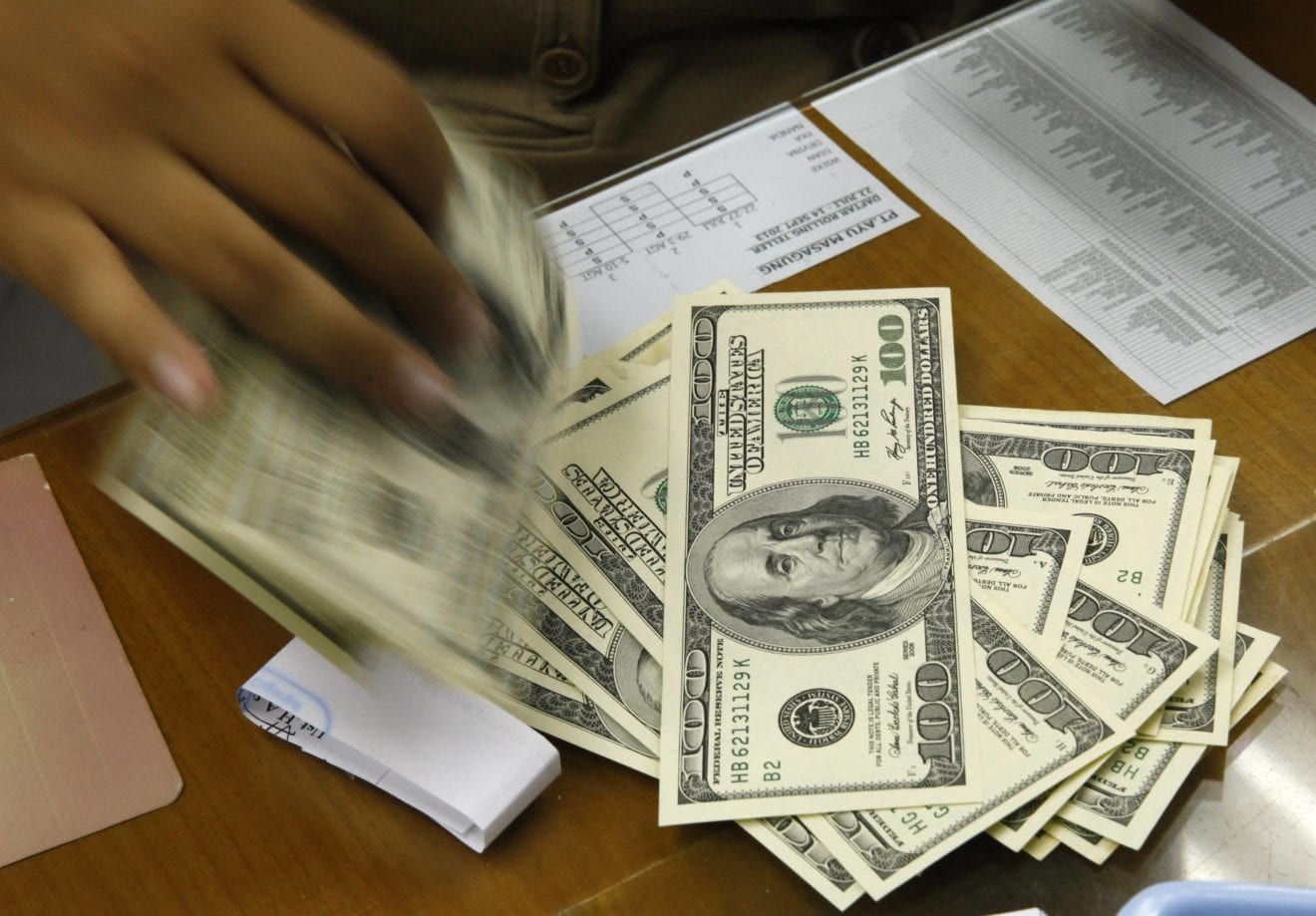
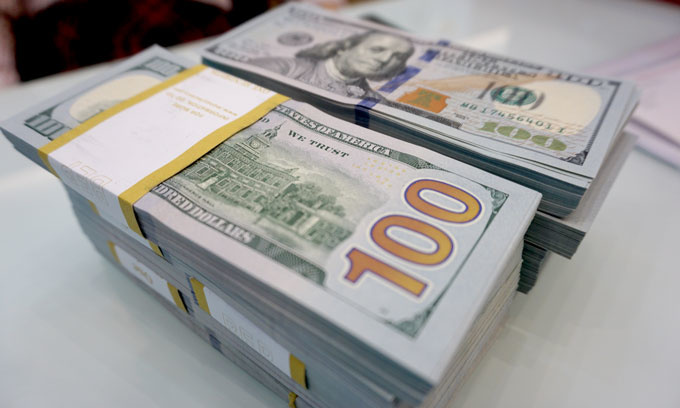
    On Tuesday morning, the U.S. dollar experienced a decrease against the Vietnamese dong, reaching its lowest point since August 4. Vietcombank registered a 0.02% decrease in the dollar’s value, with a selling price set at VND26,398. Concurrently, the State Bank of Vietnam decreased its reference rate by 0.02%, bringing it down to VND25,141.

    Black Market & Global Currency Updates

    Despite the official figures, the U.S. dollar saw a marginal increase of 0.09% on the black market, where it was trading at VND26,615. Internationally, the yen’s value dipped, reaching a two-month low against the dollar. This change in the yen’s value comes amidst speculation on potential cabinet member appointments after Sanae Takaichi’s party leadership success in Japan.

    In Europe, the euro is in a precarious position following the resignation of France’s Prime Minister. Officials from the European Central Bank have hinted at the possibility of a rate cut. Investors worldwide will be tuned in to speeches from Federal Reserve policymakers later in the day. The anticipation is heightened due to a U.S. government shutdown which has curtailed other data signals.

    Dollar Index & Euro Status

    The dollar index, which measures the U.S. dollar’s value against a selection of currencies, saw an increase of 0.05%, reaching 98.17. Meanwhile, the euro remained relatively stable with a slight fluctuation, settling at $1.1705.

    Questions & Answers

    What was the U.S. dollar’s value against the Vietnamese dong on Tuesday?
    On Tuesday, the U.S. dollar’s value decreased against the Vietnamese dong, with Vietcombank selling the dollar at VND26,398.

    What factors are influencing the yen’s value?
    The yen’s value has been affected by recent political changes in Japan, including speculation regarding potential cabinet member appointments following Sanae Takaichi’s party leadership victory.

    What might be the implications of the French Prime Minister’s resignation on the euro?
    The resignation of France’s Prime Minister has put the euro on a fragile footing. Possible repercussions could include a rate cut, as suggested by officials from the European Central Bank.

  • Dollar Stays Strong Against Dong: What This Means for Retail and Consumers

    Dollar Stays Strong Against Dong: What This Means for Retail and Consumers

    The U.S. dollar showed resilience against the Vietnamese dong Wednesday morning, even as it traded at a one-week low against major world currencies.

    Vietcombank set the greenback at a steady VND26,446, while in the informal market, it remained unchanged at around VND26,620. Meanwhile, the State Bank of Vietnam adjusted its rate down by 0.008%, bringing it to VND25,192.

    On the global stage, the dollar lingered near a one-week low, with tensions rising as the U.S. government shutdown commenced, delaying vital jobs data essential for market assessment, according to Reuters.

    The dollar index, which measures the currency against six major peers—including the euro and yen—was recorded at 97.814. It dipped to a low of 97.633 overnight, marking a notable decline since last Wednesday.

    Across the Atlantic, the euro edged up slightly to $1.1738, following a rise to its highest point since September 24, when it hit $1.1762 on Tuesday. The dollar remained flat at 147.92 yen, following a 1.2% drop over the previous three days.

    With the lack of official economic data, attention is shifting towards private-sector indicators. Market responsiveness to the duration of the shutdown will heighten, particularly as the Federal Reserve’s decision on monetary policy approaches on October 29.

    “The USD will likely resume its descent today if political developments portend a prolonged shutdown,” commented Joseph Capurso, head of foreign exchange at Commonwealth Bank of Australia. “Additional weak economic data from the U.S. could exacerbate these conditions,” he added, a statement that underscores the precarious balance the dollar now faces.

    Questions & Answers

    What is the current exchange rate of the U.S. dollar against the Vietnamese dong?
    Vietcombank set the dollar at VND26,446, with the black market rate around VND26,620.

    How is the U.S. government shutdown affecting the dollar’s performance?
    The shutdown has created uncertainty, delaying the release of crucial jobs data, which could negatively impact the dollar’s value.

    What are market experts predicting for the dollar in the coming days?
    Experts suggest that the dollar could continue to fall if the political situation indicates a prolonged government shutdown and further weak economic data emerges.

  • Digital Transformation Accelerates In Asian Financial Services: The Rise Of Ai, Tokenisation, And Real-time Infrastructure

    Digital Transformation Accelerates In Asian Financial Services: The Rise Of Ai, Tokenisation, And Real-time Infrastructure

    Financial services in Asia are undergoing a seismic shift driven by the rapid adoption of digital technologies, notably artificial intelligence (AI), tokenisation, and advanced real-time infrastructure, according to insights from KPMG. Sinchan Banerjee, a Partner for Financial Services Consulting at KPMG Singapore, highlights that these technologies are more than just trendy terms—they are catalysts for significant transformation within the industry. “These aren’t just buzzwords. They are driving fundamental changes across the financial services landscape,” he asserts.

    A New Age of AI Adoption

    The trend toward AI integration is picking up speed. Banerjee observes that in Singapore, financial institutions are moving beyond experimental pilot programs to implement AI in real-world applications. “We see firms increasingly embedding AI across their value chains,” he notes, with diverse use cases ranging from enhancing customer engagement to improving risk management and compliance. It seems that for some companies, AI isn’t just a tool; it’s becoming the proverbial golden child of innovation.

    The Rise of Digital Assets

    With digital assets gaining momentum, regulatory bodies are actively cultivating this burgeoning sector. Banerjee points out the growing interest among institutional investors eager to delve into this emerging asset class. “Regulators are taking the lead on crucial initiatives, bringing together policymakers and industry stakeholders to drive efforts like asset tokenisation,” he explains.

    Navigating Real-time Market Trends

    The march towards real-time markets, exemplified by T+1 settlements and near-instantaneous payment options, is intensifying the pace of disruption. “This shift compresses timelines and places enormous pressure on existing operating models and legacy systems,” Banerjee elaborates. It’s as if the clock has been sped up in a game where the rules keep changing, demanding agility from every player involved.

    Redefining Risk and Compliance

    In this fast-evolving environment, Banerjee emphasizes the urgent need for firms to modernise their risk and compliance frameworks. “Reframing risk as a catalyst for opportunity rather than a constraint is essential,” he advocates. Modernising these aspects shouldn’t merely mean layering on more controls; it should involve redesigning them to be intelligent, adaptive, automated, and seamlessly integrated into the business model.

    Cultivating a Resilient Culture

    Equally pivotal to this transition is cultivating a culture that embraces innovation while maintaining risk awareness. Banerjee notes, “The foundation of successful digital transformation lies in fostering a culture of collaboration, accountability, and agility. The most resilient and successful organisations are those that nurture this mindset.” In a world where change is the only constant, ensuring your team is equipped to adapt can feel like arming them with a digital superhero cape.

    Questions & Answers

    What role does AI play in the transformation of financial services?
    AI is increasingly being embedded across various value chains in financial services, with applications that improve customer engagement, risk management, and compliance.

    Why is digital asset regulation important?
    With the rising interest from institutional investors, effective regulation is essential to foster confidence and enable the growth of this emerging asset class within the financial sector.

    How can firms achieve a successful digital transformation?
    By fostering a culture that balances innovation with risk awareness, organisations can position themselves as resilient and dynamic players in the evolving financial landscape.

  • HCMC Soars in Global Financial Center Rankings, Surpassing Bangkok to Claim an Impressive 3rd Place!

    HCMC Soars in Global Financial Center Rankings, Surpassing Bangkok to Claim an Impressive 3rd Place!

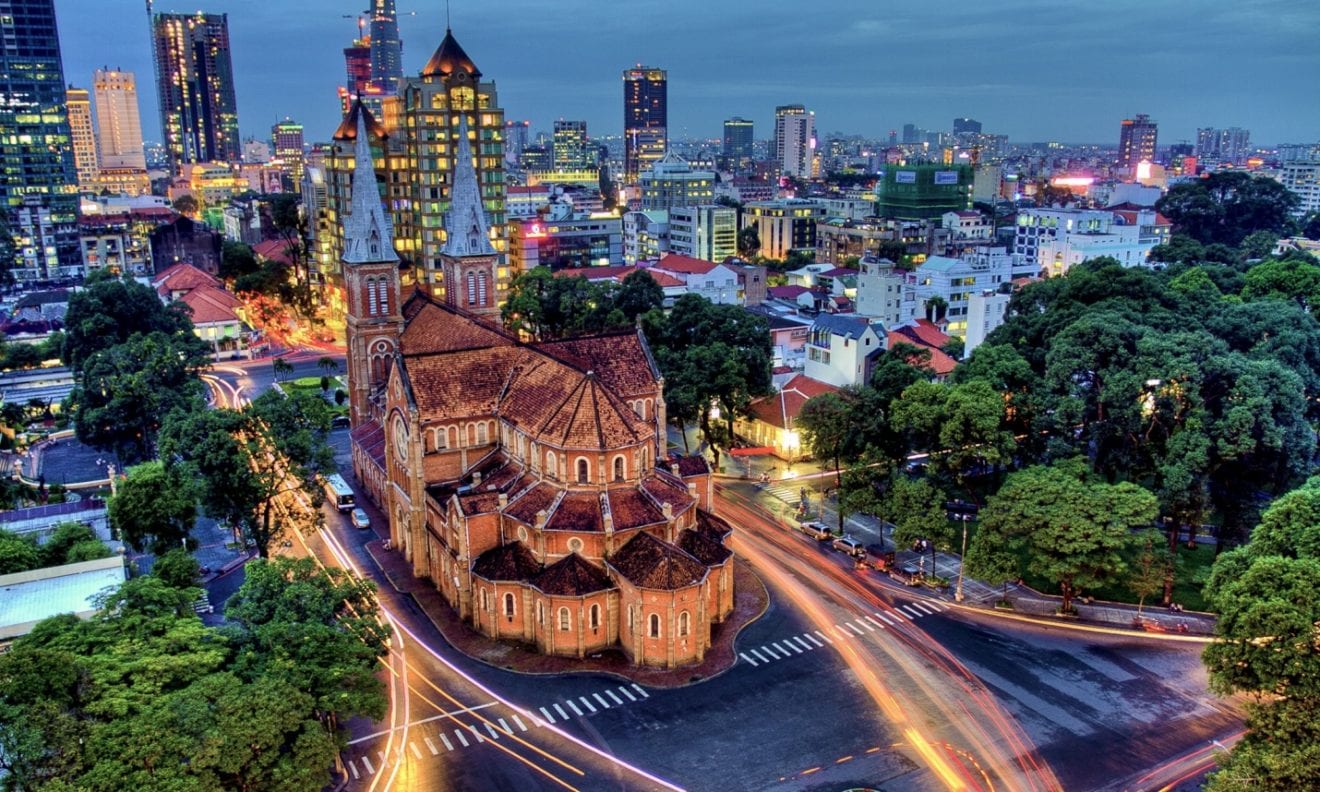
    Ho Chi Minh City (HCMC) has reached a significant milestone, achieving its highest ranking in the Global Financial Centers Index (GFCI) since its inception in 2022. This notable rise, documented in the latest GFCI report released last week, sees HCMC score 664, a jump of 10 points from March’s assessment.

    A Comprehensive Evaluation of Financial Hubs

    The GFCI evaluates 135 financial centers worldwide, using a nuanced matrix of indicators that includes business environment, reputation, infrastructure, human capital, and development of the financial sector. Each city’s score is derived from inputs provided by reputable third-party organizations such as the UN, World Economic Forum, and Transparency International, complemented by feedback from 4,877 financial services sector professionals.

    Forecasting Financial Growth

    With its burgeoning score, HCMC is among the 15 financial centers anticipated to exhibit robust growth over the next two to three years—a promising outlook that contrasts with Bangkok’s decline from 96th to 102nd place.

    Vietnam’s Ambitious Financial Hub Plans

    In a bold move to enhance its financial stature, Vietnam is developing an international financial hub that spans HCMC and Da Nang. Announced in a government resolution passed in June, the hub will feature a diverse array of services, from banking to capital markets associated with asset and fund management. Notably, experimental mechanisms for fintech innovation, specialized trading platforms, and derivatives are also part of the plan. The government aims to have the HCMC section operational by 2025, with full completion expected within five years—making HCMC not just another city, but a potential playground for financial progress.

    Regional and Global Financial Rankings

    Other Southeast Asian cities making their mark in the rankings include Singapore at a respectable 4th, Kuala Lumpur at 45th, Jakarta at 91st, and Manila at 104th. Meanwhile, the global top 10 list remains steadfast, with New York maintaining its lead with a score of 766, cushioning its position against the competition from London, Hong Kong, and Singapore.

    Questions & Answers

    What factors contribute to HCMC’s rise in the GFCI ranking?
    HCMC’s improved ranking is attributed to its competitive business environment, strong infrastructure, and ongoing developments in human capital and financial sector growth.

    When is the financial hub in HCMC expected to be operational?
    The HCMC section of the new financial hub is projected to be operational by 2025, with the entire development completed within five years.

    How does HCMC’s ranking compare to other Southeast Asian cities?
    HCMC ranks significantly higher than other Southeast Asian cities like Bangkok, which dropped to 102nd, while Singapore remains the leader in the region at 4th globally.

  • Dollar Takes a Tumble Against the Dong: What Retailers Need to Know

    Dollar Takes a Tumble Against the Dong: What Retailers Need to Know

    In a fluctuating market, the U.S. dollar is showing signs of weakness against the Vietnamese dong and other major currencies this Monday morning. Vietcombank reported a slight decrease in the dollar selling rate to VND26,451, down by 0.008% since the weekend. Meanwhile, the currency was trading approximately at VND26,650 on the black market, showcasing the ongoing shifts in value.

    Fed on the Sidelines as Government Shutdown Looms

    The depth of the dollar’s decline is echoed worldwide, driven in part by investor anxiety about a potential U.S. government shutdown. Such a closure would delay the release of the September payrolls report and other critical economic indicators, according to Reuters. Analysts warn that an extended government shutdown would leave the Federal Reserve with little guidance on the economy ahead of its meeting scheduled for October 29.

    Market Analysis Indicates Cautious Optimism

    In a note from analysts at BofA, it was suggested that if the shutdown extends past the Fed meeting, policy decisions will shift to reliance on private data. “On the margin, we think this may lower the likelihood of an October cut, but only marginally,” they observed. The dollar index retreated by 0.2% to 97.952, after benefiting from positive economic news the previous week.

    Meanwhile, the euro made a modest gain, inching up to $1.1726, yet is still sitting comfortably in the lower half of its recent trading range between $1.1646 and $1.1918. The dollar also weakened against the yen, dropping 0.4% to 148.92, following a more than 1% rally last week and distancing from the September low of around 145.50. It’s almost as if the dollar is engaging in a very public game of dodgeball, as it avoids hitting its lowest points.

    Questions & Answers

    How has the U.S. dollar performed against the Vietnamese dong recently?
    The U.S. dollar has weakened against the Vietnamese dong, with the selling rate at VND26,451 as of Monday, reflecting a decrease of 0.008% since the weekend.

    What factors are contributing to the dollar’s decline?
    Investor concerns about a potential U.S. government shutdown are weighing heavily on the dollar, especially as it threatens to delay critical economic reports that influence Federal Reserve policy.

    What are analysts predicting regarding future Federal Reserve actions?
    Analysts suggest that if the government shutdown persists, the Federal Reserve may rely more on private data for its decisions, which could slightly reduce the likelihood of an interest rate cut in October.

  • DBS Launches Digital Exchange as a Secure Portal for $4 Trillion Asset Market

    In recent years, exchange-traded funds (ETFs) have emerged as a straightforward pathway for institutions looking to invest in Bitcoin, shedding the complexities typically associated with digital asset ownership. As regulatory frameworks continue to evolve globally, the positioning of banks like DBS as reliable exchanges has paved the way for investors to navigate this burgeoning ecosystem with confidence.

    Regulatory Shifts Elevate Digital Assets

    The recent passage of the Genius Act in the United States marked a significant milestone, lending legitimacy to the digital asset sector. David Hui, Chief Commercial Officer of DBS Digital Exchange (DDEx), highlighted that legislative advances in Singapore, Hong Kong, and throughout the Middle East and North Africa (MENA) region have further enhanced the regulatory landscape. “Governments are realizing that they cannot leave this entirely to the free markets without any sense of regulation or oversight,” Hui remarked at the ABF IA Summit 2025, showcasing the growing recognition of the need for structured guidelines in an otherwise chaotic market.

    DBS’s Vision for a Secure Marketplace

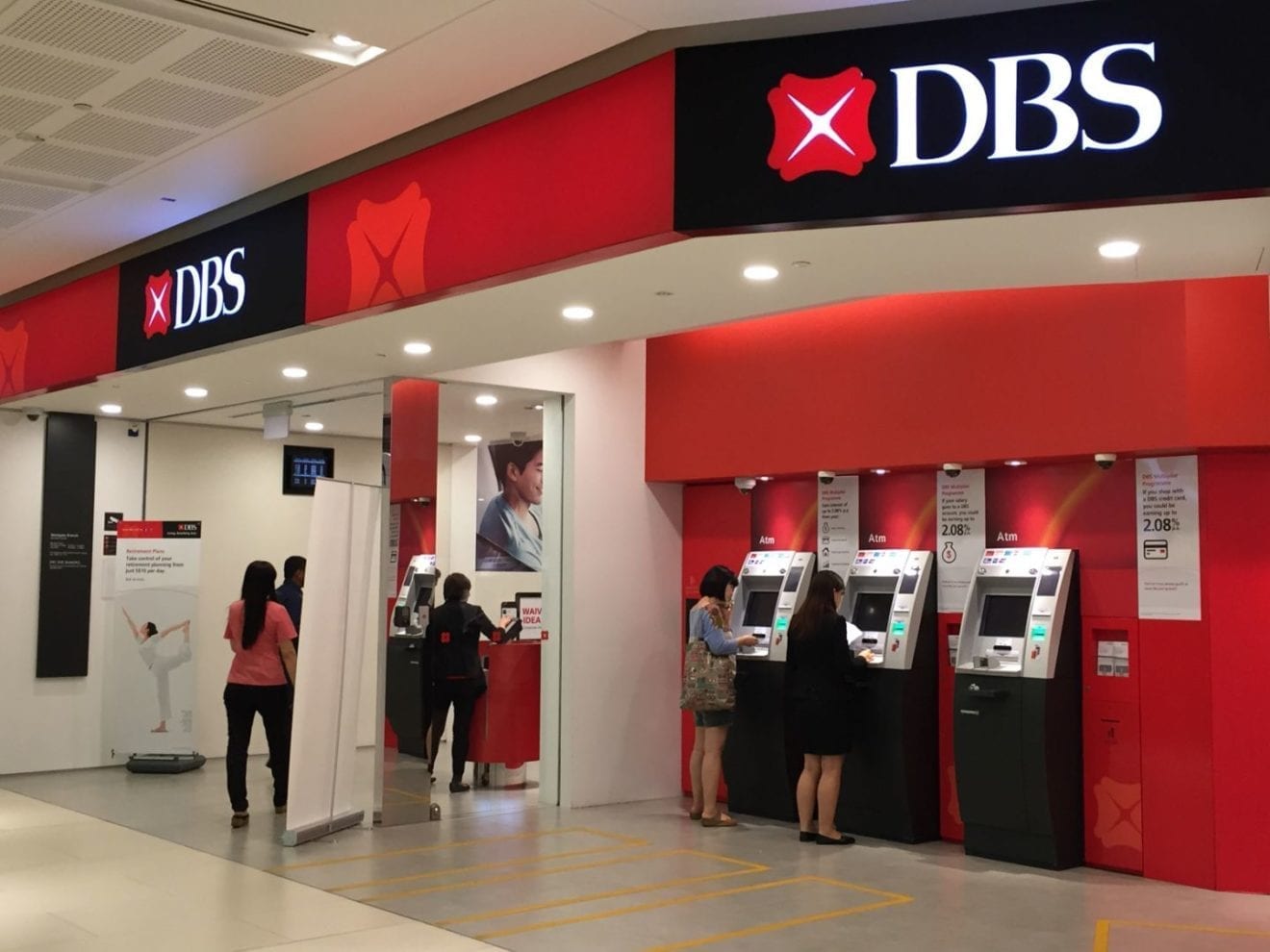
    DBS envisions itself as a safe haven within the trillion-dollar digital asset marketplace, providing services that merge traditional banking with the innovative world of cryptocurrencies. Among the features offered by DDEx is the ability for customers to convert digital assets to fiat currency directly, along with trading options against fiat currencies. “We also facilitate asset tokenization, particularly security token offerings,” he noted, revealing plans for a tokenized money market fund expected to launch in November 2025.

    ETFs: Simplifying Institutional Investments

    ETFs have rapidly gained traction as the largest holders of Bitcoin, boasting US$153 billion in assets under management (AUM) for Bitcoin ETFs and US$25 billion for Ethereum ETFs. This influx of institutional money marks a turning point, with companies and even governments now looking to these funds as an easier entry point into cryptocurrency. “Essentially, the presence of crypto digital asset-backed ETFs allows institutions to gain access to this asset class without the technical complexity of custody,” Hui explained. He indicated that ETF structures resonate with fund managers and asset management firms, effectively inviting more players into this exciting market.

    Global Trends and Institutional Interest

    On a larger scale, nations are now incorporating substantial portions of digital assets into their portfolios. For instance, Ukraine has approved legislation to include Bitcoin in its national reserves, and Bhutan has set its sights on harnessing hydroelectric power for Bitcoin mining. The appeal of digital assets for institutional clients extends beyond mere investment; they present tangible solutions to daily payment collection challenges. “The stablecoin use case has historically been represented as a transfer of value, including remittance and trade finance applications,” Hui stated, underscoring the practical utility driving this interest.

    Innovative Custody Solutions from DDEx

    DBS Digital Exchange is also stepping up with a custody solution tailored for institutions, providing a secure environment for asset management. As the digital asset landscape matures, DBX is clearly positioning itself to be at the forefront of this dynamic market, ready to support institutional clients eager to embrace the future of finance—one Bitcoin at a time.

    Questions & Answers

    How are ETFs changing the way institutions invest in digital assets?
    ETFs simplify the investment process for institutions by providing a familiar security vehicle, allowing them to gain exposure to Bitcoin and other cryptocurrencies without dealing with the complexities of digital asset custody.

    What role is DBS playing in the digital asset market?
    DBS is positioning itself as a secure marketplace for digital assets, offering services like direct fiat conversion, trading against fiat currencies, and innovative solutions such as a custody service and upcoming tokenized financial products.

    Why are governments increasingly interested in digital assets?
    Governments see digital assets as a viable component of national reserves, with countries like Ukraine recognizing Bitcoin’s potential. Additionally, countries like Bhutan are leveraging renewable energy sources to engage in Bitcoin mining, indicating a forward-thinking approach to national financial strategies.

  • DBS’s Multi-Family Office VCC Reaches Milestone with S$1 Billion in Assets Under Management!

    DBS’s Multi-Family Office VCC Reaches Milestone with S$1 Billion in Assets Under Management!

    In a remarkable feat, DBS Private Bank’s multi-family office has soared to a record S$1 billion in assets under management (AUM) merely two years post-launch. The DBS Multi Family Office Foundry VCC (DBS MFO), which debuted in 2023, proudly claims the title of the world’s first bank-backed multi-family office. Since its inception, this financial innovator has attracted 25 ultra-high-net-worth (UHNW) families from across the globe, according to a press release from Singapore’s largest bank issued on September 23, 2025.

    Intriguingly, many of these families initially contemplated establishing their own single-family offices (SFO) in Singapore. However, DBS has successfully enticed them with appealing features including “cost optimization, manpower benefits, and streamlined administration” offered by the DBS MFO.

    Among the appealing services provided is a “plug-and-play” solution that allows families to set up a sub-fund through DBS. This arrangement automatically qualifies for tax incentives through the Variable Capital Company (VCC) structure. Furthermore, DBS takes care of ongoing regulatory reporting, ensuring that capital is professionally managed within the bank’s robust framework.

    To join this exclusive club, clients need an investment of just S$15 million, and intriguingly, there’s no requirement to invest exclusively in DBS products. This flexibility has clearly resonated with clients: as of September 2025, DBS has a hand in more than one-third of Singapore’s established SFOs, showcasing significant growth as its Family Office AUM has more than doubled in just two years.

    Lee Woon Shiu, group head of wealth planning, Family Office & Insurance Solutions at DBS Private Bank, noted that client interest in succession planning and wealth preservation is surging. DBS is currently engaging with over 15 prospective clients who are exploring the potential of the DBS MFO as an attractive solution to their financial needs. “We are on track to achieve our goal of doubling our AUM by the end of 2026,” Lee confidently asserted.

    Questions & Answers

    What is the DBS Multi Family Office offering that differentiates it from traditional family offices?
    DBS MFO provides a bank-backed model that includes streamlined administration, cost optimization, and a “plug-and-play” sub-fund setup benefiting from tax incentives.

    How much do clients need to invest to qualify for DBS MFO?
    Clients are required to invest a minimum of S$15 million, which opens the door to a range of tailored wealth management services.

    What future targets does DBS aim to achieve with its multi-family office?
    DBS is aiming to double its assets under management to S$2 billion by the end of 2026, propelled by increasing client interest in succession planning and wealth preservation.

  • Dollar Faces Uphill Battle in Regaining Strength Against the Vietnamese Dong

    Dollar Faces Uphill Battle in Regaining Strength Against the Vietnamese Dong

    The U.S. dollar faced a downturn against the Vietnamese dong on Wednesday morning, marking a decline of 0.44% from the historic high reached just last month. Vietcombank adjusted its exchange rate, lowering it by 0.01% to VND26,445. Likewise, the State Bank of Vietnam announced a slight dip, bringing their reference rate to VND25,186. Meanwhile, on the black market, the dollar fell 0.15%, trading at VND26,590.

    Globally, the dollar managed to rise from a week-long low, drawing the attention of traders anticipating two additional interest rate cuts by the Federal Reserve before year-end. This optimism persists despite Federal Reserve Chair Jerome Powell recently adopting a more cautious tone regarding monetary policy.

    The U.S. dollar index, which gauges the currency against six major competitors, gained 0.1% to reach 97.335. This uptick comes after two consecutive sessions of decline, during which the index plummeted to 97.198 — its lowest point since last Thursday. Following the Federal Reserve’s policy announcement, the dollar briefly rebounded from its lowest levels since early 2022, recorded at 96.224. However, Powell’s remarks fell short of market expectations for aggressive easing amid signs of a weakening labor market.

    In the thrilling world of currency exchange, the dollar’s dance with the dong continues, leaving many wondering what will happen next.

    Questions & Answers

    How did the U.S. dollar’s value change against the Vietnamese dong this week?
    The U.S. dollar fell by 0.44% against the Vietnamese dong, with Vietcombank lowering its rate to VND26,445.

    What factors are influencing the U.S. dollar’s fluctuations globally?
    Traders are expecting two more interest rate cuts from the U.S. Federal Reserve this year, despite a wary stance from Chair Jerome Powell regarding these adjustments.

    What is the current status of the U.S. dollar index?
    The U.S. dollar index rose 0.1% to 97.335 after experiencing a series of declines and hitting its lowest level since the previous Thursday.