Retail News CRM

Tag: Finance

  • US Dollar Slides against Vietnamese Dong in Black Market Trade Amid Global Market Tremor

    US Dollar Slides against Vietnamese Dong in Black Market Trade Amid Global Market Tremor

    On Wednesday morning, the Vietnamese dong experienced a slight increase against the U.S. dollar on the unofficial market while maintaining a robust stance against other major counterparts. In unregulated exchange locations, the U.S. dollar dropped by 0.24% from the preceding day to a rate of approximately VND27,772. Despite this fluctuation, Vietcombank’s exchange rate remained stable at VND26,388.

    Global Performance of the U.S. Dollar

    In the worldwide market, the U.S. dollar exhibited steady performance against most of its major competitors during the early trading hours in Asia on Wednesday. This stability is attributed to investors seeking refuge in safe haven assets in the wake of a global stock sell-off that has lasted for several days.

    Global equity markets have experienced a significant blow this week, with factors such as concerns over the valuation of AI stocks triggering a four-day losing streak for the S&P 500. U.S. equity futures continued this downward trend during Asian trading on Wednesday.

    Simultaneously, the dollar index, an indicator of the U.S. dollar’s strength against six other currencies, remained unchanged at 99.594. This level is nearing a one-week high as U.S. Treasury bonds began to attract bids.

    Performance of Other Currencies

    The yen saw a slight increase of 0.1% after reaching a nine-month low against the dollar on Tuesday, with the exchange rate standing at 155.49 yen to the dollar.

    Meanwhile, the Australian dollar was slightly weaker, trading at $0.65085, a 0.1% decrease. This dip came after new data showed a steady rise in wages during the third quarter. The New Zealand dollar, or kiwi, also slid by 0.2% to $0.5659.

    The euro remained virtually unchanged, trading at $1.1580 but hovering close to a one-week low of $1.1572. Similarly, the British pound sterling remained stable, trading at $1.3148.

    Questions & Answers

    How did the U.S. dollar perform against the Vietnamese dong?
    On the unofficial market, the U.S. dollar experienced a slight decrease against the Vietnamese dong, dropping by 0.24% to a rate of approximately VND27,772.

    What factors have contributed to the global stock sell-off?
    The global stock sell-off has been attributed to concerns over the valuation of AI stocks, which has led to a four-day losing streak for the S&P 500.

    How have other major currencies performed against the U.S. dollar?
    The yen, Australian dollar, and New Zealand dollar all experienced slight decreases against the U.S. dollar. In contrast, the euro and British pound sterling remained stable.

  • Golden Milestone: China Strikes Largest Gold Deposit Since 1949 Worth Nearly $193 Billion

    Golden Milestone: China Strikes Largest Gold Deposit Since 1949 Worth Nearly $193 Billion

    A significant gold deposit estimated to hold approximately 1,444 tonnes of reserves, valued at nearly US$193 billion, has been identified in China. This monumental find is the largest for the nation since 1949.

    The Discovery

    The find, termed as the Dadonggou deposit, is situated in China’s northeastern Liaoning Province. According to the country’s Ministry of Natural Resources, it is estimated to contain around 1,444.49 tonnes of gold within 2.586 billion tonnes of ore. Despite the ore being of a low grade, with an average grade of 0.56 grams per tonne, the sheer size of the deposit has earned it the title of the largest single gold discovery in China since 1949.

    With current market rates, the estimated value of the gold deposit is over 166 billion euro (US$192.9 billion).

    Collaborative Development

    The development of the Dadonggou mine is set to be a collaborative effort, with the China National Gold Group, Liaoning Mineral Geology Group, and the Yingkou Municipal Government partnering up. Investment plans from 2024 to 2027 indicate an estimated expenditure of over 20 billion yuan (US$2.82 billion). This investment will be directed towards establishing a comprehensive industry chain which includes exploration, mining, processing, smelting, and gold jewelry production.

    Previous Discoveries

    In the past year, China has reported several similar gold deposit discoveries, such as a substantial find in Hunan province. Prior to these discoveries, the world’s largest known gold deposits typically held only a few hundred tonnes.

    Industry estimates previously suggested that around 3,000 tonnes of gold remained undiscovered in China. This figure was considered to be a quarter of the untapped reserves in Russia and Australia. However, the frequency of new discoveries implies that China’s gold reserves could be considerably larger than previously believed.

    Recent Trends

    China has been increasing its mineral exploration activities in recent years. In 2024, the country produced 377.24 tonnes of gold, marking a 0.56% increase from the previous year. Domestic consumption of gold reached 985.31 tonnes, with the demand for gold bars and coins rising by over 24%.

    This latest discovery coincides with an increase in the global demand and price for gold. The value of the precious metal has soared by over 50% this year, reaching a peak of $4,381.21 per ounce on October 20. Factors contributing to this surge include a weaker dollar, geopolitical tensions, and aggressive central bank buying in emerging economies aiming to diversify their reserves.

    Questions & Answers

    Where was the largest gold deposit found in China?
    The largest gold deposit in China, named the Dadonggou deposit, was discovered in the northeastern Liaoning Province.

    What is the estimated value of the Dadonggou deposit?
    The estimated value of the Dadonggou deposit, at current prices, is approximately 166 billion euro or US$192.9 billion.

    Who will be responsible for the development of the Dadonggou mine?
    The development of the Dadonggou mine will be a joint project between the China National Gold Group, Liaoning Mineral Geology Group, and the Yingkou Municipal Government.

  • Boku Leverages Singapore as Gateway to Revolutionize Global Payments Market

    Boku Leverages Singapore as Gateway to Revolutionize Global Payments Market

    Boku, a leading mobile payments company, has selected Singapore as the site for its latest Innovation Hub. This decision aligns with the company’s strategic plan to secure a portion of the rapidly expanding global payments market, which is projected to reach nearly $290 trillion by 2030.

    Introducing the Innovation Hub

    Boku’s new Innovation Hub is dedicated to developing advanced capabilities aimed at guiding businesses through the complexities of global monetary transactions. The company, founded in 2008 and currently headquartered in London, maintains a global presence with offices throughout North America, Asia-Pacific, Europe, and Latin America.

    Given the anticipated growth in global payments, Boku is focusing its efforts on addressing the key difficulties in foreign exchange, payouts, and the interoperability of digital wallets. These areas have become essential for businesses looking to scale internationally.

    The Rise of Local Payment Methods

    The transition from traditional card-based payment methods to local payment methods (LPMs) is progressing at a pace much faster than industry experts predicted. According to research conducted by Boku in partnership with Juniper Research, LPMs surpassed traditional card payments in popularity in 2025 and are predicted to comprise 59 percent of all global ecommerce transactions by 2028.

    Leadership of the Innovation Hub

    Yi Hahn Chin, former Citibank executive with over two decades of experience in transaction banking and cross-border payment innovation, will lead the Hub. Chin’s appointment underscores Boku’s commitment to marrying global expertise with regional proximity. He noted the persistent challenges of cross-border payments for digital merchants operating in multiple markets. According to Chin, basing the team in Singapore will enable closer collaboration with merchants and partners, resulting in capabilities that directly address the evolving needs of the market and improve commercial outcomes.

    Singapore as a Strategic Location

    Singapore was chosen as the location for Boku’s new Hub due to its abundant fintech talent, clear regulatory framework, and its pivotal role in the Asia-Pacific’s burgeoning mobile-first payment landscape. The Hub will leverage Singapore’s position to collaborate with fintech companies and merchants in designing and testing solutions aimed at minimizing cross-border complexities and broadening acceptance.

    Moving Beyond Traditional Payments

    Stuart Neal, CEO of Boku, emphasized the need for merchants to have access to a payment infrastructure that simplifies processes while extending reach. He indicated that the Innovation Hub will enable Boku to create and trial solutions in actual markets with real partners, and that basing the team in Singapore will be key to enhancing relationships with Asia-Pacific merchants and driving growth.

    Global Reach of Boku’s Network

    Boku presently offers over 200 local payment methods, reaching more than 7 billion consumer accounts across over 60 countries. The company processes transactions for over 100 million active users monthly, with digital wallets and account-to-account payments forming the backbone of the company’s growth. With the introduction of the new Singapore Hub, Boku is signaling its intention to climb higher up the value chain by not just linking payment methods, but also by facilitating smooth, data-driven cross-border trade.

    Questions & Answers

    What is the purpose of Boku’s Innovation Hub in Singapore?
    The Hub is intended to develop new capabilities to help businesses navigate the complexities of global monetary transactions, with a focus on addressing key difficulties in foreign exchange, payouts, and the interoperability of digital wallets.

    Who will be leading Boku’s new Innovation Hub?
    Yi Hahn Chin, a former Citibank executive with over 20 years of experience in transaction banking and cross-border payment innovation, will be leading the Hub.

    Why was Singapore chosen as the location for Boku’s Innovation Hub?
    Singapore was chosen due to its rich fintech talent pool, clear regulatory framework, and because of its central role in the Asia-Pacific’s burgeoning mobile-first payment landscape.

  • Revolutionizing Finance: Singapore and UK Launch Innovative AI Partnership for Cross-Border Growth

    Revolutionizing Finance: Singapore and UK Launch Innovative AI Partnership for Cross-Border Growth

    Singapore and the United Kingdom’s financial regulators have initiated a novel partnership that focuses on artificial intelligence (AI). The aim of this collaboration is to enhance cross-border opportunities between the two markets.

    The Monetary Authority of Singapore (MAS) and the UK’s Financial Conduct Authority (FCA) recently revealed their latest venture – an AI-focused partnership – during the Singapore FinTech Festival 2025. The primary goal of this UK-Singapore AI and Finance Partnership is to encourage the sharing of best practices and foster cross-border opportunities within the two markets.

    Enhancing AI Solutions

    MAS’s fintech chief, Kenneth Gay, emphasized the potential benefits of this partnership. He believes that these collaborations will significantly improve the AI services provided by both parties, leading to increased adoption in their respective financial sectors. Furthermore, he predicts that the collaboration will result in a more efficient, safe, and robust financial sector powered by AI.

    A Corridor for Growth

    Jessica Rusu, the FCA’s chief data, information & intelligence officer, echoed Gay’s sentiments. She stated that firms are increasingly seeking out cross-border opportunities and collaboration. Through this partnership, firms can learn from one another and collectively shape the future of responsible AI. Rusu sees this partnership as more than just a collaboration; she views it as a corridor for growth within London, Singapore, and the industry as a whole.

    Questions & Answers

    What is the primary aim of the UK-Singapore AI and Finance Partnership?
    The main objective of the partnership is to encourage the sharing of best practices and foster cross-border opportunities within the two markets.

    How will the partnership enhance AI solutions?
    The collaborative efforts between the two parties are expected to greatly improve the AI services provided, leading to increased adoption in their respective financial sectors.

    What does the partnership represent for the industry, according to Jessica Rusu?
    Jessica Rusu, the FCA’s chief data, information & intelligence officer, views the partnership as a corridor for growth within London, Singapore, and the industry as a whole.

  • Balancing Speed and Security: UOB CEO Wee Ee Cheong’s Take on AI Adoption in Fintech

    Balancing Speed and Security: UOB CEO Wee Ee Cheong’s Take on AI Adoption in Fintech

    United Overseas Bank (UOB) CEO, Wee Ee Cheong, recently expressed his concerns over the potential risks that come with the swift implementation of technology. He emphasized that in the financial services sector, ensuring security and maintaining trust is crucial to prevent undesired consequences.

    Striking a Balance between Progress and Risk

    There’s no denying that the integration of artificial intelligence (AI) brings about a myriad of advantages. However, it is equally important to recognize that with these benefits comes an array of risks. These risks can take various forms, from distorted results due to faulty data interpretation, breaches of data privacy, to the rise of sophisticated fraudulent activities. Wee Ee Cheong highlighted that the pace at which these technologies are adapted should be tempered with appropriate security measures.

    According to Wee, “Speed without security is fragile. The foundation of lasting relationships is trust,” while speaking at the Singapore FinTech Festival in 2025. He underscored the importance of regulatory transparency and the need for standardization within the industry.

    AI: An Aid, Not a Substitute

    Wee also shed light on the broader societal implications of the widespread use of AI, emphasizing that technology cannot and should not replace humans.

    “AI cannot replicate the empathy in advice, the ethics in decision-making, or the leadership and judgement that builds trust over time,” said Wee. He stressed the role of AI as a tool to assist humans in improving efficiency and increasing productivity rather than replacing them.

    A “Mindset-First” Approach

    Wee proposes that the financial sector should adopt a “mindset-first approach”. This approach centers on problem-solving guided by purpose and value, as opposed to a “technology-first approach” that promotes innovation solely for its own sake.

    As an illustration of this approach, he mentioned initiatives at UOB such as a program that has assisted 1,000 SMEs in Southeast Asia in the initial stages of AI integration and efforts to improve the skills of the bank’s 32,000 employees through an innovation academy.

    By working together, Wee believes we can shape a financial industry that is resilient, adaptive, and aligned with society’s changing needs and values.

    Questions & Answers

    What are the potential risks associated with the rapid adoption of AI in the financial sector?
    Answer: Risks can range from data misinterpretation leading to inaccurate results, violation of data privacy, and the emergence of sophisticated fraud schemes.

    What is the role of AI according to UOB CEO, Wee Ee Cheong?
    Answer: Wee views AI as a tool to aid humans in increasing efficiency and productivity, not as a replacement for human empathy, ethics, leadership and judgement.

    What approach does Wee advocate for in the financial sector regarding technology adoption?
    Answer: Wee advocates for a “mindset-first approach” that focuses on problem-solving guided by purpose and value, as opposed to a technology-centric approach that promotes development purely for the sake of innovation.

  • DBS and Franklin Templeton Pioneer Singapore’s First Tokenized Retail Fund: A Leap towards Digital Finance

    DBS and Franklin Templeton Pioneer Singapore’s First Tokenized Retail Fund: A Leap towards Digital Finance

    Singapore has made a bold move towards mainstream digital finance through the launch of its first tokenized retail fund. The innovative initiative, the result of a collaboration between Franklin Templeton and DBS Bank, offers a US dollar short-term money market strategy recorded on a blockchain register. With a minimum requirement of just US$20, it’s anticipated to be available to retail customers in the first quarter of 2026.

    Market Approval and Distribution

    The Monetary Authority of Singapore (MAS) has granted its approval for the fund, known as the Franklin Onchain US Dollar Short-Term Money Market Fund. This endorsement ushers in a regulated, low-volatility cash vehicle on blockchain rails. The process of tokenization allows for fractional ownership, expedited record-keeping, and near real-time transparency, all while maintaining the familiar economic structure of a money market fund.

    For now, the fund is accessible through DBS relationship managers for wealth clients and accredited investors, with plans for a broader retail rollout in 2026. The low minimum requirement of US$20 significantly reduces the barrier to entry compared to traditional share classes, making high-quality, short-duration U.S. dollar assets more accessible to a wider range of investors.

    The Importance of Tokenization

    The adoption of an on-chain share register provides investors with increased transparency, including daily yield accrual and real-time fund data. It also results in improved operational efficiency in the subscription, transfer, and redemption processes. The blockchain’s tamper-resistant ledger further enhances auditability throughout the investment lifecycle.

    The tokenized model follows closely in the footsteps of Franklin Templeton’s Luxembourg-domiciled US Dollar Short Term Money Market Fund, a strategy boasting over 30 years of performance history. The key benefits? Liquidity, capital stability, and competitive cash yields, now amplified by the speed and transparency offered by blockchain technology.

    Powered by Proprietary Technology

    The Benji Technology Platform, Franklin Templeton’s proprietary solution, drives the fund’s blockchain-integrated record-keeping and administration. This technology stack is also available as a white-label infrastructure for banks and asset managers looking to tokenize securities or support fully on-chain money market funds across a variety of use cases, including retail, wealth, institutional, and collateral.

    Reducing Entry Barriers through Digital Innovation

    DBS Bank, known for its digital leadership and financial robustness, targets this investment opportunity at the mass-affluent and retail segments. Franklin Templeton, having been involved in digital assets since 2018, has demonstrated its commitment to advancing the tokenization of financial assets by launching the first fully tokenized UCITS fund in 2024.

    Future Expectations

    For investors, the core economics remain the same as in a traditional cash fund, but the added advantage of blockchain registry provides faster settlement, better transparency, and potential integration with programmable finance. The retail launch timeline, secondary-market transfer mechanisms, and tokenization adoption rate by other banks and asset managers will be key milestones to watch.

    Questions & Answers

    What is the significance of the tokenized fund?
    Participating in the fund allows investors to take advantage of enhanced transparency, faster record-keeping, and near real-time transparency while preserving the familiar economics of a money market fund.

    Who currently has access to the fund?
    The fund is immediately available to DBS Bank’s wealth clients and accredited investors, with a broader retail rollout planned for 2026.

    What is the minimum investment requirement for the fund?
    The minimum requirement to participate in the fund is just US$20, significantly reducing the barrier to entry compared to traditional share classes.

  • Samsung Set to Shake Up Personal Finance: Barclays Partnership Brings Samsung Credit Card to Compete with Apple

    Samsung Set to Shake Up Personal Finance: Barclays Partnership Brings Samsung Credit Card to Compete with Apple

    Samsung is reportedly preparing to launch a Samsung-branded credit card in the United States, in a strategic collaboration with Barclays that will capitalize on Visa’s extensive global payment network.

    Samsung Eyes U.S. Financial Sphere

    Samsung is reportedly planning to broaden its financial services portfolio in the U.S. market. A partnership with the British banking giant, Barclays, would provide a solid foundation for both companies to further penetrate the U.S. market. For Samsung, this means fostering increased loyalty within its client base; for Barclays, it opens up opportunities for greater lending scope.

    The formal announcement of the partnership is expected by the end of the year, with Visa being selected to manage the payment network.

    If successful, the Samsung credit card is unlikely to be a singular venture. It has been suggested that the credit card could be the cornerstone of a more expansive financial product offering, potentially involving a high-yield savings account, a digital prepaid account, and even a buy-now, pay-later option.

    Samsung’s Bid to Emulate Apple’s Success

    With this move, Samsung is evidently looking to replicate Apple’s successful foray into the U.S. financial sector. Apple has already established a strong foothold in the country with the Apple Card and Apple Pay, while Samsung’s financial tools have yet to achieve similar success.

    Samsung anticipates that by launching its own credit card, it can further solidify its ecosystem through Samsung Wallet. The card could provide cashback rewards that are directly deposited into users’ Samsung accounts, offering them an easy way to finance future purchases. This setup is expected to encourage users to remain within Samsung’s ecosystem, regardless of whether they’re purchasing a new Galaxy phone, a TV, or even a smart refrigerator.

    This strategy reflects the approach taken by Apple back in 2019 when it launched the Apple Card, in cooperation with Goldman Sachs and Mastercard. The card, which offers cashback benefits and interest-free financing for Apple products, has been successful in substantial growth of Apple’s financial presence.

    Broadening Samsung’s Ecosystem

    Samsung and Apple have been longstanding competitors in the smartphone market, but as hardware advancements slow down, the focus of competition is shifting towards ecosystem services. Financial products such as the prospective credit card could enable Samsung to fortify its relationship with U.S. consumers, thereby enhancing the relevance of Samsung Wallet.

    If Samsung’s plans come to fruition, it could be a significant step into the realm of personal finance. It’s clear that the ongoing rivalry with Apple is evolving, moving from a battle over pocket space to a contest for wallet share.

    Questions & Answers

    What is Samsung’s projected strategy for the U.S. financial market?
    Samsung reportedly plans to launch a Samsung-branded credit card, in partnership with Barclays and utilizing Visa’s global payment network, with potential future offerings including a high-yield savings account and a digital prepaid account.

    What is the aim of Samsung’s credit card venture?
    Samsung hopes to enhance customer loyalty and keep users within its ecosystem by offering incentives such as cashback rewards which can be easily used for future purchases.

    How does this move reflect the changing competition between Samsung and Apple?
    As hardware development slows, competition is shifting to ecosystem services. Both companies are expanding into the financial sector, with Samsung’s credit card venture marking a new stage in its rivalry with Apple.

  • OCBC Maintains Steady Q3 Profit Amid Lower Interest Income: A Balance Sheet Analysis

    OCBC Maintains Steady Q3 Profit Amid Lower Interest Income: A Balance Sheet Analysis

    OCBC, the Singapore-based banking corporation, has reported that its profits remained stable in the third quarter of 2025. The bank’s net earnings for the period matched the previous year’s figures, standing at approximately S$2 billion ($1.5 billion).

    Income and Expenditure Details

    The results showed that the bank’s non-interest income experienced a growth of 15 percent. It rose to S$1.6 billion, an increase driven by diversified earnings from fees, trading, and insurance. However, this upturn was balanced out by a drop in net interest income. Lowered by 9 percent due to contracting margins in a weakening interest rate environment, the net interest income fell to S$2.2 billion.

    The report also indicated a rise in operating costs, with an increase of 4 percent taking total expenses to S$1.5 billion.

    Year-To-Date Profits

    Considering the performance over the year to date, the bank’s net profit is reported to be S$5.7 billion. This signifies a decrease of 4 percent, indicating a drop in earnings from previous periods.

    Future Outlook

    Looking forward, the prospects appear challenging due to the dynamic policy environment and geopolitical tensions. Despite these complexities, OCBC’s strong balance sheet and robust capital position provide the flexibility to navigate these uncertain times. In the words of OCBC group CEO Helen Wong, their solid financial standing allows them to manage risks while continuing to serve their customers and invest in future growth.

    Questions & Answers

    What is the reported net profit of OCBC for the third quarter of 2025?
    The bank reported a net profit of S$2 billion, which is equivalent to $1.5 billion.

    How do changing dynamics in the policy environment and geopolitical tensions affect OCBC’s future prospects?
    These factors complicate the external environment, creating potential risks. However, OCBC’s robust capital position and strong balance sheet provide the flexibility to manage these uncertainties.

    What factors contributed to the 15 percent growth in OCBC’s non-interest income?
    The growth is attributed to diversified earnings from fees, trading, and insurance income.

  • Malaysia’s Digital Banking Revolution: The Race to Modernize Amid a Surge in Fintech Innovations

    Malaysia’s Digital Banking Revolution: The Race to Modernize Amid a Surge in Fintech Innovations

    As the Malaysian payments market surpasses the $90 billion mark, a significant challenge confronts traditional banking institutions – the urgent need to modernize to keep up with the rapid digital transformation and evolving consumer demands. The question then arises as to what strategies will help them stay ahead of the curve.

    The Digital Challenge

    While consumers in Malaysia are rapidly embracing digital payments, many banks are struggling to keep pace. Cards and digital wallets have become ubiquitous, fintech start-ups can offer a virtual card in minutes, and regulatory bodies are increasingly opening up the market to new players. However, banks operating on outdated systems risk being left behind in this rapidly-evolving market.

    By 2025, it is projected that card payments in Malaysia will reach MYR 422.4 billion ($92.6 billion), an increase from MYR 387 billion in 2024. This growth is largely driven by credit and charge cards, which make up nearly 60% of expenditures, with Malaysians using them more than twice as often as debit cards. Moreover, the use of contactless payment methods is now commonplace, with over 63% of consumers owning and using a contactless card.

    Regional Shift

    Despite the rise of digital payments, cash still accounts for nearly half of daily transactions in Malaysia. This is partly due to habit and partly because not all merchants and consumers are ready to completely let go of cash. As a result, banks are tasked with balancing different customer expectations – catering to the digital-savvy younger generation while also servicing traditional segments of the market.

    According to a recent study by Visa, about six out of ten consumers in Southeast Asia now prefer to go cashless, while more than seven out of ten reported having gone cashless for over a week as they experimented with new payment methods. In this context, cards continue to be the preferred payment medium, mainly due to their widespread acceptance by merchants and their use in funding digital wallets.

    Fintechs Lead the Charge

    The impact of this dual-speed market is most discernible in consumer behavior. Younger Malaysians, having grown up in the digital age, are more likely to use e-wallets and super-apps before applying for a traditional bank card. They expect financial services to be instantaneous, integrated, and accessible through familiar apps. Fintech companies have been quick to meet these demands.

    Companies like BigPay, Wise, GoPayz, and MAE offer instant virtual cards and integrate payments into everyday apps. Utilizing cloud-based systems allows them to roll out services such as multi-currency wallets and spending insights faster and more affordably than traditional banks. Moreover, lower fees on international spending and transfers make them more appealing to consumers.

    Regulatory Responses

    Regulatory bodies are also driving change. In 2022, Bank Negara Malaysia issued five licenses for digital banks under its new framework, which was updated in 2024 to enhance capital requirements and consumer safeguards. The central bank also introduced DuitNow QR as the national QR code standard, compelling banks and non-bank providers to adopt the same system. This initiative has facilitated the wider adoption of QR code-based transactions and reduced barriers to cashless transactions for consumers.

    Setting the Bar Higher for Banks

    These regulatory reforms have spurred innovation and raised the standards for banking institutions. They are part of the Financial Sector Blueprint 2022-2026, which envisions a more digital, inclusive, and fraud-protected financial system. Far from inhibiting progress, these regulations are actually accelerating it, with objectives that extend beyond convenience to include financial inclusion, resilience, and cross-border connectivity.

    Meeting Consumer Expectations

    For banks, the challenge lies in leveraging their scale and trustworthiness to gain a competitive edge in the digital realm. This necessitates direct attention to modernizing their legacy systems. Modern card management platforms can accommodate credit, debit, and digital credentials from a unified system.

    Such platforms also support instant issuance, thereby reducing the cost of maintaining multiple outdated platforms and enabling seamless integration with digital wallets and super-apps. They further offer enhanced features such as real-time fraud detection, flexible repayment options, and personalized card controls.

    Winning Customer Loyalty

    Modern platforms also open up a broader range of possibilities. They offer analytical capabilities that enable banks to detect and prevent fraud, and facilitate the design of products like ‘buy now, pay later’ schemes, which are gaining popularity among younger consumers.

    Moreover, these platforms enable banks to tailor offers and limits to individual consumer behavior, converting transaction data into personalized services. In a competitive market, these capabilities can be the key to winning customer loyalty and keeping up with fintech competitors.

    From Plans to Action

    Some banks have already commenced their digital transformation journey. For instance, Co-opbank Pertama implemented a new fraud management system to comply with stricter Bank Negara regulations and enhance online customer protection. This initiative highlighted how modern platforms can deliver regulatory compliance and a superior customer experience simultaneously.

    Further, banks that have replaced their outdated systems have been able to introduce flexible credentials – allowing a single card to switch between debit, credit, installment, or rewards – while extending fraud protection across all channels. These examples demonstrate that the shift towards digitalization is not just possible, but practical.

    Questions & Answers

    What is the projected growth of card payments in Malaysia by 2025?
    By 2025, card payments in Malaysia are expected to reach MYR422.4 billion ($92.6 billion), up from MYR387 billion in 2024.

    What steps are traditional banks taking to modernize their services?
    Many banks are adopting modern card management platforms that can issue credit, debit, and digital credentials from a single system. These platforms also offer features like real-time fraud detection, flexible repayment options, and personalized card controls.

    How are regulatory bodies in Malaysia driving the digital transformation in the banking sector?
    Regulatory bodies in Malaysia are issuing licenses for digital banks and introducing initiatives like DuitNow QR – the national QR code standard. This is part of a larger push towards a more digital, inclusive, and fraud-protected financial system.


  • Tokyo: The New Fintech Frontier Poised for $30.2 Billion Boom by 2033

    Tokyo: The New Fintech Frontier Poised for $30.2 Billion Boom by 2033

    Tokyo is spurring efforts to establish itself as a leading hub for financial technology (fintech), capitalizing on the exponential growth of digital finance in Asia. The city’s fintech market is predicted to hit an impressive $30.2 billion by 2033, growing at a steady rate of 14.1 percent annually. Leading the city’s drive to attract the most innovative fintech companies globally is FinCity.Tokyo, a financial promotion body that offers tangible support to startups seeking to penetrate the Japanese market and form enduring partnerships.

    Spotlight on Tokyo

    In a bid to showcase Tokyo’s potential, FinCity.Tokyo will host a Fintech Insight Session at the Singapore Fintech Festival (SFF) on 13 November 2025. The event, themed “Unlocking Tokyo: The Next Wave in Fintech and DeFi,” will delve into how global and ASEAN fintech enterprises can tap into Tokyo’s regulatory sandbox, burgeoning venture capital operation, and its function as a conduit for Japanese capital into Southeast Asia.

    A New Home for International Fintechs

    Tokio Morita, Executive Director of FinCity.Tokyo, announced that “ASEAN’s fintech sector is gaining strong momentum and cross-border expansion is the natural next step in its evolution.” He further noted that Japan offers more than just capital- it brings the credibility of a well-established regulatory environment and deep institutional trust. The organization’s aim is to assist fintechs from Singapore, ASEAN, and other global regions to create their secondary base in Tokyo. With the ASEAN fintech market projected to surpass $150 billion by 2030, the timing for such international collaboration is ideal.

    Enhancing Collaboration and Accelerating Web3

    The Financial Services Agency (FSA) in Japan has made strides in welcoming both local and international startups by opening its regulatory sandbox. This move allows businesses to experiment with new models in a flexible, low-barrier setting, thus facilitating smoother market entry and sparking innovation in fields like digital assets, Web3, and decentralized finance.

    Japan’s Ministry of Internal Affairs and Communications predicts that the country’s Web3 economy will grow over 20 times to 2.4 trillion yen by 2027, a testament to the strong institutional and governmental dedication to digital transformation.

    Bridging the Gap between Singapore and Tokyo

    ADDX, a Singapore-based digital securities platform, is one of FinCity.Tokyo’s success stories. The platform now collaborates with Japanese investors and key institutions. Another successful example is Lydia.ai, a healthtech startup that leverages AI to extract insights from unconventional data sources. The Co-Founder, Christina Cai, credited their successful entry into Japan’s financial ecosystem to the support they received from FinCity.Tokyo.

    Transforming Tokyo into a Fintech Launchpad

    FinCity.Tokyo’s mission goes beyond mere promotion. In collaboration with the Tokyo Metropolitan Government’s Invest Tokyo platform, the organization provides practical aid to foreign fintechs, ranging from licensing assistance to venture capital introductions. Under the Attraction U Project, eligible fintechs can receive subsidies of up to 30 million yen (approximately $200,000) to establish and expand their business in Japan.

    Building a Global Financial Hub

    Tokyo is positioning itself as a global launching pad for fintech innovators by offering regulatory clarity, institutional trust, and access to extensive Japanese capital. As the fintech landscape in Asia matures, Tokyo aims to play a crucial role in linking global innovation with one of the world’s largest and most advanced financial markets.

    Questions & Answers

    What is Tokyo’s projected fintech market value by 2033?
    The predicted value of Tokyo’s fintech market by 2033 is $30.2 billion.

    How is FinCity.Tokyo supporting fintech startups?
    FinCity.Tokyo is providing hands-on support to fintech startups by helping them enter the Japanese market and form lasting partnerships. It also offers tangible aid ranging from licensing advice to venture capital introductions.

    What is the purpose of Japan’s regulatory sandbox?
    Japan’s regulatory sandbox allows businesses to test new models in a flexible, low-barrier setting. This facilitates smoother market entry and fosters innovation in various fields, including digital assets, Web3, and decentralized finance.

  • Standard Chartered Gears Up for Early RoTE Target Triumph Amid Q3 Profit Surge

    Standard Chartered Gears Up for Early RoTE Target Triumph Amid Q3 Profit Surge

    Following a prosperous third quarter, Standard Chartered Bank, noted for its focus on emerging markets, has reported a rise in profits. The bank now anticipates meeting its return on tangible equity (RoTE) goal ahead of its original schedule by one year.

    Financial Success in Q3

    Standard Chartered’s pre-tax profit for the third quarter of 2025 saw a 10% increase from the previous year, growing to just shy of $2 billion. This is according to the bank’s own recently released financial results.

    An increase of 5% was also noted in operating income, reaching $5.1 billion. Simultaneously, net interest income fell by 1% to $2.7 billion. However, non-interest income demonstrated a significant climb of 12% to $2.4 billion. The majority of this remarkable growth can be attributed to a record-breaking quarter experienced by wealth solutions, in conjunction with global banking. These sectors witnessed respective income growth of 27% and 23%. Meanwhile, operating expenses rose by 4% to $3 billion as a result of strategic investments intended to stimulate business development. Efficiency-related savings helped to partially offset this increase.

    The bank’s year-to-date pre-tax profit similarly displayed a promising trend, increasing by 16% to approximately $6.7 billion.

    Upward Revision of Projections

    Given these promising outcomes, Standard Chartered has revised its projections upwards. The bank now expects its operating income to demonstrate a compound annual growth rate of 5-7% from 2023 to 2026. Notably, the year 2025 is predicted to reach the upper end of this bracket, barring any remarkable items. This represents a shift from the bank’s previous forecast, which placed expectations towards the lower end of the range.

    In addition to these adjustments, the bank has also forecasted that its return on tangible equity (RoTE) will stand at roughly 13% in 2025. This indicates that the bank is on track to achieve its target one year sooner than initially planned.

    Strategic Focus Leads to Growth

    Standard Chartered’s CEO, Bill Winters, commented on the financial results, stating that the progress seen was widely distributed. However, he attributed a significant proportion of the bank’s success to a refined strategic focus on meeting the cross-border and affluent banking requirements of their clients. This stance has shown fruitful results, with substantial double-digit growth being observed in Wealth Solutions and Global Banking. There is also positive momentum in the bank’s Global Markets flow business.

    Questions & Answers

    What has led to Standard Chartered’s increase in profits in Q3?
    Standard Chartered saw a rise in profits due largely to a record-breaking quarter in wealth solutions and global banking, leading to a 10% increase in pre-tax profit for Q3.

    How has the bank revised its future projections?
    Standard Chartered now expects its operating income to demonstrate a compound annual growth rate of 5-7% from 2023 to 2026, with its return on tangible equity (RoTE) estimated to be approximately 13% in 2025.

    What strategic focus does CEO Bill Winters believe is paying off?
    Winters attributes the bank’s recent success to a strategic focus on meeting the cross-border and affluent banking needs of their clients. This has led to substantial growth in the Wealth Solutions and Global Banking sectors.

  • UBS Set to Appeal Crucial Court Ruling on Credit Suisse AT1 Bonds: A Challenge to Ensure Credibility and Recovery

    UBS Set to Appeal Crucial Court Ruling on Credit Suisse AT1 Bonds: A Challenge to Ensure Credibility and Recovery

    The Swiss Federal Administrative Court’s partial ruling on October 13, 2025, sparked controversy over the legal legitimacy of deeming Credit Suisse’s AT1 bonds valueless. This occurred subsequent to an appeal lodged by Swiss financial regulator, Finma. Now, UBS has publicly announced its intention to file a similar appeal.

    UBS Announces Appeal

    UBS made a public announcement in tandem with the release of its third-quarter results for the year 2025. The bank expressed its decision to challenge the Federal Administrative Court’s partial ruling in the AT1 litigation. The bank stated that the appeal aims to ensure the court considers their perspective on the significant facts relating to the acquisition. Further, UBS conveyed that filing an appeal is necessary to maintain the credibility of AT1 instruments, given their crucial role in the resolution and recovery of banks.

    Crucial Component of the Rescue Package

    UBS underscored that writing off Credit Suisse’s AT1 instruments was a pivotal part of the rescue package. The bank expressed its belief that the write-off complied with the contractual terms of the AT1 instruments and the applicable law. UBS also maintained that Finma’s decision was within legal bounds.

    UBS further made reference to the conclusions drawn by the Parliamentary Inquiry Commission (PUK). PUK had declared that Credit Suisse would have been insolvent without the aid from the rescue package. They would have been incapable of continuing operations after Monday, March 20, 2023.

    Inadequate Ruling

    The Federal Administrative Court had concluded in October that the legal grounds for Finma’s decision to declare Credit Suisse’s AT1 bonds valueless were insufficient. Finma had already challenged the decision at the Federal Supreme Court, and UBS has now decided to do the same.

    Questions & Answers

    Why has UBS decided to appeal the partial ruling of the Federal Administrative Court?
    UBS intends to appeal the ruling to ensure that their viewpoint on the key facts concerning the acquisition is considered by the court. Additionally, they believe that an appeal is necessary to uphold the credibility of AT1 instruments, given the significant role they play in the recovery and resolution of banks.

    What was UBS’s stance on the write-down of Credit Suisse’s AT1 instruments?
    UBS has emphasized that the write-down of Credit Suisse’s AT1 instruments was a fundamental part of the rescue package. The bank believes that the write-down was in line with the contractual terms of the AT1 instruments and the law, asserting that Finma’s decision was lawful.

    What did the Parliamentary Inquiry Commission conclude about Credit Suisse’s situation?
    The Parliamentary Inquiry Commission concluded that without the rescue package, Credit Suisse would have become insolvent and would not have been able to continue operations beyond March 20, 2023.

  • UBS Eyes Nationwide Expansion in US: A Game-Changer in Wealth Management Services

    UBS Eyes Nationwide Expansion in US: A Game-Changer in Wealth Management Services

    UBS, a Swiss multinational investment bank and financial services company, has signaled its plans to significantly expand its footprint in the United States’ financial market. This move demonstrates UBS’s dedication to deepening its presence across the American financial landscape.

    Existing Limitations and Expansion Plans

    With its current state-level charter, UBS has been able to offer its wealth management clients in the US a variety of banking services, including cash management, credit cards, and securities-based lending. However, the state-level charter also imposes certain limitations on the range of services the bank can offer.

    To expand its wealth management arsenal, UBS Bank USA, a subsidiary of UBS, has applied to the Office of the Comptroller of the Currency (OCC). The approval of this application would allow UBS to provide a more comprehensive portfolio of banking and lending services, including traditional checking and savings accounts.

    In essence, UBS is striving to deliver a full suite of banking services to its wealth management clients in the United States. This will make it easier for these clients to manage their finances in one location. The license is expected to facilitate a gradual expansion of the bank’s current range of services.

    A Testament to Long-Term Commitment

    UBS anticipates gaining regulatory approval in 2026, a process which is subject to review by the US authorities. This strategic move comes at a time when UBS is strengthening its status as the world’s largest wealth manager. This followed its acquisition of Credit Suisse and reflects its effort to balance its global scale with a deeper penetration in key markets, including the United States.

    Questions & Answers

    What does UBS’s application to the OCC imply?
    It signifies the bank’s intent to offer a broader range of banking and lending services, including traditional checking and savings accounts, to its wealth management clients in the US.

    What factors have provoked UBS’s decision to expand its services in the US?
    The decision is a reflection of UBS’s strategy to strengthen its position as the world’s largest wealth manager, following its acquisition of Credit Suisse, and to deepen its roots in key markets such as the US.

    When does UBS anticipate gaining regulatory approval for the expansion?
    UBS expects to gain regulatory approval by 2026, a process that is subject to a review by the US authorities.

  • UBS Announces Major Executive Reshuffle; Aims For Streamlined Operations And Technological Advancement

    UBS Announces Major Executive Reshuffle; Aims For Streamlined Operations And Technological Advancement

    Swiss banking powerhouse, UBS, has recently disclosed several alterations to its executive board, including new appointments for the roles of compliance and operations.

    The reshuffling of the executive board comes after the proposal of Markus Ronner, the group’s chief compliance and governance officer, for the position of vice chairman.

    Michelle Bereaux, previously serving as the Group’s Chief Integration Officer, will step down and take on the new role of Group Head Compliance and Operational Risk Control. UBS accredits Bereaux for her significant contribution to the integration of Credit Suisse. The completion of this merger is forecasted to be by the end of 2026, and includes the transition of clients outside Switzerland and approximately two-thirds of Swiss clients.

    Beatriz Martin, currently the Head of Non-Core and Legacy, has been appointed as the Group’s Chief Operating Officer. Her new role will encompass her existing duties as the Sustainability and Impact Lead and Head of Non-Core and Legacy. Martin will also take on additional responsibilities such as overseeing the completion of the Credit Suisse integration, managing group operations, and supervising the internal consulting and governance teams. Martin will continue her duties as the EMEA President and UK Chief.

    Group Chief Technology Officer Mike Dargan will pivot his focus onto advancing the bank’s technology platforms with the objective to ensure they remain efficient, robust, and responsive to the organization’s changing needs. Dargan will also work on capitalizing on the opportunities that rapid technological advancements, particularly in AI and digital assets, present.

    Responsibilities related to governmental and regulatory affairs will be transferred to Group CFO Todd Tuckner. Meanwhile, group security will be integrated into the group’s human resources and corporate services organization under the leadership of Stefan Seiler.

    Following the announcement, UBS CEO Sergio Ermotti congratulated his colleagues on their new roles and expressed optimism about the bank’s positioning. “With these changes, UBS is ideally positioned to complete the integration, focus on growth opportunities, and continue to deliver in the best interest of all our key stakeholders,” Ermotti said.

    The new appointments are set to take effect from 1 January 2026.

    Questions & Answers

    What changes have been made to the executive board of UBS?
    Several changes have been made including the appointment of Michelle Bereaux as Group Head Compliance and Operational Risk Control, Beatriz Martin as Group Chief Operating Officer, and the transfer of responsibilities related to governmental and regulatory affairs to Group CFO Todd Tuckner.

    Who will oversee the completion of the Credit Suisse integration?
    Beatriz Martin, appointed as the new Group Chief Operating Officer, will oversee the completion of the Credit Suisse integration.

    What will be the new focus of Group Chief Technology Officer Mike Dargan?
    Mike Dargan will focus on advancing the bank’s technology platforms and capitalizing on the opportunities presented by rapid technological advancements, particularly in AI and digital assets.

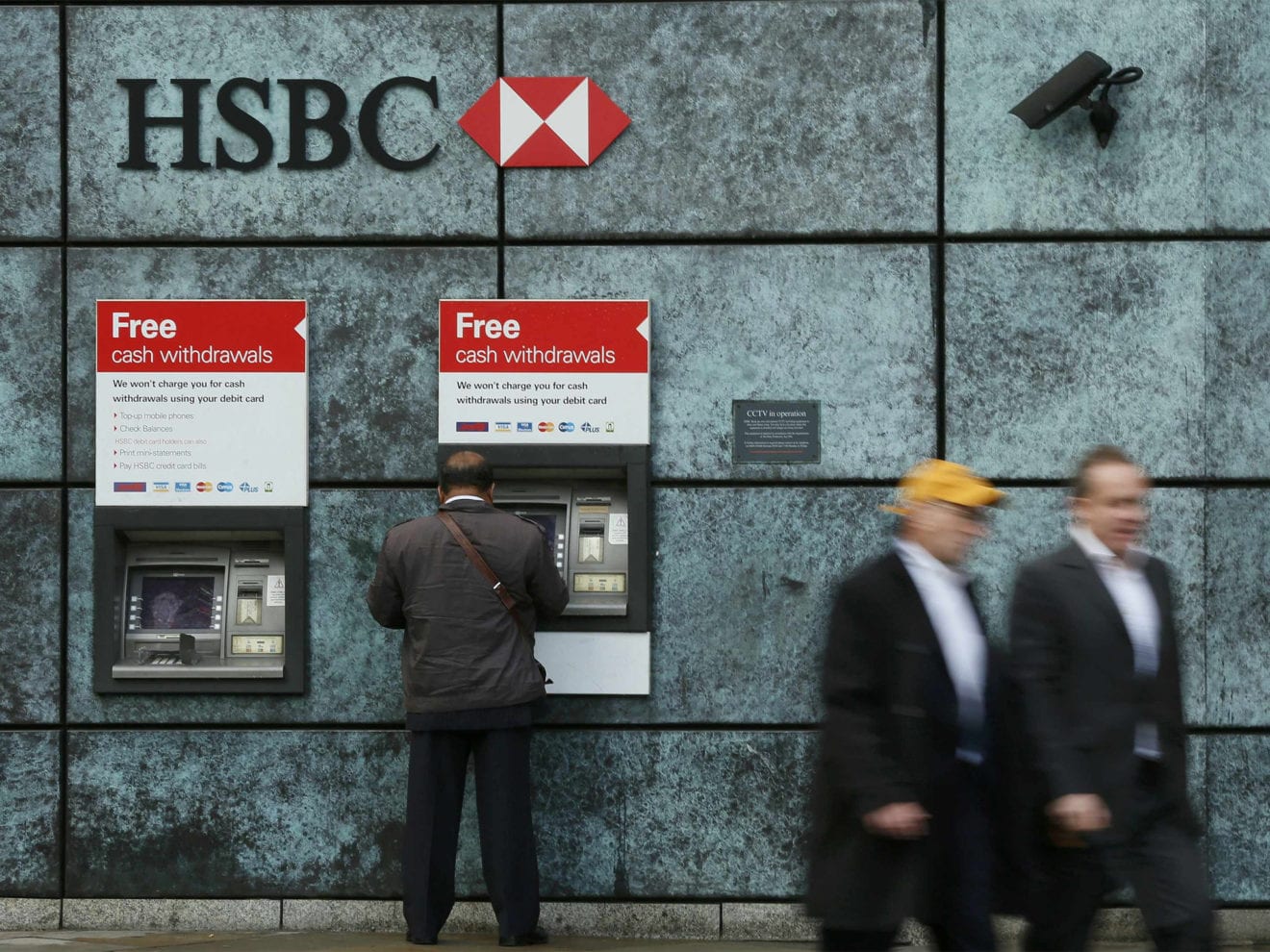
  • HSBC To Acknowledge $1.1b Provision Following Luxembourg Court Ruling Tied To Madoff Scandal

    HSBC To Acknowledge $1.1b Provision Following Luxembourg Court Ruling Tied To Madoff Scandal

    HSBC, a London-based financial institution, is set to acknowledge a significant provision following a court ruling in Luxembourg, in relation to an ongoing lawsuit tied to the infamous Bernard Madoff scandal.

    The Madoff Scandal Impact

    HSBC is expected to make an accounting provision amounting to $1.1 billion in its third quarter financial results. This move comes as a consequence of the Luxembourg court’s ruling on Bernard Madoff’s fraudulent investment scheme, as stated in an official report.

    The lawsuit dates back to 2009, when Herald Fund SPC sought legal action against HSBC’s Luxembourg division. The fund sought the recovery of assets it asserted were lost in the Madoff fraud scandal. It is important to note that the British bank served as a service provider to several investment funds involved with Bernard L. Madoff Investment Securities LLC.

    HSBC’s Legal Battle

    The Luxembourg court, on October 24, 2025, rejected an appeal by HSBC Securities Services Luxembourg (HSSL) regarding the recovery of securities. Nevertheless, the court accepted HSSL’s appeal related to a separate cash recovery claim. In response, HSSL plans to file another appeal. If this appeal is unsuccessful, the firm will challenge the sum to be paid in subsequent legal proceedings.

    Implications for HSBC

    The sizable provision is estimated to affect HSBC’s common equity tier 1 (CET1) capital ratio by approximately 15 basis points. However, it is expected to have no impact on the yearly return on tangible equity, excluding notable items, nor on the distribution of dividends.

    Questions & Answers

    What is the value of the provision HSBC is expected to recognize?
    HSBC is expected to recognize a provision of $1.1 billion in its third quarter results.

    Why is HSBC recognizing this provision?
    This provision is a result of a Luxembourg court ruling tied to the Bernard Madoff investment fraud scandal.

    What will be the impact of this provision on HSBC’s financials?
    The provision is estimated to affect HSBC’s CET1 capital ratio by about 15 basis points, but it will not impact the yearly return on tangible equity, excluding key items, or the distribution of dividends.