Retail News CRM

Tag: Finance

  • Revolut Unveils Ambitious Multi-Billion Expansion Plan to Revolutionize Retail Banking

    Revolut Unveils Ambitious Multi-Billion Expansion Plan to Revolutionize Retail Banking

    Revolut Embarks on Bold Expansion Journey

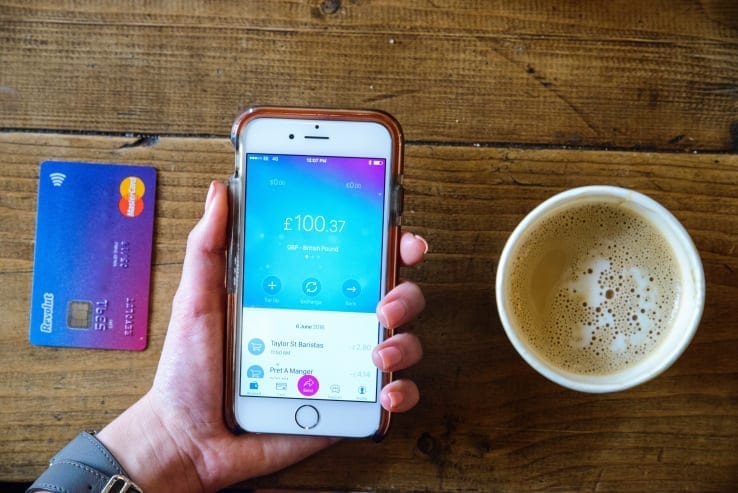
    The British fintech giant Revolut marked a significant milestone this Tuesday with the unveiling of its new global headquarters in London, paired with an ambitious growth strategy that promises to reshape the financial landscape.

    Over the next five years, the company aims to channel a remarkable 11.5 billion euros into its operations, a move set to create 10,000 new jobs worldwide. This investment includes a substantial 3.4 billion euros earmarked for the United Kingdom and an additional billion for France, signaling a strong push in key European markets.

    Europe and Latin America: A Dual Focus

    Revolut is reinforcing its foothold in Europe with a newly established hub in Paris and plans for new branches in Portugal and Belgium. This strategic expansion marks an exciting phase for the fintech, effectively connecting it to a larger audience across the continent.

    Turning its gaze to Latin America, Revolut is gearing up to operate as a bank in Mexico by early 2026, with intentions to extend its reach to Colombia and Argentina soon after. The company is also actively seeking new banking licenses in the Asia-Pacific, Middle East, and African regions. Recently, it secured approval to provide payment services in the United Arab Emirates, a noteworthy step in its global ambitions.

    Innovative Marketing and the Buzz Around Switzerland

    Beyond its financial endeavors, Revolut is making waves in the marketing arena with its newly announced collaboration with the Audi F1 Team. This partnership, which includes plans for limited edition co-branded cards, is likely to create a buzz among motorsport enthusiasts and financial fans alike — imagine driving down the track with your banking details at the speed of light!

    However, the company remains tight-lipped about its plans for the Swiss market. Despite ongoing speculation over the past few years about obtaining a banking license in Switzerland, there’s still no official confirmation from Revolut on this front.

    Questions & Answers

    What is Revolut’s total investment plan over the next five years?
    Revolut plans to invest a staggering 11.5 billion euros worldwide over the next five years.

    Which new markets is Revolut targeting in Latin America?
    In Latin America, Revolut aims to begin banking operations in Mexico by early 2026, with future expansions planned for Colombia and Argentina.

    What marketing partnership is Revolut pursuing?
    Revolut has partnered with the Audi F1 Team, planning to roll out limited edition co-branded cards as part of its marketing strategy.

  • UOB Joins Forces with Hengfeng Bank and Shangao Holdings to Propel Chinese Firms’ Global Expansion

    UOB Joins Forces with Hengfeng Bank and Shangao Holdings to Propel Chinese Firms’ Global Expansion

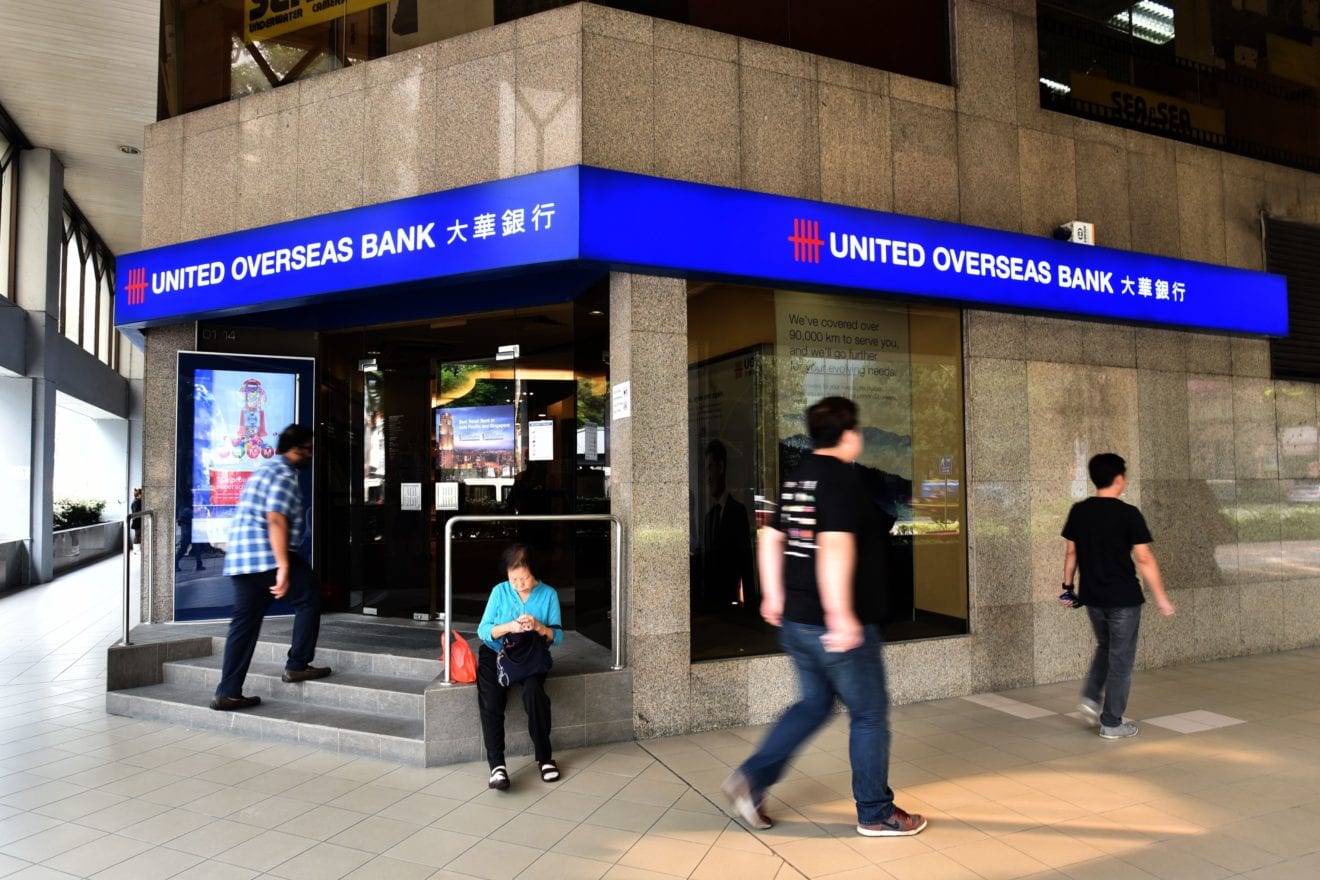
    UOB has embarked on an exciting collaboration with Hangfeng Bank Co. Ltd. and Shangao Holdings Group Limited, marking a significant stride toward fostering green development and infrastructure. Announced on September 18, 2025, this tripartite memorandum of understanding aims to enhance financial solutions that empower Chinese businesses seeking to extend their reach overseas, particularly in areas tied to sustainable transformation.

    Empowering Cross-Border Trade and Investment

    The partnership will focus on a myriad of financial services, including cross-border trade financing, investment banking, and tailored advisory services that resonate with the goals of the Belt and Road initiative. As the global focus shifts towards sustainability, UOB’s initiative underscores a pivotal blend of finance and environmental consciousness.

    Profiles in Investment: Shangao and Hangfeng

    Shangao Holdings, a subsidiary of Shandong Hi-Speed Holdings Group, has carved a niche in industrial investments revolving around new energy and infrastructure. The company plays a crucial role in managing vital transportation assets like toll roads, bridges, and rail transit facilities. Meanwhile, Hangfeng Bank, rooted in Shandong province, is celebrated for its transaction banking prowess and cross-border capabilities—ideal complements to UOB’s expansive regional network and Shangao’s investment acumen.

    A Remarkable Signing Event

    The memorandum was officially signed at the opening ceremony of the 2025 Singapore-Shandong week held at Marina Bay Sands, a fitting venue for such an ambitious partnership. UOB’s executive director for corporate wealth management, Janice Leong, represented the bank, joined by Shen Zhenghua, general manager of Hangfeng Bank’s transaction banking department, and Li Tianzhang, chairman of Shangao Holdings Group. The trio’s signatures symbolize a commitment to not only growth but also to a greener future, proving that when money talks, it can also advocate for the planet.

    Questions & Answers

    What are the main objectives of the partnership between UOB, Hangfeng Bank, and Shangao Holdings?
    The primary goals include providing financial solutions that support Chinese enterprises expanding internationally, with a focus on sectors aligned with green transformation, such as sustainable infrastructure.

    How will the collaboration benefit businesses in China?
    This partnership will facilitate cross-border trade financing and investment banking services, thereby easing international expansion for Chinese businesses while promoting sustainable practices.

    Where was the memorandum of understanding signed?
    The MOU was signed during the opening ceremony of the 2025 Singapore-Shandong week at the prestigious Marina Bay Sands in Singapore.

  • Raiffeisen Unveils Exciting Strategy Extension: A New Chapter for Growth!

    Raiffeisen Unveils Exciting Strategy Extension: A New Chapter for Growth!

    Raiffeisen Delays New Strategy: Aiming for Cohesion at the Top

    Raiffeisen has announced a significant shift in its strategic planning timeline, opting to unveil a new group strategy at the end of 2026 instead of the previously anticipated date. This one-year delay is a strategic move to ensure that both the incoming chair of the board and the newly appointed CEO, Gabriel Brenna, have a hand in shaping the bank’s future direction, as the institution stated in a recent release.

    The new board chair is set to be elected during the general meeting scheduled for June 2026. Current chair Thomas Müller has confirmed he will not seek re-election, leaving the board in search of a successor—a process that is still actively underway. In a game of musical chairs, the position has become particularly crucial, with the leadership baton passing hands in a race against time.

    Turning the page, Brenna will officially step into the CEO role in December 2025, succeeding Heinz Huber, who announced his resignation in December 2024. By synchronizing these changes, Raiffeisen seems keen on building a cohesive leadership team—one that can navigate the complex landscape of the banking sector, perhaps hoping to avoid any hiccups that could lead to strategic misalignment. After all, in the world of retail banking, an indecisive leader can be like an empty shopping cart: lacking direction and prone to drift.

    Questions & Answers

    Why has Raiffeisen decided to delay its new group strategy?
    Raiffeisen has postponed its strategy rollout to ensure that both the new CEO and the incoming chair of the board can participate in the development process, fostering a more cohesive leadership vision.

    When will the search for a new board chair be resolved?
    The election for the new chair is set for June 2026, with the current chair, Thomas Müller, opting not to seek re-election.

    What changes are expected with the new CEO Gabriel Brenna?
    Gabriel Brenna is set to take over in December 2025, succeeding Heinz Huber, marking a pivotal moment in Raiffeisen’s leadership and strategic direction as he shapes the future of the bank.

  • UOB Upgrades Vietnam’s 2025 GDP Growth Forecast to an Optimistic 7.5%

    UOB Upgrades Vietnam’s 2025 GDP Growth Forecast to an Optimistic 7.5%

    Vietnam’s economy is on a remarkable upswing, with the latest data from UOB’s Global Economics & Markets Research unit indicating a booming GDP expansion of 7.52% in the first half of the year—the fastest growth for this period since 2011. This vibrant increase is largely driven by a notable 14% surge in exports, fueled further by a boost in market sentiment following U.S. President Donald Trump’s temporary reduction of reciprocal tariffs to a baseline rate of 10% for 90 days.

    Tariff Landscape and Future Projections

    The elimination of tariff uncertainties in the second half of the year has set the stage for Vietnamese exports, with specific rates now locked in ahead of the August deadline. Vietnam faces a 20% levy but remains hopeful; UOB forecasts a solid 10% growth in exports for 2025, building on last year’s impressive 14% growth.

    Manufacturing and Foreign Investments Flourish

    Additional indicators reflect Vietnam’s economic resilience. The Manufacturing Purchasing Managers’ Index (PMI) rebounded to 52.4 in July, emerging from three months of contraction. Meanwhile, industrial output surged by 9% year-on-year, indicating robust manufacturing activity amidst fluctuating global conditions.

    Foreign direct investment (FDI) has also shown signs of vitality, reaching $13.6 billion as of July, a rise from $12.6 billion the previous year. Analysts suggest that full-year inflows could exceed $20 billion, although this would still trail last year’s total of $25.4 billion.

    A Bold Infrastructure Investment Plan

    In a bid to solidify growth, Vietnam’s government announced an ambitious $48 billion infrastructure investment plan in mid-August, encompassing 250 projects. This plan prioritizes urban development and transport, with 129 projects financed at a cost of $18 billion, while the remaining 121 projects—valued at $30.5 billion—will attract financing from foreign entities.

    Glimmers of Optimism in Monetary Policy

    UOB maintains its outlook for 2026 at a consistent 7% growth rate, with the Vietnamese government aiming for a target GDP growth of 8.3-8.5% for the current year. UOB analysts suggest that the strong second-half outlook, coupled with ongoing pressures on the Vietnamese dong, will likely keep the central bank’s refinancing rate steady at 4.5%. If drastic weakening of business conditions occurs, a reduction to a pandemic-era low of 4% could be considered—though this scenario remains unlikely.

    On the currency front, the dong may find itself struggling to capitalize on a potential weakening of the U.S. dollar, likely to occur once the Federal Reserve begins to cut rates. Nevertheless, UOB forecasts that dollar exchange rates will ease gradually, projecting VND26,300 in the last quarter of this year, VND26,200 in the following quarter, and VND26,000 by the third quarter of 2026.

    Questions & Answers

    How is Vietnam’s GDP growth in the first half of this year compared to past years?
    Vietnam’s GDP grew by 7.52% in the first half of the year, marking the fastest expansion for that period since 2011.

    What are the key drivers behind this growth?
    The robust growth is primarily attributed to a significant 14% increase in exports, supported by positive market sentiment following tariff reductions announced by the U.S. government.

    What steps is the Vietnamese government taking to sustain economic growth?
    Vietnam unveiled a $48 billion infrastructure investment plan covering 250 projects, with a focus on urban development and transport, showing a strong commitment to enhancing economic foundations.

  • SoftBank’s PayPay Poised for Exciting Launch into International Markets!

    SoftBank’s PayPay Poised for Exciting Launch into International Markets!

    PayPay, the mobile payment service owned by SoftBank Group, is poised to expand its reach beyond Japan, with plans to launch its app for international use as early as late September. This move aims to cater to the growing number of Japanese travelers seeking seamless payment solutions while abroad.

    The service will initially be accepted at Alipay+ partner stores in South Korea, marking a significant step in PayPay’s strategy to capture the attention of international consumers and support Japanese tourists. This opening coincides with a surge in cross-border tourism as the world continues to rebound from pandemic restrictions.

    Masayoshi Yanase, a corporate officer at PayPay, shared insights during a press conference, affirming the company’s commitment to enhancing its digital services for users navigating unfamiliar markets. “With the globe opening up, we’ve recognized the need for our customers to make transactions abroad as smoothly as they do at home,” he stated.

    This initiative by PayPay represents more than just a functional upgrade; it’s a strategic pivot in the competitive landscape of mobile payment solutions in Asia. With increasing collaboration among digital payment platforms, this could very well be the start of a payment revolution across the region, and who wouldn’t want to pay with a simple tap instead of fumbling for cash?

    Questions & Answers

    How will PayPay’s expansion benefit travelers?
    The expansion allows Japanese travelers to make transactions in South Korea seamlessly, addressing a crucial need for smooth payment solutions abroad.

    What strategic advantages does this move present for PayPay?
    By collaborating with Alipay+ partner stores, PayPay positions itself competitively in the rapidly evolving mobile payment landscape in Asia, enabling it to attract both tourists and international consumers.

    What recent trends in tourism might influence PayPay’s strategy?
    The rebound in cross-border tourism following pandemic restrictions increases demand for accessible payment solutions, making this expansion timely and relevant for their target audience.

  • China and Indonesia Launch Innovative Pilot Program for Cross-Border QR Payments

    China and Indonesia Launch Innovative Pilot Program for Cross-Border QR Payments

    In an exciting development for cross-border commerce, selected users from China can now engage in QR payments while visiting Indonesia, thanks to a collaborative pilot initiative between the two nations. This innovation allows users to make payments using the UnionPay and Alipay apps through Indonesia’s QRIS system, which stands for “Quick Response Code Indonesian Standard.” With more than 40 million QRIS merchants participating, this move promises to enhance the purchasing experience for tourists and business travelers alike.

    As part of this initiative, the pilot program allows not just Chinese users but also selected merchants from China’s UnionPay and Alipay networks to accept QR payments from a variety of Indonesian mobile payment applications. It’s almost like creating a financial handshake between countries, all facilitated by the convenience of QR codes.

    The payment processing will unfold in the local currencies of each country, adding another layer of efficiency to the transaction process, as confirmed in the recent press release. With the pilot phase currently underway, stakeholders anticipate that the QR payment system will be fully operational by 2025, making it a significant stride towards seamless cross-border transactions.

    UnionPay International (UPI) has laid the groundwork for this ambitious project by signing a memorandum of cooperation with the Indonesian Payment System Association, Ant International, as well as the Bank of China (Hong Kong) Jakarta branch. The move solidifies the partnership, which is further cemented through separate agreements with four Indonesian switch networks: Rintis, ALTO, Artajasa, and Jalin. As the program progresses, it could transform how payments are made between these two vibrant economies, potentially sparking interest from other nations to join the QR payment revolution.

    Questions & Answers

    How does the QR payment system work between China and Indonesia?
    Users from China can make QR payments in Indonesia using the UnionPay and Alipay apps, utilizing the QRIS system to facilitate transactions through 40 million participating merchants.

    What currencies will be used in these transactions?
    The QR payment linkages will be settled in the respective local currencies of China and Indonesia, ensuring a smooth transaction process for users.

    When is the QR payment linkage expected to become fully operational?
    The initiative is projected to be fully operational by 2025, following the current sandbox phase of the pilot program.

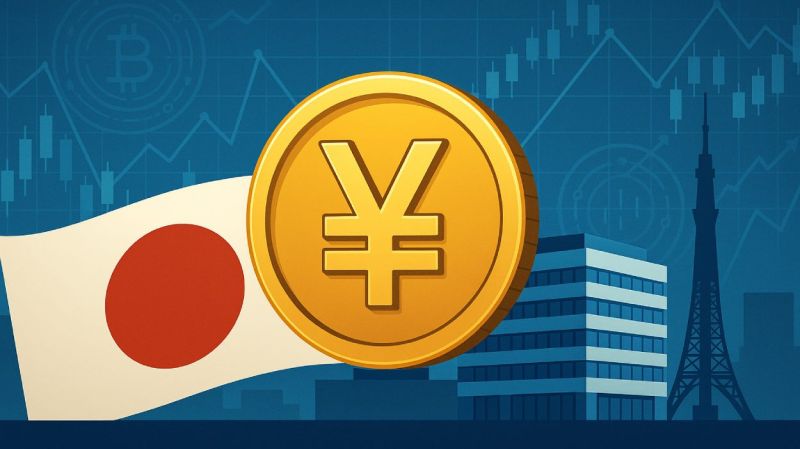
  • Japan’s First Stablecoin: What It Means for Government Bond Demand and the Future of Finance

    Japan’s First Stablecoin: What It Means for Government Bond Demand and the Future of Finance

    Japan is gearing up for a significant financial innovation with plans to introduce its first stablecoin by late 2025. This move, while groundbreaking, is not predicted to shake up the dynamics of Japanese government bonds significantly. According to Bank of America (BofA) Global Research, the Financial Services Agency (FSA) is preparing to greenlight this JPY-denominated stablecoin in the autumn, which will be pegged to the country’s legal tender.

    JPYC’s Financial Strategy

    The fintech company expected to spearhead this initiative, JPYC, aims to maintain the stability of the new digital currency at JPY1 by holding a mix of highly liquid assets, including deposits and government bonds. While the launch is certainly a pivotal moment for Japan’s financial landscape, BofA’s analysis suggests that the immediate effect on the supply and demand for Japanese government bonds will be minimal.

    Stablecoins and Japanese Government Bonds

    BofA Global Research notes that the upcoming stablecoin launch is projected to result in a modest increase in annual issuances of Japanese government bonds — estimated at around $1.88 billion (JPY 277.7 billion). This forecast is based on JPYC’s ambitious target of issuing JPY1 trillion in stablecoins over the next three years, with approximately 20% of this amount reportedly backed by cash and deposits, and a substantial 80% by JGBs. However, this increase pales in comparison to the monthly JGB issuance from the Ministry of Finance, which ranges between JPY11 trillion and JPY12 trillion.

    Outlook for Japanese Stablecoins

    Despite several other Japanese companies reportedly eyeing the stablecoin market, the current sentiment remains cautiously optimistic. BofA Global Research emphasizes that, at least for now, the emergence of stablecoins in Japan is not forecasted to spur any significant demand for JGBs. As the financial sector watches closely, the stablecoin landscape could open new avenues for digital finance in Japan — a realm where innovation often dances cheek to cheek with tradition.

    Questions & Answers

    What is the expected launch date for Japan’s first stablecoin?
    Japan’s first stablecoin is set to launch in late 2025, pending authorization from the Financial Services Agency.

    How does JPYC plan to ensure the stability of its stablecoin?
    JPYC intends to maintain the stablecoin’s value at JPY1 by backing it with a mix of liquid assets, including cash, deposits, and government bonds.

    Will the introduction of stablecoins significantly impact Japanese government bond demand?
    According to Bank of America, while the launch may slightly increase annual JGB issuances, it is not expected to significantly affect supply and demand dynamics for Japanese government bonds.

  • Gold Prices Dip: What Could It Mean for Retail Investors?

    Gold Prices Dip: What Could It Mean for Retail Investors?

    As gold prices dip in Vietnam, a contrasting trend is seen in the global market. In the latest market update, the price of gold bars from the Saigon Jewelry Company fell by 1.43% to VND131.4 million (approximately US$4,980.1) per tael. Meanwhile, local bullion prices still outstrip global ones by VND15 million per tael, a notable gap in the current economy.

    Gold ring prices also took a hit, decreasing by 1.23% to VND128 million per tael. For reference, a tael weighs about 37.5 grams or 1.2 ounces, a unit familiar to both traders and collectors alike.

    Globally, however, the gold market is witnessing a different dynamic. Prices edged upward on Friday, marking a potential fourth consecutive weekly gain driven by growing concerns over a weakening U.S. labor market that overshadowed inflation fears ahead of a widely anticipated Federal Reserve rate cut next week, according to Reuters.

    Spot gold rose 0.5% to $3,651.92 per ounce, hovering near a record high of $3,673.95 reached earlier in the week. This week alone, bullion has appreciated by 1.8%, reflecting its resilience amid economic uncertainty. U.S. gold futures for December delivery also saw an increase, climbing 0.5% to $3,690.30.

    “It’s not far off from $3,700 … so that could happen at any moment,” remarked Ryan McIntyre, managing partner at Sprott Inc. “In the short term, we see some resistance at about $3,900 according to our technical analysis, but long term, we believe it is still heavily under-owned by most institutions.” This sentiment reflects a broader trend that sees gold as a high-stakes player in the global financial game.

    So far this year, gold has soared about 39%, a remarkable feat fueled by a soft dollar, robust central bank purchases, dovish economic policy, and growing global uncertainties that keep investors on their toes.

    Questions & Answers

    How have local gold prices in Vietnam compared to global rates?
    Local gold prices have decreased, with the Saigon Jewelry Company reporting prices down by 1.43%, yet they remain VND15 million per tael higher than global prices.

    What are the key factors driving the global increase in gold prices?
    The increase is largely attributed to concerns over a weakening U.S. labor market, overshadowing inflation fears, as well as sustained interest from central banks and investors amid economic uncertainty.

    What predictions are experts making about gold prices in the near future?
    Experts suggest that gold could soon reach or surpass the $3,700 mark, with some forecasting resistance at around $3,900 in the short term, while highlighting its potential for longer-term growth due to under-ownership by institutions.

  • Dollar Experiences Slight Dip Against Dong in Black Market Trading

    Dollar Experiences Slight Dip Against Dong in Black Market Trading

    The U.S. dollar fell against the Vietnamese dong on the black market Saturday morning despite a global gain.

    Dollar Moves in Unexpected Ways

    The U.S. dollar dipped by 0.24% to VND 26,950 at unofficial exchange points on Saturday. This drop occurred even as the greenback gained globally, highlighting the fluid dynamics at play in foreign exchange markets.

    Official Rates Hold Steady

    Meanwhile, Vietcombank maintained its official exchange rate at VND 26,476, while the State Bank of Vietnam opted to keep its rate unchanged at VND 25,216. This stability in local rates contrasts sharply with the movements observed in the black market, where traders often respond more acutely to shifts in sentiment and market conditions.

    A Global Context

    In the broader global landscape, the dollar had a mixed day on Friday, recovering slightly after experiencing a downturn fueled by a rise in U.S. jobless claims and a slight increase in inflation. As anticipation builds ahead of next week’s Federal Reserve meeting—where analysts speculate a potential interest rate cut could take place after a substantial pause—the currency faces additional scrutiny.

    Yen and Dollar Dynamics

    The dollar gained 0.2% against the yen, reaching 147.53 yen. This marks three consecutive weeks of growth against the Japanese currency. The latest U.S.-Japan joint statement emphasized the importance of allowing markets to dictate exchange rates, urging against excessive volatility. Traders have keenly absorbed this messaging, further influencing market behavior.

    Trends on the Dollar Index

    The dollar index remained relatively stable at 97.59, yet it is poised for its second straight weekly decline, with a 0.1% drop over the week. This slight shift signals traders’ cautious approach as they navigate uncertainties ahead in the market.

    Questions & Answers

    How did the U.S. dollar perform against the Vietnamese dong on the black market?
    The U.S. dollar fell by 0.24% to VND 26,950 at unofficial exchange points, contrasting with its global gains.

    What exchange rates did Vietcombank and the State Bank of Vietnam set?
    Vietcombank maintained its rate at VND 26,476, while the State Bank of Vietnam kept its rate unchanged at VND 25,216.

    What context surrounds the dollar’s performance globally?
    The dollar experienced mixed results as it recovered from a decline caused by increased U.S. jobless claims and an uptick in inflation ahead of a Federal Reserve meeting that might lead to interest rate cuts.

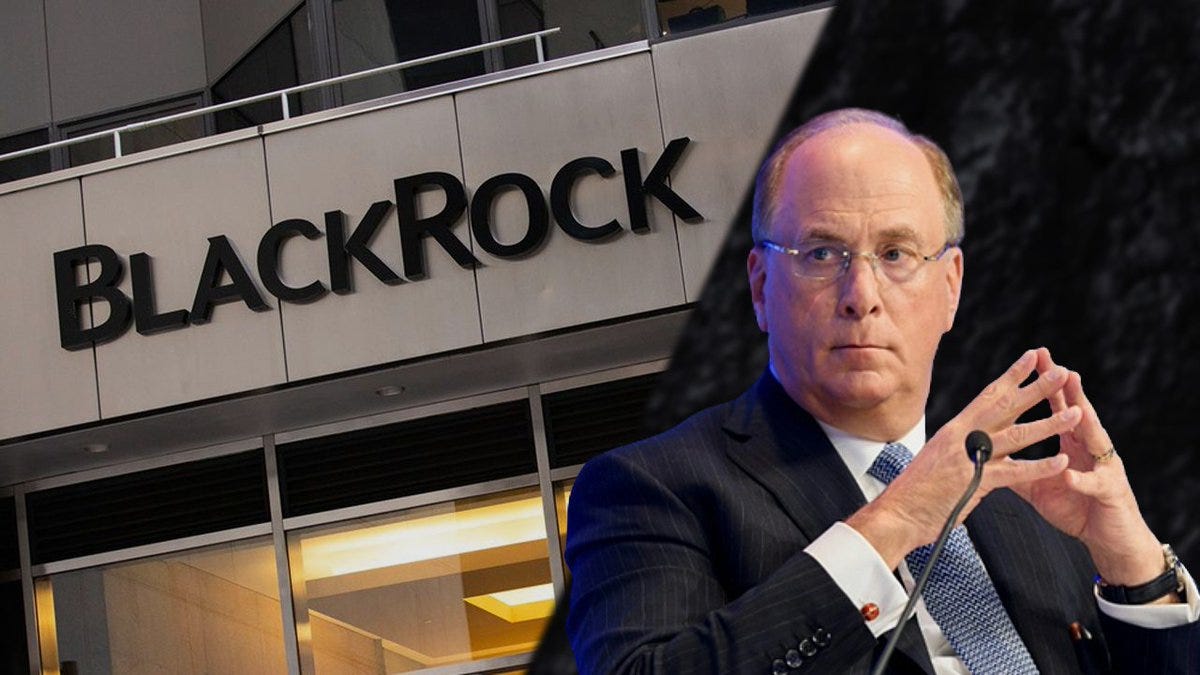
  • BlackRock Eyes Growth in Middle East’s Flourishing Millionaire Market

    BlackRock Eyes Growth in Middle East’s Flourishing Millionaire Market

    The world’s largest asset manager, Blackrock, is making a significant move into Kuwait, a nation where around 15 percent of its citizens hold millionaire status. This financial giant is positioning itself in a virtually debt-free state known for its vibrant investment landscape amid a favorable global economic backdrop.

    In a press announcement by the Kuwaiti news agency KUNA, it was revealed that Blackrock has tapped Ali Al-Qadhi to lead its new branch in Kuwait. This announcement follows the Kuwaiti Capital Markets Authority’s recent approval of a license for Blackrock Advisors (UK) Ltd, signaling the firm’s commitment to establishing a stronghold in the region.

    Strategic Partnerships Open Doors

    Blackrock’s ambition in Kuwait was first discussed during a visit from co-founder and CEO Larry Fink to the ruler of Kuwait, Sheikh Mishal Al-Ahmad Al-Jaber Al-Sabah, in February. Fink pledged that Blackrock would back the government’s ambitious “Kuwait Vision 2035,” a strategy aimed at transforming the small oil-rich nation into a global financial and trade hub. With existing offices in Riyadh, Doha, Dubai, and Abu Dhabi, Blackrock’s expansion into Kuwait reflects its strategic focus on the region.

    Managing $12.5 trillion in assets, the firm aims to provide financial consulting to high-net-worth individuals (HNWIs) as well as to state-owned and private investment firms in a country with a population of 5 million. Kuwait ranks third globally for the percentage of millionaires, just behind Switzerland and Hong Kong. The Kuwait Investment Authority (KIA), which boasts a $1 trillion portfolio, holds a 5.57% stake in Mercedes-Benz and has recently supported Blackrock’s initiatives in building global infrastructure for artificial intelligence.

    A Stable Haven amid Global Unrest

    The Gulf’s burgeoning high-net-worth community is reportedly thriving due to rising oil prices, a boom in global stock markets, and a post-pandemic rebound in trade and tourism. Additionally, the relatively weak U.S. dollar is drawing investments from Europe, the UK, and East Asia, while all Gulf currencies are pegged to the dollar—except for Kuwait, whose dinar floats against a basket of currencies. Impressively, Kuwait’s public debt was a mere 3% of GDP in 2024.

    Interestingly, recent geopolitical crises in the region have largely sidestepped Kuwait. In September, credit rating agency Fitch reaffirmed Kuwait’s “AA–” rating with a stable outlook, though analysts are nudging the government to expedite reforms aimed at diversifying the economy beyond oil and enhancing transparency within the financial sector.

    Questions & Answers

    What does Blackrock’s new branch in Kuwait signify for the local market?
    Blackrock’s new branch reflects the growing importance of Kuwait as a financial hub, particularly for high-net-worth individuals and investment opportunities.

    How significant are Kuwait’s high-net-worth individuals in the global context?
    With 15 percent of its population classified as millionaires, Kuwait ranks third in the world for millionaire density, highlighting a lucrative market for strategic financial services.

    What challenges does Kuwait face despite its economic advantages?
    While Kuwait enjoys a stable economy with low public debt, analysts point to the need for reforms to diversify the economy and improve transparency within the financial sector to sustain its growth.

  • Gold Prices Surge: What This Means for Retail Investors and Shoppers Alike

    Gold Prices Surge: What This Means for Retail Investors and Shoppers Alike

    The price of gold in Vietnam has surged as the global market continues its upward trajectory. On Tuesday afternoon, the price of Saigon Jewelry Company gold bars increased by 0.52%, reaching VND135.8 million (approximately US$5,145.89) per tael. Meanwhile, gold rings remained stable at VND130.8 million per tael, with one tael equating to 37.5 grams or 1.2 ounces.

    The rise in Vietnam is part of a broader trend, with gold prices in the country climbing 61% since the beginning of the year.

    This rally is mirrored on the global stage, where gold prices recently hit record highs. On Tuesday, the spot price for gold rose by 0.2% to $3,642.09 per ounce, following a peak of $3,659.10 earlier in the day. The increase is attributed to a weakening U.S. dollar and declining bond yields, spurred by expectations of a Federal Reserve interest rate cut this month.

    In the trading pits, December delivery futures for U.S. gold ticked up by 0.1%, pricing in at $3,682.10.

    Market analysts suggest that there may be further increases in gold prices, with KCM Trade Chief Market Analyst Tim Waterer stating, “We probably will see more upside in gold from here provided that the U.S. central bank delivers with regards to market expectations of seeing multiple rate cuts.” Who knew that a metal often associated with royalty could be creating such a commotion in finance?

    Questions & Answers

    What factors are driving the increase in gold prices in Vietnam?
    The rise in gold prices in Vietnam is largely influenced by global market trends, including a weaker U.S. dollar, declining bond yields, and expectations of interest rate cuts by the Federal Reserve.

    How much has the price of gold increased in Vietnam this year?
    Gold prices in Vietnam have surged 61% since the start of the year.

    What is the current price of gold bars in Vietnam as of the latest report?
    As of the latest report, gold bars are priced at VND135.8 million (about US$5,145.89) per tael.

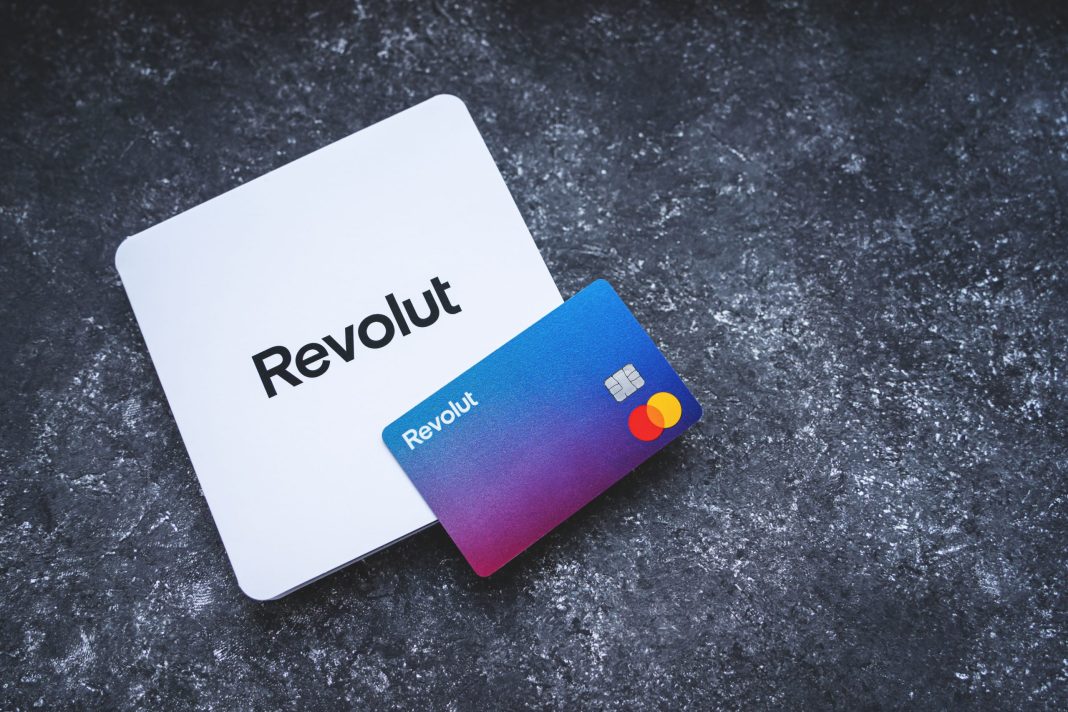
  • Revolut Sets Up Camp in the Emirates: What This Means for Retail Innovation

    Revolut Sets Up Camp in the Emirates: What This Means for Retail Innovation

    Revolut has taken a critical stride in its Middle East expansion with the acquisition of initial approval to offer payment services in the United Arab Emirates. This marks a significant leap for the British neobank, which boasts a customer base exceeding 60 million globally, as it prepares to tap into one of the region’s most promising financial markets.

    In a recent statement, Revolut announced it received in-principle approval from the Central Bank of the UAE (CBUAE) for “Stored Value Facilities” and “Retail Payment Services (Category II)” licenses. This regulatory green light paves the way for the launch of a diverse range of financial products aimed at retail customers, underlining the UAE’s potential as a catalyst for growth due to its vibrant economy, robust digital adoption, and established position as a global financial center.

    A Vision for Financial Empowerment

    Ambareen Musa, CEO GCC at Revolut, expressed enthusiasm regarding the approvals, stating, “Receiving these in-principle approvals from the Central Bank of the UAE is a pivotal step for Revolut in the region.” She highlighted the company’s commitment to equipping individuals with innovative financial tools that prioritize transparency, flexibility, and user control, aiming to address pressing issues within the current financial landscape. For Musa, whose fintech journey began with founding Souqalmal.com, Revolut’s mission extends beyond just service provision; it’s deeply rooted in advancing financial literacy and consumer empowerment across the UAE.

    Ambitious Hiring Plans Unveiled

    In tandem with its expansion plans, Revolut is gearing up for a hiring spree in the UAE. Embracing a “remote-first” strategy allows the company to attract a diverse talent pool from across the region while fostering an environment of flexibility and inclusivity. This fresh wave of recruitment is essential as Revolut seeks to strengthen its foothold in a market where fintech innovation is booming and competition is fierce.

    As the company sets its sights on establishing a formidable presence in the UAE, it continues to expand its international reach. Revolut is already operational in various countries, including Australia, Brazil, Mexico, Japan, New Zealand, Singapore, the US, and India, and aims to rank among the top three financial apps in every market it enters. With this ambitious roadmap, one can’t help but wonder: could Revolut’s next product launch include a feature that teaches users the art of not overspending—with a satirical twist, of course?

    Questions & Answers

    What services will Revolut offer in the UAE?
    Revolut plans to launch a suite of financial products tailored for retail clients, including Stored Value Facilities and Retail Payment Services.

    How is Revolut approaching recruitment for its UAE expansion?
    The company is implementing a “remote-first” approach to attract talent from across the region while promoting a culture of flexibility and inclusion.

    What is the strategic importance of the UAE for Revolut?
    The UAE is viewed as a key growth market by Revolut, thanks to its dynamic economy, high digital adoption rates, and its standing as a global financial hub.

  • Revolut Taps Former SocGen CEO to Spearhead Expansion in Western Europe

    Revolut Taps Former SocGen CEO to Spearhead Expansion in Western Europe

    In a strategic expansion move, Revolut has appointed banking heavyweight Frédéric Oudéa to chair its newly established Western Europe operation, intensifying its focus on growth in France and beyond.

    The fintech powerhouse, valued at an impressive $75 billion, is ramping up activities in Paris where it is in pursuit of a French banking license. The company plans to hire up to 200 staff and allocate a substantial €1 billion investment to support its expansion efforts.

    From Société Générale to Fintech Innovator

    Oudéa, a seasoned leader who guided Société Générale through 15 transformative years post-global financial crisis, sees his new role as an exciting avenue to participate in a bold venture combining cutting-edge technology with robust financial backing. With ambitions to double its French customer base to 10 million by next year, Revolut is gearing up to launch mortgage and savings products tailored for the French market.

    Globally, the neobank now caters to approximately 60 million customers, eclipsing traditional banking giants like HSBC. The company reported an impressive 72 percent revenue increase last year, which amounted to £3.1 billion. Its bid for a banking license in France adds to its existing EU authorization from Lithuania, though its UK banking license remains under regulatory scrutiny since 2024.

    Swiss Operations Remain Unchanged—For Now

    Despite Oudéa’s new moniker as Western Europe chairman, Revolut reassured that operations in Switzerland will remain unaffected in the immediate term. The company indicated in a communication “For our Swiss customers, nothing changes for now.” With whispers of a possible Swiss banking license in the air, the company is clearly not resting on its laurels.

    The leadership team for Revolut’s Western Europe board is taking shape and currently features Oudéa alongside independent member Brigitte Cantaloube, Western Europe CEO Béatrice Cossa-Dumurgier, group risk and compliance chief Pierre Décoté, group banking chief Siddhartha Jajodia, and independent member Pascal Pincemin.

    Questions & Answers

    What is Frédéric Oudéa’s new role at Revolut?
    Oudéa has been appointed as chairman of Revolut’s Western Europe operation, where he will oversee the expansion of the company in France and other parts of the region.

    What are Revolut’s expansion plans in France?
    Revolut aims to double its French customer base to 10 million next year while launching new mortgage and savings products, supported by a €1 billion investment and the hiring of up to 200 new staff.

    Will the changes in Western Europe affect Revolut’s operations in Switzerland?
    Currently, Revolut has stated that its operations in Switzerland will remain unchanged despite the new Western Europe setup, although there are speculations about a potential Swiss banking license in the future.

  • Philippine Banks Experience Robust 11.8% Surge in Loans for July

    Philippine Banks Experience Robust 11.8% Surge in Loans for July

    Outstanding loans from universal and commercial banks experienced an 11.8% year-on-year increase in July 2025, as reported by the Bangko Sentral ng Pilipinas (BSP). This figure, although slightly tempered, still builds on the robust growth seen in June, where loan growth reached 12.1%.

    Consumer Loans Remain Robust

    Loans extended to residents rose by 12.4% in July, just shy of June’s 12.6% growth. Interestingly, consumer lending, which encompasses credit cards, motor vehicles, and general-purpose salary loans, surged by 23.6% in July, a tad less than the 24% registered in June. Clearly, the appetite for personal credit remains strong—perhaps indicative of consumers gearing up for that much-anticipated summer getaway.

    Business Loans Show Mixed Trends

    However, not all sectors are firing on all cylinders. Loans to non-residents fell by 8.1% in July, a sharper decline compared to the 6.4% drop noted the previous month. On the brighter side, loans designed for business activities saw an increase of 10.8%, cooling slightly from June’s 11.1% growth. Real estate lending also showed resilience, climbing by 10.7%.

    Sector-Specific Lending Insights

    Among the standout performers, loans connected to electricity, gas, steam, and air-conditioning supply skyrocketed by an impressive 30.3%. Additionally, the wholesale and trade sector, along with repairs of motor vehicles and motorcycles, benefited as loans rose by 8.5%. In the spheres of financial and insurance activities, lending increased by 13.1%, while the information and communication sector witnessed an 8.5% growth.

    Questions & Answers

    What was the overall trend in loan growth in July 2025?
    Loan growth in July 2025 was 11.8%, a slower pace than June’s 12.1% growth, but still indicative of a continuing upward trend.

    How did consumer loans perform in July?
    Consumer loans expanded by 23.6% in July, reflecting strong demand for credit despite a slight decrease from June’s 24% growth.

    Which sectors experienced notable growth in lending?
    Lending for electricity and utility services surged by 30.3%, while real estate loans grew by 10.7%. Additionally, loans for financial activities climbed by 13.1%.

  • Gold Soars to New Heights: A Remarkable 60% Surge This Year!

    Gold Soars to New Heights: A Remarkable 60% Surge This Year!

    Vietnam gold price reached another record Saturday morning, having risen 60.8% so far this year, outpacing global rates.

    In a notable surge, the price of gold in Vietnam hit a new high Saturday morning, increasing by 60.8% since the beginning of the year. This impressive jump has left global prices trailing in its wake, suggesting that local investors are in a celebratory mood as they watch their investment shine brighter than ever.

    Prices at Record Levels

    The Saigon Jewelry Company reported an uptick of 0.74%, positioning gold bars at VND135.4 million (approximately US$5,128.79) per tael. Meanwhile, the price of gold rings climbed by 0.77% to reach VND130.2 million per tael, highlighting a captivating moment in the Vietnamese gold market. A tael is equivalent to 37.5 grams or 1.2 ounces, leaving customers to ponder whether a little shimmer could lead to a splendid return.

    Gold Outpaces Global Bullion

    Vietnam’s gold performance has been nothing short of stellar this year, especially when compared to global trends. The year began with local gold priced at VND84.2 million per tael, but now, it has far exceeded the 37% increase seen in global gold prices over the same period.

    Global Context and Future Prospects

    Globally, gold has seen a robust rally, with prices nearing $3,600 per ounce as of Friday. These gains were bolstered by weak U.S. jobs data, which heightened expectations for supportive rate cuts from the Federal Reserve. Spot gold increased by 1.4%, reaching $3,596.55 per ounce, just shy of an earlier record of $3,599.89. Furthermore, U.S. gold futures for December delivery saw a 1.3% rise, closing at $3,653.30. This bullish sentiment is underpinned by U.S. dollar weakness, central bank purchases, and increasing geopolitical tensions—factors prompting many to consider gold as a safe haven.

    Questions & Answers

    What factors have contributed to the surge in gold prices in Vietnam?
    The significant rise in Vietnam’s gold prices is attributed to a combination of local investor enthusiasm, currency fluctuations, and the country’s economic conditions, outpacing the global market.

    How do current Vietnamese gold prices compare to global gold prices?
    Vietnamese gold prices have increased by 60.8% this year, markedly surpassing the 37% rise seen in global bullion prices, showcasing a unique local market dynamic.

    What does this trend in gold prices suggest for investors?
    The uptick in gold prices may indicate a favorable investment environment, particularly for those in Vietnam, as both local and global factors converge to enhance the attractiveness of gold as a secure asset.