Tag: Finance

  • MasterCard says Australian retail sales ‘worrisome’

    MasterCard says Australian retail sales ‘worrisome’

    MasterCard’s Sarah Quinlan says a cooling property market is hitting retail sales. Australian retail sales will rise in 2016, but slowing wages growth and a cooling property market here and in China is dampening growth. That’s the prediction based on MasterCard’s first monthly analysis of millions of card payments made on card terminals.

    It began tracking retail sales in Australia last year based on all transactions at terminals and claims this gives more accurate data than that provided by the Bureau of Statistics, which relies on surveys.

    MasterCard’s first monthly survey of payments in Australia predicts retail spend will drop further. Photo: Jim Rice

    Sarah Quinlan, MasterCard’s New York-based senior vice-president of market insights, said retail sales year-on-year in Australia grew 3.2 per cent in value in January compared to a year earlier.

    Year-on-year sales growth in January 2015 was running at about 6 per cent.

    She said growth at the moment is due to inflation because of a depreciating Australian dollar and the trend down is being driven by real wages growth declining. This has been reinforced by house prices cooling because regulators have capped investor lending.

    A big slowdown in spending by Chinese tourists and investors is the other main factor which is hitting all countries.

    “You could have absolutely predicted the real estate outcome,” she said. “There’s two things I watch in spending; I watch consumer confidence and wage growth.”

    MasterCard's first monthly survey of payments in Australia predicts retail spend will drop further.

    Growth due to importing inflation

    In the US, she said, wage growth has been poor, but consumer confidence is higher than in Australia now.

    “They are absolutely confident they are going to hold their job now or they can find a job if they want to switch. It is the opposite of what’s happening here,” Ms Quinlan said.

    “While you still have a positive growth rate in your spending in Australia, it is of a worrisome nature because it is more due to importing inflation due to a 35 per cent drop in the Australian dollar [versus the US dollar] since 2012.”

    The pullback of Chinese money, she said, is due to a property bubble there and numerous senior officials being hit with corruption allegations.

    “We can tie exactly back to the day back in August 2013 that [politician] Bo Xilai was arrested for corruption and there’ve been 100,000 people arrested for corruption subsequently. So they are just not showing their wealth now,” she added.

    “And this debt bubble up there is huge right now, it makes ours pale by comparison. By our calculations around 75 per cent of the economy in China is owned by state-owned enterprises. So the state has been running this huge bubble.”

    As well as Australia, MasterCard produces a monthly report called SpendingPulse based on 160 million transactions per hour on its network for the US, Japan, Canada, Brazil, Hong Kong and Britain.
  • Game changer for Maybank Islamic

    Game changer for Maybank Islamic

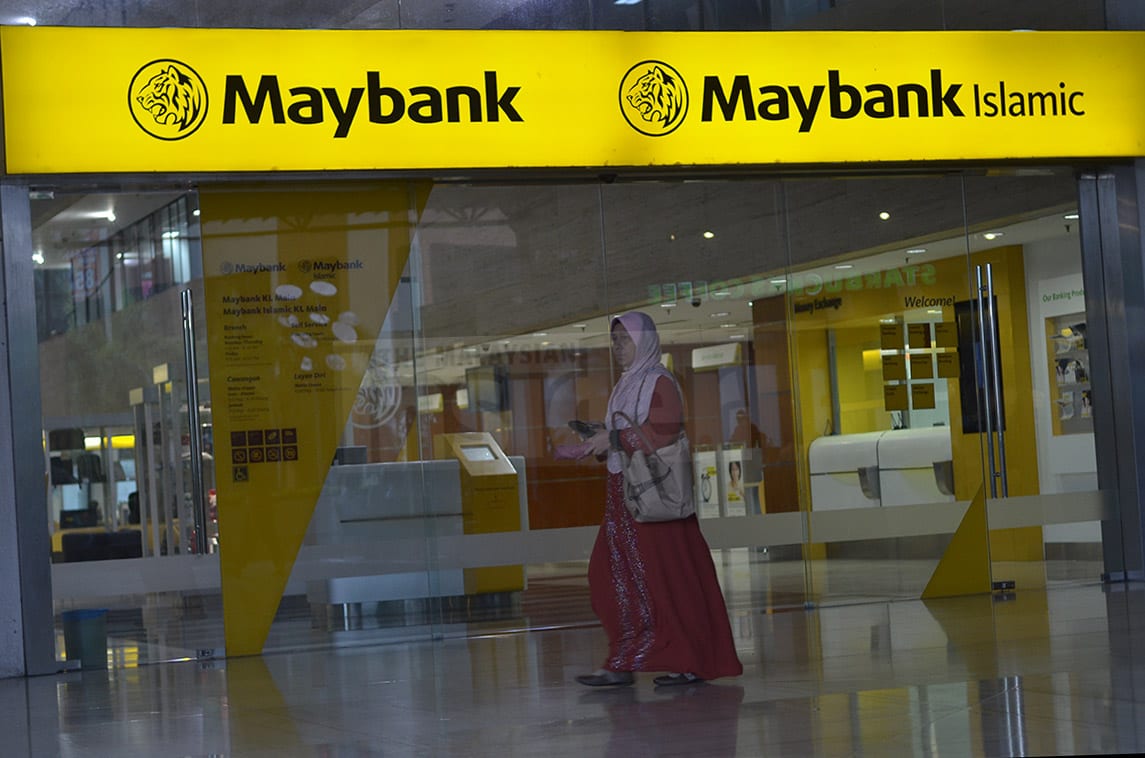
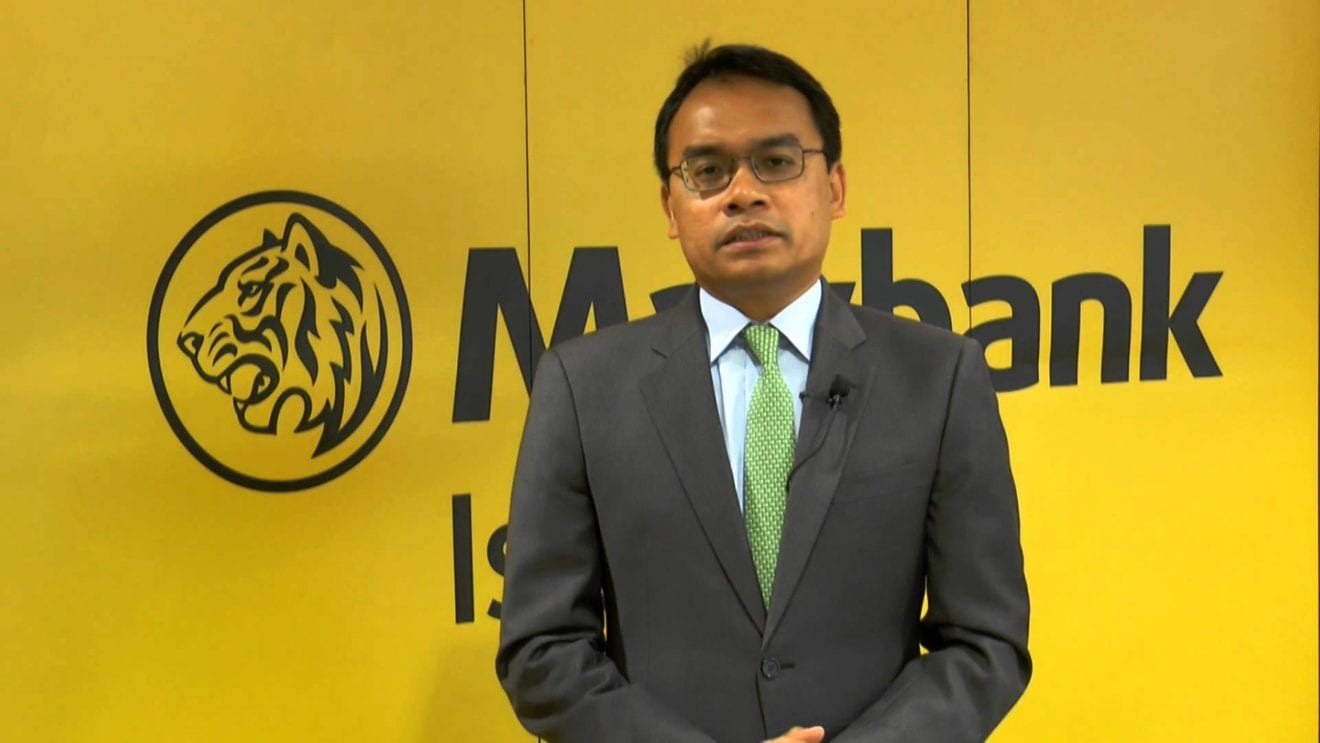
    Malaysia’s biggest Islamic lender, Maybank Islamic Bhd, says the investment account (IA) business is set to be a game changer for the group in its effort to boost earnings growth amid the subdued banking landscape.

    The Islamic lender, which has total assets worth close to RM147bil, will focus on its new mudarabah (profit-sharing) investment fund launched in July last year in view of the Islamic Financial Services Act (IFSA) 2013.

    Describing the IA business as “the evolution of the next phase of growth”, Maybank Islamic chief executive officer Datuk Muzaffar Hisham told StarBiz that demand for the IA business has shot up significantly, as the value of its mudarabah fund rose to RM18bil in the last six months of 2015.

    “Judging from this figure, we are confident that the fund will continue to grow, underpinned by strong demand from the Muslim and non-Muslim population as well as the benefits it offers.

    “We have a customer base of about 4.5 million, of which 50% comprises non-Muslims,” explained Muzaffar.

    The value proposition offered by the mudarabah IA is that MayBank Islamic could provide steady returns of between 4% and 5% per year to its customers.

    “We are confident that this fund will be a growth driver for us, moving forward,” he added.

    He pointed out that “the bank has put in place an effective and robust risk management framework for all of its products, including the new IA, which aims to provide capital preservation, financial security and steady returns through low risk and low to medium-risk investments.”

    Under the IFSA 2013, all banks are required to distinguish IA and Islamic deposit. This means that products with mudarabah (profit sharing) or wakalah (agency) features are considered IAs and are not-principal guaranteed and hence not protected by the Malaysia Deposit Insurance Corp.

    The classification aims to provide greater legal clarity on the types of syariah financial contracts. Customers will have a choice and will be able to differentiate between products that are principal guaranteed and those which are not that provide potentially higher risk returns like mudarabah.

    Besides garnering a pole position in terms of asset size, Maybank Islamic’s market share in the country is also the biggest in terms of financing at 33.6% and deposit at 27.9%.

    At group level, Maybank Islamic’s contribution to the Maybank Group is also significant, accounting for close to 30% in revenue and 48.7% in total loans and financing.

    All these figures were for the third quarter ended Sept 30, 2015 (Q3’15).

    Muzaffar said the bank is also looking to grow its Islamic banking business in the region, adding that the business in Singapore and Indonesia each accounted for about 5% of Maybank Islamic’s revenue.

    Although Indonesia has the highest Muslim population in the world, he noted that syariah banking was relatively still at its infancy stage unlike commercial banking.

    “The Islamic banking business in Indonesia accounts for close to 9% of the total banking business there.

    “In Malaysia, it is 25%. Hence, there is plenty of room for growth and we intend to grow and take advantage of this situation,” he added.

    According to Muzaffar, the challenge for the bank in venturing overseas will be the regulatory framework, in which Maybank Islamic has to operate in, as well as the uncertainties in the Basel III rules pertaining to its implementation in Islamic finance.

    On the corporate investment business, he said it would be dependent on the country’s economic growth, adding that the bank would continue to look at opportunities in the debt and initial public offering markets.

    As for its fourth-quarter results, he said Maybank Islamic hopes to maintain its performance in the preceding quarter, although much will be dictated by the external economic environment and market conditions.

    For Q3’15, the bank recorded a 13.2% year-on-year growth in pre-tax profit to RM1.23bil from RM1.09bil. The growth in earnings was on the back of strong financing growth, which grew by 23% to RM127bil.

    Total income for the period stood at RM2.98bil as opposed to RM2.46bil. Total capital ratio and return on equity for the period stood at 15.18% and 16.14%, respectively.

  • HSBC to stop retail banking in Maldives

    HSBC to stop retail banking in Maldives

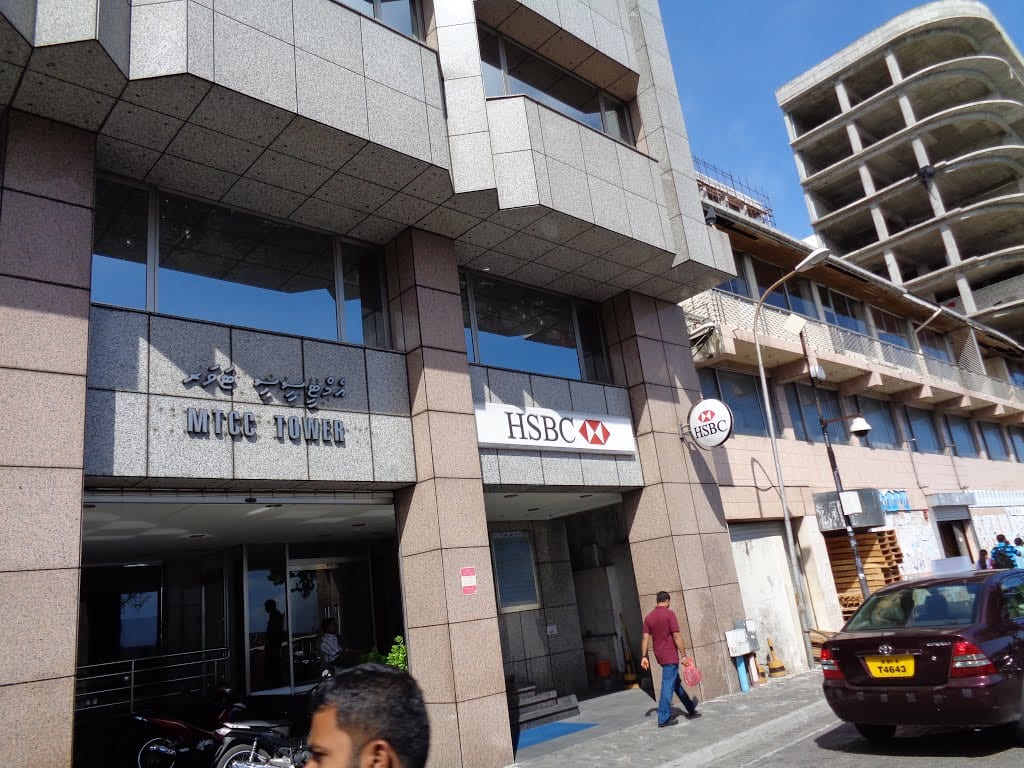
    Banking giant Hong Kong and Shanghai Banking Corporation (HSBC) is to cease retail banking services in Maldives from April. We understand that the Male branch of HSBC had decided to cease retail banking operations from April 28 and is now informing its customers.

    An official from the Maldives Monetary Authority (MMA) also confirmed the plans by HSBC’s Male branch to shift to corporate-only operations. The official, however, did not give details.

    HSBC was not available for comment.

    HSBC operates in Maldives as a trading desk of the HSBC branch in Sri Lanka.

    An account in HSBC has to be opened with an initial deposit of MVR 50,000; the highest initial deposit required of any bank that operates in Maldives. The bank also pays the lowest deposit interest rate at 1 – 1.75 percent. Deposit interest rate on US Dollar accounts is 0.10 percent.

    As the bank charges a high amount in fees, the bank mainly hosts Maldivian businesses.

    In May 2014, complaints mounted over the bank’s decision to close down accounts held by many small and medium businesses citing administrative reasons. The businesses had complained that the move was made without prior notice.

    The decision by one of the biggest banks in the world comes a week after it was revealed that the Maldives had lost a major international banker.

    President Abdulla Yameen Abdul Gayoom told residents of Gaafu Dhaal atoll Gadhdhoo on February 15 that one of the major correspondent banks had dropped Maldives from its client list, while another one is considering a similar move. The reason, according to the president, is false claims made about Maldives, including threats posed by home-grown jihadists.

    “When we make such claims without considering the repercussions, it’s the people of Maldives that has to suffer,” he said, after inaugurating a project to establish a clean water system in the island.

    The president did not identify the bank that had dropped the Maldives. Haveeru, however, understands that US-based JPMorgan Chase had terminated its dealings with Maldivian banks in 2013.

    A correspondent bank is a financial institution that provides services on behalf of another, equal or unequal, financial institution. It can conduct business transactions, accept deposits and gather documents on behalf of the other financial institution.

  • Standard Chartered names James Dolphin as its CIO for retail banking

    Standard Chartered names James Dolphin as its CIO for retail banking

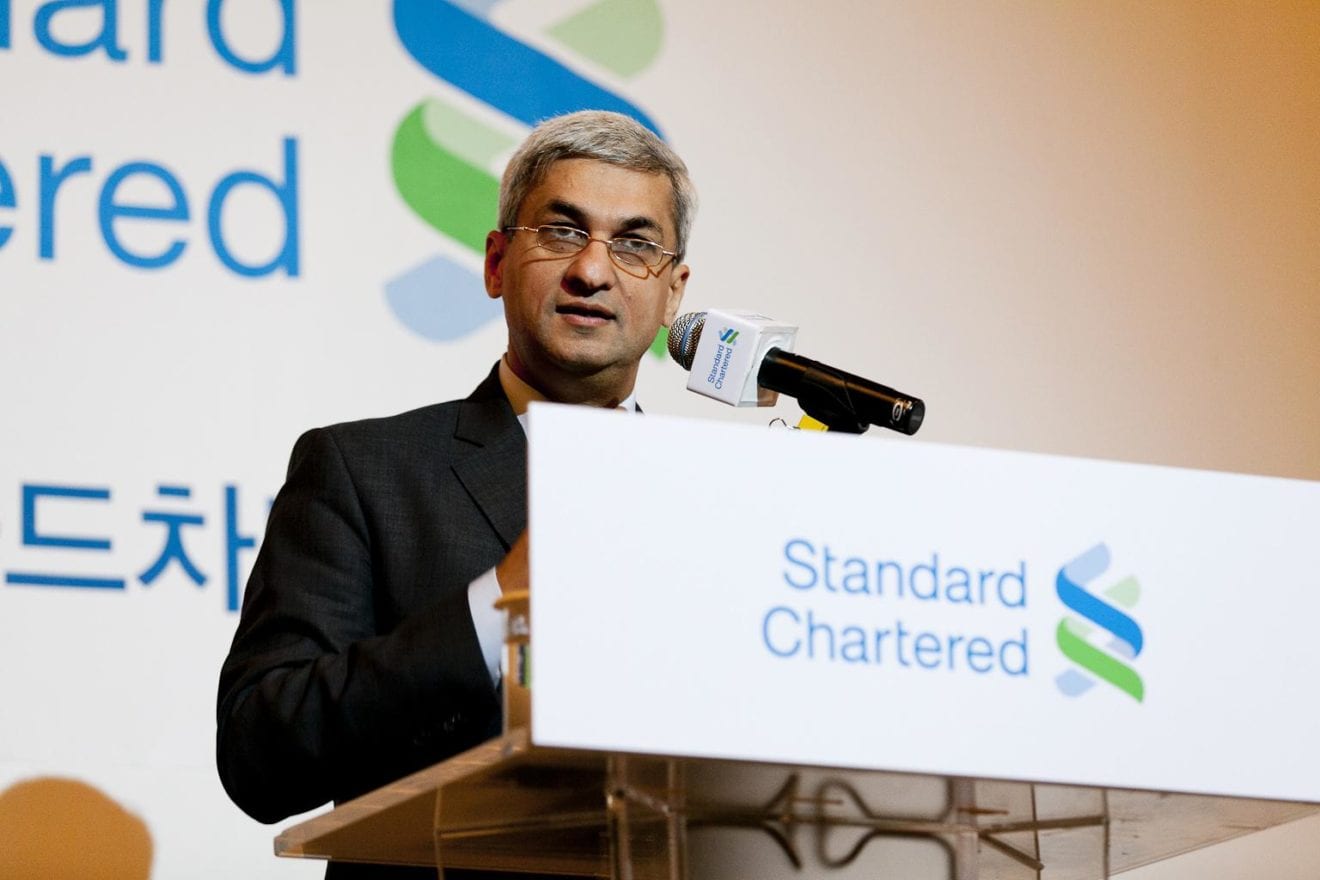
    Standard Chartered Bank has appointed James Dolphin as its Chief Information Officer (CIO) for retail banking. From March 2016, Dolphin will report directly to the bank’s Group CIO, Dr Michael Gorriz, and be based in Singapore.

    Prior to this role, Dolphin was Capital One’s CIO for retail and direct banking for since 2012. In that role, he led Capital One’s digital transformation strategy for the retail business by building strong engineering teams, and instilling a software development culture. He also redesigned and rewired Capital One’s retail channels to deliver market-leading digital experiences during his time there.

    Besides Capital One, Dolphin has held senior technology leadership roles at Bank of America too.

    “James brings with him a strong reputation as a technology leader and innovator. He is highly experienced in leading large teams and driving an agile culture that is innovative and customer-centric. I am confident that he will be a valuable addition to Standard Chartered,” said Dr Gorriz.

    1

  • Indonesian bank opens branch in Seoul

    Indonesian bank opens branch in Seoul

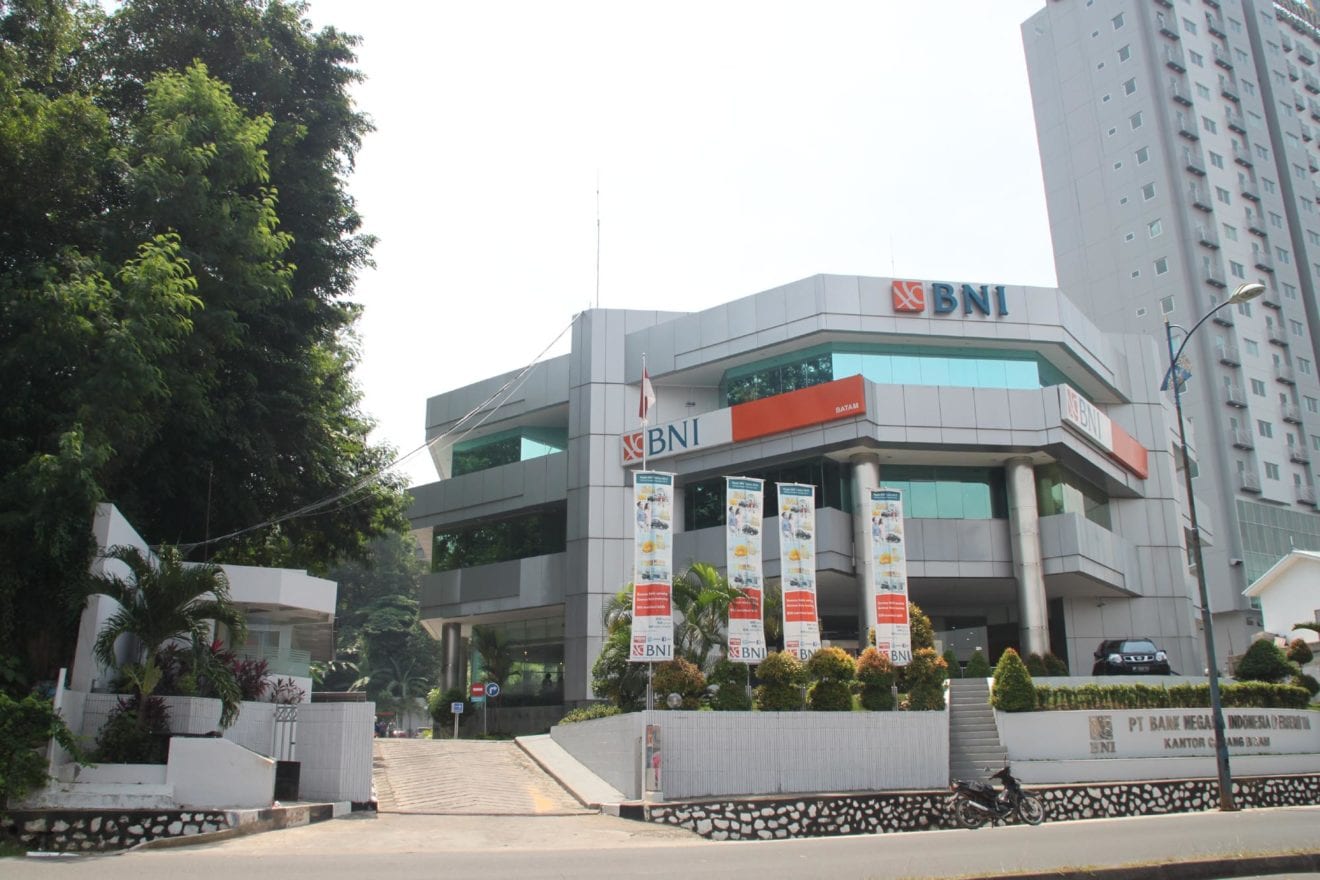
    An Indonesian bank, Bank Negara Indonesia (BNI) 46, opened a branch office in Seoul, South Korea, in Wise Tower, on Monday. It was inaugurated by the Ambassador of Indonesia to South Korea, John A Prasetio and Manager of BNI46 Seoul, Wan Andi Aryati. “The banking industry in South Korea is already shaken, but BNI46 still sees market potential,” Wan Andi said in a statement received by ANTARA here Monday. The BNI46 targets the domestic trade market according to her. “BNI Seoul wants to be a bridge to establish cooperation between Indonesia and South Korea by providing loans and other related banking services,” Wan Andi said.

    The BNI46 also provides services for South Korean businessmen who want to invest in Indonesia, she added.
    “We are also targeting the Indonesian labor market in South Korea, which now reaches 40 thousand people. We are committed to providing the best service for the Indonesias foreign exchange heroes,” she said.

    Meanwhile, Ambassador Prasetio stated that the world economy is still in a state of collapse. The stock market and the value of currency in some countries against the US dollar continues to decline.

    “This shows that the global sentiment has not been encouraging. Uniquely, the Indonesian economy is relatively solid in the middle of the uncertainty shocks,” the ambassador said.

    Cooperation in trade and investment between Indonesia and South Korea are still positive. The demand for Indonesian products and South Koreas investment in the country are progressive, according to him.

    “They respond positively on the economic policies of President Jokowi (Joko Widodo). I believe that the presence of BNI46 in Korea is very important to bridge cooperation between the two countries,” the ambassador said.

    Data from the Investment Coordinating Board (BKPM) shows that South Koreas direct investment in the country in the last five years is ranked fourth with a value of more than US$7 billion. Currently, there are 2,700 South Korean companies in Indonesia.

  • BRI records net profit of Rp25.2 trillion

    BRI records net profit of Rp25.2 trillion

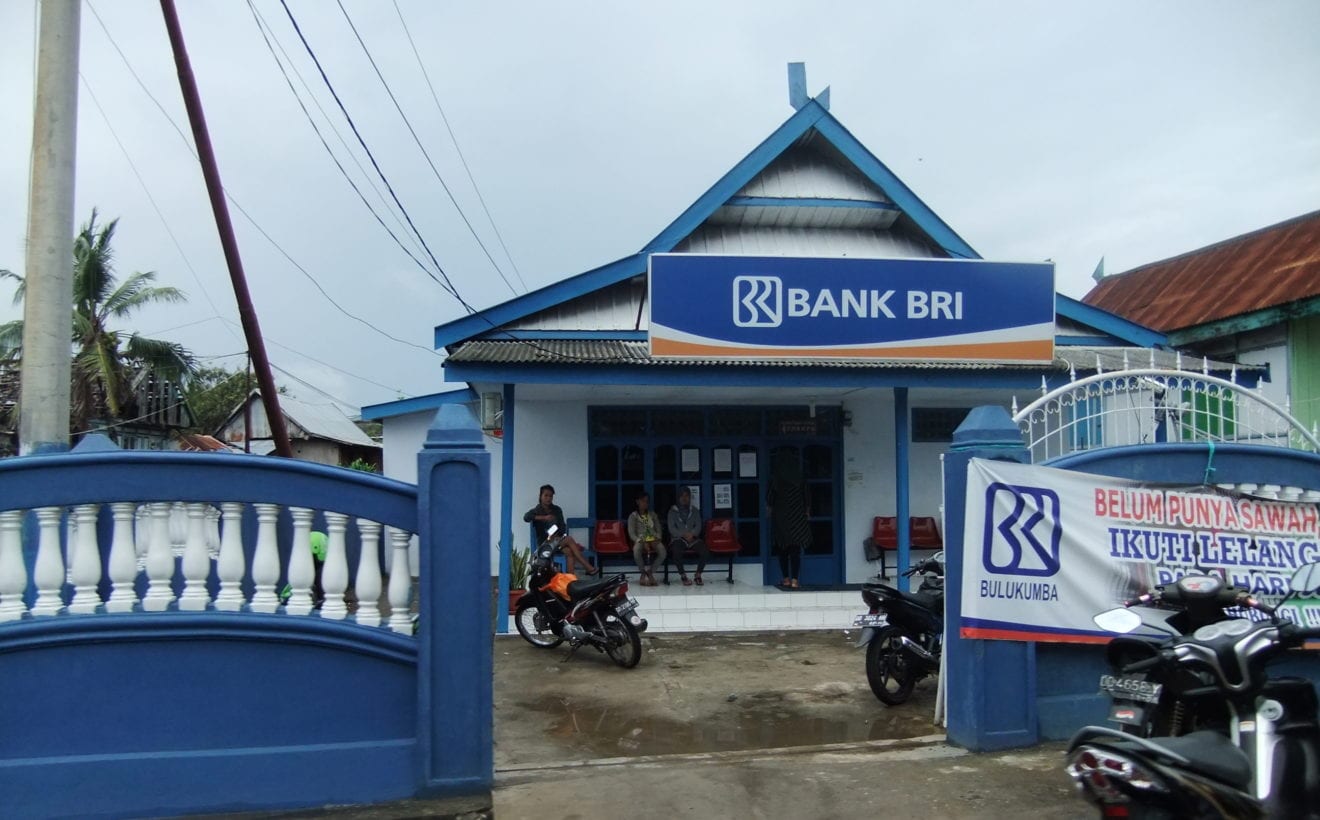
    PT Bank Rakyat Indonesia Tbk. made a net profit of Rp25.2 trillion in 2015, representing a 4.5 percent growth from Rp24.2 trillion it made in the previous year.

    “The growth is driven by an increase in the interest income that reached Rp82.2 trillion, reflecting a growth of 13.5 percent from the previous year,” the state-owned lenders president director, Asmawi Syam, said here on Wednesday.

    The banks non-interest income reached Rp14.2 trillion, up 21.4 percent from the previous years figure, taking the total income of the lender to Rp96.4 trillion, 14.6 percent above the previous figure.

    Outstanding loans distributed by Bank BRI till 2015-end reached Rp558.4 trillion, reflecting a growth of 13.9 percent year-on-year compared to the same period of the previous year. These loans were given across all business sectors.

    Credits to the micro-sector, which is the core business area of the bank, grew by 16.8 percent year-on-year to reach Rp178.9 trillion with the number of customers increasing to 7.8 million from 7.3 million, year-on-year.

    “Credit growth in the micro-sector was driven by the re-launch of a smallholder credit program (KUR) by the government in the middle of August 2015,” he said.

    Since its launch on August 18 2015, Bank BRI has extended Rp16.2 trillion in credits to more than 920,000 businessmen across the country through the KUR program.

    Credits to non-state-owned companies in the corporate segment grew 31.5 percent year-on-year to Rp75.1 trillion while credit to the consumer segment grew 9.8 percent to Rp88.5 trillion.

    Credits to state-owned companies were up 9.6 percent to Rp81.2 trillion and to small commercial and medium businesses rose 7.5 percent to Rp134.7 trillion.

  • Moody’s continues to review for downgrade ratings of Standard Chartered Bank Korea

    Moody’s continues to review for downgrade ratings of Standard Chartered Bank Korea

    Moody’s expects to conclude the review in March 2016, after incorporating SCB’s efforts to turn around SCBK’s performance, as well as the detailed results of SCBK’s parent, Standard Chartered Bank’s (SCB, FC deposits Aa2 rating under review for downgrade, BCA a2 rating under review for downgrade) performance for 2015.

    These results will be available in late February.

    Moody’s had originally placed the long-term ratings of SCBK on review on 9 November 2015. Please refer to “Moody’s reviews for downgrade Standard Chartered Bank Korea’s ratings” published on 9 November 2015.

    Moody’s notes that SCB is restructuring its poorly performing Korean retail and commercial banking businesses, introducing some uncertainty as to the future of SCBK’s operations.

    The ratings review of SCBK will consider whether: (1) these initiatives have the potential to change SCBK’s stand-alone credit profile, as expressed by its BCA; and/or (2) to change the strategic importance of SCBK to SCB and therefore potentially to affect the strength of support from SCB.

    The following ratings are on review for downgrade:

    – Local- and foreign-currency long-term deposit ratings of A1

    – Foreign currency senior unsecured MTN rating of (P)A1

    – Local- and foreign-currency short-term deposit ratings of P-1

    – Foreign currency commercial paper and other short-term ratings of P-1/(P)P-1

    – Long-term and short-term counterparty risk assessment of A1(cr) and P-1(cr)

    – BCA of baa2, and adjusted BCA of a3

    The principal methodology used in these ratings/analysis was Banks published in January 2016. Please see the Ratings Methodologies page on www.moodys.com for a copy of this methodology.

    SCBK is headquartered in Seoul, with total assets of KRW61.7 trillion or USD54 billion as of June 2015.

  • Jakarta index closes higher on Friday

    Jakarta index closes higher on Friday

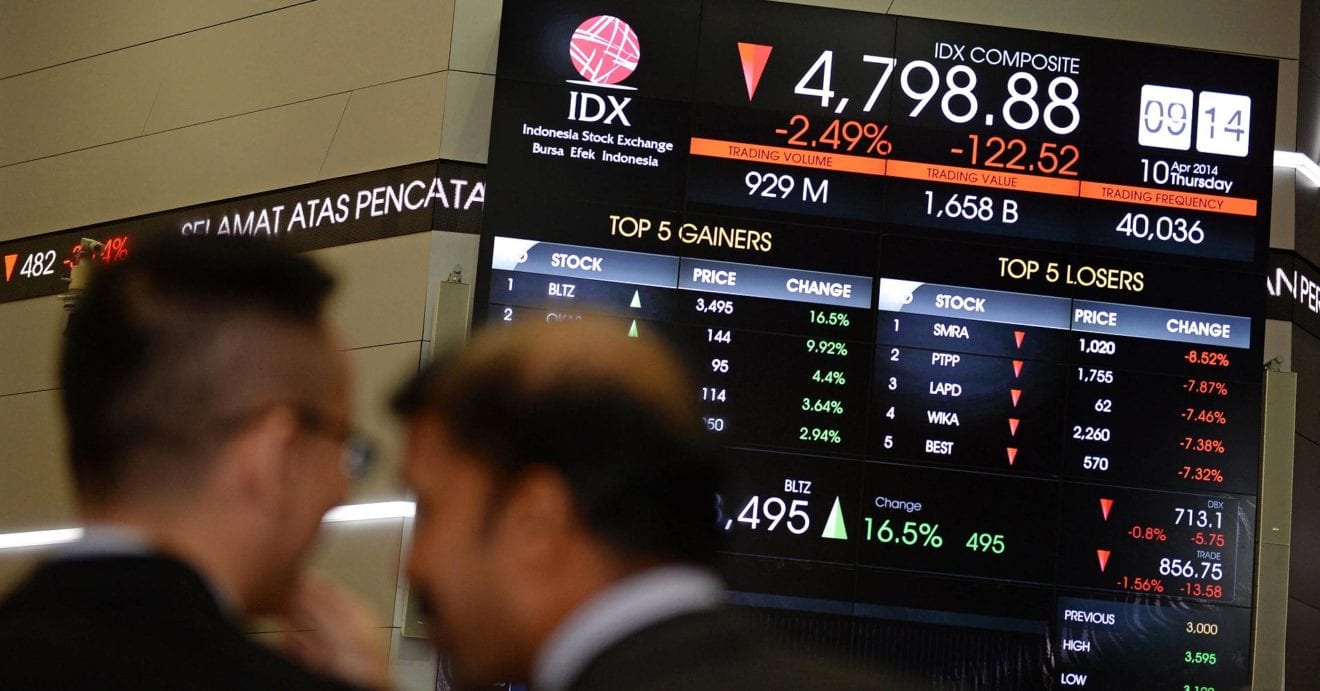
    The Jakarta composite index (JCI) closed 42.61 points higher on Friday on selective buying by market players.

    The index of the Indonesian Stock Exchange rose 0.96 percent to 4,456.74 points with index of 45 blue chips up 1.48 percent to 779.31 points.

    Selective buying of big capitalization shares pushed up the JCI slightly, HD Capital analyst Yuganur Wijanarko said.

    “In addition, share prices in foreign markets generally rose on oil prices being on the increase lately , prompting market players on the domestic market to buy shares< he said.

    The price of WTI on Friday afternoon rose 4.3 percent to S$30.80 per barrel and Brent pri9ce was up 5.09 percent to US$30.74 dollar.

    Satisfaction expressed by the Capital Investment Coordinating Board (BKPM) with the achievement in direct investment to Rp545.4 trillion in 2015 gave positive sentiment to the market.

    In 2016, BKPM set growth target at 9.3 percent for direct investment to Rp594.8 trillion .

    There were 213,493 transactions in the market on Friday with 4.07 billion shares valued at Rp5.25 trillion changing hands .

    Regional markets such as Hang Seng, Nikkei and Straits Times recorded gain in index.

    Meanwhile the national currency rupiah closed stronger trading at 13,834 per U.S. dollar gaining from the previous level of 13,906 per dollar.

    “Rising trend of oil prices propped up the currencies of emerging countries ,” financial market observer from Bank Himpunan Saudara, Rully Nova, said.

  • Barclays to pull out of Korean market

    Barclays to pull out of Korean market

    British banking group Barclays will close its Seoul office as part of its global slimming down strategy, an official from the financial regulator said Wednesday.

    A director at the Financial Supervisory Service (FSS) said Barclays told the authorities of its plan to close its banking and securities business in Korea.

    “Barclays plans to pull out of the Korean market,” said the director, asking not to be named.

    Foreign banks have been withdrawing from the local market, or downsizing, as part of their global strategy to exit non-core businesses. Last month, U.S. banking giant Citigroup signed an agreement with Apro Service Group to sell its consumer finance subsidiary in the country, Citigroup Capital Korea.

    Barclays confirmed that it is looking for business chances in other countries, but said no firm decisions have been made.

    “We are constantly monitoring our opportunities in different geographies and businesses over the cycle,” Barclays said. “If any firm decisions are made, we will provide an update.”

    In December, Barclays said it had agreed to sell its Italian retail banking network of 89 branches, including a broadly balanced portfolio of assets and liabilities, to CheBanca!, a member of the Mediobanca Group.

    “This transaction is further evidence of the reshaping of Barclays Group to focus on our core businesses,” said Barclays Group CEO Jes Staley. “We continue to make progress in the reduction of Barclays non-core assets as we target risk-weighted assets of around 20 billion pounds at the end of 2017.”

    According to Barclays, its rundown of non-core businesses continued last year, with risk-weighted assets (RWAs) decreasing to 55 billion pounds in September from 57 billion pounds in June.

    The U.K. banking group said its announced sale of the Portuguese retail business in the third quarter last year, which will be completed in the first quarter this year, is expected to result in a further 1.7 billion pounds reduction in non-core RWAs.

    Barclays reported 4 percent growth in the group’s adjusted profit before tax to 5.2 billion pounds for the first three quarters of 2015 from the previous year, reflecting improvements in all core operating businesses. Its adjusted return on average shareholder equity also increased to 7.1 percent during the period.

  • Maybank Launches Market Outlook Roadshow Across Malaysia

    Maybank Launches Market Outlook Roadshow Across Malaysia

    Maybank Investment Bank has just kicked off their annual Market Outlook 1H 2016 investors’ roadshow across Malaysia for this year’s investment strategies.

    The Market Outlook is aimed to share stock market views and investment strategies on the Malaysian, Hong Kong, and US markets with their retail equities clients, with the roadshows behind held in the multiple states Johor, Penang, Ipoh, Kota Kinabalu, Kuching, Sibu, Seremban, and Kota Bahru and Kuala Lumpur from 9 to 30 January 2016.

    Present during the launch was Head of Retail Equities (Malaysia) CK Lim, Head of Regional Retail Research Ong Seng Yeow, Regional Chartist Lee Cheng Hooi, Head of Retail Research (Hong Kong) Benny Wong and CEO of i-VCAP Mahdzir Othman.


  • Strong growth recorded by Bank NTT in assets

    Strong growth recorded by Bank NTT in assets

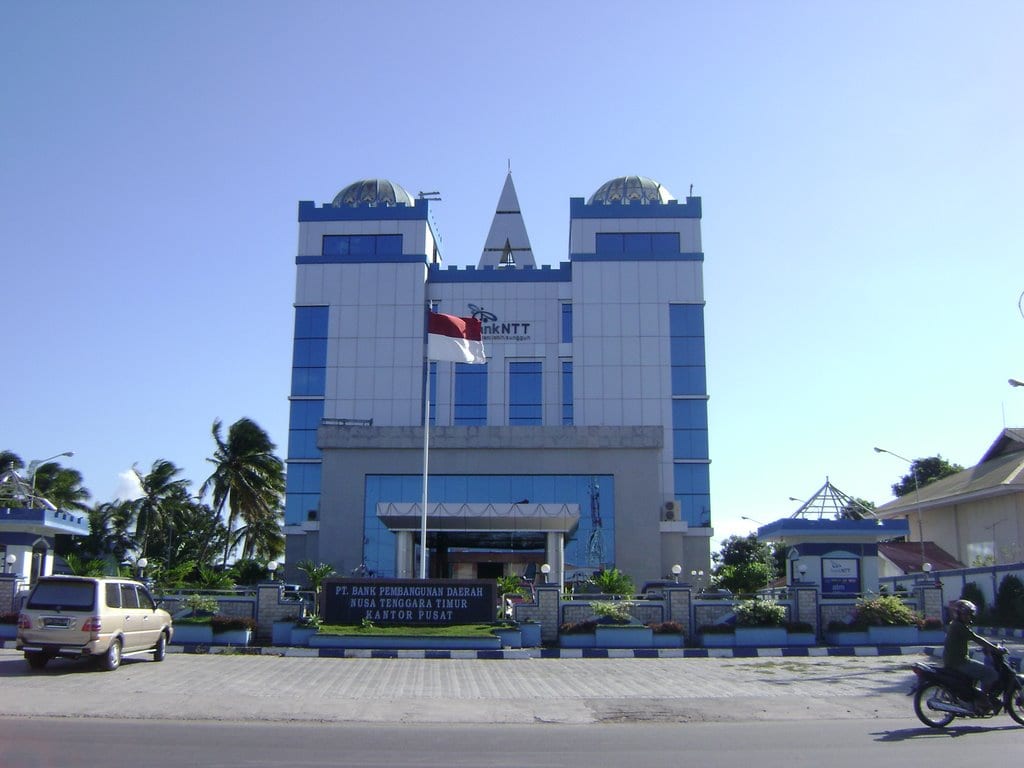
    Regional lender, PT Bank NTT, in East Nusa Tenggara, recorded a strong growth of 44.03 percent year-on-year in assets to Rp11.9 trillion in 2015.

    “The bank has recorded a steady growth until the close of 2015,” Daniel Tagu Dedo, the president director of the lender, which is owned by the regional administration, said.

    Daniel said the bank also recorded good growth of 20.29 percent in drawing third party funds to Rp7.54 trillion by the end of 2015 from Rp6.27 trillion a year earlier, and a 20.29 percent growth in in credit expansion.

    The banks outstanding credit was recorded at Rp6.61 trillion by the end of 2015, up from Rp5.5 trillion a year earlier.

    Its profit grew 34.01 percent to Rp380 billion from Rp244 billion and its core capital totaled Rp1.23 trillion including paid up capital at Rp973 billion.

    The capital put the bank in the category of Buku II, allowing it to offer internet banking service or selling other products such as insurance product.

    The bank has received citations in recognition of its good performance in 2015 from various organization and agencies including banking agency.

    “The bank would not boast about the citations, but the recognition would serve to spur the management to work the harder,” he said.

    In 2015, BNK NTT won Infobank Award with the notation of excellent for 15 consecutive years for category of banks with assets of around Rp10 trillion, and Annual Report Award (ARA) 2014 for category of listed state companies, as the third best.

    The awards were received in Jakarta in September 2015.

    The award ceremony was organized by the Financial Service Authority (OJK), the Indonesian Stock Exchange,Bank Indonesia, The ministry for state enterprises, the National Committee for Governance Policy, the Association of Indonesian Accountants and the Taxation Directorate General.

    In the same year, the bank also received the award of Anugerah Perbankan Indonesia (APBI) IV 2015 in a ceremony held by the Economic Review Magazine and Institute of National Banking (Perbanas) for the category of bank with core capital of Rp1 trillion up to Rp5 trillion.

    The award was presented on November 5, 2015.

    Another award, Lintas Artha Award, was received by the bank later that month.

  • HK braces for economic chill ahead of new rate hike cycle

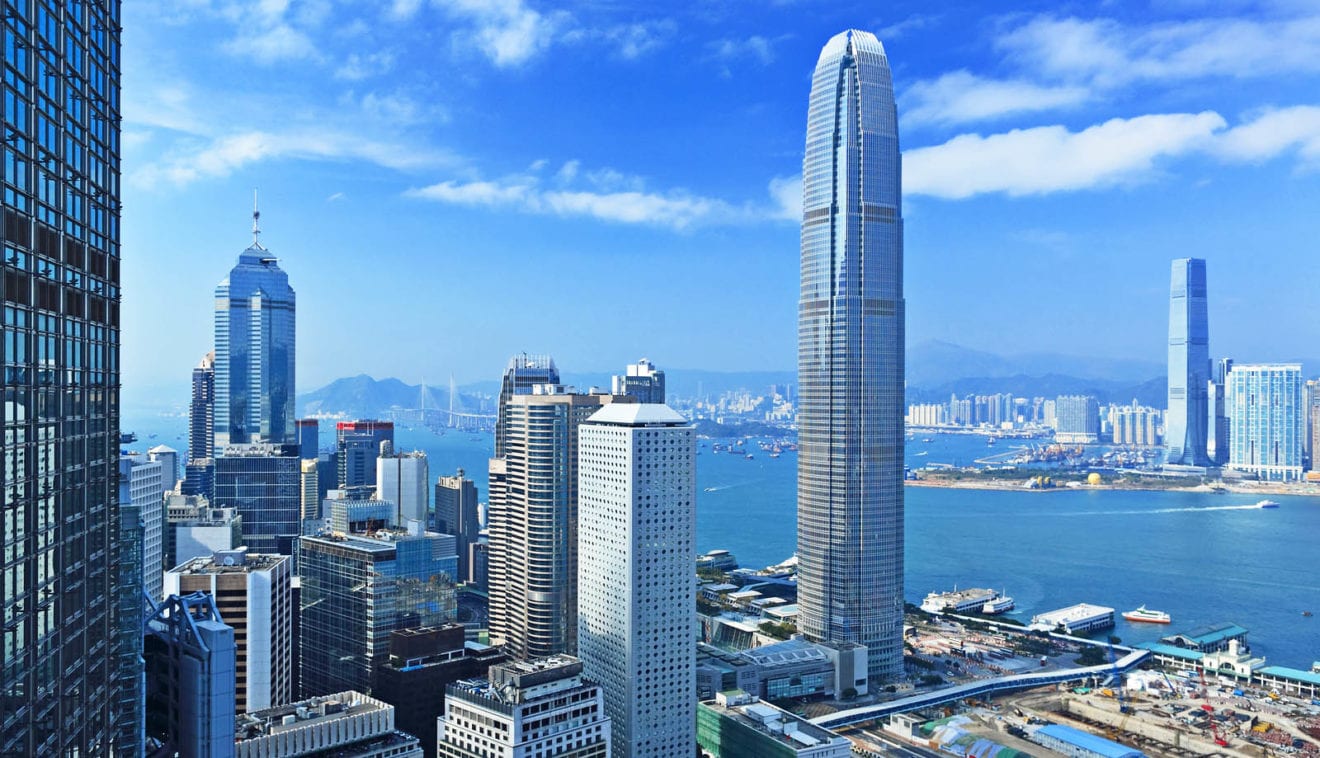
    HK braces for economic chill ahead of new rate hike cycle

    Hong Kong is bracing for greater economic challenges as the prospect of a new cycle of interest rate rises drives fears of capital outflows that could put further pressure on the Asian financial hub.

    Hong Kong’s property market, which has seen prices more than double since 2008, had already slowed in anticipation of a local rate hike, and analysts say a further slowdown will depend on China, which is facing its weakest growth in 25 years.

    The city’s central bank on Thursday raised the base rate it charges through its overnight discount window to a seven-year high of 0.75%, tracking a decision by the US Federal Reserve to raise the range of its main rate by a quarter point, its first move in nearly a decade.

    The Hong Kong dollar’s peg to the US dollar means the city’s monetary policy follows that of the Fed, which said in its statement on Wednesday it expects a gradual tightening cycle.

    Norman Chan, the chief executive of the Hong Kong Monetary Authority (HKMA), warned of gradual capital outflows as hot money that had flowed in due to loose monetary policy exits.

    “I would advise members of the public to make necessary preparations in terms of managing the credit, liquidity and other relevant risks in order to cope with possible shocks and adjustments that may arise from the normalisation of US and Hong Kong interest rates,” Chan said after the policy decision Thursday.

    And although the immediate impact of policy tightening is likely to be limited, it comes at an increasingly uncertain time for Hong Kong, which is grappling with sluggish economic growth on the back of a slump in tourism and retail spending, as well as a slowdown in China.

    About US$130 billion has flowed into Hong Kong dollar assets since 2008, when the Fed adopted its near-zero rate policy, according to the HKMA.

    Hong Kong property sales slid 41.7% in November year-on-year to a record low, while the city’s property stock sub-index has dropped about 20% from multi-year highs hit in June. The index was up 0.8% early on Thursday.

    Financial Secretary John Tsang, who last week flagged a rate hike as the biggest concern for the city’s economy, said Hong Kong had the ability to cope with large capital outflows, echoing a report from the International Monetary Fund this week that said risks were manageable.

    “Whether Hong Kong will experience capital outflows next year depends not only on the pace of rate hikes by the Fed, but also China’s economy,” said Raymond Yeung at ANZ in Hong Kong, adding the property market faces some pressure in the medium term.

    Commercial banks in Hong Kong will decide separately whether to increase their lending or deposit rates.

    Any increase in rates could add to the city’s household debt to gross domestic product (GDP) ratio, which is already at a record high of around 64%, as repayment obligations rise.

    For homeowners, it could also mean leaner times in a city where the average house price is 17 times household income, according to consultancy Demographia.

    While the city has successfully weathered previous US rate hikes, Hong Kong’s economy is now more vulnerable as it struggles with weaker retail sales as fewer cash-rich mainland tourists stream across the border on shopping sprees.

    Though policymakers have faced a growing chorus of criticism on the burden of holding a currency peg to the greenback, the government reiterated on Thursday that a peg is the best policy option for the city’s mercantile economy.

    Expectations are the city’s economy will expand at 2%-3% rates in the current year, far below the heady rates of nearly 8% seen in the first quarter of 2011.

    Some observers said the property market was still a concern.

    “The key problem with Hong Kong right now is that (property) prices are already well ahead of earnings power and the economic situation,” said Nicole Wong, property analyst at CLSA.

  • German start-up Number26 launches pan-European mobile bank

    German start-up Number26 launches pan-European mobile bank

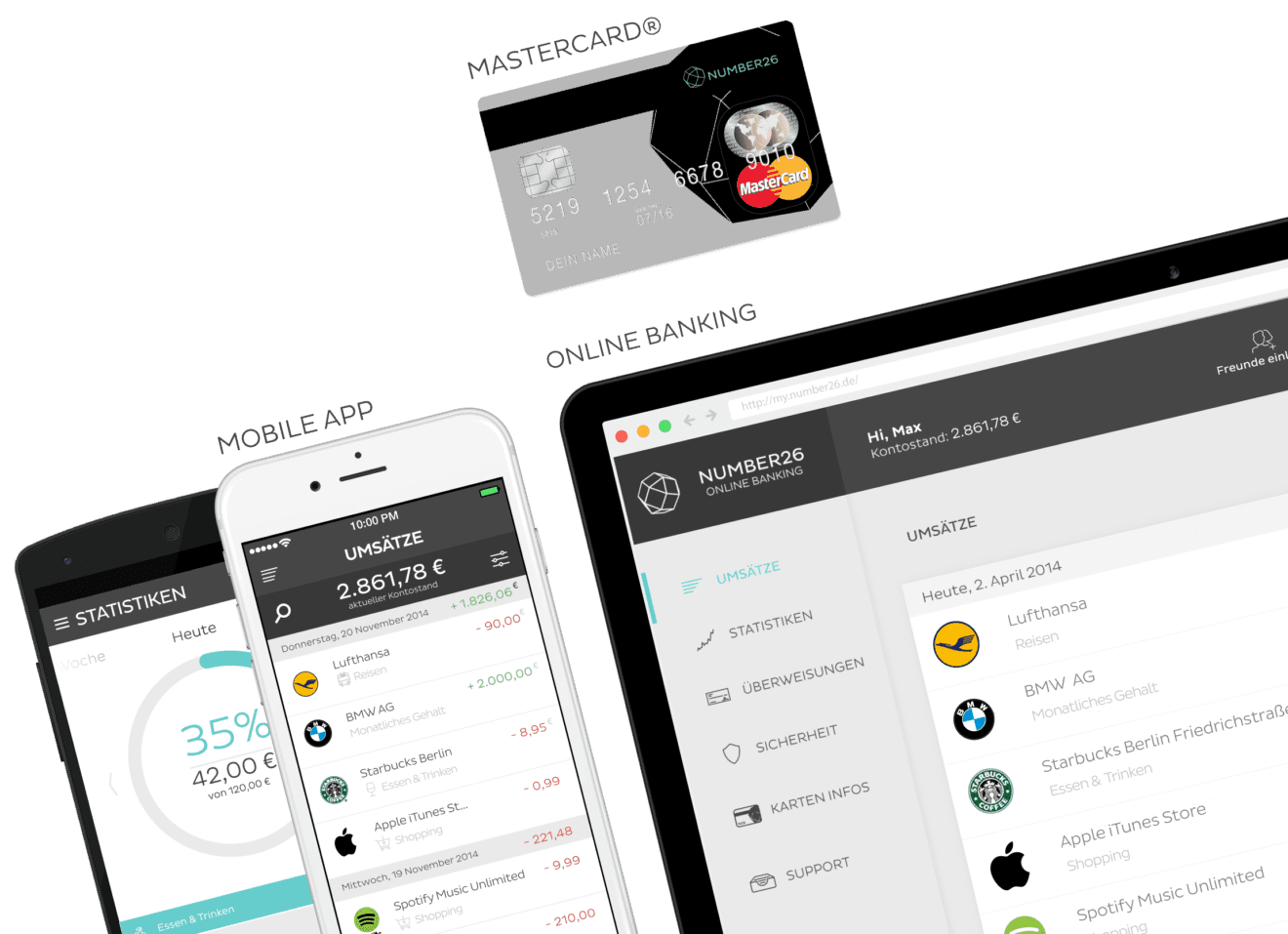
    Number26 is looking to succeed where traditional lenders have struggled, by relying on mobile phones to build a true pan-European bank.

    The German financial services start-up is expanding into six European markets, making it the first mobile phone bank to straddle the region’s borders, it said on Thursday.

    Number26 is entering France, Italy, Spain, Slovakia, Greece and Ireland, the latter being a test for moving into Britain, and eventually plans to develop a continent-wide bank.

    Founded by two Austrians and based in Berlin, the company revealed plans to offer a MasterCard and basic current accounts via a licence from its partner Wirecard Bank of Germany, which guarantees funds using the German Deposit Protection Fund. Its parent, Wirecard, also supplies Number26 with core banking software and transaction processing.

    Without branches, legacy computer infrastructure and by relying on selective outsourcing, mobile-first banks can compete with little up-front capital against big banks, all while promising lower lending rates and higher rates on savings.

    Number26 also has a jump on rival mobile-first banks including Atom Bank which took a UK bank licence in June and Tandem, which received a licence this week. Both plan to start operating in Britain next year. BBVA, Spain’s No. 2 bank, has taken a 29.5 per cent stake in Atom.

    “The model for these mobile start-ups is to compete on fees,” said Andrew Copeman, an analyst with financial research firm Aite Group. “Banks can’t afford to go after those rates because they are saddled with big overhead from branch networks and old systems.”

    Taken by surprise, banks have responded by ploughing more money into fixing creaky systems, rolling out mobile apps of their own and shuttering many branches. Worldwide, banks could cut half their jobs in 10 years as they fight to stay relevant, the former head of Barclays has said. “I don’t see banks at all as my competitors. They just can’t move fast enough,” Number26 chief executive Valentin Stalf, 30, said in an interview.

    The company, which launched this year in Germany and Austria, provides more than 80,000 customers with accounts for cash withdrawals, deposits and overdraft services up to ?2,000 via a slick smartphone app. “We see the current account as just a starting point,” said Maximilian Tayenthal, 35, Number26’s co-founder and chief financial officer. Credit, savings and insurance products will follow, he said.

    It recently began offering a retail checkout-based alternative to ATM machines for cash withdrawals and deposits in Germany.

    It now counts 6,000 cash outlets including supermarket chain Rewe, or more ATMs than Deutsche Bank and Commerzbank combined.

    The Number26 name refers to the optimal number of quarter turns it takes to solve a Rubik’s Cube puzzle and is a play on the most efficient route it can find to reinvent banking.

    Mobile phone-based banks aim to tear up the rule-book of an earlier generation of direct banks, which used online sites and telephone call centres to woo millions of customers away from bank branches starting in the 1990s.

    ING’s DiBa and others are now some of Europe’s biggest retail banks after being spun out of parent banks to offer a wide array of services created within those banks.

    By contrast, Number26 is looking to evolve rapidly into a full-service banking hub, providing not just services of its own but those from third parties. It is in talks to offer money transfers from TransferWise, loans from LendingClub and deposit comparison site SavingGlobal on its platform.

    The 75-employee company has raised ?12.5 million in venture funding. Backers include Peter Thiel, founder of PayPal and one of Silicon Valley’s top investors, Earlybird Venture Capital and Axel Springer Plug & Play, both of Germany, and Swiss-based Redalpine Venture Partners.

  • UOB to help Jakarta draw investments

    UOB to help Jakarta draw investments

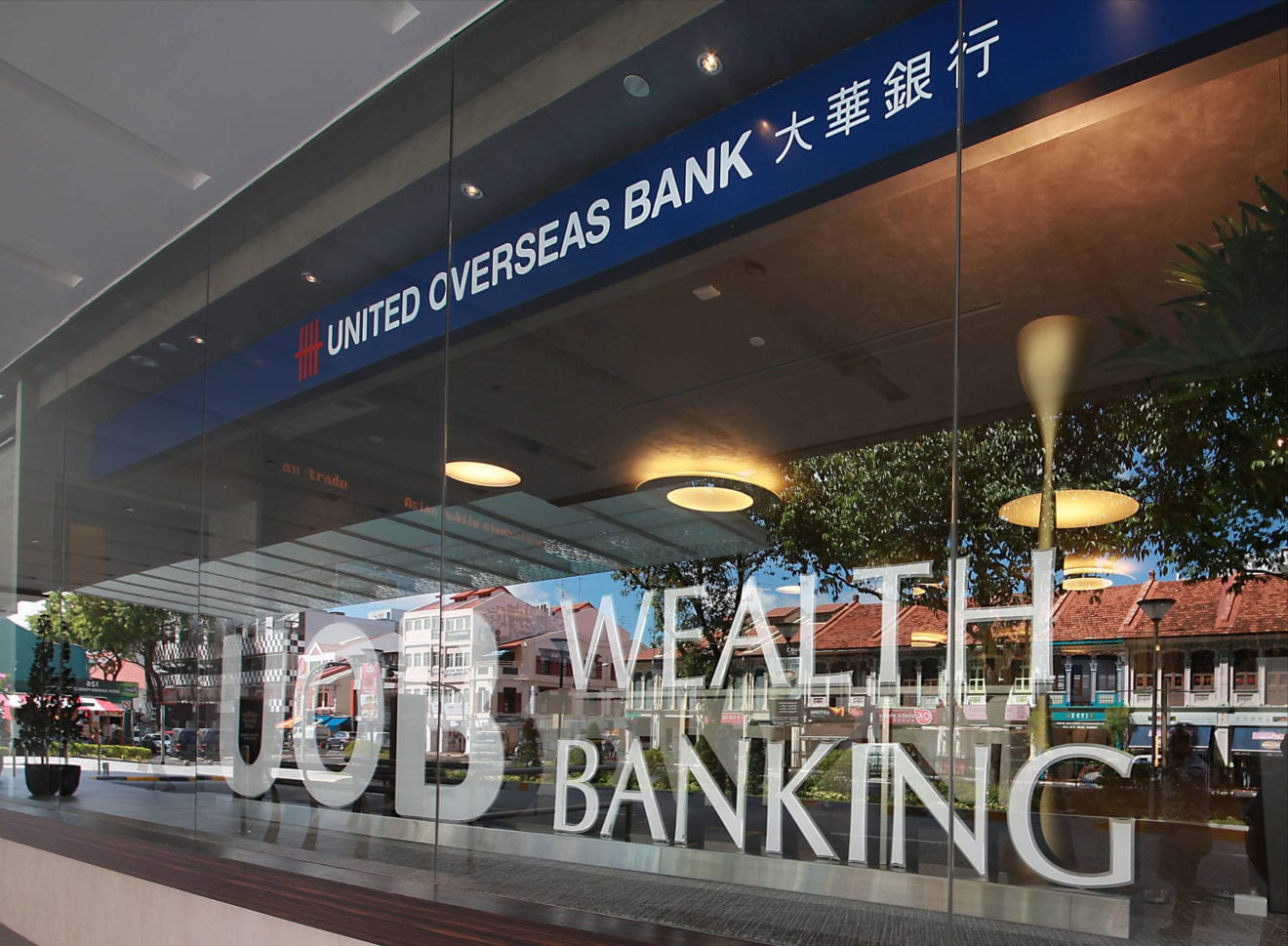
    United Overseas Bank (UOB) is linking up with an Indonesian government agency to encourage more foreign direct investment (FDI) into Indonesia.

    Under an agreement signed yesterday, the Investment Coordinating Board (BKPM) will allow UOB clients to apply for what is called a Principle Licence here without having to travel to Indonesia.

    A foreign company must obtain the licence as an initial step to incorporating an entity there.

    BKPM, which is under the direct supervision of President Joko Widodo, supports foreign investment into the country and helps Indonesian companies venturing overseas.

    UOB said it will support Indonesian investors looking to expand overseas through BKPM’s Indonesia Investment Promotion Centre in Singapore.

    BKPM will also help UOB clients take advantage of business opportunities in Indonesia.

    Last year, Indonesia was the second-largest recipient of foreign direct investment inflows into Asean, receiving US$28.5 billion (S$40.2 billion), UOB noted.

    China’s FDI into Indonesia has increased more than fivefold over the past three years, growing from US$141 million in 2012 to US$800 million last year, UOB said.

    Mr Sam Cheong, head of UOB Foreign Direct Investment Advisory, said opportunities in the region will be boosted by the upcoming Asean Economic Community.

    Under China’s “One Belt, One Road” initiatives, trade and investment between China and South-east Asia will likely continue growing, he added.

    BKPM chairman Franky Sibarani said in a statement: “(The agreement) will help to promote investments in Indonesia across major sectors, such as the infrastructure, maritime, import substitution, export-oriented, agriculture, downstream mining, industrial estate and tourism industries.”

  • BDO firms up tie-up with Japanese banks

    BDO firms up tie-up with Japanese banks

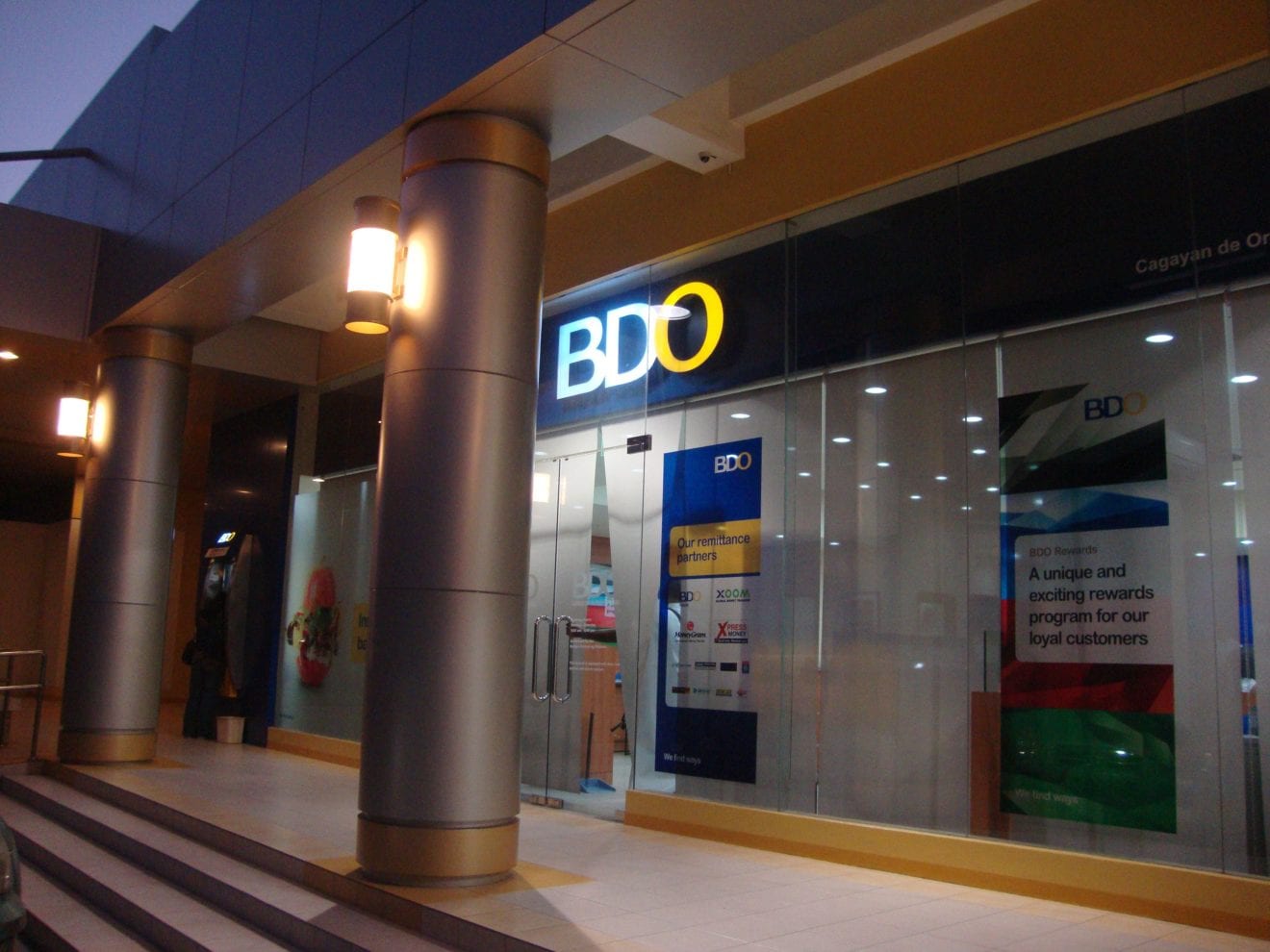
    BDO Unibank, Inc. (BDO) and FIDEA Holdings Co., Ltd. (FIDEA Group) further strengthened their business relationship through a memorandum of understanding (MoU) that will allow BDO to provide support to FIDEA’s clients who plan to invest in the Philippines.

    FIDEA is a joint holding company between major Japanese regional banks The Shonai Bank, Ltd. (Yamagata prefecture) and The Hokuto Bank, Ltd. (Akita prefecture).

    Both banks have partnered with BDO Unibank under the Japan Bank for International Cooperation (JBIC) framework in 2013. Said framework was developed to support the banking needs of Japanese enterprises eyeing the country as a business destination.

    The partnership with the FIDEA Group will provide BDO Unibank adequate coverage in Japan’s northern region (Tohoku), specifically in Akita, Yamagata, and Miyagi prefectures where majority of the primary industries (agriculture, fishing, forestry, mining) are located.

    As a leading player in the local banking sector, BDO Unibank can provide the Japanese clients financial and non-financial advisory services, and other products and services that would be helpful to them should they decide to set up shop in the Philippines.

    Since 2007, BDO has established a fully staffed Japan Desk, with Japanese-speaking personnel, dedicated to market and service Japanese companies operating in the Philippines, and service the retail needs of Japanese customers.