Retail News CRM

Tag: Finance

  • Maybank Launches Market Outlook Roadshow Across Malaysia

    Maybank Launches Market Outlook Roadshow Across Malaysia

    Maybank Investment Bank has just kicked off their annual Market Outlook 1H 2016 investors’ roadshow across Malaysia for this year’s investment strategies.

    The Market Outlook is aimed to share stock market views and investment strategies on the Malaysian, Hong Kong, and US markets with their retail equities clients, with the roadshows behind held in the multiple states Johor, Penang, Ipoh, Kota Kinabalu, Kuching, Sibu, Seremban, and Kota Bahru and Kuala Lumpur from 9 to 30 January 2016.

    Present during the launch was Head of Retail Equities (Malaysia) CK Lim, Head of Regional Retail Research Ong Seng Yeow, Regional Chartist Lee Cheng Hooi, Head of Retail Research (Hong Kong) Benny Wong and CEO of i-VCAP Mahdzir Othman.


  • Strong growth recorded by Bank NTT in assets

    Strong growth recorded by Bank NTT in assets

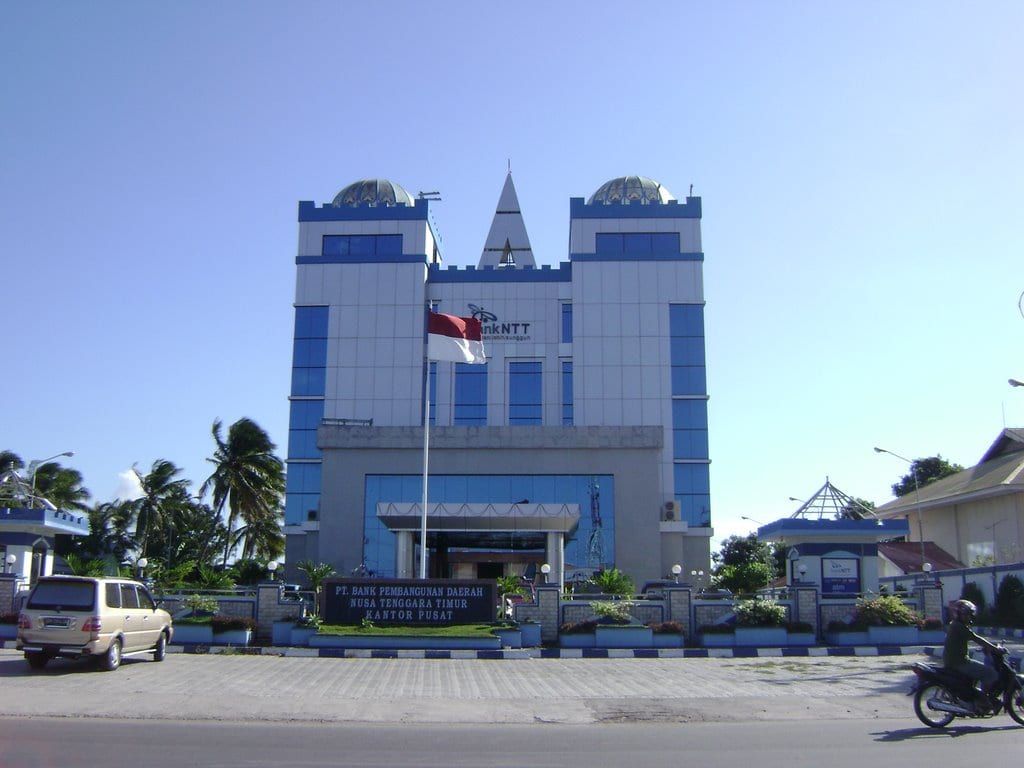
    Regional lender, PT Bank NTT, in East Nusa Tenggara, recorded a strong growth of 44.03 percent year-on-year in assets to Rp11.9 trillion in 2015.

    “The bank has recorded a steady growth until the close of 2015,” Daniel Tagu Dedo, the president director of the lender, which is owned by the regional administration, said.

    Daniel said the bank also recorded good growth of 20.29 percent in drawing third party funds to Rp7.54 trillion by the end of 2015 from Rp6.27 trillion a year earlier, and a 20.29 percent growth in in credit expansion.

    The banks outstanding credit was recorded at Rp6.61 trillion by the end of 2015, up from Rp5.5 trillion a year earlier.

    Its profit grew 34.01 percent to Rp380 billion from Rp244 billion and its core capital totaled Rp1.23 trillion including paid up capital at Rp973 billion.

    The capital put the bank in the category of Buku II, allowing it to offer internet banking service or selling other products such as insurance product.

    The bank has received citations in recognition of its good performance in 2015 from various organization and agencies including banking agency.

    “The bank would not boast about the citations, but the recognition would serve to spur the management to work the harder,” he said.

    In 2015, BNK NTT won Infobank Award with the notation of excellent for 15 consecutive years for category of banks with assets of around Rp10 trillion, and Annual Report Award (ARA) 2014 for category of listed state companies, as the third best.

    The awards were received in Jakarta in September 2015.

    The award ceremony was organized by the Financial Service Authority (OJK), the Indonesian Stock Exchange,Bank Indonesia, The ministry for state enterprises, the National Committee for Governance Policy, the Association of Indonesian Accountants and the Taxation Directorate General.

    In the same year, the bank also received the award of Anugerah Perbankan Indonesia (APBI) IV 2015 in a ceremony held by the Economic Review Magazine and Institute of National Banking (Perbanas) for the category of bank with core capital of Rp1 trillion up to Rp5 trillion.

    The award was presented on November 5, 2015.

    Another award, Lintas Artha Award, was received by the bank later that month.

  • HK braces for economic chill ahead of new rate hike cycle

    HK braces for economic chill ahead of new rate hike cycle

    Hong Kong is bracing for greater economic challenges as the prospect of a new cycle of interest rate rises drives fears of capital outflows that could put further pressure on the Asian financial hub.

    Hong Kong’s property market, which has seen prices more than double since 2008, had already slowed in anticipation of a local rate hike, and analysts say a further slowdown will depend on China, which is facing its weakest growth in 25 years.

    The city’s central bank on Thursday raised the base rate it charges through its overnight discount window to a seven-year high of 0.75%, tracking a decision by the US Federal Reserve to raise the range of its main rate by a quarter point, its first move in nearly a decade.

    The Hong Kong dollar’s peg to the US dollar means the city’s monetary policy follows that of the Fed, which said in its statement on Wednesday it expects a gradual tightening cycle.

    Norman Chan, the chief executive of the Hong Kong Monetary Authority (HKMA), warned of gradual capital outflows as hot money that had flowed in due to loose monetary policy exits.

    “I would advise members of the public to make necessary preparations in terms of managing the credit, liquidity and other relevant risks in order to cope with possible shocks and adjustments that may arise from the normalisation of US and Hong Kong interest rates,” Chan said after the policy decision Thursday.

    And although the immediate impact of policy tightening is likely to be limited, it comes at an increasingly uncertain time for Hong Kong, which is grappling with sluggish economic growth on the back of a slump in tourism and retail spending, as well as a slowdown in China.

    About US$130 billion has flowed into Hong Kong dollar assets since 2008, when the Fed adopted its near-zero rate policy, according to the HKMA.

    Hong Kong property sales slid 41.7% in November year-on-year to a record low, while the city’s property stock sub-index has dropped about 20% from multi-year highs hit in June. The index was up 0.8% early on Thursday.

    Financial Secretary John Tsang, who last week flagged a rate hike as the biggest concern for the city’s economy, said Hong Kong had the ability to cope with large capital outflows, echoing a report from the International Monetary Fund this week that said risks were manageable.

    “Whether Hong Kong will experience capital outflows next year depends not only on the pace of rate hikes by the Fed, but also China’s economy,” said Raymond Yeung at ANZ in Hong Kong, adding the property market faces some pressure in the medium term.

    Commercial banks in Hong Kong will decide separately whether to increase their lending or deposit rates.

    Any increase in rates could add to the city’s household debt to gross domestic product (GDP) ratio, which is already at a record high of around 64%, as repayment obligations rise.

    For homeowners, it could also mean leaner times in a city where the average house price is 17 times household income, according to consultancy Demographia.

    While the city has successfully weathered previous US rate hikes, Hong Kong’s economy is now more vulnerable as it struggles with weaker retail sales as fewer cash-rich mainland tourists stream across the border on shopping sprees.

    Though policymakers have faced a growing chorus of criticism on the burden of holding a currency peg to the greenback, the government reiterated on Thursday that a peg is the best policy option for the city’s mercantile economy.

    Expectations are the city’s economy will expand at 2%-3% rates in the current year, far below the heady rates of nearly 8% seen in the first quarter of 2011.

    Some observers said the property market was still a concern.

    “The key problem with Hong Kong right now is that (property) prices are already well ahead of earnings power and the economic situation,” said Nicole Wong, property analyst at CLSA.
  • German start-up Number26 launches pan-European mobile bank

    German start-up Number26 launches pan-European mobile bank

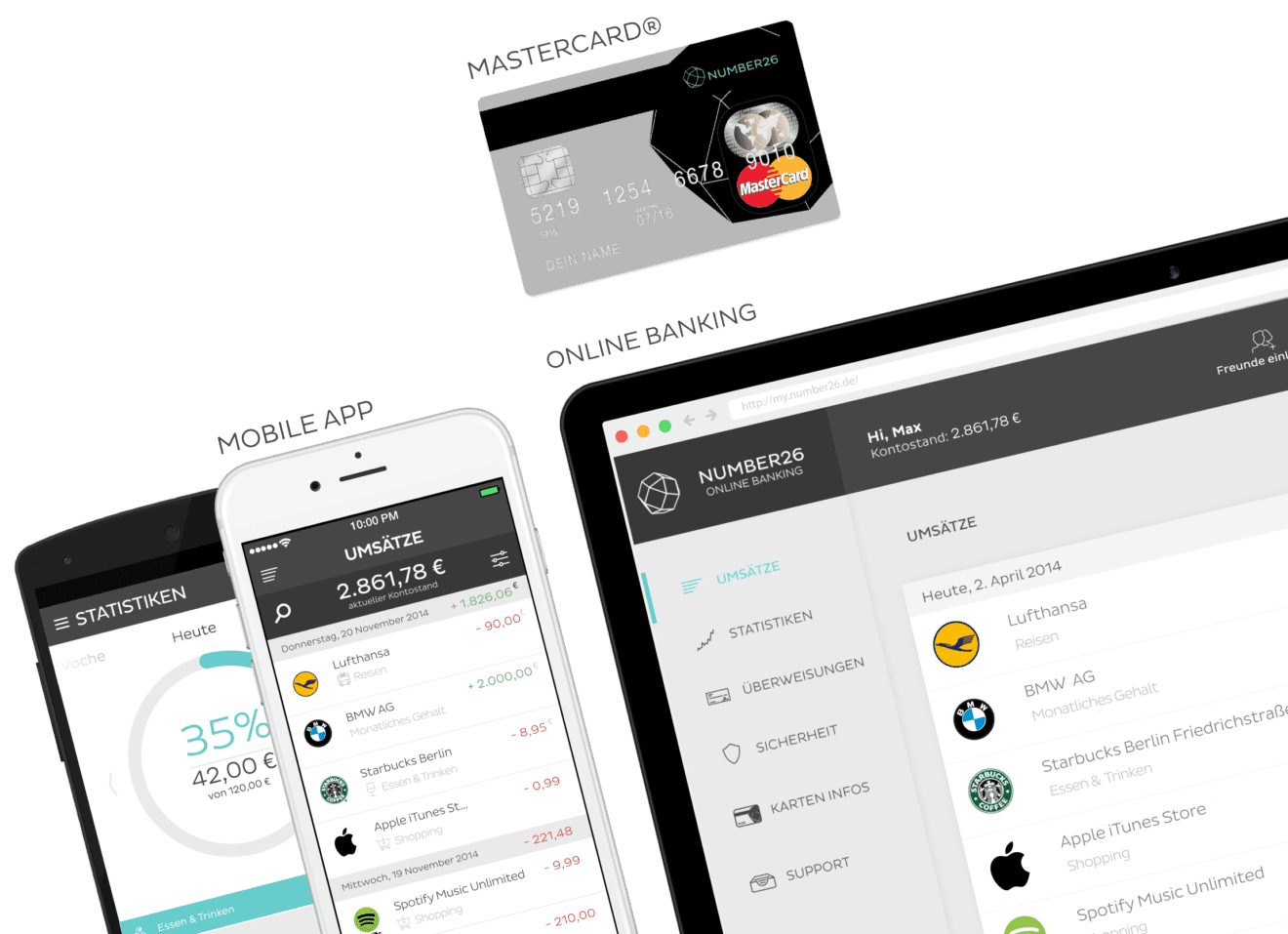
    Number26 is looking to succeed where traditional lenders have struggled, by relying on mobile phones to build a true pan-European bank.

    The German financial services start-up is expanding into six European markets, making it the first mobile phone bank to straddle the region’s borders, it said on Thursday.

    Number26 is entering France, Italy, Spain, Slovakia, Greece and Ireland, the latter being a test for moving into Britain, and eventually plans to develop a continent-wide bank.

    Founded by two Austrians and based in Berlin, the company revealed plans to offer a MasterCard and basic current accounts via a licence from its partner Wirecard Bank of Germany, which guarantees funds using the German Deposit Protection Fund. Its parent, Wirecard, also supplies Number26 with core banking software and transaction processing.

    Without branches, legacy computer infrastructure and by relying on selective outsourcing, mobile-first banks can compete with little up-front capital against big banks, all while promising lower lending rates and higher rates on savings.

    Number26 also has a jump on rival mobile-first banks including Atom Bank which took a UK bank licence in June and Tandem, which received a licence this week. Both plan to start operating in Britain next year. BBVA, Spain’s No. 2 bank, has taken a 29.5 per cent stake in Atom.

    “The model for these mobile start-ups is to compete on fees,” said Andrew Copeman, an analyst with financial research firm Aite Group. “Banks can’t afford to go after those rates because they are saddled with big overhead from branch networks and old systems.”

    Taken by surprise, banks have responded by ploughing more money into fixing creaky systems, rolling out mobile apps of their own and shuttering many branches. Worldwide, banks could cut half their jobs in 10 years as they fight to stay relevant, the former head of Barclays has said. “I don’t see banks at all as my competitors. They just can’t move fast enough,” Number26 chief executive Valentin Stalf, 30, said in an interview.

    The company, which launched this year in Germany and Austria, provides more than 80,000 customers with accounts for cash withdrawals, deposits and overdraft services up to ?2,000 via a slick smartphone app. “We see the current account as just a starting point,” said Maximilian Tayenthal, 35, Number26’s co-founder and chief financial officer. Credit, savings and insurance products will follow, he said.

    It recently began offering a retail checkout-based alternative to ATM machines for cash withdrawals and deposits in Germany.

    It now counts 6,000 cash outlets including supermarket chain Rewe, or more ATMs than Deutsche Bank and Commerzbank combined.

    The Number26 name refers to the optimal number of quarter turns it takes to solve a Rubik’s Cube puzzle and is a play on the most efficient route it can find to reinvent banking.

    Mobile phone-based banks aim to tear up the rule-book of an earlier generation of direct banks, which used online sites and telephone call centres to woo millions of customers away from bank branches starting in the 1990s.

    ING’s DiBa and others are now some of Europe’s biggest retail banks after being spun out of parent banks to offer a wide array of services created within those banks.

    By contrast, Number26 is looking to evolve rapidly into a full-service banking hub, providing not just services of its own but those from third parties. It is in talks to offer money transfers from TransferWise, loans from LendingClub and deposit comparison site SavingGlobal on its platform.

    The 75-employee company has raised ?12.5 million in venture funding. Backers include Peter Thiel, founder of PayPal and one of Silicon Valley’s top investors, Earlybird Venture Capital and Axel Springer Plug & Play, both of Germany, and Swiss-based Redalpine Venture Partners.

  • UOB to help Jakarta draw investments

    UOB to help Jakarta draw investments

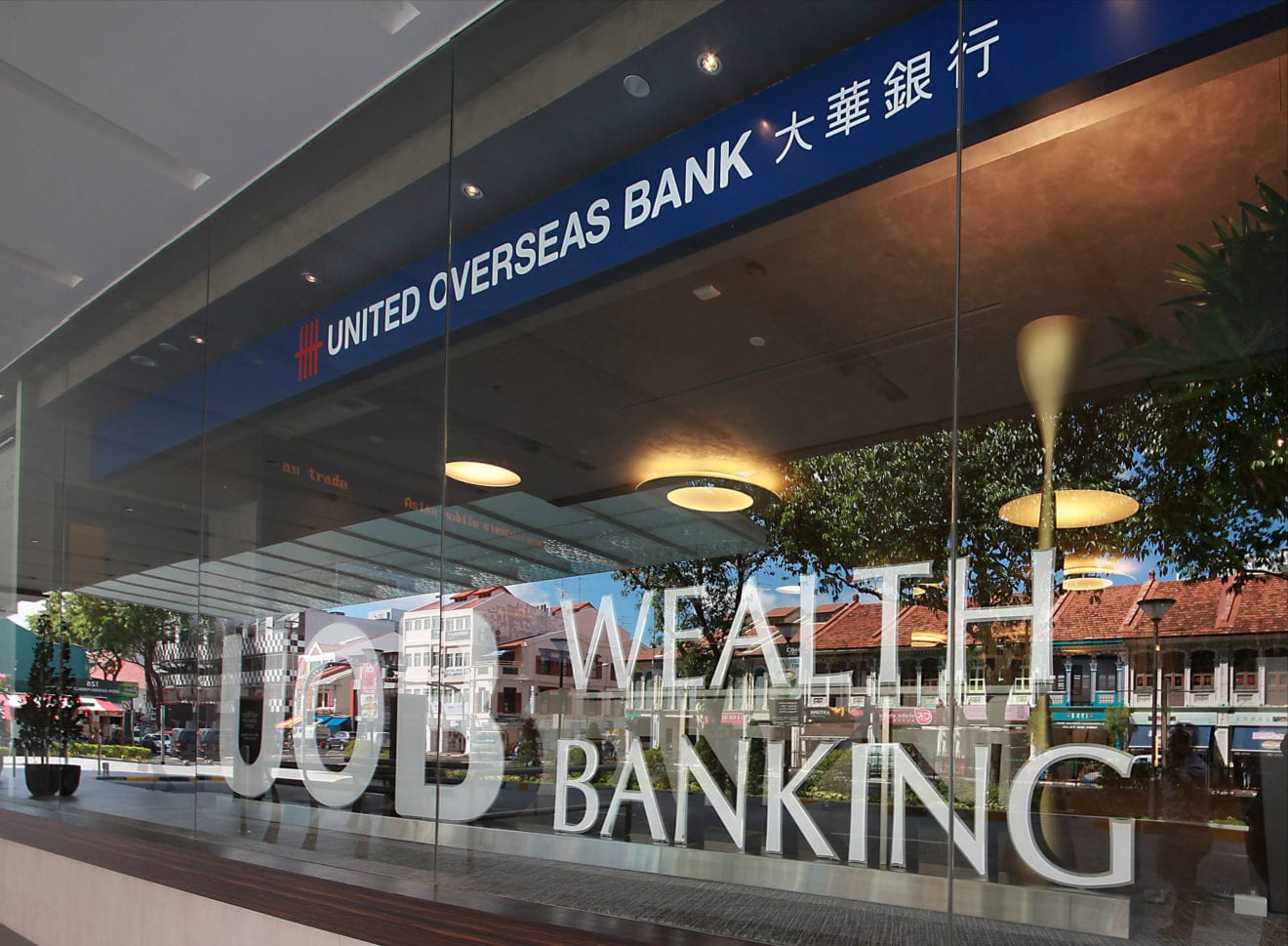
    United Overseas Bank (UOB) is linking up with an Indonesian government agency to encourage more foreign direct investment (FDI) into Indonesia.

    Under an agreement signed yesterday, the Investment Coordinating Board (BKPM) will allow UOB clients to apply for what is called a Principle Licence here without having to travel to Indonesia.

    A foreign company must obtain the licence as an initial step to incorporating an entity there.

    BKPM, which is under the direct supervision of President Joko Widodo, supports foreign investment into the country and helps Indonesian companies venturing overseas.

    UOB said it will support Indonesian investors looking to expand overseas through BKPM’s Indonesia Investment Promotion Centre in Singapore.

    BKPM will also help UOB clients take advantage of business opportunities in Indonesia.

    Last year, Indonesia was the second-largest recipient of foreign direct investment inflows into Asean, receiving US$28.5 billion (S$40.2 billion), UOB noted.

    China’s FDI into Indonesia has increased more than fivefold over the past three years, growing from US$141 million in 2012 to US$800 million last year, UOB said.

    Mr Sam Cheong, head of UOB Foreign Direct Investment Advisory, said opportunities in the region will be boosted by the upcoming Asean Economic Community.

    Under China’s “One Belt, One Road” initiatives, trade and investment between China and South-east Asia will likely continue growing, he added.

    BKPM chairman Franky Sibarani said in a statement: “(The agreement) will help to promote investments in Indonesia across major sectors, such as the infrastructure, maritime, import substitution, export-oriented, agriculture, downstream mining, industrial estate and tourism industries.”

  • BDO firms up tie-up with Japanese banks

    BDO firms up tie-up with Japanese banks

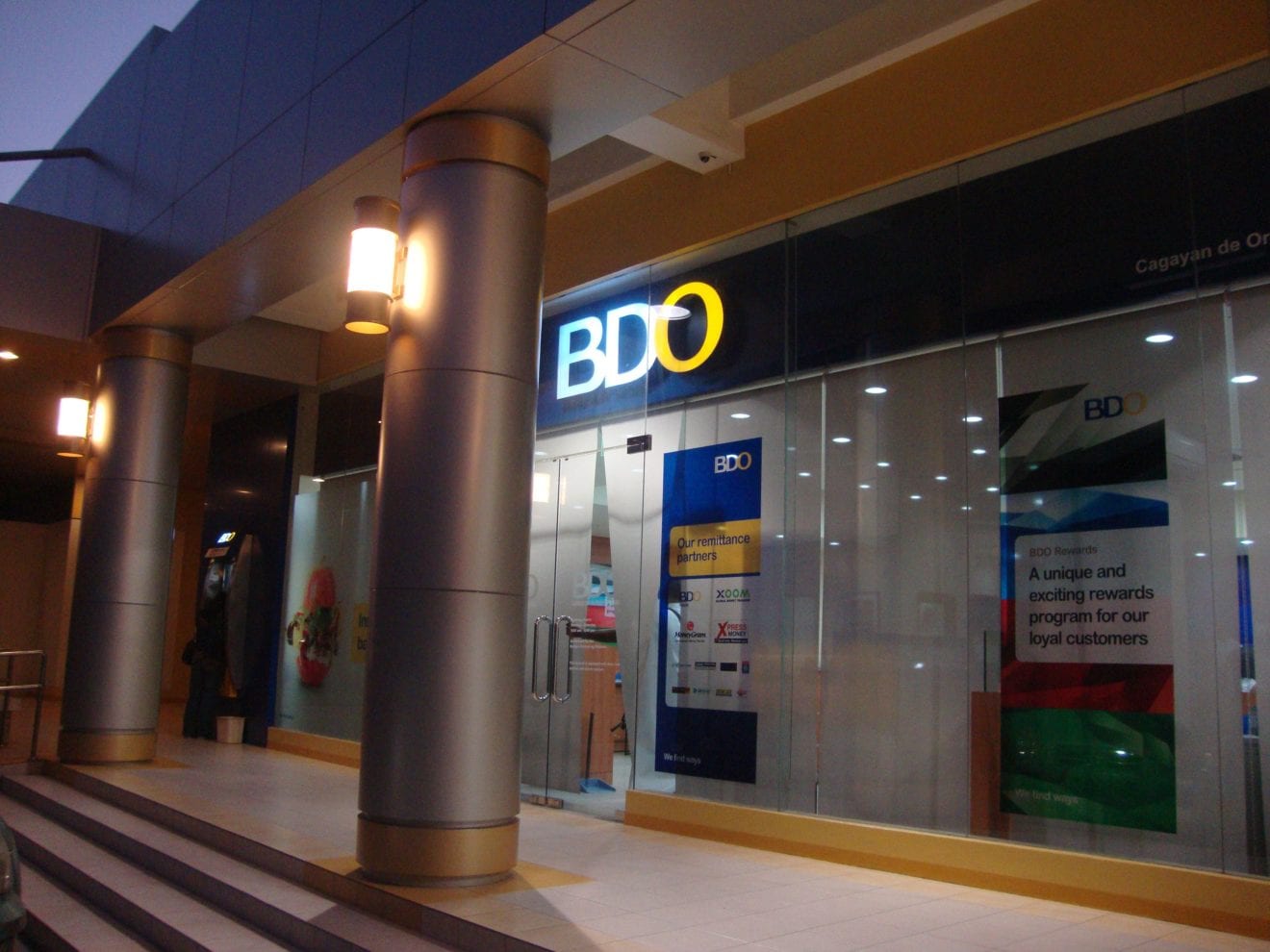
    BDO Unibank, Inc. (BDO) and FIDEA Holdings Co., Ltd. (FIDEA Group) further strengthened their business relationship through a memorandum of understanding (MoU) that will allow BDO to provide support to FIDEA’s clients who plan to invest in the Philippines.

    FIDEA is a joint holding company between major Japanese regional banks The Shonai Bank, Ltd. (Yamagata prefecture) and The Hokuto Bank, Ltd. (Akita prefecture).

    Both banks have partnered with BDO Unibank under the Japan Bank for International Cooperation (JBIC) framework in 2013. Said framework was developed to support the banking needs of Japanese enterprises eyeing the country as a business destination.

    The partnership with the FIDEA Group will provide BDO Unibank adequate coverage in Japan’s northern region (Tohoku), specifically in Akita, Yamagata, and Miyagi prefectures where majority of the primary industries (agriculture, fishing, forestry, mining) are located.

    As a leading player in the local banking sector, BDO Unibank can provide the Japanese clients financial and non-financial advisory services, and other products and services that would be helpful to them should they decide to set up shop in the Philippines.

    Since 2007, BDO has established a fully staffed Japan Desk, with Japanese-speaking personnel, dedicated to market and service Japanese companies operating in the Philippines, and service the retail needs of Japanese customers.

  • BPI books P13.8-b net profit

    BPI books P13.8-b net profit

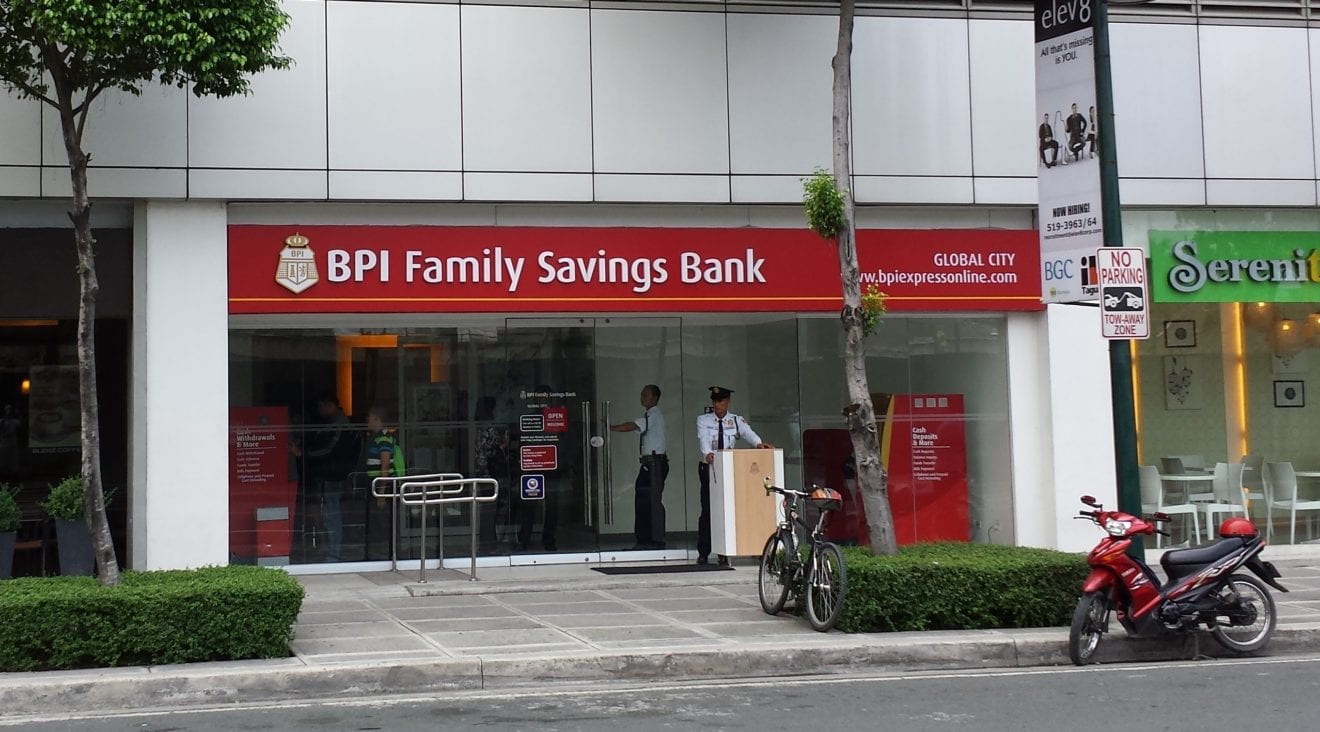
    Bank of the Philippine Islands, the third-largest bank in the country, posted an 8-percent increase in net income in the first nine months to P13.84 billion from P12.8 billion year-on-year on the strength of its core businesses.

    Total revenues increased 9 percent or P3.67 billion to P44.1 billion year-on-year as both net interest income and non-interest income grew P2.98 billion and P0.68 billion, respectively.

    Operating expenses rose 6.7 percent to P22.89 billion on year, a slower rate than revenue growth. As a result, the bank’s cost-to-income ratio improved to 51.9 percent from 53.1 percent a year ago. Return on equity decreased to 12.6 percent, from last year’s 13.3 percent.

    Both total loans and total deposits rose in double digits year-on-year. Total loans stood at P780.07 billion, an increase of 11.2 percent on year. Corporate loans accounted for 76.6 percent while retail loans stood at 23.4 percent.

    “Gross 90-day non-performing loans rose slightly to 1.9 percent from 1.8 percent of total loans, while loan loss cover remained 107 percent. Total deposits stood at P1.18 trillion, up 13.3 percent higher year-on-year. CASA ratio ended the quarter at 72.5 percent,” the bank said.

    Total assets during the period stood at P1.41 trillion, 8.8 percent or P113.78 billion higher than that of the same period last year.

    Investment securities closed at P303.28 billion, a 15.2 percent hike year-on-year. The bank’s investment securities remained mostly held-to-maturity, at P240.87 billion.

    Capital, net of cash dividends of P3.54 billion paid to shareholders on Sept. 2, 2015, ended at P150.44 billion. This represents a 9.3-percent growth in total capital versus September last year.

    Capital adequacy ratio was at 14.9 percent from 15.7 percent a year ago. CET1 stood at 14.0 percent.

    Earlier in the year, the Asian Banker named BPI as the Best Retail Bank in the Philippines for 2015. BPI also received the Best Electronic Delivery Channel award during the inaugural Bank Marketing Awards night, organized by the Bank Marketing Association of the Philippines.

    The award recognizes the bank that successfully implemented the most innovative electronic delivery systems and achieved the desired results in terms of usage and acceptance.

    BPI, the first bank in the Philippines and in Southeast Asia, is a commercial bank with an expanded banking license. BPI’s services include consumer banking and lending, asset management, insurance, securities brokerage and distribution, foreign exchange, leasing, and corporate and investment banking.

  • ING researches online banking venture in China

    ING researches online banking venture in China

    ING reported third-quarter underlying pretax profit of 1.50 billion euros ($1.64 billion), compared with 1.49 billion euros in the same period last year, beating analysts’ mean forecast.

    The figures, and an upbeat outlook, came as many leading European-based banks, including Deutsche Bank, Credit Suisse and Standard Chartered are shedding thousands of jobs and reorienting their businesses to meet stricter capital requirements.

    Morgan Stanley analysts, who have an “overweight” rating on ING shares, said the numbers were better than expected thanks to falling provisions on bad loans. They dipped to 261 million euros from 322 million euros.

    ING stock was the best performer on the Amsterdam stock exchange, rising more than 4 percent. They are up 26 percent year to date.

    CEO Ralph Hamers said the bank was considering entering the Chinese online banking market with local partner Bank of Beijing, and was in the preliminary stages of researching the option.

    Hamers said he believed the Chinese stock market had stabilized and measures taken by the government would “help economic recovery by the end of this year.”

    Chief risk officer Wilfred Nagel said Chinese loan default rates, though they had risen, were still lower than in Europe. He said the Chinese retail banking sector was an attractive opportunity.

    “China adds the size of the GDP of the Netherlands to its economy every year. This is still in absolute terms an economy that grows quite strongly,” he said.

    ING’s online banking platform is helping it add 1,000 retail customers per week in Germany.

    Nagel said the Chinese discussions were at an early stage and no decisions had yet been taken on timing or ownership.

    In the earnings report, ING said it grew its lending portfolio by 1.6 billion euros.

    Net interest margin improved slightly quarter-on-quarter to 1.46 percent from 1.45 percent.

    “In Europe, sentiment is holding up,” Hamers said. “We see a recovery in bank lending in countries like Belgium and Germany.”

  • ANZ grows retail footprint in Asia

    ANZ grows retail footprint in Asia

    The branch has been established to service multinational and joint venture companies with a presence in Myanmar, as well as international companies looking to enter the country from ANZ’s network countries.

    ANZ said the Myanmar branch provides comprehensive solutions covering a full range of banking products including payments and cash management, electronic banking, lending, foreign exchange, and fund-based and non-fund-based trade finance.

    The branch also offers specialist banking services for natural resources, utilities and infrastructure, telecommunication, consumer goods and other global diversified sectors that are expanding in Myanmar.

    Andrew Géczy, ANZ’s chief executive for international and institutional banking, said the licence approval is the final step in the bank’s plans to deepen its presence in the Greater Mekong, following its recent branch opening in Thailand.

    “As one of the only international banks with a presence in all five Greater Mekong countries, ANZ is uniquely placed to play a leading role for customers wanting to enter Myanmar,” he said.

  • Krung Thai Bank makes profit

    Krung Thai Bank makes profit

    KTB posted 3Q15 earnings of Bt5.3bn, plunging 42% YoY and 37% QoQ. The result was 11% below our forecast but 4% below the Bloomberg consensus. This was attributable to bigger loan-loss provisioning (LLP) than was modeled. KTB set its 3Q15 LLP of Bt10.5bn against our numbers of Bt8.5bn. Pre-provision operating profit was Bt17bn, up 21% YoY but down 1% QoQ. The 9M15 earnings represent 90% of our FY15 earnings projection.

    Results highlights

    Lending was up 0.2% QoQ and 1.6% YTD—in line with our forecast. NIM for the quarter came in at 3.04%, up 3bps QoQ and 19bps, boosted by greater emphasis on the corporate and retail sectors and well managed funding cost from the previous quarter. LLP soared 270% YoY and 39% QoQ to Bt10.5bn (equaling credit cost of 2.1%). Note that the bank received a tax benefit of about Bt300m from troubled debt restructuring and extra LLP for Sahaviriya Steel Industry (SSI) in the quarter. Therefore, its corporate tax rate was down to 15% in 3Q15 from 18% in the same period last year.

    KTB’s NPL/loan ratio rose to 4.03% at end-September from 2.96% three months earlier (from SSI, and the small SME and retail sectors). Likewise, its loan-loss-coverage ratio dipped to 103% in 3Q15 from 125% last quarter. Fee income inched up 41% YoY and 12% QoQ to Bt7.3bn in 3Q15. OPEX was Bt12.2bn, an increase of 19% YoY but down 1% QoQ. KTB’s 3Q15 cost/income ratio was 44.2%, close to last quarter and down from the 45.6% reached in the same period last year.

  • Philippines’ BDO sets up first GCC branch

    Philippines’ BDO sets up first GCC branch

    Manila-headquartered BDO Unibank, the largest bank in the Philippines, has become the first Filipino bank to set up an office in the Gulf Cooperation Council (GCC) where it will operate within the premises of the UAE’s Dubai International Financial Center, a financial free zone and one of the largest financial hubs in the Middle East.

    The establishment of a GCC office is a reaction to the growing number of Philippine expats in the region and their banking needs, Nestor Tan, president and CEO of BDO Unibank, explained. Filipinos form one of the largest expat communities in the GCC, with an estimated 700,000 of them living and working in the UAE. More than 1.2mn are said to stay in Saudi Arabia and over 200,000 in Qatar, and all are the source of significant money flows back to the Philippines.

    “Setting up a representative office in the Dubai International Financial Center was driven by our objective to further widen our overseas network to provide support to Overseas Filipino Workers (OFWs) and residents,” Tan said, adding that “the expansion into Dubai will boost our capability to service the needs of our countrymen in the entire Middle East and, hopefully, make the bank a catalyst for the progress of financial inclusion of the expatriates in the Philippines.”
    The new branch comes on top of several partnerships BDO Unibank already has in the Gulf. It struck a deal with Emirates NBD in January this year to provide quick money transfer services to the Philippines. It also cooperates with UAE Exchange, Al Ansari Exchange and Al Ghurair Exchange for remittance services, as well as with Gulf Exchange in Qatar and other banks and financial service providers in Saudi Arabia, Oman, Kuwait, Bahrain and Jordan.

    OFWs are the third largest source for remittances globally, with $28bn sent back home in 2014, only being topped by Indians and Chinese who sent home the biggest chunk at $70bn and $64bn, respectively. With regards to Filipino remittances, estimates are that more than half of total remittances to the Philippines are originating from the GCC, making it a huge business for regional money remittance services.

    The new branch in Dubai, however, aims at widening the scope of banking services on offer for Filipinos, Tan indicated, as well as at extending the reach of BDO Unibank’s portfolio within GCC countries as the bank also wants to address possible Philippine expat and Middle East investors and provide more sophisticated financial services than just remittances. The bank offers a variety of corporate, commercial and retail banking services, including traditional loan and deposit products. This is in addition to treasury, trust banking, private banking, wealth and cash management, leasing and finance, insurance, retail cash cards and credit card services.

    BDO Unibank – its full name is Banco de Oro Universal Bank – was founded in 1968 as a small savings bank in Manila and became a universal bank only in 1996. Today, it has over 870 branches in the Philippines and one other foreign branch in Hong Kong. It is one of the many banks owned by Chinese-Filipino businessmen in the Philippines, namely tycoon Henry Sy – listed by Forbes Magazine as the richest man in the Philippines – through his conglomerate SM Group of Companies, one of the country’s largest business groups with activities spanning from retail, mall operations and property development to financial services.

    Since 2001, the bank grew through remarkable mergers and acquisitions, among them the Philippine operations of Banco Santander, Citibank, UOB, Deutsche Bank and GE Money. In March 2008, it was listed on the Philippine Stock Exchange. Its main competitors on the home soil are Metrobank, owned by Chinese-Filipino business tycoon George Ty, and Bank of the Philippine Islands (BPI), the oldest bank in the Philippines and a subsidiary of Ayala Corp, the country’s largest business conglomerate majority-owned by the influential Ayala family, which is of Spanish descent.

  • China Finance Online Announces New Office in Beijing

    China Finance Online Announces New Office in Beijing

    China Finance Online Co. Limited (“China Finance Online”, or the “Company”, “we”, “us” or “our”), a leading web-based financial services company that provides Chinese retail investors with online access to securities and commodities trading, wealth management products, investment advisory services, as well as financial database and analytics services to institutional customers, announced that the Company has moved into a new office in 17th floor of Fuzhuo Plaza A, No.28 Xuanwai Street, Xicheng District, Beijing 100052, P.R.China.

    The office move would result in a substantial reduction to the Company’s current office rental expenses. It is also part of the efforts on team integration in order to improve product offerings and user conversion for iTouGu, the Company’s one-stop mobile platform for retail investors in China.

    About China Finance Online

    China Finance Online Co. Limited is a leading web-based financial services company that provides Chinese retail investors with online access to securities and commodities trading services, wealth management products, securities investment advisory services. The Company’s two prominent flagship portal sites, www.jrj.com and www.stockstar.com, are ranked among the top financial websites in China. In addition to the web-based securities trading platform, the Company offers basic financial software, information services and securities investment advisory services to retail investors in China. Through its subsidiary, Shenzhen Genius Information Technology Co. Ltd., the Company provides financial database and analytics to institutional customers including domestic financial, research, academic and regulatory institutions. China Finance Online also provides brokerage services in Hong Kong.

  • Itochu, CP Group team up with Chinese companies to set up e-commerce venture in Shanghai FTZ

    Itochu, CP Group team up with Chinese companies to set up e-commerce venture in Shanghai FTZ

    Five companies from three nations are banding together to sell imported popular household products like diapers and milk powder in China.

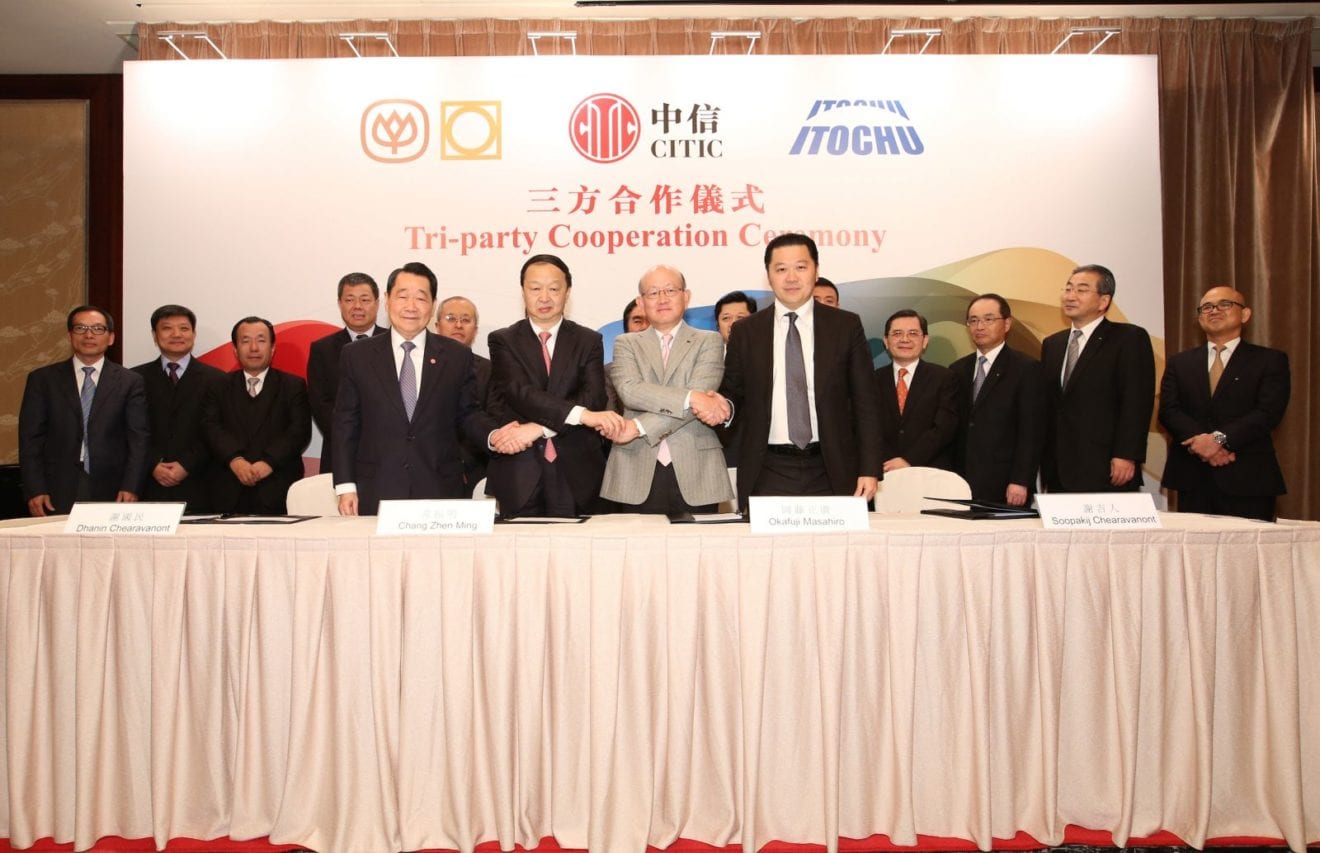
    The partners are Itochu, Japan’s third-largest trading house; Charoen Pokphand Group, Thailand’s biggest conglomerate; and Chinese companies CITIC, China Mobile and Shanghai Information Investment Inc.

    An agreement forming the venture, which will operate through a cross-border e-commerce website out of the Shanghai Free Trade Zone, was signed yesterday.

    The venture, which is named Face to Face Co., aims to tap a growing market in China for premium foreign products. Until now, most consumers accessed such products mainly through gray market channels, expensive offshore orders, overseas trips or limited online retailers in China.

    The new system will end long waiting times for deliveries, lower prices by up to 30 percent and ensure that products meet quality standards.

    The five partners are investing US$500 million, and the company will benefit from preferential policies offered by the Free Trade Zone.

    “We predict the scale of cross-border e-commerce in China will jump from nearly 76.7 billion yuan (US$12.4 billion) in 2013 to about 1 trillion yuan by 2018, Itochu said in a statement yesterday. “We see huge demand for premium products in the country.”

    The new company plans to buy an e-platform to run its operations. It will take over online shopping mall Kuajingtong, which was formerly run by state-owned Shanghai Orient Electronic Payment Co. The partnership will take advantage of China Mobile’s vast user base in promoting online orders for goods.

    Japan’s Nikkei Newspaper reported that the new company plans to accrue sales of US$666.7 billion by 2019 and plans to list in China in 2020. The report could not be immediately verified.

    Itochu said the platform will begin operation later this year, offering nearly 100,000 Japanese-made items, including household appliances, food, diapers milk powder and possibly clothing. Charoen Pokphand said it plans to sell Thai food products on the site.

    The Free Trade Zone, launched in 2013, is China’s pilot project for freer trade between the mainland and overseas. Flexible regulations will allow access for both Chinese and overseas companies to import and sell foreign goods domestically.

  • Lululemon names J. Crew executive as finance chief

    Lululemon names J. Crew executive as finance chief

    Lululemon Athletica Inc. named J. Crew Group Inc. Chief Financial Officer Stuart Haselden as its new finance chief, with an expected start date of 2 February.

    To view the full article (note: you must be a Wall Street Journal Online subscriber), visit The Wall Street Journal Online.