Tag: Finance

  • J.P. Morgan Expands Its Footprint in Switzerland, Enhancing Global Retail Opportunities

    J.P. Morgan Expands Its Footprint in Switzerland, Enhancing Global Retail Opportunities

    J.P. Morgan Reshapes Corporate Banking Landscape in Switzerland

    In a bold move that underscores its ambitions in Europe, J.P. Morgan is repositioning its Corporate Banking operations within the DACH region. Effective July 1, Lutz Karl, who has been at the helm of serving large corporate clients across the region, will make his way to Zurich. There, he will spearhead coverage for both Large and Mid Caps in Switzerland.

    This strategic shift was disclosed in an internal memo co-signed by Marcus Hiseman and Stefan Povaly, Co-Heads of Global Corporate Banking (GCB) for Europe, the Middle East, and Africa (EMEA). The details were later confirmed by J.P. Morgan, signaling a clear intent to strengthen its foothold in the Swiss financial landscape.

    Ambitious Growth Endeavors in Investment Banking

    The creation of this new leadership role in Switzerland emphasizes J.P. Morgan’s determination to bolster its corporate and investment banking capabilities—a narrative that has been echoed in previous reports by finews.com. With the goal of attracting an array of clients, from multinational giants to burgeoning mid-tier firms, the bank is clearly casting a wider net.

    Meanwhile, Bernhard Brinker, who has successfully navigated the Mid Cap segment in Germany and Austria, will expand his purview to also include oversight of the Large Cap segment along with other GCB functions. It seems that J.P. Morgan is ready to shake things up in a market ripe for competition.

    As the financial landscape evolves, echoes of opportunity ripple through banks such as J.P. Morgan, reminding industry players that change is often just the first step in a game that blends strategy with good fortune.

    Questions & Answers

    What is the significance of Lutz Karl’s relocation to Zurich?
    Lutz Karl’s move to Zurich reflects J.P. Morgan’s strategic shift to reinforce its Corporate Banking operations in Switzerland, aiming to enhance its presence in the region’s financial landscape.

    How does this repositioning align with J.P. Morgan’s broader goals?
    This reorganization aligns with J.P. Morgan’s aspirations to grow its corporate and investment banking sectors, allowing it to cater to a wider range of clients, from large corporations to mid-sized firms.

    Who will oversee the Large Cap segment in Germany and Austria?
    Bernhard Brinker, who has been leading the Mid Cap segment, will now expand his responsibilities to include the Large Cap segment and additional GCB business areas, further solidifying the bank’s leadership in the region.

  • Metrobank Appoints Renato De Borja, Jr. as New Leader of Financial and Control Sector

    Metrobank Appoints Renato De Borja, Jr. as New Leader of Financial and Control Sector

    Riding the wave of digital transformation, retailers across Asia are navigating a sea of change as they adapt to evolving consumer behaviors and market dynamics. The rise of e-commerce continues to reshape the retail landscape, compelling businesses to rethink their strategies and embrace innovative technologies.

    Asian Retailers Embrace E-commerce Evolution

    In recent years, e-commerce has surged in popularity, driven largely by the pandemic, which forced consumers to rely on online shopping for their everyday needs. According to a report from eMarketer, Asia-Pacific is expected to account for over 60% of global e-commerce sales by 2023, with giants like China leading the charge. This unparalleled growth has prompted traditional retailers to pivot and enhance their digital offerings or risk being swept away by agile competitors.

    Omni-channel Strategies Take Center Stage

    Retailers are increasingly adopting omni-channel retailing, integrating online and offline channels to create seamless shopping experiences. This shift not only caters to consumers’ preferences for convenience but also allows retailers to gather valuable data about customer behavior. Brands like Alibaba and Shopee are setting benchmarks for personalization, employing advanced algorithms to tailor recommendations, making shoppers feel as if they’ve struck gold with every purchase.

    Technological Adoption Fuels Retail Innovation

    Emerging technologies are at the heart of the retail revolution, with artificial intelligence, augmented reality, and blockchain becoming critical tools for growth. AI chatbots are now commonplace, providing 24/7 customer service that rivals even the most attentive sales associates. Meanwhile, augmented reality is enhancing the online shopping experience, allowing consumers to virtually try on clothes and accessories from the comfort of their own homes—a fitting measure of convenience in a fast-paced world.

    Local Heroes Emerge Amid Global Giants

    As much as multinational corporations like Amazon and Walmart dominate headlines, local players are carving out niches by catering to regional tastes and preferences. For instance, South Korea’s Coupang has gained immense popularity through its lightning-fast delivery service, while India’s Flipkart continues to adapt its offerings to resonate with the local populace. This nimbleness not only fosters loyalty but also emphasizes the importance of understanding local markets in a globalized economy.

    Environmental Concerns Reshape Consumer Choices

    Today’s consumers are not just focused on convenience; sustainability has emerged as a significant driving force behind purchasing decisions. Retailers in Asia are increasingly conscious of their environmental footprint and are responding with eco-friendly practices, from sustainable sourcing to reduced packaging. Companies that embrace green initiatives are not only attracting eco-conscious shoppers but also setting trends that challenge the traditional notions of retail.

    The Future is Bright, Yet Challenging

    As Asia’s retail arena evolves at breakneck speed, the future holds both promise and challenges. Companies must navigate the complexities of supply chain disruptions and the rapidly changing regulatory landscape. However, the potential to connect with consumers in innovative and meaningful ways has never been greater. For retailers, the key lies in being adaptable, understanding their audience, and not being afraid to pivot in a landscape where change is the only constant. And as the old saying goes, “If you can’t beat them, join them”—though in this case, one might add, “and then outsmart them.”

    Questions & Answers

    How is e-commerce expected to shape the future of retail in Asia?
    E-commerce is projected to dominate retail sales in Asia, accounting for over 60% of global online transactions by 2023, pushing traditional retailers to innovate or risk obsolescence.

    What role do local retailers play in the competitive landscape?
    Local retailers are uniquely positioned to cater to regional preferences, often outshining global giants by offering tailored experiences and understanding customer needs better.

    How are sustainability practices changing consumer behavior?
    Today’s consumers are increasingly prioritizing sustainability, driving retailers to adopt eco-friendly practices that not only appeal to this demographic but also set new standards in the market.

  • Japan’s SMBC Makes Strategic Move with Investment in Cutting-Edge Biotechnology Fund

    Japan’s SMBC Makes Strategic Move with Investment in Cutting-Edge Biotechnology Fund

    Amid a shifting retail landscape, the integration of technology and innovative solutions is proving pivotal in enhancing customer experiences across Asia. From AI-driven inventory management to virtual fitting rooms, retailers in the region are increasingly leveraging technology to optimize operations and meet the evolving demands of consumers.

    The Technological Transformation of Retail

    As retailers globally scramble to adapt to a post-pandemic world, Asia is no exception, leading the charge with its rapid adoption of technological solutions. In China, for instance, AI algorithms are being employed to analyze consumer behavior and streamline inventory management. Brands are harnessing this data not only to predict trends but also to reduce waste—something akin to a retail fortune teller, albeit more data-driven. Meanwhile, in Japan, contactless payment systems have ascended to new heights of popularity, allowing shoppers to breeze through transactions with just a tap of their smartphones.

    Experiential Retail: The New Normal

    In a bid to cultivate deeper connections with consumers, Asian retailers are increasingly focusing on experiential shopping. Brands are creating immersive environments where shoppers can engage with products beyond traditional methods. For example, South Korean fashion retailers are transforming storefronts into live-action stages that host events, fashion shows, and art installations, turning mundane shopping trips into memorable experiences. This approach is not just enhancing customer satisfaction; it’s also fostering community and brand loyalty.

    Challenges Amidst the Innovation

    However, the journey toward innovation is not without its challenges. Retailers face hurdles such as cybersecurity risks, rising operational costs, and a need for continuous training and development for employees. Moreover, as competition intensifies, differentiating offerings in a saturated market becomes an uphill battle.

    Yet, the resilience of brands and their willingness to pivot creatively suggests a promising future. With every challenge comes an opportunity, and many retailers are finding unique ways to not merely survive but thrive.

    Green Retailing: The Next Frontier

    Sustainability is emerging as a defining force in the retail space. Brands across Asia are making notable strides in adopting sustainable practices, whether through eco-friendly packaging or ethical sourcing. This shift not only appeals to environmentally conscious consumers but also positions retailers as responsible corporate citizens in an era increasingly defined by environmental awareness.

    In a refreshing twist, some brands are even incorporating gamification techniques into sustainability efforts, turning recycling habits into competitive challenges. Who knew that environmental consciousness could be so engaging?

    Looking Ahead: The Future of Retail in Asia

    As Asia’s retail landscape continues to evolve, the focus on technology, experience, and sustainability will likely dominate discussions in the industry. The retailers that can blend these elements seamlessly will not only appeal to the current generation of shoppers but will also lay the groundwork for a robust retail future.

    The road ahead is bright for those willing to embrace innovation and adapt to consumer needs. With creativity and technology at the helm, retailers across Asia are set to define the next chapter of shopping.

    Questions & Answers

    What technological innovations are Asian retailers embracing?
    Asian retailers are increasingly adopting AI for inventory management, contactless payment systems, and virtual fitting rooms to enhance customer experiences and streamline operations.

    How are retailers enhancing the shopping experience beyond traditional methods?
    Many retailers in Asia are focusing on experiential shopping by creating immersive environments, from live events to artistic installations, that foster deeper connections with consumers.

    What role does sustainability play in the future of retail in Asia?
    Sustainability is becoming a pivotal concern for Asian retailers, leading them to adopt eco-friendly practices and explore gamification techniques that engage consumers in eco-friendly behaviors.

  • India’s Banks Set to Thrive Amidst Margin Challenges and Rising Costs

    India’s Banks Set to Thrive Amidst Margin Challenges and Rising Costs

    According to Fitch Ratings, India’s banking sector is on a promising trajectory, poised for growth bolstered by enhanced asset quality, robust capital reserves, and a stable profitability outlook. As banks maneuver through the financial landscape, analysts suggest that credit metrics will largely hold steady into fiscal year 2026, although earnings could be impacted by cyclical pressures on margins and credit costs.

    Slowdown or Steady Forward March?

    Currently, the sector is experiencing its slowest loan growth in four years, hovering at just 10.6%. Lending to non-bank financial institutions (NBFIs) and unsecured retail customers has particularly softened, a shift attributed to stricter regulatory oversight and challenging funding conditions. However, optimism remains. Fitch projects a rebound in loan growth to between 12% and 13% in FY2026, fueled by an accommodating monetary policy and gradually easing funding constraints.

    Deposits and Ratios: The Balancing Act

    Despite this optimistic outlook, banks must enhance their deposit mobilization to sustain the nearly 120 basis points improvement in loan-to-deposit (LDR) ratios they have achieved. A notable decrease in the impaired loans ratio, falling by 60 basis points to 2.2% in FY2025, indicates a positive shift. Bad loans saw a decline of 12%, further painting a brighter picture for the sector as a whole.

    A Brave New Banking Era?

    Fitch emphasizes that the impaired-loan ratios and credit costs for most banks have likely hit their lowest point. There remains potential for gains as some banks might improve their standings through write-offs of legacy bad loans, which would further shrink the outstanding bad loan stock. In Fitch’s eyes, the Indian banking sector’s strong performance is not merely a flash in the pan; expectations are set for sustained progress, contingent on banks maintaining solid core financial metrics that enhance their resilience against economic fluctuations.

    Questions & Answers

    What does Fitch Ratings predict for India’s banking sector in FY2026?
    Fitch Ratings forecasts a rebound in loan growth to 12% to 13% in FY2026, supported by an accommodative monetary policy and improved funding conditions, while projecting that credit metrics will remain stable.

    Why is the current loan growth considered the slowest in four years?
    The current loan growth rate of 10.6% is primarily due to tighter regulatory scrutiny and tougher funding conditions impacting lending, particularly to NBFIs and unsecured retail customers.

    What improvements have been observed regarding banks’ impaired loans?
    The impaired loans ratio has fallen by 60 basis points to 2.2% in FY2025, accompanied by a 12% reduction in bad loans, indicating a trend towards better asset quality in the banking sector.

  • Thai Banks Anticipate 9% Earnings Decline in Q2 Amid Rising Credit Costs

    Thai Banks Anticipate 9% Earnings Decline in Q2 Amid Rising Credit Costs

    Thailand’s banking sector is bracing for a challenging second quarter in 2025, with expectations of a 9% year-on-year drop in earnings driven by rising credit costs and diminished pre-provisioning operating profits. According to UOB Kay Hian (UOBKH), the banks under its analysis are likely to report a combined net profit of about $1.47 billion (THB 48.6 billion), reflecting a notable decline of 9% year-over-year and 17% quarter-on-quarter.

    Credit Costs on the Rise

    Analyst Thanawat Thangchadakorn highlighted that excluding provision expenses, pre-provisioning operating profit is projected to experience a decline of 9% year-on-year and 11% quarter-on-quarter. The anticipated uptick in credit costs during Q2 compared to Q1 is expected to range from 11 to 151 basis points.

    Individual Bank Insights

    Among individual lenders, Kiatnakin Phatra (KKP) is forecasted to see an increase in credit costs, largely due to the uneven recovery in the automotive market. Meanwhile, SCB X is also predicted to report heightened credit costs as a precautionary measure in provisioning.

    Additionally, Tisco Financial Group is expected to follow suit with rising credit costs, having previously set a 2025 target of 100 basis points for credit expenses. Banks are advised to adopt a more cautious lending approach to preserve asset quality, as emphasized by Thangchadakorn.

    With the banking landscape evolving, who knows? Perhaps we’ll see a renaissance in creative financial products that actually excite consumers!

    Questions & Answers

    What is the projected profit decline for Thailand’s banking sector in Q2 2025?
    The banking sector is expected to experience a 9% year-on-year decline in earnings, resulting in a combined net profit of approximately $1.47 billion.

    Which banks are expected to increase their credit costs?
    Kiatnakin Phatra, SCB X, and Tisco Financial Group are all anticipated to report higher credit costs due to various market conditions and cautious provisioning strategies.

    How are banks expected to adjust their lending practices?
    Banks are likely to adopt a more cautious approach to lending in order to maintain strong asset quality amidst rising credit costs.

  • Thailand Unveils Three Winning Bids for Exciting New Virtual Banks!

    Thailand Unveils Three Winning Bids for Exciting New Virtual Banks!

    In a significant move for Thailand’s financial landscape, the Bank of Thailand (BOT) has approved three applicants to launch virtual banks. This recent development heralds a new era of banking innovation as the country shifts towards digitalization.

    Meet the New Players in Thailand’s Banking Scene

    The approved entities include AMC Holding Company Limited; a consortium made up of Krung Thai Bank, Advanced Info Service, and PTT Oil and Retail Business Public Company Limited; and another group featuring SCB X, WeTechnology Limited, and Kakaobank Corp.

    Leading the charge is SCB X, the parent company of Siam Commercial Bank (SCB), the oldest bank in Thailand. Alongside them, KakaoBank, a thriving digital bank from South Korea, and WeTechnology, the Hong Kong arm of WeBank—the first digital bank in China—are set to make waves.

    Partnerships That Spark Change

    The consortium formed by Krung Thai Bank—a state-owned institution—teams up with Advanced Info Service, Thailand’s largest mobile operator, and PTT Oil, a key state-owned oil and gas player. This diverse mix signals a push towards integrating financial services with existing consumer bases and technology.

    Countdown to Launch: June 2026

    The clock is ticking for these virtual banks, which must commence operations within one year following the Thai Finance Minister’s approval on June 19, 2025. The BOT emphasizes that these companies need to structure themselves as public limited entities and successfully undergo assessments to qualify for their banking licenses.

    Setting a New Standard in Banking

    As part of their qualification process, the BOT and the Ministry of Finance will evaluate each applicant’s business strategy and capacity to introduce “new value propositions” to financial services. The aim is clear: enhance existing processes and deliver improved service via digital channels—the bank of the future is just around the corner!

    So, who’s excited about virtual banks in Thailand? These innovative players are sure to shake up the status quo in banking. Who knows, maybe your next transaction will involve a banking chatbot powered by AI!

    Questions & Answers

    What is the deadline for the new virtual banks to begin operations? They are required to start business operations by June 2026.

    Who are the approved applicants for virtual banking in Thailand? The BOT has approved AMC Holding Company Limited, a consortium including Krung Thai Bank, Advanced Info Service, and PTT Oil, as well as a group consisting of SCB X, WeTechnology Limited, and Kakaobank Corp.

    What must applicants demonstrate to qualify for a virtual bank license? Applicants must showcase their business plans and ability to deliver innovative financial services that improve efficiency through digital channels.

  • Citi Names Asia Clean Energy Head

    Citi Names Asia Clean Energy Head

    Based in Hong Kong, the newly created role will support the bank’s clients with their transition to cleaner energy.

    Citi has appointed William Pang as head of natural resources and clean energy transition (NRCET) investment banking Asia, effective immediately, the U.S. lender announced in a statement on Tuesday.

    Pang joined Citi in 2015, and has over 18 years of investment banking and legal experience, including at HSBC, Lexicon Partners, Macquarie Group and Clifford Chance.

    In his new role, Pang will work closely with the global leaders of NRCET and the leaders of the relevant sectors – chemicals, energy, power and clean energy transition. He is currently head of power and infrastructure investment banking for Asia, and will concurrently hold this role, the announcement said. He will report regionally to Jan Metzger, Asia Pacific head of banking, capital markets and advisory and globally to NRCET co-heads Stephen Trauber and Sandip Sen.

    In 2019, Citi met its $100 billion environmental finance goal four years early. In April 2021, it announced a $500 billion environmental finance goal and $1 trillion sustainable finance goal, all by 2030. Circular economy and sustainable agriculture and land use are among the new criteria for its $500 billion goal.

    The drive toward low and net-zero carbon solutions will facilitate the formation and growth of many new companies and will require significant capital investment. It will also facilitate the formation and growth of many new companies requiring significant capital investment, Metzger said.

  • BNI to expand in Malaysia by first half of 2017

    BNI to expand in Malaysia by first half of 2017

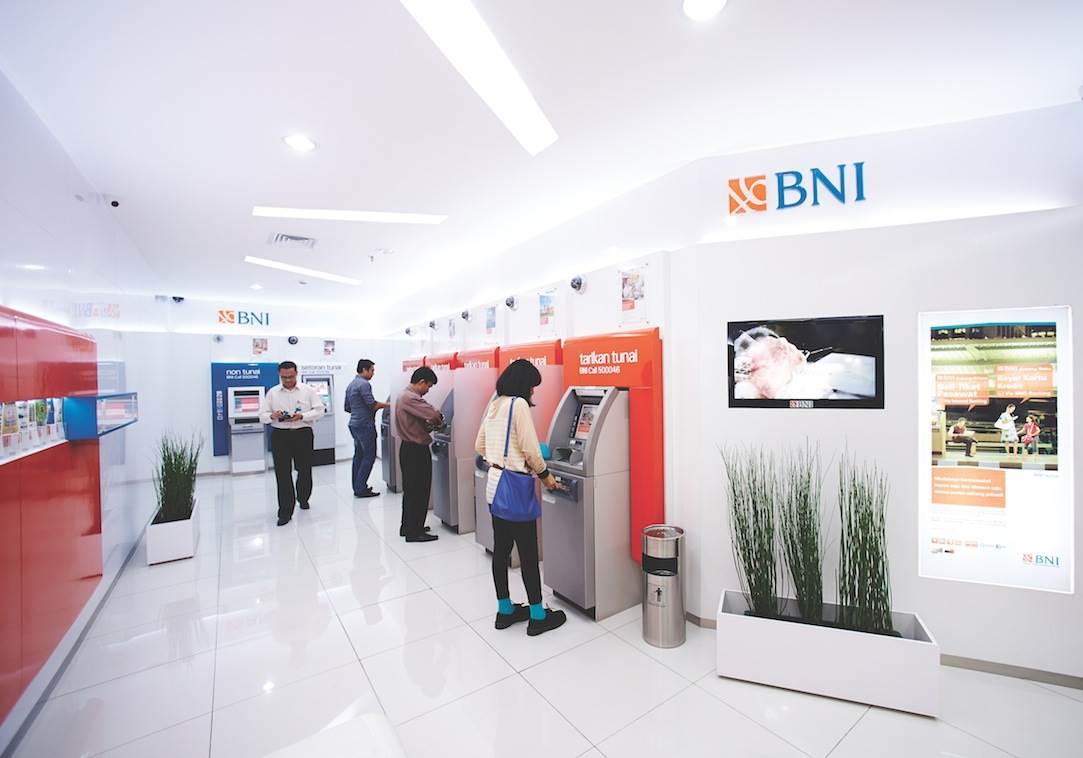
    PT Bank Negara Indonesia (BNI) has submitted an expansion proposal to the Indonesian and Malaysian regulators to establish a network branch in Malaysia. The target is to have the branch working by the first half of 2017.

    Chairman of PT BNI Achmad Baiquini said in Jakarta on Thursday that the Financial Services Authorities (OJK) signed a reciprocal bilateral agreement with the Malaysian Central Bank in August.

    Since then, the bank began putting together documentation to execute an expansion in Malaysia.

    “We should be able to establish a network there within the first semester of 2017,” he added.

    Once the bank explores the sector, he noted, it will delve into the remittances business, which will allow Indonesian laborers in Malaysia to send money to their families back home.

    The bank is also looking at trade financing in Malaysia.

    Remittances, he observed, will also act as a good start to initiate a digital banking business in Malaysia.

    In the future, the banking services would shift solely to digital platforms in Malaysia.

    As for capital funds prepared by the bank, Baiquini was reluctant to reveal the details.

    “We will surely follow the agreement signed by the Authority and Malaysia, and will follow all their guidelines,” he remarked.

    Indonesia and Malaysia had signed a bilateral partnership agreement on August 1 as part of the ASEAN Banking Integrated Framework.

    As part of such cooperation, which emphasizes the principle of reciprocity, Indonesias bank will receive a cost reduction incentive for network expansion in Malaysia, including admission fee and payment system fee.

    The Financial Services Authoritys Deputy Supervisor, Mulya Siregar, pointed out that the admission fee for Indonesia has been reduced from 10.4 million Ringgits to 5.2 million Ringgits.

    “Costs regarding payment systems, including Automatic Cash Machines, also went down from 4 Ringgit to 1 to 2 ringgit per transaction,” informed Siregar.

  • Released Loan Loss Reserves Fuels HSBC Profits

    Released Loan Loss Reserves Fuels HSBC Profits

    Asia-focused British lender HSBC beat analyst forecast, more than doubling profits in the first half after a significant reduction in credit loss provisions.

    HSBC posted $8.4 billion of profit after tax, according to its first-half interim report, a 170% increase compared to $3.1 billion in the same period last year.

    The expected release of credit loss provisions drove profits higher with revenues down around 4 percent to $25.6 billion and adjusted operating expenses rising by 3 percent.

    These are good results that reflect the return of growth in our main markets and marked progress in the execution of our strategy, said HSBC group chief executive Noel Quinn highlighting four main pillars of the bank’s plans: focusing on strengths, digitizing at scale, energizing for growth, and transitioning to net zero.

    The mix of HSBC’s results by region is also noteworthy as it registered profits across Asia, Middle East and North Africa, North America, Latin America and even Europe – HSBC UK Bank plc posted profit before tax of over $2.1 billion in the period – which has reported consecutive halves of pre-tax losses.

    We were profitable in every region in the first half of the year, supported by the release of expected credit loss provisions.

    HSBC also paid an interim dividend of $0.07 per ordinary share in the first half, noting that the bank is moving towards its planned target.

    The Group maintains a strong capital position and is well placed to fund growth and step up capital returns,» the bank said.

    Reflecting the current improved economic outlook and operating environment in many of our markets, we now expect to move to within our target dividend payout ratio range of 40% to 55% of reported earnings per ordinary share in 2021.

  • Standard Chartered Faces More Hin Leong Headwinds

    Standard Chartered Faces More Hin Leong Headwinds

    Energy trader Winson Oil Trading is seeking damages from Standard Chartered for failed payments over a diesel cargo sold to Hin Leong Trading.

    The Hin Leong debacle continues to unravel with Winson Oil filing the latest case to seek damages, interest and costs – at least $30.4 million – from Standard Chartered, according to court documents.

    Documents show that Winson Oil sold a cargo of ultra-low sulfur diesel to Hing Leong and had received a letter of credit (LC) from Standard Chartered in early April. Upon presenting the LC through Credit Agricole Corporate and Investment Bank, Standard Chartered failed to complete the payment.

    23 banks were reportedly affected by financial distress at Hin Leong, whose founder reportedly admitted that the Singapore oil trader failed did not disclose losses totaling $800 million. OCBC is amongst the affected lenders who also faced charges from Winson Oil which demanded payment for the sale of fuel financed by the bank.

    Hin Leong is currently under Singapore’s judicial management to restructure billions of dollars in debt.

  • ABN Amro Faces Significant Penalties for Controversial Bonus Payments

    ABN Amro Faces Significant Penalties for Controversial Bonus Payments

    The Dutch central bank has handed down a hefty €15 million fine to ABN Amro for awarding bonuses to senior executives, a practice strictly forbidden for state-owned banks since 2012. This punitive action stems from the bank’s decision to defy explicit warnings from regulators, much to their chagrin.

    Regulatory Backlash

    De Nederlandsche Bank (DNB) described this incident as a “serious violation.” The rationale behind the ban on bonuses for state-owned banks is clear: it aims to safeguard taxpayer money and ensure that government support does not enrich top executives. Although the law forbade bonuses for board members since 2012, its reach extended to certain senior managers, categorized as the “second tier,” in 2015.

    Between 2016 and 2024, ABN Amro managed to pay €1.5 million in bonuses to seven of these second-tier managers, along with awarding one executive two raises that notably exceeded established pay norms—all of which were prohibited. The fine, fixed in accordance with current regulatory guidelines, is seen as “appropriate and justified” given the size of the institution.

    A Warning Ignored

    The supervisory authority has long had its eyes on ABN Amro, having previously flagged the illegal bonus policy. After temporarily halting the practice, the bank bizarrely decided to reinstate it and even issue new bonuses, which directly contradicted instructions from the DNB. This blatant disregard for regulations has earned the bank a higher degree of culpability in the eyes of its overseers.

    “A professional market participant and licensed bank such as ABN Amro is expected to be aware of and comply with the applicable laws and regulations,” the DNB emphasized.

    Acceptance and Reflection

    In the aftermath, ABN Amro accepted the fine, claiming it had “interpreted and applied the legislation in good faith,” while conceding that this interpretation was flawed. The bank was nationalized during the 2008 financial crisis when it teetered on the edge of collapse, leading to a government bailout. Although the Dutch government has been gradually reducing its ownership stake since 2015, it still retains a 30 percent share in the bank.

    ABN Amro might now wish it had kept its bonuses under wraps because, as they say, money can’t buy you compliance!

    Questions & Answers

    What was the reason behind the fine imposed on ABN Amro?
    The Dutch central bank fined ABN Amro €15 million for awarding bonuses to senior executives, which is prohibited for state-owned banks to prevent taxpayer funds from enriching top executives.

    How long had ABN Amro been violating the bonus ban?
    The bank paid bonuses between 2016 and 2024, even after receiving warnings from regulators.

    What was ABN Amro’s response to the fine?
    ABN Amro accepted the fine and admitted that its interpretation of the legislation was incorrect, despite claiming it was applied in good faith.

  • UBS Teams Up with British Fintech: A New Era of Investment Innovation Begins

    UBS Teams Up with British Fintech: A New Era of Investment Innovation Begins

    British fintech firm Icon Solutions, a pioneer in payment systems, has recently attracted attention from UBS, which has joined a funding round that also includes existing investors Citi and NatWest. This significant investment, announced in a press release on Thursday, underscores Icon’s commitment to enhancing payment capabilities for banks around the globe.

    Driving Innovative Payment Solutions

    Pieter Brouwer, Head of Group Operations and Technology Office (GOTO) at UBS, highlighted the importance of this partnership, stating, “Icon is an important partner of UBS and plays a key role in modernizing payment platforms through innovative infrastructure solutions. This investment strengthens our partnership with Icon and underscores our commitment to providing our clients with faster and future-ready payment solutions.”

    By collaborating with Icon, UBS and other banks seek to fuel innovation in instant payments and streamline advanced transaction processing, enhancing overall performance in this fast-evolving sector.

    Empowering Banks through Technology

    Tom Kelleher, co-founder and CEO of Icon Solutions, expressed enthusiasm about the funding, stating, “This funding round further validates our core belief that banks should be empowered to transform their payments operations themselves.”

    The Icon Payments Framework (IPF), a development platform increasingly embraced by major financial institutions, is central to this vision. The IPF equips banks with the necessary technology and processes to independently upgrade their payment infrastructures, allowing for accelerated development, testing, and deployment while ensuring that banks maintain control over timelines and costs.

    Founded in 2009, Icon Solutions is headquartered in London and has a representative office in New York, hinting at a global ambition to revolutionize payment systems. Icon is on a mission so significant that it could make even your morning coffee payments feel cutting-edge!

    Questions & Answers

    What is Icon Solutions known for?
    Icon Solutions specializes in payment systems and focuses on developing innovative infrastructure solutions for banks worldwide.

    How does the partnership with UBS benefit Icon Solutions?
    The partnership with UBS enhances Icon’s capabilities in refining payment solutions and accelerates the development of their Icon Payments Framework (IPF) to better serve their banking clients.

    When was Icon Solutions founded?
    Icon Solutions was founded in 2009 and is based in London, with a representative office in New York.

  • HCMC Unveils Exciting Plans for $7B International Financial Hub: What You Need to Know!

    HCMC Unveils Exciting Plans for $7B International Financial Hub: What You Need to Know!

    Ho Chi Minh City is taking ambitious strides toward establishing an international financial hub, with an investment of VND172 trillion (approximately US$7 billion) fueling the project in District 1 and the Thu Thiem Urban Area. This significant undertaker promises to transform the landscape of financial services in Vietnam.

    Spanning 783 Hectares Across the Saigon River

    The proposed hub will cover a sprawling 783 hectares, elegantly positioned across areas interconnected by the Saigon River. The initial phase, which will span nine hectares in Thu Thiem, is set to house the headquarters for various regulatory and supervisory authorities, paving the way for a structured financial ecosystem.

    The city’s detailed proposal is currently under governmental review, with the first phase slated for development within the next two to three years. This segment will cost VND16 trillion, where VND2 trillion will be funded by the government and the remainder sourced from private investors.

    Attracting Top Talent with Training Initiatives

    Beyond the essential infrastructure and regulatory frameworks, Ho Chi Minh City is honing its strategy to attract the brightest minds to the hub. To bolster human resources, five training programs are earmarked for launch in 2025. Additionally, officials have embarked on missions to study successful financial center models in the U.K., Hong Kong, mainland China, and Kazakhstan, ensuring that the new hub will be competitive on a global scale.

    Notably, the government’s vision extends beyond Ho Chi Minh City, contemplating a similar financial hub initiative in Da Nang. The HCMC hub is expected to offer a diverse array of products and services, from banking and capital markets to asset and fund management.

    Innovative Financial Mechanisms on the Horizon

    As innovation takes center stage, the city plans to implement experimental mechanisms, or “sandboxes,” aimed at fostering fintech, innovation, and specialized trading platforms, alongside derivative markets. The government aspires for the Ho Chi Minh City sector of the hub to become operational by 2025, with a comprehensive completion targeted within five years.

    With a goal this grand, it’s safe to say Ho Chi Minh City is gearing up to play a pivotal role in the financial landscape of Asia. Imagine a bustling financial quarter reminiscent of the world’s best financial districts—exciting times are ahead!

    Questions & Answers

    What is the primary investment for the financial hub in HCMC?
    The planned international financial hub will require an investment of VND172 trillion (around US$7 billion).

    When is the first phase of the hub expected to be completed?
    The first phase is anticipated to be constructed within two to three years, aiming for a start in 2025.

    What initiatives will be implemented to develop human resources for the hub?
    Five training programs are set to launch in 2025, alongside efforts to study global financial center models to attract top talent.

  • Bank Tabungan Negara’s Capital Soars, Yet Asset Risk Persists: What It Means for Retail Investors

    Bank Tabungan Negara’s Capital Soars, Yet Asset Risk Persists: What It Means for Retail Investors

    Profitability at Bank Tabungan Negara (BTN) is projected to dip to between 0.55% and 0.65% by 2025, largely due to increased credit costs even as net interest margin (NIM) shows signs of improvement. The Indonesia-based bank, while boasting a strong capital ratio of 15.3%, faces potential solvency risks that may not be immediately apparent in its financial figures, according to Moody’s Ratings.

    Sustained Asset Risks Despite Clean-Up Efforts

    Moody’s highlighted that BTN’s reported leverage at 6.6% might give an inflated sense of the bank’s financial stability. The ongoing burden of nonperforming loans (NPLs) still looms large, despite the bank’s significant strides in rectifying its historical loan issues via substantial NPL sales and write-offs. “We expect BTN’s asset risk to remain high,” Moody’s remarked, noting that 16% of BTN’s gross loans are still tied up in restructured loans due to significant mortgage exposure with longer tenors.

    Provisioning Challenges Reveal Underlying Stress

    The ratings agency pointed out that BTN holds a minimal level of provisioning compared to its heightened asset risks. This is evident in its substantial portfolio of restructured loans and accrued interest. “Although the bank’s risk-weight density was low at 43%, this figure isn’t entirely indicative of the bank’s reality,” Moody’s stated, emphasizing that restructured loans receive risk-weighting according to their collectability classification dictated by the central bank, regardless of their restructuring history. Hence, BTN’s reported earnings and capital do not entirely reflect the pressures on its financial profile.

    Government Support as a Silver Lining

    On a brighter note, BTN is expected to receive a generous cushion of support from the Indonesian government in challenging times. This backing is crucial as the bank navigates its financial landscape, especially under the cloud of projected declining profitability.

    As BTN explores its capability to lower funding costs through ongoing digital initiatives aimed at boosting access to low-cost deposits, its profitability journey will depend heavily on these strategic endeavors and new government support schemes to enhance lending yields.

    Questions & Answers

    What is the anticipated profitability range for BTN by 2025?
    BTN’s profitability is expected to decline to between 0.55% and 0.65% due to rising credit costs.

    What challenges does BTN face regarding its loan portfolio?
    The bank is grappling with a high level of restructured loans, which constitute around 16% of its gross loans, amidst ongoing asset risk.

    How does government support influence BTN’s outlook?
    BTN is projected to benefit from substantial government support during critical periods, which could help mitigate financial strains and bolster its lending capabilities.

  • Factors to Consider When Choosing a Forex Cashback Affiliate Site

    Factors to Consider When Choosing a Forex Cashback Affiliate Site

    Forex cashback/rebate affiliate sites offer an opportunity for affiliates to earn recurring income by referring clients to the sites. But with dozens of platforms available, how do you pick the right one? This is because getting it right from the start is crucial, as it will ultimately determine your long-term success.

    FxCash is a leading Forex cashback affiliate site with a highly rewarding Forex trading affiliate program that most industry observers believe is among the best in Forex affiliate marketing. This is because FxCash has excelled in several areas, making it stand out.

    This article discusses some of these areas to help you know what to look at when choosing a Forex cashback affiliate site to work with.

    Reputation and Trust

    The credibility of a platform is a major factor that one has to take into consideration. To gauge whether a platform is reputable and trustworthy, look for independent user reviews in online trading forums, transparency on the platform’s background, and how long the company has been operational.

    Putting these into consideration will help you gauge how reliable a platform is.

    Broker Variety and Partnerships 

    A good platform will partner with a wide range of regulated and well-known Forex brokers. The more the brokers supported you, the more your earning potential as an affiliate. On broker variety, look for:

    • updated broker list with commission rates;
    • availability of tier-1 licensed brokers;
    • flexibility to work with different trading styles.

    FxCash works with a wide range of brokers, giving you more options to promote.

    Transparent Payout Structure 

    When choosing a Forex affiliate program, it’s important to work with a platform that’s transparent about how everything works. Look for one that clearly explains how commissions are split and how much goes to you as an affiliate and to the trader.

    Consistency and clarity are key when it comes to building long-term trust and income.

    User Interface and Trade Tracking 

    Opt for a platform that is user-friendly and with an easy-to-use dashboard where you can:

    • monitor your real-time commission earnings;
    • see the history of your transactions;
    • track sign-ups using your affiliate link.

    FxCash gives you access to real-time statistics and tracking tools to know how your campaigns are performing.

    Customer Support 

    Consider a platform with reliable customer support. Responsive customer support comes in handy to sort out issues satisfactorily whenever they arise. On the reliability of customer support, here’s what to look out for availability of several communication channels (live chat, email, or phone), being multilingual, and providing 24/7 availability.

    Reliable customer support can make a big difference in your experience, especially when dealing with payment issues, tracking referrals, or navigating the platform.

    Conclusion 

    Choosing the right Forex cashback affiliate site is more than just choosing one with the highest payout. You have to consider the platform’s reliability, broker variety, transparency, and customer support to gauge whether they will be the best fit for you. This is because getting the right affiliate site will make a huge difference in your income and long-term success.