Tag: Finance

  • India Enhances Guidelines for Unclaimed and Inoperative Deposit Accounts: What You Need to Know

    India Enhances Guidelines for Unclaimed and Inoperative Deposit Accounts: What You Need to Know

    Retail News is proud to highlight the latest innovations and trends shaping the retail landscape in Asia.

    The Rise of Omni-Channel Retailing in Asia

    In an increasingly competitive market, retailers across Asia are embracing the omni-channel approach, providing seamless shopping experiences that blend online and offline interactions. This transformation isn’t just about having a website; it’s about creating a cohesive brand experience that resonates with customers no matter where they choose to engage.

    Leading the charge, prominent brands are leveraging technology to redefine customer service, enhance convenience, and foster loyalty. From integrating artificial intelligence in inventory management to harnessing data analytics for personalized marketing, the deployment of tech is proving vital. It’s as if retailers are saying, “Why settle for one experience when you can have them all?”

    Consumer Behavior is Changing

    Trends reveal that today’s consumers crave instant gratification, further accelerating the shift toward swift delivery options. Nearly 80% of shoppers in Asia now expect same-day delivery, prompting retailers to rethink their logistics and supply chains. Fast is no longer just a luxury; it’s an expectation. Retailers that can meet these demands are not just surviving; they’re thriving, with some even turning logistics into their unique selling proposition.

    Moreover, the influence of social media cannot be ignored. Platforms like Instagram and TikTok are morphing into shopping destinations, allowing retailers to foster community and drive sales simultaneously. After all, who says you can’t scroll and shop at the same time?

    Sustainability as a Driving Force

    As consumers become more environmentally conscious, sustainability emerges as a key consideration in retail strategies. Brands are now actively working to reduce their carbon footprints and implement eco-friendly practices. Whether it’s through sustainable sourcing or innovative recycling programs, the push for green retailing is stronger than ever. This shift speaks volumes about consumer expectations: It’s no longer just what you sell, but how you sell it that matters.

    Innovation shines bright as companies experiment with various initiatives, from biodegradable packaging to circular economy models. It’s a thrilling time when retailers not only satisfy shopping cravings but also contribute to a healthier planet—talk about a win-win!

    Challenges Ahead

    Nonetheless, challenges loom on the horizon. Retailers must navigate economic uncertainties and supply chain disruptions, not to mention rising competition. Preparing for the unexpected is more crucial than ever, as agility and adaptability define the winners in this dynamic market landscape.

    Companies are investing in robust digital infrastructures to ensure they can pivot quickly—a savvy move in an ever-evolving environment. Surprises are around every corner, and those who dare to be one step ahead will be the ones leading the way.

    It’s a wild world out there in the retail sector, but with innovation, sustainability, and a touch of agility, the future looks promising!

    Questions & Answers

    What is omni-channel retailing?
    Omni-channel retailing is a strategy that integrates multiple shopping methods—online, mobile, and physical stores—into a seamless customer experience.

    How important is speed in delivery for today’s consumers?
    Speed has become essential, with nearly 80% of consumers in Asia expecting same-day delivery as standard.

    What role does sustainability play in modern retail?
    Sustainability is increasingly vital, as consumers prefer brands that demonstrate eco-friendly practices and a commitment to reducing their environmental impact.

  • Sygnum Appoints Former UBS Executive as New Chairwoman of the Board

    Sygnum Appoints Former UBS Executive as New Chairwoman of the Board

    In a strategic move poised to enhance its leadership, Sygnum has welcomed two notable figures to its board: Pia Tischhauser, a former Senior Partner at Boston Consulting Group and Supervisory Board member at Swiss Re, and Vinod Kumar, the former CEO of Vodafone Business and current Vice-Chairman of private equity firm Everstone. Their arrival promises to inject a wealth of experience in navigating highly regulated industries and tech-driven markets.

    Luka Müller Steps Down as President

    The Zurich-based crypto bank officially announced Gabriela Maria Payer as the new Chairwoman of the Board, marking a new chapter for the company. Payer, who had been serving as the acting Chair since September 2024 due to co-founder Luka Müller stepping down for health reasons, brings her established expertise as a founding board member and former senior positions at UBS. Presently, she also serves on the boards of Helvetia Group and Sphaira Innovation.

    Prominent Finance Figures Join Advisory Council

    The board expansion coincides with the establishment of an expanded Advisory Council featuring notable figures such as investor David Sacks and former Swiss National Bank Vice President Philipp Hildebrand, adding to Sygnum’s prestigious network.

    Celebrating Unicorn Status

    2024 has been a landmark year for Sygnum, with annual trades skyrocketing over 1000%, its loan book nearly tripling, and total assets soaring to $4.5 billion. Earlier this year, the bank raised a whopping $58 million in a growth round, celebrating its achievement of Unicorn status—a nod to its soaring valuation and ambition.

    Expanding B2B Partnerships

    Sygnum’s client base is growing, supported by over 20 B2B partnerships, including alliances with Postfinance, Zuger and Luzerner Kantonalbanks, and Bordier & Cie. With operations spread across Switzerland, Singapore, Abu Dhabi, Luxembourg, and Liechtenstein, the board’s expansion aligns with Sygnum’s aspirations to rise as a global frontrunner in regulated digital asset banking. Who knew that crypto banking could be this dynamic!

    Questions & Answers

    What positions did Pia Tischhauser and Vinod Kumar previously hold? They both held significant roles in their respective fields, with Tischhauser as a Senior Partner at BCG and Kumar as CEO of Vodafone Business.

    Why did Luka Müller step down from his position? Luka Müller stepped down due to health reasons, paving the way for Gabriela Maria Payer to take charge as Chairwoman.

    What milestone did Sygnum achieve earlier this year? Sygnum achieved Unicorn status after successfully raising $58 million in a growth round, reflecting its rapid growth and market potential.

  • India’s Payments Authority Unveils Cybersecurity Training Programs to Strengthen Digital Transaction Safety

    India’s Payments Authority Unveils Cybersecurity Training Programs to Strengthen Digital Transaction Safety

    The retail landscape in Asia is constantly evolving, and recent trends point to a significant shift towards innovative consumer engagement. As brands fight to capture attention in this competitive market, clever strategies are emerging to attract and retain customers.

    Engaging Storytelling in Retail

    Gone are the days of simple promotional strategies. Retailers are now harnessing the power of storytelling to create emotional connections with their audience. By weaving narratives around their products and brands, companies can foster loyalty and engagement, making the shopping experience memorable. This approach not only caters to traditional shoppers but also resonates deeply with younger consumers who favor brands that tell a story.

    Embracing Technology and Personalization

    As digital transformation continues to sweep across the industry, tech-savvy retail players are leveraging advanced technologies to enhance customer experiences. Personalized recommendations, powered by artificial intelligence, are becoming the norm rather than the exception. This seamless integration of data-driven strategies allows retailers not only to meet the demands of individual customers but also to anticipate their needs.

    While in-store experiences may seem traditional, they are evolving with the incorporation of augmented reality (AR) and virtual reality (VR). Imagine stepping into a virtual store where you can try on clothes or visualize furniture in your home before making a purchase! It’s a thrill for consumers and a game-changer for retailers looking to redefine shopping.

    Sustainability Takes Center Stage

    Amidst these trends, sustainability has emerged as a critical focus for retail. Consumers are increasingly leaning towards brands that prioritize eco-friendliness and ethical practices. Retailers are responding by adopting sustainable sourcing and minimizing waste in their operations. This commitment to sustainability not only attracts environmentally-conscious shoppers but also enhances brand reputation.

    In the whirlwind of retail innovation, it’s clear that staying relevant means being adaptable. Brands that embrace change while keeping their core values intact are likely to thrive.

    Questions & Answers

    What role does storytelling play in modern retail?
    Storytelling creates emotional connections between consumers and brands, fostering customer loyalty and making shopping experiences more memorable.

    How is technology influencing consumer behavior in retail?
    Technology, particularly through personalized recommendations and immersive AR/VR experiences, enhances how consumers interact with brands, often driving sales and engagement.

    Why is sustainability important for retailers today?
    Sustainability appeals to a growing segment of environmentally-conscious consumers, helping brands improve their reputation and attract new customers.

  • SG Digital Banks Venture into Investments and Loans to Drive Profit Growth

    SG Digital Banks Venture into Investments and Loans to Drive Profit Growth

    Digital banks in Singapore are striding confidently into the future by expanding their portfolios with higher-margin products like investments and loans, but two years after their debut, they still face significant challenges. A recent report from Simon-Kucher highlights that while these digital entities have garnered attention, they remain in the red due to high acquisition costs clashing with a troubling number of inactive accounts.

    Curiosity versus Commitment

    One major hurdle for these banks is the surprising number of accounts that remain dormant. “Many customers open accounts out of curiosity but fail to fund them—especially in Singapore, where the process is streamlined with tools like Singpass,” explained Simon-Kucher managing partner Silvio Struebi, alongside partners Alan Lim and David Lielacher. This scenario underscores the challenge of transforming casual curiosity into active engagement.

    Expanding Offerings to Boost Engagement

    In a bid to attract a more engaged customer base, digital banks are broadening their service offerings. MariBank, for instance, has recently unveiled investment options, becoming the first digital bank in Singapore to do so. This innovative move is expected to pave the way for Trust and GXS to introduce similar features in 2025. Simon-Kucher suggests that integrating investment solutions into a more comprehensive, customer-centric product lineup could help digital banks deepen their impact.

    Building Broader Ecosystems

    Many digital banks are already nested within larger ecosystems, like Trust Bank’s partnership with NTUC or GXS’s collaboration with Grab and Singtel. However, the report emphasizes that to truly grow, these banks must seek expansion beyond their initial ecosystems. Recognizing this necessity, GXS and MariBank are now reaching out to sole proprietorships and micro-businesses, often overlooked by traditional banks.

    These small enterprises share some characteristics with retail clients but typically come with heightened risks and costs for established banks. “We observe a financing gap in the MSME and SME segment, where business customers struggle to access loans at reasonable rates,” the report noted. Digital banks, buoyed by their tech-driven models, could potentially offer more affordable options, sidestepping the liquidity constraints that traditional lending platforms often face.

    Moreover, digital banks possess a unique advantage in monitoring customer payment behaviors, which helps them gauge the liquidity health of MSME clients. By also providing supplementary services—ranging from payment terminals to invoicing solutions and cybersecurity offerings—they can carve out a valuable niche in this underserved market.

    As digital banks navigate this complex landscape, they hold the promise to not only expand their own foothold but also empower a wealth of small businesses in Singapore.

    Questions & Answers

    What challenges are digital banks in Singapore currently facing?
    They are contending with high acquisition costs and a significant number of inactive accounts, which has kept them in the red for the past two years.

    What strategies are digital banks employing to attract customers?
    Digital banks are expanding their product offerings to include investments and wealth management services to engage customers more effectively.

    How are digital banks serving micro and small businesses?
    They are reaching out to niche markets such as sole proprietorships and micro-businesses, offering tailored financial solutions and ancillary products to meet underserved needs.

  • Bank of Ningbo Boosts Profitability with Strong Regional Presence and Strategic Growth Initiatives

    Bank of Ningbo Boosts Profitability with Strong Regional Presence and Strategic Growth Initiatives

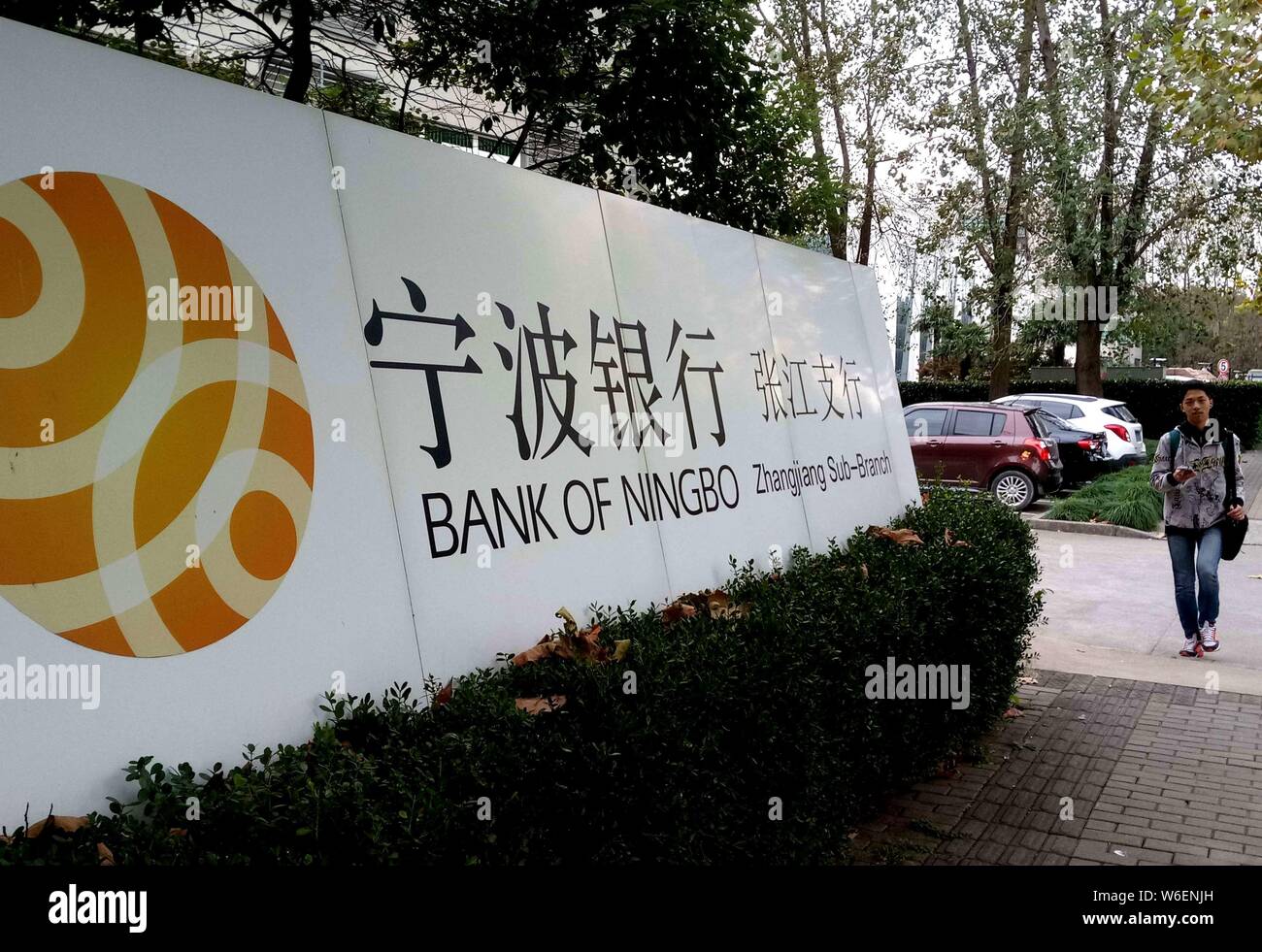
    Bank of Ningbo is poised to maintain its robust market position, bolstered by its established foothold in China’s affluent regions and solid funding stability, according to a recent report by S&P Global Ratings. While the bank’s strengths shine through its geographic focus and moderate capital adequacy, the rapid expansion of its assets serves as a notable counterbalance to these advantages.

    “The bank has consistently outperformed domestic peers in customer retention and profitability, even amidst economic downturns in its operating regions,” the ratings agency affirmed in a press release. This resilience can largely be attributed to Bank of Ningbo’s deep integration into the local ecosystem, enhanced by agile services that benefit from an early embrace of digital technologies.

    One of the bank’s standout features is its emphasis on cross-border settlements and foreign exchange management, which appeals to its primary clientele: private small to medium-sized enterprises engaged in international ventures. Since being recognized as a domestic systemically important bank (D-SIB) in China in 2021, Bank of Ningbo has enjoyed enhanced customer loyalty and reduced funding costs.

    “We anticipate low credit losses and a high non-performing asset (NPA) coverage ratio for Bank of Ningbo over the next two years. The bank’s credit cost averaged 1.13% over the past five years, outperforming the sector average of 1.27%,” S&P noted.

    As of the end of 2024, Bank of Ningbo commands a 0.58% market share nationwide, with impressive figures of 11.46% in Ningbo City and 3.99% across Zhejiang province. These strengths, coupled with an above-average net interest margin (NIM), position the bank favorably for continued profitability. “The bank’s return on average assets stood at 1.02% and NIM at 2.05% between 2020 and 2024, compared to the sector averages of 0.73% and 1.86%,” S&P elaborated.

    In summary, with its unique local insight and smart digital solutions, Bank of Ningbo isn’t just surviving; it’s thriving in the fast-paced world of banking.

    Questions & Answers

    What factors contribute to Bank of Ningbo’s strong market position?
    The bank’s solid presence in high-income regions, coupled with adequate funding and liquidity, allows it to maintain a competitive edge.

    How has the bank’s digital transformation impacted its operations?
    Early adoption of digital systems has enabled the bank to offer agile services, deepening its integration within the local ecosystem and enhancing customer satisfaction.

    What is the bank’s current market share in China?
    As of the end of 2024, Bank of Ningbo holds a 0.58% market share nationwide, with an impressive 11.46% in Ningbo City and 3.99% in Zhejiang province.

  • Dollar Strengthens Against Dong, Signaling Shifts in Currency Market Dynamics

    Dollar Strengthens Against Dong, Signaling Shifts in Currency Market Dynamics

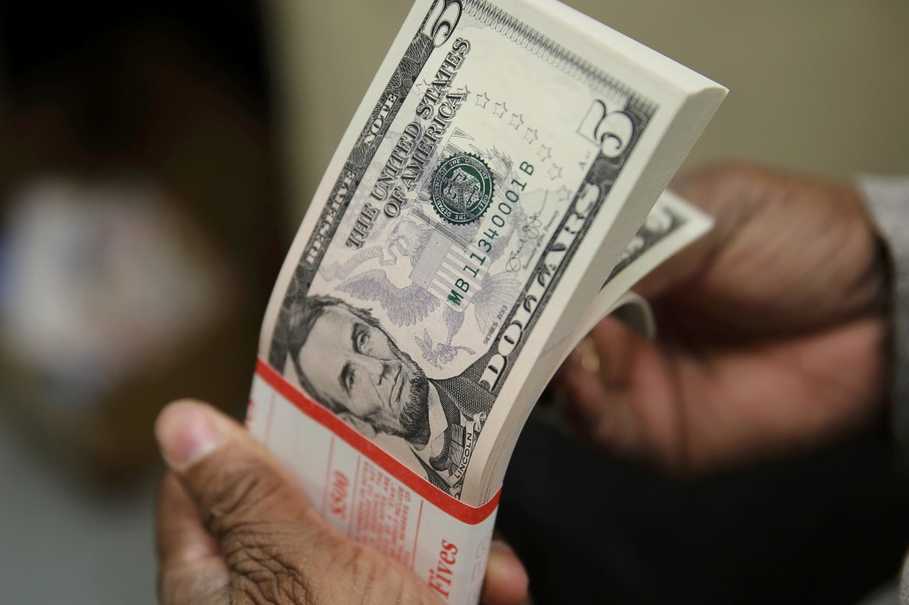
    The U.S. dollar showed signs of strength against the Vietnamese dong as well as other major currencies on Friday morning, reflecting a complex global economic landscape. Vietcombank reported a slight uptick, pricing the dollar at VND26,223, an increase of 0.05% from the previous day. However, in the black market, the dollar traded at approximately VND26,355, indicating a 0.06% dip.

    In the broader context, the State Bank of Vietnam adjusted its reference rate by lowering it 0.06% to VND24,975. This move coincides with rising geopolitical tensions following Israel’s military actions against Iran, prompting a rush back into safe-haven assets such as the dollar, the Japanese yen, and gold. “The geopolitical escalation adds another layer of uncertainty to an already fragile sentiment,” noted Charu Chanana, chief investment strategist at Saxo. He cautioned that escalating tensions could disrupt oil supply routes, perpetuating a risk-averse climate that keeps upward pressure on crude oil prices and safe-haven assets.

    On the global stage, the dollar rose by 0.4%, bringing its index to 98.07 against six other currencies. This was accompanied by gains for other safe-haven currencies—the yen and Swiss franc appreciating 0.3% and 0.4% respectively versus the dollar. In contrast, risk-sensitive currencies faced a decline, with the Australian dollar and New Zealand dollar both slipping by 0.9%. Following a four-day rally, the euro also retraced slightly, trading down 0.3% at $1.155.

    While the dollar index is poised for a weekly decline exceeding 1%, it will mark the largest drop in nearly a month, illustrating the ebbs and flows of currency movement amidst unpredictable geopolitical currents. So, it seems the dollar’s strength might just be a flip side to a risky global situation—who knew that international politics could stir such a financial cocktail?

    Questions & Answers

    What factors contributed to the strengthening of the U.S. dollar?
    The dollar’s strength stems from geopolitical tensions, particularly Israel’s military actions in Iran, which prompted investors to flock to safe-haven currencies.

    How is the Vietnamese dong performing against the U.S. dollar?
    The Vietnamese dong has shown mixed results, with the dollar increasing slightly in Vietcombank while showing a small decrease in the black market.

    What impact does the dollar’s movement have on global currencies?
    The dollar’s movements are affecting other currencies, particularly risk-sensitive ones like the Australian and New Zealand dollars, influencing broader market sentiment and trading strategies.

  • Singapore Banks Face Growing Job Vacancies Amid Corporate Spending Slowdown

    Singapore Banks Face Growing Job Vacancies Amid Corporate Spending Slowdown

    Singapore’s banking landscape is undergoing a significant transformation, as hiring practices take a cautious turn in response to shifting economic realities. According to recruitment expert Ken Ong, managing director at Morgan McKinley’s Singapore operations, banks are slowing down hiring, with a striking statistic emerging: for every two employees who resign, only one position is filled.

    Hiring Trends Shine Light on Industry Concerns

    Ong shared his insights in a recent interview with Asian Banking & Finance, noting that while some specific roles, particularly in wealth management and relationship management, continue to be in demand, the overall trend is undoubtedly towards reduced hiring. “Bulge bracket banks are not bringing in new talent at the same pace,” he explained. “Conversely, second-tier banks, especially Asian ones, are still making selective strategic hires.”

    Cybersecurity and Contract Work Take Center Stage

    Ong emphasized that second-tier banks are actively looking for specialized skills to enhance their cybersecurity measures, cloud investments, and data analytics capabilities. However, this hiring activity is primarily concentrated in contract positions, reflecting a broader economic expectation for stagnation this year. “Organizations are eager to maintain greater flexibility with their cash flow, ensuring they have enough cushion in these uncertain times,” he added.

    Shifting Job Market Dynamics

    In this era of caution, the banking workforce is also evolving. Ong noted a noticeable trend of bankers transitioning into the fintech sector, as well as shifts in job locations, with roles moving from Hong Kong to Singapore. Employers are now leveraging contract work as a means to evaluate potential candidates before offering permanent positions. “Many clients are open to the contracting approach to validate performance,” he shared.

    Career Paths Redefined

    Interestingly, new professionals are embracing contract roles as a unique opportunity to explore different career paths. “Gone are the days when young professionals were expected to specialize early in their careers; they now prefer varied experiences before committing to a niche,” Ong concluded, revealing a refreshing shift in mindset.

    Questions & Answers

    What is the current trend in hiring at Singaporean banks?
    The hiring trend in Singaporean banks is slowing down, with a significant imbalance where for every two resignations, only one position is filled.

    What types of roles are still in demand despite the slowdown?
    Roles such as relationship managers and positions in wealth management continue to be sought after, particularly within second-tier Asian banks.

    How are new hires approaching their career paths differently today?
    New hires are increasingly opting for contract roles that allow them to explore various career paths before settling on a specialization, contrasting with previous expectations of early specialization.

  • Indonesian Banks Poised for Liquidity Boost in Second Half of the Year

    Indonesian Banks Poised for Liquidity Boost in Second Half of the Year

    The retail landscape in Asia is continuously evolving, driven by technology and shifting consumer desires. Leaders in the industry are not just adapting; they are innovating in ways that reshape shopping experiences. The latest trends provide a glimpse into the forward-thinking mindset that characterizes the modern retail scene.

    Emerging Trends in Retail Innovation

    As technology weaves itself into the fabric of retail, businesses are witnessing a significant transformation. From immersive virtual shopping experiences to the integration of AI in customer service, retailers are redefining interactions with their consumers. The push for sustainability is also omnipresent, with companies striving to meet the growing demand for eco-friendly products.

    Consider the surge in pop-up stores—these temporary retail experiences are popping up in unexpected places, creating buzz and intrigue. It’s not just about grabbing attention; it’s about cultivating an interactive and shareable experience that resonates with today’s consumer.

    Digital Engagement: A Critical Component

    In a world where online shopping reigns supreme, enhancing digital touchpoints has become paramount. Brands are investing heavily in their digital presence, employing advanced analytics to personalize shopping experiences and drive engagement. This digital-first approach not only boosts sales but also builds lasting relationships with customers.

    Many retailers are joining the “live shopping” movement, combining entertainment with e-commerce in real-time. Picture this: you’re browsing a store from the comfort of your sofa, and suddenly, a charismatic host appears on your screen, showcasing products while interacting with viewers. It’s shopping meets reality TV—a delightful fusion that keeps customers coming back for more.

    Sustainability Takes Center Stage

    Sustainability is not merely a trend; it’s a necessity. Retailers across Asia are increasingly prioritizing ethical sourcing, waste reduction, and transparent supply chains. An informed consumer base is demanding it, leading brands to adopt sustainable practices that not only appeal to conscience but also enhance their market position.

    Innovative initiatives like clothing recycling programs and reducing plastic packaging are gaining traction. It’s a win-win scenario: brands can enhance their image while appealing to environmentally conscious shoppers.

    As the retail industry continues to adapt, it’s clear that staying relevant means embracing change. The future is bright, not just for those who follow trends but for those who set them.

    Questions & Answers

    What are some current trends shaping the retail sector in Asia?
    Emerging trends include the integration of AI in customer service, the rise of pop-up stores for engaging shopping experiences, and the popularity of live shopping events that blend entertainment with e-commerce.

    How are retailers prioritizing digital engagement?
    Retailers are enhancing their online presence through personalized shopping experiences facilitated by advanced analytics, making it easy for customers to find what they love. Live shopping events have also gained momentum in this digital landscape.

    Why is sustainability important in retail today?
    Sustainability is now a necessity for brands as consumers increasingly demand ethical practices. Innovative initiatives like clothing recycling and reducing plastic use not only resonate with shoppers but also bolster a brand’s market position.

  • Gold Prices Climb as Global Market Rates Surge: What This Means for Investors

    Gold Prices Climb as Global Market Rates Surge: What This Means for Investors

    Gold jewelry displayed in a bustling shop in Ho Chi Minh City reflects vibrant market activity as Vietnam experiences a rise in gold prices.

    On Wednesday morning, the cost of gold surged slightly, driven by an uptick in global bullion rates. The Saigon Jewelry Company reported a 0.25% increase in the price of its gold bars, now standing at VND118.8 million (approximately US$4,564.84) per tael. Similarly, the price for gold rings ticked up by 0.44%, reaching VND114.5 million per tael—a tael equals 37.5 grams, or around 1.2 ounces.

    The global gold market echoed this trend as prices climbed amid mounting uncertainty surrounding the finalization of a U.S.-China trade agreement. Investors, driven by a sense of caution, are turning to gold as a secure investment, especially with pivotal U.S. inflation data on the horizon. Spot gold experienced a modest rise of 0.2%, hitting $3,328.89 an ounce, while U.S. gold futures also gained 0.2%, climbing to $3,349.80.

    Amid recent talks, U.S. and Chinese officials announced a draft framework aimed at revitalizing their trade truce and addressing China’s export limits on rare earth minerals and magnets. U.S. Commerce Secretary Howard Lutnick shared this update following two days of intense negotiations in London. However, uncertainty still looms. As City Index senior analyst Matt Simpson pointed out, though a framework has been established, the final go-ahead from leaders Trump or Xi remains pending, keeping investors on edge. This sense of trepidation is fueling gold’s rise as everyone anticipates the forthcoming inflation data.

    Gold may be shining a bit brighter today, but will it outshine market volatility tomorrow?

    Questions & Answers

    What recent developments have influenced gold prices in Vietnam?
    Gold prices in Vietnam increased as global bullion rates rose amidst uncertainty regarding a U.S.-China trade agreement.

    How have global gold prices behaved recently?
    Spot gold saw a 0.2% rise, reaching $3,328.89 an ounce, while U.S. gold futures climbed to $3,349.80.

    What factors are contributing to current market uncertainty?
    The pending approval of a trade framework by leaders Trump and Xi creates an atmosphere of uncertainty, compelling investors to seek safety in gold as they await crucial inflation data.

  • S&P: Chinese Banks Show Resilience Amid Trade-Related Challenges

    S&P: Chinese Banks Show Resilience Amid Trade-Related Challenges

    China’s banking landscape is currently holding up under the strain of tariff-related challenges, but not all financial institutions are created equal. According to S&P Global Ratings, while the larger megabanks are expected to bolster their financial defenses thanks to government support, regional banks situated in coastal provinces may face a tougher road ahead. This could lead to more pronounced pressures for these smaller institutions as they navigate the economic fallout.

    The Strength of Diversity

    S&P noted that most rated banks benefit from portfolio diversity across the country, which serves as a stabilizing factor in uncertain times. The government’s recent injection plan is set to enhance the loss buffer for megabanks, allowing them to maintain strong capitalization levels even amid economic turbulence.

    Challenges Among Small Enterprises

    However, the bank ratings agency cautioned that their stress scenario paints a sobering picture for inclusive micro and small enterprises (MSEs). These businesses, characterized by tight profit margins and limited financial flexibility, are expected to bear the brunt of economic turbulence with a projected 20% nonperforming asset (NPA) ratio for MSE loans. Furthermore, trade finance may see challenges as well, with the NPA ratio for discounted bills lending estimated at 5%. Although normally low, this figure is worrisome given that defaults in this lending category are usually minimal because the counterparties involved are financial institutions. Yet, the bright side is that a significant portion of discounted bills stems from domestic trade, which remains relatively insulated from the impacts of increased U.S. tariffs. Who knew tariffs could be so picky in their effects?

    Forecast Ahead

    In light of these mixed signals, banks will need to employ strategic methods to shield their assets and support their SMEs effectively. The resilience of China’s banking system will be tested as it adapts to a rapidly changing landscape, balancing pressures from tariffs against the inherent strengths found in diversity and domestic trade.

    Questions & Answers

    What is the expected impact of U.S. tariffs on Chinese banks?
    Most banks are anticipated to withstand tariff-related strains, although megabanks will likely benefit more from government support than regional banks.

    Why are regional banks particularly at risk?
    Regional banks in coastal provinces may experience greater pressure due to their reliance on small enterprises, which face challenges in maintaining profit margins amid economic fluctuations.

    How are nonperforming asset ratios expected to vary?
    S&P predicts a 20% NPA ratio for MSE loans and a 5% ratio for discounted bills lending, underscoring the challenges posed by small enterprises and trade financial dynamics.

  • Commonwealth Bank of Australia Sells Stake in Bank of Hangzhou: A Strategic Shift Unveiled

    Commonwealth Bank of Australia Sells Stake in Bank of Hangzhou: A Strategic Shift Unveiled

    The world of retail is buzzing with excitement as companies navigate the competitive landscape, continually seeking innovative strategies to engage consumers. Businesses are not only looking for traditional advertising avenues; they are harnessing the power of digital platforms and live events to foster connections and showcase their brand narratives.

    The Power of Advertising

    In this dynamic climate, retailers are discovering creative ways to communicate with their target audiences. From vibrant print campaigns to impactful digital marketing strategies, the opportunities are vast. Partnering with expert teams can amplify these efforts, ensuring that the subtleties of brand messaging resonate authentically.

    Engaging Through Events

    Additionally, the retail space is becoming a hub for events—both in-person and online—where brands can engage with consumers in unique ways. Organizing such gatherings enables companies to bring together thought leaders and industry trailblazers. These interactions not only foster collaboration but also pave the way for potential partnerships. It’s a win-win situation, where brands can shine and forge vital connections.

    Celebrating Success

    What’s more, awards programs are emerging as a beacon for recognizing excellence in the retail sector. Companies have the opportunity to not only participate but also sponsor these accolades, reinforcing their commitment to innovation and quality in the industry. It’s the perfect moment to not just be in the spotlight but to dazzle it!

    All of these strategic endeavors are designed to help businesses navigate the consumer landscape more effectively, enhancing their overall market presence. In a world where retail competition is fierce, wouldn’t it be fabulous to outshine the rest?

    Questions & Answers

    What advertising options are available for retailers?
    Retailers can utilize a mix of print and digital advertising, leveraging partnerships with experienced teams to create vibrant campaigns.

    How can live events benefit a retail brand?
    Live events foster connections with consumers and enable brands to engage with industry leaders, creating collaboration opportunities that can enhance business growth.

    What is the significance of awards programs in retail?
    Awards programs provide a platform for brands to showcase their achievements, solidifying their reputation for excellence and innovation within the industry.

  • Dollar Dips Against Dong in Vibrant Black Market Trading

    Dollar Dips Against Dong in Vibrant Black Market Trading

    The U.S. dollar saw a slight decline against the Vietnamese dong in the black market as trading began on Saturday morning. Unofficial exchange points reported the greenback selling for 26,325 VND, marking a 0.02% drop. Meanwhile, major player Vietcombank maintained its rate at 26,220 VND, while the State Bank of Vietnam’s reference rate held steady at 24,992 VND.

    Beyond Vietnam’s shores, the dollar performed quite differently on the global stage. On Friday, it experienced a notable uptick against major currencies, buoyed by encouraging U.S. jobs data from May. This news, while highlighting a slowdown from the previous month, indicated that the Federal Reserve may be in no hurry to cut interest rates. As reported by Reuters, the dollar surged 0.95% against the Japanese yen, reaching 144.87, and climbed 0.26% to 0.822 against the Swiss franc. This trend means that the dollar is on track for a second consecutive weekly gain against these safe-haven currencies, though it still lags behind, down approximately 8% year-to-date against the yen and nearly 9% against the franc.

    In a world where currency rates seem to dance with the latest economic news, it’s almost as if the dollar has a flair for drama!

    Questions & Answers

    What is the current exchange rate of the U.S. dollar against the Vietnamese dong?
    The U.S. dollar is currently being traded at approximately 26,325 VND in the black market.

    How did the dollar perform globally recently?
    Recently, the dollar rose against major currencies based on stronger-than-expected U.S. jobs data, indicating the Federal Reserve might hold off on interest rate cuts.

    What is the trend for the dollar against the yen and franc?
    The dollar is experiencing a second consecutive weekly gain against both the Japanese yen and Swiss franc, although it remains down year-to-date against both currencies.

  • UBS Faces Harsh Realities in Challenging Financial Landscape

    UBS Faces Harsh Realities in Challenging Financial Landscape

    Today marks a pivotal moment for UBS as the Swiss Federal Council is set to unveil its stance on capital requirements for systemically important banks. For UBS, the outlook is likely grim, but this narrative is far from over.

    Capital Requirements: A Much-Needed Clarification

    The spotlight today is on Finance Minister Karin Keller-Sutter, who is anticipated to clarify how much capital Switzerland’s major banks will need to hold. The proposed regulation primarily targets UBS, which has transformed into the nation’s largest bank after integrating Credit Suisse. With total assets amounting to 1.7 trillion francs, UBS’s balance sheet now towers over Switzerland’s annual GDP, representing a significant risk in times of crisis.

    UBS Group CEO Sergio Ermotti has been vocal about the importance of the bank’s business model over its sheer size. The lingering question, however, is whether this message has struck a chord in Bern, and doubts linger.

    What’s on the Horizon?

    Most analysts predict that the Federal Council will recommend tougher capital requirements for UBS. The expectation is that the bank will need to bolster its foreign subsidiaries with 100 percent capital, up from the current 60 percent. This move aligns with suggestions from the Swiss Financial Market Supervisory Authority (Finma) and the Swiss National Bank (SNB).

    Reports hinting that Finance Minister Keller-Sutter might appease lobbying efforts from UBS’s top brass are being dismissed as mere speculation, grounded in information available prior to the bank stability report presented back on April 10, 2024.

    Implications for UBS

    The prospect of stricter regulations presents a sobering outlook for UBS’s leadership, who have invested significant effort over the past year and a half to avert such a scenario. Heightened capital requirements hinder the bank’s ambition to rival U.S. banking titans on a global scale. UBS believes the stricter rules could inflate its Common Equity Tier 1 (CET1) ratio, a key indicator of capital health, to between 17 and 19 percent. For context, American banks like Morgan Stanley trail with a CET1 ratio of 13.5 percent.

    These proposed changes are not likely to sit well with UBS’s shareholders, as they could exert downward pressure on the bank’s stock. A crucial factor will be the timeline provided for UBS to boost its capital ratio; periods shorter than ten years are generally viewed unfavorably by financial analysts. Moreover, these higher requirements could jeopardize future share buyback initiatives, with UBS previously aiming to surpass a $5.6 billion buyback volume by 2026. Yet, bank officials have asserted that such programs would only proceed if the CET1 ratio remains at 14 percent and significant changes to capital requirements do not arise immediately.

    UBS’s Potential Moves

    Media speculations suggest that UBS may consider relocating its headquarters should it be compelled to hold more capital. Nonetheless, UBS Executive Board member Markus Ronner dismissed these rumors as baseless during a recent appearance on Swiss TV’s Arena program. Yet, it’s conceivable that higher capital regulations could render UBS a tempting acquisition target, especially if its stock price declines significantly.

    Another potential strategy could see UBS adopt the so-called Holcim principle, perhaps spinning off riskier operations and relocating them abroad. One plausible path might involve separating its investment banking division and migrating it to London, a concept recalling the pre-2008 discussions around the Glass-Steagall Act that once mandated such divisions in the U.S.

    The Road Ahead

    The Federal Council’s proposals will transition into a consultation phase, with a final proposal expected by year’s end. Subsequently, it will be in the hands of the National Council and the Council of States. Gauging the sentiment in Parliament remains challenging at this stage, and a public referendum could also be on the table. As it stands, clarity on this matter remains elusive and will likely take considerable time to emerge.

    Questions & Answers

    What is the expected change in UBS’s capital requirements?
    The Federal Council is likely to require UBS to back its foreign subsidiaries with 100 percent capital, up from the current 60 percent.

    How might the capital requirements impact UBS’s ambitions?
    Stricter regulations could hinder UBS’s competitiveness against U.S. banks and may pressure its stock, impacting potential share buyback programs.

    Is relocation a serious consideration for UBS?
    While there are speculations about relocating its headquarters, UBS has dismissed such plans, highlighting that no concrete decisions have been made.

  • Private Banks Surge as Client Assets Shatter Milestone Barrier

    Private Banks Surge as Client Assets Shatter Milestone Barrier

    Last year proved to be a remarkable period for Swiss private banks, as they reveled in impressive results bolstered by favorable financial markets and substantial net new money inflows. This surge in assets under management (AuM) occurred amid a backdrop of shrinking institutions.

    Double-Digit Gains Across the Board

    A recent study by consultancy PwC reveals that in 2024, all segments of Swiss and Liechtenstein private banks enjoyed double-digit growth in their assets under management. PwC’s analysis covered 74 banks, categorizing them into small (AuM 50 billion francs).

    Market Optimism Fuels Growth

    So what fueled this growth? It was a combination of robust markets and an uptick in investor confidence, particularly in the United States. All banks reaped the benefits of favorable market shifts, with several even hitting record highs in client assets. This wave of market confidence also spurred strong net new money inflows.

    Large Private Banks Struggle to Keep Up

    In a notable twist, while large private banks collectively surpassed the 3 trillion francs mark with a total of 3,025 billion francs, their contribution to overall net new money growth was relatively tepid at just 2.2 percent. In contrast, their smaller and mid-sized counterparts showcased impressive inflow rates of 4.5 percent and 4.9 percent, respectively.

    PwC attributes the standout performance of specific banks to their consistent strategic execution, successful client transitions from major competitors, sharp business positioning, and targeted geographical strategies. However, PwC cautions that early market turbulence in 2025 may cloud these promising figures.

    Net New Money Inflows Projected to Slow

    Looking ahead, while private banks are likely to continue attracting net new money, PwC anticipates a moderation in inflow rates due to intensifying competition. 2024 marked a pivotal moment as interest income, which surged in 2023 due to rising interest rates, began to decline by March 2024, putting pressure on margins.

    The traditionally strong revenue driver for private banks—fee- and commission-based income (Net Fee and Commission Income, NFCI)—has returned to the forefront. NFCI margins on assets held steady, and overall NFCI saw an increase of 7-9 percent across all peer groups, helping to compensate for lower interest income.

    Small Banks Feel Interest Rate Pinch

    An average look over three years reveals that client deposits constituted about 16 percent of AuM at small banks, 11 percent at mid-sized banks, and 10 percent at large ones. This dependency on interest income is underscored by loan exposure, with loans typically representing 8 percent of volumes at small and mid-sized banks and 5 percent at large institutions.

    Facing Margin Pressures

    Since 2022, NFCI margins have flattened, reflecting heightened price sensitivity among clients and fierce competition. The industry also faces structural challenges: increased IT expenditures, shifting client expectations, ongoing digitalization, and new regulatory demands are putting traditional business models to the test and driving up operational costs.

    Embracing Consolidation

    The landscape of wealth management banks has shrunk dramatically, dropping from over 150 to fewer than 90 in recent years, with expectations that it may soon dip below 60. Yet, this consolidation isn’t all doom and gloom. PwC suggests that “fewer but stronger banks will shape the market,” as those that remain are proving their adaptability in this ever-evolving environment.

    Questions & Answers

    Which sectors of Swiss private banks saw the most growth in assets last year? All customer segments, including small, mid-sized, and large banks, recorded double-digit growth in assets under management.

    What was a key factor driving net new money inflows in 2024? Investor optimism, particularly in the U.S., alongside positive market developments, greatly contributed to net new money inflows.

    What challenges do private banks face heading into 2025? Intensifying competition and declining interest margins pose significant challenges, with higher operational costs further complicating traditional business models.

  • Cathay United Bank’s HCMC Branch Champions Sustainability with Insightful ESG Seminar

    Cathay United Bank’s HCMC Branch Champions Sustainability with Insightful ESG Seminar

    Celebrating 20 years of operations in Vietnam, the Ho Chi Minh City branch of Cathay United Bank (CUBHCM) hosted a dynamic ESG seminar titled “ESG: Challenges and Practices for Sustainable Development.” This event reflected the bank’s enduring commitment to innovation and sustainability. In a world where ESG considerations are reshaping business strategies, the seminar provided a crucial platform for industry leaders to delve into emerging trends, regulatory updates, and actionable insights for ESG implementation.

    As a subsidiary of Cathay Financial Holdings, a prominent Asian financial institution, CUB has consistently pushed the boundaries of traditional banking. Notably, in 2015, it became the first Taiwanese bank to adopt the Equator Principles, pledging to uphold internationally recognized environmental and social risk management standards. This pioneering stance has established CUB as a reliable partner for businesses venturing into the realm of sustainability.

    Michael Wen, Executive Vice President of Cathay United Bank, stressed the bank’s pivotal role in guiding clients through the complex ESG landscape. “Vietnam’s rapid economic growth presents both opportunities and sustainability challenges,” he remarked. “Collaboration among businesses, financial institutions, and policymakers is essential for driving meaningful, long-term change.”

    During the seminar, Nguyen Hoang Nam, ESG Leader at PwC Vietnam, highlighted the limited ESG awareness among local businesses, noting that nearly 39% of Vietnamese SMEs have never even heard of the concept. “Over 60% are unaware of the relevant regulations,” Nam explained, adding that financial constraints, vague legal frameworks, and limited capacity are significant barriers to progress.

    He advised businesses to invest in internal ESG education, develop robust data reporting systems, partner with green finance institutions, and engage with industry associations to implement best practices.

    Practical models and best practices

    Despite the hurdles, Vietnam is witnessing a notable surge in ESG implementation. The government has rolled out the Green Growth Strategy for 2021–2030, marking a national commitment to sustainable economic development. The forum also spotlighted enterprises excelling in ESG adoption, including IDICO Industrial Park, Schneider Electric, Ares International Certification, Dan-D Foods, and Micro Electricity.

    IDICO Industrial Park has embraced rooftop solar systems and wastewater reuse in its factories while investing in social housing to attract skilled labor. Schneider Electric is pushing toward net-zero emissions by 2050, focusing on innovations in clean electricity and grid decarbonization to shrink its carbon footprint.

    Partnering for sustainability

    By 2024, Cathay United Bank has garnered nearly 90 prestigious awards for excellence in asset management, digital innovation, and ESG practices, solidifying its reputation as a forward-thinking financial institution. Recently, it ranked in the top 20% of the Financial Supervisory Commission’s sustainable finance ratings.

    In alignment with its vision of Vietnam as a “second home,” CUB has vigorously supported ESG initiatives nationwide. The bank partnered with the Asian Development Bank to finance Vietnam’s largest onshore wind project in Ninh Thuan Province, boasting a total investment of US$107 million.

    Additionally, CUBHCM has unveiled a green CAPEX loan program aimed at funding environmentally friendly development projects. Notably, the first-phase factories financed through this initiative were the first in Northern Vietnam to achieve the LEED international green building certification.

    Lu Wei Chieh, General Manager of CUBHCM, emphasized that the seminar tackled real ESG challenges and provided actionable solutions. “Whether discussing energy transitions, strategic planning, or firsthand business experiences, the message was clear: collaboration is key to long-term change.” This seminar marked the first event in CUBHCM’s 20th-anniversary series, underscoring the bank’s commitment to connecting people, ideas, and solutions for a brighter future. Embracing the theme “Better Together,” CUB highlights that ESG is a collective journey, demanding spirited partnership from businesses, financiers, and communities to foster sustainable progress.

    Questions & Answers

    What are some challenges facing ESG implementation in Vietnam?
    Many local businesses lack awareness of ESG principles and relevant regulations, with significant barriers including financial constraints and vague legal frameworks.

    How is CUB supporting sustainability efforts in Vietnam?
    Cathay United Bank is actively promoting ESG practices and partnering with organizations like the Asian Development Bank to finance large renewable projects, as well as launching green loan programs to support eco-friendly investments.

    What was the main takeaway from the ESG seminar?
    The seminar highlighted the importance of collaboration among businesses, financial institutions, and policymakers to navigate the ESG landscape effectively and drive long-term change in Vietnam’s sustainability journey.