
Tag: Finance

  • UBS Revitalizes Global Wealth Management Division with Strategic Reshuffle

    UBS Revitalizes Global Wealth Management Division with Strategic Reshuffle

    Swiss banking giant UBS is set to unveil a transformative change within its wealth management division, entrusting a former Credit Suisse executive with leading a newly established unit. This exciting development was revealed through an internal memo shared on Tuesday, jointly issued by the co-heads of Global Wealth Management (GWM), Iqbal Khan and Rob Karofsky. A spokesperson for the bank confirmed the organizational shift.

    Introducing Global Connectivity

    Beginning July 1, 2025, Benjamin Cavalli, who currently oversees Strategic Clients, will take charge of the newly formed unit titled “Strategic Clients and Global Connectivity.” This move not only positions Cavalli as a pivotal player in strengthening client relations but also ensures he continues to report directly to Khan and Karofsky as a key member of the GWM Management Team. Additionally, he will maintain oversight over the GWM Executive Chairs and the Global Financial Sponsors Team.

    His mandate is clear: to elevate global connectivity for every client, fostering collaboration across various business areas and functions—a mission that echoes the bank’s commitment to client-centric services.

    A Familiar Face from APAC

    Prior to the merger of Credit Suisse with UBS, Cavalli held the prestigious role of Asia-Pacific head of private banking at his former employer. His extensive experience from this vantage point is anticipated to drive growth and innovation in UBS’s offerings.

    Strengthening Client Services

    In conjunction with these changes, the UHNW Solutions Group, which now resides under Strategic Clients, will transition to GWM Solutions. Notably, the Strategic Client Coverage and Next Generation Solutions teams will be incorporated into Cavalli’s new unit, integrating their expertise to enhance service delivery.

    With this reshuffle, UBS aims to bolster its ultra-high-net-worth offerings and promote improved regional collaboration, ultimately benefiting its clientele. More specifics on the transition are expected to be announced soon, leaving many optimistic about what’s to come.

    Questions & Answers

    What is the primary focus of the newly formed unit at UBS?
    The new unit, “Strategic Clients and Global Connectivity,” will focus on enhancing global connectivity for clients and improving collaboration across various business areas within UBS.

    Who will lead the new unit at UBS?
    Benjamin Cavalli, currently the Head of Strategic Clients, will take the lead on July 1, 2025.

    What changes will occur to the UHNW Solutions Group?
    The UHNW Solutions Group will be relocated to GWM Solutions, although the Strategic Client Coverage and Next Generation Solutions teams will join Cavalli’s new unit instead.
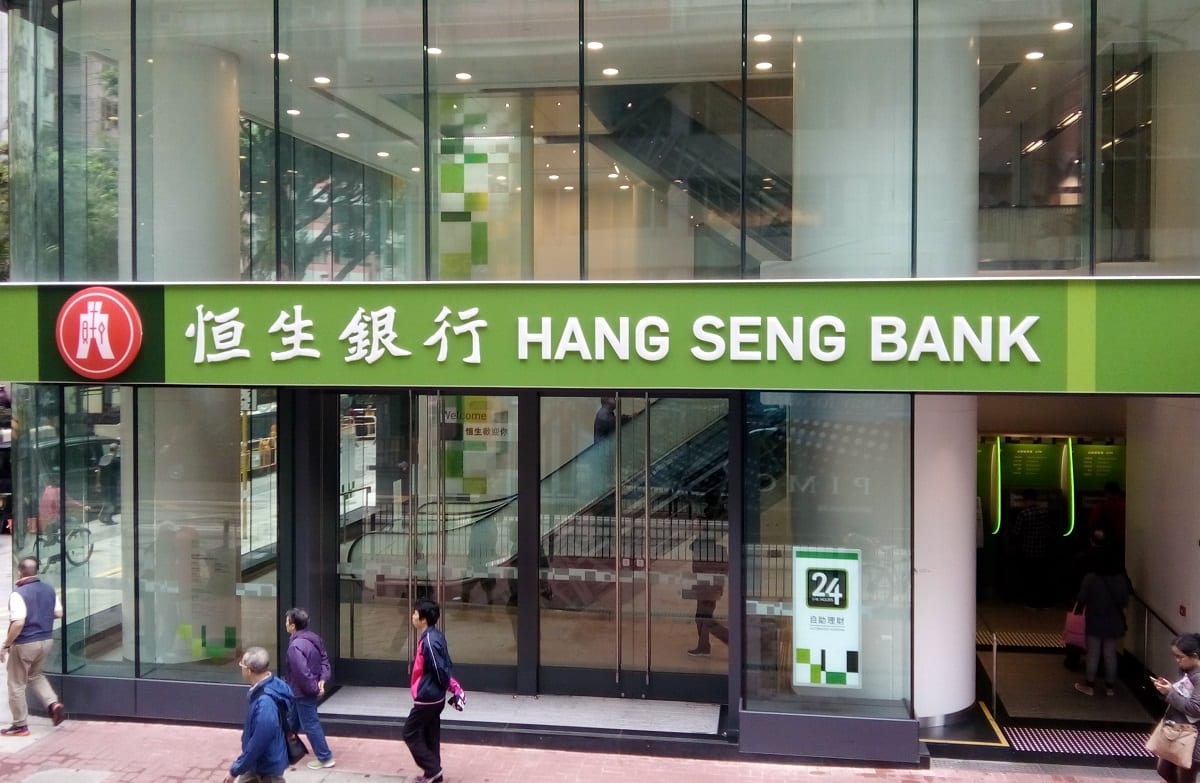

  • Hang Seng Bank Axes Jobs in Restructuring

    Hang Seng Bank Axes Jobs in Restructuring

    Hang Seng, a Hong Kong-based lender backed by HSBC, is preparing to make adjustments to its workforce as part of a wider restructuring plan and a move to incorporate more technology into its operations.

    Workforce Reduction

    The company has announced that it will be reducing its core staff by approximately 1 percent in an attempt to streamline roles and improve efficiency. The exact number of jobs at risk has not been divulged by the bank, but it has confirmed that technology will play a central role in enhancing the quality of service and operational efficiency.

    Employees affected by these changes are encouraged to apply for new positions that have been created as a result of the restructuring process.

    Previous Speculation

    This announcement comes in the wake of reports suggesting that Hang Seng was planning to eliminate between 10 and 50 percent of its workforce in certain departments.

    Ownership and Employment

    HSBC maintains a 63 percent stake in Hang Seng, which boasts a workforce of around 8,300 employees. Most of these individuals are based in Hong Kong and mainland China, as of the close of 2024.

    Questions & Answers

    What is the primary reason for Hang Seng’s restructuring?
    The main purpose of the restructuring is to streamline roles and improve operational efficiency within the company.

    How will technology play a role in Hang Seng’s restructuring?
    Technology will be used to enhance the quality of service and operational efficiency in the bank.

    How many employees does Hang Seng currently employ and where are they based?
    Hang Seng has around 8,300 employees, the majority of whom are located in Hong Kong and mainland China.

  • Switzerland’s Wealth Management: Key Insights from U.S. Strategies Revealed

    Switzerland’s Wealth Management: Key Insights from U.S. Strategies Revealed

    A generational shift is on the horizon for Swiss wealth managers, with the U.S. offering valuable insights into how to navigate this evolving landscape. The independent wealth management industry in the U.S. has seen substantial growth over the past few decades, particularly the Registered Investment Advisors (RIA) sector, which has transformed from small boutique firms into scalable platforms. Despite structural differences between the U.S. and Switzerland, opportunities for growth abound in the Swiss market.

    Two Systems with a Shared Mission

    Swiss independent wealth managers (IWMs) often have their roots in private banking, whereas RIAs in the U.S. stem from traditional brokerage firms, or wirehouses. Yet, both aim for a common goal: providing clients with an independent, long-term investment strategy free from corporate biases.

    Both markets are relatively young, with their professionalization beginning around three decades ago. Today, they face similar challenges: sustainable growth, regulatory pressure, client retention through generations, and the pursuit of structured succession planning.

    The U.S. as a Role Model for Entrepreneurial Spirit

    A notable distinction lies in client acquisition strategies. “American advisors had to cultivate their client relationships from scratch, whereas Swiss advisors often began as assistants, gradually inheriting their clients,” explains Fernand Schoppig, CEO of FS Associates, an international consulting firm. This entrepreneurial foundation has significantly influenced the U.S. industry.

    Many Swiss advisors have moved from major banks to independence, which has led to a dependence on existing networks. As a result, American RIAs are typically more marketing-savvy, tech-focused, and inclined to approach innovative techniques—qualities that facilitate scalability. Additionally, they often specialize by targeting specific groups, including entrepreneurial families, healthcare professionals, athletes, or tech innovators.

    Rapid Growth

    Both the U.S. and Switzerland have witnessed swift sector growth, with the U.S. seeing the number of RIAs managing over $1 billion in assets more than doubling in the last seven years. “The rapid expansion of top RIAs is primarily driven by acquisitions funded by private equity. While this strategy is still rare in Switzerland, increasing consolidation suggests that private equity may soon become a player here too, potentially leading to a U.S.-style evolution,” notes Brad Bueermann, CEO of FP Transitions, a firm that aids wealth managers in business valuation and succession.

    Fernand Schoppig (left) and Brad Bueermann highlight the ongoing changes in wealth management.

    Spotlight on Succession Planning

    Succession planning remains a significant challenge in both markets. The U.S. has seen various models emerge, from management buyouts to sales to strategic investors or private equity firms. Switzerland, still at the beginning of this journey, is witnessing a gradual increase in transactions.

    <p“The main challenge remains striking a balance between maintaining client relationships and creating value for owners. This often leads to questions about sourcing capital for internal solutions or finding buyers who uphold the company’s ethos and client connections,” Schoppig adds.

    A Culture of Acquisitions Still Lacking

    Though the Swiss market is smaller and more established, it mirrors the U.S. demographic patterns from around a decade ago, including a significant number of IWM owners over 60. While there isn’t yet a strong culture of acquisitions in Switzerland, the impending wave of retirements could catalyze change,” Bueermann remarks.

    Additionally, the rise of platform providers that consolidate several wealth managers could lead to these entities becoming active acquirers in the future.

    Questions & Answers

    What can Swiss wealth managers learn from their U.S. counterparts? Swiss wealth managers can look to the U.S. for guidance on scaling operations, adopting entrepreneurial spirit, and improving client acquisition strategies.

    How are succession planning challenges similar in both markets? Both Swiss and U.S. wealth managers struggle with balancing continuity in client relationships while creating tangible value for the business owners during succession.

    Is there potential for private equity investment in Switzerland’s wealth management sector? Yes, increasing consolidation among Swiss wealth managers indicates that private equity could soon play a role similar to that seen in the U.S., heralding potential industry shifts.

  • HSBC Executive Takes Exciting New Role on SIX Executive Board

    HSBC Executive Takes Exciting New Role on SIX Executive Board

    The Swiss financial market infrastructure operator, SIX, is moving swiftly to bolster its executive team after a series of notable departures. Recently, the company unveiled new leadership appointments, signaling a decisive strategy under the direction of CEO Bjørn Sibbern, who has been steering SIX since November 2024.

    Leadership Transition at SIX

    SIX announced that Tomas Kindler has been appointed as the permanent Head of Exchanges and a Member of the Executive Board, effective June 1. Kindler stepped confidently into this role after serving in an interim capacity since January 1, 2025, following Sibbern’s ascendancy to Group CEO. A familiar face at SIX since 2011, Kindler brings a wealth of experience, having previously managed operations and change management at the exchanges.

    A New Face from Spain

    In an interesting twist, Rafael Moral Santiago will also join the executive team as the new Head of Securities Services and Member of the Executive Board, effective June 1. He succeeds José Manuel Ortiz, who temporarily led the unit but will now return to his role overseeing Clearing and Repo Operations. Santiago’s appointment keeps the “Spanish connection” in play following Ortiz’s earlier leadership transition from Javier Hernani, the former CEO of the Spanish stock exchange BME, which SIX acquired.

    A Wealth of Experience

    Before joining SIX, Santiago served as the Global Head of Country Management Securities Services at HSBC in Hong Kong, where he managed the bank’s regional strategy and securities services across markets. His background also includes significant leadership roles at HSBC in both Hong Kong and London, complemented by a decade at Deutsche Bank.

    Legal Expertise Added

    Also noteworthy is the elevation of Fabienne-Anne Rehulka to a full member of the Executive Board as of April 1, 2025. Having served as SIX’s General Counsel since June 2024, Rehulka brings over 20 years of experience in legal and regulatory affairs, further solidifying the leadership team’s expertise.

    A Strong and Balanced Team

    Commenting on these appointments, CEO Bjørn Sibbern expressed confidence in the new lineup, stating, “With today’s appointments, we now have a strong and balanced executive board to drive SIX forward.” With these fresh faces, SIX is not only enhancing its leadership depth but also ensuring there are no significant vacancies at the top, poised to navigate the complexities of the financial landscape.

    As SIX charges ahead, one has to wonder if their new team will spark a renaissance in the Swiss market. With a mix of internal and external talents, the future looks intriguing!

    Questions & Answers

    Who has been appointed as the Head of Exchanges at SIX?
    Tomas Kindler will take on the role as Head of Exchanges and a member of the Executive Board, effective June 1.

    What previous roles did Santiago hold before joining SIX?
    Rafael Moral Santiago was the Global Head of Country Management Securities Services at HSBC in Hong Kong, in addition to various leadership positions at HSBC and Deutsche Bank.

    What experience does Fabienne-Anne Rehulka bring to the Executive Board?
    Rehulka brings over 20 years of legal and regulatory expertise to the Executive Board, having served as General Counsel of SIX since June 2024.

  • Vanguard Identifies Significant Transformation in Switzerland’s Financial Landscape

    Vanguard Identifies Significant Transformation in Switzerland’s Financial Landscape

    The US-based asset manager Vanguard is increasingly making waves in the Swiss investment landscape, particularly as it prepares to mark an impressive milestone in 2025. The financial ecosystem is witnessing a significant shift, especially when it comes to investment strategies. Once-upon-a-time, the balanced 60/40 portfolio—where three-fifths of allocations sit in equities and two-fifths in bonds—was the undisputed king of asset allocation. Nowadays, however, that formula is seeing a dramatic makeover: welcome to the new age of 40/60.

    Staying Disciplined Amidst Market Turbulence

    In a world where market realities are anything but stable, maintaining discipline is key. Jonathan Decurtins, Senior Sales Executive for Switzerland and Liechtenstein at Vanguard, emphasizes this sentiment, stating, “As an investor, it’s wise not to be guided by emotions.” Indeed, in the financial realm, sometimes less truly does mean more.

    The Rising Importance of Fixed Income

    This disciplined approach has underpinned Vanguard’s strategy, demonstrated by its careful two-year research phase before launching three new Exchange Traded Funds (ETFs). “Market reactions have proven us right,” Decurtins notes, reflecting the firm’s foresight. With the demand for fixed income products on the rise, Vanguard finds itself in a strong position, standing tall as one of the largest active managers in this sector.

    A Celebratory Year

    Decurtins has also observed a remarkable uptick in the adoption of ETF savings plans throughout Switzerland over the past year. “ETFs have now firmly established themselves in the Swiss market. Interest from retail banks is clearly rising,” he explains. While Germany has long embraced ETFs for retirement savings, Switzerland’s traditional banking ethos has created a slower adoption curve. “Switzerland is a traditional banking market defined by high service quality. That, along with the third pillar of the pension system, slowed things down,” Decurtins elaborates. Nonetheless, Vanguard’s ongoing success is reason enough for jubilation this year as they celebrate their 50th anniversary. Who knew half a century could fly by so quickly?

    Questions & Answers

    What significant change has Vanguard acknowledged in investment strategies?
    The often-utilized 60/40 portfolio split is evolving to a more conservative 40/60 due to changing interest rates.

    How has Vanguard performed in Switzerland recently?
    Vanguard has reported strong growth, particularly in ETF savings plans, with rising interest from retail banks indicating robust market acceptance.

    What milestone is Vanguard celebrating this year?
    Vanguard is marking its 50th anniversary in 2025, a testament to its enduring presence and influence in the financial sector.

  • VN-Index Hits New Heights with Third Consecutive Day of Gains

    Vietnam’s stock market is buzzing, with the VN-Index soaring by 1.26% to an impressive 1,309.73 points on Wednesday, marking the third consecutive session of growth. This robust performance follows a modest dip of 16.3 points, coming off a gain of 10 points the previous day. Interestingly, the index has experienced a surge in seven out of the eight trading days this month alone—quite the streak!

    Trading Activity Hits New Highs

    On the Ho Chi Minh Stock Exchange, trading volume witnessed a 10% increase, reaching VND 27.33 trillion (approximately US$1.05 billion), the highest level seen in three weeks. The VN-30 basket, which tracks the 30 largest listed companies, showcased a strong showing with 22 of its members recording gains. Among the standout performers, VPB, affiliated with private lender VPBank, remarkably hit its ceiling price.

    Tech giant FPT Corporation also made waves, with its stock climbing by 5.69%. The state-owned lender BIDV wasn’t far behind, rising by 4.61%. Yet, not all was rosy, as seven blue-chip stocks faced a decline. Vincom Retail’s VRE dropped by 2.76%, while property heavyweight Vinhomes, represented by VHM, ended 2.58% lower.

    Foreign Investment Takes Center Stage

    In a stroke of positivity, foreign investors emerged as net buyers, purchasing a net amount of VND 2.26 trillion, predominantly focusing on FPT and VPB stocks. Over on the Hanoi Stock Exchange, the HNX-Index, which features mid and small-cap stocks, edged up by 0.23%. Additionally, the UPCoM-Index for unlisted public companies increased by 0.24%.

    As the market continues to make significant gains, one can’t help but wonder: is it dancing with joy or just warming up for a more exhilarating performance?

    Questions & Answers

    What influenced the VN-Index growth recently?
    An increase in trading volume, particularly in large-cap stocks like VPBank and FPT, has significantly boosted the VN-Index.

    How have foreign investors impacted the market?
    Foreign investors have turned net buyers, acquiring a significant amount of shares, especially in top-performing companies like FPT and VPB.

    What trends are emerging in Vietnam’s stock market?
    The trend shows a strong recovery with consistent gains, indicating positive sentiment and increasing investor confidence in the market.

  • UBS Launches Exciting New Partnership in Private Credit Sector

    UBS Launches Exciting New Partnership in Private Credit Sector

    On Tuesday, UBS announced a dynamic new partnership with US-based General Atlantic, aimed at transforming the private credit landscape. This strategic collaboration is set to provide clients with enhanced access to direct financing and innovative funding solutions, marking a significant step in building a robust private credit offering for both institutions.

    Strengthening a Collaborative Foundation

    This new agreement formalizes and expands upon an existing relationship, uniting two financial powerhouses to create a compelling market presence in the private credit space. Coupling UBS’s renowned advisory and investment banking capabilities with General Atlantic’s extensive network and established expertise as a private lender sets the stage for a market-leading proposition in private credit services.

    Pioneering a Market-Leading Private-Credit Platform

    The partnership is strategically positioned to develop a top-tier private credit platform, leveraging unique growth opportunities for clients. The collaboration will bolster General Atlantic’s Credit platform, enhancing its issuance capabilities while simultaneously opening new avenues for UBS’s Global Banking capital-markets franchise.

    With a focus on expanding services, the GA Credit team will oversee investment initiatives and guide a specialized private-credit division. This team will incorporate seasoned professionals from UBS Asset Management’s Credit Investments Group (CIG), emphasizing secured direct loans to enterprises operating in North America and Western Europe.

    Anticipating Consumer and Market Impacts

    As this collaboration unfolds, it has the potential to reshape the retail sector by providing companies with improved access to necessary funding, thereby fostering innovation and growth. The enhanced private credit options could lead to increased investment in projects that drive consumer engagement and satisfaction.

    Questions & Answers

    1. What is the purpose of the UBS and General Atlantic partnership? The partnership aims to enhance access to direct financing and innovative funding solutions, creating a strong private credit offering for clients.
    2. How will the collaboration benefit clients? Clients can expect improved access to secured direct loans and innovative financing options from a market-leading private credit platform.
    3. Which regions will the new private credit focus on? The private credit services will primarily target companies in North America and Western Europe. This strategic alliance not only strengthens the foundations of private credit services but also signals an encouraging shift for investment opportunities within the retail sector, indicating a robust response to evolving consumer trends.

  • Surge in Suspicious Activity Reports Signals Growing Retail Money Laundering Concerns

    Surge in Suspicious Activity Reports Signals Growing Retail Money Laundering Concerns

    Surge in Suspicious Activity Reports Signals Ongoing Money Laundering Challenges in Switzerland

    The landscape of financial crime prevention in Switzerland continues to evolve, as the Swiss Money Laundering Report Office (MROS) reported a significant rise in suspicious activity reports (SARs) related to money laundering last year. This increase, reflecting robust national and international cooperation, underscores the ongoing efforts to tackle financial crime.

    Noteworthy Increase in Reports

    In its latest annual report, MROS revealed that a staggering 15,141 SARs were submitted, marking a 28 percent increase from the previous year. This trend aligns with long-term growth patterns, especially following a remarkable 56 percent surge in 2022.

    Banks continue to be the primary source of these reports, providing 92.3 percent of all SARs. This statistic is consistent with the long-term average of 90.1 percent for the banking sector from 2015 to 2024.

    Escalation in Overall Reporting Activity

    The adoption of the goAML information system has markedly enhanced reporting capabilities. In 2024 alone, 27,901 entries were logged, reflecting a nearly 30 percent increase from the prior year. This increase has resulted in a threefold rise in reporting volume since the system’s inception in 2020.

    On average, MROS processes around 107 reports daily, which comprise SARs, responses from financial intermediaries, and various international requests, among others.

    Increased Referrals to Law Enforcement

    MROS’s activities have also translated into a 20 percent increase in referrals to law enforcement authorities, which now stands at 1,043. These referrals are bolstered by analytical reports providing crucial insights, including data from both domestic and international sources.

    Notably, SARs accounted for about 55 percent of all entries last year, a decrease from over 90 percent a decade ago. This shift highlights the growing complexity of financial crime and the need for broader investigative collaboration.

    Enhancing Public-Private Partnerships

    The official launch of the Swiss Financial Intelligence Public Private Partnership (Swiss FIPPP) in November 2024 represents a significant advancement in combating financial crime. This initiative unites twelve financial institutions and MROS, aiming to elevate Switzerland’s financial intelligence capabilities to that of other leading global finance hubs.

    Furthermore, MROS is placing increasing emphasis on crypto and virtual assets, areas that are rapidly evolving and require robust regulatory frameworks. The agency hosted a specialized symposium in October 2024 to facilitate dialogue between regulators and industry leaders on these pressing issues.

    Implications for the Retail Sector and Consumers

    The rising tide of suspicious activity reports highlights the growing complexity of financial transactions, particularly within the retail sector. As consumer trends shift and digital transactions become more prevalent, the necessity for enhanced regulatory frameworks and collaboration will become even more critical. This ongoing scrutiny not only signifies a commitment to transparency but also reflects an adaptive retail environment responding to emerging challenges in consumer behavior and financial integrity.

  • UBS Highlights Global Crisis as Potential Threat to Retail Sales Growth

    UBS Highlights Global Crisis as Potential Threat to Retail Sales Growth

    Swiss Banking Giant Highlights Potential for Global Crisis

    In its latest earnings report for the first quarter, UBS has underscored the growing uncertainties in the macroeconomic landscape, particularly as tensions escalate in the ongoing trade war. The bank has re-evaluated its economic scenarios, introducing a new global crisis scenario to better account for potential risks.

    Revised Economic Scenarios Reflect Rising Geopolitical Tensions

    UBS’s decision to modify its expected credit loss (ECL) models comes amid significant political and economic turbulence. “As of March 31, 2025, the geopolitical and macroeconomic environment appeared increasingly complex and uncertain,” the bank noted, emphasizing the potential impact of future tariff implementations by the U.S. government.

    With tariffs introduced in April 2025, UBS conducted its assessment based on prevailing uncertainties at the time of reporting, indicating a meticulous approach in navigating these challenges.

    New Risk Assessments Signal Caution

    The updated forecasts reflect a notable shift in UBS’s outlook. The bank has replaced its previous “stagflationary geopolitical crisis scenario” with a more broad-ranging “global crisis scenario,” now pegged at a 15% likelihood. This scenario accounts for risks such as sovereign defaults and potential strain in emerging markets, while also introducing a “mild stagflation crisis scenario” at a 30% probability.

    In contrast, the bank has scaled back the likelihood of stable economic conditions, reducing its baseline scenario to a 50% chance from 60% previously, highlighting a cautious stance as global conditions evolve.

    Ongoing Market Monitoring

    UBS is committed to closely tracking the ever-changing market landscape and has indicated that it may revisit these economic narratives and weightings in the second quarter of 2025 to ensure they remain relevant amid potential developments.

    Impact on Retail Sector and Consumer Trends

    UBS’s revised outlook is likely to reverberate through the retail sector, where businesses are already adapting to shifting consumer trends and economic pressures. As brands navigate this uncertain environment, an emphasis on monitoring consumer demand and adjusting strategies will be vital for sustaining growth and resilience in the face of potential economic challenges.

  • UBS Settles Credit Suisse U.S. Tax Case for $511 Million

    UBS Settles Credit Suisse U.S. Tax Case for $511 Million

    UBS Resolves Credit Suisse Tax Investigation with $510 Million Settlement

    The U.S. Department of Justice has concluded its protracted investigation into Credit Suisse’s tax practices, resulting in a settlement considerably lower than initial projections.

    In a significant development within the retail banking sector, Credit Suisse Services—now a subsidiary of UBS Group—will pay over $510 million to resolve two major U.S. tax inquiries. The settlement, announced by the Department of Justice (DOJ), addresses serious misconduct involving American clients.

    Major Allegations and Settlement Details

    The guilty plea from Credit Suisse reveals its role in aiding U.S. taxpayers to conceal assets totaling more than $6 billion across offshore accounts. This included over $4 billion hidden in at least 475 undeclared accounts in Switzerland and an additional $2 billion linked to U.S. assets in Singapore. These actions occurred despite Credit Suisse’s previous admissions of guilt in a 2014 agreement aimed at achieving full compliance with U.S. tax laws.

    A Settlement Lower Than Expected

    Speculation surrounded the potential settlement amount, with earlier reports suggesting a figure much higher than the final tally of $511 million. This sum is broken down into $371.9 million related to Swiss misconduct and $138.7 million for issues tied to Singapore. Two critical factors may have influenced the lower resolution: changes in the administration’s enforcement priorities and the decline in interest in prosecuting past Credit Suisse executives following UBS’s acquisition.

    Continued Misconduct Up to 2021

    The DOJ’s findings confirm that Credit Suisse continued to assist American clients in tax evasion well beyond its 2014 commitment to compliance. Bankers engaged in activities such as crafting fraudulent donation documents and misrepresenting account holders as recently as 2021.

    Connections to Singapore and Ongoing Litigation

    The investigation’s ties to Singapore include claims of undisclosed funds associated with Georgian billionaire Bidzina Ivanishvili, who is currently pursuing legal action against Credit Suisse for alleged fraud. UBS has emphasized its non-involvement in misconduct, reiterating its stringent “zero tolerance” policy toward tax evasion.

    Looking Ahead: Financial Impact Still Unclear

    The ramifications of this settlement for UBS are still being assessed. While UBS anticipates a credit this quarter resulting from a contingent liability adjustment following its acquisition of Credit Suisse, a related charge will also be recorded.

    As this case culminates, it brings to light ongoing challenges within the retail banking sphere, particularly regarding compliance with tax regulations. The implications of this case could resonate through the sector, prompting a reassessment of regulatory practices and consumer trust in financial institutions.

  • Revolut Drives Retail Growth Amid Rising Consumer Demand

    Revolut Drives Retail Growth Amid Rising Consumer Demand

    Neobank Revolut is on the rise, showcasing impressive advances in customer acquisition and transaction volume while expanding its presence in Switzerland.

    British fintech giant Revolut continues its upward trajectory, demonstrating strong performance with a 72% revenue increase, now totaling £3.1 billion (approximately 3.41 billion francs), as stated in their latest annual report published Thursday. This impressive growth reflects their ability to scale effectively across nearly 30 countries, attracting a burgeoning global customer base.

    Soaring Profits and Customer Base

    In 2024, Revolut’s pre-tax profit soared by 149% to £1.09 billion, while net profit surged by 130% to £790 million. As of year-end, Revolut boasted 52.5 million customers worldwide—a 38% increase—outpacing established banking institutions. For context, HSBC, the UK’s largest bank, currently serves 41 million customers.

    The innovative neobank processed an astonishing £1 trillion in total transaction volume, with a peak of 940 million transactions occurring in December alone.

    Expanding Service Offerings

    CEO and co-founder Nik Storonsky emphasized the company’s multifaceted growth, stating, “We not only accelerated our customer growth and added almost 15 million new users globally, but also achieved deeper customer engagement through a wider range of our services in both retail and Revolut Business.” This expansion strategy aligns with their ambitious aim of reaching 100 million active customers in 100 countries.

    Strategic Expansion Plans

    Revolut is set to launch its banking services in Mexico and has recently secured a license for prepaid payment instruments (PPI) from the Reserve Bank of India. Additionally, the company has ten more license applications pending, reflecting its aggressive expansion strategy. Growth has been particularly robust in Southern Europe and the Nordic region, with plans to further penetrate the Asia-Pacific and Middle Eastern markets.

    Navigating Rising Costs and Workforce Growth

    As Revolut accelerates its growth, operational costs have risen by 50% to £1.4 billion, largely attributed to a 60% increase in personnel expenses, totaling £794 million. The workforce expanded significantly, reaching 10,133 employees at the end of the year, up from 8,152.

    Focus on Switzerland

    Revolut’s growth in Switzerland has been particularly noteworthy, with a 29% increase in private customers and a 41% rise among business clients. Swiss users recorded nearly 70 million card and ATM transactions—a remarkable 30% growth from the previous year—while domestic transactions rose by 29%. The company has also launched services in Switzerland, facilitating QR code payments through a “virtual” Swiss IBAN.

    In the UK, Revolut operates with a restricted banking license and utilizes a full license in Lithuania for its EU operations. This strategic positioning enables the fintech leader to leverage its offerings in various markets.


    The ongoing success of Revolut not only enhances its standing in the fintech landscape but also signifies broader trends in consumer behavior and technological advancement. As digital banking evolves, consumers can anticipate more innovative solutions and increased competition among financial service providers, ultimately reshaping the retail sector.

  • Italian Asset Manager Appoints New Sales Leader for Switzerland

    Italian Asset Manager Appoints New Sales Leader for Switzerland

    Eurizon Asset Management appoints Alain Barthel as Head of Sales Switzerland to enhance its market presence.

    In a significant move to solidify its footprint in the competitive Swiss financial landscape, Eurizon Asset Management has welcomed Alain Barthel as the new Head of Sales for Switzerland, effective April 1st. Operating from Zurich, Barthel brings a wealth of experience and expertise to this critical role.

    A Seasoned Professional Joins Eurizon

    Alain Barthel arrives at Eurizon with over 25 years of robust experience in sales and business development within the asset management and financial sectors. His previous roles include Senior Consultant at Anglo-Swiss Advisors and Head of Continental Europe at Brandywine Global Investment Management, a part of Franklin Templeton Group.

    Barthel’s impressive track record also features stints at leading asset management firms like UBS Asset Management, Goldman Sachs Asset Management, and Morgan Stanley Investment Management, where he held key sales positions and catered to a diverse array of client segments.

    Strengthening Client Partnerships

    Commenting on Barthel’s appointment, Gabriele Miodini, Head of International Business Development at Eurizon Capital SGR, stated, “With Alain, we are gaining an experienced industry expert for the very important Swiss market. His in-depth market knowledge, strategic thinking, and partnership approach with clients will play a key role in further strengthening our local presence.”

    Expanding European Reach

    Eurizon, an Italian asset manager, operates extensively across continental Europe. With offices in countries like Germany, Spain, and France, and subsidiaries in Luxembourg, the UK, Eastern Europe, and Asia, the company is focused on enhancing its investment capabilities and client services across the region.

    Impact on the Retail Sector

    With consumer demand for robust asset management solutions on the rise, Barthel’s leadership may significantly influence Eurizon’s growth strategy in Switzerland. As the firm expands its presence and fosters deeper client relationships, this appointment could reshape the retail investment landscape, bringing forward innovative solutions that align with evolving consumer trends.

  • After 22 Years in Gold Investing, I Embrace Early Retirement

    After 22 Years in Gold Investing, I Embrace Early Retirement

    In a thriving local economy, a young professional reflects on a family tradition of prudent investments in gold and real estate, highlighting the power of strategic financial planning for future generations.

    The Smart Start to a Promising Career

    After graduating with a degree, I set my sights on landing a job with two promising companies: one based in Taiwan and the other in Japan. With limited practical experience, I was thrilled to receive production manager offers from both companies. The opportunity came with a supportive work environment and a salary that outpaced my fellow graduates, setting the stage for future financial growth.

    Building Wealth: The Family Tradition of Gold Investment

    With my first salary, I chose to invest in my family’s time-honored practice of buying gold. My mother managed the finances, using my earnings to purchase small amounts of gold each month—ranging from a few taels to a fraction of a tael (1 tael = 37.5 grams or 1.2 ounces) based on our budget.

    As savings grew, my mother seized the opportunity to buy a 300-square-meter plot of land on the outskirts of Ho Chi Minh City for just a few million dong (around US$384.62 at the time). She promised that this property would pave the way for my future when I eventually marry. Today, that land’s value has skyrocketed into the billions of dong, showcasing the immense potential of long-term investments.

    A Legacy of Financial Wisdom

    My parents often remind me of the saying, “Many a little makes a mickle,” reflecting their risk-averse nature. Over the years, they consistently turned to gold as a secure investment. Their approach was simple yet effective: while land appreciates, gold’s rarity makes it a stable asset.

    They adeptly navigated the real estate market, selling gold to buy homes and land when prices were favorable, and then converting those properties back into gold when the market suited them. Now, as gold prices soar, our family is well-positioned to reap the benefits of those decades of dedication. The freedom to sell gold when needed affords us options, whether it’s acquiring a new home, purchasing a vehicle, or traveling.

    Different Paths: A Tale of Choices

    In contrast to my family’s investment approach, a friend—earning a similar salary—spends freely on indulgences like alcohol and karaoke. This friend continues to live at home, while I find myself on the brink of early retirement, thanks to our family’s strategic decisions.

    Conclusion: The Ripple Effect in Retail and Real Estate

    The success seen in my family’s investment strategy echoes broader consumer trends in the retail sector. As more individuals lean towards conservative investments like gold and real estate, the potential for economic shifts builds. This growing inclination towards thoughtful financial planning not only benefits individuals but could lead to enhanced stability in the retail landscape, influencing how brands expand and connect with consumers.

    The opinions expressed are based on personal experiences and do not necessarily reflect the views of VnExpress.

  • Consumer Demand: Unveiling Innovators in Swiss Finance Sector

    Consumer Demand: Unveiling Innovators in Swiss Finance Sector

    As the financial landscape evolves, recognizing the innovators at the forefront of change has never been more crucial. The AssetAwards 2025 is here to celebrate the leaders driving advancements across three distinct categories: alternative investments, digital assets, and traditional asset classes.

    Honoring Trailblazers in Finance

    “Noëlle Dettwyler, the organizer of AssetRush, emphasizes that ‘assetization—the democratization of all assets—is fundamentally transforming the financial world. Real and digital values are being reimagined, restructured, and made investable. With the AssetRush Awards, we want to honor those individuals who are not just following this development but actively shaping it.’”

    Category I: Alternatives

    The nominees for the Alternatives category are a testament to the innovation taking place in this space:

    • Steffen Meister, Executive Chairman of the Board, Partners Group
    • Fatmire Bekiri, Head of Tokenization, Sygnum
    • Marco Bizzozero, Head of International & Member of the Executive Committee, iCapital
    • Pascal Schneidinger, Founder & CEO, Partasio
    • Jaime Silio, Head Transformation & Innovation, Securities Services, SIX

    These leaders have harnessed their expertise to not only adapt to change but also to drive the future of alternative investments.

    Stay tuned for the next page where we will reveal the nominees for the Digital Assets category, allowing you to participate in deciding who takes home the coveted awards!

    The AssetAwards 2025 promises to shine a spotlight on the pivotal figures in the financial industry. With the surge in consumer demand for innovative financial products, recognizing outstanding leaders can significantly impact the retail sector and consumer experiences alike. Don’t miss your chance to make your voice heard!

  • UBS Adds Global Crisis as Possible Downside Scenario

    UBS Adds Global Crisis as Possible Downside Scenario

    Wary of the potential for the escalating trade war to materially destabilize the macro environment, UBS has revised its assessment of possible downside scenarios, including the risk of a global crisis.

    In the first quarter earnings report of UBS, the Swiss banking giant revised its list of expected credit loss (ECL) models, economic scenarios that could play out as well as their weightings. This was due to prevailing economic and political conditions, most notably from the rapid escalation of the trade war under US President Donald Trump.

    As of 31 March 2025, there was a high degree of geopolitical and macroeconomic uncertainty, including uncertainty relating to tariffs that could be introduced by the US government after that date and the economic consequences thereof, the bank said.

    The actual announcing of the tariffs in April 2025 was subsequent to the reporting date. UBS has assessed the situation based on the uncertainties that existed on the reporting date and has exercised judgment.

    Adjusted Predictions

    As a result, UBS has adjusted its forecasts with the replacement of the stagflationary geopolitical crisis scenario with a «global crisis scenario» (15 percent chance) which targets risks such as sovereign defaults, low interest rates and significant emerging market stress. The «mild debt crisis scenario» has also been replaced with a mild stagflation crisis scenario (30 percent chance) with assumptions of rising rates alongside declines in GDP and equities.

    It applies a 50 percent chance to its baseline scenario of relatively stable economic conditions, down from 60 percent at the end of 2024.

    UBS is closely monitoring the current market situation, and it will carefully assess developments, potentially revisiting the narratives and weightings in the second quarter of 2025, the bank added.