Tag: Finance

  • HSBC Scores Above other Banks

    HSBC Scores Above other Banks

    The British-Asian bank HSBC, which is also active in Switzerland, delivered a good operating result in the first quarter. Investment banking, asset management and International Wealth and Premier Banking performed particularly well. However, net profit was lower following the Group’s reorganization.

    In the first quarter of 2025, HSBC increased pre-tax profit adjusted for one-off effects such as divestments and currency effects by 11 percent to 9.8 billion dollars. Adjusted revenues increased by seven percent to 17.7 billion dollars, as was reported in a press release on Tuesday.

    The bank points to growth in the wealth management business in the IWPB and Hong Kong business segments. This was supported by higher client activity in the foreign exchange, bond and equity market business due to high market volatility.

    On balance, however, the London-based bank earned less. Following extraordinary income of 3.7 billion dollars from divestments in Canada and Argentina last year, net profit fell by 3.2 billion or 32 percent to 6.93 billion dollars.

    New Share Buyback Program

    The announcement of a new share buyback program with a volume of USD 3 billion should please shareholders. A 2 billion program was completed last year.

    Our strong results this quarter demonstrate the momentum of our earnings, the discipline in executing our strategy and the confidence in our ability to achieve our goals, sayd CEO Georges Elhedery.

    Elhedery took over the management of the bank last September and undertook a far-reaching restructuring. HSBC has merged its commercial and investment banking activities and intends to concentrate on its strengths such as the private client business in the UK and Hong Kong. This also includes cost savings of 1.8 billion dollars over the next two years.

    HSBC generates the majority of its income in Asia and, as one of the world’s largest commercial banks, would be exposed to major risks in the event of a trade dispute between the USA and China. The management asserts that a conservative approach to credit risk means it is well-positioned to overcome the challenges ahead. In a scenario with significantly higher tariffs, the bank expects a direct impact on earnings in the low single-digit percentage range and credit losses of around 500 million dollars.
  • Revolut Continues Its Unstoppable Growth

    Revolut Continues Its Unstoppable Growth

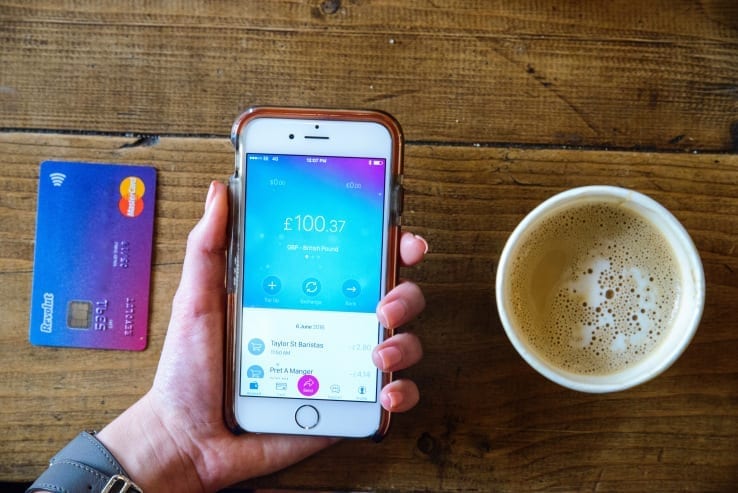
    The British fintech company, now active in around 30 countries, continued its rapid growth last year. Revenue rose by 72 percent to £3,1 billion, according to the annual report published on Thursday. That equates to approximately 3,41 billion francs.

    Pre-tax profit increased by an impressive 149 percent to £1,09 billion, while net profit rose by 130 percent to £790 million.

    By the end of 2024, Revolut’s global customer base had grown by 38 percent to 52,5 million. In comparison, HSBC, the UK’s largest bank, recently reported 41 million customers.

    The total transaction volume amounted to approximately £1 trillion, with 940 million transactions processed in December alone.

    Broader Range of Services

    We not only accelerated our customer growth and added almost 15 million new users globally, but also achieved deeper customer engagement, as our clients increasingly used a broader range of our services—both in the retail space and through Revolut Business, said CEO and co-founder Nik Storonsky.

    The company had already presented ambitious growth plans for the current year. We are making great progress towards our goal of 100 million daily active customers in 100 countries, Storonsky said.

    Expansion into Mexico, License for India

    In the coming months, Revolut will launch its Mexican bank, and it recently received its license for prepaid payment instruments (PPI) from the Reserve Bank of India. Ten additional license applications are currently pending worldwide.

    Usage of Revolut has grown not only in the UK and Ireland but across Europe, including Southern Europe and the Nordic countries. The company also plans to expand in the Asia-Pacific region and the Middle East.

    Costs Rise, Workforce Expands

    Costs rose by 50 percent in 2024 to £1,4 billion, with personnel expenses increasing by 60 percent to £794 million. The number of employees reached 10,133 by year-end, up from 8,152 previously.

    Swiss Ambitions

    In Switzerland, Revolut’s growth reached 29 percent among private customers and 41 percent among business clients last year. Swiss customers made nearly 70 million card and ATM transactions, a 30 percent increase from 2023. Domestic transactions rose by 29 percent.

    In early April, Switzerland head Julian Biegmann said that since March, Revolut has served over 1 million private customers in Switzerland. The neobank is represented in Zurich and Geneva with a total of 10 employees.

    In the UK, the privately held company, which claims a valuation of $45 billion, operates with a restricted banking license. Its EU operations are based on a full license in Lithuania. In Switzerland, Revolut recently enabled services such as QR code payments via a «virtual» Swiss IBAN.

  • Goldman Sachs Benefits from the Turbulence

    Goldman Sachs Benefits from the Turbulence

    The Wall Street bank increased its profits significantly in the first quarter. The high volatility boosted trading income.

    Goldman Sachs increased its profit in the first quarter of 2025 by 15 percent to $4.74 billion or $14.12 per share.

    Revenues increased by 6 percent to $15.06 billion in the first three months. In the period from January to March, the financial institution posted earnings of – an increase of six percent.

    The turbulent markets led to a particularly strong increase in income from equity trading. Here, an increase of 27 percent to a record value of $4.2 billion was recorded. Income from trading in fixed-interest securities, foreign exchange and commodities rose by 2 percent to $4.4 billion.

    Our strong results this quarter demonstrated that in times of great uncertainty, clients turn to Goldman Sachs for execution and market insights, said CEO David Solomon. While we begin the second quarter in a significantly different environment than at the beginning of the year, we remain confident that we can continue to support our clients.

    By contrast, fees in investment banking fell by 8 percent to $1.9 billion in the quarter under review due to lower advisory fees.

    Income in the wealth management division fell by 3 percent to $3.68 billion due to losses in equities and bonds. At the end of the quarter, the bank managed record assets of $3.17 trillion.

    Morgan Stanley, J.P. Morgan Chase and Wells Fargo had already published their quarterly figures last week.

  • How the Banking Industry Drives Switzerland’s Economic Power

    How the Banking Industry Drives Switzerland’s Economic Power

    The banking association Swiss Banking has presented a study that underscores the importance of the financial industry for the Swiss economy. To ensure this remains the case, prudent strategic decisions and smart, focused regulation are needed.

    The study, commissioned by Swiss Banking (Swiss Bankers Association, SBA) and conducted by the consulting firm Oliver Wyman, concludes that the banking industry plays a key role in supporting economic growth and strengthening Switzerland’s capacity for innovation.

    In 2024, the Swiss financial sector contributed CHF 74 billion to the national economy, which corresponds to 9 percent of GDP. Of this contribution, 57 percent came from banking services (5 percent of GDP), and 43 percent from insurance and other financial service providers.

    Around 160’000 highly qualified professionals work in the banking sector. For each job in the industry, there is an additional job in another sector that depends on it. Annual tax contributions amount to CHF 7 billion, making banks one of the most important sectors in the Swiss economy. Every eighth tax franc comes from the financial industry, emphasized Swiss Banking President Marcel Rohner during the presentation of the study on Friday in Zurich.

    The Swiss financial center is considered one of the most important worldwide and is a key pillar for prosperity, innovation, and international connectivity in Switzerland. This has led to more favorable financing conditions and a lower interest rate level in Switzerland than abroad for many years, Rohner added. This represents an important competitive advantage for companies and also has positive effects for consumers.

    Another factor is the success in international wealth management,» said association CEO Roman Studer. Some of these assets also contribute to financing volumes.

    The industry provides efficient access to capital for both private and corporate clients – nationally and internationally. Especially for small and medium-sized enterprises (SMEs), a stable supply of credit is essential. There is a close symbiosis between the banking sector and the broader economy.

    The financial sector is growing, and much has emerged in recent years, said Rohner. He cited examples such as the relatively young financial service providers Swissquote and Partners Group, which are successful global publicly listed companies, as well as fully licensed digital asset banks like Amina and Sygnum. In 2024, there were 484 fintech firms.

    As a result, the financial ecosystem is deepening, and fintechs and banks are increasingly benefiting from one another. New markets are emerging with digital assets, such as crypto ETPs, ESG investments, or impact investments.

    To ensure that Switzerland’s financial center remains successful in the future, prudent strategic decisions are needed. Economic openness, smart and focused regulation, and a solid reputation, especially about money laundering or terrorism financing, are key to the financial center’s competitiveness.

    Regulation must be internationally aligned. This also includes robust and broad-based liquidity safeguards as well as solid and competitive capital requirements. We must and want to learn the right lessons from the Credit Suisse case, emphasized Studer. This includes liquidity safeguards and resolution capabilities. That must also apply to UBS.

    The only remaining major Swiss bank plays a crucial role in the ecosystem, from which smaller banks also benefit. «UBS is important on the corporate client side, and we need a global bank that can offer products and services others cannot, Rohner said.

    The position of the Swiss banking sector should not be taken for granted and must be protected,» he added. «We want to take good care of our financial center and shape it with ambition, in line with our tradition of excellence, trust, integrity, and stability. That’s how we stay globally relevant and future-ready. That is our responsibility – and our opportunity.

    When it comes to regulation and capital requirements for UBS, a middle ground will be found – I’m confident there’s no insurmountable divide.

    The fact that the political process is dragging on has both advantages and disadvantages. The extended timeline creates uncertainty, but also ensures that questions are addressed holistically rather than in isolation.

  • Gold prices set new records twice in one day

    Gold prices set new records twice in one day

    Vietnam gold prices kept climbing to new historic peaks on Monday afternoon after setting records in the morning.

    Saigon Jewelry Company gold bar price rose 0.3% to a record VND101.8 million (US$3,980.45) per tael. It had earlier surged 0.8% to VND101.5 million.

    Gold ring price was up 0.29% to VND101.9 million per tael after jumping 1.2% to VND101.6 million in the morning. A tael equals 37.5 grams or 1.2 ounces.

    Globally, gold hit a record high and was set to post its biggest quarterly gain in over 38 years on Monday, as concerns over U.S. President Donald Trump’s tariff plans widening the global trade war and triggering an economic slowdown boosted bullion’s appeal, Reuters reported.

    Spot gold jumped 1.1% to $3,116.82 an ounce after hitting an all-time high of $3,128.06 earlier. U.S. gold futures was up 1.1% to $3,148.00.

    Gold, traditionally seen as a hedge against political and economic uncertainties, has risen over 18% so far this quarter, its biggest quarterly gain since September 1986.

    Interest rate cut bets, central bank buying and exchange-traded fund (ETF) demand are the other factors that have supported the rally. The rapid price rise prompted multiple banks to increase their 2025 price forecasts.

    Trump is expected to announce reciprocal tariffs on April 2, while automobile tariffs will take effect on April 3. On Sunday, Trump said he was “pissed off” at Russian President Vladimir Putin and would impose secondary tariffs of 25%-50% on buyers of Russian oil if he feels Moscow is blocking his efforts to end the war in Ukraine.

  • Stocks close 4th session in red

    Stocks close 4th session in red

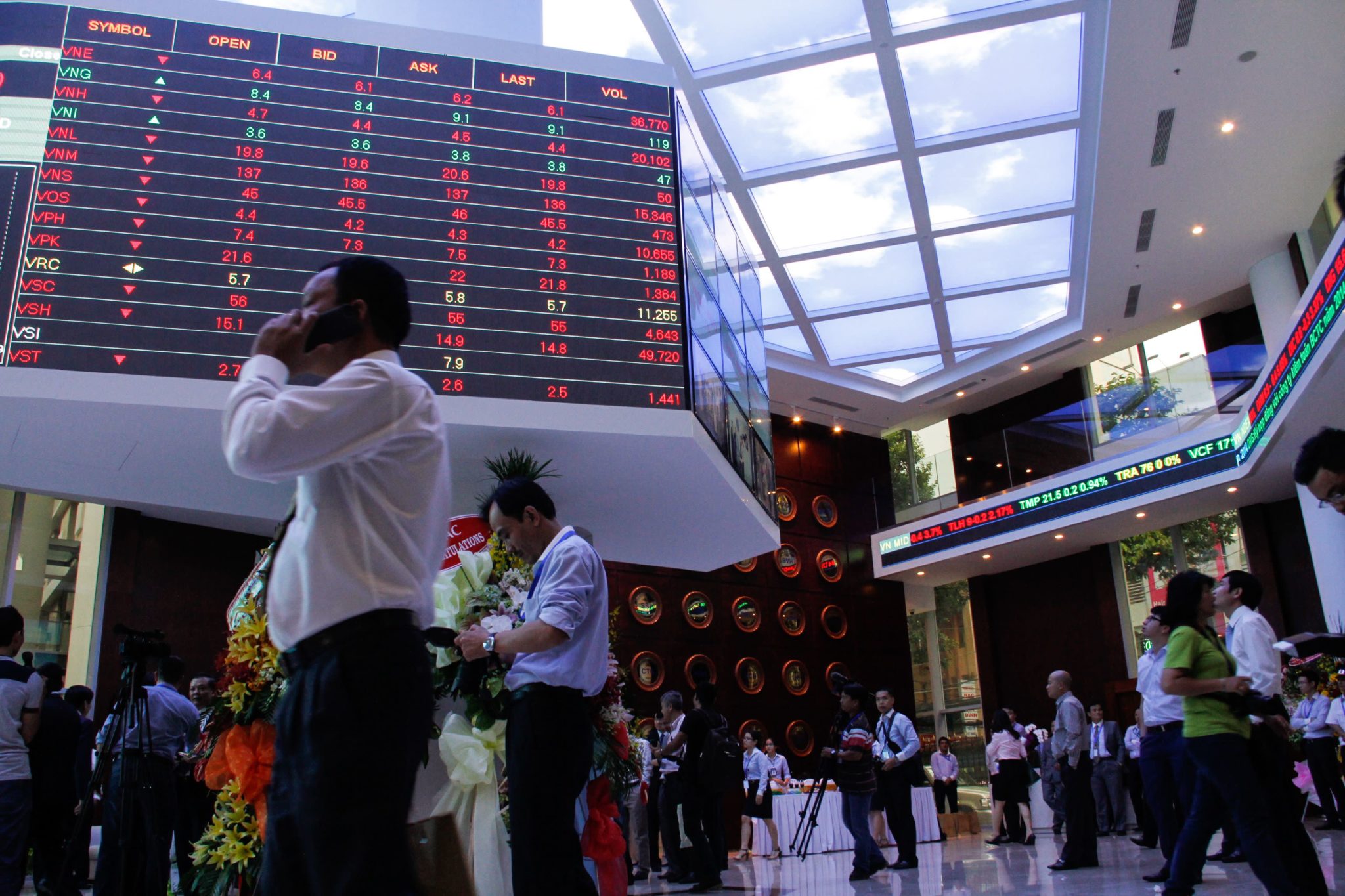
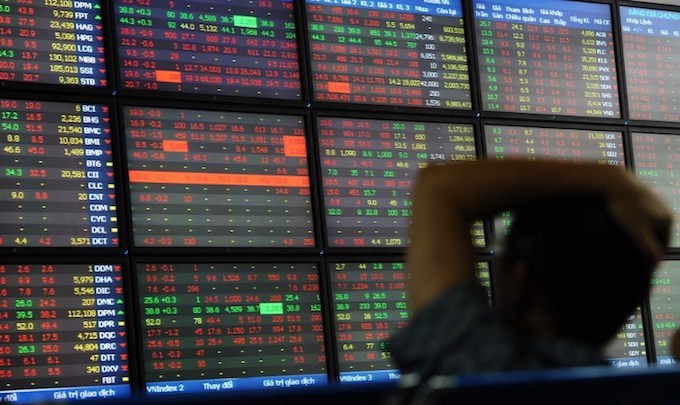
    Vietnam’s benchmark VN-Index fell 0.80% to 1,306.86 points Monday for the fourth session in a row.

    The index closed 10.60 points lower after dropping 6.35 points in the previous session.

    Trading on the Ho Chi Minh Stock Exchange increased by 24% to VND21.205 trillion (US$829.1 million).

    The VN-30 basket, comprising the 30 largest capped stocks, saw 20 tickers fell.

    GVR of Vietnam Rubber Group saw the biggest drop of 6.9%, BCM of Becamex Investment and Industrial Development followed with a 3.6% decline. MSN of conglomerate Masan Group was down 2.5%.

    Eight blue chips gained. MBB of lender MB rose 0.8%, TPB of private TPBank closed 0.7% higher, and VNM of dairy giant Vinamilk went up 0.5%.

    Foreign investors were net seller to the tune of VND1.28 trillion, mainly selling FPT of tech giant FPT Corporation and VNM.

    The HNX-Index for stocks on the Hanoi Stock Exchange, home to mid and small caps, fell 1.32%, while the UPCoM-Index for the Unlisted Public Companies Market went down 0.61%.

  • UBS Secures Key Regulatory Win in China

    UBS Secures Key Regulatory Win in China

    Swiss bank UBS is strengthening its presence in China after receiving regulatory approval to acquire a local securities firm fully.

    UBS will acquire an additional 33 percent stake in UBS Securities from Beijing State-owned Assets Management Co., Ltd (BSAM), thereby taking full control of UBS Securities in China. The big bank announced this on Friday, having received the corresponding approval from the China Securities Regulatory Commission.

    UBS Securities was the first foreign-invested, fully licensed securities joint venture in China in 2007. In 2018, UBS became the first foreign bank to take majority control of a Chinese securities firm – initially with a 51 percent stake, which was increased to 67 percent in 2022.

    UBS Securities is active in global banking, global markets, research and wealth management.

    UBS is proud of its long history in China and of serving clients in one of the most important and fastest-growing markets in the world. We will continue to invest in China as a central pillar of our growth ambition, further strengthening our leadership position in the region, said Group CEO Sergio Ermotti.

    The move to full ownership of UBS Securities is an important milestone for our integrated strategy in the region. It enables us to further expand our investment banking and wealth management offering in China. Not only will we be able to capitalize on the tremendous business opportunities as China’s financial sector opens up, but we will also gain better access to the unique wealth creation that we can support with our products, services and advice,» Iqbal Khan, President Asia Pacific and Co-President Global Wealth Management at UBS, said.

  • Stocks start week in green

    Stocks start week in green

    Vietnam’s benchmark VN-Index rose 0.64% to 1,330.32 points Monday.

    The index closed 8.44 points higher after dropping 2.05 points in the previous session.

    Trading on the Ho Chi Minh Stock Exchange increased by 15% to VND19.583 trillion (US$763.9 million).

    The VN-30 basket, comprising the 30 largest capped stocks, saw 14 tickers gained.

    VIC of private conglomerate Vingroup saw the biggest jump of 7.0%, followed by VHM of property giant Vinhomes with a 6.3% gain and SHB of Saigon Hanoi Commercial Bank, up 5.5%.

    Thirteen blue chips fell, with LPB of Fortune Vietnam Bank dropping by 1.9%.

    BCM of Becamex Investment and Industrial Development went down 1.8% and VIB of Vietnam International Commercial Bank closed 1.7% lower.

    Foreign investors were net seller to the tune of VND720 billion, mainly selling FPT of tech giant FPT Corporation and TPB of private lender TPBank.

    The HNX-Index for stocks on the Hanoi Stock Exchange, home to mid and small caps, rose 0.07%, while the UPCoM-Index for the Unlisted Public Companies Market went down 0.20%.

  • Dollar rises against dong

    Dollar rises against dong

    The U.S. dollar edged up against the Vietnamese dong Tuesday morning while it hit a three-week high against major peers.

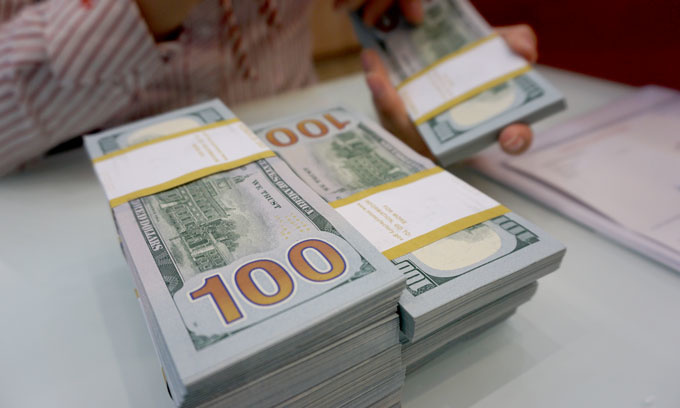
    Vietcombank sold the greenback at VND25,820, up 0.04% from Monday. On the black market, the dollar dipped 0.02% to VND25,905. The State Bank of Vietnam’s reference rate surged 0.17% to VND24,874.

    Globally, the dollar hit a three-week high against the yen on Tuesday and was firm across the board after some strong U.S. services data and cautious optimism on the tariff front, Reuters reported.

    President Donald Trump said not all of his threatened levies would be imposed on April 2 and some countries may get breaks, which helped the dollar and the mood on Wall Street overnight by soothing some fears about a possible slowdown in U.S growth.

    The U.S. dollar index notched a fourth straight session of gains to settle at 104.3.

    The dollar was last up at 150.56, having pulled overnight above 150 yen. It rose to a three-week high of 150.92 yen in the Asia morning.

    The dollar also hit its strongest since March 6 at $1.0781 per euro, as a powerful rally in the common currency loses steam.

    It was last trading at $1.0804, while sterling hit a two-week low of $1.2883 before steadying at $1.2935 in Asia trade.

    “It seems like nobody knows what to do with the dollar,” said Brent Donnelly, president at analytics firm Spectra Markets.

    “The view that tariffs are unambiguously bullish U.S dollar has been challenged by the price action in 2025, and so even when we get the information on what tariffs look like next week, it will be hard to know what we are supposed to do.”

  • Your Apple Wallet is about to get much better

    Your Apple Wallet is about to get much better

    As we await the stable release of iOS 18.4 in April, the beta versions are already giving us a solid preview of what’s coming. The latest beta release reveals a useful new feature for tracking your spending that is set to land in Apple Wallet.

    In the first iOS 18.4 beta, the Wallet app introduced a menu labeled “Subscriptions & Payments.” Now, with the latest update, it has been rebranded to “Preauthorized Payments,” and as you might guess, this change shifts the focus more toward payments that have been authorized in advance.

    This section in Wallet will now display merchants that you have given the go-ahead to charge your Apple Pay for things like subscriptions, automatic top-ups and regular bills. So, if you use Apple Pay for things like adding money to your transit card or paying for your gym membership, those transactions should show up here.

    Apple seems to have recognized that calling this section “subscriptions” could be a bit misleading, so the new name – preauthorized payments – makes it clearer. However, while the name change is helpful, it doesn’t change the fact that you are still managing recurring payments across different sections rather than having them all in one place.

    Right now, if you want to check your subscriptions, you can do it through the App Store or your iPhone’s Settings, which is a bit faster and easier. Just tap the Apple Account section at the top with your profile picture and you will find the Subscriptions section there.

    Whether you go through the App Store or Settings, the Subscriptions page looks the same. It shows all your active subscriptions and when they are set to renew.

    While this works, I think the new addition to Wallet is a nice step forward in making it easier to track your recurring payments. It gives you a better view of your spending, which has been a key focus of the Wallet app lately.

    Still, I think Apple could make it even easier by bringing everything under one roof. Imagine being able to see exactly how much you are spending each month – whether it is for Apple TV shows, Netflix, or any other subscriptions – all in one place. It would save a lot of time and make managing your money that much simpler.

  • Globe, GoTyme Bank Partner to Strengthen Anti-Scam Measures

    Globe, GoTyme Bank Partner to Strengthen Anti-Scam Measures

    This collaboration will comply with the Data Privacy Act and streamline the process of investigating suspected scammers by eliminating the need for warrants or subpoenas to access their information.

    Globe’s Chief Privacy Officer, Irish Salandanan-Almeida, emphasized, “This partnership reflects our ongoing commitment to championing cybersecurity and protecting our customers from the growing threats in the digital world. Through collaborations, we can combine our expertise and resources to better safeguard the financial sector and our customers from cybercrime.”

    In the first half of last year, Globe blocked 2.7 million bank-related spam and scam messages, investing around USD 20 million in scam detection and prevention systems to protect consumers from deceptive messages. A study by Kaspersky revealed that Filipinos encountered 14.1 million web threats last year, a decrease from 26.6 million in 2023.

    Yeo Siang Tiong, Kaspersky’s General Manager for Southeast Asia, suggested that this decline in cyber threats could be due to improved detection and prevention methods. However, Tiong cautioned that hackers might be targeting specific high-value individuals rather than launching widespread cyberattacks.

  • Warning Signals from the Crypto Valley

    Warning Signals from the Crypto Valley

    As a Crypto-Nation, Switzerland has made headlines for many years. However, the tide may be turning now.

    On January 20, 2025, Donald Trump will move into the White House for the second term. By then, the Crypto Valley will be closely monitoring the US President’s policies. Trump’s plans could cause a major upheaval in Switzerland.

    In addition to introducing massive tariffs and tightening immigration policies, Trump has also announced his intention to overhaul the previously restrictive policy on Bitcoin and other cryptocurrencies, aiming to implement crypto-friendly regulations.

    Among other things, Trump wants to attract mining companies: Bitcoin made in the USA. This will involve massively expanding the energy-producing economy to ensure that enough cheap energy is available at all times.

    At the same time, Trump aims to promote stablecoins and bitcoins and establish a strategic national Bitcoin reserve.

    Trump’s promises have sparked a surge in cryptocurrency prices in recent months. In December, Bitcoin’s price briefly surpassed the magical threshold of $100,000.

    If the US President delivers on his promises, it would be a true game-changer. This would not go unnoticed in Crypto Valley», says a senior manager at a crypto company based in Zug. However, he does not want to be named publicly, as the matter is too sensitive.

    Cryptocurrencies and Switzerland have long been a success story. As early as 2013, Switzerland set up attractive conditions for the industry, ahead of many other nations. With over 1,000 blockchain companies, Switzerland became an international hub, with the canton of Zug at the forefront. The region came to be known as Crypto Valley.

    But the honeymoon is over. A sense of unease is spreading within the industry. Bitcoin pioneer Niklas Nikolajsen, a Danish national who moved to Switzerland in 2011 and now lives in Zug, recently told the Neue Zürcher Zeitung (NZZ) that Switzerland is no longer an attractive location for crypto businesses.

    Once, even a Federal Councilor visited the offices of crypto companies. In this politically favorable environment, the Financial Market Supervisory Authority (FINMA) even granted two crypto companies a banking license. That would be unthinkable today. When the political pressure faded, FINMA lost its nerve», Nikolajsen said.

    One point of contention is the treatment of stablecoins, which are crypto-assets pegged to a currency like the dollar, euro, or Swiss franc. FINMA now requires that all parties involved in stablecoin transactions be identified and has set concrete requirements for stablecoin issuers and the banks that provide backup guarantees. This has caused an outcry within crypto companies.

    Along with the developments in the US, this unease could quickly become toxic. If conditions for the crypto industry are relaxed under Trump while tightening in Switzerland, many companies are likely to leave the country. «No one is planning to move yet, but if Switzerland doesn’t take action soon, the decision will be made quickly», several crypto managers told finews.ch.

    One such move could be for the Swiss National Bank to be mandated to invest in Bitcoin, as proposed by a popular initiative. «If Switzerland only offers what everyone else does, we’re out of the picture. The Swiss market simply doesn’t offer enough», said one manager, putting it bluntly.

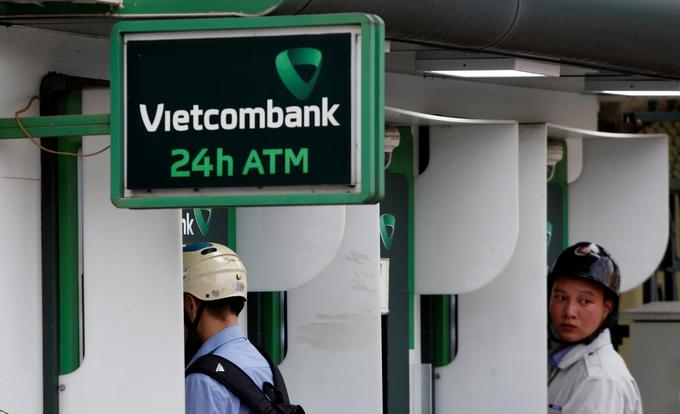
  • Vietcombank Remittance named best remittance company in Vietnam

    Vietcombank Remittance named best remittance company in Vietnam

    Vietcombank Remittance was honored as “Remittance Company of the Year – Vietnam” for the third consecutive time by Asian Banking & Finance on Dec. 24.

    This achievement affirms the quality of services and the growth of Vietcombank Remittance, recognizing the company’s efforts and demonstrating its position in both the domestic and international remittance markets.

    Vietcombank Remittance is the only remittance company in Vietnam to organize the Client Conference for three consecutive years successfully. This year’s event featured participation from strategic partners in Taiwan, South Korea, the United States, and several other countries, highlighting the company’s role in fostering international cooperation and collaboration.

    The company consistently supports government agencies in developing policies to enhance remittance resources. Vietcombank Remittance actively participates in programs organized by the Overseas Vietnamese Committee of Ho Chi Minh City to promote collaboration among stakeholders and increase the efficiency of remittance flows. The company has also significantly contributed to Ho Chi Minh City People’s Committee’s project on “Optimizing the Effectiveness of Remittance Resources.”

    Vietcombank Remittance is committed to collaborating with the Ho Chi Minh City People’s Committee to implement specific initiatives such as supporting the improvement of policy mechanisms and facilitating convenient conditions for overseas Vietnamese to send money home. It collaborates closely with regulatory agencies to create clear legal frameworks and facilitate the use of technology in remittance operations.

    The company is leading initial efforts to establish the Vietnam Remittance Association to elevate the industry’s position on the international stage. This association is expected to serve as a bridge between the government, businesses, and the overseas Vietnamese community, ensuring policies are geared toward sustainable development.

  • Vietnam stocks gain little as global markets steady

    Vietnam stocks gain little as global markets steady

    Vietnam’s benchmark VN-Index rose 0.08% to 1,245.76 points while global markets showed stability as investors waited for the result of the U.S. election. The index closed 1.05 points higher after dropping 10.18 points in the previous session.

    Trading on the Ho Chi Minh Stock Exchange decreased by 31% to VND10.982 trillion.

    The VN-30 basket, comprising the 30 largest capped stocks, saw 11 tickers gained.

    GVR of Vietnam Rubber Group led with a 1.7% rise, followed by SHB of Saigon Hanoi Commercial Bank, up 1%.

    POW of electricity producer Petrovietnam Power Corporation went up 0.9% and HPG of steelmaker Hoa Phat Group closed 0.8% higher.

    Nine blue chips fell. CTG of state-owned lender VietinBank dropped 1.8% and BID of state-owned lender BIDV declined by 0.6%.

    Foreign investors were net sellers to the tune of VND854 billion. They have been net selling non-stop for the last eight weeks.

    They mainly net sold MSN of conglomerate Masan Group and VHM of property giant Vinhomes.

    The HNX-Index for stocks on the Hanoi Stock Exchange, home to mid and small caps, rose 0.18%, while the UPCoM-Index for the Unlisted Public Companies Market went up 0.30%.

    Globally stocks were steady on Tuesday but implied volatility ratcheted up in currency markets in an early indication of the market frenzy to come, as the world awaits the outcome of a knife-edge U.S. election, Reuters reported.

    Europe’s benchmark STOXX index edged down 0.2% while MSCI’s broadest index of Asia-Pacific shares outside Japan inched 0.7% higher, as stock markets held their breath ahead of Wednesday’s open.

    China’s blue chip CSI300 jumped 2.5% and Hong Kong’s Hang Seng rose 1.4%.

  • Gold rises as markets gird for US election outcome

    Gold rises as markets gird for US election outcome

    Gold prices edged up on Tuesday as investors braced for political tensions after opinion polls showed Donald Trump and Kamala Harris are neck and neck in the U.S. presidential election.

    Spot gold gained 0.2% to $2,740.96 an ounce by 01:54 p.m. U.S. gold futures settled 0.1% higher at $2,749.70.

    Gold is supported by “the uncertainty of the elections. Part of it is what happens if things don’t go so smooth, part of it is the possibility of tariffs, some kind of economic changes,” said Daniel Pavilonis, senior market strategist at RJO Futures.

    With a dead heat between Republican former President Trump and Democratic Vice President Harris and control of the U.S. Congress also at stake, investors are particularly nervy about an unclear or contested result, especially if it fuels unrest.

    “Should the election result be uncertain for days or even weeks, gold would benefit from the resulting uncertainty,” Commerzbank said in a note.

    Trump has repeatedly said any defeat could only stem from widespread fraud, echoing his false claims from 2020. The winner may not be known for days if the margins in key states are as slim as expected.

    Gold should ultimately reach $2,800 “once the dust settles” after the election, Exinity Group Chief Market Analyst Han Tan said.

    Elsewhere, markets widely anticipate a quarter-point cut from the Federal Reserve on Thursday, a further reduction to U.S. interest rates this year after a big cut in September.

    Bullion is traditionally seen as a hedge against economic and political uncertainty, and tends to thrive when interest rates are low. This has helped the metal rise nearly 33% so far this year.

    Spot silver rose 0.4% to $32.59 an ounce, platinum added 1.5% to $998.35 and palladium was down 0.2% at $1,072.50.

    A private sector survey in top metals consumer China showed services activity expanded at its fastest pace in three months in October.