Retail News CRM

Tag: financial

  • Bank of America Bolsters DACH Presence: New Leadership Roles for Markus Meier and Thore Zimmermann

    Bank of America Bolsters DACH Presence: New Leadership Roles for Markus Meier and Thore Zimmermann

    Bank of America has broadened the remit of Markus Meier, appointing him as the Head of Equity Capital Markets (ECM) for Germany, Austria, and Switzerland. This expanded role builds on his previous responsibilities in Germany and Austria, with the addition of the Swiss market. Meier will continue to operate from Frankfurt and report to James Palmer, the Head of EMEA Equity Capital Markets. Meier has been with Bank of America since 2007 and has been instrumental in growing the ECM business in Germany and Austria.

    Meier’s Expanded Role in the DACH Region

    This new assignment consolidates the bank’s equity capital markets activities across the entire DACH region under Meier’s leadership. Bank of America views the DACH market as one of Europe’s most significant and thoroughly integrated capital markets. The bank has been involved in a series of substantial equity transactions in the region, such as the €9.4 billion IPO of Porsche AG, the CHF 2.3 billion IPO of Galderma, and the €935 million flotation of Schott Pharma. The bank has also been engaged in capital market operations with notable organizations such as Fresenius Medical Care, Deutsche Post DHL, Qiagen, Rheinmetall, and Hensoldt, as well as participating in the spin-off and listing of Siemens Energy.

    Thore Zimmermann has also been assigned a new role as the Head of EMEA Equity Linked, having joined Bank of America in 2021. Zimmerman played an instrumental role in developing the bank’s Equity Linked platform through collaborations across corporate banking, investment banking, global capital markets, and global markets.

    The Growing Relevance of Equity-Linked Instruments

    Equity-linked instruments, encompassing convertible and exchangeable bonds, are gaining heightened importance as they allow companies to mesh capital raising with acquisition financing and capital structure optimization. Bank of America anticipates further growth in this area as its corporate clients increasingly lean towards flexible financing solutions that integrate elements of debt and equity.

    These changes form part of a broader investment in leadership across Bank of America’s international investment banking and global capital markets businesses. Recent changes have included the appointment of Olof Engelbrekts as Country Executive for Switzerland, the appointment of various roles covering Germany and Austria, and Thorsten Pauli taking over as Head of Asia Pacific Global Capital Markets.

    Questions & Answers

    What is Markus Meier’s new role?
    Markus Meier has been appointed as the Head of Equity Capital Markets for Germany, Austria, and Switzerland by Bank of America.

    Who is the new Head of EMEA Equity Linked?
    Thore Zimmermann has been named the Head of EMEA Equity Linked.

    What are equity-linked instruments?
    Equity-linked instruments include convertible and exchangeable bonds. They are becoming increasingly important as they allow the integration of capital raising with acquisition financing and capital structure optimization.
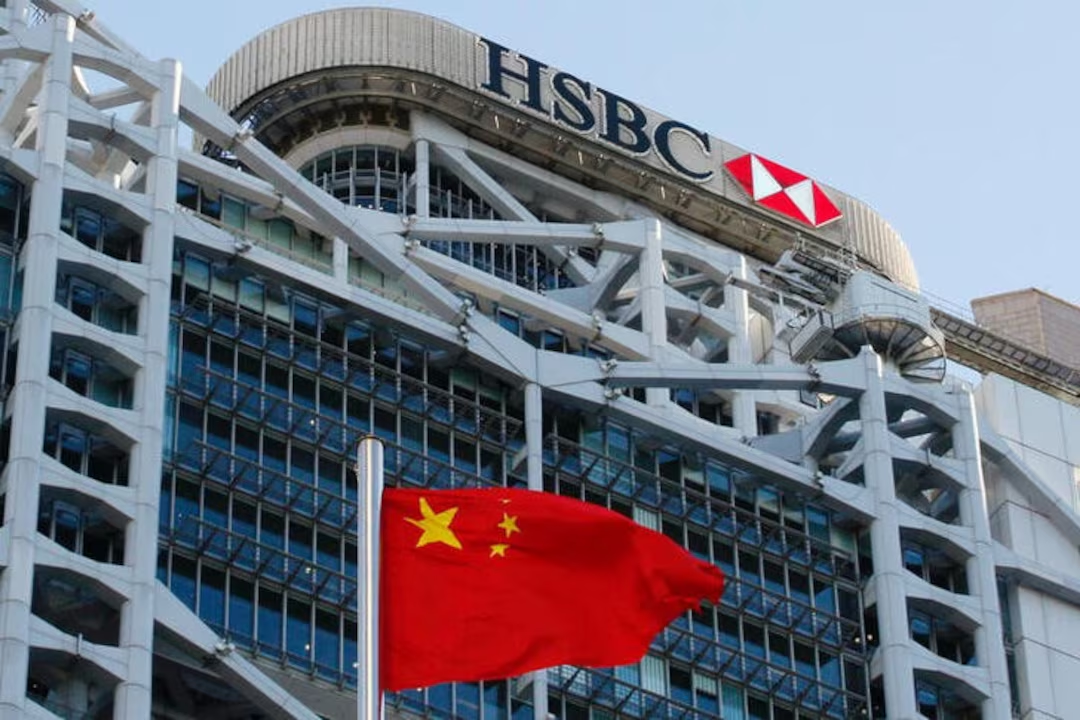

  • HSBC’s $2B Singapore Insurance Unit Sale to Allianz: A Strategic Boost for Both Giants

    HSBC’s $2B Singapore Insurance Unit Sale to Allianz: A Strategic Boost for Both Giants

    HSBC has announced that it will sell its life and health insurance division in Singapore to Germany’s Allianz. The deal, which values the unit at SGD2.7 billion (US$2.09 billion), is expected to produce a pre-tax gain of US$1.8 billion for HSBC and potentially enhance the HSBC Group’s common equity tier 1 ratio by up to 15 basis points.

    Simplifying Operations and Boosting Capital Returns

    This sale signifies another move in HSBC CEO Georges Elhedery’s strategy to streamline operations at Europe’s largest bank and reinvest capital into sectors and markets that promise better yields. Simultaneously, he aims to maintain Singapore’s position as a vital hub for wealth and wholesale banking.

    The deal presents Allianz with a unique chance to expand in Singapore, a wealthy, strictly regulated market where distribution networks and bank-insurance partnerships carry high value. Anusha Thavarajah, Allianz’s Asia Pacific Regional CEO, states that the transaction underscores her company’s confidence in Singapore and recognizes HSBC Life Singapore’s fast-growing business, local expertise, and solid reputation among customers and partners.

    The planned divestment, set to occur in early 2027, will lead HSBC to enter a 15-year bank-insurance distribution agreement with Allianz. This agreement involves selling insurance products in Singapore, supported by an upfront payment of SGD200 million.

    Expanding Insurance Business

    The deal arrives in the wake of HSBC’s broader expansion in the insurance sector. Despite the bank’s ongoing effort to reshape its global footprint and focus on core Asian wealth and corporate banking markets, insurance income has seen a 16% year-on-year rise in the first quarter. This trend has contributed to an 18% boost in quarterly wealth revenue.

    Past investment interests include HSBC Holdings’ acquisition of French insurer Axa’s Singapore assets for US$529 million in 2022. However, the bank is also known for trimming smaller or less scalable retail and insurance operations in parts of Asia, while fiercely vying for affluent clients in the region.

    This sale follows Singapore’s Overseas-Chinese Banking Corp’s announcement in May of its Indonesian unit’s acquisition of certain HSBC wealth and premier banking portfolio assets and liabilities. HSBC is currently also reviewing its retail operations in Turkey, Australia, and Egypt.

    Questions & Answers

    What is the value of the deal between HSBC and Allianz?
    The deal values HSBC’s Singapore life and health insurance unit at SGD2.7 billion (US$2.09 billion).

    What will be HSBC’s strategy after the planned divestment in 2027?
    HSBC plans to enter into a 15-year bancassurance distribution agreement with Allianz to sell insurance products in Singapore.

    What has been the trend in HSBC’s insurance income?
    HSBC’s insurance income has seen a 16% year-on-year rise in the first quarter.

  • Citi Strengthens Bonds with Vietnam: A New Era of Financial Growth and Digital Transformation

    Citi Strengthens Bonds with Vietnam: A New Era of Financial Growth and Digital Transformation

    Catherine Simmons, a significant figure in the U.S.-ASEAN Business Council, shared her insights following a recent delegation visit to Hanoi. Simmons discussed the importance of the visit, the financial sector’s key messages, and Citi’s future forecasts for Vietnam.

    Assessing the Importance of the Delegation Visit

    Simmons classified the visit as both relevant and substantive. It provided the first opportunity for a public-private dialogue between the freshly appointed Vietnamese government and the U.S. business community, allowing for an early engagement to reaffirm the private sector’s commitment to Vietnam’s ongoing development.

    The visit saw the participation of 52 U.S. companies and 120 delegates, showcasing the strong and growing interest in Vietnam. Not only is Vietnam perceived as a strategic supply chain hub and a domestic market with a population over 100 million, but it’s also viewed as a key long-term growth opportunity in the region.

    As for Citi, the delegation visit provided an excellent opportunity to strengthen its relationship with policymakers and reinforce its long-standing commitment to Vietnam.

    Key Takeaways from the Dialogue with Vietnamese Government

    During the discussions, the financial services industry – represented by Citi, ClearOne, Manulife, Warburg Pincus, Mastercard, and Visa – highlighted the importance of a modern, connected, and robust financial system for economic infrastructure. They expressed their support for Vietnam’s initiatives to further digital transformation, regulatory modernization, and innovation in both public and private sectors.

    The group also urged for ongoing consultations with industry stakeholders as Vietnam formulates laws and policies that will impact the financial markets. They showed their readiness to offer technical expertise and practical solutions to issues concerning settlement infrastructure, payments interoperability, cross-border data flows, and alignment with international standards.

    These issues are crucial to Vietnam at this time as the country is at a critical development stage. As it integrates deeper into the global markets, it will need a more advanced financial infrastructure to sustain increasing investment flows, broader capital market participation, and the evolving needs of a rapidly changing digital economy.

    Questions & Answers

    What was the Vietnamese government’s reaction to the delegation’s recommendations?
    The Vietnamese Prime Minister, Le Minh Hung, assured that the government is committed to rapid and sustainable growth. He emphasized that science, technology, innovation, and digital transformation are at the core of their development strategy and called on ministries and agencies to address the issues raised by the delegation promptly.

    What does this visit signify for Citi’s future in Vietnam?
    The visit gave Citi an opportunity to strengthen its relationships with various government ministries and agencies in Vietnam. In addition to providing financial services, the bank contributes to policy dialogue, supports market development, and facilitates connections to global capital and trade flows. Citi views Vietnam as a strategically important market with significant opportunities to support the country’s growth as reforms continue.

    What is the potential impact of the delegation’s visit on the U.S.-Vietnam relations?
    The delegation’s visit signifies an important step towards strengthening U.S.-Vietnam relations. Its success has laid the groundwork for continued engagement between policymakers and the business community, reflecting Vietnam’s clear ambition to modernize and strengthen economic competitiveness.

  • Reviving the Skies: Malaysia Launches Airfare Discounts & Financial Lifelines to Bolster Aviation Industry

    Reviving the Skies: Malaysia Launches Airfare Discounts & Financial Lifelines to Bolster Aviation Industry

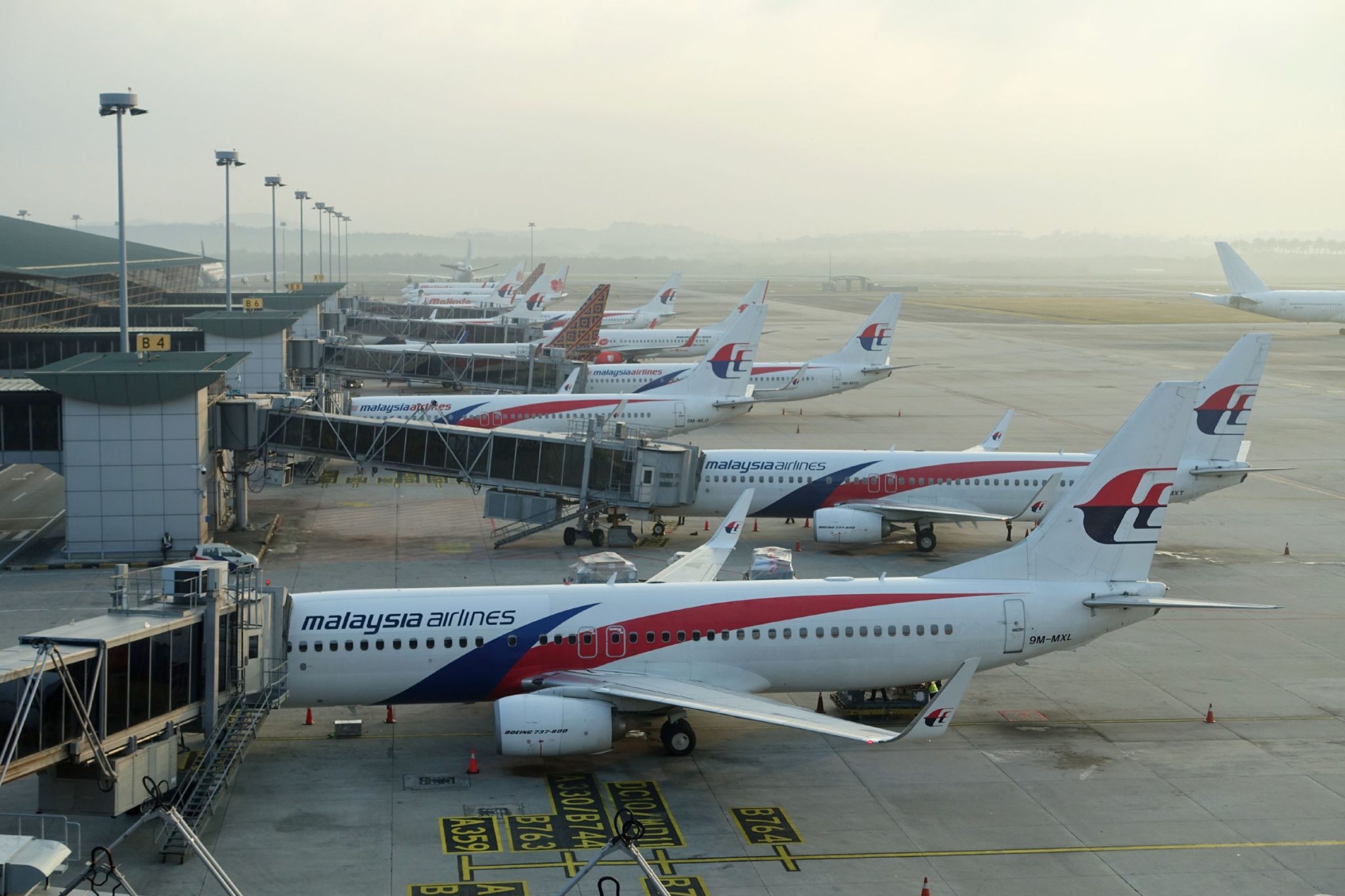
    In response to disruptions caused by the Middle East conflict, Malaysia has devised a financial strategy to support its aviation sector, featuring incentives such as discounted airfares during holiday periods. Travelers flying between Peninsular Malaysia and East Malaysia can look forward to airfare reductions of RM50 during the Gawai and Kaamatan festive seasons.

    Support for Aviation Sector

    The aviation authority has earmarked RM5 million for this initiative, which is projected to benefit approximately 100,000 passengers journeying between May 15 and June 14. In an additional effort to alleviate pressure on airlines, the Civil Aviation Authority of Malaysia plans to extend payment deadlines for aviation-related charges. From May 1, carriers will be granted up to 60 days to settle these dues.

    Maintaining Connectivity

    Anthony Loke, Malaysia’s Transport Minister, emphasized the importance of these measures in maintaining the country’s connectivity. According to him, as many as 75% of daily flights were cancelled at one point, potentially undermining trust in Malaysia’s tourism sector and the wider economy. He warned of potential losses ranging from RM15 to RM150 billion (US$3.8 to US$38 billion) this year if no countermeasures are taken.

    Loke also stated that these decisions were reached after thorough discussions between the Transport Ministry and industry stakeholders. The goal of these deliberations was to lessen financial burdens while ensuring the continuity of services.

    Lastly, he assured the public that the government will continue to liaise closely with all relevant bodies to ensure the resilience and responsiveness of Malaysia’s aviation sector.

    Questions & Answers

    What are some of the measures Malaysia has introduced to support its aviation sector?
    Malaysia has introduced a number of measures, including discounted airfares during holiday periods and extending payment deadlines for aviation-related charges.

    Who is expected to benefit from the discounted airfares?
    Approximately 100,000 passengers traveling between Peninsular Malaysia and East Malaysia during the Gawai and Kaamatan festive periods are expected to benefit from the discounted airfares.

    What is the potential economic impact of the disruptions in the aviation sector?
    According to Transport Minister Anthony Loke, without the introduction of these measures, Malaysia’s economy could face losses ranging from RM15 to RM150 billion (US$3.8 to US$38 billion) this year.

  • A2 Milk Faces Financial Downgrade Amid Middle East Supply Chain Hurdles and Stricter Chinese Regulations

    A2 Milk Faces Financial Downgrade Amid Middle East Supply Chain Hurdles and Stricter Chinese Regulations

    The A2 Milk Company has acknowledged a number of issues currently affecting its supply chain, leading to a downgrade in its financial outlook.

    Strong Demand versus Supply Chain Challenges

    While experiencing robust demand, especially for their infant milk formula products in China, The A2 Milk Company is facing supply chain difficulties. The company noted that the cost and availability of extra air freight to expedite product shipments to China has been indirectly influenced by the ongoing conflict in the Middle East. It also reported that inventory levels have been low due to issues at its manufacturer, Synlait Milk.

    Synlait Milk responded by stating its continued efforts to mitigate the impacts on the supply chain linked to its recently enhanced testing protocol for infant milk products.

    Influence of Stricter Regulations

    This new testing protocol was implemented in response to China’s tighter regulations for such products. The A2 Milk Company noted that this change is also leading to longer export clearance times at customs.

    The A2 Milk Company stated that these factors have developed quickly, and are still subject to uncertainty. This is especially true in relation to the unpredictability in freight and clearance assumptions, as well as potential additional indirect impacts that may flow from the Middle East conflict.

    Financial Outlook

    In the lead-up to its full-year results for fiscal 2026, following guidance released on February 16, the company now anticipates lower infant formula sales, increased supply chain costs, and a delay in fourth-quarter cash receipts into fiscal 2027. The company’s projected revenue, EBITDA, and net profit after tax (NPAT) are all expected to be less than previously forecasted.

    Questions & Answers

    What challenges is the A2 Milk Company currently experiencing?
    The A2 Milk Company is facing supply chain issues like the cost and availability of extra air freight required to expedite product shipments to China, which is being indirectly affected by the Middle East conflict. It’s also dealing with low inventory levels due to issues at its manufacturer, Synlait Milk.

    What changes have been implemented by Synlait Milk?
    Synlait Milk has introduced enhanced testing protocols for its infant milk products in an effort to comply with China’s stricter regulations for these products.

    What is the current financial outlook for the A2 Milk Company?
    The A2 Milk Company is expecting lower infant formula sales, increased supply chain costs, and a delay in fourth-quarter cash receipts into fiscal 2027. Predictions for revenue, EBITDA, and net profit after tax (NPAT) are all expected to be less than previously forecasted.

  • DBS Warns Investors: Traditional Stock Strategies May Falter Amid Ongoing Mideast Conflict

    DBS Warns Investors: Traditional Stock Strategies May Falter Amid Ongoing Mideast Conflict

    Historically, US equities have demonstrated strong performance following significant conflicts. However, DBS asserts that the current Middle East conflict may not follow this trend, warning investors against complacency in this situation.

    The Ongoing Conflict in Iran

    The war in Iran, now in its third week, has resulted in thousands of casualties with no definitive end in sight. DBS advises investors to exercise caution and avoid putting too much stock in historical trends concerning American equities.

    DBS states, “While history may suggest that US equities often yield positive returns after major conflicts, complacency is not advisable given the current Middle East conflict.”

    As the conflict continues to unfold, DBS encourages investors to implement risk management strategies in their portfolio construction. This could involve increasing their exposure to gold and partially substituting US equity exposure with the S&P 500 Low Volatility Index.

    Predicted Themes for Q2 2026

    DBS has identified three themes they believe will heavily influence narratives in the second quarter of 2026.

    Firstly, oil continues to be a significant factor due to the ongoing military crisis in the Middle East, especially considering Iran’s role as the fourth largest OPEC producer. Rising energy prices could pose problems for risk assets.

    Secondly, the policy stance of Kevin Warsh, the nominee for Fed chair, indicates a potential reset with an increased likelihood for “renewed quantitative tightening,” which could lead to a steepening of the yield curve.

    Finally, diversification beyond crowded trades is encouraged, with recent profit-taking seen as “transitory.” A “return to fundamentals” is expected, with a focus on pre-crisis themes like precious metals and technology. These are driven by “dollar debasement” and “AI supremacy”, respectively.

    Emerging Markets and Japanese Equities

    In terms of diversification, DBS suggests investors consider increasing their exposure to emerging markets (EM) and Japanese equities. EM equities are likely to benefit from Fed rate cuts, dollar weakness, robust earnings growth, and light positioning. Conversely, Japanese equities are set to gain from fiscal stimulus, governance reforms, and an attractive yield gap.

    DBS concludes, “Global markets are currently navigating through an unusual convergence of geopolitical challenges and technological opportunities. The paradoxical nature of this situation reflects the complex yet potentially rewarding market conditions investors are currently navigating—an era where traditional strategies may no longer apply.”

    Questions & Answers

    What is the advice from DBS regarding the current Middle East conflict?
    DBS advises investors not to rely excessively on the historical trends of stock market performances following major conflicts, warning that complacency is unwarranted in this instance.

    What are the three themes DBS identified for Q2 2026?
    The three themes are the role of oil in the military crisis in the Middle East, the potential policy reset implied by Fed Chair nominee Kevin Warsh, and the need for diversification beyond crowded trades.

    What are DBS’s recommendations for diversification?
    DBS suggests investors consider increasing their exposure to emerging markets and Japanese equities, which are set to benefit from several factors including Fed rate cuts, dollar weakness, robust earnings growth, light positioning, fiscal stimulus, and governance reforms.

  • Swiss Financial Giant UBS Sparks Investment Insight at 14th ASEAN Summit in Singapore

    Swiss Financial Giant UBS Sparks Investment Insight at 14th ASEAN Summit in Singapore

    The global financial powerhouse UBS recently launched the 14th iteration of its Southeast Asia summit. The objective of the summit is to foster an exchange of insights and investment ideas for the upcoming year.

    The newly inaugurated UBS OneASEAN Summit has assembled in Singapore. The event has drawn an impressive crowd of over 850 individuals comprising institutional investors, influential policy makers, and industry leaders, the company revealed in a statement.

    The conference, spread over two days, is packed with panel discussions centered around various themes. These include global trade imbalances, investment prospects in China, Japan, and Europe, the future of gold and other precious metals, the rise of digital assets and artificial intelligence in the Association of Southeast Asian Nations (ASEAN), and the creation of new energy systems for the AI-driven economy.

    The distinguished panel of speakers at the summit includes Suahasil Nazara, Deputy Minister of Finance for Indonesia, Brad Setser from the Council on Foreign Relations, Alfred Schipke from the Lee Kuan Yew School of Public Policy, Ken Jimbo from the International House of Japan, Peter Conti-Brown from The Wharton School, University of Pennsylvania, and William Dalrymple, the acclaimed author.

    Robust Economic Growth

    As per Grace Lim, the Senior ASEAN and Asia Economist at UBS Investment Bank Global Research, the Gross Domestic Product (GDP) of the ASEAN-6 countries – Indonesia, Malaysia, Philippines, Singapore, Thailand, and Vietnam – is forecasted to grow by 4.9 percent in 2026.

    Lim explained that the region continues to benefit from strong integration into global manufacturing value chains, bolstered by a substantial domestic market. She stated, “The conditions for growth are still in place, with household consumption fueling momentum in Indonesia, a rise in private investment underway in Thailand and the Philippines, and a resilient tech-related export strength in Singapore and Malaysia.”

    Nicolo Magni, Head of UBS Global Banking South-East Asia & South Asia, added to this sentiment, saying, “Southeast Asia continues to be a strategic alternative for investors. We anticipate strong deal-making momentum to persist throughout 2026 and the capital markets will likely be more active in the healthcare, real estate, and consumer sectors.”

    Questions & Answers

    What is the objective of the UBS OneASEAN Summit?
    The objective of the summit is to foster an exchange of insights and investment ideas for the upcoming year.

    Who are the attendees of the UBS OneASEAN Summit?
    The event has drawn an impressive crowd of over 850 individuals comprising institutional investors, influential policy makers, and industry leaders.

    What is the predicted GDP growth for the ASEAN-6 countries in 2026?
    The Gross Domestic Product (GDP) of the ASEAN-6 countries – Indonesia, Malaysia, Philippines, Singapore, Thailand, and Vietnam – is forecasted to grow by 4.9 percent in 2026.

  • Bank of Singapore’s 2026 Vision: Asia’s Rise, Dollar’s Dip, and the Power of AI

    Bank of Singapore’s 2026 Vision: Asia’s Rise, Dollar’s Dip, and the Power of AI

    The Bank of Singapore’s (BoS) most recent global outlook for 2026 indicates resilient growth, improved financial conditions, and a steady rebalancing of economic power. According to the BoS, success for investors does not lie in pursuing volatile investments but in preparing for a fundamentally different economic cycle.

    US Dollar: Downward Trend

    One of the most significant changes the BoS’s report highlights is a continuous decrease in the value of the US dollar. Investors are reevaluating the risk associated with the US due to constant twin deficits and institutional credibility concerns, reducing the appeal of its currency as a safe investment option.

    In the current market, gold continues to have a strategic role. The precious metal has seen substantial gains thanks to its status as a reliable investment during uncertain times, and it is likely to remain stable as global tensions persist.

    Conversely, energy markets are expected to remain well-supplied, keeping oil prices relatively low despite ongoing conflicts and the shift towards green energy.

    Asia: The Exception in the Narrative

    Asia is the standout region in the 2026 economic forecast. Lower interest rates, a weakening US dollar, and supportive fiscal policies are all contributing to the growth of Asian equities, especially outside of Japan. Additionally, the region’s inherent strengths are becoming increasingly obvious.

    Asia is leading the way in global clean energy production, from creating components for solar and wind energy to manufacturing lithium-ion batteries. It is also quickly developing the infrastructure necessary for the Artificial Intelligence ecosystem, including data centres, power networks, and advanced semiconductors.

    Artificial Intelligence: From Speculation to Profit

    Despite ongoing debates about whether AI is overvalued, the 2026 outlook suggests that its potential impact and duration are still underestimated. Large technology companies continue to report resilient profits, and AI-driven demand is pushing U.S. hyperscalers to increase capital expenditure.

    Importantly, the process of monetising AI is slowly taking shape, shifting the narrative from speculative excitement towards concrete revenue. For investors, the opportunities go far beyond the major players, extending to often overlooked suppliers across hardware, software, energy, and real estate sectors, particularly in Asia.

    Resilience: A New Perspective

    A key takeaway from the BoS’s presentation is the urgent need to move beyond traditional, benchmark-focused asset allocation. In a complex world that is frequently disrupted, portfolios that heavily concentrate on a limited set of U.S. equities and dollar exposure are becoming increasingly vulnerable.

    The BoS is promoting a comprehensive approach to portfolio resilience, combining diversified regional equity exposure, selective fixed income, alternatives, and non-USD assets. This diversified approach has historically performed better during downturns, outperforming when diversification is more critical than simple market exposure.

    Alternatives and Active Management in the Spotlight

    As the macroeconomic cycle matures, alternative investments are expected to play an increasingly prominent role. Private equity is seeing a slow recovery in exits, private credit is favouring high-quality senior exposures, and hedge funds are benefiting from market dispersion and volatility.

    Real assets and infrastructure continue to be supported by long-term trends such as digitalisation and energy transition.

    Active risk management strategies such as rebalancing, income diversification, and careful monitoring of concentration risk become crucial in navigating an environment where leadership regularly changes.

    The Future is Changing

    The primary challenge for 2026 is not predicting the next economic shock, but building portfolios that can withstand shocks while seizing structural opportunities.

    With central banks easing monetary policy, Asia on the rise, AI transforming industries, and the dollar losing some of its dominance, investors must rethink old assumptions. The Bank of Singapore’s message to investors is to remain invested, but do so with resilience, diversification, and a sharp focus on the trends that are shaping the world beyond 2026.

    Questions & Answers

    What is the Bank of Singapore’s perspective on the future of the US dollar?
    The Bank of Singapore predicts a continuous decrease in the value of the US dollar due to constant twin deficits and concerns about institutional credibility.

    What is the projected role of alternative investments in the future?
    As the macroeconomic cycle matures, alternative investments—such as private equity, private credit, and hedge funds—are expected to play an increasingly prominent role.

    How does the Bank of Singapore suggest investors prepare for the future?
    The Bank of Singapore advises investors to remain invested, but to do so with resilience, diversification, and a keen eye on the trends that are shaping the world beyond 2026.

  • Vietnam’s Bold Leap: Launch of Innovative International Financial Center Marks New Era in Global Integration

    Vietnam’s Bold Leap: Launch of Innovative International Financial Center Marks New Era in Global Integration

    Prime Minister Pham Minh Chinh recently chaired a conference to declare the creation of an international financial center (IFC) in Vietnam. At the same time, the coordinating council for the IFC was launched, with the Permanent Deputy Prime Minister, Nguyen Hoa Binh, at its helm.

    Significance of the IFC

    Prime Minister Chinh underscored the importance of establishing the IFC, stating that it signifies a major turning point in Vietnam’s integration and development following 40 years of Doi moi (Renewal). The creation of the IFC is an urgent need based on Vietnam’s potential, advantages, and forward-thinking vision for rapid, sustainable progress. It is a strategic choice and an effective solution that reflects the need to restructure global investment flows and Vietnam’s ambition to achieve new heights during the nation’s ascent.

    Chinh emphasized that Vietnam is not seeking to compete with other IFCs worldwide but aims to forge its distinct path with unique, superior mechanisms and policies. This will result in a complementary, interconnected model, providing a cohesive, efficient, and sustainable financial ecosystem.

    According to Chinh, the IFC’s inception marks the start of an innovative process in the financial market development, with widespread implications for all sectors, institutions, and entities within the country.

    Expected Benefits of the IFC

    The IFC is anticipated to enhance Vietnam’s position, making it an essential part of the global financial security network. It will facilitate the mobilization of efficient, large-scale, and low-cost capital for strategic infrastructure development without increasing public debt. Moreover, it will serve as a platform for Vietnamese businesses to expand internationally and adhere to the most advanced governance standards.

    The IFC also represents an institutional breakthrough. The benefits of the IFC extend beyond monetary gains and include innovation in management thought and advanced technology. International competition is expected to drive administrative reforms towards greater transparency and comprehensive digitization.

    For the IFC to operate effectively, Prime Minister Chinh urged ministers, heads of sectors, chairpersons of the People’s Committees of HCM City and Da Nang, and relevant agencies to ensure decisive, collaborative, and productive execution of the assigned tasks and measures.

    Support for the IFC

    Chinh also encouraged partners, domestic and international businesses, and investors, to collaborate and support Vietnam throughout the IFC development process. He stressed the importance of reforming management mindset towards a more enabling and service-oriented approach, aligning socio-economic infrastructure and ecosystem with international standards.

    Chinh requested the supervisory body to operate independently and transparently, in line with international commitments to prevent money laundering and facilitate the flows of clean capital into Vietnam.

    He also advised Vietnamese businesses and investors to remain confident, resilient, and united, seize opportunities, and enhance cooperation to grow. He stated that the IFC is a stepping stone for them to expand their reach regionally and globally.

    Despite the challenges ahead, Chinh expressed confidence that with the consensus of the political system, the active involvement of the business community and people nationwide, and international support, Vietnam will successfully develop a free, digital, green, safe, transparent, competitive, efficient, and sustainable IFC. This will pave the way for the country to progress towards a new era of prosperity, civility, and happiness, and take firm steps towards socialism.

    Representatives of domestic and international businesses and investors lauded the establishment of the IFC and committed to helping attract international capital to Vietnam, implementing financial and banking mechanisms, and investing robustly in digital transformation, green finance, and inclusive finance.

    Questions & Answers

    What is the purpose of the International Financial Center (IFC) in Vietnam?
    The IFC is anticipated to function as a strategic and effective solution to restructure global investment flows, boost Vietnam’s position in the global financial security network, and serve as a platform for Vietnamese businesses to expand internationally.

    What is the expected impact of the IFC?
    The IFC is expected to drive innovation in the financial market and encourage administrative reforms towards greater transparency and comprehensive digitization. It will also facilitate the mobilization of efficient, large-scale, and low-cost capital for strategic infrastructure development without increasing public debt.

    How will the IFC benefit Vietnamese businesses and investors?
    The IFC will provide Vietnamese businesses and investors with a platform to expand their reach regionally and globally. Additionally, it will usher in increased cooperation, resilience, and confidence among businesses, paving the way for growth and prosperity.

  • US Dollar Dips to Five-Week Low: Anticipations Rise for Potential Federal Reserve Rate Cut

    US Dollar Dips to Five-Week Low: Anticipations Rise for Potential Federal Reserve Rate Cut

    On Friday morning, the strength of the U.S. dollar saw a slight decrease against the Vietnamese dong, trading near a five-week low against major currencies. The Vietnamese-based commercial bank, Vietcombank, traded the U.S. dollar at a rate of VND26,408, a marginal decrease of 0.004% from the previous day’s rate. Additionally, on the unofficial black market, the currency showed a 0.05% slip, trading at around VND27,402.

    Vietnam’s Central Bank Update

    The State Bank of Vietnam adjusted their reference rate down by 0.004% to VND25,151. This rate is the benchmark against which banks in the country can negotiate their exchange rates for the day’s transactions.

    Global Performance of U.S. Dollar

    Internationally, the U.S. dollar was hovering near a five-week low against its major competitors on Friday. This global performance has been primarily driven by the anticipation of a rate cut by the U.S. Federal Reserve in the following week.

    The dollar index, a measure of the U.S. currency against six key global currencies, was static at 99.065 early in Asia. This followed a previous downward shift that saw the index touch a five-week low of 98.765. The overall trend for the week indicates a likely 0.4% decrease in the index.

    Cross currency rates remained relatively stable. The U.S. dollar traded at 155.18 yen, while the euro stood steady at $1.1647. The British pound remained firm at $1.3326, after pulling back from a six-week high the previous day.

    The Australian dollar held steady at $0.6609, after reaching a two-month high of $0.6624 on Thursday. Meanwhile, the Canadian dollar was trading at C$1.3961 against the U.S. dollar, with the Swiss franc at 0.8035, following a significant pullback from Wednesday’s two-week high of 0.7992.

    Future Projections

    The U.S. dollar faced further pressure due to speculations surrounding potential changes in the Federal Reserve leadership. The current term of Jerome Powell, the Fed Chair, is set to end in May. Anticipations of White House economic advisor, Kevin Hassett, taking over the role are high, and he is expected to advocate for additional rate cuts.

    Questions & Answers

    What was the trading rate of the U.S. dollar at Vietcombank on Friday?
    The U.S. dollar was traded at VND26,408 at Vietcombank on Friday.

    What changes were observed in the U.S. dollar’s performance against major currencies?
    On Friday, the U.S. dollar was trading near a five-week low against major currencies.

    Who is expected to succeed Jerome Powell as the Fed Chair, and what is anticipated from his tenure?
    White House economic advisor, Kevin Hassett, is expected to succeed Jerome Powell. Hassett is likely to advocate for more rate cuts.

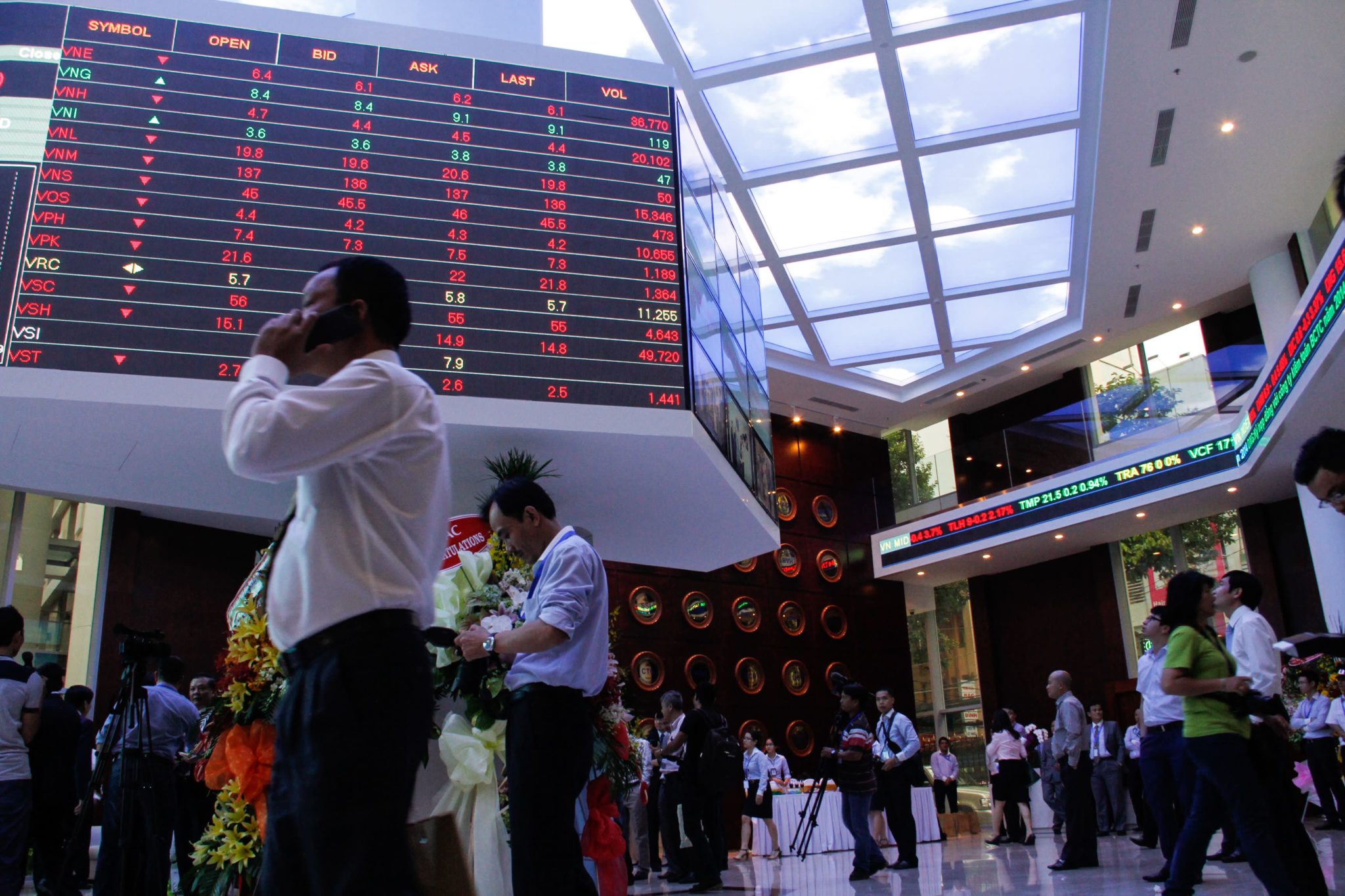
  • Vietnam Stocks Soar to Six-Week High: A Remarkable Upsurge on the VN-Index

    Vietnam Stocks Soar to Six-Week High: A Remarkable Upsurge on the VN-Index

    On Tuesday, the VN-Index, Vietnam’s benchmark index, rose by 0.9% to reach 1,717.06 points. This marked the highest level it had reached since October 17. The index ended the day 15 points higher, with a total increase of over 56 points across the previous five sessions.

    Growth in Trading

    The Ho Chi Minh Stock Exchange, where the index is located, experienced a 6.4% increase in trading. The trade value came to VND22.39 trillion, equivalent to US$849 million.

    Significant Stock Movements

    The VN30 basket comprises the 30 largest capped stocks, of which 20 saw an increase in their share prices. Leading the pack was Sabeco’s SAB and Vietjet’s VJC, both of which saw a significant 6.9% increase in their share prices. They were closely followed by the Vietnam Rubber Group’s GVR, which saw an increase of 3.9%, and Techcombank’s TCB, which experienced a 3% hike in its share price.

    On the other hand, five blue-chip stocks experienced a drop, with VPBank’s VPB seeing the most significant decline of 1.4%.

    Foreign Investment

    In terms of foreign investment, investors were net buyers, with VND637 billion invested predominantly in Vietjet’s VJC and Vingroup’s VIC.

    Other Indices

    Other exchanges also saw a rise in their indices. The HNX-Index on the Hanoi Stock Exchange, famous for mid and small-cap stocks, saw an increase of 0.37%. Meanwhile, the UPCoM-Index for the Unlisted Public Companies Market experienced an increase of 0.47%.

    Questions & Answers

    What was the highest point reached by the VN-Index on Tuesday?
    The VN-Index reached its highest point since October 17 on Tuesday, concluding at 1,717.06 points.

    Which stocks led the increase in the VN30 basket?
    The stocks that led the increase in the VN30 basket were Sabeco’s SAB and Vietjet’s VJC, each experiencing a 6.9% rise in share price.

    What was the trend among foreign investors?
    Foreign investors were predominantly net buyers, notably investing in Vietjet’s VJC and Vingroup’s VIC.

  • HSBC Bolsters ASEAN Presence: Ruby Ho to Spearhead Markets and Securities Services in Singapore

    HSBC Bolsters ASEAN Presence: Ruby Ho to Spearhead Markets and Securities Services in Singapore

    HSBC, the UK-based banking institution, recently undertook a strategic shift in its Southeast Asian operations, assigning an experienced professional to spearhead its markets and securities services across ASEAN.

    Ruby Ho Takes the Reins

    Ruby Ho now holds the reins of HSBC’s Markets and Securities Services (MSS) franchise throughout Singapore and the ASEAN region. She will lead the bank’s regional strategy for markets and securities services, poised at a moment when institutional demand, transnational investment, and treasury needs in Southeast Asia are on the rise.

    Ho comes to the role armed with almost three decades of experience in the financial markets. She joined HSBC in 2011 and has since occupied high-ranking roles across a variety of asset classes and markets, most recently serving as the head of MSS in HSBC Taiwan. Her proven ability to build robust institutional relationships is expected to be instrumental in driving client engagement across the region.

    Fostering HSBC’s ASEAN Growth Goals

    HSBC’s management team sees Ho’s appointment as a significant stride towards deepening the bank’s regional footprint. “Singapore is a high-priority growth market for HSBC. We have been consistently enhancing our regional banking and advisory capabilities, catering to the capital and investment requirements of our ASEAN clients”, said Wong Kee Joo, CEO of HSBC Singapore.

    He further remarked on Ho’s “vast expertise across asset classes and her capacity to foster robust collaboration across our wealth and corporate banking sectors, which will assist us in expanding our market share in this region.”

    Prepared for Growth

    With demographic growth, burgeoning capital markets, and increasing intra-regional investment, ASEAN is one of HSBC’s key areas of focus worldwide.

    The appointment of an experienced markets executive emphasises the bank’s intent to augment its MSS portfolio and seize a larger share of the institutional market across Southeast Asia.

    Questions & Answers

    Who has HSBC appointed to lead its MSS franchise in the ASEAN region?
    Ruby Ho has been appointed to oversee HSBC’s Markets and Securities Services in the ASEAN region.

    What is the significance of Ruby Ho’s appointment to HSBC’s growth strategy in ASEAN?
    Ho’s appointment is seen as a key step in strengthening HSBC’s regional presence and providing a boost to the bank’s growth agenda in the ASEAN market.

    What factors make ASEAN a high-priority area for HSBC?
    ASEAN is a key focus for HSBC due to the region’s demographic growth, expanding capital markets, and rising intra-regional investment.

  • Revolutionizing Global Commerce: Ant Group’s Vision for AI-Driven Financial Tools for SMEs

    Revolutionizing Global Commerce: Ant Group’s Vision for AI-Driven Financial Tools for SMEs

    Eric Jing, Chairman of Ant Group, recently presented his vision for propelling small-to-medium-sized enterprises (SMEs) into the next level of productivity at the Singapore FinTech Festival. He posited that artificial intelligence (AI)-driven financial tools and tokenised transactions would fundamentally transform how SMEs function and compete on a global scale.

    AI-Driven Transformation for SMEs

    Jing highlighted Ant Group’s dedication to equipping SMEs with AI-driven payment and operational tools. He believes the tools will position companies to reap the rewards of an upcoming global productivity boom. Jing expressed his belief that frontier technology can significantly foster inclusion and support SMEs.

    Singapore: A Global Hub for Growth

    Ant International, which became autonomous in 2024, has its headquarters in Singapore. It collaborates with over 1,400 institutional partners and its global payment and digitalisation network caters to 150 million businesses. The network also links QR-based wallets reaching more than 1.8 billion consumer accounts worldwide.

    Expectations for AI-Driven Finance

    Jing forecasts an increase in personalised AI financial advisors for consumers and an accelerated shift toward agentic commerce for businesses. He predicts the latter will be driven by autonomous systems capable of managing comprehensive payment and operational tasks. Jing believes that AI agents could be instrumental in helping SMEs that struggle with the complexities of the global trade environment.

    AI Tools Enhancing Efficiency for SMEs

    Antom, the merchant services division of Ant International, is already leveraging AI with Antom Copilot. This tool streamlines payment integration, onboarding, risk settings, and chargeback management. According to Ant International, Copilot reduces integration time by over 90%, improves winning rates for chargebacks by three percentage points, and cuts resolution time by 46%.

    Antom also recently launched EPOS360, an integrated application that combines POS systems, payments, banking, lending, and growth support into one platform. This tool is designed to help micro, small, and medium enterprises (MSMEs) expand more efficiently. Jing depicted these AI agents as virtual Chief Operating Officers (COOs) and Chief Financial Officers (CFOs) that serve as planners and implementers for SMEs.

    Emergence of Multi-Agent Systems

    Jing stressed that autonomous multi-agent systems capable of executing complex transactions are not just theoretical but are already becoming a reality. He maintained that these systems will form the backbone of the next phase of global digital commerce, especially for SMEs operating internationally.

    Jing underscored the importance of tokenisation of money as a key facilitator of real-time global transactions, especially for companies engaged in international trade. He also emphasised the importance of policy guidance from regulators.

    Trials in Tokenised Money

    In the context of Project Guardian, Ant International has taken part in pilot programmes involving tokenised money and cross-border transactions. These trials have illustrated how blockchain-based payments can provide real-time transparency and credibility to SMEs operating globally.

    Through the Monetary Authority of Singapore’s (MAS) PathFin.ai initiative, Ant International is also sharing its expertise on AI implementation. Jing highlighted the company’s Falcon Time-Series Transformer, an 8.5-billion-parameter model for FX and liquidity forecasting, which has contributed to significant improvement in cash-flow prediction accuracy and reduced hedging costs for businesses.

    Questions & Answers

    What is Ant Group’s vision for SMEs?
    Ant Group aims to equip SMEs with AI-driven financial tools and other operational aids to boost their productivity and global competitiveness.

    How is Ant International leveraging AI for SMEs?
    Ant International uses AI through tools like Antom Copilot and EPOS360 to streamline payment integration, onboarding, risk settings, and chargeback management, making these processes more efficient for SMEs.

    What are the benefits of tokenised money for SMEs?
    Tokenised money can facilitate real-time global transactions, providing transparency and credibility for SMEs that operate internationally. Through blockchain-based payments, SMEs can gain a competitive edge in the global market.

  • Boku Leverages Singapore as Gateway to Revolutionize Global Payments Market

    Boku Leverages Singapore as Gateway to Revolutionize Global Payments Market

    Boku, a leading mobile payments company, has selected Singapore as the site for its latest Innovation Hub. This decision aligns with the company’s strategic plan to secure a portion of the rapidly expanding global payments market, which is projected to reach nearly $290 trillion by 2030.

    Introducing the Innovation Hub

    Boku’s new Innovation Hub is dedicated to developing advanced capabilities aimed at guiding businesses through the complexities of global monetary transactions. The company, founded in 2008 and currently headquartered in London, maintains a global presence with offices throughout North America, Asia-Pacific, Europe, and Latin America.

    Given the anticipated growth in global payments, Boku is focusing its efforts on addressing the key difficulties in foreign exchange, payouts, and the interoperability of digital wallets. These areas have become essential for businesses looking to scale internationally.

    The Rise of Local Payment Methods

    The transition from traditional card-based payment methods to local payment methods (LPMs) is progressing at a pace much faster than industry experts predicted. According to research conducted by Boku in partnership with Juniper Research, LPMs surpassed traditional card payments in popularity in 2025 and are predicted to comprise 59 percent of all global ecommerce transactions by 2028.

    Leadership of the Innovation Hub

    Yi Hahn Chin, former Citibank executive with over two decades of experience in transaction banking and cross-border payment innovation, will lead the Hub. Chin’s appointment underscores Boku’s commitment to marrying global expertise with regional proximity. He noted the persistent challenges of cross-border payments for digital merchants operating in multiple markets. According to Chin, basing the team in Singapore will enable closer collaboration with merchants and partners, resulting in capabilities that directly address the evolving needs of the market and improve commercial outcomes.

    Singapore as a Strategic Location

    Singapore was chosen as the location for Boku’s new Hub due to its abundant fintech talent, clear regulatory framework, and its pivotal role in the Asia-Pacific’s burgeoning mobile-first payment landscape. The Hub will leverage Singapore’s position to collaborate with fintech companies and merchants in designing and testing solutions aimed at minimizing cross-border complexities and broadening acceptance.

    Moving Beyond Traditional Payments

    Stuart Neal, CEO of Boku, emphasized the need for merchants to have access to a payment infrastructure that simplifies processes while extending reach. He indicated that the Innovation Hub will enable Boku to create and trial solutions in actual markets with real partners, and that basing the team in Singapore will be key to enhancing relationships with Asia-Pacific merchants and driving growth.

    Global Reach of Boku’s Network

    Boku presently offers over 200 local payment methods, reaching more than 7 billion consumer accounts across over 60 countries. The company processes transactions for over 100 million active users monthly, with digital wallets and account-to-account payments forming the backbone of the company’s growth. With the introduction of the new Singapore Hub, Boku is signaling its intention to climb higher up the value chain by not just linking payment methods, but also by facilitating smooth, data-driven cross-border trade.

    Questions & Answers

    What is the purpose of Boku’s Innovation Hub in Singapore?
    The Hub is intended to develop new capabilities to help businesses navigate the complexities of global monetary transactions, with a focus on addressing key difficulties in foreign exchange, payouts, and the interoperability of digital wallets.

    Who will be leading Boku’s new Innovation Hub?
    Yi Hahn Chin, a former Citibank executive with over 20 years of experience in transaction banking and cross-border payment innovation, will be leading the Hub.

    Why was Singapore chosen as the location for Boku’s Innovation Hub?
    Singapore was chosen due to its rich fintech talent pool, clear regulatory framework, and because of its central role in the Asia-Pacific’s burgeoning mobile-first payment landscape.

  • Mcredit’s B+ Rating Affirmed by Fitch Ratings, Highlighting Strong Financial Performance and Digital Transformation Progress

    Mcredit’s B+ Rating Affirmed by Fitch Ratings, Highlighting Strong Financial Performance and Digital Transformation Progress

    Fitch Ratings, a globally recognized credit rating agency, has once again affirmed the Long-Term Issuer Default Rating (IDR) of MB Shinsei Consumer Credit Finance Limited Liability Company (Mcredit), maintaining it at B+ with a stable outlook. This represents the second consecutive year Mcredit’s long-term credit rating has been upheld at this level.

    Steady Financial Foundation

    In a previous assessment in June 2025, the Vietnam Investment Credit Rating Joint Stock Company conferred an A- long-term issuer rating on Mcredit. This underlined Mcredit’s firm financial base, consistent market standing, and escalating acclaim within Vietnam’s consumer finance landscape.

    Fitch’s rating highlights the consistent backing from Mcredit’s two strategic shareholders, the Military Commercial Joint Stock Bank (MB) and SBI Shinsei Bank based in Japan. This collaboration has not only bolstered the company’s financial stamina and fostered transparent governance, but it has also encouraged a mutual emphasis on sustainable growth and digital innovation.

    Focus on Digital Transformation

    In response to evolving market trends, Mcredit has accelerated its comprehensive digital transformation in recent years. By effectively utilizing its strategic ecosystem – which includes partners like MB, MoMo, Viettel, and ZaloPay – Mcredit has been able to broaden its customer reach and diversify its offerings.

    This tactical approach has resulted in robust operational performance and sustained growth. In the first half of 2025, Mcredit reported a 31% year-on-year increase in total operating income. Profit before tax grew 11%, and the cost-to-income ratio (CIR) saw a 5.4 percentage point improvement compared to the previous year.

    Positive Ratings Reaffirm Business Strategy

    The favorable assessments Mcredit received from both Fitch Ratings and the Vietnam Investment Credit Rating Joint Stock Company underscore the company’s strong risk management, sustainable business strategy, and prowess in digital innovation. These ratings have further boosted market confidence for customers, partners, and investors both within Vietnam and internationally.

    Questions & Answers

    What is Mcredit’s Long-Term Issuer Default Rating (IDR) as affirmed by Fitch Ratings?
    Mcredit’s Long-Term Issuer Default Rating (IDR) has been affirmed as B+ with a stable outlook by Fitch Ratings.

    How have Mcredit’s strategic partnerships contributed to its operations?
    Mcredit’s partnerships have contributed to the company’s robust financial status, transparent governance, and focus on sustainable growth and digital transformation. They have also helped the company diversify its offerings and expand its customer base.

    What are some of Mcredit’s recent operational performance metrics?
    In the first half of 2025, Mcredit reported a 31% year-on-year increase in total operating income. Additionally, profit before tax rose 11%, and the cost-to-income ratio (CIR) improved by 5.4 percentage points compared to the previous year.