Tag: financial

  • US Dollar Dips to Five-Week Low: Anticipations Rise for Potential Federal Reserve Rate Cut

    US Dollar Dips to Five-Week Low: Anticipations Rise for Potential Federal Reserve Rate Cut

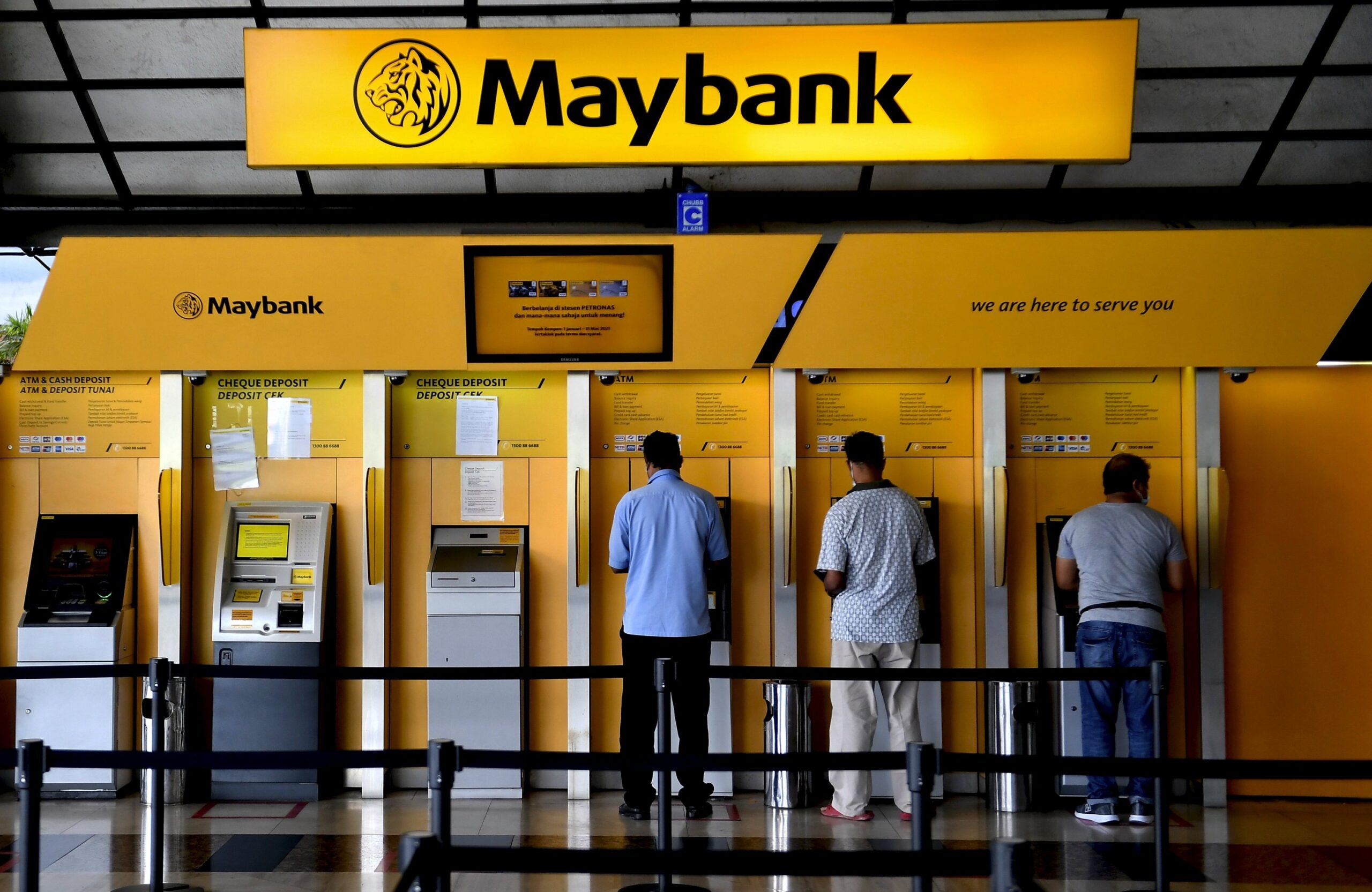
    On Friday morning, the strength of the U.S. dollar saw a slight decrease against the Vietnamese dong, trading near a five-week low against major currencies. The Vietnamese-based commercial bank, Vietcombank, traded the U.S. dollar at a rate of VND26,408, a marginal decrease of 0.004% from the previous day’s rate. Additionally, on the unofficial black market, the currency showed a 0.05% slip, trading at around VND27,402.

    Vietnam’s Central Bank Update

    The State Bank of Vietnam adjusted their reference rate down by 0.004% to VND25,151. This rate is the benchmark against which banks in the country can negotiate their exchange rates for the day’s transactions.

    Global Performance of U.S. Dollar

    Internationally, the U.S. dollar was hovering near a five-week low against its major competitors on Friday. This global performance has been primarily driven by the anticipation of a rate cut by the U.S. Federal Reserve in the following week.

    The dollar index, a measure of the U.S. currency against six key global currencies, was static at 99.065 early in Asia. This followed a previous downward shift that saw the index touch a five-week low of 98.765. The overall trend for the week indicates a likely 0.4% decrease in the index.

    Cross currency rates remained relatively stable. The U.S. dollar traded at 155.18 yen, while the euro stood steady at $1.1647. The British pound remained firm at $1.3326, after pulling back from a six-week high the previous day.

    The Australian dollar held steady at $0.6609, after reaching a two-month high of $0.6624 on Thursday. Meanwhile, the Canadian dollar was trading at C$1.3961 against the U.S. dollar, with the Swiss franc at 0.8035, following a significant pullback from Wednesday’s two-week high of 0.7992.

    Future Projections

    The U.S. dollar faced further pressure due to speculations surrounding potential changes in the Federal Reserve leadership. The current term of Jerome Powell, the Fed Chair, is set to end in May. Anticipations of White House economic advisor, Kevin Hassett, taking over the role are high, and he is expected to advocate for additional rate cuts.

    Questions & Answers

    What was the trading rate of the U.S. dollar at Vietcombank on Friday?
    The U.S. dollar was traded at VND26,408 at Vietcombank on Friday.

    What changes were observed in the U.S. dollar’s performance against major currencies?
    On Friday, the U.S. dollar was trading near a five-week low against major currencies.

    Who is expected to succeed Jerome Powell as the Fed Chair, and what is anticipated from his tenure?
    White House economic advisor, Kevin Hassett, is expected to succeed Jerome Powell. Hassett is likely to advocate for more rate cuts.
  • Vietnam Stocks Soar to Six-Week High: A Remarkable Upsurge on the VN-Index

    Vietnam Stocks Soar to Six-Week High: A Remarkable Upsurge on the VN-Index

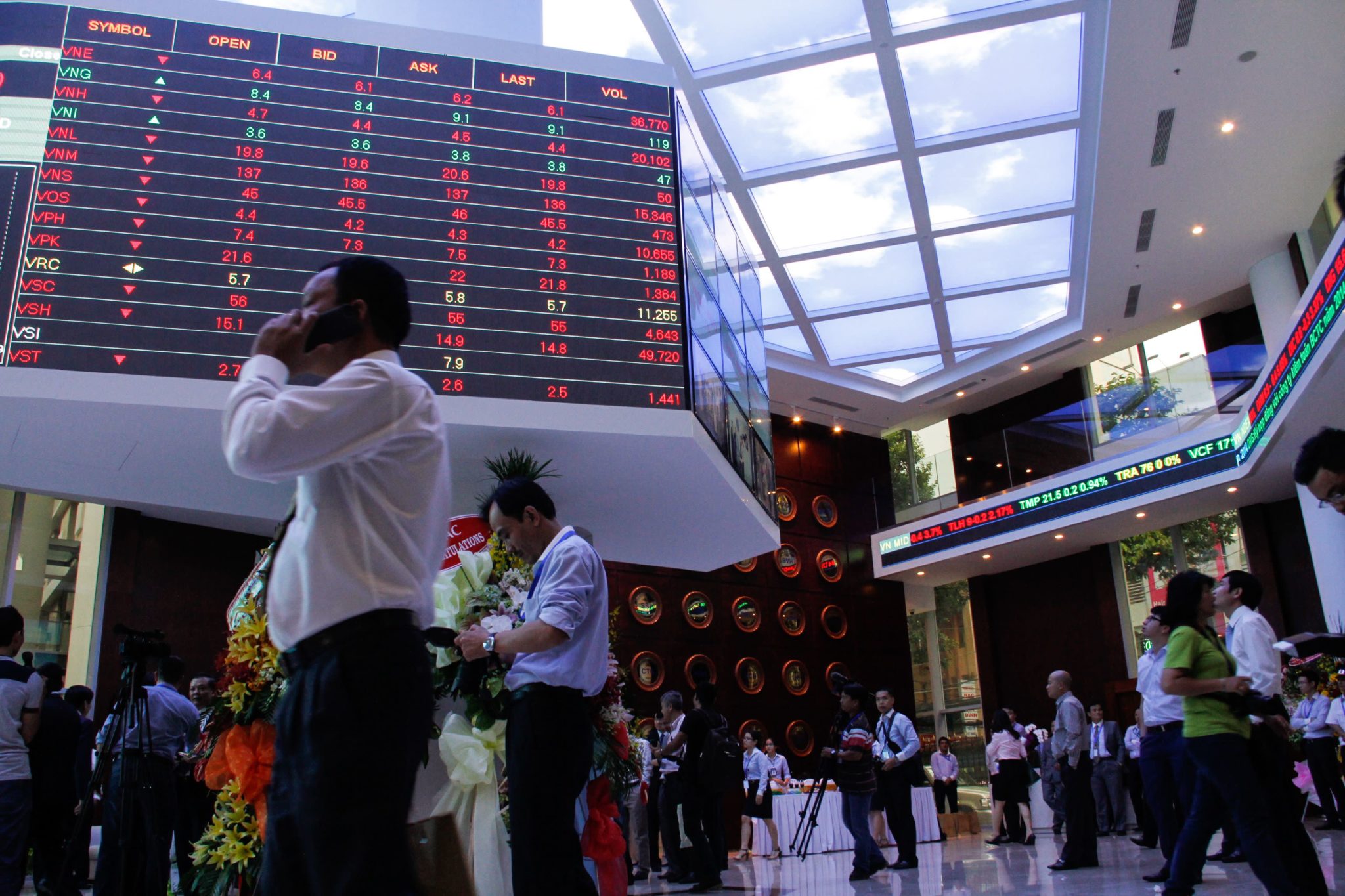
    On Tuesday, the VN-Index, Vietnam’s benchmark index, rose by 0.9% to reach 1,717.06 points. This marked the highest level it had reached since October 17. The index ended the day 15 points higher, with a total increase of over 56 points across the previous five sessions.

    Growth in Trading

    The Ho Chi Minh Stock Exchange, where the index is located, experienced a 6.4% increase in trading. The trade value came to VND22.39 trillion, equivalent to US$849 million.

    Significant Stock Movements

    The VN30 basket comprises the 30 largest capped stocks, of which 20 saw an increase in their share prices. Leading the pack was Sabeco’s SAB and Vietjet’s VJC, both of which saw a significant 6.9% increase in their share prices. They were closely followed by the Vietnam Rubber Group’s GVR, which saw an increase of 3.9%, and Techcombank’s TCB, which experienced a 3% hike in its share price.

    On the other hand, five blue-chip stocks experienced a drop, with VPBank’s VPB seeing the most significant decline of 1.4%.

    Foreign Investment

    In terms of foreign investment, investors were net buyers, with VND637 billion invested predominantly in Vietjet’s VJC and Vingroup’s VIC.

    Other Indices

    Other exchanges also saw a rise in their indices. The HNX-Index on the Hanoi Stock Exchange, famous for mid and small-cap stocks, saw an increase of 0.37%. Meanwhile, the UPCoM-Index for the Unlisted Public Companies Market experienced an increase of 0.47%.

    Questions & Answers

    What was the highest point reached by the VN-Index on Tuesday?
    The VN-Index reached its highest point since October 17 on Tuesday, concluding at 1,717.06 points.

    Which stocks led the increase in the VN30 basket?
    The stocks that led the increase in the VN30 basket were Sabeco’s SAB and Vietjet’s VJC, each experiencing a 6.9% rise in share price.

    What was the trend among foreign investors?
    Foreign investors were predominantly net buyers, notably investing in Vietjet’s VJC and Vingroup’s VIC.

  • HSBC Bolsters ASEAN Presence: Ruby Ho to Spearhead Markets and Securities Services in Singapore

    HSBC Bolsters ASEAN Presence: Ruby Ho to Spearhead Markets and Securities Services in Singapore

    HSBC, the UK-based banking institution, recently undertook a strategic shift in its Southeast Asian operations, assigning an experienced professional to spearhead its markets and securities services across ASEAN.

    Ruby Ho Takes the Reins

    Ruby Ho now holds the reins of HSBC’s Markets and Securities Services (MSS) franchise throughout Singapore and the ASEAN region. She will lead the bank’s regional strategy for markets and securities services, poised at a moment when institutional demand, transnational investment, and treasury needs in Southeast Asia are on the rise.

    Ho comes to the role armed with almost three decades of experience in the financial markets. She joined HSBC in 2011 and has since occupied high-ranking roles across a variety of asset classes and markets, most recently serving as the head of MSS in HSBC Taiwan. Her proven ability to build robust institutional relationships is expected to be instrumental in driving client engagement across the region.

    Fostering HSBC’s ASEAN Growth Goals

    HSBC’s management team sees Ho’s appointment as a significant stride towards deepening the bank’s regional footprint. “Singapore is a high-priority growth market for HSBC. We have been consistently enhancing our regional banking and advisory capabilities, catering to the capital and investment requirements of our ASEAN clients”, said Wong Kee Joo, CEO of HSBC Singapore.

    He further remarked on Ho’s “vast expertise across asset classes and her capacity to foster robust collaboration across our wealth and corporate banking sectors, which will assist us in expanding our market share in this region.”

    Prepared for Growth

    With demographic growth, burgeoning capital markets, and increasing intra-regional investment, ASEAN is one of HSBC’s key areas of focus worldwide.

    The appointment of an experienced markets executive emphasises the bank’s intent to augment its MSS portfolio and seize a larger share of the institutional market across Southeast Asia.

    Questions & Answers

    Who has HSBC appointed to lead its MSS franchise in the ASEAN region?
    Ruby Ho has been appointed to oversee HSBC’s Markets and Securities Services in the ASEAN region.

    What is the significance of Ruby Ho’s appointment to HSBC’s growth strategy in ASEAN?
    Ho’s appointment is seen as a key step in strengthening HSBC’s regional presence and providing a boost to the bank’s growth agenda in the ASEAN market.

    What factors make ASEAN a high-priority area for HSBC?
    ASEAN is a key focus for HSBC due to the region’s demographic growth, expanding capital markets, and rising intra-regional investment.

  • Revolutionizing Global Commerce: Ant Group’s Vision for AI-Driven Financial Tools for SMEs

    Revolutionizing Global Commerce: Ant Group’s Vision for AI-Driven Financial Tools for SMEs

    Eric Jing, Chairman of Ant Group, recently presented his vision for propelling small-to-medium-sized enterprises (SMEs) into the next level of productivity at the Singapore FinTech Festival. He posited that artificial intelligence (AI)-driven financial tools and tokenised transactions would fundamentally transform how SMEs function and compete on a global scale.

    AI-Driven Transformation for SMEs

    Jing highlighted Ant Group’s dedication to equipping SMEs with AI-driven payment and operational tools. He believes the tools will position companies to reap the rewards of an upcoming global productivity boom. Jing expressed his belief that frontier technology can significantly foster inclusion and support SMEs.

    Singapore: A Global Hub for Growth

    Ant International, which became autonomous in 2024, has its headquarters in Singapore. It collaborates with over 1,400 institutional partners and its global payment and digitalisation network caters to 150 million businesses. The network also links QR-based wallets reaching more than 1.8 billion consumer accounts worldwide.

    Expectations for AI-Driven Finance

    Jing forecasts an increase in personalised AI financial advisors for consumers and an accelerated shift toward agentic commerce for businesses. He predicts the latter will be driven by autonomous systems capable of managing comprehensive payment and operational tasks. Jing believes that AI agents could be instrumental in helping SMEs that struggle with the complexities of the global trade environment.

    AI Tools Enhancing Efficiency for SMEs

    Antom, the merchant services division of Ant International, is already leveraging AI with Antom Copilot. This tool streamlines payment integration, onboarding, risk settings, and chargeback management. According to Ant International, Copilot reduces integration time by over 90%, improves winning rates for chargebacks by three percentage points, and cuts resolution time by 46%.

    Antom also recently launched EPOS360, an integrated application that combines POS systems, payments, banking, lending, and growth support into one platform. This tool is designed to help micro, small, and medium enterprises (MSMEs) expand more efficiently. Jing depicted these AI agents as virtual Chief Operating Officers (COOs) and Chief Financial Officers (CFOs) that serve as planners and implementers for SMEs.

    Emergence of Multi-Agent Systems

    Jing stressed that autonomous multi-agent systems capable of executing complex transactions are not just theoretical but are already becoming a reality. He maintained that these systems will form the backbone of the next phase of global digital commerce, especially for SMEs operating internationally.

    Jing underscored the importance of tokenisation of money as a key facilitator of real-time global transactions, especially for companies engaged in international trade. He also emphasised the importance of policy guidance from regulators.

    Trials in Tokenised Money

    In the context of Project Guardian, Ant International has taken part in pilot programmes involving tokenised money and cross-border transactions. These trials have illustrated how blockchain-based payments can provide real-time transparency and credibility to SMEs operating globally.

    Through the Monetary Authority of Singapore’s (MAS) PathFin.ai initiative, Ant International is also sharing its expertise on AI implementation. Jing highlighted the company’s Falcon Time-Series Transformer, an 8.5-billion-parameter model for FX and liquidity forecasting, which has contributed to significant improvement in cash-flow prediction accuracy and reduced hedging costs for businesses.

    Questions & Answers

    What is Ant Group’s vision for SMEs?
    Ant Group aims to equip SMEs with AI-driven financial tools and other operational aids to boost their productivity and global competitiveness.

    How is Ant International leveraging AI for SMEs?
    Ant International uses AI through tools like Antom Copilot and EPOS360 to streamline payment integration, onboarding, risk settings, and chargeback management, making these processes more efficient for SMEs.

    What are the benefits of tokenised money for SMEs?
    Tokenised money can facilitate real-time global transactions, providing transparency and credibility for SMEs that operate internationally. Through blockchain-based payments, SMEs can gain a competitive edge in the global market.

  • Boku Leverages Singapore as Gateway to Revolutionize Global Payments Market

    Boku Leverages Singapore as Gateway to Revolutionize Global Payments Market

    Boku, a leading mobile payments company, has selected Singapore as the site for its latest Innovation Hub. This decision aligns with the company’s strategic plan to secure a portion of the rapidly expanding global payments market, which is projected to reach nearly $290 trillion by 2030.

    Introducing the Innovation Hub

    Boku’s new Innovation Hub is dedicated to developing advanced capabilities aimed at guiding businesses through the complexities of global monetary transactions. The company, founded in 2008 and currently headquartered in London, maintains a global presence with offices throughout North America, Asia-Pacific, Europe, and Latin America.

    Given the anticipated growth in global payments, Boku is focusing its efforts on addressing the key difficulties in foreign exchange, payouts, and the interoperability of digital wallets. These areas have become essential for businesses looking to scale internationally.

    The Rise of Local Payment Methods

    The transition from traditional card-based payment methods to local payment methods (LPMs) is progressing at a pace much faster than industry experts predicted. According to research conducted by Boku in partnership with Juniper Research, LPMs surpassed traditional card payments in popularity in 2025 and are predicted to comprise 59 percent of all global ecommerce transactions by 2028.

    Leadership of the Innovation Hub

    Yi Hahn Chin, former Citibank executive with over two decades of experience in transaction banking and cross-border payment innovation, will lead the Hub. Chin’s appointment underscores Boku’s commitment to marrying global expertise with regional proximity. He noted the persistent challenges of cross-border payments for digital merchants operating in multiple markets. According to Chin, basing the team in Singapore will enable closer collaboration with merchants and partners, resulting in capabilities that directly address the evolving needs of the market and improve commercial outcomes.

    Singapore as a Strategic Location

    Singapore was chosen as the location for Boku’s new Hub due to its abundant fintech talent, clear regulatory framework, and its pivotal role in the Asia-Pacific’s burgeoning mobile-first payment landscape. The Hub will leverage Singapore’s position to collaborate with fintech companies and merchants in designing and testing solutions aimed at minimizing cross-border complexities and broadening acceptance.

    Moving Beyond Traditional Payments

    Stuart Neal, CEO of Boku, emphasized the need for merchants to have access to a payment infrastructure that simplifies processes while extending reach. He indicated that the Innovation Hub will enable Boku to create and trial solutions in actual markets with real partners, and that basing the team in Singapore will be key to enhancing relationships with Asia-Pacific merchants and driving growth.

    Global Reach of Boku’s Network

    Boku presently offers over 200 local payment methods, reaching more than 7 billion consumer accounts across over 60 countries. The company processes transactions for over 100 million active users monthly, with digital wallets and account-to-account payments forming the backbone of the company’s growth. With the introduction of the new Singapore Hub, Boku is signaling its intention to climb higher up the value chain by not just linking payment methods, but also by facilitating smooth, data-driven cross-border trade.

    Questions & Answers

    What is the purpose of Boku’s Innovation Hub in Singapore?
    The Hub is intended to develop new capabilities to help businesses navigate the complexities of global monetary transactions, with a focus on addressing key difficulties in foreign exchange, payouts, and the interoperability of digital wallets.

    Who will be leading Boku’s new Innovation Hub?
    Yi Hahn Chin, a former Citibank executive with over 20 years of experience in transaction banking and cross-border payment innovation, will be leading the Hub.

    Why was Singapore chosen as the location for Boku’s Innovation Hub?
    Singapore was chosen due to its rich fintech talent pool, clear regulatory framework, and because of its central role in the Asia-Pacific’s burgeoning mobile-first payment landscape.

  • Mcredit’s B+ Rating Affirmed by Fitch Ratings, Highlighting Strong Financial Performance and Digital Transformation Progress

    Mcredit’s B+ Rating Affirmed by Fitch Ratings, Highlighting Strong Financial Performance and Digital Transformation Progress

    Fitch Ratings, a globally recognized credit rating agency, has once again affirmed the Long-Term Issuer Default Rating (IDR) of MB Shinsei Consumer Credit Finance Limited Liability Company (Mcredit), maintaining it at B+ with a stable outlook. This represents the second consecutive year Mcredit’s long-term credit rating has been upheld at this level.

    Steady Financial Foundation

    In a previous assessment in June 2025, the Vietnam Investment Credit Rating Joint Stock Company conferred an A- long-term issuer rating on Mcredit. This underlined Mcredit’s firm financial base, consistent market standing, and escalating acclaim within Vietnam’s consumer finance landscape.

    Fitch’s rating highlights the consistent backing from Mcredit’s two strategic shareholders, the Military Commercial Joint Stock Bank (MB) and SBI Shinsei Bank based in Japan. This collaboration has not only bolstered the company’s financial stamina and fostered transparent governance, but it has also encouraged a mutual emphasis on sustainable growth and digital innovation.

    Focus on Digital Transformation

    In response to evolving market trends, Mcredit has accelerated its comprehensive digital transformation in recent years. By effectively utilizing its strategic ecosystem – which includes partners like MB, MoMo, Viettel, and ZaloPay – Mcredit has been able to broaden its customer reach and diversify its offerings.

    This tactical approach has resulted in robust operational performance and sustained growth. In the first half of 2025, Mcredit reported a 31% year-on-year increase in total operating income. Profit before tax grew 11%, and the cost-to-income ratio (CIR) saw a 5.4 percentage point improvement compared to the previous year.

    Positive Ratings Reaffirm Business Strategy

    The favorable assessments Mcredit received from both Fitch Ratings and the Vietnam Investment Credit Rating Joint Stock Company underscore the company’s strong risk management, sustainable business strategy, and prowess in digital innovation. These ratings have further boosted market confidence for customers, partners, and investors both within Vietnam and internationally.

    Questions & Answers

    What is Mcredit’s Long-Term Issuer Default Rating (IDR) as affirmed by Fitch Ratings?
    Mcredit’s Long-Term Issuer Default Rating (IDR) has been affirmed as B+ with a stable outlook by Fitch Ratings.

    How have Mcredit’s strategic partnerships contributed to its operations?
    Mcredit’s partnerships have contributed to the company’s robust financial status, transparent governance, and focus on sustainable growth and digital transformation. They have also helped the company diversify its offerings and expand its customer base.

    What are some of Mcredit’s recent operational performance metrics?
    In the first half of 2025, Mcredit reported a 31% year-on-year increase in total operating income. Additionally, profit before tax rose 11%, and the cost-to-income ratio (CIR) improved by 5.4 percentage points compared to the previous year.

  • Singapore FinTech Festival 2025: Blueprint for Next Decade’s Financial Technology Revolution Begins This Week

    Singapore FinTech Festival 2025: Blueprint for Next Decade’s Financial Technology Revolution Begins This Week

    The Singapore FinTech Festival (SFF) 2025, the country’s premier annual financial technology event, is set to begin this week. The highly anticipated conference will feature over 800 speakers covering a myriad of topics within the industry.

    Looking Ahead to a Decade of Innovative Finance

    This year’s theme, “Technology Blueprint for the Next Decade of Finance,” aptly underscores the forward-looking spirit of the event. Scheduled for November 12 to 14, the festival marks its 10th year of being a central hub for fintech thought leadership and innovation. The event is a collaborative effort between the Monetary Authority of Singapore (MAS), the Global Finance & Technology Network (GFTN), Constellar, and the Association of Banks in Singapore (ABS).

    Across more than 400 sessions, over 800 speakers will discuss topics such as artificial intelligence, tokenization, settlement assets, quantum technology, and financial inclusion. In addition to these speakers, the event will host over 500 sponsors and exhibitors, creating a truly global platform with over 40 international pavilions spread across six exhibition halls.

    Insights Forum and Beyond

    Before the main conference, the Insight Forum will take place from November 10 to 11. This pre-event will include Public-Private Roundtables, the second annual Layer 1 Summit, and Thematic Spotlights.

    Kenneth Gay, Chief FinTech Officer at MAS, reflected on the significance of this milestone. He noted that SFF 2025 presents a pivotal moment in the financial technology industry, setting the stage for the next decade of fintech growth and transformation.

    Similarly, Sopnendu Mohanty, Group CEO of GFTN, highlighted the importance of responsible AI utilization, safe scaling in tokenization, and the readiness for a quantum future. According to Mohanty, these areas will be critical in shaping resilient and innovative financial infrastructures.

    Chua Wee Phong, Group CEO of Constellar, shared that apart from the exhibition, the festival will also offer immersive experiences, such as a new interactive digital engagement initiative powered by Ant International’s Antom. This, along with elements like the SFF Gallery, live-streamed sessions, and after-party celebrations, will contribute to a unique festival atmosphere centered on discovery, networking, and innovation.

    Questions & Answers

    What is the theme of the Singapore FinTech Festival (SFF) 2025?
    The theme for SFF 2025 is “Technology Blueprint for the Next Decade of Finance.”

    What topics will the speakers at SFF 2025 cover?
    The speakers will cover a range of topics, including artificial intelligence, tokenization, settlement assets, quantum technology, and financial inclusion.

    What are some highlights beyond the exhibition at SFF 2025?
    Beyond the exhibition, the festival will feature immersive experiences like a new interactive digital engagement initiative, the SFF Gallery, live-streamed sessions, and after-party celebrations.

  • UBS Eyes Nationwide Expansion in US: A Game-Changer in Wealth Management Services

    UBS Eyes Nationwide Expansion in US: A Game-Changer in Wealth Management Services

    UBS, a Swiss multinational investment bank and financial services company, has signaled its plans to significantly expand its footprint in the United States’ financial market. This move demonstrates UBS’s dedication to deepening its presence across the American financial landscape.

    Existing Limitations and Expansion Plans

    With its current state-level charter, UBS has been able to offer its wealth management clients in the US a variety of banking services, including cash management, credit cards, and securities-based lending. However, the state-level charter also imposes certain limitations on the range of services the bank can offer.

    To expand its wealth management arsenal, UBS Bank USA, a subsidiary of UBS, has applied to the Office of the Comptroller of the Currency (OCC). The approval of this application would allow UBS to provide a more comprehensive portfolio of banking and lending services, including traditional checking and savings accounts.

    In essence, UBS is striving to deliver a full suite of banking services to its wealth management clients in the United States. This will make it easier for these clients to manage their finances in one location. The license is expected to facilitate a gradual expansion of the bank’s current range of services.

    A Testament to Long-Term Commitment

    UBS anticipates gaining regulatory approval in 2026, a process which is subject to review by the US authorities. This strategic move comes at a time when UBS is strengthening its status as the world’s largest wealth manager. This followed its acquisition of Credit Suisse and reflects its effort to balance its global scale with a deeper penetration in key markets, including the United States.

    Questions & Answers

    What does UBS’s application to the OCC imply?
    It signifies the bank’s intent to offer a broader range of banking and lending services, including traditional checking and savings accounts, to its wealth management clients in the US.

    What factors have provoked UBS’s decision to expand its services in the US?
    The decision is a reflection of UBS’s strategy to strengthen its position as the world’s largest wealth manager, following its acquisition of Credit Suisse, and to deepen its roots in key markets such as the US.

    When does UBS anticipate gaining regulatory approval for the expansion?
    UBS expects to gain regulatory approval by 2026, a process that is subject to a review by the US authorities.

  • HSBC To Acknowledge $1.1b Provision Following Luxembourg Court Ruling Tied To Madoff Scandal

    HSBC To Acknowledge $1.1b Provision Following Luxembourg Court Ruling Tied To Madoff Scandal

    HSBC, a London-based financial institution, is set to acknowledge a significant provision following a court ruling in Luxembourg, in relation to an ongoing lawsuit tied to the infamous Bernard Madoff scandal.

    The Madoff Scandal Impact

    HSBC is expected to make an accounting provision amounting to $1.1 billion in its third quarter financial results. This move comes as a consequence of the Luxembourg court’s ruling on Bernard Madoff’s fraudulent investment scheme, as stated in an official report.

    The lawsuit dates back to 2009, when Herald Fund SPC sought legal action against HSBC’s Luxembourg division. The fund sought the recovery of assets it asserted were lost in the Madoff fraud scandal. It is important to note that the British bank served as a service provider to several investment funds involved with Bernard L. Madoff Investment Securities LLC.

    HSBC’s Legal Battle

    The Luxembourg court, on October 24, 2025, rejected an appeal by HSBC Securities Services Luxembourg (HSSL) regarding the recovery of securities. Nevertheless, the court accepted HSSL’s appeal related to a separate cash recovery claim. In response, HSSL plans to file another appeal. If this appeal is unsuccessful, the firm will challenge the sum to be paid in subsequent legal proceedings.

    Implications for HSBC

    The sizable provision is estimated to affect HSBC’s common equity tier 1 (CET1) capital ratio by approximately 15 basis points. However, it is expected to have no impact on the yearly return on tangible equity, excluding notable items, nor on the distribution of dividends.

    Questions & Answers

    What is the value of the provision HSBC is expected to recognize?
    HSBC is expected to recognize a provision of $1.1 billion in its third quarter results.

    Why is HSBC recognizing this provision?
    This provision is a result of a Luxembourg court ruling tied to the Bernard Madoff investment fraud scandal.

    What will be the impact of this provision on HSBC’s financials?
    The provision is estimated to affect HSBC’s CET1 capital ratio by about 15 basis points, but it will not impact the yearly return on tangible equity, excluding key items, or the distribution of dividends.

  • Gold Soars Past $4,000 an Ounce for First Time, Fueling Unprecedented Market Rally

    Gold Soars Past $4,000 an Ounce for First Time, Fueling Unprecedented Market Rally

    Spot gold prices surged by 0.7%, reaching $4,011.18 per ounce, while December gold futures also climbed 0.7% to $4,033.40 per ounce, highlighting the enduring appeal of the precious metal amidst ongoing global uncertainties.

    Gold’s Resilient Rise Amidst Market Turbulence

    In an age marked by instability, gold has solidified its reputation as a reliable store of value. Year-to-date, spot gold has soared an impressive 53%, building on a robust 27% increase in 2024.

    “There’s so much faith in this trade right now, the market is eyeing the next big milestone: $5,000, particularly with the Federal Reserve expected to keep lowering interest rates,” noted Tai Wong, an independent metals trader. Despite potential obstacles such as a lasting truce in the Middle East or challenges in Ukraine, Wong suggests that key drivers like ballooning debt, reserve diversification, and a weaker dollar will persist in influencing the gold market in the medium term.

    The Factors Fueling the Gold Rally

    Gold’s recent rally doesn’t just follow the whims of speculation; it stems from a perfect storm of conditions. Expectations surrounding interest rate reductions, persistent political and economic uncertainties, strong central bank acquisitions, increased engagement with gold exchange-traded funds, and a weakening dollar are all contributing to the precious metal’s ascent.

    As the U.S. government shutdown entered its seventh day on Tuesday, key economic indicators that typically guide market sentiment have been delayed, leaving investors to gauge the Fed’s next moves through alternative data sources. Current projections are pointing toward a 25-basis-point cut during the Fed’s upcoming meeting, followed by another cut in December, igniting further optimism for gold.

    KCM Trade Chief Market Analyst Tim Waterer commented on the backdrop of rising uncertainty: “This pattern of escalating uncertainty is historically known to drive gold prices higher, and we’re witnessing this trend play out yet again.” While lower U.S. interest rates and the government shutdown seem to favor gold, the $4,000 threshold presents a tantalizing opportunity for profit-taking, which could pose a risk in the short term.

    Global Dynamics Driving Demand

    Moreover, a “fear of missing out” phenomenon appears to be propelling the market forward. Demand for gold is further spurred by political unrest in countries like France and Japan. Capital.com analyst Kyle Rodda remarked on how recent developments, such as the election of Sanae Takaichi and the anticipated surge in Japan’s deficit spending, feed into the broader narrative of the “run it hot” trade.

    Looking ahead, analysts anticipate strong inflows into gold-backed exchange-traded funds and continued central bank purchases, bolstered by the likelihood of reduced U.S. interest rates. This outlook has prompted financial giants like Goldman Sachs and UBS to revise their price expectations for gold in 2026 significantly.

    Outside of gold, other precious metals are also seeing upward trends; spot silver has witnessed a 1.3% uptick to $48.42 per ounce, platinum advanced 2.5% to $1,658.40, and palladium rose by 1.8% to $1,361.89, showcasing a vibrant precious metals market across the board.

    Questions & Answers

    What factors are currently driving the rise in gold prices?
    A combination of anticipated interest rate cuts, political and economic uncertainty, significant central bank purchases, inflows into gold exchange-traded funds, and a weaker dollar are fueling the uptrend in gold prices.

    How has the current U.S. government shutdown affected the gold market?
    The ongoing U.S. government shutdown has delayed the release of crucial economic indicators, prompting investors to turn to alternative data to assess the Federal Reserve’s approach to interest rates, which is influencing their confidence in gold.

    What can we expect for the gold market in the near future?
    Analysts predict that demand for gold will remain strong, supported by anticipated inflows into exchange-traded funds and central bank purchases, alongside expectations of lower U.S. interest rates, which could further bolster gold prices over the next few years.

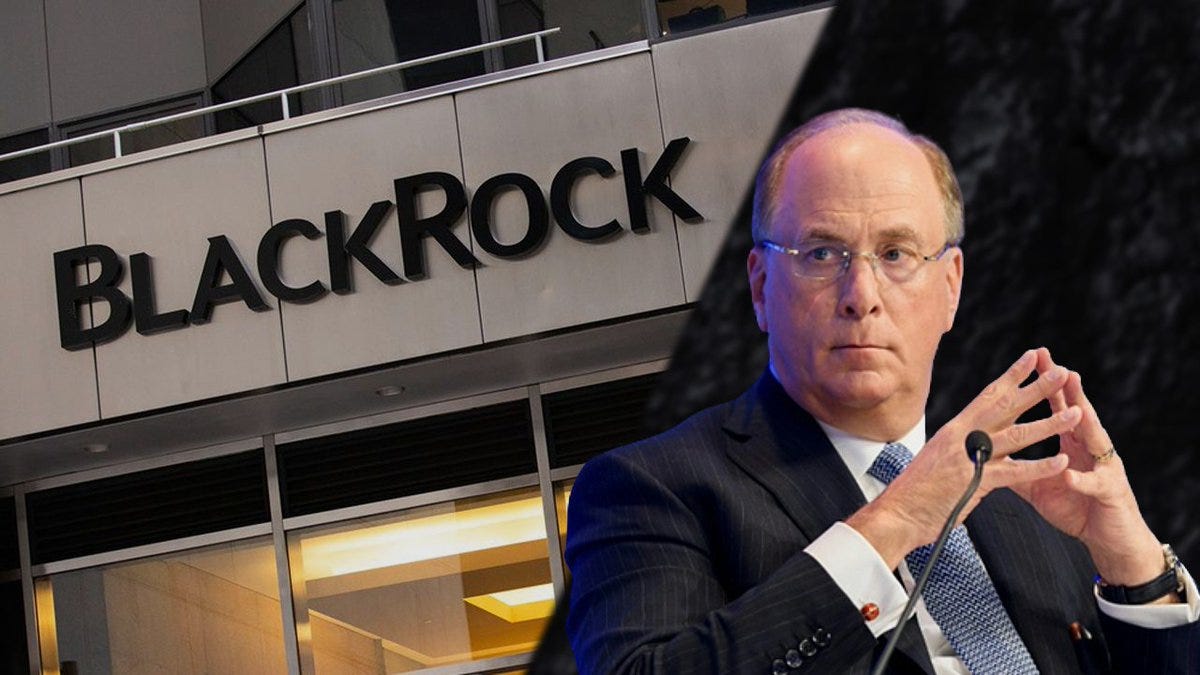
  • BlackRock Eyes Growth in Middle East’s Flourishing Millionaire Market

    BlackRock Eyes Growth in Middle East’s Flourishing Millionaire Market

    The world’s largest asset manager, Blackrock, is making a significant move into Kuwait, a nation where around 15 percent of its citizens hold millionaire status. This financial giant is positioning itself in a virtually debt-free state known for its vibrant investment landscape amid a favorable global economic backdrop.

    In a press announcement by the Kuwaiti news agency KUNA, it was revealed that Blackrock has tapped Ali Al-Qadhi to lead its new branch in Kuwait. This announcement follows the Kuwaiti Capital Markets Authority’s recent approval of a license for Blackrock Advisors (UK) Ltd, signaling the firm’s commitment to establishing a stronghold in the region.

    Strategic Partnerships Open Doors

    Blackrock’s ambition in Kuwait was first discussed during a visit from co-founder and CEO Larry Fink to the ruler of Kuwait, Sheikh Mishal Al-Ahmad Al-Jaber Al-Sabah, in February. Fink pledged that Blackrock would back the government’s ambitious “Kuwait Vision 2035,” a strategy aimed at transforming the small oil-rich nation into a global financial and trade hub. With existing offices in Riyadh, Doha, Dubai, and Abu Dhabi, Blackrock’s expansion into Kuwait reflects its strategic focus on the region.

    Managing $12.5 trillion in assets, the firm aims to provide financial consulting to high-net-worth individuals (HNWIs) as well as to state-owned and private investment firms in a country with a population of 5 million. Kuwait ranks third globally for the percentage of millionaires, just behind Switzerland and Hong Kong. The Kuwait Investment Authority (KIA), which boasts a $1 trillion portfolio, holds a 5.57% stake in Mercedes-Benz and has recently supported Blackrock’s initiatives in building global infrastructure for artificial intelligence.

    A Stable Haven amid Global Unrest

    The Gulf’s burgeoning high-net-worth community is reportedly thriving due to rising oil prices, a boom in global stock markets, and a post-pandemic rebound in trade and tourism. Additionally, the relatively weak U.S. dollar is drawing investments from Europe, the UK, and East Asia, while all Gulf currencies are pegged to the dollar—except for Kuwait, whose dinar floats against a basket of currencies. Impressively, Kuwait’s public debt was a mere 3% of GDP in 2024.

    Interestingly, recent geopolitical crises in the region have largely sidestepped Kuwait. In September, credit rating agency Fitch reaffirmed Kuwait’s “AA–” rating with a stable outlook, though analysts are nudging the government to expedite reforms aimed at diversifying the economy beyond oil and enhancing transparency within the financial sector.

    Questions & Answers

    What does Blackrock’s new branch in Kuwait signify for the local market?
    Blackrock’s new branch reflects the growing importance of Kuwait as a financial hub, particularly for high-net-worth individuals and investment opportunities.

    How significant are Kuwait’s high-net-worth individuals in the global context?
    With 15 percent of its population classified as millionaires, Kuwait ranks third in the world for millionaire density, highlighting a lucrative market for strategic financial services.

    What challenges does Kuwait face despite its economic advantages?
    While Kuwait enjoys a stable economy with low public debt, analysts point to the need for reforms to diversify the economy and improve transparency within the financial sector to sustain its growth.

  • Hong Kong Sees Modest 0.2% Rise in Total Deposits This July

    Hong Kong Sees Modest 0.2% Rise in Total Deposits This July

    As Asian consumers continue to shift their shopping preferences towards digital platforms, retailers are racing to innovate and meet this growing demand. According to recent data, e-commerce in the region is projected to reach a staggering $4.9 trillion by 2025, reflecting a significant increase in online shopping habits. The rise of mobile commerce, coupled with a surge of digital payment solutions, is transforming the retail landscape as never before.

    Retail Giants Adapt to Changing Consumer Behavior

    In response to these trends, major retailers are reimagining their strategies. Companies such as Alibaba and JD.com are not just enhancing their online offerings; they’re also integrating augmented reality (AR) experiences and AI-driven personalization to captivate customers. Imagine walking through your living room and being able to visualize a new sofa in your space, all thanks to an AR app—retailers are pushing the boundaries of technology to create unique shopping experiences.

    Local Brands Tapping Into E-Commerce Opportunities

    Interestingly, it’s not just the big players making strides. Smaller, local brands are also embracing e-commerce, often with remarkable success. Brands in Southeast Asia, such as the fashion label Zalora, are harnessing social media to engage with shoppers directly, turning Instagram and Facebook into powerful sales platforms. The agility and creativity displayed by these brands demonstrate the vitality of the local retail sector amidst fierce competition.

    Challenges of Rapid Digital Transformation

    However, this rapid digitization is not without its challenges. Issues such as logistics, cybersecurity, and maintaining customer trust are paramount. Retailers are increasingly investing in robust supply chain solutions to ensure timely deliveries, but the question remains—can they keep up with the soaring demand? As the race intensifies, businesses must find the right balance between technology and customer service to avoid a misstep.

    Why Sustainability is the New Buzzword

    Amid all these changes, sustainability has emerged as a significant concern for consumers in Asia. Brands that prioritize eco-friendly practices are not just favored, but are also seeing increased loyalty from a consumer base that is more environmentally conscious than ever. Witness the innovative approaches taken by companies like Uniqlo, which focuses on sustainability in its production processes, capturing the interest of younger shoppers who deeply value ethical consumption.

    The Future of Retail in Asia: A Thriving Hybrid Model

    Looking ahead, many industry insiders predict a hybrid model where physical stores coexist with vibrant digital platforms. This approach allows retailers to offer a seamless omnichannel experience, empowering customers to shop however they please—be it online from the comfort of their couch or in-store for those tactile experiences. As the lines between online and offline blur, the industry’s capacity for adaptation and resilience will undoubtedly shape the future of retail in Asia.

    Questions & Answers

    What is driving the growth of e-commerce in Asia?
    The growth of e-commerce in Asia is driven by a rising preference for online shopping, advancements in mobile commerce, and an increase in digital payment options, projected to reach $4.9 trillion by 2025.

    How are local brands finding success in e-commerce?
    Local brands like Zalora are successfully leveraging social media platforms to engage directly with consumers, turning these channels into potent sales avenues and showcasing their agility in the market.

    What challenges do retailers face with digital transformation?
    Retailers face several challenges, including logistics, cybersecurity, and maintaining customer trust, as they strive to keep pace with the rapid demand for online shopping.

  • Maybank Reports 4% Increase in H1 Net Profit, Reaching $1.23 Billion

    Maybank Reports 4% Increase in H1 Net Profit, Reaching $1.23 Billion

    In an intriguing juxtaposition of regional economic trends, Maybank’s financial results for the first half of 2025 reveal a complex landscape for loans across Asia. While activities in Malaysia and Singapore showcased robust growth, Indonesian lending experienced a slight dip, highlighting uneven recovery trajectories across the region.

    Solid Growth for Maybank in Malaysia and Singapore

    Maybank reported a commendable 4% year-on-year increase in net profit, reaching $1.23 billion (MYR5.22 billion) during H1 2025. The bank’s net operating income also moved in a positive direction, climbing to $3.64 billion (MYR15.4 billion), reflecting a 3.2% growth.

    Investment Income Fuels Profit Boost

    Boosted by non-interest income from enhanced investment and trading activities, profit before tax (PBT) surged by 3.2% to $1.68 billion (MYR7.11 billion). However, this positive performance came with a small caveat; net interest margin saw a decline of 2 basis points from the previous year. Maybank attributed this slight downturn to a softer interest rate environment, particularly in Singapore.

    Inflation Pressures Cost Structure

    Despite the overall profitability, the bank faced rising overhead costs, which totaled $1.78 billion (MYR7.53 billion). Contributing factors included inflation-driven increases in personnel expenses and higher marketing and software maintenance costs. The net impairment provisions were pegged at MYR901 million.

    Regional Loan Dynamics

    Breaking down the loan performance, Malaysia emerged as a strong performer, with loans growing by 6.8% compared to the same period last year, while Singapore recorded an increase of 4.3%. Meanwhile, Indonesia experienced a 0.4% decrease in loans, a decision driven by strategic corporate portfolio rebalancing.

    Deposits on the Rise

    In a sign of market confidence, total deposits surged by 6.1%, bolstered primarily by Singapore’s impressive 21.5% growth and Malaysia’s respectable 4.9% increase. These figures suggest that while loan activities varied, confidence in deposit growth remains strong across the region.

    With these results, Maybank continues to navigate the ebbs and flows of a post-pandemic economic landscape, illustrating how differing conditions can affect financial institutions even within the same conglomerate.

    Questions & Answers

    What were Maybank’s net profits for H1 2025?
    Maybank’s net profit for the first half of 2025 reached $1.23 billion (MYR5.22 billion), showing a 4% increase year-on-year.

    How did loans perform in various countries?
    In Malaysia, loans grew by 6.8%, while Singapore saw a 4.3% increase. Conversely, loans in Indonesia decreased by 0.4% due to corporate portfolio adjustments.

    What factors contributed to the rise in overhead costs?
    Maybank’s overhead costs rose primarily due to inflation-driven adjustments in personnel expenses, higher marketing costs, and increased software maintenance expenses.

  • Gold Prices Dip 1.8% This Week Amid Fluctuating Global Market Dynamics

    Gold Prices Dip 1.8% This Week Amid Fluctuating Global Market Dynamics

    Global gold prices are facing a decline this week as fresh inflation data has made investors rethink expectations for rate cuts, all while the market’s gaze shifts to the pivotal discussions between U.S. President Donald Trump and Russian President Vladimir Putin.

    As of Friday, spot gold remained relatively stable at $3,336.66 per ounce, marking a 1.8% decrease for the week. Meanwhile, U.S. gold futures ended nearly unchanged at $3,382.6.

    In Vietnam, the Saigon Jewelry Company (SJC) held steady with its gold bar price at VND124.5 million per tael and gold rings at VND119.1 million per tael. For context, a tael is equivalent to 37.5 grams or 1.2 ounces. Notably, gold prices in Vietnam have skyrocketed 48% since the beginning of the year, leaving consumers breathless.

    The U.S. dollar saw a slight retreat, making dollar-based commodities more attractive to those holding foreign currencies. However, on Thursday, new data revealed that U.S. producer prices rose steeply in July, their highest increase in three years. This prompted traders to reassess their expectations, now estimating an 89.1% chance of a 25-basis-point rate cut by the Federal Reserve in September, down from 95% prior to the announcement.

    Following this data release, gold prices took a hit, with spot gold closing 0.6% lower. “While gold prices stabilized on Friday, there’s still a potential storm brewing depending on the outcome of the Trump-Putin summit in Alaska,” remarked Lukman Otunuga, senior research analyst at FXTM.

    Trump labeled the meeting as “high-stakes,” as he heads to Alaska to negotiate a ceasefire deal concerning Ukraine, leaving many to wonder how such geopolitical maneuvers might sway gold’s next move. Will gold dazzle or doze off? Only time will tell.

    Questions & Answers

    What influenced the recent decline in gold prices?
    Recent inflation data has led investors to reconsider anticipated rate cuts from the Federal Reserve, contributing to a decline in gold prices.

    How significant has the increase in gold prices been in Vietnam this year?
    Gold prices in Vietnam have surged by a remarkable 48% since the start of the year, attracting considerable interest from consumers.

    What is the focus of the upcoming Trump-Putin summit?
    The summit is primarily centered around discussions of a ceasefire deal for Ukraine, which could have implications on market stability and gold prices.

  • Bank Rakyat Indonesia Reports 11.25% Drop in H1 Net Income, Reaching $1.63B

    Bank Rakyat Indonesia Reports 11.25% Drop in H1 Net Income, Reaching $1.63B

    The latest financial results from Bank Rakyat Indonesia (BRI) unveil a challenging landscape, as the bank’s net income dropped to $1.63 billion (IDR 26.53 trillion) in the first half of 2025. This marks an 11.25% decline from the same period last year, raising eyebrows among industry observers and stakeholders. Basic and diluted earnings per share were reported at IDR 174, reflecting the pressures faced over the past year.

    A Closer Look at Income Streams

    Total interest and shariah income also experienced a dip, totaling $6.3 trillion (IDR 102.38 trillion), which represents a reduction of 2.59% year-on-year. Operating income slid by 9.18%, landing at $2.15 billion (IDR 35.01 trillion), spotlighting ongoing challenges in generating strong revenue amid economic headwinds.

    Provisions Rise, Loan Dynamics Shift

    In a notable shift, net provisions for impairment losses surged to nearly $1.45 billion (IDR 23.5 trillion) in the first half of 2025, compared to IDR 21.37 trillion in H1 2024. This uptick signals rising caution in the lending environment, suggesting potential strains in loan repayment capabilities among borrowers.

    On the brighter side, BRI reported a 6% year-on-year growth in loans, showing resilience in consumer and corporate segments, which expanded by 9.45% and 15.6%, respectively. However, KUPEDES loans, the bank’s flagship micro-lending product, underwent a striking contraction, with its contribution to total loans dropping to 13.6% in June 2025 from 16.8% in 2023. This shift has led to a reduced bank-only loan yield, as pointed out in a separate report by UOB Kay Hian.

    Margins and Market Sentiment

    Despite these challenges, the net interest margin (NIM) held steady at 7.76% for H1 2025, demonstrating a degree of stability amidst fluctuating operating conditions. It seems that while some sectors may be tightening their belts, BRI is navigating through with a blend of caution and strategy.

    Questions & Answers

    What contributed to BRI’s decline in net income for H1 2025?
    BRI’s net income fell primarily due to decreased operating income and rising provisions for impairment losses, reflecting a challenging lending environment.

    How did BRI’s loan dynamics change in the first half of 2025?
    Loans overall grew 6% year-on-year, with growth in consumer and corporate loans; however, the bank’s KUPEDES micro-lending product significantly contracted.

    What does BRI’s net interest margin indicate?
    BRI’s net interest margin of 7.76% suggests a stable lending environment despite the challenges, indicating the bank’s ability to manage its interest income effectively.