Retail News CRM

Tag: financial

  • Myanmar opens talks with Thailand on reciprocal banking access

    Myanmar opens talks with Thailand on reciprocal banking access

    The central banks of Thailand and Myanmar agreed Sunday to start talks on granting access to designated banks in each other’s markets, marking a small step forward in the financial integration of the Association of Southeast Asian Nations.

    For Thailand, Myanmar is the third country to enter bilateral discussions on bank access, following Malaysia and Indonesia; for Myanmar it is a first.

    Under the ASEAN Banking Integration Framework, countries can enter into bilateral deals allowing banks that meet certain criteria to become “Qualified ASEAN Banks” that operate in each other’s markets on the same terms as local banks.

    “The expansion of a banking presence through QAB will enable greater efficiency and reduce costs for bankers and customers alike,” Bank of Thailand Gov. Veerathai Santiprabhob told bankers who were in Bangkok for the 21st ASEAN Banking Conference on Monday.

    With Myanmar opening up its economy after nearly 50 years of isolation and the ASEAN Economic Community kicking off last year, banks in  Thailand and Myanmar have been growing more active in each other’s markets.

    Myanmar’s largest lender, Kanbawza Bank, opened a representative office in Bangkok in August, becoming the first Myanmar bank to venture abroad.

    Last year, Thailand’s Bangkok Bank was among the first of nine banks to be granted a foreign banking license in Myanmar. Other big Thai banks were not granted licenses in the first round, but have opened representative offices in Myanmar in anticipation of the next opportunity.

    “It’s good that the Bank of Thailand signed the QAB agreement with Myanmar,” said Predee Daochai, president of Kasikornbank, which now has a representative office in Myanmar. “We would like to open a bank there,” he said.

    The time frame for the negotiations and details such as the number of banks to be designated QABs have yet to be decided.

    While trade and investment have been increasing in the region in the wake of deregulation and elimination of tariffs, “much work remains with regards to financial connectivity” in the region, Veerathai said.

  • Ant Financial deploys V-Key tech for m-payment security

    Ant Financial deploys V-Key tech for m-payment security

    Ant Financial Services Group has deployed technology from Singapore-based V-Key to augment mobile payment security.

    V-Key will provide a virtual software solution called V-OS for Ant Financial to secure transactions on e-Commerce platform AliExpress, Ant Financial’s sister company. V-Key will also provide cryptographic services and trusted environments to help secure payments processed by Alipay on AliExpress, along with risk management for each transaction.

    V-OS, which is currently deployed by top banks, mobile payment providers, and governments globally, is the world’s first virtual secure element. With V-OS, card and cardholder data will be encrypted, providing for more secure user authentication.

    V-Key’s solutions allow businesses to roll out cloud-based payments, trusted digital identity and authentication necessary for mobile banking and other secured mobile applications. V-Key brings advanced user data protection to its partners without the need to use any form of hardware secure elements. Its mobile security solution works on both iOS and Android devices.

    “As more users opt for mobile payments, account safety assumes utmost importance. V-Key’s unique technology helps us deploy our risk engine to enhance mobile security. The partnership is part of our commitment to secure our services,” Ant Financial VP of fraud management Jason Lu said.

  • Indonesia can weather financial market volatility

    Indonesia can weather financial market volatility

    Despite concerns about volatility in the financial markets for the remainder of the year, experts are upbeat that Indonesia can withstand the turmoil, citing sound fiscal and monetary conditions as the prime driver of hope.

    The domestic bond market is particularly a concern as investors will remain jittery over how the global economy will develop given the lack of clarity in the policies of US president-elect Donald Trump.

    JPMorgan Securities Indonesia managing director and head of investment banking David Dharma Thomas said global investors were currently waiting for policy direction from Trump, who promised an expansive fiscal policy through infrastructure spending next year to propel growth.

    With expected higher economic growth in the US, he said inflation was predicted to surge, and thus encourage the US Federal Reserve to raise its fund rate.

    “The market has already priced in the potential higher rates in the US. With the new president-elect, I think it’s very likely for the Fed to basically increase the rate sooner rather than later,” he said.

    Such a situation would put pressure on Indonesia’s US dollar bond market, David said, as most of the debt papers’ pricing was based on US Treasury bills with 10- to 30-year tenors.

    Yields for 10- and 30-year Treasury bills stood at 2.12 percent and 2.93 percent, respectively, at close of trading on Nov. 10, according to Indonesia Bond Pricing Agency (IBPA) data.

    David said most of the holders of Indonesia’s US dollar bonds were foreign investors through global fund managers. This will encourage them to benchmark the local yields versus the higher-yielding assets offered in more mature markets, specifically those in the US.

    “When rates in the US are going up, obviously people will demand better yields from emerging market papers including from Indonesia,” he said, adding that there would always be risks of capital reversals during volatile times.

    However, David believed the government and Bank Indonesia (BI) had done well enough to cushion the impact of the volatility, such as through the tax amnesty program that was received positively by investors as a means of improving state revenue and foreign fund inflows through repatriation.

    He said the government’s plan to issue bonds for the 2017 allocation early, at the end of this year, would also help the government anticipate the risks that may unfold next year.

    Mega Capital Indonesia fixed income analyst Adra Wijasena said a Financial Services Authority (OJK) regulation issued earlier this year requiring insurance firms and pension funds to invest a minimum 20 percent of their funds in government bonds (SBN) had also helped ease the risks of fund outflows.

    “The policy has lowered the volatility risk and reduced foreign domination,” he said, adding that 38 percent of Indonesia’s government bonds were still held by foreign investors.

    Adra acknowledged global volatility had cut investors’ appetites for sovereign bond (SUN) auctions planned before year-end.

    If the incoming bids turned out to be below expectations, he said, the government would have to pay higher yields, which would then lead to higher costs of funds.

    “If the auction is not successful enough, the government can offer the debt through a private placement scheme,” he said, pointing to a scheme in which the government directly sold its debt papers to certain state institutions, such as BI, the OJK, regional administrations and major dealers.

    Edward Lee, the head of Southeast Asia equity capital markets with Deutsche Bank believed the financial market remained attractive despite the global turmoil as could be seen by Indonesia’s stock index outperforming its peers this year as a result of substantial fund inflows.

    The inflows amounted to between US$2.6 billion and $2.7 billion yearto-date, higher than the $1.7 billion in the same period last year.

    “There are clearly external factors beyond the control of the government, but I think with respect to the measures the government took on the macroeconomy, we feel that backdrop will be supportive of a continued improvement of the stock index and the whole environment of corporate earnings,” he said.

  • Mobile financial services booming in emerging markets

    Mobile financial services booming in emerging markets

    The total transaction value of mobile financial services in emerging markets will reach $500 billion in 2021, up from $198 billion in 2016, Juniper Research estimates.

    The estimates include revenue from domestic money transfers, deposits on loans, insurance products, and savings accounts.

    The research argues that by introducing insurance offerings, operators had the opportunity to substantially reduce churn levels.

    It cited the example of Telenor Suraksha life insurance scheme in India, which has seen nearly 50% of its 45 million user base sign up since its December 2015 launch.

    “The model underpinning the Surakhsa scheme – requiring consumers to top-up airtime on a monthly basis to receive the insurance cover – should be widely replicated. It enables operators to maintain average revenue levels within low-income, low-ARPU prepaid environments and allows consumers to reap the benefits of micro-insurance cover,” said Lauren Foye, research analyst, Juniper Research.

    However, the research cautioned that a key challenge would be tailoring financial service products to the needs of individual markets. It cited the case of several early implementations of mobile financial services in markets such as India, the Philippines and Nigeria achieving limited adoption where products were often ill-suited to their target audience.

    Opportunity in New Markets

    The research also highlighted the Asia-Pacific as a region which, while currently under-served due in part to the complexity of national regulations, has strong potential for future product launches.

    Whilst restrictions have been in place previously, largely due to cultural beliefs, Juniper found that attitudes are changing in under-served regions, with Indonesia acquiring its first ever microloans product Kashmi in 2017.

    Additionally, specialized products have been launched to address religious requirements, such as Achuwat in Pakistan which provides interest free loans to meet Sharia requirements.

  • Global m-banking userbase to hit 2b by 2021

    Global m-banking userbase to hit 2b by 2021

    Over 2 billion consumers worldwide will have used their mobile devices for banking purposes by the end of 2021, up from 1.2 billion this year, Juniper Research predicts.

    Growth in mobile banking is being driven by consumer adoption of banking apps the changing way consumers manage their finances, the research firm said.

    The study found that the number of mobile banking logins are now exceeding that of internet banking logins in many markets. For example, the BBA (British Trade Association for Banking) announced that banking app logins in the UK reached a record 11 million per day during 2015, compared to 4.3 million internet banking logins during the same period.

    Meanwhile, a recent consumer survey conducted by Juniper Research found that around 65% of mobile banking customers in the US and the UK use an app to conduct banking services.

    The report found that banks are becoming increasingly concerned that their market position is being undermined by tech companies and pure-play vendors enabled by technology and regulations to enter the marketplace.

    Additionally, by 2017, banks in the EU will be compelled to open their APIs. This will result in many innovative new products that analyze (with permission) user data to create more attractive financial services for customers.

    “Recent industry shifts highlight why traditional banks must respond rapidly to retain market share by cultivating new revenue channels and enhancing existing base through sustained innovation,” research author Nitin Bhas said.

    “However the challenge here for new players is to increase market share and maintain profitability in the long-run.”

  • Jakarta tax amnesty has little impact on banks here

    Jakarta tax amnesty has little impact on banks here

    The tax amnesty scheme in Indonesia has had a much smaller impact on funds flowing out of Singapore’s private banking industry than feared, an RHB report suggested on Tuesday.

    The funds flowing out of Singapore likely made up only 1-2 per cent of assets under management (AUM) of the private banking industry. Some 79 trillion rupiah (S$8.3 billion) was repatriated in the first nine-month phase of Jakarta’s tax amnesty programme.

    The scheme allows Indonesians to declare assets that were previously undeclared to tax authorities. In return, they paid a sharply reduced tax rate on those assets – just 2 per cent – in the first phase, which ended on Sept 30.

    The 79 trillion rupiah was 12 per cent of the assets of wealthy Indonesian clients that were declared to be kept in Singapore, according to data from the Indonesian government. Singapore has been a big draw for rich Indonesians. All in, the assets held here and declared to the Indonesian authorities made up 70 per cent of all overseas funds that had been declared.

    RHB calculated that the total assets of the three Singapore banks’ private banking segment stood at about S$321 billion. This means the amount repatriated to Indonesia from Singapore accounts for only 2.6 per cent of the three banks’ total AUM. These already exclude the asset base of the top private banks in Singapore, such as UBS, Citi, and Credit Suisse. So, all in, the impact on Singapore’s private banking industry should be about 1-2 per cent of all assets held here, RHB noted.

    “There is likely to be more repatriation of funds from Singapore to Indonesia going forward, but the experience of Phase 1 suggests that the amount repatriated is unlikely to be a large percentage of Singapore banks’ assets under management,” it said.

    This comes as the tax rate for those who repatriate their assets in Phase 2 rises to 3 per cent, one percentage point more than in Phase 1. The tax rate will be increased yet again in the third phase, Jakarta has said.

    Indonesian taxpayers had declared more than 3,600 trillion rupiahs in assets both domestically and overseas. An Indonesian tax authority quoted by The Straits Times said the country had set a 4,000 trillion rupiah target for the first phase.

    The tax amnesty scheme comes amid heightened scrutiny of tax evasion. Banks here had to file a suspicious transaction report on clients taking part in the programme, with the Singapore authorities later having to state publicly that participation in a tax amnesty scheme alone would not attract criminal investigation in Singapore. The Monetary Authority of Singapore (MAS) said that the use of suspicious transaction reports is a practice across other jurisdictions when handling tax amnesty cases.

  • Mandiri prepares syndicated loans of Rp4 trillion

    Mandiri prepares syndicated loans of Rp4 trillion

    State lender Bank Mandiri is preparing a syndicated loan of Rp4 trillion to build five airports in Indonesia in the fourth quarter of 2016, the banks corporate banking director, Royke Tumilaar, said.

    Bank Mandiri will lead the syndication of loans to state airport operator PT Angkasapura I which will develop the five airports, Royke stated here on Monday.

    “Syndicated loans worth Rp4 trillion will be extended for the purpose. The Kulonprogo airport in Yogyakarta will be among these five airports,” he added.

    The loans will be used to build new airports and expand the existing ones. The five airports include Ahmad Yani in Semarang, Syamsudin Noor in Banjarmasin and Kulonprogo in Yogyakarta. Also, the Terminal 3 at the Juanda Airport in Surabaya and Sultan Hasanuddin Airport in Makassar are to be developed with these loans.

    Other debtors that will be involved include Sarana Multi Infrastruktur (SMI), PT Bank Central Asia Tbk (BCA), PT Indonesia Infrastructure Finance (IIF) and PT Bank Rakyat Indonesia Tbk (BRI).

    Royke further syndicated loans will also be given in the fourth quarter of 2016 for the construction of toll roads in and around Jakarta.

    “We hope the process can be started in the fourth quarter of 2016, the construction of a new airport in Kulonprogo also begins by then,” he noted.

    Overall, the demand for loans to finance infrastructure development in the second semester of 2016 continued to increase, he noted.

    The state bank has also prepared loans worth Rs 20 trillion for the construction of power plants in the fourth quarter, he disclosed.

    As per the bank’s target, the credit extended to infrastructure development will grow 20 percent year on year by the end of this year.

  • RHB Bank to assess opportunities in Indonesia

    RHB Bank to assess opportunities in Indonesia

    RHB Bank Bhd, which saw its bid to acquire a stake in Indonesia’s PT Bank Mestika Dharma Tbk fall through, is optimistic about the prospects in that country and and will assess the opportunities.

    Group Managing Director, Datuk Khairussaleh Ramli, said the Indonesian market was good with banks recording stronger credit growth and higher return on equity compared to Malaysia’s.

    It has been reported that, on average, an Indonesian bank’s return on investment was between 15% and 20% compared with Malaysia’s 9) and 11%.

    “(However) at this point there is nothing on the table for us to look at and when it does we will have to evaluate the opportunity,” he said after announcing RHB Bank’s first-half 2016 financial results here on Wednesday.

    He said the recent bilateral agreement signed between Indonesia Financial Services Authority (IFSA) and Bank Negara Malaysia would pave the way for banks to have greater access in both countries.

    In 2009, RHB Bank, which was then the banking unit of RHB Capital Bhd had, proposed to acquire 80 per cent of PT. Bank Mestika Dharma Tbk for RM1.16 billion but IFSA’s move to limit the foreign ownership to 40 per cent emerged as a stumbling block for the deal to be signed.

    The second bid to acquire a 40% stake, also fell through after RHB Capital did not get the Indonesian authorities’ approval before the deadline of the sales and purchase agreement on June 30, 2014.

    Also under its own corporate exercise, on April 14, 2016, RHB Bank emerged as the new group’s holding company and it was listed on Bursa Securities on June 28, 2016.

    For the first half-year ended June 30, 2016, its pre-tax profit fell by 12.7% to RM1.22bil due to a one-off impairment on a corporate bond in Singapore. For the first-half of 2015, it reported a pre-tax profit of RM1.40bil.

    Revenue for the six months of 2016, however, rose to RM5.42bil from RM5.37bil.

    Khairussaleh said the financial market would remain challenging due to the macro-economic uncertainties in most parts of the world.

    “The risks of external demands and softer consumer sentiments are expected to moderate Malaysias gross domestic product growth in 2016 to 4% from 5% last year.

    “The banking sector growth too is expected to remain modest, attributable to a deceleration in corporate loans market and ongoing consolidation of household loans sector,” he said.

    He said although the bank’s performance in the second quarter was affected by one large impairment on securities, RHB was on track to achieve its long-term objectives set under the reframed strategy of focusing on performance.

    For the second quarter ended June 30, 2016, pre-tax profit stood at RM469.33mil, down from RM724.9mil a year ago. Revenue increased to RM2.68bil from RM2.65bil previously.

    “The group will stay on course in executing the various initiatives under its transformation programme, while continuing to be vigilant amid a challenging macro environment and volatility in the market place,” he said.

  • AXA, Alibaba, Ant Financial enter global partnership

    AXA, Alibaba, Ant Financial enter global partnership

    AXA, Alibaba and Ant Financial Services have agreed jointly explore opportunities to distribute AXA’s insurance products and services through Alibaba’s global e-commerce ecosystem.

    The deal is expected to benefit the businesses and consumers that transact via Alibaba’s marketplaces. The companies will work together to co-innovate and to develop value-added products and services to customers around the world and mutually support each other in developing and exploring new markets and segments.

    The first phase of the collaboration will see AXA develop various insurance products for users of AliExpress, Alibaba’s wholesale marketplaces and Ant Financial Services.

    AliExpress is a global retail marketplace targeted at consumers worldwide. AXA will develop and provide insurance products for AliExpress’ global customers, including extended warranties for repairs and/or damaged goods and enhanced online payment protection.

    On Alibaba’s wholesale marketplaces (Alibaba.com,1688.com), AXA will provide insurance products to small and medium businesses globally who are trading on these platforms.

    AXA will offer travel insurance products for Chinese travelers going overseas through Ant Financial Services, an Alibaba-affiliate.

    These insurance products and services will be developed by AXA’s local entities according to the customers’ local requirements.

    “Our collaboration with industry-leader AXA is a key part of Alibaba’s globalization strategy and our vision to enable small businesses and consumers alike to enjoy the convenience and benefits of e-commerce in a safe trading environment,” Alibaba Group president Michael Evans said.

    “As cross-border e-commerce grows rapidly, it is critical that we evolve our services and offerings to the businesses and consumers that conduct trade on our platforms. The collaboration between AXA and Alibaba will enable us to create new solutions and ultimately improve the overall customer experience.”

  • India’s YES BANK taps Gemalto for secure m-payments

    India’s YES BANK taps Gemalto for secure m-payments

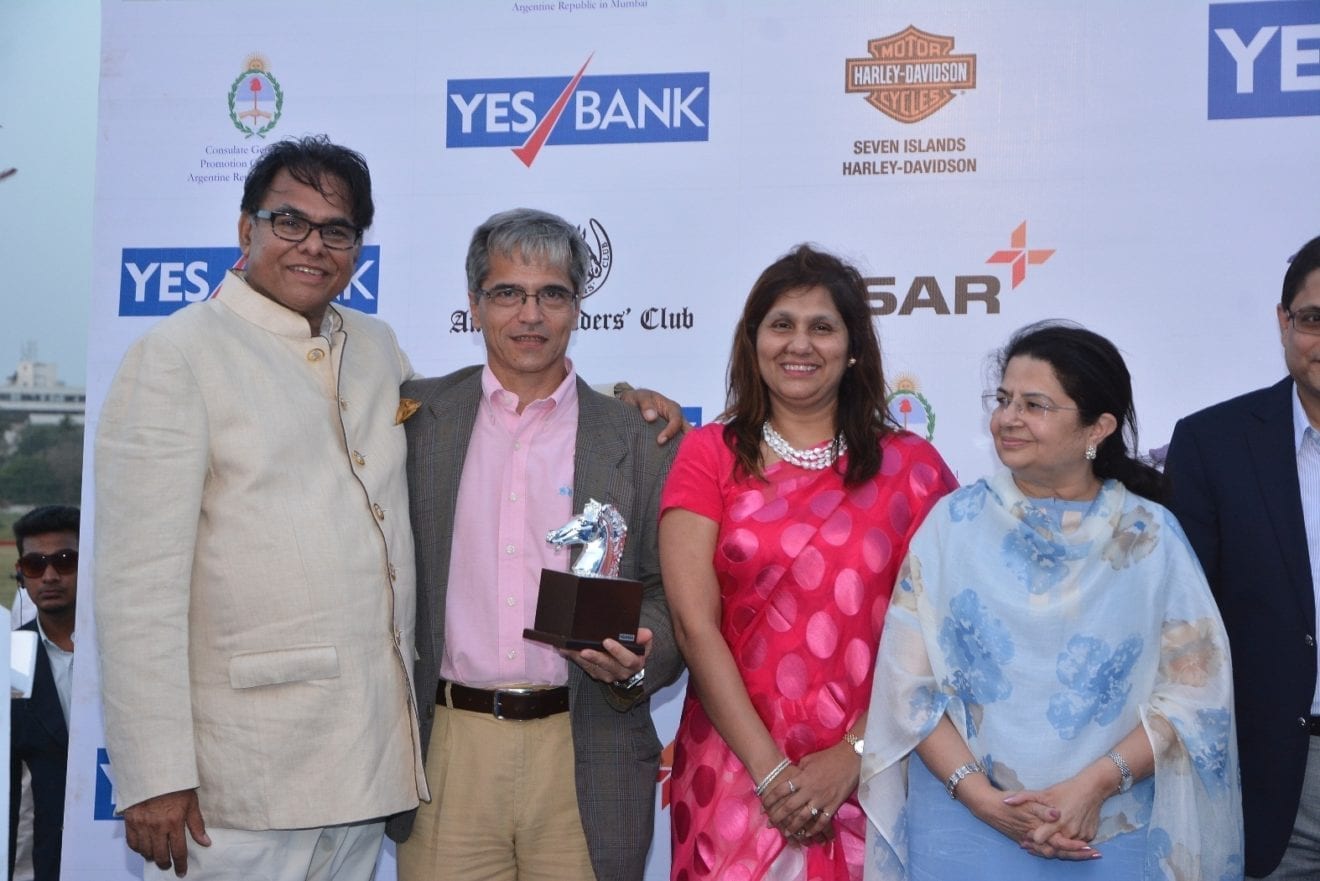
    India’s YES BANK has deployed Gemalto technology to secure mobile payment transactions for its customers under India’s recently implemented Unified Payments Interface (UPI).

    YES BANK, India’s fifth largest private sector bank, has adopted Gemalto’s SafeNet Network HSM for the purpose.

    UPI, India’s online payments solution, enables all account holders to send and receive money from their smartphones with a single identifier – such as mobile number or virtual payments address – without entering any bank account information.

    The SafeNet Network HSM (formerly SafeNet Luna SA HSM) provides end-to-end data security and encryption to protect user credential confidentiality and the private keys responsible for digital signing.

    “With a widespread network of over 860+ branches and 1,625+ ATMs Pan India, we’re committed to taking a customer-centric approach to our banking services,” said Anup Purohit, CIO at YES BANK.

    “The Unified Payments Interface offers clients revolutionary convenience when it comes to banking and payments, and we want to ensure the highest levels of security for users of the platform. We’re thrilled to integrate Gemalto’s industry-leading SafeNet HSM technology into the UPI application to support this initiative.”

  • Miss Sixty parent plans IPO

    Miss Sixty parent plans IPO

    Miss Sixty parent in Asia, Chinese fashion house Trendy International Group, is planning a domestic initial public offering, probably by the end of next year.

    The Guangzhou-based company hopes to achieve a valuation of about US$5 billion before selling an undisclosed stake, insiders say. Trendy International will join other Chinese clothing retailers such as Modern Avenue Group, owner of the Canudilo brand, and Shanghai La Chapelle Fashion in funding expansion by selling shares.

    Altogether, 25 apparel companies have held IPOs in China and Hong Kong during the past three years, raising a combined $2.2 billion, according to Bloomberg.

    Investment firm L Capital Asia, backed by French luxury group LVMH, bought a minority stake, estimated at about 10 per cent, in Trendy International for nearly $200 million in 2011.

    Founded in 1999, Trendy International owns women’s brands Five Plus and Ochirly as well as male casualwear line Trendiano. It later acquired the Asian business of Miss Sixty, known for its skin-tight retro jeans, as well as the Energie and Killah denim brands.

    The fashion group has more than 3000 shops, and last year set up a joint venture with UK clothing chain SuperGroup to introduce its Superdry brand into China.

  • BNI reports healthy growth with profit up 79.9 percent

    BNI reports healthy growth with profit up 79.9 percent

    State lender PT. Bank Negara Indonesia Persero Tbk (BNI) reported a strong growth of 79.9 percent year-on-year in profit to Rp4.37 trillion in the second quarter of 2016 despite a decline in credit quality.

    President Director of the countrys fourth largest bank in assets Achmad Baiquni attributed the rise in profit to high growth in credits and fee based income, and efficiency in cost of fund.

    “Our cost of funds dropped to 3.1 percent from 3.2 percent,” Baiquni said here on Friday.

    BNI outstanding credit grew in two digit by 23.7 percent year on year (yoy) to Rp288.7 trillion.

    However, the non performing loan (NPL) of the bank also rose from 2.7 percent to 3 percent gross by the end of the first half of this year.

    He acknowledged the quality of credit assets became a problem shadowing the performance of the bank in the first six months of the year.

    Therefore, BNI has to increase its reserve funds from 138.8 percent in the second quarter 2015 to 142.8 percent in the same period in 2016.

    The increase in the credit of the publicly listed bank resulted in a rose in its net interest income to Rp13.91 trillion or an increase of 11.7 percent yoy.

    Its non interest income including fee based income grew 28.7 percent to Rp4.43 trillion.

    Baiquni said business credit disbursements sustained credit portfolio as high as 73 percent with annual growth of 25.6 percent to Rp260.7 trillion.

    Corporate credits accounted for 25.1 percent of its business credits.

    The bank also recorded a soaring growth of 331 percent or Rp7.3 trillion in low interest Peoples Business Credit (KUR) pushing up KUR contribution to outstanding credit to 19.9 percent from 5.6 percent earlier.

    Baiquni attributed the high growth to facility of guarantee and subsidy on interest offered by the government.

    “Speaking about target, we prefer the government to set target for us,” he said.

    The bank holds Rp391.4 trillion in third party funds or an increase of 19.6 percent yoy, dominated by cheap funds (current account saving account (CASA) making up 60.4 percent and deposits making up the rest, he said.

    With the outstanding credits and third party funds, BNI has assets valued at Rp539.1 trillion by the end of he second quarter of 2016.

  • Maybank debuts m-banking in Cambodia

    Maybank debuts m-banking in Cambodia

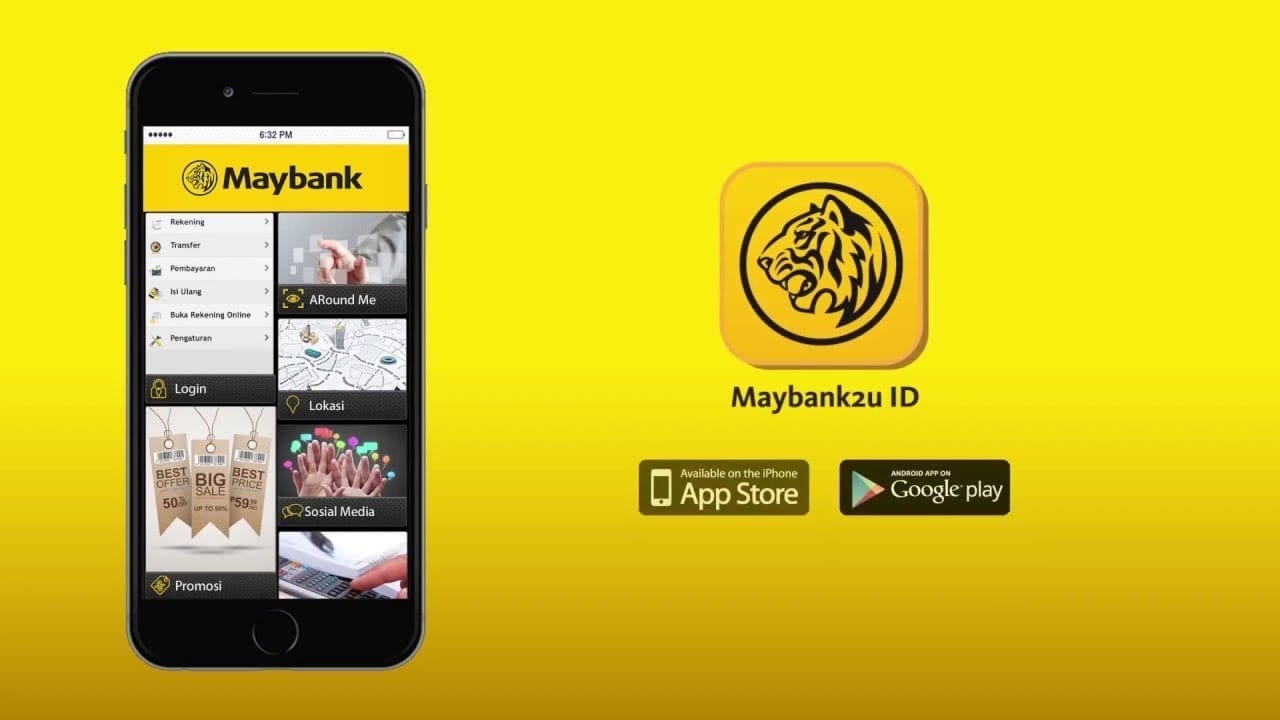
    Maybank has introduced its mobile banking app in Cambodia as part of efforts to strengthen its presence in the country.

    The app is the first in Cambodia to offer augmented reality and a QR code reader. A similar app was launched in Malaysia in 2014.

    Maybank group head of community financial services Datuk Lim Hong Tat, who launched the new app in Phnom Penh, said that internet banking has become a trend for many digitally savvy Cambodians who are increasingly comfortable transacting over this channel.

    Maybank’s online banking channel, namely M2U, which was introduced in Cambodia in 2012, is seeing robust growth with its registered user base increasing by over 50% within a year, and the volume of transactions has also risen by over 50% from 2014 to 2015,” said Lim.

    Lim said that with the launch of mobile banking app, customers in Cambodia will enjoy enhanced customer experience and greater speed when undertaking banking transactions over their mobile phones.

    “With the mobile banking app, Maybank customers can check their account balance, including all debit card purchases and perform simple transactions anytime, anywhere, alleviating the need for trips to our branches,” Lim explained.

    Other features offered by the app include the ability to send money to anyone with a mobile phone number – such transactions allow for cash to be withdrawn at any Maybank ATM without using an ATM card.

    The augmented reality branch locator tool allows customers to scan their surroundings and follow onscreen directions. It also detects nearby ATMs and promotions exclusive to the Maybank customer.

    The in-app QR code reader as well as loan calculator is available for public use, even if they are not yet a Maybank customer.

    Maybank Cambodia currently operates a network of 21 branches throughout the country complemented by 40 self-service terminals.

  • Hengdeli Achieves Sustainable Growth for 2015

    Hengdeli Achieves Sustainable Growth for 2015

    Hengdeli Holdings Limited, a world-leading retailer of internationally renowned brand watches, announced its annual results for the year ended 31 December 2015 (the “year under review”).

    In 2015, the overall operating environment was very challenging and negatively impacted on the business development of the Group, resulting in weak sales of internationally renowned brand watches. Despite this, the Group’s industrial sector achieved relatively good results due to a series of reforms and innovations. During the year under review, the Group recorded revenues of RMB13,302,724,000, representing a year-on-year decrease of 9.9%. Retail sales amounted to RMB9,373,354,000, a year-on-year decrease of 11.6%. Revenue from industrial sector and others amounted to RMB539,991,000, a year-on-year increase of 25.9%. The Group recorded net profit of RMB190,164,000, a year-on-year decrease of 67.4%. Profit attributable to equity shareholders amounted to RMB144,868,000, a year-on-year decrease of 71.3%. This decrease in profits was mainly due to one-off revenue from the disposal of properties, which was included in the profit for the year of 2014, as well as a drop in sales and gross profit and impairment of goodwill and available-for-sale securities.

    Mr. Zhang Yuping, Chairman and the Executive Director of Hengdeli, said, “In 2015, the overall business environment remained unstable. The increasingly diversified shopping locations and consumption patterns of Mainland Chinese consumers aggravated the harsh environment for product sales as a whole in the Greater China region, especially in Hong Kong. Businesses are faced with a loss of customers and a rise in labor costs. Despite these highly challenging business circumstances, the Group held fast to its operating principle of “healthy and sustainability” to ensure business stability and to better safeguard the interest of shareholders.”

    During the year under review, the Group continued to be guided by the principle of “healthy and sustainability” along with “aiming for optimizing inventory and guaranteeing profits.” The Group also insisted on keeping in place a policy of mutual complementary and interactive operations across the Greater China region, including Mainland and Hong Kong, with mid-end brands serving as the mainstay in its brand mix in order to meet the affordability demands of the general public, and second, third and fourth tier cities as the main sales regions. The Group also continued to adjust the layout of retail network, constantly improving store quality and optimizing the inventory mix. The Group carefully steered business forward through strengthened scientific management and prudent operations. Despite the Group’s various efforts, it was unable to stem the decline in sales as affected by adverse macro condition and subdued consumer demand. Retail sales from Mainland China decreased 7.4% as compared with that of the previous year. Under dismal overall conditions, sales of Elegant Hong Kong decreased 26.8% year-on-year along in line with the overall market trends. As at 31st December 2015, after adjustments and optimization, the Group operated a total of 482 retail outlets across Mainland China, Hong Kong, Macau and Taiwan.

    The industrial sector which is engaged in the manufacture of watch accessories made substantial progress during the year under review. Based on a previously launched marketing strategy and after more than one year of re-alignment and integration, the industrial sector has established a new business model comprising upstream and downstream operations of the watch industrial chain, spanning watchcase manufacturing, packaging products and commercial space design, to production and decoration as well as self-development of brands. A number of companies in the sector have earned goodwill in their respective markets, while a wide customer base covering China, Switzerland, the U.S. and other nations in the Asia-Pacific region was established. Co-operation with brand suppliers has been increasing and a close collaborative relationship with mutual trust and interest sharing was formed. Benefiting from quality management and bold innovations, overall performance of the industrial sector improved remarkably with sales increasing by approximately 35% year-on-year, reflecting a healthy uptrend and promising growth potential. The industrial sector is seen as becoming a strong driving force for the Group’s overall development and turning into an important business arm of the Group in the foreseeable future.

    Following highly focused preparations and various enhancements , “censh.com” (www.censh.com), a new consumption model that merges the “Internet + Hengdeli”, was officially launched online during the year under review. “censh.com” is a media-based e-commerce cross-platform within the Group that operates its major flagship – “censh.com” (www.censh.com), drawing together a number of popular mobile internet software platforms, including WeChat, Weibo and other mobile communication applications. It provides a one-stop solution for six major functions, namely: e-commerce, ERP, product data management, customer resources management, call center and messaging. It offers a comprehensive online to offline service experience to watch lovers. The Group believes that with the successful online operation of “censh.com”, the online and offline resources will become highly synergistic, and will contribute significantly to the overall development of the Group.

    The Group’s customer service network and maintenance business, renowned as a top-notch, retail group leader for internationally renowned watch brands, has been fully integrated and comprehensively covers the Greater China region. During the year under review, the Group added the CK brand into its comprehensive customer services arrangements with brand suppliers, including: Tissot, Mido, and Certina from the SWATCH Group, as well as others. The Group also entered into exclusive watch maintenance agent agreements with: Movado, Milus, Blita, LOCMAN, Million Horn and others. To date, the Group has become the maintenance agent for 74 international brands such as those from the SWATCH Group and LVMH Group and also serves as the exclusive maintenance agent for 45 of those brands.

    In the brand distribution business, the Group has always maintained a sound co-operative relationship with numerous brand suppliers and brand retailers, and has received active general support from them. The Group has about 400 wholesale customers in over one hundred cities across China, distributing and exclusively distributing world-famous watch brands. For the coming year, the Group will continue to maintain and deepen its relationships with suppliers and retailers, while exploring new measures under the “new normal” economic climate to achieve harmonious growth and win-win situation.

    In the coming year, the Group will hold on to a stable and healthy growth policy, while at the same time harboring a pragmatic view and fostering an innovative spirit in the search for a new development model to benefit the Group. We will also continue to make structural adjustments while ensuring healthy growth and seeking business sustainability. The Group will maintain a healthy and stable level of sale and inventory on the one hand while investing more resources in our industrial sector to help bolster faster development. The overall aim is to open up a road of continuous development for the Group amid today’s “new normal” economic climate and generate higher value for shareholders and the community at large.

    Mr. Zhang concluded, “In 2016, as the road to full global economic recovery is still long and winding, China’s economy will also be faced with significant downward pressures. For this reason, the Group believes that under the new normal economic climate, the growth in sales for watches in the Greater China region will continue to lose steam. However, the long-term economic trend in China remains fundamentally favorable, which will offer unprecedented opportunities and challenges. By leveraging our core competitiveness, the Group will identify and take advantage of any and all new opportunities to achieve business breakthroughs and expand business despite the current headwinds and challenges. Ultimately we remain cautiously optimistic about the future prospects of the Group.”

     

  • Financial firms in Taiwan, Indonesia urged to open outlets after MOU

    Financial firms in Taiwan, Indonesia urged to open outlets after MOU

    Taipei, March 12 (CNA) Taiwan’s top financial supervisor, the Financial Supervisory Commission (FSC), has urged financial institutions in Taiwan and Indonesia to open outlets in each other’s country after they signed an memorandum of understanding (MOU) to speed up cooperation in supervising financial businesses.

    The FSC inked the cooperation MOU Friday with its Indonesian counterpart the Financial Services Authority of Indonesia or Otoritas Jasa Keuangan (OJK). The MOU focuses on supervision cooperation in banking, securities and insurance businesses between the two countries.

    FSC Chairperson Wang Li-ling (王儷玲) told the CNA that the cooperation MOU will no doubt facilitate financial development between the two countries.

    Wang, who signed the agreement on the behalf of the FSC in Jakarta, added that she believed Taiwan’s financial sector will benefit from the great growth potential in Indonesia, while the Southeast Asian country has expressed interest in Taiwan’s financial market openness.

    Wang said financial institutions in Taiwan and Indonesia should take advantage of the MOU to explore the financial market in each other’s country.

    She said that is especially true as many Indonesian workers are working in Taiwan and there is strong fund demand from ethnic Chinese investors in Indonesia, leading Indonesian banks to want to set up footholds in Taiwan.

    As for the large number of Indonesian workers in Taiwan, the supervisory mechanism under the newly signed MOU is expected to help them in a wide range of financial services in Taiwan, such as money remittances, deposits and insurance.

    The Taiwanese official said that a populous Indonesia needs a diversity of financial products and Taiwanese financial institutions should go there to provide good products.

    According to the FSC, the local banking sector has set up one subsidiary and two representative offices in Indonesia, and the local securities sector has opened a subsidiary there. The local insurance business sector meanwhile has taken a stake in an Indonesian bank, the TWSE said.

    Market analysts said that the newly-signed MOU is expected to help Taiwan-based Cathay Life Financial Co. (國壽) push for a deal to acquire a 40 percent stake in PT Bank Mayapada Internasional of Indonesia. Cathay Life signed an agreement with Bank Mayapada for the acquisition deal in January 2015. Since the law in Indonesia bars foreign entities from taking a stake of more than 25 percent of any bank there and the deal has been stalled. Analysts said that the MOU could remove the legal obstacles for Cathay Life.