Retail News CRM

Tag: flying

  • AirAsia Revamps Super Plus Unlimited Plan To Include Long-Haul Flights

    AirAsia Revamps Super Plus Unlimited Plan To Include Long-Haul Flights

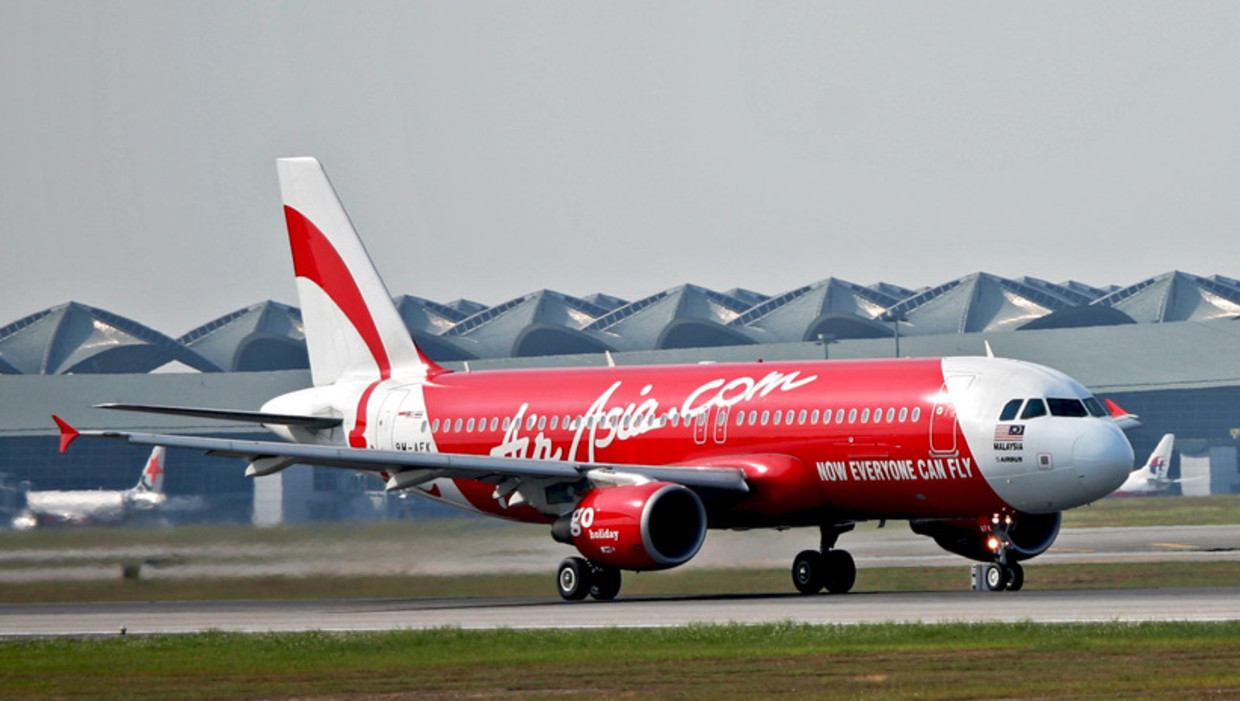
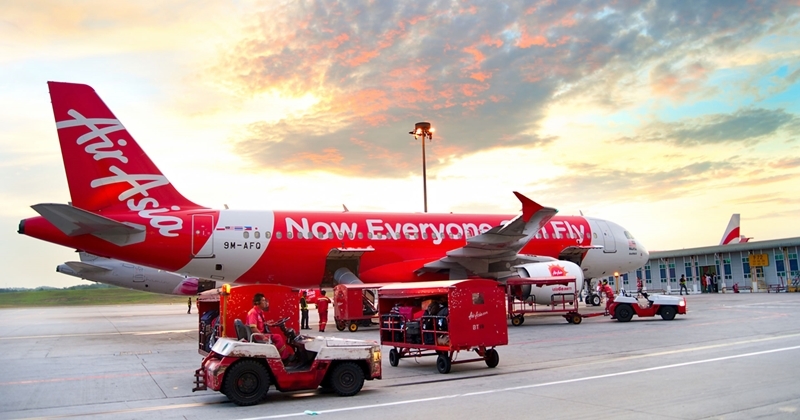
    In March, AirAsia launched a subscription service called Super+ that provides unlimited flights in Malaysia and across the ASEAN region as one of its main attractions. Fast forward to today, the service has been revamped to include long-haul flights from AirAsia X.

    Instead of just a single option, the AirAsia Super+ subscription service has now been divided into two. The first, the Super+ Lite is the closest to the original iteration and promises unlimited flights to destinations across Southeast Asia.

    That being said, the new Lite option is now priced much higher at RM888 per year. As a comparison, the original Super+ subscription costs RM639, which is a noticeable difference of RM249.

    As for the long-haul AirAsia X flights have been put into the Super+ Premium option, which comes with a price tag of RM2,288 per year. Each option includes additional perks, such as unlimited 5% discounts on hotels available via the AirAsia platform.

    AirAsia Super+ subscribers can also obtain 10% discounts on AirAsia Ride service in Malaysia, Indonesia, and Thailand. That being said, the discount on the AirAsia Ride is capped at RM2 in Malaysia while it is also capped at THB16 (~RM2.02) in Thailand and IDR6,500 (~RM1.84) in Indonesia.

    Not to forget, Super+ Lite and Premium customers would also receive 800 and 2,000 AirAsia points, respectively. However, the original bonus perks, such as COVID-19 insurance coverage and free delivery on food orders no longer available with the newly revamped Super+ offerings.

    Quite some policies from the original Super+ service have been retained for the revamp. Among them includes three no-shows limit, a 14-day advanced booking requirement, and no bookings for selected embargo periods.

    While Super+ subscribers are able to book their flights from today onwards, the date for the flights starts from 1 January 2023. Unlike the original Super+ version from earlier this year, AirAsia did not announce any customer limit or purchase deadline for the revamped options but nevertheless, the CEO of Capital A, Tony Fernandes at the launch event today noted that the offering would not be made available forever.

    The announcement of the newly revamped Super+ subscription service seemed rather timely, as Capital A has recently revealed its plan to offload the company’s aviation businesses which includes AirAsia Malaysia, Thailand, Indonesia, and the Philippines to AirAsia X. If the plan goes through, it will result in the creation of a new consolidated aviation group and may also help elevate both Capital A and AirAsia X out of their current PN17 classification by Bursa Malaysia.
  • AirAsia X says it’s back in profit

    AirAsia X says it’s back in profit

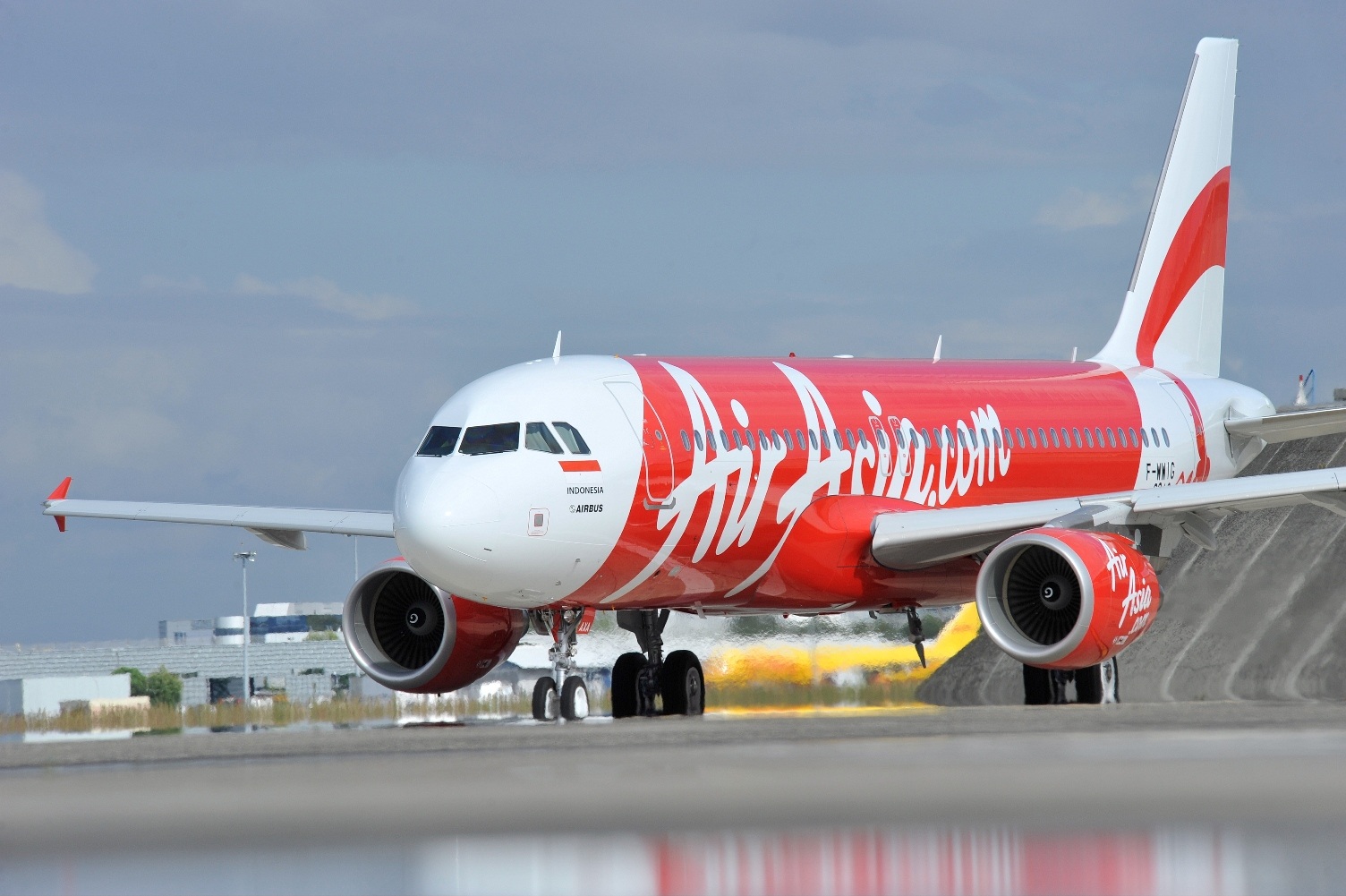
    AirAsia X (AAX) said it posted a quarterly net profit of RM25.1 million (US$5.6 million) compared to a net loss of RM652.5 million in the preceding quarter. Revenue was slightly lower at RM100.1 million as compared to RM107.2 million during the period ending 30 June 2022 (4Q22) on the back of a reduction in revenue from the freight services segment due to normalized scheduled flight operations.

    In other segments, recovery across all key metrics has significantly improved as scheduled passenger and charter flights as well as ancillary revenues, have demonstrated a strong recovery compared to the preceding quarter. For 5Q22, the Company posted earnings before interest, taxes, depreciation, and amortization (EBITDA) of RM25.4 million, while profit before tax for the period stood at RM23.8 million.

    Operationally, the Company reported Passenger Load Factor (PLF) was recorded at 73% during the quarter – less than ten percentage points short of its pre-COVID-19 PLF of 81% in 2019. The Company carried a total of 80,385 passengers during the period under review, compared to 8,892 passengers from April – June 2022. Seat capacity grew to 110,615 during the quarter from 27,521 in the preceding quarter as additional markets and frequencies were introduced in 5Q22.

    During the period under review, the total number of sectors flown increased to 291 sectors from 226 sectors in 4Q22. Following its return to scheduled services in April 2022, the Company has made notable progress in its network recovery – adding Sydney and two new dense-short-haul routes to Kota Kinabalu and Kuching to its network in September 2022. AAX also introduced increased frequency to existing markets in Seoul and Delhi to cater to strong pent-up demand.

    In terms of balance sheet and cash flow, the Company charted a cash balance of RM79.5 million for the period ending 30 September 2022 – an increase of beyond 100% as compared to RM25.1 million in the preceding quarter. This was achieved predominantly on the back of a V-shaped air travel revival supporting the resumption of scheduled passenger flights to many of its most popular and profitable destinations, along with charter and cargo flights.

    AirAsia X Malaysia CEO Benyamin Ismail said: “AAX is now well on track in its recovery path even as the airline is compelled to operate in a challenging operational environment dictated by high fuel prices and a weakened Malaysian Ringgit against the US Dollar. While we are cautious of the strenuous operating conditions, we remain confident that the recovery of the Company is on the horizon, if not already within our reach. In the previous quarter we resumed our scheduled passenger flights to Seoul and Delhi, and are pleased to report that we have also resumed our services to Sydney and introduced additional frequencies to Seoul and Delhi in 5Q22.

    Due to high demand, AAX had also commenced operations to dense, short-haul routes during the quarter where demand has exceeded currently available aircraft capacity; namely Kota Kinabalu and Kuching. At the beginning of 5Q22, AAX was charting three flights per week and this surged to 23 flights per week by the end of the period under review.”

  • AirAsia revives Kaohsiung flights

    AirAsia revives Kaohsiung flights

    AirAsia celebrated its post-pandemic inaugural flight to Kaohsiung from Kuala Lumpur on 12 November, ending two years of no air connectivity between the cities.

    Flight AK170 took off at 1725 and arrived at 2155 l in Kaohsiung, carrying 114 guests onboard.

    AirAsia Malaysia CEO Riad Asmat said: “The inaugural flight from Kuala Lumpur to Kaohsiung is a long-awaited occasion for us. Our Kaohsiung and Taipei routes have been amongst our most popular and frequented by many since we commenced operations in the region in 2005.

    “Now that travel restrictions have eased worldwide, we look forward to connecting more travellers to Kaohsiung and soon to Taipei when the flights resume in December.

    Kaohsiung, famed for its picturesque harbour and sprawling landscape, is one of AirAsia’s most popular destinations in North Asia.

    To celebrate the resumption of flights to Kaohsiung and Taipei, travellers can purchase fares from MYR349 for all-in-fare travel between 1 January 2023 and 30 March 2024. The booking window closes on 20 November.

    Since 13 October 2022, travel restrictions have been eased for most international visitors to Kaohsiung and Taipei. Malaysians (as well as citizens from selected countries) can visit these cities without visas, vaccinations, Covid-19 tests or quarantine requirements.

    The Travel & Booking Period for new Taipei and Kaohsiung services on sale now.

  • AirAsia X takes flight to Tokyo Haneda

    AirAsia X takes flight to Tokyo Haneda

    AirAsia X (AAX) resumed its flight to Tokyo (Haneda) following the full reopening of the country’s border for international tourism.

    The thrice-weekly flights will be the airline’s first flight to Japan post-pandemic, ahead of its second route launch to Sapporo (Shin-Chitose) in December.

    In commemorating the service resumption, AAX celebrated the flight with a send-off ceremony at Kuala Lumpur International Airport (klia2) with fun activities and giveaways for the guests.

    Benyamin Ismail, CEO of AirAsia X said: “Japan is a core destination, and we are thrilled to return to Tokyo as it has always been one of our most popular routes. In 2019, we carried about 275,210 guests to/from Tokyo, and with this service resumption, we look forward to carrying over 230,000 additional visitor seats annually through Malaysia and Japan. This will not only boost tourism and the economy between the two countries but also provide more excellent value for everyone in the region traveling to Tokyo.

    “The resumption of services to Tokyo signifies our commitment to accelerating our growth as a mid-range airline. This is only the first of several routes to Japan that will be in service, including to Sapporo (Shin-Chitose) in December and Osaka next year. Our Malaysian guests love Japan but not only that, we have significant fly-through connectivity via Kuala Lumpur to Japan, including from Australia and more.

    “As demand increases, we will also be adding more flights to Tokyo gradually in the future to meet strong forecast demand.”

    Fares are available for booking for the travel period between now till 30 March 2024.

  • AirAsia India announces 21 weekly direct flights connecting new routes

    AirAsia India announces 21 weekly direct flights connecting new routes

    Air Asia India announced that it would commence 21 weekly direct flights connecting Delhi to Bhubaneswar, and Bengaluru to Jaipur, from October 30, as part of its winter schedule.

    The new routes are now open for bookings on the airline’s website, mobile app, and other major booking channels.

    The launch of these routes is in line with AirAsia India’s aim to bolster connectivity and consistently provide secure and streamlined operations for guests, the airline said in a statement.

    The airline recently expanded its presence to Lucknow and operates 112 weekly direct flights connecting Bengaluru, Goa, Delhi, Kolkata and Mumbai.

    AirAsia India connects its hub Bengaluru with direct flights to Lucknow, Delhi, Mumbai, Kolkata, Kochi, Goa, Guwahati, Bagdogra, Ranchi, Visakhapatnam, Hyderabad, Chennai, and Jaipur.

    There are direct flights connecting its other hub Delhi with Lucknow, Srinagar, Bengaluru, Mumbai, Kolkata, Kochi, Goa, Guwahati, Bagdogra, Jaipur, Ranchi, Visakhapatnam, and Bhubaneswar.

  • AirAsia enhances facial recognition system at KLIA2

    AirAsia enhances facial recognition system at KLIA2

    AirAsia has enhanced its facial recognition system, FACES, by integrating it with Malaysia Airports EZPaz technology at Kuala Lumpur International Airport (KLIA2), offering an end-to-end contactless journey for passengers.

    FACES is now available across key customer touchpoints including mobile enrolment, check-in counter, pre-security check and boarding, for select domestic travel in the start-up phase. Passengers who have enrolled for FACES via the airasia Super App can now travel seamlessly from arrival at the airport, departure gate to the flight, without having to present their boarding pass after self-check-in.

    In addition to making the journey through the airport more seamless with contactless document checks and significantly less queuing time, FACES also increases operational efficiencies, safety and security for the airline.

    AirAsia Malaysia, CEO, Riad Asmat, who will be speaking at the upcoming FTE APEX Asia Expo in Singapore on 9-10 November, commented: “As we are back painting the skies red, it is more important than ever for AirAsia to be focusing on implementing digital innovations that take the hassle out of air travel, providing a more seamless and efficient customer experience. It is also an opportune time for our facial recognition system to take centre stage following the government’s recent announcement of face masks no longer mandatory at public places and in flight.

    “As a digital and contactless procedure, which includes online check-in anywhere, anytime in the world with a click of a button, FACES is a definitive game-changer and a revolutionary enhancement to help restore confidence in air travel. From today, the new technology is available on selected flights from our main hub in klia2 as a start, and there are myriad of opportunities for us to expand FACES at other touchpoints such as self bag drop at the airport, payment features on our airasia Super App and many others across our airline and digital businesses.

    “Delivering the best value, choice and innovation has always been in our DNA and we are thrilled to join forces with Malaysia Airports to make the airport future-ready at a time where demand for air travel is rapidly returning to pre-pandemic levels. We look forward to deploying our contactless FACES technologies in  every  airport we operate to in the near future to make flying more convenient, efficient and seamless than ever before.”

    Enrolment for FACES can be done on the airasia Super App with a passport or a National identification card and a one-time verification process at dedicated airport counters W15 and W16 at KLIA2. Alternatively, guests can also enrol for FACES at the same counters.

  • AirAsia revives routes to Indonesia

    AirAsia revives routes to Indonesia

    AirAsia Malaysia (AK) continues to resume services to Indonesia by adding flights to Banda Aceh, Padang and Pekanbaru from Kuala Lumpur since 1 October 2022.

    In addition, the airline will launch flights from Penang to Denpasar in Bali starting on 20 October this year.

    In celebration of the service resumption to Indonesia, AirAsia welcomed flight AK421 from Kuala Lumpur to Banda Aceh on Monday with a delegation led by Dato’ Abdul Aziz Bakar, Non-Executive Director of Capital A.

    AirAsia Malaysia CEO Riad Asmat said: “Indonesia is a core market for AirAsia, and we are thrilled to be back, launching four new routes such as these with additional eight weekly flights, on top of six existing routes delivering a total of 66 flights weekly to Indonesia airports this month.

    “We are also very thankful for the strong support from the government of Indonesia and the provincial governments of Aceh, West Sumatra and Riau for their assistance in reopening these routes.

    “We are excited to reconnect these cities to Kuala Lumpur and Penang, bringing tourists from Malaysia, reconnecting families, and serving business travel.”

    Flights for Kuala Lumpur-Banda Aceh, Kuala Lumpur-Padang, Kuala Lumpur-Pekanbaru and Penang-Bali are now available for booking starting from MYR189 all-in-one way on the AirAsia Super App and online travel agents (OTAs).

    AirAsia Malaysia now flies 10 routes to Indonesia. From Kuala Lumpur to Jakarta, Bali, Medan, Makassar, Yogyakarta, Padang, Pekanbaru and Banda Aceh, as well as from Penang to Jakarta and Bali with plans to increase services to existing and new destinations in line with strong demand in the future.

  • Cebu Pacific boosts international flights

    Cebu Pacific boosts international flights

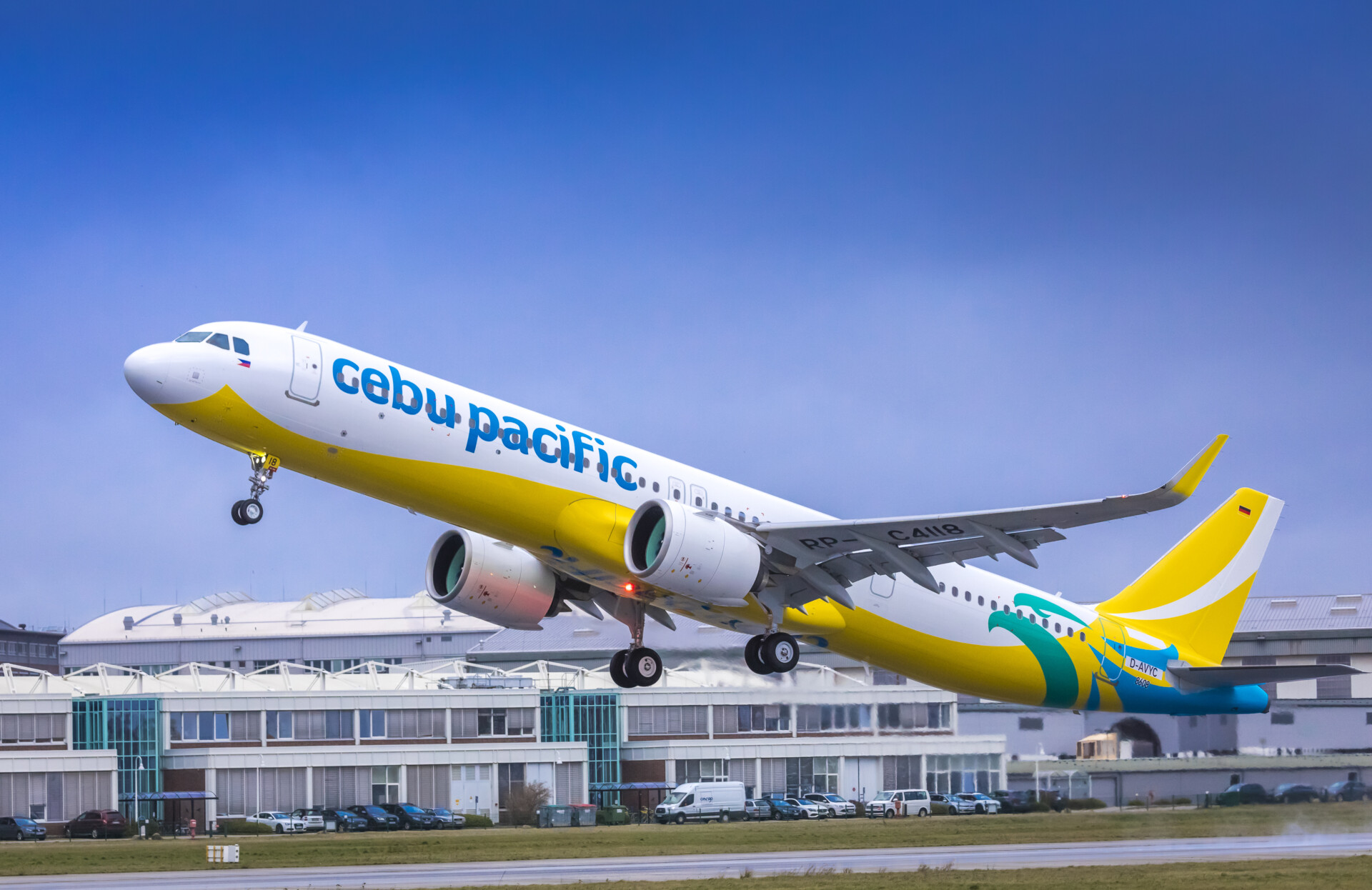
    Cebu Pacific, the country’s leading airline, continues to boost its international network as it adds flights to some of its top ASEAN destinations, namely Bangkok and Bali.

    Beginning Aug. 29, 2022, CEB will fly daily from Manila to Bangkok, coming from its current five-times-a-week frequency. By September, flights from Manila to Bali will also increase from thrice to five times weekly.

    The airline also intends to restart its Manila-Brunei flights by Sept. 1, starting with a twice-weekly frequency.

    “We are happy to keep growing our international network as we see an increasing demand for travel abroad, and as more destinations ease restrictions. It is exciting and encouraging to see more Filipinos travelling confidently in and out the Philippines, that is why we make sure we consistently provide convenient and affordable flight options to enable everyJuan to travel more for less,” said Xander Lao, CEB chief commercial officer.

    Fully vaccinated Filipinos flying to these three destinations are only required to present their proof of complete vaccination as Thailand and Indonesia have already eased its restrictions to easily allow tourists to enter.

    Apart from this, the airline also intends to increase its flights from Cebu to Seoul from twice weekly to a daily service by Sept. 9. On Sept. 23, flights to Nagoya from Manila will be daily from its current five times weekly.

    By Oct. 1, CEB’s Bali flights will increase to a daily service, while its flights to Hanoi and Taipei from Manila will both have one additional flight per week – from thrice to four-times-a-week for Hanoi, and twice to thrice weekly for Taipei.

    Coming home, boosted Filipinos no longer need to take a COVID test pre-departure. For more information, passengers may refer to CEB travel reminders page for the latest updates and complete travel guidelines to their destination.

    CEB continues to offer its guaranteed low fares to stimulate travel across its widest domestic network in the Philippines. It continues to implement a multi-layered approach to safety, while it operates with a 100 percent fully vaccinated crew, 95 percent of whom have been boosted.

  • Bamboo Airways appoints new chairman to drive international expansion

    Bamboo Airways appoints new chairman to drive international expansion

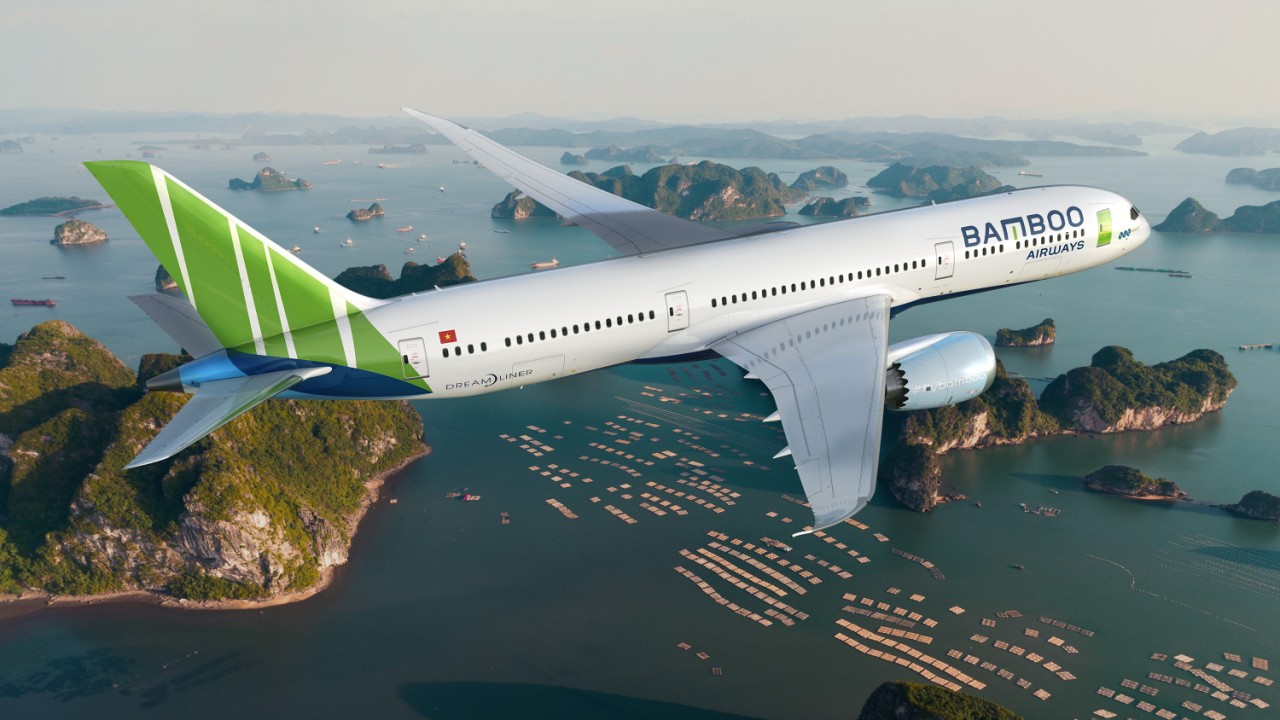
    Bamboo Airways on Saturday appointed Nguyen Ngoc Trong who has worked for the airline since the early days of establishment as its new chairman.

    Trong, 65, took the new position after his predecessor Dang Tat Thang resigned as chairman and general director.

    Trong served as the first deputy general director of Bamboo Airways from 2018.

    In April this year, he was appointed vice chairman after a series of senior leaders were arrested for allegedly manipulating the stock market.

    He has more than 40 years of working experience in the aviation industry and has held many senior management positions at major firms like Vietnam Airlines, Vietnam Airlines Engineering Company, Vietnam Air Petrol Company Limited and Noi Bai Airport Services JSC.

    Bamboo Airways currently operates nearly 170 flights a day on 40 domestic and 12 international routes.

    The carrier plans to continue launching new international services to tourism markets in Asia, Europe and Australia.

    It also plans to increase its fleet to 35 by the end of this year and triple its fleet size to 100 aircraft by 2028.

  • AirAsia signs partnership with Skyports to explore air taxi feasibility

    AirAsia signs partnership with Skyports to explore air taxi feasibility

    AirAsia has announced that its Advanced Air Mobility division has signed a letter of intent with Skyports Infrastructure to explore the development of air taxi infrastructure in Malaysia. This is a development of a report from last March, where AirAsia Group CEO Tony Fernandes said that the company has plans to launch a flying taxi service by 2022.

    AirAsia’s Advanced Air Mobility is a dedicated unit of AirAsia Aviation Group, which is the aviation arm of Capital A. Meanwhile, Skyports is a developer of infrastructure for advanced air mobility (AAM), and the newly established partnership between both companies is seen as an important next step in setting up a fully operation vertiport network in the country.

    Unlike conventional airports used by traditional airline operators, a vertiport is dedicated to aircrafts that land and take off vertically. VTOL (vertical take-off and landing) aircraft, as they are called, require less room to operate, and AirAsia already announced last year that one of its future plans is to lease 100 Vertical Aerospace VX4 eVTOL (electric powered) from Avolon. The company also has its drone training program which has been extended to high-technology-related sectors.

    The VX4 features a powertrain with 1 MW of output and is said to be 100 times quieter than a helicopter. It’s capable of traveling at speeds of up to 325 km/h (202 mph), has a range of over 161 km (100 miles) and can carry five passengers (including one pilot).

    During the one-year partnership, both parties will focus on joint feasibility studies for the integration of air taxi vertiport infrastructure, the identification of potential vertiport sites, and the development of operational requirements and frameworks to ultimately implement a vertiport network in Malaysia – initial assessments will prioritise Kuala Lumpur.

    “Following the announcement of our venture into the urban air taxi service earlier this year, we have been working around the clock to explore its feasibility in Malaysia. This partnership with Skyports will accelerate the review of the infrastructure including vertical take-off and landing platforms in the country as well as strengthen our potential as a zero-emissions ultra-short-haul air travel provider in Southeast Asia,” said AirAsia Aviation Group chief safety officer and head of AAM Ling Liong Tien.

    “We are excited to be partnering with AirAsia, a powerhouse airline operator that brings great synergy to our work at Skyports. This partnership highlights the steady progress of AAM development and interest in Malaysia and the wider APAC region. With innovative and forward-looking partners like AirAsia, we will be able to take concrete steps towards the realisation of a safe, efficient and fully-integrated air taxi network which brings real benefits to the people and communities it serves,” commented Yun-Yuan Tay, head of Asia Pacific, Skyports.

  • Airfares soar on summertime travel demand, fuel price hikes

    Airfares soar on summertime travel demand, fuel price hikes

    Flight tickets to domestic destinations have become pricier than holiday fares, with rising global fuel prices adding fuel to high summer travel demand.

    For the past two weeks, Hoang Viet, who lives in Hanoi’s Ha Dong District, has been checking flight ticket prices constantly so he can fly to Ho Chi Minh City and visit his relatives.

    However, he hasn’t been able to find fares that he can afford.

    “If my family flies this month, it will take at least VND10 million ($426.35) for three people,” he said.

    A round trip between Hanoi and HCMC costs VND3.4-6.2 million for economy class, with the lowest price range offered by budget airlines like Vietjet. The low prices are usually for flights that leave or arrive very early in the morning or late at night. The base fares for Vietjet and Vietravel do not include check-in baggage.

    The higher fares on the route are charged by Vietnam Airlines.

    Current ticket prices are already higher than the VND2.5-4 million range during the Lunar New Year holiday earlier this year.

    Summertime travel demand has hiked fares to popular travel destinations including coastal towns. For example, a round trip between Hanoi and Nha Trang in the central coast costs VND3-6.7 million for the latter half of July.

    A round trip between Hanoi and Quy Nhon costs around VND2.7-5 million; while one between the capital city and Con Dao Island off the southern coast in the last week of July can cost as high as VND10 million.

    Ticket prices will tend to drop in August, industry insiders said.

    Tickets for international trips have also become expensive this summer. For the latter half of this month, a Hanoi-Bangkok round trip starts at VND5.5 million, and a Hanoi-Singapore round trip at VND5.3 million. Before the pandemic, passengers could easily purchase tickets for similar flights starting at VND3 million.

    Direct flights from Vietnam to Europe in September and October are also expensive, with a HCMC-Frankfurt trip starting at VND24 million, and a Hanoi-Paris trip starting at VND40 million.

    A representative for Vietravel Airlines said the high prices were necessary to cover costs.

    “Summertime is considered a time to make up for periods of low travel demand from August to November. It is simply a matter of revenue management and making sure our operations are stable,” the rep said.

    Despite a quick recovery by domestic aviation and ongoing high prices, some carriers still want price ceilings expanded, saying the current ones are no longer appropriate. This is needed also because of rising world fuel prices, they argue.

    A Vietnam Airlines representative said current price ceilings were based on fuel costing around $80 a barrel, but actual prices are at around $140 a barrel.

    A Bamboo Airways rep said the aviation industry should not be held back by price ceilings and it was better to allow the market to decide prices.

  • AirAsia eyes Sabah for route expansion

    AirAsia eyes Sabah for route expansion

    Philippines AirAsia will introduce more direct flights to Sabah and is considering establishing a hub in Sandakan as part of its expansion ambitions.

    The airline is currently studying the potential for direct routes to Kota Kinabalu from Puerto Princesa and Davao in the Philippines. A possible connection between Zamboanga and Sandakan is also on the list of possible direct routes, according to an assessment in a media statement released by the Sabah Tourism Board.

    State Tourism, Culture, and Environment Minister Datuk Jafry Ariffin said Sabah welcomed the plan, which would help both countries in terms of economic spillover.

    “One of the Sabah Maju Jaya plans is to ensure Sandakan Airport is upgraded to the international airport. We should explore additional direct routes into the state.

    “Tawau, being a gateway to Semporna, might potentially serve as an operational hub too. So, whether it’s Sandakan or Tawau, we’ll let them study the viability,” he said.

    Jafry was speaking at a recent press conference on the joint collaboration between the Philippines AirAsia and Sabah Tourism Board (STB)

    Also present were Assistant Tourism, Culture, and Environment Minister cum STB chairman Datuk Joniston Bangkuai; Permanent Secretary of the Ministry of State Tourism, Culture and Environment Datuk Sr Yusrie Abdullah; STB deputy chairman Datuk Dr Jelani Hamdan; STB chief executive officer Noredah Othman; Philippines AirAsia chief executive officer Ricky Isla; and Philippines AirAsia SuperApp managing director Ray Berja.

    The press conference was in conjunction with the familiarisation trip to Sabah for the Philippines media.

    Speaking on the strategic partnership between STB and Air Asia, Jafry said the board is now finalising a collaborative technical campaign to encourage Filipinos to visit Kota Kinabalu.

    Ricky stated that Philippines Air Asia now flies twice weekly from Manila to Sabah, with plans to expand frequency.

    “We want to sustain the travel momentum, and for Sabah, we are not just looking at beaches but eco-tourism and agro-tourism, which are educational.

    “We are looking into the prospect of opening a new destination in Sandakan, which has one of the highest Filipino populations in Sabah, as part of our expansion plan,” he said

    Meanwhile, STB chief executive officer Noredah Othman said Manila has the potential to serve as another hub to attract international visitors and also to attract expatriates living in the Philippines.

    Although having certain similarities, she said Sabah and the Philippines each have unique contrasts that both sides should explore.

    Pre-pandemic, Noredah said the state of Sabah received 4.2 million visitors in 2019, with a promising rise in arrivals since the reopening of borders after two-year hiatus. Chinese visitors contributed the most arrivals in 2019, followed by South Koreans and Europeans.

  • AirAsia introduces trial flights to China

    AirAsia introduces trial flights to China

    AirAsia Thailand (flight code FD) will launch direct flights to China and Hong Kong from its Bangkok Don Mueang airport hub starting 7 August. Initially, the low-cost airline will fly a weekly service but hopes to increase flights to twice a week in September and three times weekly in October.

    Promotional fares start at around THB2,990 one-way for members for travel up to 8 December 2022 booked through the AirAsia Super App. A pilot roundtrip flight between Bangkok Don Mueang and Guangzhou is scheduled for 13 July, with tickets to Thailand available on the AirAsia Super App. The flight is being carried out to demonstrate the carrier’s readiness to serve routes to and from China as soon as China announces the country’s official reopening for outbound leisure travel.

    AirAsia Thailand chief executive officer Santisuk Klongchaiya stated: “These two initial routes provide us with an opportunity to welcome visitors to Thailand. With restrictions further relaxed in Thailand, we have been marketing heavily in China and Hong Kong to tap these tourism markets.”

    Travelers to Hong Kong are required to undergo screening procedures. Arriving travellers must be fully vaccinated. They must produce a Covid-19 test result and are required to undergo quarantine. The Don Mueang-Guangzhou flight will be subject to a policy by the China government, which has allotted a limited entry quota to Thai airlines.

    So far, China has offered no indications as to when it will reopen outbound tourism. However, industry pundits claim the reopening could be as early as the Chinese New Year holiday season in late January or February 2023. Travel to and from China is strictly controlled and mainly limited to essential business travel.

  • AirAsia brings back fuel surcharge

    AirAsia brings back fuel surcharge

    AirAsia Malaysia will be reintroducing fuel surcharge beginning March 8 for all its domestic and international flights.

    The reintroduction of the fuel surcharge by AirAsia is to offset the escalating jet fuel prices, which has exceeded US$120 per barrel. AirAsia has not been charging fuel surcharge since it was abolished in 2015. The airline said it has been absorbing the oil price increase over the years.

    The fuel surcharge will be applicable for new flight bookings made on and after March 8. All bookings made before March 8 will not be affected.

    The fuel surcharge rates for all domestic routes within Malaysia is RM10 while rates for international routes within one to two hours is RM25.

    The rates for international routes for two to three hours, three to four hours and more than four hours are RM35, RM50 and RM60, respectively.

    AirAsia Malaysia Chief Executive Officer Riad Asmat said airlines the world over are affected by the rising oil prices and the continuous upward spiral caused by the situation in Eastern Europe and other external factors have made it imperative for the airlines to reintroduce the fuel surcharge, despite the low-cost operator’s best efforts to resist it for as long as it could.

    “Since we last abolished fuel surcharges in 2015 when the global fuel price was as low as US$48 a barrel, we have faced numerous occasions when the fluctuations have caused other airlines to start imposing surcharges.

    “However, at AirAsia, we have been absorbing past increases in oil prices to continue to provide the best value to our guests. Unfortunately, the current situation where the oil price has shot up more than 160 per cent than what it was in 2015 has made it no longer sustainable,” he said in a statement today.

    Riad hoped that the fuel surcharge will only be a temporary measure.

    He said AirAsia will continue to ensure its fares remain as low as possible despite the fuel surcharge.

    Even when faced with the devastating Covid-19 pandemic, AirAsia still managed to deflect the rising operational costs and continued to offer low fares to the people, he explained.

    “We will continue to monitor the situation and at the same time capitalise on technological and digital innovations as ways to keep costs at bay and make air travel affordable for everyone.”

    AirAsia removed its fuel surcharge twice in the past. It first introduced a fuel surcharge in 2005 and abolished it in 2008, and later reintroduced it in 2011.

    In 2015, the jet fuel price was at its high of US$78 per barrel but AirAsia removed the fuel surcharge as soon as the price went down to around US$48 per barrel that year.

  • AirAsia Group loses appeal in airport case

    AirAsia Group loses appeal in airport case

    The Court of Appeal of Malaysia has dismissed attempts from AirAsia (AK, Kuala Lumpur Int’l) and AirAsia X (D7, Kuala Lumpur Int’l) to set aside a High Court ruling in favour summarily – without a full trial – of Malaysia Airports Holdings over outstanding passenger service charge (PSC) payments, Malaysia’s Daily Express and The Edge Markets reported.

    A three-member bench unanimously confirmed on March 3 that the High Court was correct in granting the state-run airport operator a summary judgement for a total of MYR41.55 million ringgit (USD9.95 million) against the two low-cost carriers, comprising the outstanding charges, late payment fees, and costs.

    The airlines had lodged three appeals each in an effort to strike out the rulings, and so the appeals court ordered them to pay additional costs of MYR10,000 (USD2,400) per appeal, totalling MYR60,000 (USD14,400).

    Malaysia Airports’ claim against AirAsia and its long-haul affiliate is for alleged unpaid passenger service facilities charges at the rate the Malaysian Aviation Commission (Mavcom) regulator set in 2016 and amended in 2017 and 2018.

    According to the plaintiff, the defendants had signed a contract on these fees and other conditions for the use of Kuala Lumpur Int’l Airport, rules that were also revised in 2017. The two carriers deny having accepted the terms of the contracts, however, claiming they had raised objections to the plaintiff but had been ignored.

    The Capital A (formerly AirAsia Group) airlines have argued that the rate for the charges in the current regulations is a ceiling rate, not a fixed rate, and that the amount payable was to have been negotiated between the parties.

    “We are of the opinion, and we agree with the findings of the learned High Court judge, that AirAsia’s actual dispute is not one between two aviation service providers but between AirAsia and [Mavcom] itself, because it is the commission that had prescribed the applicable PSC rate, and [Malaysia Airports] collects the same. Specifically, AirAsia’s actual dispute is against the decision of the commission to equalise the PSC rates” between Kuala Lumpur Int’l terminals one and two, the appeals court ruling said. “Accordingly, AirAsia should have addressed its PSC dispute by judicial review against the commission’s statutory decision to increase the rate.”

    AirAsia X has also been the target of a Malaysia Airports Holdings lawsuit initiated in October 2020 to demand payment of MYR78.16 million (USD18.7 million) in alleged lapsed charges related to the long-haul low-cost carrier’s debt restructuring scheme. Malaysia Airports is a secured creditor of AirAsia X, it has argued, so it should have been excluded from the carrier’s debt reshuffle. Nevertheless, the airline obtained court approval in December 2021 to restructure the debt.