Tag: Food

  • Nestlé launches Workplace by Facebook

    Nestlé launches Workplace by Facebook

    Nestlé has adopted Workplace by Facebook as its global internal communication tool, to connect its workforce and better serve consumers.  The announcement comes as the latest and largest wave of staff join the platform, part of a process that began only nine months ago. Today, around 210,000 of its employees worldwide use the platform to connect and collaborate. Nestlé has pledged to move quicker to turn good ideas into great products to meet fast-changing consumer demand. With the majority of its employees active on the platform, Workplace is already making a difference. Internal engagement is higher and responses faster. People are experimenting and collaborating more, as well as sharing information and ideas.

    Workplace offers familiar Facebook features such as News Feed, Groups, Chat, events and live streams, as well as seamless mobile integration.  Because Workplace is easy to use, it can connect everyone and reach employees where they are.

    The first wave of market adoption including Mexico, Brazil, the Middle East and South Africa saw 25 times higher engagement per post and very high rate of use on mobile devices. Amongst other advantages, managers can use Live video to connect directly with employees at different locations. Sales teams can also use Workplace for daily check-ins and to share information and best practice.

    Commenting on the move to Workplace, Nestlé Executive Vice President Chris Johnson, said: “Nestlé is a people-first environment. We really rely on our talented teams to manage more than 2,000 Nestlé brands worldwide. We help our employees develop and we give them the right tools, so Workplace is a perfect fit.”

    The move to Workplace is part of Nestlé’s commitment to empower people and sustain a high-performance culture. The company is moving more and more to offer open office configurations and more flexible working environments.

    Workplace is also a great example of Nestlé constantly embracing the best technology and systems. Filippo Catalano, Chief Information Officer at Nestlé: “Today, using Workplace by Facebook we are able to give our employees across the globe a platform to build connections, enabling faster and more engaging sharing of information.”

    Julien Codorniou, vice president of Workplace by Facebook said, “As the global work landscape continues to change and the demand for better collaboration, best-of-breed IT and mobile-first work increases, we are honored to partner with a company like Nestlé to help employees work together to allow for limitless innovation.”

    While a large majority of users has now joined the Workplace platform, the rollout will continue throughout 2019.

  • Kiki Tea Taiwan launches product created by Michelin Chef

    Kiki Tea Taiwan launches product created by Michelin Chef

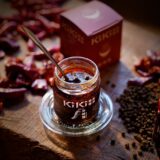
    Hong Kong’s new Taiwanese tea and bubbles sensation KiKi Tea is welcoming the Year of Pig with the inaugural launch of ‘Chinese New Year Puddings’ by three Michelin starred chef Albert Au Kwok-Keung. Exclusive recipes with finest ingredients by the starred Chinese chef are on special offer at KiKi Tea’s debut Hong Kong restaurant, KiKi Tea@Sun’s Bazaar in Pacific Place, as well as KiKi Tea SOGO Causeway Bay Pop-up, and online at from 1 January 2019.

    Chef Au, the Chinese Executive Chef for luxury restaurant group Lai Sun Dining has crafted two of Hong Kong’s most exceptional Chinese New Year Puddings in an exclusive collaboration with KiKi Tea, as the Taiwanese brand continues the runaway success of its popular sun-dried, handmade and additive-free KiKi Noodles.

    The signature puddings offer a choice of both sweet and savoury, perfect for gifting and wishing relatives and friends a fruitful new year. KiKi Taiwan Dried Longan and Brown Sugar Pudding (HK$108), marries traditional dried longan from Zhuqi and Chiayi in Taiwan, produced by an ancient roasting technique that reduces 3kg of the fresh fruit to 1kg dried, and is believed to nourish and clean blood – with Taiwan dark brown sugar, considered healthier than traditional cane sugar, free of artificial colouring, preservatives and fructose.

    The savoury KiKi Taiwan Dried Sakura Shrimp Turnip Pudding (HK$128) is crafted from a trio of prized Asian ingredients – delicate sun-dried sakura shrimp from Taiwan, turnip from Japan and preserved local lean Chinese sausage. For a spicy kick of Sichuan peppercorn and chilli, Chef Au recommends enjoying it with KiKi Sichuan Pepper Seasoning or KiKi Spicy Sauce.

    A set of both Chinese New Year Puddings is discounted to HK$228 from either KiKi Tea@Sun’s Bazaar, KiKi Tea SOGO Causeway Bay Pop-up or KiKi Fine Goods (Hong Kong) online at www.kikifg.com.hk during the two-month promotion from 1 January 2019 through Chinese New Year to 3 February 2019. With free delivery for ordering 21 puddings or more, the exclusive puddings are ideal for festive season gifting.

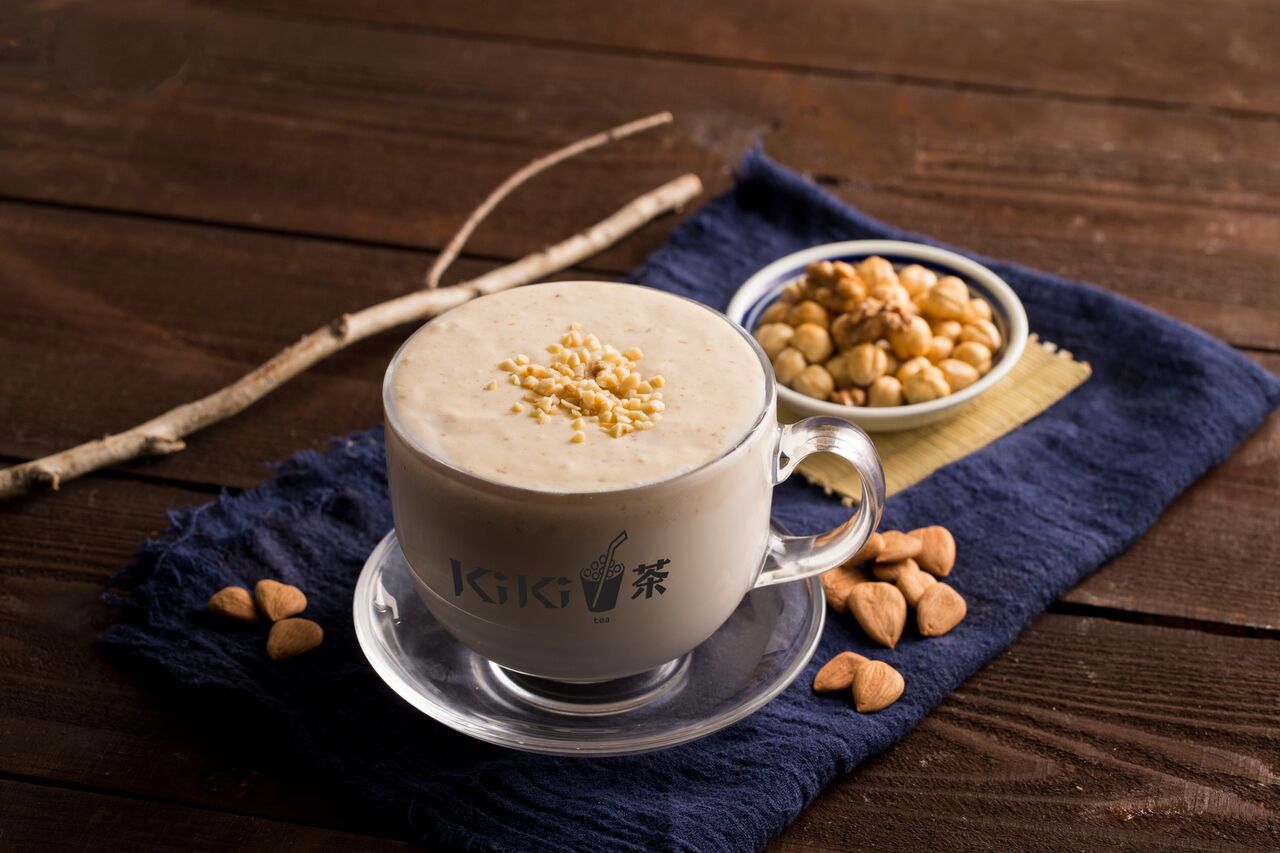
    A HK$5 KiKi Tea cash voucher is also complimentary, redeemable for a discount taste of the brand’s new bubbles, teas, desserts and Michelin-chef created KiKi Noodle dishes at KiKi Tea@Sun’s Bazaar or KiKi Tea SOGO Causeway Bay 2-month long pop-up – where popular favourites include SOGO special drink Brown Sugar Ginger Milk with Purple Sweet Potato Cream Mousse (HK$38), a smooth, flavourful and creamy mousse of steamed sweet potato puree using healthy, natural brown sugar from Taiwan with a warm and hearty ginger flavour. Moisturising drinks also include Almond Tea topped with Caramel & Nuts Cream Mousse (HK$35), Brown Sugar Ginger Tea with Red Dates (HK$34), Homemade Longan and Red Dates Tea (HK$32), and iced Almond Milk (HK$38).

    Chef Albert Au Kwok-Keung is celebrated as the world’s youngest three Michelin starred Chinese chef from helming The Eight restaurant in Macau, having launched his stellar career with his first Michelin star at Hong Kong’s ‘celebrity canteen’ Island Tang.

    Since launching in September 2018, KiKi Tea@Sun’s Bazaar has become an instant sensation, standing out from the  bubble craze crowd with Taiwanese tea and bubble specialties using quality, mostly natural ingredients including premium Taiwanese tea leaves, black sugar and cane sugar, along with authentic Taiwanese tea recipes – highlighting handmade pearls and pressed-to-order House Blend Teapresso. Specialties are brewed with top-of-the-range BKON technology for formulas producing unique tea and fruit infusions.


  • BreadTalk, Song Fa JV launch first Beijing restaurant

    BreadTalk, Song Fa JV launch first Beijing restaurant

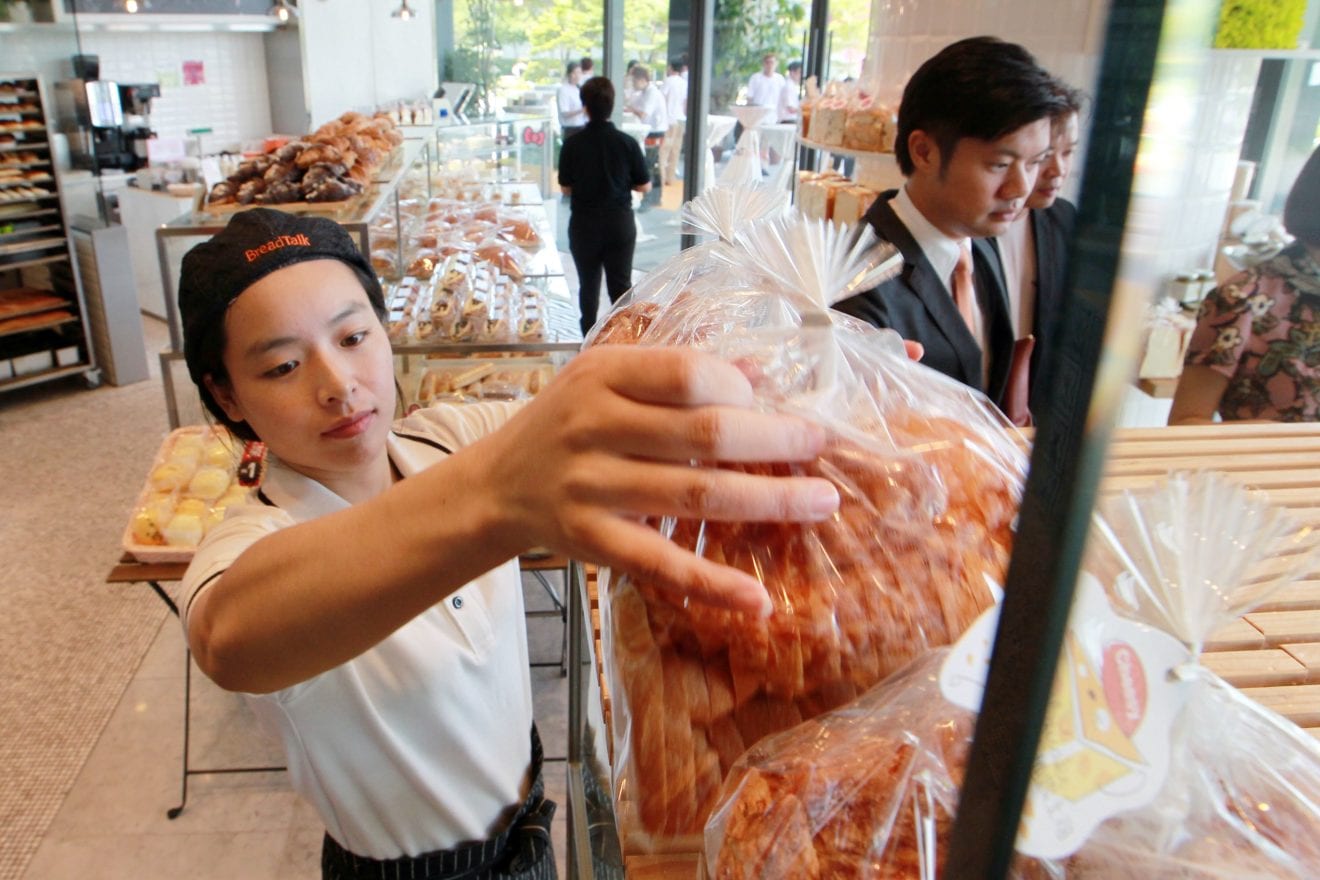
    BreadTalk and Song Fa have launched their first restaurant in northern China at Beijing’s APM Mall. Saturday’s opening follows the successful launch of the first Song Fa restaurant in Shanghai Jing An Kerry Center in January last year, where it averaged RMB1 million (US$145,570) in monthly sales. It is the fourth restaurant opened following the signing of the joint-venture agreement between BreadTalk and Song Fa Holdings in July 2017.

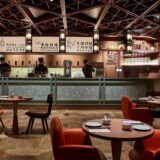
    The restaurant is located on level 5 of the mall, featuring a spacious interior accommodating close to 100 diners with Nanyang nostalgia decor and contemporary seating.

    “Since the opening of our first Song Fa outlet in Shanghai last year, we were encouraged and overwhelmed by the positive response from consumers in China,” said BreadTalk Group CEO Henry Chu. “This vote of confidence enabled us to open another three restaurants successfully in Shanghai last year.

    With the opening of our first restaurant in Beijing, we will continue to harness and leverage BreadTalk Group’s brand operations and management experience to bring the Song Fa brand to northern China and provide local consumers with high quality Teochew Bak Kut Teh cuisine.”

    “The Bak Kut Teh culture is one of the most iconic food cultures of Singapore,” added Song Fa’s second-generation helmsman and MD Yeo Hart Pong. “It is Song Fa’s mission to spread this culture and continue to serve generations of Bak Kut Teh fans. Besides our Singapore homeground and Indonesia, China is our most-valued market outside Southeast Asia. We feel very honoured to be able to collaborate with BreadTalk Group and introduce the Teochew Bak Kut Teh culture to epicures in China.”

  • Singapore company seeks to increase stake in Vietnam’s largest dairy firm

    Singapore company seeks to increase stake in Vietnam’s largest dairy firm

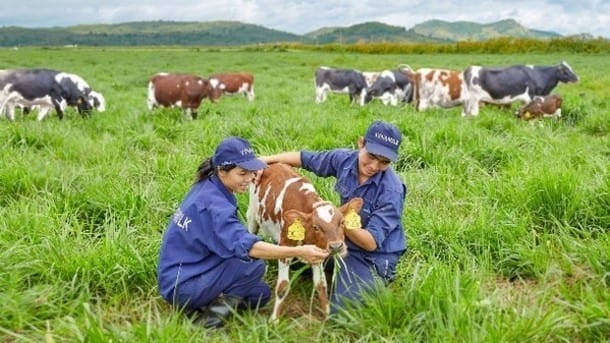
    A Singaporean shareholder in Vinamilk is seeking to increase its stake in Vietnam’s largest dairy firm. Jardine Cycle & Carriage Ltd has registered to buy 17.41 million shares between January 9 and February 7 through its wholly-owned local subsidiary, Platinum Victory, which will enable it to increase its ownership in Vinamilk from over 10 percent to 11.62 percent.

    At a proposed price of VND125,000 ($5.38) per share, the transaction will be worth VND2.17 trillion ($94.42 million).

    Last year Jardine, Vinamilk’s third largest shareholder, had registered on six different occasions to buy 14-17 million shares to increase its stake to above 11 percent, but was unsuccessful due to unfavorable market conditions.

    It first bought a 3.3 percent stake in Vinamilk in November 2017. Within a month it raised its ownership to over 10 percent.

    In April last year a representative of Jardine’s parent company, Jardine Matheson, became a Vinamilk board member.

    Hong Kong-based Jardine Matheson is one of Asia’s biggest conglomerates with interests in luxury hotels, motor vehicles, property, food retail, transport financial services, and agribusiness and revenues of almost $16 billion in 2017.

    F&N Dairy Investments, a subsidiary of Singapore-based Fraser & Neave Ltd, which is backed by Thai tycoon Charoen Sirivadhanabhakdi, owns a 17.31 percent stake in Vinamilk.

    Vietnam’s dairy industry reported revenues of more than VND100 trillion ($4.4 billion) in 2017, with Vinamilk commanding more than a 50 percent market share.

    According to a report by the EU-Vietnam Business Network, the market is expected to double in size by 2020 as the country’s population, personal incomes and dairy consumption increase.

  • Ramen Cubism makes debut in Hong Kong

    Ramen Cubism makes debut in Hong Kong

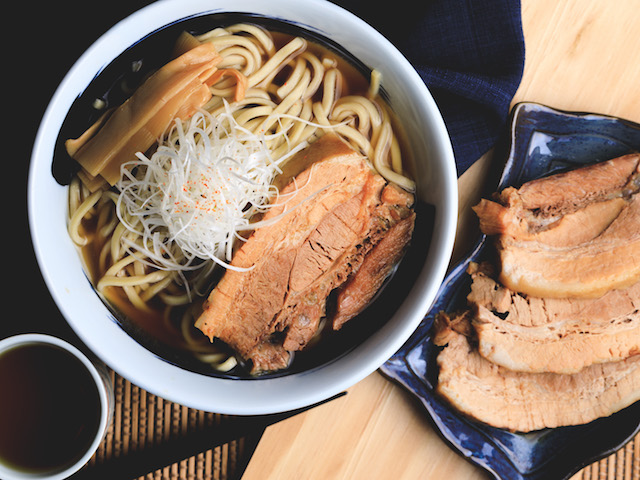
    Japanese celebrity chefs Hayashi Takao and Matsumura Takahiro are launching a new international noodle soup restaurant brand called “Ramen Cubism”. The brand’s flagship opens in a chic basement venue in Hong Kong’s Wellington Street tomorrow. It is the collaborators’ first overseas venture, launched in partnership with Hong Kong’s Bird Kingdom Group, of Lai Chi Kok’s D2 Place. It marks the first collaboration between Chef Hayashi and Bird Kingdom Group, slated for international expansion with branches across the region – including their hometown of Osaka, Macau (within the next quarter) and Mainland China.

    Ramen Cubism introduces Chef Hayashi’s signature ramen creations to Hong Kong, following the success of his Osaka restaurant that regularly attracts long queues of as many as 100 diners.

    Pictures gallery below (5 images) :

    Equally renowned as a ramen master and recipe developer, Chef Matsumura has previously established eight noodle brands in Osaka, including the newly-opened “The Most Hopeful Ramen Bar in the World”.

    In celebration of its launch, Ramen Cubism features Chef Hayashi’s new exclusive Hong Kong recipes, limited to 200 servings a day during opening time.

    “Ramen Cubism promises to be a magnet for lovers of this beloved specialty,” said Bird Kingdom Group CEO Eric Ting. “We look forward to building a new generation of followers in Hong Kong and worldwide for this traditional high quality and flavourful comfort food”.

  • Hong Kong’s Hui Lau Shan debuts in Philippines

    Hong Kong’s Hui Lau Shan debuts in Philippines

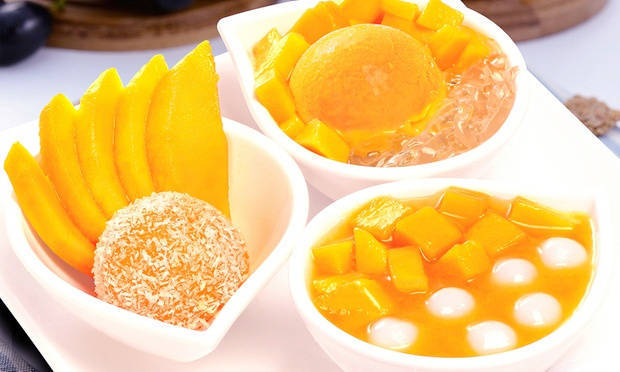
    Hong Kong dessert chain Hui Lau Shan will launch in the Philippines in February. The franchise, best known for its mango-based treats,will open at SM Megamall in Mandaluyong City with a range of desserts that are expected to draw on local fruits. Mango desserts have proven popular in the region recently, with prominent social media coverage of long queues for mango floats.

    Hui Lau Shan is a heritage brand originating from a herbal tea & tea trolley that traded in Hong Kong’s Yuen Long back in the 1960s.

  • Woowa Korea gets $320 million from overseas

    Woowa Korea gets $320 million from overseas

    Woowa Brothers, the operator of the popular food delivery app Baedal Minjok, said Thursday that it succeeded in securing $320 million from major foreign investors including Sequoia Capital, famous for investing in leading tech companies such as Apple and Google.

    According to Woowa Brothers, other major investors include China’s Hillhouse Capital – which is also known for investing in Chinese tech giants including Tencent and Baidu and led this round of funding – and the Singapore government-owned wealth fund GIC.

    The food delivery app developer said the investment has solidified its position as a unicorn company – an unlisted start-up worth over $1 billion – as its post-money valuation is now worth 3 trillion won ($2.66 billion).

    The company said it was able to secure such a large investment thanks to its exceptional growth.

    The Baedal Minjok app, normally referred to as Baemin, now processes nearly 27 million food delivery orders every month, up from 20 million in July. The app has 8 million monthly active users.

    Food delivery sales have more than doubled in the past three years. Baemin processed around 5 trillion won worth of food delivery orders this year, up from 2 trillion won in 2015.

    Since its founding in 2010, Woowa Brothers has received a total of 506.3 billion won in investment. Previous investors include Goldman Sachs, which invested 40 billion won, and Naver, which invested 35 billion won.

    “It’s significant that our company’s growth and future potential was recognized by reputable global investors,” said Oh Se-yoon, Woowa Brothers’ executive vice president and CSO.

    Woowa’s business interests go beyond food delivery. Its other projects include developing delivery robots powered by AI and self-driving technology and building an online system to help restaurant owners manage revenue and customers.

  • Vietnam’s 2018 coffee exports at 1.88 mln tonnes, surges from last year

    Vietnam’s 2018 coffee exports at 1.88 mln tonnes, surges from last year

    Vietnam’s coffee export volumes for 2018 are expected to increase 20.1 percent from last year, while rice exports are estimated to rise 4.6 percent.

    Coffee

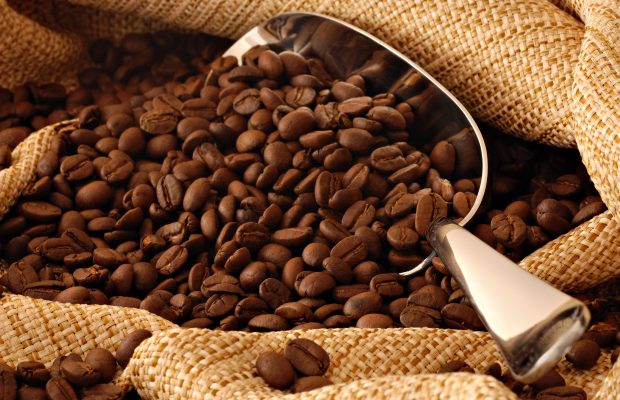
    Coffee exports from Vietnam will climb an estimated 20.1 percent this year to 1.88 million tonnes, equal to 31.37 million 60-kg bags, the General Statistics Office said in a report on Thursday.

    Coffee export revenue for Vietnam, the world’s biggest producer of the robusta bean, will edge up 1.2 percent to $3.54 billion in the year, the report said.

    December coffee exports were estimated at 160,000 tonnes, worth $287 million.

    Rice

    Rice exports in 2018 from Vietnam were forecast to rise 4.6 percent from last year to 6.09 million tonnes. Revenue from rice exports in the period was expected to grow 16 percent to $3.05 billion.

    December rice exports from Vietnam, the world’s third-largest shipper of the grain, were estimated at 450,000 tonnes, worth $220 million.

    Energy 

    Vietnam’s 2018 crude oil exports were seen plunging 39.5 percent from last year to an estimated 4.12 million tonnes. Crude oil export revenue in the year is expected to decline 21.2 percent to $2.27 billion.

    Oil product imports in the year were estimated at 11.35 million tonnes, falling 12.1 percent from the same period last year, while the value of product imports rose 7.8 percent to $7.61 billion.

    Vietnam’s 2018 liquefied petroleum gas imports were seen increasing 4.9 percent from last year to 1.43 million tonnes.

  • Yellow Tie Hospitality to bring Taiwan-based beverage brand Chachago in India

    Yellow Tie Hospitality to bring Taiwan-based beverage brand Chachago in India

    Karan Tanna led Yellow Tie Hospitality, the leading food and beverage franchise management company, has tied up with Taiwan based beverage brand, Chachago to launch its first outlet in Bengaluru in January 2019. Yellow Tie has acquired the master franchise rights for the brand in India as well as UAE, Turkey, Kuwait, Lebanon, Jordan, Israel, Oman, Syria, Turkey, Iran, Iraq, Qatar, Bahrain & Afghanistan and plans to launch100 outlets in India by 2021, with an overall investment of USD 6 million in brand expansion and development in India.

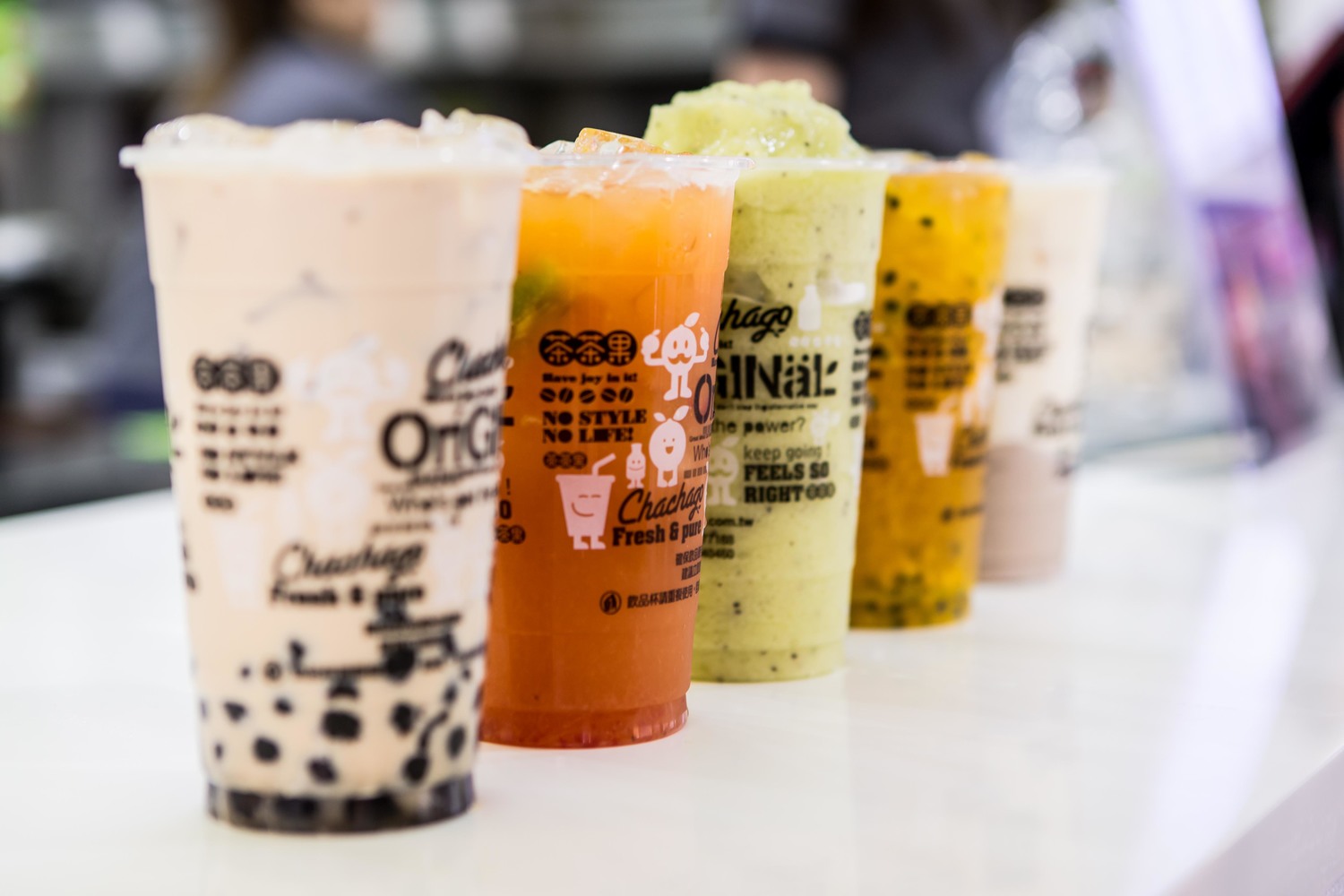
    Chachago is a Taiwanese beverage brand known for its aromatic and delicious varieties of Taiwanese milk tea, bubble teas, fruit-infused beverage, cheese-based beverages, milkshakes, and other specialty beverages and desserts. This is the first time the brand is entering India after having established its presence in countries like Taiwan, Canada, Australia, Hongkong, Vietnam, and Phillippines. A typical Chachago outlet will be in malls, high street, and educational institutions, and will spread over an area of 100 to 500 square feet and a capex of INR 20-40 lakh will be invested in building each outlet.

    Commenting on the launch Karan Tanna, Founder CEO of Yellow Tie Hospitality said: “Chachago is a specialty beverage brand originated in Taiwan, a country also known as the ‘House of Milk Tea’. We felt Indian consumers would connect with these specialty beverages, as there is a high demand for them in a tropical country like ours. It is a well-known fact that specialty beverages are a large and growing segment in the QSR category. As the market evolves, niche offerings are becoming more popular, giving us confidence that a brand like this will go down well with Indian consumers. Chachago is positioned very well with a gamut of products ranging in various teas, fruit infusions, and milkshakes. Chachago will be a one-stop-destination for premium beverages. We are very sure that the finest product development capability of Chachago in Taiwan combined with their experience of over three decades and optimized operation to give more throughput, will enable very quick growth for them in India”.

    He further added that there is a plan to turn Chachago into a 300 outlet chain by 2023 across the franchise geographies, “Going forward, the company is also looking for strong growth in countries outside India, by the second half of 2019; and by the year 2023, we are expecting the total outlets of Chachago to contribute approximate Rs 120 crore in annual revenue.”

    “We have tasted success in the very competitive Taiwanese market because of our own capability of using the most premium ingredients with optimized results. These ingredients are not only appreciated in Taiwan but also in other countries like Canada and Australia. We are very sure that with our experience and the expertise of Yellow Tie Hospitality, Chachago will be able to grow aggressively in a market which is the second highest competitive market in the world. We look forward to our presence in India”, said Hseih Yu Yin, Owner, Chachago.

    To further streamline the franchising process for Chachago, the company will go through a master franchise and multi-unit franchise route wherein franchise selection criteria will be based as per International brand standards. The potential franchise owner’s credibility will be audited by Yellow Tie Hospitality.

    Economic growth and social change on the Indian subcontinent are causing the beverage, dairy and liquid food industry to boom. Euromonitor International forecasted that all beverage sectors will grow at double-digit rates in the next four years, which Drink Technology India (DTI) will also benefit from.

  • Saigonese spend $11.5 a month on convenient food and drinks

    Saigonese spend $11.5 a month on convenient food and drinks

    Each Saigon resident spends $11.5 on average per month on convenient foods and drinks, a consumer research firm says. The product groups most often chosen by consumers are non-alcoholic drinks, nutritional beverages, confectionery and snacks like instant noodles, sausages and pies, according to a study on Saigon consumers’ out-of-home (OOH) spending.

    The study was recently done by Kantar Worlpanel, an international company dealing in consumer knowledge and insights.

    On average, Saigon residents make around 8 or 9 out of home trips for these products a month.

    This study also shows that product selection and external spending patterns are clearly differentiated by gender. Women, especially students, often spend money on milk tea, while men and the seniors prefer coffee. Consumption of carbonated soft drinks, energy drinks and bottled water are highly skewed towards teenagers.

    Coffee shops and tea shops are the most popular places, chosen by 45 percent for those going out for OOH drinks, most of whom are aged 30-39. The remaining channels are convenience stores, restaurants, supermarkets, shopping malls and traditional channels such as markets and pavement shops.

    Previously, market research firm Decision Lab had published a report on spending trends of target groups born in 1995 and later (Generation Z). It is estimated that Vietnam has more than 14.4 million people in this age group, with above 56 percent of them having no income or earning less than VND3 million ($129.12) per month.

    Despite the modest income and large dependence relying on their families, average monthly OOH spending by this generation is VND892,400 ($38.41), almost four times that of the average Saigon resident, the report said.

    On average each month, the total amount spent by this age group on eating and drinking was nearly VND13 trillion ($559.56 million).

  • China’s cheese tea bakery Nayuki opens in Singapore

    China’s cheese tea bakery Nayuki opens in Singapore

    The cheese tea bakery, which draws inspiration from the Japanese philosophy of ‘Kaizen’ (a dedication to continuous improvement), opened to Singapore shoppers on December 8. Marking its debut international store opening, Nayuki has teamed up in a joint venture with BreadTalk Group for its officially opening in Vivocity.

    Vivocity store has been designed to reflect Nayuki’s philosophy: sophisticated and comfortable with seating and premium ingredients such as fresh fruit and tealeaves.

    “When it comes to shop design, we work with different designers, artists and some influential KOLs [key opinion leaders],” Peng Xin, Nayuki’s co-founder said in an interview.

    Singaporeans can now enjoy Nayuki’s signature “fruit tea and soft euro bread pairing” concept featuring the famous Supreme Cheese Strawberry tea and Strawberry fresh cream bread combo.

    In addition to the café’s breads and teas, the outlet also stocks cold brew teas, as well as selling an exclusive edition of its award-winning Alisan Mountain Dew Tea.

    Founded in Shenzhen, Nayuki was launched in 2015 from an appreciation of tea-drinking culture, something that has been known to China for centuries.

    To keep the tradition alive among the younger generation, Nayuki seeks to make tea drinking appealing through a stylish and modern tea concept, and effectively retailing it to millennials.

    And it’s proven successful. With over 100 stores across China across some 13 citie, Nayuki has garnered a cult following with celebrities and international lifestyle brands alike opting to partner with it.

    China is the largest market for tea drinking globally, with 13% of the world’s consumption taking place in China, according to Euromonitor. However, teeing up with BreadTalk Group and entering Singapore is the next step forward in global expansion, according to Peng.

    “Singapore is an important market. We chose Singapore to learn how to meet international standards – and then we can go global,” said Peng.

    Founded in 2000, the BreadTalk Group Limited is a Singaporean multinational food and beverage corporation headquartered in Paya Lebar, Singapore.


  • Ramyeon Korea set to cross the $400 million export mark

    Ramyeon Korea set to cross the $400 million export mark

    Exports of ramyeon are sure to exceed $400 million this year, a state food agency reported Wednesday. Shipments of ramyeon totaled $385 million as of the end of November, up 11.2 percent from the same period last year, according to Korea Agro-Fisheries & Food Trade.

    The figure is already more than the total for 2018. Given the sum so far, the monthly average exports are $35 million, suggesting that exports will $400 million by end of this year. South Korea broke the previous threshold of $300 million just last year.

    Ramyeon remains popular in the United States and in Southeast Asia, while China’s boycott of Korean products due diplomatic disagreements has weakened, according to the agency.

    Related data showed Korea exported $8.56 billion worth of agricultural and fisheries products in the first 11 months of the year, a gain of 2.6 percent from last year.

    By country, exports to Japan were the highest, at $1.94 billion, followed by $1.38 billion to China, $980 million to the United States and $530 million to Vietnam.

    The figures indicate a 0.3 percent fall for Japan but increases of 1.2 percent for China, 0.2 percent for the United States and 1 percent for Vietnam.

    Exports of farm and livestock products rose 2.4 percent to $6.37 billion, and those of fisheries goods were up 3.1 percent to $2.2 billion.

  • Vietnamese prefer fresh food by far to processed items

    Vietnamese prefer fresh food by far to processed items

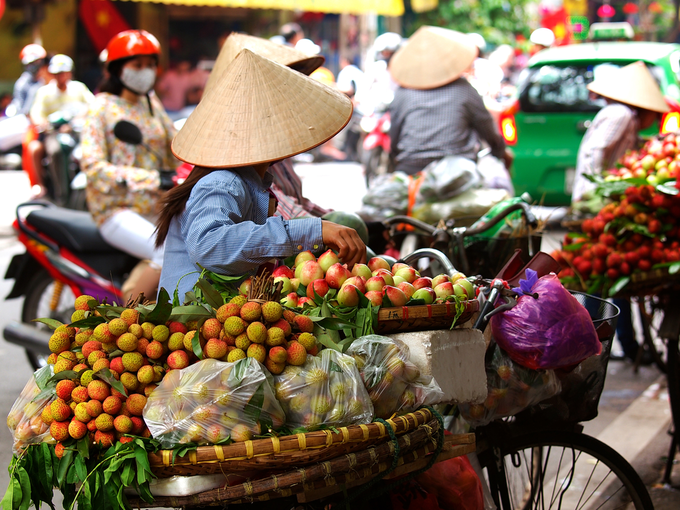
    Vietnamese citizens spend three times more on fresh food than fast-consumer moving goods (FMCG), a new survey says. A family in urban Vietnam spends about VND1.1 million ($47.12) on fresh food a month, according to the recent survey by market research firm Kantar Worldpanel Vietnam.

    The survey polled over 2,000 households in Hanoi, the central city of Da Nang, Ho Chi Minh City and southern Can Tho City, and over 1,000 households in various rural areas across Vietnam.

    Fruits top the spending category in fresh food, accounting for 19 percent of the total, while vegetables come second at 11 percent. The rest goes to meat, seafood and rice.

    The traditional market remains the favorite shopping outlet for Vietnamese people, accounting for 85 percent of total spending on fresh food.

    Vietnamese people spend VND930,000 ($39.81) per week on fresh food at traditional markets, mostly on meat and seafood.

    Although locals spend only VND220,000 ($9.42) per week on fresh food at supermarkets, the figure shows a 28 percent growth over last year. Most of the supermarket spending is on fruits and processed food.

    Fresh food and FMCG make up the majority of Vietnamese people’s spending at 26.8 percent last year in the cities and 25.9 percent in rural areas.

    With rising incomes, Vietnamese people, especially in the cities, have been spending more on education and health, the report finds.

    The share of spending on education by urban families increased from 10.8 percent in 2012 to 12.9 percent last year, while spending on health grew from 3.5 percent to 3.9 percent in the same period.

    The report also finds that Vietnamese consumers accord top spending priority to food safety, health and environmental issues/disease.

    The majority of survey respondents, 96 percent, are confident that their spending capability will be stable or increase in upcoming months, and 86 percent expect the Vietnamese economy to be stable or grow stronger in the near future.

  • How Pizza Hut is mixing technology with pizza

    How Pizza Hut is mixing technology with pizza

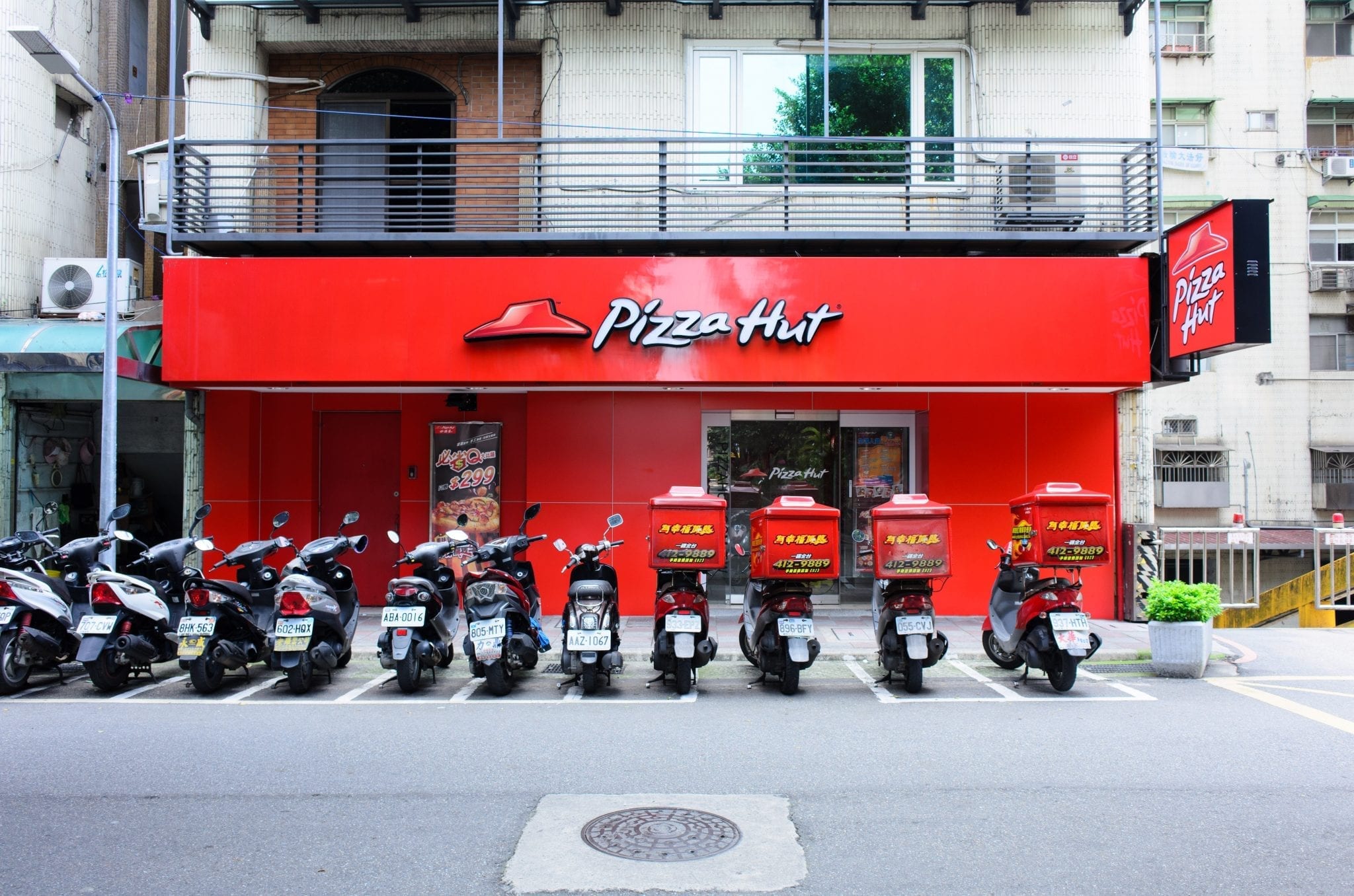
    Yum! Restaurants-led Pizza Hut is betting big on technology. The brand is investing technology at each every step from taking orders to delivery of the pizza. Elaborating more on the same, Managing Director, Pizza Hut (India Subcontinent), Yum! Restaurants, Unnat Varma said, “We are using technology in sorting out our kitchens. So kitchens are becoming better in terms of layout, efficiency, optimising labour. Apart from this, we are also using technology to schedule riders to make sure that pizzas reach hot and fresh to the consumers.”

    “To ensure a seemless experience to the customers we have again using technology. We have a new online experience for customers, it is one of the best friction-less experience. From getting customer’s location to ordering the pizza, the entire process has been reduced to a four-step journey,” he added.

    The brand is also not shying away from using drones to deliver the pizzas in the near future.

    “We are closely watching the drone delivery space. However, there is no current successful model. There has to be regulation, approval from the Government that drones can fly in the air space and to understand that how does it work for food as food is very atypical, it cannot loose temperature and it has to be accurate, it has to reach in a certain stipulated time and it has be delivered straight. We will host the space, we are very open, we are transforming ourselves digitally and technologically, if this space helps us unlock some future possibilities, we will definitely go ahead with it,” Varma revealed.

    Enhancing Customer Experience

    To add to the overall consumer experience, the brand has been constantly improving its products.

    According to Varma, “These days the customer experience is always around product and product excellence and there we have been making a continuos effort to make our product more delicious, fresh and hot but in addition to that it is about the entire experience – how fast customer can place the order, how fast cusotmer can locate our store, can we give cusotmers a great value deal, can we understand their requirements, can we customise, can we help them earn and let them use some loyalty points in the future.”

    Expansion Plans

    Pizza Hut India plans to open over 200 more outlets in India by 2022 to expand its retail footprint. Currently, it operates 422 stores in the country.

    “‘Pizza Hut is a very democratic brand, it is used by segments of the consumers in the market, so our attempt is to go to as close to consumer as possible, it could be going after the shoppers in the shopping mall or it could be going close to residential areas, or going to captive locations where we have people working, so we are open to all kind of opportunities that exist. We are even open to open our outlets at airports and railway stations too,” asserted Varma.

    The pizza chain runs a franchise model in the country, where investments for opening new outlets mainly comes from franchise partner.

  • Food delivery start-up Swiggy raises US$ 1 billion from venture funds

    Food delivery start-up Swiggy raises US$ 1 billion from venture funds

    Leading food ordering and delivery start-up Swiggy has raised US $1 billion (Rs 7,000 crore) venture funds from existing investors led by Naspers, to strengthen its technology and hire talent, it said on Thursday. “Swiggy will use the funds to bring more quality food brands closer to consumers and address gaps in supply through delivery-only kitchens, as well as hire talent and strengthen the technology,” the city-based app provider said in a statement.

    The Series H round of funding, led by Naspers, also includes the participation of existing investors DST Global, Meituan Dianping and Coatue Management.

    The funding round saw the participation of new investors Tencent, Hillhouse Capital and Wellington Management Company, the company said.

    The firm will also use the capital to hire talent, especially for machine learning and engineering roles across mid and senior levels, as well as strengthen its technology backbone.

    “The company will focus on building a next-generation Artificial Intelligence (AI)-driven platform for hyperlocal discovery and on-demand delivery,” it added.

    Inclusive of the latest round, Swiggy said it has raised a total of US$ 1.26 billion (Rs 8,825 crore).

    In June, the food-tech start-up raised US$ 210 million (around Rs 1,500 crore) from multiple investment firms, including Naspers, DST Global in Series G funding and US$ 100 million (around Rs 700 crore) in Series F in February from multiple investors.

    Details of the promoters’ equity holding in their firm after the latest round of funding are not made public by the company.

    “As we add more firepower to our vision of elevating quality of life for urban consumers by offering unparalleled convenience, our global investors also share our purpose and have made a significant investment in our future,” Swiggy’s Chief Executive Sriharsha Majety said in the statement.

    Founded in 2014, Swiggy claims to have 50,000 restaurant partners across 50 cities, including New Delhi, Gurugram, Hyderabad, Bengaluru, Chennai, Mumbai, Kolkata and Pune, and receives about 25 million food orders a month.

    The company, which has over 4,000 employees, reported an operating revenue of Rs 442-crore for fiscal 2017-18.