Tag: Food

  • Chibo to open Indonesia store soon

    Chibo to open Indonesia store soon

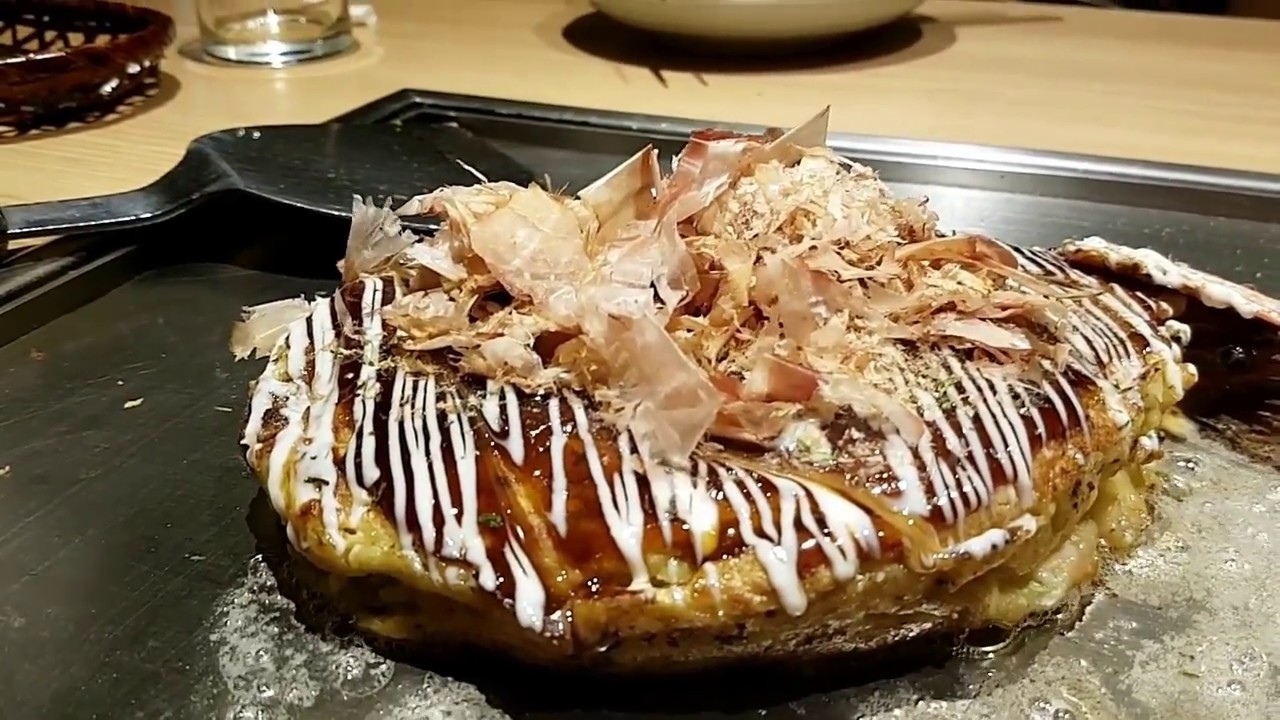
    Japanese “okonomiyaki” pancake restaurant Chibo is launching in Indonesia this month. The opening is part of the firm’s unfolding global plans to counteract a dip in the Japanese food service market. It is partnering with local operator Jaddi Foods within Indonesia’s territory. Importantly for the predominantly Islamic market, the firm will be swapping out pork for suitable Halal alternatives.

    The 188sqm venue is opening at Gandaria City Mall in southern Jakarta, seating 90 diners. It joins eight Chibo restaurants outside Japan, with sister venues in China, Hong Kong, Hawaii, the Philippines, Thailand and Vietnam. The firm is targeting 20 international outlets by March next year, with locations planned for Brazil, London, New York and Russia.

  • Burger house competition in Hong Kong

    Burger house competition in Hong Kong

    In 2018, two international burger chains have opened restaurants and branched out in the city. In May 2018, Shake Shack brought the modern day roadside burgers, to Hong Kong with its partner Maxim’s Caterers Limited. Maxim’s Caterers Limited is a Hong Kong based food, beverage and restaurant chain founded in 1956, and the company operates over 1,000 outlets in Hong Kong including The Cheesecake Factory and Simplylife Cafe.

    “We see tremendous opportunity for Shake Shack in Hong Kong and Macau,” said Randy Garutti, CEO of Shake Shack. “We are thrilled to bring the joy of Shake Shack to our fans in these dynamic communities as we continue to expand our footprint in Asia.”

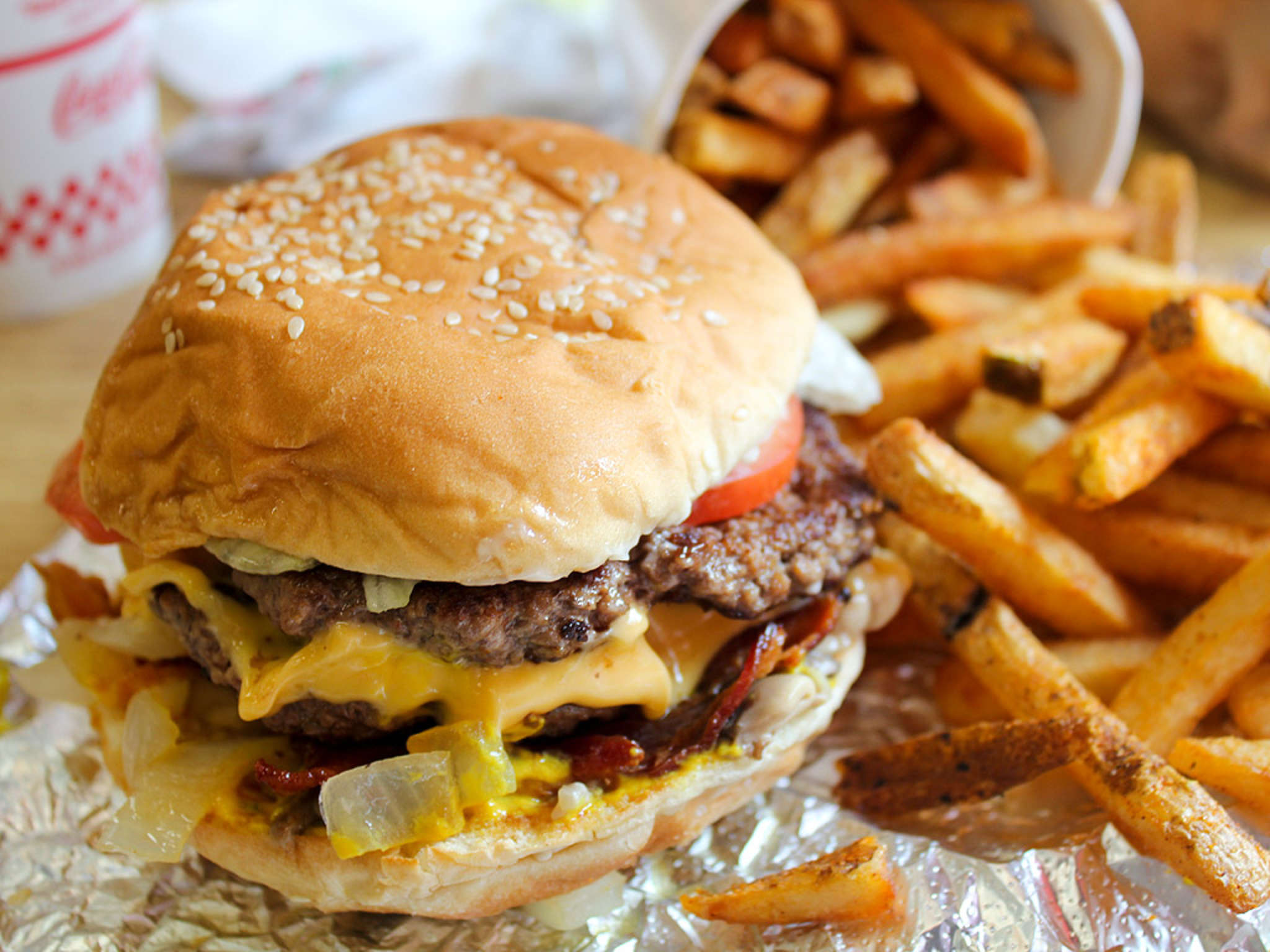
    On 19 November 2018, after months of staring longingly at the red and white hoarding, the day to check out Five Guys’ first Hong Kong restaurant has finally arrived. The popular fast food chain is now serving up all the American-style burgers, hotdogs, milkshakes, and fries. Naturally, burger lovers in Hong Kong were excited to get a chance to check it out.

    After 2 months,there is still a queue outside Five Guys owing to the all-you-can-eat peanuts and Coca-cola Freestyle. Coca-cola Freestyle is a concept similar to the Big Gulp offered by the 7-Eleven, customers may choose and drink all the provided soft drinks freely for only $30 Hong Kong dollars.

    This increasing number of burger outlets landing in HK just leaves us with one question – when is In-N-Out Burger making its way to Hong Kong?

  • Indian rice prices slip as demand lags; Vietnam awaits major harvest

    Indian rice prices slip as demand lags; Vietnam awaits major harvest

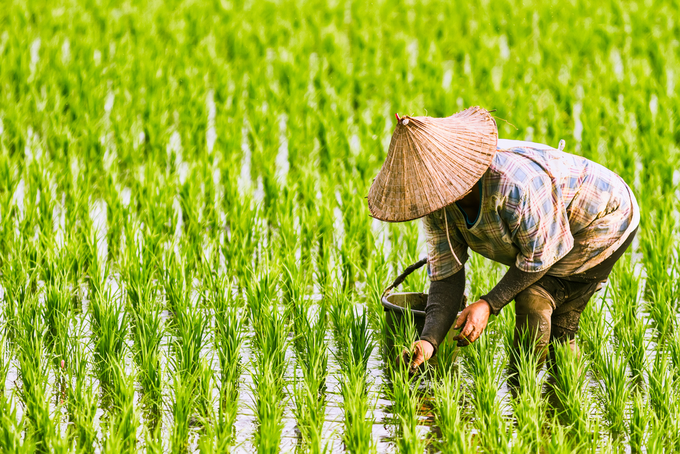
    Rice export prices slipped in India as the rupee weakened and demand waned, prompting buyers to turn to other markets such as Vietnam. India’s 5 percent broken parboiled variety eased to $379-$384 per tonne this week from the $382-$387 range last week. “Demand is still weak due to higher prices,” said an exporter based in Kakinada in the southern state of Andhra Pradesh, adding that despite the fall, prevailing high rates were prompting buyers to look at other markets, such as Vietnam.

    The Indian rupee hit a month low on Thursday, increasing exporters’ margins from overseas sales and thereby prompting a reduction in prices.

    Export prices in India had shot up after the central state of Chhattisgarh, a leading rice producer, raised minimum paddy buying prices to 2,500 rupees per 100 kg from 1,750 rupees.

    In neighboring Bangladesh, an increase in domestic rates for rice could prompt the government to cut the import duty on the staple grain, traders said.

    The south Asian country, which emerged as a major importer of the grain in 2017 after floods destroyed crops, imposed a 28 percent duty in June last year to support its farmers after local production revived.

    In Vietnam, rates for 5 percent broken rice fell to $355-$360 a tonne from $370-$375 last week ahead of the country’s largest harvest, expected to begin in two weeks.

    “Indonesia’s state food procurement agency’s recent announcement that it may not import rice this year has also weighed on prices,” a Ho Chi Minh City-based source said.

    “We are negotiating a deal for around 10,000 tonnes to be delivered late February, and we are stuck at pricing. We’re asking for $360 and they are offering $345,” the trader said, adding that the shipment would be bound for Africa.”

    Another trader said China’s move to limit rice shipments from Vietnam may not be as bad as some traders initially feared.

    “It’s only the beginning of the year now and importing countries can change their import plans, especially when hit by natural disasters,” the trader said.

    In second biggest exporter Thailand, prices of the benchmark 5 percent broken variety widened to $385-$400, free on board Bangkok, from $390-$400 the previous week, mostly due to fluctuations in the value of the domestic currency.

    “Demand remains flat, but some exporters are starting to talk about possible orders from the Philippines,” a Bangkok-based trader said.

    The Thai market is likely to see additional supplies flowing in toward the end of this month, from the seasonal harvest, and this could in turn move prices, another trader in Bangkok said.

  • Vietnam seafood export remains red

    Vietnam seafood export remains red

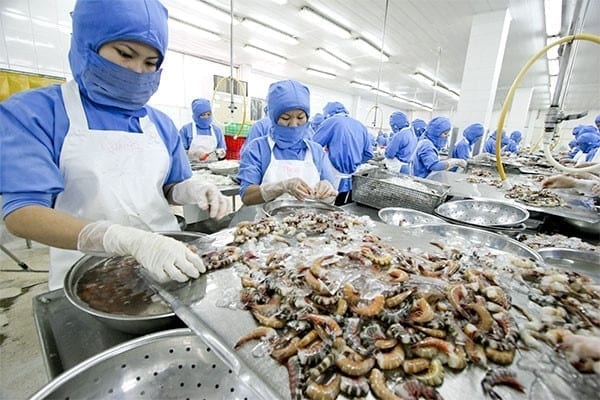
    Agifish, a major seafood company, reported a second straight year of losses in 2018 as both exports and domestic sales fell. The recently released 2018 audited financial report of one of Vietnam’s 10 largest seafood export companies puts its loss at VND178 billion ($7.66 million). The An Giang Fisheries Import Export Joint Stock Company, to give its formal name, had lost VND190 billion ($8.2 million) a year earlier.

    The company said the loss came as sales downed 43 percent to VND1.29 trillion ($55.27 million) in 2018, due to lower fish exports and domestic sales as well as lower revenues from by-products.

    The poor performance last year caused auditors to raise doubts about the company’s ability to remain a going concern, but the management rejected this, saying it would increase domestic and export sales, adjust prices and reduce costs to return to the black in 2019.

    Agifish has total assets of VND1.23 trillion ($52.92 million) and debts of VND800 billion ($34.42 million).

    The Vietnamese seafood industry faced some challenges last year such as being subject to a “yellow card” warning by the European Commission for failing to demonstrate sufficient progress in the fight against illegal, unreported and unregulated (IUU) fishing. There were also technical barriers and anti-dumping duties in several markets.

    Seafood export value rose 5.8 percent year-on-year in 2018 to reach $8.8 billion, according to the Vietnam Customs.

  • Pizza Hut Malaysia 400th store opens soon

    Pizza Hut Malaysia 400th store opens soon

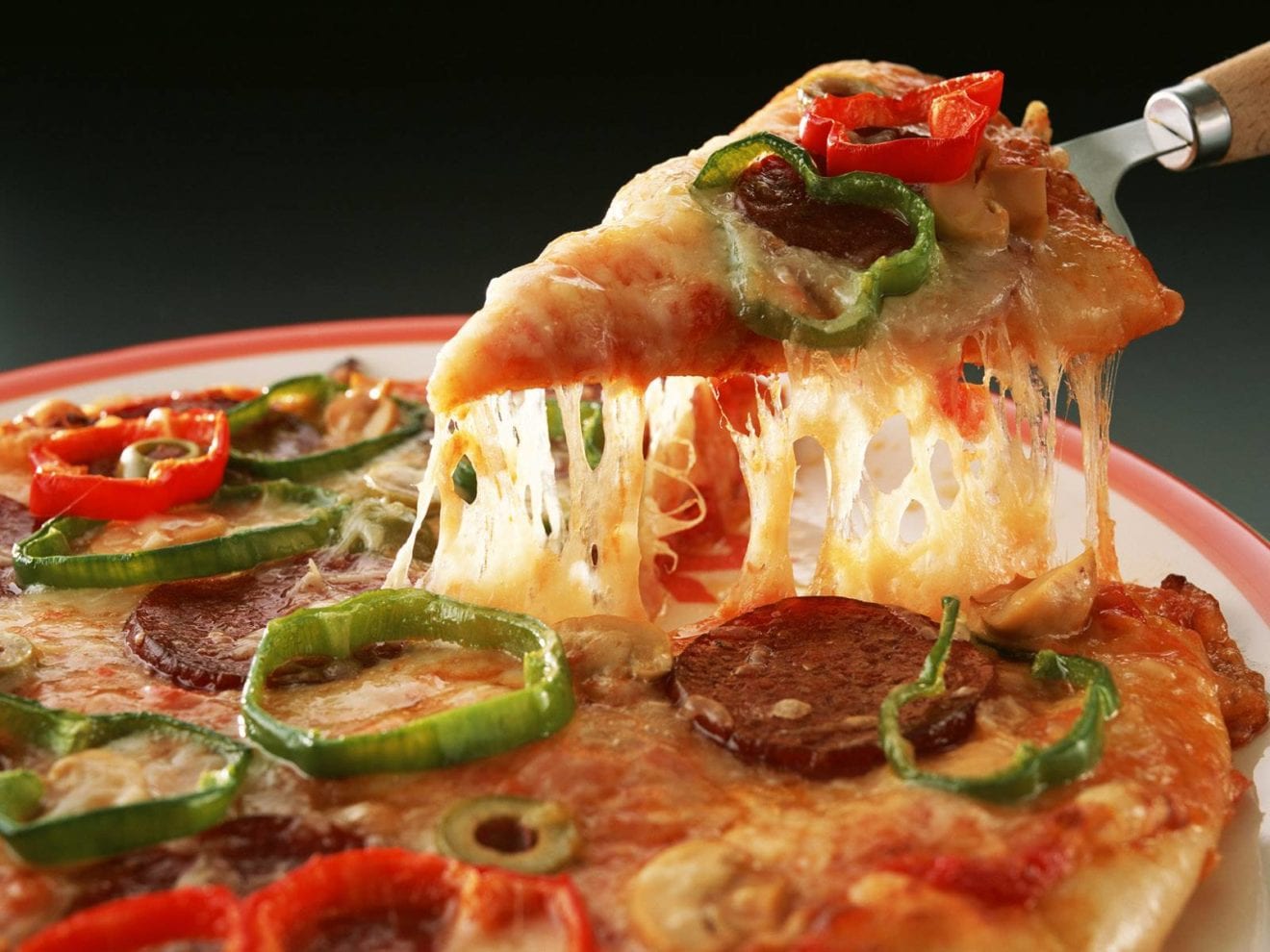
    Pizza Hut Malaysia will open its 400th store in within the next three months. The company says it plans 15 new stores this calendar year, part of the 67 it announced last year within three years. Parent QSR Brands operates 810 KFC locations in its territory of Malaysia, Singapore, Brunei and Cambodia, drawing 25 million customers per month. It has another 393 Pizza Huts in Malaysia and 80 in Singapore, attracting 6 million diners per month.

    QSR Brands restaurants division CEO Merrill Pereyra said Pizza Hut anticipates a strong year as it heads towards a planned IPO in the next quarter, partly aimed to raise capital for network expansion.

  • Thailand franchise market predicted to grow

    Thailand franchise market predicted to grow

    Thailand franchise consultancy Gnosis Co expects a healthy market for franchises in the country. Gnosis MD Sethaphong Phadungpisuth said more than 50 chains from both local and international brands are exploring the market this year following measures to ease regulations on the part of the Business Development Department.

    “The Thailand franchise market will become more active this year. We expect the overall number of new franchise brands both from abroad and the domestic market that will open their franchise in Thailand this year to increase by 10 per cent to about 630 brands”, he said.

    According to Gnosis, some brands have chosen Thailand as a springboard to other Asean countries, in particular Myanmar and Laos.

    Among those diverse brands set to start operations in Thailand this year include Taco Bell, The Edge Learning Centre, and Singaporean hygiene and disinfection products firm Sureclean. Additionally the number of Taiwanese milk tea chains continues to increase in the territory.

    Franchise business in Thailand is estimated to be valued at THB250-300 billion (US$7.84 billion).

  • 7-Eleven parent sales surges: Report

    7-Eleven parent sales surges: Report

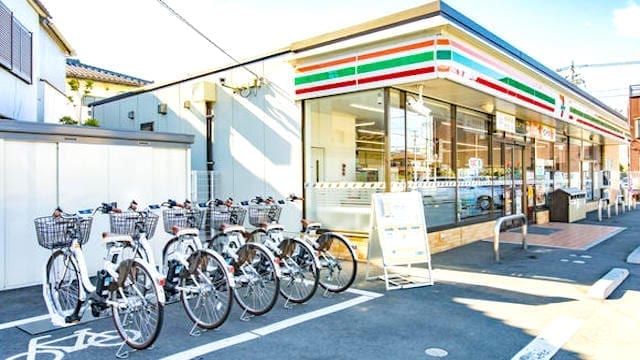
    Japanese retail giant Seven & I has reported a 15.8 per cent increase in net sales for the nine months to November. Profit rose by a less impressive 2.9 per cent. The 7-Eleven parent said its overseas convenience store business achieved an impressive 15.7 per cent increase in operating profit year on year.

    At home, its Ito-Yokado superstore managed to reduce its operating loss to ¥200 million (US$1.85 million), however its York-Benimaru supermarket division and Sogo & Seibu department stores both struggled, the latter losing ¥937 million ($8.6 million).

    Seven & I’s net sales totalled ¥4.11 trillion ($38 billion).

  • Chun Yang Tea expands into Canada

    Chun Yang Tea expands into Canada

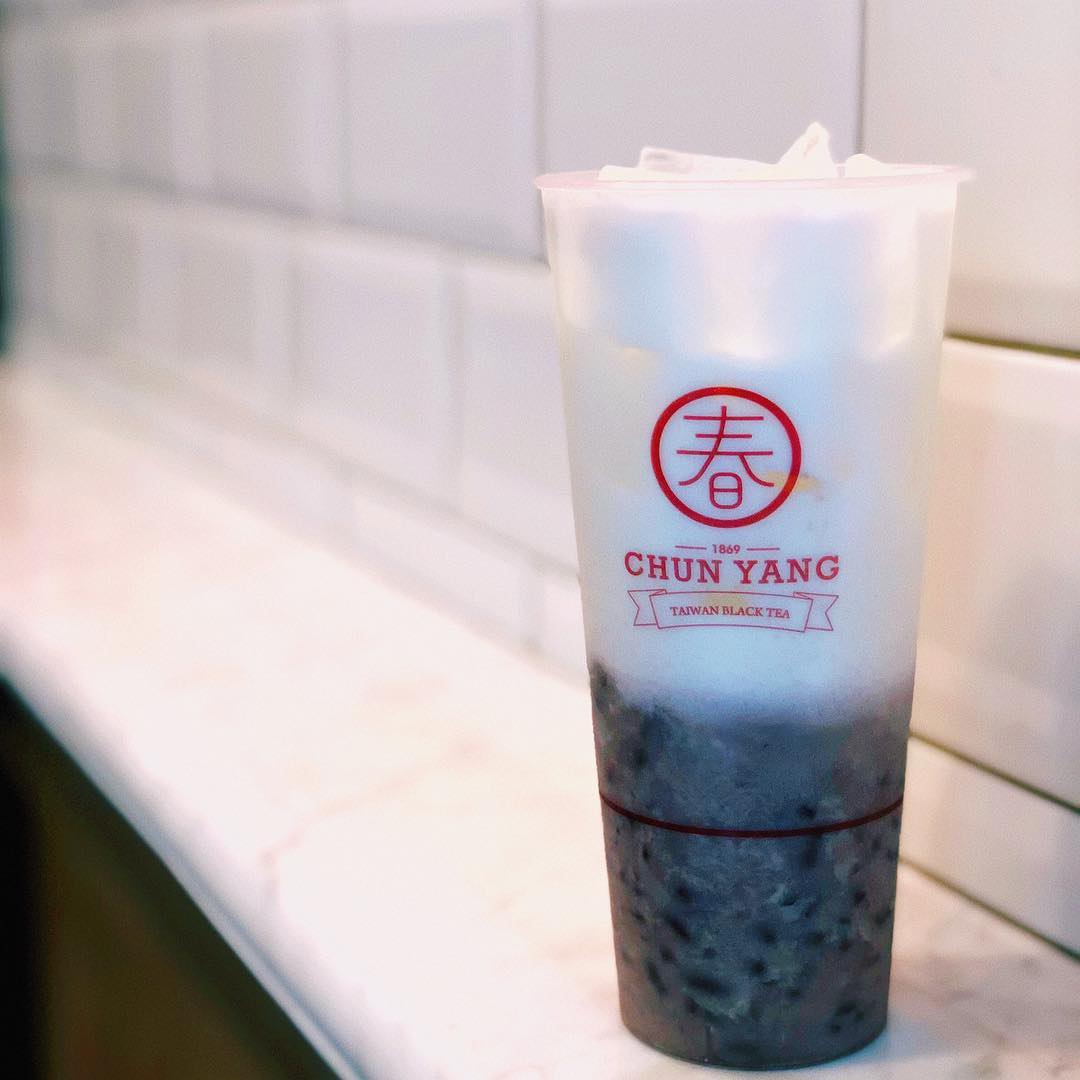
    Taiwanese bubble-tea brand Chun Yang Tea is launching its first store in Canada. With operations across Taiwan as well as in Mainland China, Hong Kong, Macau and Malaysia, the brand is now planning two new store locations in Toronto and one in Vancouver. While the Canadian market has been judged as saturated for bubble-tea retailers, Chun Yang claims its product is authentic and traditional, offering beverages made without any artificial milk powder to achieve a more natural taste.

    So far no information has been released as to exact launch dates, although the brand’s website claims the stores are “coming soon”.

  • Starbucks opens its Coffee Sanctuary in Bali

    Starbucks opens its Coffee Sanctuary in Bali

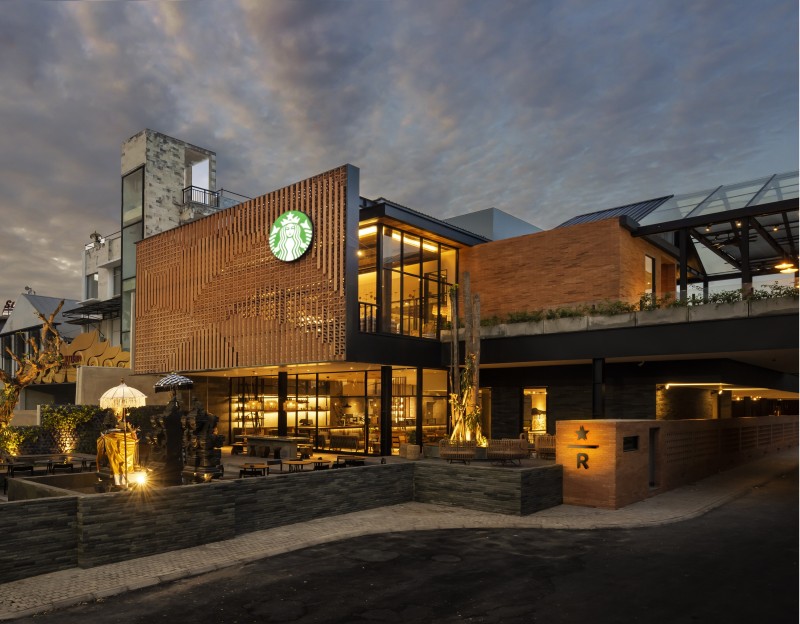
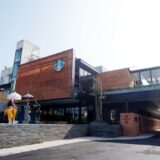
    Starbucks has opened its largest Southeast Asian location in Bali. The 20,000sqft Starbucks Dewata Coffee Sanctuary builds on 16 years of innovation in design, customer experience and community impact for the brand in Indonesia, where there are 370 Starbucks outlets nationwide. Customers can enjoy Starbucks handcrafted core and Reserve beverages within the store’s locally-inspired design that celebrates Indonesian tradition.

    The store pays tribute to the role that Indonesia, the fourth largest Arabica coffee-growing region in the world, plays in the Starbucks business. Sumatran coffee has been a staple offering at Starbucks since 1971.
    “We began sourcing Indonesian coffees more than four decades ago and have always been struck by the sense of community and care for the coffee journey at every step,” said Starbucks Coffee Company CEO Kevin Johnson.

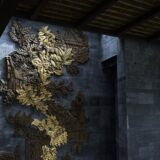
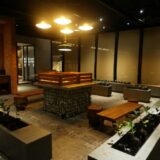
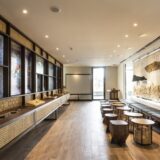
    View the gallery of the new outlet below (8 images) :

    “The Starbucks Dewata Coffee Sanctuary amplifies our passion for the coffee journey, our ongoing commitment to Indonesia’s rich coffee culture, and our tireless pursuit of fostering moments of connection between our partners and customers. The Coffee Sanctuary marks the 10th Starbucks Reserve Bar store in Indonesia, one of 185 stores around the world, with the majority in Asia. This is Starbucks at its best, and we are proud to open the doors of this unique experience in one of Southeast Asia’s most dynamic markets.

    Visitors enter the store through an arabica coffee farm, try their hand at coffee bean de-pulping and washing during harvest season, dry and rake green coffee beans, visit budding seedlings in the nursery, take in the store’s locally-inspired design featuring traditional Balinese craft and Indonesian art, and enjoy the more than 100 Dewata-exclusive handcrafted beverages, food and merchandise, including the Lavender Latte.

    The  Starbucks Dewata Coffee Sanctuary store’s expansive interior is inspired by traditional Balinese houses with free-flowing, connected rooms designed to promote discovery from one space to the next.

    “Bali has an envied reputation as one of Asia’s top travel destinations and Indonesia is one of coffee’s most extraordinary coffee origin regions,” said Starbucks Indonesia director Anthony Cottan said.

    “So we’re excited to invite customers here to ignite their senses and explore the seed-to-cup coffee journey at this unique Coffee Sanctuary. We’re very pleased to further strengthen the longstanding partnership between Starbucks and [licensee] PT Sari Coffee Indonesia with this truly one-of-a-kind Starbucks store, inspired by and filled with the finest examples of Indonesian art, design and craftsmanship.”

    To support the future of coffee, Starbucks Indonesia has committed to donating 100,000 coffee seedlings to farmers annually.

  • Liho Singapore opens first outlet in Brunei

    Liho Singapore opens first outlet in Brunei

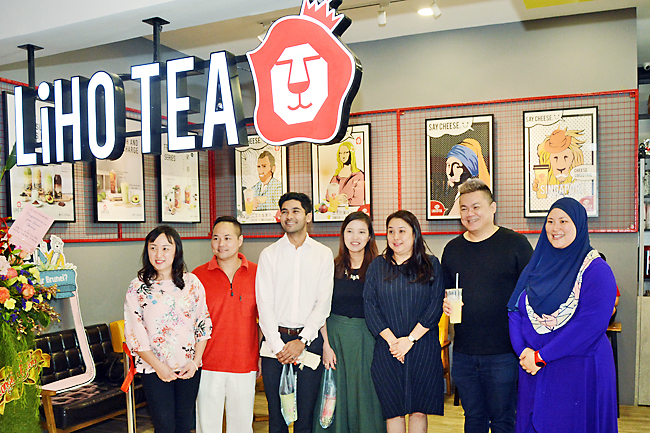
    Singaporean bubble tea brand Liho has launched in Brunei with its first outlet at Times Square Brunei Darussalam. The new Liho Brunei store is the result of a year’s preparation and is the first of 10 to 12 outlets planned across the country within the next year. The brand, popular for its brown sugar pearls, operates 93 locations across Singapore and already has a presence in Vietnam.

    “We are still growing and year to year outlook growth is around 20 per cent,” said Liho’s co-founder Rodney Tang. “As long as we understand the customers’ taste and needs, we can continue to grow. We intend to bring in more creative flavours to Brunei.”

  • Starbucks’ Lucky Bags entice customers in Korea

    Starbucks’ Lucky Bags entice customers in Korea

    Lee Min-joo, a 43-year-old cram school teacher, made it a point to be at the Starbucks outlet near her house last Thursday at 6 a.m. She wasn’t there for the coffee – she was waiting to buy a limited edition “Lucky Bag.” Lee said she has bought Starbucks Lucky Bags for nine years in a row. She confessed that two years ago, she was in line at 5:30 a.m.

    “I am a collector of diverse Starbucks products,” Lee said. “And I always get curious as to what’s in the bag.”

    This year, Starbucks’ Lucky Bags are bigger than ever.

    Lucky Bags were the most-searched term on the internet in Korea last Thursday and social media was abuzz with people posting pictures of the products they got in their Lucky Bags.

    Four stores near Seosomun, central Seoul, were sold out before 10 a.m.
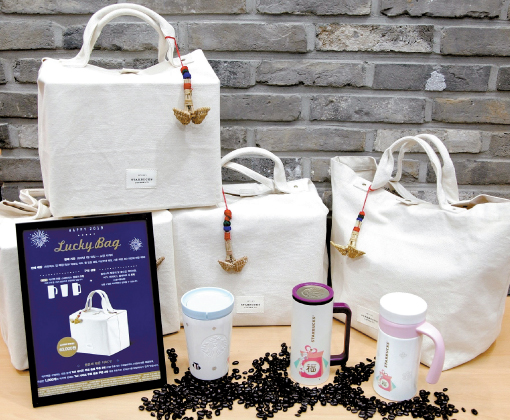
    Lucky Bags are mystery bags sold at a given price, 63,000 won ($56) this year. The products contained in the bags are unknown to the customers who buy them. The value of the goods inside exceed the selling price.

    Starbucks introduced its Lucky Bags in 2007 and they have become the chain’s unique annual New Year’s ritual in Korea and Japan.

    One of the reasons Starbucks’ Lucky Bags sell out so quickly is their limited supply.

    The total number of Lucky Bags prepared in Korea is 17,000 and each store only get 15 or so -there are over 1,200 Starbucks in Korea.

    In 2016 the bags sold out in just five hours nationwide. In 2017, that time was shaved down to 4 hours and 40 minutes.

    Each customer is only allowed to buy one Lucky Bag.

    Lucky Bag devotees have now become a tribe with their own nickname. They call themselves “Sudeok,” which combines the first Korean syllable of the chain’s name as pronounced by Koreans, “Su,” with “deok,” a shortened version of deokhoo, Korea’s own version of otaku, Japan’s term for a person with obsessive interests.

    The Sudeoks who purchase Lucky Bags even swap items to get the items they really want.

    In 2007, the Lucky Bags were sold for 28,000 won and the price has continued to climb. The value of the things inside is said to be more than 100,000 won.

    The bags often have tumblers, water bottles and coffee mugs, as well as gift coupons. This year, 1,000 Lucky Bags contained four additional free coupons.

    “It’s a good marketing strategy that combines a limited edition appeal and the emotional appeal of winning a jackpot,” said Lee June-young, a professor who studies consumer trends at Sangmyung University.

    But not every Lucky Bag fan is satisfied with their haul.

    On social media, one disappointed fan posted a message reading, “It is not a Lucky Bag, it is an unlucky bag.” Another wrote, “The only lucky one is Starbucks.”

    “I have been buying the Lucky Bags for three years, but this year I decided not to because of the 60,000 won price tag,” said Lee Hyun-jeong, a 29-year-old office worker.
  • Shakey’s Pizza to open 20 more stores in Asia

    Shakey’s Pizza to open 20 more stores in Asia

    Philippines fast-food operator Shakey’s Pizza Asia says it plans to continue expansion across the region by opening 20 new stores this year. The openings will see the brand’s total outlets increase to 248 locations, according to a statement released by the firm on Wednesday. “We continue to see consumer spending fueling the Philippine economy, which is still one of Southeast Asia’s fastest-growing markets,” said president and CEO Vicente L Gregorio.

    Shakeys reached its target of opening 20 new stores last year, expanding mostly outside first-tier cities. “We are focused on expanding outside Metro Manila where we see great potential in terms of demand for the premium yet affordable dining experience we provide. We also tapped more local partners … to run our provincial operations and to ensure that we have on-the-ground accountability even in farther-flung areas,” said Gregorio.

    Shakeys has operated in the Philippines since 1975 under Shakey’s Pizza Asia, which has stores in several international territories and opened its second Dubai location last year with record-breaking first-day sales.

  • Restaurant association questions deep discounts on Swiggy, Zomato

    Restaurant association questions deep discounts on Swiggy, Zomato

    The National Restaurant Association of India (NRAI) on Tuesday said it has raised concerns over deep discounting and data masking by food ordering and delivery startups such as Swiggy, Zomato and Ola’s Foodpanda. According to a report, The restaurants’ body said it flagged issues regarding misuse of dominant position, in a meeting with the app-based food ordering and delivery startups.

    “NRAI delivery task force had its first meeting with Swiggy, Zomato, Uber Eats and Foodpanda today (Tuesday). Concerns of the standalone and chain business operators regarding deep discounting, data masking, right to use own logistics, private labels and ad hoc campaigns were put forth,” NRAI president Rahul Singh said in a statement.

    Stating that the “concerns have been well taken”, he said, “we aim to continue these meetings on a bi-monthly basis for communicating feedback from the restaurant industry to the aggregators to ensure a healthy business environment for all stakeholders.” NRAI is the apex body of the Indian restaurant industry, representing over one lakh restaurants across the country.

  • Tom n Toms plans Myanmar expansion

    Tom n Toms plans Myanmar expansion

    South Korean Cafe chain Tom n Toms has started to launch outlets in Myanmar. Tom n Toms Myanmar has opened two locations in Yangon so far, at the international airport and the Kantharyar Centre, with a third planned for Yankin Township. Information from Myanmar International Business Alliance Company operation director Aung Sithu Khant revealed a fourth planned outlet at the Secretariat Building in Yangon.

    “Myanmar people and coffee brands have been friendly for a long time,” said Khant.

    “We opened these outlets hoping that Myanmar people can taste a high-quality coffee with reasonable price. Next month, strawberries from south Korea will be selling in Myanmar. We will introduce a menu connecting with strawberries.”

    Khant said the third outlet will be opened soon. Future Tom n Toms cafes are expected to open in Mandalay, Taunggyi, and the capital city, Nay Pyi Taw next year.

    “The main thing is the customer is always first. Therefore, we will pay special attention to coffee and other foodstuffs”.

  • F&B procurement startup lures Japanese investor

    F&B procurement startup lures Japanese investor

    Kamereo, a Vietnamese sourcing platform for restaurants, has raised $500,000 in seed funding from Japan’s Genesia Ventures and Velocity Ventures Vietnam. Japanese Taku Tanaka, founder of Kamereo, said the newly acquired money would be used to upgrade the platform’s service offerings and strengthen the customer care team. “We use technology to solve the buying and sourcing problem, and restaurants can focus on their core business to bring the best culinary experience to customers. In future we will expand our services to other sectors and regions.”

    From his experience, Tanaka, who moved to Vietnam in 2015 as CEO of a pizza chain, found that procurement operations were mainly labor-intensive and inefficient.

    “We believe that technology can solve this problem, providing solutions to reduce the cost of personnel in a transparent and accurate manner,” he said.

    The Ho Chi Minh City-headquartered business-to-business procurement platform, established last June, now has more than 4,000 product categories, 120 partner suppliers and 200 registered restaurants.

    While Kamereo will focus its resources on Vietnam for now, it is planning a series A round of funding involving a few million U.S. dollars in late 2019 or 2020 to expand in Southeast Asia.

    The funding came amid a technology startup boom in Vietnam’s F&B market where delivery platforms such as GoViet and Grab battle for market share down the supply chain.

    A report published last October by Vietnam Research said Vietnamese spend more than a third of their income on food and beverages ahead of education and utilities.

    Global research firm Nielsen also considered F&B one of the most attractive industries, with the potential to become a major player in the Vietnamese economy, citing findings from one of its studies which found food and beverages were two of the 10 most bought products online in 2017.