Tag: Food

  • Starbucks Malaysia celebrates Reserve’s success

    Starbucks Malaysia celebrates Reserve’s success

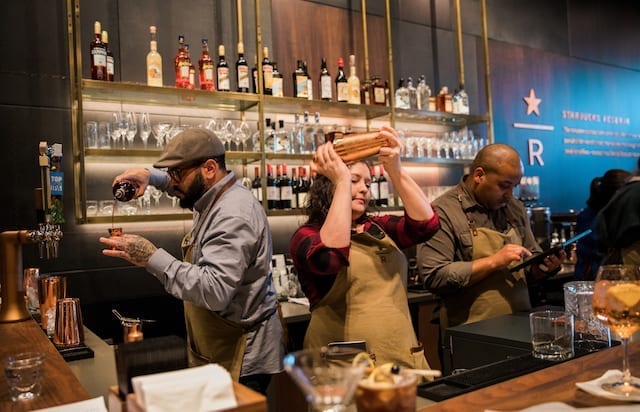
    Starbucks Malaysia plans to open two or three of its premium Reserve concept stores annually. The brand’s eighth Starbucks Reserve store opened at the end of last month, a 5000sqft flagship at Berjaya Times Square, three years after the first outlet launched at The Gardens Mall.

    “We did not anticipate such a strong reception for the new concept store”, said Starbucks Malaysia & Brunei MD Sydney Quays. “We were surprised because a lot of people were interested to learn about coffee and the various ways of brewing.

    “This is what inspired us to open more Starbucks Reserve stores. The opening of the Starbucks Reserve Berjaya Times Square amplifies our passion for coffee and our ongoing commitment to continue providing unprecedented coffee experiences and knowledge to the Malaysian community, while fostering a culture of human connection”, he said.

    The new rollout schedule aims to cater to Starbucks’ loyal customers’ burgeoning interest in coffee. The brand is planning 30 Starbucks outlets per year including the Reserve venues, as well as regular stores, drive-thrus and small-format stores.

  • French bakery Brioche Doree to debut in India

    French bakery Brioche Doree to debut in India

    French Bakery Brioche Doree on Saturday launched its first store in India in partnership with HR Bakers, promoted by Haldiram Managing Director (MD) Ashish Agarwal. The store is in Connaught Place. “Internationally acclaimed Parisian French Bakery Brioche Doree launched its first exclusive store in India with HR Bakers at Connaught Place, New Delhi,” the statement said.

    According to a HR Baker statement, the Haldiram MD entered into a “master franchise agreement” with the French brand.

    “Brioche Doree is known to be the second largest bakery/cafe chain in the world. The store of the brand in India has been curated in 100 percent vegetarian avatar,” it said.

    Agarwal has invested about Rs 4-5 crore in the brand and said HR Bakers is open to exploring more synergistic tieups with other brands.

    Agarwal said four more outlets in the National Capital Region and other markets are expected in the first year of operations.

    The outlet has started serving delicacies French Bakery is known for.

  • Marks & Spencer India to open six more stores in next 60 days

    Marks & Spencer India to open six more stores in next 60 days

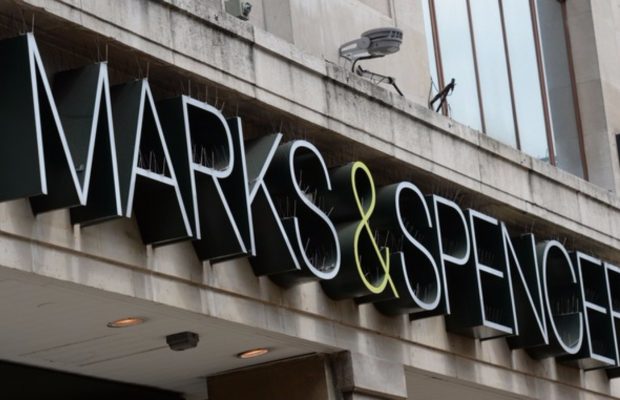
    British multinational retailer Marks & Spencer (M&S) is on an aggressive pace here and is opening six more stores in the next two months alone, a top company official has said.

    According to a report, Marks & Spencer has opened its first store here way back in 2001 and in April 2008 signed a joint venture agreement with Reliance Retail to form Marks & Spencer Reliance India.

    It now has 71 stores across 30 cities like New Delhi, Amritsar, Mumbai, Pune, Kolkata, Bangalore, Chennai, Kochi, Bhopal, Kanpur, Hyderabad and Chandigarh among others.

    “India has become increasingly an important market for us. We are now the largest market for M&S outside of our home market. We are 71 stores today and we continue to invest in this market. We opened nine stores in the last six months and it is our intention to open six more in the next 60 days,” James Munson, managing Director, Marks & Spencer Reliance India said in an interview.

    Internationally, Marks & Spencer hawks its products in 57 markets across 400 stores and an online presence in 33 markets.

    Munson further said they would look to maintain that expansion pace in the next year as well and said, “there are no other markets which are expanding the way we are expanding here”.

    Of the 71 stores here, 10 are standalone beauty and lingerie stores , including two it opened in the last nine months and said half of the stores it plans to open in the next 60 days would also be for the same.

    The company clocked a revenue of Rs 908 crore last year and has been growing at a CAGR of 24 percent over the last five years, Munson said.

    It had clocked a 9 percent growth in the same store sales last year.

    A fifth of the turnover comes from outside the major metros, he said.

    It sources 30 percent of its products from locally and India is a sourcing base for the wider British market as well.

    M&S has partnered with other e-commerce players like Amazon and Flipkart over the last few years and he said its a strong area of growth and this year they are expecting 75 percent growth in online sales.

    However, the contribution from online to its revenues is still quite small here, unlike in Britain where it’s targeting 30 percent online sales.

    M&S has developed a rethink campaign specifically for this market, a first globally where a campaign has been designed for the local market.

    In Britain, food is a popular segment for the company but Munson said there are no plans at present to introduce food here.

  • Featured store : SSG Food Market by Emart in Seoul, Korea

    Featured store : SSG Food Market by Emart in Seoul, Korea

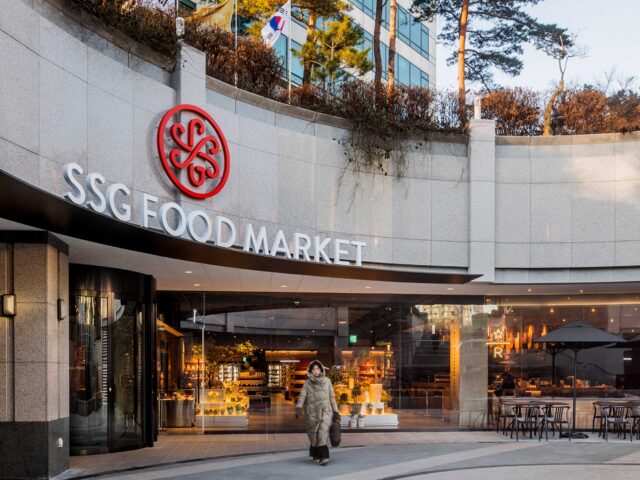
    Nestled in the upmarket suburb of Dogok, Seoul, sits the newly opened reinvention of Emart’s “Star Super”: “the SSG Food Market”, designed by Landini Associates. Emart is the leading business of the Shinsegae group, the largest retailer in South Korea, operating multiple brands including department stores, discount to premium supermarkets, and the mighty Emart hypermarkets.

    The brief was to create a world class premium supermarket and food hall fusion, and Landini Associates were entrusted to redesign every detail of the new store experience. This included: the built environment, naming and identity, furniture and fixtures, signage and communications, ticketing, menus, POS, advertising style guides, packaging and uniforms. In fact every customer touchpoint.

    The result is a modern market, a convenient and accessible food lover’s heaven, where locals can do a daily or weekly shop, or dine in with friends at one of the many in-store restaurants and cafes. Attracting a newer younger audience, whilst rewarding its existing, the SSG Food Market is a community epicentre to meet, eat and shop in, throughout the day.

    The offer

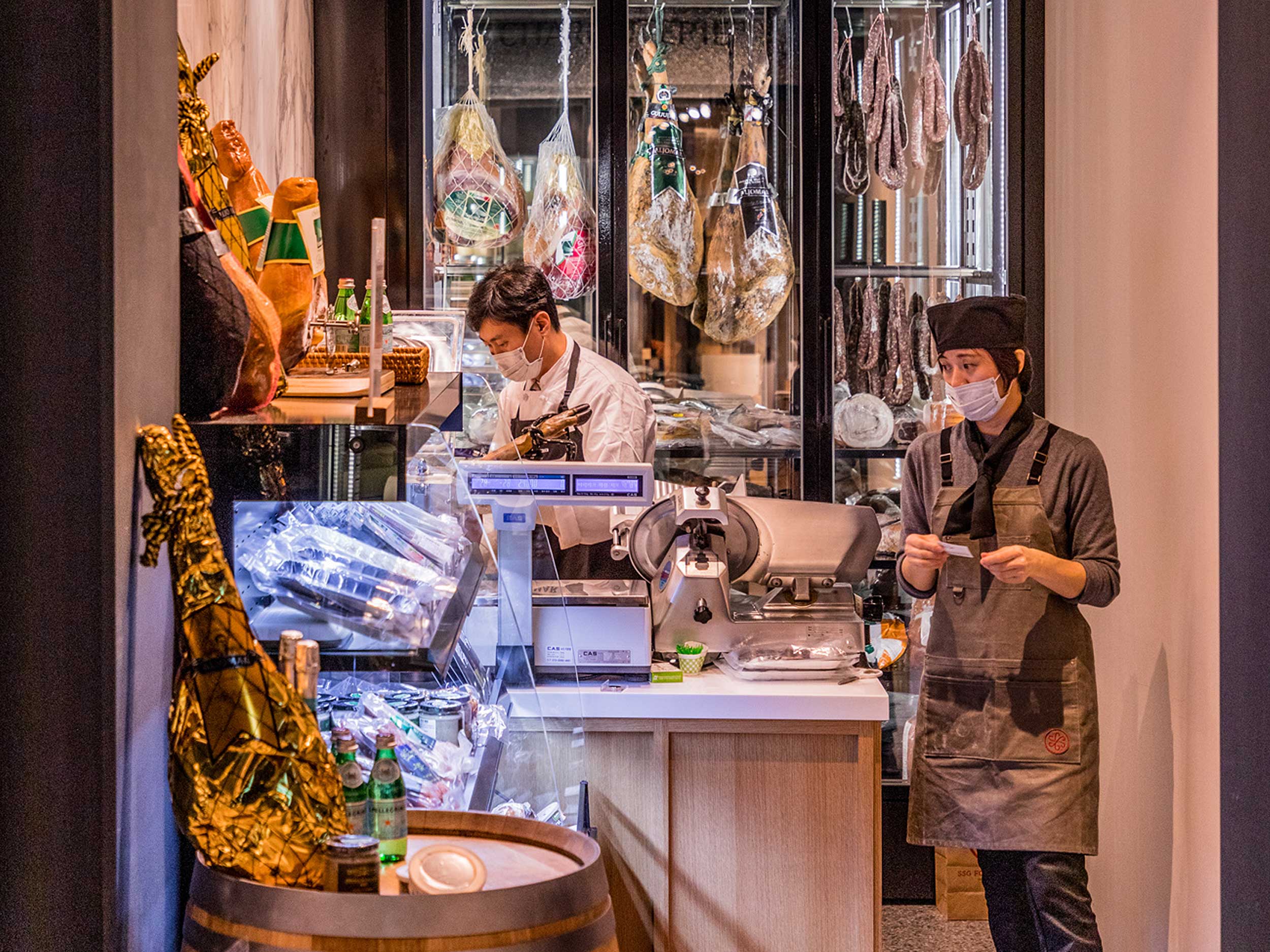
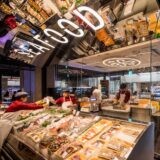
    The reinvention enriched and upscaled the existing food and beverage offer to include an extensive fresh department, vegie butcher serving house-made salads and juices, take home meals, Korean deli, bakery (run by hip San Francisco brand Tartine), fishmonger, butcher, Korean traditional street food, café, 200 seater restaurant, sushi restaurant, specialist cheesemaker, western charcuterie, wine and beer department, coffee roastery, dry goods, florist and homewares.

    The result is a curated selection of quality products, and a onestop-shop supermarket and refined specialist items. In addition the market is a wonderful meeting place to dine with friends and family, further enriching the retail and community experience.

    The design

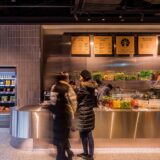
    The offer is made up of both SSG run departments, franchises (such as Starbucks, a premium brand in Korea), and third-party retailers. Ensuring that these were all presented as a tangible whole required the design team to be sensitive to multiple design briefs, whilst ensuring that the customer had a seamless experience.

    Additionally, the site has a low ceiling which created some challenges for the reticulation of services, and multiple entrances, including a pre-trading public access to a subway station through the heart of the store; a gift to residents from Shinsegae.

    Landini’s solution creates a space of intrigue, transparency and exploration by celebrating the food, the people who make it, and its preparation.
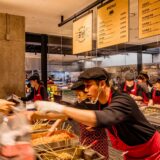
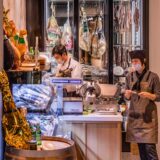
    Specialist departments are visible across the restaurant’s open kitchen and include: Korean Traditional Street Food, Korean/ Chinese Noodles and a grill. All the production is exposed, and chefs work in glazed pavilions serviced by counters showcasing this theatre whilst you order. There are also take home meals in the Korean deli prepared daily in its kitchen, or fresh fish and meat cooked to order at the Grill, to take home, or eat in.
    As always, and especially because the market is in a basement, the lighting plays a key role in Landini’s design. Chiaroscuro, the contrast between light and shade, creates areas of interest and calm, gently guiding customers on a journey of discovery throughout the store. Perimeter departments use pavement lights to create space, and give sense of the world above.

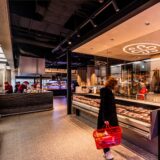
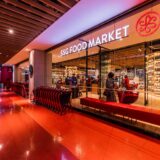
    In the main market hall the interior is paired back, functional yet classic. This “bare bones beauty” of exposed steel beams and concrete bulkheads contrasts with fine marbles, glass and blackened steel, and is balanced by timber fixtures and details. This subtle, considered and classic material palette allows the food to be the hero, and merchandising plays a major role. Long-life departments such as wine and dry-goods have a warmer, more earthy and textural palette, utilising brick and added timber. In the carpark, red floors and walls add vibrancy to the market experience before customers even get out of their car.
    The basement site is located below two high-end residential apartment buildings. Visitors can enter from the sunken courtyard on street level, or via the red carpark inside. SSG has created a residents pre opening pedestrian route through the store, a shortcut to the train station to save locals from the blistering cold in winter. Landini designed a set of messaging icons for this route, also.

    The graphics

    Landini Associates established a tone of voice for the brand to reflect their new food experience. This influenced all store communications including: naming and identity, signage and communications, ticketing, menus, advertising style guides, packaging and uniforms.
    The entire site required an ownable, easy to understand signage and graphic messaging system to reflect the brand’s new established tone of voice. The Landini design team evolved the existing SSG logo mark, developing an adaptation on communications applications to collateral and signage.
    The design is simple, contemporary yet classic; impacting not overwhelming. The palette is one of debossed concrete, timber, black and whites, and complimentary hits of the brand’s colour, red.


  • India Food Forum 2019: Alliance avenues with foreign partners to expand food market in India

    India Food Forum 2019: Alliance avenues with foreign partners to expand food market in India

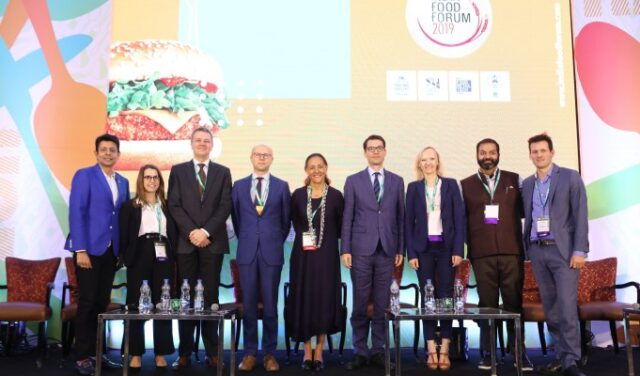
    India Food Forum 2019 identified avenues for partnerships in food, beverages and food service industry with Ambassadors, Trade Commissioners and Consul Generals of several countries and highlighted how Embassies and Trade Commissions can play a more pro-active role to facilitate such alliances. Emerging as major market of the world, India offers huge opportunities for manufacturers, producers and providers of products and services from across the globe to sell here or partner with Indian companies to serve this market.

    Acceptance of multinational culture, a growing taste for foods from across the globe, increasing inflow of foreign nationals, willingness to experiment new cuisines and more over avenues to market new products further add to the opportunity.

    The session was moderated by Amit Lohani, Convener, FIFI.

  • Jubilant FoodWorks Q3 net profit up 46 pc to Rs 96.5 cr

    Jubilant FoodWorks Q3 net profit up 46 pc to Rs 96.5 cr

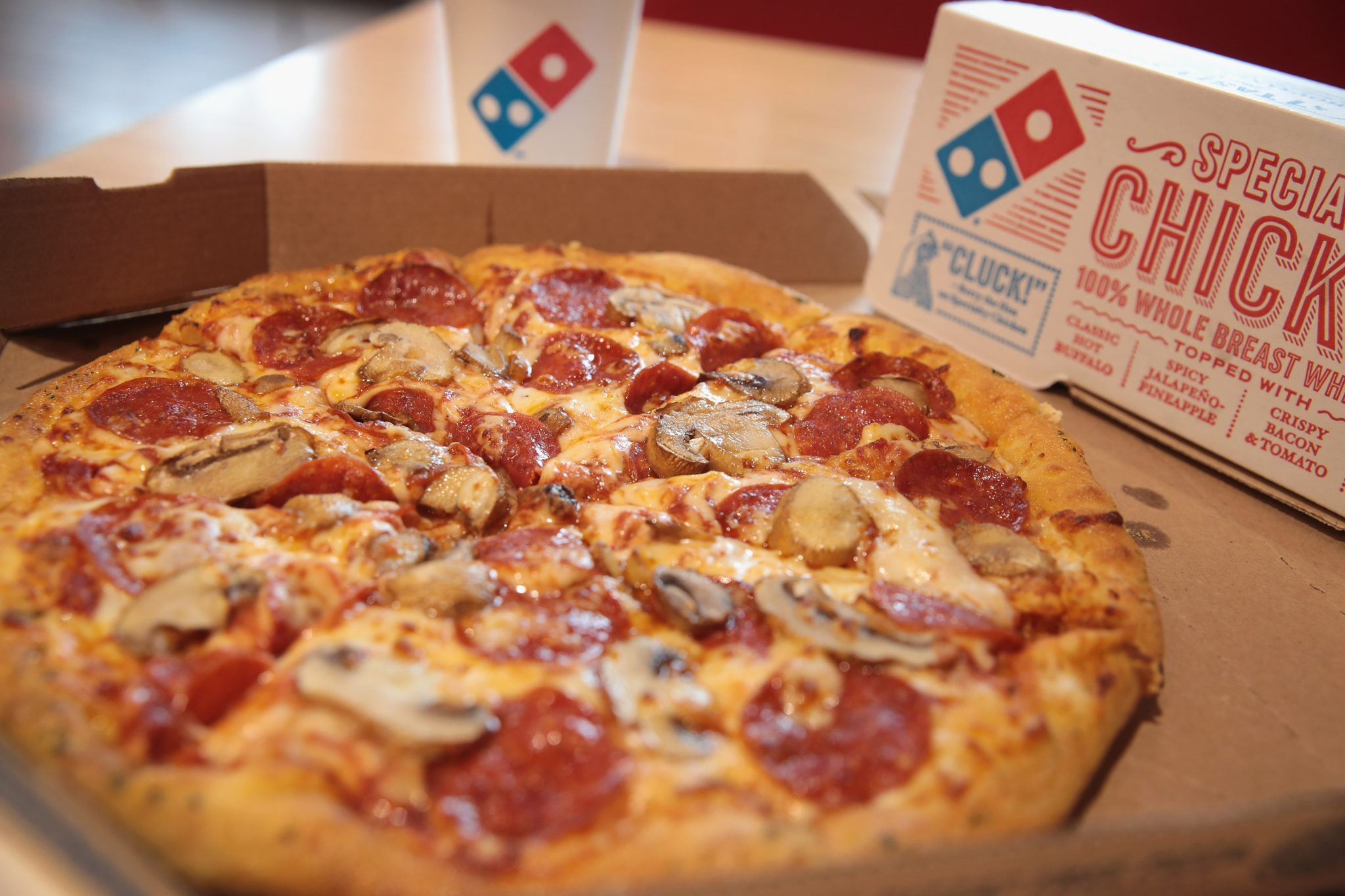
    Jubilant FoodWorks Limited (JFL) has reported its financial results for the quarter and nine-months ended December 31, 2018. Operating revenue for Q3 FY19 stood at Rs 9,291 million, representing an increase of 16.8 percent over Q3 FY18, and a sequential growth of 5.4 percent over the preceding quarter. The growth was driven by a strong 14.6 percent same store growth (SSG) in Domino’s Pizza.

    EBITDA for Q3FY19 was Rs 1,706 million, or 18.4 percent of revenue, a growth of 24.6 percent over Q3FY18 and a margin expansion of 120 bps. This is the highest EBITDA margin in seven years.

    Profit after Tax in Q3 FY19 stood at Rs 965 million, or 10.4 percent of revenue, a growth of 46.2 percent over Q3 FY18 and a margin expansion of 210 bps.

    During the quarter, the company added new products to its portfolio. Domino’s launched ‘Multigrain Crust’ with an objective of offering a wider range to the customers. In addition to this, the company also introduced four new side dishes viz. Potato Cheese Shots, Crunchy Strips, Crinkle Fries and Brownie Fantasy.

    The store opening momentum accelerated during the quarter, with 35 new Domino’s stores being opened during the quarter.

    Dunkin’ Donuts delivered break-even in Q3 FY19 on the back of strong growth in the core portfolio of Donuts and Beverages, as also disciplined cost management.

    Commenting on the performance for Q3 FY19, Shyam S. Bhartia, Chairman and Hari S. Bhartia, Co-Chairman, Jubilant FoodWorks Limited said, “I am delighted to share that we have once again delivered healthy earnings growth during the quarter which stood in-line with our expectations. Performance was driven by consistent progress made across each of the growth pillars.”

    Commenting on the performance for Q3 FY19, Pratik Pota, CEO and Whole time Director, Jubilant FoodWorks Limited said, “We have demonstrated strong all-round performance in Q3 FY19, led by robust same-store sales growth (SSSG) of 14.6 percent reported in Domino’s Pizza. This was accompanied by a tight control on operating costs that led to EBITDA margins improving to a seven year high of 18.4 percent. In addition, Dunkin’ Donuts also broke even during the quarter, ahead of the targeted Q4 timeline. We are happy with our performance and confident of the prospects ahead, as evident in the 35 new stores opened in Q3, the highest in eleven quarters.”

  • Yum China to face challenges this year

    Yum China to face challenges this year

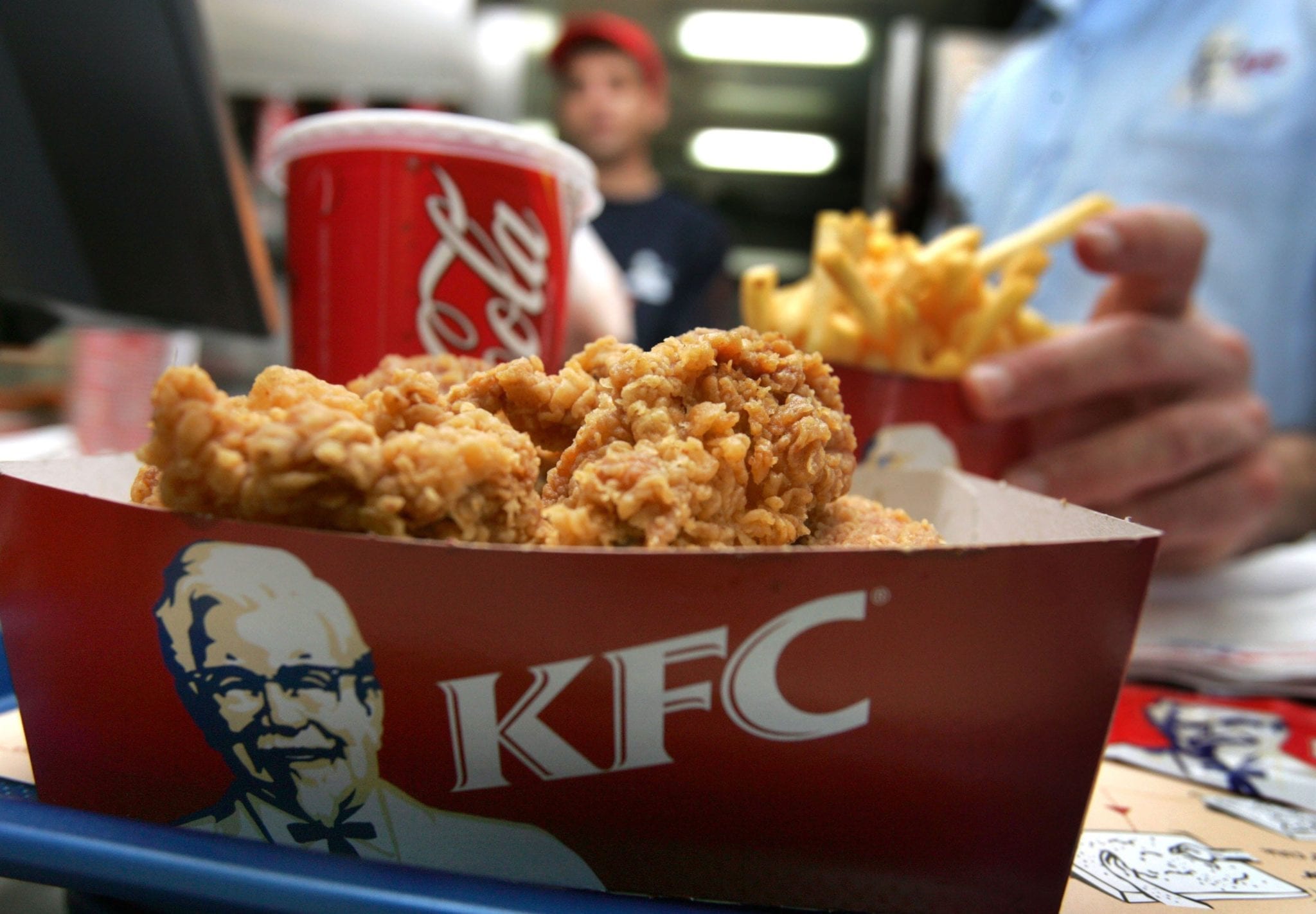
    An aggressive store rollout program is helping Yum China achieve sales growth, but its Pizza Hut business continues to struggle. In year-end results released overnight, Yum China said fourth-quarter system sales rose 6 per cent in constant currency, but same-store sales rose by a more modest 2 per cent. The company, which owns the Chinese operations of KFC and Pizza Hut, opened 819 new stores last year, taking its combined network to 8484 stores across more than 1200 cities. The company plans between 600 and 650 additional stores this calendar year.

    For the full year, total system sales grew 5 per cent over 2017, with a solid 7 per cent growth at KFC partially offset by a 1 per cent decline at Pizza Hut, (excluding foreign exchange impacts). Same-store sales increased 1 per cent overall, up 2 per cent at KFC and down 5 per cent at Pizza Hut.

    Full-year revenue reached US$8.42 billion with net Income up 78 per cent to $708 million, from $398 million.

    Joey Wat, CEO of Yum China, said the results marked the ninth consecutive quarter of system sales growth since the company was spun off from former US parent Yum! Brands.

    “This strong growth was led by accelerated new store openings and a robust performance at KFC, which delivered 3 per cent same-store sales growth and 9 per cent system-sales growth during the quarter. Although Pizza Hut’s sales remained soft, we are pleased to see same-store traffic growth of 1 per cent and positive trends in customer feedback.”

    Wat said the aggressive store rollout program last year further strengthened the company’s market position, laying a solid foundation for growth.

    “While the macro backdrop is relatively soft, with our resilient business model and leadership in digital and delivery, we are confident that we have the right strategy and capabilities to maintain our growth trajectory and capitalise on the long-term potential of the China market,” she said.

    Among the highlights of last year was exceeding 160 million members of the company’s KFC loyalty program and 50 million members of the Pizza Hut program, increases of 50 million and 15 million, respectively.

    Mobile payments accounted for 65 per cent of the company’s sales in the fourth quarter, an increase of 11 percentage points year on year. Digital payments accounted for more than 86 per cent of company sales in the quarter, an increase of 14 percentage points.

    And delivery services – now offered in 1118 cities – accounted for 19 per cent of sales in the fourth quarter of 2018, an increase of three percentage points year on year.

  • Little Caesars Philippines opens first store in Manila

    Little Caesars Philippines opens first store in Manila

    Pizza chain Little Caesars has opened its first restaurant in the Philippines. Little Caesars Philippines made its debut on Saturday, the first restaurant opened under the brand’s new franchise relationship with local operator Palmtree PH Foods Corp. It opened at the Metrosquare Building in Ermita with a promotional celebration that involved family activities and free pizza offerings.

    “Little Caesars is excited to celebrate the opening of its first restaurant in the Philippines, and to finally share our delicious pizzas with everyone”, said Paula Vissing, senior VP international for Little Caesars Pizza.

    Palmtree owner James Kodrowski, who manages a group of companies that operate in the region, said: “Little Caesars Pizza is exactly what this market needs … We believe that the Hot-N-Ready concept will have undeniable market appeal, as well as our commitment to excellent guest service, and superior value.

    It is our ambition to make Little Caesars the new favorite pizza of the Philippines.”

    Little Caesars Singapore also launched this month as the brand continues to experience growth internationally. The brand is the third largest pizza chain in the world, currently operating in 23 countries and territories.

  • McDonald’s challenging US market mitigated by international sales

    McDonald’s challenging US market mitigated by international sales

    Strong international sales ensured respectable McDonald’s results in the latest quarter as the fast-food giant encountered challenges in its core US market. Global sales slipped 3 per cent in the three months to December, to US$5.16 billion, although this was largely due to currency translations, without which sales would have been flat. While the company did not break out Asian performance, it said international same-store revenue rose 5.2 per cent.

    Same-store sales in the US rose 2.3 per cent, primarily due to increased prices, given foot traffic in stores fell by 2.2 per cent. Global visitor numbers crept up by a mere 0.2 per cent.

    Breakfast remains its most challenging category, with the chain struggling to attract diners in the mornings. While that mealtime accounts for about a quarter of its total sales, the breakfast market is experiencing fierce competition among rival chains.

    “We’re doing well with average check growth but we really want the customer to come back and more often,” CEO Steve Easterbrook said in an investor presentation about the McDonald’s results.

    He said McDonald’s is trying to recover breakfast customers by trialling different price promotions, launching localised advertising campaigns and improving the drive-through service.

    More stores, more kiosks

    Globally, McDonald’s plans to open a net 750 new stores this year. It will also speed up the rollout of its digital touchscreen ordering systems. Easterbrook says stores with self-ordering kiosks were achieving higher sales than those without.

    Commenting on the McDonald’s results, Neil Saunders, MD of GlobalData Retail, said the kiosks and order-by-app services need to be rolled out faster.

    “This isn’t just a case of installing and implementing the technology, it is about getting customers to actually use it. Consumers need to be given more incentives to use the new ways of ordering, especially mobile, as many still shun the technology,” said Saunders.

    “Longer term, more automation in the kitchen is also critical – something that will be particularly beneficial now McDonald’s menu options are more varied and complex.”

    Saunders described the latest McDonald’s results as “reasonable”. But he said a 6.7 per cent decline in operating income suggests that McDonald’s is having to work harder for much slimmer rewards.

    “In our view, this does not sit well with the increasing complexity and higher levels of capital expenditure the company is introducing into the business.”

    Saunders believes McDonald’s is on the right track. “However, this year will be a more challenging year than last and it will be a balancing act between keeping both customers and franchisees happy.”

  • Ready-To-Eat Food: Millennial’s new favourite

    Ready-To-Eat Food: Millennial’s new favourite

    Convenience food is a concept that has been prevalent and popular in the western countries for a long time now. Globally, the demand for ready-to-eat (RTE) food products has been increasing over the last few years on account of busier lifestyle of consumers and their rising income levels. Similar factors are fuelling the growth in the packaged food sector in India.

    Increased employment opportunities have increased migration of people from tier 1 and tier 2 cities to metropolitans, which is an important driver for RTE food products in the country. Nuclear families and bachelors residing in metros for study or employment purpose are among the major consumers of RTE food products in India. The number of working women is particularly on the rise, which is again driving the demand. All these factors are creating significant awareness about ready meals among consumers. Growth in retail chains and outlets is also adding to the product awareness among consumers in the country’s, supermarkets, convenience stores and hypermarkets, which are emerging as the key points-of-sale for offering a wide range RTE food products.

    The Indian cooking styles have undergone considerable changes over the past few years owing to the advent of modern technology and several other changes such as urbanization, increasing working population, increase in female work population and the rise of nuclear families. People have been increasingly shifting to ready-to-eat food items in order to save the time involved in preparing meals.

    With the growing media awareness, literacy rates and standard of living, people have grown more responsive towards the health and hygiene standards associated with food products. There has been a shift witnessed in the customers focus from price to quality in the recent years, particularly in the urban and a few semi-urban areas. Consumers have been drifting from openly or loosely sold food products to the consumption of hygienically packaged fortified RTE foods.

    The Indian food and grocery market is the world’s sixth largest, with retail contributing 70 percent of the sales. The Indian food processing industry accounts for 32 percent of the country’s total food market, one of the largest industries in India and is ranked fifth in terms of production, consumption, export and expected growth. It is believed that the Food Processing industry will be a US$ 25 billion market in India by 2020. Out of which, the serviceable metro market is expected to be close to almost US$ 20 billion. The past couple of years have seen a tremendous growth of this segment due to high consumer acceptance for convenience food nationwide.

    A recent survey done by Assocham (Associated Chamber of Commerce and Industry of India) says about 79 percent of Indian households today prefer to have instant food due to time constraints. With two working parents and families becoming nuclear, people prefer authentic, nutritious store bought options rather than spending hours in the kitchen after work. In recent years, the focus of the ready-to-eat market has gradually shifted from just homemakers or students to young professionals and families.

    It is found that 76 percent of parents in big cities, mostly both working with children under the age of five, are serving easy-to-make meals in some form or the other, at least 10-12 times every month! No wonder that the RTE market continues to expand at a brisk pace. The market for spreads, sauces and dips is now close to US$ 2 billion and growing at 22 percent CAGR. The RTE meals market is currently valued at INR 23 crore. It grew at a compounded annual growth rate of 3-5 percent in the last five years. According to data research company Nielsen, the breakfast mixes market is growing at 17 percent and is currently pegged at Rs 275 crore.

    However, as fancy as the various breakfast cereals available in the market might be, we crave the satisfaction that only a traditional dish can give. And hence the traditional brands are coming up with options that are suitable for the Indian palate. The traditional brands such as ITC and MTR have forayed into items such as bhel bar, pot upma, poha which can be had on the go, anytime, anywhere.To fulfil the demand of this large section of consumers, one will find a lot of new RTE brands in the market.

    Unlike the giant brands though, the new entrants are trying to create a niche category for themselves, be it breakfast cereals, canned, frozen foods, spreads, chutneys, and so on. Companies are looking to attract consumers within areas like olive oil, spreads and ready meals by offering promotions, new product developments, health and nutritional benefits and attractive packaging.

    The Indian consumer behaviour has been influenced by exposure to other cultures primarily in the West through travels, and popular literature. The ready-to- eat market is somewhat saturated in the West, hence developing countries like India are attracting the majority of big players in the promise of a high growth opportunity. The booming food sector, multiple food outlets, the popularity of international brands and distinctive distribution channels adopted by players are expected to help the market grow at a continuous pace.

    Consumers are increasingly realizing that majorly RTE foods are loaded with preservatives for a longer shelf life. Increasing health awareness, particularly in the young generation, is hindering the growth of this market. Still a large Indian population is price sensitive and therefore the price factor of RTE food makes them affordable only to select economic classes of the society. Hence it becomes all the more essential for new players in this field to marry convenience with health benefi ts to ensure convenience food does not mean compromising on quality. The key is to provide RTE food options focused on Indian taste for everyday consumption, which are is not harmful in the long run.

    This is the challenge taken up specifically by food tech start-ups who want to be considered as serious players and are getting into the game after years of R&D. With state of the art technology in packaging and processing to ensure the end product is not just a world class product that can eventually be on the shelves in countries across the globe but a product that is a strong contender in being a game changer.

  • Singapore Plum stops delivering food

    Singapore Plum stops delivering food

    Hong Kong food-delivery startup Plum has closed its Singapore operations. An email delivered to Plum’s customers read: “It is with great sorrow to announce that we are ceasing our operations in Singapore from 21st January. Plum would like to thank you for your past support and going on this wonderful journey with us. We would not have achieved what we had without you. Best wishes to the year ahead.”

    Plum’s Singapore operations lasted less than a year in a highly competitive market, which saw the exit of hawker food delivery service Fastbee several months ago. The firm’s entire Hong Kong staff were let go in November to “right size” operations.

    The market is set to get even more competitive this coming year as Grab and Go-Jek struggle for market share in the territory.

  • Food trends and their impact on consumption

    Food trends and their impact on consumption

    We are a young nation of 1.2 billion consumers. We are more connected to each other and the rest of the world than ever before. We travel within India and outside India more frequently. We are more informed about ourselves, about what we eat, about our environment and also about the impact of our consumption on environment. We see a large number of trends and counter trends that influence us. Some of these are fads that just pass away and some are here to stay. Here are some key trends that will have an impact on the way we consume.

    Food is an experience

    Indians have historically valued pure, freshly cooked home-made meals. The trend of eating out, widely prevalent in the West, has slowly emerged in India over the past few years. Eating out is no longer considered as a means of satiating hunger nor is it limited to the rare occasions. Shopping and casual outings, spending free time and experimentation are, not surprisingly, the new reasons for eating out!

    As per a recent Nielsen report, on average, Indians spend Rs 6,300 per year on eating out with affluent Indians spending approximately twice as much as their middle class counterparts.

    Usage of “Let’s Do…” for food is a true reflection of Food as an Experience. Consumers are frequently experimenting with a variety of cuisines, flavors, and combinations of food that were hitherto either unavailable or unheard of in the Indian market.

    Cross-cultural influences abound in dishes. Some examples of the innovative confluence of flavors are peri peri bhel, Schezwan and chocolate dosas and a wide variety of Frankies. Even the quintessential lassi can be found with a multitude of western influences such as chia seed additions and imported fruit flavors. Tikka and tandoori flavored mayonnaise, Indian versions of Chinese dishes, Chettinad sandwiches and paneer tikka pizzas are instances of Indian flavors seeping into western culinary dishes. The same is reflected in some of the food product launches.

    Variants range from quinoa rawa upma insta mix, smoky tikka mayonnaise & tamarind date chutney to beverages such as jamun kalakhatta, kokum, gol gappe ka pani, aam panna, and jal jeera made specifically as substitutes to fruit- based juice. These immensely popular products reveal the inclination of the Indian consumer towards mixing flavors.

    Health is Imperative

    As a nation, India is performing better on all indices of health such as quality and longevity of life. Indians are living better, longer and have healthier life spans. Thanks to mobile apps and wearable devices, it is possible to constantly monitor the heartbeat, quality of sleep, blood pressure and even the number of steps taken during the day. The entire idea of health has transformed from being curative to becoming preventive in nature.

    Although consumers are time constrained due to hectic work schedules, especially in urban areas, they are looking for avenues to build and maintain a healthy life style. While physical activity forms a core part of this endeavor, Indians are proactively choosing the right food products to meet their diet and health goals.

    Food products in the market range from breakfast cereals such as oats and muesli to vitamin pills. There is a marked rise in the consumption of baked goods, health biscuits, multi-grain flours, green tea and other health drinks. Furthermore, consumers are willingly buying premium products that promise health benefits. Some of the health attributes perceived to be the most important are high protein, high fiber, low cholesterol and low fat.

    Oats-based mango flavored, calcium and fibre-rich ready-to-drink breakfast option and power sprouts, honey dates flavored malt-based food drinks are good illustrations of healthy beverages available on the shelves. Snack packs of sweet and savory yoghurt and snack combos such as the Jalapeno Greek yoghurt with barley puffs are healthy replacements for the “in between meals” snacks that Indians are prone to eating. Packed khichdi mix infuses the health quotient of broccoli, carrots and almonds in the consumer’s diet. Another unique example is the gluten-free alternative to spaghetti made by cutting vegetables into thin noodle shapes or curls.

    Consumption of dietary supplements, especially in relation to adult nutrition, has also boomed. There is an emergence of “immunity boosting” foods as a major category in the market.

    These supplements can induce weight gain or weight loss or nourish the body with vital elements such as calcium, iron, omega 3 and vitamins. Moreover, active adults are consuming copious amounts of whey proteins and energy beverages.

    Consumers are as conscious of the wellness of their children as they are of their own. For instance, consumers are willing to experiment with chocolate-flavored nutritional supplements for children in a bid to ensure holistic growth. Busy parents who rely on prepackaged food or ready-to-eat meals are some of the key purchasers of probiotic drinks meant for children.

    The wide acceptance of health and wellness foods has created a Rs 10,352 crore market with a growth rate of about 10 percent. The sales contribution is the highest in non-metro but urban cities, at 40 percent. This is closely followed by rural areas at 32 percent and urban areas at 28 percent. The category penetration is highest in the south followed by the east.

    Natural & Ayurvedic Way of Life

    We see both these trends- Health and Tradition- coming together in Ayurveda and Natural Foods. The growing belief that natural products are uncontaminated and best is getting firmly ingrained in the minds of Indian consumers as the word “processed” implies a negative connotation of unoriginality. Ingredients recommended by our ancestors such as tulsi, turmeric, neem, lemon, mustard oil, ghee, saffron, amla juice, cold pressed oils of nuts and seeds are all finding their way on to the consumer’s plate. Food items made with these ingredients are not only considered as healthy but also as comfort food since consumers perceive that they have made a special effort to look after themselves. The re-emergence of yoga has only served to boost this trend. Consumers will continue to turn to nature to search for viable but healthy food options. This trend also manifests itself in organic foods though they are still a niche and are hampered by a lack of trust and high premiums. We foresee that the natural and ayurvedic trend will be stronger in the years to come and that multiple entrepreneurs will establish profitable ventures in these categories.

    Increasing Share of Proteins & Dairy

    The biggest trend as a Nation that we see is the shift to Proteins and Fats. For the first time in Indian history, milk has become the biggest agriculture crop at almost INR 5 lakh crore. It’s now bigger than all cereals and pulses put together and is 20% of the agricultural output. This shift towards fats and proteins from the traditional intake of carbohydrates for subsistence is the biggest perceptible proof of prosperity of the people. Though India is 70% non-vegetarian, it apparently has not yet crept into daily dietary preferences. Milk appears to be the most economic and culturally accepted protein source of daily diet in our country. It can also be seen as the reflection of the dietary habits of a younger India. In Modern Trade, we have seen milk and value-added milk products increasing their share and new entrepreneurs and new products coming up. We envision this trend to become stronger in the times to come.

    Startups in Food

    The emergence of modern trade and e-commerce has made it easy to be a single product company and has fostered innovation and entrepreneurship. Launching a new FMCG product is no longer the domain of multinationals or big players with financial and distribution muscle. Small and medium enterprises that were previously deterred by the huge capital investments required for distribution networks while launching new products can now easily develop and bring their products to the market in a cost effective manner.

    This has had a profound effect on the number of launches of innovative products in the market. Quinoa puffs, butter spreads, health and energy bars, pasta kits, packaged ready to cook idli/ dosa batters, raw juices, water based functional beverages, are all excellent examples of new age products built and marketed by small companies being widely accepted by the consumer base.

    In conclusion, the purchasing decisions of consumers are affected by trends to a large extent. As enablers in the consumer’s shopping journey, recognizing and translating these trends into viable business opportunities remains a key concern for manufacturers and retailers today.
  • Taco Bell reveals massive expansion plan in Asia

    Taco Bell reveals massive expansion plan in Asia

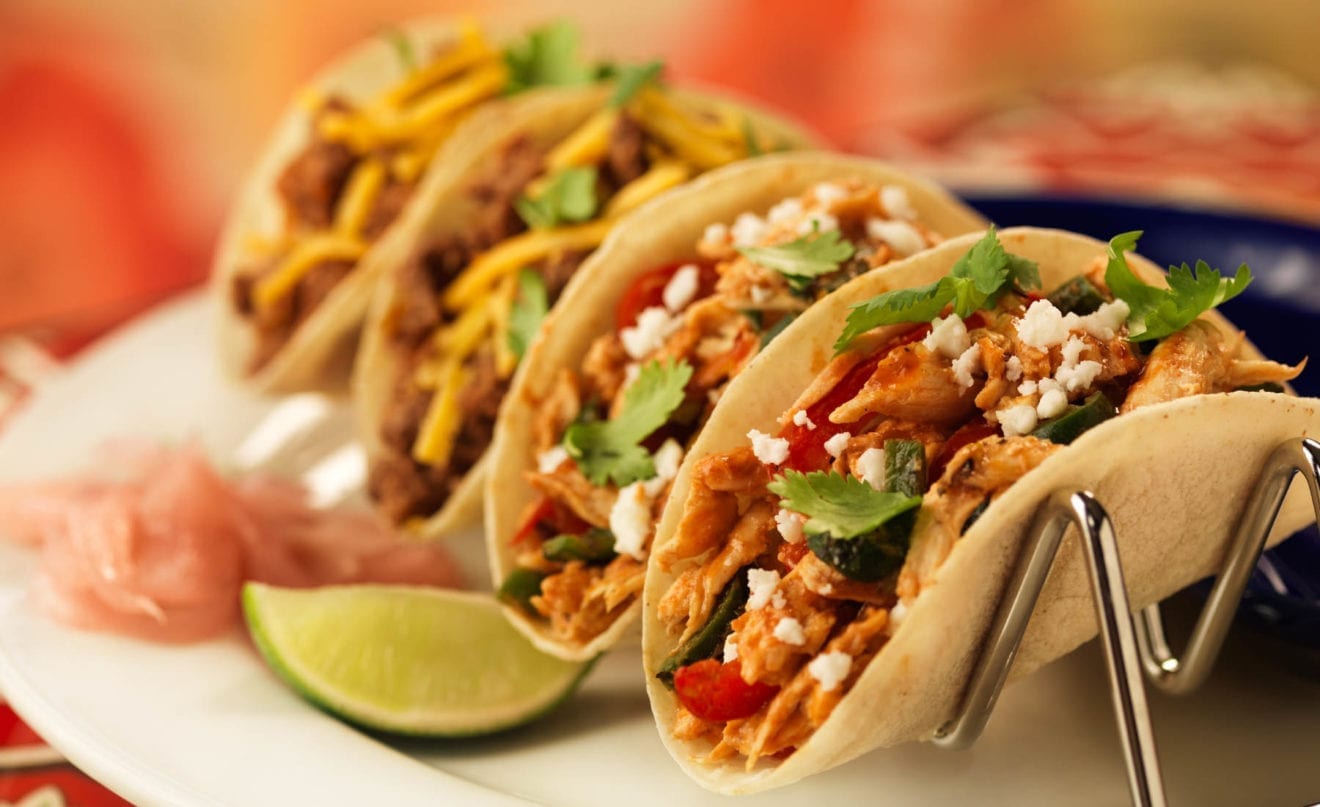
    US Mexican-themed dining chain Taco Bell says it plans to drive growth by expanding its presence in Asian markets. The brand intends to double its number of overseas restaurants to more than 500 outlets within the next few years. Taco Bell’s previous rollouts in Asian markets have occasionally been unsuccessful. An early franchise operation in Japan closed in the 1980s, although it reappeared in the territory four years ago. The brand also withdrew from Singapore in 2009.

    “Consumers weren’t ready in terms of awareness and the brand wasn’t positioned right at the time”, said president of Taco Bell International Liz Williams. The brand now expects to fare well in the territory with its more international young population and “heightened awareness” of Mexican food.

    A new store opening in Thailand this week will be modified for the market, including a spicier salsa recipe to suit local tastes. Forty more Thai locations are planned to open under local franchise partner Thoresen Thai Agencies.

    Taco Bell, operated by Yum! Brands, has 7000 restaurants in the US.

  • Sime Darby Plantation, Salcra ink MoU to uplift Sarawak’s palm oil industry

    Sime Darby Plantation, Salcra ink MoU to uplift Sarawak’s palm oil industry

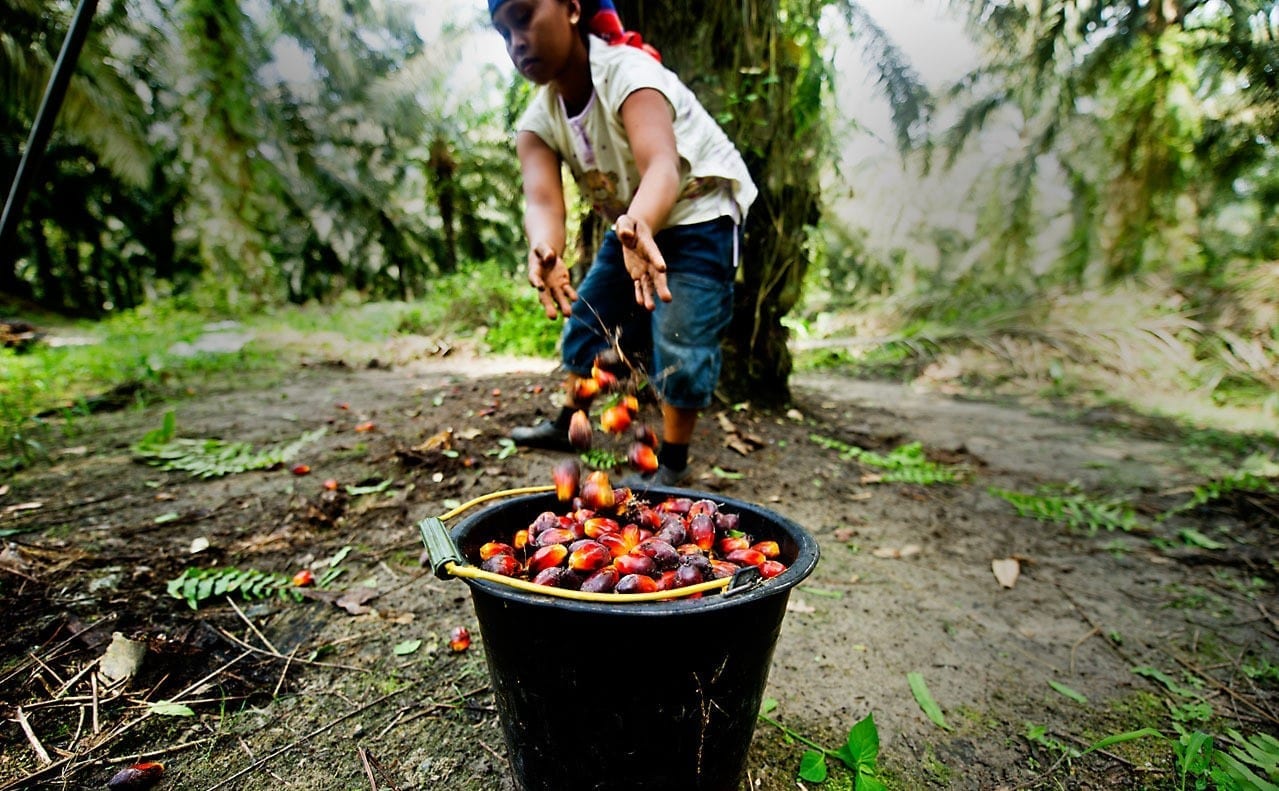
    Sime Darby Plantation Bhd (SDP) and Sarawak Land Consolidation and Rehabilitation Authority (Salcra) have signed a memorandum of understanding (MoU) to form a collaborative framework to establish, strengthen and encourage synergistic commercial cooperation along the palm oil value chain. The collaboration aims to uplift Sarawak’s palm oil industry standards in terms of operational efficiency and productivity through best agronomic practices, SDP said in a statement yesterday.

    It is also intended to inculcate and enhance sustainability awareness for higher operational performance and bottom-line achievement.

    Under the MOU, both parties intend to combine their resources and expertise to jointly collaborate, evaluate and research on matters relating to the palm value chain and related agronomic inputs.

    These include in the areas of agricultural materials such as oil palm seedlings and saplings, management, consultancy services and training, consultancy services, as well as laboratory analytical services.

    The MoU also includes any other activities that are mutually beneficial to the parties such as logistics and activities connected to rubber plantation and other agricultural businesses.

  • Zen Group Thailand prepares to go public

    Zen Group Thailand prepares to go public

    Thailand’s Zen Group is planning to list an IPO to fund expansion of its restaurant chains. With designs to become the leader in Thailand’s food service industry, the company plans to sell 75 million shares in the firm. The proceeds are expected to fund new restaurants in both domestic and international markets, as well as improving existing venues and increasing efficiency.

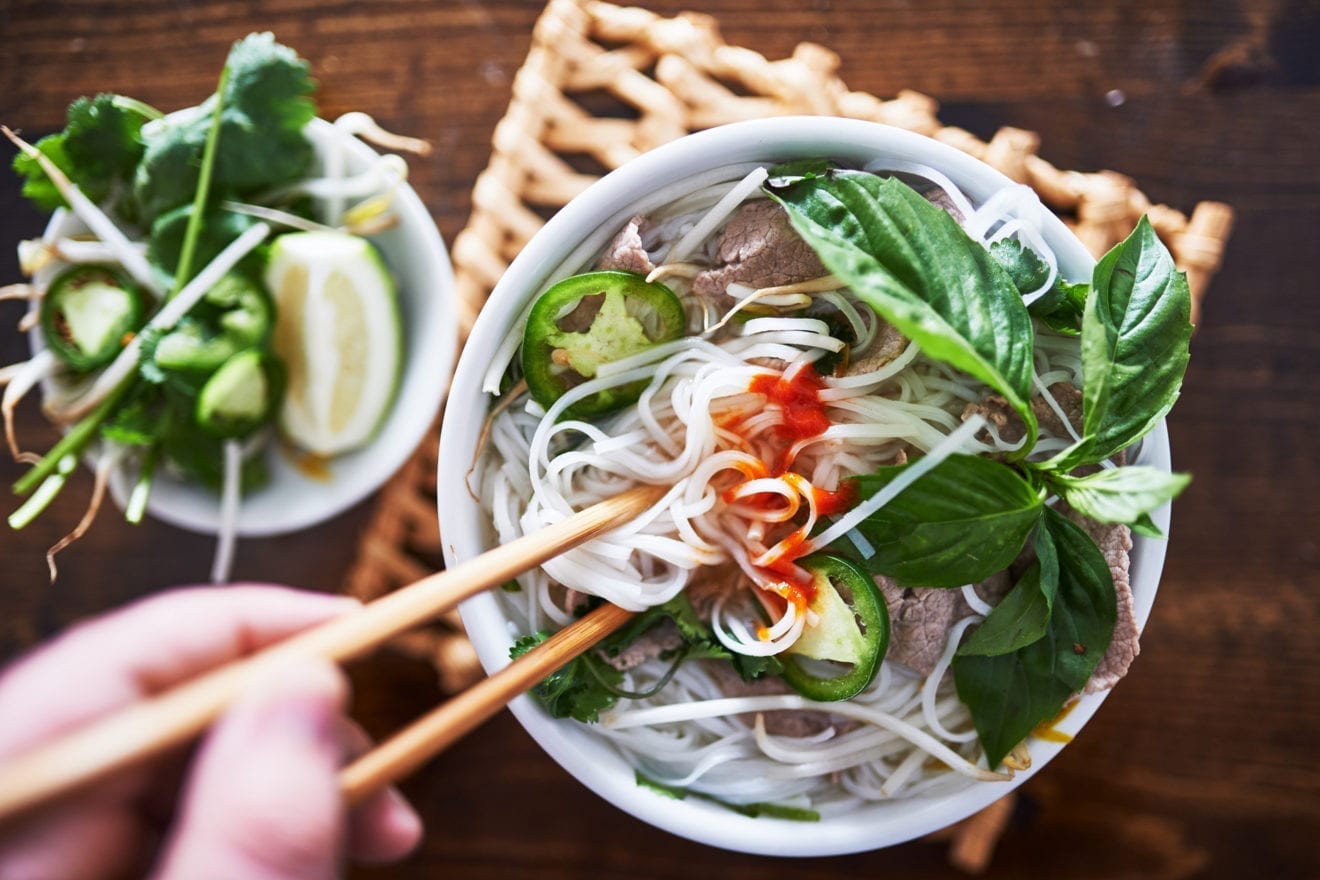
    While the Japanese-themed chain Zen is the group’s best-known chain, it also operates a string of Thai-branded restaurants including Tummour and Khiang, along with Japanese brands Aka, Musha, On the Table, Vietnamese chain IWO Pho and a Singaporean-style Granny’s Chicken Rice.

    “This year, we plan to add 36 of our owned branches and 87 franchise branches, and in 2020, we plan to expand by a further 50 of our owned branches and 175 franchise branches”, said CEO Boonyong Tansakul.

    The group expects its total revenue to reach THB10 billion (US$315.55 million) by 2022.

    “In the past two years, the group has invested in the management system within the organisation, including increasing personnel and investing in information systems to support business expansion both domestically and internationally”, said Tansakul.

    “This has led to increased administrative expenses, but the result is that at present the group stands ready to expand business and can use the support base that it had prepared beforehand to fully support growth”.