Tag: Food

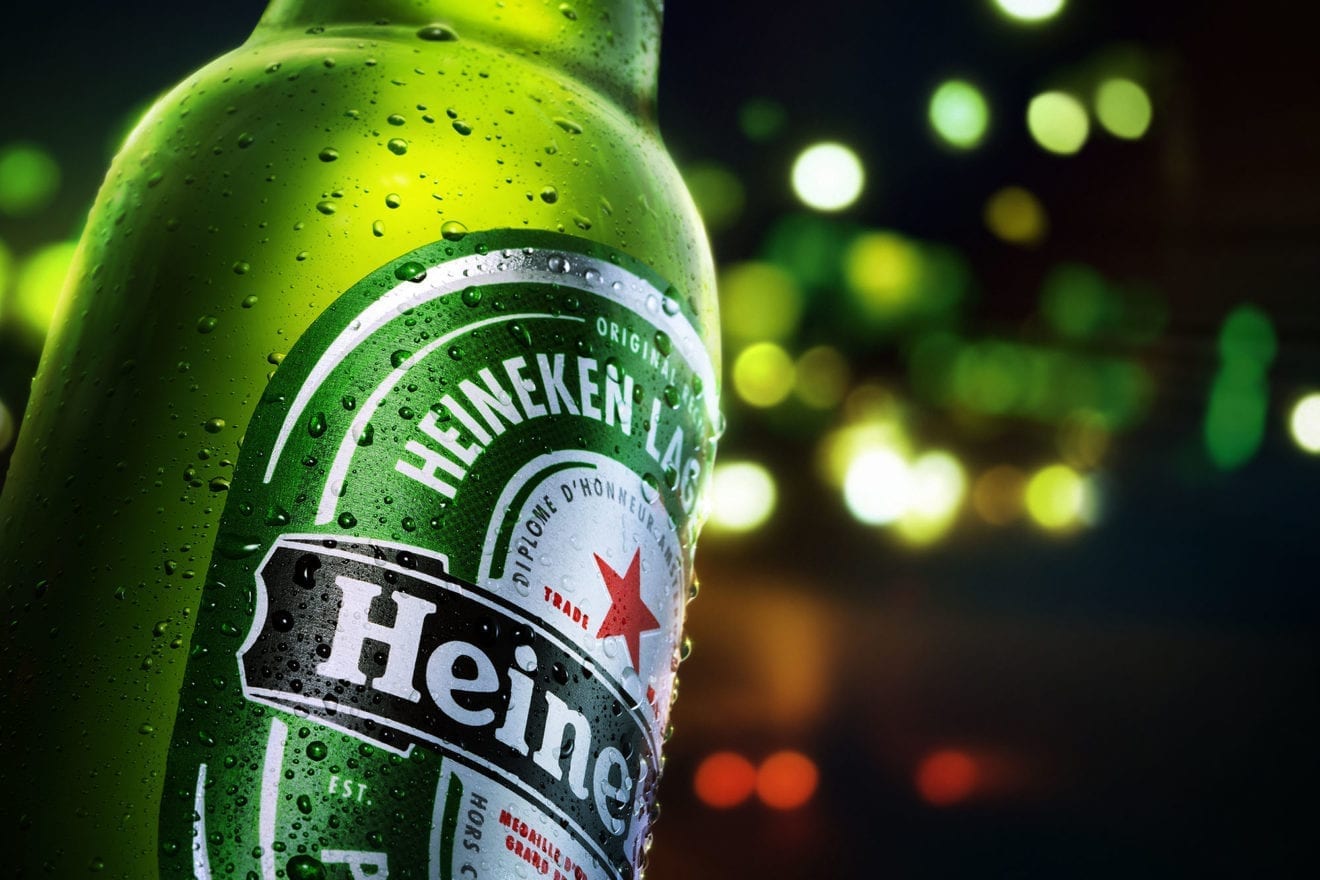
  • Heineken Malaysia 2018 net profit up 4.6%

    Heineken Malaysia 2018 net profit up 4.6%

    Heineken Malaysia Bhd, which posted a 4.6% jump in its net profit for the financial year ended Dec 31, 2018 (FY18), remains cautious about its outlook given the challenging environment due to intense competition, implementation of the sales & service tax (SST), and the continued presence of contraband beer in the market. In line with rising global commodity prices, the group also expects an increase in cost of operations including raw materials and packaging.

    Finance director Szilard Voros said how the group will perform in FY19 also depend on the market, adding that it will benefit if consumers remain optimistic and if efforts to curb illicit trade are stepped up.

    “But we remain cautious because SST was just introduced in September so that also comes with a lag… we also need to see how things settle down after Chinese New Year and see what is the normalised performance and if there’s a growth continuation,” he told reporters at a media and analyst briefing today after announcing the group’s financial results.

    Managing director Roland Bala (pix) said the external environment remains challenging. Amidst slowing global growth rates, currency volatility and uncertainty in the commodity markets, he said the group will need to adopt a cautious approach in cost management.

    “Moving forward, we will continue to invest in our core brands and leverage on our portfolio. As consumer taste profile changes, we will make bets on brands that we believe will have scale,” he added.

    Heineken’s net profit for the fourth quarter ended Dec 31, 2018 grew 6.8% to RM100 million compared with RM93.64 million in the same quarter last year due to higher revenue as well as efficient and effective management of commercial spend and overheads.

    Group revenue grew 12.3% to RM662.28 million as compared to RM589.96 million in the same quarter in 2017 mainly due to increase in sales volume driven by the flagship Tiger brand.

    For the full year period, net profit grew 4.6% to RM282.2 million from RM270.06 million a year ago, while revenue rose 8.3% to RM2.03 billion from RM1.87 billion.

    It has proposed a final dividend of 54 sen per share for the quarter under review, bringing the full-year dividend payout to 94 sen.

  • US opens doors to Vietnamese mango after years of attempt

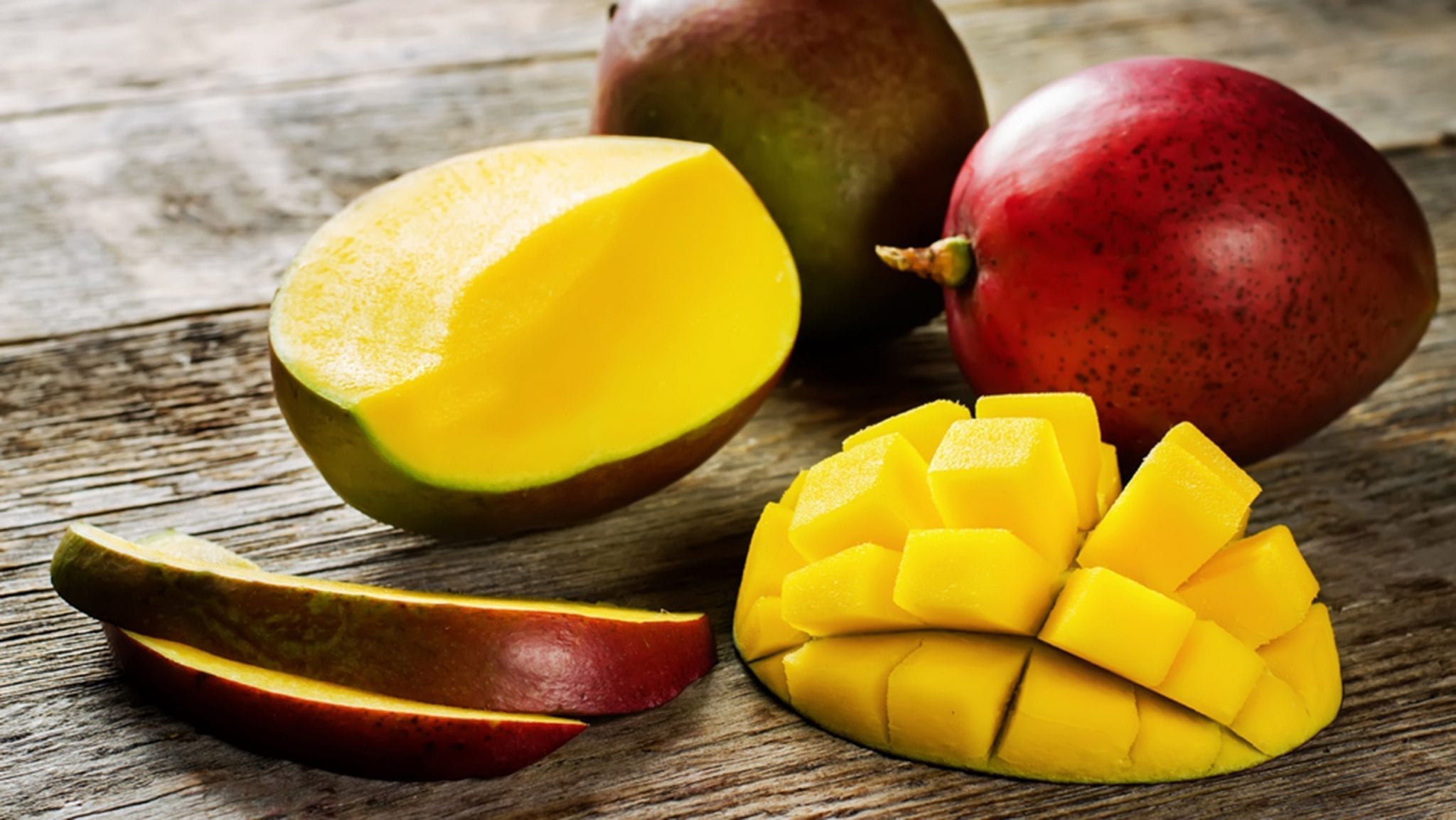
    US opens doors to Vietnamese mango after years of attempt

    The US’s Animal and Plant Health Inspection Service has given the green light for the import of mangoes from Vietnam. The license comes exactly 10 years after Vietnam applied for it. To export fresh mangoes to the U.S., farmers and business will need to meet stringent standards. APHIS will inspect each shipment thoroughly before granting phytosanitary certificates.

    Mango is Vietnam’s sixth fresh fruit licensed to be imported into the U.S. after dragon fruit, rambutan, longan, lychee, and star apple fruit.

    Some 96 percent of Vietnam’s mango production is consumed domestically, with the rest exported currently to 40 countries either as fresh fruit or in processed form.

    The main market is China. The other important ones are Europe, South Korea, Japan, Australia, and New Zealand.

  • Air France-KLM more than doubles profits in 2018 despite strikes

    Air France-KLM more than doubles profits in 2018 despite strikes

    Air France-KLM, which was badly hit last year by strikes and management upheaval, reported on Wednesday that its annual net profits rose by 150% to 409 million euros (US$463 million). “The strong performance of our front-line teams and continued cost control helped partly offset the impact of strikes at Air France in the first half of the year, as well as significant fuel headwinds,“ Benjamin Smith, the company’s new chief executive, said in a statement.

    The Canadian businessman took over in September following Jean-Marc Janaillac’s sudden exit in a bitter dispute over salaries in the group’s French wing.

    Fifteen days of strike cost the company 335 million euros, Air France said.

    On Tuesday, Air France pilots voted by 85% in favour of a new pay deal, concluding a series of long employee-management negotiations.

    Revenue growth last year was up in all business segments, with operating earnings coming in at of 1.3 billion euros, the Franco-Dutch airline group reported.

    The group said it had carried more than 100 million passengers last year, making it the leading European airline for long-haul traffic.

    Transavia, a low-coast subsidiary, carried 15.8 million passengers last year, an increase of 7.1% on 2017.

    Full year 2018 capacity increased by 2.1%, mainly driven by the South American, North Atlantic and Asian networks, with respective growth of 8.6%, 3.0% and 2.1%, Air France-KLM said.

    In 2019, the group will concentrate on “operational efficiency”, financial director Frederic Gagey said.

    “We can make a lot more money compared to last year,“ he said, adding that Air France-KLM would also be looking to renewing its fleet to replace some of its more fuel-guzzling planes.

  • Wing Zone reveals its Manila expansion plan

    Wing Zone reveals its Manila expansion plan

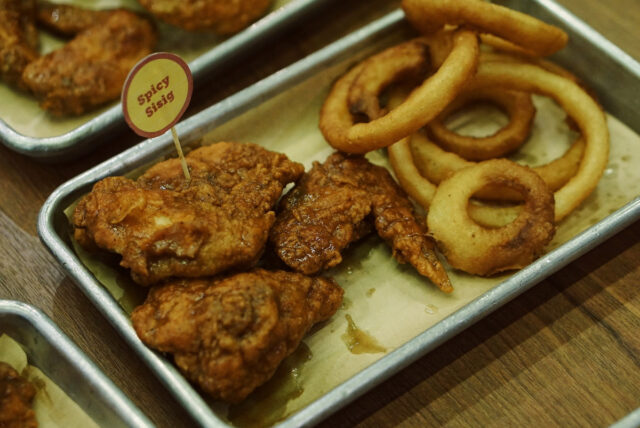
    US-based restaurant chain Wing Zone plans to open five more outlets in Manila by the end of this year ahead of pursuing more Southeast Asian opportunities. As Wing Zone opens new restaurants internationally, the company is exploring more local flavours and also plans to incorporate new menu options available in the US such as Zesty Breaded Wings and Chicken Ribs.

    “We have built a solid international presence and reputation with dedicated franchisees who share our values and understand the commitment to customer service. As we continue to find those qualified franchisees to help in our growth in the US we will be exploring even more partnerships to bring Wing Zone to more cities and countries internationally as well,” said Matt Friedman, co-founder and CEO of Wing Zone.

    Processed with VSCO with a6 preset

    In the US, Wing Zone will open eight new domestic locations in 2019 in North Carolina, South Carolina and Alabama. In Asia, after the Philippines, the chain will also explore other Southeast Asia markets.

    Wing Zone has nearly 100 locations across the US, and overseas including in Panama, Guatemala, Malaysia, Singapore and the Philippines.

  • Nestle India plans up to 3-dozen product launches in 2019, eyes higher exports

    Nestle India plans up to 3-dozen product launches in 2019, eyes higher exports

    FMCG major Nestle India has lined up nearly two-three dozen products that it plans to launch in calender year 2019 across categories in the country to drive its aggressive growth plans, Chairman and Managing Director Suresh Narayanan said.

    According to a report, the company, whose 6 percent revenues come from exports, is now looking to tap more overseas markets by targeting countries with higher Indian diaspora such as SAARC and South East Asia.

    “In 2018, our core brands have performed well…We look forward for greater acceleration as we go forward….We have two-three dozen projects (products) in pipeline for launch in 2019. These products are across categories,” Narayanan said.

    Reiterating the company’s focus on the Indian market, he said, “As an organisation the one clarion call that we are working to is that we are in the business of growth to thrive and not to survive…It is not a survival mode that we look at the opportunity in India or the opportunity for growth..but a thriving mode.”

    While the domestic market has been driving its growth, Narayanan said Nestle India would now look at expanding its export basket.

    The company is looking at tapping overseas market with higher Indian diaspora such as SAARC and South East Asia to expand its exports, he added.

    Commenting on fake news on nutrition, Narayanan said it was affecting choices and lives of people.

    Therefore, Nestle India in partnership with Google, using a chatbot mechanism, will launch a personalised information dissemination website called ‘Ask Nestle’, he added.

    “Ask Nestle seeks to be a reliable and anchor platform for nutrition and lifestyle information for customers. India is the only market where this website is being launched,” he was further said.

    When asked if the company will in future also link Ask Nestle with its own e-commerce website for selling its products, he said it is a possibility.

    “…Going forward it could morph into something bigger in terms of linking up with our own e-commerce intentions, if at all it happens. But today it is only for information sharing, dissemination and helping,” he said.

    When asked if there has been any impact on sales of Maggi noodles after Supreme Court revived government’s case in the National Consumer Disputes Redressal Commission (NCDRC) against Nestle India seeking damages of Rs 640 crore for alleged unfair trade practices, false labelling and misleading advertisements, Narayanan said “No”.

    When asked if the company is looking for manufacturing capacity expansion, he said: “…This is a question that is coming up with active consultation. That exercise is on but I can not share more at this stage”.

    Typically, our approach is to augment (capacity) at our existing factories, but it does not rule out a new manufacturing facility, Narayanan said.

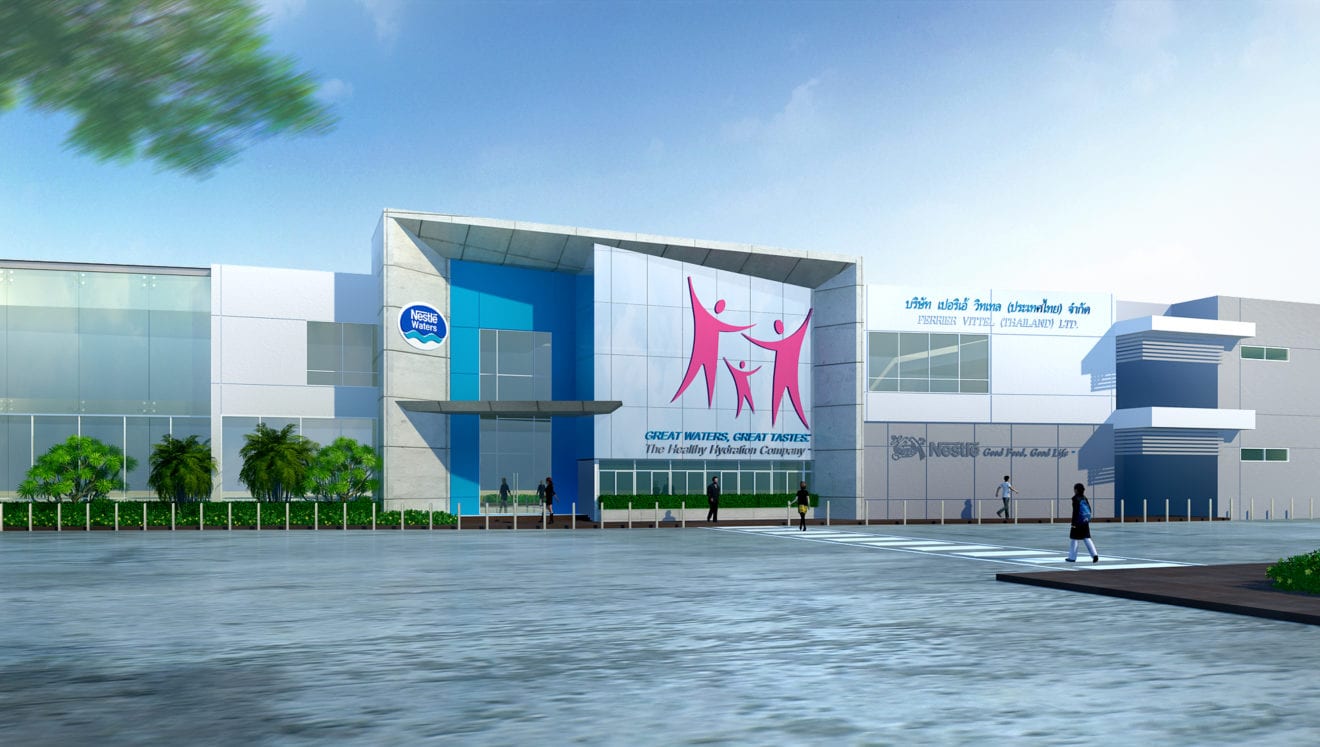
    Nestle India, at present, has eight factories across the country.

    The company also did not rule out evaluating inorganic growth in the country and said it may consider it if any opportunity arises.

  • AirAsia opening restaurant based on its in-flight menu

    AirAsia opening restaurant based on its in-flight menu

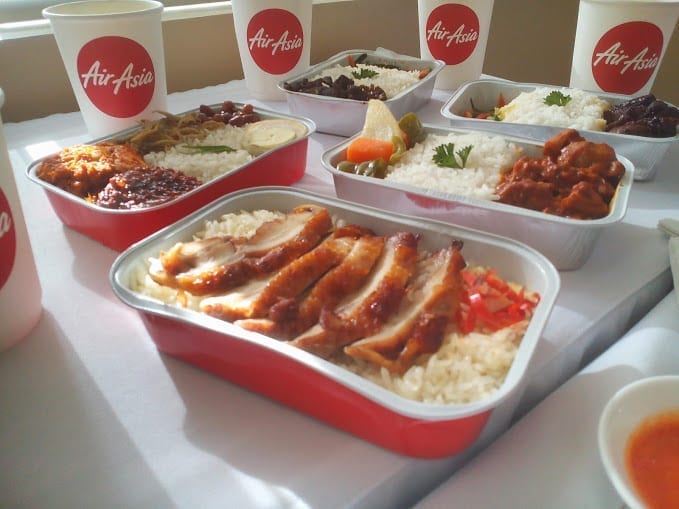
    Low-cost carrier AirAsia may launch restaurants serving its Santan “gourmet” in-flight menu on the ground. The proposal was revealed by AirAsia Group CEO Tony Fernandes while promoting his recent autobiography in an interview with US talk show host Larry King. “I think our food is fantastic,” said Fernandes in response to a question from the audience. “We believe in it so much we’re going to start a fast-food restaurant out of it.”

    But Fernandes gave no more details away about the plan, such as where the restaurants might be located or whether he favoured airport locations or city centres.

    News that AirAsia may launch restaurants on the ground may come as a surprise to travellers, but Fernandes has previously spun off new business concepts from the airline’s business model including a short-lived budget hotel chain where occupants paid extra for features such as air conditioning, towels and amenities, and a bus service connecting Kuala Lumpur Airport with downtown.

    AirAsia also made news recently for its new chatbot Ava (AirAsia Virtual Allstar) which, along with a new look for the firm’s website and mobile app, are designed to deliver a more seamless and user-friendly experience to customers.

    Fernandes has also indicated the airline will place increased focus on the Indonesian and Philippines markets in the near future.

  • SPAR India to partner Himachal Pradesh in promoting fresh sourcing and manufacturing

    SPAR India to partner Himachal Pradesh in promoting fresh sourcing and manufacturing

    As part of ‘The Global Investors Meet’ in Dharamshala, Himachal Pradesh on June 10-11, 2019, which will have the CII as key national partner, a road show was organized in Bangalore recently that saw senior leaders from various industries participate in the event. SPAR was one such participant at the show as a representative of the retail industry.

    At the event, SPAR India’s MD & CEO Rajeev Krishnan and Solai Shakthivel, Senior Vice President – Buying and Merchandising Foods, had the opportunity for a one-on-one interaction with the Chief Minister of Himachal Pradesh Jai Ram Thakur and Industry minister Bikram Singh.

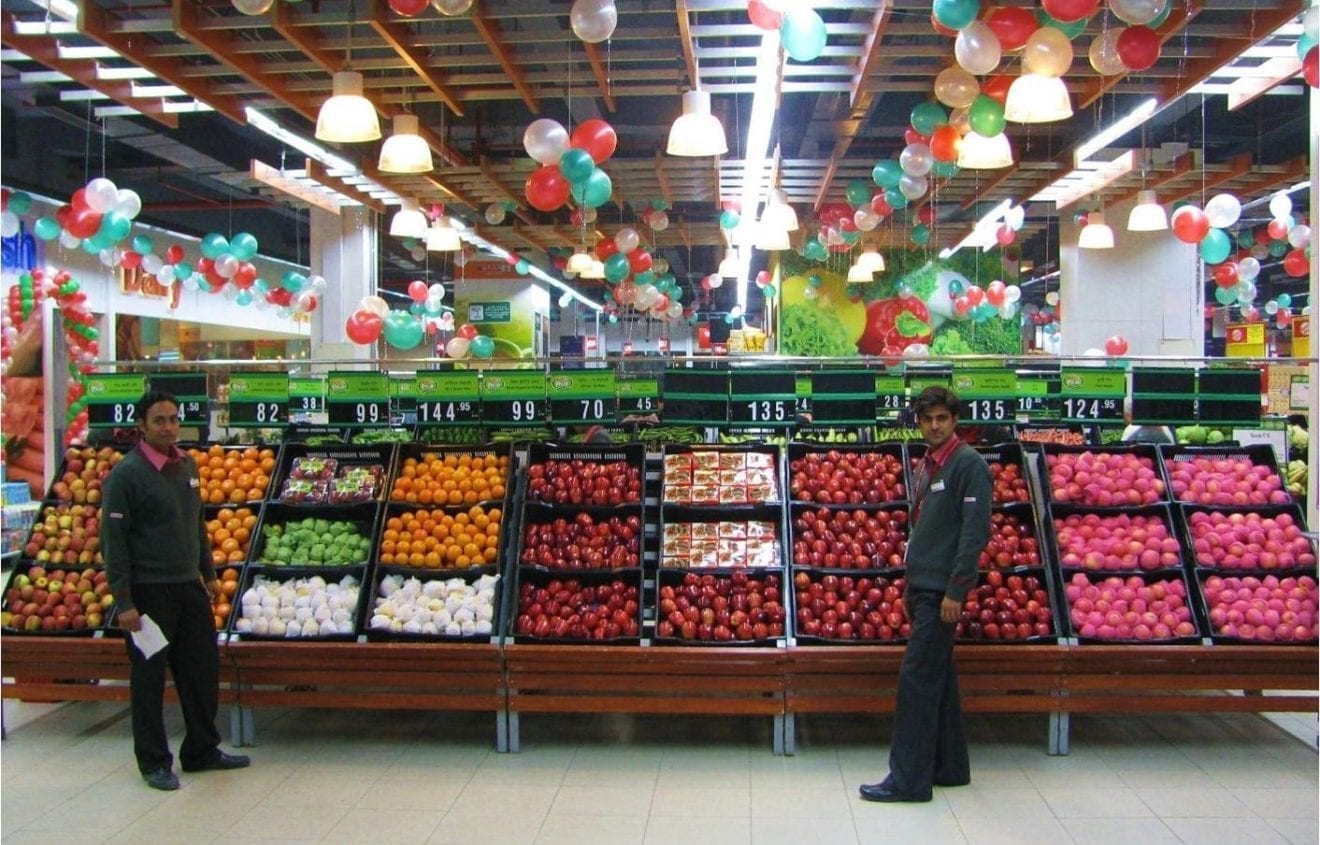
    Himachal Pradesh, known as the ‘Fruit bowl of India’, is famous for its manufacturing and SME development. With its ideal weather conditions, there are different varieties of fruits and vegetables grown in Himachal Pradesh. The state is famed for its abundance of crisp, juicy apples as well as for its pears, peaches, plums, grapes, apricots, mangoes, strawberries and citrus fruits.

    SPAR India offers a variety of fresh produce to its customers, which are mainly sourced from Himachal Pradesh. These include apples, green peas, oranges, honey, organic produce, among other products.

    According to Krishnan, “SPAR India is committed to continue building strong farm to fork relationships. We will be working jointly with the State on sourcing and developing our private label products – soaps, handicrafts, etc which, in turn, will support the growth of SMEs.”

    In its endeavour to continue making a difference in the lives of farmers, customers and communities, SPAR wants to be a strong partner to Himachal Pradesh in promoting fresh sourcing, manufacturing and tourism in the coming years.

  • Belgian Waffle Co expands to Southeast Asia

    Belgian Waffle Co expands to Southeast Asia

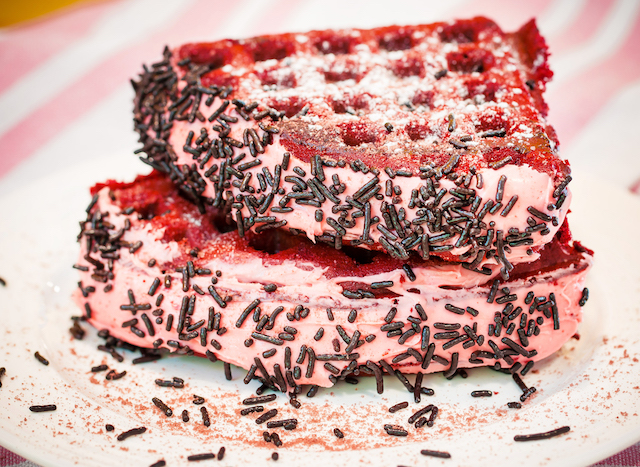
    Indian-headquartered Belgian Waffle Co has partnered with VF Franchise Consulting to expand into Southeast Asia. The chain is operated under small kiosk and cafe models, and is best known for its waffle sandwiches. “The Belgian Waffle Co has seen exponential growth in India in less than three years with unprecedented success,” said Shrey Aggarwal, cofounder of The Belgian Waffle Co.

    “Our vision is to be a Global Player in the QSR segment, being recognised for dessert offerings and our values of affordability, quality and simplicity.”

    Founded in 2015, Belgian Waffle Co now has more than 200 outlets in 55 cities in India, Nepal and Dubai.

    “We are delighted about partnering with The Belgian Waffle Co as the company seeks to expand further into Southeast Asia,” said Sean T Ngo, CEO of VF Franchise Consulting.

    “Belgian waffles have universal appeal amongst Asians and non-Asians alike. They have taken a fork-and-knife approach to eating waffles and turned the industry upside down into a fast, on-the-go food for people who enjoy delicious-tasting breakfasts, snacks and desserts and a business that offers potential fast returns.”

  • Vietnam targets $10 bln seafood export

    Vietnam targets $10 bln seafood export

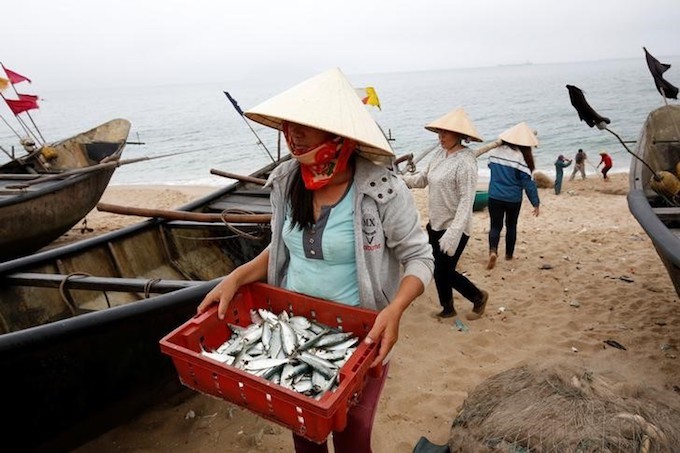
    Vietnam hopes to export $10 billion worth of seafood this year, meeting its 2020 goal a year early. The Vietnam Association of Seafood Exporters and Producers (VASEP) said at a recent conference it would include $4.2 billion worth of shrimp, $2.3 billion worth of pangasius fish and the rest from other products. Minister of Agriculture and Rural Development Nguyen Xuan Cuong said the $10 billion target is high but achievable since Vietnamese seafood is liked in international markets.

    VASEP president Ngo Van Ich said shrimp exported to the U.S. is expected to face a lower anti-dumping tariff this year.

    Vietnam’s recent accession to the Comprehensive and Progressive Agreement for Trans-Pacific Partnership would also help increase exports, he said.

    But there are also challenges.

    Truong Dinh Hoe, VASEP general secretary, said the country faces difficulties like shrinking catches and intense competition from other exporting countries.

    A major hurdle is the ‘yellow card’ restriction slapped by the European Union since 2017 for illegal fishing.

    The European Commission has said it would ban seafood imports from Vietnam unless it does more to tackle illegal fishing by Vietnamese vessels in other countries’ territories.

    After an evaluation done last May the European Commission said it would consider lifting the yellow card in 2019.

    Vietnam ranks among the top ten seafood producers in the world, according to the U.N. Food and Agriculture Organization.

    Last year its exports were worth $9 billion against a target of $9.5 billion.

  • Cola, sugar prices shoot up 10% in Korea

    Cola, sugar prices shoot up 10% in Korea

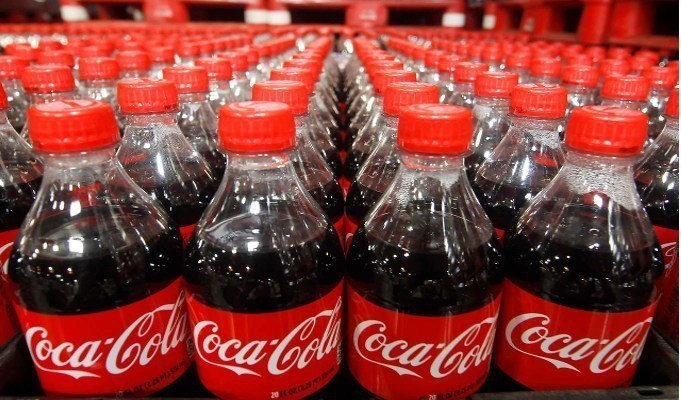
    Processed food prices rose in January, with soybean paste, sugar and cola all jumping up around 10 percent compared to a year earlier. The Korea Consumer Agency (KCA) said Monday that 18 of 26 major processed foods measured both in 2018 and 2019 cost more in January than the previous year. The highest price hikes on year included sugar at 11 percent, soybean paste at 9.8 percent and cola at 9.7 percent. Among processed grain foods, instant rice products rose the most, by 5.6 percent. Prices for cup ramyeon noodles, one of the country’s favorite snacks, rose 3.4 percent.

    The KCA releases prices for a basket of around 30 major processed food categories every month. The basket price data serves as a separate indicator of real price changes for consumers. Other tracked products include beer, coffee mix and curry.

    Compared to the previous month, the average basket price for January rose 0.2 percent to 122,686 won ($109) from 122,491 won. Soybean paste prices rose on month by 4.7 percent and curry by 1.4 percent. Average cola prices rose 6.0 percent from December. The soft drink’s price rose last month after two months of declines.

    The KCA reported that the basket’s price was most affordable from large retail stores compared to traditional markets, department stores and large-size supermarkets.

    Meanwhile, products that declined in price on year included cooking oil at minus 6.1 percent, orange juice at minus 5.3 percent and red pepper paste at minus 4.9 percent.

    The data comes as consumer prices for January rose by 0.8 percent from 2018, according to Statistics Korea. The consumer price index for “living necessity food” rose 2.6 percent last month from the previous year.

  • eat darling eat opens in Hong Kong

    eat darling eat opens in Hong Kong

    This February, foodies in Hong Kong will salivate over scrumptious treats and desserts at eat darling eat, the new Causeway bay eatery that is bringing a playful twist on iconic Chinese desserts to spread love and evoke warm childhood memories.

    The 1,300 ft design-centric space is bold, surreal and out of the ordinary, sharing an array of lip-smacking treats with an eclectic twist. Situated in Fashion Walk, eat darling eat is the latest addition under Ming Fat House. The dessert spot is further enhanced by the interior design, with large playful stickers on the walls, and creative food photographs that make visitors do a double take. At eat darling eat, all delicious culinary creations are all about stimulating the senses, each of them made with utmost care and loving attention.

    eat darling eat’s extensive menu features iconic Hong Kong desserts such as the homemade fluffy Pineapple Buns (HK$38) that are quintessential to the city, filled with pineapple custard. Chinese “tong sui” desserts get a modern reinterpretation with such intriguing combinations such as double-boiled Papaya (HK$68) with snow fungus, candied papaya and mascarpone cheese. Sweet Potato (HK$68), a sweet potato soup playfully pairs with a luscious chocolate cake and taro ice cream; and Red Bean (HK$68), mixed with tangerine peel soup with a scoop of matcha ice cream.

    Other signature creations are home-made icy treats that have a modern flavour. Set to become a favourite is the Double-strength Milk (HK$48), that features two scoops of the milk flavoured ice cream that are infused with Chinese rice wine. Sichuan Pepper (HK$48), with scoops of the ice cream that bring out the spicy taste of Sichuan peppercorns and complemented with the sweetness from candied bacon.

    The icy treat that is sure to be popular amongst the fans is the Chinese Ginger Vinegar (HK$48), creatively topped with crispy pork skin. Inspired by a traditional Cantonese dish that is typically shared by new mothers to celebrate the arrival of a newborn baby, this trail blazing creation promises a spoonful to remember.

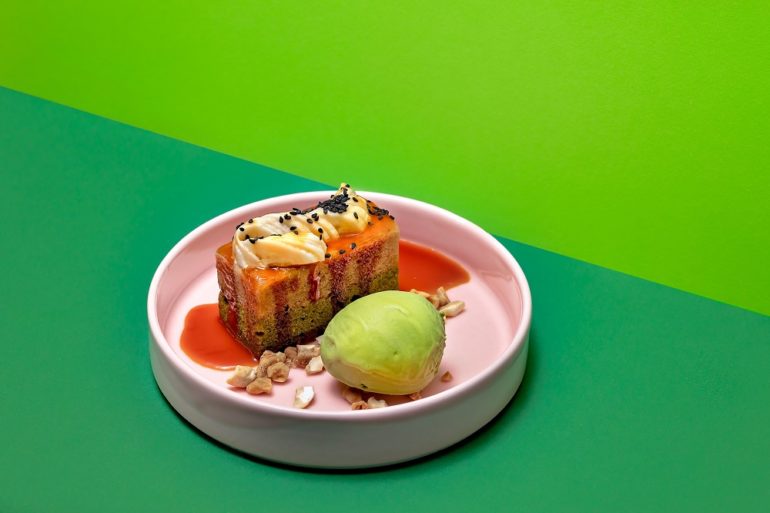
    Other delectable desserts include the Lava Cake (HK$78), featuring a decadent Valrhona dark chocolate filled cake with the earthy taste of walnut soup, and Matcha Cake (HK$58), a sweet caramel sponge cake topped with caramelised banana, and finished with scoops of matcha ice cream.

    “At eat darling eat, we strive to bring the element of traditional Hong Kong desserts that not only touch the heart, but also add a modern twist that will create new memories for our customers,” explained Jonathan Bui, owner of eat darling eat.

    The creative talent behind these quirky and tasty desserts is Executive Chef Jason Luk who tucked international experiences under his sleeve having worked in Bangkok, Shanghai and Miami. In Hong Kong he has honed his skilled at The Drawing Room and Zuma Hong Kong and brings a limitless array of culinary ideas at eat darling eat.

    “While living abroad, I learned a lot about desserts in other places, but at the same time I missed eating food from home. Since coming back to Hong Kong, I want to share the recipes from my experiences and present them to foodies in Causeway Way, which is the perfect place to showcase new and exciting trends and styles,” says Jason.

    eat darling eat offers guests a respite from busy Causeway Bay with its whimsical interiors that mirror the eclectic menu. The design draws inspiration from the experimental Post-modern era, incorporating designs, shapes and colours that challenge convention.

    The interior highlights split-level architecture, where the lower level entrance area is an open concept, while the upper space is framed as a theatre featuring fluorescent colours and reflective surfaces. The overall design is bold, surreal and out of the ordinary, emphasizing the creativity of the desserts.

    While eat darling eat offers mainly fun and playful desserts, it also offers savoury dishes for lunch and dinner that can be chosen from the a la carte menu and signature lunch menu alongside an extensive coffee, tea and cocktail menu. eat darling eat invites diners to take a break, slow down, and savour the moment in the midst of the hustle and bustle of Causeway Bay.

  • Bigbasket India expands its offerings to include beauty products

    Bigbasket India expands its offerings to include beauty products

    Bigbasket has made its foray into the beauty and cosmetics category. The company is already a leader in FMCG sales, staples, and fruits and vegetables, has about 10 million subscribers, and is clocking over 1 lakh orders per day. With this new category, bigbasket has cemented its place as the one-stop-shop for all customer needs in groceries.

    The vast range of cosmetic products on the beauty store by bigbasket includes eyeliners, kajal, face creams, nail colors, lipsticks, hair colors, perfumes, deodorants, etc. which can be purchased on the website or through the app. Some of the prominent labels featured include Lakme, L’Oreal, Garnier, Elle18, Lotus Herbals, and Maybelline, among others.

    Customers can make choices based on their skin type, preferred brand, benefits, formulation, etc. There are also exciting discounts of about 25 percent to 40 percent on selected brands and products.

    Speaking about this, Seshu Tirumala, National Head, Buying and Merchandising, bigbasket, said, “bigbasket’s customers can now look forward to far larger variety in our offering with our most recent addition of beauty products. The foray into beauty and cosmetics category comes at a time when we are already growing at a frenetic pace in the market. With this category, we aim to transcend our existing customer base and take the venture a notch higher – both in terms of the customer base and revenue. We will be providing the widest range of affordable and regularly used beauty products to our customers.

    With a dominant share in the market space, bigbasket now aims to raise additional investments up to US$ 200 million over the next few months. The FMCG sales overall (food and non-food) contribute to over 50 percent of its business, another 30 percent comes from staples (including 14.5 percent from private labels) and 18 percent is from fruits and vegetables. The Alibaba-backed company expects to break even in the 10 large cities by next June and aims at becoming a billion-dollar company by the next fiscal year. The company has a presence in 25 cities and plans to launch its operations in Kochi soon.

    Recently, bigbasket acquired Pune-based RainCan and Bengaluru-based Morning Cart to deliver milk to 20,000 customers. The service has been launched in 7 cities and is expected to roll out to another three cities among the top 10 metros. The milk delivery business is expected to clock Rs 10 billion by next year.

  • Swiggy India now opens Stores to deliver everyday needs

    Swiggy India now opens Stores to deliver everyday needs

    India’s food ordering and delivery platform Swiggy Tuesday said it has launched ‘Swiggy Stores’ moving beyond its core food delivery segment to provide access to consumers items across multiple categories. The company will deliver from these stores “in categories such as fruits and vegetables, kiranas and supermarkets, florists, baby care, health and supplements among others,” Swiggy said in a statement.

    With the launch of these stores, Swiggy wants to become the one-stop delivery app that enables access to every store in the city, it added.

    “Today’s announcement takes Swiggy to categories beyond food, where we hope to deliver the same level of delightful experiences to consumers for their everyday needs,” Sriharsha Majety, CEO, Swiggy said.

    It is the first milestone in Swiggy’s vision to elevate the quality of life for the urban consumer by offering unparalleled convenience, he added.

    Swiggy Stores will give its merchant-partners unmatched access to a combination of core assets to reach more existing and new customers, the statement said.

    For the delivery partners this will give them access to an additional avenue for income, it added.

    Founded in 2014, Swiggy currently connects consumers to over 60,000 restaurant partners across more than 80 cities.

  • India’s Zomato to convert 40 pc of delivery fleet into power-assisted bikes in 2 years

    India’s Zomato to convert 40 pc of delivery fleet into power-assisted bikes in 2 years

    Online restaurant guide and food ordering firm Zomato Monday said it is planning to convert 40 percent of its delivery fleet into power-assisted bikes in two years. Currently, the company has over 5,000 cyclists operating across 12 cities in India, with the majority of the fleet being in Delhi-NCR, Zomato said in a statement. The company provides food delivery services in 150 cities across the country with a last-mile delivery fleet of 1.5 lakh partners, it added.

    “We are working closely with our vendor partners to raise the scale of e-cycle adoption and aim to convert 40 percent of our fleet to power-assisted bikes within the next two years,” Mohit Gupta, CEO – Food Delivery Business, Zomato said.

    The company aims to build a future that creates more tangible value and leaves a lesser carbon footprint, he added.

  • Today’s demanding consumers need tech-savvy food retailers: Walmart India CEO

    Today’s demanding consumers need tech-savvy food retailers: Walmart India CEO

    Food is the largest retail consumption category in India, accounting for 33 percent of the overall consumption expenditure. It is also the largest opportunity area, especially in times when market dynamics are changing dramatically, and consumer behaviour is no longer generic.

    Indian consumers are becoming more and more indulgent with food (and vegetables), and they are experimenting with new and foreign cuisines; they are seeking variety and are open to international brands. They profess to enjoy foreign food and are ready to pay more for premium or organic food items. This is a huge shift from the last decade.

    The changes to Indian consumer behaviour are being driven by increasing incomes, younger profiles of consumers and growing access to the Internet.

    According to Krish Iyer, President & CEO, Walmart India and Chairman of India Food Forum, the key trend certainly is for on-demand food.

    “There are a lot of pressures on the disposable income of the consumer. Factors like rising costs of real estate and the need to invest in health – important today because of the awareness and education on health are taking away good chunk of consumer’s disposable income and the expectation of value is increasing,” Iyer said on the sidelines of India Food Forum 2019.

    Expectations, he said, have built up because the consumer has a lot of options, making him more demanding of quality and other conveniences. “Today’s consumer is time-starved. Working couples want ready-to-eat, on-the-go and on-demand food, and this is driving a lot of consumption,” he added.

    To meet the shift in consumer demands, FMCG players are gearing up make the changes in their retail stores.

    Share of E-Commerce in The Retail Pie

    Iyer stated that the share of e-commerce is set to rise over the next 10 years aided by a rise in the Omnichannel format. This, despite the growth in brick-and-mortar retail from 2 percent to 12 percent.

    “What works for today’s FMCG players is a ‘go-to market (GTM) strategy’. This is particularly true for small and medium enterprises who want to launch products. Since GTM is more about digital first, they use the opportunity to connect with consumers in today’s highly connected phygital environment,” he said, talking about the big change which the FMCG sector is witnessing today.

    He stressed on the fact that it is extremely important to bridge the gap between physical and digital retail, especially since the consumer is going digital in terms of experience as also his touchpoints.

    Tech-Savvy CX At Walmart

    Sharing his insights gleaned from years at being at the helm of Walmart India, Iyer explained that that by enriching customer experience, Walmart has observed that the consumer has started purchasing more using the Omnichannel format – Rs 180 over Omnichannel versus Rs 100 spent at the physical store.

    While citing technology adoption as the key to retail growth, Iyer also talked about the four key challenges that retailers need to face head on: food security, safety and nutrition, food wastage and sustainability.

    “Feeding a rising world population of 10 billion, amid rising deaths of infants due to malnutrition and changing climatic conditions are key challenges. In India, phenomenal efforts are made on the regulatory front for safety and nutrition that will follow with awareness, compliance and enforcement of law. Significant investment amounting to Rs 92,000 crore in food processing in catchment areas is needed to overcome the wastage of 30 percent of all food and 40 percent of fruits and vegetables in the country,” he concluded.