Tag: Food

  • Subway strikes delivery deal with Uber Eats In New Zealand

    Subway strikes delivery deal with Uber Eats In New Zealand

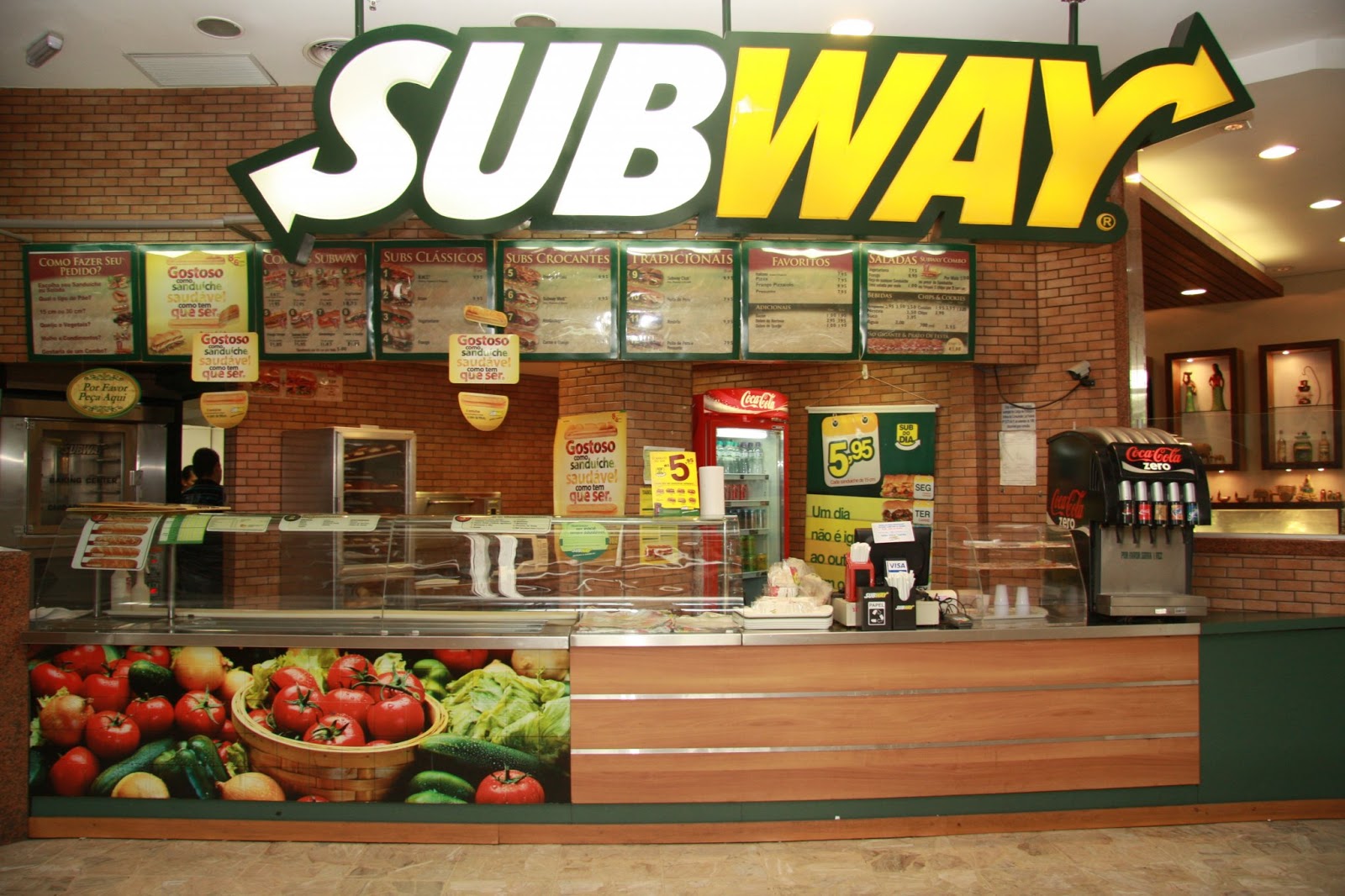
    Subway has struck a deal with Uber Eats to offer delivery from more than 100 restaurants in select New Zealand cities. Chris Churchmichael, country director for Subway New Zealand, said the agreement would allow Subway restaurants to tap into the rapidly growing delivery market in New Zealand, at breakfast, lunch, dinner and anytime in between.

    “We know Kiwis want freshly-made and nutritious delivery choices, however, having their favorite Subway foot long meal delivered hasn’t been an option until now,” Churchmichael said.

    Church Michael said all the Subway favorites like meatball and pork riblet will be available for delivery along with fresh new choices like spicy buffalo chicken with blue cheese dressing and smashed falafel with tsatziki.

    “Searches for ‘nutritious’ options in the app are increasing and Subway is the perfect partner to help us respond to this demand and provide a greater selection of delicious meals to eaters whether they are at work, home or even the park,” said Andy Bowie, Uber Eats country manager for New Zealand.

    Subway recently unveiled a brand refresh to modernize its offerings and a new website that highlights key supplier stories and educates customers about the chain’s fresh ingredients.

    According to Subway, its new “Real Fresh” website aims to give guests a look behind the scenes at some local growers and suppliers who support the business from all over New Zealand.

    Ben Miles, senior manager for brand marketing at Subway, said the sandwich chain is a strong supporter of Kiwi produce. Some of their supply partners include local business Yarrows, which has supplied Subway New Zealand with their dough for more than 20 years and NZ brand Tegel, which has partnered with Subway since the brand opened its first restaurant in the country in 1995 and now supplies restaurants with a range of chicken and turkey products.

    “We estimate we’re one of the largest national purchasers of fresh produce in New Zealand and we’re committed to supporting farmers, growers and producers around the nation,” Miles said.

    “We wanted to shine a light on the incredible work they do, bringing the fresh factor to our restaurants multiple times a week.”

    Miles said many of the company’s customers are unaware that their fresh vegetables are sliced and prepared in-restaurant before serving, so this information is also shared on the site.

    “We also know it’s important to our guests that each ingredient in their sub is of the highest quality – for both freshness and taste,” he said. “We’ve been making considerable changes to our menu and we’re committed to ensuring as many of our ingredients as possible are locally sourced.”

    The Real Fresh website was recently awarded a Gold Ava Digital Award, an international competition reorganizing excellence in website design and creative.

  • Dole Appoints Pier Luigi Sigismondi as GlobalPresident for Packaged Foods

    Dole Appoints Pier Luigi Sigismondi as GlobalPresident for Packaged Foods

    Dole Asia Holdings Pte. Ltd., a subsidiary of ITOCHU Corporation, today announced the appointment of Pier Luigi Sigismondi as President of its Worldwide Packaged Foods business.

    Sigismondi joins Dole with over 20 years of industry experience in consumer goods. Before joining the company, he was President of Unilever Southeast Asia and Australasia, where he led the business of this fast-growing region. Prior to that, Sigismondi held multiple global senior executive, operations and board roles with Unilever and Nestlé, in addition to NED positions in Europe and the USA.

    Based at its headquarters in Singapore, Sigismondi is responsible for the global operations of Dole Packaged Foods and for driving the company’s continued innovation, growth and transformation across all markets. “We are very pleased to welcome Pier Luigi to the Dole family,” said Takeshi Kumekawa, President and CEO of Dole Asia Holdings. “With his diverse experience in leading growth for consumer goods across an extensive range of markets, we are confident that Pier Luigi will successfully combine the best from Dole’s 168 year expertise, the strengths of ITOCHU and lead us towards a healthy and sustainable future.”

    “I am thrilled to join Dole, an iconic brand that has long been committed to bring a healthy lifestyle to people around the world for generations,” said Sigismondi. “I look forward to building further this purpose and fulfilling Dole’s true global long-term profitable growth potential.”

    An Italian citizen born in Venezuela, Sigismondi holds a Master’s Degree from the Georgia Institute of Technology in the United States.

  • GTN Foods rejects Vinamilk acquisition bid

    GTN Foods rejects Vinamilk acquisition bid

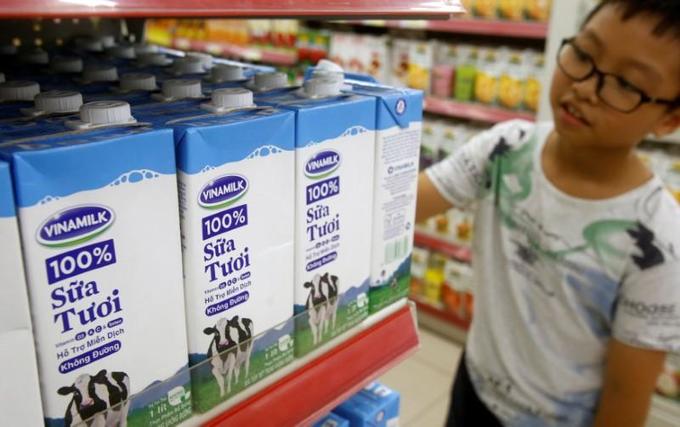
    Vinamilk’s bid to acquire a 49 percent stake in GTN Foods, which owns 51 percent of Moc Chau Milk, has been rejected. The board of GTN Foods passed a resolution turning down the public offer made by Vinamilk, Vietnam’s largest dairy company. It would have increased Vinamilk’s stake in GTNFoods from 2.32 percent to 49 percent.

    The offer was for 116.7 million shares at VND13,000 (56 cents) per share for a total value of VND1.5 trillion ($64.5 million).

    At the meeting March 23, the board was evenly split with three directors each supporting and opposing the Vinamilk bid. But the chairman Ta Van Quyen had the casting vote and he voted against the offer.

    In a report filed to the State Securities Commission, the company explained that Vinamilk is a direct competitor of Moc Chau Milk, one of its main subsidiaries.

    The acquisition and resulting 49 percent stake would have made Vinamilk a principal shareholder. GTN indirectly owns 51 percent of Moc Chau Milk through its subsidiary the Vietnam Livestock Corporation (Vilico).

    Besides, Vinamilk had only registered its public offer but had not written to GTNFoods about the plan, direction or strategy to contribute to the development of the company, it said. “They have not given us sufficient grounds to agree to the public offer.”

    Moc Chau has the biggest dairy farm in the north, and in recent years has been a major revenue earner for GTN.

    Vinamilk has a 58 percent share of the dairy market and Moc Chau, around 2.7 percent, according to international consumer statistics firm Kantar Worldpanel.

    Vietnam’s dairy industry reported revenues of more than VND100 trillion ($4.4 billion) in 2017, with Vinamilk commanding more than a 50 percent market share.

    According to a report by the EU-Vietnam Business Network, the market is expected to double in size by 2020 as the country’s population, personal incomes and dairy consumption increase.

  • Subway Launching online ordering platform

    Subway Launching online ordering platform

    Fast food chain Subway is planning to launch a mobile app and website to support online ordering by mid-2019. A Subway spokesperson told that the company is in the final stages of testing the platform before launching it in Australia.

    “Our app will allow our guests to order their favourite sub, salad or wrap from the convenience of their office or home, for collection at their local Subway restaurant,” the spokesperson said.

    “We are also looking at further opportunities to integrate our ‘Fresh’ sites with both social media and our app in the near future.”

    Subway recently unveiled a brand refresh to modernise its offerings and a new website that highlights key supplier stories and educates customers about the chain’s fresh ingredients. According to Subway, the “Real Fresh” website aims to give guests a look behind the scenes at some of the 80 local growers and suppliers who support the business from all over Australia.

    Ben Miles, senior manager for brand marketing at Subway, said the sandwich chain is a strong supporter of Aussie produce.

    “We’re committed to supporting farmers, growers and producers around the nation,” Miles said.

    “We wanted to shine a light on the incredible work they do, bringing the fresh factor to our restaurants multiple times a week.”

    Miles said many of the company’s customers are unaware that their fresh vegetables are sliced and prepared in-restaurant before serving, so this information is also shared on the site.

    “Subway was the pioneer of freshly prepared sandwiches,” he said. “We estimate we’re one of the largest national purchasers of fresh produce in Australia.”

    “Our guests understand that the provenance of our ingredients is important, and we’ve been making considerable changes to our menu to deliver the best possible quality ingredients for our subs, salads and wraps.”

    Subway supply partners include local Echuca tomato business, Kagome and Minto-based bakery, Suprima. It has also partnered with South-East Queensland farms.

    Subway’s Real Fresh website was recently awarded a Gold Ava Digital Award, an international competition recognising excellence in website design.

  • Pret-a-Manger owner JAB Holding in difficult position

    Pret-a-Manger owner JAB Holding in difficult position

    JAB Holding, the German owner of Krispy Kreme and Pret-a-Manger, has pledged to pay US$11.3 million to charity after the family-owned company’s ties to the Nazi party were revealed. The German newspaper uncovered a significant historical connection between the wealthy Reimann family and the Nazis. The Reimann forebears were ardent anti-semites and strong supporters of Hitler, and used both Russian and French slaves in their factories.

    JAB Holding recently divested the Jimmy Choo and Bally businesses to shift its focus from apparel to food. It also owns Green Mountain Coffee, Panera bread, Mighty Leaf Tea, Caribou Coffee, Jacobs Douwe Egberts, Einstein Bros Bagels and a 38-per-cent stake in cosmetics giant Coty, among other investments.

    According to the German newspaper report, back in the Hitler era, its factory workers were treated brutally, with female slaves forced to attend barracks checks naked – suffering beatings and sexual abuse as punishment for refusal.

    In a 1937 letter to SS leader Heinrich Himmler, Albert Reimann Jr – the father of the four Reimann family members who now own the businesses – wrote that his company was more than 100 years old, and that the owners at the time were unconditional followers of the race theory.

    “It is all correct,” family spokesman Peter Harf, who is one of two managing partners of JAB Holdings told. “Reimann Senior and Reimann Junior were guilty. The two men have passed away, but they actually belonged in prison.”

    The family has commissioned historian, Paul Erker of Munich University, to study its ties to the Nazi regime. Already four years in the making, more information will be released to the public when it is complete.

    The report was commissioned by the family because it wanted to better understand the extent of their past connection to the Nazi regime. They are currently the second richest family in Germany.

  • SFFA and RPB Asia Announce Inaugural SG Food TechWeek

    SFFA and RPB Asia Announce Inaugural SG Food TechWeek

    s part of this year’s Speciality & Fine Food Asia (SFFA) and Restaurant, Pub & Bar Asia (RPB Asia) 2019 trade shows held from 17 – 19 July 2019 at Suntec Singapore, we are pleased to announce the inaugural SG Food Tech Week.

    Held over three days, SG Food Tech Week, developed in consultation with Edelman Predictive Intelligence Centre, will bring together the top minds in food and beverage technologies and consultancies with policy makers to uncover key challenges and opportunities in this space.

    The keynote session and panel discussions will focus on topics like block chain and its impact on supply chain management, big data trends and smart manufacturing and how to balance the power of predictive technologies with consumer privacy.*

    Themes for each session will also be co-curated by SFFA and RPB Asia’s panel of Industry Ambassadors to ensure that the content is relevant and tailored to the specific needs of participants.

    In addition, start-ups and SMEs in this space will also be invited to showcase their latest technologies in the second installment of the highly successful investor pitching series PITCH!. The competition will focus on spotlighting the latest technological solutions and innovations that tackle pressing hospitality challenges, streamline workflow and address the need for sustainability in various food production processes. PITCH! will be split into two different tracks focusing on hospitality and production solutions on day one and sustainability on day two, providing contestants with valuable face time with industry heavyweights, investors and mentors.


  • Jollibee Malaysia makes debut

    Jollibee Malaysia makes debut

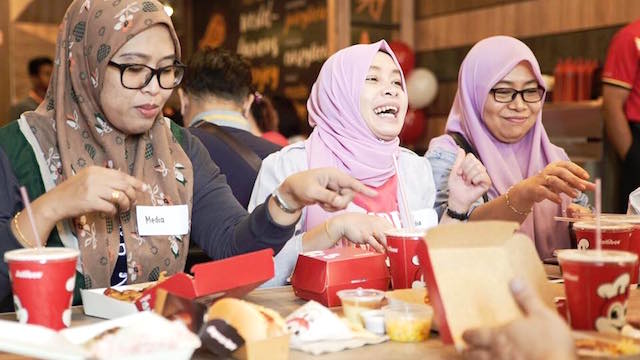
    Jollibee Malaysia has opened its first outlet – in the beachside city of Kota Kinabalu. CEO Ernesto Tanmantiong said opening in Malaysia marked a new chapter for the group.

    “We invite Malaysians to come and see for themselves why people line up for hours.”

    Jollibee Foods head of international business, Dennis Flores, said Jollibee is beloved throughout Asia, because it appeals to diverse tastes and cultures.

    “This has propelled us to become the fastest-growing Asian restaurant company, and we are thankful for the overwhelming support. It drives us to do better for our customers, and to continue to serve delicious food with our signature warm service.”

    The Jollibee Malaysia opening follows the brand’s recent expansion into London and Manhattan as its rapidly expands its global store network to surpass 4300.

    After making its debut in the capital of Sabah, Jollibee Malaysia plans further outlets in major cities across the country.

  • PopSquare pops up at Mong Kok

    PopSquare pops up at Mong Kok

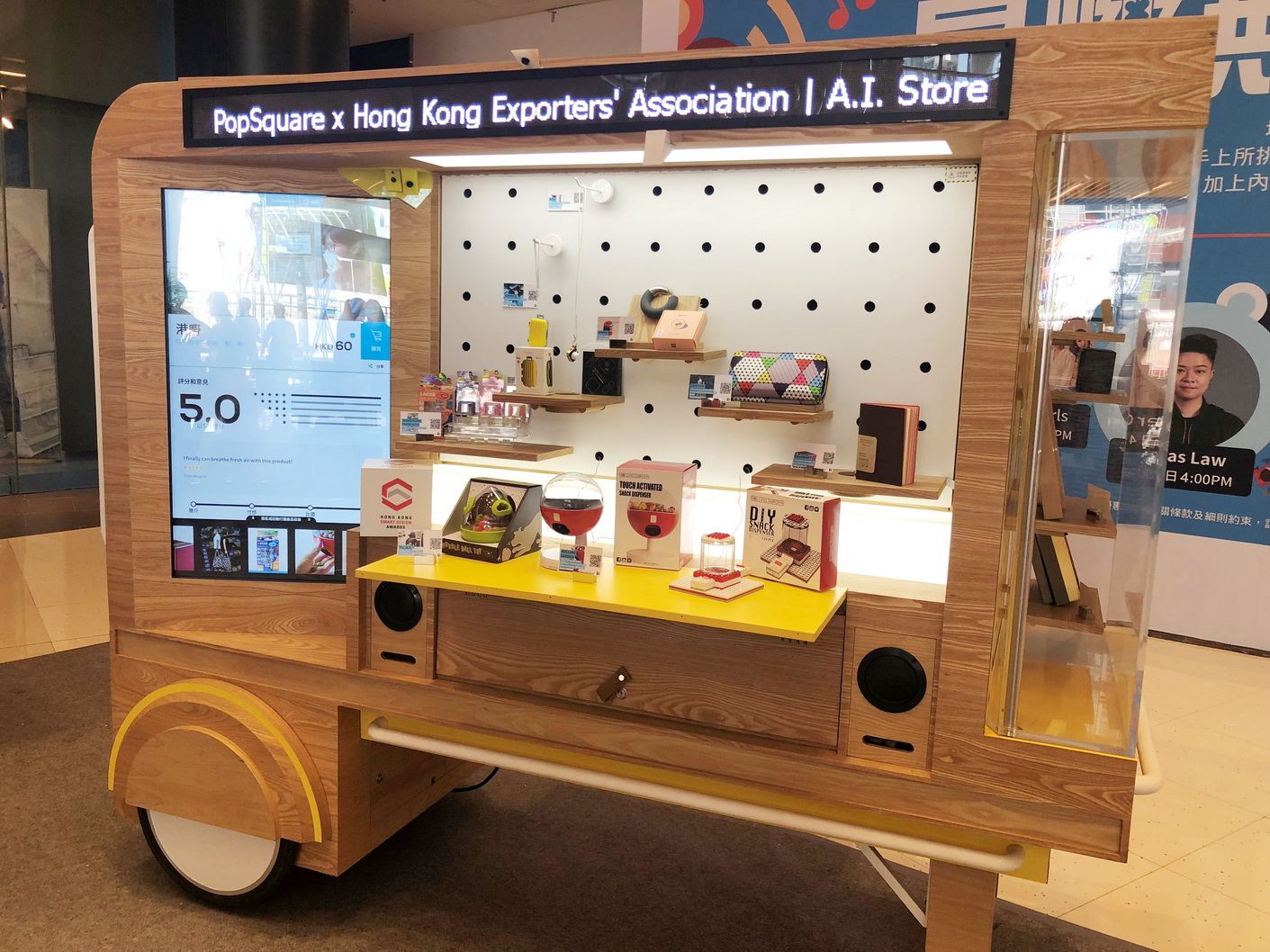
    AI pop-up store platform PopSquare is now installed at TOP Mall in Mong Kok.

    The kiosk, which stocks a variety of fashionable and designer international products targeted at young adults and couples, uses big data and AI technology to collect customer responses to products on sale.

    The Mong Kok PopSquare kiosk features a new interactive game – “Grab Grab Fun” – via the kiosk’s touch screen. The game serves to draw customer attention and increase engagement while building a customer database for future marketing and product pre-launch testing initiatives.

    PopSquare rotates at different locations from time to time to extend its reach to potential consumers.

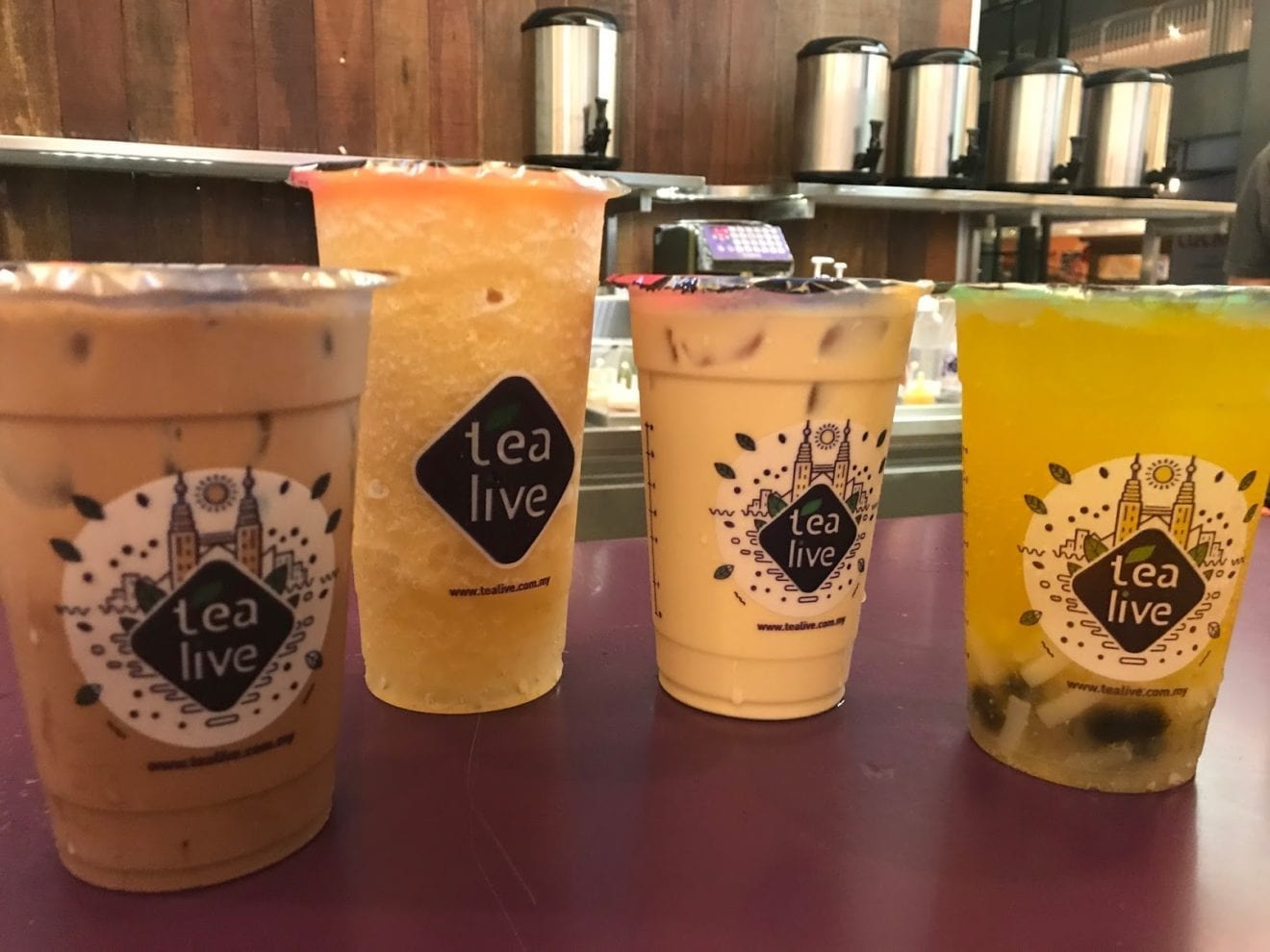
  • Tealive parent Loob Holding eyes on IPO

    Tealive parent Loob Holding eyes on IPO

    Tealive parent Loob Holding, is planning an IPO to fund ‘aggressive expansion’. The company is looking to open 1000 Tealive stores in 15 countries by the end of next year.

    Along with another 150 new outlets in India by 2024.

    China is still its focus market, with 500 more outlets to come after first outlet opened last November.

    Tealive has more than 200 outlets in its home market, seven in Vietnam, two in China, and one in Australia. About one third of these are operated by franchisees.

    Loob Holding CEO Bryan Loo said the company is building relationships with potential business partners in Japan, Indonesia, Myanmar, Mongolia, and the UAE, while Singapore is also in its expansion plan.

    Apart from Tealive, Loob also runs F&B franchises in Malaysia, including Gindaco, Croissant Taiyaki, Define:food, Define:burgers and Ko Ko Kai.

  • Sushi Sushi acquired by Odyssey

    Sushi Sushi acquired by Odyssey

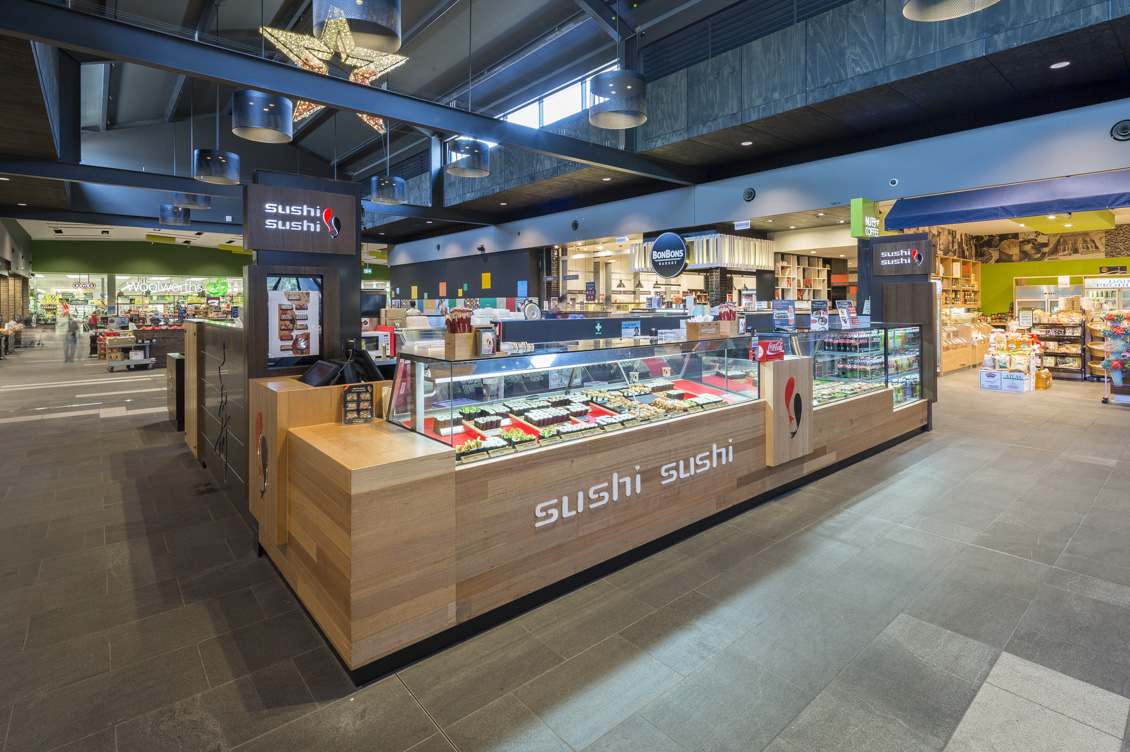
    Sushi Sushi has announced an expansion into New South Wales, and New Zealand, alongside an agreement to sell a majority share to Odyssey Private Equity. Founder Anna Kasman said she is confident the business will continue to prosper under Odyssey, and that she is grateful to its dedicated and passionate team and franchise partners.

    The acquisition is expected to be finalised by the end of the month, while the New Zealand store will open in May, followed by New South Wales store openings later in the year.

    Sushi Sushi chief executive Scott Meneilly said the team was very proud of what they had achieved with the Japanese food market business, and are looking forward to working with Odyssey moving forward to grow the business, signalling that “2019 is set to be very exciting.”

    Meneilly had previously indicated that the brand had intended to grow into New South Wales during 2018, and had formed relationships with potential partners across Malaysia, the UK, the US and Dubai in the lead-up to an international expansion.

    “When you take a brand overseas, you’re relaunching it and you need to get the nuances right within those regions,” Meneilly said.

    “What worked in Australia won’t necessarily work overseas, you have to tailor it. It takes an incredible amount of focus and resources to get it right.”

    Odyssey partner Paul Readdy said that the acquisition was a great change to work with the experienced management team, with executives who have previously held positions in Boost Juice and Retail Zoo.

    “The growth in demand for sushi and Japanese inspired food more generally is being driven by consumers’ demand for healthy and convenient meals,” Readdy said.

    “We believe that Sushi Sushi’s commitment to innovation, consumer experience and quality food will continue to fuel the company’s growth.”

  • Save More and Enjoy Delicious Food with OpenRice and Mastercard

    Save More and Enjoy Delicious Food with OpenRice and Mastercard

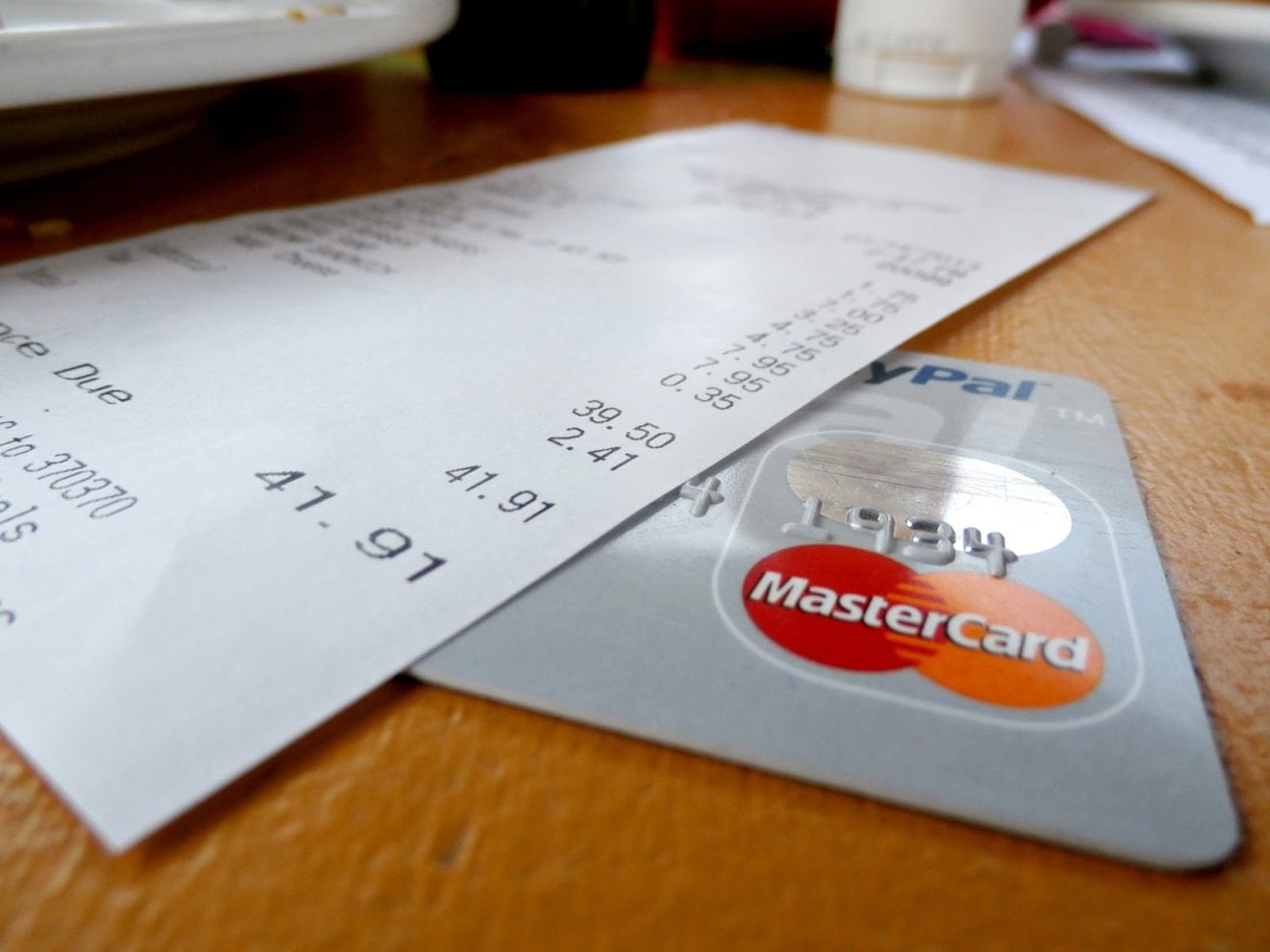
    Hungry? Dreading that lunch queue? Busy Hong Kong foodies never have to worry about waiting in line for food ever again! Pre-order and collect takeaways straight away with special discounts from OpenRice app using Mastercard!

    From now until June 30, 2019, Mastercard cardholders who register for the OpenRice takeaway service cansave up to HK$50 through discounts while having the best food options in Hong Kong at the palm of their hands1!

    • Upon registration using an eligible Mastercard, a HK$20 instant discount can be enjoyed by OpenRice members in their first transaction in the preorder takeaway service when paying with Mastercard.
    • The successful registrants can enjoy HK$15 discounts in both their second and third transactions, with orders above HK$40 under their OpenRice accounts, when selecting their registered Mastercard as payment method.

    Hurry! Fill yourself up with your favorite food and beverages from all over Hong Kong via Mastercard!

  • Disneyland for all things pasta

    Disneyland for all things pasta

    Five or six years ago, Australian retail pundits who’d visited the 50,000sqf Eataly Italian “food emporium” in New York (which opened in 2010), were breathlessly rhapsodising about it in presentations back home.

    My visit to its Munich outpost two years ago was pleasant but not earth-shattering. Still, the enterprise continues to march across the globe, currently with 40 locations across its core countries of Italy and the US, as well as Japan, Korea, Germany, Sweden, Russia, Brazil, Turkey and the Middle East, with further sites planned for Belgium, Hong Kong, South Africa, France, Canada, the UK and Australia in the “near future”.

    Eataly executive chairman Andrea Guerra told the Financial Times at the end of 2017 that the company was planning major expansion over the next decade and wanted to “have a store in every world capital”. Or maybe he was just talking the company up in advance of a theoretical IPO, which a potential overreach into theme parks may have derailed. Let’s take a look.

    Authentic or dumbed-down?

    For those not familiar with it – or somehow immune to past hype – Eataly is a large format/footprint Italian marketplace or food hall comprising a variety of upscale restaurants, food and beverage counters and delicatessens, bakery and other specialty food counters, a supermarket, other retail such as homewares and kitchen utensils, and a cooking school.

    Guerra defined its concept as “a complete emotional food experience where customers shop, eat and learn all about Italian food, all in a cross-selling approach”. Its strapline, Alti Cibi, translates literally as “high food” – which perhaps may go some way to explaining its perceived high prices, a continual source of aggravation on its Tripadvisor reviews.

    Eataly originally showcased a number of small and artisan companies operating in the food and wine sector, such as durum wheat pasta from Gragnano, mineral water from the Maritime Alps, Veneto and Piedmont wines, Ponente Riviera Ligure oil, Piedmont fassone meat, and traditional Italian cheese and cold cuts. In theory, Eataly offers “the best artisan products at reasonable prices” and says it creates a “direct relation between producers and distributors, focusing on sustainability, responsibility and sharing”.

    Despite its pun-in-English name, Eataly is not a US franchise. It’s actually Italian, and therefore in theory “authentic” although some Italians think it’s dumbed-down. It was founded in 2004 in Italy’s northern Piedmont region by Oscar Farinetti, an entrepreneur formerly involved in the consumer electronics business. In 2007 he converted a closed vermouth factory in Turin into the first location of Eataly.

    Fast forward to 2018 and Eataly has 40+ locations in the northern hemisphere and a 2017 revenue of €465 million ($737 million), a 20 per cent revenue increase on the previous year (7 per cent up in Italy, 48 per cent up in the US but primarily through lateral growth via new store openings) although its profits are negligible and variable. Like-for-like store growth statistics are hard to come by.

    Eataly was theoretically due to list on the Italian stock exchange in mid-2018 with a 33 per cent floating capital and a huge valuation (more than €2 billion). However it does not yet appear to have done so, and has been suspiciously “quiet” in new store openings in any market since early 2018.

    An educational dinner at the farm

    It appears ambition may have strangled the golden goose. In advance of a theoretical mid-2018 IPO, in November 2017 Farinetti and Guerra launched Fico Eataly World in the northern Italian city of Bologna, with at best mixed results and feedback.

    Dubbed the Disneyland of Pasta, Fico Eataly World was inaugurated by prime minister Paolo Gentiloni and claimed to be the world’s largest agri-food park. Its 20 acres contains three dozen restaurants, a gigantic market, farms and factories enabling visitors to see how products are made and processed, and a variety of “multimedia experiences”. It is intended to “unify Italy’s diverse food culture under one roof”. There is a multitude of pop-up-style stores selling Italian produce and kitchenware; six experiential educational pavilions; several classrooms, sports and play areas as well as a cinema and a 1000-capacity congress space. It is surrounded by several hectares of farm animals and vegetable plots. The project took four years to complete, at a cost of €120 million. It works with over 150 Italian companies, from relatively small to very large, and has created more than 3000 jobs.

    But inevitably it has its detractors, who denounce it as an American concept in search of an Italian home, and has had patchy performance.

    Forecast to bring in three million visitors a year, in 2018 in its first five months of operation it had brought in just 1.5 million. And only 1.8 per cent of them were foreigners versus a projection of 30 per cent. Reports suggested that on those initial numbers, it won’t meet the required breakeven of four million visitors a year.

    The site has been plagued by claims of isolation – the “culinary cathedral in the desert” is not readily accessible by public transport. It is now, apparently, investigating hotel and resort development to cater to the conference market. According to reports, it has laid off substantial numbers of staff.

    Where are the tourists?

    Either way, the question remains whether an American-style retail idea can work in Italy unless it’s substantially marketed to foreign visitors as a tourism (not retail) destination, and made readily accessible.

    It appears the substantial capital required for Fico Eataly World and its mixed performance have stalled its IPO.

    And regarding its Australian visions, it’s not as if the nation is bereft of Italian restaurants. Due to its sizeable Italian-heritage population, there are Italian eateries everywhere, both alti and not-so-alti. If and when Eataly’s food emporium returns to its retail roots and comes to Australia, it will be interesting to see how it caters to this market.
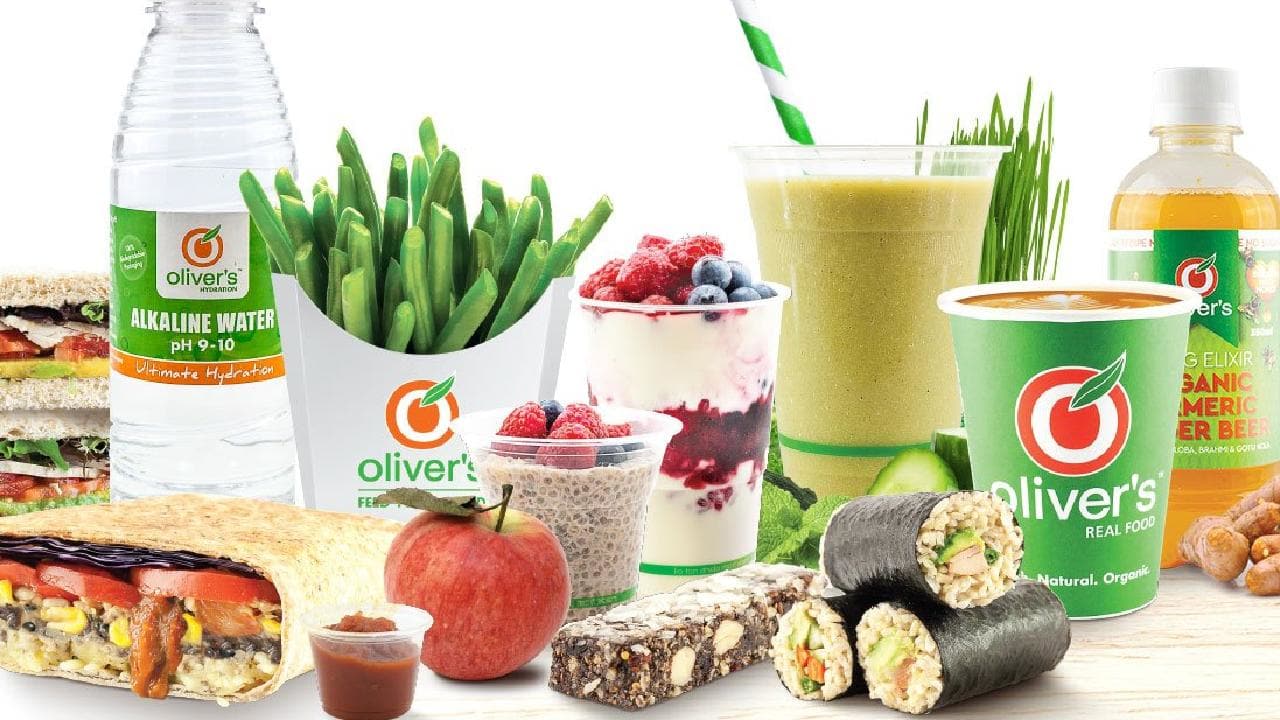
  • Oliver’s founder and former CEO takes up mantle again

    Oliver’s founder and former CEO takes up mantle again

    Less than a year after exiting Oliver’s Real Food, Jason Gunn is once again chief executive and an executive director on the board of the company he founded.

    The decision follows the departure of Gunn’s replacement, Greg Madigan, who resigned earlier this month after ten months in the role.

    The news drove up the business’s share price from 0.022 cents per share to 0.029 cents per share, a 31.8 per cent increase.

    The announcement was part of a broader leadership change that saw Nicholas Downer named chairman and non-executive director, Steven Metter named company secretary and non-executive director and Amanda Robson Gunn named operations manager and executive director.

    Downer said to shareholders that the brand’s head office had become bloated, and was no longer focused on performance at the cash register.

    After investigating the business’s expenditure, the incoming board found a weekly cash burn rate of approximately $100,000, as well as a number of fees related to consultants and advisors which have now been ceased.

    “The focus of the board and management will be to return calm and confidence to our employees, a relentless focus on implementing [our] cost savings…, returning the business to the successful formulae from it’s pre-IPO stage, all designed to increasing turnover and profits, and rebuilding shareholder value,” the chairman said in his address to shareholders.

    According to Downer, Gunn returns to the business “invigorated, relaxed and ready for this challenge.”

    “As founder and creator, Jason is undoubtedly the right person to drive the business through this turnaround process, as he did while Oliver’s grew at the rate it did over the last 10 years,” Downer said in a note to investors.

    The changes come after Oliver’s suffered a difficult holiday period, having dropped its expectations for the remainder of the year to an EBITDA loss of between $1 and $4 million.

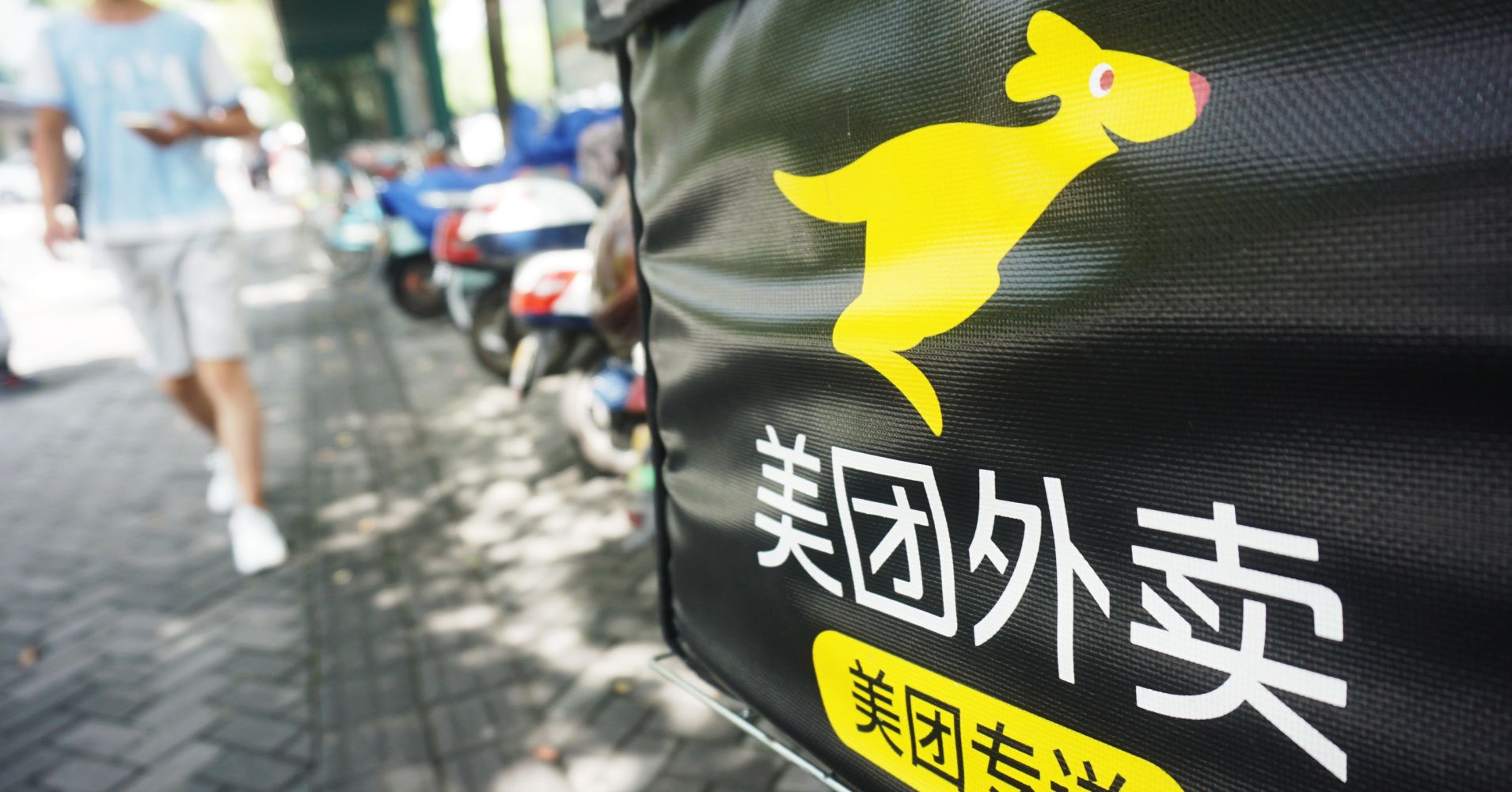
  • Meituan Dianping nearly doubled revenue

    Meituan Dianping nearly doubled revenue

    China’s Meituan Dianping, the world’s largest food-delivery service, nearly doubled its revenue last year, but the tech startup is still bleeding cash.

    In the second set of results since its high-profile IPO, Meituan Dianping reported total revenues of RMB65 billion (US$9.68 billion), up 92.3 per cent on its 2017 result. Gross profit rose to RMB15.1 billion ($2.25 billion), but its adjusted net loss blew out to RMB8.5 billion ($1.27 billion).

    In its results statement, the company said strong revenue growth was achieved across all major business segments and its food-delivery business and in-store, hotel and travel segments on a combined basis generated positive adjusted operating profit.

    Total gross transaction volume grew by 44.3 per cent to RMB515.6 billion and the number of annual transacting users rose from 309 million to 400.4 million last year.

    The losses have been incurred by new services including ride-hailing and bike sharing.

    During the last year, Meituan Dianping has been boosting its customer base by targeting internet users who have not previously used food-delivery services from an online platform. It also launched a rewards program to maintain customer loyalty and incentivise user referrals through social media platforms.

    “In addition, through creating more diversified service categories, consumption scenarios and upgrading marketing programs, we increased users’ transaction frequency and further boosted transaction volume growth,” the company said in a results filing.

    “We continued to expand the service categories on our platform to include breakfasts, afternoon tea and midnight snacks. Delivery volume of fast food, snacks, desserts and drinks achieved strong growth during last year.”

  • Feel International brings Myanmar cuisine into Thailand

    Feel International brings Myanmar cuisine into Thailand

    Myanmar restaurant chain Feel International is set to open in Thailand. Opening in the popular Bangkok tourist area of Pratunam on Thursday (January 24), the group intends to introduce Myanmar cuisine to Thai consumers and foreigners.

    “At present, many restaurants are attempting to cater to the needs of tourists from China, however there are eight flights to Bangkok from Yangon every day, and there are tens of thousands of Myanmar citizens working and studying there, so there is a potential market for Myanmar cuisine”, said Feel International operations director Ko Johnny.

    “This is the very first Myanmar restaurant opened in a foreign capital city. Bangkok is one of the biggest restaurant markets in the world. It offers a wide variety of cuisine, even something as exotic in Asia as Ethiopian. Bangkok is the first step for Myanmar traditional food to penetrate the international markets”, he said.

    The restaurant intends to serve lunch boxes with Myanmar favourites for Myanmar people working in companies and offices around the area.

    Discussions are being held to open further restaurants in Chiang Mai and Mesauk.