Tag: Food

  • Foodstuffs Allowing customers to bring own containers

    Foodstuffs Allowing customers to bring own containers

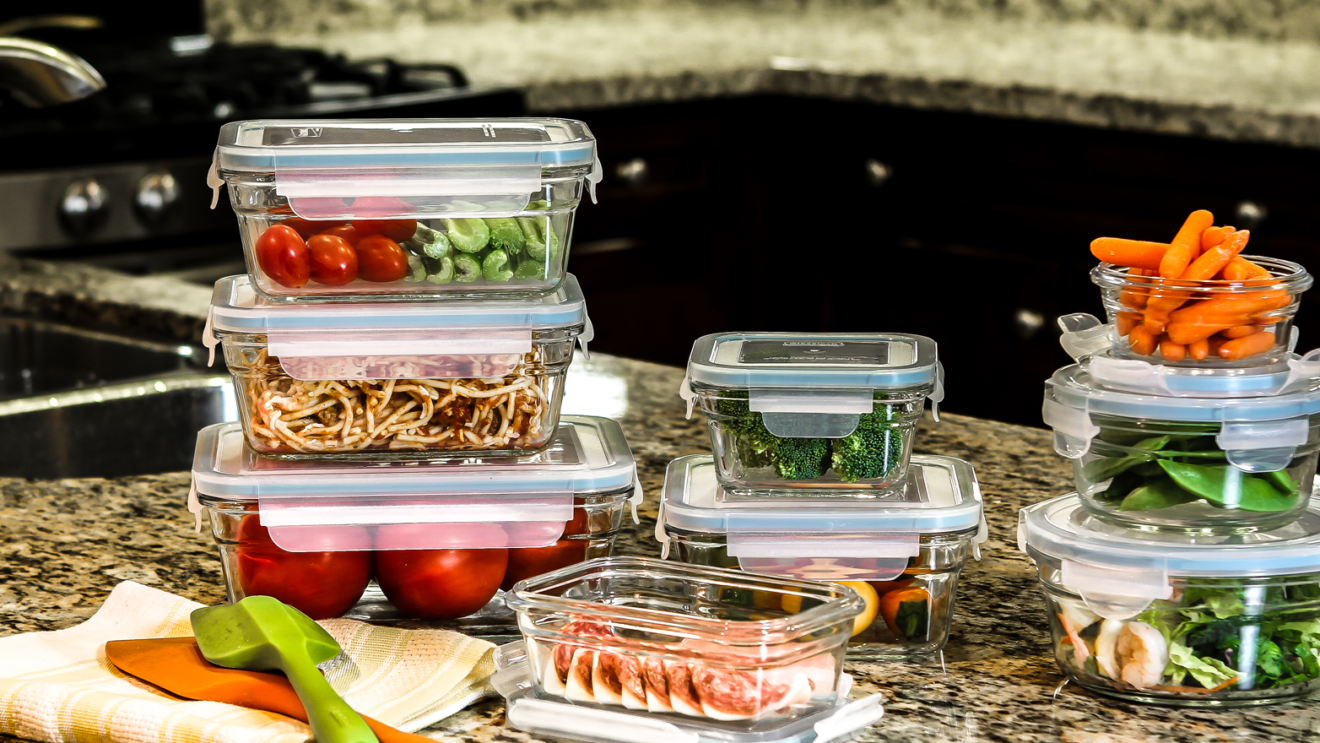
    Supermarket chain Foodstuffs will soon allow customers to bring their own containers to use for seafood, over-the-counter butchery, delicatessen and bakery items in an effort to eliminate waste.

    The BYOC (bring your own container) policy will be made available at Foodstuffs supermarkets and Foodstuffs-affiliated stores, including New World, Pak n Save and Four Square North Island stores.

    The policy will kick off on June 1 but will be launched in New World Long Bay a bit earlier, as its new store opens on May 28 in Auckland.

    Mark Casey, group manager of regulatory services at Foodstuffs North Island, said the company ran successful trials at several stores where it worked out what rules need to be followed.

    “Food safety is a top priority, so making sure our customers’ groceries aren’t compromised through poor hygiene is very important,” Casey said.

    According to Foodstuffs, the service is only available at counter departments so that stores can check containers and make sure they are fit for purpose and clean, and that the weight of the container can be subtracted from the weight of the product being purchased.

    “Many people don’t realise that products must be sold minus the cost packaging might add to a product,” Casey said. “That’s why we restrict BYO to counters where we can subtract the weight of the container and produce a price label for the cost of the product only.”

    This means that products from bulk bins, for now, won’t be included.

    “We have to make quite significant changes to the way we operate to take the BYO option storewide, but this new policy in our counter areas is a major step towards zero waste.”

    The supermarket chain said encouraging customers to reuse containers is just one of the many initiatives it has underway to help reduce New Zealanders’ environmental footprint.

    “We’ve given away millions of reusable shopping bags, we encourage customers to bring reusable produce bags, we’re trialing home compostable produce bags and now we’re inviting people to bring their own containers. It all adds up to reducing packaging waste,” said Mike Sammons, head of sustainability at Foodstuffs.

    Sammons said reusable bags and boxes may soon be in the works after the company’s previous initiatives to cut out plastic in-store, such as its ‘food in the nude’ campaign in produce, a new and exclusive eco-store refillery in its New World Durham Street in Christchurch and the use of new products for wrapping pallets.
  • Aeon opens first Supermarket in Myanmar

    Aeon opens first Supermarket in Myanmar

    Japanese retailer and mall operator Aeon has launched its first hypermarket in Myanmar.

    The 2800sqm store is triple the size of its 14 existing supermarkets in Southeast Asia and its first hypermarket in the region. Opened in the capital city of Yangon, it sells household items as well as food. It also features a microfinancing service for shoppers.

    The move is a response to the growing retail sector in Myanmar, which Aeon has been pursuing since its 2016 joint venture with local partner Creation Myanmar Group.

    The hypermarket includes a large home-appliance sales space and a 70sqm dining area.

    “There is further room to increase the number of stores in Myanmar as the country is still short of modern retail space,” said Aeon Orange’s GM of administration Masayasu Isozaki.

    Aeon currently operates 74 stores in Southeast Asia, with shopping malls and supermarkets in Cambodia, Indonesia and Vietnam.

  • Coles reshaping 200 stores around convenience

    Coles reshaping 200 stores around convenience

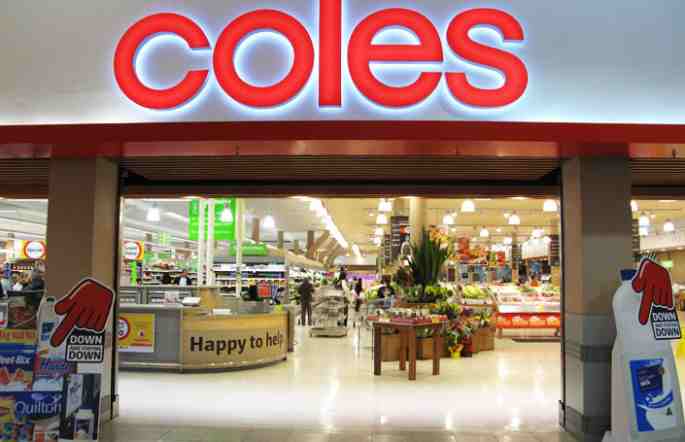
    Coles is ramping up its convenience strategy, with a plan to grow sales on the back of “food-for-now” and “food-for-later” products. As part of this strategy, the brand will convert around 200 Coles supermarkets to a more premium, convenience-focused format, as shift 200 lower-volume stores to a more value-centric format, while adding around 75 new product lines to its existing range for ready-to-eat meals – such as breakfast foods, curries, soups, roast vegetables and stir-fry kits.

    According to the report, Coles chief executive Stephen Cain sees an opportunity through this strategy to grow another billion dollars in sales over the next five years.

    “It’s high growth and it mainly happens outside supermarkets at the moment,” Cain told.

    “Some of it will come from other players in the convenience market, but because it’s value-added it’s also growing the market as well.”

    Cain previously told analysts that the brand was changing rapidly in the space, but was still lagging behind the competition.

    “We are growing our baskets, and we are growing our transactions. We believe that we can do a better job with the convenience customers, and we’re setting up the business to do that going forward,” Cain said.

    Coles’ focus on convenience is not surprising, given the number of partnerships it has forged with third parties, since splitting from former-parent company Wesfarmers in late 2018, to ensure customers can get its products how they want when they want.

    Deals with online marketplace eBay and meal-delivery service Uber Eats are other incentives for Coles to improve its food-for-now and food-for-later offerings by allowing several pillars of the business to utilize the expanded range.

    “Making life easier for our customers means enabling our customers to fulfill their shopping needs ‘anytime, anywhere’,” a Coles spokesperson said.

    “We know our customers’ needs are changing rapidly and we are evolving our offer accordingly.”

    The convenience market is growing rapidly in Asia Pacific, with the region having been named the “largest and fastest-growing” convenience market in the world in a report by GlobalData.

    According to GlobalData retail analyst Honor Strachen, the changes being seen in the region’s convenience offers, such as those outlined by Coles, have been improving store sales and profitability at a time that retail space is becoming more expensive, and margins are increasingly under pressure from inflation and discounting.

  • Venture Capitalists invests in Vietnam’s Pizza 4Ps

    Venture Capitalists invests in Vietnam’s Pizza 4Ps

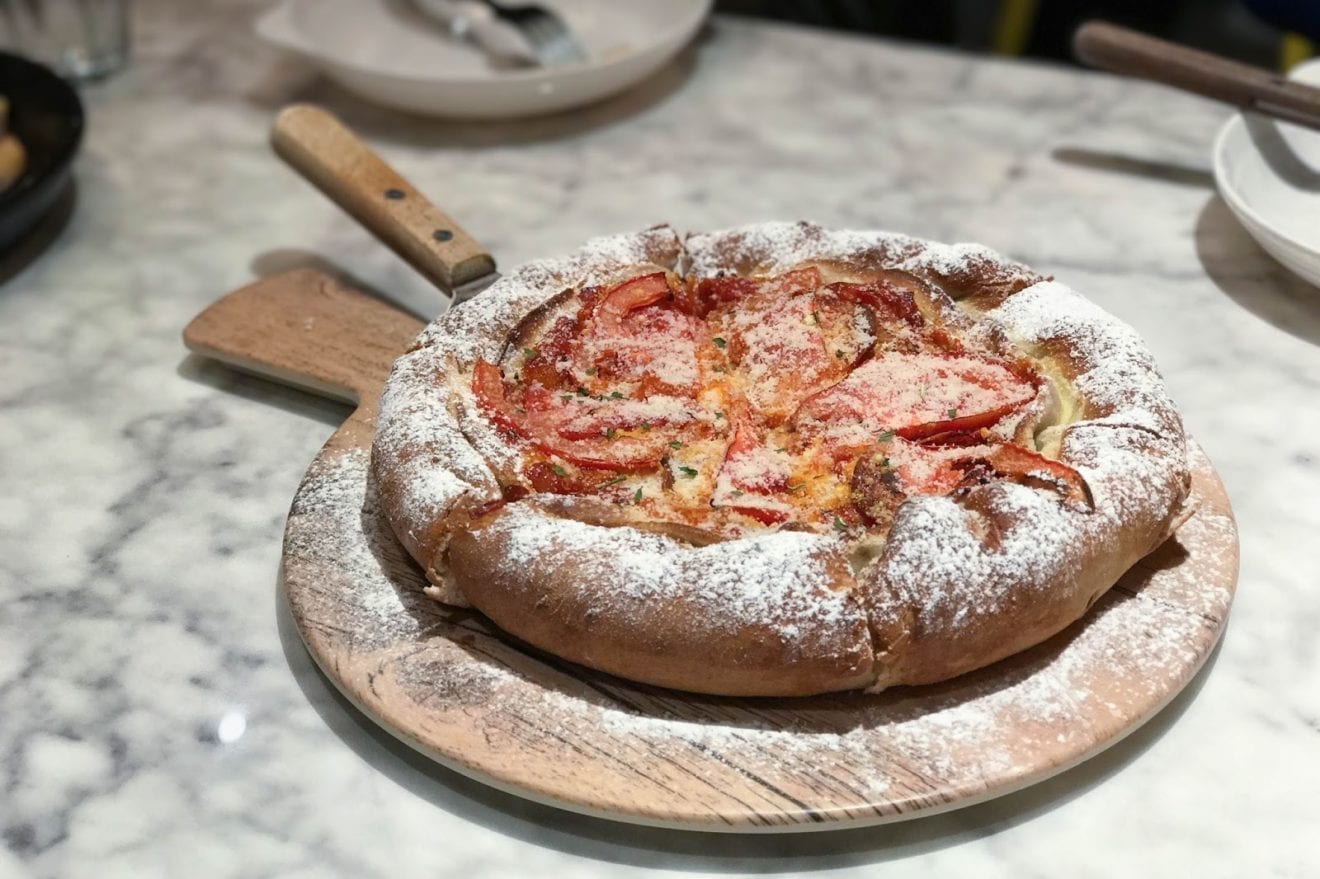
    Private-equity firm Mekong Capital has invested in Vietnamese pizza franchise Pizza 4P’s via the Mekong Enterprise Fund III.

    The franchise was set up in 2011 by Japanese owners and has grown its network of locations to 11 stores nationwide serving more than 4700 customers per day. The company has also developed a fledgling line of packaged consumer goods, such as specialty cheeses.

    “We are incredibly excited to partner with Pizza 4P’s,” said Mekong Capital founder Chris Freund. “Not only because we are huge fans of their product and see the potential for the brand to grow considerably, but also we are very inspired by the vision of the founders, Masuko and Sanae.”

    Mekong Enterprise Fund III currently has US$112.5 million in committed capital. Pizza 4P’s is the ninth company to receive investment from the fund.

  • American burger chain Five Guys to open Restaurants in Singapore

    American burger chain Five Guys to open Restaurants in Singapore

    American burger chain Five Guys is to open in Singapore later this year.

    According to an unidentified F&B industry source, the chain also plans to open in Malaysia.

    The Singapore branch will be Five Guys’ second outlet in Asia, following the one which opened in Hong Kong last November.

    Founded in 1986, Five Guys runs more than 1500 outlets in America, Europe, and the Middle East. It also plans to expand into the UK.

  • New outlets boost Koufu Sales

    New outlets boost Koufu Sales

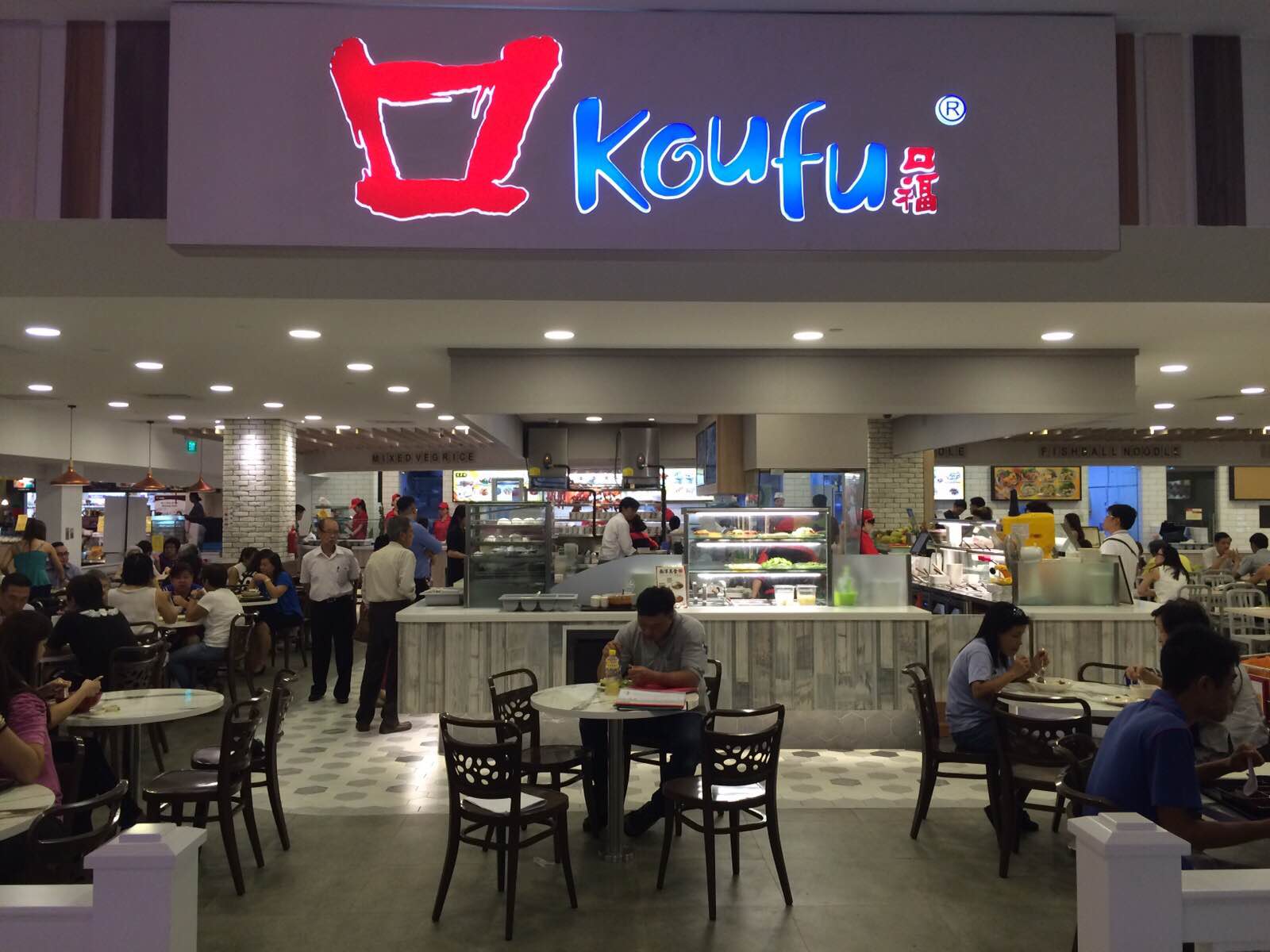
    Singaporean food court and coffee shop management firm Koufu has reported 12.3 percent net profit growth for this year’s first quarter to S$7 million (US$5.13 million) on higher contributions across its business segments.

    The growth in net profit outpaced the 4.9 percent growth in Q1 revenue to $57.8 million compared to $55.1 million during the same period last year.

    “We are pleased to have achieved a strong start for the year,” said Koufu’s executive chairman and CEO Pang Lim. “We remain firmly focused on the expansion of our market share in food courts and coffee shops, growing our F&B concept stores, and bringing new food options and varieties to consumers both locally and in the region, leveraging on our distinct portfolio of brands.

    “We are encouraged by the strong reception of our R&B Tea brand and will continue to nurture this fast-growing brand in Singapore and in the region. Overseas, we have opened our second tea-beverage kiosk at Macau University this quarter and are currently negotiating terms with potential partners to operate both the R&B Tea and Elemen brands abroad. In Singapore, we will continue to seek and secure new premises to expand the number of F&B outlets in pursuit of sustainable growth.”

    Koufu’s synergistic business segments – outlet and mall management as well as F&B retail – both registered increased contributions during the period. The outlet and mall management segment, which contributed 51.4 percent of the group’s revenue, achieved a 9.2 per cent rise in segment revenue during the period. F&B Retail, which contributed 48.6 percent of the group’s revenue, saw a 0.7 percent growth to SGD28.1 million. The improved performance from both segments was due to new openings and overall robust revenue growth from all outlets that outweighed store closures during the quarter.

    The group’s islandwide network numbers 49 food courts, 15 coffee shops, a hawker center and a commercial mall under the outlet and mall management segment, while the F&B retail segment constitutes 73 self-operated F&B stalls, 16 F&B kiosks, eight quick-service restaurants, and three full-service restaurants.

  • Hydro Flask Starts in Hong Kong

    Hydro Flask Starts in Hong Kong

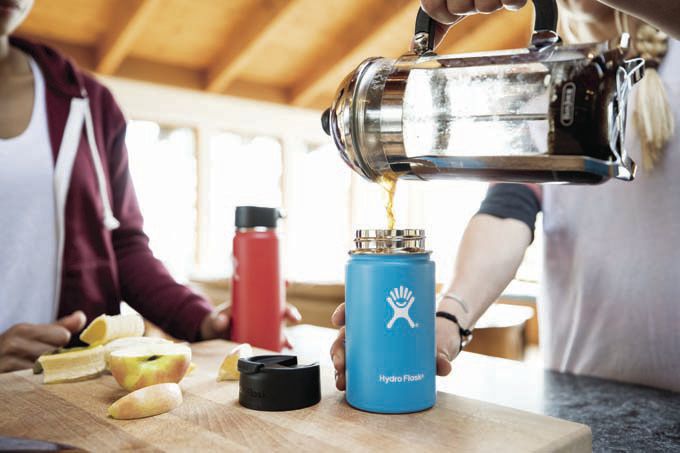
    Hydro Flask, the US brand of high-performance, insulated stainless-steel flasks targeting the outdoors market, has launched in Hong Kong.

    From this month, Hydro Flask products are being sold by Hong Kong retailers through an expansion of the company’s partnership with the Primer Group. Products will be stocked through outdoor and sporting goods retailers, lifestyle stores, travel retailers and gourmet grocers.

    “We’re excited to expand our strong relationship with Primer to bring Hydro Flask to Hong Kong. It’s a key part of our global expansion and influences markets beyond Asia,” said Mike Wallenfels, VP of global sales at Hydro Flask.

    The brand’s launch is timely as growing numbers of Asian consumers are purchasing reusable containers in preference to single-use plastic and paper cups, for environmental reasons.

    The company produces containers suited to cold drinks, coffee, beer, wine and food, along with backpacks, casual clothing and accessories.

    Hydro Flask is a subsidiary of listed company Helen of Troy Limited.

  • Hong Kong Restaurant Profits Rise

    Hong Kong Restaurant Profits Rise

    Retail sales may be down but Hong Kong restaurant sales rose by 3 percent in the first quarter of this year.

    The Census and Statistics Department (C&SD) provisionally estimates the value of restaurants receipts at HK$31.5 billion, while the value of purchases by restaurants increased by 3.1 percent to $10 billion.

    After netting out the effect of price changes over the same period, the provisional estimate of restaurant receipts rose by 0.5 percent compared with a year earlier.

    By comparison, Hong Kong retail sales for the quarter fell by 1.2 percent.

    Analyzed by restaurant type, Chinese restaurant sales decreased by 0.6 percent in value and by 2.7 percent in volume. Total receipts of non-Chinese restaurants increased by 4.8 percent in value and by 2.4 percent in volume. Fast food shop sales rose by 5.8 percent in value and by 2.8 percent in volume.

    Sales in bars rose by 2.6 percent in value and by 0.4 percent in volume, while “miscellaneous eating and drinking places” saw sales rise by 11.2 percent in value and by 7 percent in volume.

    C&SD also released figures for restaurant receipts and purchases for each month during the quarter. Receipts rose by 6.7 percent in January, by 0.8 percent in February and by 1.4 percent in March, compared with the same months last year.

    However, after factoring in inflation, it estimated restaurant sales rose by 3.8 percent in January but decreased by 1.3 percent in February and by 1 percent in March.

  • Kerry Logistics Expands Food Cold Chain Business in China

    Kerry Logistics Expands Food Cold Chain Business in China

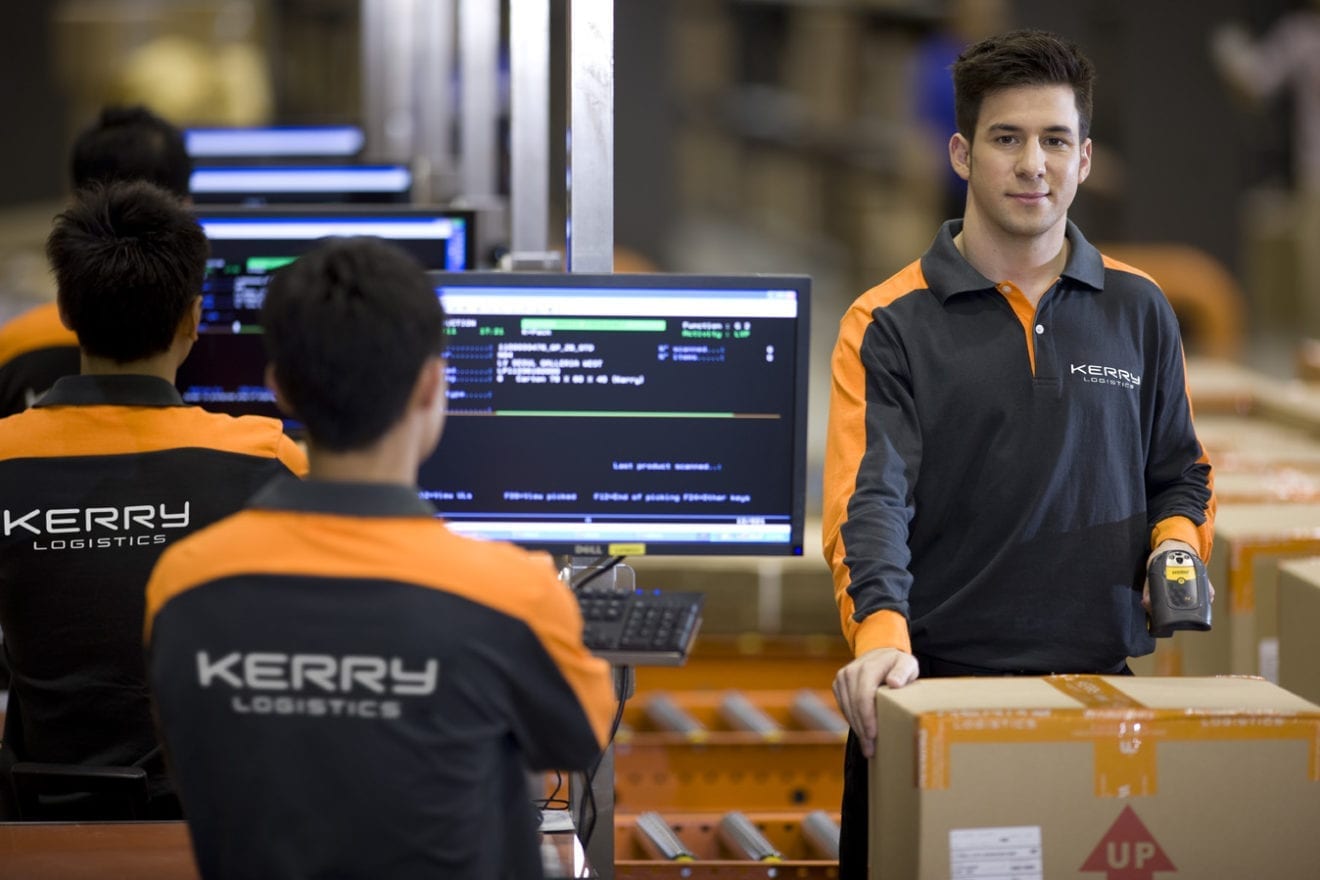
    Kerry Logistics Network Limited (‘Kerry Logistics’; Stock Code 0636.HK) has expanded its food-related cold chain capability in mainland China through the establishment of Kerry Cold Chain Solution Ltd (‘Kerry Cold Chain’), to tap into the fast-growing domestic market of niche food products.

    Kerry Cold Chain is a joint venture company formed with Shanghai Zhizhen Logistics Co Ltd (‘Zhizhen Logistics’) in which Kerry Logistics holds the majority interest. It provides comprehensive integrated cold chain logistics solutions from upstream to downstream. 

    Using self-owned cold chain facilities and partnering with local expertise, Kerry Cold Chain will handle a wide range of food products, from raw ingredients to dairy product additives.

    Edwardo Erni, Managing Director – China and North Asia of Kerry Logistics, said, “The market for food-related cold chain logistics in mainland China is immense with enormous growth potential. There is also ample room for technological growth to reach international standards.

    “Intending to fill a gap in the market, we welcome the collaboration with Zhizhen Logistics, which marks an important strategic step for Kerry Logistics to extend its footprint in the domestic cold chain logistics market, enhancing our service offerings and competitiveness.”

    Kerry Cold Chain currently operates more than 1 million sq ft of ambient and cold chain facilities in China, including a temperature-controlled facility of over 50,000 sq ft in Shanghai featuring automated storage and retrieval systems.

    Founded in 2008, Zhizhen Logistics serves the logistics needs of both domestic and international customers from locations across China including Beijing, Tianjin, Wuhan, Guangzhou, and Shenzhen. It commands a 90% market share for imported food essences in the Shanghai region.

    With a wealth of experience in cold chain logistics, Kerry Logistics offers seamless F&B solutions with complete cold chain integrity to food chain stores and restaurants in Hong Kong as well as hypermarkets and frozen food retailers in Taiwan.

    The Group also runs cold chain facilities of 70,000 sq ft in Oceania, serving supermarket chains, convenience stores, independent retailers, and food importers.

  • Dosa Hut opens first Gold Coast Restaurant, Australia

    Dosa Hut opens first Gold Coast Restaurant, Australia

    Indian restaurant chain Dosa Hut has opened its first Gold Coast store at Crestwood Plaza in the central part of the region. The 165sqm store in Molendinar will offer both dine-in and takeaway options.

    The Melbourne-based chain, which already has restaurants across Victoria, New South Wales, and the Australian Capital Territory, said the Gold Coast store is the 20th location for the group.

    Tanaka Jabangwe, Knight Frank associate director of retail leasing, negotiated the five-year lease. He said Dosa Hut had been looking for the right opportunity to open a store in the growing Gold Coast region for some time before leasing the Crestwood Plaza space.

    “Dosa Hut was seeking a central location in a suburban catchment with ease of access to major road networks, and Crestwood Plaza fit the bill in every aspect,” Jabangwe said.

    “The convenience center is situated on Olsen Avenue, which is a very busy thoroughfare with plenty of traffic passing estimated at circa 57,000 cars daily, which offered great exposure for the restaurant.”

    A Dosa Hut spokesperson said the location offered a perceived geographical center to serve both the northern catchment and parts of southern Gold Coast with ease.

    “We are confident in our food and believe the Gold Coast will appreciate the quality, authentic Indian food we have on offer.”

    Crestwood Plaza convenience center fronts the Crestwood Heights residential estate is adjacent to Bunnings Warehouse and opposite Griffith University’s future development land.

    The center features over 190 car parks, a full line Supa IGA as an anchor tenant and 17 other specialty stores.

  • Deliveroo appoints Susana Voces as new Vice President for Restaurants

    Deliveroo appoints Susana Voces as new Vice President for Restaurants

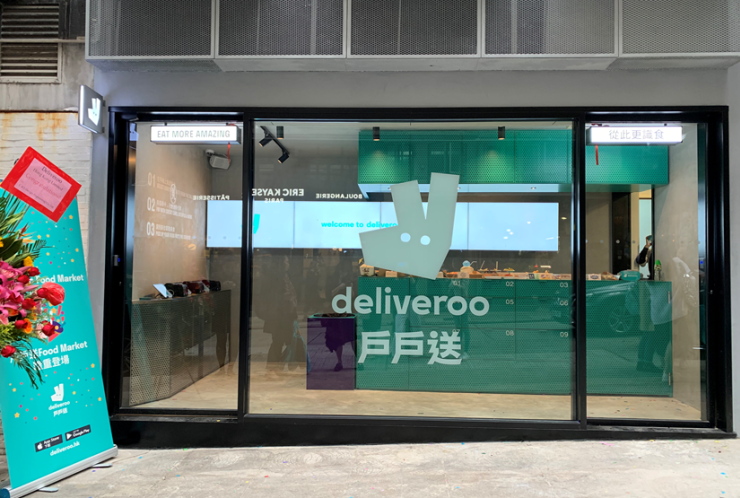
    Deliveroo has appointed Susana Voces to be the company’s new Global Vice President for Restaurants. This comes as Deliveroo has expanded rapidly across the world, now in 14 markets and working with 80,000 restaurants.

    Mrs Voces will be working in Deliveroo’s London HQ and brings a huge amount of experience to this vital role. Mrs Voces was previously the General Manager for Ebay Italy and Spain. In these roles she reinforced the company’s position in both countries, achieving a high level of notoriety for the marketplace platform and consolidating a business of 7.5 million active users and 40,000 professional sellers.

    Before then Mrs Voces was Country Manager for Ebay Marketplaces in Spain and Head of Merchant Services for PayPal in Spain and Portugal. Experience in these roles, as well as having worked at Ericsson for seven years and has a Masters in Business from Harvard, mean Mrs Voces will help Deliveroo continue to improve its offer to restaurants.

    Restaurants that work with Deliveroo are able to reach customers they otherwise would be unable to and see their revenues increase by up to 30%. In 2019 Deliveroo is committed to being the partner of choice for restaurants in all markets. The company and Mrs Voces’ priorities for restaurants will be:

    • Innovation. Deliveroo helps restaurants create Virtual Brands – completely new brands run out of restaurants’ kitchens, increasing choice for consumers and sales for restaurants. Deliveroo’s Editions delivery-only kitchens enable restaurants to expand to places they otherwise wouldn’t be able to as they reduce the cost and the risk for partners. Deliveroo will continue to roll out innovations that help restaurants extend their menus and reach a wider customer base.
    • Data insights. Deliveroo has unique insights on how restaurants’ delivery services perform. Restaurants can use this via Deliveroo’s ‘Restaurant Home’, which provides data on performance, to learn how to improve their service and understand where their competitors have an advantage.
    • More freedom on the platform. Deliveroo’s ‘Marketer’ gives restaurants greater freedom to launch their own discounts and promotions on the platform. Restaurants get 30% more orders when they run an offer with Marketer, on average.
    • Marketplace+. Deliveroo is uniquely enabling restaurants to fulfill orders either with their own rider fleets or though Deliveroo riders. This service, ‘Marketplace+’, dramatically extends the delivery service restaurants are able to offer while improving delivery times.
    • Increased selection for consumers. Deliveroo has enabled consumers to be able to order from further afield; at the end of last year, customers could on average see double the number of restaurants they could see at the beginning of the year. This increases overall order volumes on the platform, benefiting all partners.

    Susana Voces said, “This role is hugely exciting. Deliveroo is a company with huge potential. There are so many amazing restaurants out there, from household name chains to innovative street stalls, and we want everyone to be able to order whatever they want whenever they want it, catering for every occasion. This is a great, ambitious company and I can’t wait to get stuck in. Everything we do will be about supporting restaurants and helping them to grow, making their food available to as wide an audience as possible.”

    Brian Lo, General Manager of Deliveroo Hong Kong, said, “Deliveroo has always led the way in bringing new innovations to local food sectors and it is great that Susana is joining to help us continue to improve the support we offer to restaurants. She has huge experience and talent and will help the team ensure we are offering customers and restaurants the best possible food experience.”

  • Burger King slammed for ‘racist’ ad promoting Vietnamese burger

    Burger King slammed for ‘racist’ ad promoting Vietnamese burger

    The clip shows several people tying and failing to eat a burger with large, red chopsticks. A caption accompanying the video read “Take your taste buds all the way to Ho Chi Minh City with our Vietnamese Sweet Chilli Tendercrisp.”

    The video, shared by Maria Mo via the account @mariahmocarey, has received more than 2.7 million views. Mo told that she shared the clip as she was tired of large corporations portraying Asians in an offensive manner.

    “I could not believe that such a concept was approved for such a big, well-known company. It says a lot about what kind of demographics they must employ across the board for their ads.”

    Other social media users were quick to slam the fast foot retailer for making fun of a utensil that has been used across Asia for thousands of years.

    Viet Thanh Nguyen, the Pulitzer Prize-winning Vietnamese-American novelist, shared the clip with the comment “What’s worse, this ad or using chopsticks in your hair?”

    The advertisement was later removed from all of Burger King NZ’s social media platforms.

    Respond to the controversy, Burger King released a statement, saying: “The ad in question is insensitive and does not reflect our brand values regarding diversity and inclusion. We have asked our franchisee in New Zealand to remove the ad immediately.”

    Burger King New Zealand’s Chief Marketing Officer James Woodbridge expressed regret.

    “We are truly sorry that the ad has appeared insensitive to our community. We have removed and it certainly does not reflect our brand values around diversity and inclusion.”

    Burger King entered the Vietnamese market in 2011 but has struggled to win over local consumers. The firm hoped to have 60 outlets in the country by 2016, but as of 2018 had only 11.

  • HelloFresh to monetise Tasty Perks

    HelloFresh to monetise Tasty Perks

    HelloFresh has launched a new in-box sampling service called Tasty Perks, which allows brands to test new products on the meal kit company’s customers for a fee.

    The in-box advertising program creates a new revenue stream for HelloFresh and gives it additional insights into its customer base. For food and beverage brands, it presents an opportunity to bypass the supermarket shelf and reach customers in their kitchens.

    “Our in-box sampling breaks through the clutter of all other marketing forms because it enables customers to try new brands risk free,” David Williams, HelloFresh senior manager of loyalty and partnerships, said.

    “We generally ask for at least two samples per box to ensure the products get a change to resonate with our customers. To support, we also offer an in-box flyer and social media amplification as part of the package.”

    Customers are incentivised to complete a tailored questionnaire to gain their feedback on products, which HelloFresh’s data analysts can analyse.

    HelloFresh claims to have served 2.04 million active customers worldwide during Q4 2019.

    A HelloFresh spokesperson told this service is offered in other markets, but has been refined over the last six-months to give the best experience in Australia.

  • New Zealand Food Basket launches Tmall Store

    New Zealand Food Basket launches Tmall Store

    Some of New Zealand’s most popular food and beverage brands now have direct access to Chinese customers through a new flagship on the online marketplace, Tmall.

    The online flagship, which opened last week, is the result of a joint venture between Tmall Fresh and New Zealand Food Basket Ltd, a consortium of 18 food and beverage brands.

    “It will significantly improve our reach and shorten the supply chain in a way that each brand couldn’t achieve alone,” Nicola O’Rourke, chairperson of the consortium, said.

    Nine brands were available for sale at launch – Babich, Vogel’s, Rockit, Future Cuisine, Pāmu, Zealong, Fiordland Lobster and Oha Honey – while the remaining nine brands are set to begin selling on the marketplace in June.

    They include Zespri, Sanford, Lewis Road Creamery, Kāpiti, Sealord, Alliance, Shott Beverages, Wild Catch and Cherri.

    Tmall is owned and operated by Alibaba, China’s biggest e-commerce company, with nearly 700 million monthly active users.

    The flagship store is expected to boost awareness of the brands in a market where demand for New Zealand products is high, but it can be difficult for even big companies to get cut-through.

    “Together, we want to help these brands deepen their engagement with the Chinese consumer, so shoppers in China can gain a greater appreciation of the premium high-quality products that New Zealand offers,” Maggie Zhou, Alibaba’s managing director for Australia and New Zealand, said at the signing ceremony in Shanghai last week.

    According to New Zealand’s official data agency, Stats NZ, in 2018, China was the country’s single-biggest export market, accounting for around one in every five dollars of sales of goods and services.

    At $16.6 billion, New Zealand’s export to China for the year ended September 30, 2018, was $2.6 billion more than Australia and nearly double the sales to the US.

  • Fast-food chain Jollibee Plans China Rollout

    Fast-food chain Jollibee Plans China Rollout

    Filipino fast food chain Jollibee may open its first location in China within the next five years.

    The firm already has a presence in the territory, where it operates the Dunkin’ Donuts franchise. It also operates eight stores in Hong Kong.

    JFC president and CEO Ernesto Tanmantiong told that the firm is currently looking for a location where there is a high Filipino population, with a view to attracting the local market afterwards.

    “We build the base and slowly cross over to the mainstream market, which is the local market,” said Tanmantiong. “We have done that successfully in Hong Kong and in Singapore.”

    The firm took legal action against a copycat restaurant in China, JoyRulBee, earlier this year.

    Jollibee will open its first store in Rome and Spain shortly while exploring other markets.