Tag: Food

  • Deliveroo Riders Can Now Get Same-day Access to Earnings

    Deliveroo Riders Can Now Get Same-day Access to Earnings

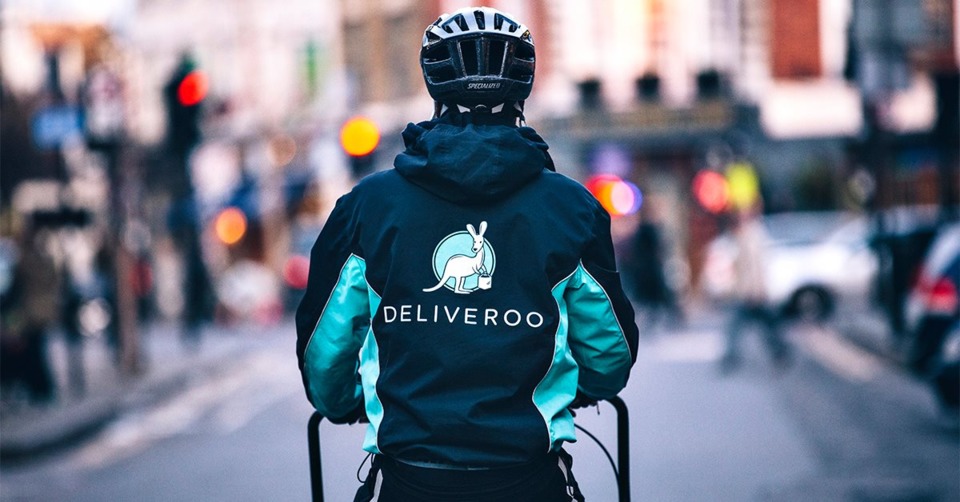
    Deliveroo riders in Hong Kong can now get paid quicker as part of a new initiative being introduced by the company. The leading food delivery service has launched ‘Get Paid’, which allows riders to opt to receive their fees as early as the same day at the tap of a button, should they wish to.

    This new feature will help riders manage their finances, to access money in an emergency or simply if they need instant money. Whether it’s a student needing extra cash before their loan arrives, someone with a part-time job needing money to tie them over until their payslip arrives, or a parent needing funds to pay for an unexpected household bill, Get Paid will help ensure riders’ fees have access to their earnings when they need it most.

    Riders in Hong Kong currently receive their earnings on a bi-weekly basis, however they can now also choose to get these earnings more quickly. If they want, riders can get their earnings on the same day if requested by midday, or on the following day if requested after midday; rather than waiting. It is completely riders’ free choice whether they want to make use of this new service.

    This new feature reflects the changing world of work, with more and more people choosing flexible, on-demand ways of working to fit their lifestyle. Just as riders’ work is on-demand, many now also want to be able to access their earnings on-demand.

    This new option for riders cements Deliveroo’s commitment to offering flexible work and attractive earnings. Riders can not only login and logout where and when they want, they can now get paid when they want.

    Brian Lo, General Manager of Deliveroo Hong Kong, said, “Workforce today want flexible work that puts them in control of their hours and earnings, and Deliveroo is proud to continually innovate our offerings to deliver on these demands. ‘Get Paid’ empowers our outstanding fleet of riders, so they can enjoy more control over when and how they get paid. This is great news for riders and it’s an exciting step forward for Deliveroo in our ongoing push to offer the flexible, well-paid work riders want.”

    Since its global launch in March, 70% of Deliveroo’s riders have used Get Paid, and up to 25% of active riders on a given day are using it to access their pay. Deliveroo is also seeing riders Get Paid more than once a week, at an average of every four to five days, with Sundays being the biggest day.

    Mr. Leung, a 28 year-old Deliveroo rider in Hong Kong who is a part time rider and a full time car maintenance technician has tried the Get Paid feature, said, “Get Paid is a great option in case I need to access my pay earlier than expected. I appreciate that being a rider with Deliveroo means I get more choice and flexibility, which is essential for my busy lifestyle. I can decide when I want to work and access well-paid work on demand, and now thanks to Get Paid I can also access my earnings when I need them.”

    Get Paid emerges on the heels of other recent Deliveroo initiatives to support the needs of riders in Hong Kong and help them enjoy well-paid, secure, flexible work from Deliveroo which can be combined with other responsibilities such as studying. In 2018 Deliveroo launched a completely free, first-of-its-kind insurance package for all on-demand self-employed Deliveroo riders in Hong Kong and worldwide. This year, Deliveroo is providing over 150 riders in Hong Kong with access to 13 first aid training courses administered by the Hong Kong Red Cross, to equip them with life-saving skills which can benefit the riders and the Hong Kong community where they live and work.
  • Cafe de Coral profits down during 50th anniversary year

    Cafe de Coral profits down during 50th anniversary year

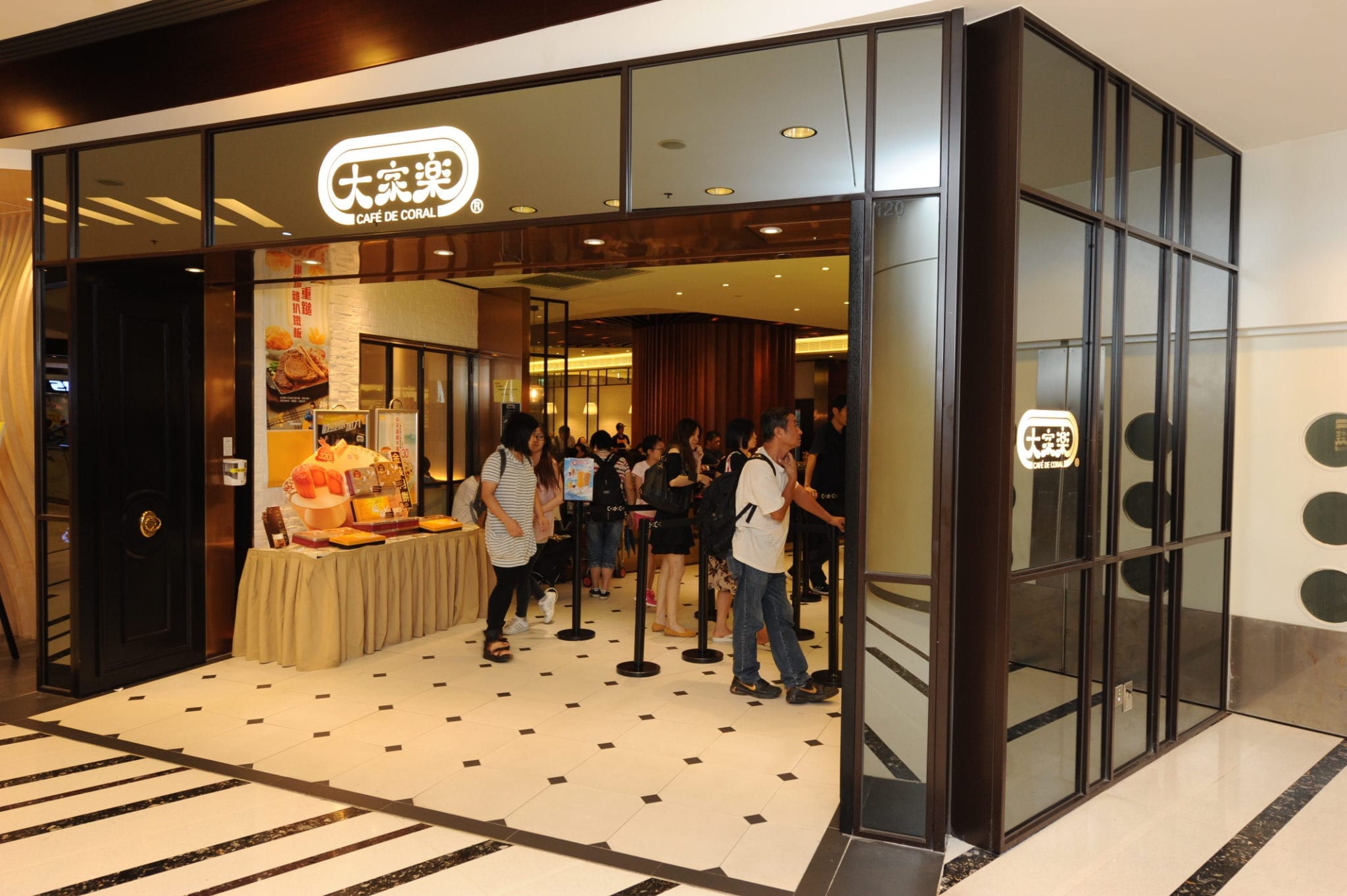
    A sharp focus on customer experience and behind-the-scenes efficiency has driven a solid rise in profits for Cafe de Coral in its 50th year of trading.

    Revenue for the Hong Kong-listed quick-service restaurant, catering and casual dining operator rose by a modest 0.8 per cent to HK$8.494 billion, however profit attributable to shareholders soared 28.9 per cent to $590.3 million, primarily due to improvements in operating efficiency and profit margins.

    “The results achieved during the year under review indicate clear improvement in performance and customer experience, as well as a positive trend in all areas of operations,” said chairman  Sunny Lo Hoi Kwong.

    “Our philosophy towards development is driven by a long-term view, and is inspired by a belief that development cannot be rushed, yet it cannot be slow. While a succession team and sustainable growth take time to nurture, it is important the business maintains forward momentum while adapting to the environment.”

    He said the China market – and in particular the Greater Bay Area – was a key driver of growth for the group during the past year.

    “Over the past 50 years, our business has organically grown outward from Hong Kong to include key neighbouring cities and regions, which cover largely the same footprint as the official Greater Bay Area region. In expanding from our home market, Cafe de Coral’s network in Mainland China has naturally focused on the Greater Bay Area – building on our knowledge of customers, markets, property and supply chain logistics. This has allowed us to grow at a comfortable pace, confident in our ability to maintain our high standards of quality, cleanliness and service throughout our network.”

    He said focusing on the future business environment, technology will continue to be a key differentiator of the business this year. “Whether automating mobile ordering, payment or take-out and delivery, e-channels now represent a significant portion of our business, which will only grow as time passes.”

    While sales in the QSR and institutional division decreased by 0.6 per cent to $6.26 billion, the businesses maintained their leadership positions in the Hong Kong market, and contributed 73.8 per cent of the group’s total sales. The division finished the year with 298 outlets – the same as at the same time a year earlier.

    “Although the Hong Kong market remains very competitive, sentiment is positive and the fast food segment continues to grow,” said Lo. “In order to maximise growth opportunities, the group is maintaining its focus on improving all parts of the customer journey. With the manpower investment program in previous years now largely complete, costs are stable and under control – and margins are improving as a result.”

    He said consumers remained price sensitive and continued to be attracted by price cuts and value promotions. Cafe de Coral fast-food recorded flat same-store sales growth during the year. A review of the store network saw one opened and six closed during the year, for a net 162 shops as at March 31.

    “With network consolidation now complete, the group expects to expand its network. Seven new outlets have been scheduled to open in the months ahead.”

    A new customer loyalty program launched in May last year has proven highly popular with customers, with a significant increase in membership.

    The group has strengthened Super Super Congee & Noodles’ brand positioning as Hong Kong’s No 1 leading neighbourhood chain, providing nostalgic traditional and authentic Chinese cuisine (congee, noodles and wok-fried dishes). It achieved 2 per cent same-store sales growth during the year.

    The casual dining business achieved revenue of $905.8 million during the year, an increase of 2.7 per cent year on year. Following rationalisation of the brand portfolio and branch network, the division operated 60 shops at the end of the year, eight fewer than a year earlier.

    The group’s Chinese cuisine brands, Shanghai Lao Lao and Mixian Sense, maintained sizeable networks and shop presence with 12 and 17 shops at year end, respectively. Shanghai Lao Lao, the company’s leading home-grown brand, was successful in its promotions during the year.

    Mixian Sense opened three more shops during the year, introduced QR code ordering to improve the customer experience and operational efficiency, and also launched a new VIP program to encourage customer response.

    Non-Chinese cuisine brands continued to rationalise their branch networks to improve performance. The Spaghetti House ended the year with seven shops and Oliver’s Super Sandwiches with 13, both chains two stores down year on year.

    Lo said Mainland China represents a major opportunity for the group’s business. “Continuing last year’s momentum, the Mainland China business delivered strong performance during the year, achieving 7 per cent growth in revenue to $1.152 billion and same-store sales growth of 2 per cent.”

    Building on management’s confidence in the market, the group doubled the number of store openings compared to the previous year, opening 16 shops to end with 107. Another 20 new stores are planned for this year.

  • Domino’s To Use Self-Driving Vehicle To Deliver Pizza

    Domino’s To Use Self-Driving Vehicle To Deliver Pizza

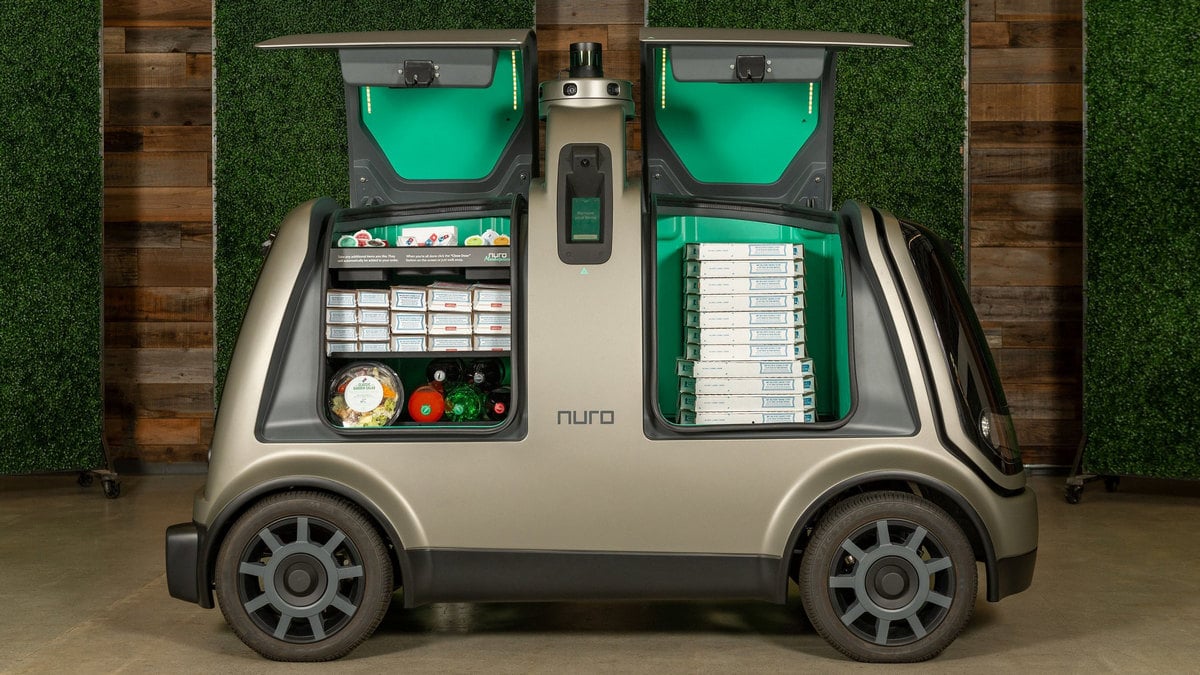
    Domino’s Pizza and Nuro, a robotics company have partnered to bring out an autonomous pizza delivery unmanned vehicle known as the R2. Dominos will use Nuro’s unmanned fleet to serve select Houston Domino’s customers who place orders online. This partnership will expand Nuro’s autonomous delivery operations, which have been running in the Houston metro area since March 2019.

    Select customers who order online from one of Domino’s participating stores will have the opportunity to use Nuro’s autonomous delivery. Once they have opted in, customers can track the vehicle via the Domino’s app and will be provided with a unique pin code to unlock the compartment to get their pizza.

    Kevin Vasconi, Domino’s executive vice president and chief information officer, said, “We are always looking for new ways to innovate and evolve the delivery experience for our customers. Nuro’s vehicles are specially designed to optimize the food delivery experience, which makes them a valuable partner in our autonomous vehicle journey. The opportunity to bring our customers the choice of unmanned delivery experience, and our operators an additional delivery solution during a busy store rush, is an important part of our autonomous vehicle testing.”

  • Meal Temple Group invests in Myanmar with Freshgora

    Meal Temple Group invests in Myanmar with Freshgora

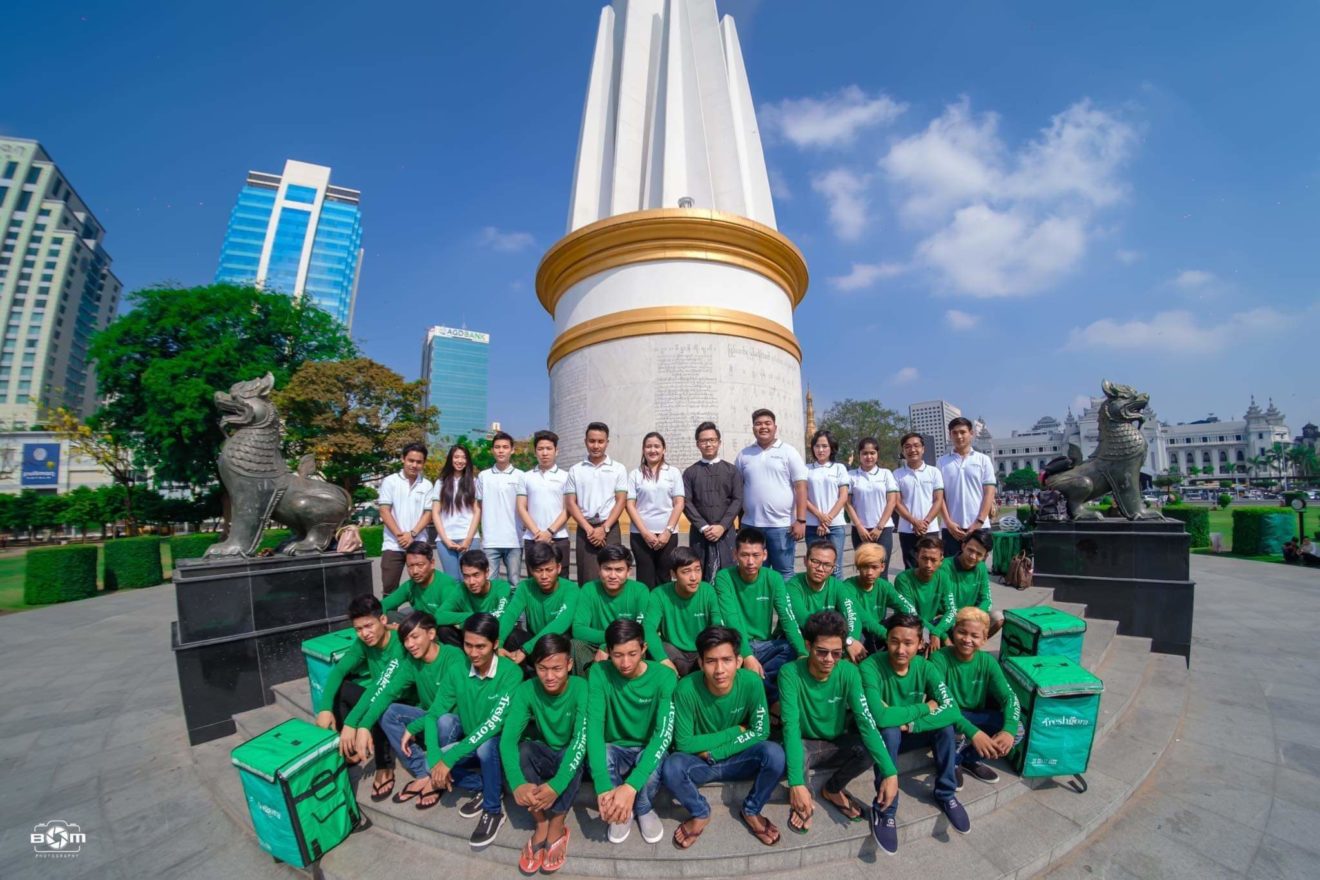
    Meal Temple Group, the leading startup in food delivery and logistics in Cambodia and Laos is continuing its expansion in the region by partnering FreshGora.com in Myanmar, after raising seed stage funds less than a year ago. Freshgora.com is a local startup based in Yangon, Myanmar, offering many on demand services through its online based mobile application and website. Meal Temple Group is the leading food delivery service in Cambodia and Laos, expanding its logistics offer to local businesses as well and offering its customers more new services.

    Both companies just entered an agreement to address the market in Myanmar and expand its operations nationally. With more than 55 million people, including more than 6 million in the Yangon
    metropolitan area, Myanmar is one of the fastest growing markets in South-East Asia. Freshgora.com, is a young startup from Yangon, that started less than a year ago, and already achieved to get over the rate of more than 100 deliveries a day in Yangon, offering food deliveries from restaurants and local markets in less than one hour through its own fleet of drivers. Sharing common vision, challenges and opportunities as Meal Temple Group in Cambodia or Laos, Daniel Htut, the founder, and its team, will benefit from Maxime Rosburger, Meal Temple Group’s founder,
    and their 5 years experience in the market.

    Daniel Htut says “We are really excited to partner with Meal Temple Group and offer our customers in Myanmar more services, support and perks, and be guided by Maxime and his team on how to sustain our growth in the market. After only 8 months, we are already tackling the largest local players, with a clean approach on technology, user experience and interface as well as customer
    service. We are also really inspired by Meal Temple Group’s vision on electric vehicles and social impact ambition.”

    The local entity will continue to operate as Freshgora, adding more services along the way, and working together with Meal Temple Group for an on demand super app for frontier markets of Asia in the long run. Meal Temple Group is looking to address more than 100 million people in frontier markets of Asia by the end of the year, and grow its technology to a super app model.

  • Pirata Group to launch new temakeria concept

    Pirata Group to launch new temakeria concept

    Japanese temakeria restaurant concept TMK is set to open on Hong Kong’s Hollywood Road in mid-July.

    The Pirata Group brand is being positioned as a “ballsy temakeria offering a wild experience and finger-licking good food”. The new venue’s executive chef Miguel Huelamo, supported by Japanese head chef Takeshi Suzuki, are offering a selection of classic and signature temaki rolls as well as sushi, fresh-from-the-sea sashimi and reimagined takes on traditional Japanese dishes.

    “TMK is a missing piece in Hong Kong’s F&B market,” said Pirata Group cofounder Christian Talpo, the creative force behind TMK. “A unique, one-of-a-kind punk-inspired restaurant that paves the way for novel all-day dining and late-night experiences.”

    Promotional material for the restaurant promise “a lawless venue where tattooed bikers and black-clad punks are served a varied selection of sake, Japanese highballs and craft beer”. Inspired by the exuberance and irreverence of punk rock, TMK will feature a “headbanging soundtrack and a dive-bar-styled interior”.

  • Ramen chain Afuri Opening in Singapore

    Ramen chain Afuri Opening in Singapore

    Japanese ramen chain Afuri is to open its first outlet in Singapore, at Funan mall.

    Brought to Singapore by F&B group Japan Foods Holding, the Funan outlet will be known as Afuri Ramen + Dumpling.

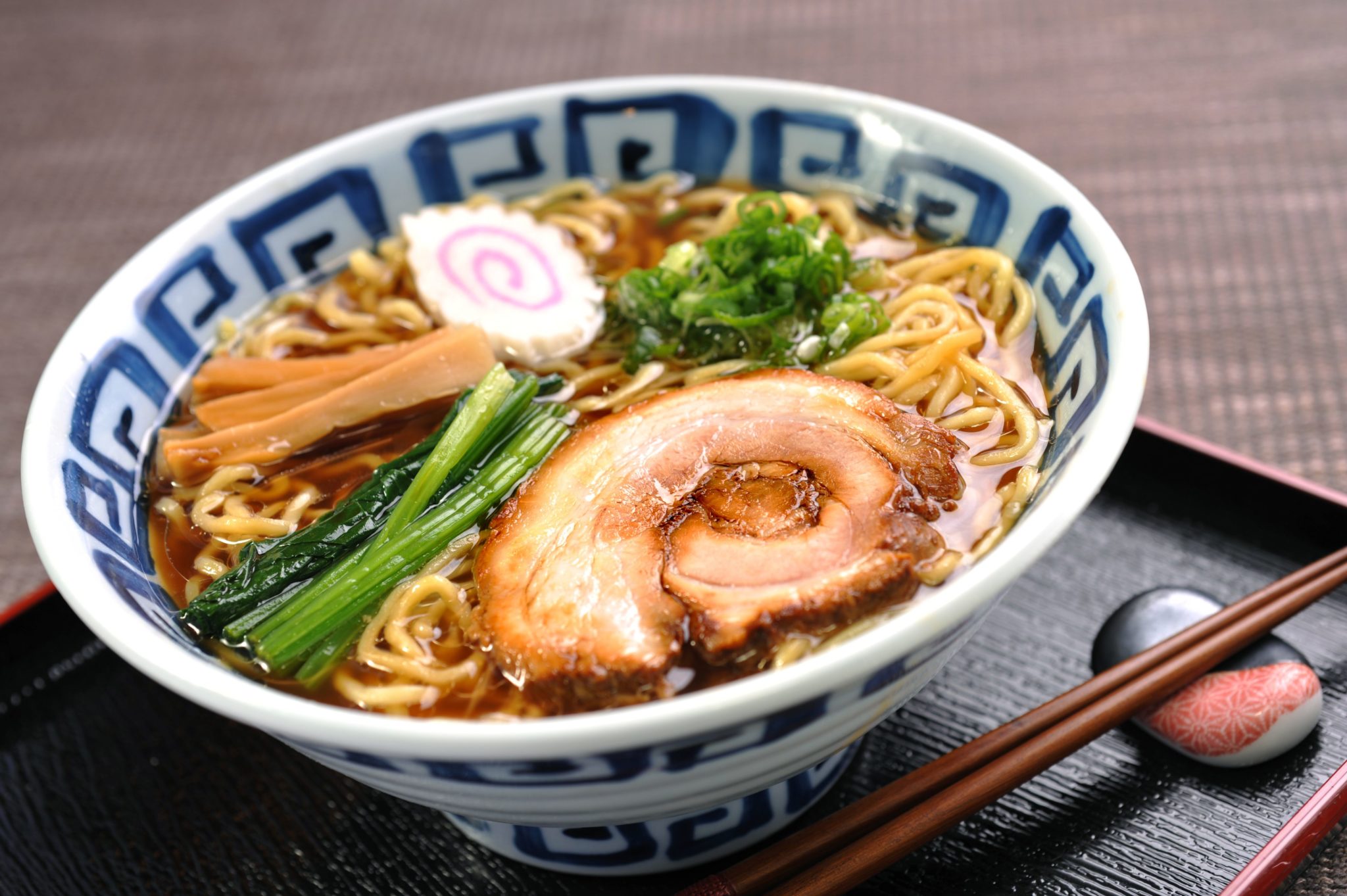
    Besides Afuri’s signature yuzu ramens, the expanded menu will have small plates options as well as gyoza (dumplings).

    Funan mall will open its doors to shoppers on June 28, after a three-year redevelopment.

    Afuri ramen adds to the food options at Funan, including Japanese restaurant Noka, urban farming outfit Edible Garden City, Taiwanese bubble tea brand Milksha, and modern Peranakan restaurant Godmama.

    Named after Mount Afuri in Japan, the chain first started in 2001, known as Zund-Bar, at the foot of Mount Afuri.

    It changed brand to Afuri in 2003, and now has 15 outlets worldwide.

    The latest location was Lisbon, Portugal.

    Afuri ramen instant noodles have been sold in Singapore at selected supermarkets and Japanese speciality food marts.

  • Bubble-tea chain Milksha opening Stores in Singapore

    Bubble-tea chain Milksha opening Stores in Singapore

    Taiwanese bubble-tea chain Milksha is opening two outlets in Singapore by the end of this month.

    The first flagship outlet will open at Suntec City Mall, and a second in Funan mall, which is scheduled to open on the 28th.

    Known as Milkshop in Taiwan, and Milksha outside of Taiwan, the chain has five signature products: Azuki Matcha Milk, Fresh Taro Milk, Refreshing Orange Green Tea, Earl Grey Latte with Honey Pearl and Valrhona 100% Cocoa Milk.

    The brand is also known for its honey pearls, which are made in Taiwan and frozen using ‘quick-freeze’ technology to maintain the texture of the pearls, before being flown to Singapore.

    The local outlets will offer four varieties: Fresh Milk Series, Fresh Milk Tea Latte Series, Premium Tea Series and Special Concoctions.

    Milksha currently has more than 230 outlets in Taiwan, 20 in China and two in Hong Kong.

  • Janice Wong continues expansion outside Singapore

    Janice Wong continues expansion outside Singapore

    Confectionery and food brand Janice Wong is expanding its reach both within Singapore and beyond as it chases a broader customer demographic.

    In Singapore, the local foodie’s popular three-year old restaurant at the National Museum will close after its current lease expires this month, allowing the company to focus its attention on her retail business. Janice Wong plans to expand beyond Paragon, Raffles City Shopping Centre, T Galleria and Changi airport Terminal 3, working closely with brands and key partners, as well as developing the menu of the 2am Dessert Bar, which has just marked its 12th year.

    Chairman of Janice Wong Singapore, Manoj M Murjani, says the company has created “a fun-loving and whimsical brand” that has brought joy to customers in creative and innovative markets like Japan, Singapore, Korea and even London.

    “This is the right time to capitalise on our success and expand our presence in the region and globally. We believe the Janice Wong brand also provides a unique platform for strategic corporate partners who want to engage their customers in a bold and memorable way.”

    In the first quarter of this year, Janice Wong has announced partnerships including new concessions at DFS T Galleria in February and at Changi Airport’s Terminal 3 in March, allowing travellers to get a taste of a Singaporean creative chocolatier brand on home ground and broadening the brand’s exposure to a larger demographic.

    Taking her edible art exhibitions abroad, Janice Wong launched her latest installation at the Solaria Plaza shopping mall in Fukuoka, Japan, a 10-day edible-art exhibition featuring 12 ‘edible-flower walls’ made from chocolate and lollipops.

    In South Korea, Janice Wong’s longest-spanning exhibition to date, Wonderbox, in Seoul, will become a permanent work for the next three years, moving to South Korea’s newest indoor theme park, Paradise City in Incheon. It will feature creations such as her Lollipop Ceiling and a four-metre-tall Chocolate Drip Paint.

    In addition to the long-term installation, Janice Wong’s first Wonderbox retail store in South Korea opened last month, featuring a selection of her signature products, such as boxed chocolate collections, chocolate bars and lollipops.

    Three years after entering Japan, the company has formed a new local venture Janice Wong Japan Company. “This newly registered business represents the next steps in affirming a long-term plan in Japan and to significantly growth the brand within this market,” the company said.

    Beyond Asia, Janice Wong is looking to follow up last year’s launch in Harrods in London, with forays into Dublin and Berlin by the end of this year.

    Murjani says that as convenience becomes more significant, the brand will shift its efforts towards innovation and product development within the retail section of the company to meet consumer demands. That will see the brand focus on expanding its retail selection of chocolate-coated products and other confectionery offerings.

  • Song Fa Bak Kut Teh Restaurant Chain to enter Taiwan

    Song Fa Bak Kut Teh Restaurant Chain to enter Taiwan

    Food Republic Taiwan is to open Song Fa Bak Kut Teh restaurants in Taiwan.

    The BreadTalk subsidiary has entered a franchise deal with Song Fa Holdings to develop and operate the Teochew pork-rib stew brand in Taiwan for the next 10 years.

    The first two outlets in Taiwan will be opened in popular Taipei malls.

    “Both malls have strong existing tenants and are household names among the local populace and tourists alike,” said Henry Chu, BreadTalk CEO.

    “With the addition of a star attraction like Song Fa Bak Kut Teh, we are confident to deliver the illustrious Song Fa experience to our customers in Taiwan.”

    Founded in 1969, Song Fa Bak Kut Teh has 10 outlets in Singapore, seven in Indonesia, six in China, and one in Thailand.

  • Foodpanda kicking off delivering groceries in Hong Kong

    Foodpanda kicking off delivering groceries in Hong Kong

    Foodpanda Hong Kong is adding grocery deliveries to its services from late next month.

    The food-delivery service, pitched in a head-to-head battle with Deliveroo in Hong Kong, is finalising a collaboration with about 100 stores across Hong Kong to source products such as dry groceries, frozen meat and wine for customers ordering online or by app, promising order fulfilment within 30 minutes.

    Foodpanda Hong Kong CEO Arun Makhija said in an interview with the South China Morning Post that the company wants to offer both its customers and its 2000-strong fleet of drivers opportunities beyond delivering restaurant meals.

    Foodpanda has been in Hong Kong for five years and Makhija says the business’ growth remains “exceptional”.

  • Aldi food truck delivering Healthy Food to Football Clubs

    Aldi food truck delivering Healthy Food to Football Clubs

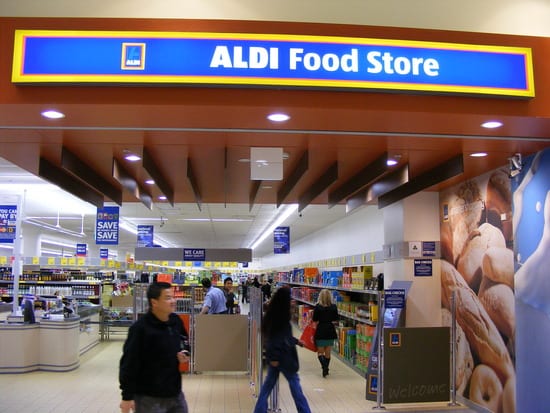
    Discount grocer Aldi is bringing its new food truck to MiniRoos football clubs across Australia to offer kids healthy food options.

    The Mighty Mini Chefs Food Truck has an accompanying app with interactive games for kids to create healthy lunch box based on their daily activities.

    From June 1, Aldi’s food truck will begin visiting 14 football clubs, from Yeppoon in Queensland to Wodonga in Victoria.

    “For the clubs that the truck visits, ALDI MiniRoos participants will be able to play on an app to learn about food and how it impacts their day-to-day lives,” the retailer said in a blog post on Friday.

    “For any kids that don’t get a chance to experience the Mighty Mini Chefs Food Truck, we have the MiniRoos Mighty Menu on hand to inspire parents and children to cook nutritious meals. Created in partnership with the Caltex Socceroos’ chef and nutritionist, Vinicus Capovilla, the seven day menu is full of easy, affordable and healthy meals. The MiniRoos Mighty Menu has been a mighty success, with families all over the country discovering that eating well doesn’t have to be hard work and that healthy foods taste great.”

    The supermarket giant’s three-year partnership with Australia’s largest football program for kids, the MiniRoos, has helped the retailer reach a broader section of the community. The discount grocer partnered with Football Federation Australia on creating fun ALDI MiniRoos sessions that will help kids develop new skills and meet new friends.

    The retailer recently added Sam Kerr, Westfield Matilda’s and Perth Glory player, as an Aldi MiniRoos ambassador.

  • Yum China eyes Thailand with A Fresh Hotpot Concept

    Yum China eyes Thailand with A Fresh Hotpot Concept

    Yum China looks to expand Asian footprint for hot-pot restaurant brand.

    Quick-service restaurant firm Yum China Holdings is seeking entry into the Thai hotpot market, reportedly worth THB5 billion (US$156.7 million).

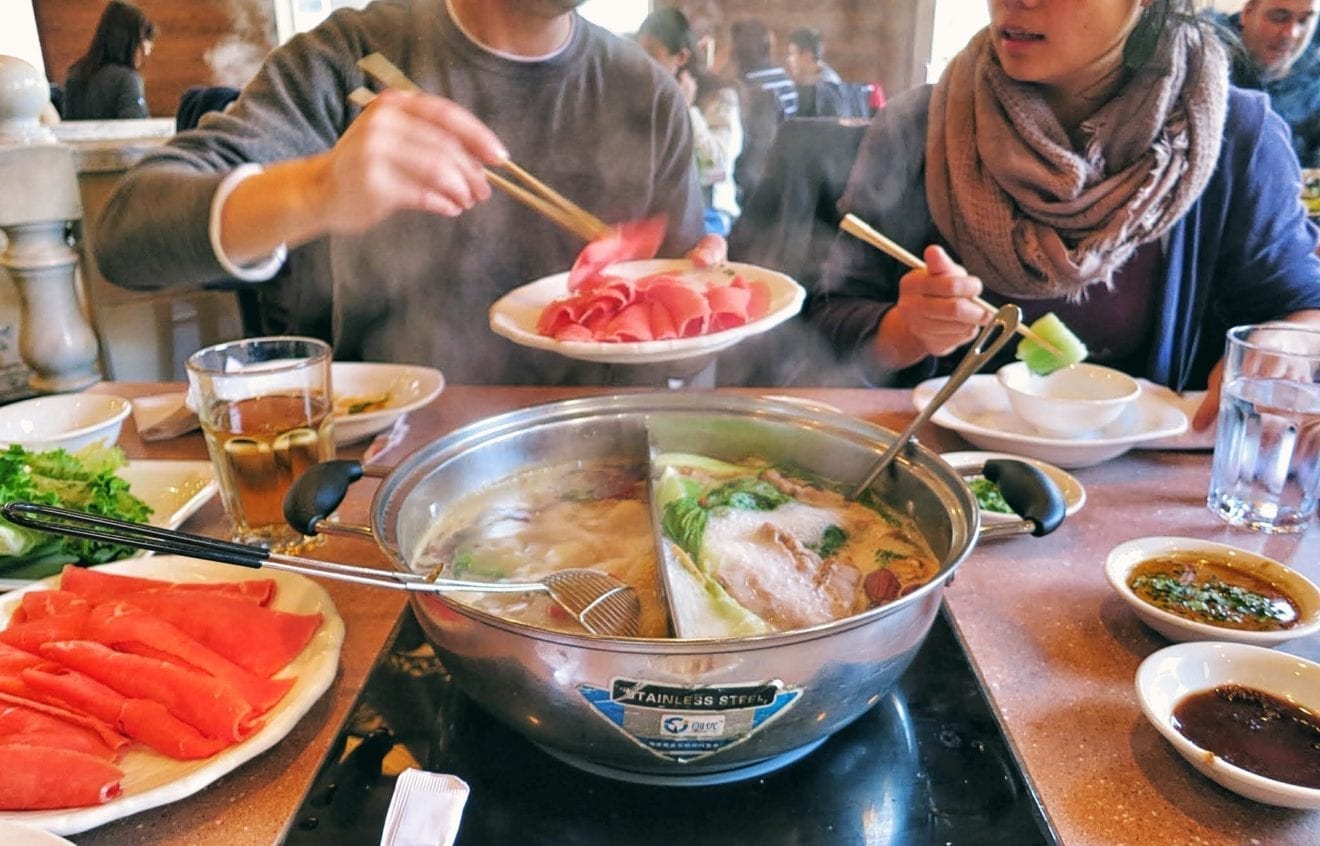
    The company is seeking a local partner to launch its Little Sheep Mongolian hotpot chain in the territory.

    “The food and beverage industry in Thailand is one of the most developed markets in the world,” said Yum’s senior specialist for franchise development Isa Jiang. “Thailand also has a rich history of hotpots, as well as food culture.”

    Sixty-six Little Sheep outlets opened in China last year, as well as a further 10 abroad. Seventy of the openings were franchised. The restaurant is currently operated in 300 locations across 130 cities.

    “Ma la, or Sichuan hot chillies, is growing in popularity with Thais,” said business advisory firm Gnosis MD Sethaphong Phadungpisuth, “and we believe that Little Sheep will fit well with Thai tastes.”

    “Southeast Asia and the US have the highest projections for expansion this year,” observed Jiang. “We are focusing on Malaysia, the Philippines and Indonesia. Shabu restaurants are quite popular in Thailand, but we are confident in our key product’s characteristics, especially our meat and broth.”

  • Global food e-commerce sales forecasted to Triple

    Global food e-commerce sales forecasted to Triple

    A new report has forecasted global food e-commerce sales to nearly triple through 2023, rising to US$321 billion and accounting for nearly 5 percent of total e-commerce revenues.

    The Global Food E-Commerce report, released by market research firm Packaged Facts, projects the Asia Pacific region will account for the majority of absolute growth, primarily due to the rapidly expanding Chinese market.

    China dominates regional e-grocery activity in part because of the country’s large urban population and rapidly expanding the middle class. In addition, much of China’s large population has access to high-tech devices and the ability to shop online, due to the country’s position at the forefront of technological development and electronics.

    Last year, more than 75 percent of global food e-commerce sales were concentrated in the top five markets: China, the US, Japan, the UK, and South Korea. In each of these countries, e-grocery spending is highest in large urban centers, where many retailers have focused their marketing efforts for home delivery or click-and-collect services.

    The report states that through 2023, demand growth in these countries will be driven by five key factors: increasing comfort among existing online shoppers in making routine grocery purchases online; growing use of subscriptions and memberships with online retailers; greater penetration of broadband internet in rural and remote areas; greater acceptance of (and investment in) home delivery, click-and-collect, and drive order fulfillment formats in an increasingly omnichannel retail environment; and improvements to data security that ease consumer fears about having their personal information stolen while shopping online.

  • Impossible Foods Teams Up with Honbo for Taikoo Place food truck

    Impossible Foods Teams Up with Honbo for Taikoo Place food truck

    Vegetable-based meat product retailer Impossible Foods is partnering with Hong Kong business hub Taikoo Place and various restaurant partners in a food truck charity initiative taking place from May to July.

    Since launching on May 6 with Pici, Impossible Foods’ truck has been gearing up to serve recipes from grassroots burger restaurant Honbo to residents and workers at Taikoo Place.

    From May 20 to June 14, customers of the Impossible x Honbo food truck can select from a range of the brand’s “Impossible” burgers alongside fries and drinks. 10 per cent of all proceeds will go Sai Kung-based charity Catherine’s Puppies, which works to rescue and rehome stray dogs.

    From mid-July, Impossible Foods and Taikoo Place will launch their next partnership with Hong Kong’s “greenest caterer”, Invisible Kitchen. The group will cater for planned Swire Properties events inviting members of the public to “Discover Taikoo Place” while promoting its sustainable foods concept to the wider community.

    Impossible Foods is now serving its plant-based meat products in more than 7000 restaurants across the US, Hong Kong, Macau and Singapore.

  • Honestbee Stops Food Deliveries in Singapore

    Honestbee Stops Food Deliveries in Singapore

    Honestbee Singapore is to halt food deliveries from Monday.

    The company said in a statement it would also suspend laundry services on the same date.

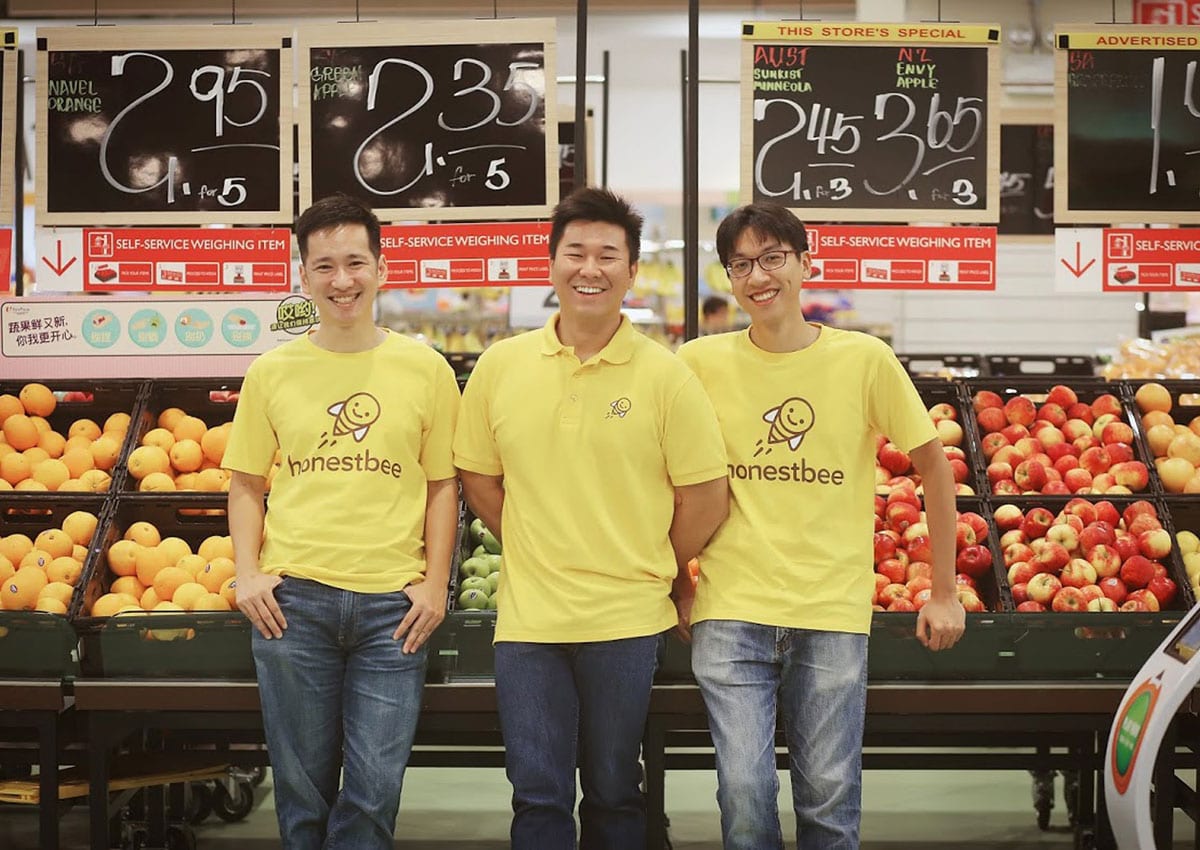
    The changes come as part of an in-depth strategic review of the business launched after the departure of cofounder and CEO Joel Sng who was replaced by cornerstone investor Brian Koo at the beginning of the month.

    “The decision was made to optimise the business structure, and to drive better focus and alignment with Honestbee’s current strategic priorities,” the company said in a statement.

    The decision brings to an end the roles of some 400 ‘delivery bees’ many of them part timers.

    “They have played a key role, and have been a critical part of the Honestbee family,” said the company. “During this transition, Honestbee remains committed to assist all delivery bees. The headcount in Singapore remains unaffected.”

    Honestbee says it will continue to operate the grocery-delivery service, and its physical space – Habitat by Honestbee.

    “The newly-appointed executive team is working on future plans to stay relevant and sustainable in today’s rapidly changing business environment. This will help to put Honestbee in the best possible position to support the business in Singapore and other geographies going forward.”