Tag: Food

  • Yum China buys Chinese retail chain Huang Ji Huang

    Yum China buys Chinese retail chain Huang Ji Huang

    Yum China Holdings has entered into a definitive agreement to acquire a controlling interest in Huang Ji Huang group, a leading Chinese-style casual-dining franchise business.

    Subject to the satisfaction of closing conditions and regulatory approvals, the transaction is expected to close early next year.

    Founded in 2004 and headquartered in Beijing, Huang Ji Huang has more than 640 restaurants in China and internationally. The group operates primarily under a franchise model and its brand portfolio consists of simmer pot brand “Huang Ji Huang” as well as “San Fen Bao”, a newly launched Chinese fast food concept.

    Yum China is the largest restaurant company in China, with more than 8700 restaurants as of June 30. With the addition of Huang Ji Huang, Yum China aims to gain a stronger foothold and enhanced knowhow in the Chinese dining space, which represents a significant share of the dining market in China.

  • Target launches food and beverage house brand Good & Gather in the US

    Target launches food and beverage house brand Good & Gather in the US

    Target US is launching its own in-house private-label food-and-beverage range, called Good & Gather.

    Described as “grounded in guest research”, the flagship brand is offering a range of food and beverage products focussed on taste, quality ingredients ease and value for money.

    Good & Gather will be available in stores and online on Target.com for same-day delivery from September 15.

    “Our guests are incredibly busy and want great-tasting food they can feel good about feeding their families,” said Target’s executive VP and president food & beverage Stephanie Lundquist. “We saw this as a huge opportunity for Target to help. So our team got to work on our most ambitious food undertaking yet, reimagining our owned food brands to serve up convenient, affordable options that don’t cut corners on quality or taste. Good & Gather is our way of helping even the most time-strapped families discover the everyday joy of food.”

    Good & Gather is Target’s largest own-brand launch yet. By the end of 2020, the company expects it will have more than 2000 food and beverage products under the label, including dairy, produce, ready-made pastas, meats, granola bars and sparkling water. The products are developed by Target’s internal team without artificial flavors and sweeteners, synthetic colors or high fructose corn syrup, and will be backed by a money-back guarantee.

    “Over the past few years, Target has been a master of own brand development,” said GlobalData Retail MD Neil Saunders, hailing the launch. “Its labels in everything from fashion to party goods have been well-conceived, nicely executed and, most importantly, have resonated with consumers.

    “They have also helped to differentiate Target from other retailers and have played a role in protecting margins as price comparison is more difficult with exclusive labels,” he said.

    As Target’s flagship food brand, Good & Gather will include a number of product extensions including kids, organic, seasonal and signature lines. Over time, the brand will phase out Target’s existing Archer Farms and Simply Balanced food brands and reduce the number of product offerings under the Market Pantry brand.

    The new own-brand launch builds on the company’s investments in its F&B business to enhance in-store presentation and assortment, increase product reliability and expand fulfillment options, such as same-day delivery.

    The new line also plays an important role in Target’s broader effort to reimagine its owned brand portfolio, further differentiating its assortment. Recent owned brand product launches include Everspring, Auden, Colsie and Cloud Island Essentials. By the end of the year, guests will be able to shop more than 25 new owned and exclusive brands.

  • Impossible Foods and The Butchers Club commission 3D art work at K11

    Impossible Foods and The Butchers Club commission 3D art work at K11

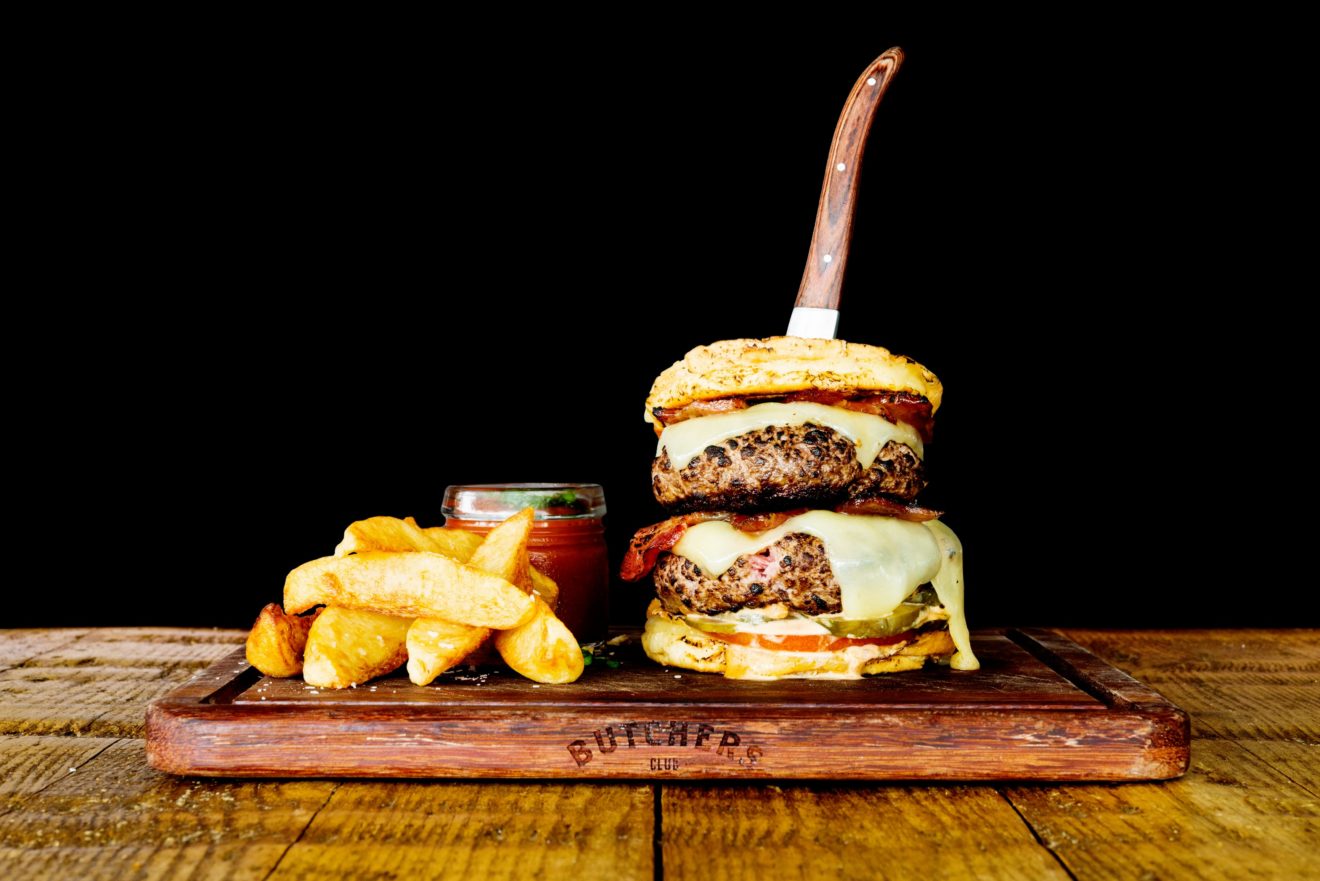
    The “Impossible Burger”, featured plant-based ‘meat’ from Impossible Foods, can now be bought at all The Butchers Club locations in Hong Kong.

    To celebrate the launch of The Butchers Club Impossible Classic Burger, the two companies have commissioned local artist Terena Wong to create a thought-provoking 3D artwork in the Piazza at K11.

    The artwork is a symbolic representation of Impossible Food’s stated mission to restore biodiversity and reduce the impact of climate change by transforming the global food system, as well as The Butchers Club’s ongoing commitment to being more sustainable.

    Impossible Foods’ long-term goal is to accelerate the switch to a more sustainable food system, starting with its burger offering and expanding to a range of pork, chicken, fish and dairy products made directly from plants.

    Served in more than 15,000 restaurants in the US, Hong Kong, Macau and Singapore, the Impossible Burger uses a fraction of natural resources needed to produce animal beef: 96-per-cent less land, 87-per-cent less water and 89-per-cent fewer greenhouse gas emissions.

    Terena Wong has completed more than 40 community art projects, street art works, 3D mural paintings and 3D floor paintings in Hong Kong, the US and China, and has worked with many different parties including the government and non-profit organisations.

    The artwork is available to view and interact with until August 31.

  • Japanese conveyor belt sushi chain Sushiro makes debut in Hong Kong

    Japanese conveyor belt sushi chain Sushiro makes debut in Hong Kong

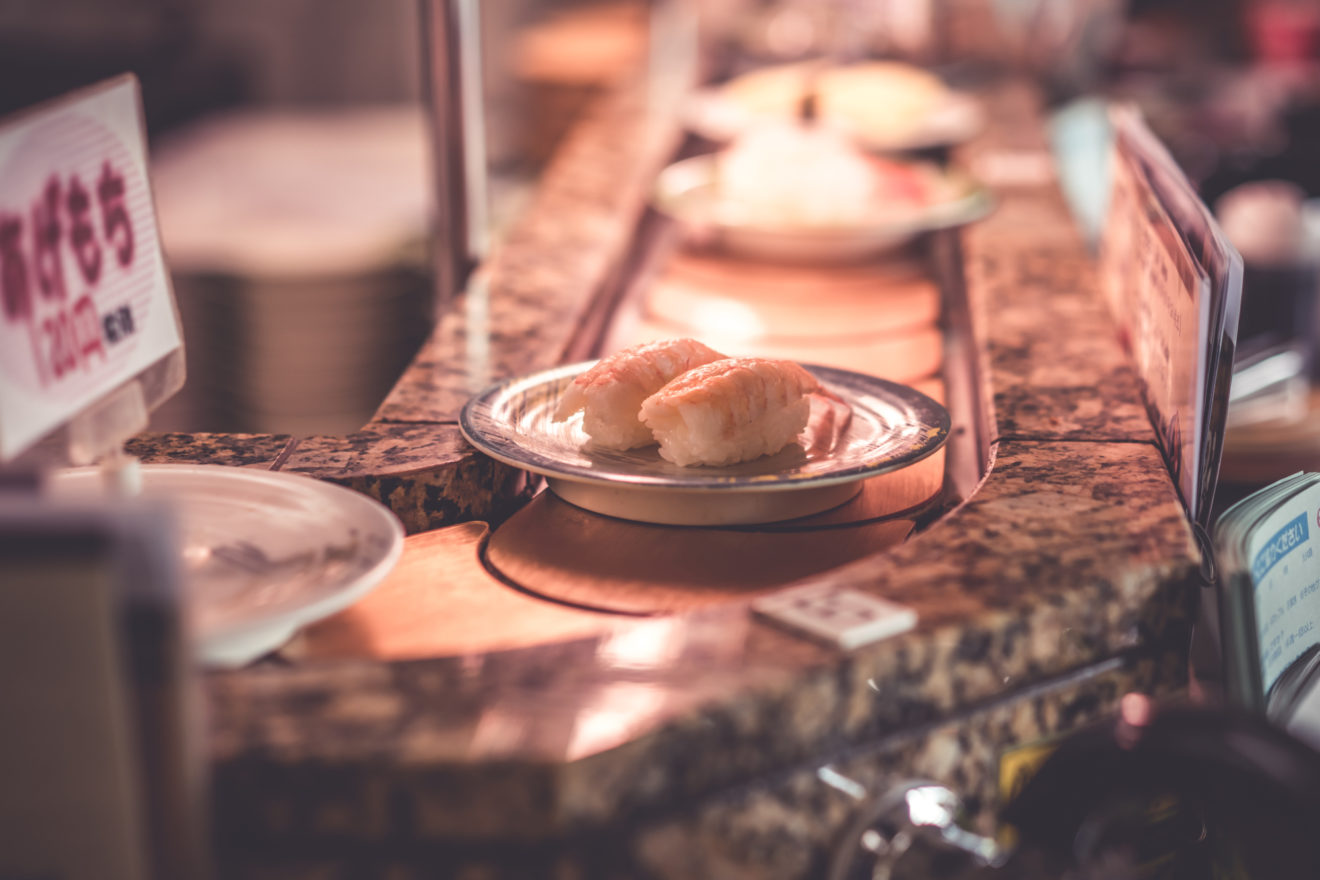
    Japanese conveyor belt sushi restaurant chain Sushiro has opened its first Hong Kong outlet.

    The franchise is moving for a foothold in the local market and aiming to use the city’s international status to expand across the region.

    The flagship store, located at a commercial building near Jordan MTR Station, offers traditional sushi alongside other side dishes and desserts. To ensure freshness, it will soon deploy a high-tech system currently used in Japan, that can automatically remove unclaimed plates after they travel more than 350 metres on the belt and replace them with new ones.

    “Hong Kong has a sophisticated Japanese cuisine market,” said Sushiro Hong Kong president Kazuo Aratani. “People here love sushi and demand the best.

    “All of these conditions work perfectly with our competitive advantages. We are dedicated to offering customers the highest quality sushi at affordable prices.”

    “We are happy to see that a popular Japanese sushi restaurant chain has set up a presence in Hong Kong and joined our dynamic food and beverage scene,” said investment promotion associate director-general Dr Jimmy Chiang. “We wish it every success in leveraging on Hong Kong’s business advantages to expand in the region.”

  • The Source Bulk Foods opens Restaurant in Singapore

    The Source Bulk Foods opens Restaurant in Singapore

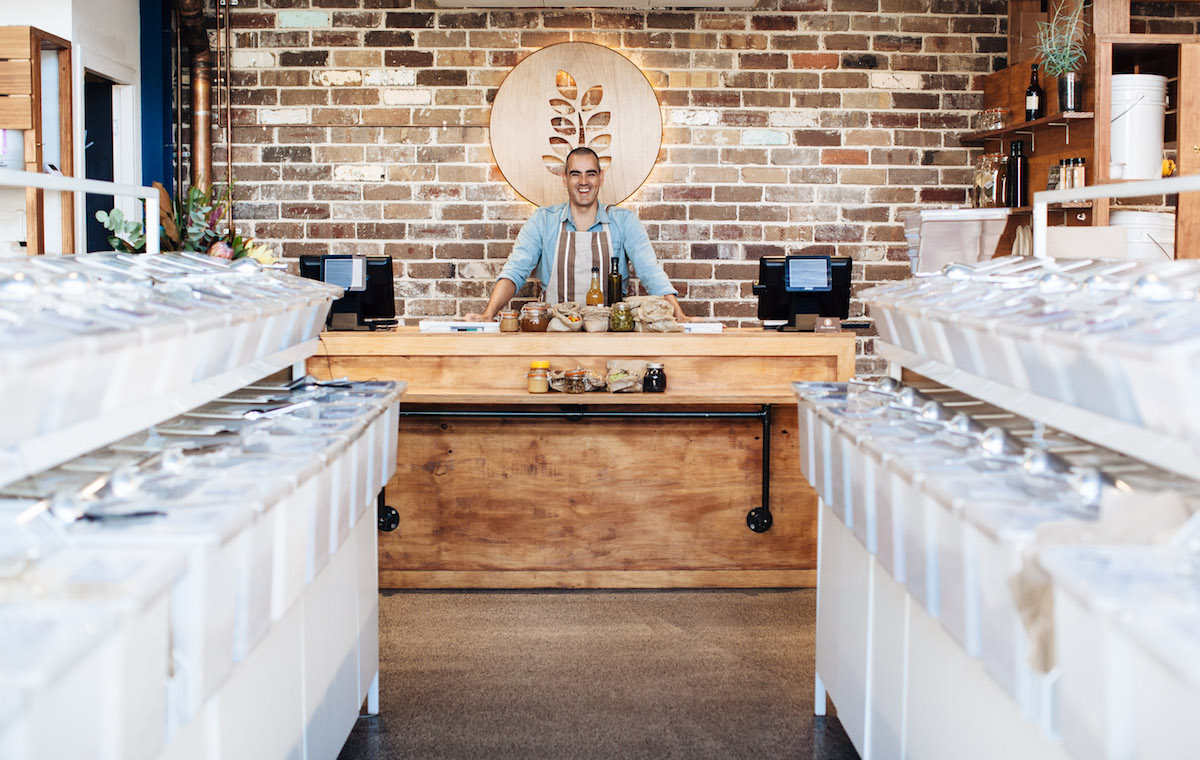
    Australia’s largest bulk foods and zero waste retailer The Source Bulk Foods has unveiled its first outlet in Singapore.

    Located at Cluny Court, the store will carry a wide range of pantry staples, numbering more than 350 products that include premium whole foods and treats as well as packaging-free household products.

    Founded in 2012 in Byron Bay, Sydney, Australia, The Source Bulk Foods has promoted an ethos of zero packaging, encouraging customers to buy and use only what is needed.

    “We are as much about providing nutritious products as we are about embracing a zero waste goal, and creating a healthy community,” said The Source Bulk Foods master franchisor for Southeast Asia Rob Behennah.

    “Our passionate team looks forward to delivering wholesome food, nourishing families, and in doing so, taking a hands-on approach to nurturing our planet.”

    Shoppers at the store are given three easy steps to purchase: grab a bag (or refill a jar), write the product code, and fill the bag with the desired amount of the chosen product. Customers then proceed to the cashier, where their groceries will be weighed and payment made.

    “The Source Bulk Foods is revolutionising the way we shop,” said franchise partner and full-time nutritionist Sarah Widjaja.

    “At every step of the way, suppliers, retailers, and customers can reduce their use of unnecessary packaging and single-use plastics. By buying only what is needed, we can also minimise food waste.”

  • Tokyo restaurant Kikanbo opens first Hong Kong Outlet

    Tokyo restaurant Kikanbo opens first Hong Kong Outlet

    Tokyo restaurant brand Kikanbo is to open its first Hong Kong restaurant in Causeway Bay, its third international market.

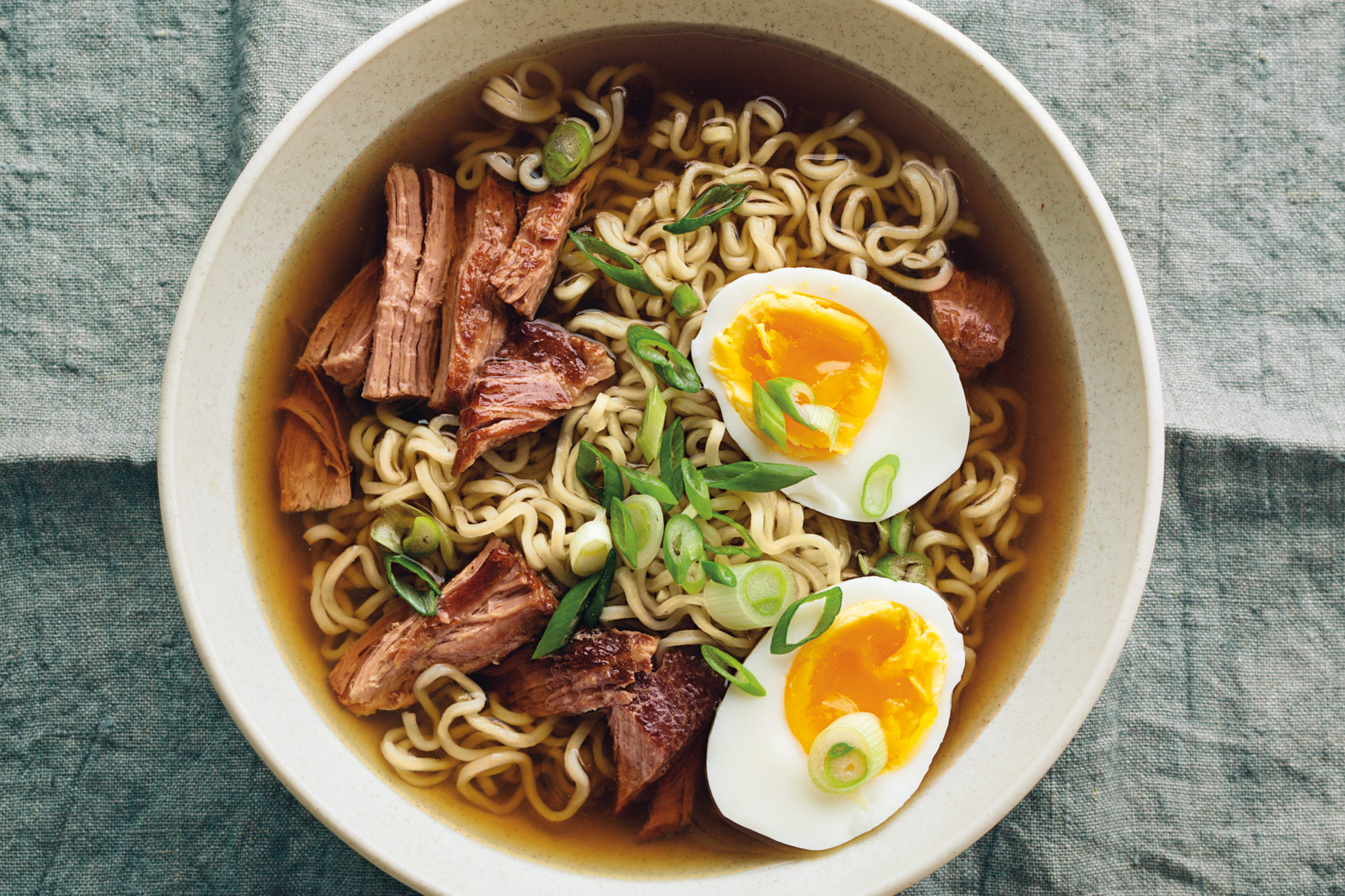
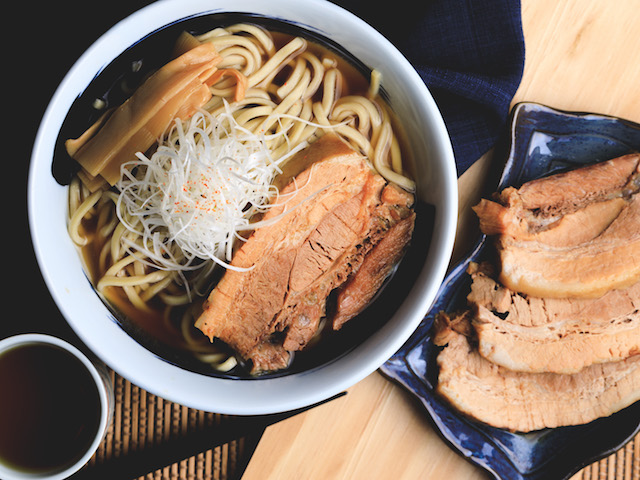
    From today, Hong Kong customers can enjoy a taste of the restaurant known as Tokyo’s “perennial long queue store”, and which sells 27,000 bowls of ramen each month

    Kikanbo, described as a karabishi miso ramen restaurant, features a dark ornamented restaurant design with red lighting and a counter seat from which guests can witness the entire ramen-making process closely.

    Multiple tables for two or four diners are available inside, with 29 seats overall.

    The brand’s president Masakazu Miura trained at a ramen restaurant for more than 10 years before establishing the first Kikanbo in Tokyo’s Kanda district. The brand is known for its five levels of spiciness and numbness for its miso soup with 25 soup base varieties.

    Kikanbo has opened at 530 Jaffe Road, its eye-catching shop front guarded by a painting of Aka Oni (red demon) and Ao Oni (blue demon) on either side of the entrance along with the gigantic Kanabo (oni stick).

    Established in Kanda in 2009, Kikanbo has three domestic branches in Tokyo, Kanda and Ikebukuro in Japan and two international branches in Taiwan.

  • Subway under investigation for underpaying work force

    Subway under investigation for underpaying work force

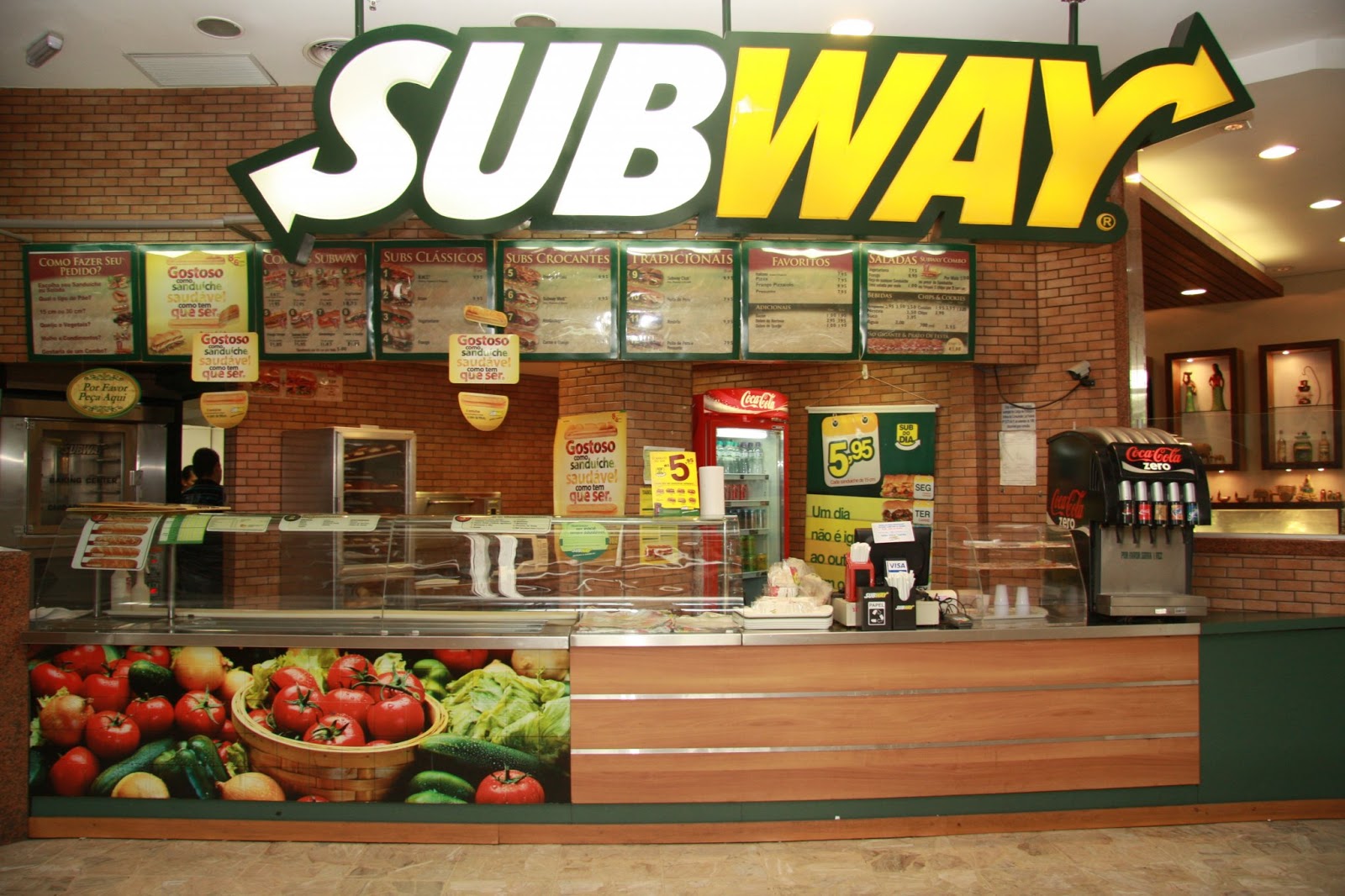
    Subway has said it could terminate franchisees that fail to meet their financial responsibilities amid an investigation launched by the Fair Work Ombudsman into the underpayment of its workers.

    The sandwich retailer said franchisees are required to meet regulatory, financial, workplace and employment requirements, and failure to do so could lead to disciplinary action.

    “Failing in their commitment to uphold these will result in enforcement action and continued non-compliance may lead to termination,” a Subway spokesperson said, which reported the underpayment investigation on Monday.

    “All Subway restaurant employees are entitled to payment for hours worked, including for training. Any employee who believes they have been paid incorrectly by a franchise owner is encouraged to report this to Subway for investigation, through a dedicated employee hotline.”

    Local newspapers spoke to several Subway employees, who had seen thousands of dollars paid incorrectly over the years, as well as mentioning a general laissez-faire attitude adopted by the Subway head office.

    “The only things Subway head office care about is your name badge, your uniform, it is all about the image,” one employee said.

    A Subway spokesperson said these statements have not been reported to it, and that it takes matters such as these very seriously.

    “More than 10,000 employees are hired by franchise operators and work at the 1353 individually-owned Subway restaurants across Australia,” the spokesperson said.

    “While restaurant employees are hired by franchise owners, any concerns raised by employees are investigated by Subway immediately.”

    Subway is not the only retailer grappling with underpayment issues. Wage theft has been uncovered at Michael Hill, Domino’s, Super Retail Group and Chatime over the past year, though most said it was a result of the complexity of modern awards.

    However, an informal poll revealed almost 60 percent of more than 200 respondents believe underpayment is mostly intentional, due to businesses trying to cut costs.

    A recent report by the Australian Payroll Association found that almost a third of payroll managers admitted to making employee payment or entitlement mistakes at least once a month, and claimed that the larger the business, the more likely mistakes are to occur.

    However, the report claimed only 16 percent of businesses with fewer than 50 staff said they made such mistakes each month – a position most franchisees likely fall into.
  • The Salted Plum opens at Suntec City

    The Salted Plum opens at Suntec City

    Southern Taiwanese restaurant The Salted Plum has opened its second outlet in Suntec City.

    The outlet features a spacious dining area with a street ambiance, a self-service system and new dishes exclusive to the venue. The brand, which serves tapas-style Taiwanese dishes, began as a pop-up called FiveTen before launching its first permanent location on Circular Road.

    “The Salted Plum is the embodiment of how a great zi-char restaurant should be; home-style cooking that is full of comforting flavors, hearty, affordable, satisfying and above all, enjoyed with the people you love,” said founder and MD Shawn Kishore.

    “We are excited at the opportunity to welcome larger groups of diners at our new outlet while maintaining our essence and commitment to serve quality food at a reasonable price. With the ongoing labor crunch in Singapore, our self-service system is one of the ways for us to pass on the savings to our customers and ensure that they do not need to break the bank for a wholesome meal in the city.”

    The new 76-seat venue is described as “a pimped-up version of the flagship outlet”, offering diners the option of all-day Taiwanese dining experience on a budget. After placing orders at the cashier, guests are assigned order numbers for self-collection; made easy with single tray pick-ups – all dishes ordered will be placed onto a single tray.

    The Salted Plum Suntec City is decked out with communal-style high-top tables, high ceilings and street-style decor against navy-blue walls featuring vivid illustrations of signature dishes; all aesthetically lighted to capture the mood of outdoor city dining. Countertop seats and small tables are designed for a quick bite while the restaurant’s larger tables can accommodate bigger parties.

  • New lease-reporting standard will ‘significantly’ impact Xiabuxiabu results

    New lease-reporting standard will ‘significantly’ impact Xiabuxiabu results

    Chinese restaurant operator Xiabuxiabu says the impact of the new International Financial Reporting Standard 16 (IFRS 16), which changes the way leases are treated in financials, will seriously impact its profit this year.

    The Hong Kong-listed company issued a profit warning yesterday saying profit attributable to shareholders for the six months to June would decrease “significantly” compared with last year.

    “The application of IFRS 16 will result in a higher total charge to the statement of profit or loss in the first few years of the lease, and such expenses will decrease during the latter part of the lease term, therefore there is no impact on the expenses recognized during the lease term. As the group currently operates a large restaurant network with more than 1000 restaurants, the effects of the application of IFRS 16 will be significant,” said chairman H O Kuang-Chi.

    “As the results for the six months … have not been finalized, the information contained in this announcement is only a preliminary assessment by the board based on information currently available including the unaudited consolidated management accounts.”

    Xiabuxiabu will release its interim results by the end of this month.

  • Restaurant openings sap Jumbo Group profit

    Restaurant openings sap Jumbo Group profit

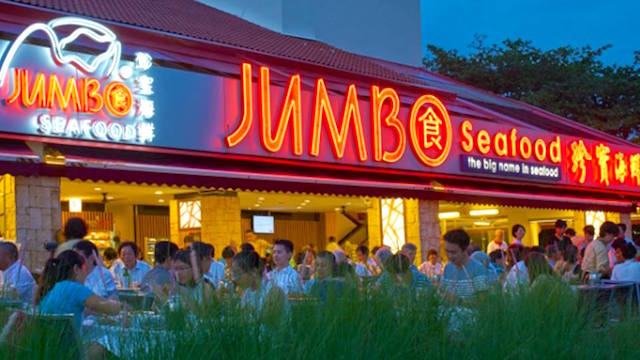
    Jumbo Group profit fell 24.8 percent in the third quarter to S$1.7 million (US$1.2 million) as new restaurant openings added to expenses.

    The Singapore-listed restaurant group opened three new outlets in Singapore: a Jumbo Seafood at Jewel Changi, along with Zui Yu Xuan Teochew Cuisine and Chao Ting Teochew Pao Fan eateries at Far East Square.

    Sales were affected by the closure of the Jumbo Seafood restaurant on Riverwalk for one month during renovations.

    Group sales rose by 0.8 percent to $36.4 million.

    For the first nine months of the financial year, Jumbo Group profit was up 6.2 percent to $9.1 million on revenue down 0.4 per cent to $113.1 million.

    The company said in its results announcement that operating costs and tough competition across its Southeast Asian markets will continue to pose a challenge. However, the company expects new restaurants will help strengthen its market position in Singapore, “the bedrock of earnings growth”.

  • Smashburger weighs down Jollibee results

    Smashburger weighs down Jollibee results

    Jollibee’s Smashburger and Red Ribbon business units significantly dragged down the restaurant operator’s first-half profits.

    Jollibee Foods Corporation says the company’s net income attributable to shareholders was P1.1 billion (US$21.1 million) in the second quarter – half that of the preceding three months. First-half profit was down 34 percent on the same period last year.

    The company blamed the decline on losses relating to the Smashburger chain and lower sales by its Red Ribbon bakery business.

    “On Smashburger, we introduced major changes that created short-term disruption in sales and profit but will drive sustainable sales growth and strengthen the brand health,” said Jollibee CFO Ysmael Baysa.

    While Smashburger, a relatively recent acquisition for the company, was not yet performing, Baysa says Jollibee has considerable experience restructuring businesses it buys into more profitable operations, namely Yonghe King and Hong Zhuang Yuan in China, and the Highlands Coffee business in Vietnam.

    The poor performance of Red Ribbon during the quarter was attributed to a shortage of supplies relating to the transfer of the company’s commissary kitchen to new premises south of Metro Manila.

    Last month, Jollibee announced the purchase of California cafe chain The Coffee Bean & Tea Leaf for US$350 million. It expects that business to contribute to Jollibee’s bottom line within 12 to 18 months.

    Global sales by Jollibee rose 13.8 percent in the first half, to P113.8 billion (US$2.11 billion) . Most of that growth came from its international operations, which grew by 24.9 percent, far faster than the 13.8 percent of its domestic business.

    Between January and June, the company opened 170 stores, 111 of those in its home market.

  • BreadTalk Group Profit Down

    BreadTalk Group Profit Down

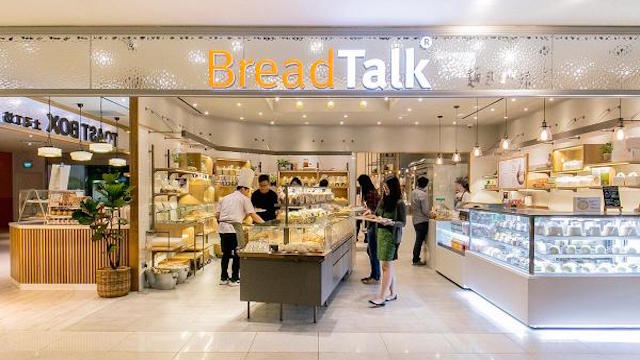
    Expansion-related costs saw Singapore-listed BreadTalk Group’s quarterly profit more than halve despite rising sales.

    According to a stock-exchange filing, net profit was down by 57.9 percent to S$1.02 million for the June quarter, but sales rose 9.8 percent to $163.3 million.

    Besides its namesake brand of bakeries, BreadTalk’s portfolio includes Toast Box, Food Republic, and The Icing Room, along with a host of franchises including Din Tai Fung, Song Fa Bak Kut Teh and Wu Pao Chun Bakery.

    Net profit for the half-year was down 35.3 percent at $2.34 on sales up 7.9 percent to $321 million.

    The higher costs are believed to relate to expansion into the UK as well as set-up costs for new Din Tai Fung outlets.

    Sales rose in the core bakery and food-court divisions, however, those gains were eroded by higher distribution and selling costs. The bakery division, which accounts for about two-thirds of BreadTalk’s sales, posted a loss over the half-year on a pre-tax basis.

    This was mitigated by strong performances of the food courts, especially in Hong Kong and Mainland China, where profits rose by 23.8 percent, thanks largely to low vacancy rates.

    BreadTalk is on track to open its first Song Fa Bak Kut Teh outlet in Taiwan later this year and plans to open more eateries in Thailand and Singapore. It will also continue to roll out new food courts, focusing on Greater China and Cambodia.

    “Efforts to turnaround the bakery business, particularly in China and Thailand, remain underway, while we continue to build on the strong performance of the business in Singapore,” the company said in its filing.

  • Honestbee seeks court protection in order to survive

    Honestbee seeks court protection in order to survive

    Sinking in debts of around US$180 million, Singapore grocery retailer Honestbee is seeking court protection from creditors to allow it to restructure.

    The company has applied to the High Court to commence a process which reportedly would give it six months protection from creditors lodging winding up procedures or other legal attempts to recover what they are owed.

    News of the move surfaced late Friday at the same time the company confirmed it was laying off 38 staff in Singapore.

    “As a result of our reduced operations globally, the company has made a decision to rightsize the company in order to cut costs and streamline its business,” a spokesman said in a  statement to the Straits Times.

    “The move is necessary to ensure that the company has the right structure in place for long-term stability and success.”

    Friday’s news came one week after the company announced the appointment of a new CEO, Ong Lay Ann, who has actually been in the role since July 15, atkin over from interim CEO and investor Brian Koo, who remains chairman. That followed the resignation of CTO and co-founder Jonathan Low four days earlier.

    Koo is also a founding partner in Formation Group, one of Honestbee’s largest creditors. Koo is part of the family which owns South Korean industrial giant LG. Parties associated with the Koo family are said to be owed as much as $50 million by Honestbee.

    In a statement, Honestbee said a court-supervised restructuring would allow management to focus on re-evaluating the business free from interference, to streamline operations, improve efficiencies and reduce overheads.

    “As part of the restructuring process, Honestbee will work closely with their advisers, creditors and stakeholders to achieve the best possible outcome for all interested parties,” the company said.

  • Singapore supermarket operator Sheng Siong reports profit boost

    Singapore supermarket operator Sheng Siong reports profit boost

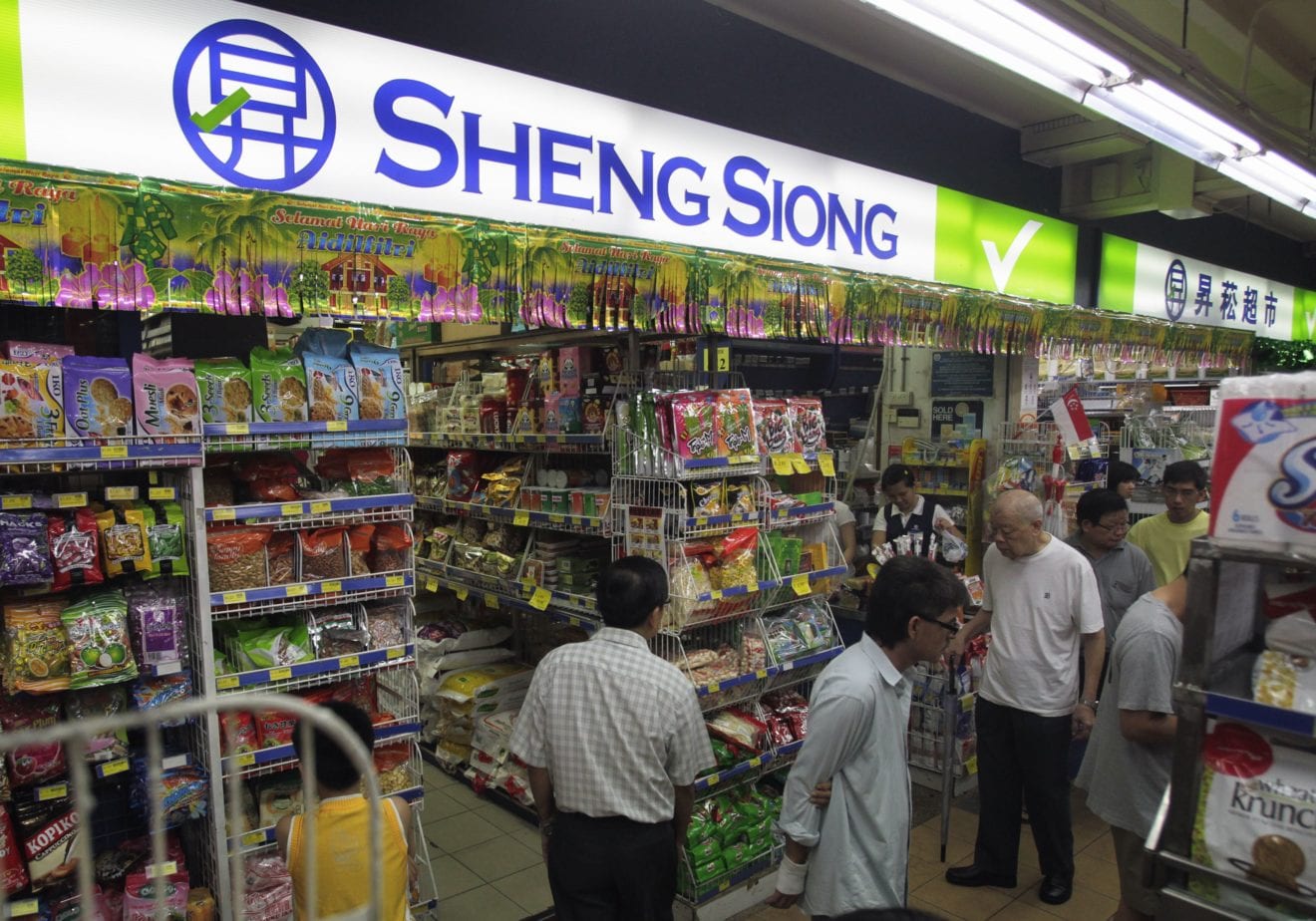
    Singapore supermarket operator Sheng Siong boosted its net profit by 7.4 percent in the June quarter, to S$18.42 million.

    Sales rose 11.8 percent to $238.16 million on the back of 13 new store openings.

    However, the company has warned investors that competition in the Singapore supermarket sector is tough, from both online retailers and rival supermarket chains. Worse, consumer spending may be impacted by a soft economic outlook.

    In the half-year to date, Sheng Siong recorded a 6.6 percent increase in net profit to $37.78 million, on sales up 11 percent to $489.59 million.

  • Menulog grows footprint, revenue in Australia

    Menulog grows footprint, revenue in Australia

    London-based food company Just Eat posted its half-year results on Wednesday, including the latest results from its Australian subsidiary Menulog.

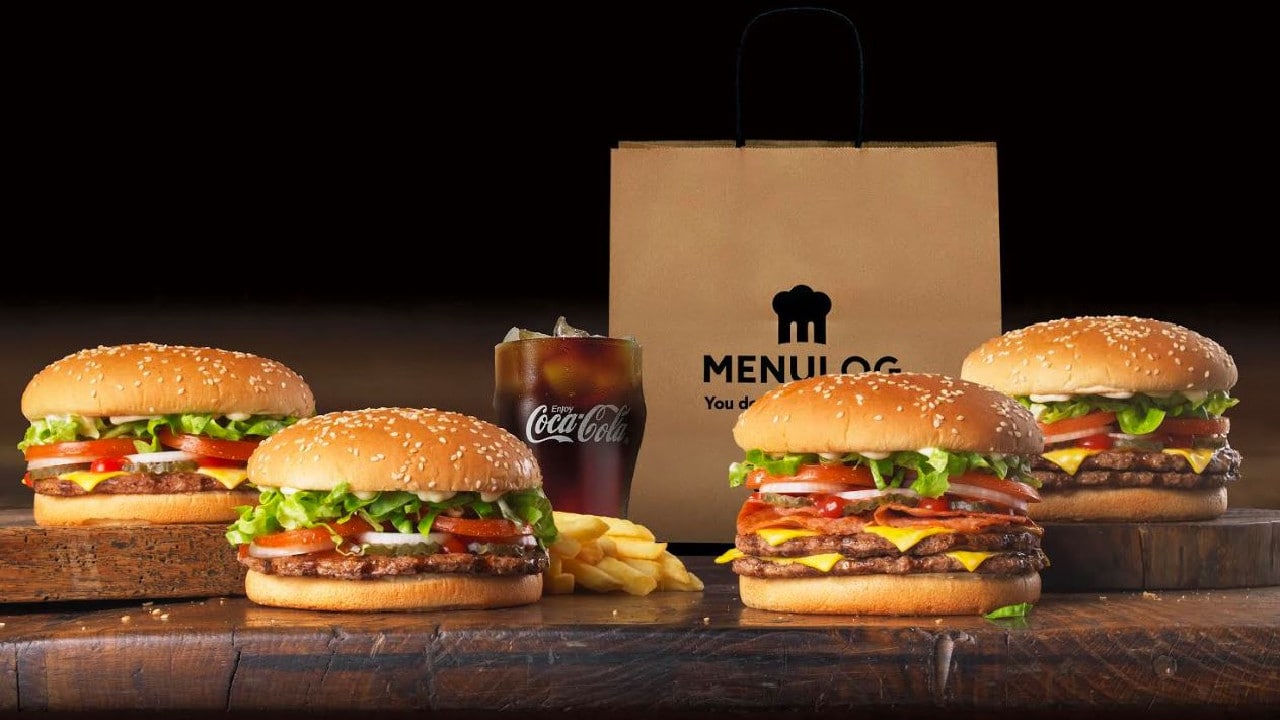
    The takeaway food platform, which launched its own delivery service in 2018 (previously it only catered to restaurants that could ‘self deliver’), reported a 29 percent increase in revenue on a constant currency basis in the first half to £27.3 million.

    Orders increased more than 10 percent year on year. Underlying EBITDA, however, fell into the red, with the company reporting a £2.1 million loss in the first half, compared to a £4.3 million profit in the prior corresponding period.

    According to Just Eat, this was due to the cost of rolling out of its new delivery service. It had signed up 5700 restaurants to the service by the end of June and now covers 70 percent of the addressable population in Australia.

    “We’ve been working at pace and made good progress in the first half of the year to become the preferred food delivery app for our customers, with a broader choice of restaurants, a better user experience and a more personalized and impactful approach to communication,” Just Eat interim chief executive Peter Duffy said.

    “Australia has returned to top-line growth with our delivery operations achieving gross profitability. These are strong foundations for Just Eat to build on, as the business continues to drive forward.”

    The company reported a 28 percent year on year increase in restaurant partners. It now has seven of the top nine international chains operating in Australia on its platform.

    Active customers fell by 10 percent compared to the same period of 2018 due to a smaller EatNow platform – a subsidiary brand, which is set to be retired later this year. Average order value also fell 2 percent, from £23.49 during the first half of 2018 to £23.03.

    “Effective action taken by our teams in a period of transition resulted in significantly improved performance in the first half of the year and has seen us reclaim market share,” the parent company wrote in a note to investors.