Tag: Food

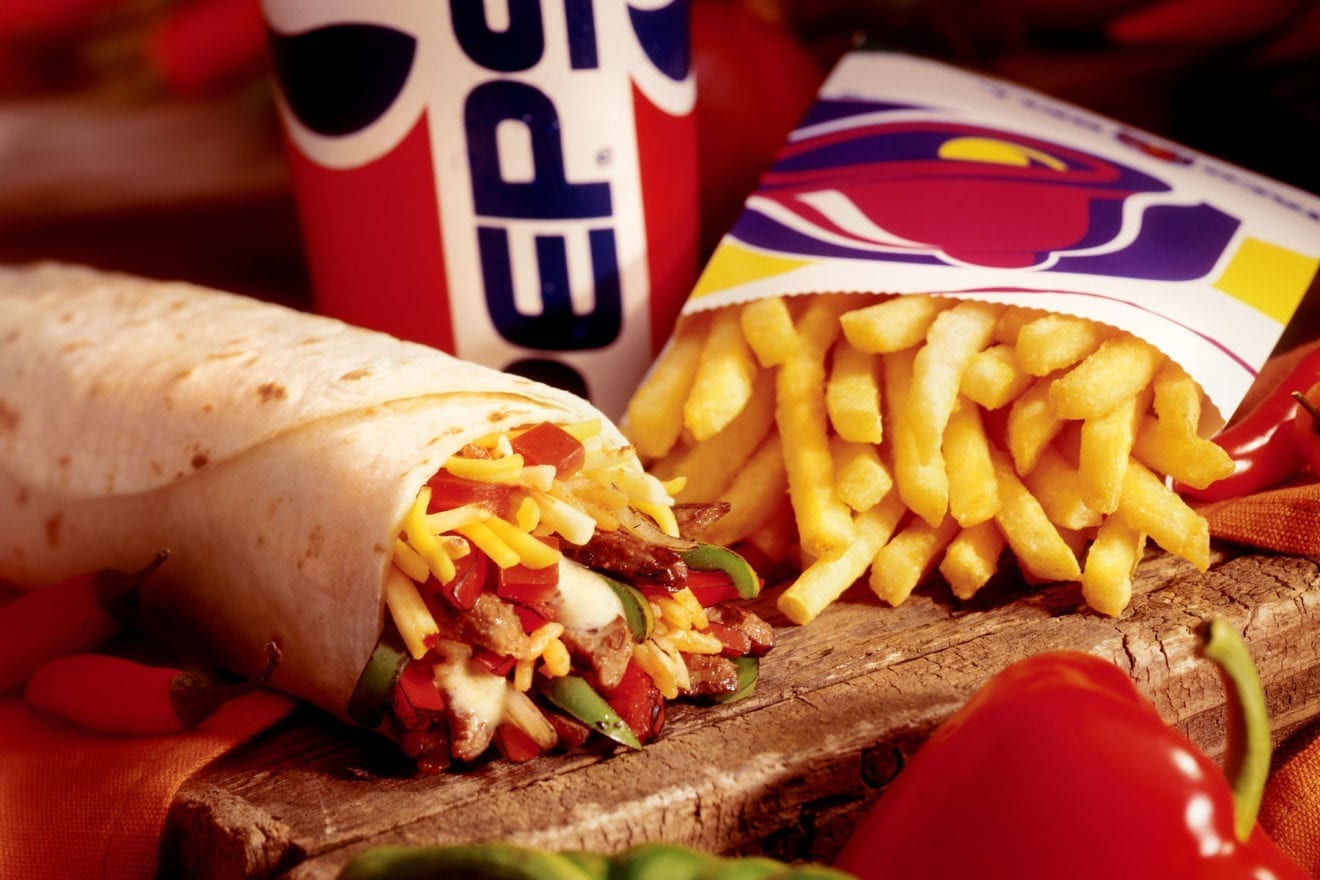
  • Taco Bell eyes four new SE Asian markets

    Taco Bell eyes four new SE Asian markets

    Talks are underway to expand the Mexican-inspired fast-food restaurant chain Taco Bell into Southeast Asia.

    The Thai franchisee of the chain, Siam Taco, is said to be in early talks with the franchiser to operate the brand in neighboring countries Cambodia, Laos, Myanmar and Vietnam.

    Siam Taco is a joint venture between Thoresen Thai Agencies and the Mahagitsiri family-owned CM Capital. The JV currently operates five restaurants in Thailand since launching in January, with plans to grow its network to 40 restaurants within the next five years.

    According to Siam Taco director Chalermchai Mahagitsiri, the huge market potential in CLMV countries is what is attracting the company to expand there.

    Taco Bell Asia Pacific and Middle East MD Ankush Tuli confirmed the talks but said no final agreement has yet been reached.

    Tuli said that Thailand and the rest of Asia Pacific will be the key sales drivers for Taco Bell. It is scheduled to open in Indonesia and Malaysia next year, as it intends to double its overseas network to more than 500 over the next few years.

    In the Philippines, Taco Bell has six restaurants, operated by its local partner Philippine Pizza Incorporated.

    “Asia-Pacific will be our big growth driver because about two-thirds of the global population comes from this region,” said Tuli.

    Owned by Yum! Brands, Taco Bell has more than 7000 restaurants in the US and a presence in 30 countries globally.

  • Kiehl’s Seoul pop up exhibition uses digital engagement to share Christmas cheer

    Kiehl’s Seoul pop up exhibition uses digital engagement to share Christmas cheer

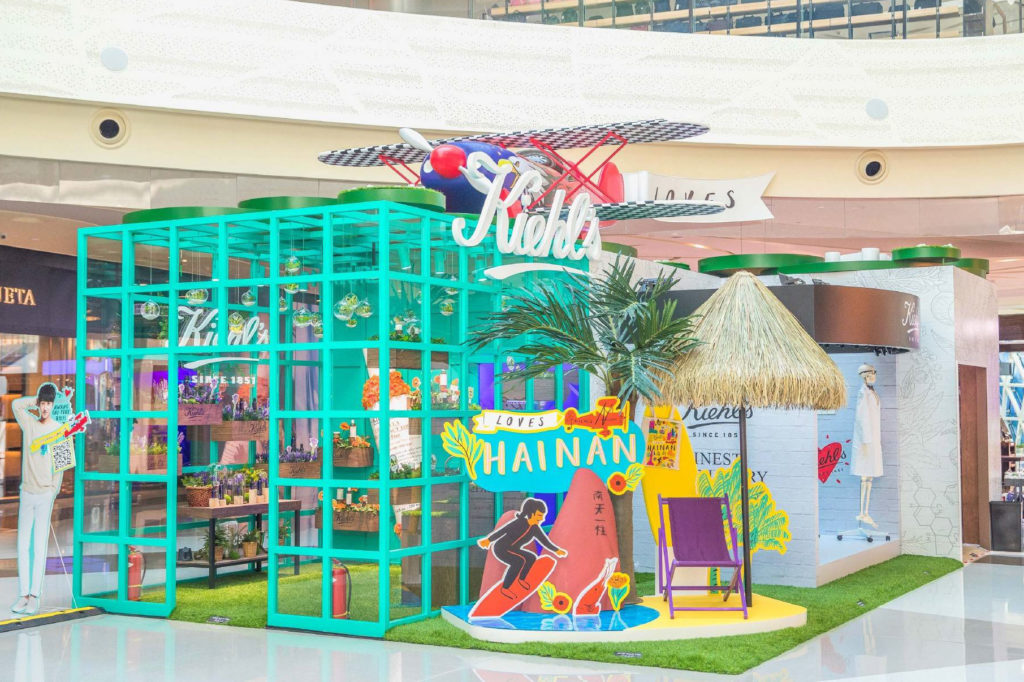
    A three-day Kiehl’s Seoul pop-up store was unveiled on Saturday, drawing several of South Korea’s most famous KoLs and incorporating multiple digital touchpoints and VR.

    For the first time, Shinsegae Duty-Free allowed a single brand to take over the entire center court on the 10th floor of its Myeongdong department store, the hub of its downtown duty-free retail space. Kiehl’s Travel Retail Asia Pacific created multiple installations around the golden mirror carousel in the center of the floor, the highlight a real snowmobile where guests could don a virtual-reality headset and speed through the streets of downtown New York City.

    The pop-up store was opened by popular K-pop R&B star Eric Nam and Kiehl’s Travel Retail Asia Pacific GM Petrina Kho.

    Two of South Korea’s most famous KoLs were also on hand:  Risa Bae and Ha Neul, both of whom boast more than 1 million followers on Instagram and spent more than an hour posing for selfies with fans.

    The pop-up space was themed Make it Merrier with Kiehl’s and was designed to appeal to both children and adults. One of the installations allowed people to customize a children’s storybook and – by scanning a QR code – download it in digital form. Others included QR-based interactions where visitors could answer questions to redeem free samples of Kiehl’s products.

    The pop up was topped off with a giant colorful animated 360-degree video wall on the balcony of the 11th floor, framing the centre court. Artwork for the pop up was created by Finnish graphic artist and illustrator Janine Rewell

    Kiehl’s has built a reputation for sustainable practices and corporate social responsibility and this event reinforced that commitment. The company committed up to US$10,000 to the charity Room to Read, by donating $1 for every sale of 125ml Ultra Facial Cream Holiday Limited Edition between November 1 and December 31. The funds will be used to purchase books.

    Dr Geetha Murali, Room to Read’s CEO, told guests at the launch the cash would be sufficient to fund reading programs for 200 children in developing countries.

    “Room to Read’s mission is to create a world free of illiteracy and a safe place in schools for young girls to read and study.” The organization’s internal research shows that 80 percent of the children it has helped to date have graduated from school, compared with just 20 percent on average in the countries they work in.

    Meanwhile, all the displays created for the pop up were made from sustainable wood and after they are disassembled this week, all the items will be donated to schools and charities for children to enjoy.

    Kho said the pop up was designed with the spirit of “giving and sharing”.  It follows a successful series of Kiehl’s Loves promotions in Bangkok, Hainan, and Seoul earlier this year.

    “Holiday is a joyous time of the year and Kiehl’s is delighted to push the boundaries of disruptive and engaging retail expressions with Shinsegae Duty-Free through our immersive popup,” she said.

    Hong Seok Ho, merchandising division senior VP at Shinsegae Duty-Free, said the partnership with Kiehl’s was part of the retailer’s mission to constantly deliver “unique and inspiring retail experiences” for customers.
  • Delivery Hero Acquired Korean rival Woowa

    Delivery Hero Acquired Korean rival Woowa

    Berlin-headquartered online food-delivery operator Delivery Hero has acquired Seoul-based rival Woowa for US$4 billion.

    The acquisition will see Delivery Hero owning 88 percent of Woowa, with the remaining shares to be acquired over time.

    Woowa operates food delivery platform Baedal Minjok in South Korea, which it says generated approximately 100 million orders during the third quarter. It also includes the Baemin service in Vietnam, operated by Baedal Minjok.

    “Woowa is at the forefront of innovative technology services and has put Korea on the map in the global online food delivery industry,” said Delivery Hero CEO Niklas Ostberg.

    “We fully support Woowa to continue making investments and innovate for the benefit of the wider industry participants, including consumers, restaurants, employees, and riders,” he added.

    Along with the acquisition, the two companies agreed to set up a joint venture in Singapore to explore investment opportunities in the Asia-Pacific region and to further expand Delivery Hero and Woowa’s Asian footprint.

    The deal marks a complete circle of delivery services in Vietnam. Foodpanda exited the market in December 2015 and its then-parent sold the database to rival Vietnam. Delivery Hero bought out Foodpanda a year later and earlier this year, Baedal Minjok bought Vietnammm before rebranding it Baemin.

    Frankfurt-listed Delivery Hero was founded in 2011 with operations in more than 40 countries internationally, offering delivery services in more than 300 cities.

    Last year, Woowa grew revenues in South Korea by 96 percent over 2017 to €242 million, turning a pretax profit of €46 million. In the first nine months of this year, Woowa grew revenues in South Korea by 84 percent to €301 million, with GMV pretax profit of around €3 million. Its Vietnam subsidiary fulfilled about 1.5 million orders during the third quarter of this year.

  • This airline is opening a restaurant that only serves plane food

    This airline is opening a restaurant that only serves plane food

    Out of the many repulsive things about air travel, airline food probably ranks high. But not for AirAsia.

    Asia’s largest low-cost carrier is betting people love its food so much that it opened its first restaurant on Monday, offering the same menu it sells on flights. It’s not a gimmick, either: AirAsia, based in Malaysia, said it plans to open more than 100 restaurants globally within the next five years.
    The quick-service restaurant’s first location is in a mall in Kuala Lumpur. It’s called Santan, meaning coconut milk in Malay, which is the same branding AirAsia uses on its in-flight menus.
    “We have seen a significant appetite for our in-flight menu offerings beyond our flights across the region and this is our answer to that demand,” the brand’s general manager Catherine Goh said in a press release.
    AirAsia hopes its Asian-specific food will attract people over its western competitors. It’s also part of the company’s broader plan to become a lifestyle brand, according to a recent interview CEO Tony Fernandes gave.
    AirAsia is also the first airline to bring its in-house food offerings to the ground. Typically, airlines attract high-end chefs from restaurants to craft in-flight menus. For example, JetBlue partnered with New York-based Saxon and Parole for its meals, and British Airways offers items for sale on some of its flights from regional retailer Marks and Spencer.
  • Malaysia’s Go Noodle House opens first Singapore restaurant

    Malaysia’s Go Noodle House opens first Singapore restaurant

    Malaysian restaurant brand Go Noodle House has launched in Singapore – and is now preparing to enter five other Asia-Pacific markets.

    The new Somerset outlet is the brand’s second overseas location and is a step forward in its plans to expand throughout the region to New Zealand, Vietnam, South Korea, Indonesia, and the Philippines. It already operates a restaurant in Melbourne.

    Co-founder Lee Hon Wai based the business on a yellow rice wine noodle soup broth traditionally prepared by fellow co-founder Alvin Tan Kok Meng’s mother.

    The franchise has since seen extensive queues at all its locations in Malaysia, where it sells 18,000 bowls daily since opening in Kuala Lumpur in 2014.

  • Pork prices push November inflation to 9-year high

    Pork prices push November inflation to 9-year high

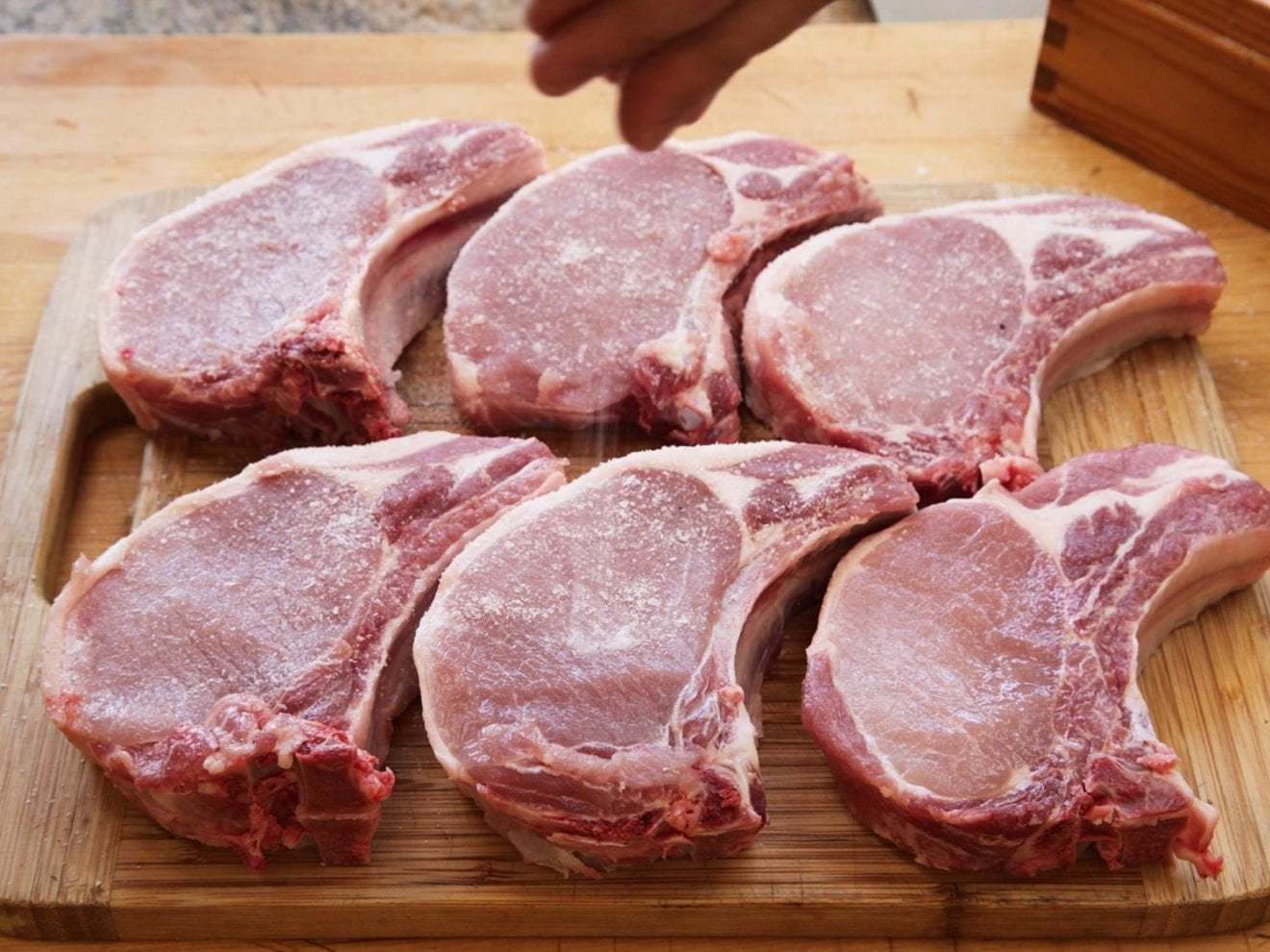
    Rising prices of pork and processed meat raised the November consumer price index (CPI) a record 0.96 percent over the previous month.

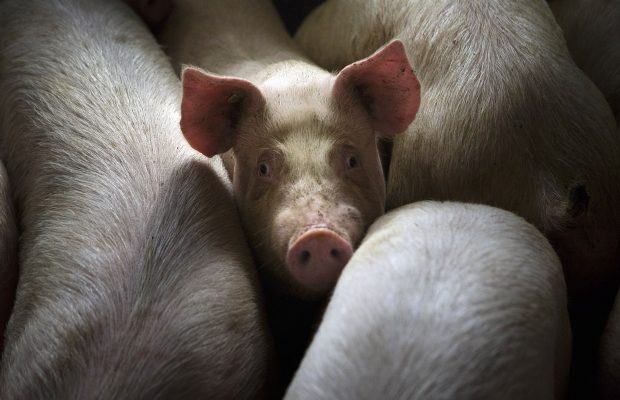
    Dwindling supply of pork following the African swine flu outbreak in Vietnam saw prices of pork and other processed meat products to soar in November, leading to the biggest CPI increase in 9 years, according to the latest report by the General Statistics Office (GSO).

    However, over the last 11 months, the CPI had only risen by 2.57 year-on-year, the lowest increase in the last three years. The CPI in November, compared to December-end 2018, had increased by 3.78 percent.

    Speaking to VnExpress, merchants in Ho Chi Minh City said that prices of pork substitutes such as beef and seafood rose as customers made the switch, coupled with heightened demand as the New Year approaches.

    Vietnam has had to cull 5.9 million pigs infected with African swine fever since the beginning of the year, equivalent to 337,000 tons of pork, according to Phung Duc Tien, Deputy Minister of Agriculture and Rural Development.

    This has resulted in pork prices rising by 19 percent since last November and could rise by a further 10-15 percent by the end of this year with an expected shortage of 200,000 tons, according to the GSO.

  • Collins Foods HY profit rises 9 per cent to $24m

    Collins Foods HY profit rises 9 per cent to $24m

    Collins Foods’ underlying half-year profit has risen 9.1 percent to $23.9 million, boosted by a 4.9 percent rise in same-store sales at its KFC Australia franchises.

    The fast-food franchisor says statutory profit for the 24 weeks to October 13 was up 12.1 percent to $24.1 million, as its revenue rose 9.2 percent to $448.8 million in the six months to October 13.

    “Our KFC Australia network delivered enhanced same-store sales growth that, with new restaurant openings, drove strong growth in revenue,” chief executive Graham Maxwell said on Wednesday.

    “Combined with management’s focus on maintaining strong cost control, KFC Australia’s earnings margin grew over the past six months.”

    Collins lifted its interim dividend by half a cent to 9.5 cents and its shares were 4.2 percent higher at $10.13 by 1146 AEDT.

    The company said around 100 of its 233 Australian KFC franchises were now offering delivery through Deliveroo and Menulog, which was helping boost sales volumes.

    Speed of service was also 10 percent faster than the prior year at peak times, the company said.

    Collins Foods said it has opened six new KFC restaurants in Australia in the last seven and a half months and has started a multi-year rollout of digital menu boards from drive-thrus.

    The company opened three new Taco Bells in Queensland in the past three months, bringing its total number of seven across Australia, and plans to open two more in Victoria before the end of the year.

    It is targeted to open 20 new Taco Bells in the next calendar year.

    Revenues at its 40 restaurants in Germany and the Netherlands was up 11.8 percent to $63.7 million, with a national brand refresh helping sales in Germany.

  • Australia’s food waste problem fueled by meal delivery services

    Australia’s food waste problem fueled by meal delivery services

    Australia’s food waste problem is getting worse, like meal delivery services fuel further waste.

    The nation’s total food waste bill is now $10.1 billion, up from $8.9 billion dollars in 2018, making it the highest in four years of data collected by the Rabobank Food Waste report.

    Australia is the fourth highest food waster in the world, with the average household now throwing away an average $1,026 worth of food per year, a 15 percent increase from $890 last year.

    Household waste makes up 34 percent of food waste nationally, with 31 percent from primary production and 25 percent from manufacturing.

    Glenn Wealands, head of Client Experience, Rabobank Australia said food waste is one of the most “significant challenges facing our nation and planet”.

    “As individuals, each and every one of us can and must make a difference. When we waste food, the ramifications go far beyond just dollars, impacting our planet and precious resources,” Wealands said.

    “We know from this research that more than three-quarters of us care about reducing food waste and are annoyed by it. However, it is alarming that less than three out of 10 of us recognize the impact our food waste has on the environment.”

    Rabobank said the main contributor to household waste was poor food prepared properly, leftovers going uneaten, buying too much and changing plans after shopping.

    Gen Z remains the most wasteful generation, binning $1,446 of the food they purchase every year, up $234 from 2018. While Baby Boomers remain the least wasteful of all Australians, throwing out only $498 of their food.

  • Jollibee Expedites North American expansion

    Jollibee Expedites North American expansion

    Filipino fast-food chain Jollibee plans to expand its store network in North America to 250 by 2023.

    Its parent company Jollibee Foods Corporation (JFC) said it is committing to further expand the brand in North America, having identified the region as a key growth market.

    There are currently 46 Jollibee outlets in North America, with the first store opened in 1998 in California.

    The expansion plan was announced at the inauguration of its new North American headquarters in West Covina, California on Friday. It says the new 28,000sqft headquarters will serve as a center of operations for Jollibee and its sister brands Chowking and Red Ribbon.

    “The new Jollibee headquarters will ably support operations around North America in its quest to become a major fast-food player in the region,” says the company.

    Jollibee has a restaurant network of more than 1400 at home and more than 230 elsewhere abroad.

    Parent company JFC has more than 5800 restaurants in 35 countries globally, with recent investments including a joint venture to open Tim Wan Ho restaurants in China.

  • Pork price hikes drive up related food costs

    Pork price hikes drive up related food costs

    Pork prices have surged following the African swine flu outbreak in Vietnam, driving up prices of related food in supermarkets and restaurants.

    Over the last two months, the prices of pork products at many supermarkets and food stores in Ho Chi Minh City rose 5-25 percent.

    For instance, the price of pork sausages has risen from around VND120,000 ($5.2) to VND150,000 ($6.5) per kilogram, and that of higher-end sausages from VND150,000 ($6.5) to VND210,000 ($9.1).

    Hoa, the owner of a food store in HCMC, said that over the past week, all suppliers have announced price increases of VND3,000-20,000 (13-86 cents) on each kilogram of pork, forcing her to adjust prices accordingly.

    “Many merchants have advised me to buy in bulk now and store the pork because prices will rise even further as demand rises and supply dries up,” Hoa said.

    Similarly, restaurant owners in HCMC have raised the prices of rice and noodles dishes with pork as an ingredient, which on average cost around VND30,000 ($1.3), by VND2,000-5,000 (9-22 cents) each.

    “I can’t raise prices too much or it will shock my guests, so I have to do a balancing act of cutting smaller portions of pork, finding cheaper suppliers,” said Hue, a restaurant owner in Go Vap District, HCMC.

    Vietnam has had to cull 5.9 million pigs infected with African swine fever since the beginning of the year, equivalent to 337,000 tons of pork, according to Phung Duc Tien, Deputy Minister of Agriculture and Rural Development.

    This has resulted in pork prices rising by 19 percent since last November, and could rise by a further 10-15 percent by the end of this year with an expected shortage of 200,000 tons, according to the General Statistics Office (GSO).

    While the consumer price index in November is forecast to reach 0.8-1 percent, pork alone is expected to contribute 0.75 percentage points to this increase, GSO officials said at a government meeting urgently called Monday to find ways to limit the surge in pork prices.

    At the meeting, the government assigned the Ministry of Industry and Trade to monitor and forecast upcoming pork shortages every month, so that the government could import enough quantities to ensure balance in demand and supply and control prices.

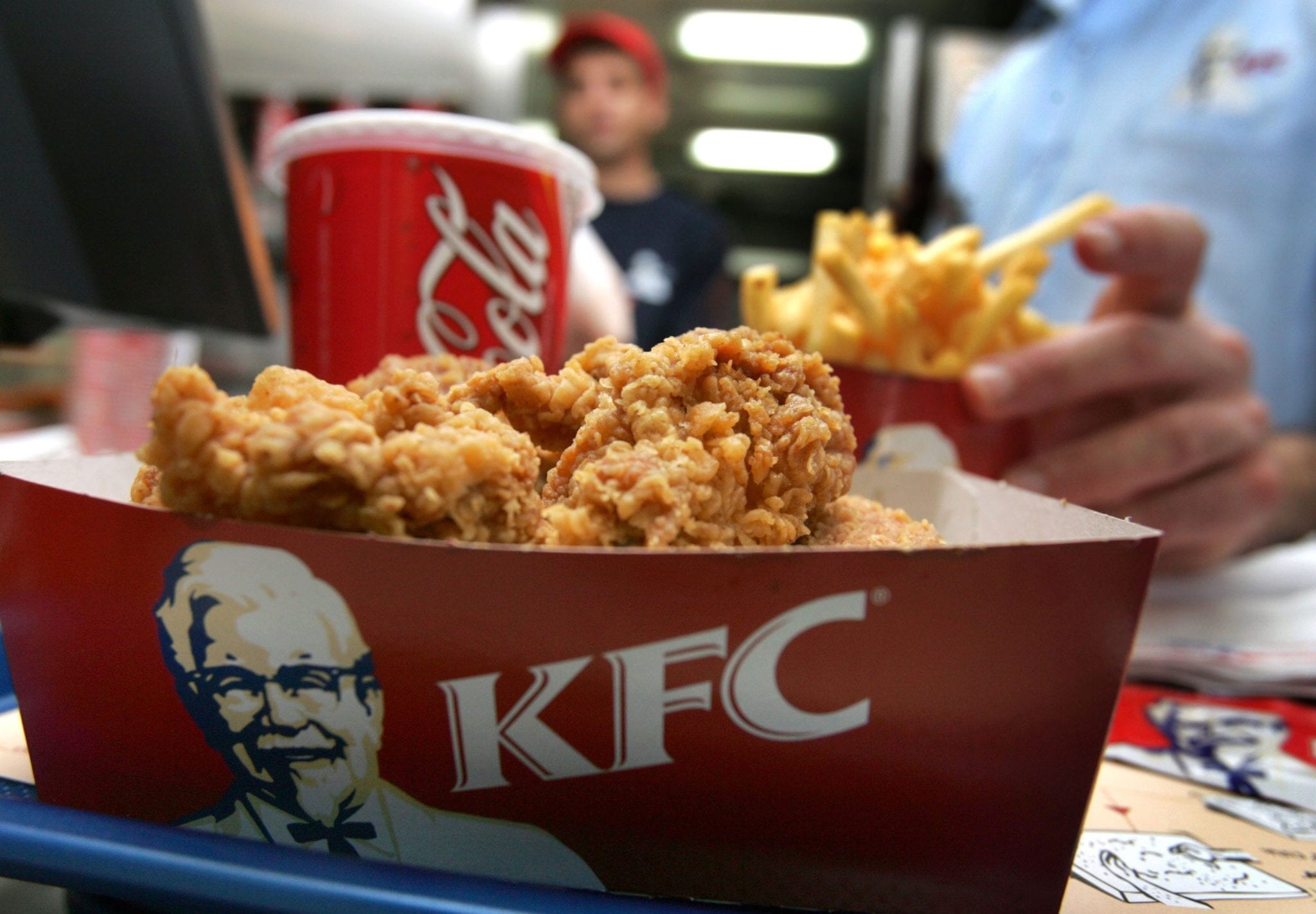
  • KFC expands delivery offer with Menulog

    KFC expands delivery offer with Menulog

    QSR chain KFC has extended its partnership with Menulog for three more years after seeing a strong response to its offer on the food delivery platform over the past 12 months.

    The agreement will see the chicken chain offering delivery in more suburban and regional areas as it brings more restaurants onto the platform. More than 360 KFC restaurants currently offer delivery through Menulog, and that figure is set to rise by almost 10 per cent by the end of this year. KFC also offers delivery through rival platform Deliveroo.

    Competition in Australia’s food delivery space is intense, and the key players – Menulog, Deliveroo and Uber Eats, the market leader – all see restaurant chains with national footprints and sizeable marketing budgets, such as KFC, McDonald’s and Hungry Jack’s, as an important path to expansion.

    Since US delivery giant DoorDash entered the local market in September, the race to strike deals with QSR brands has only heated up. DoorDash recently offered free Oporto burgers as part of a promotion to mark its launch into Sydney. And Menulog’s managing director Ben Carter said the platform will continue to take advantage of co-marketing opportunities with KFC.

    “Kentucky Fried Chicken is a favourite with our customers and so there is a very compelling co-marketing opportunity that we will continue to take advantage of over the next three years,” Carter said in a statement.

    “Customers can expect to see some very exciting, creative and truly integrated work that will add value and enjoyment to the KFC and Menulog delivery experience.”

    Menulog recently announced it had signed its 16,000th restaurant in Australia. The platform is owned by UK-based company Just Eat, which is in the middle of a merger with the Dutch Takeaway.com.

  • Yogurtland expands in Indonesia with new partner

    Yogurtland expands in Indonesia with new partner

    Yogurtland is to expand its retail network in Indonesia by opening four new outlets by the end of this month and plans to open more than 15 stores during the next three years.

    The expansion in Indonesia is the result of a partnership with Yogurtland Indonesia Global Mandiri, signed last June.

    The company opened the first two stores at Lippo Mall Puri and Central Park Mall last week. Other locations will open at Summarecon Mall Bekasi and Kota Kasablanka Mall later this month.

    “Indonesians want variety as they focus more and more on healthy lifestyle trends,” said Phillip Chang, CEO and founder of Yogurtland.

    “With more than 250 unique flavors and the world’s finest ingredients, Yogurtland is the right choice for Indonesia.”

    He said Yogurtland Indonesia Global Mandiri’s owners have strong combined experience and a track record of excellence in the industry and will ensure guests in Indonesia will enjoy a wonderful Yogurtland experience.

    Yogurtland features non-fat and low-fat yogurt flavors, ice cream, and non-dairy and no-sugar-added choices while using milk that does not contain antibiotics or added hormones. Fruit flavors are fortified with Vitamin C.

    Yogurtland has operated more than 320 stores across the US, Australia, Dubai, Guam, Myanmar, Oman, Singapore, and Thailand.

  • Dusit brings South African restaurant Kauai to SE Asia as Real Foods

    Dusit brings South African restaurant Kauai to SE Asia as Real Foods

    South Africa’s Real Foods Group is launching its healthy fast-casual restaurant concept Kauai into Southeast Asia in partnership with Thai hospitality company Dusit Food, under the local brand name, Real Foods.

    The Real Food restaurants will maintain Kauai’s concept and store design. Most of the menu will follow the original Kauai’s, while other dishes will be adapted to meet local tastes. Signature Kauai’s dishes such as Princess Wrap and the Strawberry Stinger will also be available in Real Foods stores.

    “Globally, there is a major shift taking place as consumers seek out healthier, natural food options which are both affordable and convenient,” said Jate Sopitpongstorn, MD at Dusit Foods.

    “Dusit Real Foods already has another three stores lined up through its long-standing relationship with Virgin Active health clubs. As we hold master-franchise rights, we will also look at expanding Real Foods outside of Thailand, leveraging our strong network of hotels and resorts in Asia Pacific, the UAE, Qatar and Oman to introduce Real Foods in more new markets worldwide.”

    Real Foods plans to open at six other Virgin Active health clubs throughout the city.

    Group CEO of  Real Foods, Dean Kowarski, said the company’s stores offer a mix of both takeaway and sit-down meals.

    “We make healthy eating delicious, easy and convenient, and there is something for everyone on our menu. Our new partnership in Thailand demonstrates that Real Foods is achieving its mission of bringing more health and wellness options to consumers worldwide”.

    Established 23 years ago, Kauai serves 7.3 million meals annually across its 164 stores in South Africa and the Netherlands. The brand has established itself as an “innovative leader in the health space” with a commitment to sustainable sourcing and bringing convenient, nutritious options to consumers worldwide.

  • US food delivery service DoorDash expands to Sydney

    US food delivery service DoorDash expands to Sydney

    Two months after entering the local market with food delivery services in Melbourne, DoorDash has expanded to Sydney and now covers more than 40 percent of the Australian population it says.

    Launched in the US in 2013, the platform is the market leader in America with 35 percent market share. But it has a long way to go to catch up with the major players in Australia – UberEats, Deliveroo and Menulog – which have had a significant head start in the much smaller market.

    DoorDash says it has partnered with more than 2000 local restaurants, including major QSR chains, such as Carl’s Jr, Nandos, Subway, Grill’d, Crust and Oporto, which is giving away 10,000 free burgers to customers in Sydney to mark the launch on Tuesday. It also offers in-store pick-up for hundreds of restaurants.

    DoorDash aims to grow its presence in Australia by targeting customers in the suburbs, not just city centers.

    “The unique challenge we’ve sought to solve is not only offered great selection and service in urban environments but suburban ones as well,” Thomas Stephens, DoorDash’s general manager in Australia said.

    “It’s an incredible opportunity, as it’s where the vast majority of Australian’s live, and one we’re excited to connect.”

    But the platform also has faced criticism for what some call an aggressive expansion strategy. DoorDash had signed up restaurants to the platform without their permission.

    The platform allows customers to order from restaurants that haven’t signed up to DoorDash, with restaurants often finding out an order has been placed only when a delivery rider shows up to collect it.

    Stephens said the platform is acting as a “courier service” in these instances, and said restaurants can request to be removed from the platform.

    But this doesn’t match up with the “restaurant-led approach” that supposedly differentiates DoorDash from its competitors.

    “We’re differentiated from our peer group because of our restaurant-led approach, meaning we offer the most comprehensive suite of services to help bring restaurants online and drive incremental in-store sales,” Stephens said.

    Deloitte estimates online food delivery in Australia will reach $1.3 billion this year. According to Stephens, less than 10 percent of food sales outside of pizza are delivered currently.

  • Green Common expands into Mainland China

    Green Common expands into Mainland China

    Hong Kong plant-based grocery shop and cafe Green Common will launch online on Tmall Global at the end of this month, during the marketplace’s Black Friday event.

    The grocer, known for its plant-based products, will be making its first appearance in Mainland China, offering a range of about 40 food items, including products from popular plant-based food-tech brands including Alpha Foods, Gardein, Daiya Foods and Califia Farms. Further brands will join the site later.

    “Our collaboration with Tmall Global is a milestone development in the China market, enabling local consumers to get a taste of the future … we are going to start a new page in leading a healthy and sustainable food consumption trend in China,” said Green Monday founder David Yeung.

    The brand’s signature product Omnipork will also be available for retail, arriving at a perfect time as the African Swine Flu influenza sweeps through China. Omnipork is a meat substitute developed by a team of Canadian food scientists compromising a proprietary blend of plant-based protein from peas, non-GMO soy, shiitake mushrooms and rice to mimic the taste and texture of pork.

    Since its launch earlier this year in April, Omnipork has received extensive coverage from international media and is available across 1000 restaurant and hotel partners across Hong Kong, Macau and Taiwan as well as in Thailand and Singapore. According to Yeung, more than 180 restaurants and hotels in Beijing and Shanghai, including Grand Hyatt Beijing and Wagas restaurant chain, will use OmniPork to create dishes for diners during the next two months.