Tag: Food

  • Vietnam considers more pork imports as prices surge

    Vietnam considers more pork imports as prices surge

    The government has asked the agriculture ministry to look into increasing pork imports as supply plunges and prices reach 3-year high.

    The order, signed by Deputy Prime Minister Vuong Dinh Hue, seeks to stabilize pork prices, which have been surging since earlier this month and are now at a 3-year high of VND60,000-70,000 ($2.6-3) per kilogram.

    Experts have also expressed concerns that the recent price surge follows increasing exports to China. In January-August the country exported $449 million worth of meat, up 3.6 percent year-on-year from 2018, mostly because of the rise in pork exports to China.

    Domestic supply has been falling since the African swine fever broke out in February and spread to all localities. Almost 5 million pigs have been culled because of the virus, the Ministry of Agriculture and Rural Development estimated.

    In January-September, pig stock in the country dropped 19 percent year-on-year, while pork supply fell 9 percent, according to the General Statistics Office.

    Vietnam, the world’s fifth-largest pork producer last year, is at risk of a 500,000-ton shortage of pork, or 20 percent of total demand, between July and next February, according to global market research firm Ipsos Business Consulting.

    In the first seven months, Vietnam imported $22.1 million worth of pork, 4.3 times that of the same period last year, according to the Ministry of Agriculture and Rural Development. Major import markets were Brazil, the U.S. and Poland.

    About 70 percent of all meat consumed last year in Vietnam was pork, according to the ministry.

  • Grab launches first shared kitchen in Vietnam

    Grab launches first shared kitchen in Vietnam

    Grab launched a shared kitchen in Vietnam on Tuesday to cater to the growing demand for food delivery.

    It is in Thu Duc District, Saigon, and 12 restaurants make food exclusively for GrabFood drivers to pick up and deliver to customers.

    Grab has given each of them space to cook for free though they have to pay utility bills, and get a commission on the orders.

    Vietnam is the second place where it has launched GrabKitchen after Indonesia, and there is great potential for this model in the country, Jerry Lim, CEO of Grab Vietnam, said in a statement.

    Thu Duc was chosen because of its young demographic comprising students and workers who want to order from their favorite restaurants which are located too far away, he said.

    More such kitchens would be opened in the city this year and the model would be expanded to Hanoi and Da Nang next year, Lim added.

    Shared kitchens have become popular in Asian countries such as China, Japan and India in recent years as restaurants can focus completely on the food and do not need to find, rent and manage a shop.

    Between January and June this year the number of GrabFood transactions quadrupled to an average of 300,000 orders a day.

    Competitors for GrabFood in Vietnam now are Foody’s Now, Go-Viet’s GoFood and South Korean-owned Baemin.

    Vietnam’s ride-hailing and food delivery market is expected to top $1 billion this year and $4 billion in 2025, according to a recent report by Google, Singaporean investment firm Temasek and U.S. consultancy Bain.

  • Fave launches takeaway platform in Singapore

    Fave launches takeaway platform in Singapore

    Southeast Asian digital merchant-platform Fave has launched a food takeaway service in Singapore.

    Fave Takeaway will allow customers to pre-order their meal selection and make payment via the app’s digital wallet FavePay before picking up their order at participating stores. Customers can expect to collect their order within 30 minutes (or less) depending on the restaurants’ speed of service.

    Takeaway is part of Fave’s strategy to further digitize Southeast Asia’s F&B sector by allowing merchants to serve more customers beyond the capacity of their outlets while diversifying their revenue streams and increasing productivity.

    “As the [Singapore] government continues to push for a digital and seamless economy, Fave is helping SMEs adapt to the new landscape and in a more cost-effective way by giving them the tools to enable them to serve their customers in the best and efficient way possible,” said Fave co-founder and CEO Joel Neoh. “The introduction of Takeaway is our way of enabling that our merchants get the most out of the platform by increasing productivity and revenue.”

    “Queueing makes up a large portion of the average Singaporean’s time, but it is not something we would want to do when we are in a rush,” said Fave Singapore MD Ng Aik-Phong. “With the introduction of Takeaway, we hope to bring convenience and efficiency to our consumers while improving our platform for both merchants and consumers.”

    More than 200 merchants are participating in the launch of Takeaway with more to follow in the coming months.

    The new feature follows the launch of Fave’s Table Ordering service in May this year.

  • Crystal Jade restaurants opening in the Philippines

    Crystal Jade restaurants opening in the Philippines

    Philippines specialty store retailer SSI Group will play host to Chinese restaurant chain Crystal Jade in the territory.

    The firm has contracted with Crystal Jade Management to own and operate the brand in the Philippines as part of its expanding F&B portfolio.

    “The strategic partnership with SSI group is yet another proud moment for Crystal Jade,” said Crystal Jade Culinary Concepts Holdings CEO Douglas DeBoer. “We are excited to join in partnership with such a renowned specialty retailer which has successfully brought so many iconic international brands to the Philippines. Crystal Jade is dedicated to bringing authentic, quality Chinese cuisine to contemporary audiences around the world, and we look forward to delighting consumers across the Philippines very soon.”

    SSI president Anthony Huang said the opening of Crystal Jade in the Philippines is aligned with his company’s desire to provide consumers with complete lifestyle offerings through global partnerships “that cater to the eclectic and sophisticated taste of the Filipino consumer”.

    SSI will initially open a Crystal Jade Hong Kong Kitchen outlet early next year at Central Square in Bonifacio Global City, before rolling out Crystal Jade’s other three international dining concepts – which include Crystal Jade Golden Palace, Crystal Jade La Mian Xiao Long Bao and Crystal Jade Go.

  • Shake Shack openening second store in Philippines soon

    Shake Shack openening second store in Philippines soon

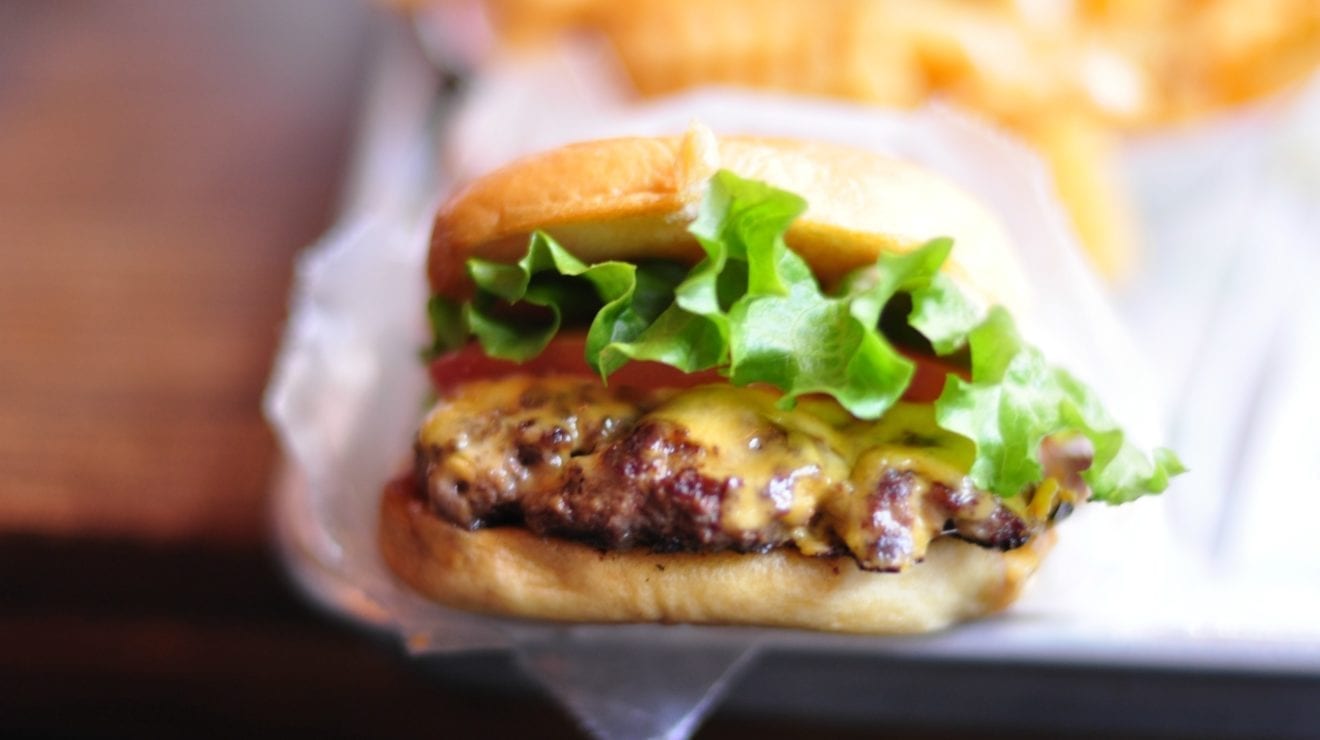
    Shake Shack is launching its second Philippines outlet at the Mega Fashion Hall at SM Megamall.

    The restaurant is expected to open before the end of the year, with construction on the new venue already underway following a board up made by artist Kris Abrigo, which features a “reimagined Ortigas skyline showcasing gradient colours as day shifts into night, and a multi-faceted community through textures and geometric shapes,” according to reporting in the Manila Standard.

    Brand enthusiasts are invited to interact with sliding panels in the board to reveal “surprises” during the lead-up period to the store’s opening.

  • China feels the love in Kiehl’s Hainan promotion

    China feels the love in Kiehl’s Hainan promotion

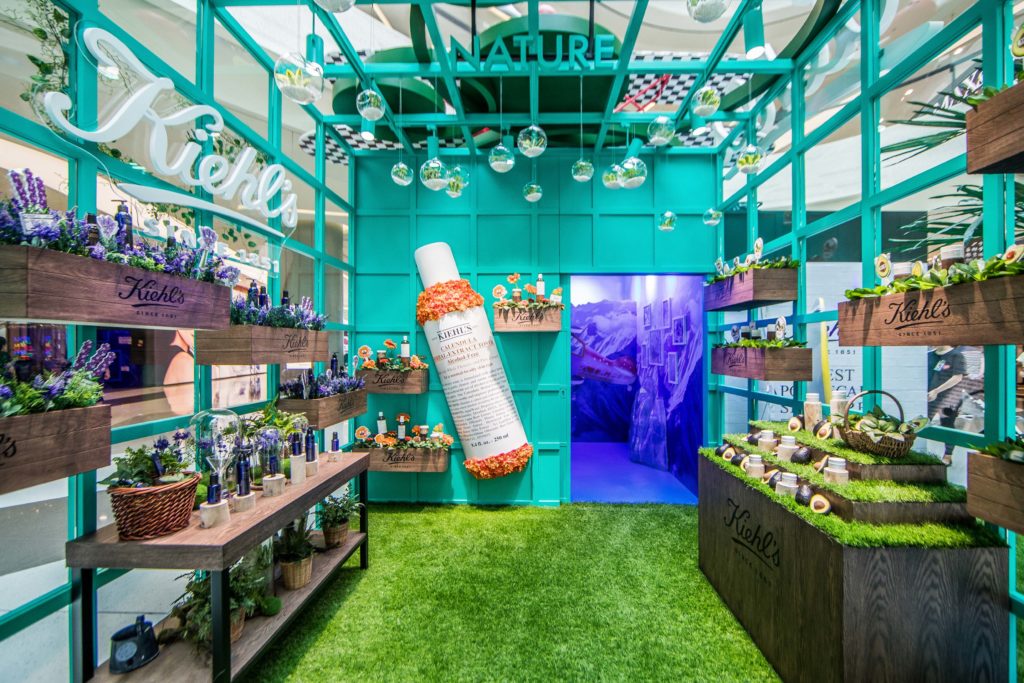
    New York skincare brand Kiehl’s has held the fifth installment of its global “Kiehl’s Loves Adventure” campaign with a new pop-up in China’s Hainan.

    The immersive Kiehl’s Hainan pop-up store, which remained open in Sanya International Duty-Free Shopping Complex during September, incorporated designs by visual artist Simone Massoni that conveyed the essence of the host city and the hearts of travelers, drawing inspiration from the lush greenery and features defining Sanya.

    The pop-up was launched with appearances by popular Chinese boy band singer Wang Zi Yi and TV sweetheart Song Yan Fei, who tested the brand’s Calendula range on stage with fans. The store featured an Instagrammable motorbike installation set against a tropical backdrop for posing in the saddle, while a colossal Calendula Toner bottle housing a “Calendulab” presented an interactive experience tunnel for all visitors to explore.

    A VR experience at the Kiehl’s Hainan pop up allowed visitors to immerse themselves in a game to hunt down Kiehl’s products in a tropical forest. The traditional Kiehl’s apothecary made an appearance beneath a glider plane.

    In an effort to mitigate the impct on climate change caused by carbon created during travel, Kiehl’s is now collaborating with Pur Project by investing US$1 from every purchase of the brand’s Ultra Facial Cream 125ml bought before October 31 in an agroforestry program.

  • Singapore Airlines To Trial Business Class Dine On Demand

    Singapore Airlines To Trial Business Class Dine On Demand

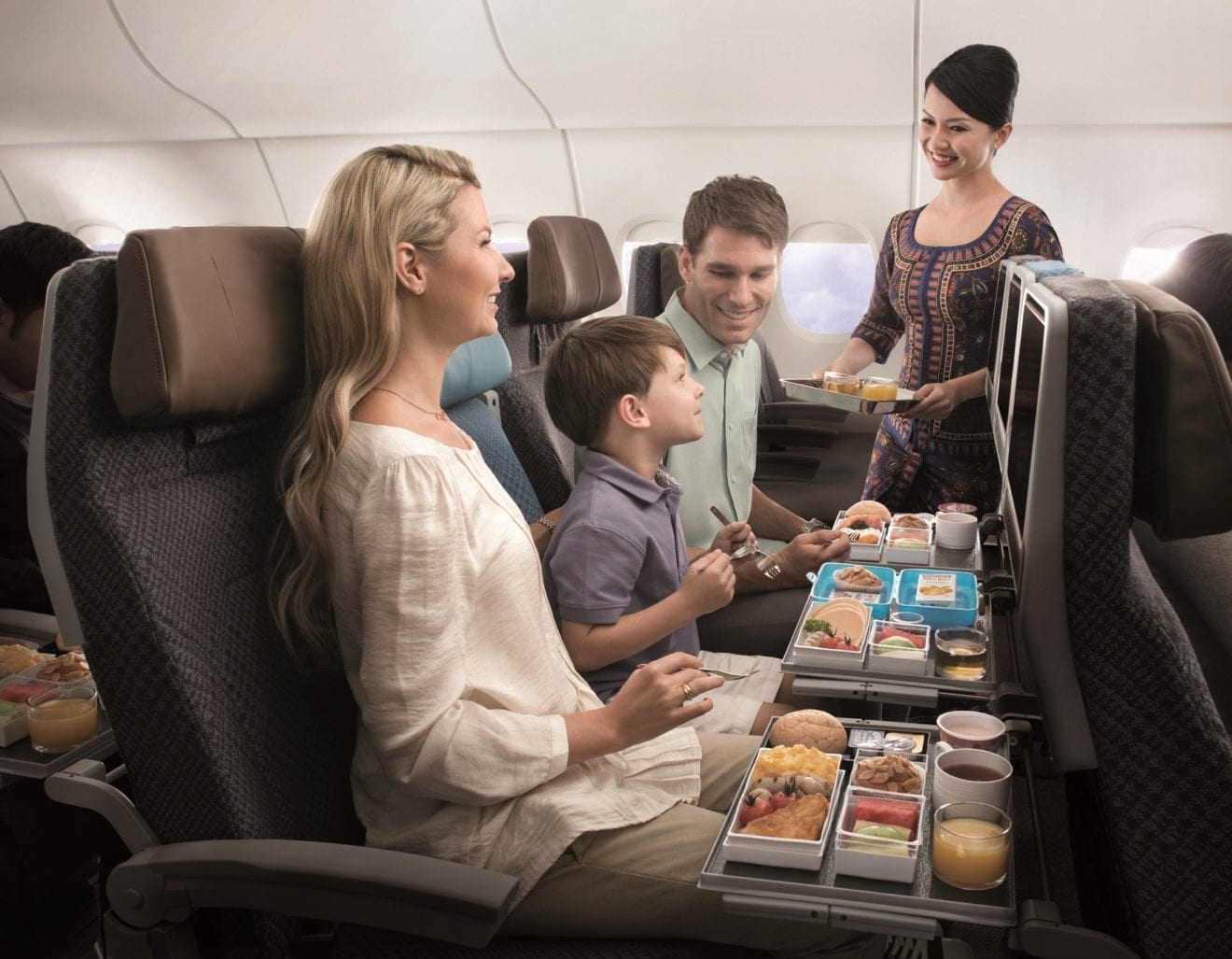
    For decades Singapore Airlines has been known for being one of the best airlines in the world, though I can’t help but feel like they’ve somewhat been resting on their laurels. I feel like the airline used to be super innovative, but is less innovative nowadays:

    • For the most part, I don’t find Singapore Airlines’ new cabins to be that cutting edge, and their business class seat hasn’t evolved that much in the past decade
    • Their meal services in business class are good, though nothing special
    • I will say that their cabin crew are consistently exceptional, and they’re one of the best parts of flying with the airline

    This is due to customer feedback, though Singapore Airlines is careful to note that they want to make sure they develop a system that works before fully implementing this.

    Part of that will be ensuring that flight attendants can deal with the increased work required from dine on demand while maintaining high levels of customized service.

    Is Business Class Dine On Demand A Good Thing?

    On the surface, the addition of dining on demand sounds like a good thing. Especially for an airline like Singapore Airlines, where I sometimes can’t figure out the flow of their meal service.

    But I’ve also sometimes in the past noticed that I don’t always think a dine on-demand system is best. Sure, in an ideal world dine on demand is great, but there are some downsides:

    • It significantly increases the workload for the crew, and will make them more stressed, and perhaps not provide the same level of service
    • If you’re like me and are a sensitive sleeper, I find that the sounds, lights, and smells, from people dining throughout the flight, can make it much harder to sleep

    So while I’m generally in favor of dine on demand, there are also some downsides that are at least worth acknowledging.

    I’d note that quite a few airlines have done dine on-demand trials in business class, but ended up deciding against it. Take Emirates, for example — they trialed it for a while, but then decided not to implement it on a widespread basis (meanwhile both Etihad and Qatar offer dine on demand).

    Bye Bye Lobster Thermidor?

    Singapore Airlines offers a “Book The Cook” menu, where you can order from a much larger menu before your flight. One of the most popular options is their lobster thermidor dish.

    It looks like that may not be on the menu forever in its current form:

    “Like everything, the Book The Cook programme evolves. The lobster thermidor is a perennial favourite but we’re looking at opportunities to modernise that, whether it be a lobster thermidor-type of dish or something similar and lobster- themed which is a little bit more modern, a little bit more healthy perhaps.

    People like lobster, but we’re moving to an environment where people are becoming more health-conscious so maybe the creamy lobster dish is not the right one… maybe a beautiful grilled lobster with fresh asparagus or veggies might be another alternative, as long as we maintain the integrity of the dish.”

    Bottom Line

    I’ll be curious to see what kind of a dine on-demand trial Singapore Airlines runs, and how successful it is. Generally, I’d say dine on demand would be a positive development, though assuming it allows the crew to maintain their high service standards.

    As someone who struggles to sleep without perfect conditions, I’m also generally somewhat apprehensive about dine on demand, though I realize that’s mostly just my problem.

  • Increasing pork prices in China a magnet for Vietnamese traders

    Increasing pork prices in China a magnet for Vietnamese traders

    Vietnamese traders are exporting pork to China despite forecasts of declining domestic supply due to outbreaks of the African swine fever.

    Tam, who buys pork in the south, said his exports to China have increased in the last two months, and fetch a margin of VND500,000-1 million ($22-43) per pig. “Prices are high in China because it stopped buying from the U.S.”

    Nguyen Kim Doan, deputy chairman of the Dong Nai Breeding Association, said traders are selling Vietnamese pork to China because of the large gaps in prices in the two countries.

    Pork costs CNY26.67 ($3.7) in China and just VND50,000 ($2.2) in Vietnam, a 43 percent difference.

    China, the world’s top pork consuming nation, earlier this month canceled orders to buy 14,700 tonnes of U.S. pork as the trade war between the two largest economies continued. Industry insiders have forecast prices in China to increase by 70 percent from last year in the coming months.

    In Vietnam, they have risen by up to 28 percent to VND50,000 ($2.2) in the north and VND40,000 ($1.7) in the south since supply has been falling after African swine fever swept the country.

    Some 4.7 million pigs have been culled since the disease was first detected in February this year.

    Producers are reluctant to return to the business after having to cull infected animals, the Department of Processing and Market Development of Agriculture Products said.

    It estimated prices to rise further, especially during Lunar New Year Festival (Tet) next January.

    Vietnam could face a shortage of 500,000 tons in the second half of this year, or 20 percent of demand, according to market research firm Ipsos Business Consulting.

    In January-August the country exported $449 million worth of meat, up 3.6 percent year-on-year from 2018, mostly because of the rise in pork exports to China.

    All provinces and cities have reported the disease, which does not pose a risk to humans but is fatal to pigs.

    Pork accounts for three-quarters of meat consumption in Vietnam, a country of 95 million.

    African swine fever was first detected in Asia last year in China, the world’s largest pork producer. Half of its breeding pigs have died or been slaughtered because of the disease, twice as many as officially reported.

  • Mana! looks abroad as plant-based, whole-foods business matures

    Mana! looks abroad as plant-based, whole-foods business matures

    Fast-casual, plant-based whole-foods retailer Mana! Is eyeing further expansion both within Hong Kong and abroad after refining its format in multiple city locations.

    Founder Bobsy Gaia says Mana! Starstreet, its third store which opened in August, is the first to be opened in a commercial partnership, in this case with Swire Properties.

    “We were ready to scale since day one as a fast-slow food concept. Scaling without integrity and brand is dangerous, so we spent time to build the brand first for when the day comes, the expansion will be ready,” he said in an interview.

    To date, all Hong Kong developments have been done under its own steam but the Mana! team is keen to explore international opportunities, either by its own means or through franchising.

    More stores are planned within the next two years after the company has tested its concepts in commercial areas.

    Despite that, founder Bobsy Gaia is adamant the company is not out to please its shareholders.

    “We will seek intelligent capital with integrity to grow. Planet and profit benefit has to balance altogether.”

    Mana! Is becoming well known among the local and expat community for its health and eco-conscious positioning. And Gaia is equally well known for his strong advocacy in the eco-movement.

    The new Starstreet flagship spans more than 1600sqft, the largest after its Central and Poho stores. Apart from its signature menu of fast-slow food, Mana! Starstreet houses its first salad bar and vegan coffee cafe. Not only has the flagship ticked all the boxes for sustainability innovation being a completely zero-waste store, but Mana!’s works within the community and the initiatives set in their new outlet also paved way for Bobsy Gaia being awarded and recognized as one of Hong Kong’s Top 50 Innovative Retail Leaders for 2019.

    From eco-fashion to food

    Hailing from Beirut, Gaia moved to Hong Kong almost three decades ago originally to expand his eco-fashion line until he saw a need for vegetarian food right at Lamma Island where he lives. From the original Bookworm Cafe, to Life Cafe on Shelley Street, Gaia has continuously reinvented the concept and found commercial success through the Mana! venture that is patronized by many today.

    The Mana! tribe

    Mana! customers range from locals and expats, of all genders, age brackets and ethnicities. Albeit the Hong Kong consumer may be eating green for health reasons as opposed to alleviating climate change; there is clearly a growing awareness among the locals and even moreso, emerging within Gen Z.

    Aside from Gaia and his team’s effort in educating local schools and universities, the stores’ customer bases is generally getting younger reflecting a growing demand and awareness among younger people to make a conscious consumption choice.

    The evolution of Mana! flagships

    From the first Mana! Raw on Wellington Street to the Poho joint, the fast-slow food establishment stands out amongst Hong Kong’s concrete jungle with its outdoor space and high ceilings. Mana! also has a 3500sqft production kitchen at Wong Chuk Hang where its team continuously invent and produce the vegan food on its menus today.

    Each of the restaurants specialise in different offerings. The Central store, for example, sells an average of 500 flats a day, while the Poho outlet is noted for the brand’s first vegan coffee shop. But all the stores maintain visual consistently through their murals and designs.

    While the Starstreet flagship streamlines all food concepts and offerings together in one place, “this is a fuller expression of Mana!’s concept – with space” according to Gaia, especially as it is the first location that is roofed. The store’s signature reclaimed wooden tables stretch through the restaurant, and are large enough for a leisurely hangout as well as a welcome working spot, equipped with free WiFi. It is common to find the Mana! team using its own space rather than their headquarters as it allows them to engage with the Mana! community. A cushioned no-shoes Zen zone sits comfortably in the middle of the restaurant for gatherings, and a library corner with Bobsy’s must-reads in life.

    Sustainability

    The fundamental of Mana!’s success not only lies from its vegan food offerings, but it is also recognized for its sustainability movement that has contributed back to the community largely. “The difference is integrity…we don’t cut corners,” said Gaia. “We’ve invested lots of time to showcase what a conscious business can be and should be like. Our recycling system took eight years to develop – we call this version 0.7.”

    Aside from alliances and organizations, Mana!’s team works closely with the government, with many initiatives we see today influenced by their efforts. For example, they were the first in launching Hong Kong’s first designated paper recycling bins in 1997. Glass bottles recycled in-store get turned into bricks and tiles for Hong Kong parks and sidewalks. All of its packaging underwent in-depth research to design the compostable packaging that exists today, and is returned back to the earth as soil.

    Outside of its shops, Mana!’s team is seen regularly in local communities, partnering with like-minded organisations and even start-ups, such as Hong Kong Dog Rescue, Peta and Feeding Hong Kong. It also works with retailers such as Lush and Lululemon through corporate catering or hosting events together. Every morning, the Mana! Starstreet store hosts “Morning Mindfulness” sessions with Lululemon ambassadors as well as local trainers to bring the local community together.

    Tips for retailers

    Gaia has sage advice for retailers seeking to evolve and adapt their sustainability initiatives.

    “Build a conscious business that inspires change. A restaurant is a restaurant, but Mana! is a vehicle to inspire change, through the stomach.”

    Gaia says Mana!’s success has come from bringing integrity and trust to its retail business – key ingredients for success, especially in the sustainability market. He invites retailers seeking inspiration to visit any of his eateries and peruse the libraries on hand.

    But in his own wise words: “The new business of business, is to
  • Fumihiko Sano Studio creates cedar-lined Dandelion Chocolate cafe

    Fumihiko Sano Studio creates cedar-lined Dandelion Chocolate cafe

    A Dandelion Chocolate boutique has launched in a century-old house in Kyoto, Japan.

    Dandelion Chocolate is a bean-to-bar craft chocolatier that operates small-scale locations throughout the US and Japan.

    The San Francisco brand hired Fumihiko Sano Studio to create the 200sqm outlet’s design, which was shortlisted for this year’s Dezeen Awards. The two-storey interior in the heritage timber-framed property features a cacao bar serving alcoholic drinks paired with chocolate, a retail store and a traditional courtyard.

    “Considering the parallels between craft chocolate and cedar, both require authentic craftsmanship and carefully selected natural ingredients – so I made the decision to place cedar at the centre of materials used for this project,” said Tokyo architect Fumihiko Sano in an interview with Dezeen. “Cedarwood is also one of the main materials of Japanese architecture.”

    “It is my pleasure to give a new purpose to a building that has stood there for more than one hundred years. May it thrive for another hundred, full of new memories.”

  • Famed ramen chain Ichiran to pop up at Takashimaya

    Famed ramen chain Ichiran to pop up at Takashimaya

    Forget Japan – you can now slurp noodles from cult favorite Ichiran Ramen right here in Singapore.

    The famous brand is operating a pop-up store from Oct 3 to Oct 20 in Takashimaya’s Japan Food Matsuri, an event marketing Japanese food products.

    Like its Japanese outlets, the noodle chain’s pop up store will feature Ichiran’s signature individual booths – which is essentially a long table with collapsible dividers separating each diner.

    But if you’re expecting the full Ichiran experience, prepare to be disappointed – the noodles in the pop-up store will be made from the brand’s “New York Limited” instant packs.

    According to photos, each S$12 bowl will be topped with spicy seasoning, green onions, and sliced wood ear mushrooms.

    No other toppings are available – this includes boiled eggs, pork slices, smoked pork, vinegar and seaweed offered in full-fledged Ichiran stores.

    Only 700 bowls will be available per day, Takashimaya said.

    Instant noodle packs are also available at S$35 for a box of three servings – and only 200 packs will be sold a day.

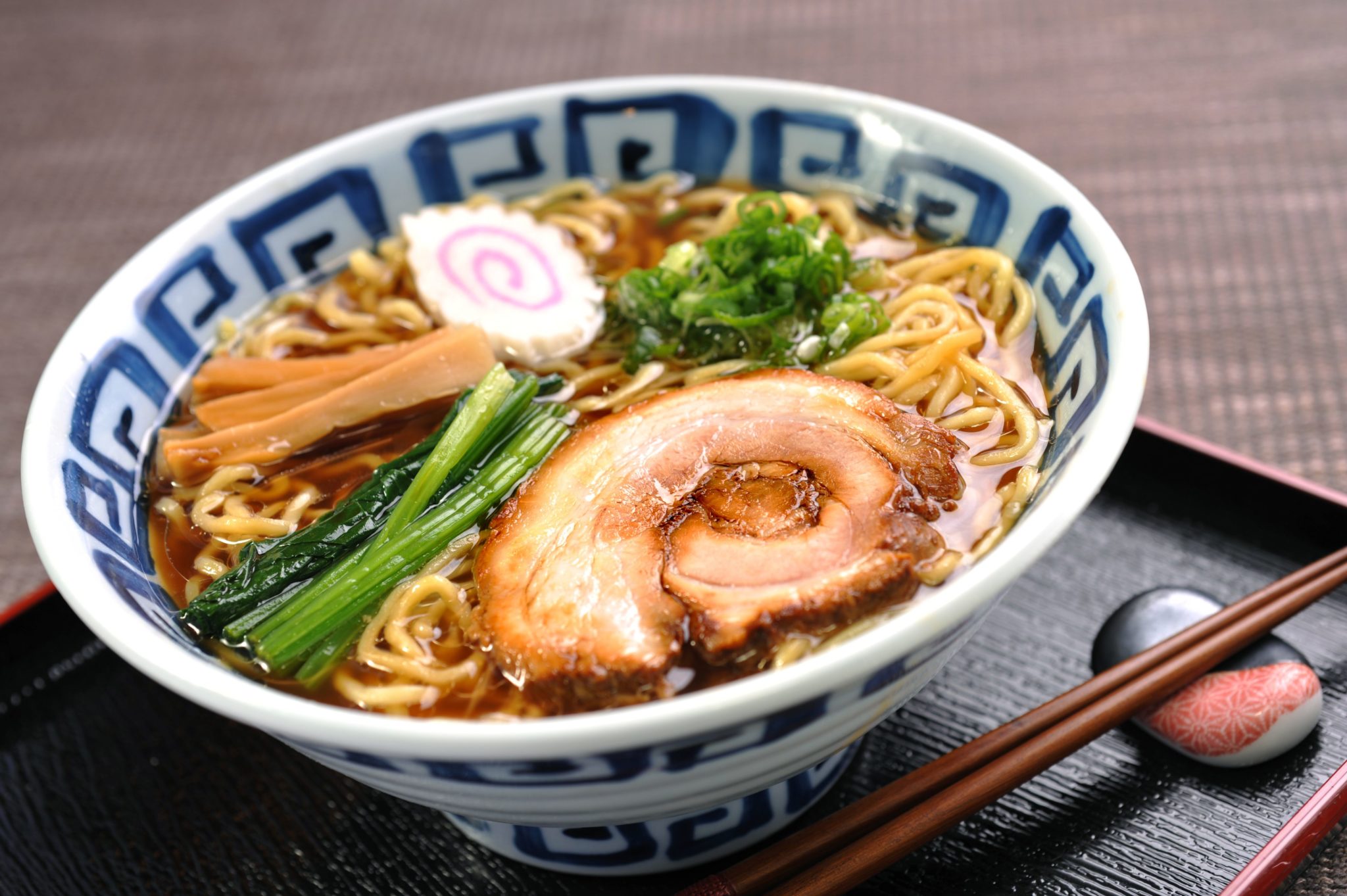
    Apart from Ichiran, other ramen chains at the event include 175°DENO Ramen, Yoshiyama Shouten, Society of Ramen and Teppei Okinawa.

  • Hattendo bakery to franchise stores in Hong Kong

    Hattendo bakery to franchise stores in Hong Kong

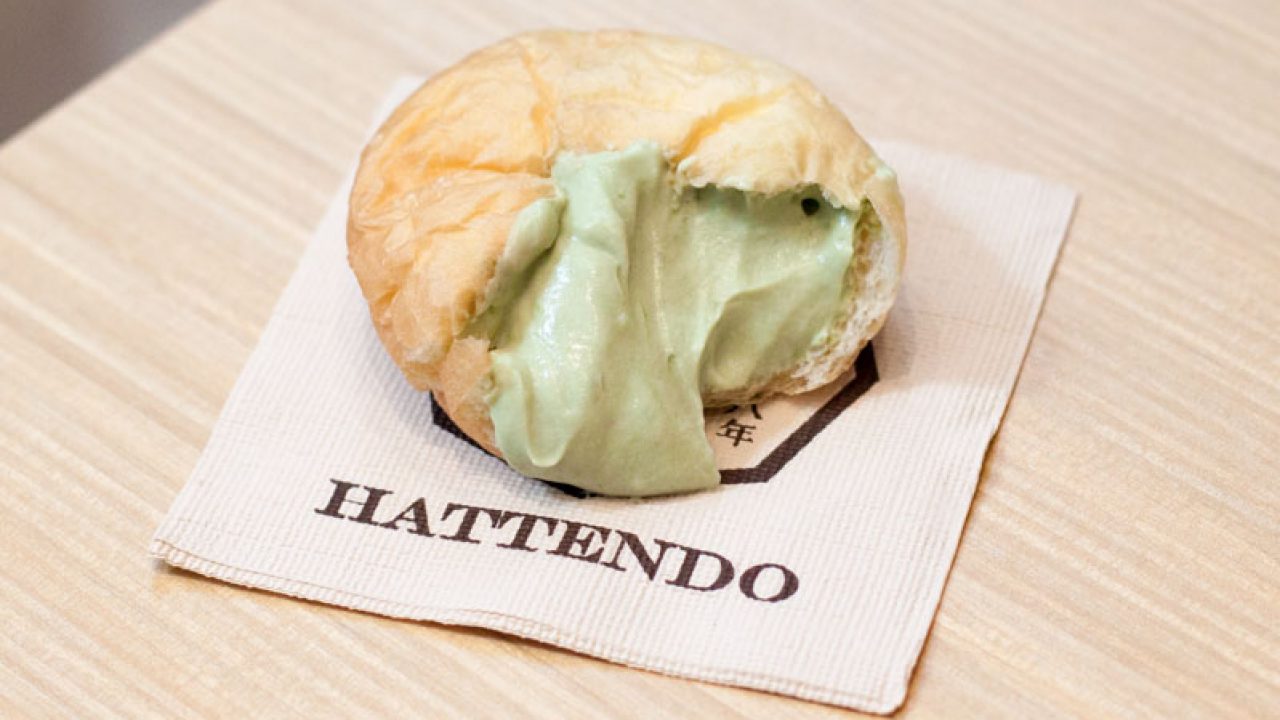
    Japanese baker Hattendo is planning to ramp up its store rollout in Asia, with particular focus on Greater China and Southeast Asia.

    The company – known for its cream-filled buns – already has stores in Hong Kong, Singapore, and Australia. Its next stop is Malaysia where it will launch next month after finding a local partner to produce its buns, selling through convenience stores.

    Hattendo is currently finalizing a joint venture with a Thai company to manufacture its products to supply stores locally. The plan there is to supply supermarkets and a network of its own-branded kiosk stores in shopping malls and other locations.

    In Hong Kong and Mainland China, Hattendo will expand its network by appointing franchisees, part of a plan to boost its network six-fold to 30 by the end of 2021.

    “In China’s Shenzhen and Hong Kong, there is strong interest from potential franchisees and we receive a lot of inquiries,” Daisuke Ishioka, the company’s representative director, told Nikkei.

    Last year, Hattendo’s group sales reached US$19.6 million. The company is planning to issue new shares by the end of this year to raise about $900,000 to fund the expansion.

    The company – known for its cream-filled buns – already has stores in Hong Kong, Singapore, and Australia. Its next stop is Malaysia where it will launch next month after finding a local partner to produce its buns, selling through convenience stores.

    Hattendo is currently finalizing a joint venture with a Thai company to manufacture its products to supply stores locally. The plan there is to supply supermarkets and a network of its own-branded kiosk stores in shopping malls and other locations.

    In Hong Kong and Mainland China, Hattendo will expand its network by appointing franchisees, part of a plan to boost its network six-fold to 30 by the end of 2021.

    “In China’s Shenzhen and Hong Kong, there is strong interest from potential franchisees and we receive a lot of inquiries,” Daisuke Ishioka, the company’s representative director, told Nikkei.

    Last year, Hattendo’s group sales reached US$19.6 million. The company is planning to issue new shares by the end of this year to raise about $900,000 to fund the expansion.

  • Thailand’s MK Group buys into seafood restaurant chain

    Thailand’s MK Group buys into seafood restaurant chain

    Thailand’s MK Restaurant Group will purchase a 65 per cent shareholding in the Lam Charoen Seafood chain.

    The 40-year-old restaurant brand, which has 26 branches across Thailand, will sell for THB2.06 billion (US$67.13 million), according to an announcement posted to the Thai stock exchange last Friday.

    The acquisition, which will most likely close by December, will take place via MK Restaurant Group subsidiary Catapult, funded by working capital.

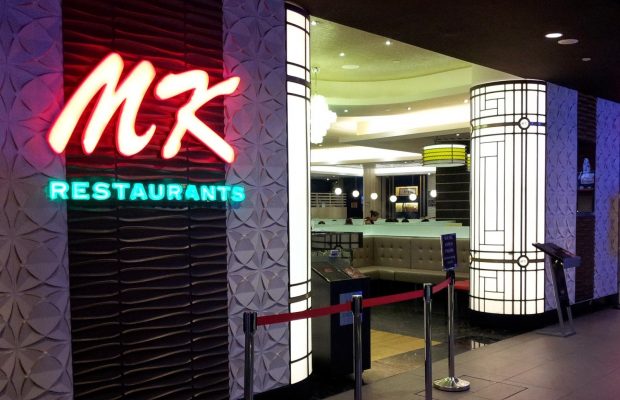
    MK Restaurant Group currently operates more than 400 locations under several brand names including MK, Yayoi, Miyazaki, Hakata, Bizzy Box, Le Petit and MK Harvest.

  • Cebu Pacific’s New In-Flight Meals Will Make You Look Forward To Eating During Your Flight

    Cebu Pacific’s New In-Flight Meals Will Make You Look Forward To Eating During Your Flight

    Traveling is a double-edged sword. You’re both excited and stressed, even before you get to the airport. One of the things I’ve been taught to do is to eat a full meal before I even leave the house because airport food is too expensive and airplane food is bad. Barely edible, they say!

    Cebu Pacific is here to silence the haters! They recently introduced a new inflight menu that’s all about your favorite Pinoy comfort foods. Described as “homey,” their selection includes Beef Salpicao, Lechon Paksiw, and even Pinoy Spaghetti!

    I know I’m always craving Singaporean food so I was elated to also see Hainanese Chicken Rice on the menu.

    If, however, you don’t feel like having anything heavy, opt for their new sandwiches instead: the Roasted Chicken Sandwich and the Crab Salad Sandwich.

    Vegetarians need not worry: Cebu Pacific didn’t forget about you! Enjoy their Veggie Pesto Sandwich, which consists of tomato, lettuce and mozzarella, and ciabatta bread.

    All of these and more are available for pre-order once you’ve booked a flight with Cebu Pacific. Director for Inflight Catering and Sales JB Bueno shared in a press release, “Our meals being on pre-order also helps us guarantee less food wastage, and is in line with efforts towards more sustainable practices and operations.”

  • BreadTalk Group to buy Food Junction

    BreadTalk Group to buy Food Junction

    Listed Singapore food-and-beverage company BreadTalk Group is to buy foodcourt operator Food Junction Management (FJM).

    A subsidiary of BreadTalk, Topwin Investment, has signed a sale and purchase agreement to pay S$80 million for FJM, which operates 12 foodcourts in Singapore and three in Malaysia. A fourth is on track to open next year at The Mall in Johor Bahru.

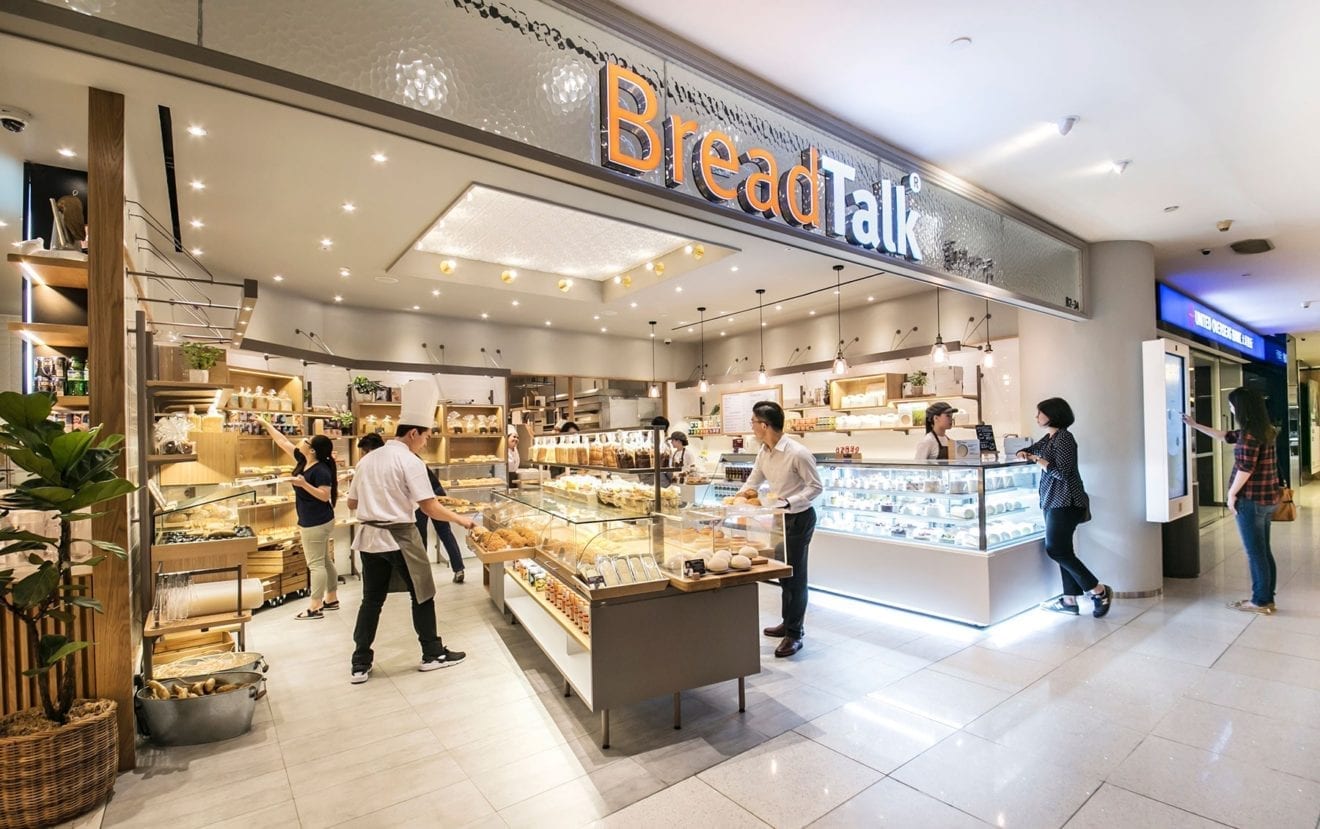
    BreadTalk Group sees synergies between the FJM business and its own foodcourt operations – it owns Food Republic and Food Opera-branded sites in Singapore, Greater China, Thailand, Cambodia and Malaysia. The combined operation could share support services and rationalise supply arrangements.

    FJM is owned by Singapore investment company Auric Pacific Group Limited.