Tag: Food

  • Cinnabon Hong Kong opens first outlet in Hong Kong

    Cinnabon Hong Kong opens first outlet in Hong Kong

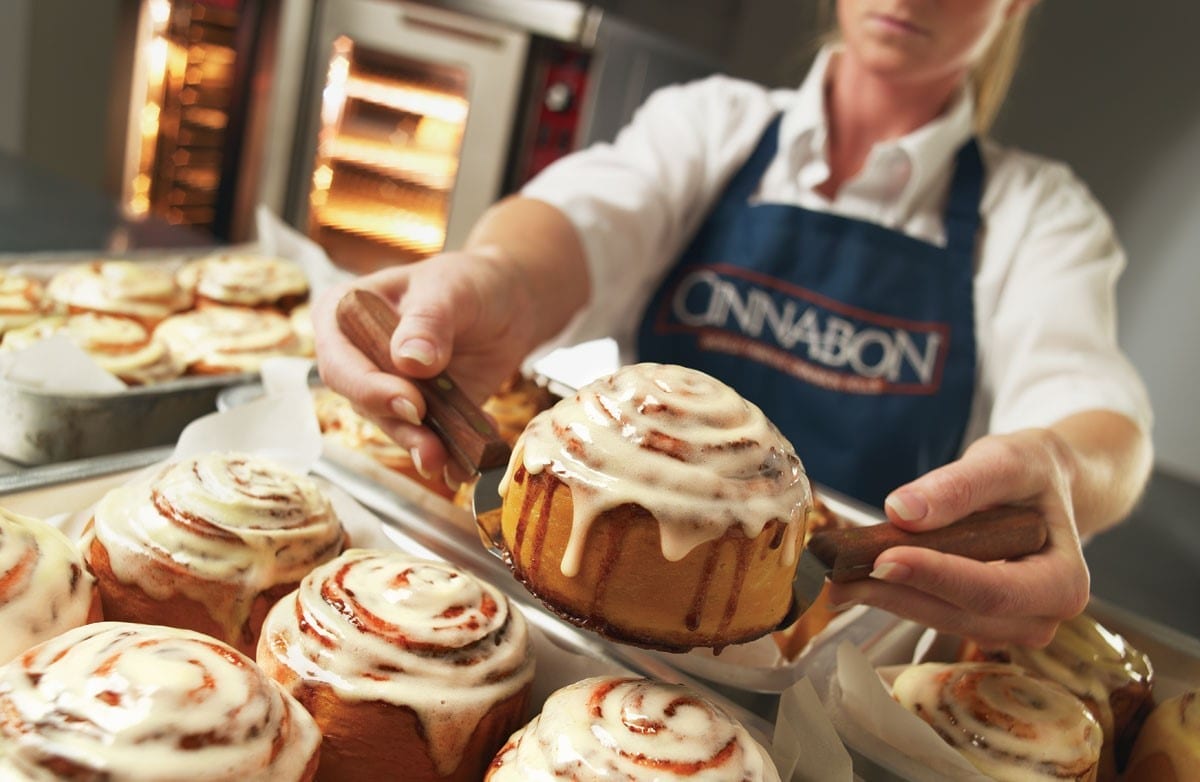
    Cinnabon Hong Kong opened its first outlet last week, brought to the territory by franchisee Reach Out Philosophy Limited.

    Famous for its Classic Rolls and Bon Bites, the first Cinnabon Hong Kong store is located in Olympian City mall at Tai Kok Tsui. It joins more than 1200 franchise locations in the world.

    “We see a wonderful opportunity for Cinnabon in this city,” said Steven Yang, director of Reach Out Philosophy.

    “Local foodies crave high-quality, fresh cinnamon products and we have the perfect answer for them. We are looking forward to bringing the sweet pleasure of our products to Hong Kong and creating many joyful moments of Cinnabon contentment.”

    The bakery has been operating in other Asia-Pacific markets, including Japan, South Korea, and the Philippines.

    Its franchises in China, along with those of sister chain Auntie Anne’s, are owned by Focus Brands.

  • Yum China launches contactless delivery services

    Yum China launches contactless delivery services

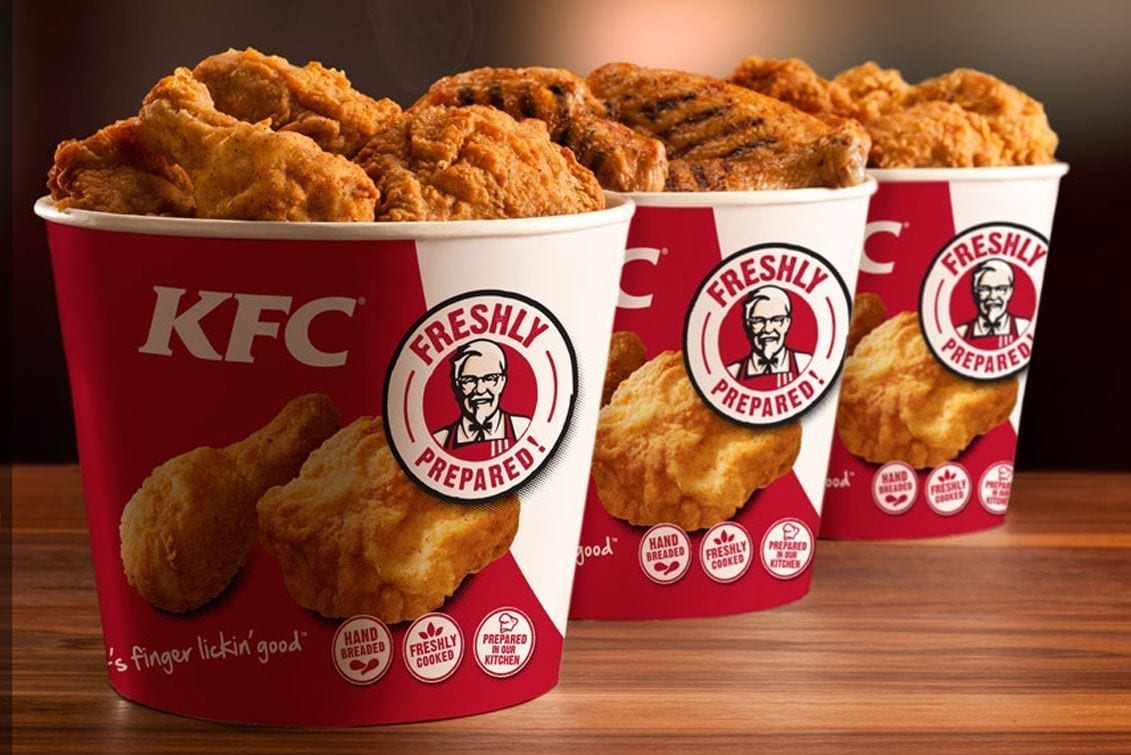
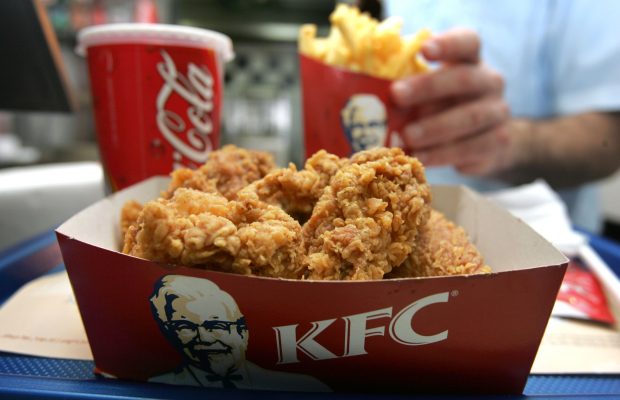
    Yum China, which operates Chinese KFC and Pizza Hut networks, has launched a contactless food-delivery service.

    The move is a response to concerns about transmission of coronavirus between customers and delivery staff – but will also give confidence to consumers who are increasingly buying from food-delivery services to avoid public contact in supermarkets, shopping centers, and restaurants.

    “The health and wellbeing of our employees and customers is our top priority,” said the firm in a written statement to Business Insider, “and the innovative new services will help reduce the risk of person-to-person transmission of the coronavirus and protect our employees and customers”.

    Customers who elect for the contactless service will be instructed to remain at least 10 feet from the masked delivery personnel, who will remove the boxed food from its thermal pouch and place it on an agreed pick-up surface only after visually confirming the receiving party.

    Delivery staff is expected to disinfect their hands before and after every transaction.

    Food may also be picked up in-store in hygienically sealed packages.

  • Hong Kong food-delivery sales down

    Hong Kong food-delivery sales down

    Food-delivery sales in Hong Kong soared 20 percent over Lunar New Year week as consumers chose to stay indoors, sheltering from the coronavirus.

    A spokesperson for Deliveroo told Inside Retail Asia that the Chinese New Year holiday period is usually a busy period for the company, the market leader in food-delivery in the territory.

    “We saw an increase of more than 20 percent in order volume as compared to the week before, potentially indicating that people were choosing to stay home and order in during the Chinese New Year holiday following traditional visits to relatives over the weekend.”

    The company witnessed a 6-per-cent drop in Chinese food orders and a 6-per-cent increase in American food orders when compared with the week before. Taiwanese cuisine also experienced an order growth of around 3 percent over the festive period.

    The spokesperson said Deliveroo had been in touch with all of its 4000 self-employed riders in Hong Kong to share official guidance with regards to the coronavirus, including safety practices.

    “Health and safety is our top priority. We have a customer service team ready to answer any questions customers may have.”

    Asked if the company was scheduling extra drivers to cope with an increase in demand as consumers ordered in rather than venturing out to public spaces, the spokesperson said the company is prepared year-round unexpectedly busy order times.

    A rider-supply planning team which is responsible for the operational performance of the delivery network uses data analytics to match supply and demand, “ensuring the company has the right number of riders on the road, in the right place and at the right time”.

    In Mainland China, Alibaba-owned delivery service Ele.me has been delivering meals for more than 100 restaurant partners to the frontline medical staff at hospitals and treatment centers.

  • Tea chain Nayuki expanding to USA and Japan

    Tea chain Nayuki expanding to USA and Japan

    Chinese tea chain Nayuki will launch its first stores in Japan and the US this year.

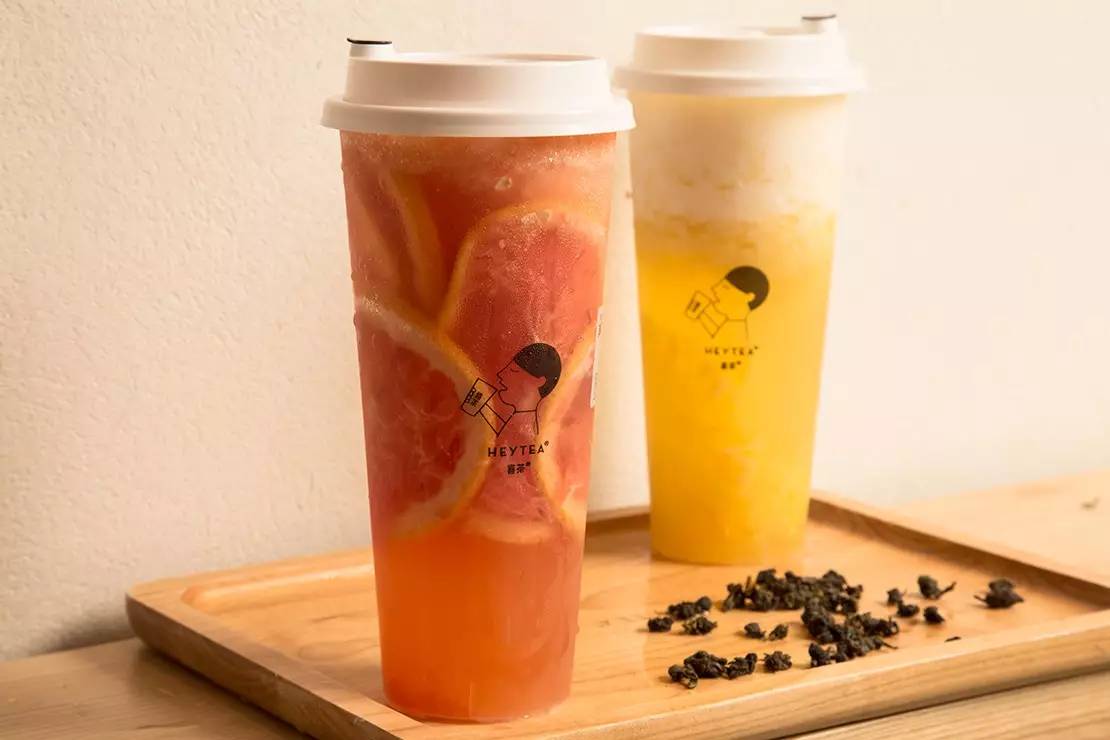
    The firm, which operates nearly 400 stores in China and three in Singapore, serves tea blended with fruit, cream cheese and toppings.

    “With our commitment to becoming an innovator and purveyor of Chinese tea culture, we hope to deliver our unique and exceptional tea experience to the world,” said Nayuki founder Peng Xin. “To achieve this goal, we have established tea fields where tea is cultivated under strict conditions from cultivation to processing.”

    In recent years, China’s traditional tea culture has been revamped by new-style tea franchises backed by large investments. The tea chain Nayuki, valued at RMB6 billion (US$865 million), received a multi-hundred-million RMB injection in Series A plus funding from TianTu Capital in 2018.

    In November last year, the company opened its largest shop – Nayuki’s Dream Factory – in Shenzhen, an 11,000sqft retail space offering an immersive in-store experience. Visitors are invited to see, hear and learn about the innovations of Nayuki’s teas while enjoying a menu of handcrafted teas, coffees, cocktails, baked goods, desserts and more exclusive to the store.

  • Japanese franchise Kura Sushi to launch in China

    Japanese franchise Kura Sushi to launch in China

    Japanese restaurant franchise Kura Sushi is launching in its third overseas market, China.

    The brand has already enjoyed some success in the US and Taiwan, and is now set to open its first Chinese mainland location in Shanghai. Ten further locations are planned for the territory later this year.

    According to a Nikkei report, the firm’s current strategy is to “double its revenues outside Japan to ¥300 billion (about US$2.7 billion) in 2030 by increasing its total number of outlets worldwide to 1000”.

    The move coincides with Kura Sushi’s launch of its global flagship in Tokyo, where it expects to serve 2000 people per day, including around 600 tourists.

  • Japanese restaurant group Skylark to end 24-hour trading

    Japanese restaurant group Skylark to end 24-hour trading

    Japanese corporate restaurateur Skylark Holdings says it will discontinue 24-hour trading of 150 stores by April.

    Skylark, one of Japan’s largest family-owned restaurant operators, owns the Jonathan’s and Gusto chains, among other brands. It launched 24-hour trading in 1972 and according to the company about 10 percent of its daily revenue comes in between midnight and 6am.

    The company says while round-the-clock trading appeals to customers, the increasing costs of labour makes it less viable to trade all night. Instead, it will focus on peak meal times.

    In total, Skylark owns 560 eateries across the country. Many of the other stores will have trading hours trimmed by a couple of hours a day to reduce labour costs.

  • Zomato takes over Uber Eats in India

    Zomato takes over Uber Eats in India

    Local food-delivery app Zomato has purchased Uber Eats in India.

    “We are proud to have pioneered restaurant discovery and to have created a leading food-delivery business across more than 500 cities in India,” said Zomato CEO Deepinder Goyal. “This acquisition significantly strengthens our position in the category.”

    The purchase was made via an all-stock transaction, which awards Uber 9.99 percent ownership of Zomato.

    “India remains an exceptionally important market to Uber and we will continue to invest in growing our local Uber Rides business, which is already the clear category leader,” said Uber CEO Dara Khosrowshahi. “We have been very impressed by Zomato’s ability to grow rapidly in a capital-efficient manner and we wish them continued success.”

    Uber Eats in India has discontinued operations and is now directing restaurants, delivery partners, and users of the Uber Eats apps to the Zomato platform.

  • South Korea’s foodservice industry thriving despite rumours

    South Korea’s foodservice industry thriving despite rumours

    Rumors that South Korea’s foodservice industry is in a slump have been scotched by new data showing the sector is actually growing at a steady 9 percent annually

    And it’s the thriving coffee sector which is driving much of the growth.

    Analysts say the gap between business sentiment and the real economy is widening as the polarisation between sectors is deepening.

    According to a survey conducted by Kim Young-gap, a professor at Hanyang Cyber University, using a big data business analysis system from consulting firm Nice Genie Data, the size of the Korean foodservice industry was estimated to exceed US$155.2 billion last year.

    Unlike other sluggish industries, the coffee and beverage sectors grew at a fast pace of more than 20 percent, leaving other industries far behind.

    The growth rates of carb food, accounting for 15.2 percent, Chinese food, accounting for 14.3 percent, and bakeries, accounting for 11.7 percent, were also notable.

    On the other hand, bars saw a negative growth of -1.3 percent, buffets grew by 0.5 percent and Western food grew by 3.8 percent, which also illustrates poor growth.

    The total number of restaurants rose 3.2 percent annually from about 604,000 in 2016 to about 663,000 last year.

    In the number of restaurants, coffee and beverage companies also ranked first with a 19-per-cent increase, far ahead of the confectionery, baking, rice cake, and cake industries with an 8.7 percent increase.

    Major customers of South Korea’s foodservice industry are likely to be reorganized into those in their 20s and 50s and 60s.

    In terms of the rate of increase and decrease for consumers by gender and age at food service establishments, the number of people in their teens and 30s and 40s declined, while that of men in their 50s and 60s and 20s increased.

    This trend translated into an increase in the number of customers in their 20s, mainly at fast-food restaurants, as well as a growing number of customers in their 50s and 60s opting for Korean food, according to Kim.
  • Hong Kong restaurants bounce back in final quarter of 2019

    Hong Kong restaurants bounce back in final quarter of 2019

    Hong Kong restaurants appear to have shrugged off the worst of the impact from the city’s social unrest in the final quarter of last year,

    According to food-delivery service Deliveroo’s second Restaurant Confidence Index, a quarterly survey of restaurant partners that details F&B trends in Hong Kong, eateries in the territory are seeing increased revenue turnover and profits, even as they continue to face a challenging business environment.

    During the final financial quarter of last year, 37 percent of restaurants saw an increase in revenue turnover quarter on quarter, when more than 71 percent of restaurants faced decreasing or unchanged turnover rates.

    However, only 20 percent of restaurant partners surveyed in the latest index saw an increase in profits due to the fact that many restaurant partners surveyed saw an increase in operations, ingredient and labor costs. One in three reported rising order-out revenue.

    On average, restaurants rank their satisfaction in overall business performance at 6.6 out of 10 for the fourth quarter of last year, a one-point jump from the average rating of 5.6 the previous three months.

    Many restaurants experienced year-on-year revenue decreases during the Christmas and New Year period, with 55 percent experiencing a holiday-period revenue fall from the previous year. The decrease in revenue was much more significant for dining in as compared to ordering out, with 61 percent of restaurants witnessing a decrease in dining in revenue as compared to 41 percent who said the same of delivery.

    Consumers appear to have spent less during the festive season this year as just 17 percent of restaurants increased their total turnover, however, 16 percent of restaurants did note an increase in delivery revenue during the period.

    “Last year was unique for Hong Kong‘s F&B industry, with restaurants facing a number of challenges in terms of operating costs, customer turnover and overall business environment,” said Deliveroo Hong Kong GM Brian Lo. “Still, it’s a positive sign that restaurants are more satisfied with their business performance as compared to the previous quarter.”

  • Yum China prepares to list in Hong Kong

    Yum China prepares to list in Hong Kong

    Pizza Hut and KFC restaurant operator Yum China is preparing for a second listing in Hong Kong.

    The US-listed firm is currently working on proceedings with China International Capital and Goldman Sachs to establish a footing closer to its base territory. The listing could take place as early as this year.

    Bloomberg revealed that the Hong Kong Stock Exchange is seeing a spike in inquiries about second listings from Chinese companies since Alibaba’s US$13 billion share sale two months ago.

    Yum China operates more than 8900 restaurants across the Chinese market and recently agreed to purchase a majority shareholding in simmer pot restaurant operator Huang Ji Huang.

    Meanwhile, shares in Chinese restaurant chain Jiumaojiu International soared by than 40 per cent when they debuted on the Hong Kong Stock Exchange yesterday. Jiumaojiu has 328 outlets trading under five brands in Mainland China, where it plans to focus its business for now, before expanding into Hong Kong, other Asian markets and North America in the longer term.

  • Coca-Cola Vietnam fined for tax evasion

    Coca-Cola Vietnam fined for tax evasion

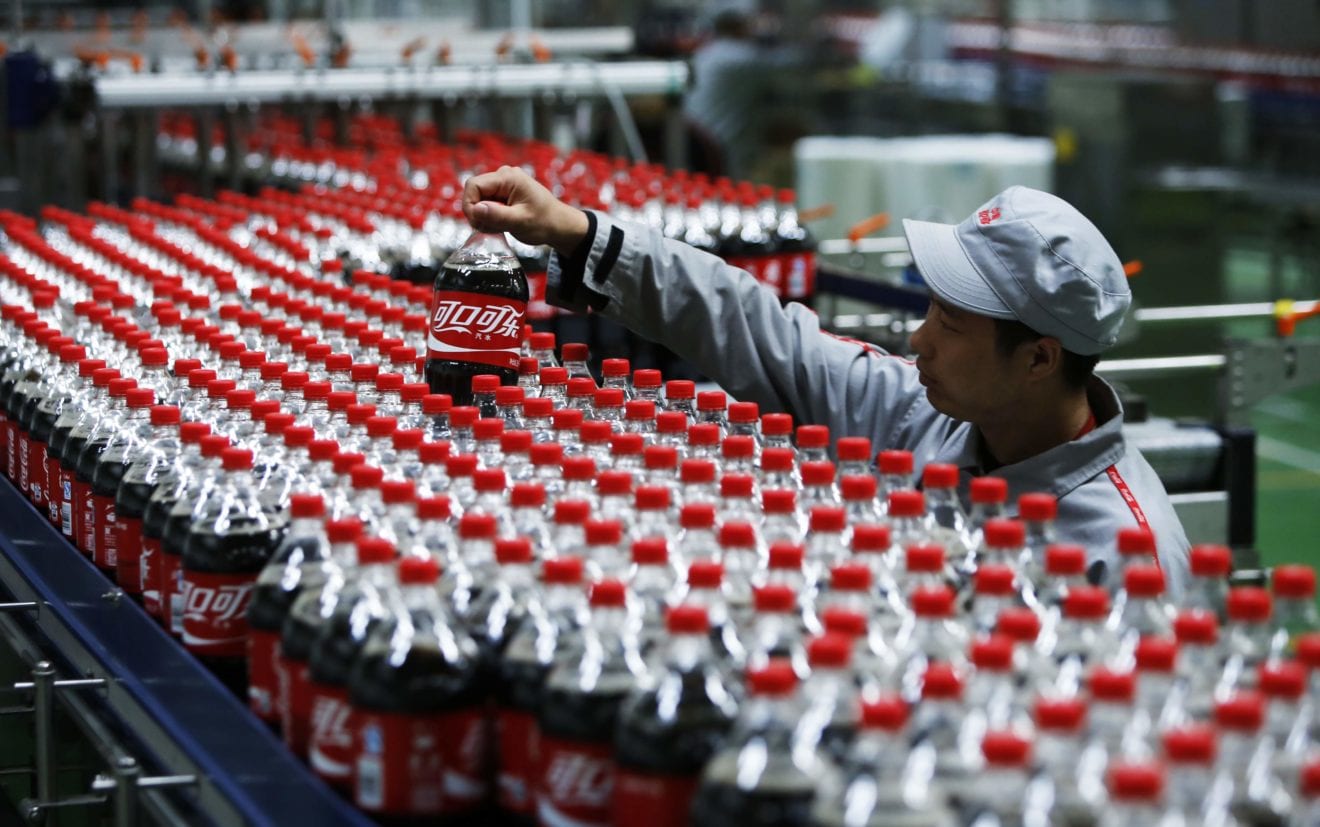
    Coca-Cola Vietnam has been ordered to pay VND821.4 billion ($35.4 million) in back taxes and penalties stretching back over nine years.

    Dang Ngoc Minh, deputy head of the General Department of Taxation, said 57.3 percent of the amount is the back tax, 35.2 percent is a penalty for delayed payment and the remaining 7.5 percent is a penalty for incorrect filing.

    “The company can request a review or file a lawsuit.”

    A Coca-Cola spokesperson said tax authorities had recently concluded an investigation of the 2007-15 business period, and found the company had made “minor errors” in describing its business operations which had led to a failure to file for taxes.

    Though it disagrees with some of the tax authorities’ conclusions, the company would nevertheless comply with the laws, he said.

    But an official from the Ho Chi Minh City Tax Department said Coca-Cola has only paid VND38.2 billion ($1.6 million) as of Thursday.

    Coca-Cola entered Vietnam in 1994, and broke even only in 2013 despite double-digit revenue growth, according to the department.

    Since the company reported accumulated losses of VND3.77 trillion ($162.5 million) as of 2011, it was exempt from corporate income tax.

    HCMC has named Coca-Cola among businesses it suspects of transfer pricing fraud to evade tax.

  • First Grab Kitchen in Singapore opens

    First Grab Kitchen in Singapore opens

    Grab has launched its first Grab Kitchen in Singapore, which takes its cloud kitchen network in Southeast Asia to 50.

    Located at 63 Hillview Avenue, the shared kitchen is operated for 10 restaurants including PlayMade, Wolf Burgers and Thai Dynasty. Occupying a 6000sqft area, Grab Kitchen also has a dine-in area for small lunch groups.

    “Together with our merchant partners, we hope to bridge cuisine demand and supply gaps, complement and expand the variety of food options at different price points in the area,” said Dilip Roussenaly, head of GrabFood Singapore, at the opening of the Grab Kitchen in Singapore.

    As operations in cloud kitchens cost less than setting up physical outlets, the concept has become popular among food and beverage merchants.

    “Partnering with GrabFood has enabled us to have an expanded reach to more consumers while minimizing the hassle for them to travel to a location for food,” said Ian Lin, founder of Thai Dynasty.

    Grab’s food-delivery business has become a major pillar for growth as it expands beyond its taxi-hailing roots into other areas, including financial services. Grab’s food delivery business witnessed 5.2 times growth in gross merchandise value last year, and nearly tripled its number of active users.

    Rivals Deliveroo and Foodpanda already operate their own shared kitchen spaces, also known as ghost or cloud kitchens, in Singapore. The firm’s regional rival Go-Jek has also been testing cloud kitchens in Indonesia.

  • Hong Kong’s Pirata Group to open new concept The Pizza Project

    Hong Kong’s Pirata Group to open new concept The Pizza Project

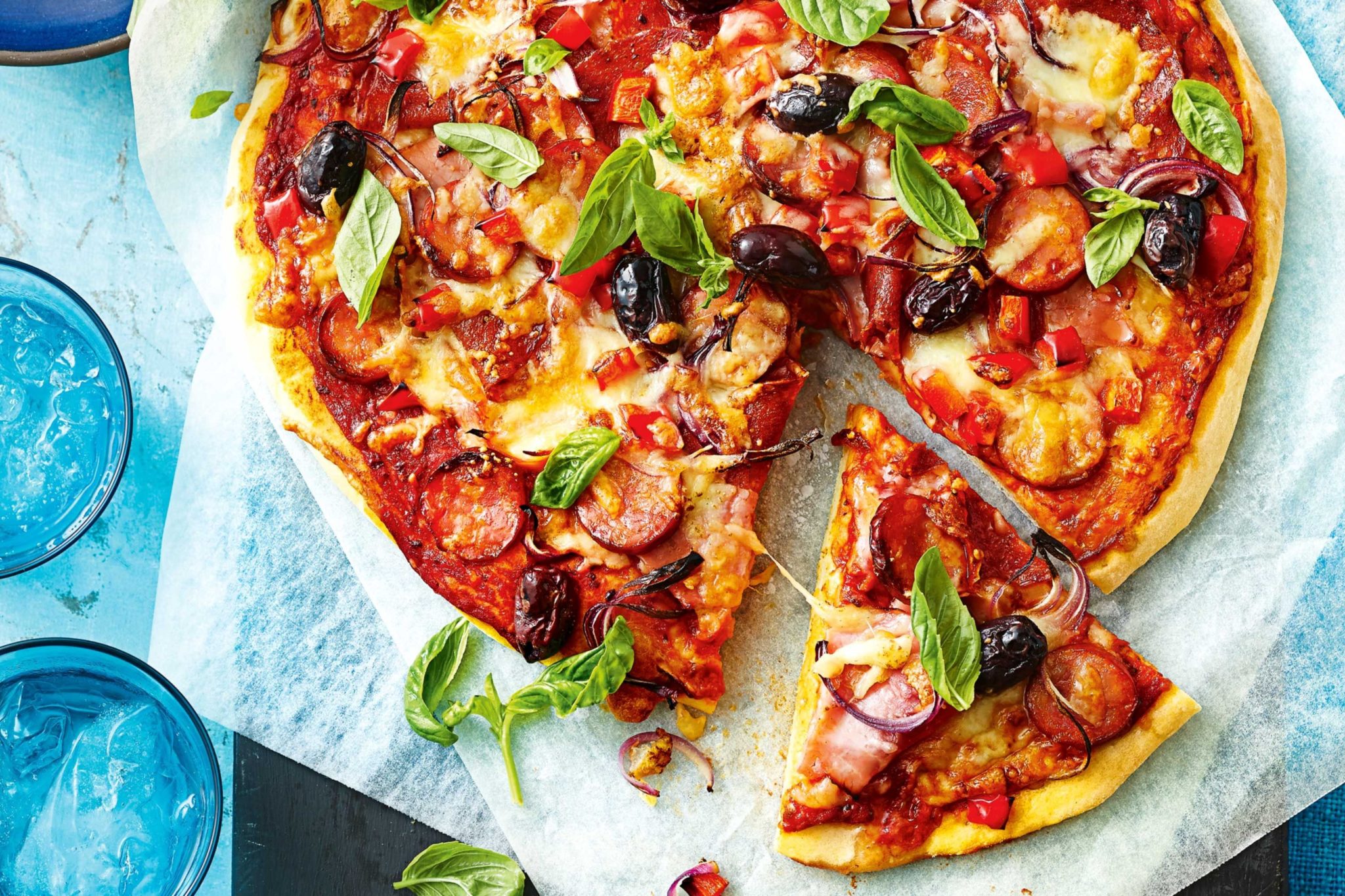
    Pirata Group has launched a new concept in Central, called The Pizza Project.

    Located on Peel Street, The Pizza Project will mirror the simple one-page menu format of its popular Pici chain, but with a focus on only pizzas. The Pizza Project will be helmed by chefs Andrea Viglione and Davide Borin and Pici operations manager Nacho Lopez.

    “We believe in engaging and connecting with people in meaningful ways to enrich experiences and make them available to everyone,” says Pici team. “We envision bringing excellent pizza at a fair price, so that everyone can enjoy pizza the same way we did back home,”

  • First franchised KFCs open in Chinese gas stations

    First franchised KFCs open in Chinese gas stations

    Yum has announced the opening of its first franchised restaurants in Chinese gas stations, in collaboration with China Petrochemical Corporation (Sinopec) and China National Petroleum Corporation (CNPC).

    The first franchised KFC restaurant has been launched in a CNPC gas station in Yunnan Province while the first one in a Sinopec gas station is set to open its doors Liaoning Province next week.

    “The first franchised gas station restaurants represent an important milestone in our long-term strategic partnership with both companies,” said Joey Wat, CEO of Yum China. “Together with Sinopec and CNPC, we are committed to building a successful business model and creating innovation-driven growth together.”

    The partnership with Sinopec and CNPC will enable Yum China to expand its retail network into a previously underserved segment of the market as both companies collectively operate more than 50,000 Chinese gas stations.

    With the partnership, Yum China aims to open more than 100 stores in the next three years and create more opportunities to collaborate in other fields.

  • Pork prices keep rising to new highs

    Pork prices keep rising to new highs

    Low supplies courtesy of the African swine flu epidemic have pushed pork prices up 29.6 percent from a month earlier.

    Small-scale farmers in the northern region were selling pork at VND92,000 ($4) per kilogram, up 29.6 percent from the five-year high of VND70,000 ($3) that was reached last month.

    Industry insiders said the rise followed price increases by major pork producers. The C.P. Group, which has been increasing its pork prices steadily, has a sales price of VND81,000 ($3.5) per kilogram now.

    At the Hoc Mon wholesale market in Ho Chi Minh City, pork supply has fallen by 23.5 percent from earlier this month to 287 tons a day.

    Nguyen Tri Cong, chairman of the Dong Nai Livestock Association, said farmers in the southern province were unable to increase supply despite a high profit margin of around 50 percent at current high prices.

    Authorities have been seeking to stabilize pork prices as Tet, the Lunar New Year, approaches (last week of January 2020). This is a time when demand for pork soars. One of the solutions proposed was to increase imports.

    But Doan Ngoc Tho, CEO of meat importer THO Group, said at a recent meeting that global supply of pork has also reduced. The FOB (freight on board) prices at Vietnamese ports have doubled to $4 per kilogram, excluding taxes, he said.

    Vietnamese importers also have to contend with China importing large quantities of pork from Europe, he said.

    Furthermore, Tho said, selling imported pork has become difficult because their prices are higher than domestic pork.

    The African swine flu has claimed the lives of 5.9 million pigs since it broke out in Vietnam in February, according to the General Statistics Office. As of October, the number of pigs in stock had fallen by 20 percent year-on-year, it said.

    The country will likely face a pork shortage of 200,000 tonnes by Tet 2020, according to the Ministry of Industry and Trade.