Tag: Food

  • Hong Kong food-delivery companies join WWF campaign to combat plastic use

    Hong Kong food-delivery companies join WWF campaign to combat plastic use

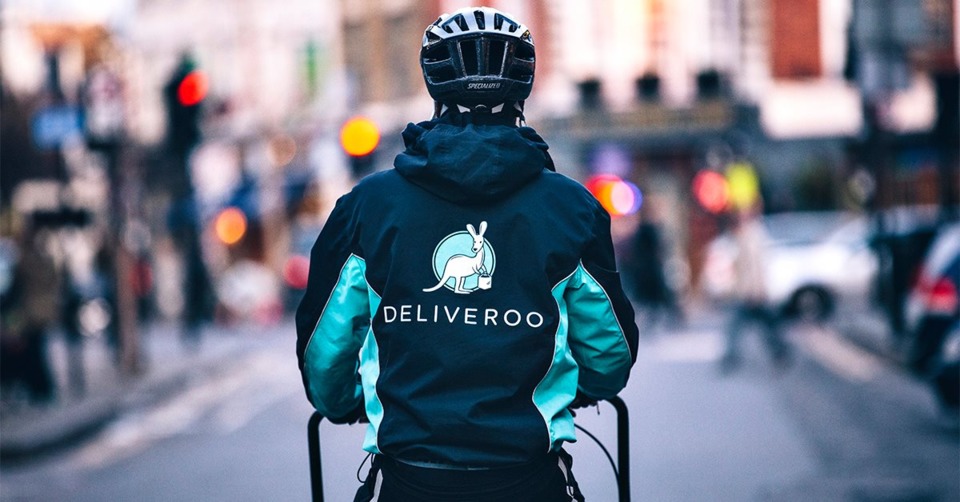
    Hong Kong food-delivery companies, Deliveroo and Foodpanda, have joined WWF’s Plastic Action Initiative (PACT) to help reduce single-use plastics.

    According to PACT rules, both companies have to follow sustainable requirements including setting up a default opt-out option for single-use plastic cutlery and creating a program for its merchants to improve packaging material.

    “At WWF, we recognize the effectiveness of business at influencing change, so it is really encouraging to see that businesses are taking responsibility to rein in the plastic crisis,” said Laurence McCook, head of oceans conservation of WWF Hong Kong. “PACT is only a starting point to catalyze actions.”

    With the partnership of the two companies, PACT initiative aims to clear unsustainable packaging by 2025 and set up a more circular economy for plastic in the city.

    “We see the commitment to WWF’s PACT initiative to be a crucial step towards building a more sustainable future for the food delivery industry,” said Brian Lo, GM of Deliveroo Hong Kong. “It is fundamental for not only us but the entire F&B industry to rethink our approach when it comes to packaging and products.”

    After the PACT signing, Deliveroo has collaborated with WWF to offer co-branded paper bags for customers ordering from its Editions sites.

    Meanwhile, Foodpanda has committed to activating online formats, promoting the initiatives for PACT. The CEO of Foodpanda Hong Kong, Arun Makhija, said that since 2018, the company has been taking steps towards driving a more sustainable delivery service by having customers opt-out of tableware. “This year we are committed to do more.”

    Both companies have eliminated 60 tonnes of plastic last year and aim to boost that to 130 tonnes in 12 months after joining PACT.

  • Bonchon chicken in Thailand Planning Expansion

    Bonchon chicken in Thailand Planning Expansion

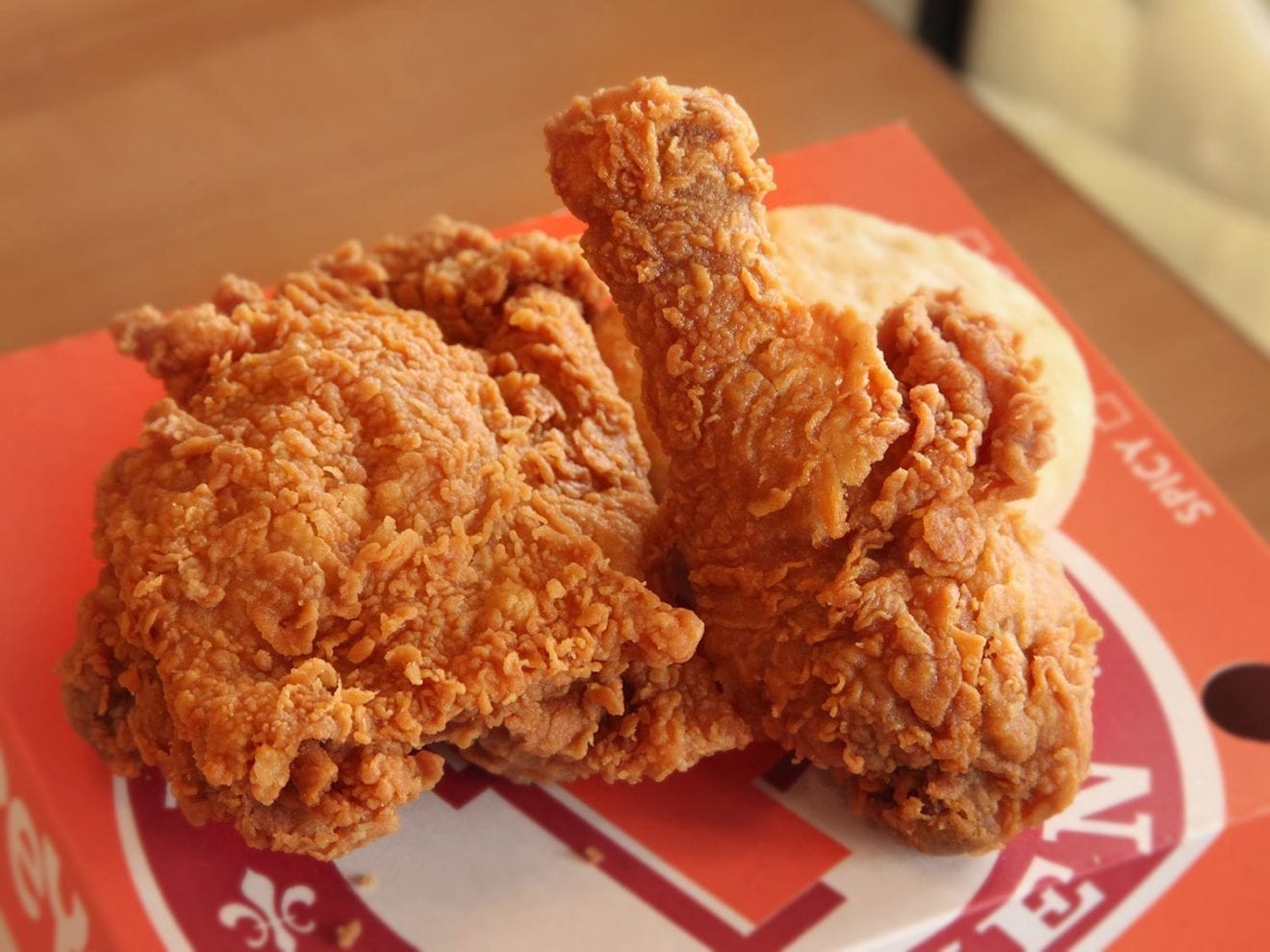
    Thai-headquartered Minor International has bought an effective 70-per-cent stake in the master-franchise rights holder of Bonchon chicken in Thailand.

    The deal sees Minor take controlling interests in Singapore’s Spoonful Pte and Spoonful Thailand, which will drive future expansion of the South Korean fried-chicken chain in Thailand. Minor paid US$79 million for the shares.

    The transaction leaves Mint as the effective operator of Bonchon chicken in Thailand and follows its $66 million purchase of Chicken Time last November, which at the time ran 40 outlets across Thailand. At the time of that deal the company said it was in the process of negotiating with Bonchon’s South Korean owners for the right to expand the network further.

    That pathway has been cleared and Mint says it now owns long-term exclusive territorial rights and the ability to expand and sub-franchise Bonchon chicken in Thailand. It plans to grow the store network to more than 150 restaurants throughout the country by the end of 2024, representing a five-year CAGR of more than 25 percent.

    “This latest investment in the master franchise rights of the Bonchon brand … emphasizes our strategy to enhance our portfolio offerings and further strengthen the restaurant business in Thailand,” said Minor Food CEO Paul Kenny.

    “With almost 10 years of presence in the country, Bonchon brings a highly loyal customer base of Thai millennials and Generation Z, which we will further build on.”

    The expansion strategy will focus on shopping centers and community malls, along with delivery-format stores to capture the fast-growing delivery market. With only two stores outside the nation’s capital of Bangkok currently, key cities in the regions will be targeted as well.

    During the first two months of this year, sales of Bonchon chicken in Thailand have proven resilient amidst the coronavirus crisis, supported by strong delivery sales.

  • Japan Food Town in Isetan Singapore shuttered

    Japan Food Town in Isetan Singapore shuttered

    Isetan’s Japan Food Town restaurants on the Singaporean department store’s fourth floor have been unexpectedly shuttered.

    A Straits Times report said Isetan filed a statement with the Singapore Exchange in late January, saying that notice had been served to the development for non-payment, immediately terminating the tenancy. The food court was a collaboration between the Japan Association of Overseas Promotion for Food & Restaurants and the Cool Japan Fund, backed by the government of Japan.

    Optimistic reports dating from just four years ago spoke of a long term commitment to the success of the project – those sentiments have now given way to an austere notice on Japan Food Town’s website announcing its closure and social-media announcements of promotions that faded out in late February.

    At least one of the tenants has now relaunched in multi-stall restaurant Picnic Food Park down in Wisma Atria, with potentially more to follow.

  • Fruitas to launch grilled chicken, fresh foods concepts

    Fruitas to launch grilled chicken, fresh foods concepts

    Philippine food-and-beverage kiosk operator Fruitas Holdings will soon launch two new concepts in addition to their popular fresh-fruit shakes concept.

    The first is a store concept under Babot’s Farm brand, while the second represents Fruitas Holdings’ new forway into the fast-growing grilled chicken market segment.

    “Babot’s Farm is a collection of fresh products which Fruitas is excited to serve to Filipino consumers. Our mission is to make fresh products easily accessible to Filipinos, thus bringing the farm closer to them,” said FHI president and CEO Lester Yu.

    Babot’s Farm will initially have three verticals of fresh products in its own portfolio,

    including the company’s buko beverage line, a new soy range under Soy & Bean, featuring products from its recent acquisition, The Tofu Store, and fresh dairy.

    Soy & Bean’s soy-based products will initially include fresh soy milk, tofu, taho, and soy-based ice cream.

    Meanwhile, Fruitas’ grilled-chicken business will be offered through its existing kiosk network along with new solus stores to be opened in strategic locations. The firm will leverage off its recently acquired Heat Stroke Grill and Kuxina Ihaw na.

    Yu said the company is excited about its impending entry into the chicken business and confident it can do so in a cost-effective manner and develop a “well-loved product”.

    Fruitas Holdings started in 2002 from a single Fruitas stall. The company ended last year with 1068 stores across the country.

  • Minor International’s food division turns a corner while hotels deliver huge profit boost

    Minor International’s food division turns a corner while hotels deliver huge profit boost

    Minor International has boosted its full-year profit by 137 percent, largely due to the consolidation of its recent acquisition, the NH Hotel Group.

    Fourth-quarter profit of US$119.3 million, represented a 569-per-cent increase year on year, but this included a gain on sale of three hotels in the Maldives. Excluding non-recurring items, profit grew 23 percent for the full year and 53 percent for the fourth quarter.

    Minor’s food division, which operates more than 2300 outlets in 26 countries trading under banners including The Pizza Company, The Coffee Club, Thai Express, Bonchon, Swensen’s, Sizzler, Dairy Queen and Burger King, recorded a mild reduction in profit for the quarter, from $8.6 million to $8.2 million.

    “Minor Food continued to invest in its digital capabilities to increase competitiveness and to address the soft market going forward,” the company said in a results release. “Thailand hub’s increased engagement with third-party aggregators (as a complement to its own delivery platform), coupled with continuous new product launches, resulted in much-improved same-store-sales.”

    In Australia, new product launches, a digital loyalty program and a partnership with Uber Eats saw same-store sales turn into positive growth.

    “Improving operations during the quarter, together with the consolidation of Bonchon since mid-November, helped offset softer performance in other parts of the operations. As a result, Minor Food’s performance is showing signs of recovery with a lower decline in its net profit in the fourth quarter compared to other quarters in the year,” the company said.

    After the close of the quarter, Minor International announced a plan to privatize Singapore-based BreadTalk Group, which would see it take a 25.1 percent stake in partnership with founder George Quek and his associates.

  • Minor International’s food division turns a corner while hotels deliver huge profit boost

    Minor International’s food division turns a corner while hotels deliver huge profit boost

    Minor International has boosted its full-year profit by 137 percent, largely due to the consolidation of its recent acquisition, the NH Hotel Group.

    Fourth-quarter profit of US$119.3 million, represented a 569-per-cent increase year on year, but this included a gain on sale of three hotels in the Maldives. Excluding non-recurring items, profit grew 23 percent for the full year and 53 percent for the fourth quarter.

    Minor’s food division, which operates more than 2300 outlets in 26 countries trading under banners including The Pizza Company, The Coffee Club, Thai Express, Bonchon, Swensen’s, Sizzler, Dairy Queen and Burger King, recorded a mild reduction in profit for the quarter, from $8.6 million to $8.2 million.

    “Minor Food continued to invest in its digital capabilities to increase competitiveness and to address the soft market going forward,” the company said in a results release. “Thailand hub’s increased engagement with third-party aggregators (as a complement to its own delivery platform), coupled with continuous new product launches, resulted in much improved same-store-sales.”

    In Australia, new product launches, a digital loyalty program and a partnership with Uber Eats saw same-store sales turn into positive growth.

    “Improving operations during the quarter, together with the consolidation of Bonchon since mid-November, helped offset softer performance in other parts of the operations. As a result, Minor Food’s performance is showing signs of recovery with a lower decline in its net profit in the fourth quarter compared to other quarters in the year,” the company said.

    After the close of the quarter, Minor International announced a plan to privatize.

    Singapore-based BreadTalk Group, which would see it take a 25.1 percent stake in partnership with founder George Quek and his associates.

  • Deliveroo Adds 100 Virtual Brands, boosting local restauranteurs

    Deliveroo Adds 100 Virtual Brands, boosting local restauranteurs

     Hong Kong’s food delivery service leader, Deliveroo, today announces that they now have 200 virtual brands on the platform, having added 100 VBs in the past few months. Virtual brands expand consumers’ choice of delicious meals and support restauranteurs to bolster their revenue without increasing fixed costs and have become one of the important ways to mitigate risks under this current challenging environment for local Hong Kong restaurants.

    Virtual brands enable existing restaurants to increase revenue and customers by offering new or complementary cuisines, under new branding, exclusively on the Deliveroo app, but without the cost of establishing a new brick-and-mortar location. Appearing as a separate restaurant on Deliveroo, the virtual brand might be a BBQ joint launching a Mexican menu, a Greek restaurant offering healthy protein bowls, or a favourite pizza joint delivering gourmet wraps.

    With Hong Kong restaurants now facing headwinds, including reduced brick-and-mortar visitations and a recent tide of closures, virtual brands support local restauranteurs to stabilise or increase sales while minimising expenditures. Whether preparing the new virtual offerings in their current kitchen, or from a Deliveroo Editions super kitchen hub, restaurants can get more value from their existing staff, ingredients and culinary expertise, without increasing rent or other operating costs.

    Deliveroo uses its data to identify hotspots for growth and missing cuisine types, then helps partner restaurants to create the perfect menu. In addition, Deliveroo provides strong marketing support and access to its global network for more cost-effective ingredient sourcing, new recipes, and the chance to license foreign brands. Deliveroo supports restaurants every step of the way to help them improve their offer for customers.

    Brian Lo, General Manager of Deliveroo Hong Kong, said: “It has been a challenging time for restaurants in Hong Kong as we see closure rate increases from 1.5% to ~5% since January. In markets around the world, restaurants on Deliveroo that launch virtual brands with the company have seen on average a 70% increase in revenues as a result of those brands. In Hong Kong this is higher at 85%, thanks to the city’s enthusiasm towards ordering in and eagerness to try new things. Here at Deliveroo we’re thrilled to have added so many new virtual brands since launch last year, and proud to be a partner to restaurants to help them ride out the recent headwinds. We support our restaurant partners to thrive, and that’s exactly what virtual brands deliver.”

  • McDonald’s scented candles top new merchandise range

    McDonald’s scented candles top new merchandise range

    McDonald’s scented candles are among a range of new merchandise items released by the fast-food giant in the US.

    According to the firm’s website, the merchandise is now on sale for a limited time to celebrate the brand’s Quarter Pounder burger – which will soon turn 50 – and coincide with the opening of a fan club dedicated to the menu item.

    The items, including a fan club t-shirt, a 2020 calendar and a collection of McDonald’s scented candles which share the same beef-and-burger smell of a Quarter Pounder.  The items are being sold on a dedicated website goldenarchesunlimited.com.

    Another new product is Couples Quarter Pounder Mittens “to hold hands and hold a hot and deliciously juicy Quarter Pounder cooked just for you right when you order”

    The firm says it will unveil a “sizable bronze monument” of the Quarter Pounder on Wednesday, in a US city yet to be revealed.

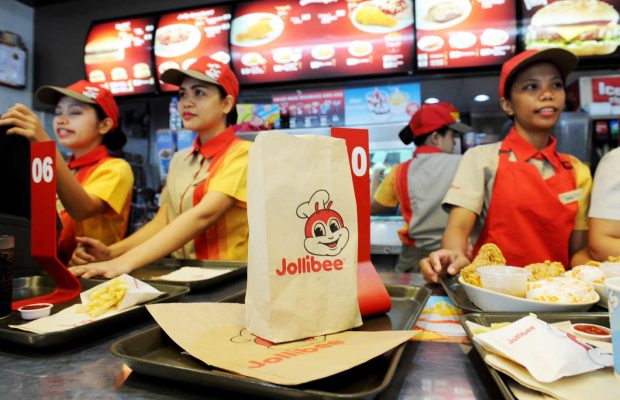
  • Jollibee profit slides despite strong last quarter

    Jollibee profit slides despite strong last quarter

    Philippine restaurant brand Jollibee Foods suffered a 14.4-per-cent drop in earnings last year after operating income fell by 25.1 percent.

    However, a strong fourth quarter prevented a worse annual result, with operating income up 11.6 per cent on a 23.2-per-cent boost on systemwide sales.

    “Practically all brands in the Philippines improved their same-store sales growth quarter on quarter, led by Jollibee, Red Ribbon, Greenwich and Burger King,” said a spokesperson from the firm.

    “Same-store sales growth in the Philippines was driven by the continued growth in the volume of customer visits in the stores compared to a year ago and strong growth in the delivery business for all brands.”

    Jollibee Foods president and CEO Ernesto Tanmantiong said that despite a tough year, the current turnaround is being brought on by an increase in customers’ in-store and growing demand for its delivery business.

    Favorable returns on the firm’s investments – including a notable expansion of Jollibee’s newly acquired The Coffee Bean and Tea Leaf chain – have helped improve the pace of earnings.

    Jollibee Foods is targeting opening 600 more outlets this year, a little more than half of those abroad.

    “We look forward to a much stronger sales and profit performance in 2020 and the years ahead even as we consolidate the financial performance of CBTL into our financial results,” said Tanmantiong.

  • Jasons Food Hall at Bangsar to be replaced by new Food Purveyor concept

    Jasons Food Hall at Bangsar to be replaced by new Food Purveyor concept

    The Jasons Food Hall at Bangsar shopping centre in Kuala Lumpur is set to be replaced by a new concept from the country’s fast-growing independent grocery retail group The Food Purveyor.

    Geoff King, The Food Purveyor’s CEO, told Inside Retail Asia that his company hopes to take over the fixtures and the store space before the Jasons lease expires on March 22, “but that depends on landlord consent and the cooperation of the previous tenant”.

    “We hope to be up and trading before the 23rd,” he confirmed.

    The Food Purveyor owns the supermarket chain BIG (Big Independent Grocer) which recently opened new outlets at the Toppen Centre in Tebrau, Johor Bahru, and at the Mall of Medini.

    As Inside Retail Asia reported last week, Jason’s will close its only store in Malaysia after 20 years. A spokesperson for the store’s parent, Dairy Farm International’s Malaysian joint-venture subsidiary Giant, said it had failed to renegotiate a lease on satisfactory terms and was closing Jasons Food Hall at Bangsar with regrets.

    “After months of negotiations, we are very disappointed that we have been unable to come to a mutual and workable agreement with the landlord to renew the lease,” a Giant spokesperson said in an email.

    King says a final decision has not been made on the brand the new store will trade under, but it will be a premium offer in keeping with the suburb’s demographic, which includes a large expat population.

    “The store range and prices will belong to the BIG format but we will be adding some extra touches and features befitting the location and likely launch with a unique name,” he said.

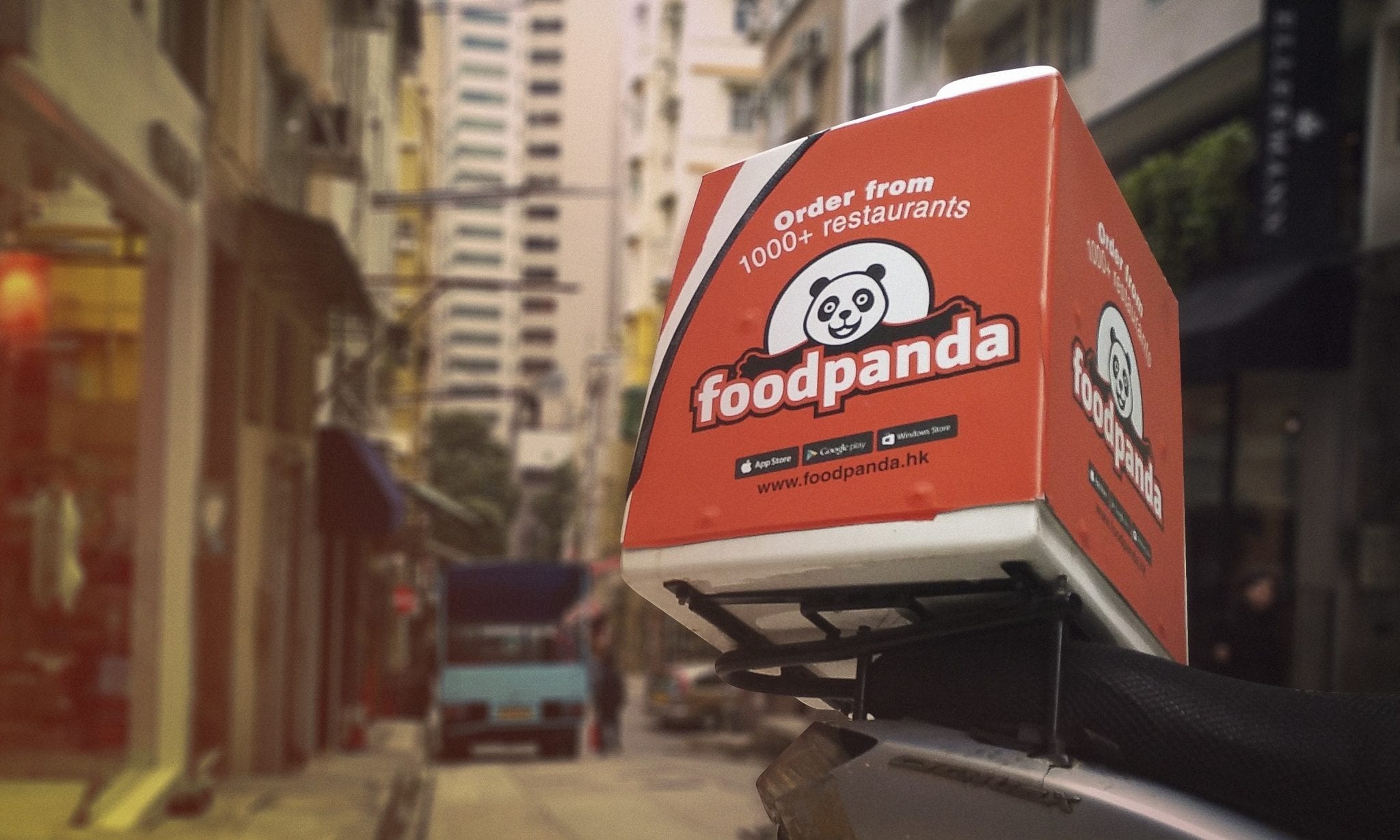
  • Foodpanda launches 15-minute grocery-delivery service

    Foodpanda launches 15-minute grocery-delivery service

    Singapore food-delivery service Foodpanda has officially rolled-out its instant grocery delivery service, Pandamart, in Hong Kong after a trial commencing last November.

    Partnering with 1000 retailers and selling more than 14,000 items, Foodpanda has expanded its service from restaurant take-outs to the delivery of groceries and daily necessities such as beauty and baby-care products. Local partners include Li & Fung’s convenience chain Circle K, snack store Okashi Land, Heroes Beer and kitchenware store I Love Kitchen. So far, snacks and alcohol are the most popular categories, comprising two-thirds of all orders. During its promotional launch, delivery is complimentary with a certain minimum spend.

    During testing, Pandamart was been able to deliver within 25 minutes of orders and the service aims to maintain an average delivery time of 15 minutes. During Chinese New Year, which coincided with the coronavirus lockdown, takeaway orders on Foodpanda tripled and the number of new visitors to the platform doubled week on week.

    Jeremy Wong, head of Pandamart Hong Kong, said the company hopes to expand its partnerships to 3000 retailers including supermarkets and to increase product selection to 550,000 items by the end of the year. In an interview with Unwire.HK, Wong said launching Pandamart was not for profit margin, but as “a new business direction and utilizing our existing fleet of drivers to meet more of customer’s demands”.

    Currently, Foodpanda has 4000 drivers and aims to double its fleet size and increase the number of partner restaurants room 7000 currently to 12,000 this year.

    Foodpanda has also announced that for the next month it will help partner restaurants by offering free-delivery discounts in the city to encourage more customers to buy via the app, and compensate for some of the lost walk-ins to restaurants.

    “Over 76 percent of people in Hong Kong are forecast to have used online delivery within 2020. We would like all of them to try Foodpanda for either groceries or food delivery,” said Arun Makhija, CEO of Foodpanda Hong Kong.

    At the same time, Foodpanda has joined Deliveroo in offering a relief fund of HK$25 million, allowing partners to delay commission payments for up to three months to ease their cash flow. Local small-scale restaurants will be given first priority with assistive support from Foodpanda.

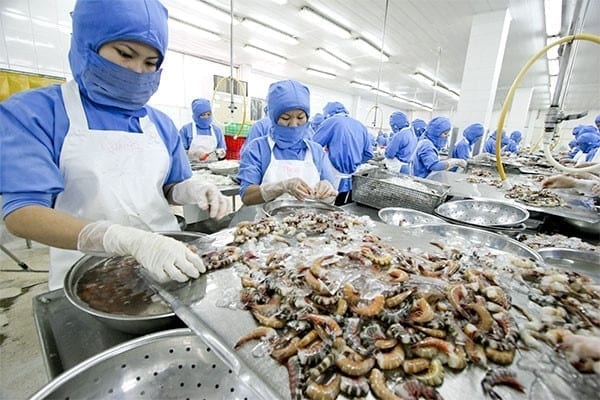
  • Seafood exports plummet

    Seafood exports plummet

    Seafood exports in January fell 25 percent year-on-year and are set to continue falling due to the novel coronavirus outbreak.

    They fell to $556 million, with exports of pangasius fish falling by 64 percent, octopus by 50 percent and tuna by 30 percent, the Vietnam Association of Seafood Exporters and Producers said in a report.

    It attributed the drop to the seven-day Lunar New Year (Tet) holiday in January, adding exports would continue to fall in February and March since the epidemic has limited exports to China.

    In the worst case, seafood exports to China will fall 30 percent in the first half to $400 million. But if there is limited border trade, the impact could be mitigated somewhat.

    China was Vietnam’s fourth-largest market last year, with exports being worth $1.23 billion after rising 22 percent.

  • Jasons Food Hall at Kuala Lumpur’s Bangsar Mall to close

    Jasons Food Hall at Kuala Lumpur’s Bangsar Mall to close

    High-end supermarket Jasons Food Hall is closing its business at Kuala Lumpur’s Bangsar Shopping Centre after 20 years of trading.

    The store, which is owned by Hong Kong-headquartered Dairy Farm International, is now conducting a closing down sale – with the last day of business scheduled for March 22.

    It is the sole Jasons Food Hall-branded supermarket in Kuala Lumpur.

    The closure is part of Dairy Farm’s restructuring exercise that has seen a number of stores refurbished and a rationalization of the network, primarily affecting its Giant supermarket outlets.

    The firm also operates high-end supermarket brands Mercato and Cold Storage.

    Jasons Food Hall is positioned as a source of fresh foods and gourmet foreign foods with a strong delicatessen offer.

  • Deliveroo to offer support for Hong Kong restaurant partners

    Deliveroo to offer support for Hong Kong restaurant partners

    Deliveroo has offered support for its Hong Kong restaurant partners as many of them are suffering from falling dine-in sales due to the coronavirus crisis.

    The company will reduce its commission rate for restaurant partners by 5 percent for a month, starting February 16, equivalent to a 15-20 percent discount in fees.

    In addition, the company will also offer a four-week payment delay strategy for its exclusive restaurant partners to ease their cash flow, the company said in a statement.

    “In our most recent survey and conversations with leaders of the F&B industry, we estimate in-store F&B retail sales to be down 30-50 percent year on year, with signs of further deterioration,” said Brian Lo, GM at Deliveroo Hong Kong.

    The company has urged its rivals in the food-delivery sector to provide support where they can.

    With approximately 6000 restaurant partners, Deliveroo has witnessed a significant escalation in the number of restaurants aiming to suspend trading or shut down. Its research suggests as many as one in 20 restaurants is considering closure.

    “As a stakeholder in the F&B industry and the leading food-delivery platform in the market, we want to play a part, however small, in supporting our restaurant partners and lend a helping hand to the industry in this time of need,” said Lo.

  • Shake Shack Singapore opens second store

    Shake Shack Singapore opens second store

    Burger chain Shake Shack has opened its second store in Singapore, in the city’s CBD.

    Taking over the Tiger Balm factory on Neil Road, the new Shake Shack Singapore store design was inspired by its vibrant Chinatown neighborhood and colorful Peranakan architecture.

    Designed by Singaporean artist Sam Lo, the store’s interior features a tiger mural inspired by the history of Tiger Balm factory.

    To mark the opening, Shake Shack has launched The Chick’n Shack, an antibiotic-free slow-cooked chicken breast crisp fried.

    “The Chick’n Shack embodies our modern approach to fine-casual American cooking,” said Mark Rosati, culinary director at Shake Shack. “It’s about providing a simple, pleasurable, uncomplicated experience, but with high-quality, responsibly sourced ingredients.”

    The burger chain also introduces two new local dishes, Eye of the Tiger and Open Sesame, based on local flavors.

    To support the local art community, 5 percent from sales of the local products will be contributed to Very Special Arts Singapore (VSA), a non-profit organization providing opportunities for the disabled through arts.