Tag: Food

  • Crêpe Delicious Celebrating Festive Season with Holiday Set Menus for Home and Office Parties

    Crêpe Delicious Celebrating Festive Season with Holiday Set Menus for Home and Office Parties

    Crêpe Delicious is celebrating Hong Kong’s festive season with Holiday Set Menus for home or office parties. Joyous Christmas-themed dessert crêpes, a sharing platter for couples, spectacular new gelato shake and promotion on Somersby Sparkling Rosé cider also launch the season to be merry at the brand’s fashionable ‘urban cafés’ in trendy Lee Tung Avenue, Wanchai and MOKO, Mongkok, from 10 December 2020 into the New Year to 31 January 2021.

    Three party menus priced HK$980 for 4, HK$1,800 for 8 and HK$2,480 for 12 headlines the festive specials – styled especially for Hong Kong’s restrained party season.

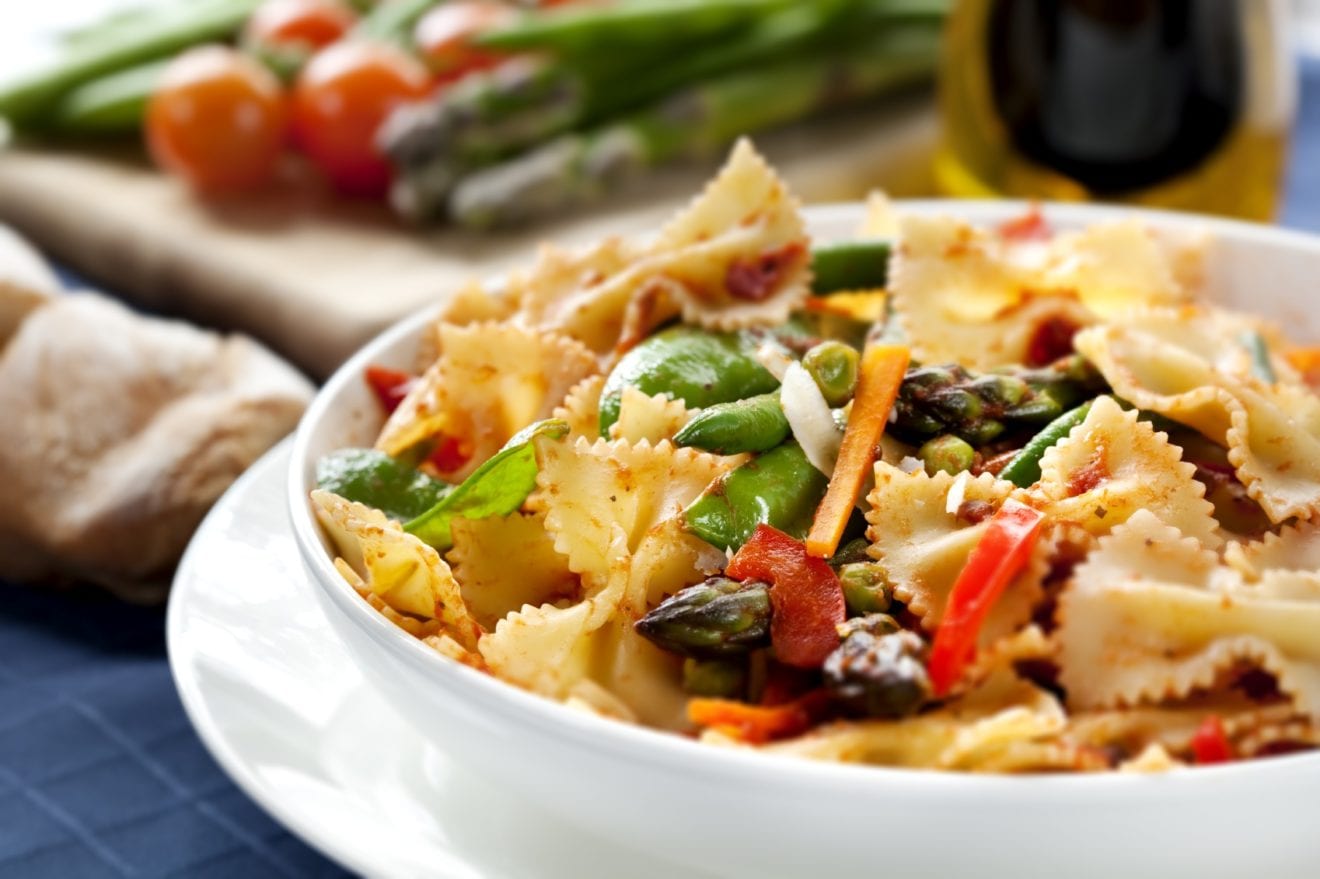
    With convenient ordering for pick-up, takeaway sets tailored for various group sizes feature a signature range of popular Crêpe Delicious favorites including snacks & salads, famous ‘puff pizza’, fresh “From the Kitchen” pastas and risottos, iconic dessert crêpes, and soft drinks.*

    An “Early-Bird” promotion is available for party set menu orders before 15 December 2020, for pick-up or delivery from 21-27 December 2020, includes a complimentary bottle of red wine, or four bottles of Somersby Sparkling Rosé and gift set of two glasses.

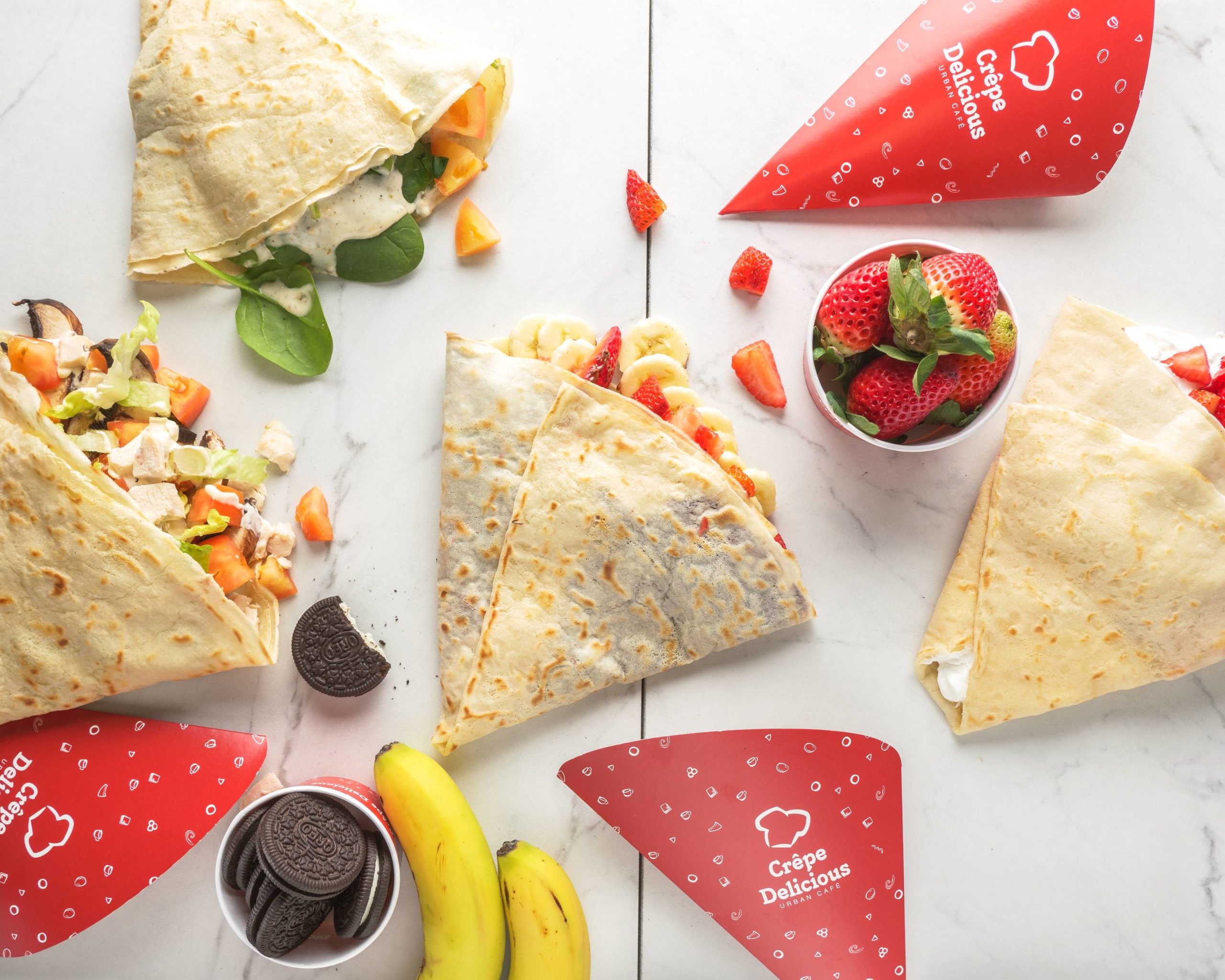
    For a festive treat, three new Instagrammable dessert crêpes embrace the Christmas spirit.  Winter Butterfly (HK$98) is a delightful rose crêpe with white peaches and raspberries, topped with rose whipped cream, white chocolate chips and raspberry sauce.  Symbolic butterflies also pay tribute to a Lee Tung Avenue neighborhood celebration of the joyous season along a colorful “Butterfly of Hope” theme decorated with over 300 glass butterflies.

    Rum & Raisin (HK$98) with cream cheese filling and rum raisin is topped with rum & raisin gelato, chocolate sauce, and garnished with colorful raspberries and mint.  Also inspired by the classic French dessert, Mont Blanc (HK$98) has a festive edible gold leaf and candied chestnut topping, with chestnut cream and chocolate chips, and a cute cream snowman on the side.

    The brand’s classic home-made gelato range is extended with Pistachio Green Gelato Shake (HK$58) with green-themed pistachio and gelato, topped with whipped cream and pistachio crunch, a variation of signature pink-colored gelato shake Pink Lady (HK$58).

    To complete celebrations, any diner who orders Somersby Sparkling Rosé (HK$48) cider at Crêpe Delicious (Urban Café) in Lee Tung Avenue will receive a complimentary glass gift set.

    Value added offerings are also available through the brand’s Membership Programme.  VIP Memberships with any single spending over HK$300 earns a welcome gift of gelato scoop, along with 10% year-round discount and 20% discount during birthday month.  Premium Membership, for a fee of HK$488, earns a welcome gift of gelato scoop plus Cookieboy Family Cookie Pack, with 15% year-round discount and annual coupons including Four Welcome Cash Coupons, Four Free Takeaway Coffee Coupons, Four Gelato Coupons, Four Gelato Shake Coupons, One Cookie and Cream sweet crepe and One Welcome Hong Kong savoury crepe – total value worth HK$888.

    With a focus on highest quality ingredients and dishes freshly made to order, Crêpe Delicious has pioneered a global craze for the iconic French cuisine classic since 2004 – expanding worldwide from Canada to Hong Kong, USA, UK, the Middle East, India and Thailand.

    The brand’s winning success story is owed to a commitment to leading the resurgence in healthy eating, with signature crêpes weighing-in at just 170 calories and 3 grams of fat, with a choice of fillings of seasonal fresh ingredients.
  • Restaurants find silver lining in cloud kitchens

    Restaurants find silver lining in cloud kitchens

    Amid business blues courtesy of the Covid-19 pandemic, cloud kitchens are finding increasing favor from restaurants in Vietnam’s two major cities.

    Nguyen Van Tung saw revenue from the two restaurants he runs in Saigon plunge 70 percent after the Covid-19 pandemic disrupted daily life in Vietnam. He cut his staff from four to two, but the business continued to suffer.

    Then he joined two cloud kitchens, centralized food production facilities set up for multiple restaurants to prepare food, specifically for deliveries. Things began to look up for Tung, then.

    The two kitchens, operated by ride-hailing company Grab, have helped increase revenue, Tung said.

    Another restaurant owner in the city, Ton Nu Quy Nhi, joined a cloud kitchen after demand for her traditional Saigon food surged two to three times amidst the pandemic. Expanding and managing her restaurant would have been expensive and difficult, so she decided to partner with a cloud kitchen service.

    “I don’t know if the business will continue to thrive next year, so I went with the cheapest expansion option, using the cloud kitchen.”

    Tung and Nhi are among many small business owners in Vietnam who want to take advantage of rising demand for food delivery services in major cities.

    There are at least seven cloud kitchens operating in HCMC and Hanoi, three of them operated by Grab, two by South Korean ride-hailing company Baemin and another two by independent companies.

    The cloud kitchens help lower costs, being located outside of high-rent locations. They help established restaurants with dining-in services to expand their delivery operations without adding stress to the existing kitchen, free up parking space taken by the delivery vehicles, and expand users’ reach to new neighborhoods.

    Hoang Tung, founder of the FoodHome cloud kitchen in Hanoi, said that his facility was fully rented and he was mobilizing funds to open a new one in the Old Quarter area.

    Tung said restaurants are moving their cooking to cloud kitchens because they want to focus on selling via apps to access a market of 20 million users that is growing by 30 percent annually.

    Industry insiders said that the Covid-19 pandemic has been a catalyst in the recent transition from traditional brick and mortar kitchens to cloud kitchens.

    Nguyen Ngoc Giao, manager of GrabKitchen, said that this model allows restaurant owners to expand quickly at minimum cost. “Amid the Covid-19 pandemic, opening a physical store carries greater risks than an online one.”

    Huy Ngo, founder of a fast food and dessert restaurant chain in Da Nang City and Hoi An Town, has recently started trying out the cloud kitchen model after having to close five of seven branches due to Covid-19 impacts.

    The new model allows Huy to focus only on ensuring high food quality inputs. The cloud kitchen employees will help prepare food for delivery, which means operating costs are just half or one-third of his traditional physical store.

    Even big and established restaurant chains are also jumping on to the cloud kitchen bandwagon, though it is yet to become a tried and tested concept in Vietnam. Fried chicken chain Otoke Chicken, with 15 outlets, has established a cloud kitchen in Saigon’s Binh Thanh District, seeking to expand its delivery service.

    Details of average investment and rents charged were not available at the time of writing.

    When Grab launched a cloud kitchen in Saigon’s Thu Duc District last year, it had 12 restaurants make food exclusively for GrabFood drivers to pick up and deliver to customers.

    Then Grab had given them space to cook for free, with the restaurants having to pay their utility bills and a commission on orders received.

    Jerry Lim, CEO of Grab Vietnam, had said then the cloud kitchen model has great potential in Vietnam, and that his company would open more such facilities in Saigon, Hanoi and Da Nang.
    However, this concept does not guarantee success for all restaurants. The cloud kitchen service, Now Station, began operations in 2017, but closed a year later.

    Giao of GrabKitchen said there have been cases where restaurants and the service have had to part ways. He declined to get more specific.

    The food delivery services have also come under scrutiny for excessive use of plastic wrappings and cutlery. Giao said his company is studying the possibility of using more environment-friendly materials.

    Tung of FoodHome said that joining a cloud kitchen doesn’t mean young business owners will not fail, but it will help them “fail fast and fail cheap” so they can get back up fast and try out other new ideas.

  • Profit up for Yum China despite Covid-19

    Profit up for Yum China despite Covid-19

    Yum China has reported a flat third quarter to September, with sales up 1 percent year on year to US$2.35 billion.

    The company said operations improved during the period, but sales were still impacted by reduced traffic at transportation and tourist locations, a delayed and shortened school-holiday season, and other lingering effects of the Covid-19 outbreak.

    “Dine-in volume has been recovering, while delivery and takeaway remained popular options,” the company said in a statement. “Our primary focus continues to be safety, efficiency, and driving traffic.”

    The fast-food company, which completed a secondary listing on the Hong Kong stock exchange during the quarter, said it has launched digital and membership campaigns offering strong value propositions to consumers to drive a recovery in sales post-pandemic.

    Yum China achieved productivity improvements and improved operating profits through trimming costs and improving productivity, however, the company now plans to increase staffing levels in the coming months to balance service and efficiency.

    Same-store sales declined 6 percent year on year, excluding foreign exchange, but the results included the consolidation of the Huang Ji Huang chain since April and a further 25 percent ownership of the Suzhou KFC operator since August.

    The company opened 312 new stores during the quarter taking its count to 10,150 at the end of September.

    Operating profit rose 86 percent from $300 million to $556 million (excluding foreign exchange impact), largely due to the gain from remeasuring the contribution of the Suzhou KFC business, of which Yum China now owns 72 percent. Net income increased 96 percent to $439 million.

  • Jollibee increases stake in Tim Ho Wan

    Jollibee increases stake in Tim Ho Wan

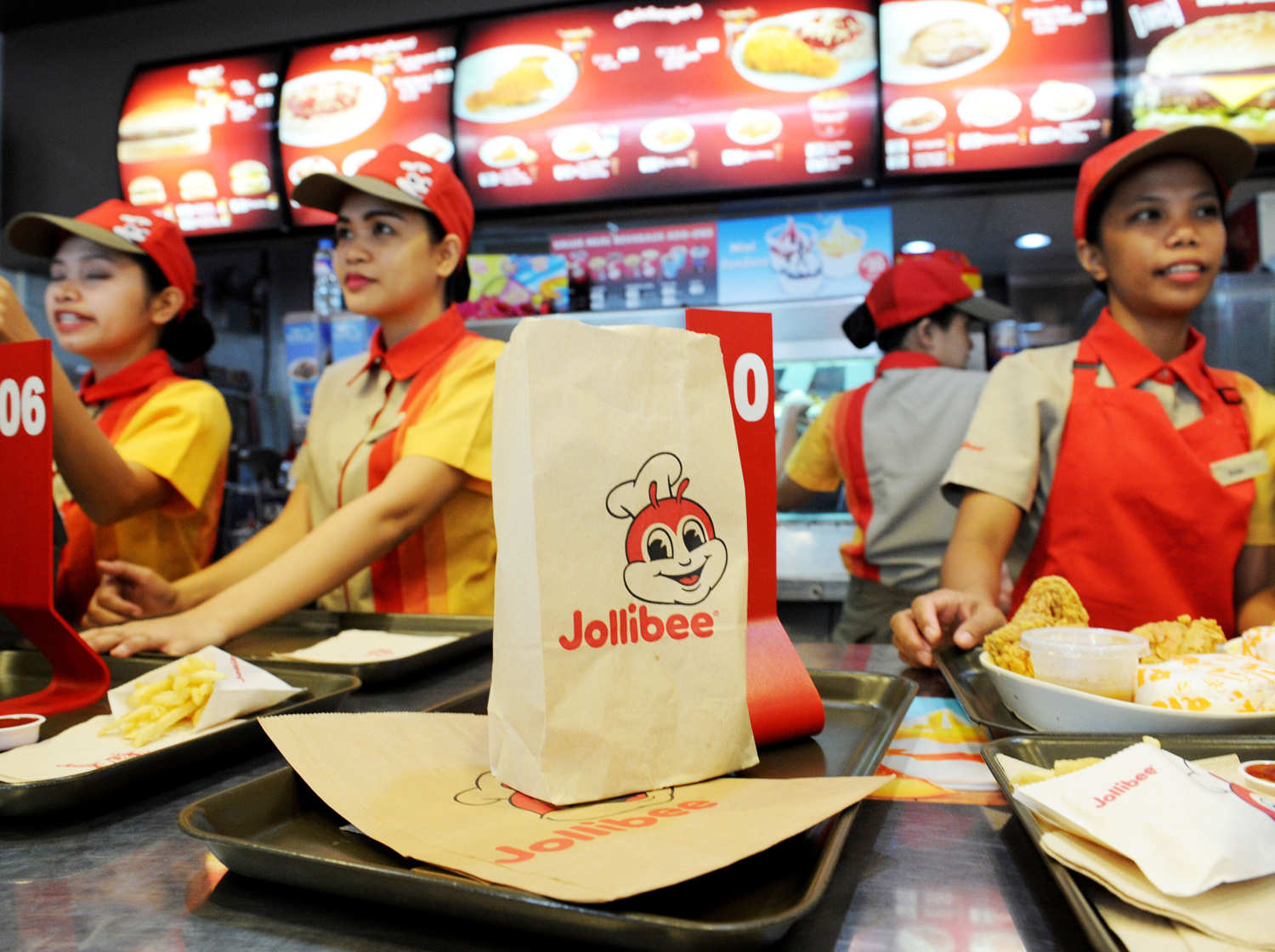
    Despite uncertainties in the food industry due to the coronavirus pandemic, Jollibee Foods Corporation is increasing its stake in the ultimate holding entity of popular restaurant chain Tim Ho Wan.

    Through its subsidiary Jollibee Worldwide, it increased its stake in the Michelin-starred restaurant to 85% from 60% by purchasing the 25% interest of Aragon Investments in Titan Dining, the private equity fund and ultimate holding entity of Tim Ho Wan.

    The transaction worth SGD36.3 million to be paid in cash is expected to be completed on October 30.

    In May 2018, Jollibee invested SGD45 million in Titan Dining, representing a 45% stake. The deal gave Jollibee an opportunity to acquire a “substantial ownership” in the dim sum restaurant chain’s master franchisee in the Asia Pacific in 7 years.

    When the deal was made, Tim Ho Wan and its affiliate Dim Sum Pte Ltd, which owns and operates Tim Ho Wan stores in Singapore, also had franchisees in Cambodia, Indonesia, Japan, Macau, Taiwan, Thailand, Vietnam, Australia, and the Philippines.

    In October 2019, Jollibee increased its investment to SGD120 million, representing a 60% stake.

    Jollibee then opened the first Tim Ho Wan restaurant in China in September 2020.

    Jollibee currently has 3,247 restaurants in the Philippines and 2,566 stores overseas.

  • Japan’s first gourmet restaurant delivery app lifts off

    Japan’s first gourmet restaurant delivery app lifts off

    Starting today, Tokyo foodies will no longer have to compromise when they order food for delivery. Japan’s first gourmet restaurant delivery app, Food-e, launches today in central Tokyo. With a curated collection of Tokyo’s best restaurants, exclusively available on Food-e, such as Nobu Tokyo, Elio Locanda, Oak Door, Shunbou and Chinaroom, consumers and companies can order great food, professionally delivered to their homes, offices or other locations of their choice.

    Users can access the app at www.food-e.jp from a browser on their smartphones, tablets or PCs and make their selections from menus of mouth-watering professional photos. The food will be delivered in high-quality packaging, with hot and cold items separated to control temperature. Food-e’s drivers are uniformed and insured, full-time professionals, expert in Tokyo’s roads, who will delicately handle the food to your door. Food-e is also the first delivery app offering bilingual customer service to both restaurants and users.

    For restaurants owners, Food-e has changed the traditional business model of delivery apps by charging users a fair fee for delivery and significantly lowering the commissions paid by restaurants. This allows restaurants to make a fair profit on delivery orders while gaining new customers for in-store dining.

    For users, Food-e offers a choice of great restaurants, most of which have never been available for delivery before, at prices generally the same as in-store dining. All of Food-e’s restaurants are not available on any other delivery app.

    Initially, Food-e’s delivery area is a 5km radius from Nishi Azabu, which includes parts of Minato, Chuo, Chiyoda, Shibuya, Meguro and Shinjuku wards. In the near future, Food-e will expand to other parts of Tokyo and eventually to other major cities in Japan.

    Following the official launch today, Food-e will regularly add new restaurants, offering users high quality and an increasing variety of cuisines.

  • Coloring foods black, a growing trend in Vietnam

    Coloring foods black, a growing trend in Vietnam

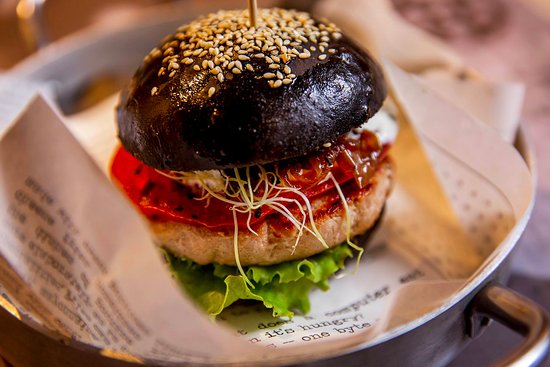
    Whether its bread, ice cream, or moon cake, Vietnamese are increasingly preferring it to be black-colored. Tuan, owner of a bakery in northern Ha Long Town, sells 300-700 black banh mi (Vietnamese sandwich) a day for VND25,000-45,000 ($1.08-1.94) each.

    He makes the bread using flour and bamboo charcoal, which is believed to be a natural detoxifier though there has been no formal research into it.

    He said many people come to buy the sandwiches for their unusual look and taste.

    Similar black sandwiches are also sold in Ho Chi Minh City, Binh Duong, and Dong Nai in the south. Hieu in HCMC’s Phu Nhuan District sells over 1,000 of them a day. A friend had suggested the idea to him after returning from Japan, where bamboo charcoal is a popular ingredient in food and beauty products.

    During the Mid-Autumn Festival this year, on October 1, black charcoal moon cake was a sought-after item. Hang in HCMC’s District 3 sold out all 3,000 of her black moon cakes a week before the festival though they cost more than regular cakes.

    But there are concerns about the use of imported bamboo charcoal without quality standards, he said. Bamboo charcoal is also used in ice cream. Mai Truong Giang, the owner of fried chicken chain Otoke Chicken which sells this product, said bamboo charcoal has been used in food in many countries for long to create an unusual look.

    Coloring food black could just be a fad and fade away after a while, he speculated.

  • Foodpanda planning six locations in Japan

    Foodpanda planning six locations in Japan

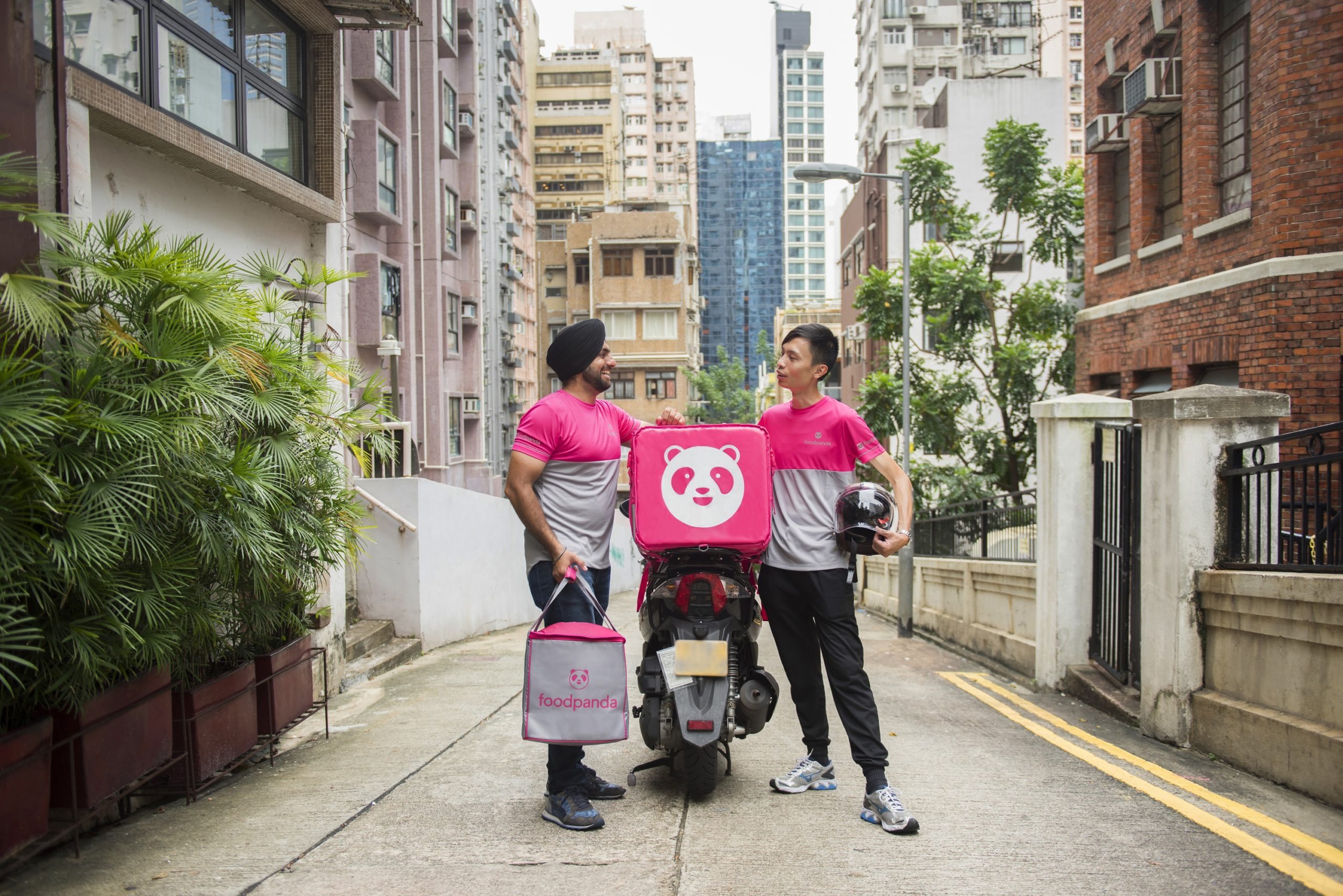
    Food-delivery service Foodpanda is to launch in Japan, its 12th market in Asia.

    During the first phase of the launch, Foodpanda will roll out its service in six cities, including Nagoya, Sapporo, and Hiroshima. The move is part of Foodpanda’s strategy to strengthen its presence in Asia Pacific, with Japan one of the largest and most mature of the region’s consumer markets.

    The service has been launched in three cities – Kobe, Yokohama, and Nagoya – with Foodpanda saying it will commence in other cities from October 1.

    “This is a market we have long admired, and this market expansion is an important step in making food and grocery delivery accessible to everyone in Asia,” says Eric Wei, CEO at Foodpanda Japan.

    Foodpanda Japan will also invest to grow its quick-commerce, where customers will be able to get their groceries within 25 minutes. The Foodpanda app will also offer an in-store pick-up feature.

    The demand for food delivery in Japan has been increasing due to Covid-19. According to Statista Market Outlook, the online food delivery segment in Japan is expected to record 23.6-per-cent growth this year.

    “In the first half of this year, we expedited onboarding and doubled the number of merchants and riders on our platform across the region so their businesses can survive the economic impact, while rider partners can continue to earn a living,” said Jakob Sebastian Angele, CEO at Foodpanda APAC.

    The company said it aims to expand to more markets in the Asia Pacific region. Founded in 2012, Foodpanda operates in more than 300 cities across 12 countries.

  • Deliveroo Supports Riders With New Riders Forum, a First-of-its-Kind Initiative for Any Hong Kong Food Delivery App

    Deliveroo Supports Riders With New Riders Forum, a First-of-its-Kind Initiative for Any Hong Kong Food Delivery App

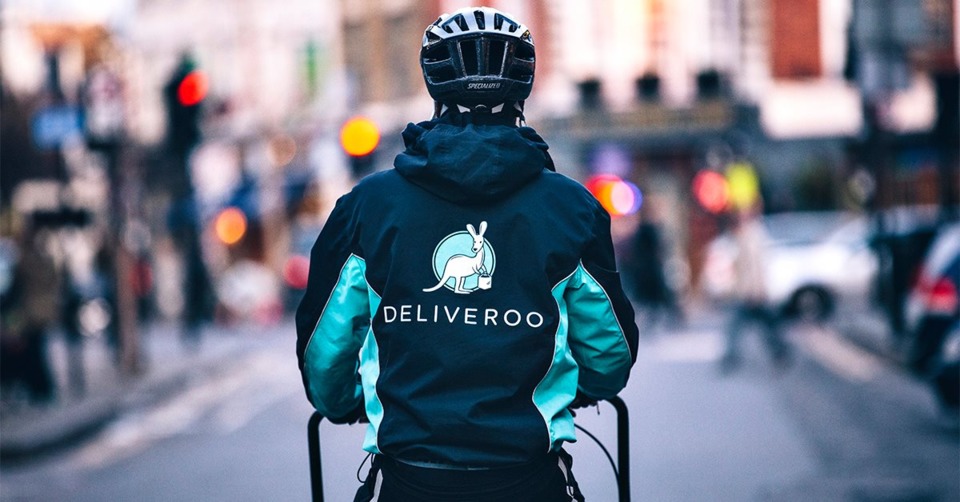
    Dedicated to listening to rider feedback, and providing a collaborative working environment to deliver more to its riders, Deliveroo today announced the launch of it’s first-ever Hong Kong Riders Forum, an initiative set to take place quarterly with Hong Kong General Manager and the operation Team.

    Since the outbreak of COVID-19, many Hong Kongers have had to cope with job losses across the city, with the current unemployment rate hitting over 6% since April this year. As many struggle to find new ways to make an income, Deliveroo is hard at work to make room amongst its fleet and help offset the rising numbers of unemployed Hong Kongers. Deliveroo has received over 35,000 rider applications in the first half of 2020 – up more than 100% from application numbers in H1 2019. As COVID-19 continues to impact businesses and day-to-day life in the city, rider applications have continued to grow. Deliveroo’s rider onboarding strategy is designed to match estimated growth in demand to rider numbers, to ensure protection of riders’ earnings. Since January, Deliveroo has added over 3,000 riders taking the firm’s total rider fleet from 4,000 in December 2019 to more than 7,000 today.

    With the increase in rider fleet, Deliveroo is dedicated to exploring new ways of listening and communicating with their riders. Being held for the first time in late August, the 2 hour-long Riders Forum was held virtually due to COVID-19, and focused on providing Deliveroo Riders with a space to voice their opinions directly. Throughout the session, riders asked questions about the company and their concerns on their overall delivery experience, provided feedback, as well as the general sentiments of the fleet as they see it, to the company. Issues discussed include orders assignment, restaurant wait time, support given by rider operations and the customer service team, and Deliveroo expansion plan in Hong Kong. Deliveroo’s Rider Forum is the first of its kind among the city’s food delivery apps, a testament to Deliveroo’s commitment to actively engaging with riders and providing a progressive working environment.

    To ensure diversity among the participants in The Riders Forum, Deliveroo has chosen 15 riders who expressed interest in participating in the event. Gathering input from a broad scope of riders and walkers across a range of districts, whether they drive a motorcycle, ride a bike or walk to deliver meals, Deliveroo is committed to hearing from a vast amount of voices. Participants will have the opportunity to discuss issues currently facing the fleet, how to foster stronger communication, and how the overall delivery experience can be improved. After each forum is completed, the discussion notes will then be communicated to the wider fleet of Deliveroo riders. According to the latest monthly rider survey, over 70% of Deliveroo riders are satisfied with how they are able to choose where and when to work with Deliveroo. Deliveroo will continue to make an effort to understand riders’ needs and concerns.

    The Riders Forum initiative is part of Deliveroo’s ongoing commitment to providing new enriching programs that provide support for its riders, which have included first aid training from the Red Cross, and with over 60 riders to be trained later this year. Additionally, Deliveroo has provided its riders with a further fuel discount of ~20%  in partnership with Shell, at all Hong Kong gas stations (aside from Hong Kong Airport), as well as offering special medical benefits to riders and their families through the virtual insurer Bowtie. Earlier this year, Deliveroo launched the Deliveroo Rider Academy, a virtual online learning space with over 700 courses to help upskill riders and their family members.

    Brian Lo, General Manager of Deliveroo Hong Kong, said, “The purpose of the Deliveroo Riders Forum is to allow our riders to share their ideas and experiences directly with me, and the rest of our Deliveroo team, and make appropriate strategic and technical adjustments based on what we hear from our riders. That’s why we’ve taken the steps to introduce an initiative that is the first of its kind in Hong Kong’s food delivery industry. We’re proud to offer some buffers for those who have lost their jobs and are in need of earnings to make a living during their transition period, and to hear from both them and our veteran riders.

    We are always looking for new ways to improve our riders’ engagement, and so, we felt that the best way to do so was to provide them with an engaging and open space. The Deliveroo Riders Forum has been set up to be a place where riders’ voices are not only heard but also empowered. We want our riders to know that we support them and that everyone’s voice counts. I’m looking forward to being a part of this new initiative to regularly meet our rider partners and finding practical ways to incorporate rider feedback into our overarching strategy.”

    Jacky Yan, a Deliveroo cyclist who joined in late February this year and attended the first Riders Forum, said, “I lost my previous job as a buyer for a UK supermarket chain because of COVID-19, but I was able to apply Deliveroo to be a walker (and then became a cyclist later) and earn a living. When Deliveroo informed us that they’d be launching The Rider’s Forum, I was pretty eager to participate in the programme, as I felt it’d be a great opportunity to have my voice heard. While working on your own may come with perks, such as more independence and a flexible schedule, it can also be nice to connect with the management to bounce ideas off each other. The conversation during the first session was very useful covering off the questions we have in mind about the platform’s operations and future plan. I have just started a new full time job last week but I will still be a cyclist delivering Deliveroo orders during weekends or evening time if my schedule allows.”


  • CJ Corp unveils plans to open Olive Young up for public investment

    CJ Corp unveils plans to open Olive Young up for public investment

    South Korean health-and-beauty business Olive Young is gearing up for an IPO next year, with the aim to list on the stock market in 2022.

    The business owner CJ Corp is currently recruiting for pre-IPO funders and is looking to sell around 20 to 30 percent of the owner’s family’s stake before it goes public, although CJ Group will not sell any of the 55 percent stakes it holds.

    Olive Young CEO Koo Chang-geun said the pre-IPO sale would not impact CJ Group’s management rights, and that the move would allow the business to pursue growth opportunities into the future.

    Shinhan Investment and Credit Suisse have been listed as joint advisors to the sale, and while there is some chatter that the business could be sold off as a whole, it is more likely that the IPO will be used to secure further funding to boost enterprise value.

    The business has long been one of South Korea’s largest beauty firms, seeing operating income grow 81 percent to US$74 million after $1.65 billion in sales last year.

  • JD teams with brands to launch an organic alliance

    JD teams with brands to launch an organic alliance

    JD’s online supermarket JD Super has formed an organic alliance with brands trading on its platform.

    More than 10 companies, including domestic and international ones, have joined the alliance, including Milk Deluxe, Bellamy’s, Abbott, Anchor, and Gerber.

    Under the alliance, JD Super and other members will work together with government bodies, channel merchants, and inspection institutes to collectively build an “organic traceability” mechanism, which records information about product life cycles, according to JD.

    “JD hopes to establish an organic industry ecosystem through the optimization of industry standards for organic products as well a wide range of support for organic brands to grow their appeal among Chinese consumers,” the company said in a statement.

    JD Super will also support the organic alliance’s members with organic labeling and to develop the platform.

  • R&B Tea expanding in the Philippines 

    R&B Tea expanding in the Philippines 

    Singapore-based Koufu Group is taking R&B Tea to the Philippines with Shakey’s Pizza.

    Under the franchise agreement, Shakey’s will sell selected R&B Tea drinks in Shakey’s and Peri Peri stores in the first year of business, and subsequently open at least five stand-alone R&B Tea outlets in the Philippines.

    “This marks our second milestone this year, following the acquisition of Deli Asia Group, despite the challenging market conditions from the impact of the Covid-19 pandemic,” said Pang Lim, executive chairman, and CEO at Koufu.

    “We have carefully considered the market trends and found the conditions in the Philippines to be favorable, with a growing receptiveness towards the bubble-tea culture in recent years.”

    R&B Tea is one of Asia’s most popular bubble-milk tea brands, operating more than 1000 outlets across China, the US, Singapore, Cambodia, Vietnam, Malaysia and Indonesia.

    “This co-branding initiative is likewise in line with our renewed focus on out-of-store consumption, enhancing sales through these channels with minimal additional investment and maximizing the use of our existing assets,” said Vicente Gregorio, president and CEO of Shakey’s.

    Gregorio is confident the bubble-tea sector can create a third pillar of growth for Shakey’s.

    Shakey’s is the Philippines’ largest casual dining restaurant brand

  • South Korean bakery franchise Tous Les Jours for sale

    South Korean bakery franchise Tous Les Jours for sale

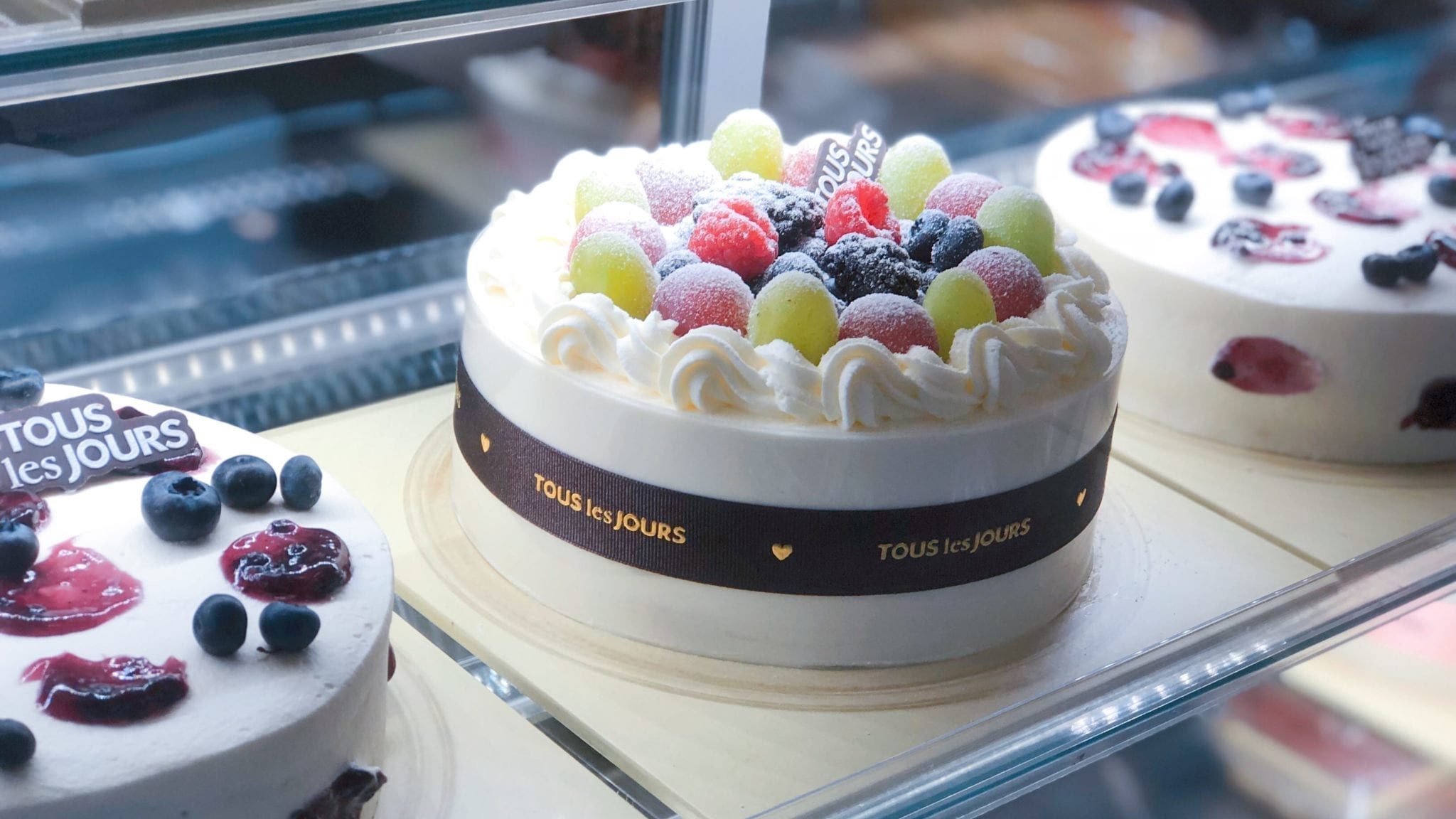
    South Korean food and entertainment conglomerate CJ Group has announced it plans to sell its retail bakery franchise Tous Les Jours.

    CJ Group has chosen accounting firm Deloitte Anjin to manage the sale process and at the same time launched a review of options to boost the chain’s competitiveness.

    Tous Les Jours is South Korean’s second-largest bakery chain between its archrival, SPC Group-owned Paris Baguette. Both chains have expanded overseas into markets including Mainland China, Malaysia, and Vietnam, with Paris Baguette’s footprint spreading as far as the US and even its namesake city Paris.

    CJ Group has sent background documents about the business to private-equity companies located domestically and offshore to gauge interest in the business.

    Tous Les Jours operates about 13,000 stores across South Korea.

    Market analysts say that in looking to sell the chain, CJ Group’s CJ Foodville is looking to use the proceeds to expand its food-service business amid the Covid-19 crisis.

    Last year, CJ Foodville sold its coffee chain brand Twosome Place to a Hong Kong-based private-equity fund for US$168.8 million.

  • Singapore competition starts regulating food-delivery services

    Singapore competition starts regulating food-delivery services

    Singapore’s competition regulator has effectively cleared the activities of food-delivery platforms and dark kitchens in the city-state after a 10-month probe.

    The investigation by the Competition and Consumer Commission of Singapore (CCCS) began on September 30 last year after concerns were raised that food-delivery services were refusing to work with dark kitchens operated by rivals. (Dark, or virtual, kitchens are where meals are prepared for delivery or takeaway with no seating for customers.)

    CCCS says that conduct has since ceased and while it will continue to monitor online food delivery and virtual kitchens, it has no cause for concern at this time.

    “CCCS notes that competition in the virtual-kitchen sector remains dynamic, with players entering and competing for market share,” the organization said in a statement posted online.

    Singapore’s online food-delivery industry is highly competitive with three main operators battling for market share:  Deliveroo, Foodpanda and GrabFood.

    Each has started providing virtual kitchens as an additional service to food & beverage operators. Meanwhile, Smart City Kitchens (SCK) competes with them to offer virtual kitchens to F&B companies but does not operate any online food-delivery service itself, leaving it reliant on Deliveroo, FoodPanda, and GrabFood to deliver the meals.

    The CCCS launched an investigation into the sector after reports the delivery services were refusing to work with companies using SCK’s virtual kitchens.

    “Following CCCS’s investigation, GrabFood and Deliveroo have started supplying their online food delivery services to F&B operators in SCK’s virtual kitchens which already have access to FoodPanda’s online food delivery service,” said the CCCS. “As a result, F&B operators using SCK’s virtual kitchens now have the choice of using multiple online food delivery providers to expand their consumer reach.

    “There is greater competition in the virtual kitchen sector, and consumers are also able to enjoy a greater choice of food ordered online. With greater competition, businesses are incentivized to innovate to cater more efficiently to the evolving needs and preferences of their customers.”

  • KFC Thailand for sale

    KFC Thailand for sale

    A slice of KFC Thailand is being considered for sale by franchise owner Restaurants Development in a deal that could net $200 million.

    Sourcing people with knowledge of the matter, the firm is taking advice on a potential sale of the operation – which involves roughly 200 locations and 4000 staff. There is no certainty a sale will proceed and the source said discussions remained at an early stage with no formal bid yet tabled.

    Restaurants Development is backed by investors throughout Asia and operates KFC Thailand alongside Central Group (running 275 stores) and Thai Beverage – which purchased more than 240 KFC restaurants three years ago for roughly $361 million.

    Yum Restaurants International (Thailand) transformed itself into a 100-per-cent franchisor business in 2018 in an effort to yield optimal efficiency across the entire business operation.

  • QSR chain Pepper Lunch sold to J-Star

    QSR chain Pepper Lunch sold to J-Star

    Japanese restaurant operator Pepper Food Service is selling its profitable Pepper Lunch chain to J-Star investment fund for US$79 million.

    The sale is expected to provide a much-needed cash injection to the debt-ridden Pepper Food business in the hopes of restoring investor confidence in the firm, which also operates the struggling Ikinari Steak brand.

    Pepper Lunch, which serves sizzling platters of meat-based dishes with sauces, has expanded throughout Asia on a franchised basis, including in Vietnam, Singapore, and Thailand.

    The acquisition also includes the Pepper Lunch Diner, 92’s, Charcoal-Grilled Hamburger Steak Kuni, Tokyo 634 Berg, Musashi Hamburg, and CAB Steak restaurant brands. Collectively, the business operates 181 stores in Japan and 333 overseas.

    In a statement announcing the purchase, J-Star said the 26-year-old restaurant concept has a strong market position in food courts, where affordable prices and quick delivery are required, by combining customer satisfaction and high productivity, with a unique cooking system in which selected steak meat is cooked right in front of customers.

    “We will support the management team to establish a corporate foundation as an independent business, to accelerate domestic growth by leveraging its competitive advantage, as well as growth strategy through global expansion,” J-Star’s statement said.

    Meanwhile, Pepper Food is expected to use the funds to sustain the remaining business in the hope it can stabilize and return to profit. Ikinari Steak currently runs an operating margin of 3 percent, a fraction of the 14 percent of Pepper Lunch and the other businesses sold.

    Pepper Food is reportedly considering switching more of its owner-operated locations into franchises – although the appeal of the Inikari brand may be limited.

    J-Star is an independent and partner-owned Japanese alternative asset manager with $300 million of assets under management.