Tag: Food

  • Eateries keen to go on board with AirAsia’s food delivery service

    Eateries keen to go on board with AirAsia’s food delivery service

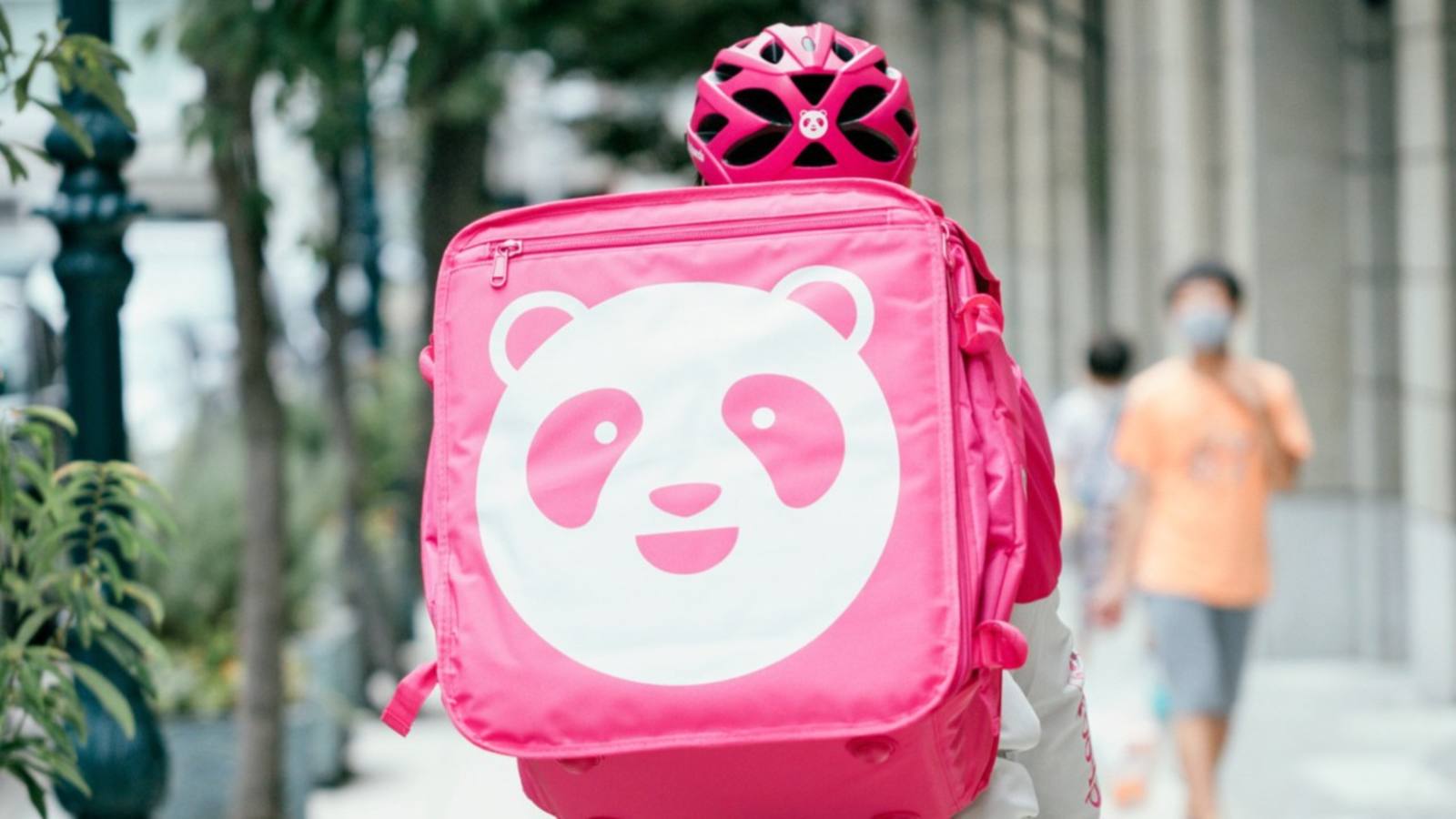
    Eateries say they are keen to go onboard with airasia food because of its low commission and islandwide delivery. The newcomer is offering them free delivery within 8km for two weeks until March 16, and charging a 15 percent commission after that.

    Other food delivery platforms like Deliveroo and Foodpanda charge commissions of 30 percent to 35 percent and deliver within a restricted radius of 2km to 6km, while GrabFood delivers islandwide for only selected partners. Oddle charges 10 percent for islandwide service but uses Lalamove for deliveries, which can cost eateries another $12 to $20 for each order.

    Swee Choon Tim Sum Restaurant signed up with airasia food on Tuesday (March 2) because of its low rates and islandwide delivery. But owner Ernest Ting raised concern over the availability of riders.

    “We often face issues such as lack of riders and service reliability,” he said.

    Baoshi F&B Management goes on the platform today with five of its outlets, while the rest will go onboard three weeks later. It runs the Wee Nam Kee chicken rice, Monga Fried Chicken and Lai Bao Fish Head Steamboat eateries.

    The company’s co-founder, Mr Lem Cheong, said he, too, was attracted to airasia food’s attractive rates and islandwide delivery.

    Mr Douglas Ng, who runs Fishball Story in Circuit Road selling fishball noodles, said he messaged airasia food for more information last Thursday after learning about its launch, and will sign up due to the attractive rates.

    He currently uses GrabFood, which he finds efficient, and he considers the 20 percent commission fair. But he finds its delivery radius of 3km too small – which is why he also does his own deliveries.

    Mr Melvin Chew of Jin Ji Teochew Braised Duck & Kway Chap in Chinatown Complex said he heard about airasia food’s low commission and was keen to find out more, such as the availability of drivers or riders.

    The founder of Facebook group Hawkers United – Dabao 2020, which supports hawkers during the pandemic, said he will likely sign up so he can understand how airasia food’s system works and share the information with fellow hawkers.

    All the eateries agree that having more delivery platforms is good for them.

    Baoshi’s Mr Cheong said: “Being on more platforms makes our food more accessible. We are positive that as the competition increases, the rates and prices offered to us will be better.”
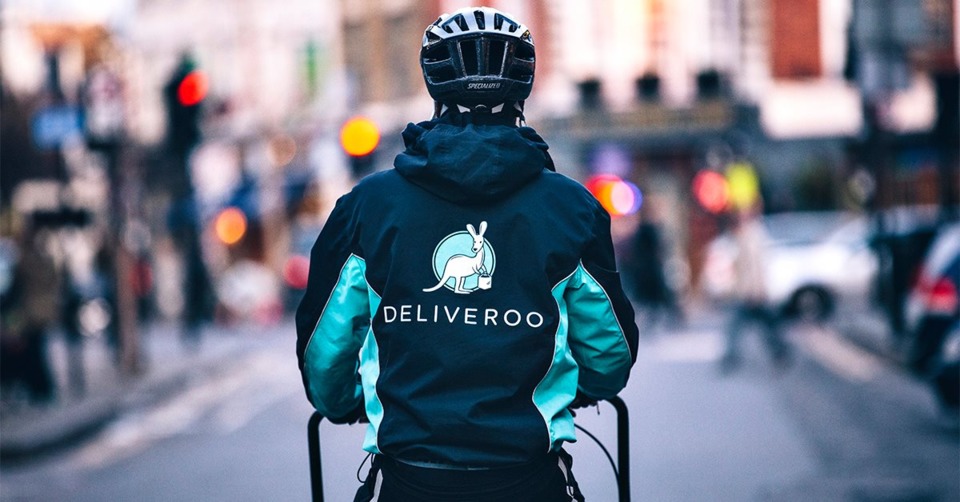
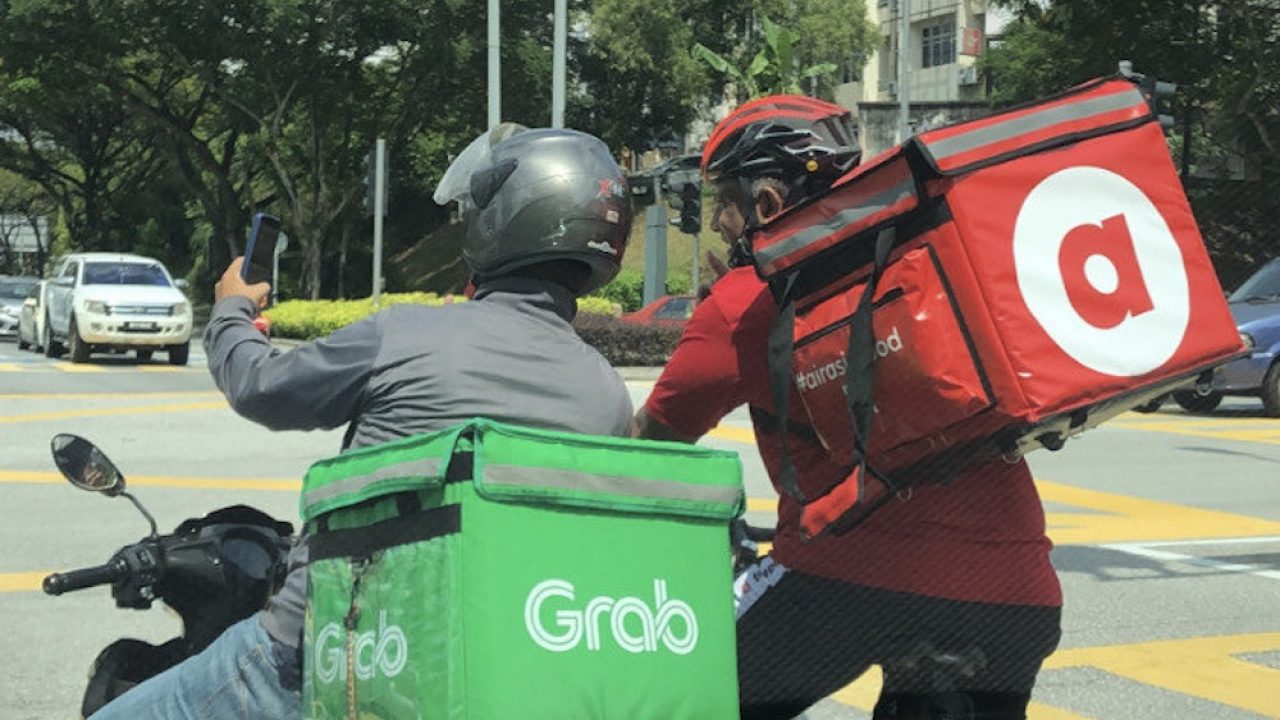
  • Deliveroo for Business Survey Reveals: Challenges faced by companies post pandemic present opportunities for boosting staff morale

    Deliveroo for Business Survey Reveals: Challenges faced by companies post pandemic present opportunities for boosting staff morale

    Deliveroo announces today the results of its Deliveroo for Business survey, in which nearly 100 corporate partners with over 10,000 employees were polled to reveal changing workplace food habits amidst the COVID-19 pandemic. Main findings reveal that businesses in Hong Kong are eager to embrace more workplace catering options, as well as extend food allowances and rewards to employees working from home.

    2020 saw many offices throughout the city adopt new work from home policies. 91% of Deliveroo’s corporate clients have implemented various types of work from home or flexible work arrangements since the start of the pandemic. With more than half of businesses (55%) surveyed saying they plan to maintain this way of working for the foreseeable future, Deliveroo is seeking new ways to assist its Deliveroo for Business partners, and offer solutions to their employees so that they feel engaged, connected and rewarded whether they are working in offices or remotely. With more remote work being adopted, still companies have yet to implement new measures in view of this. 34% of companies have not organised any virtual social events since the outbreak of Covid, and 47% of companies wanted to organise events or celebrations but were not able to because of the pandemic.

    Jeanette Smerin, Head of Deliveroo for Business, Hong Kong & Singapore, said: “We understand that the past year has been a difficult one for team and company bonding with the ongoing social distancing restrictions, but despite the challenges we remain dedicated to creating new and exciting ways to bring Deliveroo perks to our client’s employees.  As staff parties, year-end celebrations and holiday events have long been linked to employee appreciation and boosting staff morale, we are working with our partners to optimise services that can conveniently reward staff from the comfort of their homes. This includes offering vouchers from Deliveroo partnered restaurants and on-demand grocery stores so that employees can easily order their favourite food or grocery items to their home.”

    Last year Deliveroo announced grocery delivery partnership with British retailer Marks & Spencer, renowned convenience chain 7/11 and Japanese mega-store Don Don Donki to deliver not only delicious food but also household items. These services are not only seen as a valued company perk, but are beneficial in a practical sense, with Deliveroo on-demand grocery services on the rise and more neighbourhoods beginning to offer a variety of popular restaurant options.

    With Hong Kong infamous for its late working hours, whether it be from the office or at home, 45% of companies polled revealed that they offer individual food allowances to employees, however only 10% allow employees to order from anywhere they want. With work from home trends showing no signs of abating, Deliveroo is encouraging more companies to adopt flexible ordering policies, which will subsequently help foster a more caring corporate culture, particularly if they adopt health-focused food allowances. Currently, nearly half (47%) of employers from the survey said they had provided team lunch orders in the past, while 34% offered snacks and sweets, and 29% opted to give employees fresh fruit. With food being a vital tool in maintaining healthy and attentive employees, companies would be advised to expand their offerings outside the office, with 35% of those polled limiting their food orders to the workplace, in comparison to home-based orders.a

    Other data within the survey revealed that Chinese cuisine was the most popular to order for office meals (71%), followed by Western (65%), and Japanese (57%). 38% reported ordering salads, a trend Deliveroo expects to increase as more health-focused policies may be adopted post-COVID-19. Meanwhile 74% of businesses listed employee preference as the key factor when they consider which restaurants to order from, showing a growing interest amongst employers in listening and responding to the needs of their teams. The survey also found that online food platforms now have an important role to play in how people recycle, with 77% of surveyed partners indicating that they are more inclined to order from restaurants that supply eco-friendly packaging, an encouraging figure that will likely push the industry into adopting more sustainable practices.

    Smerin added: “Here at Deliveroo for Business, we’re committed to catering to our clients’ needs and expanding our DFB offerings whether it be in office catering, or at home solutions from our restaurants partners or on-demand grocery services or corporate pantry services. That is why the survey is vital to unlocking evolving trends and keeping up to date with the city’s ever-changing needs. We are interested to learn that companies would welcome pantry services providing fruits and snacks to their employees. As we create new campaigns and release new offers to keep spirits up throughout the pandemic and beyond, we are dedicated to providing more options for companies in this new working style in the future.”

    As more employers embrace Deliveroo for Business and see the potential for its office catering services, the food delivery platform is dedicated to expanding its corporate offerings. For instance, Deliveroo is exploring the possibility of adding a corporate pantry subscript on service this year to offer companies snacks, fruits, and nuts in the office – 58% of respondents indicated that they would be interested in this type of service. Deliveroo also remains committed to providing new and innovative employee reward-based schemes, such as gift cards to restaurant partners and grocery stores, as well as helping companies to improve on their green credentials.

  • AirAsia food to start deliveries in Singapore in March in first foray outside Malaysia

    AirAsia food to start deliveries in Singapore in March in first foray outside Malaysia

    AirAsia Food, budget carrier AirAsia’s delivery service, is looking to spread its wings and start operations in Singapore.

    Ms Amanda Woo, Air Asia’s chief commercial officer, told The Straits Times on Thursday (Feb 18)  that its food delivery service will launch here next month, and that it has obtained all the necessary approvals from Singapore authorities.

    On top of food and beverage outlets, AirAsia is also calling for those in the beauty, fashion, fresh produce, and hotel industry to register their interest, as it is preparing to launch more products, said Ms Woo.

    AirAsia’s chief executive Tony Fernandes had said in a LinkedIn post on Wednesday that his company’s latest venture would be coming to “Singapore with a roar”.

    The food delivery service began operations in Malaysia in May 2020. According to the carrier, it had served 500 restaurants and delivered close to 15,000 orders in its first three months of its operation.

    Coming to Singapore will be AirAsia Food’s first overseas foray.

    “As a disruptive leader, we’re ready to take on the new challenge in Singapore, providing value, simplicity, and inclusivity for everyone,” Mr Fernandes said.

    Miss Sabrina Khaw, head of AirAsia food, said that the company pivoted towards food delivery after considering that food delivery platforms in Malaysia were charging “exorbitant commission rates”, averaging between 20 percent and 35 percent.

    She added that there was very little control given to merchants over their own store when it came to food deliveries.

    “AirAsia food runs on a zero-commission model. Merchants are able to choose from flat-rate plans powering payment and delivery,” she said.

    The budget carrier has been heavily affected by the Covid-19 pandemic’s disruptions to air travel. Last July, its auditors filed a report with the stock exchange in Kuala Lumpur saying the airline may not survive.

    Three months later, it was reported that its long-haul arm was out of money and needed to raise up to RM500 million ($164 million) to restart.

    AirAsia is not the only airline forced to provide other services to survive after being battered by travel restrictions due to Covid-19.

    Singapore Airlines has started restaurant services in its airplanes and conducted behind-the-scenes tours at its training facility.

    Other airlines around the world have launched sightseeing “flights to nowhere” and started selling themed merchandise.

    AirAsia food now aims to cut itself a slice of the lucrative food delivery pie here. According to research firm Statista, online food delivery was a US$464 million (S$616 million) business in Singapore last year.

    Foodpanda, Deliveroo, and GrabFood – which entered the market in 2012, 2015 and 2018 respectively – remain the major players in food delivery here, with several new platforms such as WhyQ, Chope On, and Pickupp having leaped onto the food-delivery bandwagon.

    Mr Fernandes said that he was sure AirAsia food will do well in Singapore despite the crowded food delivery space.

    “It took me seven years to get approval to fly to Singapore but better late than never. So I’d say, we’re way ahead of schedule on food. I’m sure we (are) going to get a great welcome,” he said.

    “So Singapore: here we come.”

  • South Korea’s online food market booming due to Covid-19

    South Korea’s online food market booming due to Covid-19

    In South Korea, some of the world’s biggest food delivery firms are scrambling to surf an estimated $4 billion wave of new orders, contracting thousands of new riders in a boom triggered by the scourge of the global economy – the coronavirus pandemic.

    Koreans had already developed such an appetite for meal deliveries that the country ranked third in the world last year for food order services, according to consultancy Euromonitor. Now, tough social distancing rules and work-from-home policies to counter the pandemic have fuelled explosive growth.

    South Korea’s food delivery market is expected to jump 40% this year to around $15.4 billion from $11 billion in 2019, Euromonitor data showed, topped only by China and the United States.

    Surging coronavirus-era consumer demand has stoked orders, supported meal pricing and made the prospect of a career as a self-employed rider – earning more per hour than many other part-time jobs – an attractive option for many after the pandemic drove Korea’s jobless rate to a 10-year high earlier this year.

    Contractor jobs like delivery riders will keep growing in number amid the pandemic, predicted Kim Sung-hee, professor of labour studies at Korea University, highlighting the need for government scrutiny of “non-regular work”.

    “A lot of the contractor jobs, including riders, have minimal access to labour rights,” Kim said, “they have no access to occupational health and safety insurance and no employment safety net.”

    Responding to the demand surge, Woowa Brothers, the operator of leading food delivery service Baedal Minjok, said it expanded its pool of motorbike delivery riders this summer by nearly 50% from 2,100 previously. Smaller peer Barogo, which like Woowa Brothers doesn’t disclose details of its financial performance – said it is recruiting 5,000 more, creating openings for some otherwise unlikely riders.

    Among those is Chey Young-ah, a 37-year-old former art teacher in Seongnam, 20 km (12.43 miles) south of Seoul. After the pandemic forced classes at her day job to shut, she saw brisk delivery orders at a fried chicken restaurant where she worked part-time, opted to become a rider herself instead in mid-August.

    “I feel lucky I found this field at a time when deliveries are booming,” she said. “One of the merits of this job is that the entry barrier is low. They don’t care whether you’re a man or a woman, you don’t need a job interview.”

    Chey, who already owned a motorbike, says she earned around 1.8 million won ($1,565.22) last month while working six to eight hours a day, seven days a week – already nine times the pay as an art instructor.

    Chey rides for Baedal Minjok and Coupang Eats, operated by SoftBank-backed e-commerce firm Coupang. Like other services, delivery jobs are offered to riders on call via an app, with riders selecting which jobs to take depending on distance and payment terms.

    Riders say most orders earn them around 3,300 won per delivery – the minimum rate – with the influx of new riders creating greater competition even to secure those deliveries, and to get the job done faster.

    “The competition is getting fiercer … Some (riders) violate traffic rules to make one more delivery, putting their safety at risk,” said Chey, who herself has already been involved in a minor accident.

    Delivery companies are also offering bonuses hoping to secure faster riders. Coupang Eats said riders can earn up to 15,000 won per order, depending on order volume and weather conditions.

    Data from Rider Union, a labour union representing the new dispatch workers, showed one of its members earned as much as 585,700 won – comparable to 68 hours of work by minimum wage – on a single day in August.

    Numbers like this are a magnet in an otherwise depressed jobs market.

    You Young-sik, a 28-year-old Seoul internet cafe worker who has seen his pay halved since the coronavirus hit and now fears losing his job, recently signed up for motorbike lessons to get his licence.

    “As I was looking for new openings, I figured delivery business is in vogue these days,” said You, who currently makes below 1 million won a month. “Riders’ salary looks way higher than what I get paid now.”

  • AirAsia Food to spread its wings to Johor and Penang next month

    AirAsia Food to spread its wings to Johor and Penang next month

    Almost a year since its introduction in the Klang Valley area, AirAsia food is now set to spread its wings to other major cities in the country starting with Johor and Penang next month.

    AirAsia Bhd chief executive officer Riad Asmat said the business was recording very positive growth, especially during the return of Conditional Movement Control Order between October to December 2020, and the trajectory remained promising into 2021.

    He said under its expansion plan, the company had started an entrepreneurial program to recruit more talents to grow AirAsia food together in the upcoming potential markets, as well as securing more merchants under its umbrella”

    People are ready and looking for more (food delivery services) options right now and our offerings at AirAsia food, be it from the customer and merchant’s perspective, can accommodate their needs within the market,” he told Bernama in an interview recently.

    Riad named Ipoh, Kota Kinabalu, Kuching, Miri, and Kota Bharu as the next potential markets.

    As for the international market, he said the company aimed to mark its presence in Singapore next month, and other markets such as Indonesia, the Philippines, and Thailand soon.

    Launched during the Movement Control Order (MCO) in May 2020, AirAsia food is a seamless, fuss-free, and affordable food delivery platform for merchants as it runs on a flat-rate model that is equivalent to only a 10 percent commission rate.

    He said at present, it has the lowest commission rate in the market as other platforms’ commission fees range between 15 percent and 30 percent, and AirAsia food is the only platform that offers a flat rate.

    Merchants can also easily control their menu and prices and receive extended delivery coverage of up to 60 kilometers compared to a 15-kilometer coverage by other food ordering platforms.

    Riad said although there are service providers that have been in the market much longer, AirAsia food believes that the market is big enough for one more alternative with the advantages it can bring to the table.

    He said AirAsia food provides merchants with a competitive offering, which directly and indirectly can help them reap a greater return in terms of profitability and low cost, which in turn benefits their customers.

    As one of the businesses under the airasia.com Asean super app, AirAsia food is supported by airasia.com’s ecosystem of over 60 million users who are able to earn and pay with their BIG Points, he said.

    “The advantages of merchants joining us will be on the basis of the strong structure, including from the technology and client perspectives. A merchant now will get a potential exposure of up to 60 million clients within our ecosystem,” he said.

    On prospects, Riad said sales picked up during the lockdowns but the business would remain relevant in the future after vaccines are made available, as technology helps people to meet their needs in a very convenient way.

    “If you give the right products that people want and keep enhancing the business with innovation, surely you can sustain the business for a long period.

    “Our growth at AirAsia food does not only help local food businesses, but also has a spillover effect in creating more job opportunities,” he said.

    To-date, AirAsia food employs more than 1,500 teleporters (riders) offering services to 1,200 restaurants around the Klang Valley

  • Uber Reduces Losses On Food Delivery Expansion, Modest Uptick In Ride Bookings

    Uber Reduces Losses On Food Delivery Expansion, Modest Uptick In Ride Bookings

    Uber Technologies Inc on Wednesday posted a narrower loss as its ride-hail and delivery businesses rebounded slightly from pandemic lows, and the company said it was well on track to reach its goal of achieving an adjusted profit by year-end.

    Uber said customers in cities’ outer boroughs and suburbs had returned to its rides platform during the quarter.

    Nearly complete recoveries in markets including Brazil and Australia point to leisure travel to restaurants and cultural events bouncing back quickly once the pandemic ends, with business travel returning more slowly, as many employees continue to work from home.

    Shares fell 3% in after-hours trading after gaining around 6% during the day. Shares had risen after smaller ride-hail rival Lyft Inc said on Tuesday it might become profitable during the third quarter, three months ahead of a previous goal, thanks to a rebound and cost cuts.

    Uber reported a loss on an adjusted basis before interest, taxes, depreciation and amortization of $454 million, significantly less than analysts’ average expectations for a $514 million loss, according to Refinitiv data.

    Uber cut costs throughout 2020, including reducing staff by nearly 30% from the beginning of the year. A focus on its core rides and food delivery business and divestments of ancillary units will allow Uber to emerge from the pandemic a slimmer company.

    Adjusted EBITDA, which excludes the cost of the company’s extensive stock-based compensation and other potentially significant items, is the profitability metric Uber uses.

    Uber reported $3.17 billion in total revenue in the months from October through December.

    Fourth-quarter mobility revenue, largely comprised of rides, declined by 52% from last year, but at $1.47 billion was up 8% on a quarterly basis despite new lockdown measures in the United States, Europe and the Middle East.

    The company said it could not predict the quarter in which ride-hail volumes might return to pre-pandemic levels. Airport travel, which made up 15% of gross bookings before the pandemic, will take longer to return than leisure and business trips, Uber said.

    It expected first-quarter adjusted EBITDA to be flat or down compared with the fourth quarter.

    Orders at Uber’s food delivery platform, Uber Eats, further grew during the fourth quarter, as many countries and U.S. states issued new lockdown orders, closing restaurants and prompting many people to order in.

    Delivery revenue more than tripled from last year and at around $1.36 billion, grew 19% compared with the third quarter.

    Uber has expanded its footprint in the competitive space and acquired smaller food-delivery rival Postmates for $2.65 billion and alcoholic beverage delivery service Drizly for $1.1 billion.

    Both deals were largely stock-based, with the Drizly deal expected to close later this year.

    Uber also said it had further lowered costs in the fourth quarter, with total costs and expenses dropping 14% in that period.

    Following a directive by Chief Executive Dara Khosrowshahi to focus on the company’s core businesses, Uber has sold two cash-burning units.

    The company in December sold its self-driving Advanced Technologies Group (ATG) in a $4 billion equity deal at a steep drop in valuation. Khosrowshahi at the time said the deal would accelerate Uber’s profitability goal.

    The same month, Uber also handed over the keys to its air taxi business Elevate, without disclosing the terms of the deal.

  • OnTheList launches Asian arm of Phenix to save food from landfill

    OnTheList launches Asian arm of Phenix to save food from landfill

    Chefs and caterers at hotels in Asia-Pacific will work on ways to cut food waste, including tweaking buffets and promoting the use of doggy bags, in a scheme led by environmental group WWF.

    The Asian arm of the Hotel Kitchen program, funded by The Rockefeller Foundation, is due to be launched on Friday at a Singapore meeting of international and regional hotel chains.

    “This is about accelerating change and getting people to think differently about food,” said Pete Pearson, Washington-based director for food waste at WWF.

    About a third of food produced around the world is never eaten because it is spoiled after harvest and in transportation or thrown away by shops and consumers.

    That amounts to economic losses of about $940 billion per year, according to the U.N. Food and Agriculture Organization.

    Yet 815 million people around the world go to bed hungry every night, U.N. figures show.

    Throwing out food wastes the water, energy and fuel required to grow, store and distribute it, campaigners say, while discarded food ends up in landfill where it rots, releasing climate-changing gases such as methane.

    Joao Campari, food practice leader with WWF International, said the conservation group – best known for its work with wildlife – began focusing on food because its production is responsible for more than 70 percent of the world’s lost biodiversity.

    “The planet cannot supply enough resources at the rate we are consuming today,” he said.

    Hotel Kitchen, which was piloted in the United States last year with international hoteliers including Hilton, Hyatt and Marriott International, is part of WWF’s push to halve per capita food waste by 2030, in line with global development goals.

    Those hotel groups are expected to participate in the Asia-Pacific expansion of the initiative, Pearson said.

    Friday’s meeting, backed by the UK-based Waste and Resources Action Programme and the Pacific Asia Travel Association, will chew over with regional hospitality workers how food waste can be identified, managed and minimized.

    In the United States, hotel chefs worked to ensure menus for buffets and large events could be adjusted quickly, and some of the excess food reused.

    Instead of loading a buffet with cheeses and meats, for example, most of it could be kept fresh behind the counter until customers ask for it, said Pearson.

    The U.S. scheme has also trained staff, developed recipes using leftover ingredients, separated food waste from regular rubbish, monitored it, and raised awareness among customers.

    Donating unused food and helping customers take home uneaten meals will also be discussed on Friday, said Pearson.

    “Squandering food is squandering everything that goes into food – including habitat and wildlife,” he said. “We’re just running out of time.”

    The WWF program is due to be rolled out in Europe within the next three months.

    Hotels save an average $7 for every $1 spent on curbing food waste, according to a new report by the Champions 12.3 coalition, which analyzed 42 hotels in 15 countries.

    Within the first year of implementing a food waste-reduction program, more than 70 percent of hotels in the study recouped their investment, it added.

  • Foodpanda opens 150th Pandamart cloud grocery store

    Foodpanda opens 150th Pandamart cloud grocery store

    Foodpanda has launched its 150th Pandamart in Asia and prides itself as Asia’s largest grocery cloud store with a network rolled out across 40 cities.

    Pandamart, an on-demand service primarily to deliver groceries and household essentials, leverage technology, and data intelligence for its accessibility, variety, and speed. From determining its location to the products carried in each store and inventory are arranged within the space for maximum picking efficiency, so groceries and household essentials can be efficiently packed and delivered to consumers within 25 minutes.

    Foodpanda Director of New Verticals, Abhishek Sahay shared,“Launching 150 pandamart across 40 cities in the midst of a pandemic was no easy task, but foodpanda realized the critical importance in bringing our consumers what they really needed quickly and safely, especially during times of movement constraints,” he noted.

    In Malaysia, pandamart became an essential service when the Movement Control Order (MCO) went into effect earlier this year, with grocery orders increasing by almost 70 percent in the single month of January 2021. Recognizing the importance of supporting local food producers, pandamart worked with local partners to source more than 60 percent of products in Malaysia, offering consumers with more locally SMEs produces and a local grocers.

    To meet fast-changing consumer needs and preferences, foodpanda has invested to grow quick commerce offerings. Beyond its core food delivery vertical, foodpanda is accelerating the rollout of pandamart and foodpanda shops in partnership with retailers, to offer consumers greater convenience, speed and variety.

    Currently, Foodpanda covers eight markets in Asia includes Singapore, Malaysia, Thailand, Taiwan, Hong Kong, Bangladesh, Pakistan, and the Philippines.

    “Now that we’re operating in eight markets, our goal in 2021 is to take pandamart into more cities within our existing markets, plus launch pandamart in all 12 operating markets by the end of 2021,” Abhishek commented.

  • Seafood processor Vinh Hoan buys 51 pct stake in snack company

    Seafood processor Vinh Hoan buys 51 pct stake in snack company

    Seafood processing company Vinh Hoan Corporation has bought a 51.29 percent stake in the Sa Giang Import-Export Corporation.

    It bought 3.56 million shares from the State Capital Investment Corporation (SCIC) at VND97,500 per share in a deal worth almost VND350 billion.

    SCIC had planned to auction the shares in July 2020 at a starting price of VND111,700 ($4.80), but failed to attract investor interest.

    Sa Giang makes ready-to-eat foods such as prawn crackers and instant noodles and newer products such as crackers made from crab, fish and squid.

    It mainly exports its products to Europe, especially Germany and the Netherlands, and some Asian countries.

    Last year it reported revenues of VND310 billion and a net profit of VND31 billion.

    The company has convened an extraordinary general meeting at the beginning of February to dismiss some members.

  • Paris Baguette opens its largest Singapore store

    Paris Baguette opens its largest Singapore store

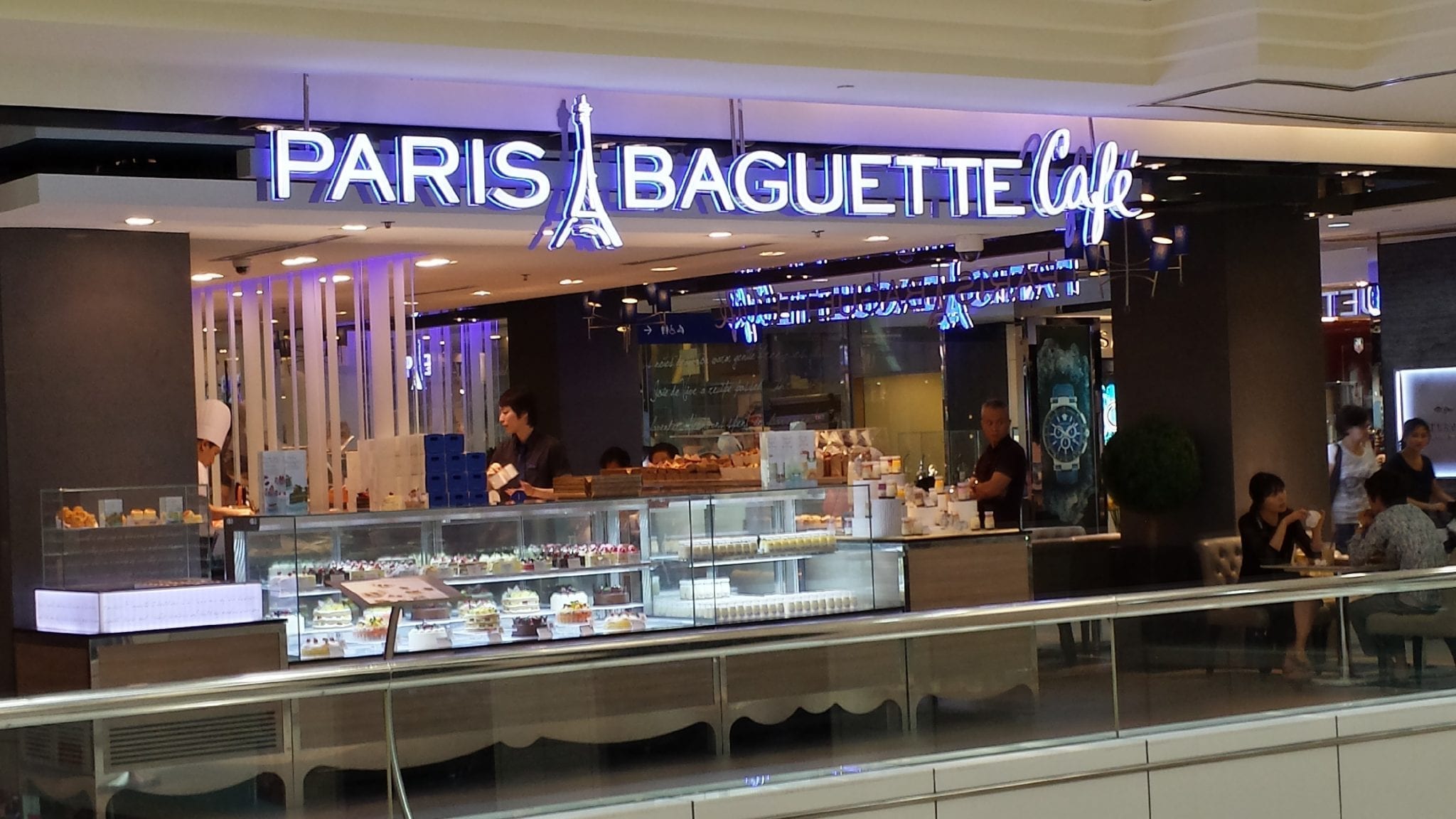
    Best known for its Paris Baguette bakery franchise, SPC Group has opened four food brand stores in Singapore. The group is planning to make Singapore as its third axis of global growth after China and the United States.

    The group opened the new stores at Jewel Changi, a commercial complex connected to Changi Airport in Singapore, on April 17. The four food brands include Maison de PB, the first high-end brand of Paris Baguette; Coffee@Works, a special tea and coffee brand; and Shake Shack, a burger brand.

    Jewel Changi is a seven-story lifestyle complex built as part of the Singaporean government’s Chingi Airport development projects.

    Maison de PB serves not only bakery products but also various meals that go well with bread such as “Beef On The Stone” and “Signature Seafood Pasta.”

    Coffee@Works has opened its first overseas store at Jewel Changi. Currently, it operates a total of 12 stores in South Korea. Shake Shack has also opened the first store at the complex after it obtained a license for business operation in Singapore in October last year. Singapore is the third-largest market in SPC Group’s global operations.

    Paris Baguette has 12 stores in Singapore, including the one at Jewel Changi. Although the number of stores in Singapore is less than the 14 in Vietnam, sales in Singapore, which came to 14.90 billion won (US$13.13 million) last year, are nearly three times higher than those in Vietnam.SPC Group is seeking to establish a holding firm in Singapore. It is planning to build a base in Singapore, which is considered a hub of logistics, finance, and business in Asia, and expand its business to neighboring Southeast Asian countries.

    The group is also seeking to build a Halal certified production facility to target Muslims and the global Halal food market. It will establish the facility in the Southeast Asian region in order to target Muslim countries, including Indonesia and Malaysia, and will set the exact time and place in the future.

  • Gordon Ramsay to open first restaurant in Malaysia

    Gordon Ramsay to open first restaurant in Malaysia

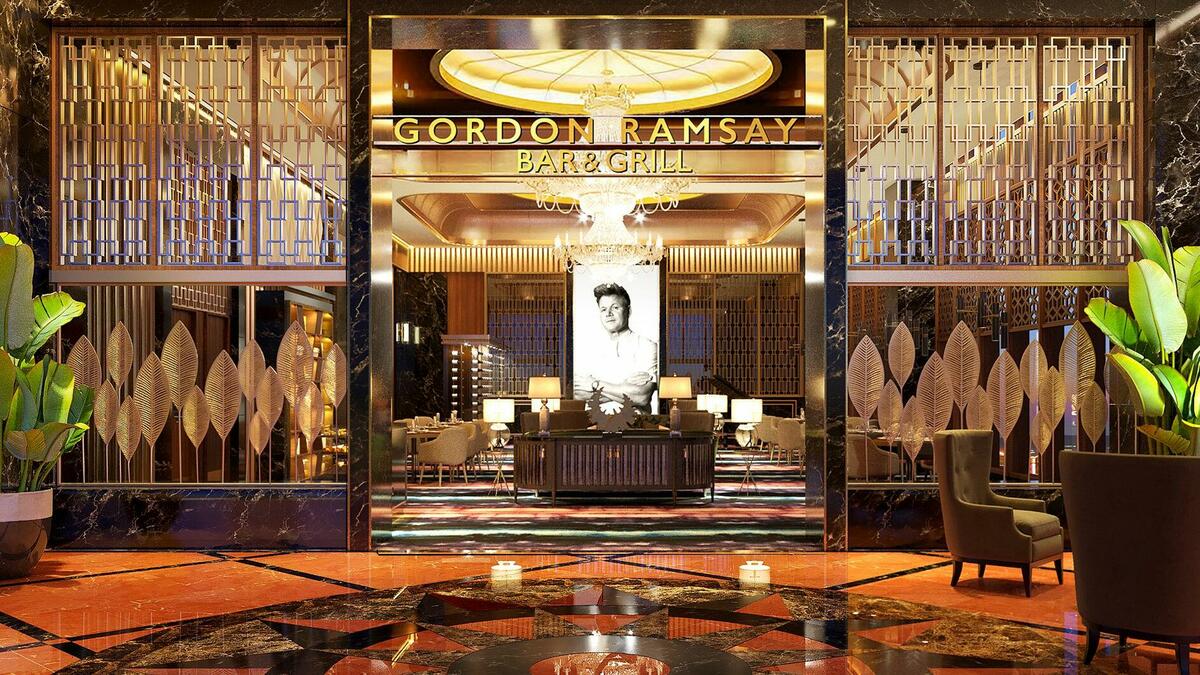
    Multi-Michelin starred chef Gordon Ramsay is to open Malaysia’s first Bar & Grill concept in Kuala Lumpur this year.

    Located at Sunway Resort in Selangor, Bar & Grill will feature a varied all-day menu, including Gordon Ramsay’s signature dishes such as Beef Wellington and Sticky Toffee Pudding. The restaurant is scheduled to launch this June.

    Featuring contemporary interiors, the restaurant design will “create an inviting ambiance, with floor-to-ceiling windows framing views of the lagoon, and a private dining room, setting the stage for intimate events,” Sunway Resort KL said on its website.

    The restaurant will also mark the brand’s first outpost outside the original Mayfair outlet.

    Gordon Ramsay, who holds seven Michelin stars, has a collection of acclaimed restaurants in the UK, Europe, and the US. He is also the star of popular shows such as Kitchen Nightmares, Hell’s Kitchen, and MasterChef US.

  • How new player joined Vietnam’s food delivery battle

    How new player joined Vietnam’s food delivery battle

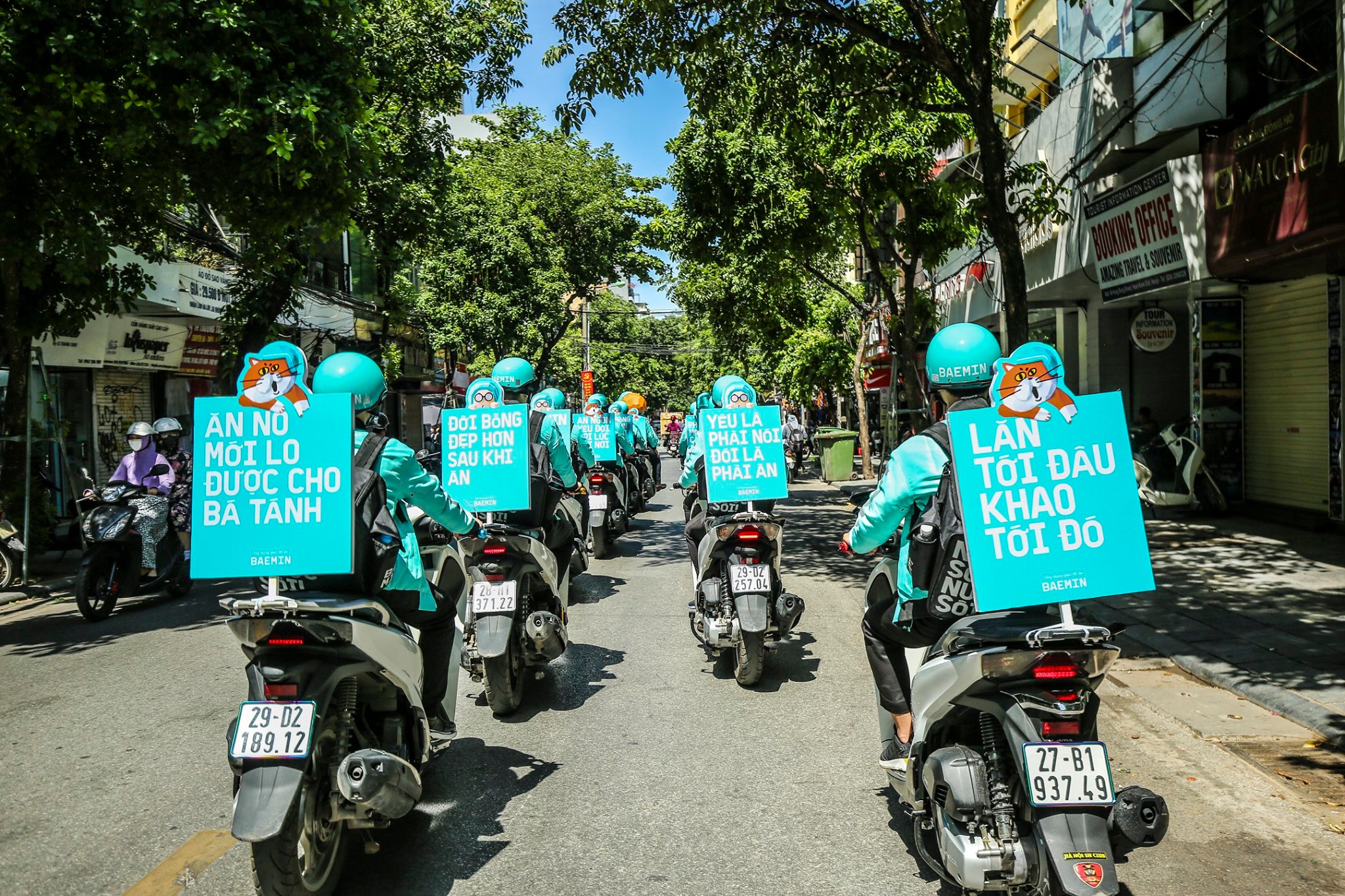
    Joining the market later than competitors, Baemin, a food delivery application of South Korean unicorn Woowa Brothers, concentrates on rider training and supporting food stores.

    Tuan, 28, from HCMC, is on his way to the headquarter of Baemin in District 3 to take part in a training course. He said, by the end of the course, he would have had to take an entrance exam before being granted an account as a Baemin rider. Before that, during the online application process, Tuan also had to undergo a pre-qualification exam before attending the intensive training.

    Most riders joining the Baemin network have to pass two entrance exams, a paradox compared to other food delivery businesses today.

    “We want to leave a good first impression on our customers with Baemin’s well-mannered and polite rider team,” said Nguyen Trung Thanh, COO of Baemin Vietnam, Woowa Brothers’ leading online food delivery service.

    Right after taking the lead in South Korea, Woowa Brothers expanded its market to Vietnam, where more than 40 percent of the population is of working age, loves technology and is quite familiar with Korean culture. However, Baemin still joined the Vietnamese market later than many other competitors.

    The boom in delivery applications has resulted in a shortage of riders and problems with service quality. Therefore, Baemin chose its own path by starting with careful training of its rider team in each market then gradually expanding within the city where the demand for food delivery is up to 90 percent (according to market research company GComm).

    Ho Chi Minh City and Hanoi are two typical examples of Baemin’s approach. “In Vietnam, FoodTech is still a very new market, so companies in this field have to invest a lot in building their own delivery team and putting them into operation,” Thanh noted.

    Baemin focuses on building professional food delivery services, its professionalism helping it succeed in a short period.

    According to a recent survey, although Baemin only appeared in Vietnam from mid-2019, it quickly caught up with Gojek, another application in food delivery, in its proportion of users (up to 46 percent). Baemin also takes up 16 percent among the most frequently used apps.

    According to the report, GrabFood is said to be popular among the old while Baemin suits younger generations.

    Investing in rider partners is not enough in Baemin’s long-term development strategy in Vietnam.

    “In Korea, where third-party logistics infrastructure is already developed, Woowa Brothers focuses on customer care, advertising and tradition,” said Thanh.

    “However, in Vietnam, it is a completely different story.”

    In addition to delivery resources, Baemin also has to pay attention to connecting with partners participating in its platform by providing flexible payment methods, with the most important being accompanying partners in the transition of the business model into an online format.

    According to Thanh, in new markets like Vietnam, restaurants, and stores, especially traditional ones, are yet to grow accustomed to online sales. Thus, during this period, the most practical thing is generating a revenue stream.

    Baemin’s strategy is to send staff to guide restaurant owners on how to achieve greater profits. At the same time, the company has also developed a department to timely respond and make payments so restaurant owners could continue to operate.

    “These are very basic steps, but they create real value from which the restaurant has the confidence to establish a closer relationship with us,” Thanh emphasized.

    In the coming time, Baemin plans to help restaurant owners create products suited to online business models. According to Thanh, this would allow transformation from a pure traditional restaurant to an online model in order to gradually expand with increasing revenue.

    “More than anyone, Baemin understands that the success or failure of a company depends greatly on its partners. Although Baemin is newly launched in Hanoi, brand awareness of customers here is much higher than in Ho Chi Minh City. It may be a new city, but the market has heard a lot about us,” Thanh said.

  • Rice exports rise despite stockpiling amid pandemic

    Rice exports rise despite stockpiling amid pandemic

    Vietnam’s rice exports grew by 9.3 percent last year to $3.07 billion though it stockpiled the grain to ensure food security after Covid-19 broke out.

    But volumes were down 3.5 percent to 6.15 million tons since the country stopped exports for over two weeks in March and April to ensure adequate domestic supply amid the pandemic.

    The average price rose by 13.3 percent from the previous year to $499 per ton, the highest in years, the Ministry of Industry and Trade reported.

    Vietnamese farmers and exporters are focusing on quality and getting higher prices by meeting import standards in markets like the E.U., South Korea and the U.S., it said.

    Eighty-five percent of the country’s exports last year were considered to be of high quality, according to the General Statistics Office.

    In 2019, Vietnam was the world’s third-largest rice exporter behind India and Thailand with shipments of $2.81 billion. Its biggest buyer was the Philippines.

  • Taco Bell prepares to debut in two Southeast Asian markets

    Taco Bell prepares to debut in two Southeast Asian markets

    U.S. fast-food chain Taco Bell plans to double its international footprint with Asian markets as the main driver for overseas growth as awareness about Mexican cuisine grows, a senior executive said on Wednesday.

    The Mexican-inspired Yum! Brands subsidiary, which has 7,000 restaurants in the United States, will bring its overseas store count to “over 500 units this year with a goal of getting to a thousand units internationally in the next few years,” Liz Williams, President of Taco Bell International, said in an interview.

    Taco Bell retreated from Singapore in 2009. It returned to Japan in 2015 after withdrawing in the 1980s.

    “Consumers weren’t ready in terms of awareness and the brand wasn’t positioned right at the time,” she said.

    But thanks to a “heightened awareness” of Mexican food, broader palettes and brand exposure by millennials from more travel and technology, at least half of the new units will come from the Asia-Pacific region, she said.

    Taco Bell, which sells tacos and burritos, was also adding new flavors and items for local markets citing that its signature sauce was modified for its new store in Thailand, which will open on Thursday.

    “We’ve amped them up significantly,” Williams said, because research showed the sauce was not hot enough for Thai palette.

    Vinegar notes were also dialed down, which were said to be unpopular with locals, Williams said.

    Taco Bell, with franchise partner Thoresen Thai Agencies Pcl plans 40 stores in Southeast Asia’s second-largest economy by 2022.

    Last year it doubled store count in India to 32 and signed two franchise agreements for 110 new stores across Australia and New Zealand by 2024.

  • Acecook to open instant-noodle buffet restaurant in Vietnam

    Acecook to open instant-noodle buffet restaurant in Vietnam

    Called ‘Acecook Noodles Cup Buffet’, the store allows customers to create and mix instant noodles to their own preference. Customers can also customize their noodles cup design with stickers and pencil crayon provided.

    Besides providing the buffet service, the store also has a dedicated display area for Acecook’s new noodles range as part of its marketing plan. The store is scheduled to launch on December 19.

    “This is also a tribute to the companionship and support of customers for Acecook Vietnam over the past 25 years,” said Kajiwara Junichi, general director at Acecook Vietnam. “I hope the restaurant will be an attractive destination for our customers, who love instant cup noodles and want to experience new things.”

    The launch is part of Acecook’s strategy to increase the cup noodles sales in the country. According to Nikkei, the Japanese instant-noodle maker aims to achieve about 350 million servings by 2022. Acecook estimates cup noodles will account for 9 percent of its sales in the country by then.

    Prior to creating the instant-noodle buffet concept, Acecook Vietnam entered the retail market with its Japanese restaurant chain Ringer Hut.