Tag: Food

  • HCMC restaurants reopen with caution

    HCMC restaurants reopen with caution

    HCMC restaurants and coffee shops are resuming on-site dining with caution due to concerns of staff contracting Covid-19 and post-social-distancing tightened spending. Starting Thursday, over 20 outlets of bubble tea chain Gong Cha started resuming on-site services after five months of suspension.

    As the city allows food and beverage facilities to serve 50 percent of their capacity and close before 9 p.m., the Cong Coffee chain is also testing the waters with five outlets reopening.

    aCoffee-Bike also reopened five stores on the same day. On Friday, Japanese-style hotpot chain Kichi Kichi will resume dining for customers who have made reservations.

    Some companies, however, choose to delay their reopening to be better prepared.

    Dau Homemade, which sells traditional Vietnamese food, needs another two or three days to get ready.

    Lagom Cafe won’t open for another two weeks, as its CEO Do Thi Ly Na said the store needs more time to observe market reactions and to complete a new look.

    The cautious decisions of food and beverage facilities in Ho Chi Minh City came as shop owners are concerned their staff might be infected with Covid-19 as the city still recorded over 1,000 new cases in the last seven days.

    It would be dangerous to immediately bring back business to pre-pandemic status as the coronavirus is still spreading, said Hoang Tien, founder of Coffee Bike.

    Dau Homemade, which is offering take-aways and deliveries, is still testing its employees once every three days even though the city does not require it.

    A spokesperson for the company said another concern is tightened spending as consumers have grown used to five months of staying mostly home.

    Sales are not likely to cover costs as the company will have to spend big on marketing to urge customers to return.

    Deliveries will continue to be the life source of the company, the spokesperson said.

    Tran Ngoc An, a spokesperson for Gong Cha, expressed optimism as the city has decided to live with Covid-19 and authorities vocalized not imposing another citywide social distancing campaign.

    This will give food and beverage businesses confidence to offer services amid the remaining months of the year.

    “We really want to see the city become vibrant again in the upcoming holidays.”
  • Seafood exports edges up to 2,4Bln

    Seafood exports edges up to 2,4Bln

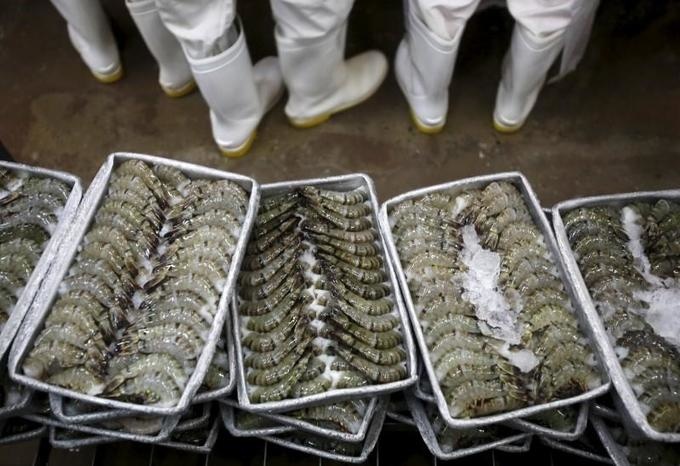
    Seafood exports rose by 2.8 percent year-on-year in the first nine months of the year to US$2.4 billion, according to the Vietnam Association of Seafood Exporters and Producers.

    Tuna, squid and octopus accounted for the highest proportion of the exports.

    Bivalve mollusk exports soared 39 percent to $99.6 million.

    The five biggest markets for squid and octopus were Korea (accounting for 41 percent), 11 member countries of the CPTPP (24 percent), Thailand (11 percent), EU (10 percent), and China (7 percent).

    In September alone, exports fell by 24 percent year-on-year, after falling by 24 percent in August, due to social distancing restrictions.

    VASEP expects the figure to also decline in October.

  • Yum China opens Digital R&D Center to craft digital strategy

    Yum China opens Digital R&D Center to craft digital strategy

    Yum China Holdings announced the opening of its Digital R&D Center with three sites in Shanghai, Nanjing, and Xi’an. The inauguration of the Digital R&D Center represents an important milestone for the Company’s strategy to build a dynamic digital ecosystem comprised of 1) the Digital R&D Center, 2) joint venturing, and 3) third party collaboration, to provide a solid foundation for Yum China to further develop its brands and businesses, accelerate expansion and capture market opportunities.

    The Digital R&D Center will consolidate and expand dedicated resources to develop new solutions and services using technologies in big data, artificial intelligence (AI), middle office and digital SaaS to drive end-to-end digitalization. The Digital R&D Center will bolster Yum China’s in-house digital capabilities across various functions, such as:

    • Consumer-facing: to improve Super Apps, mini programs and membership programs to provide higher quality service and customer experience.
    • Store operations: to upgrade systems and tools for more efficient operations and decision making, such as our digital tools for restaurant general managers, “Pocket Manager” and “Super Brain.”
    • Smart delivery: to further optimize delivery order queuing, trade zones, and rider routing.
    • Supply chain management: to enhance food safety and streamline operations from farm to fork.

    “Digitalization is one of the key enablers behind Yum China’s resiliency and long-term development as we move toward our next milestone of 20,000 stores,” said Joey Wat, CEO of Yum China. “The Digital R&D Center is an important part of our investment strategy as we apply cutting-edge technologies to digitally transform stores and drive operational excellence.”

    “Evolving consumer behavior, such as increased off-premise dining, and the Company’s accelerated development, place more demand on our R&D capabilities,” said Leila Zhang, Chief Technology Officer of Yum China. “We believe the establishment of the Digital R&D Center will significantly strengthen Yum China’s internal digital capabilities and support sustainable business growth by using advanced technology for real life applications.”

    As a pioneer of digitalization in the restaurant industry in China, Yum China launched a digital program several years ago. With the establishment of the Digital R&D Center, the Company will have more dedicated resources in its restaurant operations for building topnotch digital infrastructure. The Company will continue to cooperate with external partners such as scientific research institutions and other industry leaders to implement leading edge technology.

    Yum China has earmarked $1-1.5 billion of investment over the next five years in digital and technology. As an integral part of this initiative, the Company plans to invest approximately $100-200 million and to employ up to 500 staff in the Digital R&D Center to support the company’s growth over the next five years. The Digital R&D Center in Shanghai, Xi’an and Nanjing will be able to tap into the large talent pool at the top universities in these cities. With additional resources, the Company will further enhance our digital capabilities, as well as accelerate innovations and implementation.

    This press release contains “forward-looking statements” within the meaning of Section 27A of the Securities Act of 1933 and Section 21E of the Securities Exchange Act of 1934. We intend all forward-looking statements to be covered by the safe harbor provisions of the Private Securities Litigation Reform Act of 1995. Forward-looking statements generally can be identified by the fact that they do not relate strictly to historical or current facts and by the use of forward-looking words such as “expect,” “expectation,” “believe,” “anticipate,” “may,” “could,” “intend,” “belief,” “aim,” “plan,” “estimate,” “target,” “predict,” “project,” “likely,” “will,” “continue,” “should,” “forecast,” “outlook,” “look forward to” or similar terminology.

    These statements are based on current estimates and assumptions made by us in light of our experience and perception of historical trends, current conditions and expected future developments, as well as other factors that we believe are appropriate and reasonable under the circumstances, but there can be no assurance that such estimates and assumptions will prove to be correct. Forward-looking statements are not guarantees of performance and are inherently subject to known and unknown risks and uncertainties that are difficult to predict and could cause our actual results or events to differ materially from those indicated by those statements. We cannot assure you that any of our expectations, estimates or assumptions will be achieved.

    The forward-looking statements included in this press release are only made as of the date of this press release, and we disclaim any obligation to publicly update any forward-looking statement to reflect subsequent events or circumstances, except as required by law. All forward-looking statements should be evaluated with the understanding of their inherent uncertainty. You should consult our filings with the Securities and Exchange Commission (including the information set forth under the captions “Risk Factors” and “Management’s Discussion and Analysis of Financial Condition and Results of Operations ” in our Annual Report on Form 10-K and subsequent Quarterly Reports on Form 10-Q) for additional detail about factors that could affect our financial and other results.

  • Pam Pam Buns brings authentic Thai food to Australian supermarkets

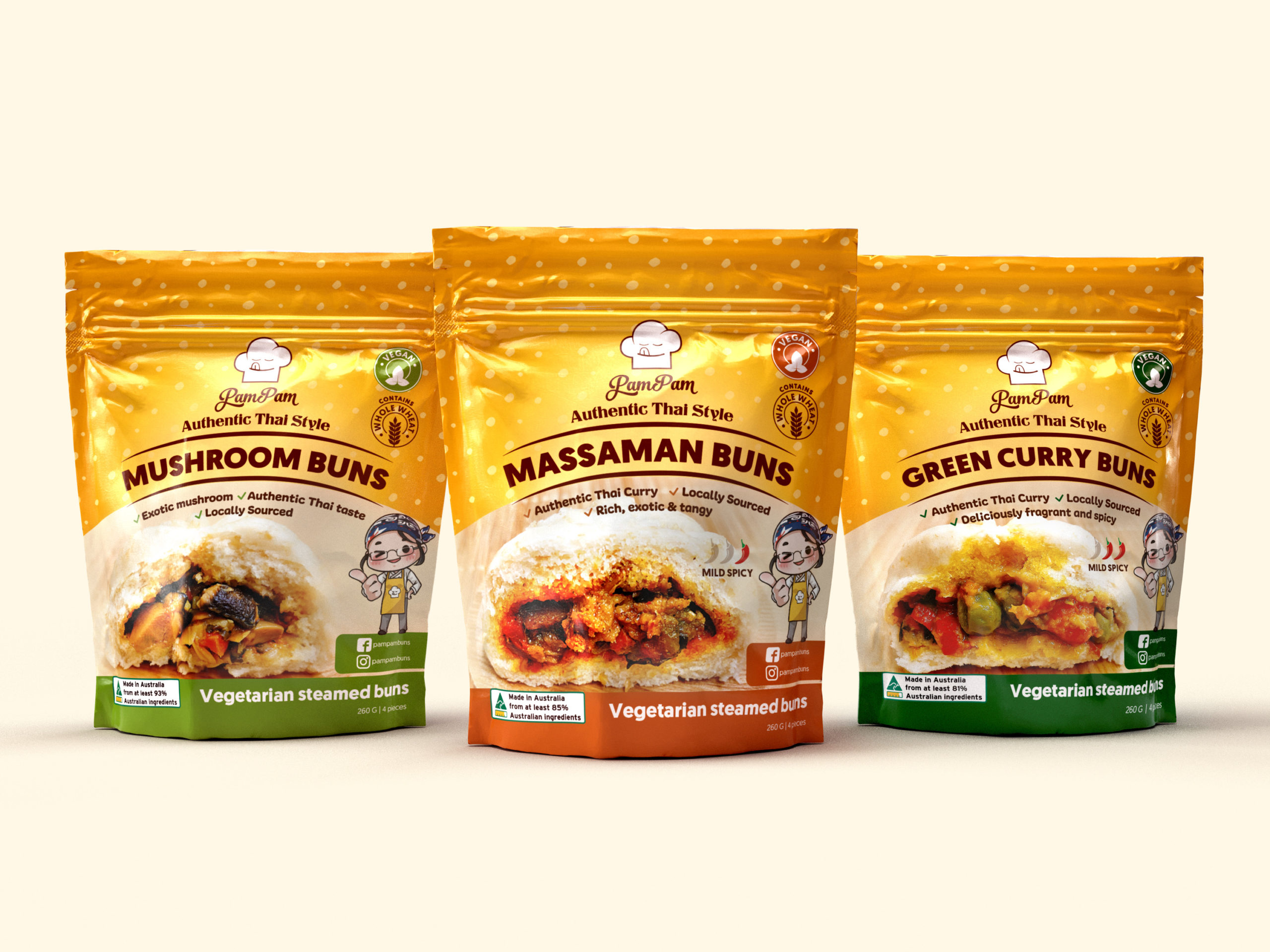
    Pam Pam Buns brings authentic Thai food to Australian supermarkets

    An Australian manufacturer of authentic Thai plant-based products, Pam Pam Buns, is releasing a new range of frozen ready meals in October. The meals (RRP $8) are Thai Pork Basil with Rice, Thai Mushroom Noodle, Pork Spring Roll, Pork and Mushroom Dumpling.

    “The new range is our first step to becoming a Thai food company that produces a variety of plant-based meals that are just as delicious as meat-based dishes,” founder Pimarada (Pamela) Watcharadechmontri says.

    Ms Watcharadechmontri, a Thailand-born entrepreneur, founded Pam Pam Buns in 2015.

    She harnessed her love of vegetarian food and Thai heritage by selling her steamed buns to family, friends and local market stalls. Following a wave of positive ‘nice buns’ feedback, she made the bold decision to set up her own factory in Riverstone in North West Sydney.

    Since its launch, Pam Pam Buns has seen exponential growth for its range of delicious Thai buns. After landing its first in-store placement in 2019, Pam Pam Buns has steadily hit the shelves across a selection of major retailers and recently expanded interstate to Victoria, Queensland, Western Australia, South Australia, and Tasmania.

    The brand is currently available online and in more than 170 stores, including select Woolworths Metro, Coles Local, Harris Farm Markets, QE Food Stores, IGA, and FoodWorks across Australia.

    “We partly owe our success to our loyal community of fans, who we treat like our friends and family,” Ms Watcharadechmontri says.

    “They buy, taste and feedback on every single one of our products and we listen. Their excitement for our new product range is what feeds our ambition to continue our business growth.”

    The new product expansion will join the recently released plant-based Thai Massaman, Panang and Green curry pouches and Pam Pam’s bun range in the freezer section.

  • Yume launches click-to-donate scheme to reduce food waste

    Yume launches click-to-donate scheme to reduce food waste

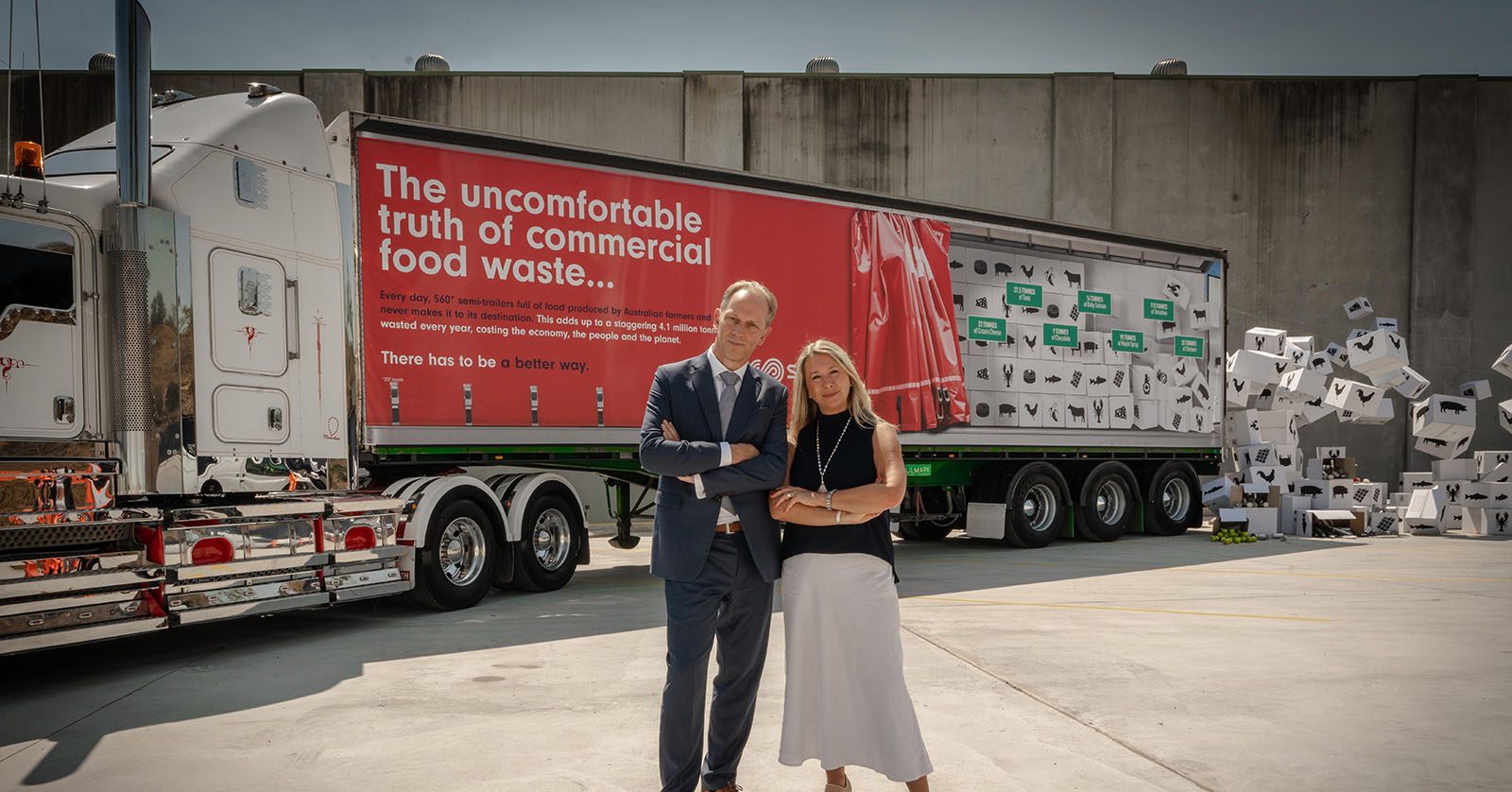
    The social enterprise has developed a one-stop solution for producers to sell or donate surplus food, all on the Yume platform.

    In August, Yume CEO and founder Katy Barfield said: “No one has invested money into streamlining the end-to-end clearance process plug in, so that is what we’re doing.

    “We want to manage it from surplus right through to sale or donation. We don’t want to change what the companies are doing; we just want to make it efficient.”

    For five years, Yume CEO and founder Katy Barfield has worked with commercial food manufacturers and primarily produces to cut the amount of food waste generated by the sector.

    While the focus on finding and selling high-quality surplus food on the Yume platform has been hugely successful – to date it has prevented close to three million kilograms of food from going to waste while returning more than $8 million to Australian businesses – there has been an ongoing issue of food not sold still going to waste.

    “We saw this as an opportunity to improve the food donation initiatives already happening within large-scale food producers,” Barfield said.

    With a $165,000 Victorian Government grant through the Recycling Victoria Circular Economy Business Innovation Centre (CEBIC) in FY21 to expand the platform to enable food suppliers to seamlessly donate surplus food to food rescue organizations, the role technology could play for the social enterprise was recognised.

    Yume was part of the Victorian Government’s start-up agency Launch Vic’s CivVic Labs Program, which works with companies to utilize technology more effectively. The Atlassian Foundation volunteered time to work on the project.

    LaunchVic CEO Dr Kate Cornick said they were keen to see Yume take the next step in its journey.

    “The capital they have secured will help them refine their product offer and propel their long-term growth,” Cornick said.

    Pilot partners

    Unilever, Mars Food, and General Mills partnered with Yume to pilot the program. Unilever Food Solutions managing director Australasia Yezdi Daruwalla said: “Partnering with Yume means we have an efficient and streamlined process to donate surplus products to those in need. Since 2018, we’ve prevented 40,000 kilograms of surplus food from going to waste – this is equivalent to 79,526 kilograms of CO2 prevented from being released into the atmosphere, and 7.7m litres of water from going to waste.

    “Now with Yume’s updated platform the process is even more straightforward and just this month we sent hundreds of cartons of tea to Foodbank Victoria, with the simple click of a button,” Daruwalla said.

  • Southeast Asia’s online food delivery to soar through 2025

    Southeast Asia’s online food delivery to soar through 2025

    Southeast Asia’s online food-delivery market is expected to treble in the next five years, reaching US$28 billion in transactions, according to a report released by Grab and Euromonitor International.

    The growth is expected to be seen in emerging markets such as Myanmar, Vietnam, and the Philippines. The regional online food delivery gross merchandise value (GMV) is estimated to grow from US$9 billion last year to US$28 billion in 2025.

    “The pandemic has accelerated the shift in consumer behavior towards buying food and groceries online,” said Russell Cohen, group MD for Operations at Grab. “However, online grocery delivery penetration is extremely low in the region, at just over 1 percent here compared to 8 percent in China and 9 percent in the US.

    “With infrastructure and connectivity improvements, we believe that the next wave of growth will come from smaller cities,” Cohen added.

    By 2025, the region’s overall prepared meal sales is projected to reach US$170.5 billion, with online food delivery penetration increasing to 16.4 percent. This will be driven in part by a rising middle class and increasing smartphone adoption in Tier 2 cities.

    Meanwhile, spending on online food delivery is expected to increase two times faster than foodservice spending in the next five years, with a compound annual growth rate of 24.4 percent.

  • Youfoodz launches high-protein spinoff brand: Fuel’d

    Youfoodz launches high-protein spinoff brand: Fuel’d

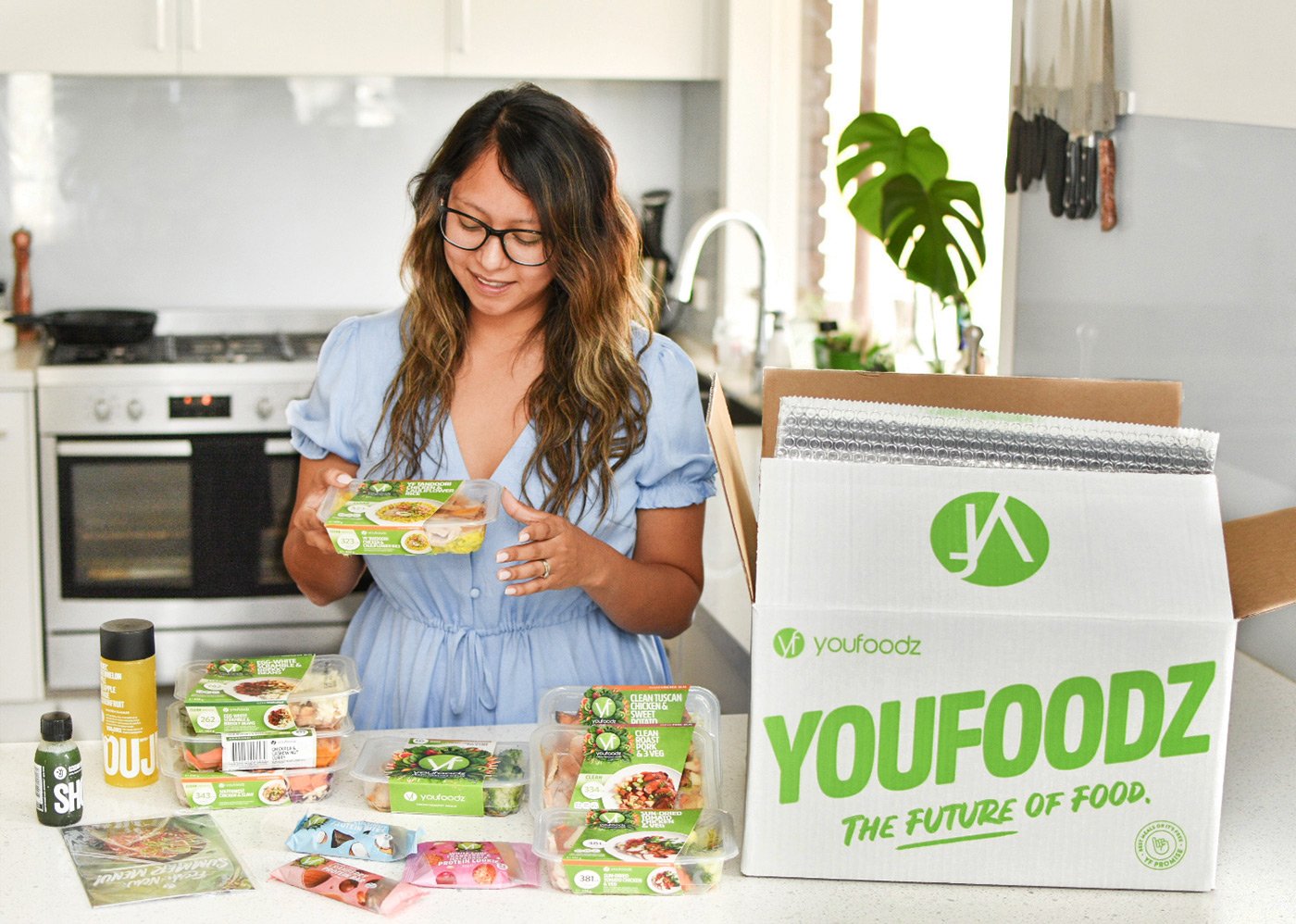
    Ready-made food provider Youfoodz has today launched a new high-protein meal range under the sub-brand FUEL’D.

    The range, aimed at male buyers looking for larger portion sizes and higher protein levels, is available now across the P&C channel as well as supermarkets and will see a shift in packaging featuring a darker design skewed towards the male market.

    To appeal to this demographic, Youfoodz partnered with F1 driver Daniel Ricciardo.

    Lance Giles, Youfoodz founder and CEO said: “Getting to have Daniel Ricciardo join the Youfoodz family is a genuine privilege. It’s not every day you get to work with a world class athlete like Dan. We’re all big fans and can’t wait to see what the future holds for him and us.”

    The Australia and New Zealand market for ready-made meals is forecast to be worth $3.5 billion by 2022.

    The new FUEL’D range contains 14 different ready-made meals and retail for $10.95.

  • Seafood companies fear lack of raw materials as Covid hits farm output

    Seafood companies fear lack of raw materials as Covid hits farm output

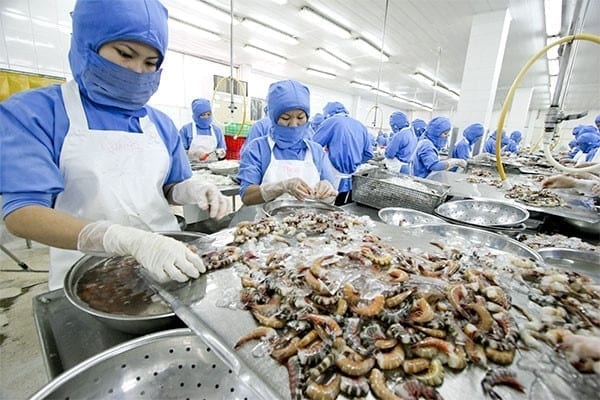
    The decline this year in shrimp and fish farming in the Mekong Delta threatens to cause a serious shortage of raw materials for processors in the coming months.

    “We have increased shrimp prices, but many farmers are still worried that Covid outbreaks will affect prices later, and so have reduced their production,” Le Van Quang, general director of Minh Phu Aquaculture Group Joint Stock Company, said.

    Speaking at a conference held online on Friday to discuss how to restore processing and exports of agricultural and aquatic produce, he forecast a big shortage in the next three months, and said businesses would be unable to meet foreign orders.

    In Tien Giang and An Giang provinces, farmers have been unable to sell their fish, shrimp and crab harvests for months due to Covid-19 restrictions.

    Many processing plants have been running at 30-40 percent of capacity as stay-at-work requirements cause a labor shortage.

    Nguyen Hoai Nam, deputy general secretary of the Vietnam Association of Seafood Exporters and Producers (VASEP), said the government should come up with policies to encourage shrimp farmers right now so that they could harvest in November to enable exports.

    He also wanted it to prioritize Covid-19 vaccination for seafood companies’ workers so that normal production could resume.

    The southern provinces and Ho Chi Minh City could be divided into three in terms of likely resilience if certain epidemic prevention measures are adopted after September 15, he said.

    The first, where the infection rate is lowest, includes Ca Mau, Bac Lieu, Hau Giang, Soc Trang, Ben Tre, and Vinh Long provinces. Businesses in this shrimp processing hub are expected to return to 60 percent of capacity by October and 80 percent by year-end.

    The second, where the epidemic is gradually being controlled, includes An Giang, Kien Giang, Tra Vinh, and Dong Thap provinces and Can Tho city, and here the rates would be 50 percent and 70 percent.

    The area with the highest risk of infection, including Long An, Binh Duong and Tien Giang and Ho Chi Minh City, would recover to 40 percent and 60 percent.

    Vietnam’s seafood exports were worth $5.5 billion in the eight months of 2021, a year-on-year increase of 6 percent, according to the Vietnam Association of Seafood Exporters & Processors (VASEP).

  • Johnnie Walker toasts 200 with global experience centre in Edinburgh

    Johnnie Walker toasts 200 with global experience centre in Edinburgh

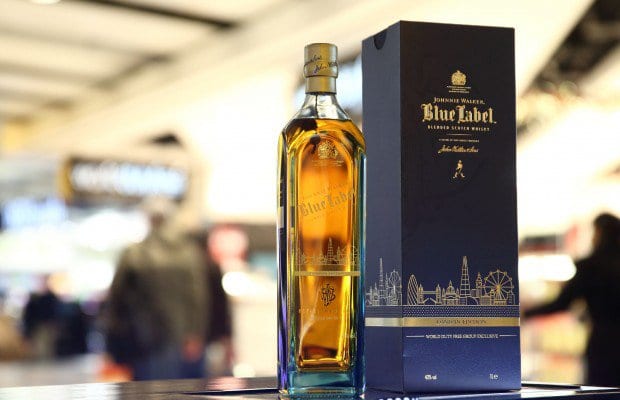
    “The story of the world’s best-selling whisky has been brought to life with flair and imagination and we have built a team which includes some of the most talented individuals in their fields,” said Barbara Smith, MD of Johnnie Walker Princes Street.

    The building serves more than 800 flavor combinations in innovative dispensation systems. Visitors can select their favorite whisky and have bottles filled directly from casks and engraved. The experiential space also houses two rooftop bars and a terrace overlooking the Edinburgh skyline.

    According to the company, it took four and a half years in the making to bring Johnnie Walker Princes Street into life. The project is part of Diageo’s US$256 million investment, the largest single investment program of its kind ever seen in Scotch whisky tourism.

    “Johnnie Walker Princes Street is a landmark investment in Scotch whisky and into Scotland and it sets a new standard for immersive visitor attractions,” said Ivan Menezes, CEO at Diageo.

    “It celebrates Scotland’s remarkable heritage, our incredible skilled whisky-makers, and looks to the future by engaging new generations of consumers from around the world in the magic of Scotch whisky.”

    The Diageo investment includes the transformation of distillery visitor experiences around Scotland, including Glenkinchie, Clynelish, Cardhu and Caol Ila – the Lowland, Highland, Speyside and Islay homes of Johnnie Walker, linked to Johnnie Walker Princes Street.

  • Cookie Dough range can be baked or eaten raw

    Cookie Dough range can be baked or eaten raw

    Snacking on raw cookie dough is a lot like watching reality TV: You know it’s bad for you, you know other people will judge you if you admit to it, but it just feels so good. Well, if you’re someone who likes munching on break-and-bake cookie dough while bingeing Love Is Blind (that sounds AMAZING right now), I have great news for you. Pillsbury has been swapping out its traditional cookie dough recipe for dough that you can safely eat raw!

    We first spotted this news on the Instagram @Candyhunting, who posted a photo of some new packaging that boasted Pillsbury Chocolate Chunk & Chip cookie dough was safe to eat raw or baked.

    This content is imported from Instagram. You may be able to find the same content in another format, or you may be able to find more information, at their web site.

    Not only that, Candyhunting said that this would soon be the case for ALL Pillsbury cookie dough thanks to using “heat-treated flour and pasteurized eggs to kill off possible foodborne pathogens.”

    That might sound way too good to be true, but it is, in fact, true! Pillsbury confirmed to Delish that it is transitioning all its refrigerated cookie doughs to be safe to eat raw or baked by the end of summer 2020. Not only that, but also all of its refrigerated brownie dough will be safe to eat raw or baked too!

    They also clarified that this recipe will just be tweaked to use ingredients to make it safe to be eaten raw—it will still taste like the classic cookies you know and love.

    If you follow the world of food closely though, you might know that it can take a while for products to be swapped in though, so for now and always, you should be checking to make sure you see the “safe to eat raw” seal on packaging before going to town. If you see that though, well, fire up The Bachelor and get to snacking!

  • Subway plans to start selling into Indonesia

    Subway plans to start selling into Indonesia

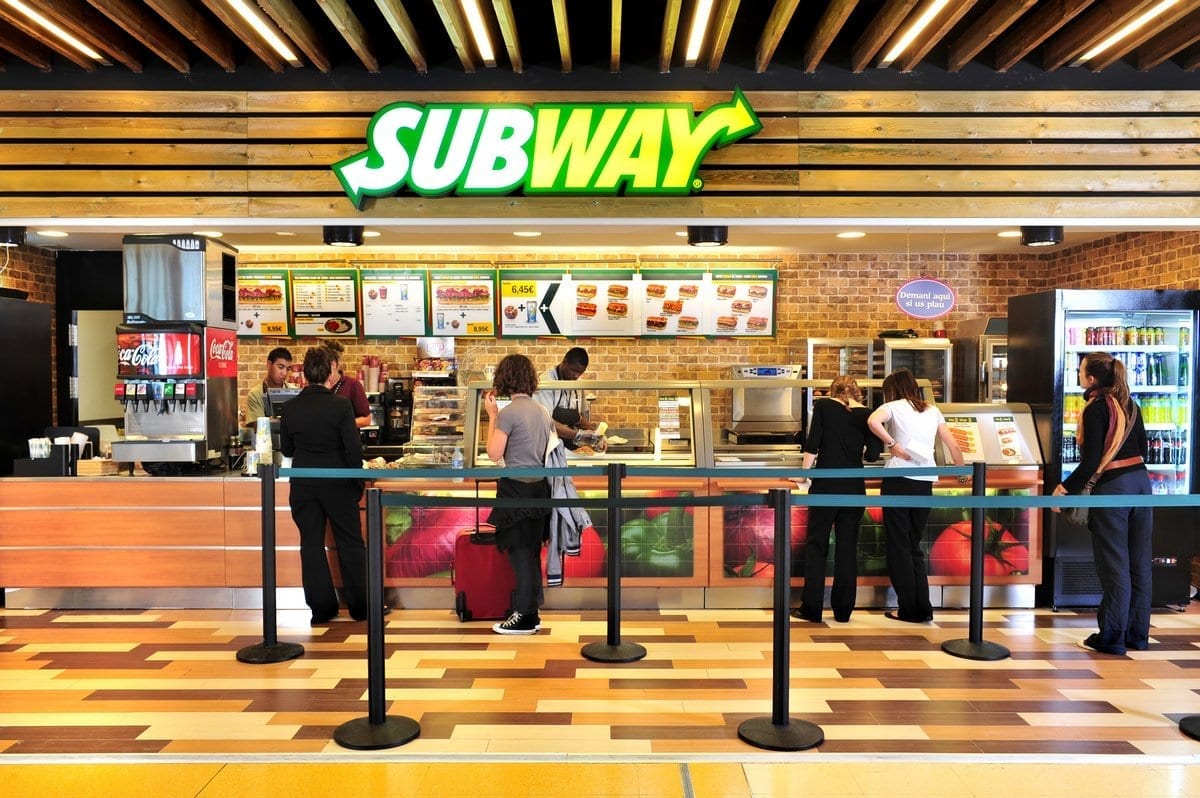
    Subway, the world’s largest restaurant brand, has signed an agreement with PT Sari Sandwich Indonesia, a subsidiary of Indonesia’s food & beverage retailer, PT Map Boga Adiperkasa Tbk (MBA), whose parent company is PT Mitra Adiperkasa Tbk (MAP). This agreement kicks off Subway’s aggressive plans to expand its international footprint. The partnership will launch Subway restaurants in Indonesia by Q4 2021, with initial locations set to open in the Greater Jakarta region.

    “The demand for Subway restaurants is unprecedented in many markets around the world, including Indonesia,” says John Chidsey, Chief Executive Officer of Subway. “MAP, Indonesia’s leading lifestyle retailer, is the ideal partner to kick off our expansion in the Asia Pacific region, where we know convenient, better-for-you options are in demand. This is just the start of our global expansion plans.”

    A major player in the Indonesian F&B market, MBA has over 590 stores across 33 Indonesian cities serving brands like Starbucks, Pizza Marzano, Krispy Kreme and others. According to the agreement, the Subway brand will be managed by PT Sari Sandwich Indonesia and expands MBA’s business portfolio to eight premium international brands. In addition, Indonesia will be the first-ever market to implement Subway’s exclusive country franchise model globally. Based on this model, MBA will solely spearhead Subway’s development in Indonesia with the goal of establishing strong and steady annual restaurant growth.

    “MBA recognizes the importance of food retailing and works with best-in-class brands, making Subway a natural choice,” says V.P. Sharma, Group CEO of PT Mitra Adiperkasa Tbk.

    The partnership expands growth for both companies, allowing Subway fans in Indonesia to get freshly made, craveable food with fast, friendly and convenient service closer to home.

    “Subway offers delicious, better-for-you sandwich choices that cater to the growing trend of Indonesians looking for a more balanced and healthier diet,” said Anthony Cottan, President Director of PT Map Boga Adiperkasa Tbk. “The Subway model of making every sandwich customized, in addition to its convenience and affordability, will attract many guests and position it for growth in Indonesia for many years to come.”

    The expansion into Indonesia marks the first step in Subway’s continuing plans to grow its presence in the Asia Pacific region. The brand’s restaurants and sales throughout the region, in countries such as South Korea, Australia, New Zealand, Thailand and Singapore, have seen significant success in recent years and Subway expects similar results in Indonesia.

  • AirAsia Super App launches Bangkok food service as it expands across ASEAN

    AirAsia Super App launches Bangkok food service as it expands across ASEAN

    AirAsia Group’s digital arm has launched a food-delivery service in Thailand as it ramps up its non-airline business operations to mitigate falling demand for travel during the Covid crisis.

    AirAsia Digital operates Super App that has already been downloaded more than 50 million times and the company says it now has 75 million people using it across Singapore, Malaysia and Thailand.

    Last month, the company bought the Thai operations of Indonesian ride-hailing app Go-Jek which gave it instant market share in passenger transport and delivery services in the market.

    At that time, Air Asia CEO Tony Fernandes said the company had already created a complete digital economy ecosystem. “We have successfully established over 15 different non-airline products and lifestyle services on our digital e-commerce platform in Malaysia. Now it’s time to take it to the next level. In response to overwhelming regional demand, we are setting our sights on bringing our Super App offerings to all of our key markets, following the successful rollout in Thailand.”

    Other features of the app include digital motor vehicle insurance, financial services, travel, lifestyle and rewards, flight and accommodation bookings, beauty, health, and content services.

    With the Thai launch this month, the Super App is offering 30,000 free meals for 30 days for users in four parts of Bangkok: Din Daeng, Chatuchak, Lat Phrao, and Huai Khwang. Partners in that program include McDonald’s, Flash Coffee and Cafe Amazon.

    The app plans to expand service delivery across more areas of Bangkok during the coming weeks.

    “AirAsia food marks the beginning of our digital revolution in Thailand, and we are currently preparing for courier, grocery, ride-hailing and beauty services, which will be launched in coming weeks,” said Amanda Woo, AirAsia Super App CEO.

    “The Covid-19 pandemic has permanently reshaped our everyday lives, food delivery and take-outs have undeniably become an integral part of our consumption behaviour. The key goal of AirAsia Super App is to be the best value one-stop travel and lifestyle application for everyone and every need.

    “AirAsia Super App aims to rise as the e-commerce marketplace of choice for everyone in ASEAN, be it for travel, food delivery or logistics.”

  • Vietnam world’s third largest instant noodles market

    Vietnam world’s third largest instant noodles market

    Vietnam has become the world’s third-largest instant noodles market with over 7.03 billion servings consumed last year, up two places from a year before.

    This is an increase of 29 percent from 2019 and a new record for the country, according to data from the World Instant Noodles Association (WINA).

    The latest figure means that Vietnam accounted for around 6 percent of instant noodles servings in the world. Each Vietnamese consumed 55.6 servings last year.

    The country ran behind China and Indonesia with 46.35 billion and 12.64 billion servings, respectively.

    India and Japan make up the top five instant noodles consumers in the world.

    The surge in instant noodles consumption in Vietnam has happened as the country dealt with two major Covid-19 outbreaks last year, forcing people to stay at home under social distancing orders.

    Global consumption of instant noodles rose nearly 10 percent in 2020 to 116.56 billion servings, WINA data shows.

  • Rising food prices make things harder amid Covid woes

    Rising food prices make things harder amid Covid woes

    Surging prices of essential goods are worsening the difficulties for people who have already been hit by job losses and travel restrictions.

    The last time Le Quang Hai of Hanoi’s Cau Giay District went to the market, the prices of eggs and most vegetables had doubled. He already could not afford meat.

    The price increases were a further financial burden for the 23-year-old delivery worker who has been unemployed for two weeks as his company cut the number of staff on authorities’ orders to limit the number of people commuting.

    His only income has been the VND1.5 million ($65) government support, which will soon run out.

    “I might have to borrow money from some friends as Hanoi has imposed social distancing for another two weeks. I hope the outbreak will be contained before I run out of money.”

    In Hanoi’s neighboring province of Hung Yen, Nguyen Hoang Yen, who tends plants in an apartment complex, has seen her work hours reduced by half for a week now due to restrictions on people coming in from outside.

    But rising food prices are creating more challenges for her family of three which depends mainly on the 50-year-old to put food on the table.

    “We try to keep our meals simple. There is not much we can do but to wait for all of this to be over.”

    Rising prices of meat, vegetables and groceries are adding to the challenges for low-income workers.

    Industry insiders say the closure of wholesale markets and retail outlets due to Covid-19 have pushed prices up in the capital.

    In Xuan La Market in Tay Ho District, the price of a kilogram of cabbage and squash have risen by a third to VND15,000 and by 20 percent to VND27,000.

    Hanh, a vegetable vendor, said since earlier this week she has been unable to buy from outside of Hanoi due to transport restrictions.

    Egg prices remain at around 50 percent higher than before the outbreak.

    “Rising demand and limited supply since most eggs are transported to HCMC have caused prices to rise,” Nguyen Thi Kim Dung, director of retail chain Co.op Mart Hanoi, said.

    The price hikes have placed a strain on both blue- and white-collar workers.

    Minh Tu, a graphic designer in Ba Dinh District, has seen his income cut by 30 percent as his company lost contracts.

    “I eat more carbohydrate and less protein to reduce my expenses. For the next few weeks there will be no fruits or desserts,” the 29-year-old said.

    To ensure enough supply and keep prices from rising, the city trade department plans to use bus stations, stadiums and empty plots of land as hubs for food to make up for the closure of wholesale markets.

    The city has also set up several mobile shopping sites to reduce crowds at markets and stabilize prices.

    Dam Manh Tuan, director of retail outlet Aeon Long Bien, said around eight tons of food would be distributed to four such points in Long Bien District at the same prices as at Aeon stores.

    Similar sales points are being set up in downtown districts.

    But for Quynh Anh in Hoan Kiem, who has been laid off from her job as an office receptionist, another two weeks of social distancing means prices will likely increase further.

    And, for the 25-year-old, finding a new job is almost impossible at this time.

    She said: “I’ve cut down spending to a minimum and my savings are almost gone. Things have never been this hard.”

  • Delivery companies miss out on demand surge amid stay-at-home orders

    Delivery companies miss out on demand surge amid stay-at-home orders

    Delivery companies are unable to capitalize on rising demand since drivers are not keen amid mobility restrictions and delayed vaccination. Hung, a shipper in Hanoi, has shut down his driver’s app for over a week now after the city imposed travel restrictions.

    Through his company, AhaMove, does provide paperwork for the 22-year-old to pass through checkpoints set up to discourage people from coming out into the streets, he is concerned about contracting Covid and spreading it at home.

    “It is difficult financially, but since I do not know when I’ll be vaccinated, I’d rather stay at home for safety,” he said.

    Nghia, who works for Grab, does not have the liberty to make that choice since the city does not allow his company to operate.

    Hanoi allows delivery people from supermarkets, e-commerce platforms and postal services but not from ride-hailing companies like Grab, Be Gojek, MyGo, and FastGo.

    “It is unfair. Three or four trips a day would help me earn enough for food, but we cannot do anything but wait.”

    The shortage of drivers and ambiguous and inequitable regulations mean delivery companies are unable to take advantage of the surging demand amid the lockdowns in Hanoi and HCMC.

    AhaMove reported a tenfold rise in the number of orders after the lockdown began, but it cannot accept much of them since its drivers are not allowed past checkpoints. Hanoi does not allow delivery of “non-essential” goods.

    “Many shippers refrain from working since they have to pay for their own Covid-19 tests,” Tuoi Tre newspaper quoted Phan Tuong Bach, operating director of AhaMove, as saying.

    In HCMC, there are times when the number of orders is triple the normal rate, but a driver shortage means they could not be accepted, he said.

    There is also confusion occasionally as authorities in Hanoi and HCMC abruptly change regulations catching delivery companies unawares.

    AhaMove last week had to apologize to its drivers and customers in HCMC after some of its drivers were fined for delivering goods after 6 p.m. amid a ban on people leaving their homes at night.

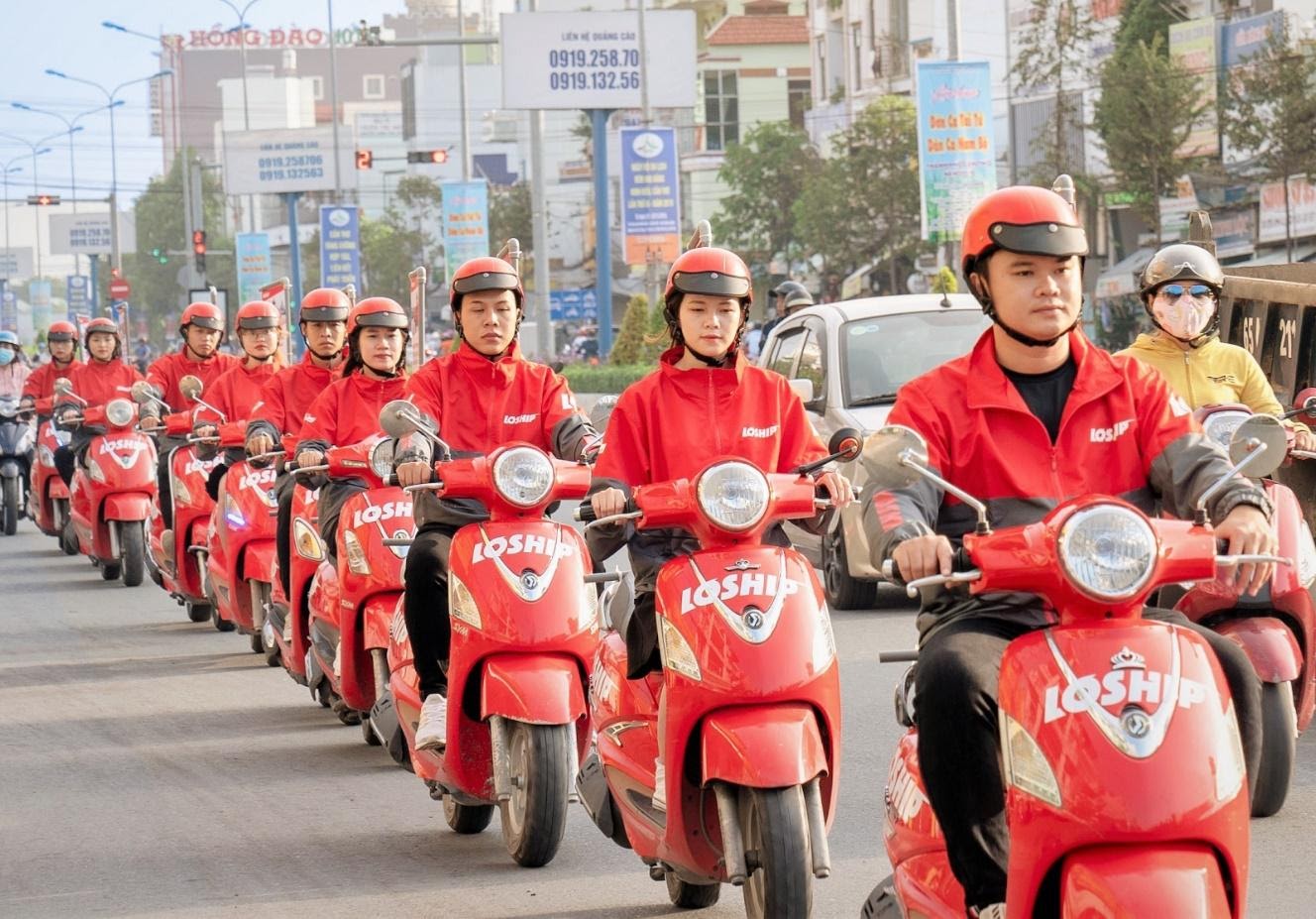
    Startup Loship is facing similar difficulties as many of its drivers had stopped working.

    CEO Nguyen Hoang Trung said working conditions have become extremely difficult for delivery people because of lack of clarity on what constitute essential goods.

    The company has doubled the minimum income in the hope of attracting more drivers back to work.

    Be Group saw orders rise tenfold in mid-July but had to suspend operations two weeks later to keep its drivers safe.

    Ride-hailing giant Grab asked to be allowed to deliver food, saying Hanoi’s suspension of its services while allowing other delivery companies to operate goes against its policy on fair competition. But its demand has yet to be approved.

    HCMC has had strict social distancing regulations since July 9, and they will continue until August 16. Its Covid-19 tally now is more than 112,000.

    Hanoi is in the 14th day of a 15-day social distancing campaign. The city has had nearly 1,800 cases.