Tag: Food

  • Yum China forays into the milk tea cafe market

    Yum China forays into the milk tea cafe market

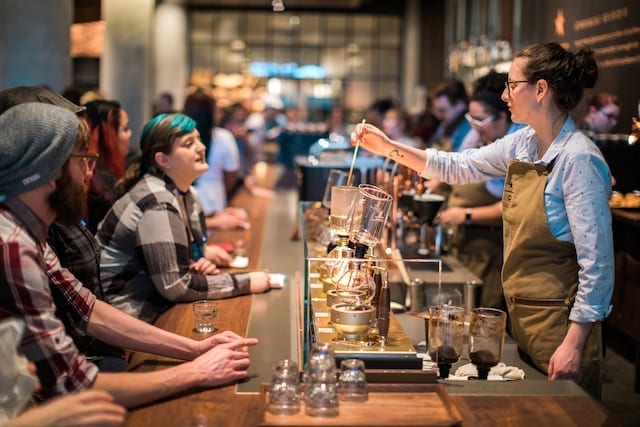
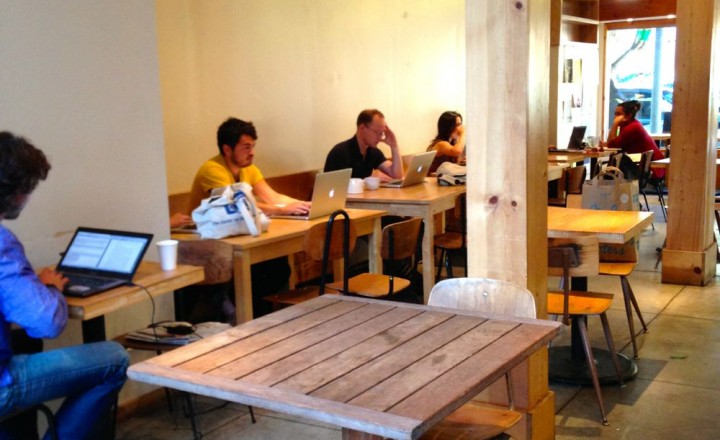
    Looking outside her Beijing coffee shop where seven other nearby cafes including a Starbucks compete for customers, Huang Ying is simply glad to still be in business.

    In the 17 years since opening her cafe in the trendy 798 Art Zone district, making money has gotten harder – even before the coronavirus. Rent and labour costs have increased while rival after rival waded into a market that has failed to live up to expectations.

    “Our profit can’t compare with the old days,” she said. “I raised prices by 10% in 2017 but that has done little to offset the jump in costs.”

    As a coffee market, China exerts a magnetic pull for Western brands keen to emulate the success of Starbucks Corp which has over 4,400 stores in China and is still expanding. Since last year, Canada’s Tim Hortons has opened about 60 stores in China while Italy’s Lavazza and Sweden’s Wayne’s Coffee have also made forays into the market.

    Much of the optimism about China’s coffee market potential stems from just how little its consumers drink – just 5.4 cups per capita last year, compared to 341 in the United States and 591 in Western Europe, according to consultancy Euromonitor.

    Chinese coffee consumption is growing at an estimated rate of around 5% annually, but coffee shop proprietors like Huang say it is more important to take note of the huge jump in outlets and cut-throat pricing.

    Store openings of specialist coffee and tea shops surged 50% in 2018 and 2019, and China now has some 18,350 stores, more than triple the number in 2014, according to Euromonitor. Coffee is also now sold at many convenience stores and fast-food restaurants.

    And while a regular-sized latte costs around 30 yuan ($4.24) in China, it can be as cheap as 4.5 yuan ($0.60) at some places with the use of discount vouchers.

    This year’s admission by delivery-focused and coupon-reliant Luckin Coffee that it fabricated $310 million in sales underscores how the coffee opportunity in China has been exaggerated, analysts said.

    “Luckin’s fraud proved that even though coffee in China is almost free, the Chinese still don’t drink much of it,” said Beijing-based independent analyst Keso Hong.

    Tea is China’s main source of caffeine and outside of China’s biggest cities, buying a branded caffeinated drink to get through the day is not part of everyday life.

    Bubble tea, which contains tapioca pearls, is also giving coffee a run for its money. Food delivery giant Meituan Dianping received 210 million orders for bubble tea in 2018, “far more than” coffee, it has said without elaborating.

    Like Luckin, other domestic chains are struggling to fulfil big dreams.

    Coffee Box, which focuses on coffee deliveries and raised some $56 million in funding, has shut or suspended business at dozens of its stores. Grey Box, which offers speciality coffee, said in 2018 it wanted 12 stores in Beijing by end of that year, but has just four. Bruno Caffe has closed most stores and only two remain.

    Among western firms, Britain’s Costa Coffee, which is owned by Coca-Cola, has 300 China stores according to its website, despite earlier ambitions to have had 2,500 by 2018.

    Starbucks, the first big Western brand in the market and now with 20 years in China under its belt, appears to be the only resounding success, having carefully cultivated its image as a premium cafe for young professionals. Some estimates put the U.S. giant’s share of China’s coffee market at as much as 80%.

    Just this week, Starbucks expanded its Chinese ordering services to multiple Alibaba apps.

    The newcomers have, however, wisely decided not to go it alone.

    Lavazza has formed a venture with Yum China, the owner of KFC restaurants in China. Restaurant Brands International’s Tim Hortons said last year it wanted 1,500 stores in China and has gained backing from Tencent Holdings. Wayne’s Coffee signed a 15-year deal with a Chinese master franchisee.

    The chains did not respond to requests for comment on their prospects.

    But even teaming up with a partner is no guarantee of success given the extreme competition, analysts said.

    “Undoubtedly the coffee market in China will continue to grow and consumers are becoming more habitual coffee drinkers but it is still a hard market to win,” said Ben Cavender at China Market Research.

  • Nectar of the dogs expands into Southeast Asia

    Nectar of the dogs expands into Southeast Asia

    Australian pet supplement brand Nectar Of The Dogs – which launched in the Australian market in 2021– is now expanding to meet the needs of overseas dog owners. Through a partnership with Asia Pet World, Nectar Of The Dogs is now available for online purchase and distribution globally, with pet owners in Singapore able to purchase the products in store.

    The partnership marks a dramatic milestone for the Sydney based start-up, which until now has been available to purchase only within Australia. Partnering with Asia Petworld means Nectar Of The Dogs can now reach the distributor’s network of over 500,000 households, and will be stocked on the shelves of Singpet Superstore – Singapore’s largest pet store.

    Partnering with natural health experts, veterinarians, food technologists and dog lovers, Nectar’s range of medicinal water supplements are made in Australia with high-quality, human-grade, plant-based ingredients. Nectar’s formulations are aimed to assist pet parents with the top health concerns for today’s dogs, including joints, immune system, calming the nervous system, and supporting skin health, gut and digestive system. The five products from Nectar’s range will be available to dog owners throughout Singapore.

    The growth of the brand represents rising demand for high quality, natural supplements for dogs, not just in the Australian market. Formulated in Australia by a team of food technologists and complementary health experts, Nectar Of The Dogs offers human grade, plant-based supplements that dogs find delicious.

    “We’re experts in supplements for dogs and people,” shares Nectar of the Dogs Founder, Gabriel Perera. “With Nectar, we’ve created a range of products that we wanted for our own dogs, with each ingredient painstakingly formulated to deliver maximum benefit, based on clinical evidence in dogs that tastes amazing.”

    More than just a healthy dog supplement brand, plant-based and Australian-made Nectar is better for the planet. All of Nectar’s formulas are carefully packaged in recyclable and compostable packaging, avoiding any single-use plastics.

  • Pandora Thailand distributor plans to expand food, and beverage sections

    Pandora Thailand distributor plans to expand food, and beverage sections

    Tanachira Retail Corporation Co, the importer and distributor of lifestyle fashion brands including Harnn, Marimekko and Pandora, is eyeing the acquisition of health lifestyle food & beverage operators to help reduce business risks and sustain the company’s long-term sales growth.

    Tanapong Chirapanidchakul, Tanachira’s chief executive, said the company is exploring opportunities to acquire food and beverage firms and is seeking know-how to support its expansion into the sector.

    “Our overall business suffered a lot from the Covid-19 crisis, with sales in 2021 plunging by 50% from a year before,” said Mr Tanapong. “Whenever the economy is in a bad condition, people generally opt to spend their money on food rather than luxury products, which will be the first items to be cut.”

    According to Mr Tanapong, the company moved into the food and beverage business several weeks ago when it invested 5 million baht to open the world’s first Marimekko pop-up café in Bangkok’s Central Embassy mall.

    The company plans to open two more permanent cafes in the city next year. It expects Marimekko to account for 25% of total sales, up from 16% now, once two more pop-up cafés open next year. There are currently 10 Marimekko lifestyle stores in Thailand.

    According to Mr Tanapong, the company is now looking to expand the Marimekko shop at the Lotte Department Store in Vietnam’s capital city Hanoi this year.

    Tanachira is also scheduled to open a Cath Kidston cafe in CentralWorld in December this year.

    The company aims to have a total of five cafes under the Marimekko and Cath Kidston brands in Thailand next year.

    In addition, Mr Tanapong said the company intends to ramp up its online business this year. Before the pandemic, Cath Kidston was the only brand that sold its products online, but all brands are now available on the internet, contributing 12% of the company’s sales in the first half of this year. The company’s target is for online business to account for 15% of its sales in 2022, and double to 30% over the next three years.

    Moreover, Mr Tanapong said the company plans to open three new Pandora branches this year. The company expects its sales to reach 1.15 billion baht this year and 1.4 billion baht in 2023. Of the total, 50% of sales will come from Pandora, 20% from Marimekko, and the remaining 30% from other brands.

  • Uber Launches Robot Food Delivery In California

    Uber Launches Robot Food Delivery In California

    Uber Technologies on Monday said it launched pilot food delivery services with autonomous vehicles in two California cities, and said it was adding electric vehicle charging stations into its global driver app.

    The announcements are part of Uber’s annual product event where the ride-hail and food delivery company showcases the latest updates to its app.

    Uber announced one food delivery service using autonomous cars, and a separate pilot using sidewalk robots. Both services are available to Uber Eats users in Santa Monica and West Hollywood in California, and consumers will have the ability to opt out of the programs.

    The autonomous car pilot is in collaboration with Motional, the self-driving joint venture of Hyundai Motor Co and Aptiv PLC, and was initially announced in December. It launched on Monday, Uber and Motional said.

    Uber said the sidewalk robots are provided by Serve Robotics, a spin-off of delivery company Postmates, which Uber acquired in 2020.

    The vehicles in both services are actively monitored by human operators, Uber said, adding that “it will be some time before this technology is operated at scale.”

    Self-driving companies have repeatedly pushed out timelines to provide truly driverless trips at scale, with only a few limited fully autonomous programs available across the U.S.

    Uber on Monday also said it was launching a map of electric vehicle charging stations in its driver app in the U.S. this summer, and later worldwide, in an effort to promote drivers switching to a battery-powered vehicle.

    Uber, which aims to have only electric vehicles on its platform in the United States, Canada and Europe by 2030, said charging was one of drivers’ biggest obstacles to switching to EVs.

    The company also said it was launching an option this summer to rent party and coach buses, and passenger vans through its U.S. app in collaboration with rental service US Coachways.

  • Collins Foods’ sales rebound as Europe reopens

    Collins Foods’ sales rebound as Europe reopens

    Listed fast-food chain operator Collins Foods has reported positive same-store sales growth across both its European and Australian markets despite a turbulent economic climate.

    The company’s Taco Bell and KFC franchisees in Australia achieved revenue growth of 11 per cent to $1.2 billion with KFC Australia delivering $955.5 million, up 6.1 per cent.

    KFC’s same-store sales have recovered in Europe with the Netherlands business registering an 18.8 per cent increase followed by Germany at 11.7 per cent. In the Netherlands, Collins Foods will likely open 130 net new restaurants during the next 10 years.

    Taco Bell’s revenue increased 27.5 per cent to $35.8 million with the addition of four new restaurants registering positive growth in the fourth quarter.

    Drew O’Malley, MD and CEO, said significant reinvestments in the business have helped support strong operating cash flow, strengthening the balance sheet.

    “The proven track record of consumer appeal regardless of economic conditions, combined with our relentless pursuit of operational excellence, ensures we are well-positioned to manage through the current inflationary environment,” the company said in its results announcement.

    “With our restaurants performing well and a strong pipeline of new sites, we will continue to grow our store footprint across our QSR brands.”

    The business has plans to open up to 12 more KFC stores in Australia and scale its Taco Bell business alongside.

  • Zomato boosts Blinkit delivery stake for US$568 million

    Zomato boosts Blinkit delivery stake for US$568 million

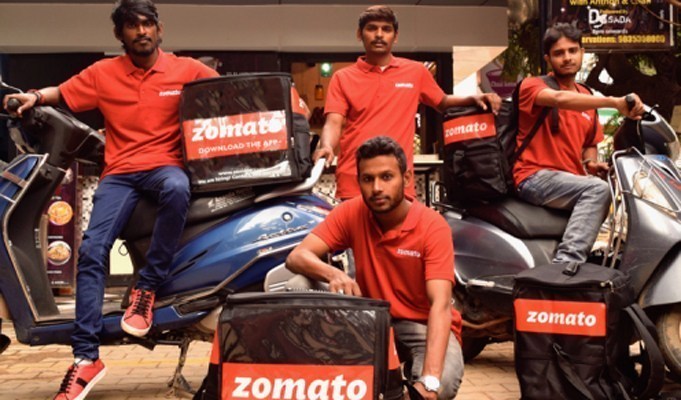
    The top brass of food delivery app Zomato are set to come together on the 17th of June to pen to paper and make the acquisition of Indian based start-up company Blinkit officially complete.

    The deal is set to be of a stock exchange type at a ratio of 1:10 where Blinkit will get a share for every 10 shares Zomato gets from Blinkit. Initially, the value of Blinkit was set at around $ 700 million USD but with this type of deal, that value set to have gone down to an extent.

    Blinkit is a company that Zomato has been eyeing for a while now as they are a business that focuses on instant deliveries. The company was founded almost a decade ago back in 2013 and its head office is situated in Gurgaon, Haryana. Blinkit is a mobile application that can be downloaded on the play store where its users can order groceries, and other items and essentials through the app from the comfort of their own home. The company even guarantees a 10 minutes delivery time.

    A 10-minute delivery time has become the new fad in the delivery business in the country with both Blinkit and Zepto basing their entire business model and marketing strategy on this feature. Zomato has also been piloting their 10-minute delivery feature called Zomato Instant but their Delhi based pilot was not a success. Naturally, delivering food within 10 minutes is much harder than groceries which is why the acquisition of Blinkit is going to be a major boost for them as it will give them crucial help in breaking the 10 minutes barrier which they have been struggling to over the past few months.

    Zomato is one of the most popular food delivery apps in India along with Swiggy and the duo have been battling to be most popular food delivery apps for years now. Swiggy however diversified their features and opened their ‘Instamart’ where they sell fruits, vegetables and groceries while Zomato stuck with just partnering up with restaurants and delivering food. But now, Zomato has also dipped their feet into the grocery delivering business with this new acquisition and it will be interesting to see how it will play out.

    It seems like this deal will be helping all parties involved as Zomato can improve their 10-minute delivery service with the help of Blinkit’s logistics while Blinkit can increase their operations with the help of Zomato.

  • Metcash to invest $70 million in new Vic DC

    Metcash to invest $70 million in new Vic DC

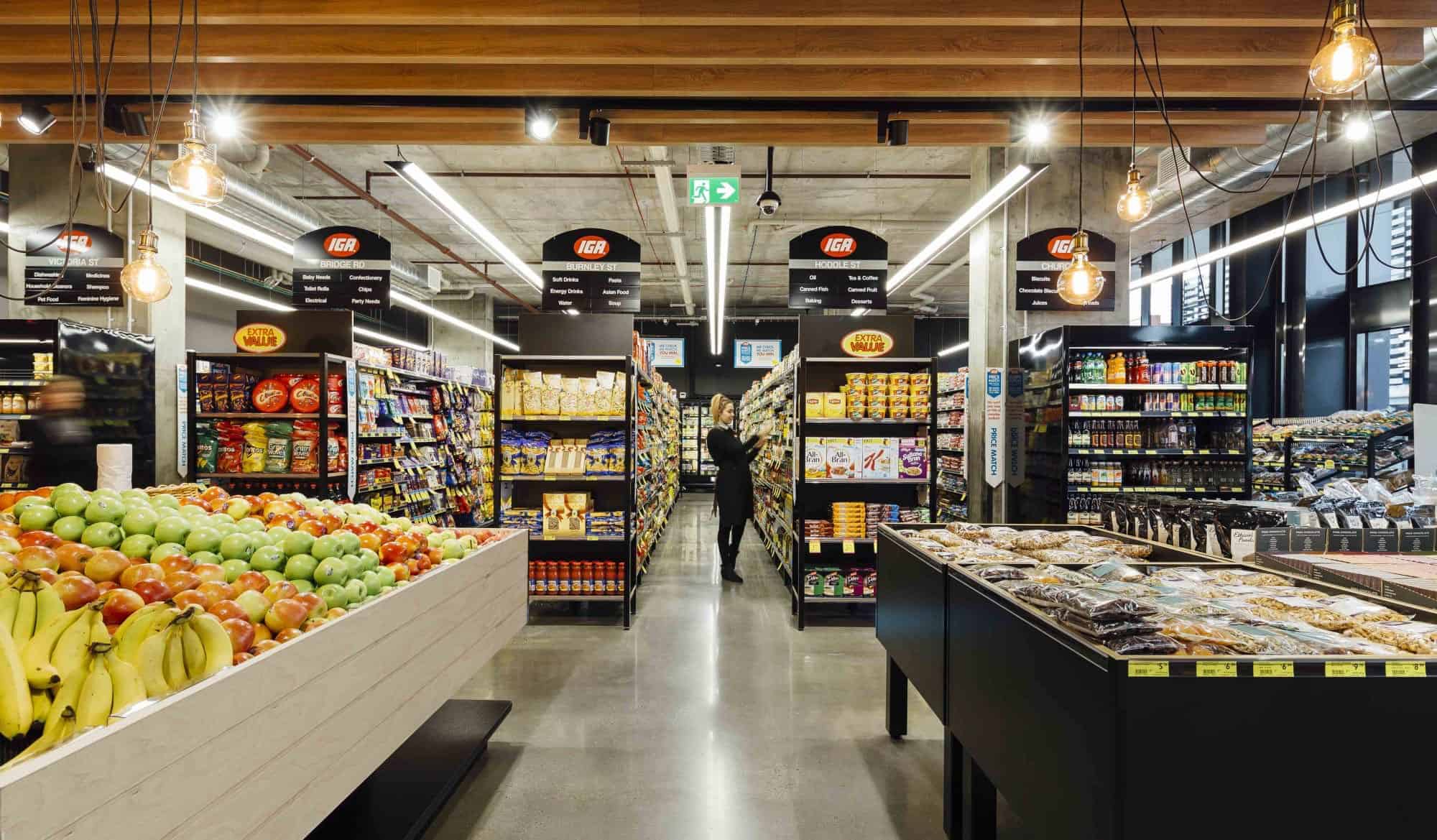
    Metcash, the Australian wholesaler and distributor for brands like IGA, Mitre 10, Foodland and more,  has today announced a new distribution centre (DC) planned for Truganina, Victoria alongside the release of its FY22 results detailing a rise in revenue and earnings.

    The approximately 115,000sqm DC will replace the company’s existing Laverton, Victoria facility and will cost Metcash around $70 million to set up, with $20 million scheduled to be incurred in FY23.

    Metcash, which signed a long-term lease with the Goodman Group (ASX: GMG) for the construction of the Truganina DC, says the facility will improve the competitiveness of its independent retailers in Victoria through delivery efficiencies and by providing them access to a wider range of products.

    The DC will house products for both MTS’ food and liquor pillars, and will be equipped with automation to suit the company’s retail network.

    “We are delighted to be able to announce this significant long term investment for our independent retailers in Victoria, which is a reflection of our continued focus on championing their success,” Metcash CEO Doug Jones said.

    “Supporting our decision to proceed was the success of our new DC at Gepps Cross in South Australia, which has been operational since December 2020, as well as strong growth in both our Food and Liquor pillars in Victoria and the recent renewal of a long term agreement to supply Foodworks stores.”

    The announcement coincides with the release of Metcash’s FY22 financial results, detailing an 18.6 per cent rise in underlying profit after tax to $299.6 million.

    In addition, earnings rose by 17.7 per cent to $472.3 million, while revenue grew by 5.9 per cent to $15.2 billion.

    On a statutory basis, MTS’ profit after tax was up by 2.7 per cent to $245.5 million which the company says was backed by strong sales and earnings in all divisions sustained by a shift in consumer behaviour.

    The large difference between underlying and statutory profit can be explained by $22 million for Project Horizon which includes refurbishing stores, expanding e-commerce and cutting costs, as well as $27.6 million in acquisition costs, primarily oriented towards the hardware division.

    Jones said he was pleased to present the FY22 results, his first as group CEO.

    “The results are outstanding, another record year, and represent continued progress on the exceptional performance in FY21,” Jones said.

    “The number of external challenges increased in the second half and our supply chain and retail operations, both our own and those of our retail partners, exhibited significant resilience and flexibility. There were more lockdowns due to the Omicron COVID variant, major supply chain challenges, flooding in South Australia, New South Wales and Queensland which resulted in supply route disruptions, and towards the end of the financial year challenges related to Russia’s invasion of Ukraine and lockdowns in China.

    “A strategic investment in inventory, the flexibility of our operations and the outstanding efforts of our people helped our retailers to keep their shelves stocked and continue serving their local communities through these challenges. A testament to our people and independent retailers is that our focus on keeping shelves stocked did not materially hinder the continued successful execution of our MFuture [growth project] initiatives.”

    Jones said the company’s retail networks in food, hardware and liquor performed well, with sales increasing approximately 3 per cent in the IGA retail network, 20.5 per cent across hardware (which includes Mitre 10, Home Hardware and Total Tools), and 8.7 per cent in the liquor network.

    “Importantly, retailers are increasingly reinvesting in their stores, further improving the quality of their network primarily through the various store upgrade programs we support,” Jones said.

    “We also further strengthened relationships with our independent retailers and were pleased to recently announce long term agreements to continue supplying Foodworks stores and Drakes Supermarkets in Queensland.”

    MTS says forward momentum going into FY23 has helped push group sales up 9 per cent in the first seven weeks of its new financial year commencing on 1 May, partly buoyed by the impact of inflation.

    “While elevated inflation has continued into 1H23, there is uncertainty over the level of inflation going forward, as well as how the impact of inflation and other cost of living increases may impact consumer behaviour in the retail networks of our pillars, and Metcash,” Metcash said.

    “We are continuing to work closely with our suppliers and retailers to help shoppers manage the impact of inflation by providing better value options through offering a wider range of products at competitive prices.”

  • Starbucks closes third Vietnam outlet

    Starbucks closes third Vietnam outlet

    Starbucks Vietnam will close its Hanoi outlet after eight years, following the closure of two locations in Vietnam last year. The Starbucks Lan Vien outlet in Hoan Kiem District will operate until June 30, the company said in a Facebook post. Last year, the coffee chain had closed another outlet in Hoan Kiem District and one in Ho Chi Minh City’s District 1.

    Patricia Marques, CEO of Starbucks Vietnam, said earlier this year that the company was finding it challenging to expand the number of outlets in Vietnam due to difficulties in negotiating rent prices.

    The company, however, will continue to expand in Vietnam by focusing on new urban areas where there is a lack of services, she added.

    She also said that in central districts, Starbucks has observed that customers tended to order more takeaways, so it was considering opening small takeaway outlets where customers can pick up their drink right away.

    Starbucks has 78 outlets nationwide, while its competitor Highlands Coffee’s has 500 and The Coffee House has 156.

    The Covid-19 pandemic has forced several food and beverage chains to close outlets amid plunging revenue.

    The Coffee House closed over 20 outlets last year, while Soya Garden shut down its last one in HCMC. Soya Garden still has eight outlets in Hanoi.

  • Indonesian beverage chain Haus! completes funding round

    Indonesian beverage chain Haus! completes funding round

    Indonesian made-to-order beverage chain Haus! has completed its series B1 funding round to grow its 197-store footprint in Indonesia and develop an app for its customers.

    Led by Atlas Global Ventures, Hong Kong-based Strategic Holdings and Prasetia Dwidharma, the undisclosed investment follows Haus!’s $2m series A funding in 2020 from BRI Ventures.

    Founded in 2018, the chain, which markets itself to younger consumers with a range of cold beverages and coffees, reports that it has achieved 120% outlet growth over the last 12 months.

    With 197 stores currently in operation, Haus! offers dine-in, collection and delivery services on Indonesia’s Java island.

    “We are currently preparing a new breakthrough to make it easier for consumers and potential consumers to access Haus! by launching our own app that will make it easier for consumers to order online with various payment methods and of course various special attractive offers for purchases through the app,” said Gufron Syarif, CEO of Haus!

    “Haus! is an attractive investment because it has achieved profitability and is not dependent on external funding. This means Haus! can focus the investment received on business growth where other start-ups are on a survival method,” said Arya Setiadharma, CEO, Prasetia Dwidharma.

    Indonesia’s branded café market has seen a flurry of investment over the last 12 months. In January 2022, premium coffee chain Kopi Kenangan attained $96m investment and now operates more than 600 stores across 45 cities in Indonesia, making it the largest branded coffee chain in the country ahead of Starbucks’ circa 500-store footprint.

    In May 2022, South Korea’s SPC Group opened three new Paris Baguette Stores in Indonesia, bringing its store count to seven in the country, while Indonesian coffee startup Fore Coffee recently opened 42 new outlets in several metropolitan cities such as Denpasar, Palembang, Yogyakarta, Malang to Batam. Additionally, Indonesian cloud kitchen startup Hangry intends to use $13m in series A funding to become a global food and beverage company.

  • Vietnamese lychees aim to expand global footprint

    Vietnamese lychees aim to expand global footprint

    The “Vietnamese lychees go global” forum was held on June 16 to promote lychee exports and take the brand name of the Vietnamese fruit to the next level.

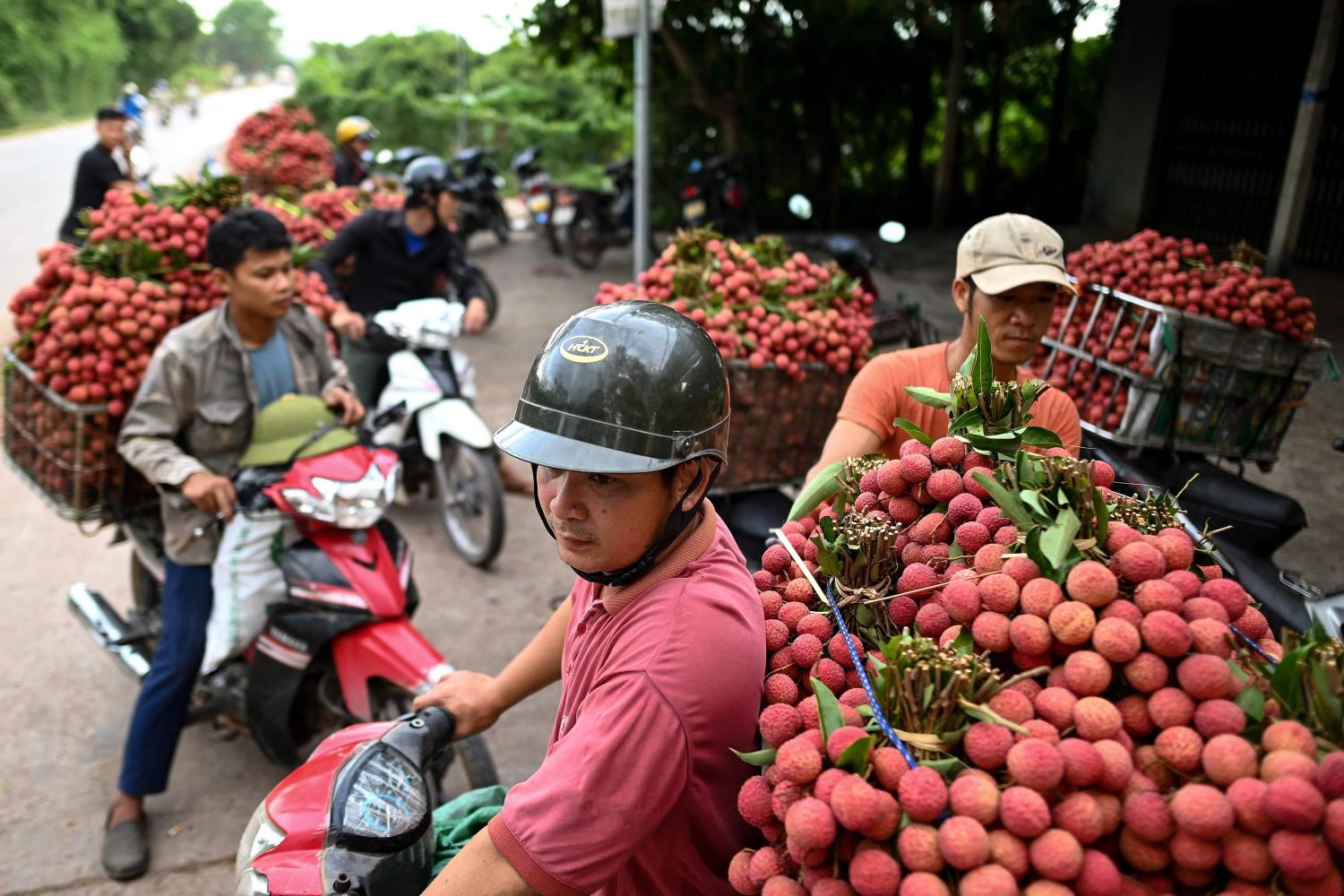
    Vietnamese lychees have made a name for itself in many international markets. According to Le Hoang Tai, deputy director of the Trade Promotion Department, Ministry of Industry and Trade, China accounts for 91 percent of Vietnam’s total lychee export volume. Other markets include Japan, Korea, Australia and the United Arab Emirates.

    Hai Duong, home to Thanh Ha lychees, currently has over 9,000 hectares under cultivation, producing 60,000 tons of lychees every year, of which 50 percent is consumed domestically, 40 percent is exported to traditional markets, and 10 percent to high-end markets including the U.S., Japan, and EU.

    “We aim to build a global brand of high-quality lychees,” Tran Van Quan, vice chairman of Hai Duong Province People’s Committee, said.

    Bac Giang, another leading area for lychee production, has 28,000 hectares of lychee-growing land, providing 25,000 tons of lychees exported to 30 countries. Most meet VietGAP and Global GAP standards.

    “The province will continue to boost lychee exports to high-end markets, and new markets including Canada and Thailand,” Phan The Tuan, vice chairman of Bac Giang, said.

    Palestinian Ambassador to Vietnam, Saadi Salama, said: “Lychees have gradually become the pride of Vietnam.”

    George Burchett, a journalist from Australia, said: “Lychees are both eye-catching and delicious, suitable for everyone’s taste, not only contributing to Vietnamese exports but also enhancing Vietnam’s image to the world.”

    Pham Van Dung, director of Hong Xuan Cooperative, Bac Giang, admitted that the preservation process is one of the challenges for Vietnamese lychees. “Ripe lychees that have not been consumed yet need more intensive solutions like freeze-drying or high-tech drying, so that there are still products for the market even when the harvest ends,” said Dung.

    Director of Toan Cau Company, Nguyen Duc Hung, admitted that Vietnamese enterprises focus on exporting fresh lychees, but fresh lychees can be preserved for 40 days at most, “so it is difficult for lychees to reach far-flung markets.”

    He suggested new products like frozen lychee, with long-term preservation capacity, should be offered so that the fruit could reach global customers with diverse tastes.

    The Palestinian ambassador noted Vietnamese lychees are facing difficulties in reaching far-flung markets because of logistics. “In a short time of two months, to export lychees to global markets in fresh conditions is a challenge.”

    He suggested agencies prepare in advance to facilitate lychee transportation.

    Tai of the Trade Promotion Department recommended that while aviation costs are high, lychees should be transported via railways to cut costs and avoid delays in shipment, which takes about only 15-21 days.

    Salama said that products on sale in the Middle East normally have Halal marks on their packages as a sign of a trustworthy or superior product. He hoped that more Vietnamese lychee products are Halal-labelled to reach consumers here.

  • Subway plans to open 500 stores in Malaysia with new franchisee

    Subway plans to open 500 stores in Malaysia with new franchisee

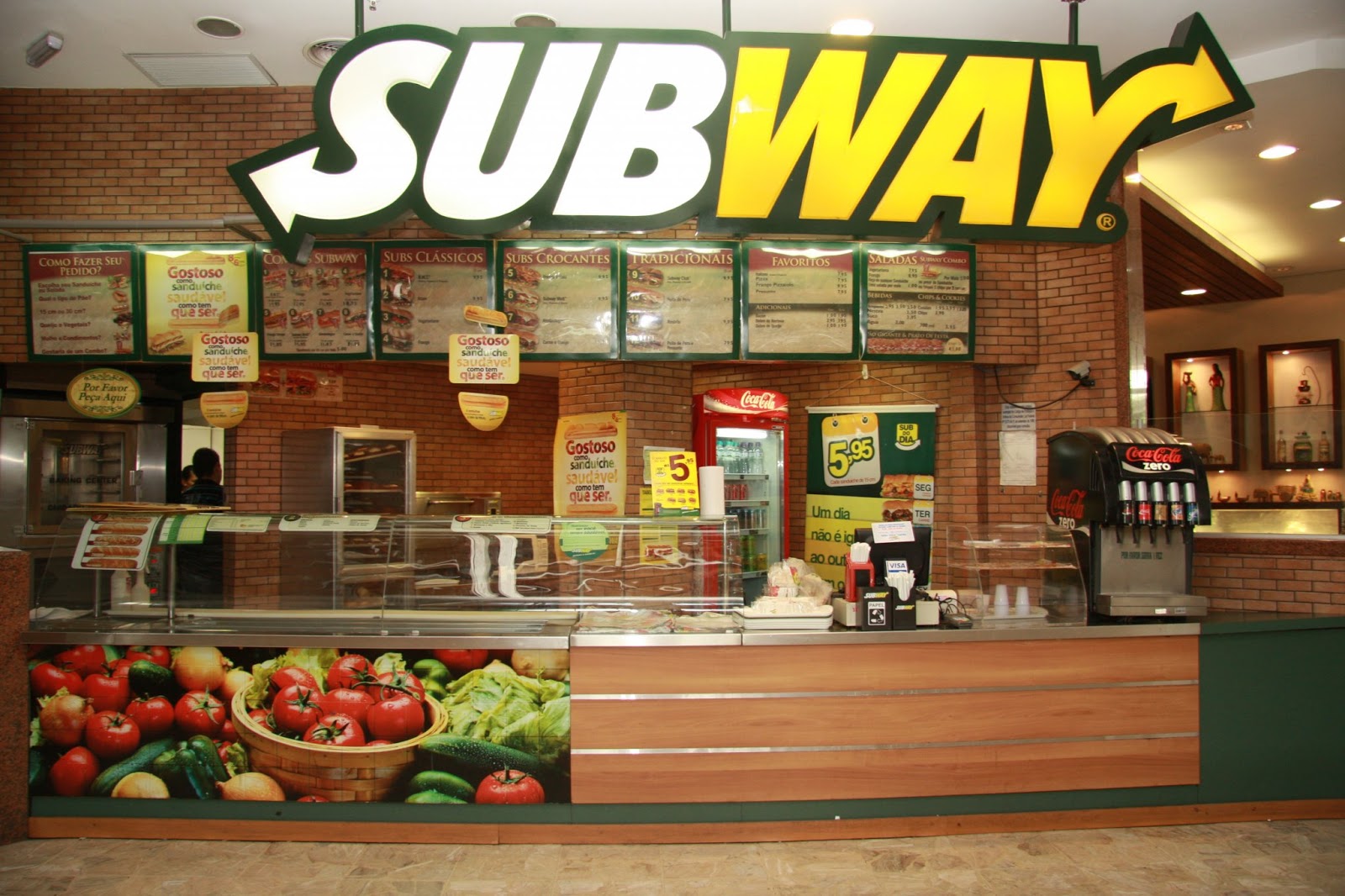
    Subway has inked a new master franchise agreement with Pegacorn to open 500 new locations across Peninsular Malaysia over the next 10 years. This triples the number of Subway restaurants in the market and steadily increases the annual restaurant count.

    According to Subway, this partnership is the third of its kind for the brand in Southeast Asia, following recent master franchise agreements in Indonesia and Thailand, and will significantly increase the total future restaurant commitment in the region. Pegacorn has been a partner to Subway in Malaysia since 2019.

    There will be an increase of Subway non-traditional locations across Malaysia, such as airports, hospitals, petrol stations, and convenience stores. New and updated existing restaurants will feature Subway’s modern “Fresh Forward” design and enhance convenience for the consumer with drive-throughts and “Grab & Go” options.

    The agreement with Pegacorn is part of Subway’s multi-year transformation journey to build a better Subway and improve across all aspects of the brand as the business expands its presence globally. Subway plans to double its current network of restaurants in APAC from about 3,300 today to over 6,000 in the next five years.

    Subway CEO John Chidsey said the APAC and SEA markets continue to be a huge opportunity of growth for Subway and an essential part of its international growth strategy. “Pegacorn has proven to be a well-resourced, strategic and successful local operator that has the local insight and experience needed to expand Subway’s presence in Malaysia,” he added.

    Meanwhile, Pegacorn CEO, Kin Siong Kon, said: “We have seen increased demand from guests in Malaysia for Subway’s craveable sandwiches, wraps and salads and are committed to growing the business to make Subway even more accessible to communities across the country.”

    The team in Malaysia introduced a new mascot named Sabweh alongside its Ramadan campaign in March. Sabweh debuted on limited-edition Raya packets and was the brainchild of social media artist Ernest Ng, known for his “Don’t like that la bro” comic series.

    Hang Ee Laine, head of marketing, Subway, Southeast Asia, said previously that the partnership with Ng is a key milestone for the brand in its efforts to bring Subway closer to Malaysians. Meanwhile, its spokesperson also told A+M then that Ng had previously designed the Sabweh character for one of his comics and the character was very popular with Malaysians. Subway felt that the art piece deserved a bigger stage and engaged Ng to create a series of limited-edition Raya-themed versions of Sabweh.

    Across the border, Costa Coffee reentered Singapore through a partnership with Subway after a three-year hiatus. This adds on to Subway’s breakfast options and alignts with its campaign #Talkofthemorning, which aims to encourage Singaporeans to lean into their love of coffee and breakfast as a driver of meaningful connections with one another.

  • Seafood companies post profit surge as global demand recovers

    Seafood companies post profit surge as global demand recovers

    Many seafood firms have seen a year-on-year surge in profits in the first quarter this year thanks to surging prices and recovering demand.

    Vinh Hoan Corporation, the largest listed seafood company, posted after-tax profits of over VND550 billion ($23.9 million) in the first quarter, up 4.2 times year-on-year.

    Cuu Long Fish Joint Stock Company·also saw its profits surge over 5.7 times against the same period last year to VND63 billion, the highest quarterly profit since late 2018.

    IDI International Development & Investment also recorded after-tax profits of over VND200 billion, the highest quarterly profit since 2010 when it began releasing financial reports.

    Nam Viet Corporation reported a three-time year-on-year surge in profits to VND206 billion while Camimex Group saw its profits double to VND25.1 billion.

    Sao Ta Foods Joint Stock Company, another seafood firm, reported its profit surging nearly 1.5 times year-on-year to VND42.2 billion.

    The surge in profits among seafood companies in the first quarter was credited to surging prices and recovering global demand.

    Vietnam’s seafood exports grew by 40 percent year-on-year to $2.4 billion in Q1 despite direct impacts of the ongoing Russia-Ukraine crisis.

    Growth was led by pangasius catfish, whose exports increased by 88 percent to $646 million and accounted for 27 percent of overall exports, according to the Vietnam Association of Seafood Exporters and Producers.

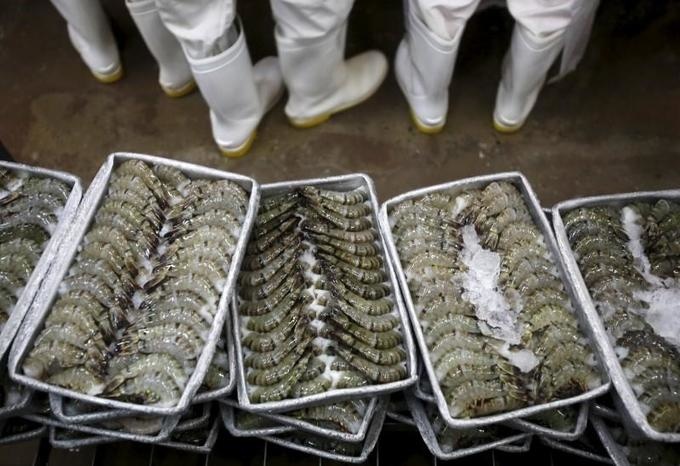
    Shrimp remained the top seafood export item, accounting for 37.5 percent of the total at over $900 million, up 37 percent.

    A recent report by Rong Viet Securities Corporation said that pangasius exports would record a strong recovery this year due to increased global demand and supply shortage from Russia. The high selling price will last until the end of the second quarter due to increase in raw material prices.

    An Binh Securities warned of downside risks like surging feed and logistics costs and fierce competition from other exporting countries like India, Ecuador and Indonesia.

    On the stock market, the seafood sector has posted gains over the past months, with some hitting the ceiling regardless of the overall gloomy market trend.

    On Friday, Vinh Hoan closed at around VND104,000, up 55 percent since January.

  • Yum China sales fall as pandemic impact worsens

    Yum China sales fall as pandemic impact worsens

    The owner of KFC and Pizza Hut said sales plunged by 20% in the first two weeks of March as a surge of new Covid cases spread across China.

    Yum China said “the situation has rapidly deteriorated” as regional lockdowns have been put in place to stem the outbreak.

    More than 1,100 of its stores are temporarily closed or offering takeaway and sales are “still trending down”.

    China’s lockdowns are among its biggest since the beginning of the pandemic.

    They include the Jilin province – home to companies such as carmakers Toyota and Volkswagen – as well as technology hub Shenzhen as the number of new infections of the Omicron variant of Covid rise.

    Yum China said: “Entering March, the situation has rapidly deteriorated with the highly transmissible Omicron variant causing outbreaks across China, including economically important regions of Guangdong, Shanghai, Shandong and Jilin.”

    It added: “Our operations are significantly impacted by the latest outbreaks and the tighter public health measures which resulted in a further reduction of social activities, travelling and consumption.”

    Toyota, Volkswagen and iPhone-maker Foxconn have been forced to close operations in affected regions due to lockdowns.

    Although Foxconn said on Wednesday it was able to restart some production in Shenzhen after putting in place a closed loop system on its campus. It means that Foxconn employees working in the space cannot move outside the group.

    Foxconn said: “This process, which can only be done on campuses that include both employee housing and production facilities, adheres to strict industry guidelines and closed-loop management policies issued by the Shenzhen government.”

    There are concerns the restrictions could have an impact on global supply chains.

    But Yum China’s chief executive Joey Wat, said: “Our robust supply chain management has shielded us from material business disruptions.”

    Yum China said it had more than doubled the number of stores it had closed or restricted to take-out services from 500 in January to 1,100 in March.

    Ms Wat pledged: “We will keep our restaurants open and provide food services to customers wherever it is possible and safe to do so.”


  • Nestle opens $90 million pet food plant expansion at Blayney

    Nestle opens $90 million pet food plant expansion at Blayney

    With the last two years seeing more people adopting pets, the Purina factory is now set to meet the growing demand for wet cat food in Australia and beyond thanks to the newly installed state-of-the-art high-speed manufacturing technology.

    As well, the Purina team has expanded to meet the increased demand, with 20 new jobs now created on site, creating cat favorites such as Felix, Fancy Feast, Pro Plan and Purina One.

    Nestlé Blayney Factory Manager Charlene De Wit said the new facility is a testament to Nestlé’s commitment to local manufacturing and support for the Central West community.

    “We are proud to produce quality Purina pet food for our much-loved furry friends across Australia and around the region, right here in Blayney.

    “Our expanded facilities will allow us to scale up production of single-serve wet cat food by over 120% – as well as the dry cat and dog food we already produce,” Ms De Wit said.

    The opening brings Nestlé’s total investment in the factory to more than $200 million over the past 10 years, as the business has increased production and developed new capabilities. The wet cat food facility, opened in late 2014, was developed to create premium products with the taste profile cats prefer, and the simplicity their owners prefer.

    The expansion will position Nestlé Purina as a key regional supplier, with both wet and dry pet food exported from Blayney to New Zealand, Thailand and Japan.

    The new facilities will also see a significant quantity of local ingredients used in production. More than 85% of raw materials used at the Nestlé Blayney factory will be sourced locally, including meats and grains.

    Ms De Wit continued, “We have an incredibly dedicated and highly skilled team here at Blayney. By bringing leading technology to our factory and continuing to use high quality ingredients in our product, we are even more confident that we will continue to enrich the lives of pets and the people who love them for years to come.”

    The Nestlé factory in Blayney began operations in 1989, and now features world-class facilities to manufacture brands such as Felix, Fancy Feast, Pro Plan, Supercoat and Purina One.

  • Vietnam food company acquires French poultry firm

    Vietnam food company acquires French poultry firm

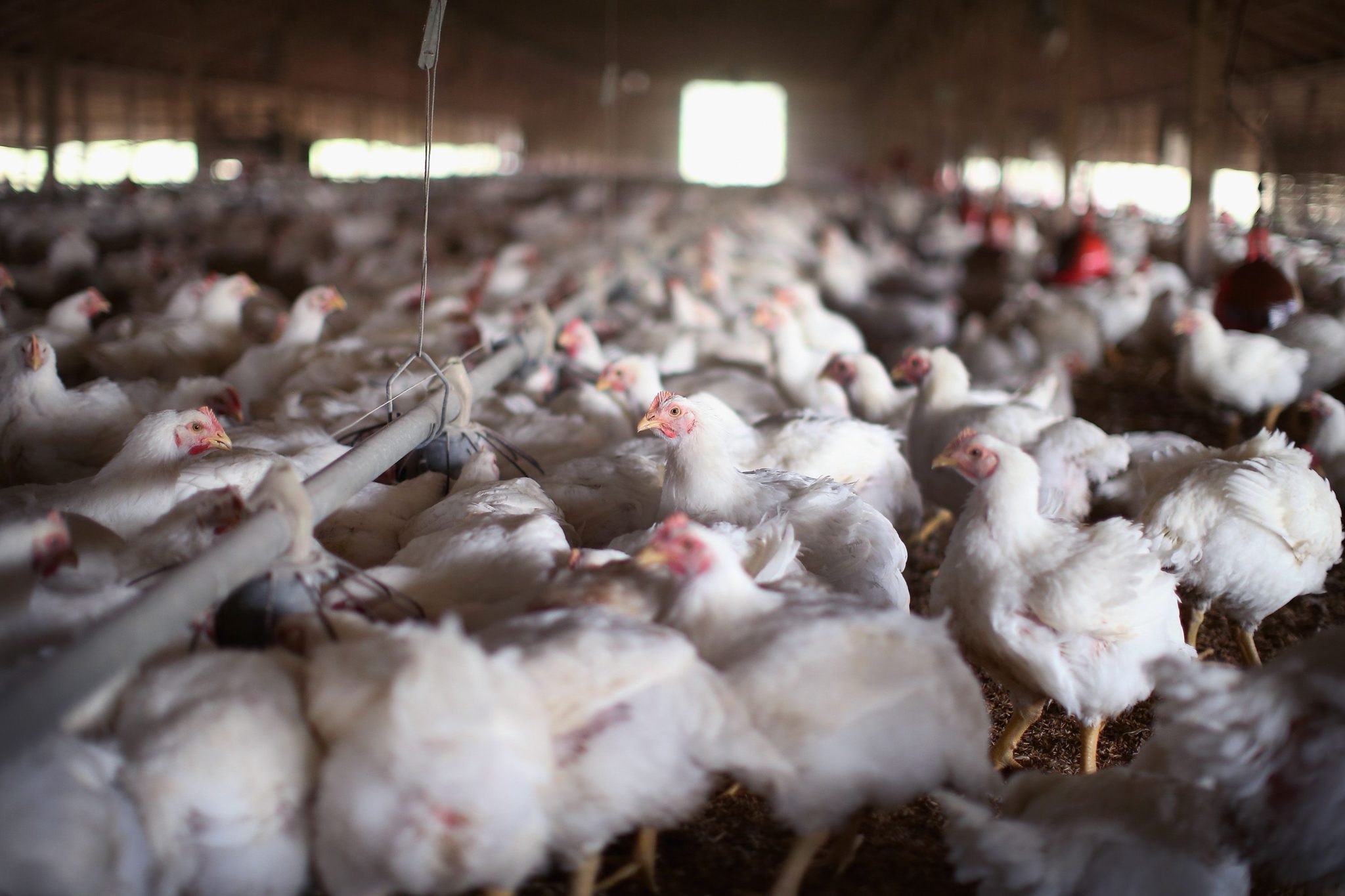
    GreenFeed Vietnam, a Vietnamese food chain company, has acquired the Mekong Delta-based French chicken supplier LeBoucher. The value of the deal has not been disclosed.

    GreenFeed owns G Kitchen, a meat and processed products retailer. Quang Thanh Cuong, head of its food segment, said the acquisition would complement the company’s ecosystem with a new source of protein.

    LeBoucher, a poultry supplier with a factory in the southern province of Long An, is the fifth food brand added to GreenFeed’s portfolio, the other three being MaMaChoice (fresh meat), Wyn (processed food) and G.Lala (broken rice).

    LeBoucher was owned by Alain Glon Holding Asia, a French food company with $110 million in annual revenue that has been operating in Vietnam for over 25 years. It supplies chicken to McDonald’s Vietnam operations.

    According to German data portal Statista, Vietnam poultry consumption was nearly 17 kilograms per capita in 2021; and is expected to rise to more than 20 kilograms by 2029.