Tag: Food

  • Fuel, food push consumer prices up in February

    Fuel, food push consumer prices up in February

    The consumer price index (CPI) was up 1.42 percent year-on-year in February as Tet in early last month pushed up the prices of food, dining, and transportation.

    Gasoline prices surged 5.8 percent from January and transport prices increased by 2.35 percent as travel demand skyrocketed during Tet (the Lunar New Year), according to the General Statistics Office.

    Food and dining, beverages and cigarettes, and culture-entertainment-tourism prices rose 1.54 percent, 0.73 percent, and 0.51 percent, respectively

    Housing and construction material prices also increased due to an increase in prices of inputs such as kerosene, gas, and electricity.

    CPI in the first two months have risen by 1.68 percent year-on-year, said the GSO.

    Inflation in full-year 2021 was 1.84 percent, the lowest rate since 2016, the office said.

  • Rice profits up around 15 pct

    Rice profits up around 15 pct

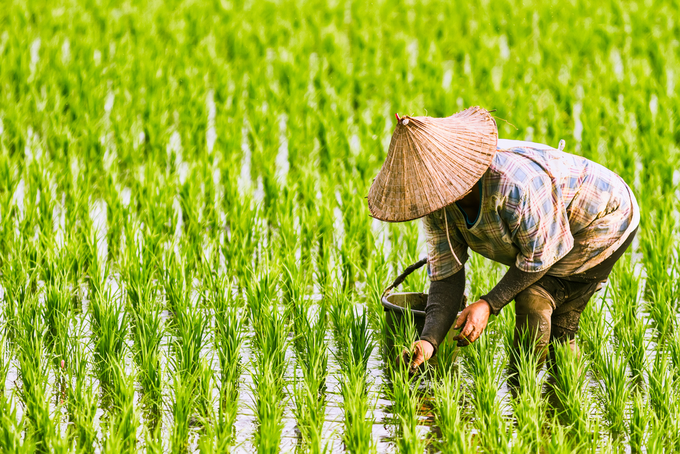
    Major rice producers and exporters saw their after-tax profits last year increase around 15 percent against the previous year thanks to stronger domestic and overseas sales with higher export prices.

    Loc Troi Group JSC reaped the biggest-ever revenues of over VND10.2 trillion ($443.4 million) and after-tax profits of more than VND420 billion, up 36 percent and 14 percent, respectively.

    Vietnam National Seed Group JSC (Vinaseed) made revenues of over VND1.93 trillion and after-tax profits of more than VND225 billion, posting respective year-on-year rises of 18 percent and 16 percent.

    Both net revenues and after-tax profits of Trung An Hi-tech Farming JSC increased 15 percent to VND3.12 trillion and over VND100 billion.

    Vietnam exported over 6.2 million tons of rice totaling nearly $3.3 billion last year, according to the General Department of Vietnam Customs.

    The average export price of Vietnamese rice rose 5.5 percent against 2020 to $526.8 per ton in 2021, according to the Ministry of Agriculture and Rural Development.

    Loc Troi exported over 80,000 tons of rice worth over VND1 trillion, quadrupling in both volume and value against 2020. Vinaseed exported 60 tons of premium fragrant rice to the U.K. for the first time.

    Domestic sales also increased last year, partly due to social distancing measures imposed to curb Covid-19. Hoa Sen Rice told VnExpress its sales surged 45 percent in 2021.

    The Vietnam Food Association predicted Vietnam, which exported 505,700 tons of rice worth $246 million in January, would export over 6 million tons of rice this year. However, a sharp increase in prices of agricultural materials, especially fertilizers, will increase input costs and lowers farmer incomes.

  • Kellogg partners with Bega in peanut-butter flavoured cereal

    Kellogg partners with Bega in peanut-butter flavoured cereal

    Australia’s iconic breakfast brand Nutri-Grain has delighted fans with the launch of a new flavor mash-up that’s set to take your cereal game to the next level. Nutri-Grain has joined forces with Bega Peanut Butter to create an epic flavor combination with a nutty twist. The limited-edition Nutri-Grain Bega Peanut Butter Flavor Cereal consists of the iconic malty crunch that we know and love, followed by a flavor hit of peanut buttery goodness.

    Serving up an “epic taste explosion”, shoppers can grab a box for just $6.95 at Woolworths.

    The new creation comes off the back of the Nutri-Grain x OAK Plus and Coco Pops x Golden Gaytime collabs.

    “Australia went mad for our collabs last year, so we’ve upped the ante with another unstoppable collab,” Dan Bitti, Kellogg’s breakfast lead, said.

    “We’ve brought together the malty-crunch and peanut pieces to bring Aussies something new, that up until now they could have only ever dreamed about.

    Jacqui Roth, marketing manager, Spreads at Bega said: “We’re thrilled to be teaming up with Nutri-Grain. We can’t think of a butter brand to partner with as Bega Peanut Butter makes its debut in the cereal aisle.”

    Meanwhile, KitKat has launched two new flavors inspired by the original café cookie; Byron Bay Cookies.

    With the sweet treat collaboration of the summer, Aussies can now enjoy KitKat Inspired by Byron Bay Cookies – Milk Choc Chunk and Triple Choc.

    Now on supermarket shelves across Australia, the new creation marks the confectionary brand’s exciting first collaboration with an Australian brand, paving the way in cookie creations with an iconic local player.

    The new flavors are set to be a hit, with two options available to satisfy any and all chocolatey cookie cravings.

    The Milk Choc Chunk will delight the biggest cookie lovers, with crisp wafer fingers covered in white choc, topped with cookie pieces on a milk chocolate base.

    For those looking for an extra chocolatey hit, the Triple Choc has you sorted with milk chocolate-covered chocolate wafer fingers topped with crunchy cookie pieces.

    “We’re so excited to introduce KitKat brand’s first Australian collaboration to the market, and thrilled that it’s with iconic and beloved local cookie maker Byron Bay Cookies,” Nestlé head of marketing – confectionery Joyce Tan said.

    “We know Aussies will love these tasty additions to the range, and each bite is sure to transport them to their own beachside Byron Bay break.”

  • HungryPanda acquires Easi to strengthen Asian food delivery

    HungryPanda acquires Easi to strengthen Asian food delivery

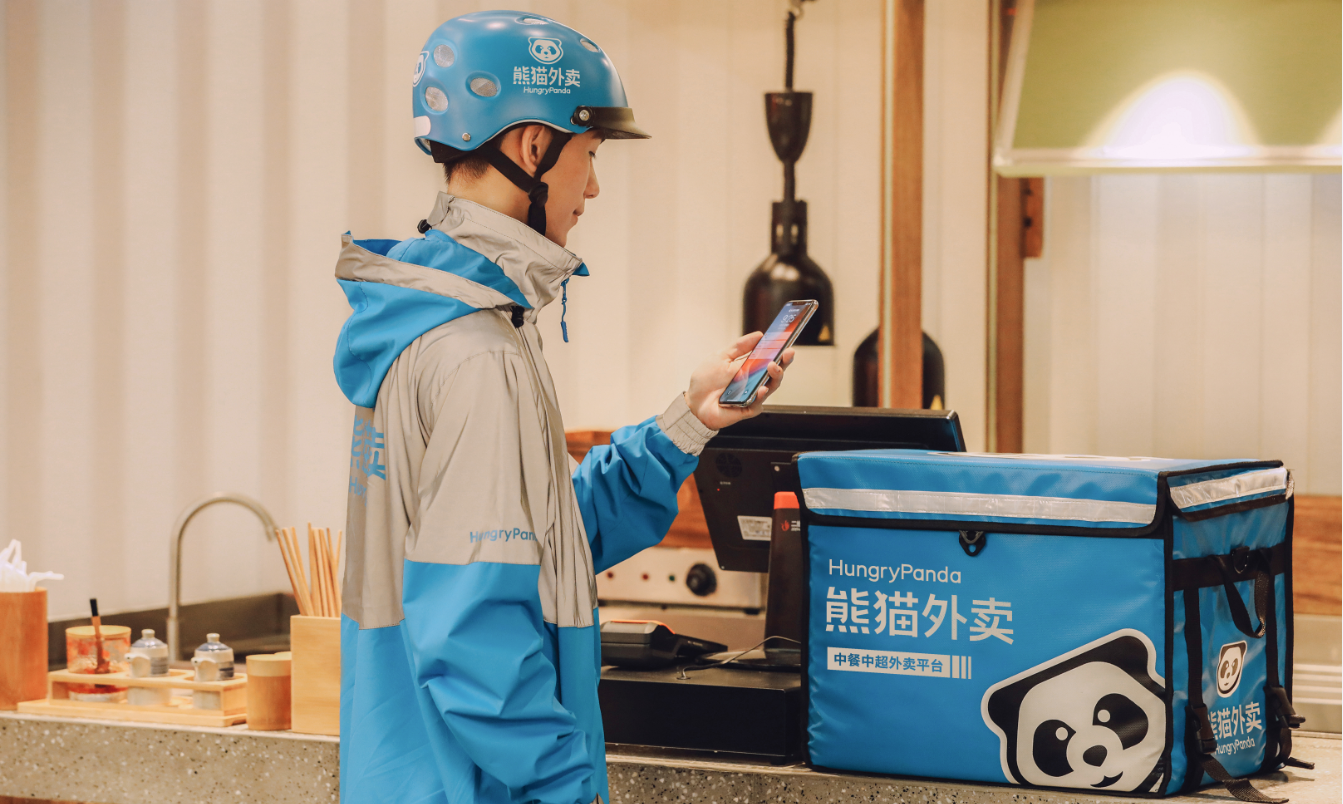
    HungryPanda, the global leader in Asian food delivery, is today pleased to announce that it has acquired Australian food delivery platform EASI and New Zealand Asian food delivery platform BUY@HOME.

    These two transactions will help HungryPanda improve its local operations, empower restaurants to achieve greater business success, and improve consumer experience by widening their choice of authentic Asian restaurants. Coming on the back of HungryPanda’s successful US$130m fundraising in December 2021, these transactions now position the business strongly to capture the huge overseas Asian food delivery market globally.

    Founded in 2017, HungryPanda has become the largest overseas Asian food delivery platform in ten countries, including the US, UK, and Australia, operating across more than sixty cities. With these transactions HungryPanda is now the Asian food delivery leader in Australia and New Zealand, bringing the greatest choice of authentic Asian food to customers in all the major cities.

    Founder and CEO of HungryPanda, Kelu Liu said: “These acquisitions are an important milestone for HungryPanda in continuing to build the leading overseas Asian food delivery platform. By combining our world-class technology and delivery network with the wider coverage of restaurants we can now offer consumers, I am hugely excited about the future potential for our business in these important markets.”

    Kitty Lu, National Operations Manager at EASI, explained, “This is a strategic alliance that will increase our effectiveness and reach in a busy marketplace, both regionally and internationally. EASI has been growing nationally at a rapid pace since our launch in Australia and internationally and we are excited by the potential we can achieve working with Eric and the team at HungryPanda.”

    Mr. Liu continued “Improving the local Asian food delivery service is only the first step for us. We are dedicated to introducing a complete Asian fresh food and grocery delivery service, and adding local merchants’ activities and targeted discounts for our consumers with our aim to establish a comprehensive one-stop lifestyle service for overseas Chinese and local residents who have an interest in Asian food culture.”

  • Food establishments learn to be agile amid pandemic

    Food establishments learn to be agile amid pandemic

    Hit hard by the Covid-19 pandemic, the food and beverage industry has nevertheless learned valuable lessons in flexibility and labor retention.

    Accommodation and food establishments saw revenues decline by 19 percent in 2021 to VND398 trillion ($17.3 billion), according to data from the General Statistics Office.

    The southern province of Ba Ria – Vung Tau reported the steepest decline of over 50 percent, followed by HCMC at more than 46 percent. In Binh Duong and Dong Nai provinces and Hai Phong, Hanoi, and Da Nang cities, the decline was 14-23 percent.

    According to the ranking company Vietnam Report, over 90 percent of businesses in the F&B industry was seriously affected by the pandemic in 2021, especially in terms of logistics, distribution, and labor safety.

    Some 35 percent also faced challenges related to rentals and labor availability.

    A spokesperson for the Dau Homemade restaurant chain said a widespread difficulty the industry faced amid the pandemic was a labor shortage. To retain workers, his chain arranged working shifts more appropriately and did not cut salaries, he said.

    During nearly half a year of stay-at-work, Dau Homemade and Gong Cha milk tea chains covered their workers’ basic daily expenses and regular Covid testing fees.

    A spokesperson for Dai Moc Food, which supplies food to factories and hospitals, said besides taking care of employees, it is also necessary to take care of their loved ones so that they are at ease while working.

    Dai Moc provided fresh food to employees’ families, visited them, and paid salaries in advance if workers asked for them, he said.

    Dau Homemade switched from the restaurant business to foodstuff production and vegetable sales.

    Besides ensuring product quality, Gong Cha has focused on training employees how to deal with Covid-related situations such

  • Upsurge in Vietnam imports of Cambodian farm produce

    Upsurge in Vietnam imports of Cambodian farm produce

    The quantity of Cambodian rice, cashew nuts, maize, green beans, and soya beans imported by Vietnam in the first 11 months of this year rose 3-4 times year on year.

    Cambodia exported 912,000 tons of cashew nuts, over 134,000 tons of maize, some 26,000 tons of green beans, 66,200 tons of soya beans, and more than 26 million tons of pepper to Vietnam, according to the Vietnam Trade Office in Cambodia.

    It specified that the neighboring country exported 3.1 million tons of paddy rice to Vietnam in the 11-month period, an increase of more than over 75 percent year-on-year.

    Cambodia sold more than 622,000 tons of fresh manioc, or 70 percent of its total exported volume, to Vietnam between January and November.

    The trade office said that Cambodia exported a total of over 7.1 million tons of agricultural products to 68 markets, including Vietnam, in the first 11 months of this year, up 93.4 percent on-year.

    More Cambodian farm produce was being bought by Vietnam because of their price and quality advantages, Vietnamese agricultural scientist Vo Toan Xuan said, noting that Cambodia has a lot of fertile land and farmers do not use many chemical pesticides.

    Recently, several Vietnamese companies and residents have rented agriculture.

  • Starbucks shuts China outlets after reports they used expired ingredients

    Starbucks shuts China outlets after reports they used expired ingredients

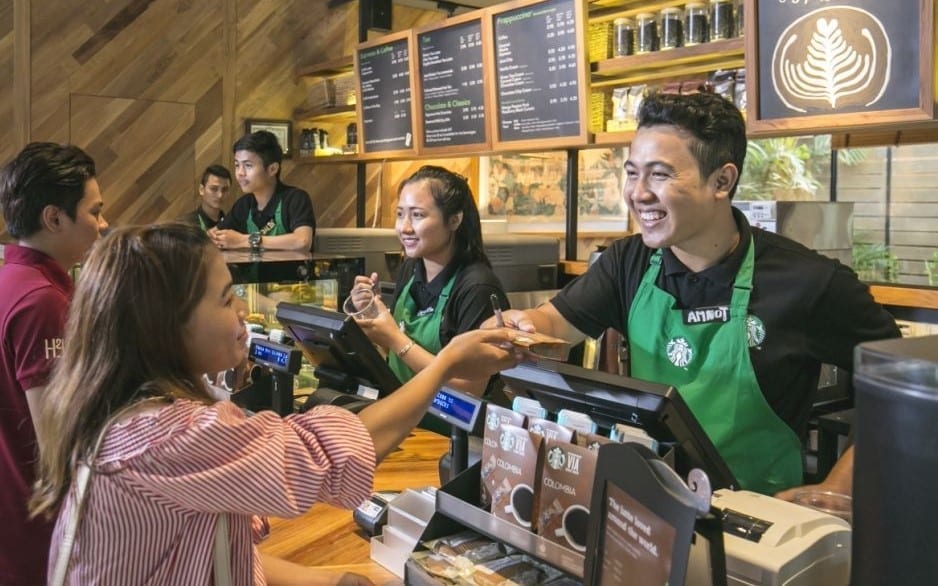
    US coffee chain Starbucks said on Monday it had shut two outlets in China and was conducting an investigation after a state-backed newspaper reported that they used expired ingredients to make drinks, violating food safety rules. The incidents occurred at two stores in the eastern Chinese city of Wuxi.

    “We take what was reported by local media very seriously, and have immediately closed the two stores in question to conduct a thorough investigation,” a Starbucks spokesperson said.

    “Since entering the Chinese mainland market 22 years ago, we have been committed to implementing strict food safety standards and adopting a ‘zero-tolerance policy towards food safety issues. We welcome the continued supervision of members of the media and the public.”

    The incident became a trending topic on China’s Twitter-like Weibo social media site after the report was published.

    Chinese consumers and media have become more aggressive about protecting customer rights and monitoring the behavior of big brands, especially from overseas.

    Some targets, such as Canadian winterwear brand Canada Goose which drew complaints about its refund policies, have been subjected to government reprimands, while Chinese brands such as milk tea chain Nayuki have also drawn public attention.

    China is the largest market for Starbucks outside the United States with 5,360 stores as of Oct 3, the firm’s latest earnings report showed.

    One of the Starbucks stores used expired matcha liquid to make lattes, while another had put pastries up for sale that was meant to be thrown away.

    As of Monday afternoon, the topic of Starbucks’ response report had received more than 50 million views on Weibo. Commenters expressed both disappointment and worries over more widespread problems.

    “If Starbucks is like this, the other shops really worry me,” said one Weibo user named Revario. “They suffer the scrutiny because it is a foreign brand.”

  • The Reason why Mad Mex is exiting Singapore and Malaysia

    The Reason why Mad Mex is exiting Singapore and Malaysia

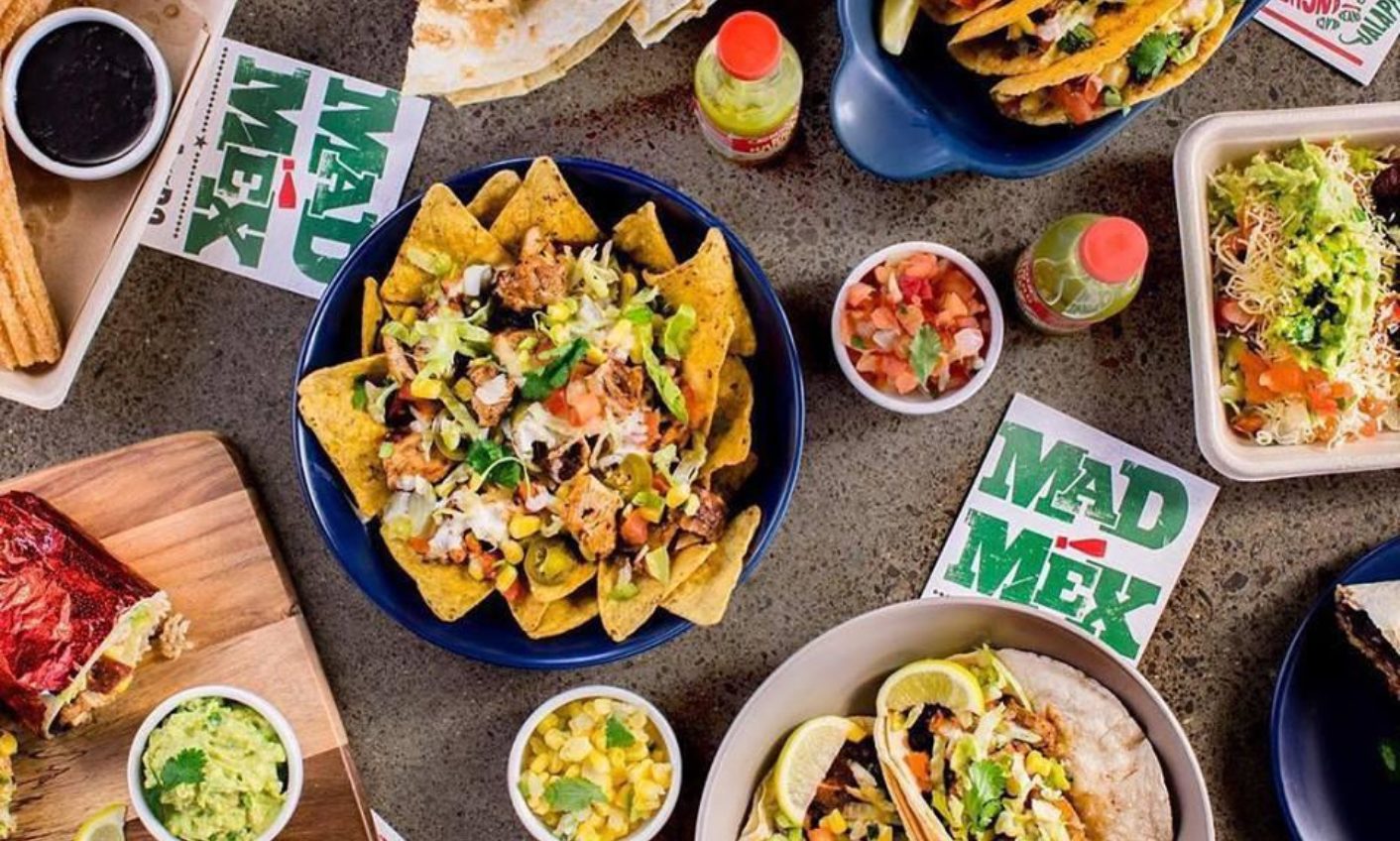
    Australian food chain Mad Mex is taking a taste of Mexico to Singapore and Malaysia with the announcement of its global expansion.

    The group’s plans to go international kick-off in Singapore this week with a brand-new store and will continue when its Malaysian store opens in December this year.

    The Marina Bay financial district in Singapore will be Mad Mex’s first location outside of Australia and New Zealand.

    The launch of the restaurant also heralds in a new partnership for Mad Mex with restaurant group 4Fingers. The partnership will see Mad Mex and 4Fingers leverage each other’s’ local market knowledge in Singapore, Australia, Indonesia, Thailand and Malaysia.

    The push into Singapore and Malaysia follows Mad Mex’s successful expansion into New Zealand in 2013. The company now has 15 restaurants in New Zealand and has plans for three more openings in 2019.

    The expansion comes off the back of considerable growth for the business. Over the last 12 months the company has served over four million burritos across the company’s 70 Australian and New Zealand restaurants.

    The company also revealed that during FY19 the company had strong like for like sales growth of 6.5 percent and 70 consecutive weeks of sales growth in Australia making the year the business’ strongest financial year to date.

    Founder and CEO Clovis Young says the success of Mad Mex in the face of tough retail conditions is to be commended.

    “The results of our team have delivered is truly remarkable and a demonstration of the passion and enthusiasm our restaurant team have for the food and the brand,” says Young.

    “The last 12 months have been very tough for retailers, so this performance really is exceptional.”

    “The expansion into APAC comes at an exciting time for Mad Mex. southeast Asia is in the midst of a food revolution towards healthy eating, and we believe Mad Mex’s healthy and quality positioning will resonate with local customers. We are very excited by the opportunity and we have big plans for the next five years. Watch this space.”

  • Pork imports nearly triple

    Pork imports nearly triple

    Frozen pork imports nearly tripled in the first 10 months of this year to 332,000 tons, according to the General Department of Vietnam Customs.

    Also imported were 350,000 pigs on the hoof from Thailand, a 50 percent increase year on year.

    Together they cost US$617 million. Its five biggest pork suppliers were Russia, Germany, Brazil, the Netherlands, and Canada.

    Vietnam also imported 50,000 tons of beef worth $220 million, half of it from Australia, the department added.

    Over 800 enterprises from 19 markets have been allowed to export pork to Vietnam, according to the Ministry of Agriculture and Rural Development.

  • Gojek Vietnam GM reveals ambitions after launch of car service

    Gojek Vietnam GM reveals ambitions after launch of car service

    Launched amid the Covid-19 pandemic, GoCar is one of two big products Gojek planned to introduce this year to complete its golden triangle in Vietnam, including transportation, food delivery and payment.

    Phung Tuan Duc, Gojek Vietnam GM shared stories behind the launch of car service during the Nguy – Co talk show hosted by Thai Van Linh.

  • Alerts on Vietnam rice exports

    Alerts on Vietnam rice exports

    Vietnam’s coffee exports in the first 11 months of this year are expected to show a 4.4 percent drop from a year earlier to 1.36 million tonnes, while rice exports will likely post a 0.8 percent increase, government data released on Monday showed.

    Coffee exports are estimated to have fallen 4.4 percent in the first 11 months of this year from a year earlier to 1.36 million tonnes, equal to 22.67 million 60-kg bags, the General Statistics Office said in a report on Monday.

    Coffee export revenue for Vietnam, the world’s biggest producer of the robusta bean, will likely show a 12.6 percent increase to $2.6 billion in the 11-month period, the report said.

    The country’s coffee shipments in November are estimated at 78,000 tonnes valued at $181 million, it said.

    Rice exports in the first 11 months of this year from Vietnam were forecast to have risen 0.8 percent from a year earlier to 5.7 million tonnes.

    Revenue from rice exports in the period was expected to rise 7.3 percent to $3.04 billion.

    November rice exports from Vietnam, one of the world’s largest shippers of the grain, totaled 563,000 tonnes, worth $297 million.

    Vietnam’s Jan-Nov crude oil exports were seen falling 31.4 percent from the same period last year to an estimated 3.01 million tonnes.

    Crude oil export revenue in January to November is expected to rise 14.9 percent to $1.69 billion.

    Oil product imports in the first 11 months of the year were estimated at around nine million tonnes, down 16.6 percent from the same period last year, and the value of product imports were expected to rise 31.2 percent to $4.6 billion.

  • Tim Hortons China to open coffee shops in Metro’s China stores

    Tim Hortons China to open coffee shops in Metro’s China stores

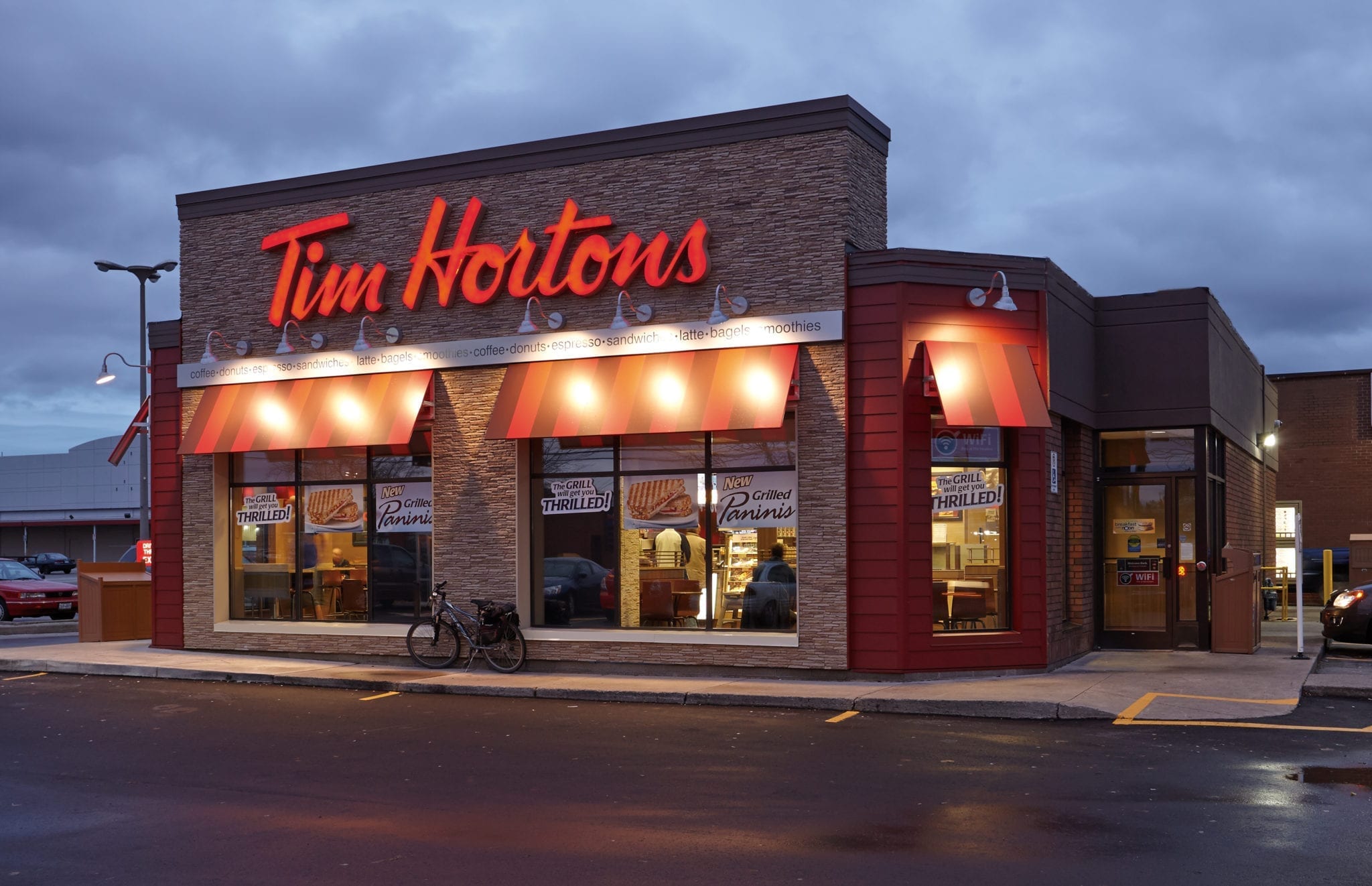
    Tim Hortons China (Tims China) is ready to further expand its presence in the Chinese market by entering a strategic partnership with Metro China, a joint venture of Wumart and Metro.

    Under the terms of the partnership, Tims China will become the exclusive coffee shop brand in Metro stores across the country.

    Tims China CEO Yongchen Lu said: “Through this agreement, we can reach millions of new customers to share our welcoming guest experience and extensive high-quality product offerings.

    “Over the next few years, we plan to strategically open Tims Go coffee shops in Metro China stores across 60 cities, growing our brand, revenue, and margins.”

    To mark the beginning of this partnership, Tims China opened seven Tims Go coffee shops across four cities using Tims China’s compact-store model.

    By next January, the partners intend to open at least nine Tims Go shops across six Chinese cities, namely Shanghai, Chengdu, Qingdao, Nanjing, Langfang, and Dalian.

    Additionally, the partnership will benefit Tims China with preferred site selection, delivery services, and complimentary marketing initiatives.

    With the new openings, Tims China will operate more than 335 stores across the country.

    Metro China deputy CEO Chen Zhiyu said: “We are delighted for Tims China to become one of our anchor tenants as we believe the brand will bring convenience and quality coffee products at great value to our members.

    “Our partnership will also create a strong link between daily shopping and coffee consumption in our stores that will greatly improve the overall shopping experience for our middle-class customers.”

    In March, Tims China secured funds in a financing round that was led by Sequoia Capital China and Tencent Holdings.

  • McDonald’s Malaysia plans to open 200 more outlets

    McDonald’s Malaysia plans to open 200 more outlets

    McDonald’s Malaysia is set to roll out 200 stores across the country, increasing its nationwide network to 500 by the end of 2026.

    MD and local operating partner, Azmir Jaafar, told local reporters that the fast-food chain is hiring 10,000 workers as part of its expansion plan. New locations will be opened away from the 310 existing ones.

    McDonald Malaysia has also committed to serving halal food across all its restaurants. The chain established an internal halal committee in 2013 to monitor full compliance with the standards and guidelines imposed by the Department of Islamic Development Malaysia (JAKIM).

    “This committee works closely with relevant officials at JAKIM to obtain advice and guidelines for the preparation of halal, quality and clean food,” Jaafar said. “The committee is also responsible for employee training to provide a clear understanding of the concept of halal.”

    Since its launch in Malaysia in 1983, McDonald has employed 15,000 employees and served more than 13.5 million customers monthly.

  • JustKitchen expands into the Philippines

    JustKitchen expands into the Philippines

    Ghost kitchens operator, JustKitchen, has expanded its presence into the Philippines through a joint venture with TDG Ventures (TVI).

    Named ‘JV Co’, the joint venture will be the exclusive operator of the JustKitchen brand and distributor of its products in the country. The launch is part of JustKitchen’s global expansion plan, which will see kitchens opening in markets including Japan, Singapore, Malaysia and Vietnam next year.

    “Forming this joint venture with TVI to enter the Philippines market is a significant milestone for JustKitchen as it marks the third country in which our company will be operating in just a short period,” said Jason Chen, co-founder and CEO.

    “With our home base in Taiwan, established operations in Hong Kong, and the addition of this large population to our customer base, we continue to execute on our international growth plan to bring JustKitchen’s unique operating model, portfolio of food brands, and technology stack to new markets,” he said.

    Under the partnership, JustKitchen will maintain a 51 percent ownership interest in JV Co with the remainder owned by TVI. The joint venture will develop the infrastructure necessary to replicate the operating model from Taiwan and shall lease out kitchens to sub-franchisees. Ghost kitchen operation is expected to begin in the first quarter of next year.

  • Haidilao to close 300 restaurants as Covid curbs eating out

    Haidilao to close 300 restaurants as Covid curbs eating out

    China’s biggest hot pot chain Haidilao is slowing its rollout of new restaurants and increasing diversification of its fare, tempering its rapid expansion during the coronavirus pandemic to cope with a subsequent slump in consumer spending.

    Haidilao, which became so popular in recent years that it appeased customers in hours-long queues for its soups by providing free manicures, snacks and shoe shines, is at the forefront of reckoning in China’s restaurant industry post-pandemic.

    The chain has seen falling table turnover rates and profits as consumers dine out less and new stores cannibalize business at older locations.

    “We will open stores based on market demand, and compared to before, will appropriately slow down our opening pace,” the company said in a written response to Reuters’ questions about its strategy.

    China’s catering industry shrank 4.5% in August, before recovering for growth of 3.1% last month. Analysts said it will likely remain volatile for some time amid the country’s broader patchy economic recovery.

    “This year, fresh waves of the epidemic happened repeatedly, and passenger flow in commercial areas is volatile, affecting the recovery of core business indicators,” Tianfeng Securities wrote in a research note last month.

    Haidilao was initially undeterred by the pandemic, embarking on an expansion drive in early 2020 that has doubled its outlets since then to almost 1,600 currently. It did so by snapping up sites left behind by vacating weaker players, often helped by deep discounts offered by landlords.

    But that expansion pushed Haidilao’s table turnover rate down to 3.0 – or three sets of customers per day on average – in the first half of this year, from 4.8 in 2019.

    Xiabu Xiabu, another Hong Kong-listed Chinese hot pot chain, has said it plans to shut 200 of its 1,010 stores after losing 50 million yuan ($7.76 million) in the first half of 2021.

    Haidilao’s share price has fallen to around HK$30 from a record high of HK$86 in February.

    “The company will need to create demand going forward, which is more challenging than fulfilling demand,” China Renaissance analysts wrote in an August note.

    to turn its fortunes around, Haidilao has opened more than 10 outlets specialising in fast food such as noodles and dumplings, moving beyond the hot pot, the signature dish of southwestern Sichuan province where the company was founded 27 years ago.

    However, with a maximum of just five stores each and an average spending per guest of 10 to 20 yuan – versus 107.3 yuan for the Haidilao restaurants – the sub-brands contributed just 0.5% to first-half revenue.

    Haidilao last month closed a potato noodle restaurant less than a year after opening it in the central city of Zhengzhou, without publicly citing a reason.

    In other diversification attempts, the company has opened bars in three of its Beijing restaurants and is promoting its delivery service, a unit where revenue initially rose during the pandemic.

    However, delivery revenue dropped from 409.6 million yuan, or 4.2% of total revenue, in the first half of 2020 to 345.7 yuan, or 1.7% of total revenue, in the first half of 2021.

    “(Eating) hot pot has a strong social feature so people are less likely to order hot pot at home,” said Zhu Danpeng, an independent food industry analyst.

    Haidilao opened a store on Alibaba’s marketplace Tmall several months ago to sell items including lipsticks inspired by its soup bases with names such as “capsicum rouge” and “summer tomato”.

    Zhu said Haidilao’s multi-brands strategy was the right move but the company did not have a lot of room for growth: “Haidilao has reached a certain phase with its development, as a man has reached his middle age.”