Tag: Food

  • Kraft launches vegan Mac & Cheese

    Kraft launches vegan Mac & Cheese

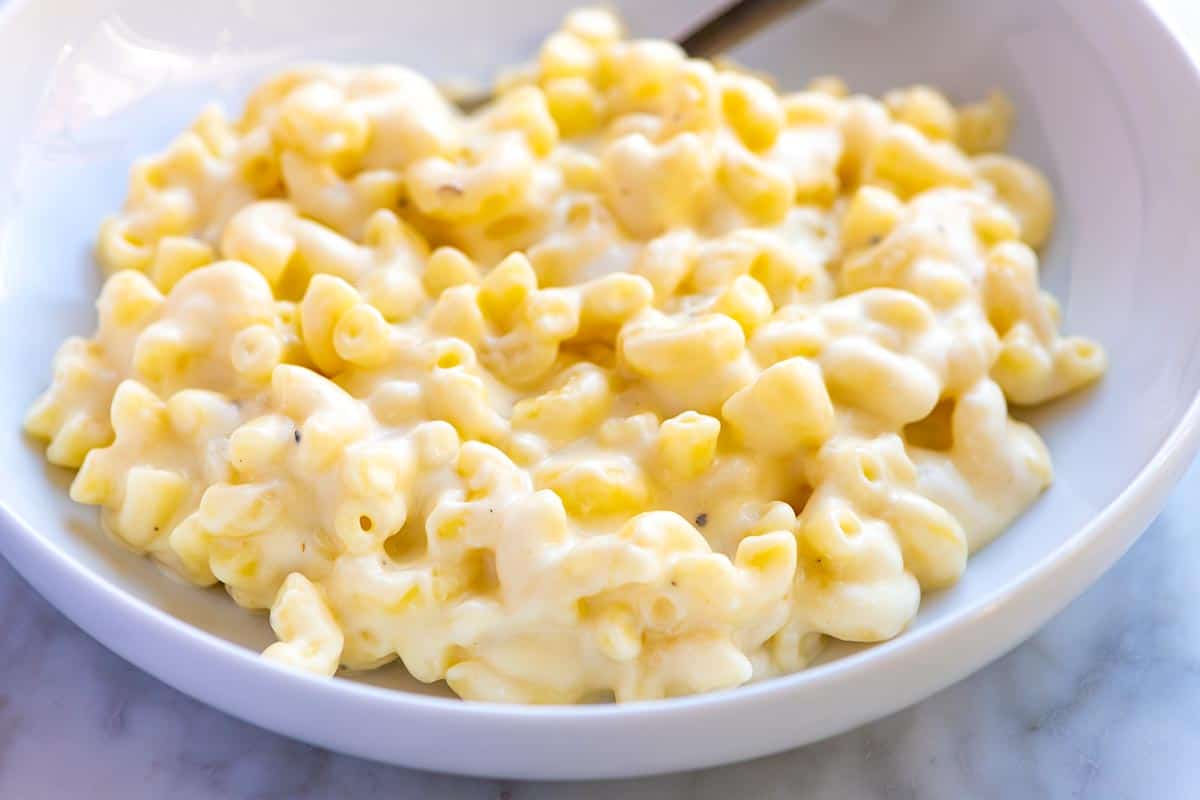
    After researching plant-based alternatives for its Philadelphia cream cheese, international food conglomerate Kraft has released a vegan version of its classic Mac & Cheese box. Gluten-free and vegan-certified, the new product is available via Woolworths supermarket in Australia – though it is currently sold out.

    Excitement grew on social media as it flooded with images and posts about a vegan version of Kraft’s iconic Mac & Cheese boxes, but little information has been forthcoming regarding the launch. Now known as Kraft Heinz, the multinational has been slow to move in the plant-based market, but did launch vegan mayo and salad dressing options last year

    The new Mac & Cheese Vegan is perfect for quick dinners and is free from artificial colours and flavours. Made with rice flour pasta and a dairy-free sauce, the cooking instructions also suggest using a plant-based milk in place of cow’s milk.

    Kraft has yet to release information about whether the product will be made available in other markets.

  • Let shippers deliver food, says Grab

    Let shippers deliver food, says Grab

    Delivery app Grab wants food delivery services resumed in Hanoi since they help reduce the number of people gathering to fulfill various needs.

    “Since Hanoi authorities have been limiting the number of people at supermarkets and retail locations to lower the risk of contagion, services like GrabFood, GrabMart and GrabExpress have provided valuable assistance,” it said in a proposal, referring to its food, retail and parcel delivery services.

    They could help meet the city’s desire to ensure adequate supply of essential goods, it said.

    It assured its delivery people would meet social distancing requirements and it would limit delivery to essential items.

    Hanoi on Saturday ordered five ride-hailing and delivery platforms, Grab, Gojek, Be, MyGo and FastGo, to suspend their services, but still let other delivery platforms operate.

    Grab said the decision was inconsistent with the city’s policies and feared could cause unfair competition.

    Hanoi began a 15-day social distancing order starting 6 a.m. Saturday amid rising coronavirus concerns in both the capital and nationwide.

    It has recorded over 900 cases in the latest wave.

  • Snackinar beef strips offer natural snacking alternative to jerky

    Snackinar beef strips offer natural snacking alternative to jerky

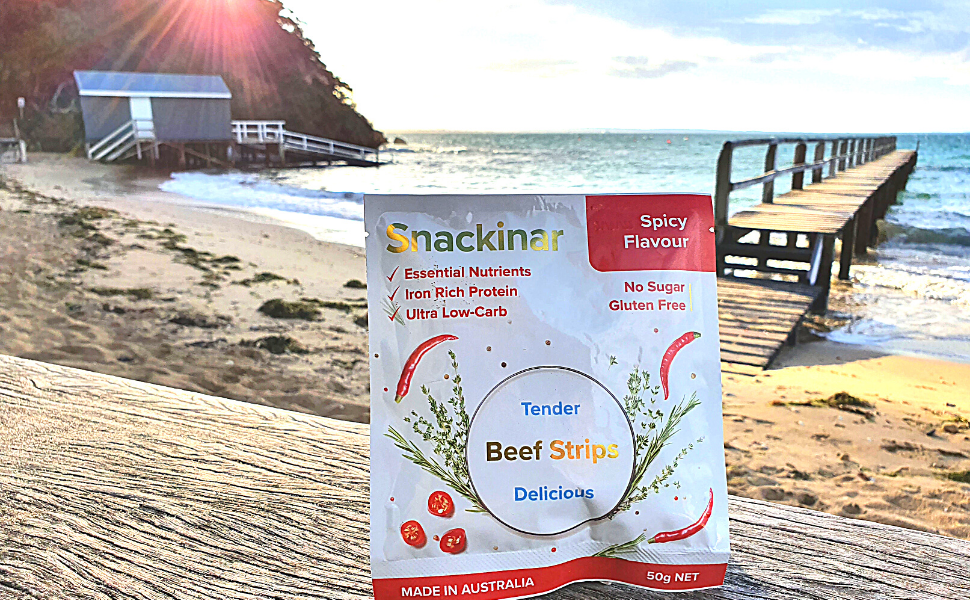
    As more consumers seek healthier options, Snackinar, a new brand in the Australian beef industry, has launched a range of ready-to-eat meat snacks called Beef Strips.

    An alternative to beef jerky, the ready-to-eat meat snacks use only natural seasonings like herbs, spices, salt, garlic, and chemical additives, said Snackinar.

    According to founder Michael Hearne, the Beef Strips were developed in search of great-tasting and convenient protein snacks – sans the sugar.

    “Snacks have typically undermined that, and almost all of the high-protein options available today are laden with carbs, which we know is basically sugar. You might as well eat chocolate,” said Hearne.

    “Snackinar products are high in protein and essential nutrients without the sugar. For me personally, it’s the perfect post-exercise snack, and I’ve heard they’re a nice change from cheese when sipping wine.”

    Snackinar Beef Strips are currently available on Amazon Australia.

  • SunRice’s $4.5 million factory upgrade boosts rice quality

    SunRice’s $4.5 million factory upgrade boosts rice quality

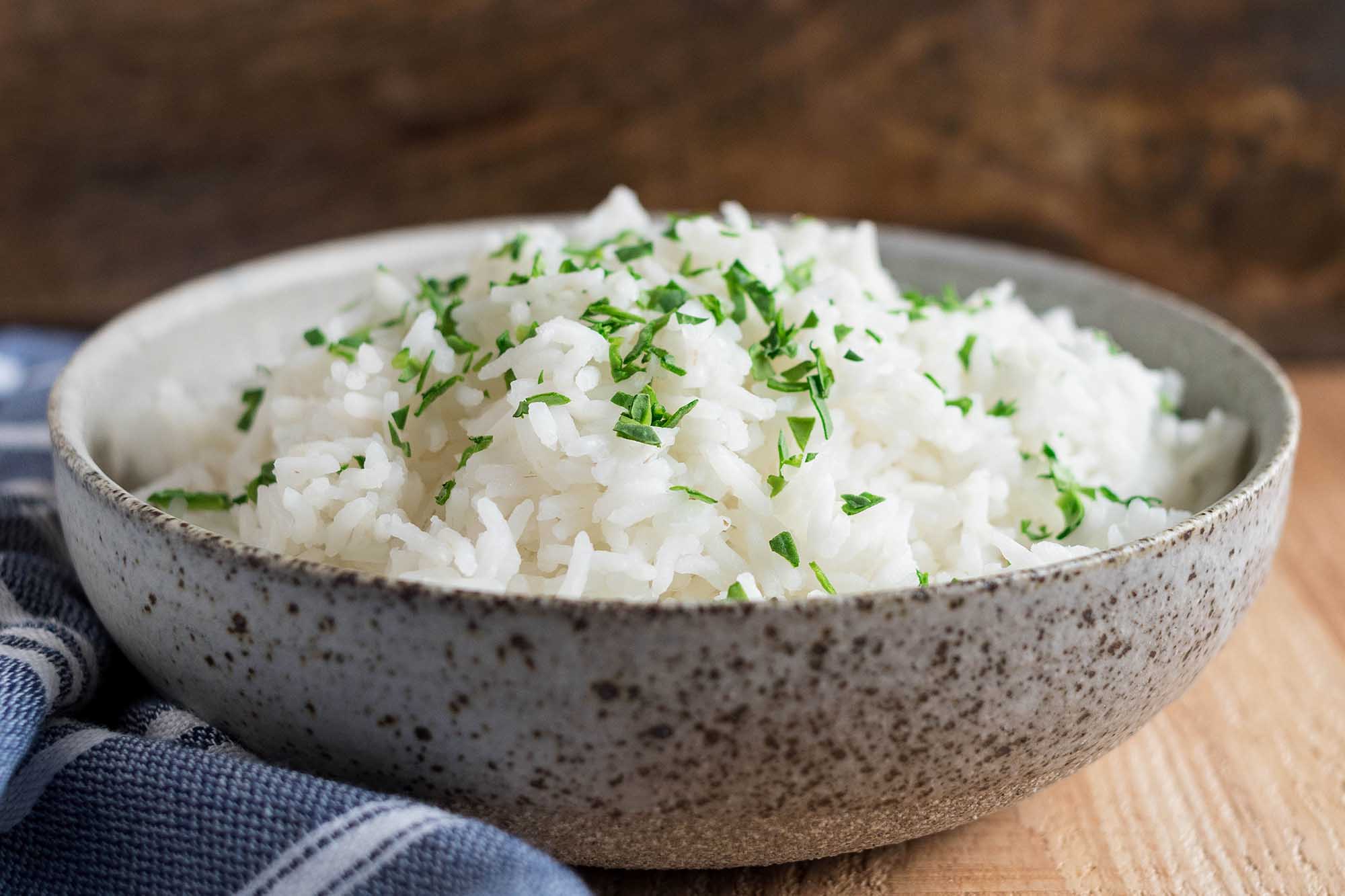
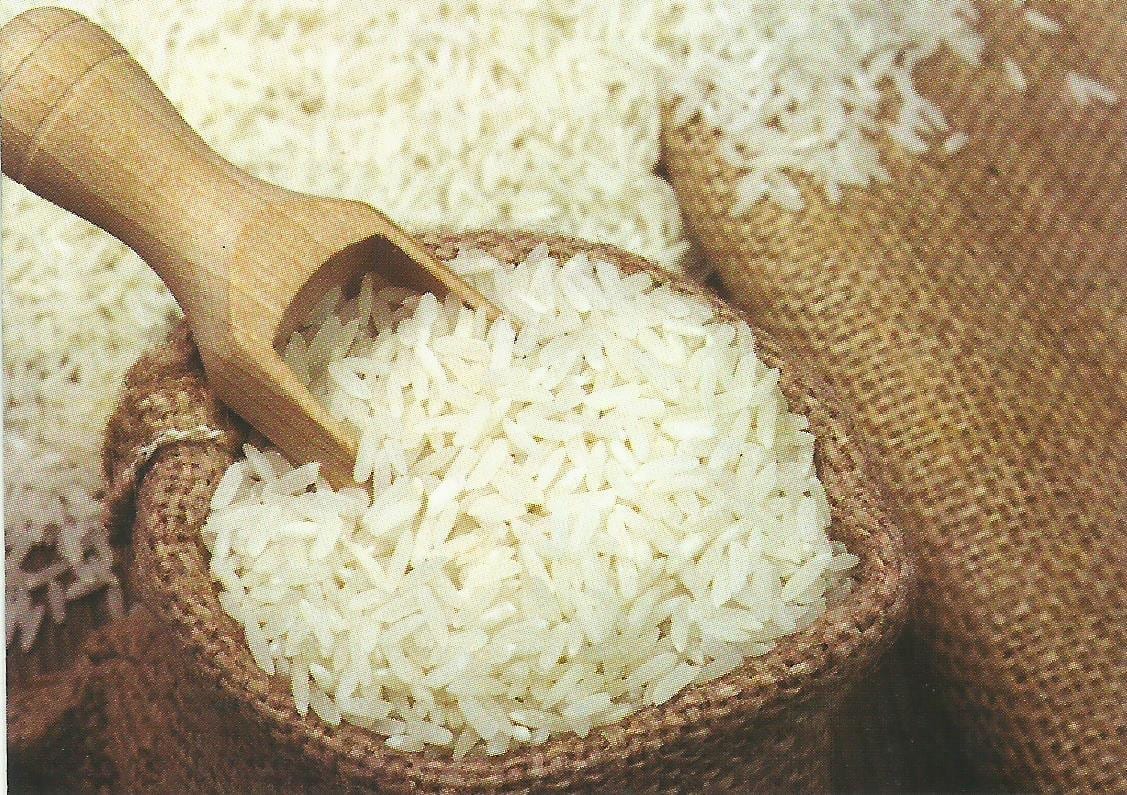
    SunRice has upgraded its classic microwave pouch range, seeking to offer consumers more “fluffier, softer, and tastier” rice than before.

    The improved product is the result of a $4.5 million investment to improve its factory in Leeton to enhance product quality and reduce energy and water consumption.

    According to the company, the upgrade is part of a broader commitment to continuous improvement and offering consumers the highest quality rice possible, especially during the cooler months where rice becomes a staple in Australian households.

    “SunRice continuously reviews opportunities to improve our much-loved products, and the new production technique for our microwave pouches will impart a finer eating experience of softer, fluffier, and tastier rice for all rice lovers than we have ever provided – endorsed through consumer testing and research,” said Andrew Jeffrey, head of marketing, SunRice.

    New packaging designs have been unveiled to reflect the innovation. The brand’s standard microwave cups and SuperGrains microwave cups have been upgraded so that customers can easily identify the variants across the range.

    SunRice’s classic microwave pouch range is available in Brown Rice, Brown & Quinoa, Basmati, Long Grain, and Jasmine at Coles, Woolworths, and independent supermarkets nationwide.

  • With 3D printed ‘steaks’, Spanish startup eyes the mass market

    With 3D printed ‘steaks’, Spanish startup eyes the mass market

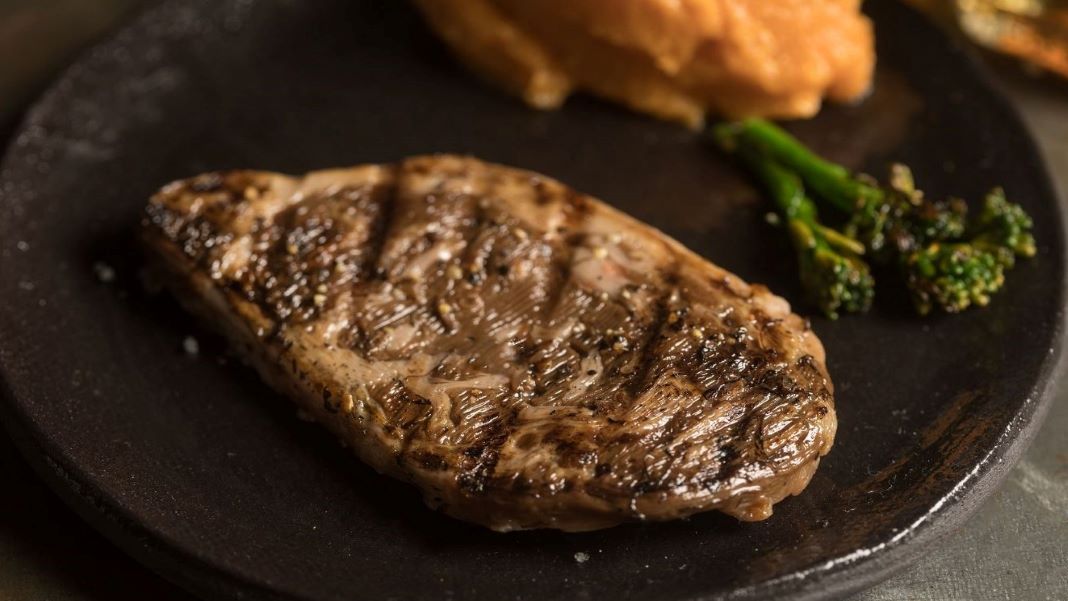
    As demand for plant-based alternatives to meat rises, Barcelona-based startup Novameat is using its 3D printing technology to manufacture vegetarian “steaks” that it hopes will reach the mass market next year.

    Novameat plans to sell its “steaks” directly to consumers and to businesses such as restaurants interested in producing plant-based meat, business development manager Alexandre Campos said.

    The Spanish company, which developed its technology in 2018, was showing how its latest 3D printer produced food at Barcelona’s Mobile World Congress (MWC).

    “It didn’t have the feeling of a traditional steak but I was positively surprised because I did not expect that the texture would be so well achieved,” said Ferran Gregori, after trying one of the “steaks” printed at Novameat’s stand at the world’s largest telecoms gathering.

    The company uses 3D technology to test recipes, introducing ingredients through capsules because it is a cheaper process than mass-producing, Campos said.

    Once a model is considered successful, it could then be produced on a larger scale in bigger machines not using 3D technology, manufacturing up to 500 kg of fake meat per hour, he added.

    Campos said the startup’s aim had been to recreate the muscle fibers of animal meat but using 100% plant-based ingredients. He forecast the plant-based industry would keep growing at double-digit rates in the foreseeable future.

    The company also said it was producing fake meat for environmental reasons.

    “We seek to replace animal meat for something that is better for the planet, ourselves and animals,” Campos said.

  • Uber CEO Makes Deliveries For Uber Eats In San Francisco

    Uber CEO Makes Deliveries For Uber Eats In San Francisco

    Uber CEO, Dara Khosrowshahi, delivered food to people’s doorstep in San Francisco for those ordering from Uber Eats. He completed 10 trips and managed to rake in $98.91. He tweeted about this from his personal handle saying “Spent a few hours delivering for @UberEats. 1. SF is an absolutely beautiful town. 2. Restaurant workers were incredibly nice, every time. 3. It was busy!! – 3:24 delivering out of 3:30 online. 4. I’m hungry – time to order some”

    While it was great to see the CEO of the company getting into the groove and making deliveries, Twitter absolutely erupted calling this a ‘PR stunt’

    User Dan Skelley who has been the most vociferous of the lot in calling it a PR stunt questioned the stats presented. He said “Let’s discuss ur BOGUS stat page. U did 10 orders ON A BIKE in 3 hrs 24 min. First, U can’t get 45pts for 10 trips. Max is 30. U imply 1ride/18 min incl travel time to the pickup with no waiting. Short travel time EVERY time to perfect dropoff EVERY time + only 6 min of downtime”$

    Twitterati Brice Sopher too spoke out about the experience saying “Wow what a surprising conclusion that you, the ceo of Uber, had a great experience working this job. Now try doing it as your only source of income.

    There were many such replies questioning this exercise by the Uber CEO, suffice to say, that though it was all well-intentioned, there’s no wondering how social media will react to it.

  • Unilever buys digital-first skincare brand Paula’s Choice

    Unilever buys digital-first skincare brand Paula’s Choice

    Unilever is to add digital-led skincare brand Paula’s Choice to its portfolio after reaching a purchase agreement with TA Associates.

    The value of the deal – expected to be completed in the third quarter this year – has not yet been disclosed. According to Unilever, Paula’s Choice will join its Prestige division which manages other skincare brands such as Tatcha, Murad, and Dermalogica.

    “Developing Unilever’s portfolio in the high-growth premium skin-care segment is one of our strategic priorities,” said Sunny Jain, president of beauty & personal care at Unilever.

    “Paula’s Choice is a true pioneer in the digital space for beauty and has created a mission-based brand rooted in truth and transparency,” said Vasiliki Petrou, VP and CEO of Unilever Prestige.

    Founded in 1995 by Paula Begoun, the direct to consumer brand Paula’s Choice is known for its science-backed products and digital tools, including its ‘Ingredient Dictionary’ that breaks down the research behind nearly 4000 ingredients, and ‘Expert Advice’, a curated online hub of skincare and ingredient knowledge.

  • JBS Foods paid hackers US$11 million to end ransomware attack

    JBS Foods paid hackers US$11 million to end ransomware attack

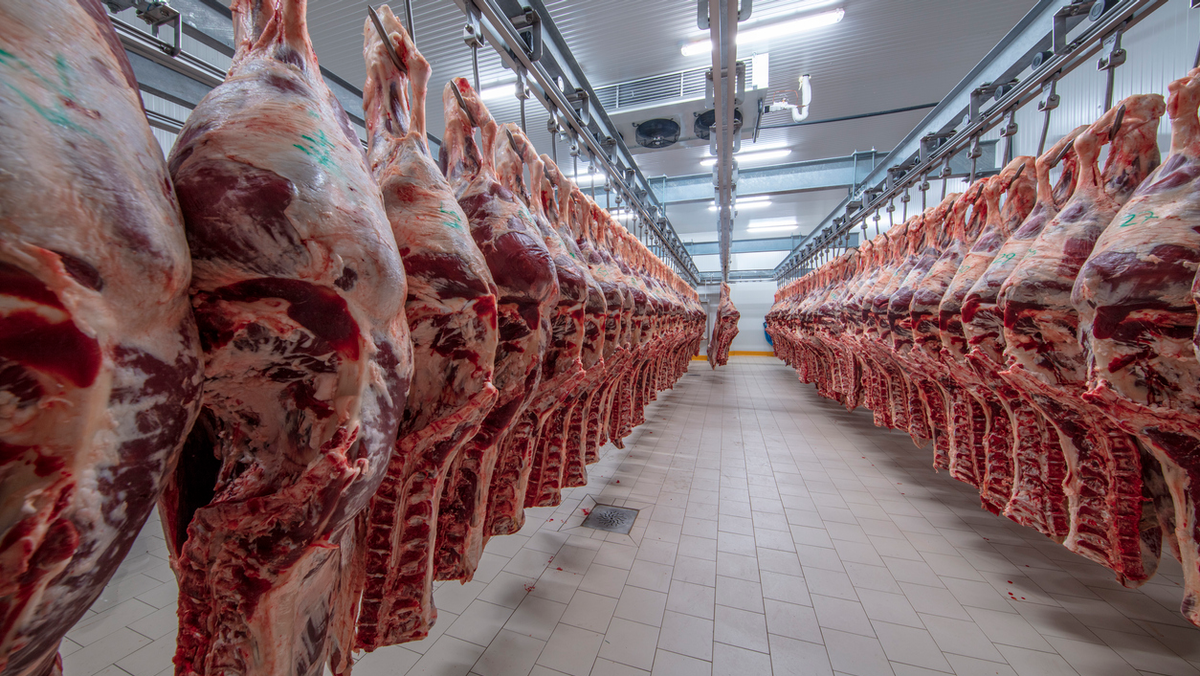
    Meatpacker JBS USA paid the equivalent of $11 million ransom in a cyberattack that disrupted its North American and Australian operations, the company’s CEO has said in a statement.

    The subsidiary of Brazilian firm JBS SA halted cattle slaughtering at all of its US plants for a day last week in response to the cyberattack, which threatened to disrupt food supply chains and further inflate already high food prices.

    The cyberattack followed one last month on Colonial Pipeline, the largest fuel pipeline in the US. It disrupted fuel delivery for several days in the nation’s Southeast.

    The JBS meat plants, producing nearly a quarter of America’s beef, recovered faster than some meat buyers and analysts expected.

    “This was a very difficult decision to make for our company and for me personally,” said Andre Nogueira, CEO of JBS USA of the ransom payment. “However, we felt this decision had to be made to prevent any potential risk for our customers.”

    The Brazilian meatpacker’s arm in the US and Pilgrims Pride Corp, a US chicken company mostly owned by JBS, lost less than one day’s worth of food production. JBS is the world’s largest meat producer.

    Third parties are carrying out forensic investigations and no final determinations have been made, JBS said. No company, customer or employee data was compromised in the attack, it said.

    A Russia-linked hacking group is behind the cyberattack against JBS, a source familiar with the matter said last week. The Russia-linked cyber gang goes by the name REvil and Sodinokibi, the source said.

    The Wall Street journal reported on Wednesday that the JBS ransom payment was made in bitcoin.

    The Justice Department on Monday recovered some $2.3 million in cryptocurrency ransom paid by Colonial Pipeline Co, cracking down on hackers who launched the attack.

  • Tyson Foods to launch plant-based foods in Australia

    Tyson Foods to launch plant-based foods in Australia

    Tyson Foods, the largest meat processor in the US, says it plans to launch plant-based products in Asia Pacific, including Australia.

    A range of three products will go on sale in Malaysia imminently under the First Pride brand – frozen Bites, Nuggets and Strips made with regionally sourced ingredients including bamboo fibre, soy protein and wheat protein. They will be halal certified.

    Tyson Foods said in a statement it would expand the range into other selected markets across the Apac region through retailers and online during the coming months.

    This is the first time the company has introduced plant-based products in Asia-Pacific. The company will go head to head against Impossible Foods, Nestle and Beyond Meat, along with  Omni-branded products from Hong Kong-based plant-based startup Green Monday.

    Demand for plant-based foods is surging across Asia Pacific, with manufacturers seeing a leap in sales during the Covid-19 pandemic.

    Data from Euromonitor cited by Tyson Foods predicts alternative proteins could account for 11 percent of the global protein market by 2035. APAC retail sales of meat substitutes reached US$16.3 billion last year and are expected to exceed $20 billion by 2025.

    Tan Sun, president at Tyson Foods APAC, said the company was targeting consumers embracing flexitarian diets.

    “Our plant-based launch will complement our existing assets across Thailand, Malaysia and Australia where we offer a range of products from poultry to beef.”

    He said the Asian market is a natural fit for this category with traditional plant-based products like tofu already entrenched in the culture. “The key to meeting consumer preferences with new plant-based protein is through innovation and making locally relevant products that taste great, which is our expertise,” he said.

    “Our new product expansion delivers on taste and quality, giving consumers a modern take on familiar tastes, local flavors and texture.”

    Tyson Foods says the flavors of products and package sizes will vary from country to country but would be “priced competitively”. The initial range sold in Malaysia will be sold in 420g bags priced at RM19.90 (US$4.81). They will be launched initially in retail stores, but a foodservice range will be developed later in the year.

    David Ervin, VP of alternative protein at Tyson Foods said the company’s global culinary network and scalability positions it well to replicate the success it has had in the US with plant-based foods in Asia Pacific.
  • David Jones Food review leads to end of BP partnership

    David Jones Food review leads to end of BP partnership

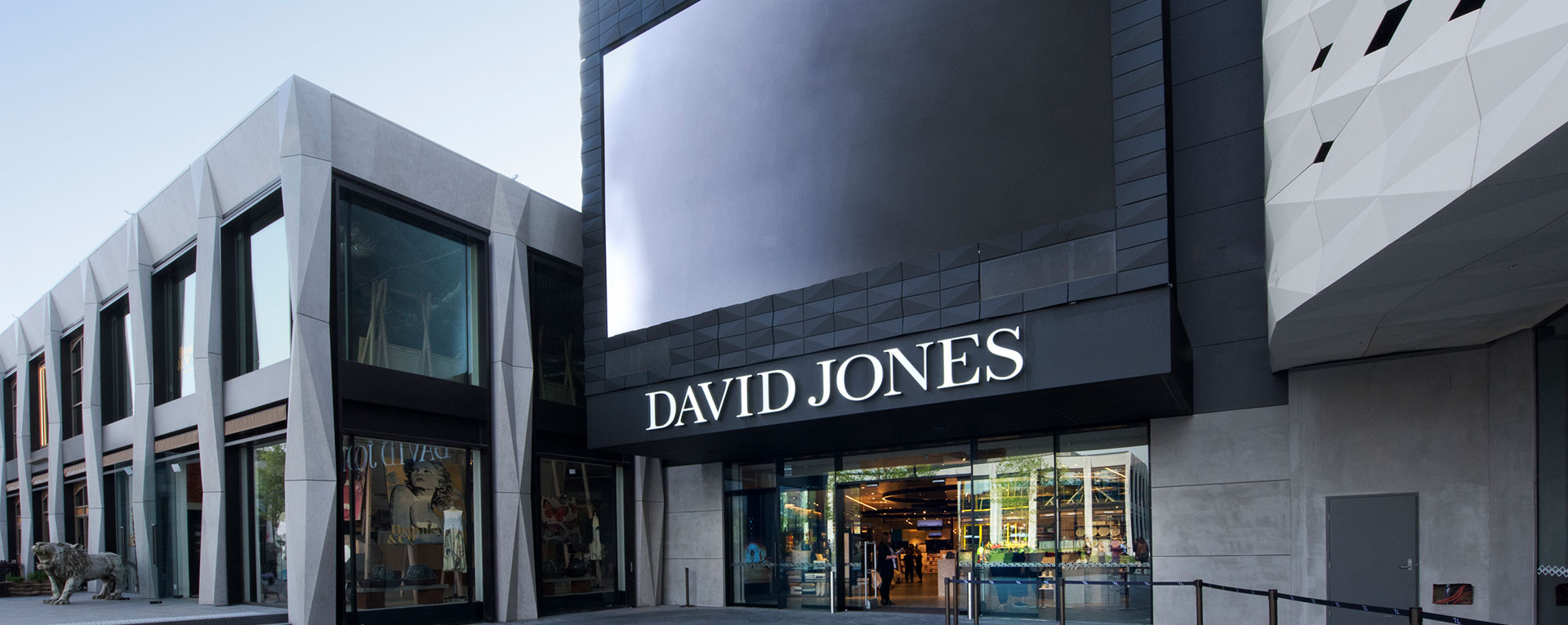
    Following a review of David Jones’ food business, which was signaled by chief executive Scott Fyfe in March, the department store’s partnership with convenience chain BP is ending.

    The 35 dual-branded sites built over the past year will be transitioned in the coming months as DJs continues to streamline its Food business.

    “Our organizations have collectively agreed to work through a managed transition that will see our relationship end in the coming months,” a BP spokesperson said.

    “We know the needs of consumers are changing and we are excited by the growth opportunity this presents for BP in Australia.

    “A differentiated offer which is delivered well clearly resonates with our consumers, who lead busy lives and want easy access to healthy and delicious food.”

    David Jones, on the other hand, will refocus its food efforts toward bespoke Food Halls in its Elizabeth Street and Bondi Junction locations, as well as its pantry and seasonal ranges.

    “We thank BP for its strong collaboration throughout the partnership and wish the business all the best in the next phase of its development,” a David Jones spokesperson said.

    “David Jones remains committed to delivering an exceptional food range reflective of our customers’ needs and preferences while reducing cost and enhancing overall business performance.”

    The issue seems to have stemmed from David Jones’ failure to make a profit from its Food ventures, with parent company Woolworths Holdings group chief executive Roy Bagattini stating the business has “not transitioned fast enough“ during an analyst call last September.

    And, that while the David Jones Food convenience locations were progressing well, the larger format David Jones Food business trades at a loss.

    At a minimum, Bagattini said he hoped a review would get the food business to a break-even position by the 2022 financial year.

  • Coles launches own-brand premium pet food range

    Coles launches own-brand premium pet food range

    Supermarket chain Coles has launched a new premium pet food range called ‘Elevate’, recognizing Australians’ growing pet ownership.

    Coles said the new range, which features 19 products, was scientifically developed to cater to dietary requirements and health concerns, from digestive support for dogs to hairball and urinary care for cats.

    “We worked closely with pet nutritionists to develop a range that featured vital nutrients and health benefits typically found in top brands without compromising on price,” said Jonathan Torr, GM at Coles.

    Pet nutritionist, treasurer of the Pet Food Industry Association of Australia, and a member of the Australian Pet Food Standards Working Group, Scott Williams also helped to develop Elevate.

    “Food safety was paramount in everything we made for Elevate,” Williams said. “We tested all ingredients to understand their nutritional properties and meet the requirements set by the American Association of Feed Control Officials”.

    According to Coles, more than two-thirds of Australian households own a pet and the number is growing substantially each year. The supermarket also recorded more than 80 percent of pet owners purchasing pet food from its stores, showing the rising demand to this sector.

    “Research showed pet owners are spending $3.6 billion on dog and cat food per year,” Torr said. “In fact, the top two things our customers are looking for when purchasing pet food at Coles is health followed by budget.”

  • Rice exports cross $1 bln on higher prices

    Rice exports cross $1 bln on higher prices

    Vietnam has exported $1.01 billion worth of rice in the first four months of 2021, up 1.2 percent year-on-year, thanks to higher rice prices.

    The volume of rice exports during the period dropped 11 percent year-on-year to 1.9 million tons, according to the Ministry of Industry and Trade.

    However, as the average export price rose 13.4 percent year-on-year to $534 per ton, its value topped that of last year.

    The Vietnam Food Association has forecast that the nation’s rice export value will continue to rise because of higher selling prices.

    Vietnam plans to produce 43 million tons of paddy and targets exporting 6.5 million tons of rice this year, according to the Ministry of Agriculture and Rural Development.

    The nation was the world’s second-largest rice exporter last year at 6.25 million tons.

  • Habeco chairman blames low profit target on Covid-19

    Habeco chairman blames low profit target on Covid-19

    The chief of the company that produces Hanoi Beer, Habeco, expects sales to be hit badly by Covid-19 this year and profits to plummet to a decade low.

    The brewery targets post-tax profits of VND255 billion ($11 million), down 64 percent from last year.

    Its chairman Tran Dinh Thanh said a fresh outbreak of Covid-19 in January means tourism companies, hotels and restaurants continue to languish, directly causing a decrease in the sales of alcoholic beverages.

    The company’s revenues in the first quarter of this year were down 39.6 percent from the previous quarter to VND1.1 trillion ($48.5 million).

    Rising competition with many brewers introducing new products in the mid-priced market segment in which Habeco mainly operates is also a reason for falling sales, he said.

    “If the pandemic is contained this year, the company will definitely surpass the profit target.”

    It is striving to maintain its position as one of the biggest brewers in the northern and central regions, and working to expand its business in the south, he added.

    Last year, beer consumption fell 22.6 percent because of Covid-19 impacts as well as the impact of a law increasing fines for driving under the influence.

  • Foodpanda to drive Covid-19 vaccination awareness campaign across Asia

    Foodpanda to drive Covid-19 vaccination awareness campaign across Asia

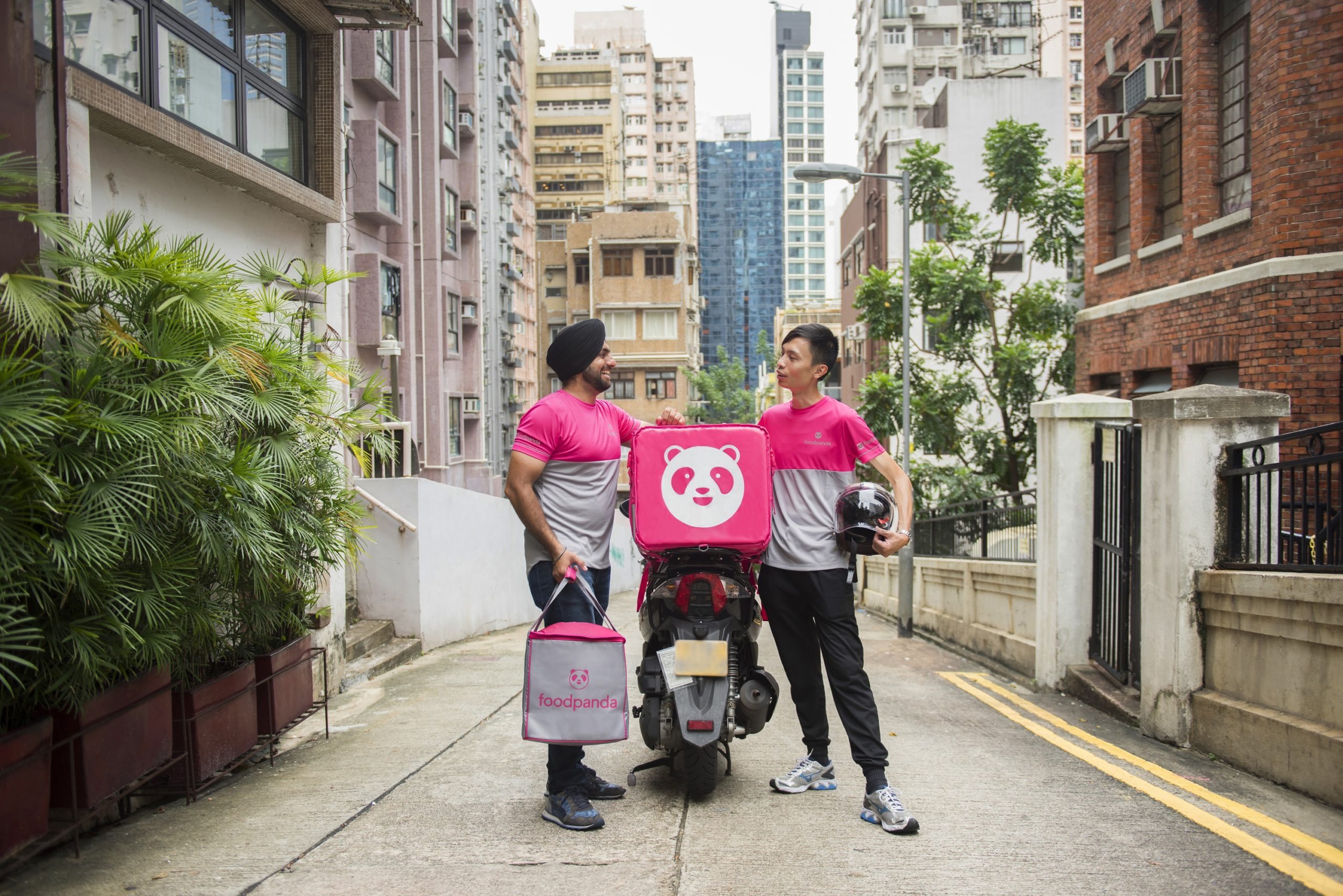
    Food and grocery delivery service Foodpanda has launched a Covid-19 vaccination awareness campaign across Asia in the lead-up to WHO’s World Immunisation Week. The campaign, which aims to reach more than 10 million people across Asia, will include a series of content across digital and social media channels, providing information and resources on local vaccination programs.

    It will be rolled out in phases across Singapore, Malaysia, Thailand, Hong Kong, Cambodia, Japan, Bangladesh, Pakistan, and the Philippines.

    “The region’s battle with Covid-19 is ongoing, and we have to stay vigilant on keeping our ecosystem safe,” said Jakob Angele, CEO of Foodpanda. “Leveraging existing channels with our network of riders, merchants, employees and customers, we can raise greater awareness around fighting misinformation and share information around local vaccination programs so that our entire delivery ecosystem can be informed and mobilized.”

    Besides its social media campaign, Foodpanda will also join hands with local authorities to support vaccination programs in Singapore, Cambodia, and the Philippines.

    “We will continuously explore ways to play a part in the fight against Covid-19.”

  • Hong Kong furniture retailer launches online food range

    Hong Kong furniture retailer launches online food range

    Hong Kong furniture retailer Pricerite has introduced its first online food range, Pricerite Food, fronted by Hong Kong rising star, actor Liu Junqian.

    According to the company, Pricerite Food’s philosophy is to promote a “slow living” lifestyle amid the influence of “fast-food culture”. The range is split into three categories: quality exclusive, traditional taste and Asian taste.

    “Our philosophy is to promote food culture and gradually change the life attitude of urban people,” the company said in a statement translated from Chinese.

    The range will be launched simultaneously in Pricerite’s online store and at nine physical outlets, including stores in Mong Kok Chong Hing, Kowloon Bay, North Point, and Yuen Long.

    As part of its launch campaign, Pricerite Food has introduced a video advertisement featuring actor Liu Junqian, who is also appointed as the brand spokesperson.

    The brand also rolled out ‘Pricerite Food Virtual Store’ at Hong Kong station, with selected ingredients printed on the top of the poster. Customers can shop directly by scanning the QR Code next to the product they want to order to enter the online store for self-service shopping.