Tag: Food

  • South Korean restaurants feel the pinch of surging delivery costs

    South Korean restaurants feel the pinch of surging delivery costs

    Higher demand for food delivery workers has ramped up the industry’s labor cost. The rapid growth of South Korea’s food delivery market during the COVID-19 pandemic has inadvertently caused a sharp rise in delivery fees, leaving small business owners and consumers struggling to cope with the added costs, Korea Bizwire reported.

    According to a government-issued report, the number of domestic delivery workers in South Korea has doubled in just three years, reaching 237,100 in the first half of 2022.

    Amidst surging demand for food delivery services, delivery companies have been struggling to secure enough delivery workers to meet the demand, compelling them to offer increasingly attractive pay packages. The higher cost of labor has been passed on to consumers through higher delivery fees.

    Companies such as Baemin and Coupang Eats paid delivery workers an additional fee of $1.54 (KRW2,000) to $1.92 (KRW2,500) per delivery in 2021 to secure their services. Some also offered prizes such as camping cars or pure gold.

    Popular delivery apps such as Baedal Minjok and Coupang Eats said they have had to raise their brokerage and delivery fees in response to rising labor costs.

    Consumers are paying almost the same amount for delivery as their food, with the average delivery tip based on the maximum distance being $3.84 (KRW5,000) in February. The average amount for Baemin delivery tips was higher at $4.46 (KRW5,810).
  • China begins large purchase of Vietnamese tra fish

    China begins large purchase of Vietnamese tra fish

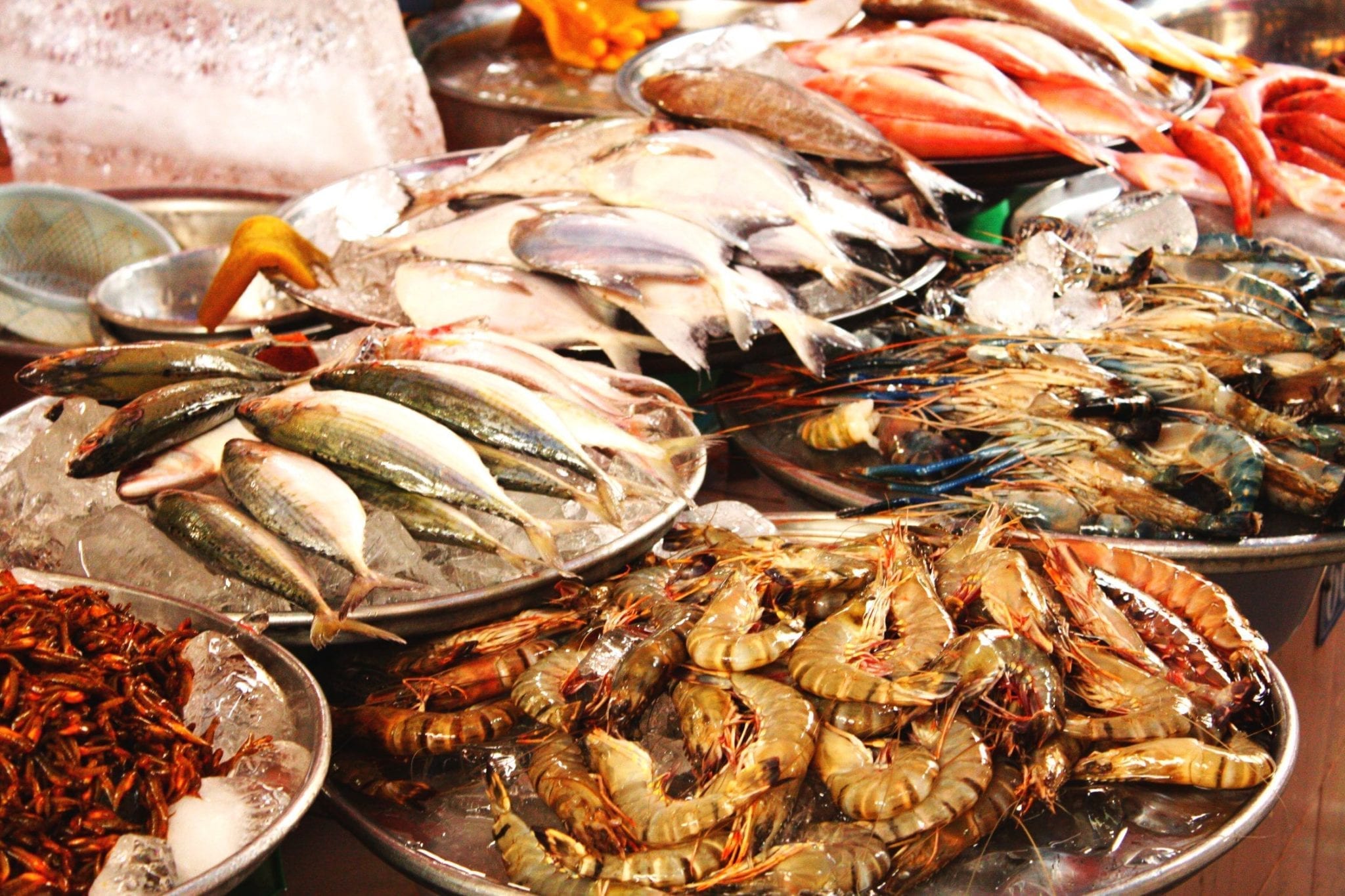
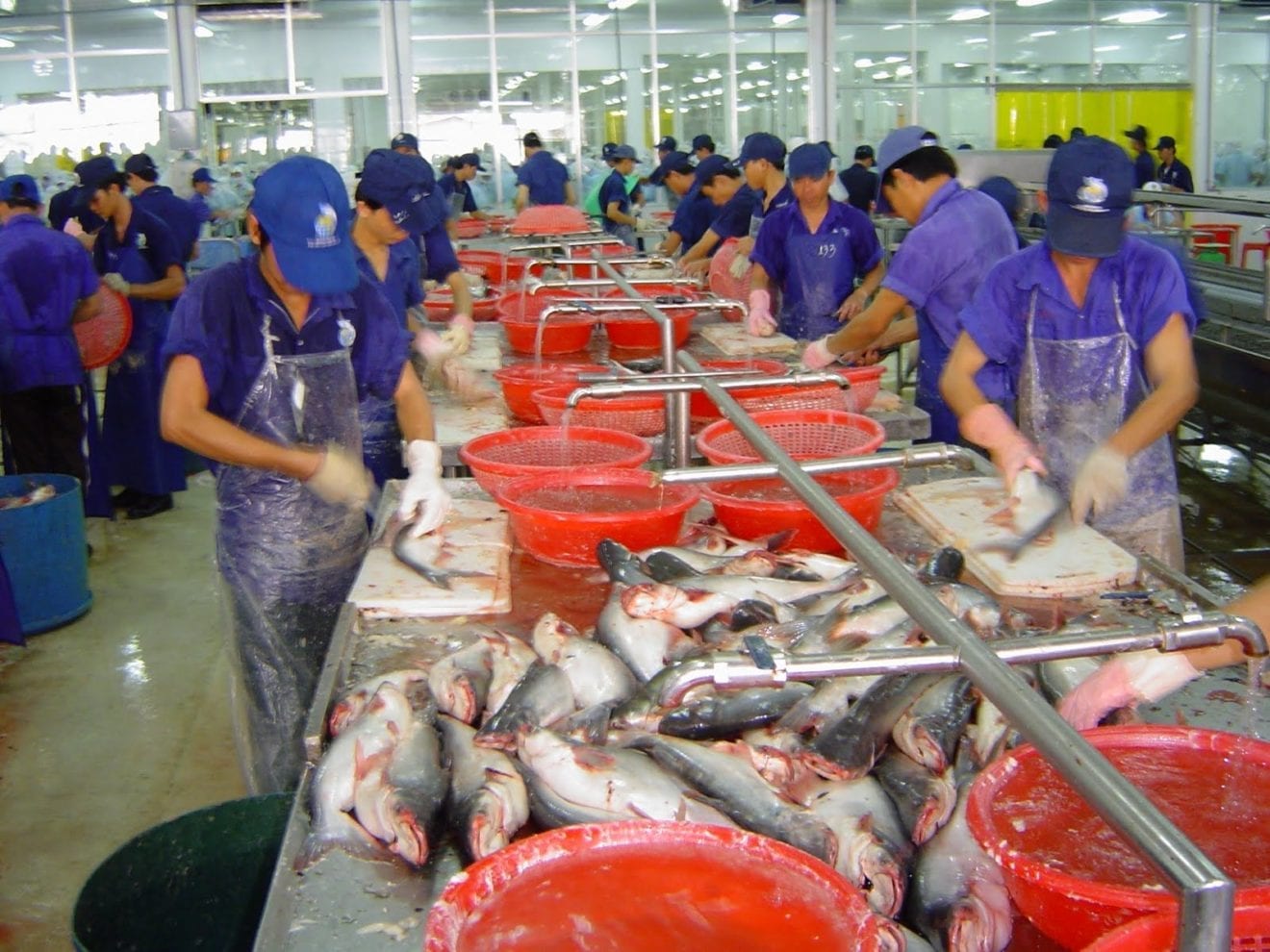
    A Chinese trader has imported 500 containers of tra fish weighing 12,000 tonnes from Vietnam right after China lifted its zero-Covid policy, showing a positive signal for the sector this year.

    China is the second biggest importer of Vietnamese tra fish, after the U.S. Last year, Chinese traders bought nearly 300,000 tonnes of the fish from Vietnam, with a total value of more than $700 million.

    Notably, the current price of fillets exported to this market ranges from $3.5 to 3.6 per kg – the best export price of this product – in the context of the global economic downturn.

    Vietnamese tra fish is now exported to 138 countries and territories worldwide.

    About 350 tra fish-raising establishments in the Mekong Delta region with a total area of nearly 3,120 ha have been certificated to meet Vietnamese Good Agricultural Practices (VietGAP) standards.

    According to the Vietnam Association of Seafood Exporters and Producers (VASEP), this year, tra fish exports are expected to surpass $2.4 billion – a record high set in 2022.

  • Japanese restaurant chain Zensho to buy Lotteria Japan

    Japanese restaurant chain Zensho to buy Lotteria Japan

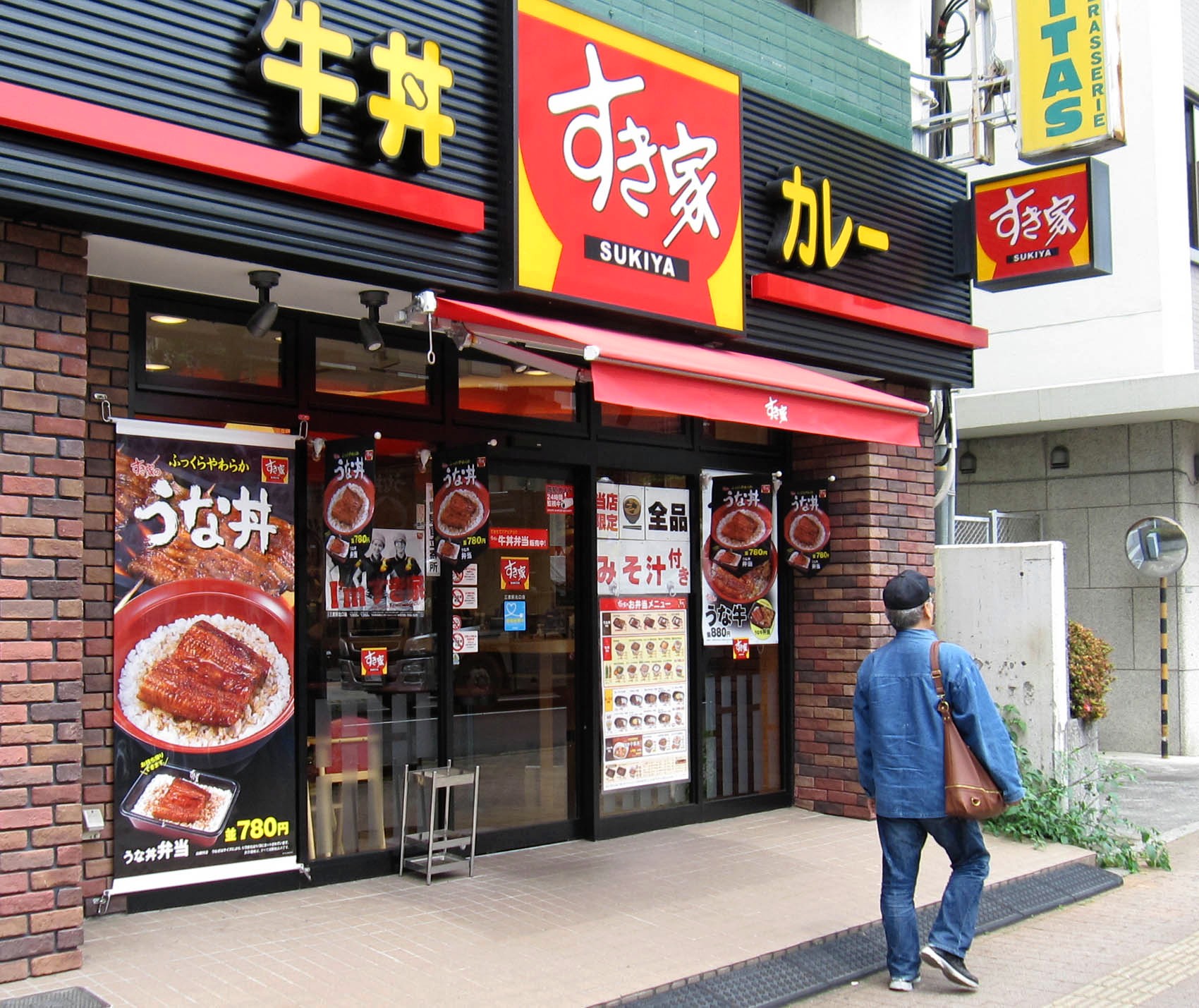
    Sukiya beef bowl chain’s operator, Zensho Holdings, is to acquire burger franchise Lotteria Japan from Lotte Holdings for an undisclosed sum.

    The deal is expected to be completed on April 1.

    Entering Japan in 1972 with the first store opened in Tokyo’s Nihonbashi, Lotteria had 358 stores across the country as of January 1.

    Zensho Holdings said it has decided to acquire the shares based on the judgment that the synergistic effect of its mass merchandising system and wide range of food business will contribute to the future expansion and development of Lotteria’s business.

    The deal is part of an operational restructuring by South Korea’s Lotte Holdings.

    “We believe this is the best option for Lotteria to pursue new growth,” Lotte Holdings said in an announcement.

    The company said the Lotteria brand will continue for a certain period after the transfer of the shares but the new owners may rename it in the future.

    As of March 31 2022, Zensho Holdings managed and developed 10,078 restaurants, with sales of about US$4.9 million. Its portfolio of brands includes Sukiya, Big Boy, Nakau, Victoria Station and Jolly Pasta. The company previously operated US burger chain Wendy’s restaurants’ in Japan.

  • Vietnamese delivery app on the brink of turning profitable

    Vietnamese delivery app on the brink of turning profitable

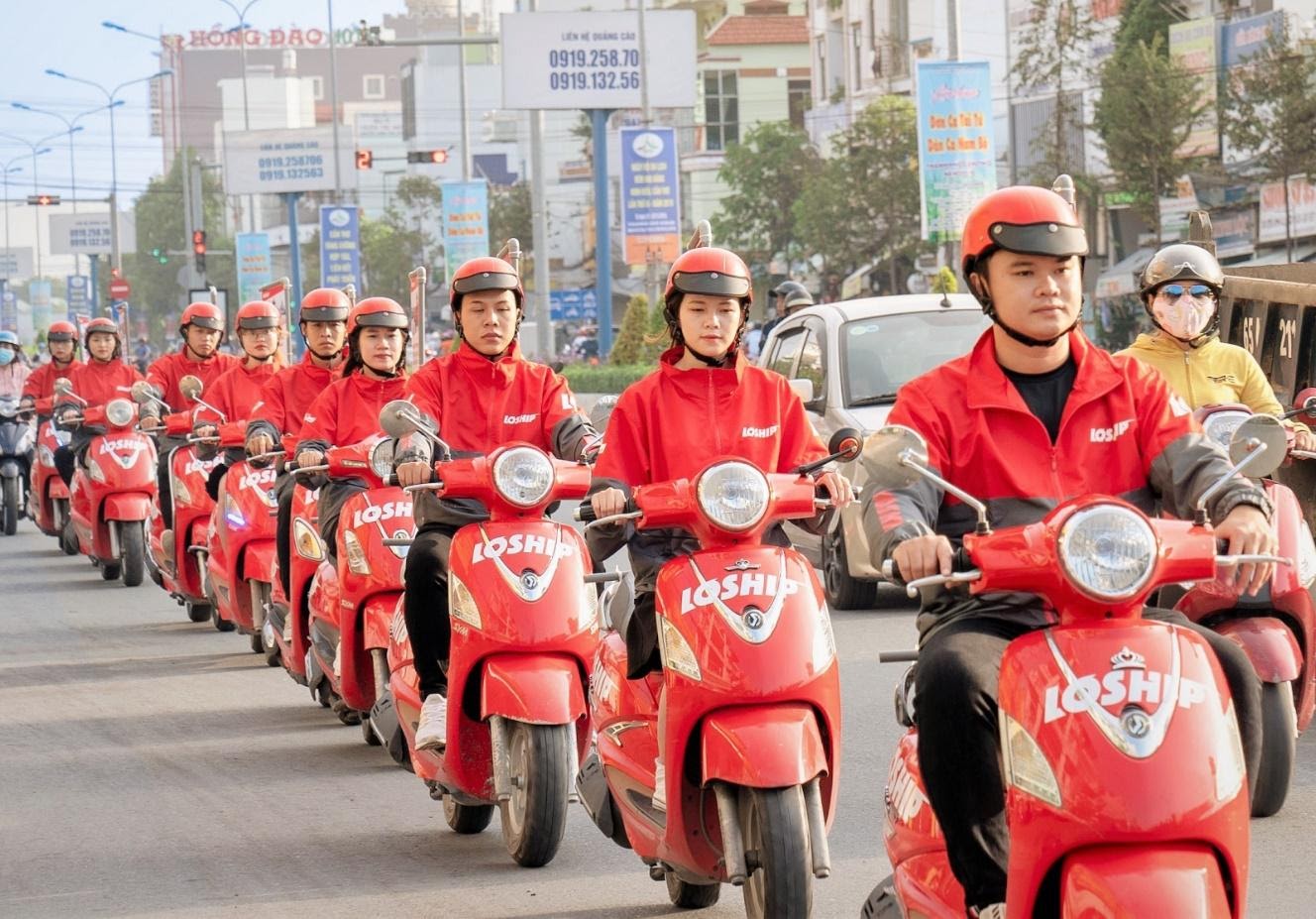
    Delivery startup Loship is confident it will make profits this year, something most of its competitors have yet to achieve.

    Nguyen Hoang Trung, CEO of one of only two delivery startups in Vietnam said that Loship suffers “very little” loss.

    Last year its revenues increased by 500% thanks to business optimization with 250,000 locations and more than five million customers.

    It expects to turn profitable this year.

    Losing money is the norm in the food delivery and ride-hailing industry.

    As of 2021, Grab Vietnam had chalked up cumulative losses of VND4.365 trillion (US$186 million). Gojek is also VND4 trillion in the red.

    Both incur huge selling expenses running ino trillions of dong.

    Trung said all other apps are also affected by Regarding the increase in gasoline price, this but “honestly not too much”. When the Russia-Ukraine war took place, it was a nightmare in the beginning. But so far, the gas price has not changed too much and it’s even cheaper than at the beginning of the crisis. It shows that gas price will continue to increase and then decrease. In the short term, this affects the income of shippers, but not in the long term.

    He said gasoline price increases have a knock-on effect on all prices, including restaurants’. But when they go down, other prices do not follow suit and remain high, and this causes people to gradually stop ordering food, which affects shippers, he said.

    Over time many shippers decide to stop working for apps, as is happening in places like China, Europe, the U.S., and India.

    In 2021 and 2022 Loship spent a lot of money on acquiring new customers, and so marketing costs accounted for over 60% of its expenses. This led to some differences of Loship from others in the market that weren’t “properly recognized” by the customers. One of these differences is that Loship offers free delivery within a certain distance.

    Trung and his team wondered if Loship would be any different from its competitors if they continued to do this. Existing users are still Loship users but they can also be using other apps. Realizing the problem, Loship began to cut its promotions, reducing costs.

    Trung explained: “No matter how big you are, there is always a limit. Money doesn’t fall from the sky.

    “Each company has a long-term strategy for the amount of money it has. The better their strategy, the more money in in their account. Then, even during difficult times they can afford to be generous to their customers.”

    To achieve the goal of breaking even this year Loship is prioritizing cash flows. Last year the company cut 50% of its payroll. Besides, from the second quarter all marketing activities essential ones were frozen.

    Trung thinks the reason Loship is approaching breakeven is that it has found the balance between customers, shippers and restaurant partners, something he admitted was not easy to achieve. Any increase in price could drive customers into the arms of another platform, and any cut in payments to shippers could cause them to take out their frustration on customers, he pointed out.

    In the next three years food delivery and supermarkets would still be the markets that have great competition. Apps would also offer additional services like their own e-wallets to increase convenience for users, he said.

    But he made it clear Loship has no intention of entering the fintech industry since that would require a big investment. Instead, they want to exploit the number of restaurant partners for raw materials supply.

    A recent report by iPOS, a platform that provides sales, operations, and human resource solutions for more than 100,000 restaurants and coffee shops, shows that the food delivery market in Vietnam grew three-fold since the Covid outbreak to VND29.9 trillion last year.

    More than 12 million people ordered food delivery through online platforms, with the number growing annually at 17.5%.

    But the market is dominated by foreign enterprises with 58% of consumers choosing to order on ShopeeFood. It was followed by GrabFood, Baemin and Gojek.

    The only two homegrown players in the market, Loship and beFood, accounted for around 7%. The market still has a lot of room for competition when most of the big applications on the market recorded a reduction in percentage of users.

  • Japan’s sushi-train restaurant chains eye overseas expansion

    Japan’s sushi-train restaurant chains eye overseas expansion

    The companies said Friday that sushi restaurant chains Akindo Sushiro Co. and Genki Sushi Co. are in merger talks to speed up the expansion of their overseas business.

    Akindo Sushiro operates Japan’s largest conveyor belt sushi chain with around 470 restaurants, most of them domestic. Genki Sushi, the No. 5 chain, runs more than half of its 300 or so restaurants abroad, including in the United States and China.

    By teaming up, they hope to cut down on costs and pool their resources to open more restaurants across the growing Asian market, especially as Japan’s graying population puts a damper on domestic sales.

    In preparation for the merger, Shinmei Co., the parent company of Genki Sushi and Japan’s largest rice wholesaler, plans to acquire a 32.72 percent stake in Sushiro Global Holdings Ltd., parent of Akindo Sushiro.

    While the merger details are still being worked out, combining the two businesses would give the new company a significant lead in revenue over its closest rival, Kura Corp.

  • Singapore-based food-ordering platform Gobble ceases operations

    Singapore-based food-ordering platform Gobble ceases operations

    Social media-based food-ordering platform Gobble has shut down in Singapore after more than 18 months of operations.

    The company’s founders announced the closure on their LinkedIn page. One of them, Ashwin Purushottam, cited the company’s inability to raise additional funding to fuel its growth as the main cause of the company’s failure.

    “Running a group-buying marketplace in a space such as food ordering, which has seen an onslaught of disappointing IPOs, set an unfortunate precedent for our next fundraise,” said Purushottam.

    The platform reached US$350,000 in annual gross merchandise value with revenue surging by 47 per cent month-on-month. However, despite the high volume of sales, the profit margins were too low for the company to continue running.

    “As we continue to grow and develop Gobble, we realised that relying solely on a B2C model wasn’t sustainable for us,” said fellow co-founder Domenico Tan. “We failed to show a quick enough path to positive cash flow. With our current funding, we knew we would not be able to generate enough revenue just from Singapore to raise our Series A.”

    The food pick-up app for discount group orders was founded by the two entrepreneurs in 2021. The company subsequently bagged $1.3 million in a seed round led by Beenext and Flash Ventures.

    According to a report released by Grab and Euromonitor International, the Southeast Asian online food delivery gross merchandise value is estimated to grow from US$9 billion in 2020 to $28 billion in 2025.

  • Airasia halts food delivery service in Singapore

    Airasia halts food delivery service in Singapore

    Airasia’s food delivery ambitions seem to have halted in Singapore. The brand’s web-based platform informed users that addresses within Singapore were outside its coverage area. This was the case for 12 consecutive days from 20 December 2022 to 31 December 2022.

    Airasia’s food app was launched in Singapore in February 2021. As part of the launch in the Singapore market, airasia food was on the hunt for F&B operators to sign up as merchants, offering a special sign-on rate as low as 8% for the month of March.

    Compared to other food delivery platforms, such as FoodPanda, Deliveroo and GrabFood, airasia’s food delivery service initially charged eateries a lower commission rate of 15% without any hidden fees or charges to the F&B operators. This allows for eateries to keep their profits favorable.

    When the app initially launched in Singapore, an airasia spokesperson said, “Our strength in technology and logistics infrastructure, plus deep insights to our customers’ preferences will allow us to remain the preferred choice for Singapore customers. We are not distracted by competitive forces and will continue to stay focused on bettering our delivery speed to under 30 minutes, product and service offerings.”

    The food delivery service was part of airasia foray into digital services and superapp ambitions. In November 2022, airasia’s parent company, Capital A enhanced the brand’s Super App by introducing airasia chat, games and the newly launched airasia gifts – allowing the community of airasia members to connect, play and share.

  • Barilla takes the plastic out of its blue-box range

    Barilla takes the plastic out of its blue-box range

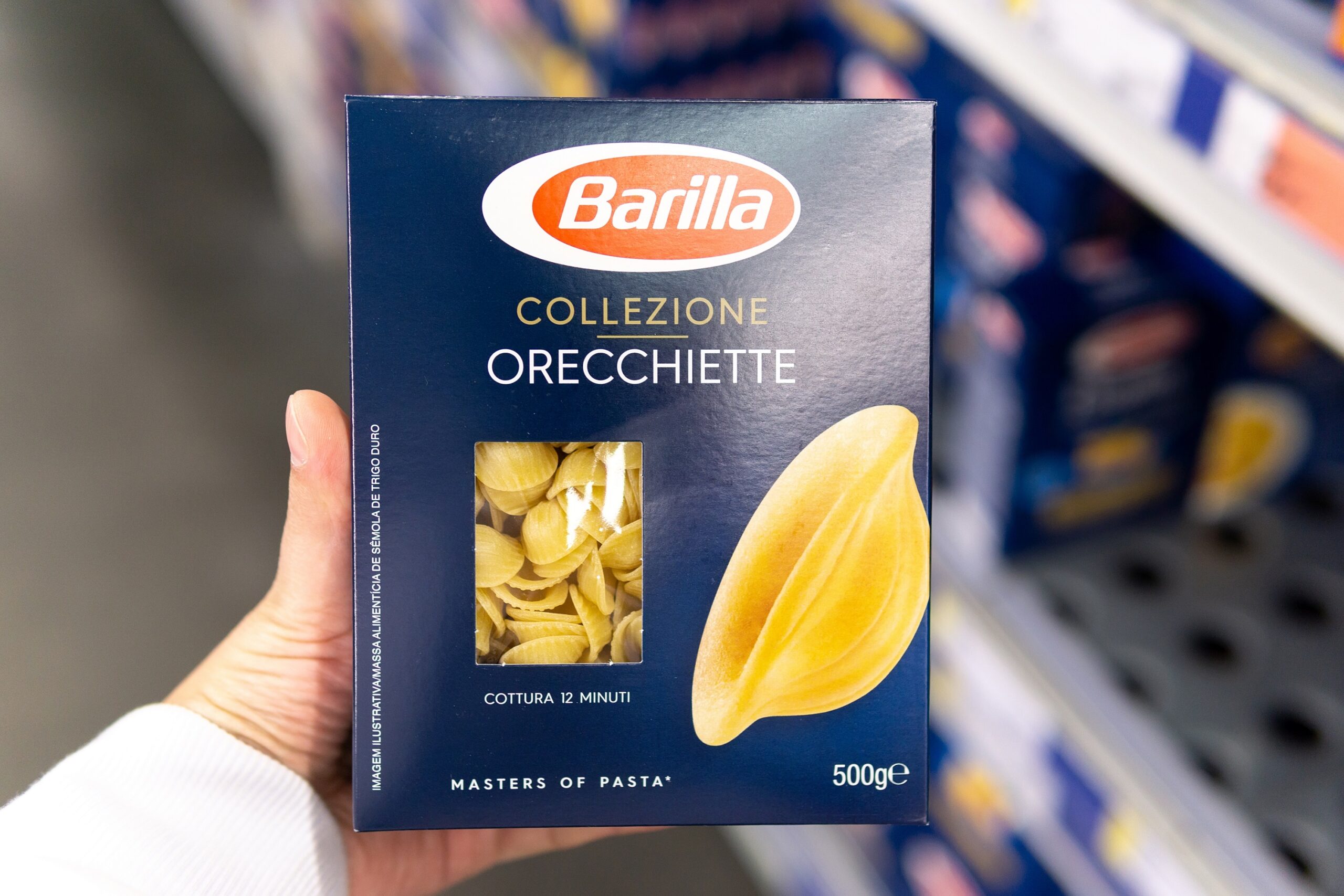
    We decided to get rid of the plastic window we had on our boxes to move towards a more sustainable solution and reduce the number of materials used for our packaging. This allowed us to avoid placing unnecessary plastic on the market, amounting to around 126.000 kg of plastic per year*.

    Although the window on our boxes wasn’t limiting the recyclability of our packs—as modern recycling systems can differentiate—we opted for a more sustainable one: as we will always look at how we can become even more sustainable at Barilla.

  • Food, beverage prices soar ahead of Tet

    Food, beverage prices soar ahead of Tet

    Consumer goods, including vegetables and seafood, have seen prices surge by double digits in the last month.

    Oanh in Ho Chi Minh City’s District 1 said prices have risen in recent weeks at a traditional market she often shops at.

    “The price of snakehead fish this morning was VND20,000 up from last week to VND90,000.”

    The Tra Vinh Province Department of Agriculture and Rural Development said fish prices have been rising because of increasing demand as input for making products for Tet, Vietnam’s biggest holiday, which falls in January.

    Besides, the supply of some fish, such as snakehead has dropped by 50-60% compared to a year ago, it said.

    Soft drink and beer prices have risen by VND2,000-15,000 per carton this month, according to shops, who said transportation and storage prices have been rising.

    Vegetable prices have also been increasing. Cauliflower now costs VND70,000 per kilogram, up 7.7%. Scallion prices have risen by 15.4% to VND75,000 per kilogram.

    Hue, a vegetable vendor at Ba Chieu Market in Binh Thanh District, said prices are at their highest levels this year.

    Hoang Thanh Hai, director of the Hai Nong Vegetable Cooperative in Cu Chi District, HCMC, said prolonged rainfall in November has hit output by up to 70%.

    His cooperative used to deliver 2.5-3 tons of vegetables to the city daily, but now only sends 0.7-1 ton, he said.

    Vegetable farming costs have risen by 40-50% year-on-year to record levels, and declining consumption has caused farmers to reduce production.

    Vietnam’s consumer prices in November rose 4.56% from a year earlier, fueled by rising costs of educational services and construction materials, according to the General Statistics Office.

    For the first 11 months of 2022, average consumer prices rose 3.02% from a year before, it said.

  • Vietnam Jan-Oct rice exports at 6.1 mln tonnes

    Vietnam Jan-Oct rice exports at 6.1 mln tonnes

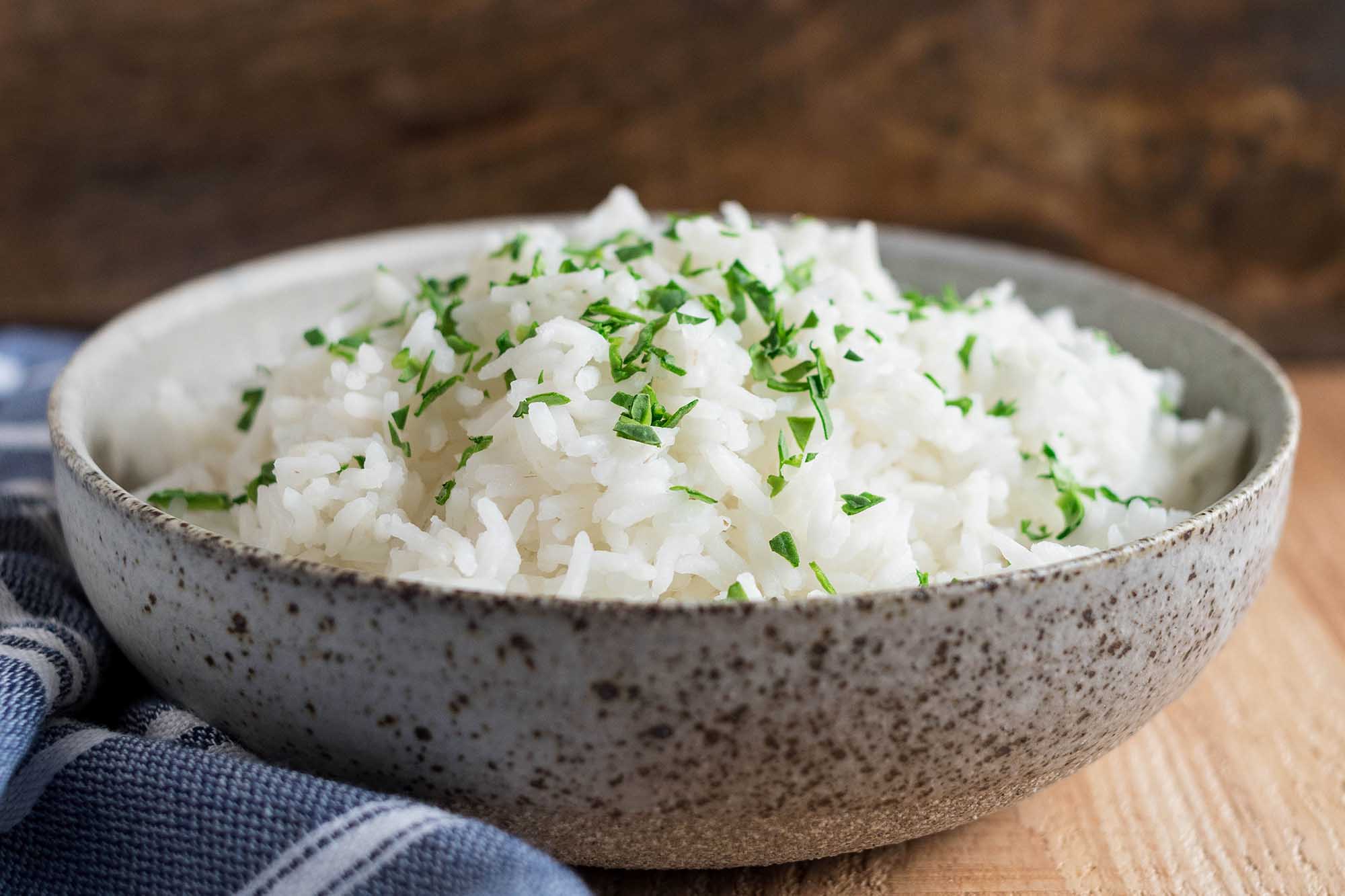
    Vietnam’s rice exports in the January-October period are estimated to have risen about 17.2% from a year earlier to 6.07 million tonnes, government data showed on Saturday.

    Revenue from rice exports in the period is seen up 7.4% to $2.7 billion.

    October rice exports from Vietnam, one of the world’s leading shippers of the grain, likely totalled 700,000 tonnes, worth $334 million.

  • Tra fish exports to ASEAN rise by 83%

    Tra fish exports to ASEAN rise by 83%

    Vietnam’s tra fish exports to Southeast Asia exceeded US$152 million in the first nine months of this year, a year-on-year increase of over 83%.

    Higher transport costs due to rising fuel prices caused exporters to opt for closer destinations, the Vietnam Association of Seafood Exporters and Producers (VASEP) said, adding that Thailand, Singapore, Malaysia, and the Philippines are the biggest markets for Vietnamese tra fish among the ASEAN nations.

    Shipments to Thailand, Singapore, Malaysia, and the Philippines increased by 81%, 56%, 114%, and 92%.

    Exports to Laos, Cambodia, Myanmar, and Indonesia rose by two to four times.

    ASEAN countries would import more tra fish and become fish and become than the EU soon, VASEP predicted.

    Overall tra fish exports were worth nearly US$1.97 billion in the first nine months, up 83.3%, according to the General Department of Vietnam Customs.

    Its biggest markets were the U.S., China and the EU.

  • Nestle revamps coffee sustainability plan as climate challenges mount

    Nestle revamps coffee sustainability plan as climate challenges mount

    Food giant Nestle pledged on Tuesday to spend over 1 billion Swiss francs ($1.01 billion) by 2030 on efforts to source coffee sustainably, more than double its previous pledge, as challenges linked to climate change pose particular risks for the bean.

    Study after study has shown that by 2050 roughly half the land currently used to grow coffee, especially that of the high-quality arabica variety, could be unproductive thanks to rising temperatures, drought and disease.

    Multinationals are meanwhile facing increased reputational and legal pressure from consumers and governments alike to clean up their global supply chains in the fight against climate change.

    The European Commission has proposed several laws aimed at preventing and, in the case of forced labor, banning the import and use of products linked to environmental and human rights abuses.

    Nestle, which has already pledged to source all its coffee sustainably by 2025, said it is now also aiming, by that date, for 20% of its coffee to be grown using ‘regenerative’ agricultural practices.

    These include planting cover crops to protect soil, using organic fertilizers to improve soil fertility, and increasing the use of agroforestry and intercropping to preserve biodiversity – all to halve greenhouse gas emissions by 2030.

    The company, in a statement announcing its plan to double spending on sustainable coffee sourcing, said it is “committed to supporting farmers who take on the risks and costs associated with the move to regenerative agriculture”, and will provide programs aimed at helping them improve their income.

    A major coffee report published last year said there is little evidence efforts by the world’s top coffee roasters and traders to prevent human rights and environmental abuses are having any impact, with most farmers operating at a loss and unable to produce sustainably.

    The coffee sector is valued at $200 billion-$250 billion a year at the retail level, according to the report, but producing countries receive less than 10% of that value when exporting beans, and farmers even less than that.

    Around 125 million people around the world depend on coffee for their livelihoods, while an estimated 80% of coffee-farming families live at or below the poverty line, according to non-profit organisations Fairtrade and Technoserve.

  • Thai food delivery app Lineman Wongnai bags $265 million

    Thai food delivery app Lineman Wongnai bags $265 million

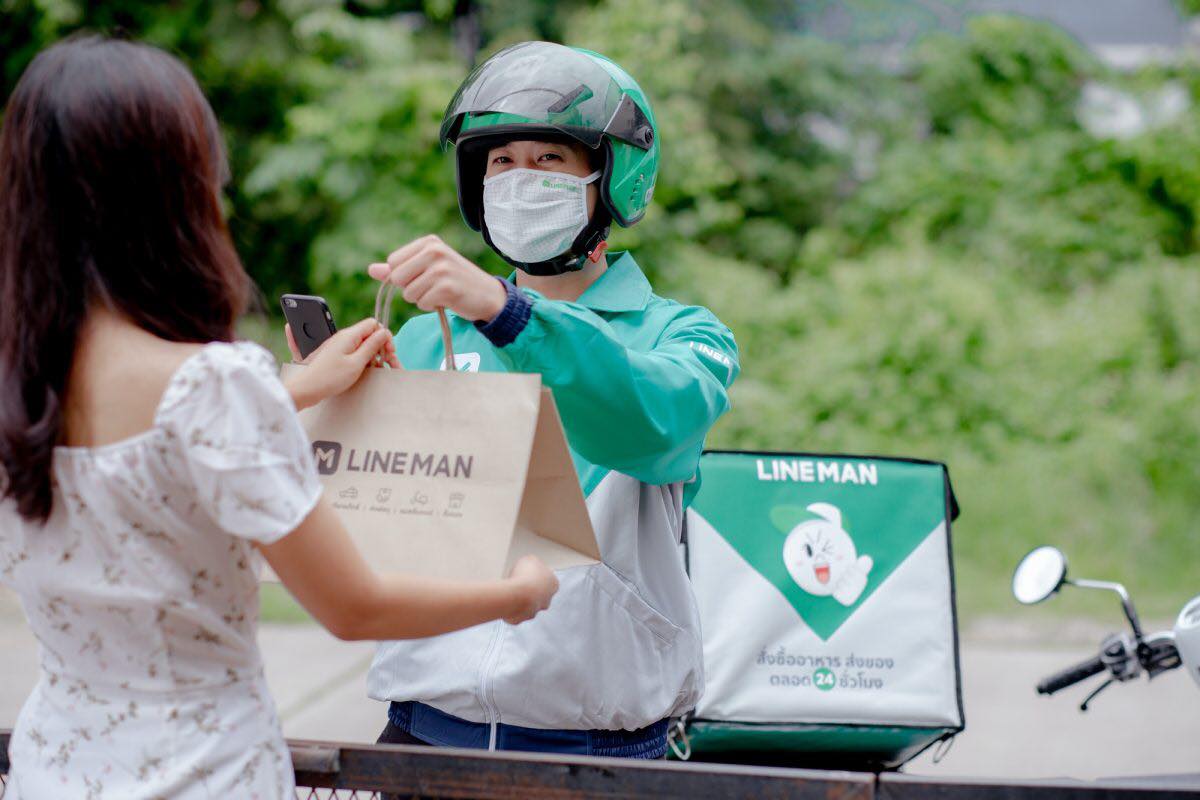
    hai food delivery app Lineman Wongnai on Monday said it has raised US$265 million from Singapore’s GIC, PTT Oil and Retail Business, Taiwan Mobile, and other investors.

    The startup said the investment round puts the company’s value at over US$1 billion, making it a ‘unicorn’ firm.

    The announcement comes as competition heats up among food delivery apps in Thailand, including the homegrown Robinhood, which is backed by Thai lender Siam Commercial Bank Pcl, and AirAsia Superapp.

    The capital injection will help Lineman grow from “a local Thai start-up to a regional tech platform,” said chief financial officer, In Young Chung.

    He added the company plans to have an initial public offer (IPO) but did not provide a timeframe.

    The company was formed last year after Lineman and restaurant aggregator Wongnai formed a joint venture and raised US$110 million from BRV Capital.

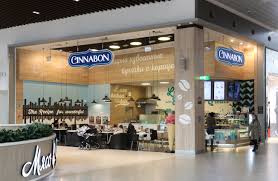
  • Cinnabon to launch into Sydney

    Cinnabon to launch into Sydney

    US cinnamon scroll chain, Cinnabon, is reportedly set to open its first store in Darling Square, later in the year.

    The Seattle-based bakery chain opened its first Australian outpost back in 2020, making its debut in Brisbane thanks to a licensing deal with Queensland import business Bansal Foods.

    Cinnabon is famed for its fresh cinnamon scrolls, which are cooked in-store every half-hour for customers. It is this reputation, combined with a lack of immediate competition in Australia, that attracted Bansal to the chain.

    “You have world-famous doughnuts, you have world-famous burgers but there’s no world-famous scroll brand in Australia,” Bansal Group co-owner Gaurav Bansal said. “Their frosting and cinnamon make them different from any other brand that people can’t imitate.”

    Cinnabon Australia has already built up a strong foundation, opening five locations across Queensland, and one in Victoria, within the last two years.

    While the upcoming Darling Square location may be the first Sydney store on the cards, it certainly won’t be the last. Further expansion across NSW has been promised, with a plan to roll out 15 stores over the next five years.

  • Yum China applies to add primary listing in Hong Kong

    Yum China applies to add primary listing in Hong Kong

    YUM China Holdings said on Monday (Aug 15) it has applied for a primary listing in Hong Kong, as the company looks to circumvent a risk of delisting from the New York Stock Exchange amid tight regulatory scrutiny on Chinese companies.

    The move comes on the heels of an audit dispute between China and the United States, which is threatening to kick out hundreds of Chinese companies listed in New York.

    E-commerce giant Alibaba Group Holdings had also said last month it would convert its Hong Kong secondary listing into a dual primary listing.

    Five US-listed Chinese state-owned firms, including oil giant Sinopec, last week said they would voluntarily delist from the NYSE, after the Securities and Exchange Commission flagged more than 270 companies, including Yum China, for failing to meet US auditing standards.

    Yum China, which runs the KFC and Taco Bell chains in China, said the conversion from its current secondary listing status to primary listing is expected to be completed in October, subject to shareholder approval.

    The company will become dual primary listed on the NYSE and the Hong Kong Stock Exchange, it added.