Tag: Food

  • Rice export prices reach 10-year high

    Rice export prices reach 10-year high

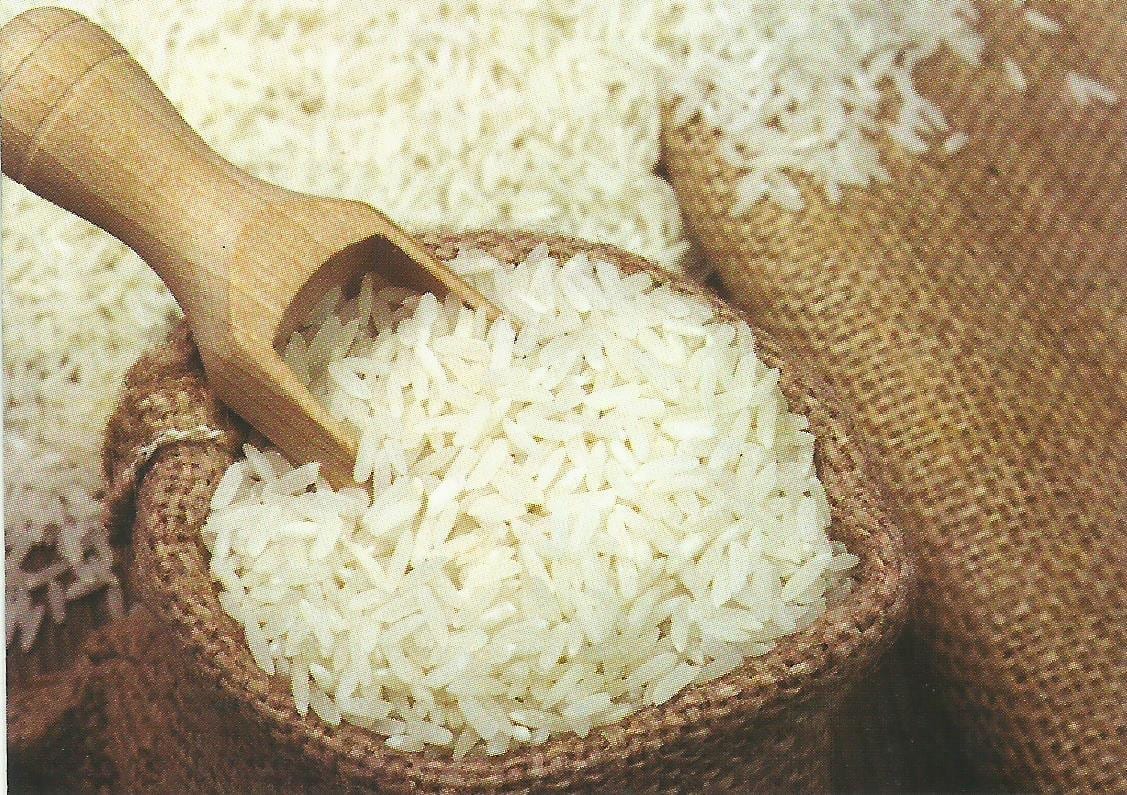
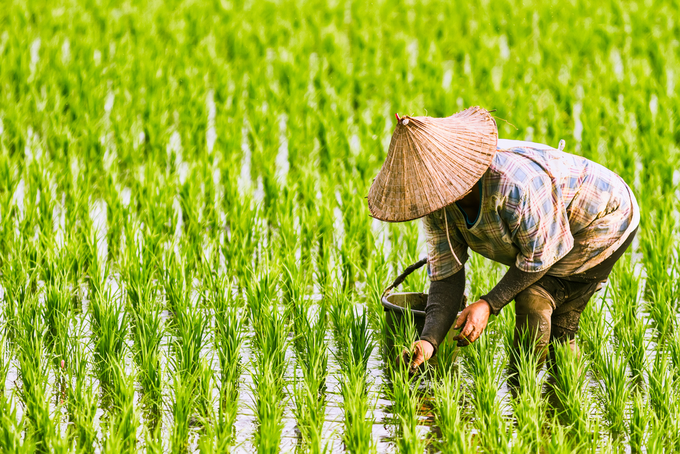
    The global decline of the rice supply and the impact of El Nino climate pattern have led to a sharp increase in the price of rice for export.

    Latest data from General Department of Vietnam Customs shows that in the first half of the year, rice exports reached more than 4.2 million tons and are valued at $2.26 billion, up over 21% in volume and 32% in value over the same period last year.

    The export price of rice in June reached an average of $650 per ton, up 9.4% compared to May and 20.8% higher than the same period last year.

    In the first six months of 2023, the export price of rice is estimated at $539 per ton, up more than 10% over the same period in 2022 and the highest of the past 10 years.

    According to the Ministry of Agriculture and Rural Development, the reason for the sharp increase is the decrease in supply. The emergence of El Nino has also forced many countries to increase rice purchases to stock up.

    The Philippines’ Department of Agriculture forecasts that El Nino will return and severely affect their domestic food production. Indonesia predicts that it may cause widespread drought in the country, so the July-August harvest for agricultural products may drop significantly.

    In the first five months of the year, rice exports to the main markets – Philippines and China, both grew strongly at double digits. In addition, rice exports to new markets such as Indonesia, Chile, Turkey, and Senegal recorded a surge from 1,100-16,000% over the same period last year.

    The Indian government is banning the export of all rice that is not Basmati (a popular rice in South Asia), as prices have been on the rise and they want to control inflation.

    Retail rice prices in New Delhi have increased by 15% this year, while the domestic average price has increased by 8%, according to India’s Ministry of Consumer Affairs, Food and Public Distribution.

    Vietnam Food Association and enterprises believe that if this ban is implemented, global rice prices will increase. In the near future, Vietnamese rice will not only benefit in price but also be favorable for exports.

    An enterprise based in Can Tho in Vietnam’s Mekong Delta said that export orders were abundant and the price of fragrant rice was increasing the most. This enterprise does not even have enough supply to meet the orders. It is forecast that the rice export market in the second half of the year will reach a peak value.

    To ensure domestic and export demand, the agriculture ministry has directed key rice production areas, especially the Mekong Delta, to actively cultivate and prioritize short-duration rice varieties as well as high-quality and fragrant rice varieties suitable for market demand.

    Vietnamese rice has been exported to 156 countries and territories, including many high-end rice markets.
  • Milkybar teams up with Milo for a crispy white chocolate

    Milkybar teams up with Milo for a crispy white chocolate

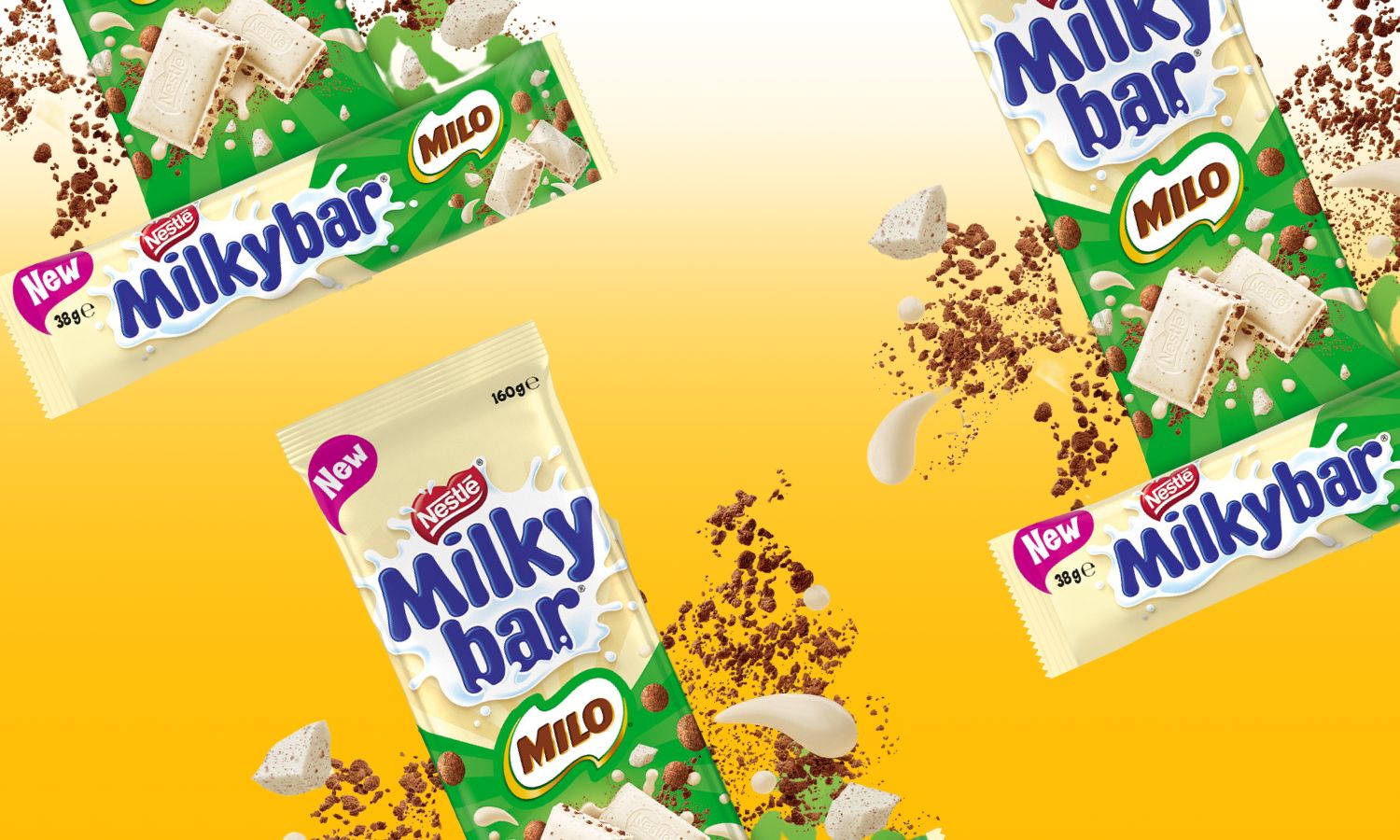
    First there was Dolly Parton and Kenny Loggins. Next came David Bowie and Mick Jagger. Now, at long last, we have Milo and Milkybar. Ok so some collabs are more memorable than others but the joining of two beloved Australian icons has got to be one of the best so far.

    Milo and Milkybar is the latest mash-up of sweet treats, with the creamy smoothness of milk chocolate plus crunch from Milo chunks. It’s giving frantic spoonfuls of extra Milo powder in your milk before your mum comes back into the kitchen. But now we’re adults and can do what we please.

    Nestle head of marketing, Melanie Chen said of the hottest power couple we’ve seen in years, “When news of Milkybar Milo was leaked, the anticipation from the Australians in-the-know has been extremely positive. We can’t wait to see the reactions when they actually experience it!”

  • Minor International acquires Sizzler brand

    Minor International acquires Sizzler brand

    Minor International Plc (Mint), an operator in the hospitality, restaurant and lifestyle sector, on Tuesday announced it would acquire a 100% stake in Singco Trading Pte, the intellectual property holder of the restaurant brand Sizzler, except in the US, Guatemala and Puerto Rico.

    The acquisition is valued at 546 million baht (S$21 million).

    Dillip Rajakarier, group chief executive of Minor, said the strategic move marks a milestone in Minor’s ambitious growth plans worldwide and reinforces its position as an industry frontrunner.

    According to Mr Rajakarier, the company expects to close the deal by the third quarter of this year.

    With the acquisition planned through MFG International Holding (Singapore) Pte, a subsidiary of Minor, the parent will gain control over Sizzler’s portfolio of franchises, including 64 restaurants in Thailand and another 10 in Japan. After the acquisition, Singco Trading Pte will be a subsidiary of Minor.

    “The acquisition comes at an opportune time for Minor as we continue to build on our track record of success and strengthen our position in the global marketplace,” Mr Rajakarier said.

    Minor has been operating Sizzler outlets for decades, but the acquisition is part of Mint’s three-year strategy called “Back to Growth”, as the pandemic is over and the company is moving head-on towards continued expansion, said Mr Rajakarier.

    “This acquisition sends a clear signal to the global market that Minor Food, like our hotel business Minor Hotels, is back on a trajectory of remarkable growth and we’re constantly seizing opportunities on the international scale through expansion of our own well-recognised brands in various countries either through partnership or acquisition,” he said.

    “We have a proven track record of successfully expanding our own brands in various countries, including some of the most difficult countries to dominate like China and Singapore. By gaining the ability to shape Sizzler’s development, we can replicate our proven past achievements and unlock the full potential of the brand.”

    With Minor’s deep industry knowledge, operational expertise and international partnership, Mr Rajakarier said the company looks set to introduce Sizzler to new audiences in other fast-growing markets around the world, such as Asean and the Middle East.

    He said the acquisition is earnings accretive and is made possible by Minor’s robust financial standing and healthy balance sheet. With Sizzler’s annual royalty income of S$3.5-4 million and full profit contribution without royalty payments from its Thailand operations, the investment offers an attractive double-digit percentage return, demonstrating Minor’s commitment to delivering accretive value to its stakeholders, said Mr Rajakarier.

    “We hope to be able to leverage our presence in the regions we have already strongly made a mark in, especially in Southeast Asia, as there has been interest from potential partners and existing franchisees of ours in those countries,” he said.

    The firm can now explore new markets to capture new customers in other regions. Apart from owning and operating the restaurants, expansion can also occur through joint ventures or franchising, said Mr Rajakarier.

    Following the acquisition, there will not be any drastic changes in operations because Thailand has always led the brand in terms of innovation and marketing, he said. The team in Thailand fully understands Sizzler’s value proposition that has proven it can differentiate the brand from competitors, said Mr Rajakarier.

    “We are constantly revitalising our brand to stay most relevant and up to date to promptly respond to market change, and with this comes customisation in each market to meet the needs of different groups of customers,” he said.

  • Gordon Ramsay to open first Street Pizza restaurant in Southeast Asia

    Gordon Ramsay to open first Street Pizza restaurant in Southeast Asia

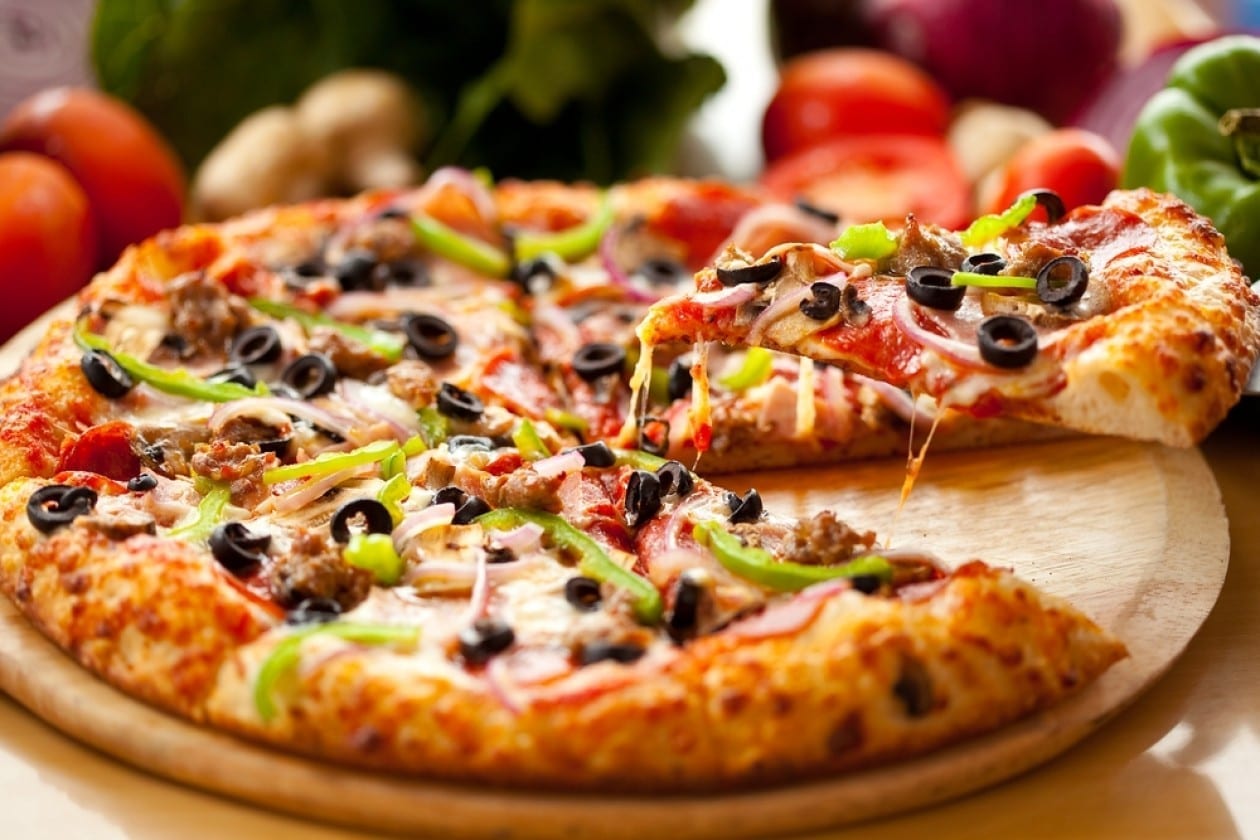
    The highly anticipated Street Pizza concept by celebrity chef Gordon Ramsay is set to make its debut in Malaysia, marking the restaurant’s first location in Southeast Asia. Originally established in London in 2018, Street Pizza is known for its unlimited sourdough pizzas with a variety of toppings and sides, including hot wings, dirty fries, and cocktails. The restaurant boasts a lively atmosphere, with urban art, live music, and big screens playing sports games to keep diners entertained. Moreover, guests can enjoy a seamless experience using the restaurant’s mobile app.

    Scheduled to open in the third quarter of 2023, the Street Pizza location in Kuala Lumpur will be situated in the Sunway Pyramid shopping mall, offering an exciting new dining option for visitors to Sunway City Kuala Lumpur and guests staying at the destination’s three hotels. This is part of the brand’s vision to have a Street Pizza on every corner of the world, following its expansion in the UK—Battersea, Southwark, City of London in St Paul’s, Liverpool and Edinburgh, and internationally in Dubai, Seoul, and Doha, with Washington DC (USA) set to open later this year.

    According to Alex Castaldi, Senior General Manager of Sunway City Kuala Lumpur Hotels, “Malaysians love pizza and Street Pizza offers pizza without rules. It’s not just about the awesome food, it’s also the vibe.” This statement shows the restaurant’s appeal to the Malaysian market and its potential to become a favourite among locals and tourists alike. The launch of Street Pizza follows the successful opening of Gordon Ramsay Bar & Grill in Malaysia in 2022, which showcases the chef’s iconic dishes, such as the classic Beef Wellington.

  • Donut King, Twisties collaborate on new flavour

    Donut King, Twisties collaborate on new flavour

    Donut King and Twisties have announced their collaboration to release the Twisties Donut King Cinnamon Donut, a new limited edition flavour.

    Twisties Donut King Cinnamon Donut offers rich cinnamon spice notes with a deliciously sweet undertone, inspired by the iconic Donut King hot Cinnamon Donut.

    “We couldn’t have been more excited when Twisties approached us to create a limited edition Twisties flavour. We’re always looking for innovative ways to bring new flavour experiences to sweet treat lovers and couldn’t of thought of a better combination than two iconic Australian brands coming together to create a snack that will deliver just that!”  Raquel Hine, Donut King Marketing Manager said.

    The new Twisties Donut King Cinnamon Donut will be available for RRP from $2.70 (80g) from 7 August at Donut King, Woolworth’s, Coles, IGA, Ampol, BP, Coles express (Viva) and selected independent retailers.

  • Sabeco to install rooftop solar panels at 9 breweries

    Sabeco to install rooftop solar panels at 9 breweries

    Sabeco has partnered with SP Group, a leading utilities group in the Asia Pacific, for the second phase of its rooftop solar energy system installation and operation.

    Saigon Beer-Alcohol-Beverage Corporation (Sabeco) and SP Group signed a Memorandum of Understanding on Thursday to carry out rooftop solar energy system installation and operation with a maximum output of 10.44 MWp (Megawatt-peak) at nine Sabeco’s breweries.

    This will bring the number of Sabeco breweries adopting solar energy by the end of 2023 to 17.

    “This partnership demonstrates our commitment to facilitating the clean energy transition of manufacturing facilities. Leveraging our comprehensive range of sustainable energy solutions, we look forward to supporting Sabeco towards their energy efficiency goals and co-creating a more sustainable future for Vietnam,” Brandon Chia, Managing Director, Sustainable Energy Solutions (Southeast Asia & Australia), SP Group, said.

    The first phase kickstarted in 2020, receiving VND107 billion ($4,7 million) investment from Sabeco with a maximum output of 9 MWp at Cu Chi, Dak Lak, Phu Yen, Quy Nhon, Song Lam, Khanh Hoa, Can Tho, Soc Trang and Ben Tre breweries.

    Under the new MoU, SP has been commissioned to install and operate the rooftop solar panels at nine breweries in Lam Dong, Ha Tinh, Ha Noi, Tay Do, Vinh Long, Nguyen Chi Thanh, Bac Lieu, and Quang Ngai, and expand the system in Cu Chi.

    The installment is scheduled to be completed and operational by the end of Q3. The system of 17 breweries is estimated to provide almost 23% of electricity consumed at the breweries, or 25 million kWh, equivalent to a reduction of 18,000 tons of CO2 emitted annually.

    “The company has sought to implement initiatives and solutions that support sustainable business over the past few years. We have already embarked on various ESG (Environment, Society and Governance) initiatives through our 4C corporate social responsibility pillars (Consumption, Conservation, Culture and Country). We also have implemented Best Brewery Awards to encourage our breweries to embed sustainability mindset,” Bennett Neo, General Director of Sabeco, said.

    Apart from energy usage, Sabeco has implemented other initiatives to mitigate environmental impacts. The company reduced waste used per liter of beer from 5 liters in 2018 to below 3 liters in 2022.

    Sabeco has embarked on plant-based biomass fuel (rice hulls, sawdust, cashew shell, and leaves) usage instead of using fossil fuel-powered boiler, applying the CIP wastewater treatment system; using sustainable packaging (downgauged cans, lightweighted carton boxes and bottles) and reusing beer glasses and cans.

    Sabeco also promotes other sustainability initiatives which focus on local communities where it operates. The recent project “Light up the Rural”, a part of the three-year strategic partnership between Sabeco and the Central Committee of the Ho Chi Minh Communist Youth Union, has constructed 34km of street lighting that uses solar power in 34 rural areas in 34 provinces across the country.

    This initiative aims to improve socio-economic infrastructure to more than 210,000 households. The project will be expanded in 2023 with more than 39 km of solar street lights to be installed.

    Sabeco operates 26 breweries, 11 member trading companies and a network of hundreds of thousands of selling points across the country.

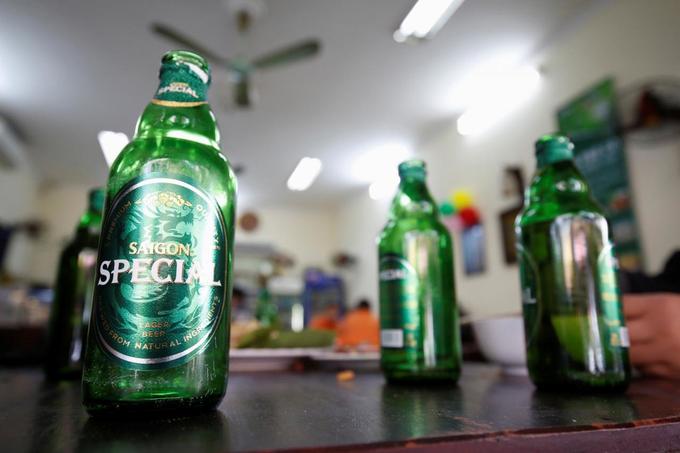
    Sabeco has a wide portfolio of beer brands that are beloved by the people of Vietnam, which includes Bia Lac Viet, Bia Saigon Chill, Bia 333, Bia Saigon Special, Bia Saigon Export, Bia Saigon Lager and Bia Saigon Gold.

  • FamilyMart Malaysia to open 300 halal-certified stores

    FamilyMart Malaysia to open 300 halal-certified stores

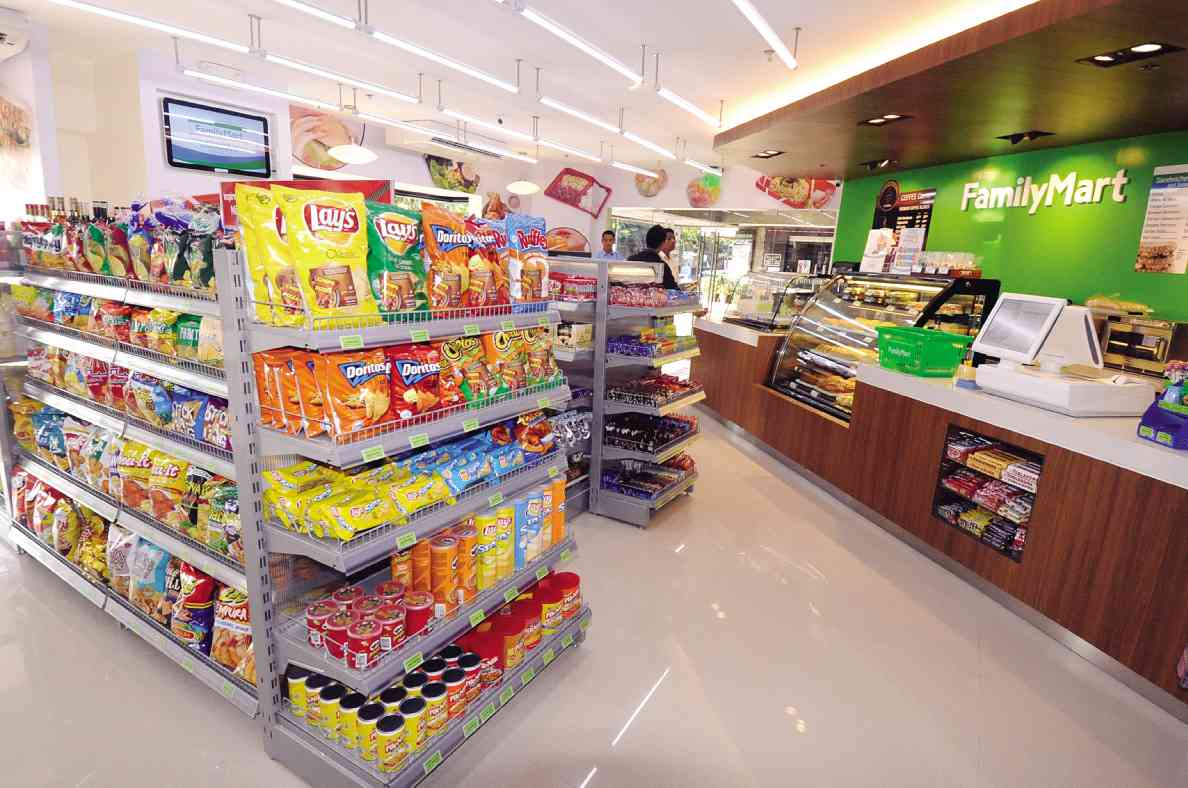
    In a statement shared today (May 10) by FamilyMart Malaysia, the convenience store chain announced that its FamiCafé in Menara U, Shah Alam, has obtained halal certification from Jabatan Kemajuan Islam Malaysia (JAKIM).

    This makes it the first convenience store café in Malaysia to receive this certification. Based on a check on the Halal Malaysia Official Portal, other convenience store cafés such as 7 Café and emart24, are not halal-certified by JAKIM.

    According to the statement, the halal certification aligns with FamilyMart Malaysia’s ongoing effort to ensure that its customers have total peace of mind while shopping and dining at its premises.

    It also added that other FamilyMart Malaysia stores will undergo halal audits in stages as guided by JAKIM, and that the process has already begun at two other stores.

    Subsequently, as a result of the certification, it stated that all new FamiCafés will automatically adopt the layout guided by JAKIM while existing ones will be converted to incorporate the changes required.

    The company aims to have the FamiCafés in 300 stores halal-certified by 2025 with the halal-certified concept serving café beverages and ready-to-eat food prepared in-store.

    There are currently 16 FamiCafés in Malaysia, with an overall target of 50 planned by the end of 2023.

    “We are very excited to be the first convenience store café in Malaysia to be halal-certified as part of our continuous improvement to enhance customer experience and provide value to them.”

    “Our journey to obtain halal certification in our stores is the next step in providing greater assurance and confidence for customers to shop and dine with us,” it shared.

    FamilyMart Malaysia’s central kitchen, operated by QL Kitchen, has been certified halal by JAKIM since 2019. As of April 30, 2023, 172 FamilyMart branded food products have been registered halal on JAKIM’s official halal portal.

    Meanwhile, in alignment with the announcement, FamilyMart Malaysia has also shared that it has stopped the sale of alcohol from all stores to provide an added assurance for all Muslim customers.

    In addition to the halal certification, FamilyMart stated that the team is expanding to the east coast of Peninsular Malaysia and that the company is currently securing identified locations to meet the demands of its fans in the region.

    It plans to open 20 stores by the end of 2023 and expansion is already underway in various parts of Kuantan, Pahang.

  • Coconut prices bounce back after sharp drop during Covid

    Coconut prices bounce back after sharp drop during Covid

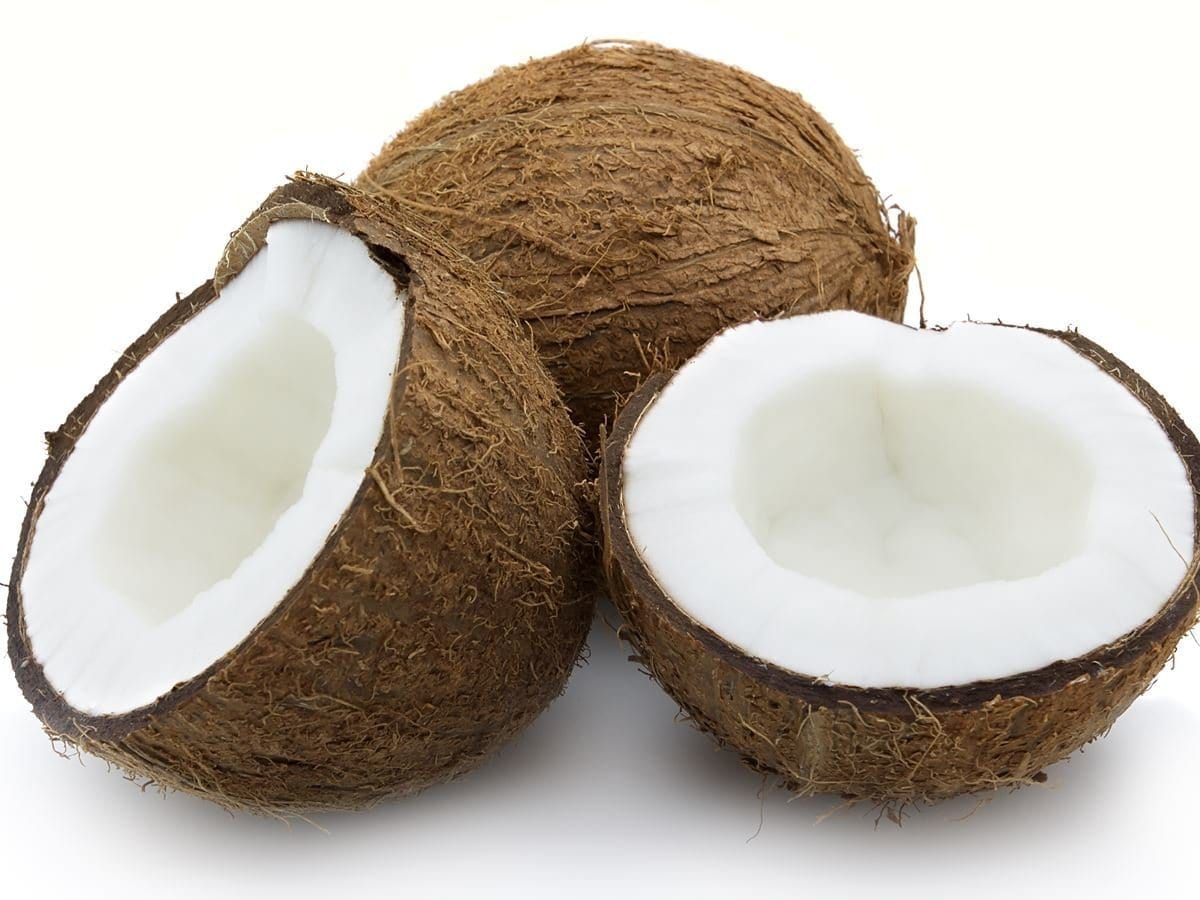
    Prices of dried coconut in Ben Tre Province, the Mekong Delta coconut-farming hub, have recovered to VND3,300-4,200 (US$14-18 cents) per fruit after falling steeply in the last two years.

    “The prices are the highest in the last two years” when nut exports fell due to the Covid pandemic, Huynh Phuc Hau, who owns two hectares of coconut trees in the province’s Giong Trom District, said.

    Before the pandemic, prices were VND5,800-6,700 for dried coconuts, enabling him to earn VND6-10 million a month by selling them.

    Nguyen Van Binh, a trader in Ben Tre City, said due to the low prices in recent times many coconut farmers neglected their orchards and even switched to growing other fruits, resulting in decreased output of coconut and lower quality.

    Now he manages to buy 700-900 coconuts a day, half the volume at this time a few years ago.

    Huynh Quang Duc, deputy director of the Ben Tre Department of Agriculture and Rural Development, said the global market for coconut has begun to recover after the pandemic, and so prices are increasing again.

    The province hopes the nut could be exported to the U.S. and China, two major markets, under official quotas, he said.

    Ben Tre has over 74,000 hectares of coconut orchards, or 50% of the country’s total area, and an annual output of 690 million dried coconuts, whose copra is used for processing including oil extraction.

    Some 62% of the province’s population depends on coconut trees for its main source of income.

  • Ferrero launches frozen dessert range

    Ferrero launches frozen dessert range

    Italian chocolate maker Ferrero will add two new frozen treats to Woolworth’s freezer aisles later this month.

    The range – which allows Aussies to enjoy Ferrero Rocher and Raffaello on a stick for the first time –  comes in two flavours: chocolate hazelnut and coconut.

    “Our experts have spent years crafting these recipes inspired by two of our much-loved brands – Ferrero Rocher and Raffaello,” said Azzurra Puricelli, marketing manager at Ferrero Australia.

    The Ferrero Rocher Classic frozen desserts combine the flavor of the famous chocolate with hazelnut and come with a crispy white coating comprising coconut shavings and almond pieces.

    Ferrero Rocher and Raffaello 4-stick multipacks will be available exclusively in Woolworths stores nationwide with an RRP of $12.

    Last month, Ferrero Rocher unveiled its Easter collection this year, which featured 11 limited-edition creations and new chocolates.

  • Seafood exports plummet

    Seafood exports plummet

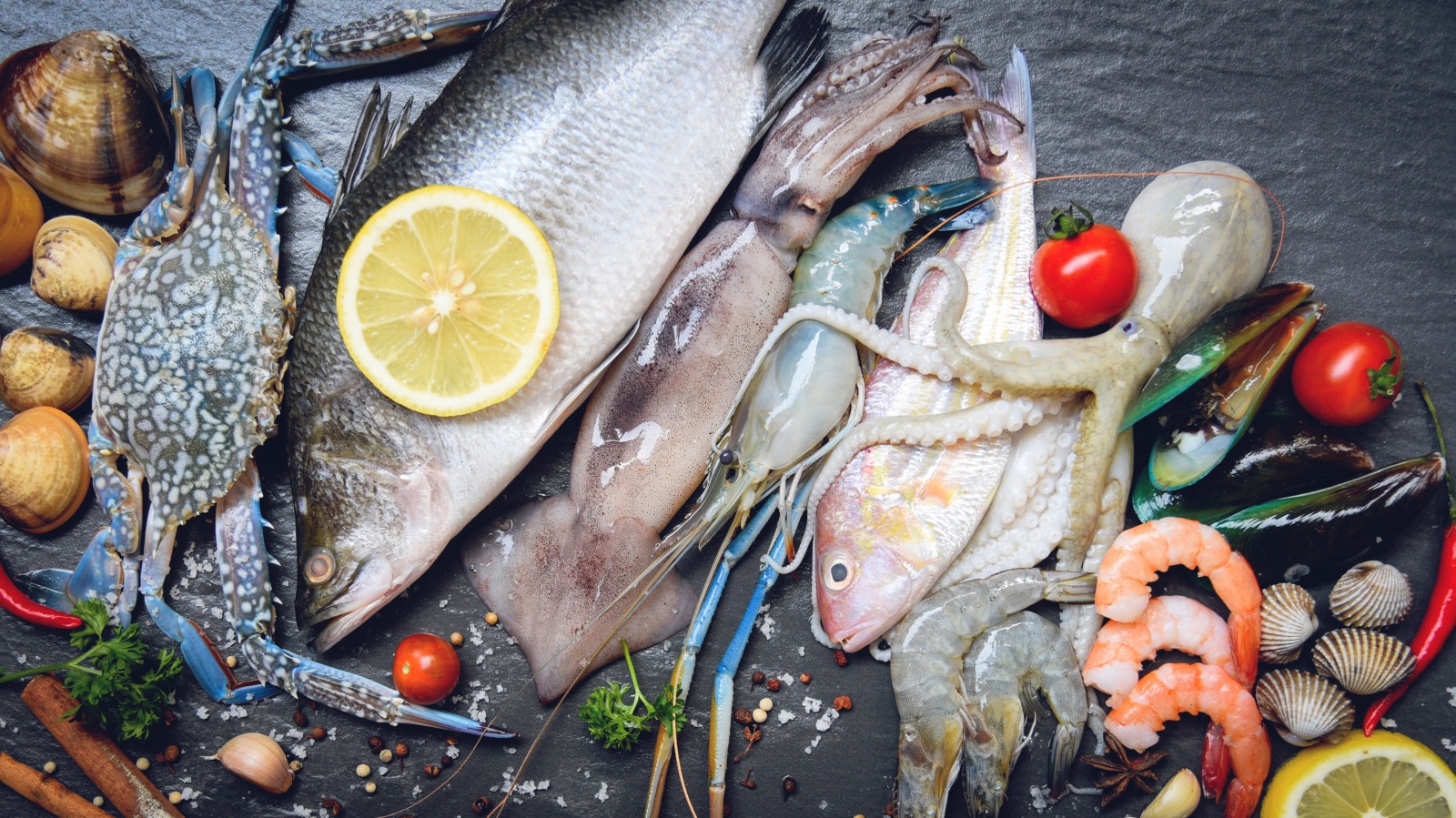
    Seafood exports to most major markets have fallen by 17-50% this year.

    According to the Vietnam General Department of Customs, shipments to the U.S. fell by more than 50% year-on-year to US$284 million.

    Exports to Australia were down 30% to $65 million.

    Despite China’s reopening, exports to this market were worth only $279 million, 23% less than last year.

    Japan, South Korea, and Thailand imported 7-17% less than last year.

    Overall exports were down 28% year-on-year in the first quarter to US$1.8 billion.

    Key items such as pangasius, shrimp and tuna saw 30-37% declines, while exports of crab and other products were down 2-42%.

    The figures are alarming for the fisheries industry.

    According to the Vietnam Association of Seafood Exporters and Producers (VASEP), the industry is facing great challenges as global inflation has hit demand.

    Fisheries output has fallen since fishermen and aquaculture businesses lack capital.

    Production, raw material and labor are rising, making it harder for Vietnam’s products to take on competition from Ecuador, India, Thailand, and Indonesia in major markets.

    Businesses are also in a bind because the European Commission has not lifted the yellow card it had issued to Vietnam for illegal, unreported and unregulated fishing.

    VASEP expects seafood exports to only recover in the third quarter and only if there are support policies to reduce taxes, roll over loans and subsidize loan interest.

    The government deferred payment of taxes (VAT, corporate income tax, personal income tax) and land rentals for a fifth time last week to help ease the burden on businesses.

    It also reduced VAT to 8% though it must first be approved by the National Assembly.

  • Rice export prices on the rise

    Rice export prices on the rise

    Vietnam’s rice export prices grew 9.2% year on year to $532 per tonne in the first quarter of 2023, said the General Department of Vietnam Customs.

    The price increase was attributed to a surge in the proportion of high-quality rice such as fragrant, glutinous, and specialty rice.

    High-quality rice is accounting for 50% of the total export volume and sold at $600-1,000 per tonne at present.

    Experts predicted that favourable conditions will remain for rice export and prices will stay good in the short term as the share of high-quality rice is increasing and global economic and political uncertainties are boosting food stockpiling demand.

    Vietnam exported 1.79 million tonnes of rice, earning $952 million between January and March.

  • Soy milk contaminated during shipment to Japan

    Soy milk contaminated during shipment to Japan

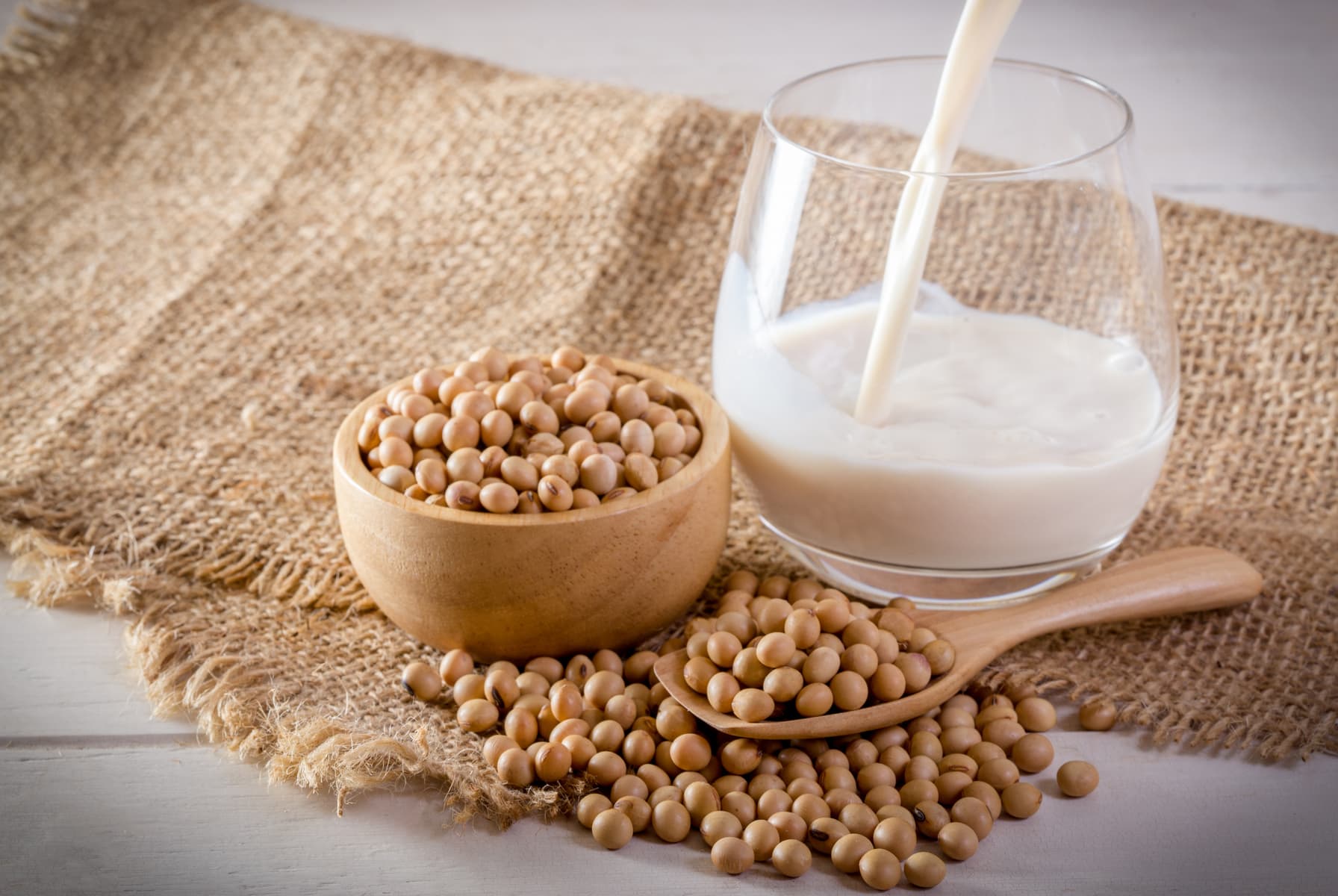
    A consignment of soy milk found contaminated and destroyed in Japan must have been tainted en route, Vietnamese exporter Vinasoy has said.

    Tests by the National Institute For Food Control on Monday did not find coliform bacteria in the Fami Calcium Soy Milk samples it had retained from the export consignment, it said.

    But 640 packs imported to Japan by Next Trading company were found to have coliform and ordered to be recalled and destroyed in Chiba city.

    A Vinasoy spokesperson said the contamination must have happened during the shipment or distribution process in Japan.

    The spokesperson said that Coliform cannot survive the enzyme inactivation processes in which soy milk is heated to 120 degrees Celsius (248 Fahrenheit) and ultra-high-temperature sterilization at 140 degrees Celsius.

    A carton of soy milk with coliform would be bloated and go sour in two to four days, and so the factory would have noticed any contamination right away, the spokesperson added.

    Japan’s Ministry of Health, Labor and Welfare confirmed the contamination.

    But a spokesperson for Next Trading told broadcaster NHK that while the company was “surprised and sorry” to learn about the contamination, it had tested the products based on health ministry standards before distribution and had not detected any coliform.

    Since the news broke, Vinasoy has consistently said its product was not contaminated.

    It has 25 years’ experience in making soy products and is the industry leader in Vietnam.

    It exports to several other markets with high standards such as the U.S. and South Korea.

    Coliform, which can be found in water and the feces of warm-blooded animals, does not often cause serious illness, but a person exposed to it could have an upset stomach, vomiting, fever, and diarrhea.

  • Vietnam-grown Musang King durian more expensive than imports

    Vietnam-grown Musang King durian more expensive than imports

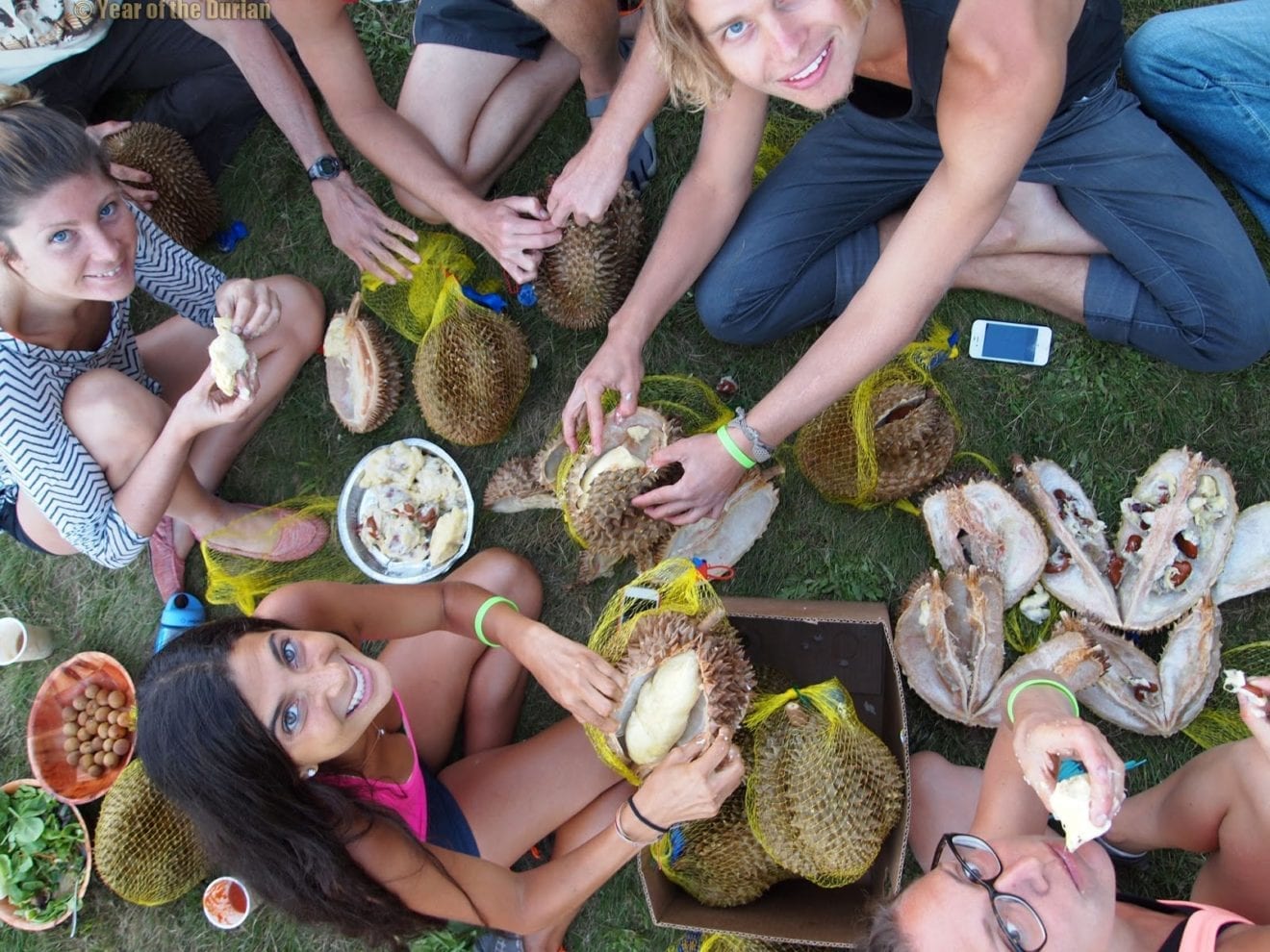
    A kilogram of Vietnam-grown Musang King now costs VND1.5-1.8 million ($64-$76), 20% higher than imports of the same varietal.

    A kilogram of husked local Vietnamese Musang King ranges from VND500,000-850,000 per kilogram, equivalent to VND1.5-1.8 million per kilogram (husk removed). The price has increased 10% over a year ago.

    Malaysia’s Musang King is considered the “best durian in the world” and is currently grown by Vietnamese farmers in the Central Highlands and the Mekong Delta.

    The fruit regularly sells out at local markets, and buyers must wait two weeks and a month to receive their stocks.

    Oanh, a durian connoisseur in Ho Chi Minh City, said Musang King durian flesh is fragrant, supple and fat. “I have to pay deposits a month in advance to receive the goods.”

    A fruit shop in Hanoi also reported that it had just sold 10 unhusked Musang Kings for VND700,000 per kg (2-4 kg per fruit).

    “Since it is a fallen fruit, and is shipped by air, the quality is high. No matter how many we have, customers buy them all,” the store manager said.

    Explaining the high price of Vietnam-grown Musang King durian, Can Tho wholesaler Dang Manh Khuong said that durian is currently out of season, so low supplies have led to increased demand.

    “I can only find a few dozen Musang Kings to buy a day, sometimes 2-3 quintals at most,” he said.

    Hoa, who owns about 50 Musang King trees in Can Tho, said that her garden only has a few trees that bear fruit early, so most of her crop will not be harvested until August.

    Vietnamese farmers here can grow the fruit in the offseason, while other regional producers cannot.

    In addition to scarce supply, according to traders, the fresh Vietnam-grown varietal has higher transportation costs, and is more difficult to preserve than frozen imported goods, so the price is higher.

    “In July-August, when this fruit is in full season, and output is high, the price will cool down,” Khuong predicted.

    Musang King durian is oval, not too large, and weighs 2-4 kg. The husk is dark green and has huge spikes. A groove in the middle of the peduncle and stem characterizes the species.

  • Durian prices plunge by half

    Durian prices plunge by half

    Durian prices have plunged by half in nearly two months as harvest season approaches and supply is abundant.

    Farmers in the southern provinces of Tien Giang, Long An, Binh Phuoc, and Dong Thap sell their Ri6 durian for VND75,000-VND85,000 per kilogram ($3.19-$3.62), down from VND190,000 in earlier February.

    Lanh, a farmer in Tien Giang, said he sold seven tons of durian for VND75,000.

    “I sold quickly due to a fear of a steeper plunge,” Lanh said.

    In Can Tho City, Hanh is selling the lower quality durian for VND45,000 per kilogram, down by half from last month.

    Prices are set to fall further as harvest season in Binh Phuoc and Dong Nai provinces approaches, she added.

    Van Hoa Investment and Development, which buys durian from farmers for export, is offering VND95,000 per kilogram for the highest quality and VND75,000 for the medium segment. The company buys 20-30 tons a day from suppliers.

    Traders say that the increase in supply as the harvest season approaches has pulled down durian prices. Furthermore, other fruits, such as rambutan and plums, will be harvested soon, which will make durian less attractive.

    Prices could fall even further in May when durian farms in the central highlands begin to harvest.

    Vietnamese durian will also have to face competition in the summer with durian from Thailand and the Philippines.

    Vietnam’s durian farming area reached 110,000 hectares by the end of last year after the country was allowed to export the fruit officially to China. This exceeded the government’s plan by nearly 47%.

    In the first two months this year some farmers in the southern and central highlands regions even chopped down coffee, pepper and rice to grow durian as prices surged.

    China is also growing its own durian to meet domestic needs. The country has 93.3 hectares of the fruit on Hainan Island.

    The Laos government has agreed to set aside 30,000 hectares of agriculture land to grow durian specifically for the Chinese market. This is equivalent to around 27% of Vietnam’s durian farming area.

    The Philippines, which earlier this year received permits from China for fresh durian exports, plans to send 54,000 tons of the fruit to the market of 1.4 billion people this year.

    The Vietnamese Ministry of Agriculture and Rural Development has advised farmers to stop switching en masse to durian farming to prevent an oversupply.

  • Vietnam rice price on top of the world

    Vietnam rice price on top of the world

    Vietnamese 5% broken rice has been the most expensive in the world since August last year, surpassing rivals Thailand and India, according to the Ministry of Industry and Trade.

    In the first two months of this year Vietnam’s average rice price was over $519 per ton. Since August last year, it has exceeded Thai prices by $15-27 and prices from India by $40-50.

    Although Vietnamese export volumes dropped 20.9% year-on-year to $400,000 tons in January, prices rose 7%.

    Last year rice exports from Vietnam reached a 10-year high of 7.1 million tons.

    The country plans to export 6.6 million tons of rice this year, with 4.12 million tons in total scheduled to be delivered by the end of the first six months.

    Favorable export conditions are expected to return this year thanks to a resumption in demand from Indonesia and Bangladesh.

    Buyers will increasingly turn to Vietnam for rice as India has banned the export of broken rice and put a 20% tax on white rice.

    But the Ministry of Industry and Trade is concerned that the need for more diversification in export markets and dependence on China and the Philippines (the latter being the largest buyer of Vietnamese rice, accounting for 45% of exports) will be a challenge to the industry.

    Low-priced rice from Pakistan may also present a challenge to holding market shares.

    Input prices have been rising and logistics costs have remained high since the beginning of the Russia-Ukraine conflict.

    The trade ministry is working with the E.U. to better introduce the import of Vietnam fragrant rice on the continent.